The Plug-In Hybrid Reality Check
You bought a plug-in hybrid because it promised electric driving without the anxiety of relying entirely on a battery. Then life happened, the charging cable stayed in the trunk, and the gasoline engine did most of the work. So, did you make an expensive mistake?
First, You Are Not Alone
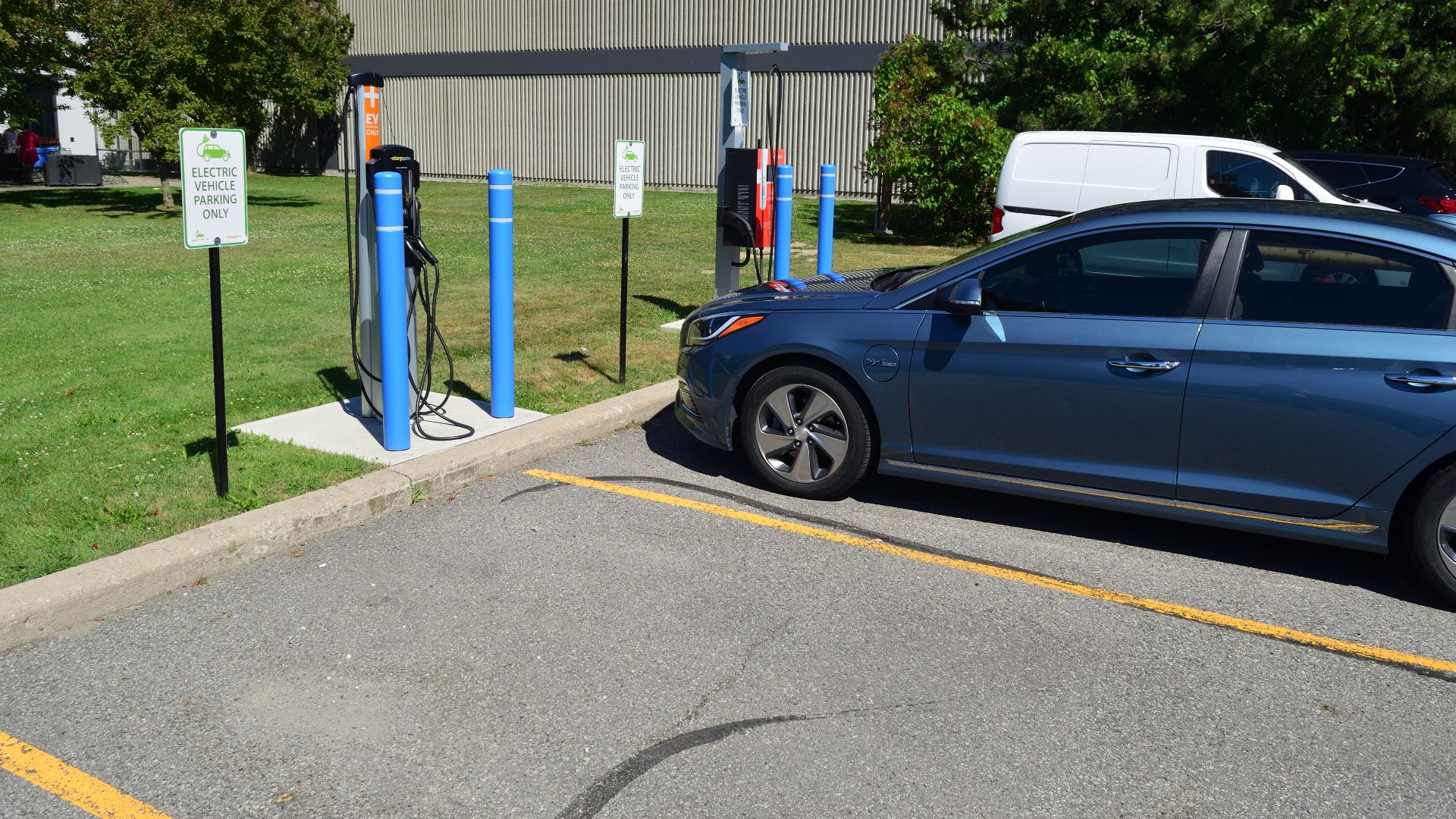
Plenty of plug-in hybrid owners rarely plug in. Some lose access to home charging, while others simply forget. Public chargers can also be inconvenient or expensive. A plug-in hybrid still functions without charging, but it may not deliver the savings you expected when you bought it.
 Raysonho @ Open Grid Scheduler / Grid Engine, Wikimedia Commons
How A Plug-In Hybrid Works
A plug-in hybrid combines a gasoline engine with a larger battery and electric motor. When charged, it can travel a useful distance using electricity alone. Once the battery’s usable charge is depleted, the vehicle switches into a hybrid mode and continues driving normally.
How A Regular Hybrid Works
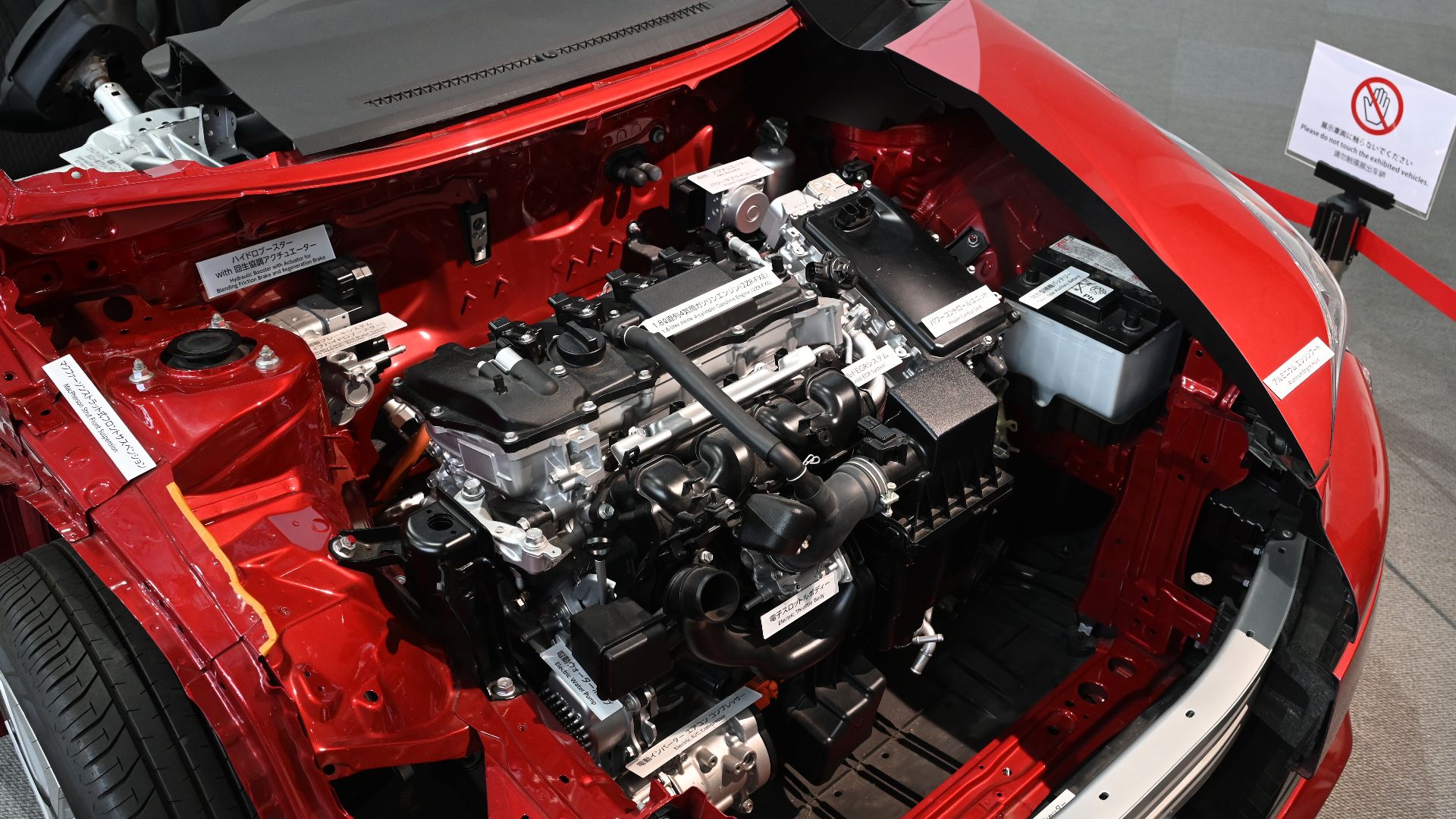
A regular hybrid has a much smaller battery that charges itself through regenerative braking and the gasoline engine. You never plug it in. The electric motor assists the engine during acceleration and low-speed driving, helping reduce fuel consumption without asking the owner to change any habits.
The Battery Is The Big Difference
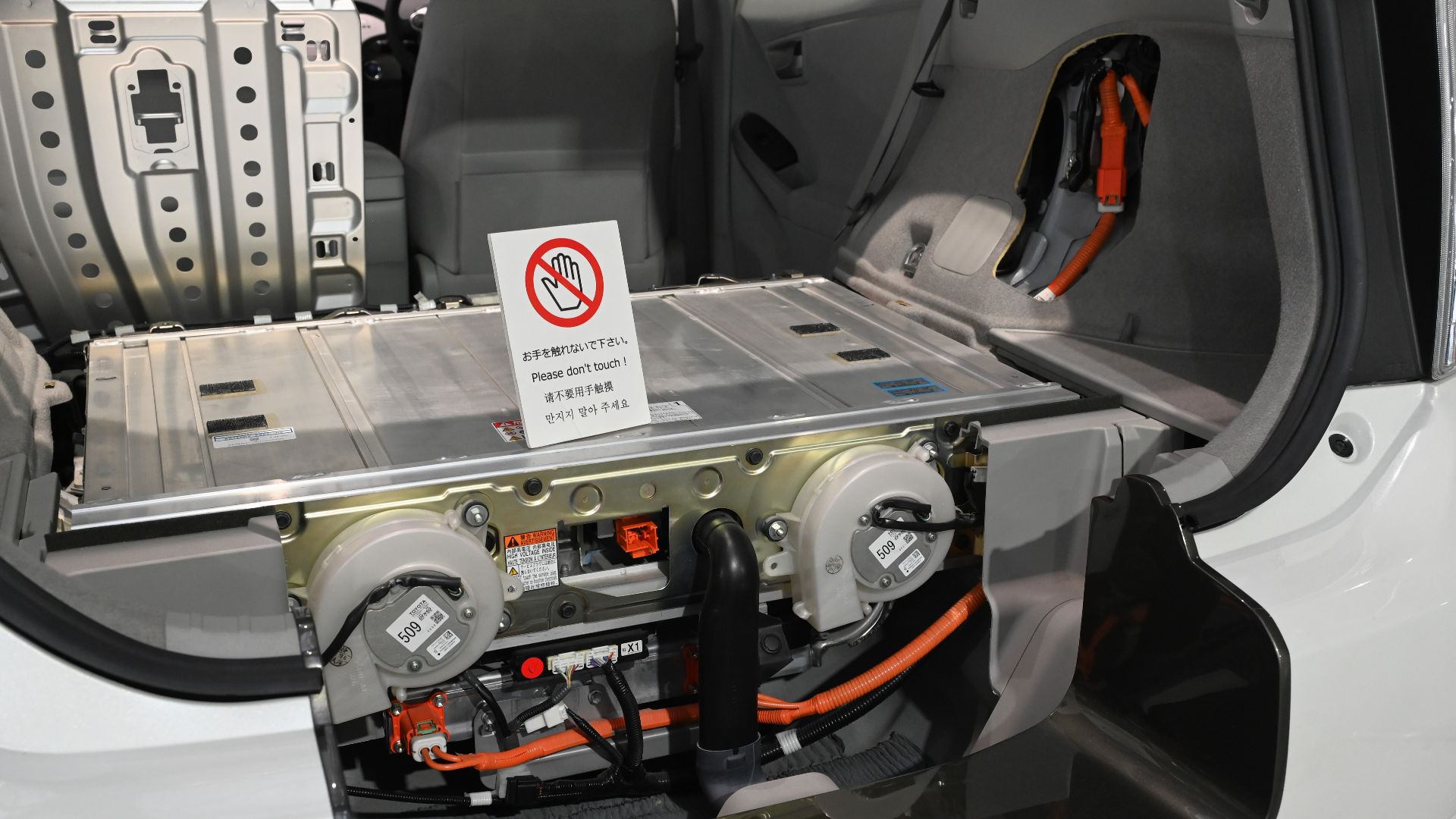
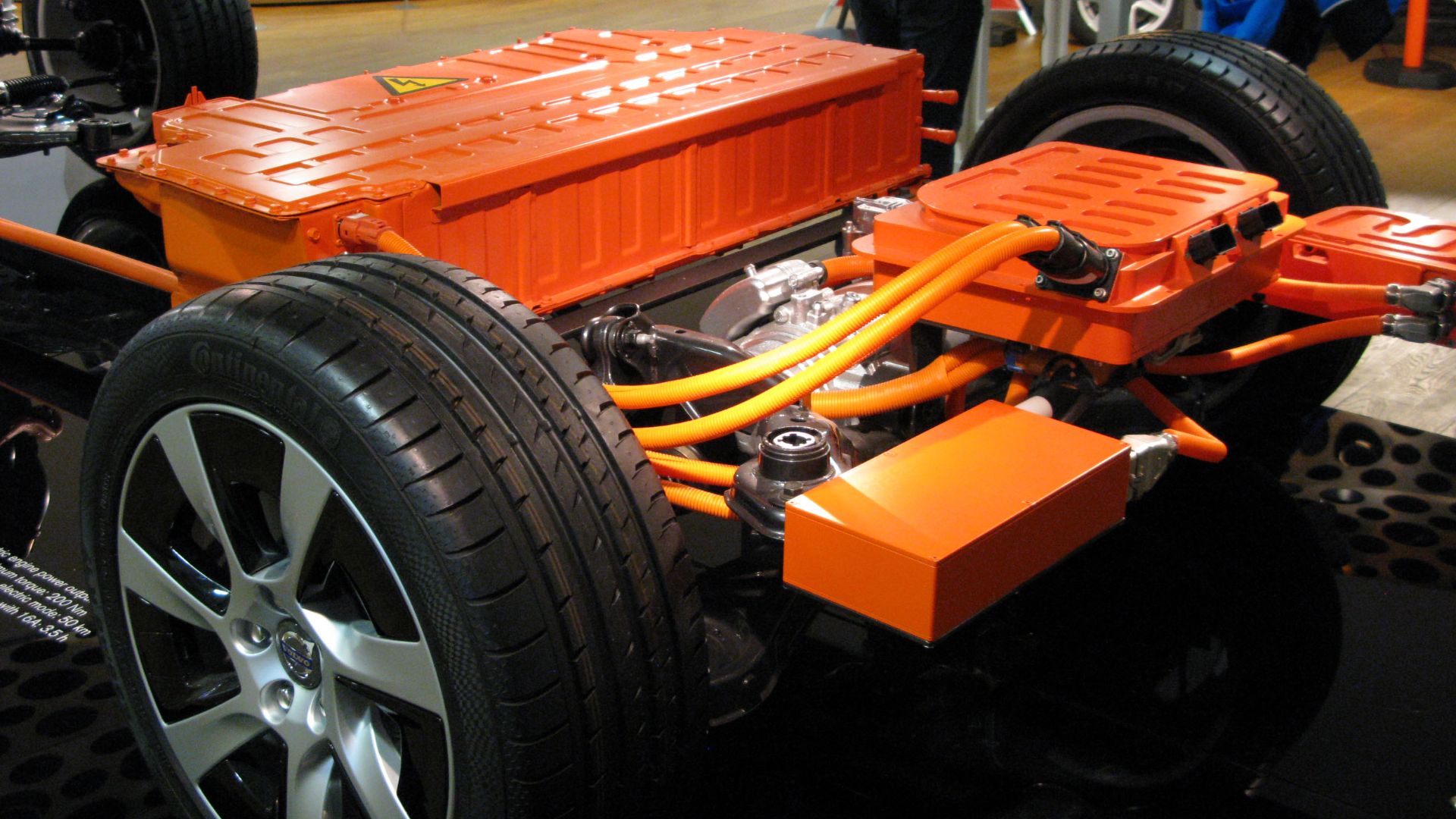
The larger battery in a plug-in hybrid is what makes electric-only trips possible. It is also one reason plug-in hybrids often cost more than regular hybrids. When you never charge that battery, you are carrying around expensive equipment without using its most valuable feature.
 Herranderssvensson, Wikimedia Commons
It Still Works Without Charging
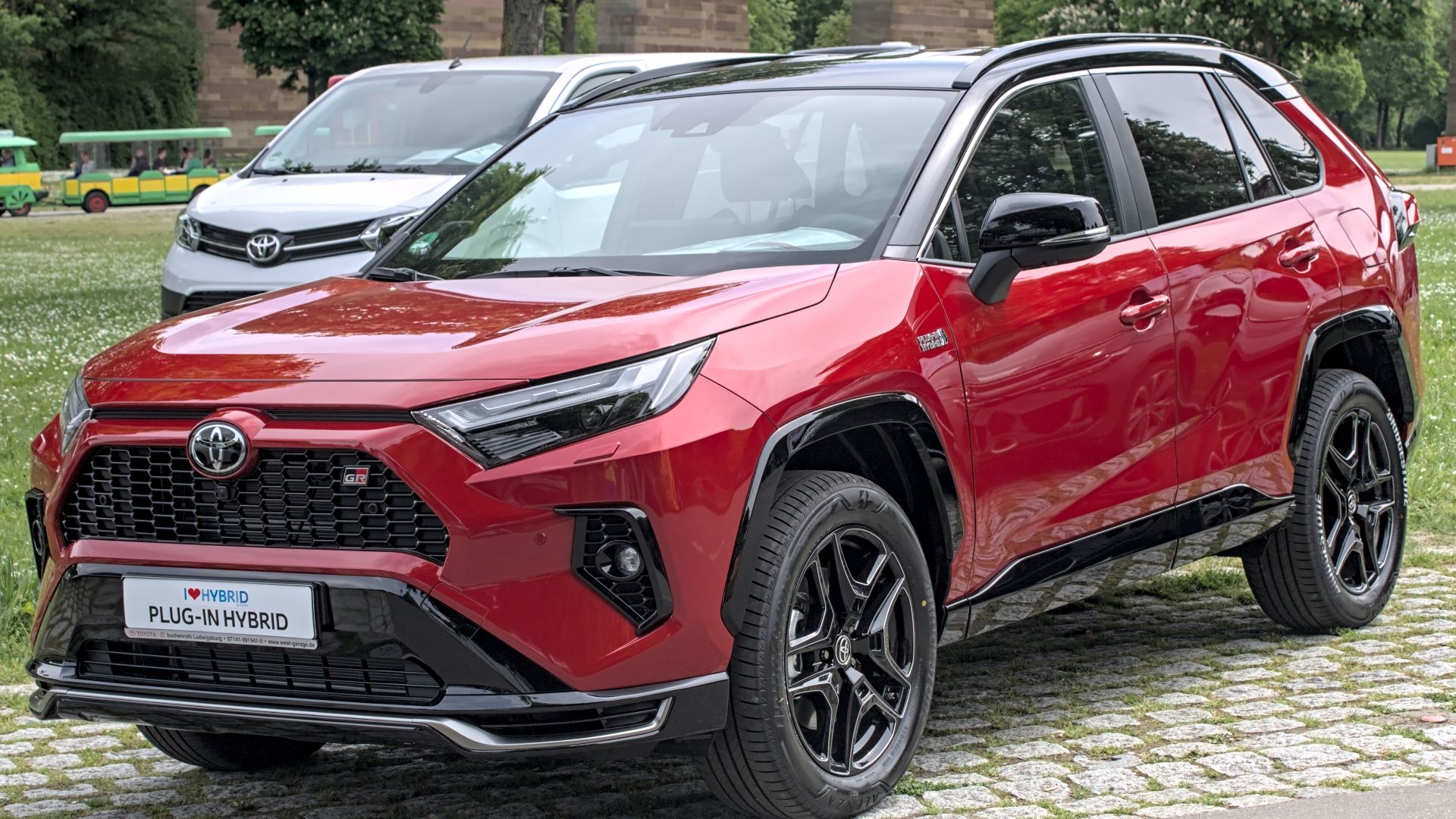
The good news is that you have not purchased a useless vehicle. An uncharged plug-in hybrid will still drive safely and reliably. It behaves much like a conventional hybrid, switching between gasoline and electric assistance as conditions allow. You will not suddenly become stranded.
 Alexander-93, Wikimedia Commons
But It May Be Less Efficient
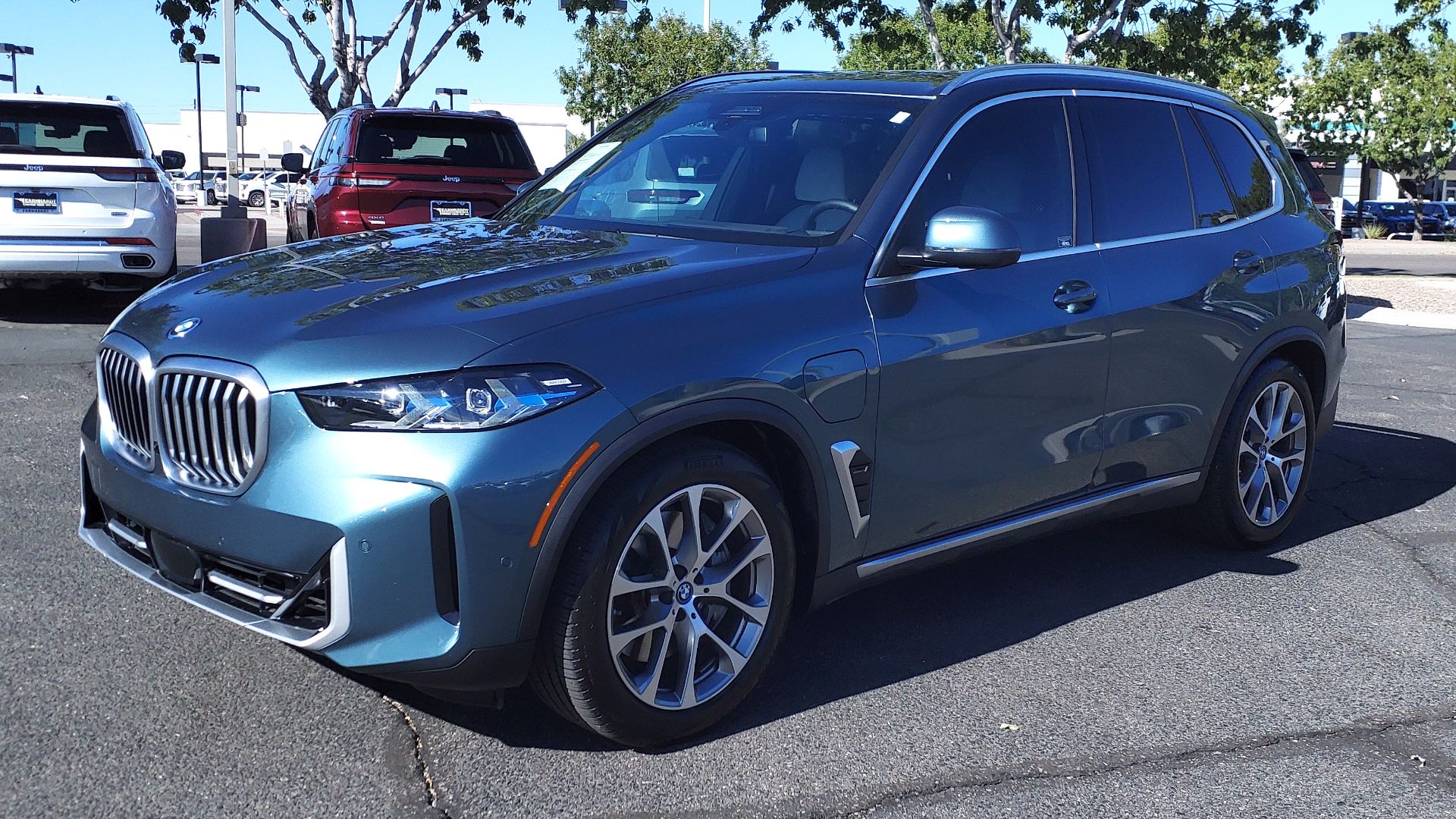
A plug-in hybrid can be heavier than a regular hybrid because of its larger battery, electric components, and charging equipment. Once the electric range is gone, the gasoline engine must move that extra weight. That can make some plug-in models less efficient than comparable regular hybrids.
Weight Matters More Than You Think
Extra weight affects acceleration, braking, handling, and fuel use. It may not feel dramatic from the driver’s seat, but the engine notices every additional pound. A regular hybrid designed around a smaller battery can sometimes be the smarter gasoline-powered vehicle once charging is removed from the equation.

Your Driving Pattern Changes The Answer
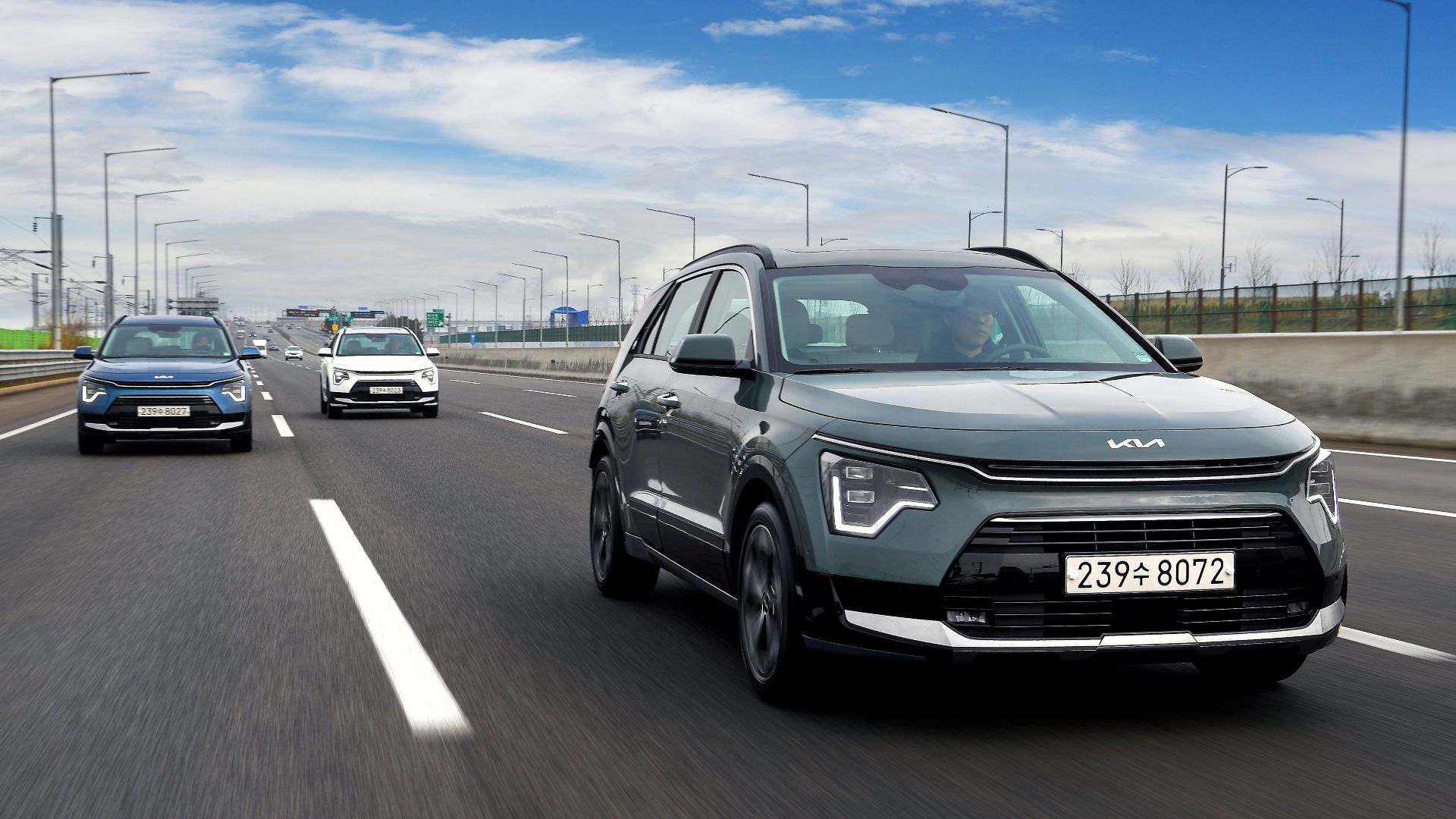
Whether you wasted money depends heavily on how you drive. Someone making short daily trips could cover most of those miles electrically. Someone regularly driving hundreds of highway miles may use the gasoline engine anyway, even when the plug-in hybrid begins every journey fully charged.
Short Trips Are The Sweet Spot
Plug-in hybrids make the most sense when daily driving fits within their electric range. Commuting to work, visiting the grocery store, or taking children to school can often be completed without burning gasoline. Skipping charging means missing the type of driving where the vehicle saves the most money.

Highway Driving Shrinks The Advantage
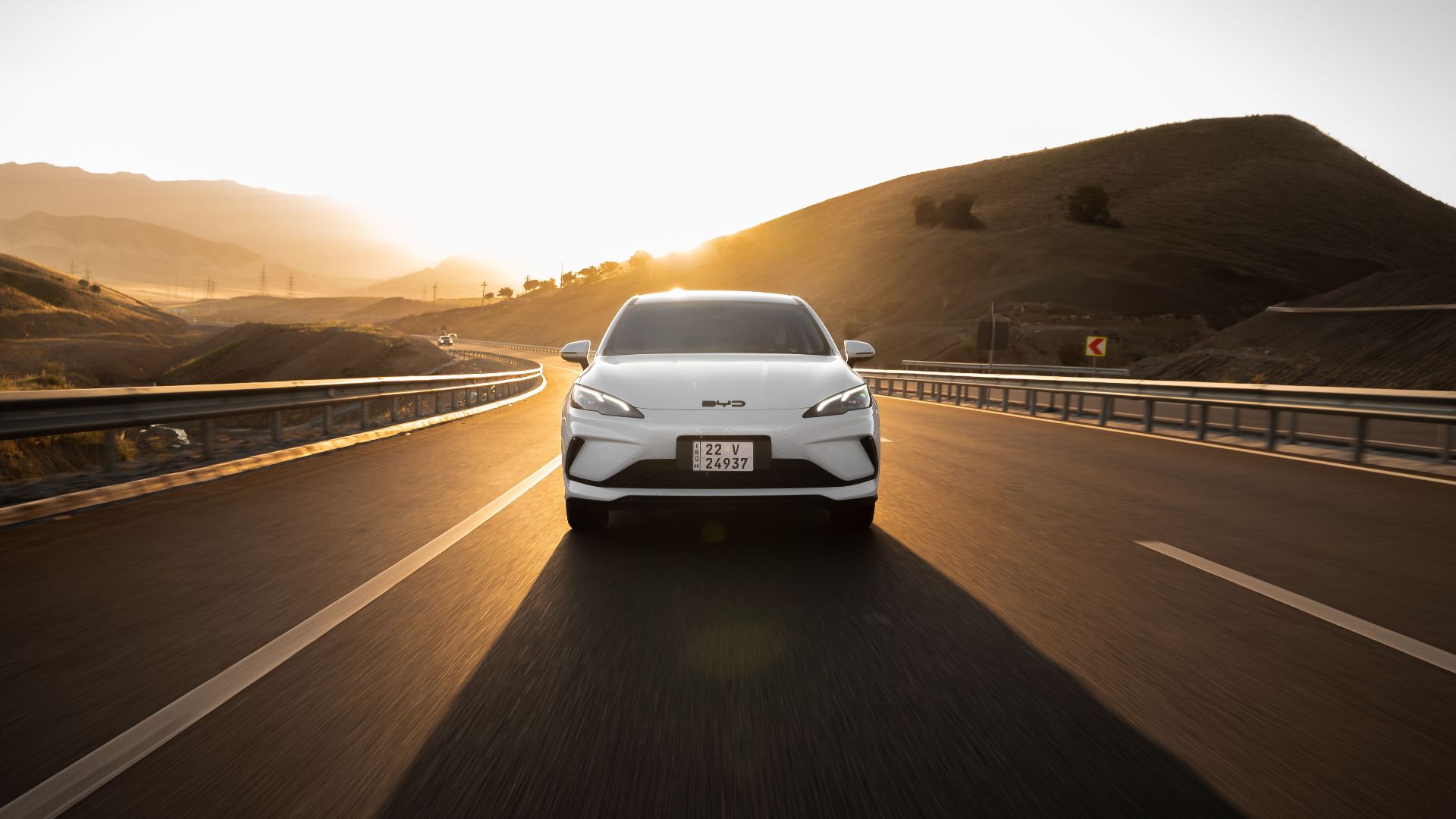
Electric motors are especially useful in stop-and-go traffic, where regenerative braking can recover energy. Long highway journeys offer fewer chances to recharge the battery through braking. At higher speeds, the gasoline engine often does more work, reducing the advantage of owning a plug-in model.
Home Charging Changes Everything
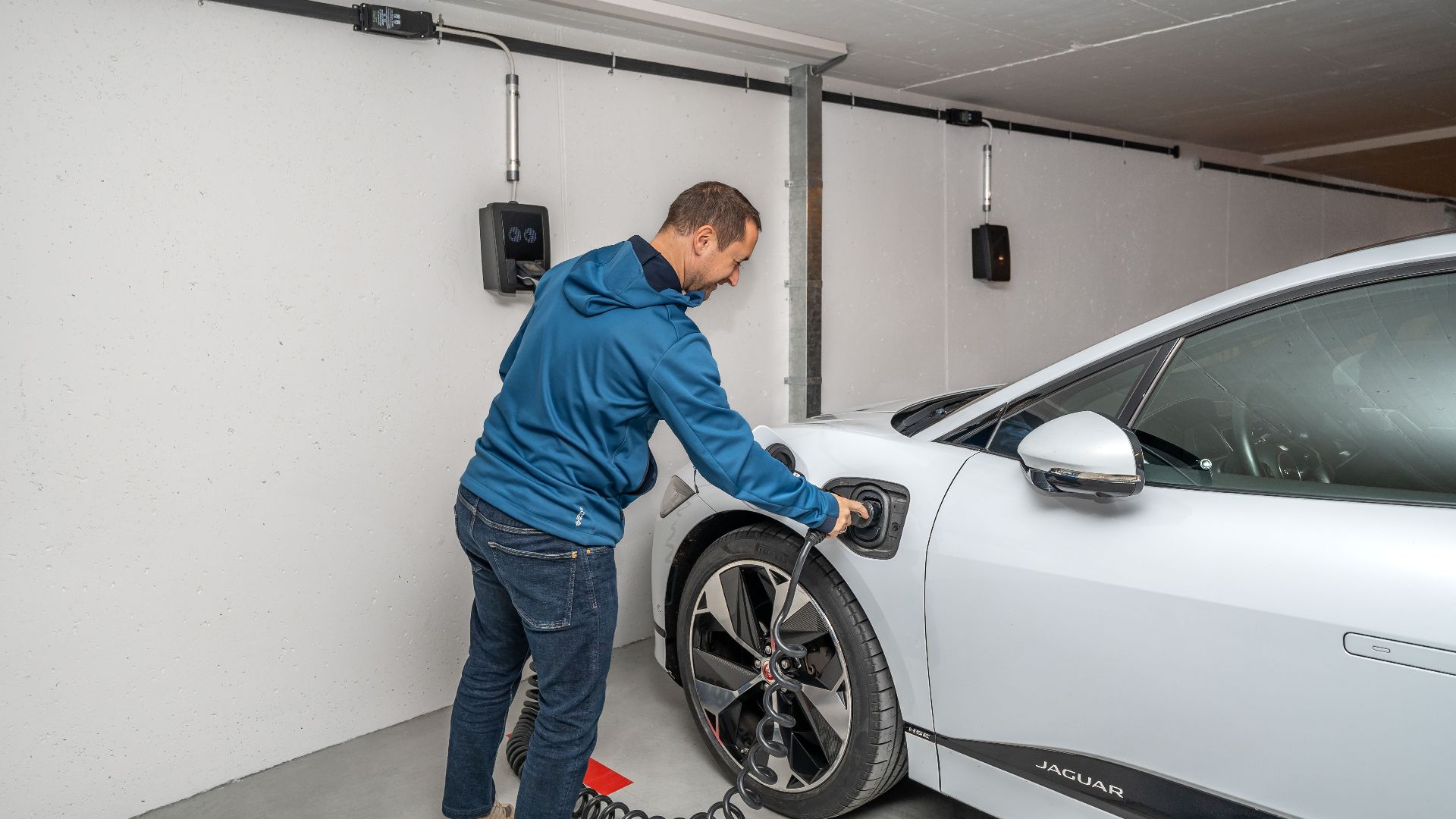
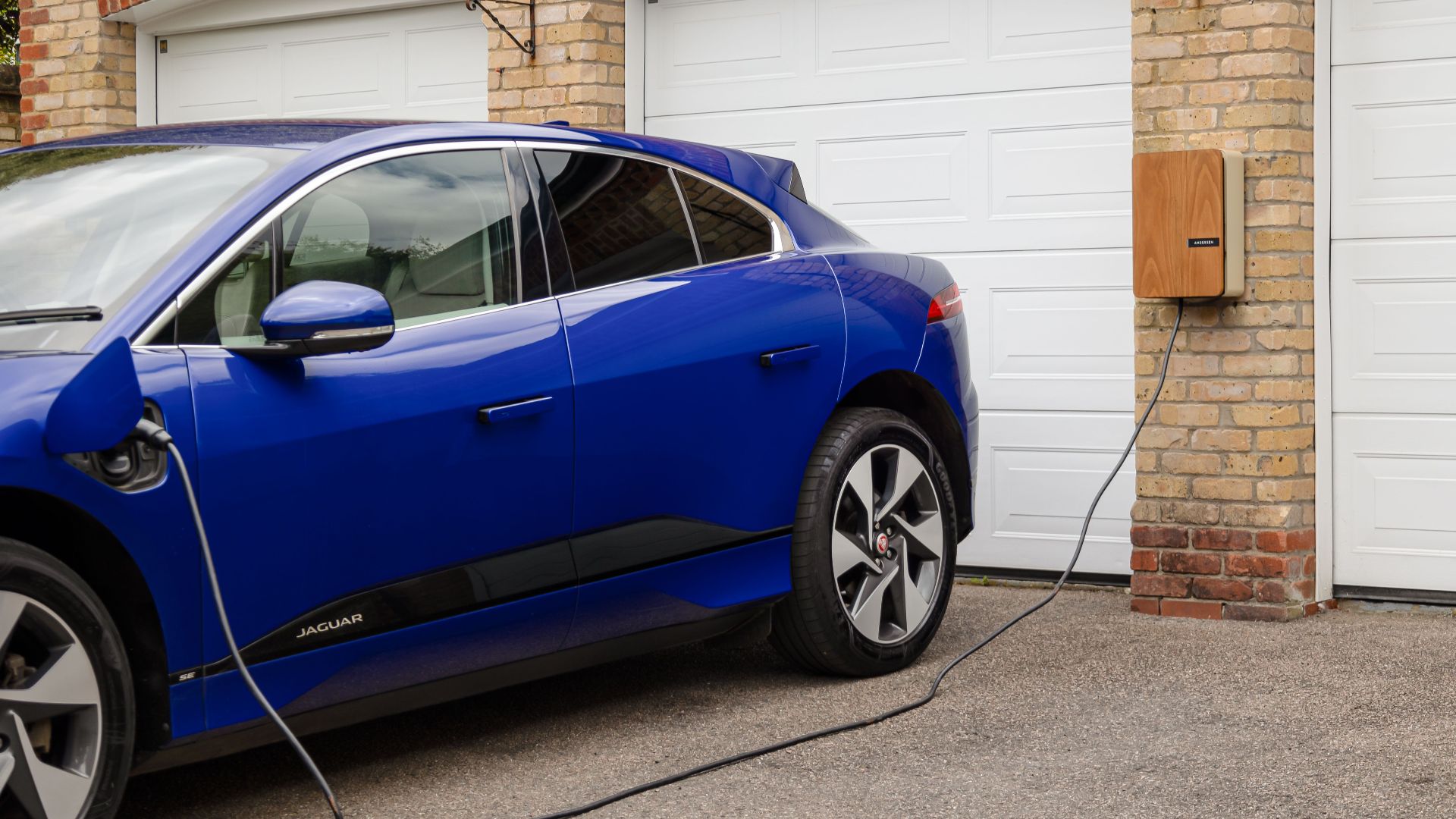
The easiest plug-in hybrid ownership usually begins with a charger at home. Plugging in overnight turns charging into a simple habit, much like charging a phone. Without a driveway, garage, or reliable parking spot, using the vehicle as intended can become considerably more difficult.
A Regular Outlet May Be Enough
Many plug-in hybrids can recharge from an ordinary household outlet, although charging may take several hours. Owners do not always need an expensive high-powered charger. For a vehicle parked overnight, basic charging can sometimes replenish enough range for the next day’s routine.
Public Charging Can Be Awkward
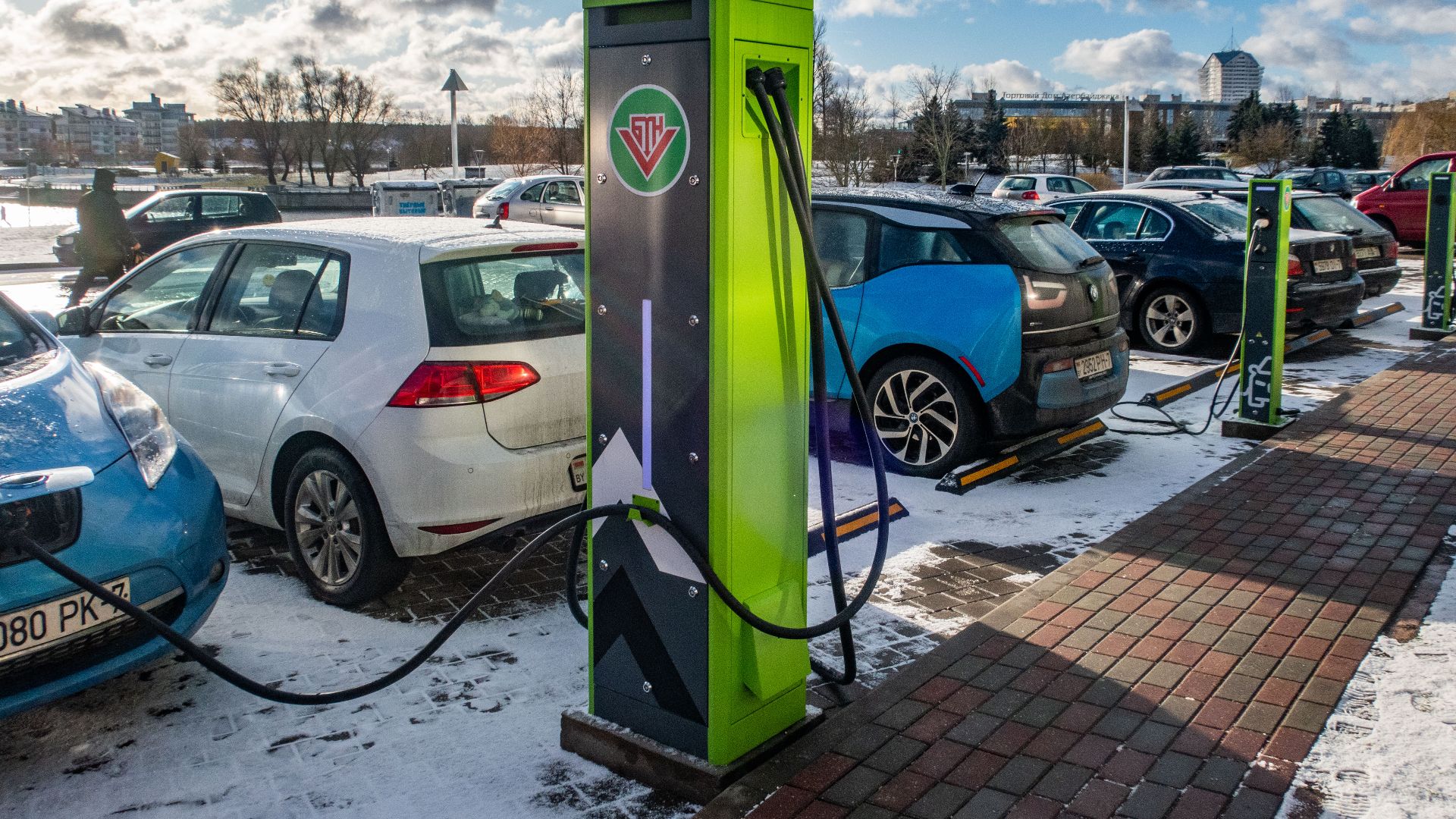
Depending entirely on public chargers is not always practical. Stations may be occupied, broken, badly located, or priced in ways that erase part of the fuel savings. Waiting around to charge a relatively small plug-in hybrid battery can also feel pointless compared with simply using gasoline.
Electricity Is Not Always Cheaper
Charging usually costs less than buying gasoline, but not everywhere and not at every station. Electricity prices vary, and some public networks charge connection or parking fees. The savings are strongest when owners charge at home during reasonably priced hours and regularly use the electric range.

You May Have Paid A Premium
Plug-in hybrids often have a higher purchase price than their regular hybrid counterparts. That premium pays for the larger battery, stronger electric motor, and charging system. Without plugging in, it becomes harder to recover the extra cost through lower gasoline spending during ownership.

Incentives May Have Softened The Blow
Depending on when and where the vehicle was purchased, government rebates or tax incentives may have reduced the price difference. Dealer discounts can also make certain plug-in models unexpectedly affordable. If you received a strong incentive, the financial gap may be smaller than you remember.

Features Can Still Add Value
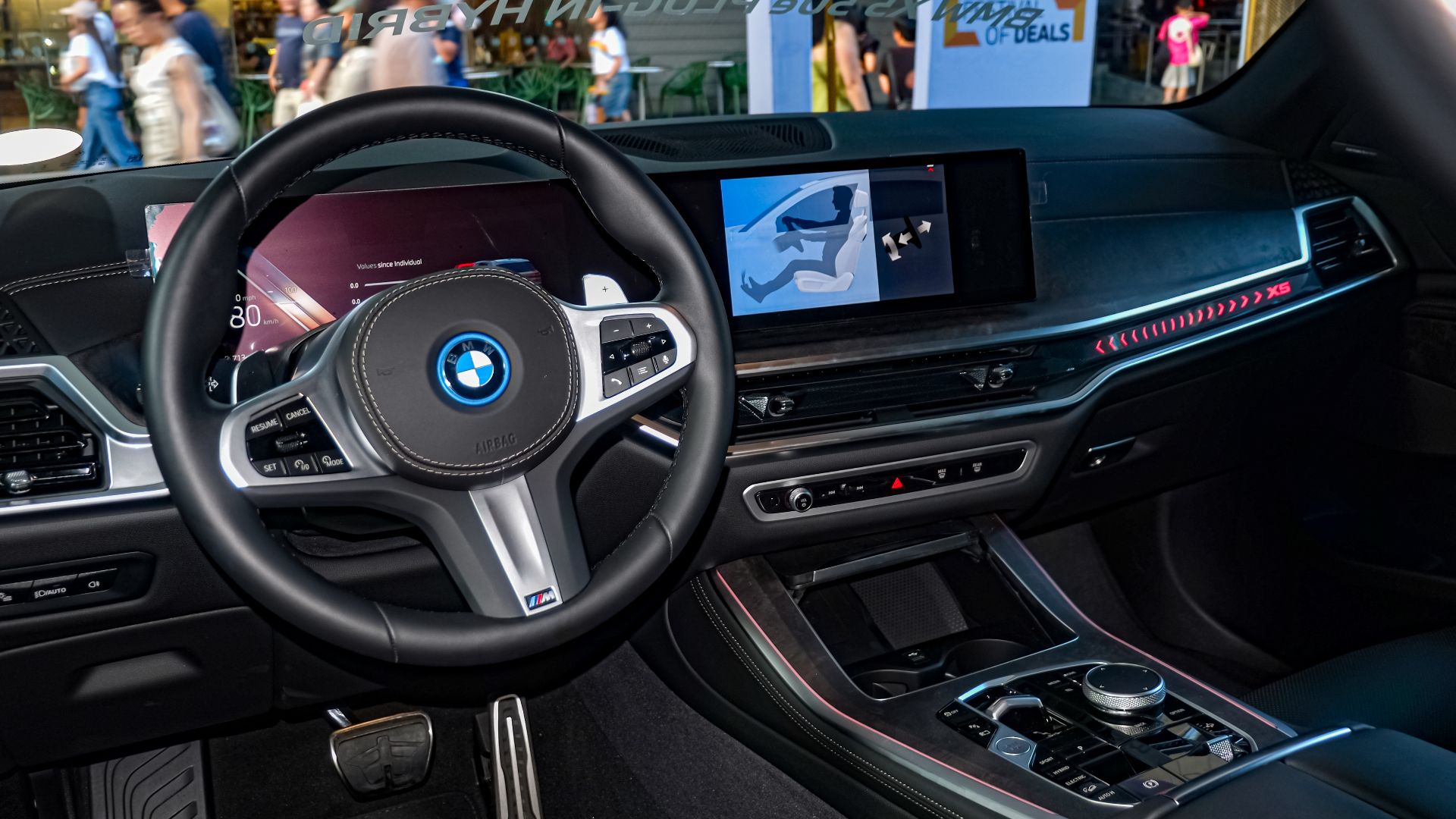
Some plug-in hybrids come in higher trim levels with better technology, more power, quieter operation, or extra standard equipment. Even when charging is rare, you may still enjoy features unavailable on the regular hybrid. Value is not measured entirely by fuel consumption.
 Ethan Llamas, Wikimedia Commons
Electric Driving Feels Better
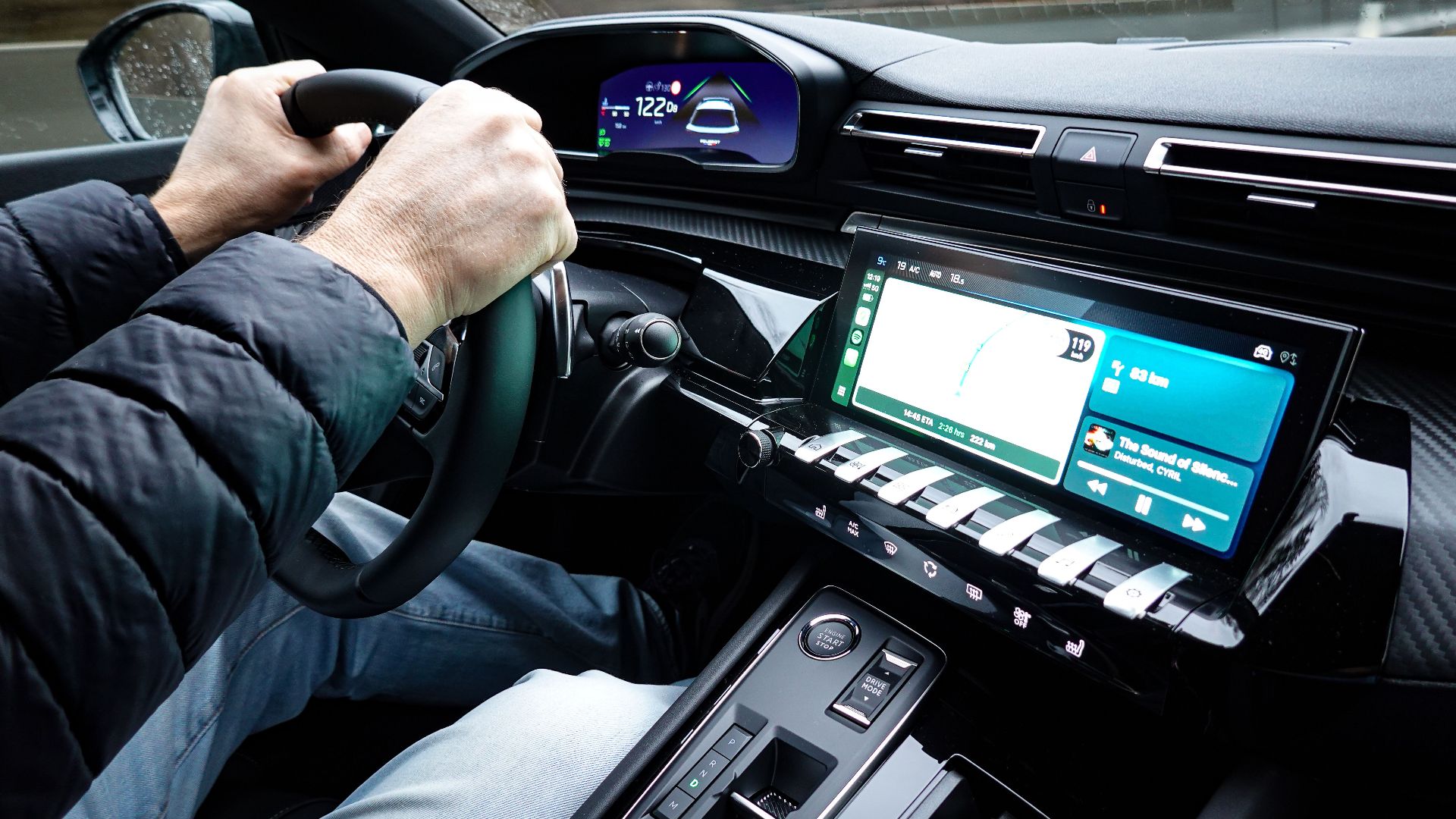
When charged, a plug-in hybrid can feel smoother and quieter than it does in gasoline mode. Electric motors deliver power quickly and eliminate many engine vibrations. Even occasional charging may improve the ownership experience, especially during morning commutes or slow drives through busy neighbourhoods.
Charging Occasionally Still Helps
You do not need to charge every single night to benefit. Plugging in a few times each week can reduce gasoline use and give the electric system more opportunities to shine. Even one or two charged commutes may help justify some of the premium you paid.

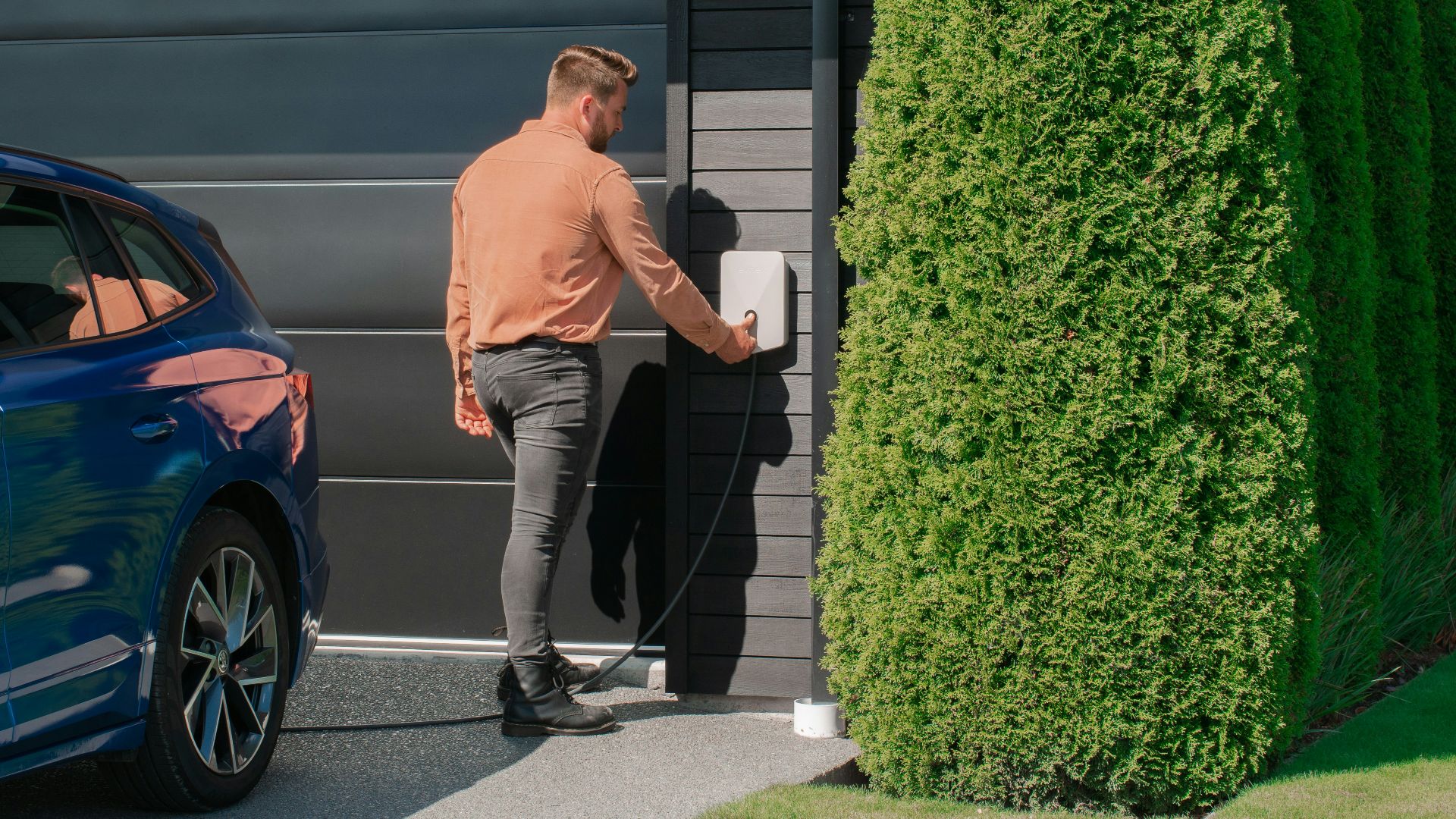
Build Charging Into Your Routine
Try attaching charging to something you already do. Plug in after bringing groceries inside, taking out the garbage, or returning from work. Keeping the cable visible and easy to reach matters. A charging cord buried beneath luggage will rarely become part of anyone’s routine.
Use The Car’s Scheduling Tools
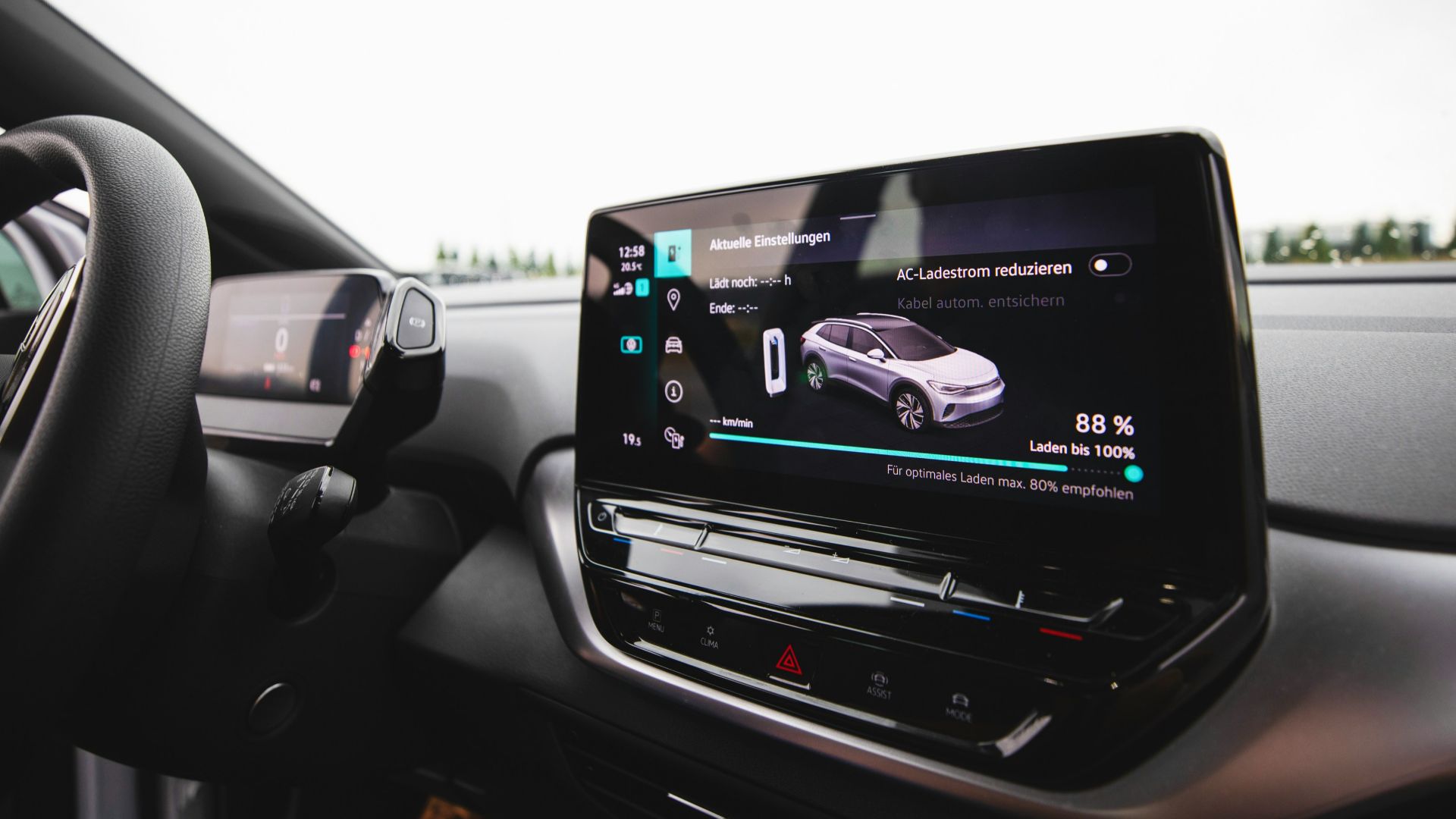
Many plug-in hybrids allow owners to schedule charging through the dashboard or a phone app. You may be able to charge during cheaper electricity periods or ensure the battery finishes shortly before departure. These tools can make charging more convenient and reduce the need to remember it manually.
Track Your Actual Fuel Use
Instead of guessing, record your gasoline purchases and charging costs for a month. Then spend another month charging regularly and compare the results. Real-world numbers from your own driving routine will tell you more than an official fuel-economy estimate ever could.

Consider Why You Are Not Charging
The real problem may not be laziness. Perhaps the cable is inconvenient, your parking arrangement changed, or public charging feels unreliable. Identifying the obstacle matters. A small improvement, such as relocating the cord or installing an outdoor outlet, could dramatically change how you use the car.

Should You Trade It In?
Trading immediately may create a larger financial loss than simply keeping the vehicle. Depreciation, dealer margins, taxes, and transaction costs can easily outweigh several years of fuel savings. Before switching to a regular hybrid, calculate the full cost rather than focusing only on gasoline consumption.

A Regular Hybrid May Fit Better Next Time
If charging remains unrealistic and you eventually replace the vehicle, a regular hybrid may suit your lifestyle better. It delivers efficient driving without requiring a plug, cable, or parking strategy. The best vehicle is not the most advanced one; it is the one that matches your habits.
 Captainmorlypogi1959, Wikimedia Commons
You Probably Did Not Waste Everything
You may not be getting maximum value from your plug-in hybrid, but that does not automatically make it a bad purchase. Start charging when practical, track the difference, and avoid a costly panic trade. Your car still has advantages—you simply need to use more of them.
You May Also Like:
Cars From The 1990s That No One Remembers—Seriously, Do You Remember Even 5 Of These Vehicles?