The Idea That Used to Sound Impossible
For decades, a city without cars sounded like science fiction—and for many people, it still does. Cars define modern life: roads, parking garages, driveways, entire highways built around them. But in cities around the world, urban leaders aren’t just imagining car-free cities anymore—they’re actively redesigning streets, neighborhoods, and entire developments to make them a reality.

Paris Is Already Reducing Cars
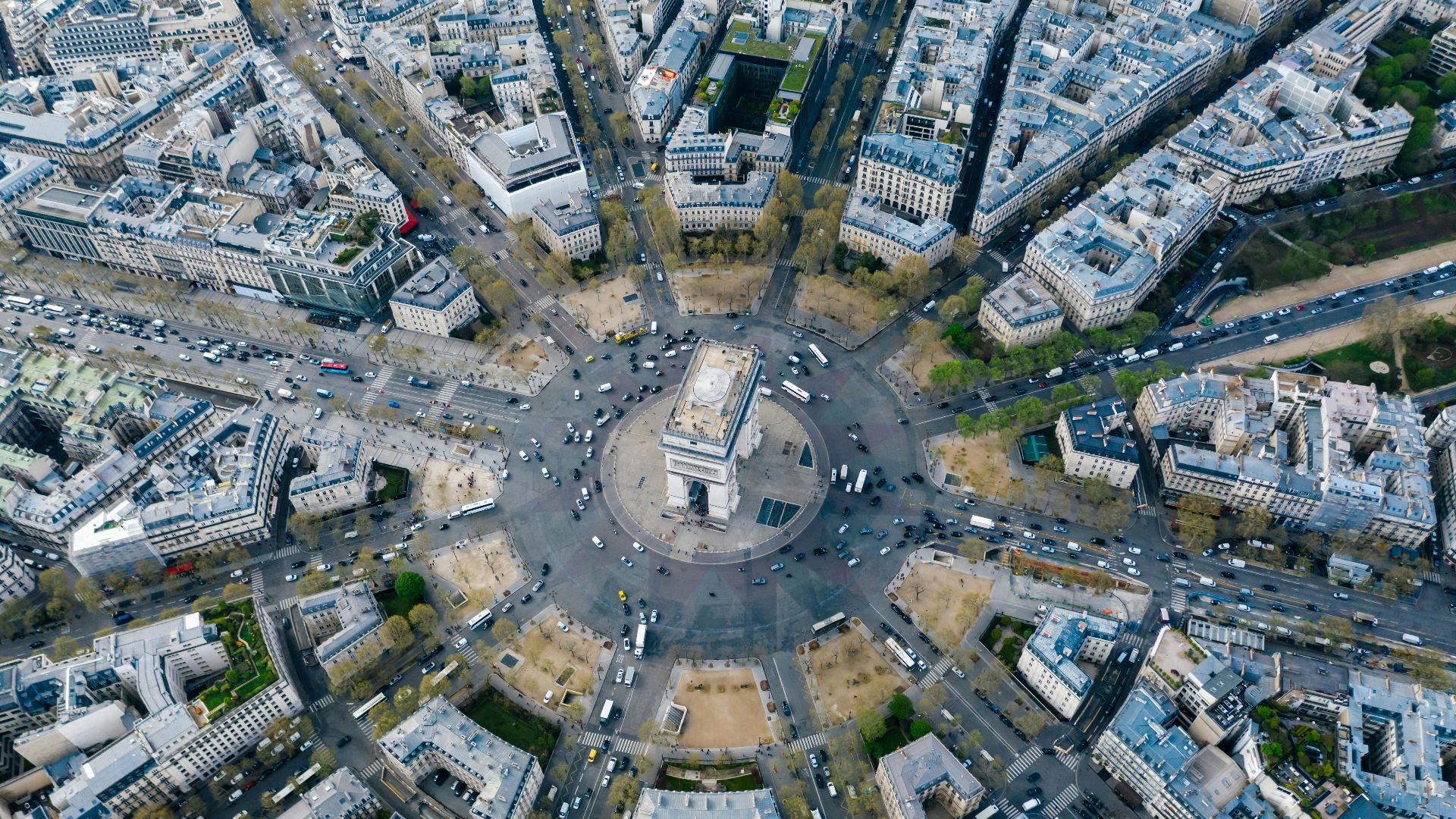
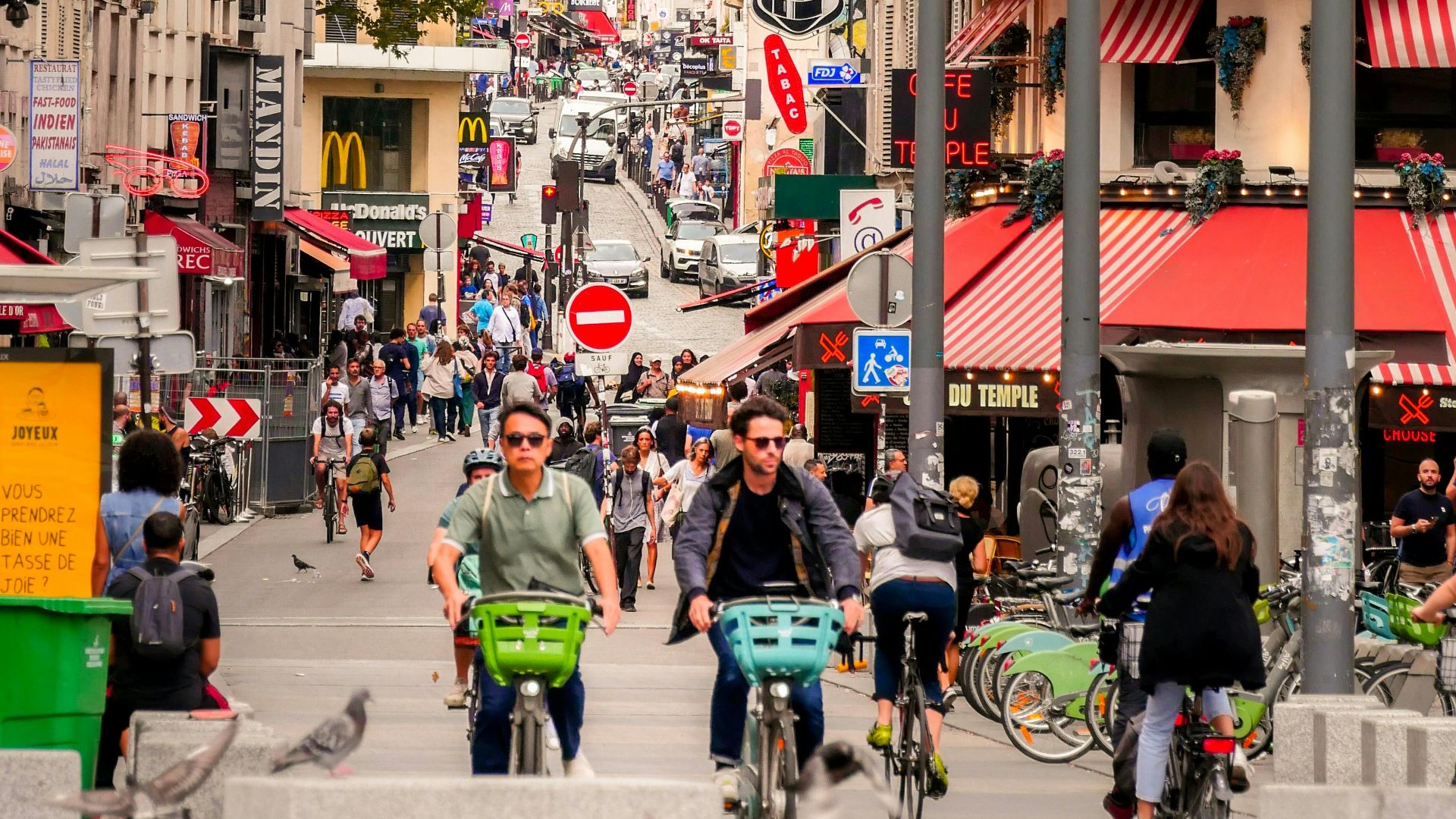
Under Mayor Anne Hidalgo, Paris has removed tens of thousands of parking spaces over the past decade and dramatically expanded protected bike lanes. Paris City Hall reports that car traffic has fallen by roughly 40% in recent years. The goal isn’t zero mobility—it’s different mobility.
Cities Were Built Around Cars—Not People
In many modern cities, a massive share of urban land is devoted to roads and parking. In the United States alone, researchers estimate there are hundreds of millions—possibly over a billion—parking spaces, often several for every registered vehicle. Remove cars, and you don’t just remove traffic. You reclaim land.
Your Car Sits Still Almost All Day
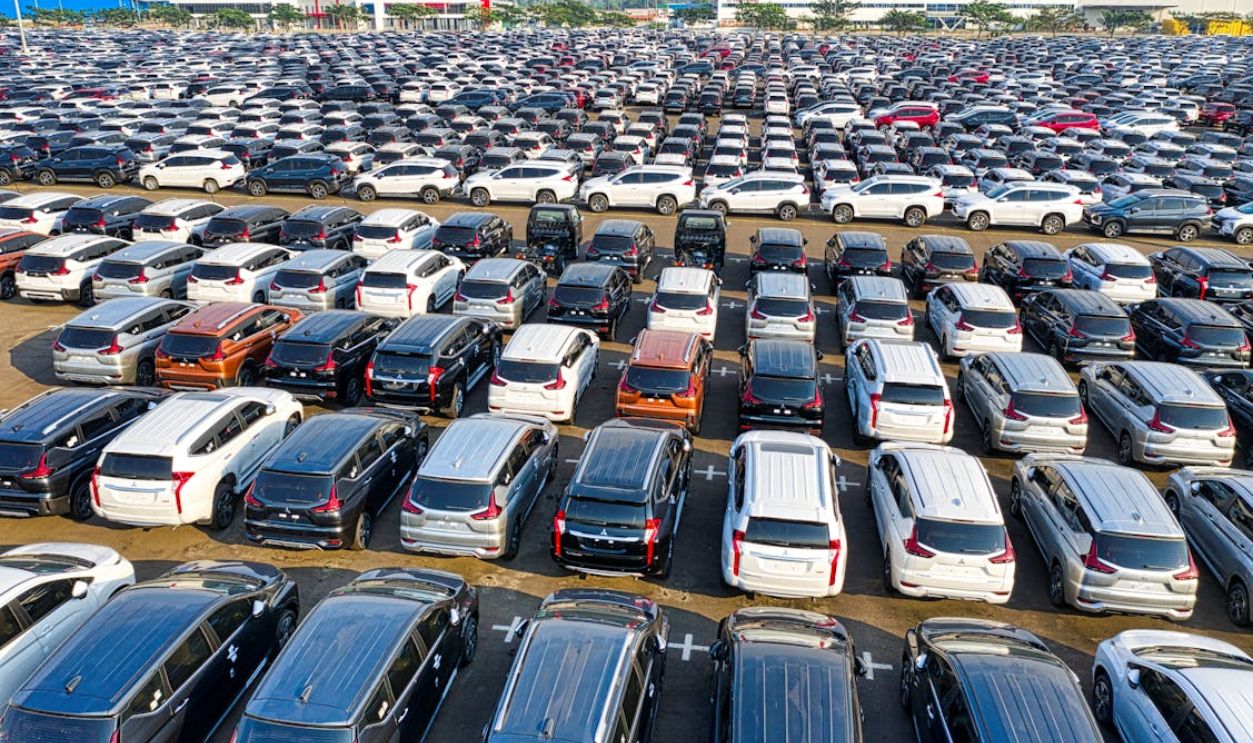
Privately owned vehicles are parked roughly 95% of the time, according to widely cited transportation research. Yet cities dedicate enormous amounts of valuable space to storing them. Urban planners increasingly question whether it makes sense to design dense, expensive cities around assets that spend most of their lives idle.

Cars Are Expensive—For Cities, Too
Maintaining roads, traffic signals, bridges, and parking infrastructure costs cities billions every year. Beyond what drivers pay individually, municipal budgets absorb long-term infrastructure expenses. Reducing car dependence isn’t just about climate—it can also reshape how cities allocate public money.

It’s Not About Banning Cars Overnight
Most proposals aren’t calling for sudden citywide bans. Instead, they focus on gradually shrinking the role of private vehicles—removing parking, redesigning streets, and investing heavily in transit, cycling, and walkable neighborhoods. The shift is incremental, but intentional, and often tied to long-term climate and land-use targets.
Barcelona’s “Superblocks”
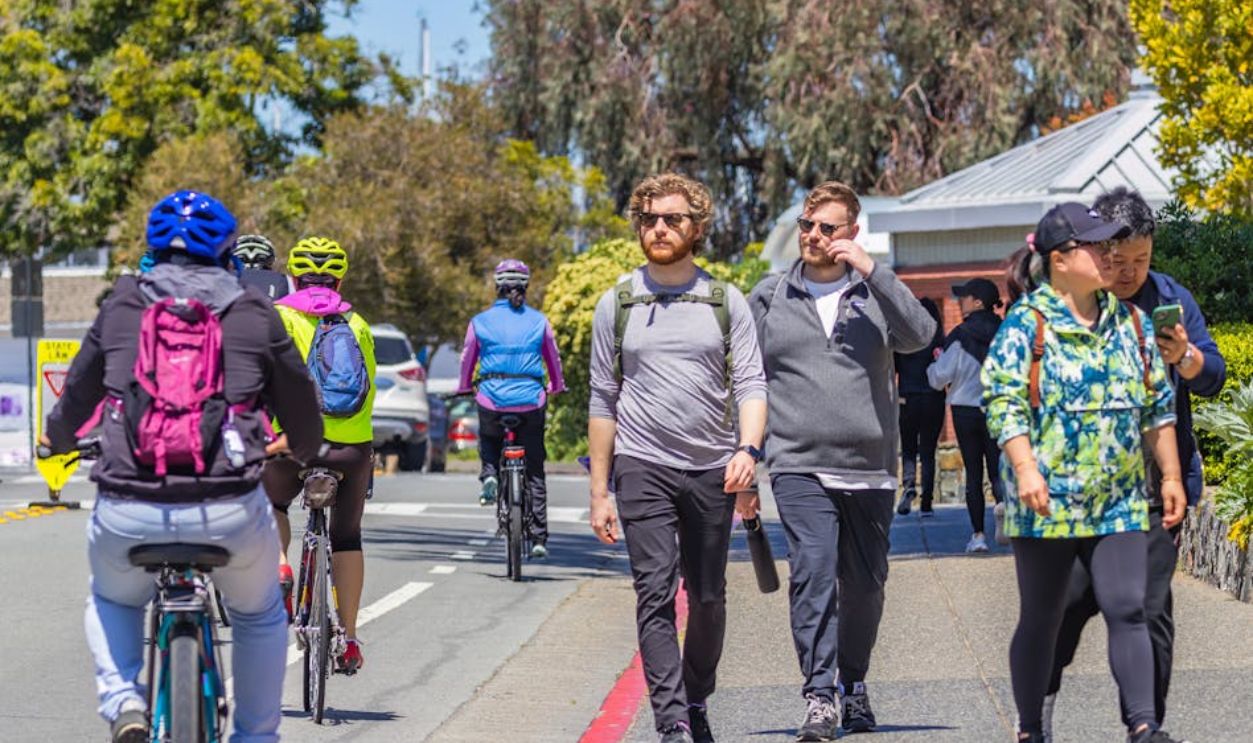
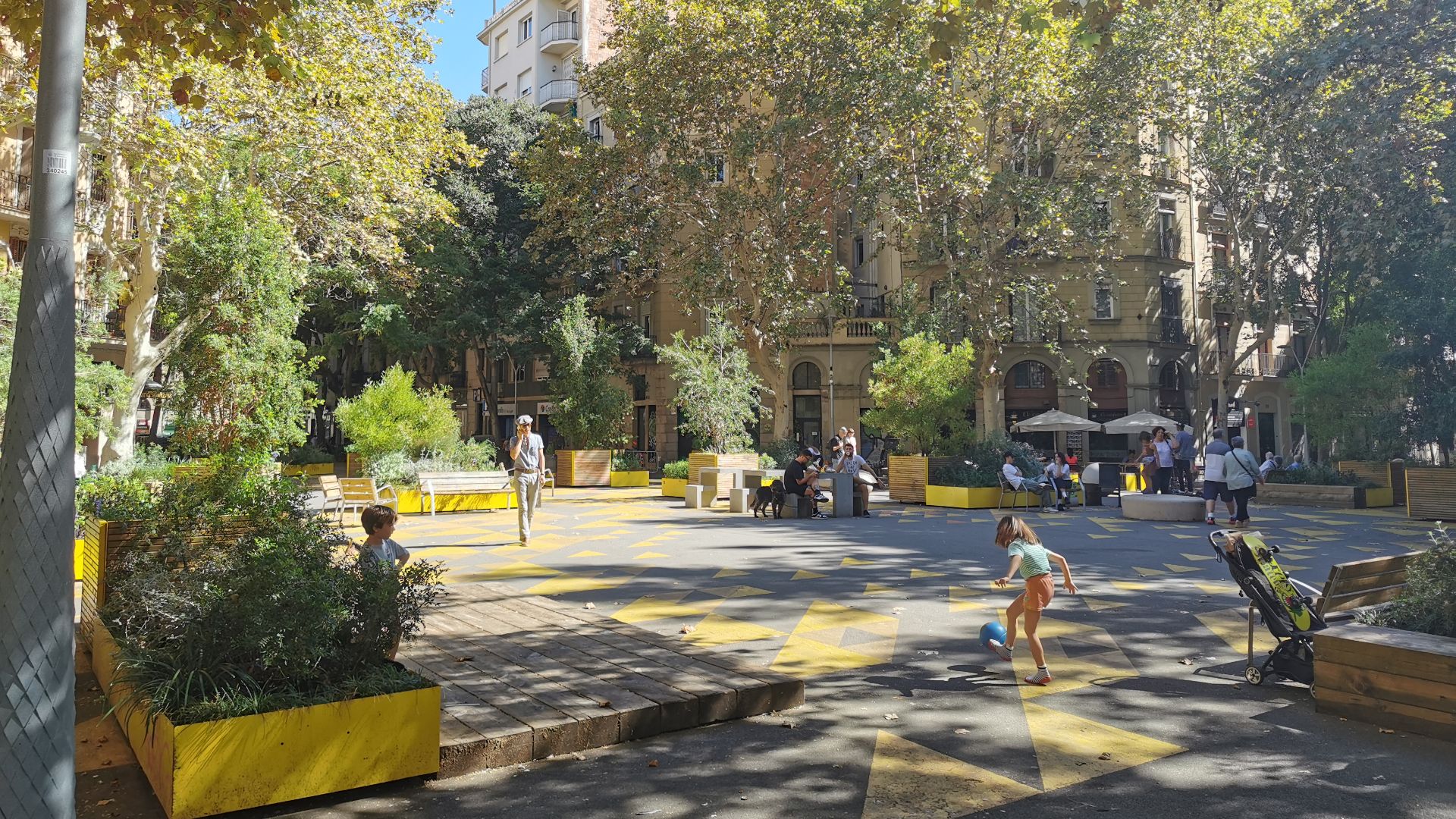
Barcelona’s superblocks restrict through-traffic inside designated zones while prioritizing pedestrians and cyclists. Modeling studies suggest the full superblock plan could prevent hundreds of premature deaths annually by reducing air pollution and noise. It’s not a total car ban—but it’s a measurable shift in street design.
Oslo Removed Downtown Parking
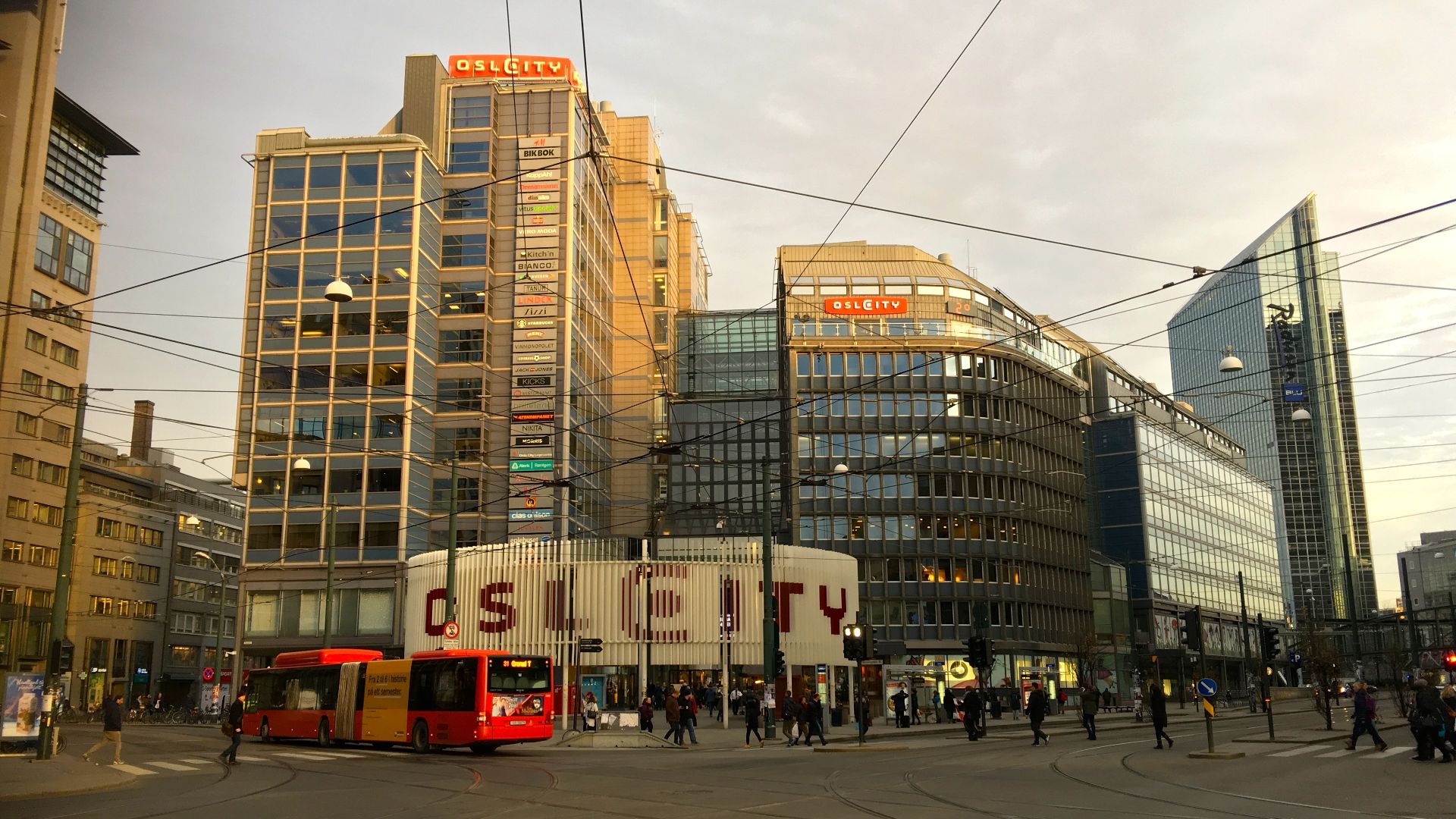
Oslo removed hundreds of on-street parking spaces in its city center and replaced them with bike lanes and pedestrian infrastructure. The strategy makes driving into the core less convenient while making car-free access more attractive. It’s not a citywide ban—but it’s a deliberate reduction of car space.
Singapore Controls Car Ownership
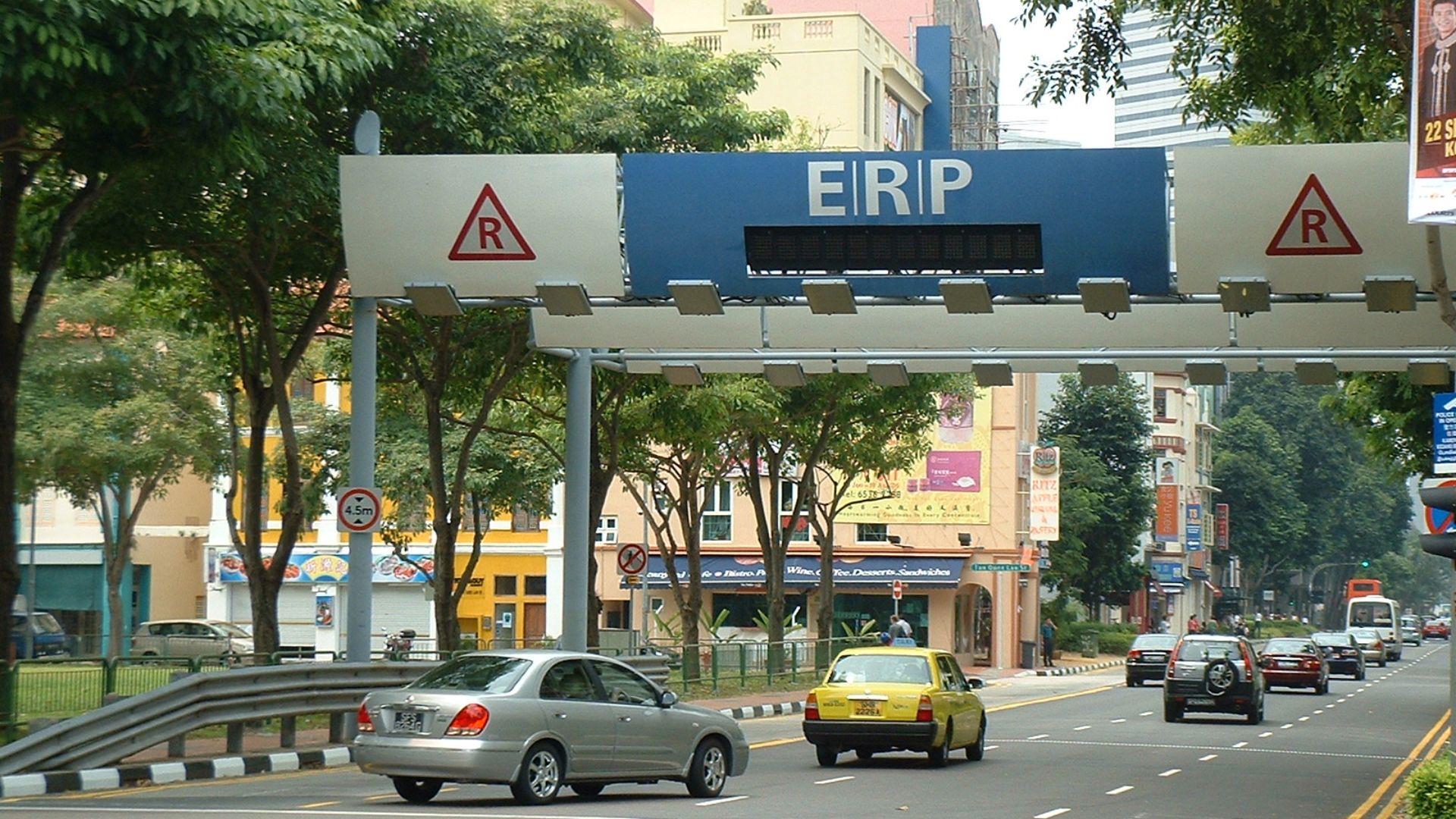
Singapore tightly controls vehicle ownership through its Certificate of Entitlement system, which caps the total number of private vehicles allowed on the road. Car ownership rates remain far lower than in most Western cities, and congestion pricing has been in place for decades. It’s one of the clearest examples of deliberate car population management.
 VK35 at English Wikipedia, Wikimedia Commons
New Cities Are Being Designed Without Cars
Saudi Arabia’s NEOM project, including “The Line,” is being marketed as a linear, high-density city with no traditional roads for private cars. Instead, planners propose high-speed transit systems and underground logistics networks. While still under development, it represents one of the boldest attempts to rethink car dependency from the ground up.
 European Space Agency, Wikimedia Commons
Masdar City’s Early Experiment
Masdar City in the UAE was originally planned as a largely car-free, low-emission development with walkable streets and limited vehicle access. While parts of the original vision evolved over time, the project remains an example of how new developments are testing reduced-car urban models rather than defaulting to traditional road-heavy layouts.

The 15-Minute City Concept
The “15-minute city” model proposes that most daily needs—work, groceries, school, healthcare—should be reachable within a short walk or bike ride. Paris has actively adopted this framework. If essential services are nearby, private car ownership shifts from necessity to convenience, fundamentally changing transportation demand.
Why Cities Are Pushing This Now
Transportation is one of the largest sources of greenhouse gas emissions in many countries. In the United States, it accounts for about 29% of total greenhouse gas emissions, according to the EPA’s most recent data. Reducing total vehicle miles traveled—not just switching to electric cars—is increasingly viewed as critical for meeting climate goals.

Air Quality Is a Major Factor
Even with the rise of electric vehicles, transportation remains a key contributor to urban air pollution. In dense cities, reducing total traffic volume can improve air quality, lower noise levels, and decrease heat island effects. Electrification helps—but fewer vehicles overall has an even larger impact.

Public Transit Has to Be Strong
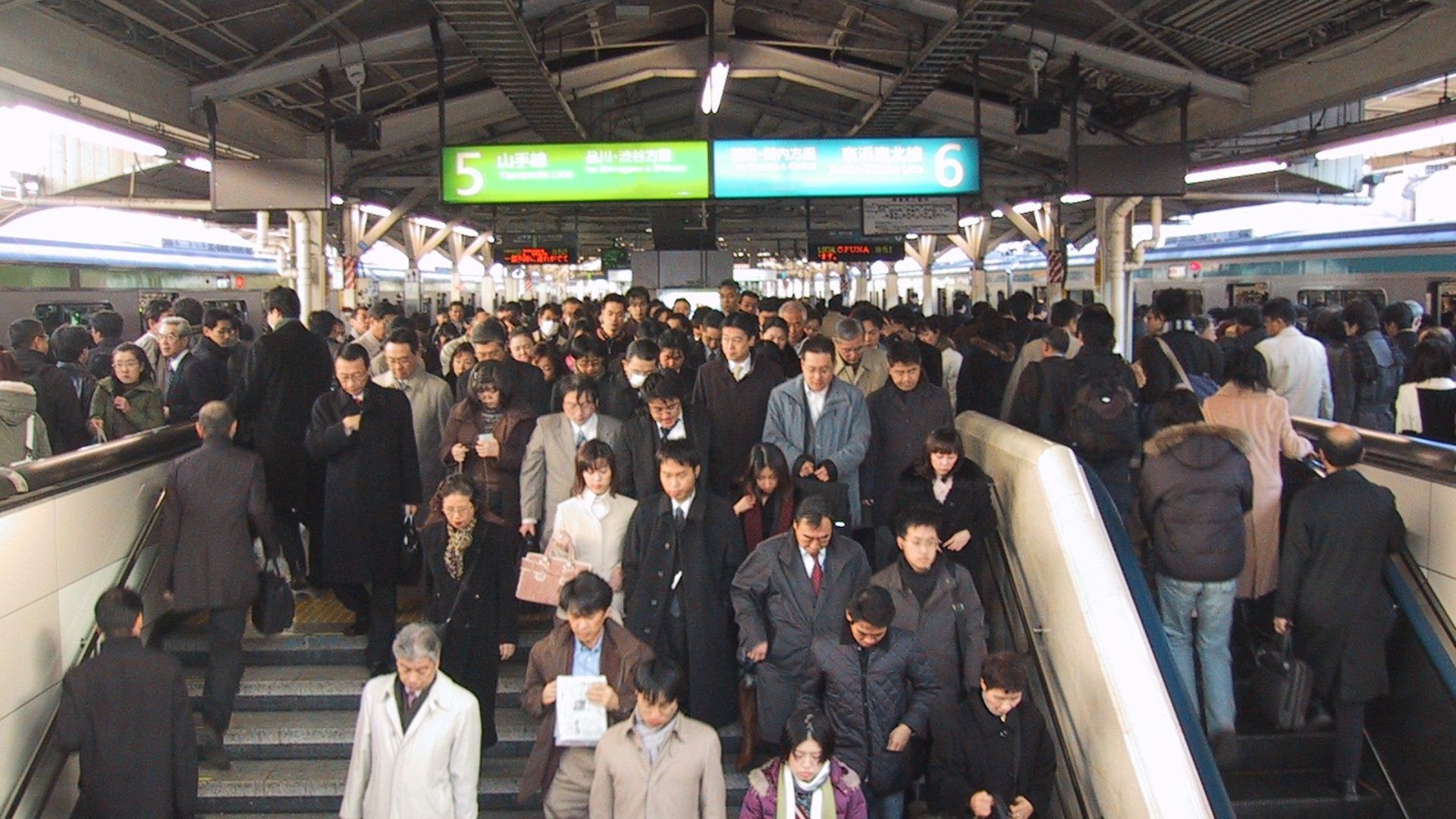
Cities that successfully reduce car dependence tend to have strong transit systems. In places like Tokyo and Hong Kong, public transportation carries the majority of daily commuters. Without reliable alternatives, car reduction policies struggle to gain public support.
Critics Raise Fair Concerns
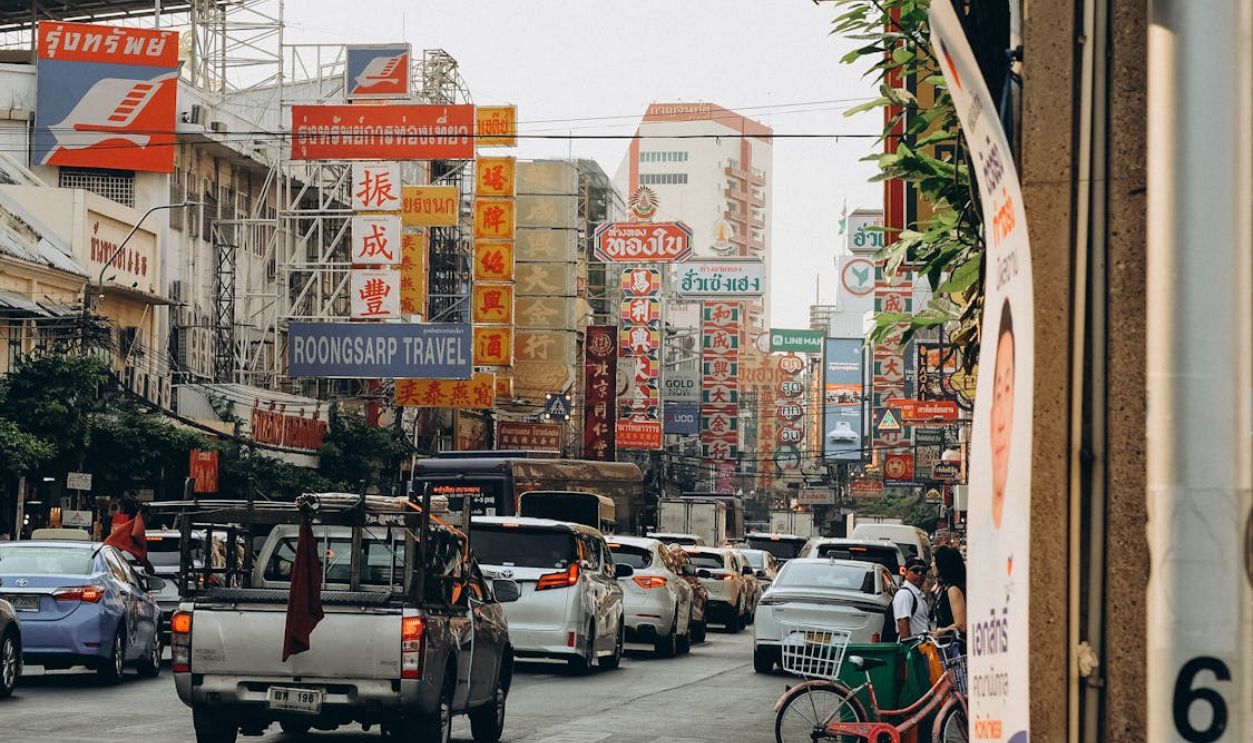
Opponents argue that limiting private cars can restrict freedom, hurt small businesses, and disadvantage people with mobility challenges or long commutes. Equity remains one of the most debated aspects of car-reduction policies, particularly in cities with uneven transit access.
The Politics Are Complicated
In countries like the United States, car ownership is deeply tied to identity and independence. That cultural attachment makes sweeping bans politically unlikely. As a result, most cities pursue gradual measures—congestion pricing, parking reform, car-free zones—rather than outright prohibition.

Technology Could Accelerate the Shift
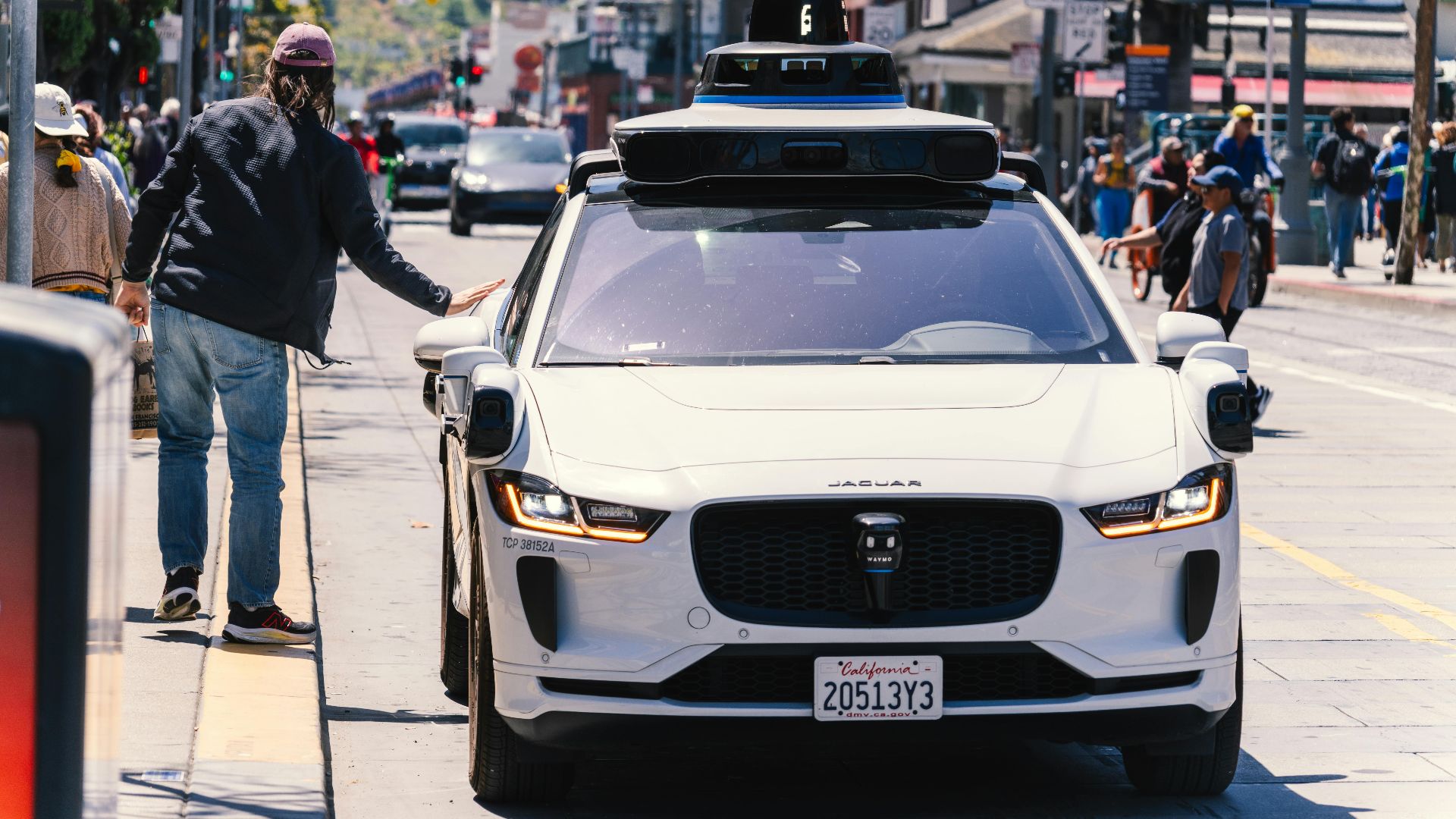
Shared electric fleets and, eventually, autonomous vehicles could make access more convenient without requiring ownership. If a vehicle can arrive within minutes at a predictable cost, the economic case for personal ownership weakens—especially in dense urban cores.
Will Any Major City Fully Ban Cars?
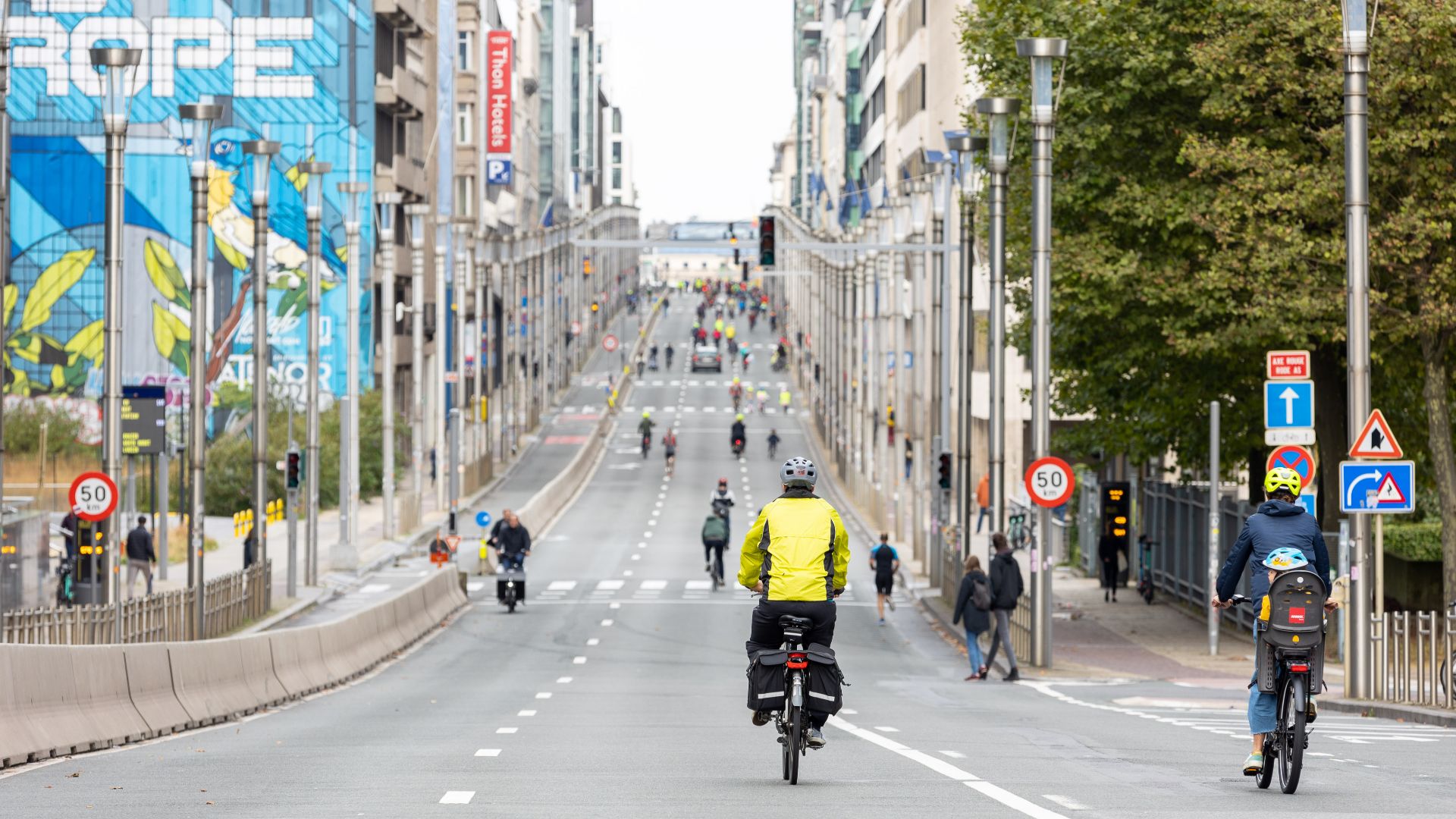
A complete citywide ban on private vehicles remains unlikely in the near future. But partial bans—such as car-free downtown districts or low-emission zones—are expanding across Europe. The transformation is happening in stages, not all at once.
 European Commission, Wikimedia Commons
What About the United States?
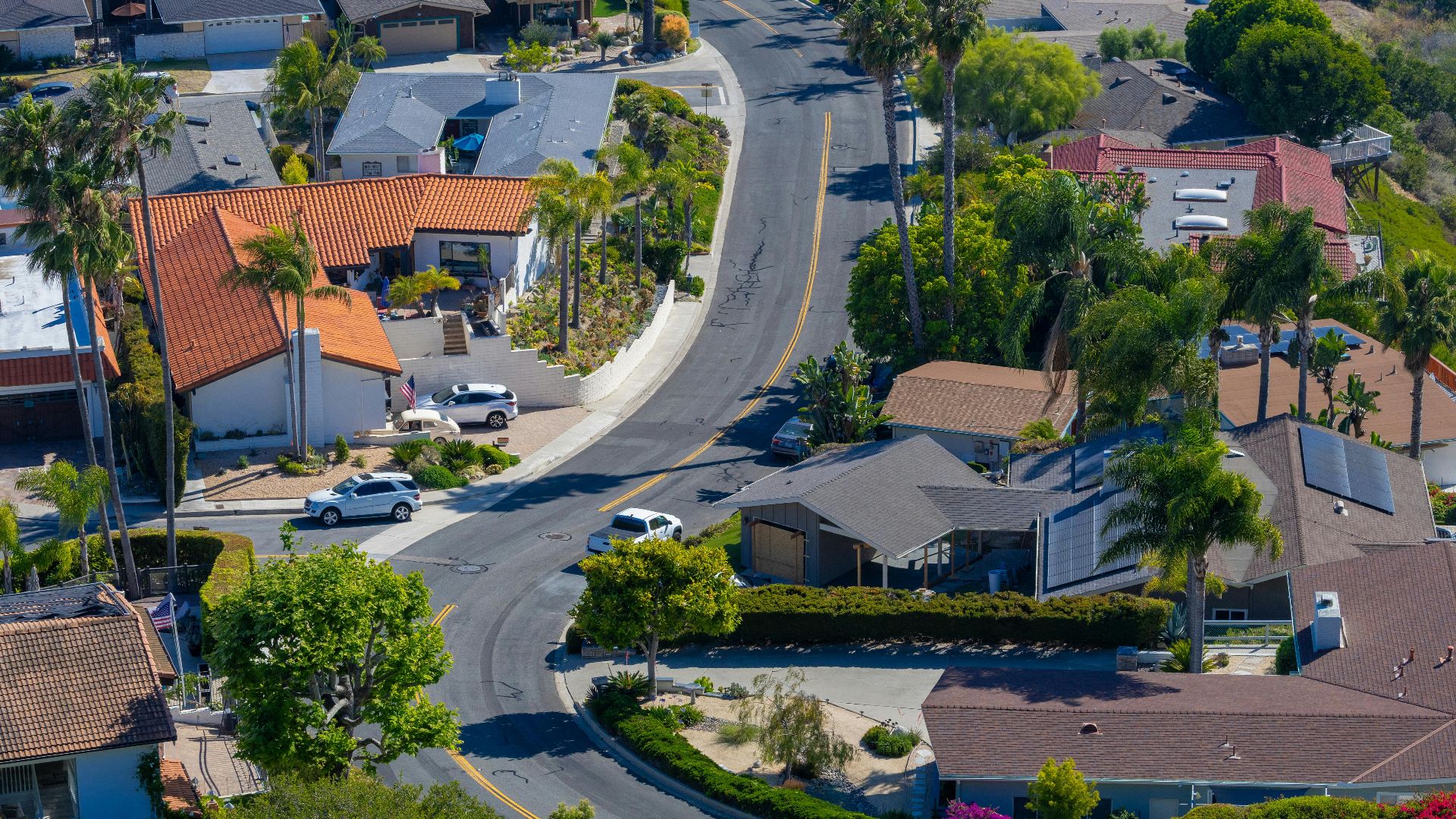
Few countries are as car-obsessed as the United States, where highways shaped suburbia and car ownership became a symbol of independence. And yet, change is still underway in the good ol' USA. The shift may be slower and more controversial than in Europe—but it’s happening.
The Biggest Changes So Far
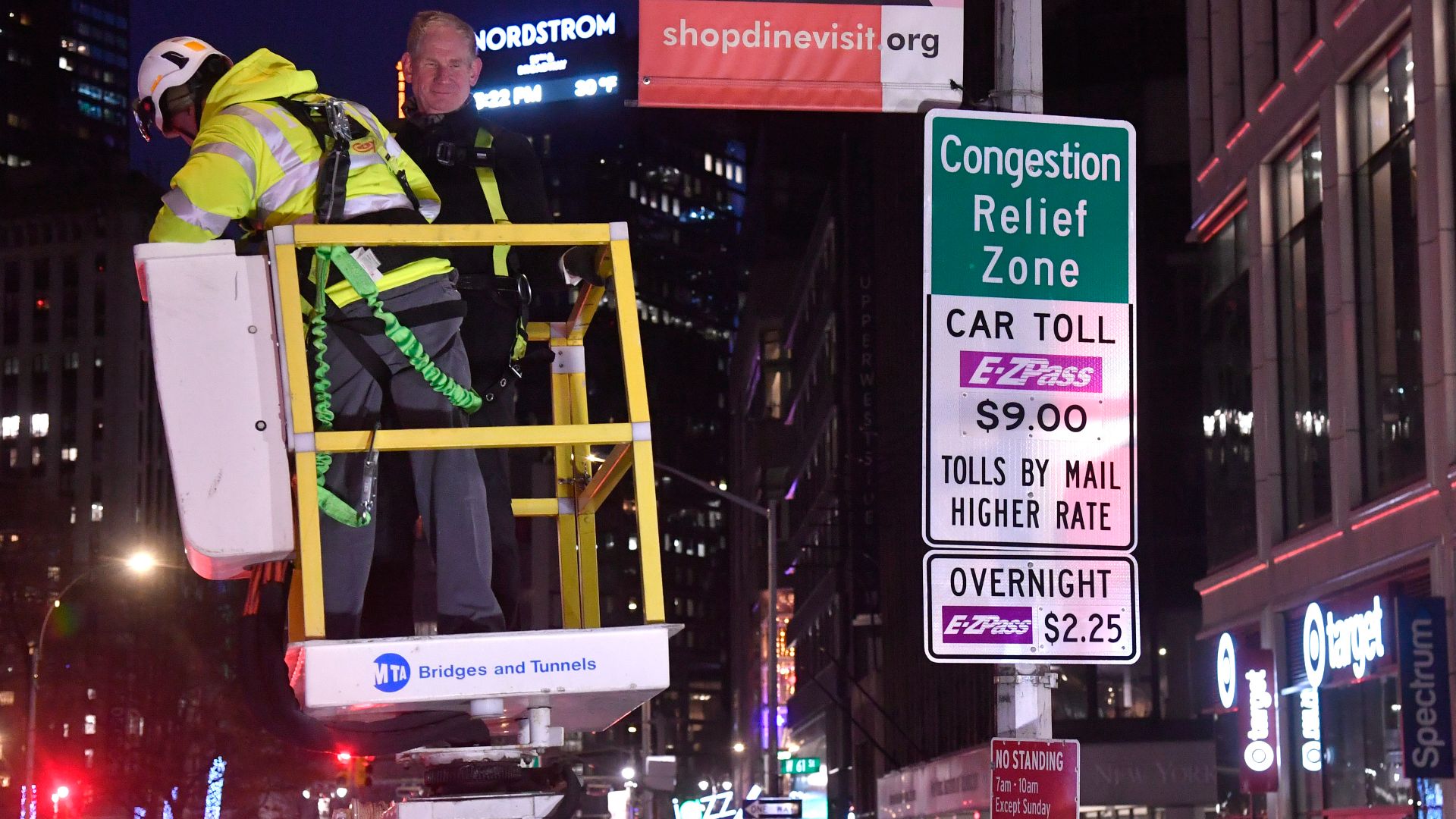
New York City has implemented congestion pricing in Manhattan’s core, charging drivers to enter busy zones. Minneapolis eliminated citywide parking minimums, a major break from decades of car-first zoning. Cities like San Francisco, Seattle, and Washington, D.C., have removed car lanes for protected bike corridors and bus-only routes. It’s not a ban—but it’s structural change.
 Metropolitan Transportation Authority , Wikimedia Commons
What a Car-Free Core Might Look Like
Picture wide pedestrian boulevards, bike highways, expanded green space, and curbside areas converted into public seating instead of parking. Many European city centers already resemble this model more than traditional car-dominated downtowns.
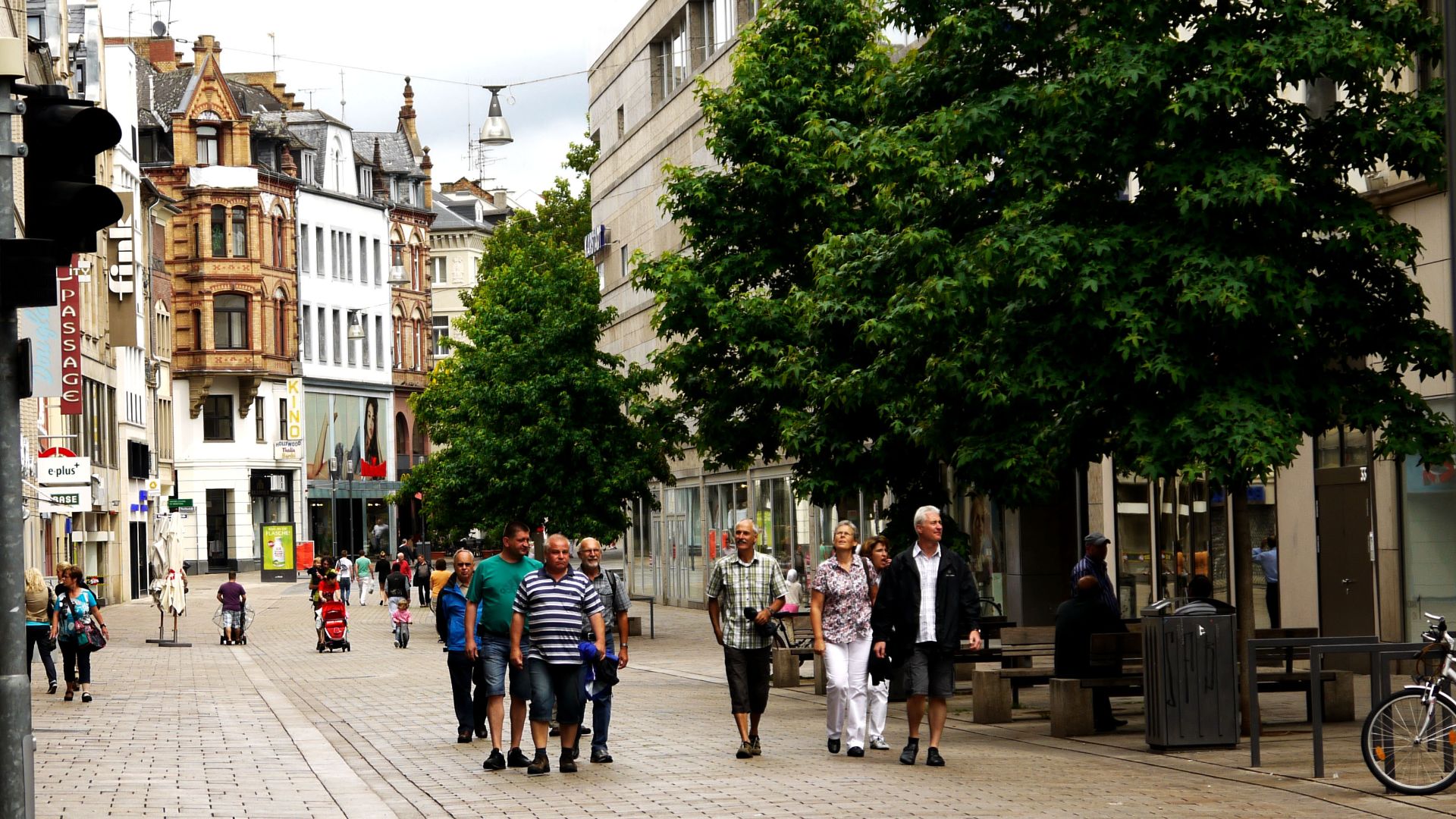 Sebastian Grunwald, Wikimedia Commons
The Real Question
The debate isn’t simply about banning cars. It’s about whether cities should continue prioritizing vehicles in their design—or prioritize people and adapt transportation accordingly. That philosophical shift is already reshaping planning decisions worldwide.
The Bottom Line
Car-free cities aren’t arriving overnight—but they’re no longer theoretical. With declining traffic in parts of Paris, ownership controls in Singapore, and new developments designed without traditional roads, the groundwork is clearly underway. The dominance of private cars in urban cores is no longer assumed—it’s being actively reconsidered.
You Might Also Like:
The True Origin Of The Term ‘Muscle Car’—And Who Really Invented It
People Were So Let Down By These Overhyped Car Models