You Went to Bed Parked Legally—And Woke Up to a Ticket
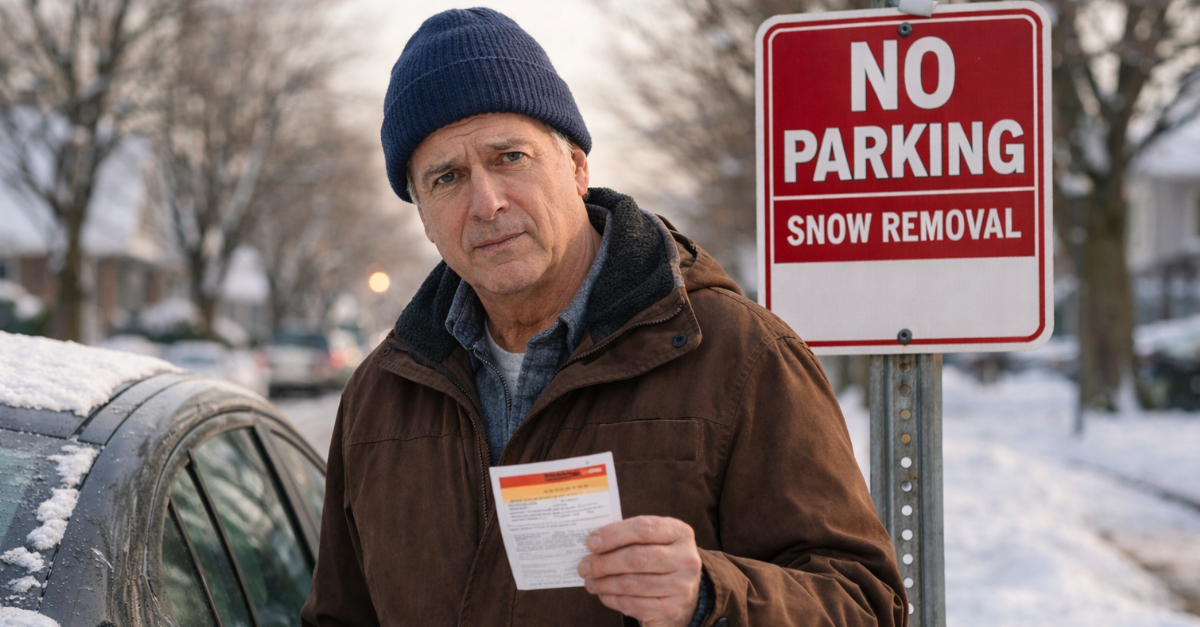
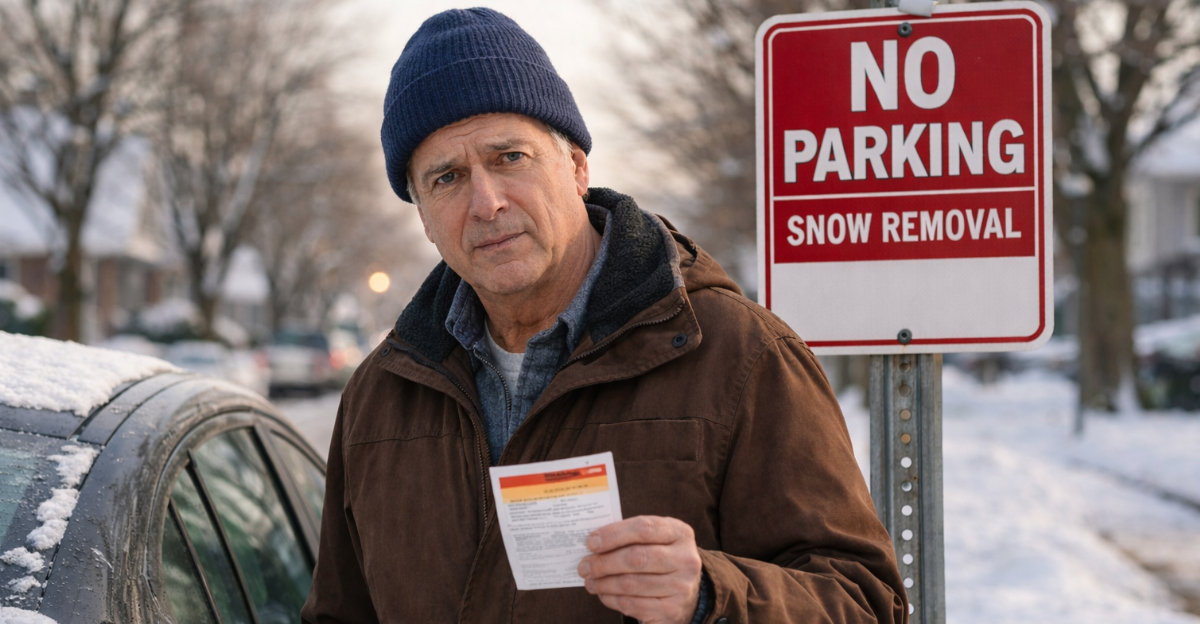
When you parked the night before, everything was fine. No signs, no cones, no warnings—just a perfectly legal curb spot. Sometime in the middle of the night, the city rolled through and slapped up temporary “No Parking” signs for snow removal. You didn’t move your car because you were asleep, and by morning there was a bright little ticket waiting on your windshield. It feels unfair—because it kind of is.
How Cities Can Change Parking Rules Overnight
Most cities have legal authority to temporarily restrict parking for snow removal and emergency operations. Once a temporary restriction is properly posted or an emergency rule is triggered, it can override what was legal earlier. That’s the frustrating part: your car didn’t change—your city’s rule did.
Snow Emergencies Are the Switch That Changes Everything
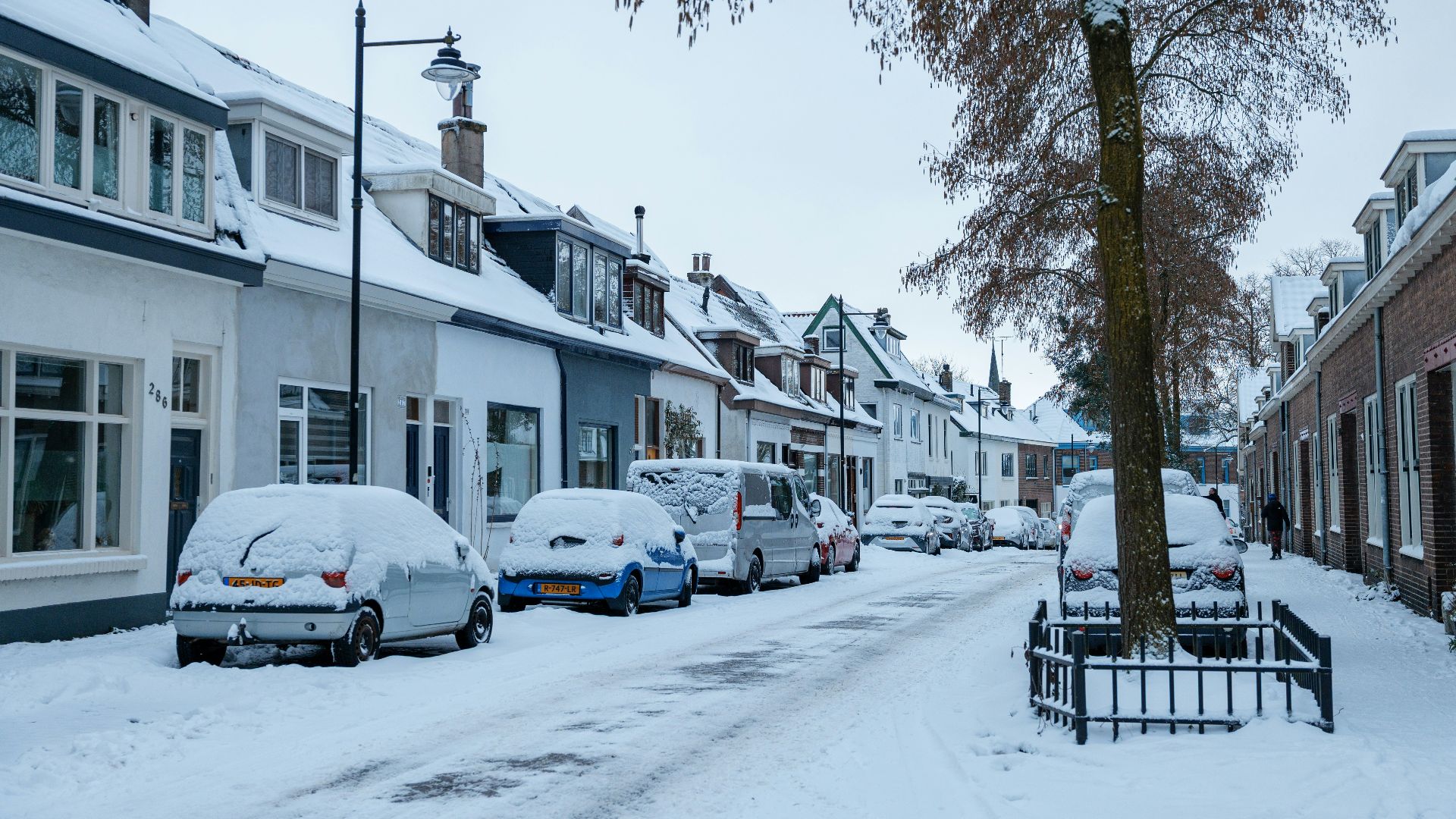
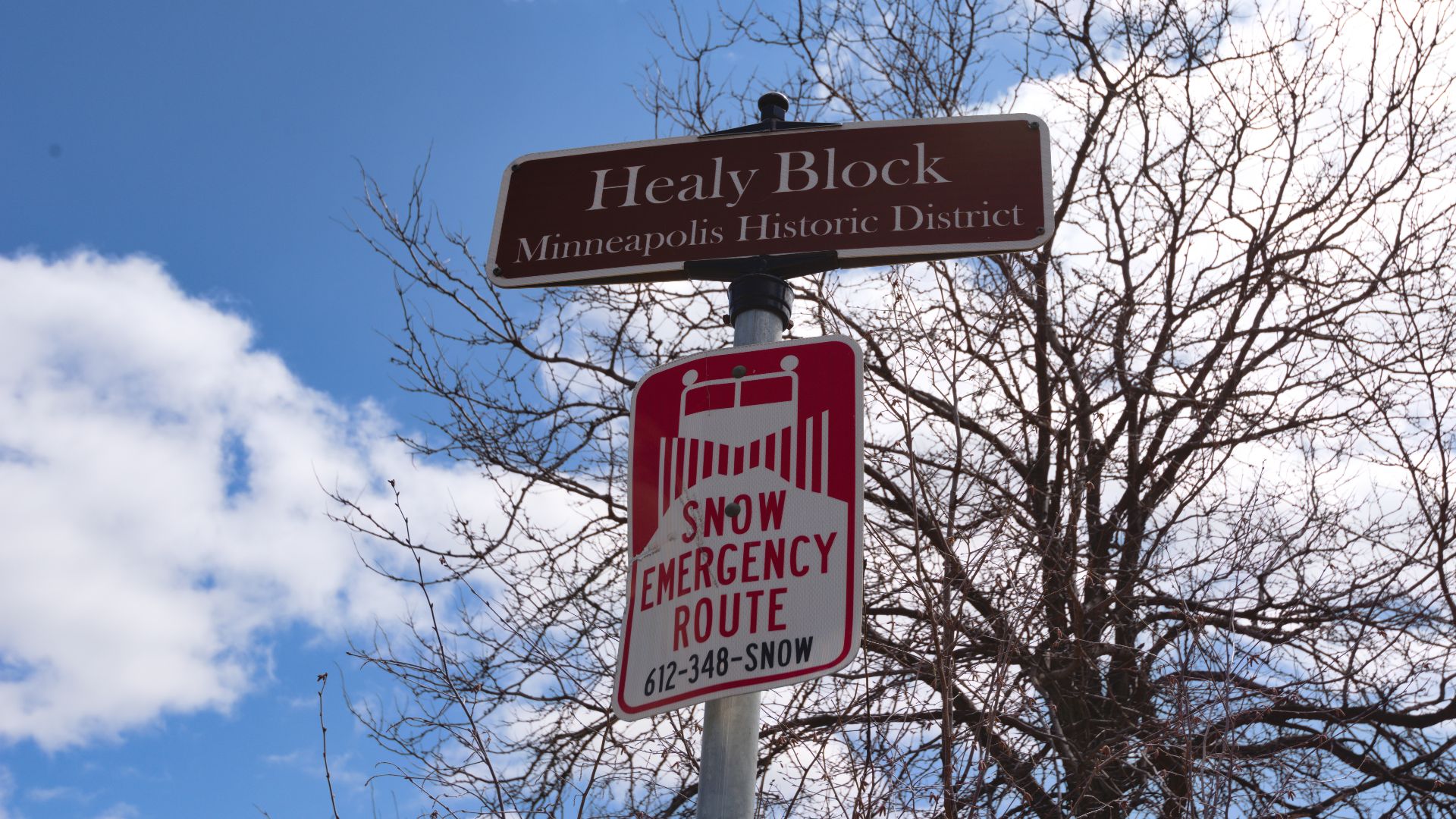
In many places, the key trigger is a declared snow emergency. Minneapolis uses a phased system, where parking rules change over multiple days. Albany, New York takes a broader approach, temporarily suspending normal parking rules in certain areas once an emergency is declared.
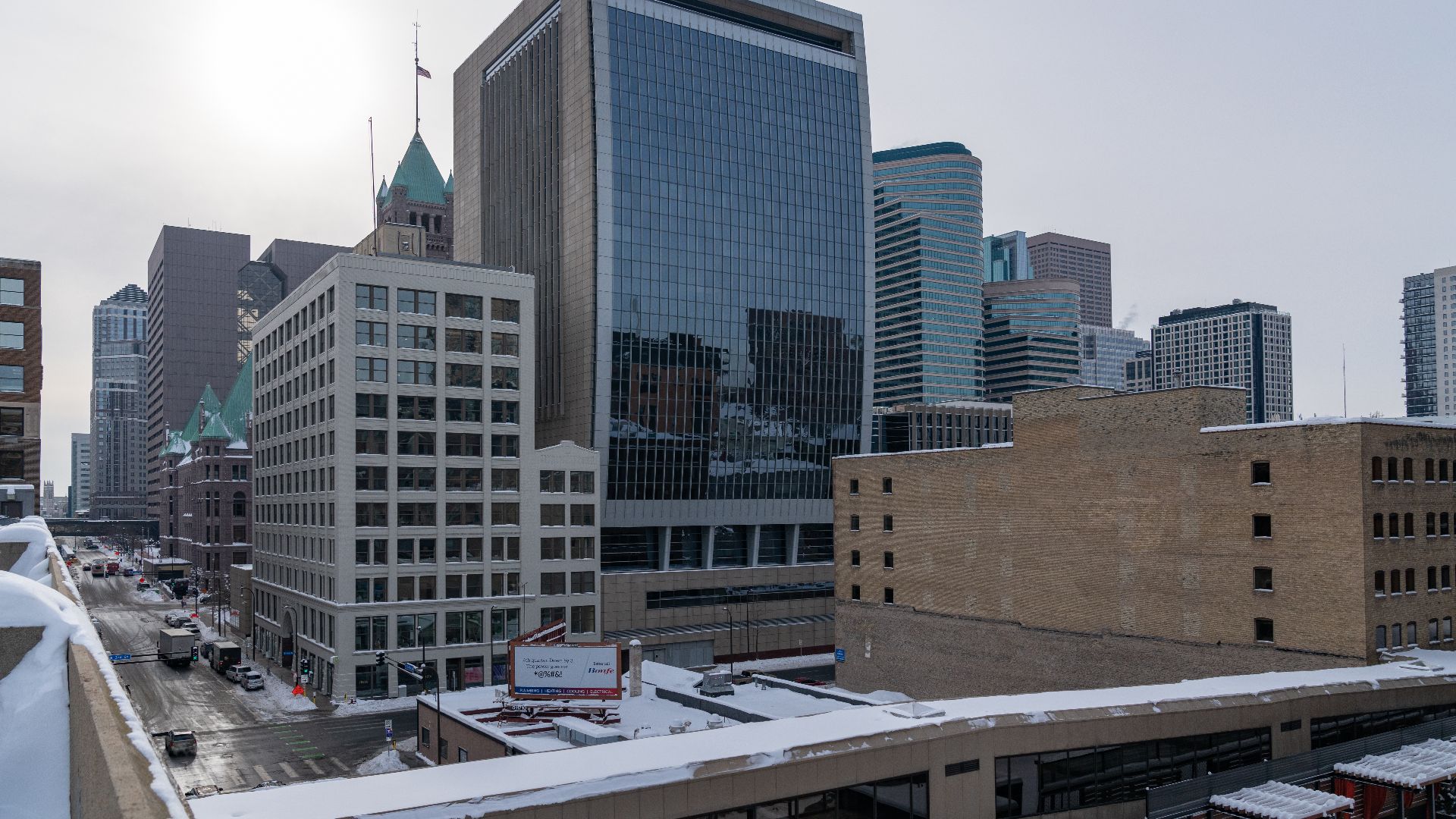 Tony Webster, Wikimedia Commons
There’s No National Standard for Snow Parking Rules
Snow parking rules are entirely local. States give cities wide discretion, meaning notice requirements, enforcement timing, and penalties vary dramatically. A ticket that might be dismissed in one city could be fully enforceable just a few miles away.
Notice Requirements Depend on Where You Live
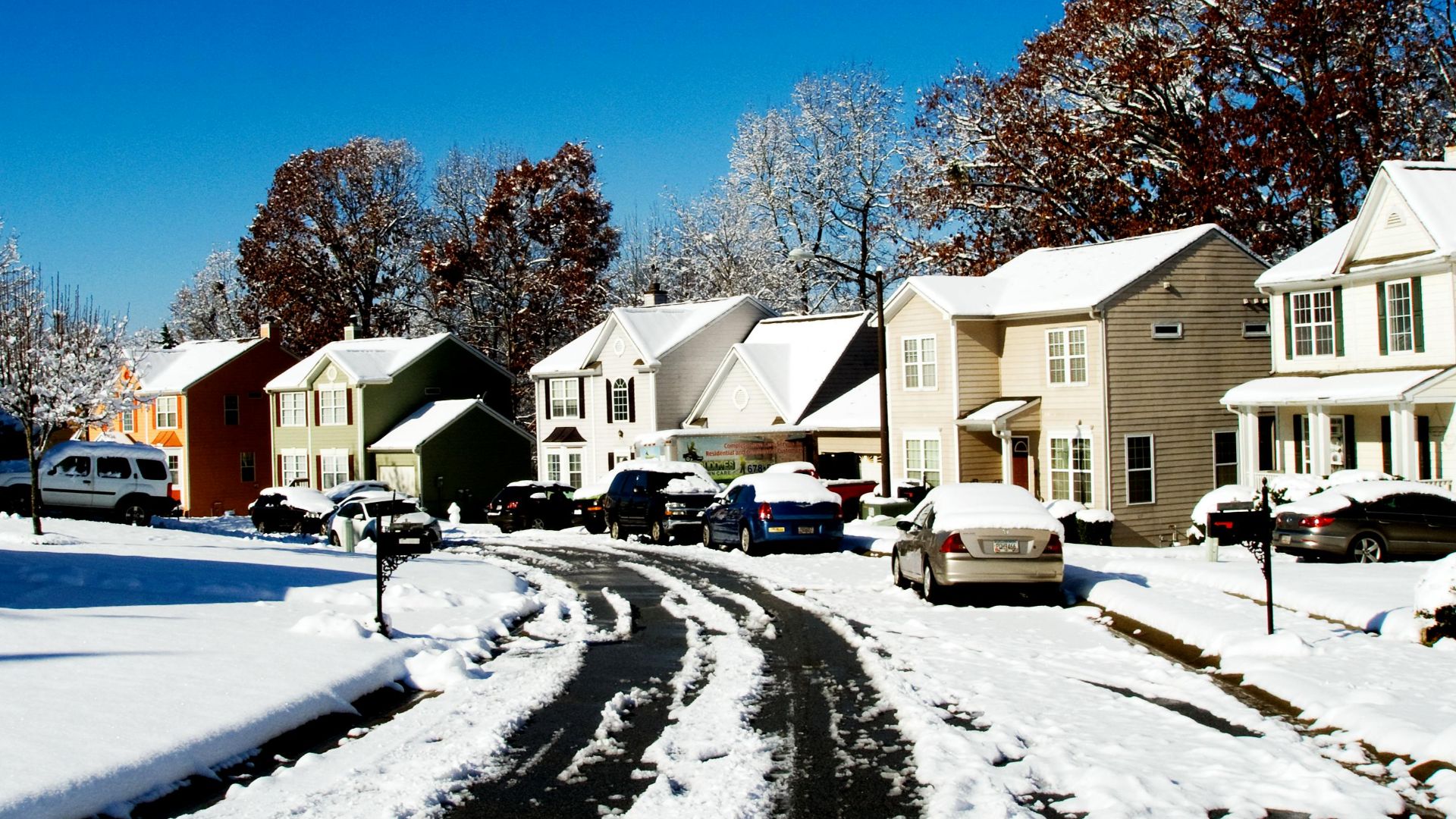
Some cities build in warning periods before enforcement begins. Hartford, Connecticut uses blue warning lights at major intersections that activate six hours before a parking ban. Other cities rely on emergency declarations and alerts instead.
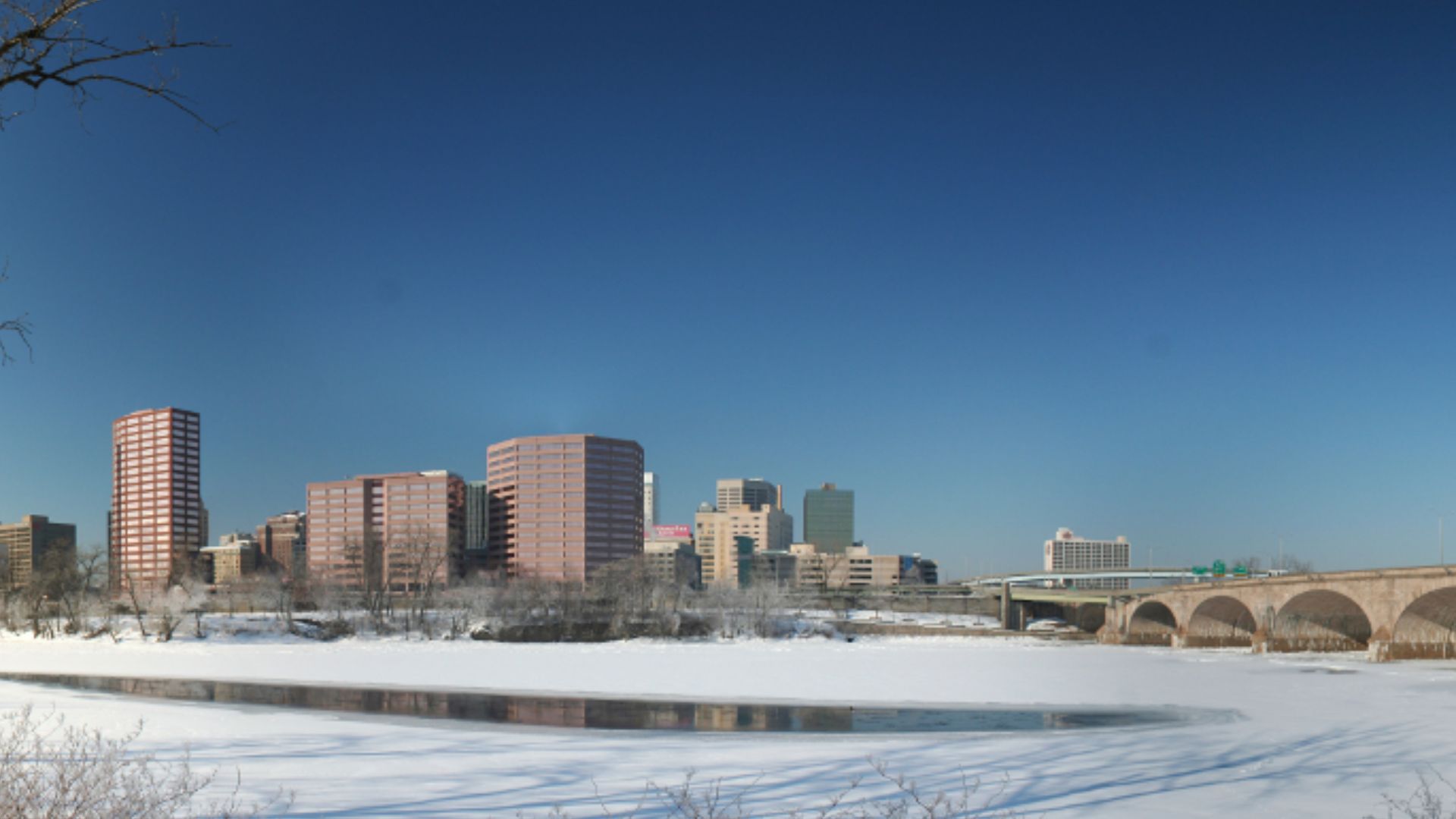 Dave Ginsberg, Wikimedia Commons
Why Timing Is the Most Important Detail
If you parked before any restriction existed, the timing of when signs went up or an emergency was declared becomes critical. Appeals often hinge on whether the city followed its own procedures for notice and enforcement.

What Temporary Signs Are Supposed to Tell You
Clear temporary signs usually list when enforcement begins. Missing dates, times, or official markings don’t automatically void a ticket, but they can support an argument that notice was unclear or inadequate.
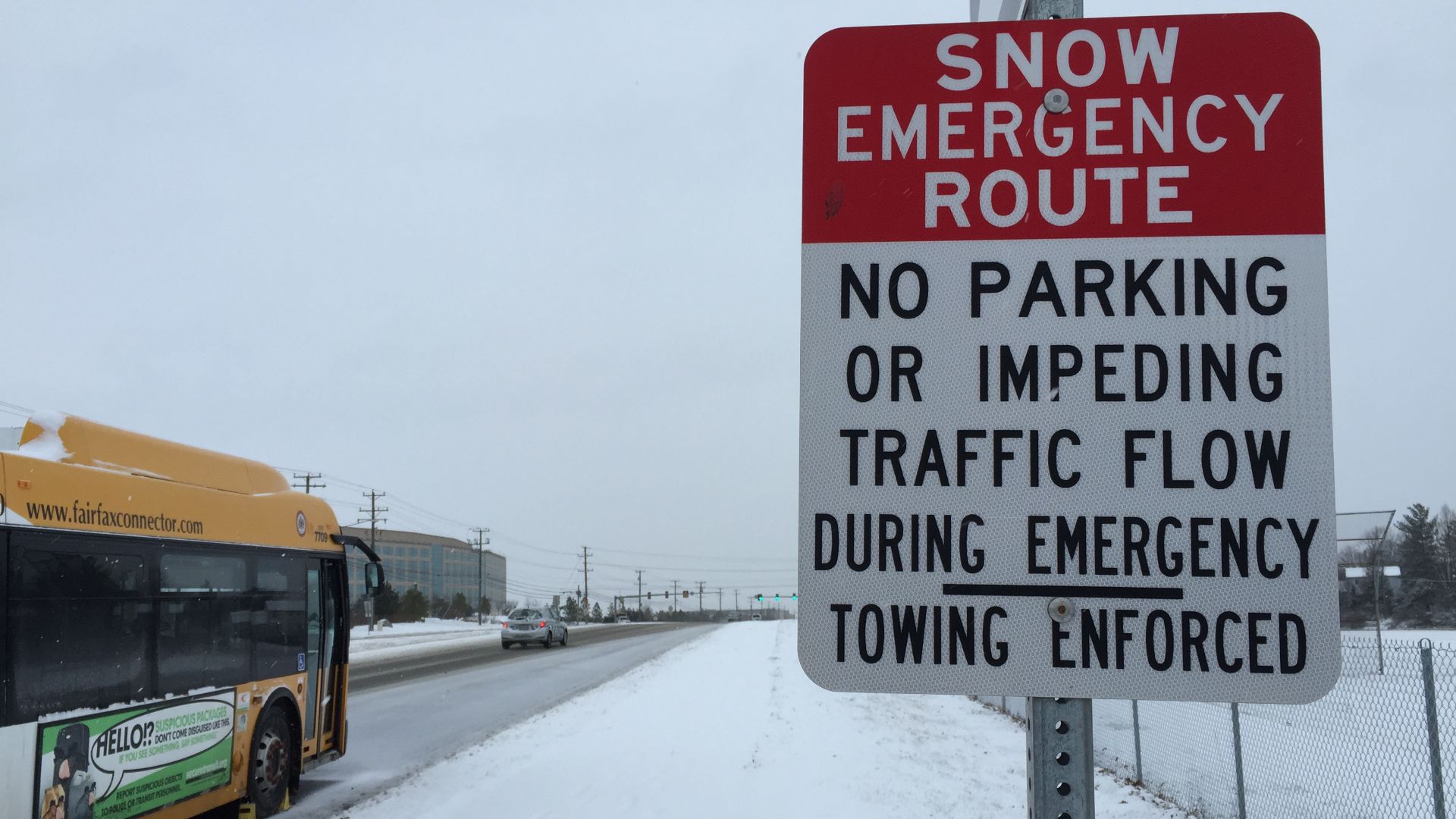
DC’s Snow Emergency Routes
Washington, DC heavily enforces Snow Emergency Routes. When a snow emergency is declared, parking on those routes is prohibited to allow plows and emergency vehicles to operate efficiently.
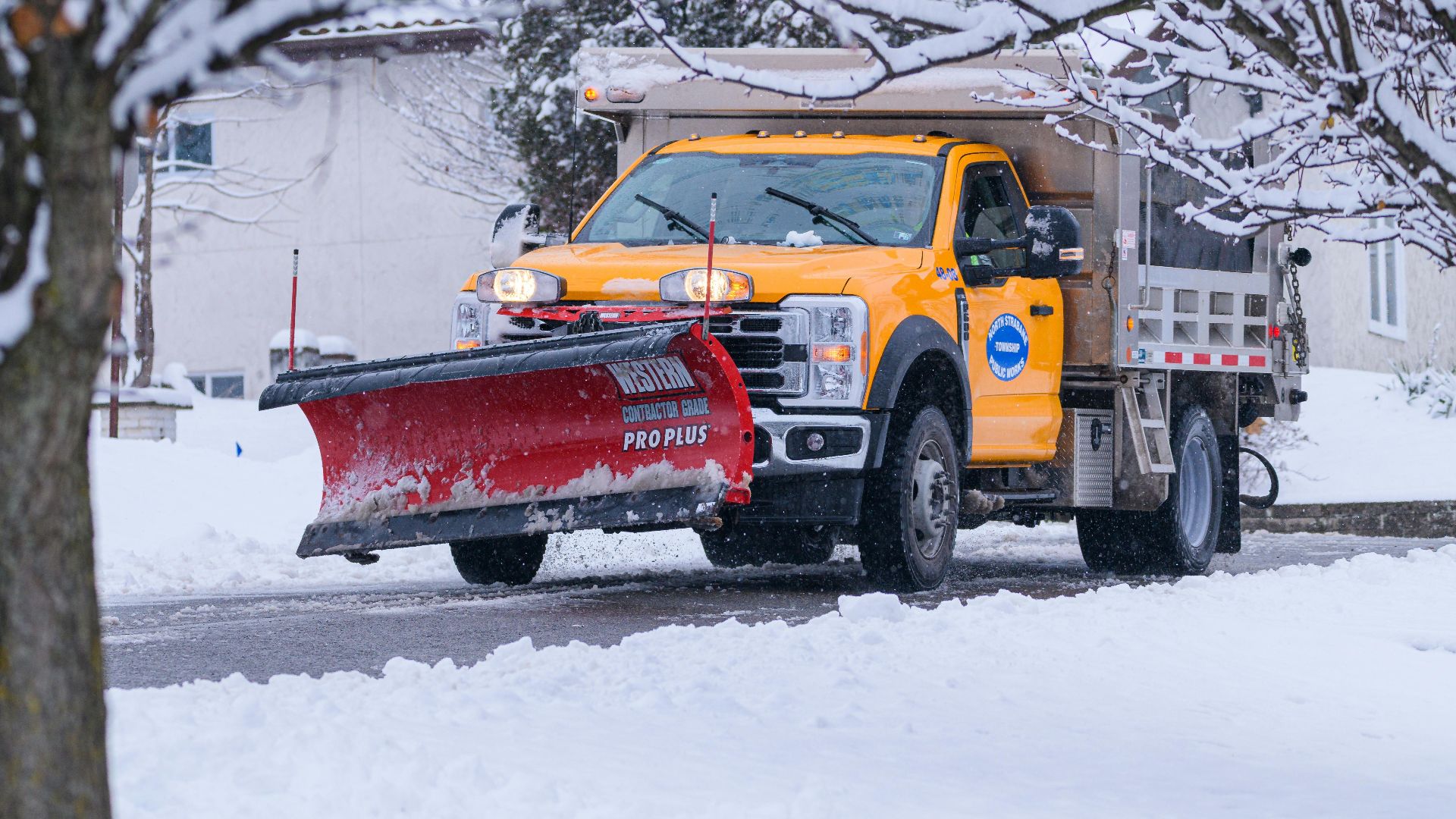
Boston’s Main-Artery Approach
Boston also restricts parking on designated snow emergency arteries during storms. The city warns drivers that parking on these streets can result in tickets and towing, and it directs residents to discounted garages during emergencies.
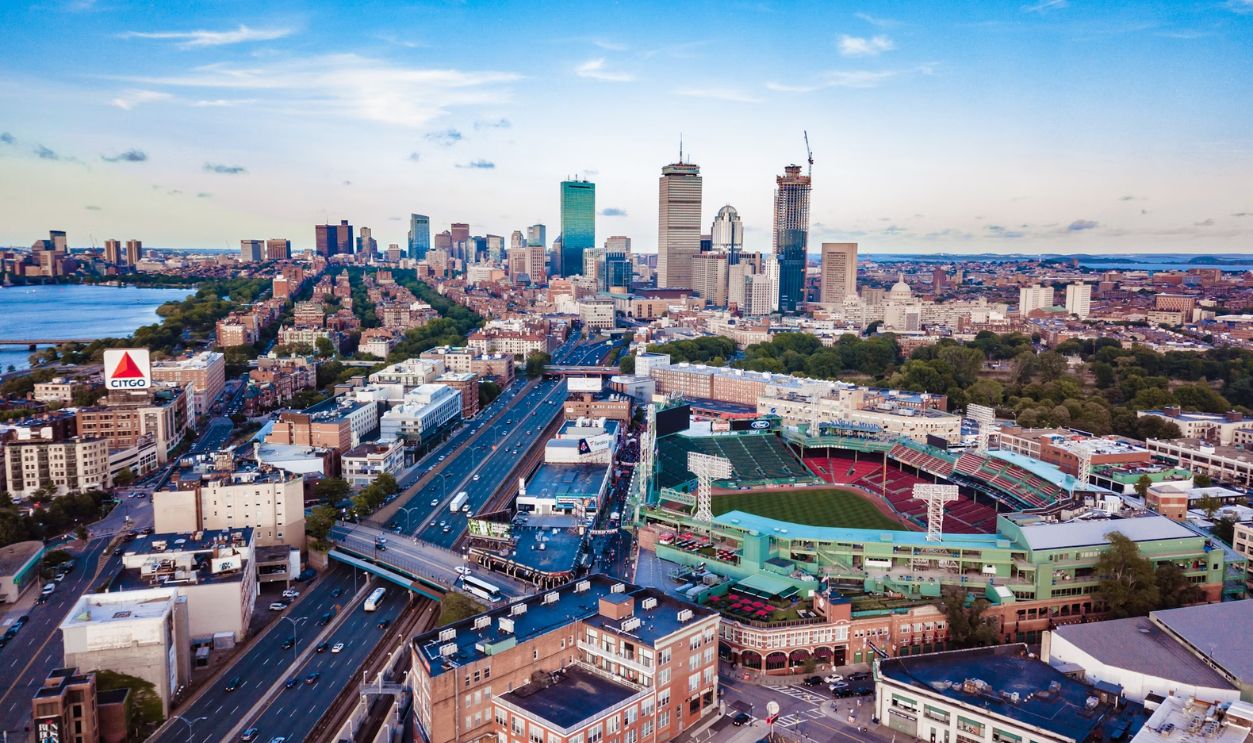
Chicago Shows How Strict Enforcement Can Be
Chicago maintains designated winter snow parking restrictions. Once active, violations often result in towing along with tickets and storage fees, showing how little flexibility exists once snow rules are in effect.
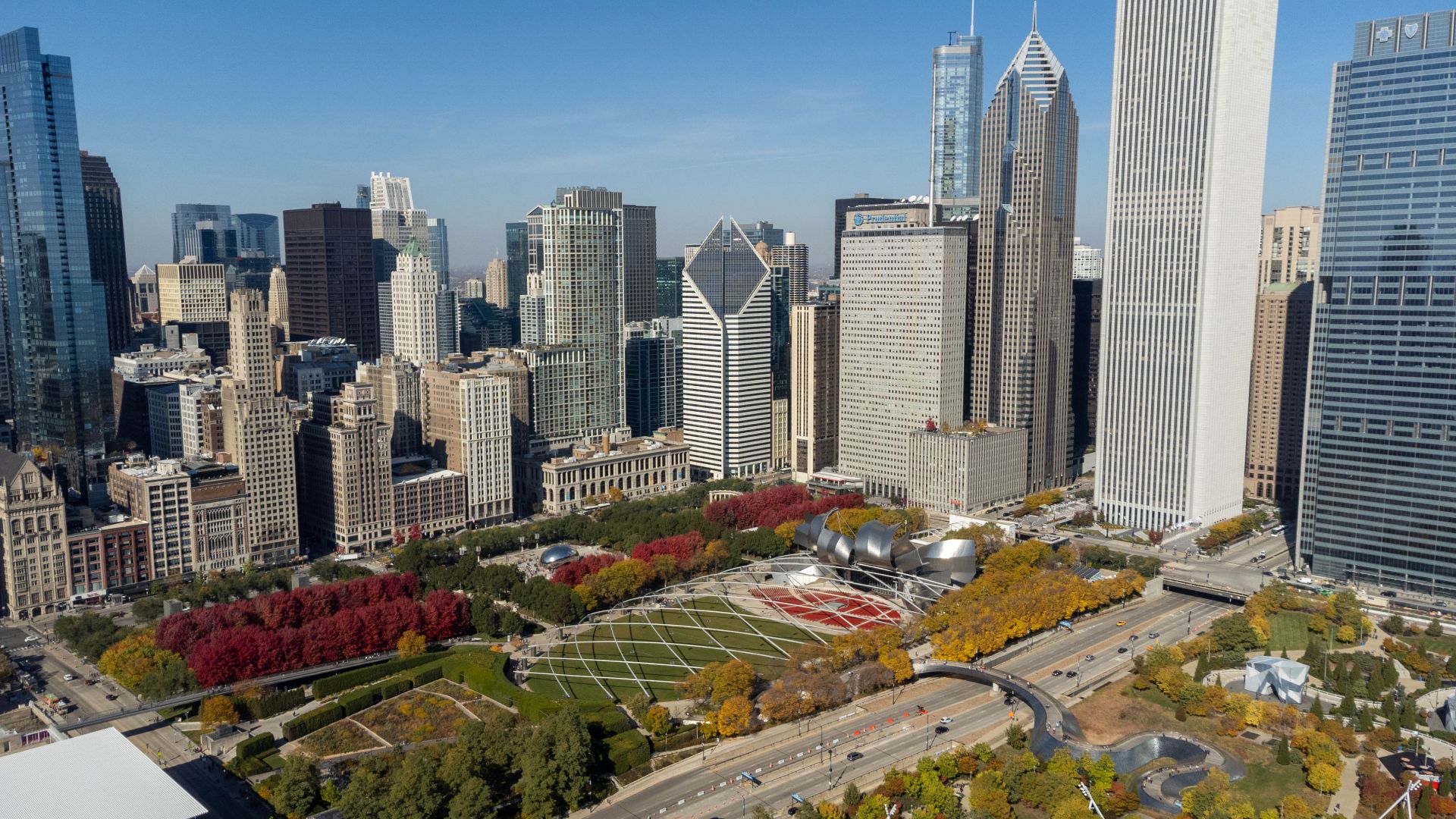
Why Cities Enforce Snow Rules Aggressively
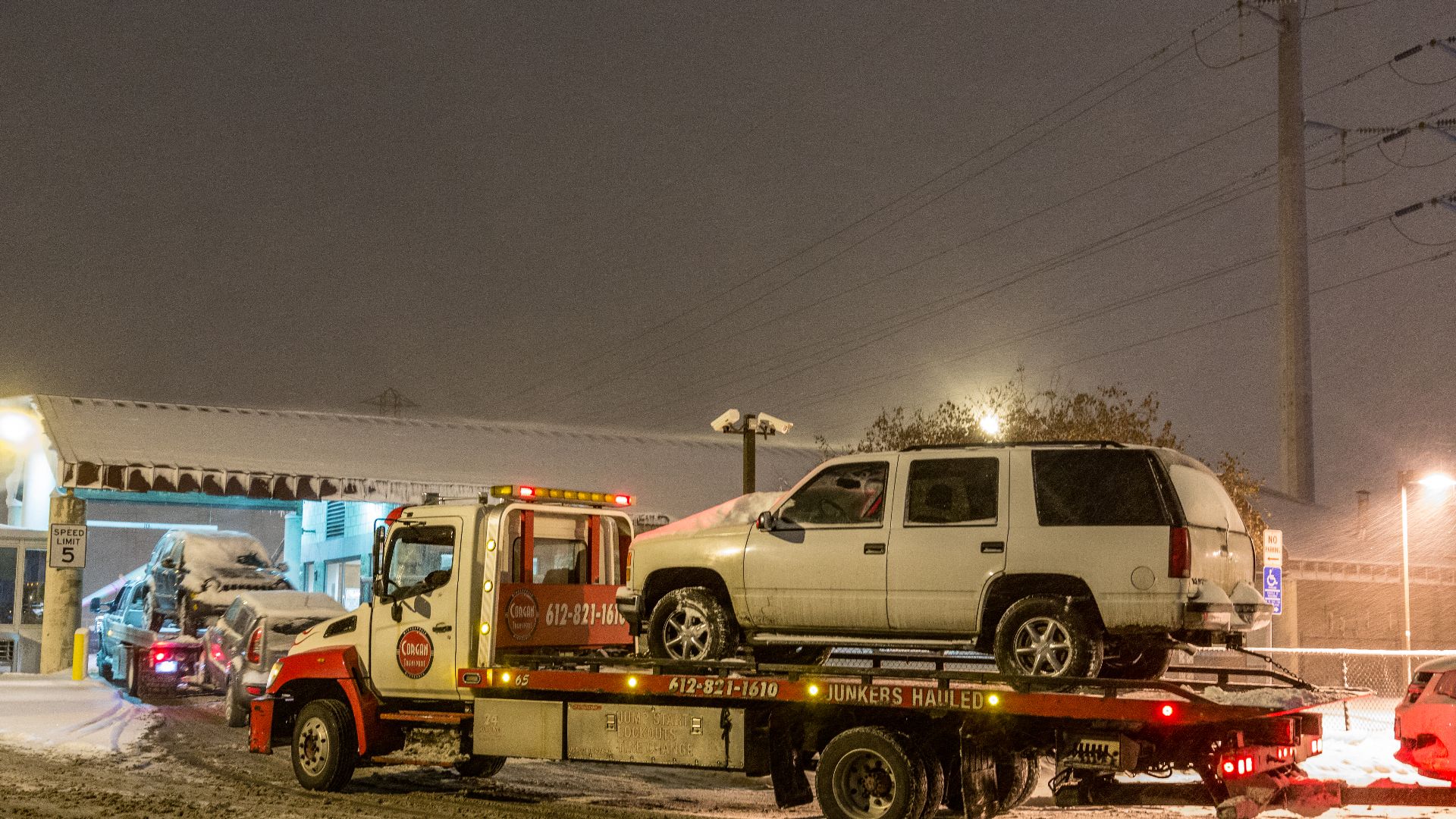
Cities argue that even one parked car can block plows and slow emergency response. During a recent Hartford snow emergency, the city issued 1,284 tickets and towed 417 vehicles in a single enforcement period.
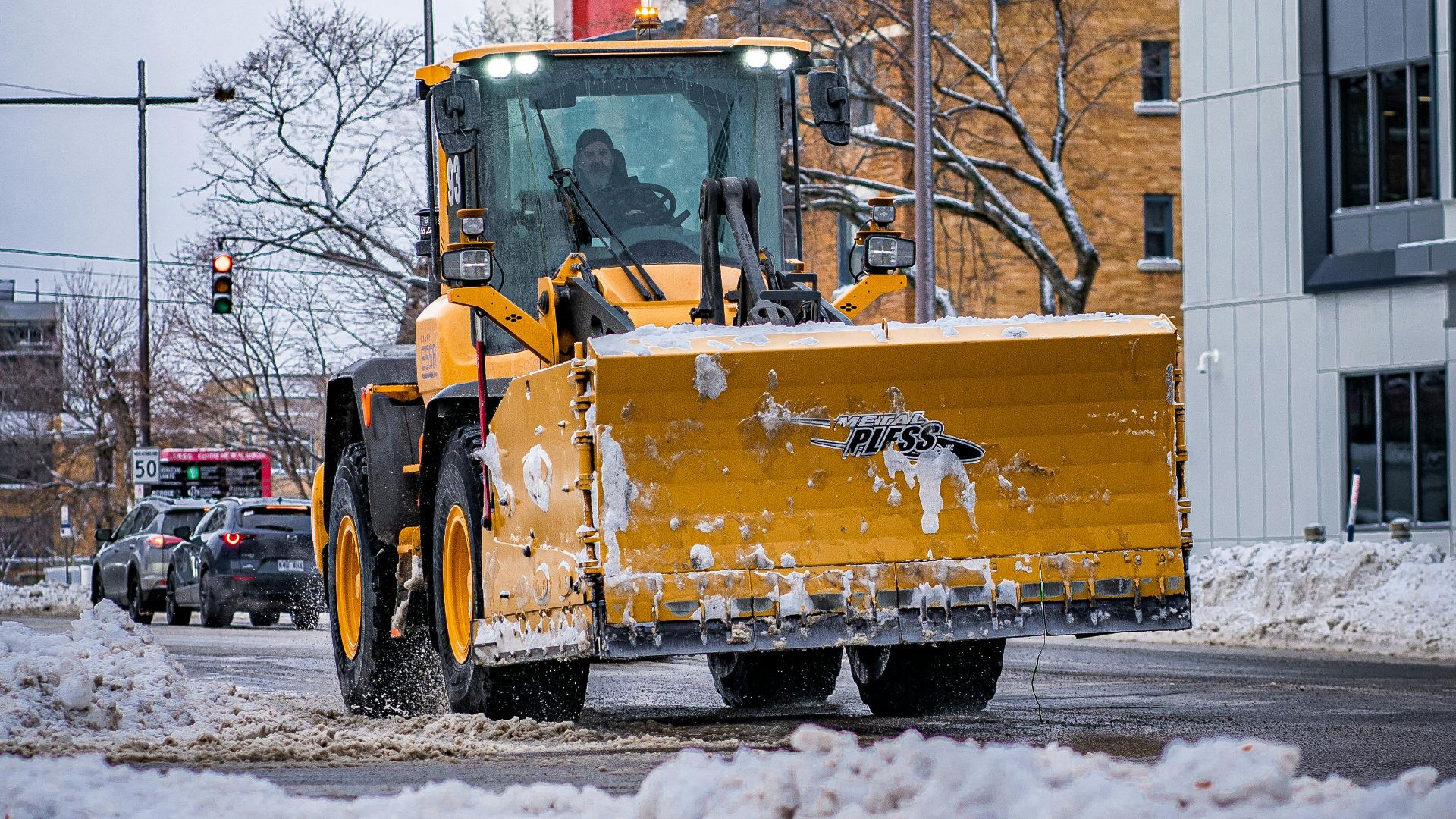
New Haven’s Numbers Tell the Same Story
During the same storm, New Haven issued 573 parking tickets and towed 432 vehicles. Snow enforcement is not rare—it’s often a large-scale operation during major storms.
 Tony Webster from Minneapolis, Minnesota, United States, Wikimedia Commons
How Often This Really Happens
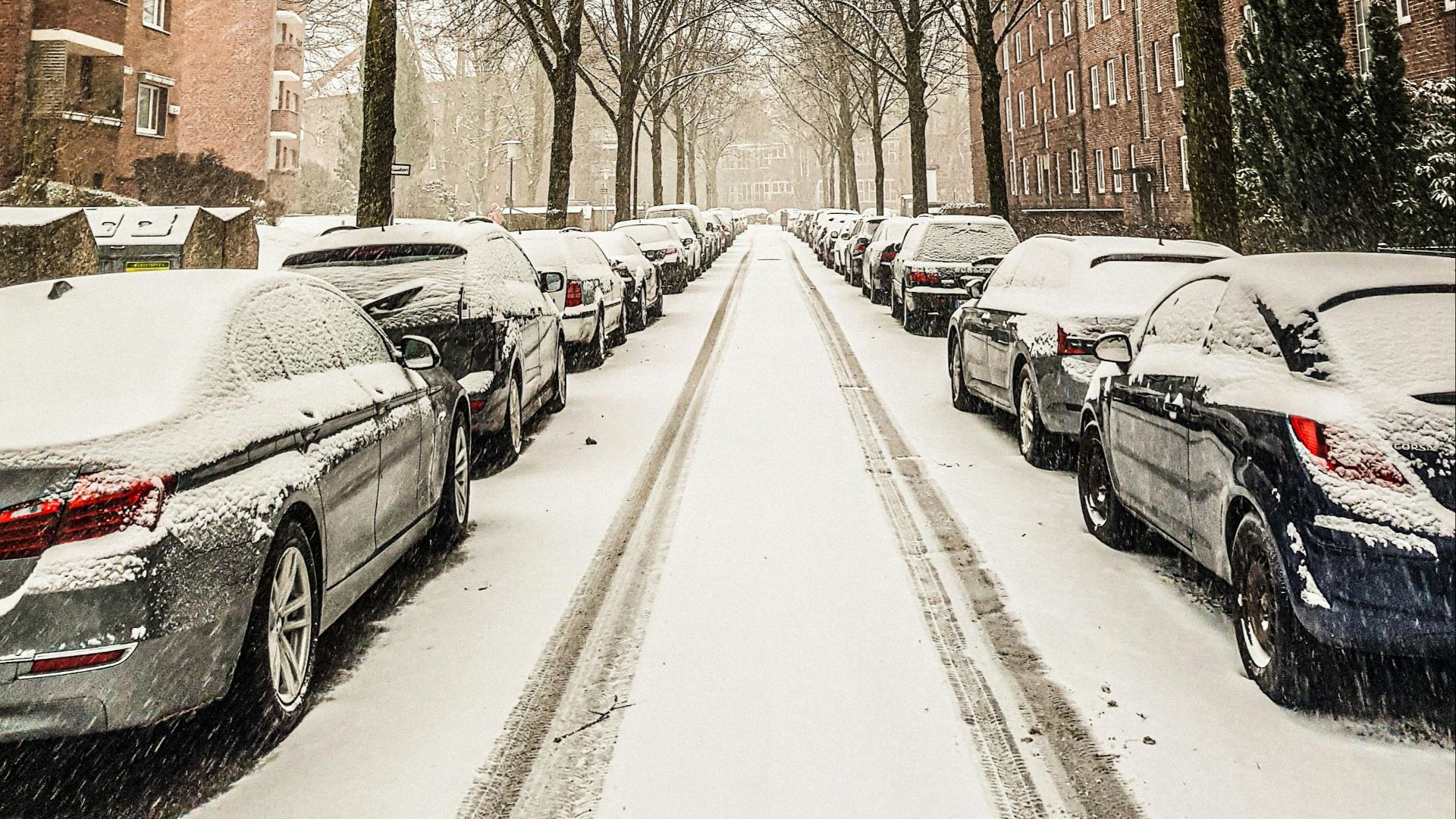
Large snowstorms routinely trigger mass parking enforcement. In many Northeast and Midwest cities, hundreds or even thousands of tickets can be issued overnight once snow emergency rules take effect. This isn’t an edge case—it’s a common winter problem for urban drivers.
The Financial Risk Escalates Quickly
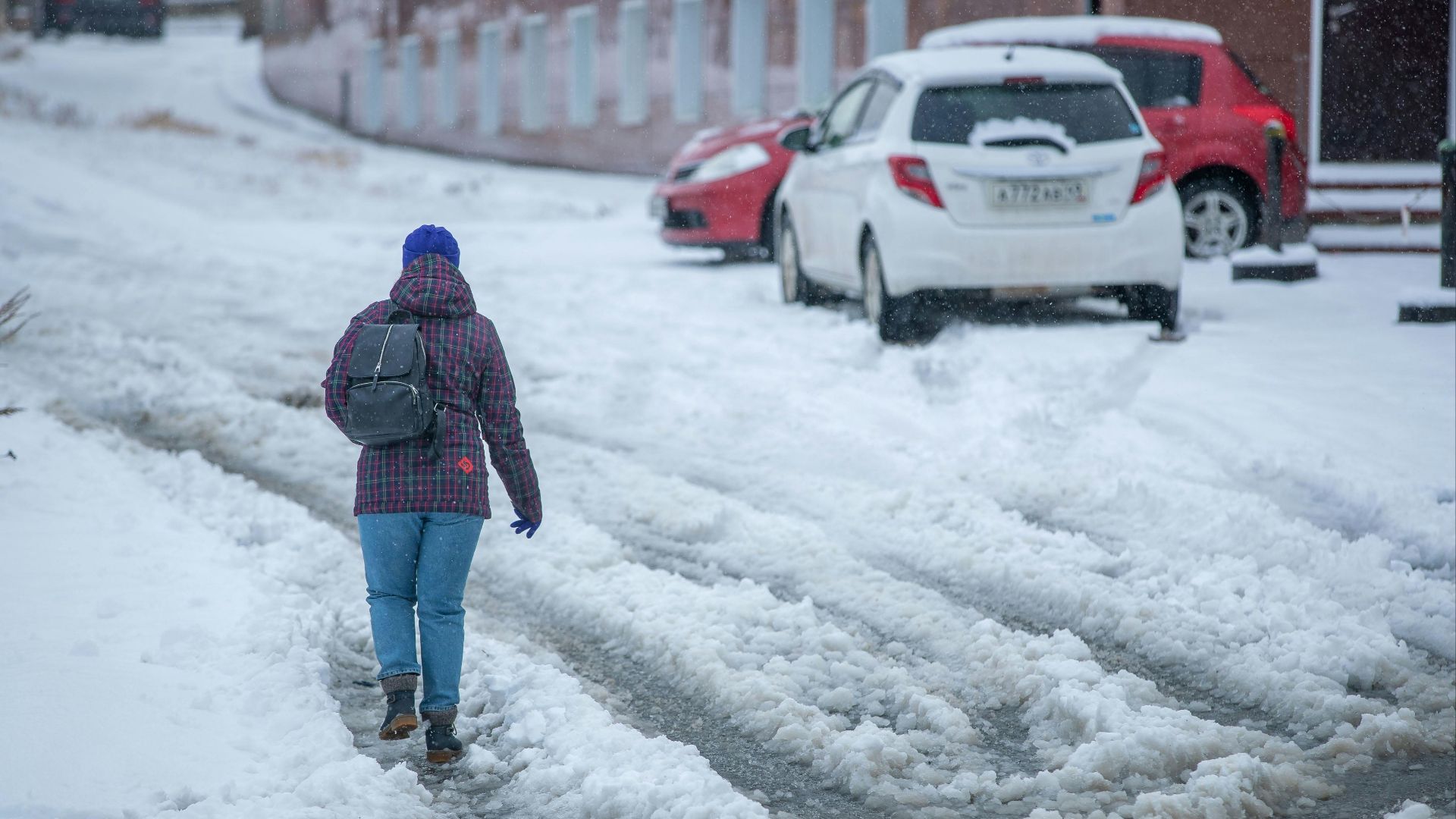
Snow-related parking tickets can range from modest fines to significant costs once towing and storage fees are added. What starts as a citation can quickly become a several-hundred-dollar problem.
 Karolina Grabowska www.kaboompics.com, Pexels
Photos Can Make or Break an Appeal
If you contest a ticket, photos matter. Capture the sign, your car, surrounding streets, and anything suggesting the sign was newly installed. Timestamped photos are especially useful.
Snow Emergency Declarations Matter
Cities often publish the exact time a snow emergency begins. Matching that timeline to when you parked can help clarify whether enforcement started before or after the rule change.

What Doesn’t Count as a Defense
Neighborhood customs, parking chairs, cones, or informal rules don’t override official restrictions. Only city-posted signage and declarations matter.
 Fibonacci Blue from Minnesota, USA, Wikimedia Commons
Temporary Parking Relief Options
Some cities open municipal lots or offer discounted garage parking during snow emergencies. Boston and several Midwest cities have used this approach to reduce violations.
When Contesting the Ticket Makes Sense
If the sign appeared after you parked or required notice wasn’t given, contesting the ticket is reasonable. Many cities allow appeals online or by mail, making it worth trying when the fine is significant.

When Paying Might Be the Easier Choice
If rules allow immediate enforcement and the fine is small, paying may be simpler than appealing. But it should be a deliberate decision, not an assumption.
 Karolina Grabowska www.kaboompics.com, Pexels
The Bottom Line
Cities can enforce snow-related parking changes overnight, but whether you really have to pay depends on local notice rules, how restrictions were communicated, and when enforcement began. This is one of the few parking situations where pushing back is often justified.
You Might Also Like: