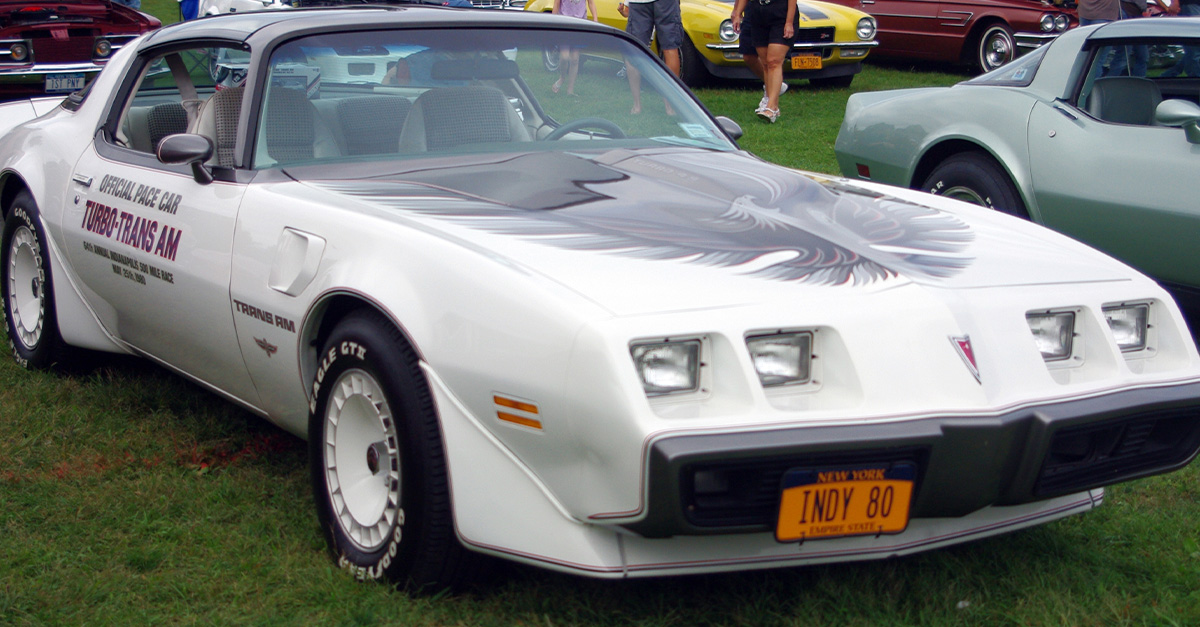
What’s In A Name?
Say the words “muscle car” and you can almost hear a lumpy idle and the distant squeal of tires leaving a stoplight a little too aggressively. It’s a phrase packed with attitude, swagger, and just enough rebellion to make your insurance agent nervous—but where did it actually come from, and who decided these cars deserved such a brawny name in the first place?
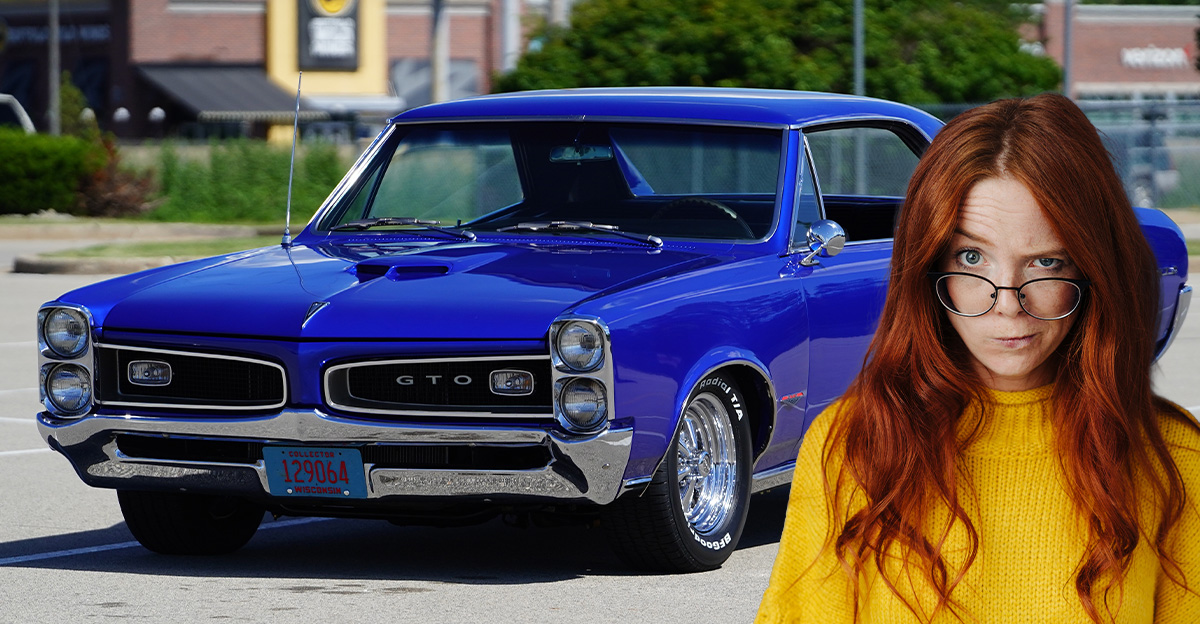
The Story Everyone Thinks They Know
If you hang around car shows long enough, you’ll hear the same version of history repeated like gospel: the 1964 Pontiac GTO invented the muscle car, and the term popped up right alongside it. It’s a clean, satisfying origin story—one car, one year, one label—but the real timeline is a lot messier and far more interesting.
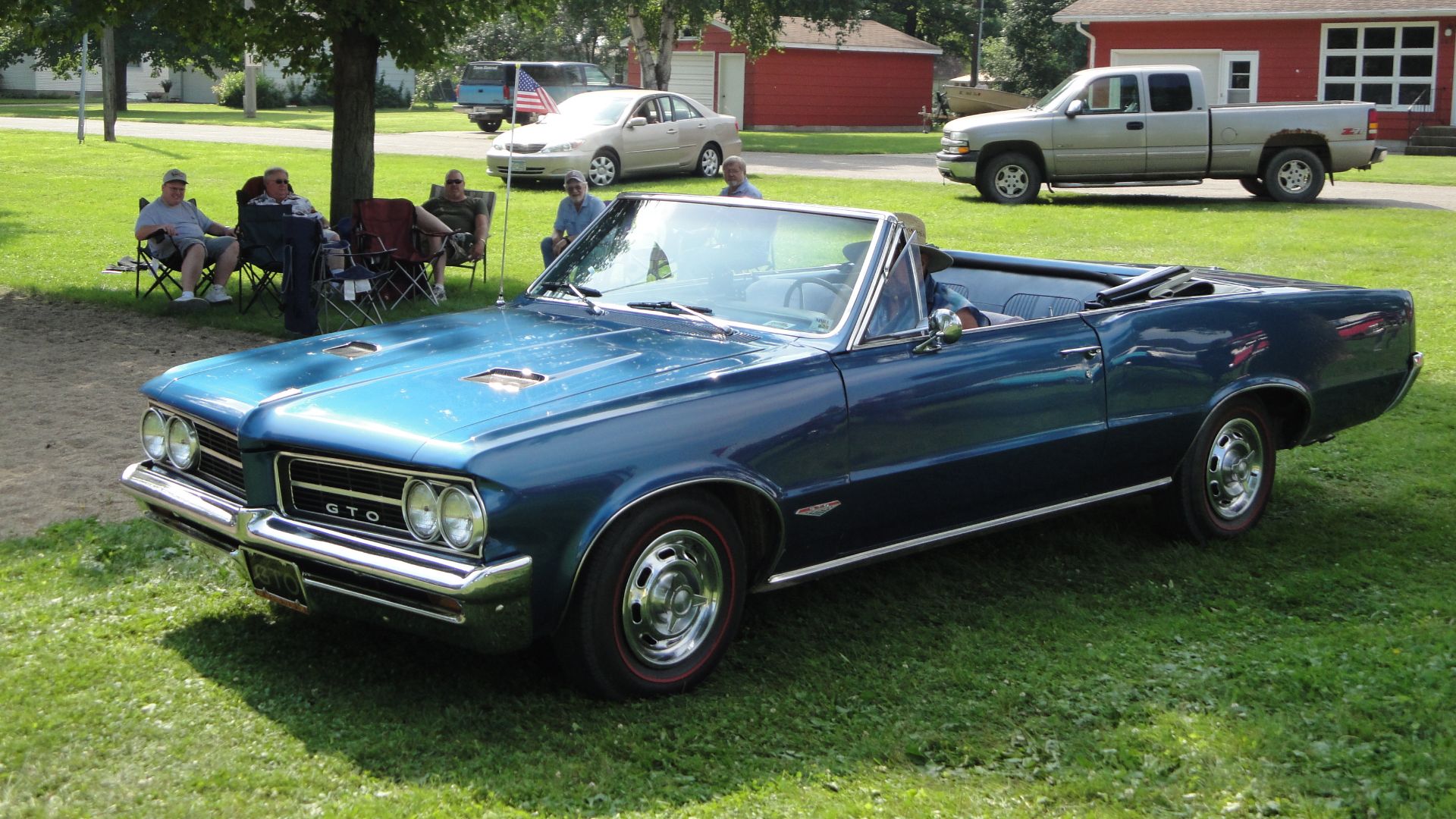 Greg Gjerdingen from Willmar, USA, Wikimedia Commons
Before The Name, There Was The Recipe
Long before anyone called anything a muscle car, Detroit had already figured out the formula: take a relatively light, affordable car and cram in the biggest engine that would fit. No one needed a catchy nickname at first—just a healthy disregard for moderation and a love of horsepower.
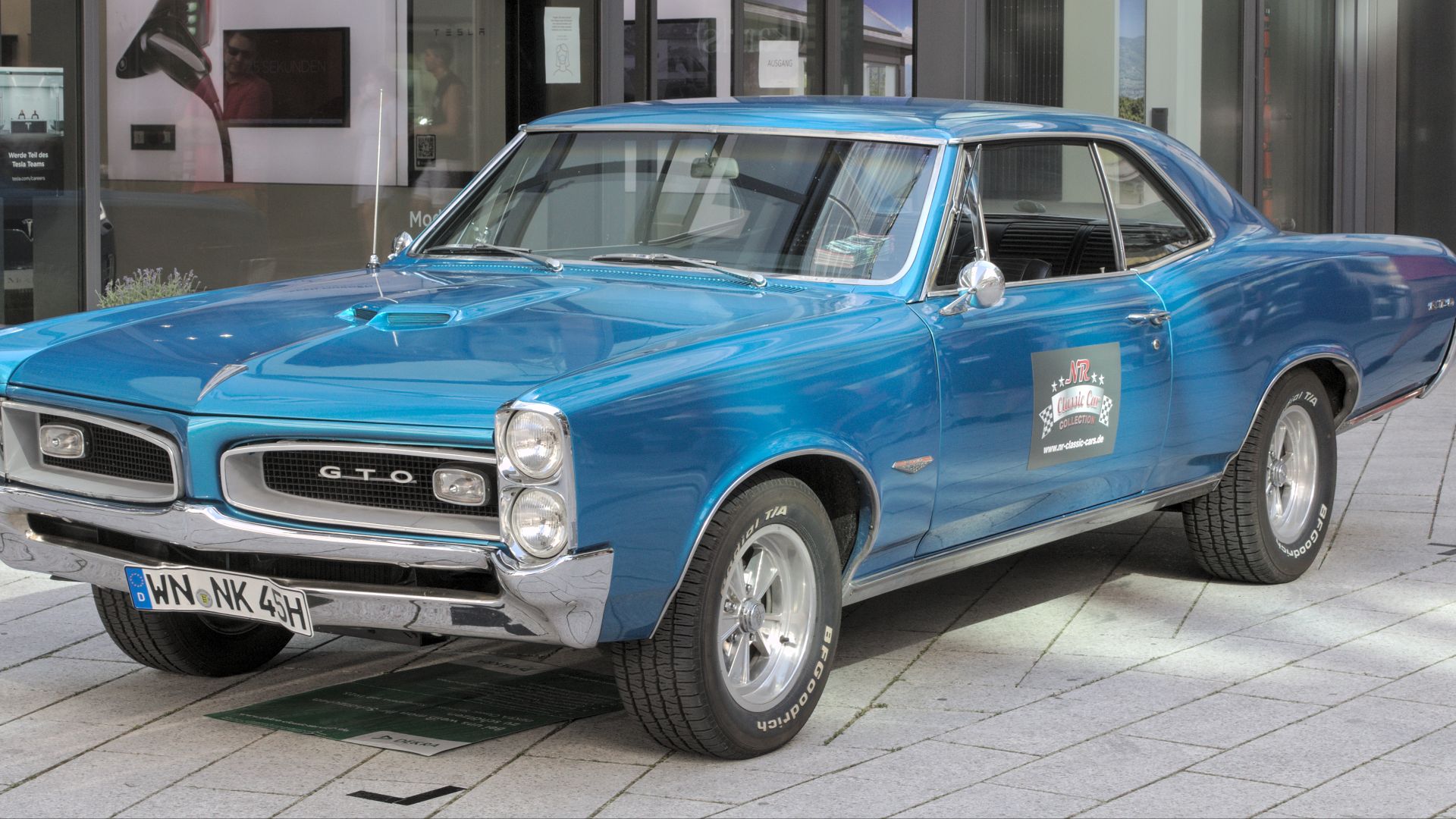 Alexander Migl, Wikimedia Commons
The Hot Rod Roots
To really understand muscle cars, you have to rewind to the hot rod scene of the late 1940s and early ’50s, when young gearheads were pulling flatheads and early V8s from wrecking yards and dropping them into lighter chassis. These backyard-built monsters were crude, loud, and gloriously fast, and they laid the cultural groundwork for what factories would soon start building themselves.
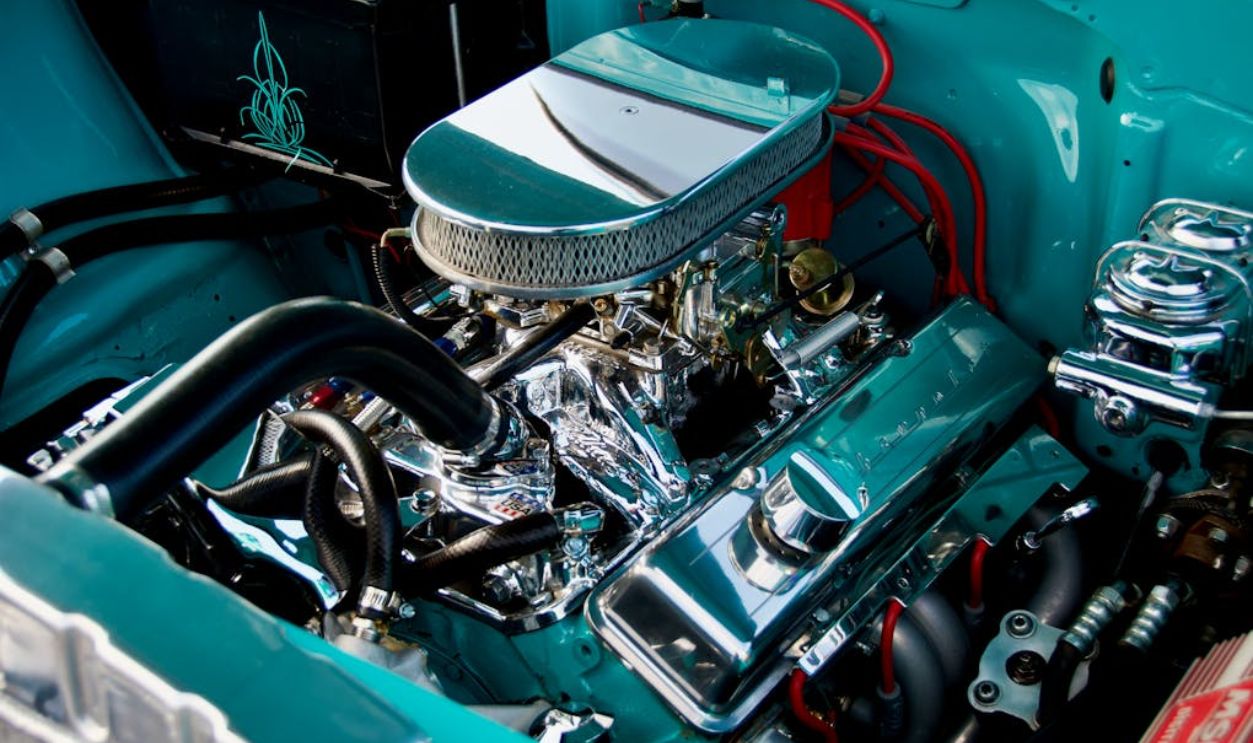
Detroit Starts Paying Attention
By the late 1950s, automakers realized something important: Americans weren’t just buying cars for transportation anymore—they were buying them for excitement. The horsepower wars began quietly, with full-size cars offering ever-larger engines, multiple carburetors, and badges that hinted at serious performance.
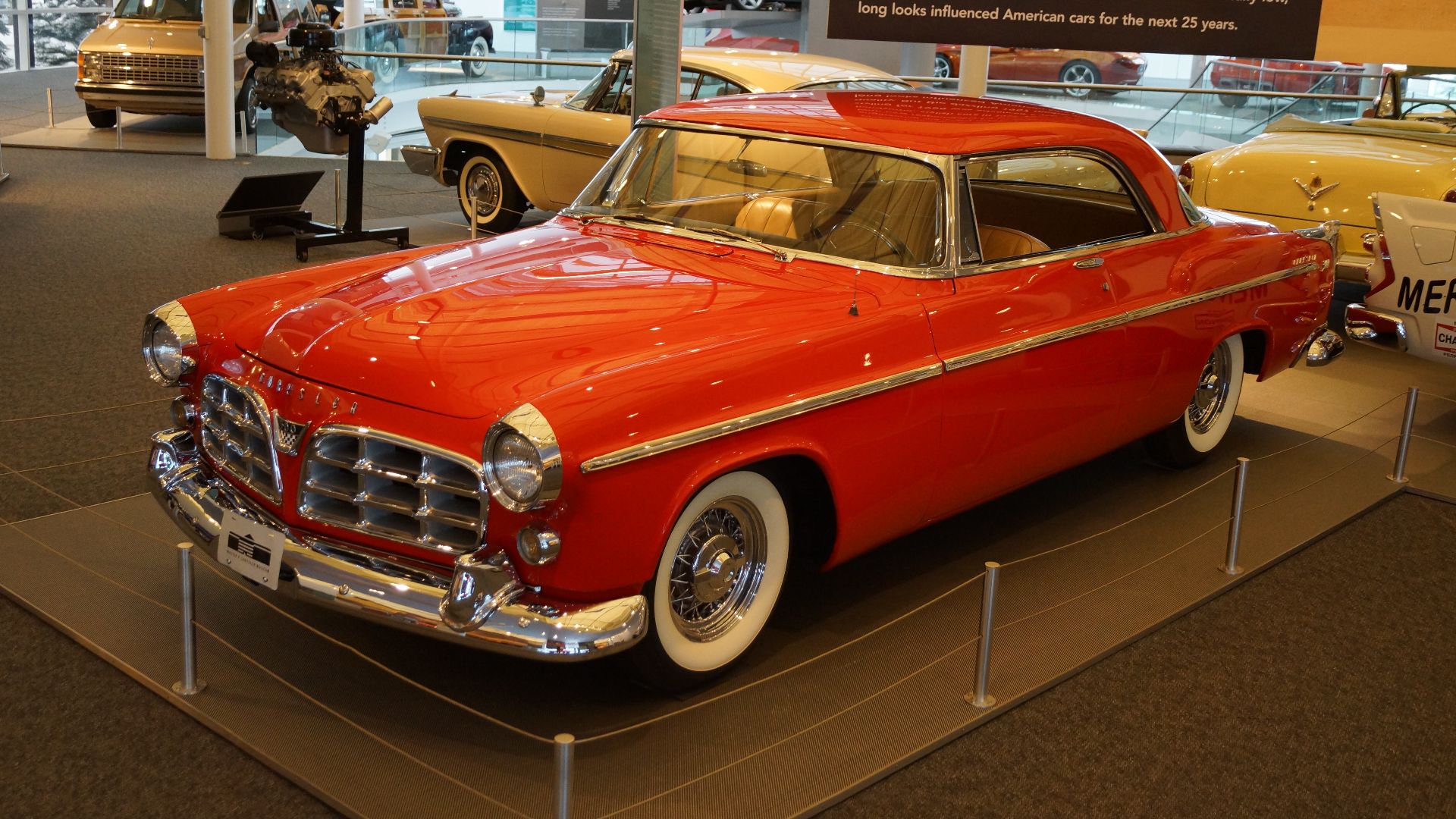 Greg Gjerdingen from Willmar, USA, Wikimedia Commons
Plenty Of Power, No Official Name
Here’s the interesting part: even as performance models multiplied, nobody was calling them “muscle cars.” Enthusiasts talked about “high-performance models,” “Super Stockers,” or just “fast cars,” because the language hadn’t quite evolved to match the attitude of the machines.
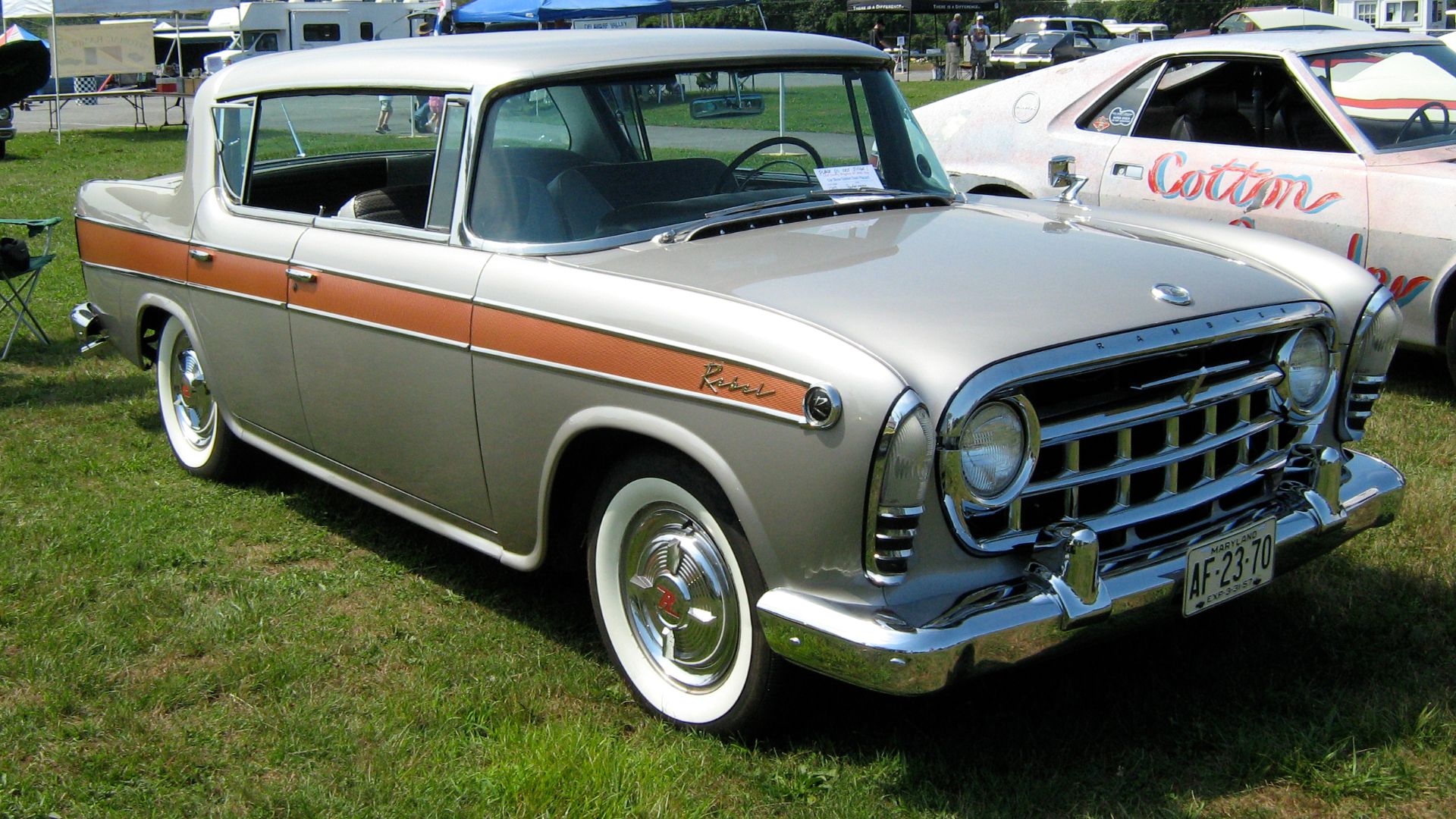 CZmarlin — Christopher Ziemnowicz, Wikimedia Commons
Enter The 1964 Pontiac GTO
Then came the car that changed everything—or at least accelerated it—the Pontiac GTO. By stuffing a 389-cubic-inch V8 into a midsize Tempest, Pontiac created something that felt rebellious and accessible at the same time, and buyers absolutely loved it.
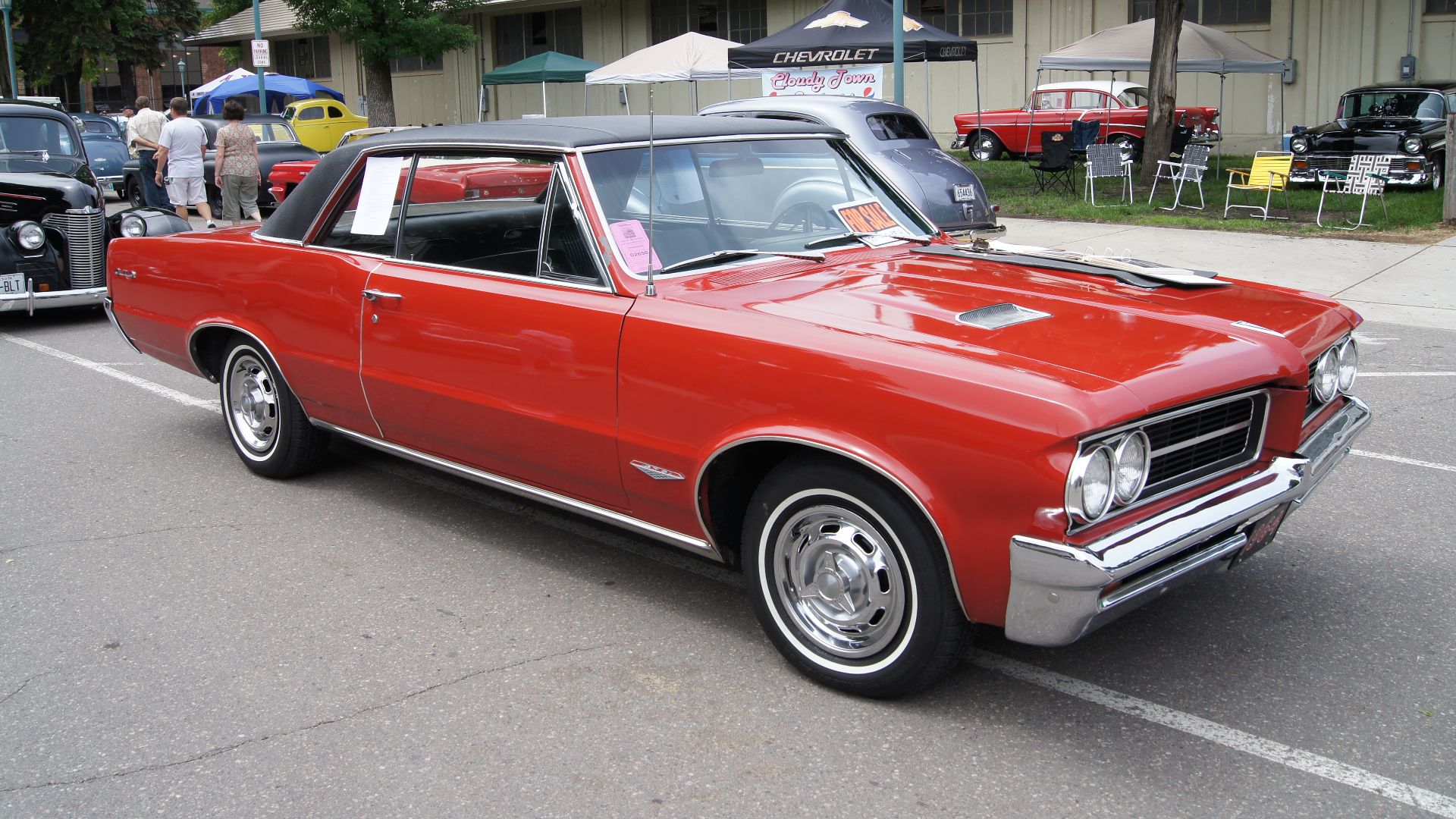 Greg Gjerdingen from Willmar, USA, Wikimedia Commons
A Movement Takes Off
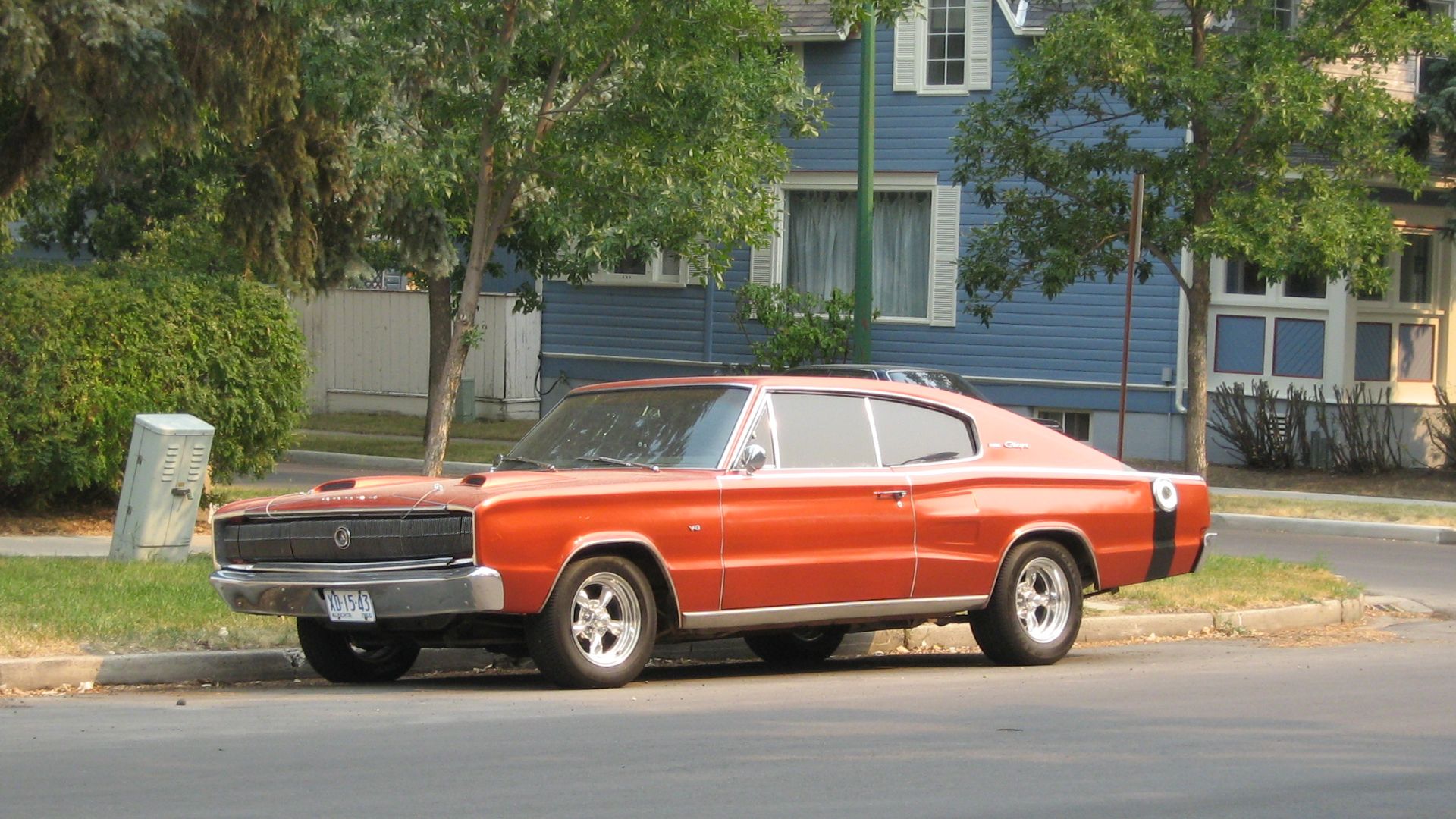
The GTO’s success sent shockwaves through Detroit, and suddenly every brand wanted its own street bruiser with a big V8 and an even bigger personality. Chevrolet, Ford, Dodge, Plymouth—they all joined the party, and the streets quickly became louder places.
 dave_7 from Lethbridge, Canada, Wikimedia Commons
But The Phrase Still Wasn’t Everywhere
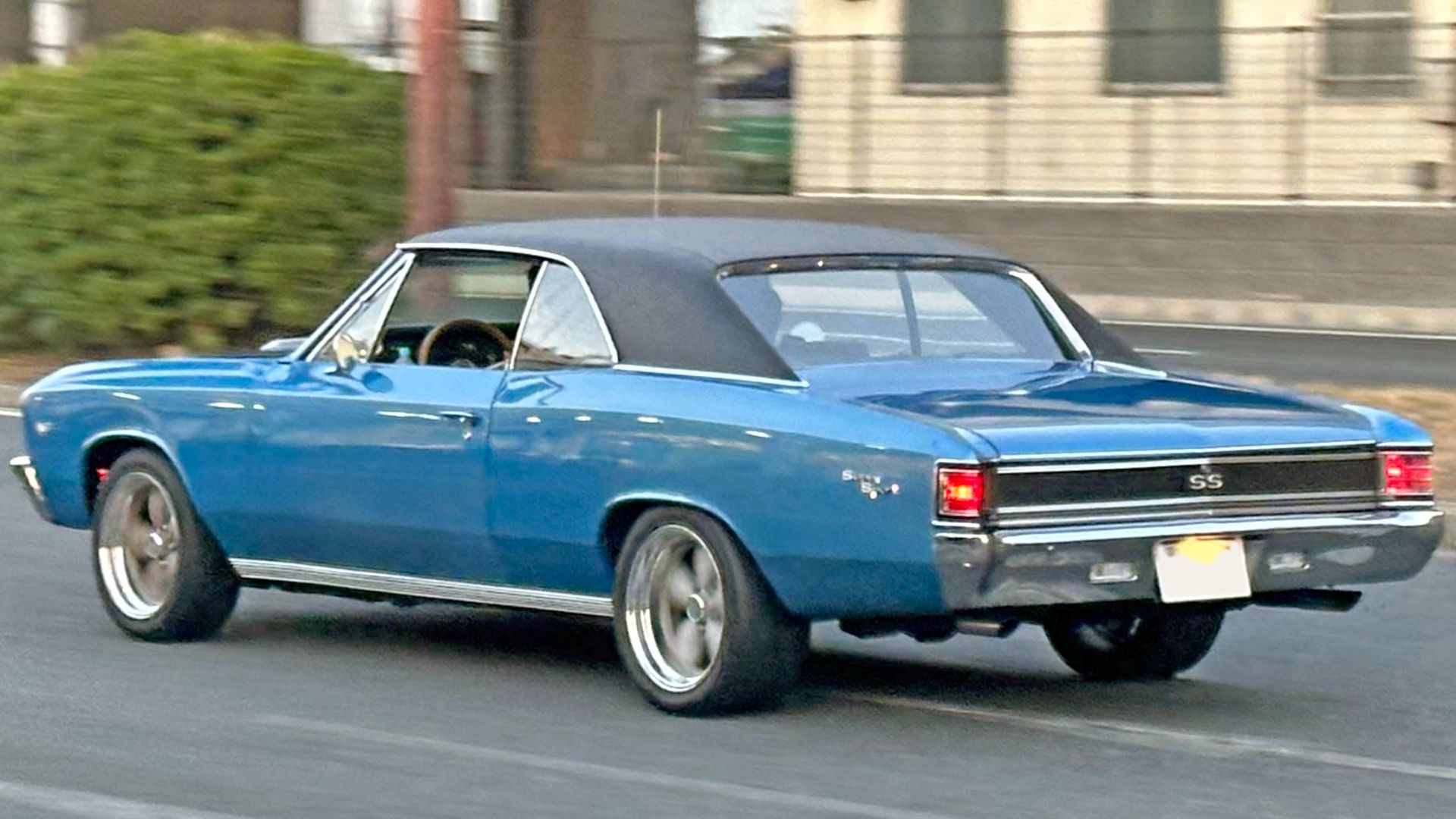
Despite the explosion of big-engine midsize cars, the term “muscle car” didn’t immediately appear in bold print across advertisements. Car magazines raved about horsepower and quarter-mile times, but the now-iconic label took a little longer to stick.
 Tokumeigakarinoaoshima, Wikimedia Commons
Where The Words First Appeared
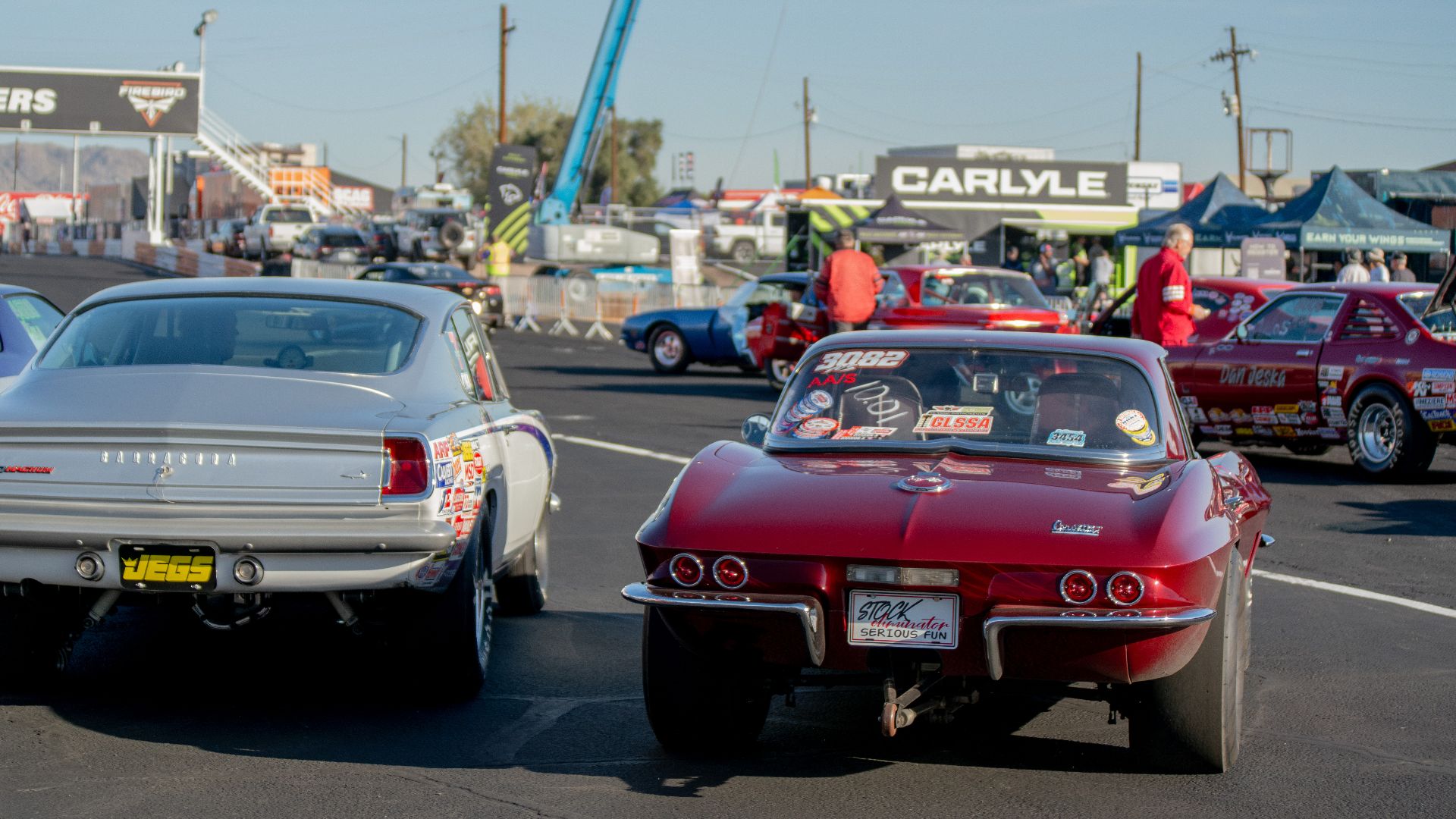
The earliest consistent uses of “muscle car” show up in enthusiast publications during the mid-to-late 1960s, particularly those focused on drag racing. Writers needed a shorthand way to describe these factory-built street brawlers, and “muscle” fit the personality perfectly.
The Role Of Super Stock Magazine
Super Stock magazine is often credited with helping popularize the term because it regularly covered high-performance street and strip machines and spoke directly to hardcore enthusiasts. While there’s no single article that definitively “invents” the phrase, the magazine undeniably helped spread it within the performance community.

Why “Muscle” Just Worked
The word itself was genius in its simplicity because it suggested strength, aggression, and raw power without needing further explanation. These cars didn’t whisper about performance—they flexed it, and “muscle” captured that flexing bravado in a single punchy word.
Not A Madison Avenue Creation
Contrary to what some might assume, the term doesn’t appear to have started in a polished marketing meeting. Early factory ads leaned heavily on engine codes, racing success, and trim packages like “SS,” “GT,” and “R/T,” while enthusiasts and journalists seemed to be the ones embracing the “muscle” identity first.
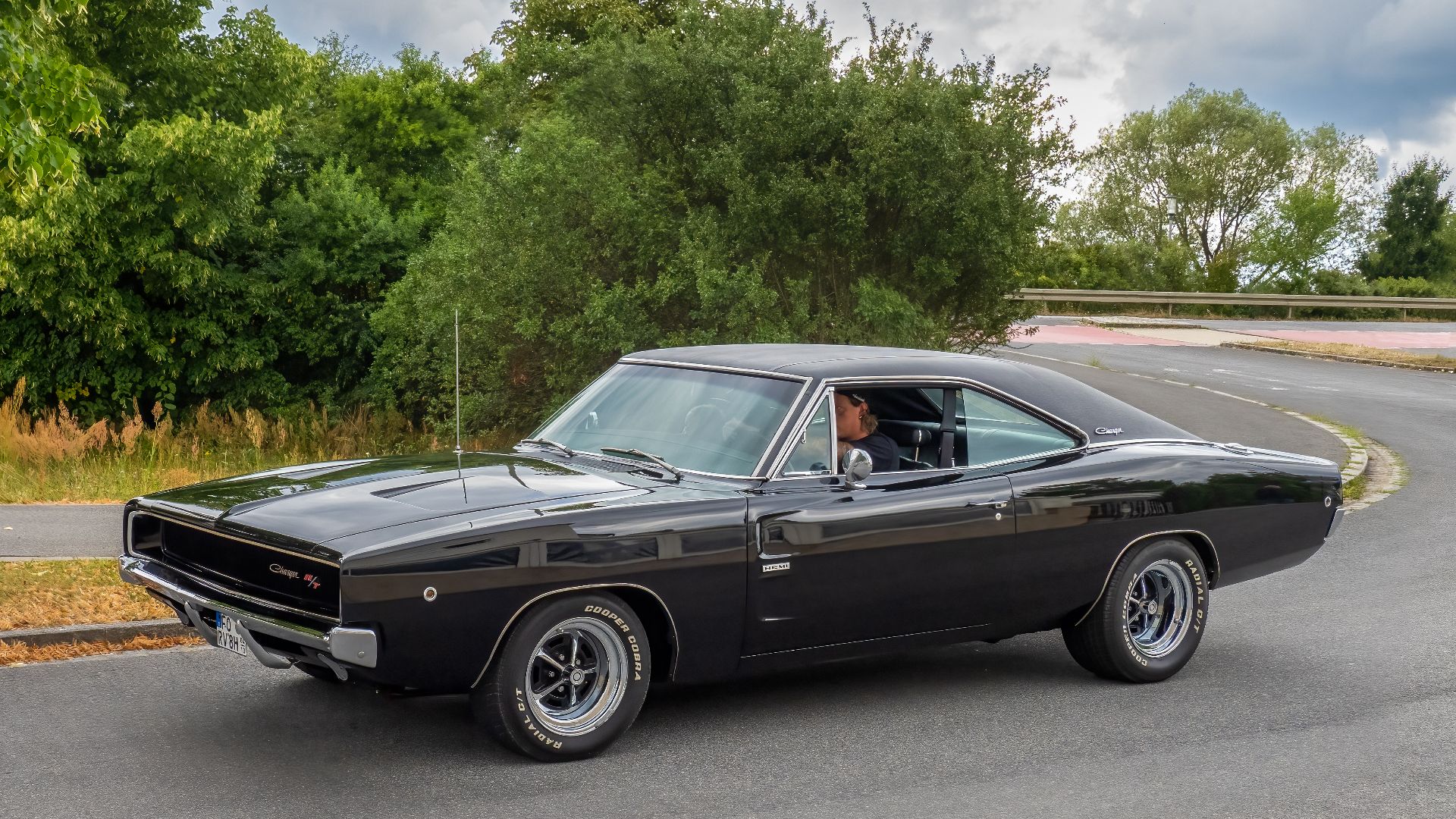
The Late-’60s Horsepower Frenzy
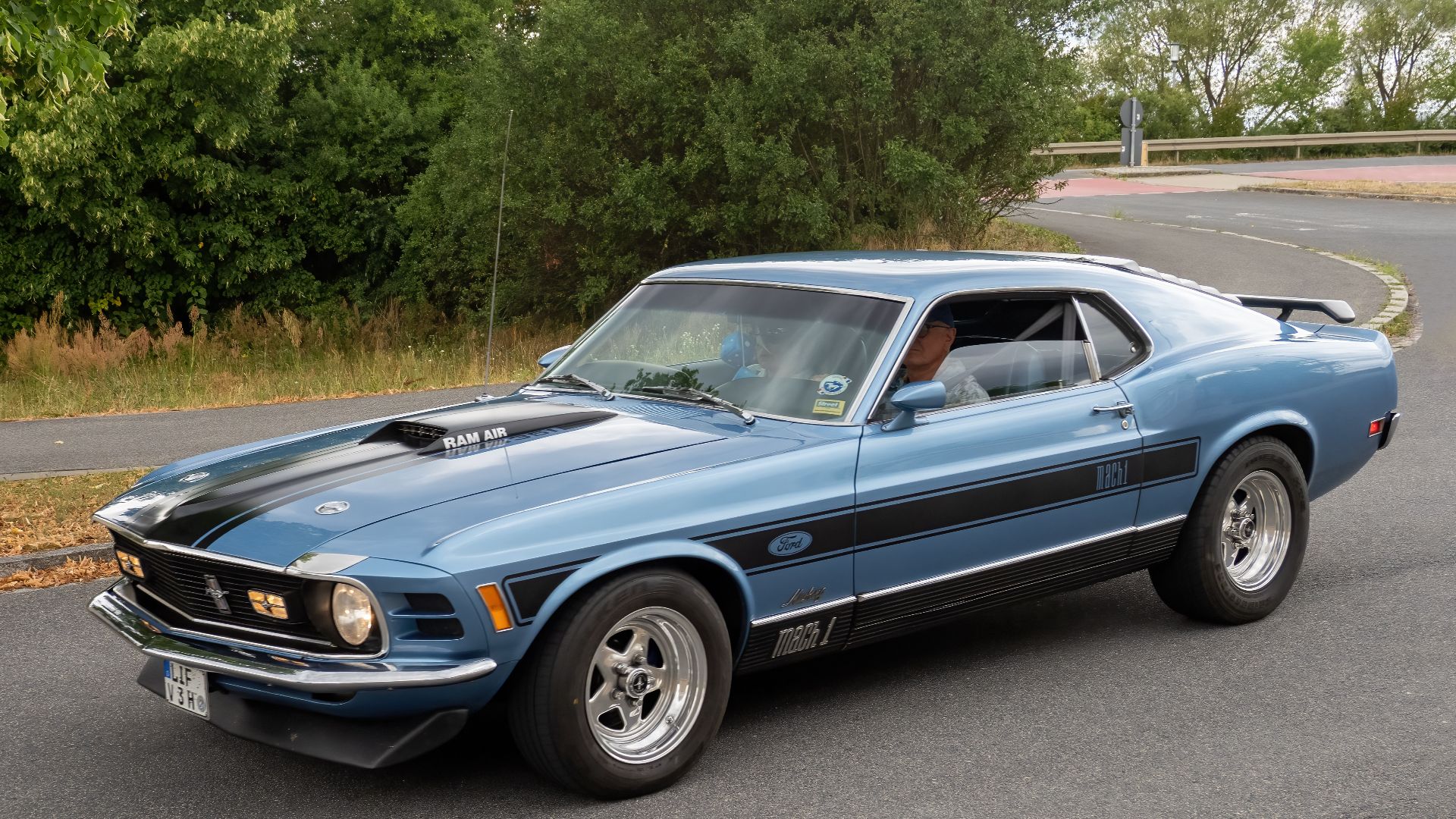
By 1968 and 1969, the competition had escalated into a full-blown arms race, with engines growing larger and performance packages getting wilder by the month. Chevelle SS 396s, Road Runners, Chargers, Super Bees, Mach 1s—they were all battling for street and strip bragging rights.
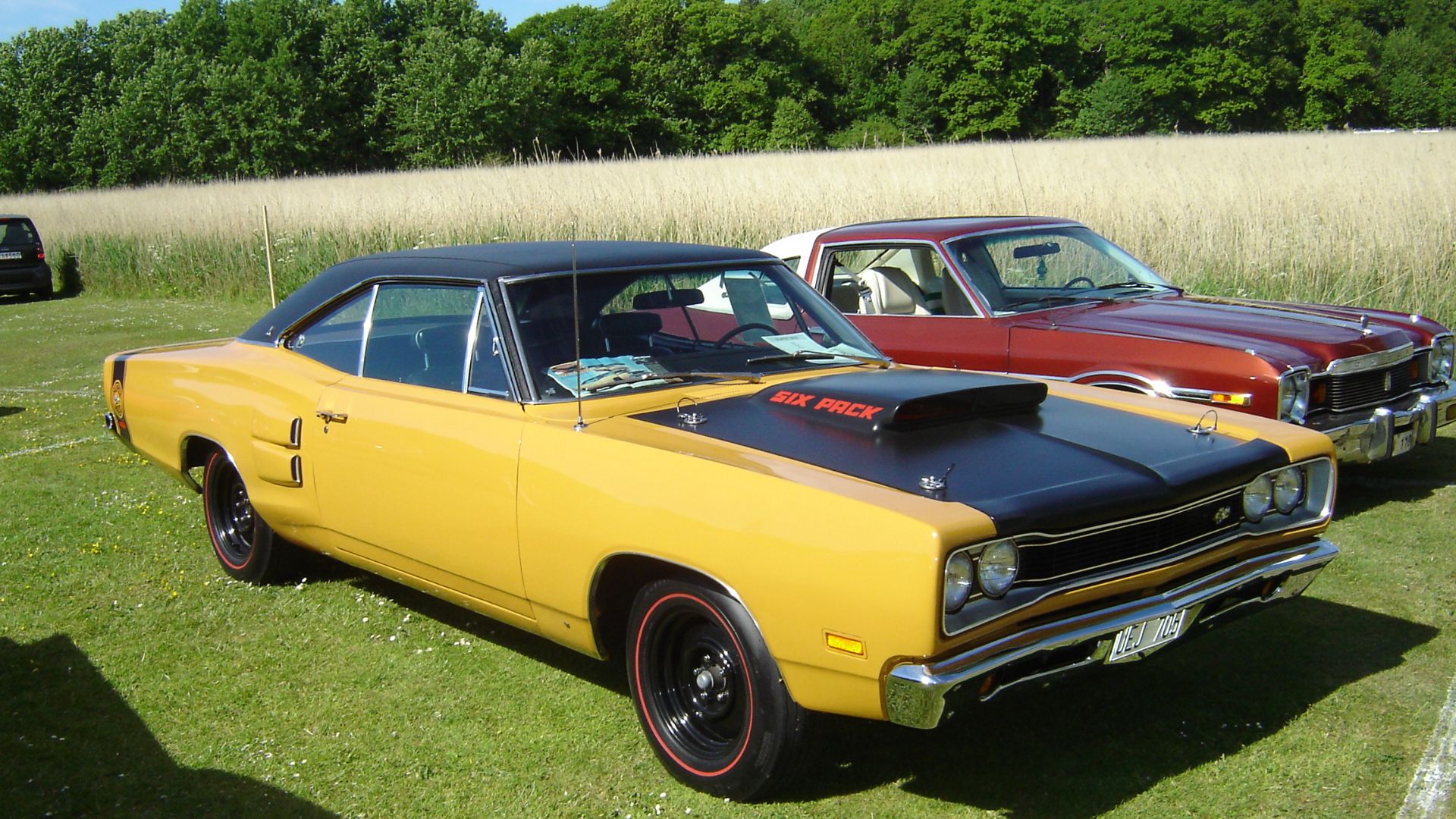
The Term Goes Mainstream
As these cars became impossible to ignore, mainstream newspapers and broader automotive publications began using “muscle car” more freely. By the early 1970s, the phrase had crossed over from enthusiast slang into widely accepted automotive vocabulary.
No Single Inventor
Unlike the GTO’s origin story, there’s no tidy record of one journalist pounding out the first-ever use of “muscle car” on a typewriter. Most historians agree the term emerged gradually, shaped by multiple writers and publications rather than a single creative spark.
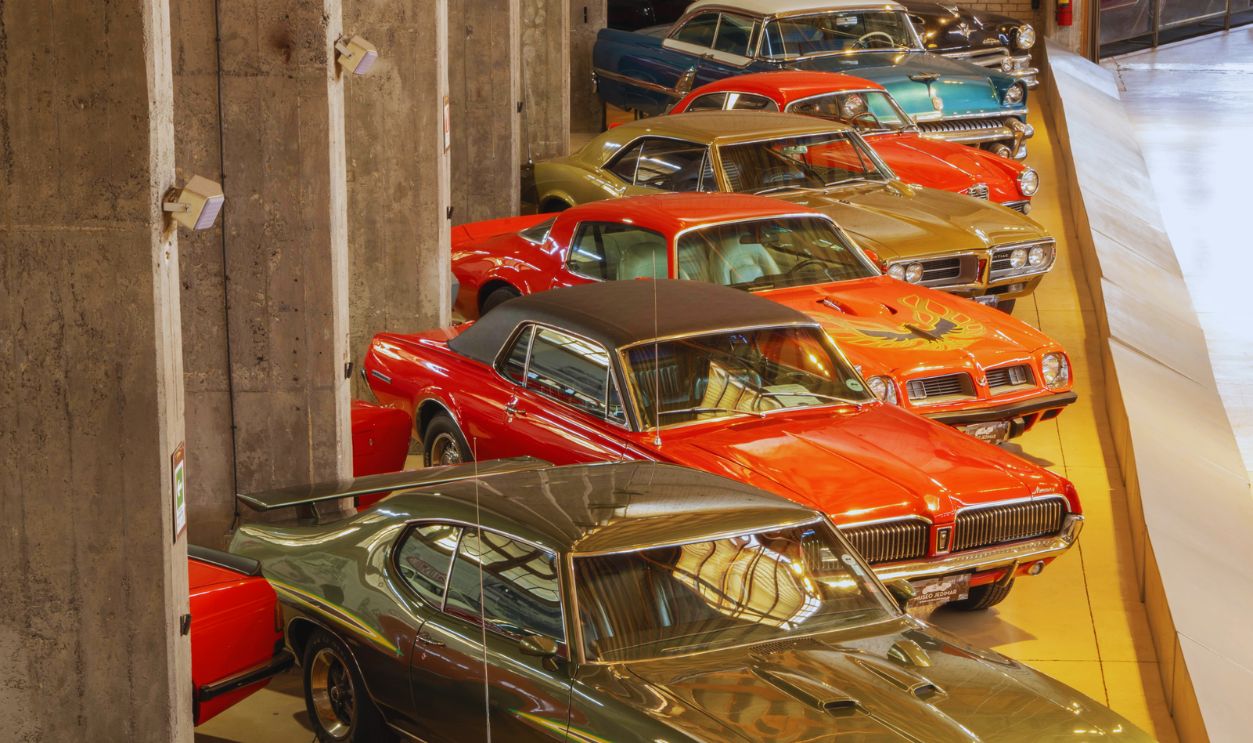
A Collective Creation
If anyone deserves credit, it’s the community of drag racing journalists and performance writers who needed a catchy way to group these cars together. In that sense, “muscle car” wasn’t invented so much as it was collectively agreed upon.
Detroit Embraces The Identity
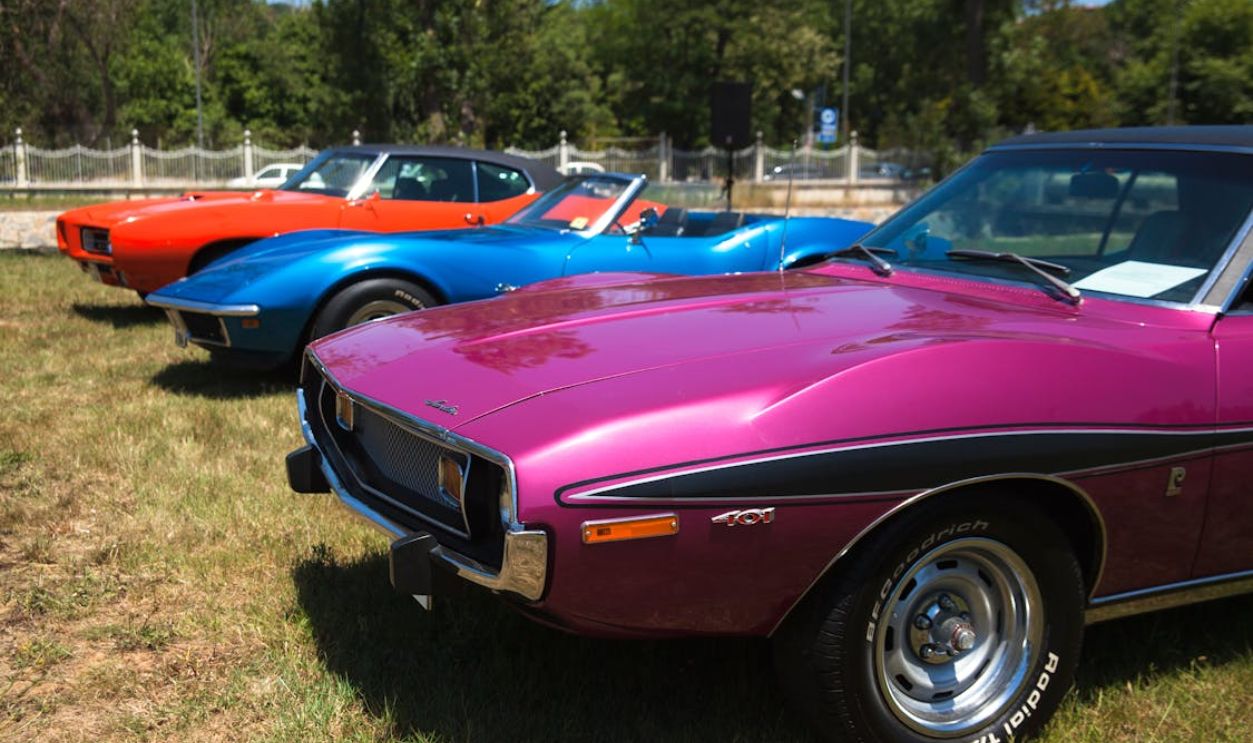
Once the phrase caught on, automakers were more than happy to lean into it, even if they hadn’t coined it themselves. By the early 1970s, “muscle” was being used more openly in marketing materials, because the public had already decided what these cars were.
The Timing Was Ironic
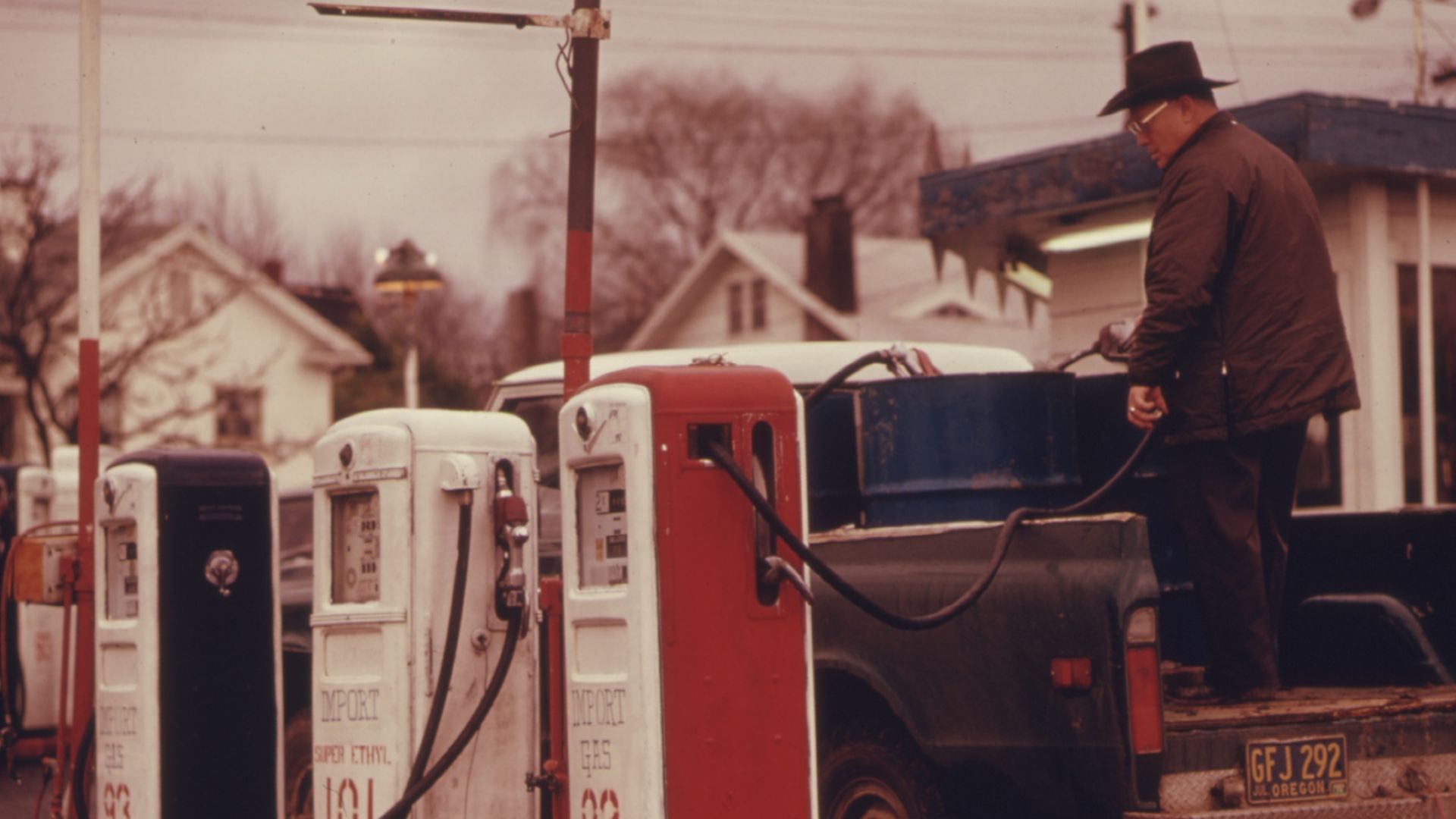
Ironically, just as the term became widely recognized, storm clouds were gathering over the segment in the form of emissions regulations, rising insurance costs, and the looming fuel crisis. The golden era was short-lived, but the name endured.
 David Falconer, Wikimedia Commons
Trying To Define The Beast
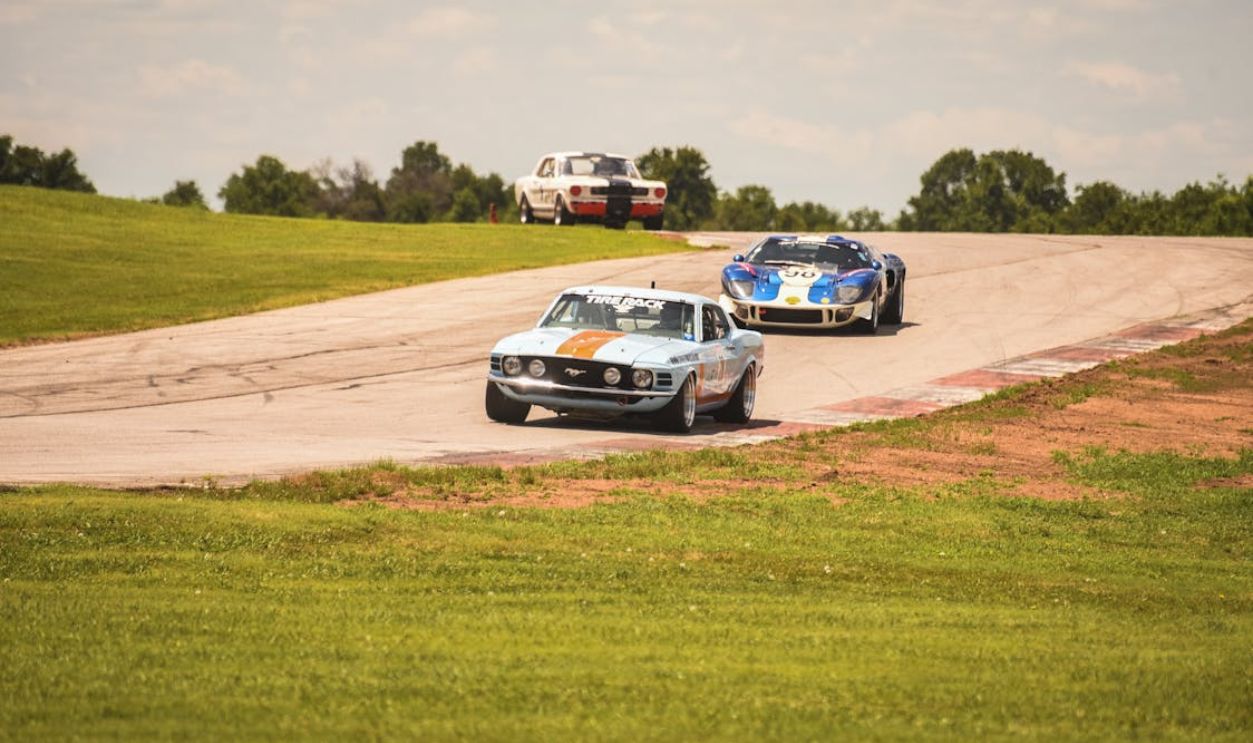
Part of the confusion around the term’s origin is that its definition wasn’t formally agreed upon at first. Over time, enthusiasts settled on the idea that a true muscle car was an American-made midsize car with a big V8 and rear-wheel drive, built primarily for straight-line performance.
The Pony Car Complication
The 1964 Ford Mustang added another wrinkle by creating the “pony car” category, which focused on style and compact dimensions. Eventually, as Mustangs and Camaros gained massive engines, the line between pony cars and muscle cars blurred, adding to the debate.
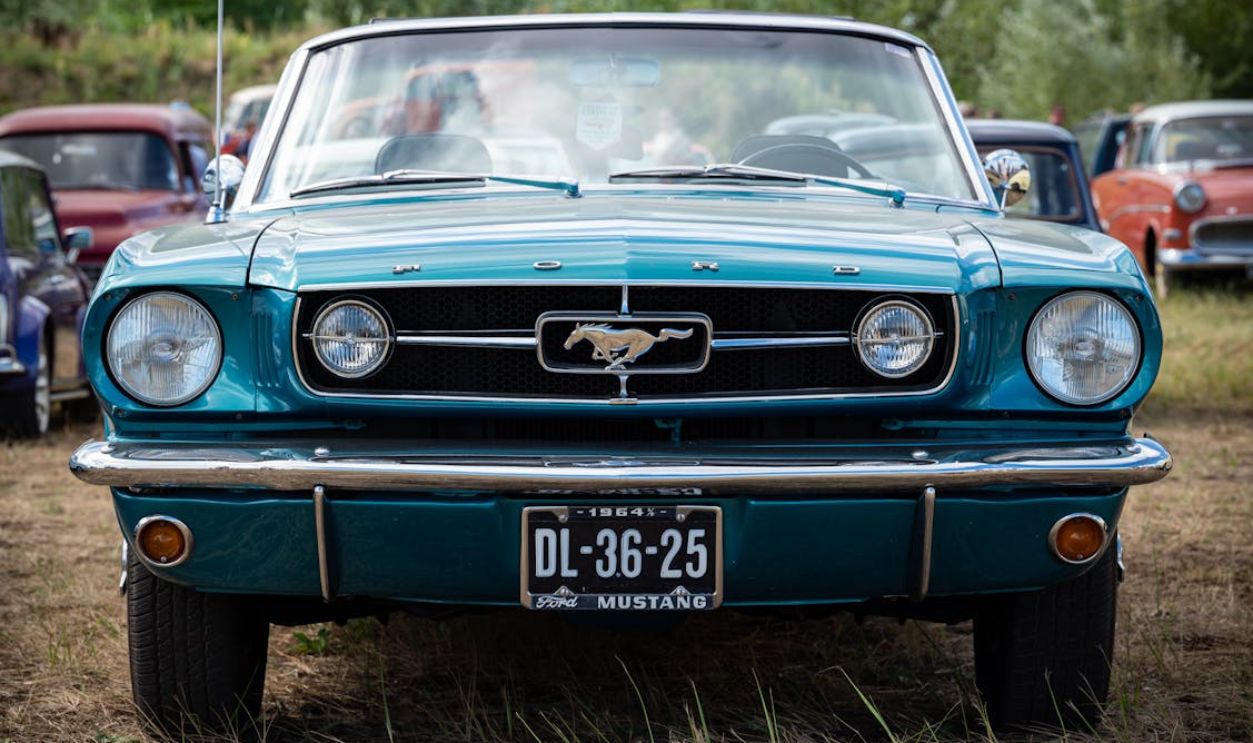
Slang Of The Era
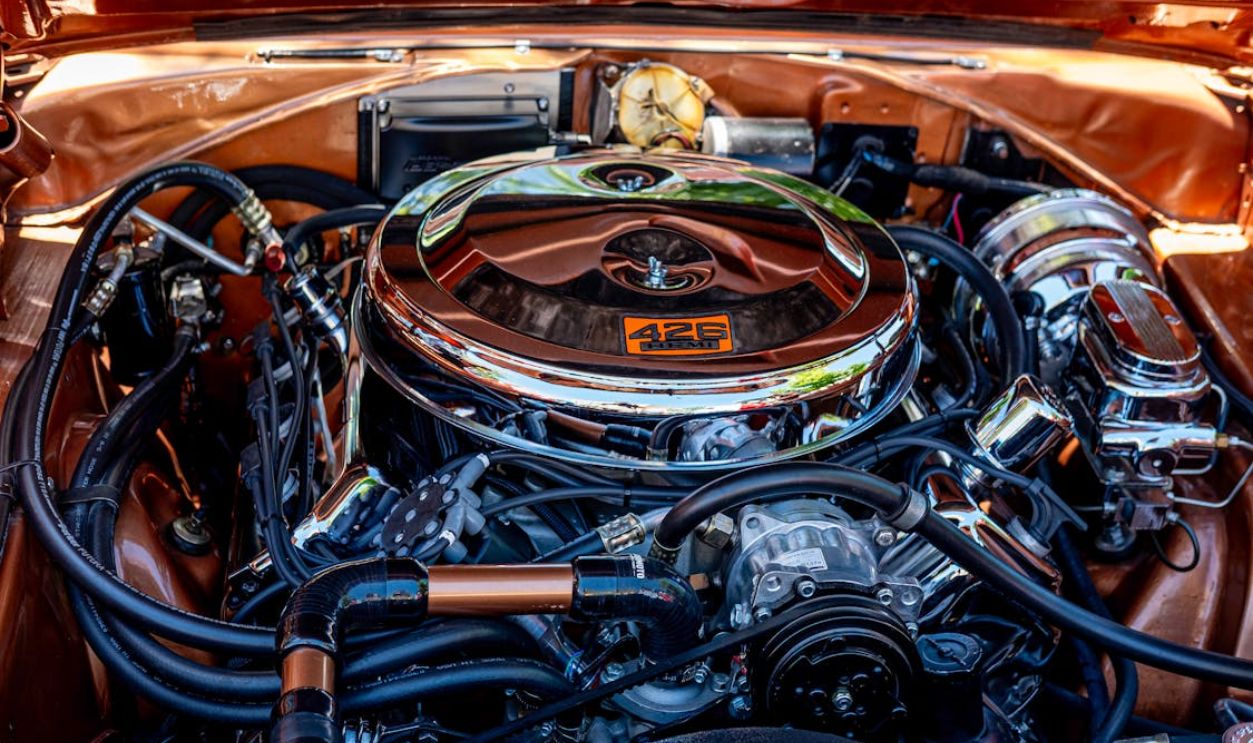
The 1960s were filled with colorful automotive slang, from “rat motor” to “Hemi” to “big block,” so it’s no surprise that “muscle car” emerged from that same creative energy. It felt like something you’d overhear at a drag strip rather than read in a corporate memo.
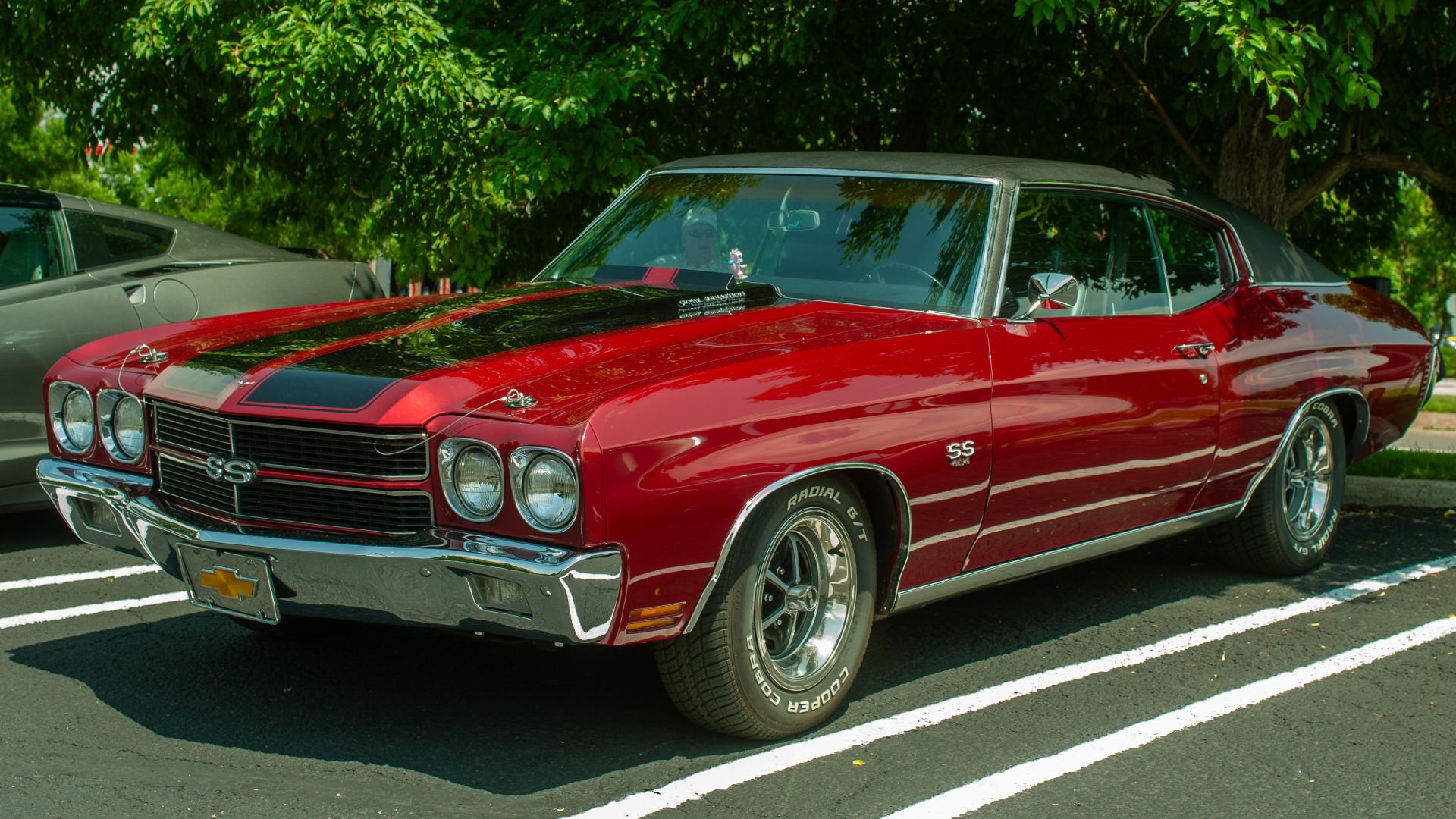
Why The Name Stuck
Some automotive terms come and go, but “muscle car” had staying power because it was vivid and instantly understandable. Even someone who didn’t know the difference between a small-block and a big-block could grasp what a muscle car was supposed to represent.
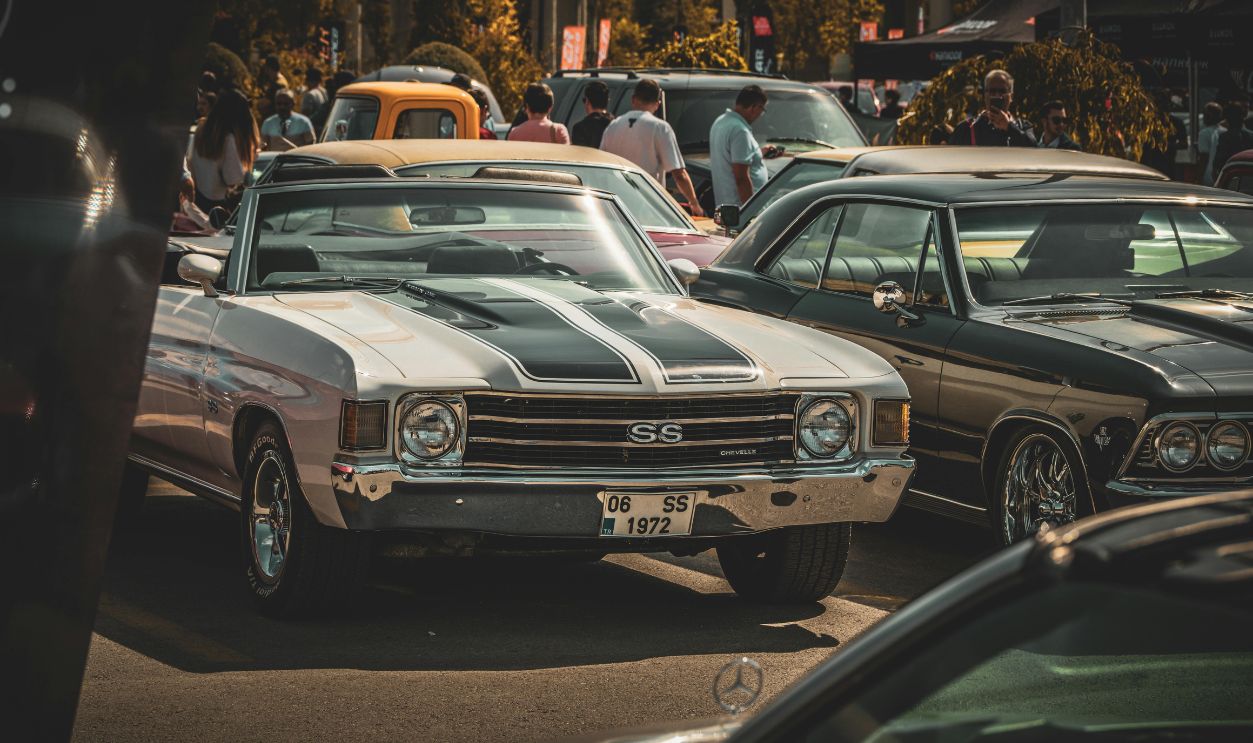
Nostalgia Keeps It Alive
During the underpowered late ’70s and early ’80s, enthusiasts began looking back fondly at the glory days of high compression and wild camshafts. “Muscle car” became shorthand for that unfiltered era of American performance.
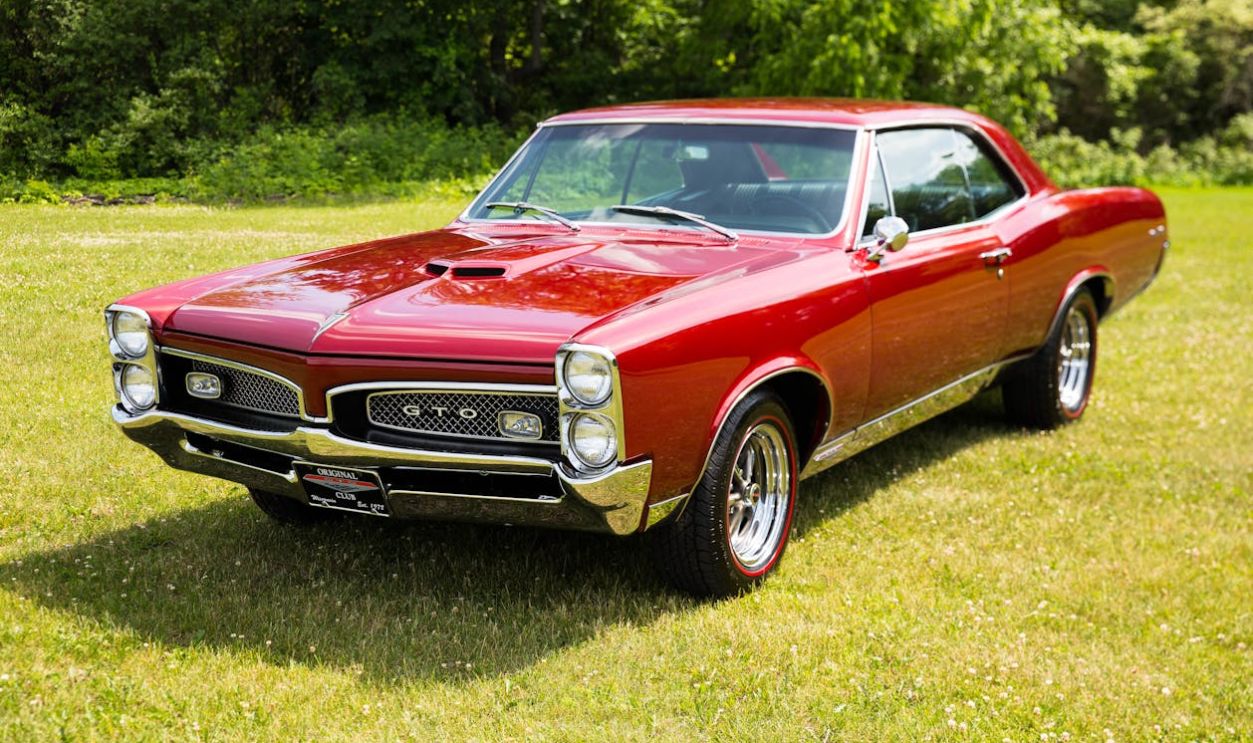
Collectors Seal The Deal
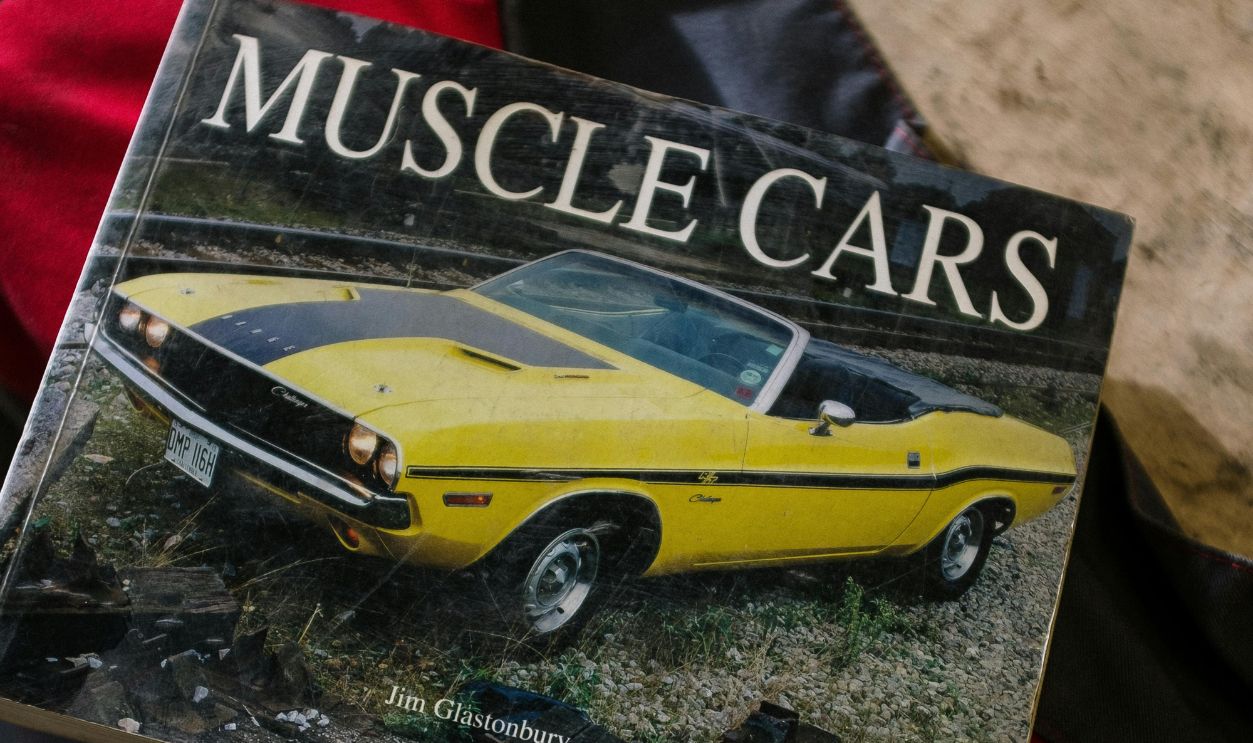
By the 1980s and ’90s, collectors and auction houses fully embraced the label, and books and buyer’s guides began treating “muscle car” as a defined category. What started as slang had officially entered the history books.
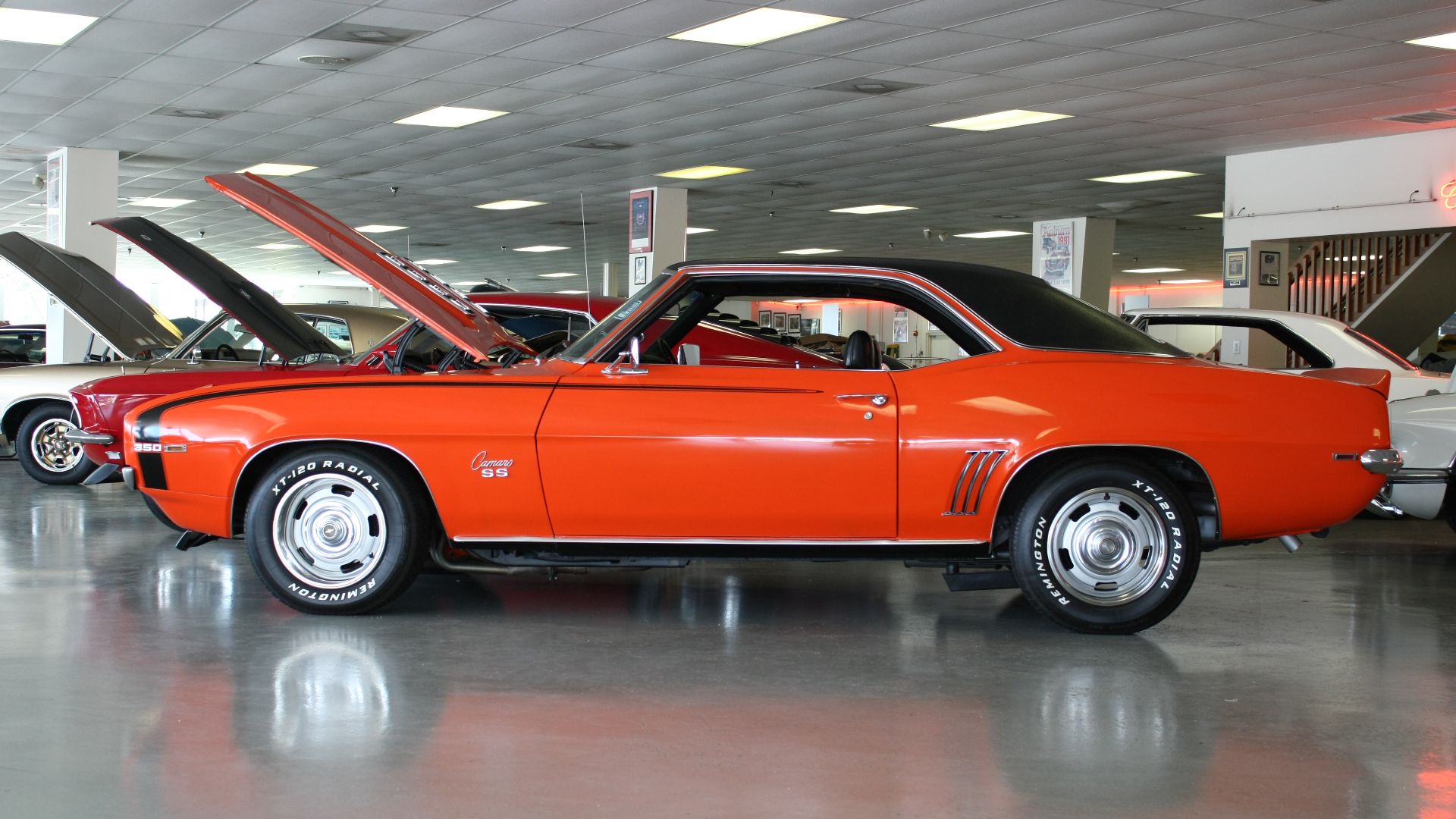 Nick Ares from Auburn, CA, United States, Wikimedia Commons
Modern Muscle Lives On
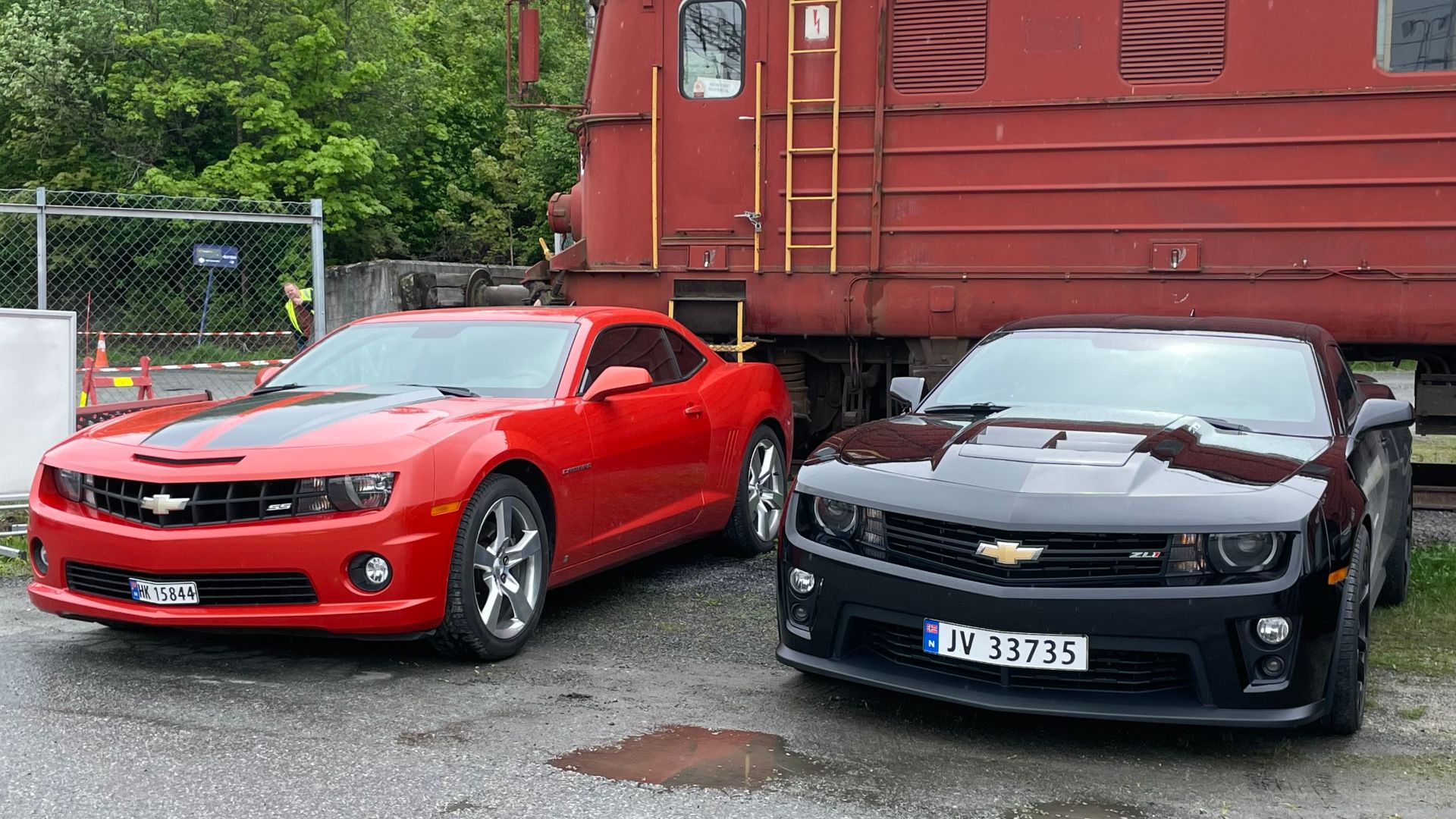
Today, automakers proudly use the term when describing modern Challengers, Camaros, and Mustangs, knowing full well the heritage it evokes. The phrase has transformed from informal nickname to celebrated badge of honor.
So Who Really Invented It?
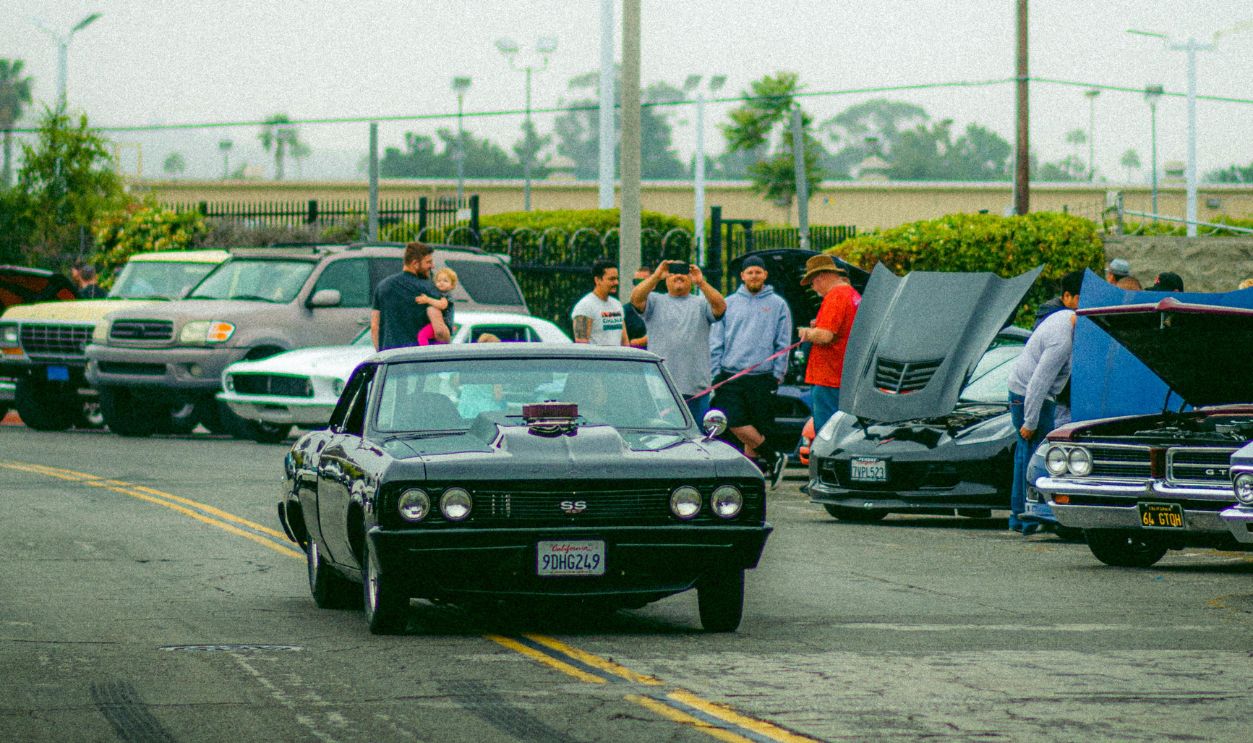
The honest answer is that no single person can take credit, because “muscle car” evolved naturally in the mid-1960s from enthusiast journalism and car culture rather than a corporate branding exercise. Detroit built the machines, but the fans and writers gave them their name.
More Than Just Two Words
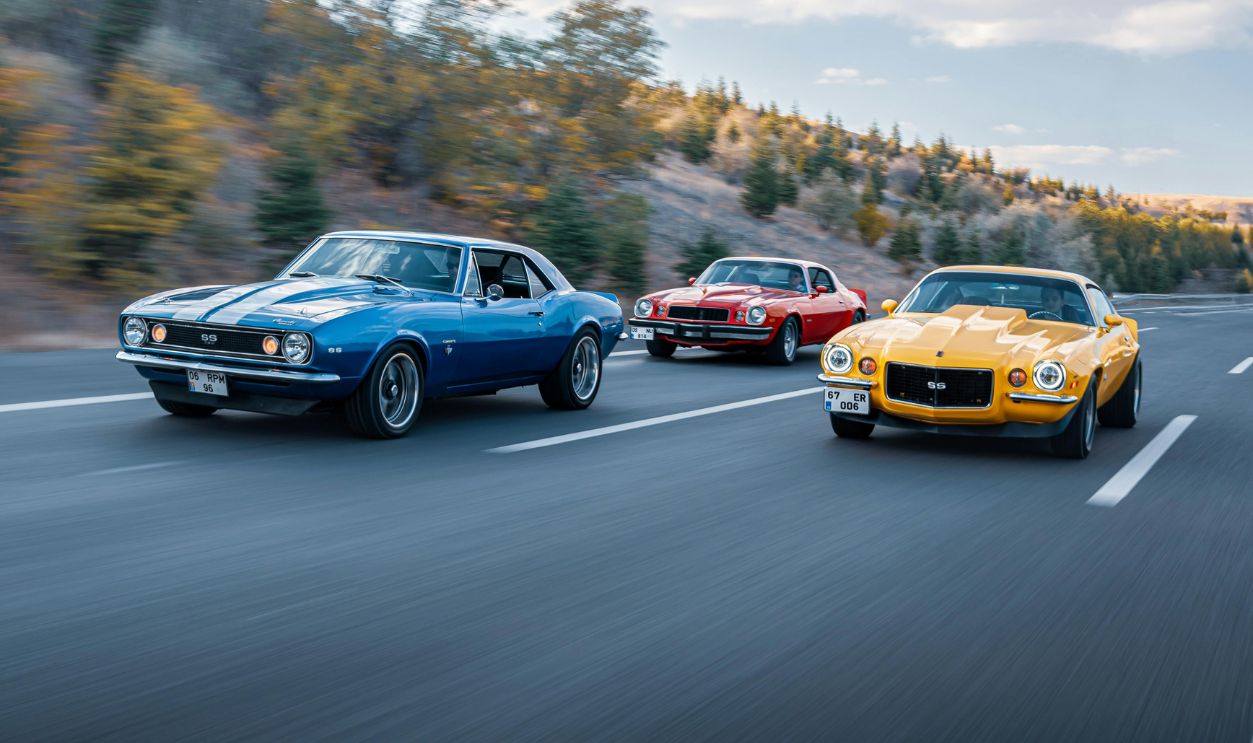
In the end, “muscle car” isn’t just a label—it’s a feeling, a sound, and a slice of American culture wrapped in sheet metal and powered by cubic inches. And fittingly, the term itself was born the same way those cars were: organically, passionately, and with just a little bit of noise.
You May Also Like:
Honda Changed Everything With The Super Cub, The Little Bike That Quietly Took Over The World
The Mercury Marauder Is The Sleeper Muscle Car America Forgot