
Too Smart For Its Own Good
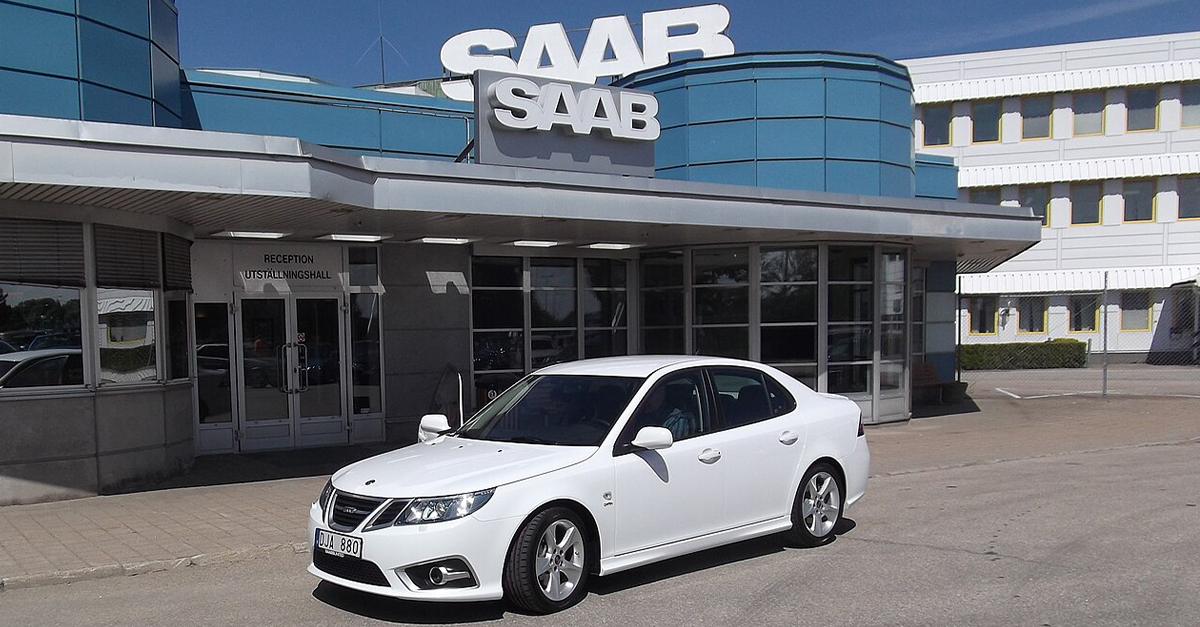
Saab was smart and fiercely different from other car brands. It had loyal fans, safety-first engineering, and a sense of identity that most automakers would’ve given anything to have. But even with all that goodwill, Saab collapsed. Understanding why that happened is a matter of finances, ownership turmoil, and decisions that slowly boxed the brand into a place from which there was no escape.
 Calreyn88, Wikimedia Commons; SB Arts Media, Shutterstock
Beginnings
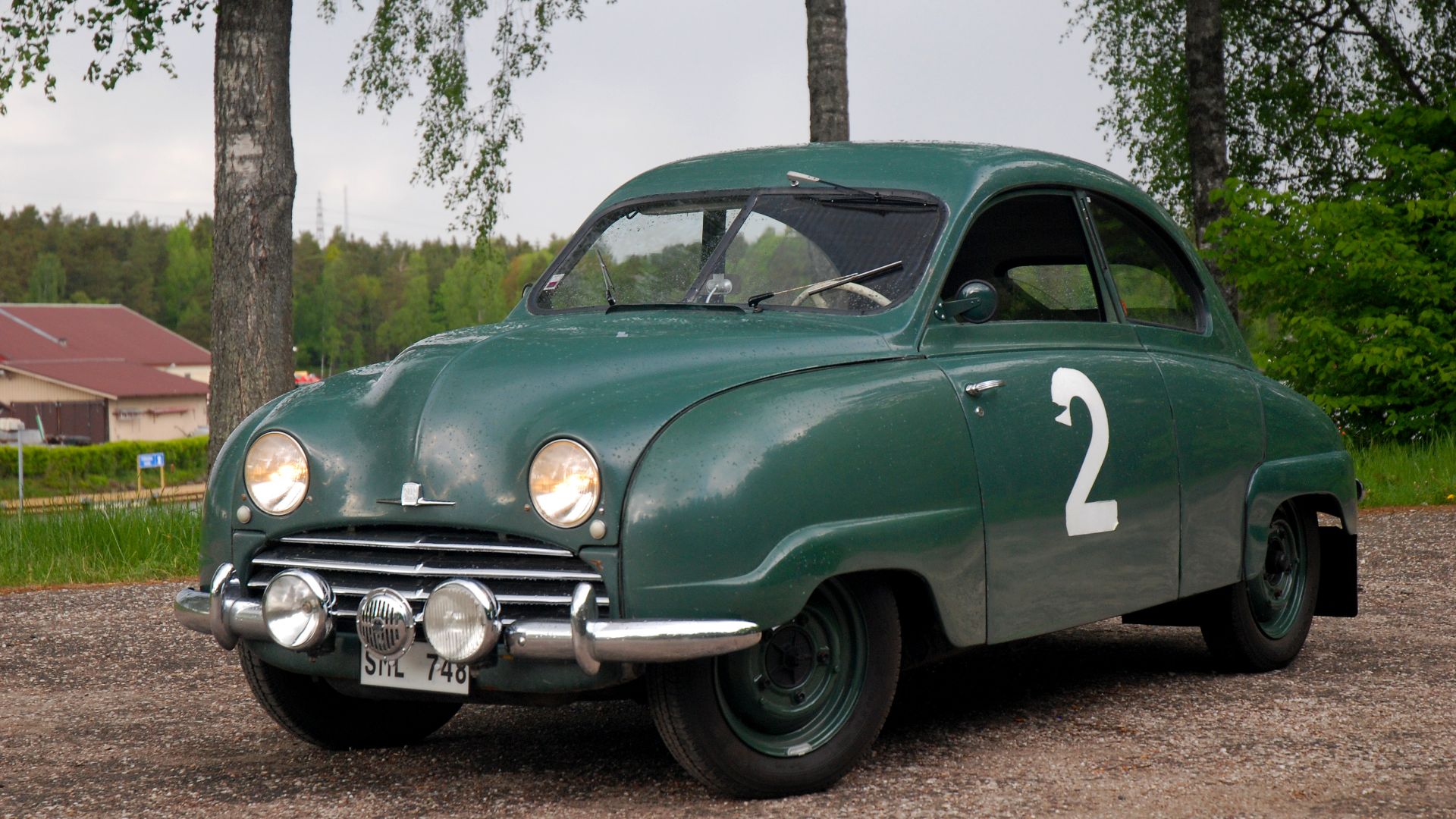
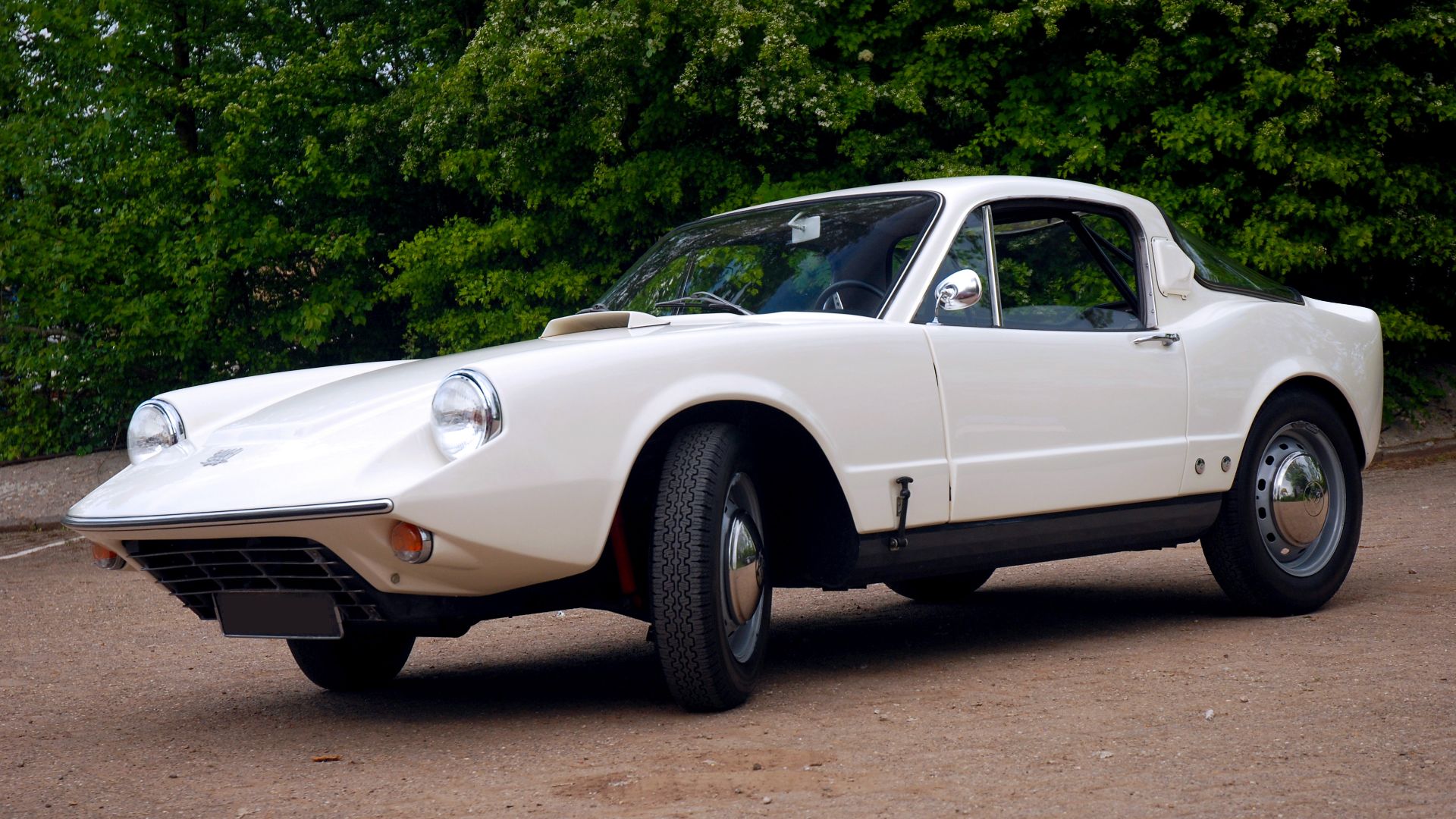
Saab started building cars in the aftermath of World War II, with its first prototype unveiled in 1947 and production beginning in 1949. The first production car, the Saab 92, reflected wartime fuel scarcity and engineering discipline more than flashy styling.
 Jelger Groeneveld, Wikimedia Commons
Saab’s Aviation Roots
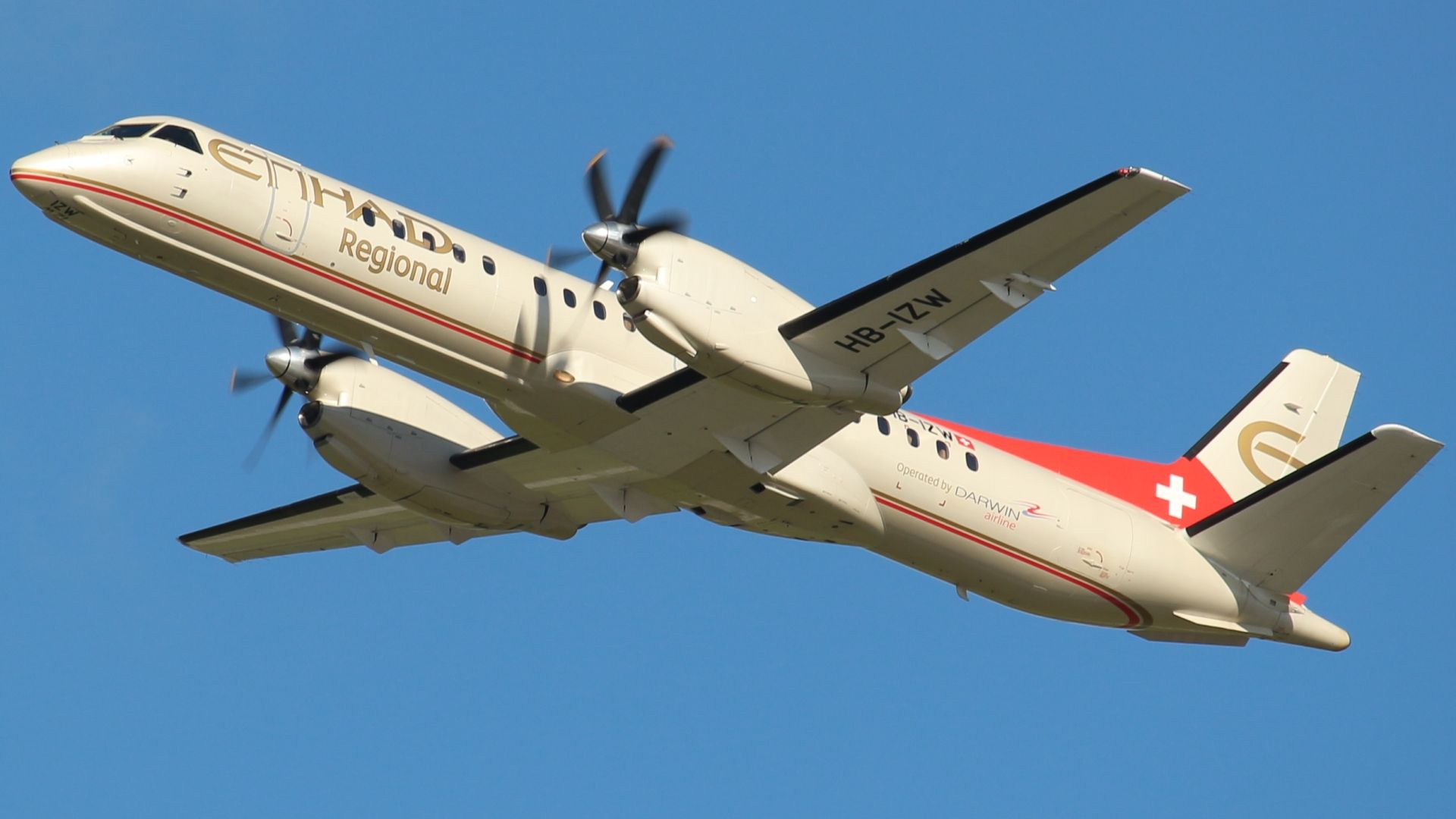
Saab started out as an aircraft manufacturer, and that heritage shaped the design of its cars. Engineering decisions favored safety, aerodynamics, and structural integrity over flashy styling. For decades, that fact appealed to buyers who valued technical substance. But aircraft-level thinking also made cars quite expensive to develop and the philosophy sometimes brought the company out of step with mainstream buyer expectations.
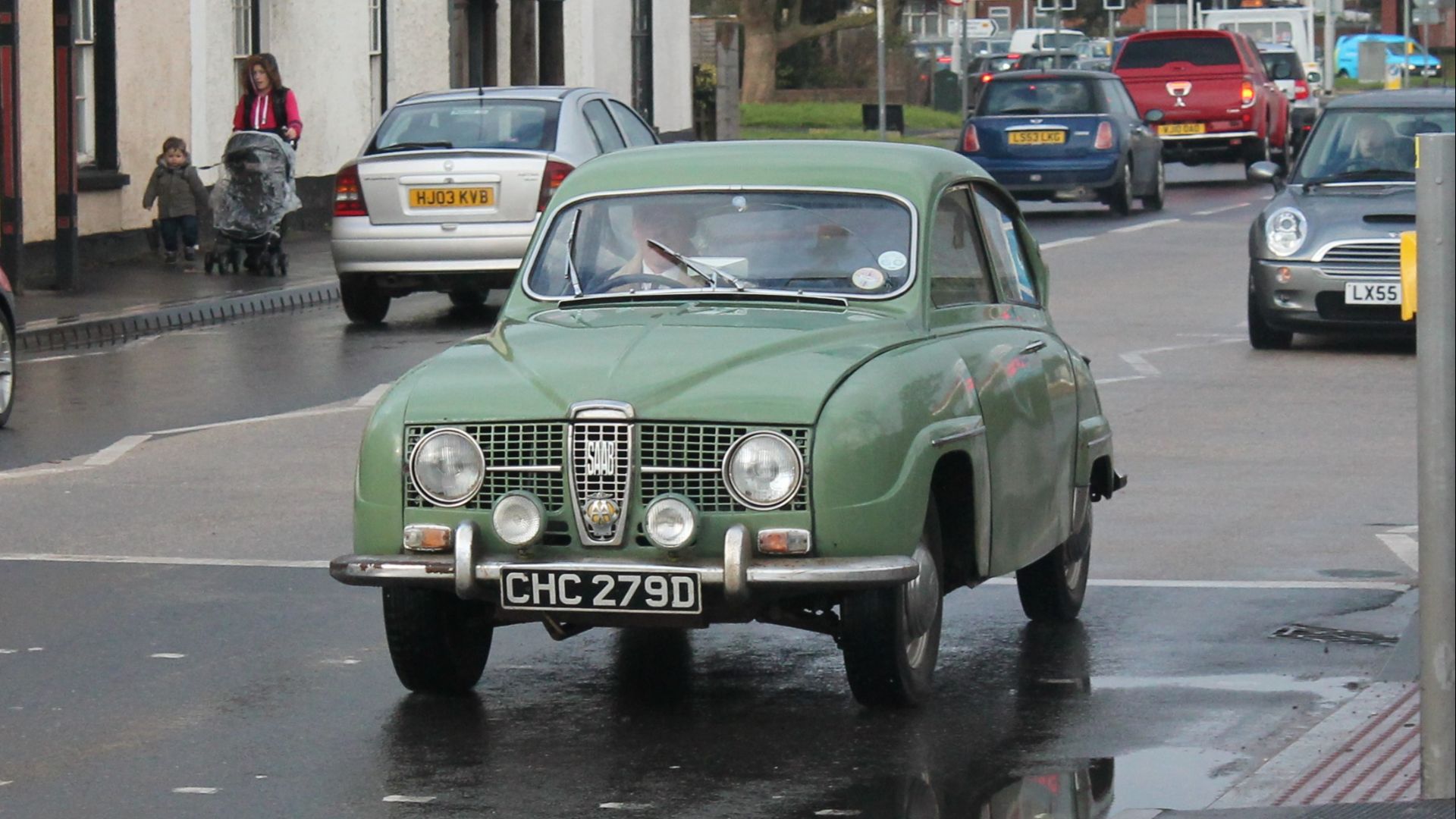
Saab’s Most Popular Early Model
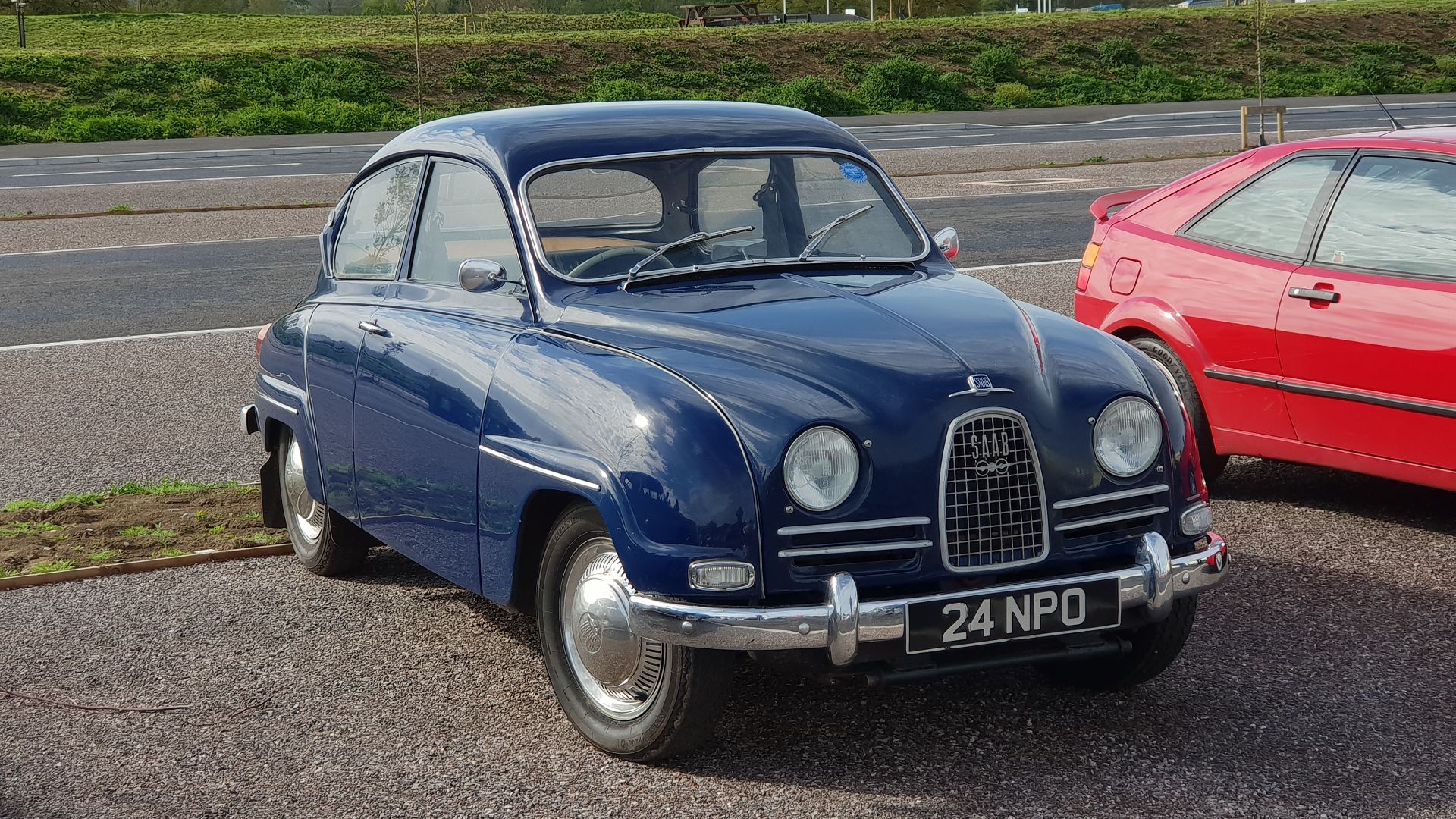
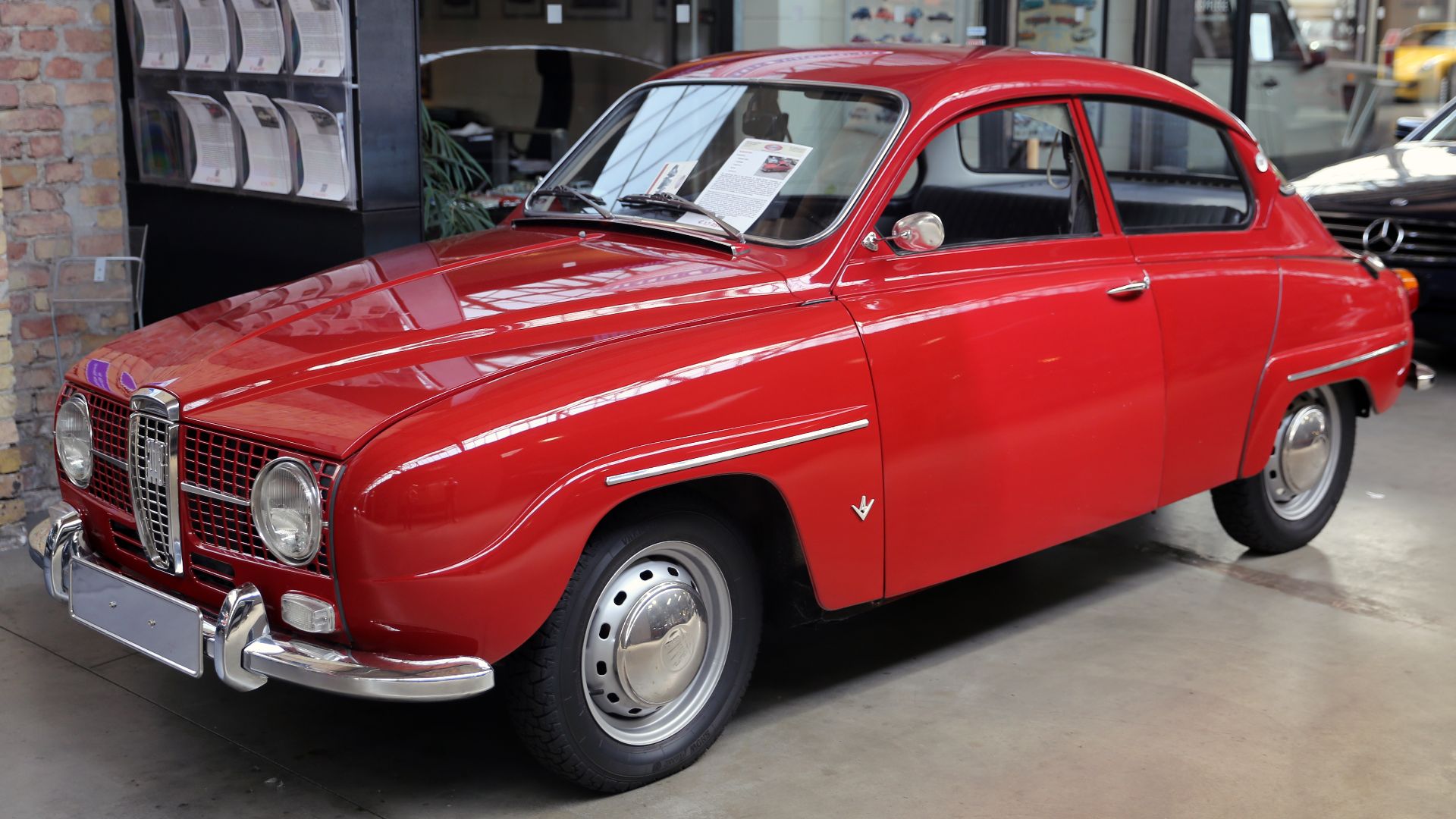
Saab’s most influential early success was the Saab 96, which evolved out of the earlier 92 and 93 models. Introduced in 1960 with a three-cylinder two-stroke engine, the 96 gained a reputation for durability, front-wheel-drive traction, and rally dominance, especially in harsh climates. Its production run lasted until 1980 with more than 5 million of them built. Its superb handling and racing success firmly established Saab’s credibility worldwide.
 Andrew Bone from Weymouth, England, Wikimedia Commons
A Cult Following, Not A Mass Market
Saab buyers were intensely loyal but there were relatively few of them. The company struggled to grow past its core audience of professionals and enthusiasts. While its competitors expanded into broader market segments, Saab remained niche. That limited sales volume made it difficult to fund new platforms, marketing, and dealer support at scale.
 Mr.choppers, Wikimedia Commons
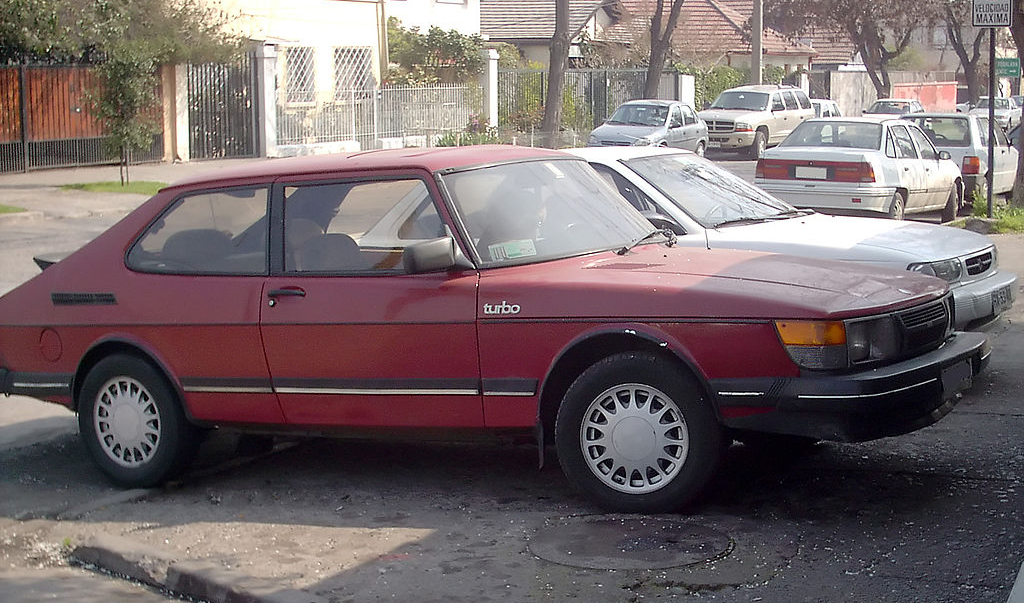
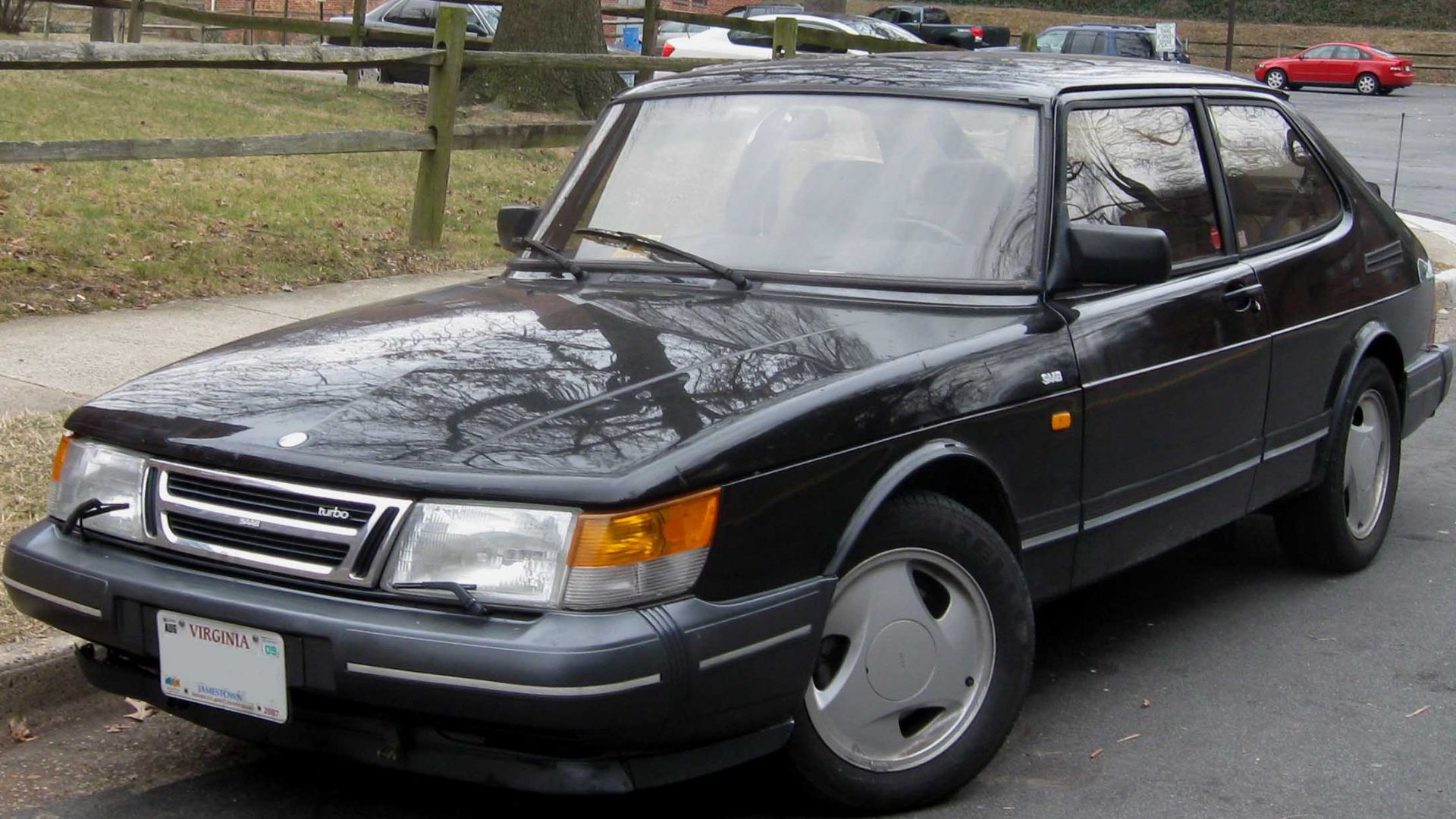
Saab 900
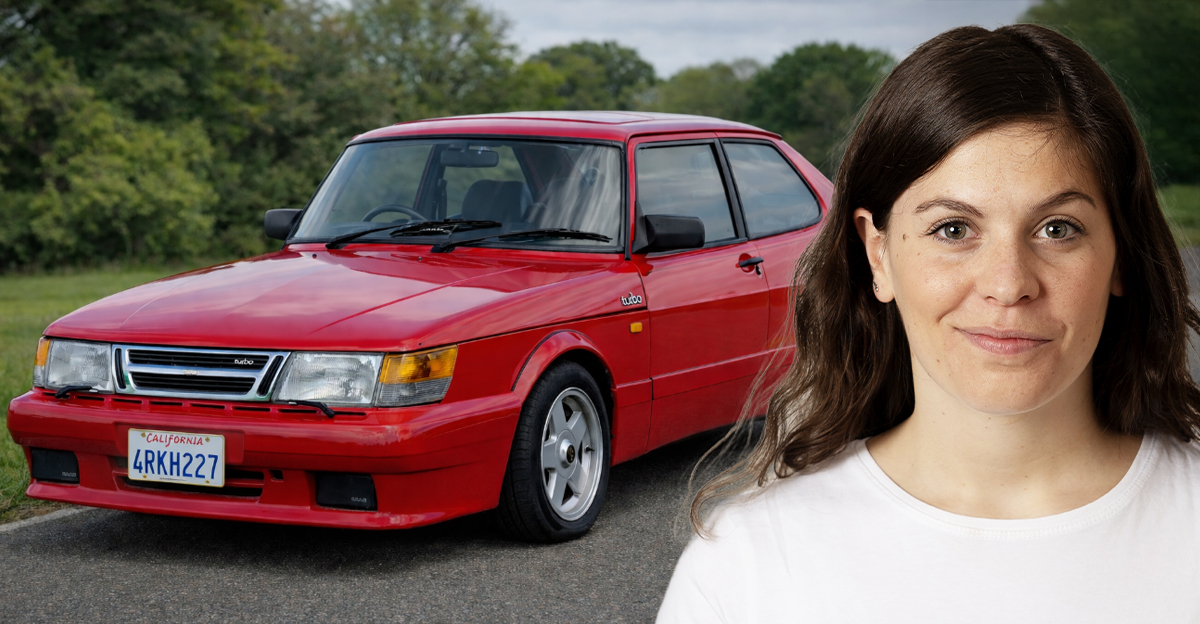
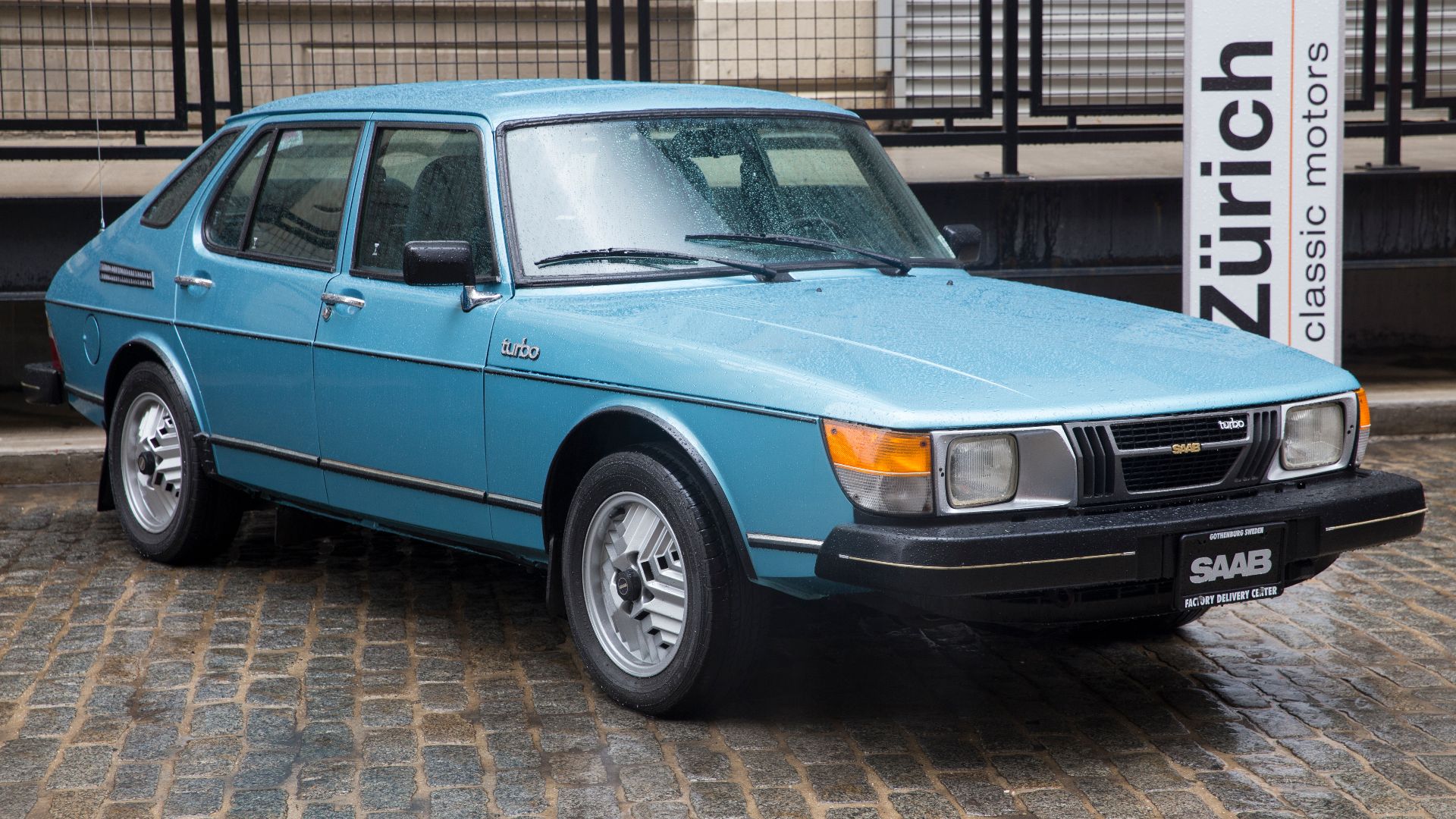
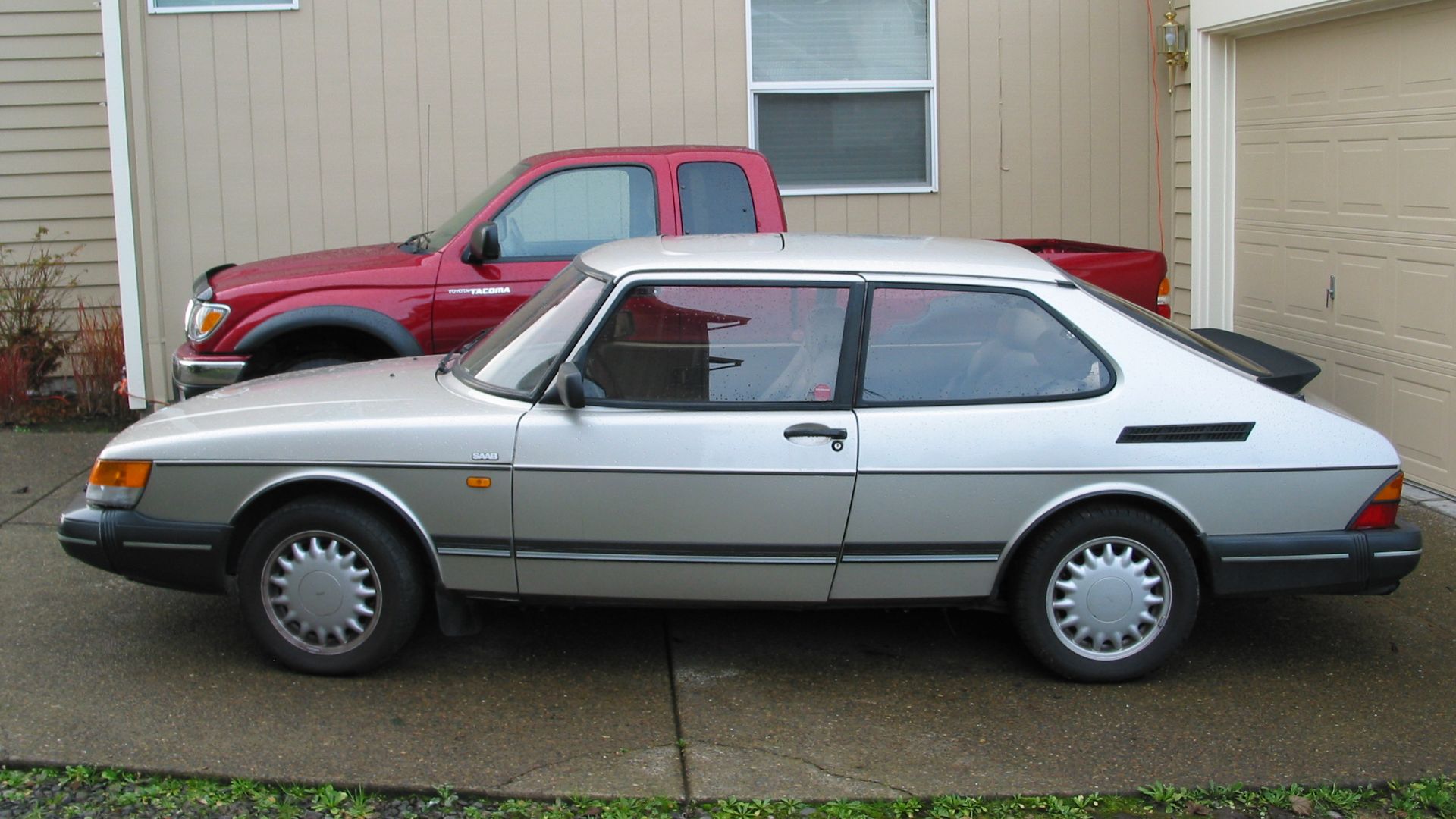
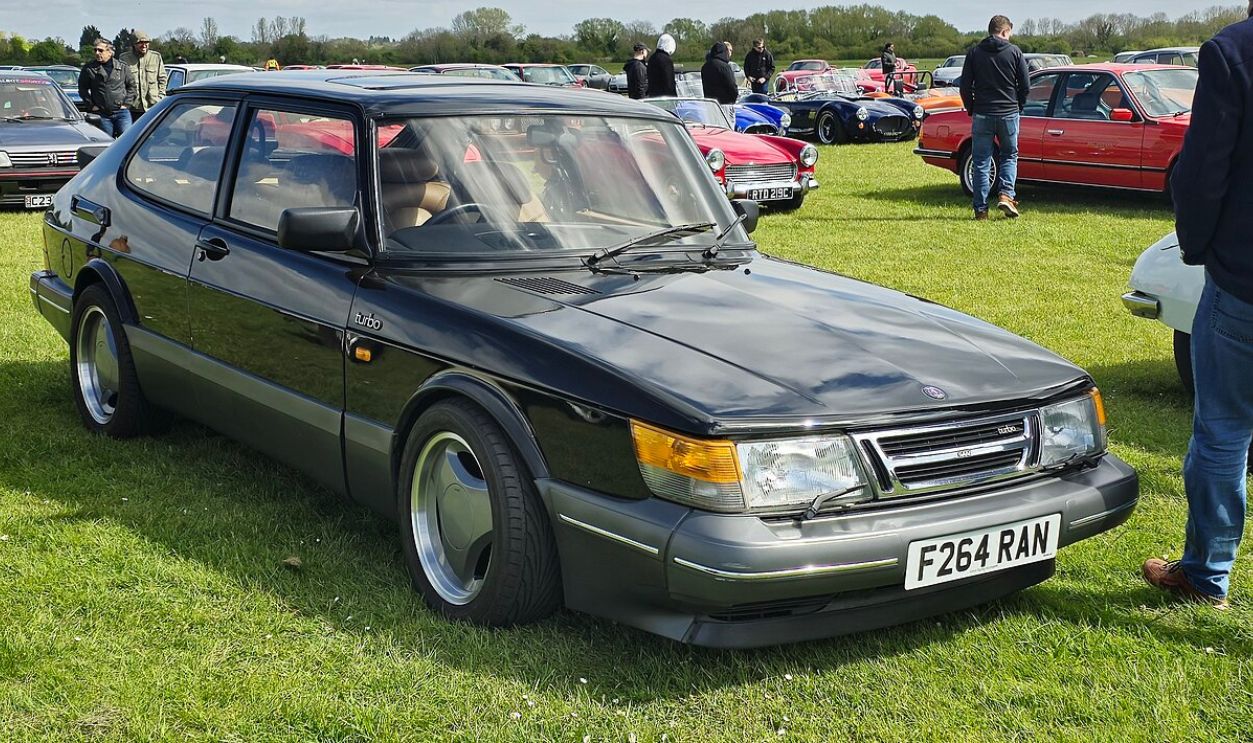
In the 1980s and 1990s, the Saab 900 was the brand’s defining car in North America. Its design stood apart with its steeply raked wraparound windshield, ignition between the seats, turbocharged engines, and a strong safety focus. The 900 felt unconventional but intelligent in its design features. That’s exactly what attracted Saab’s most loyal buyers! Other popular models emerged in the 90s as well.
 Mr.choppers, Wikimedia Commons
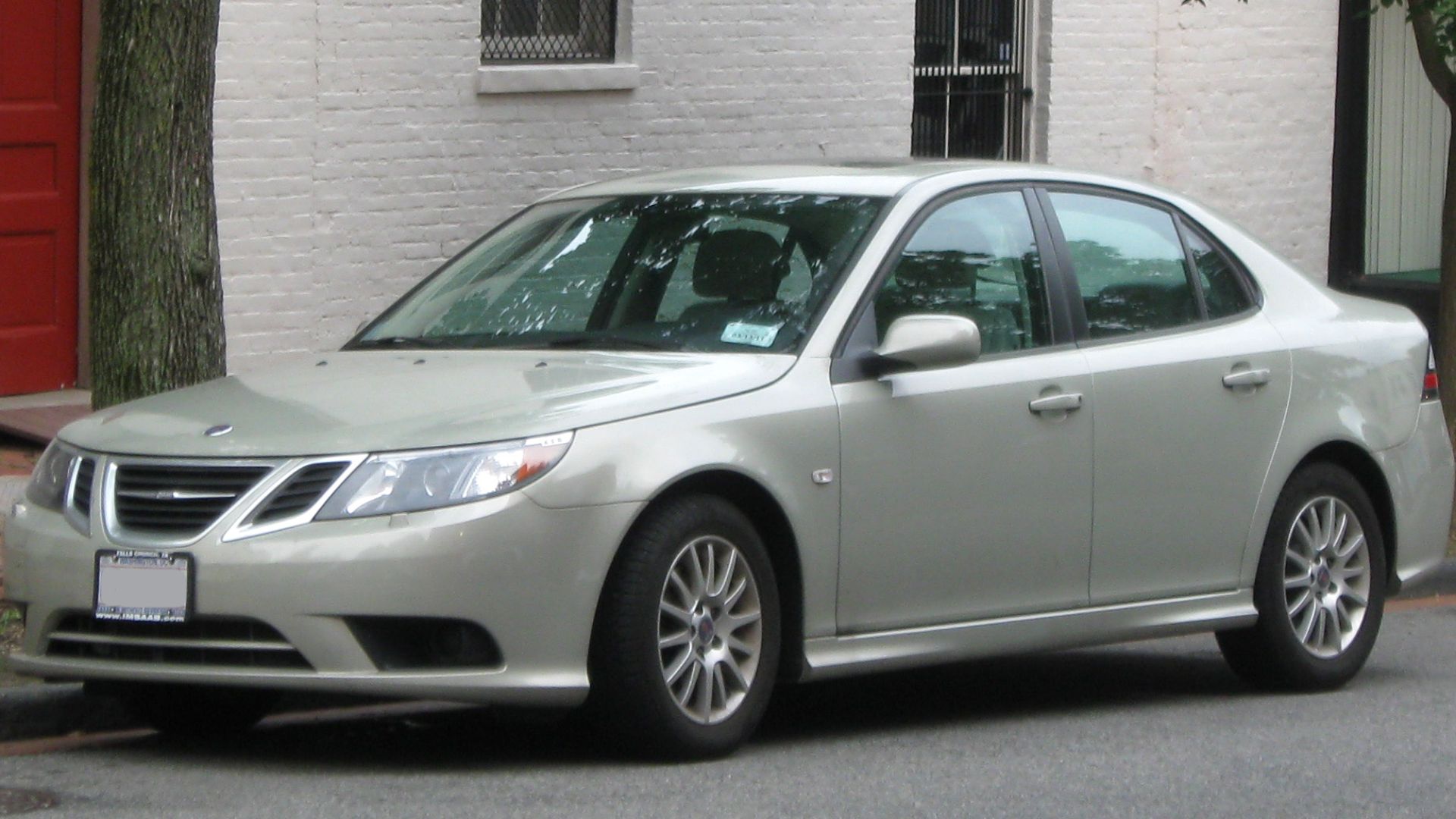
The Saab 9-3
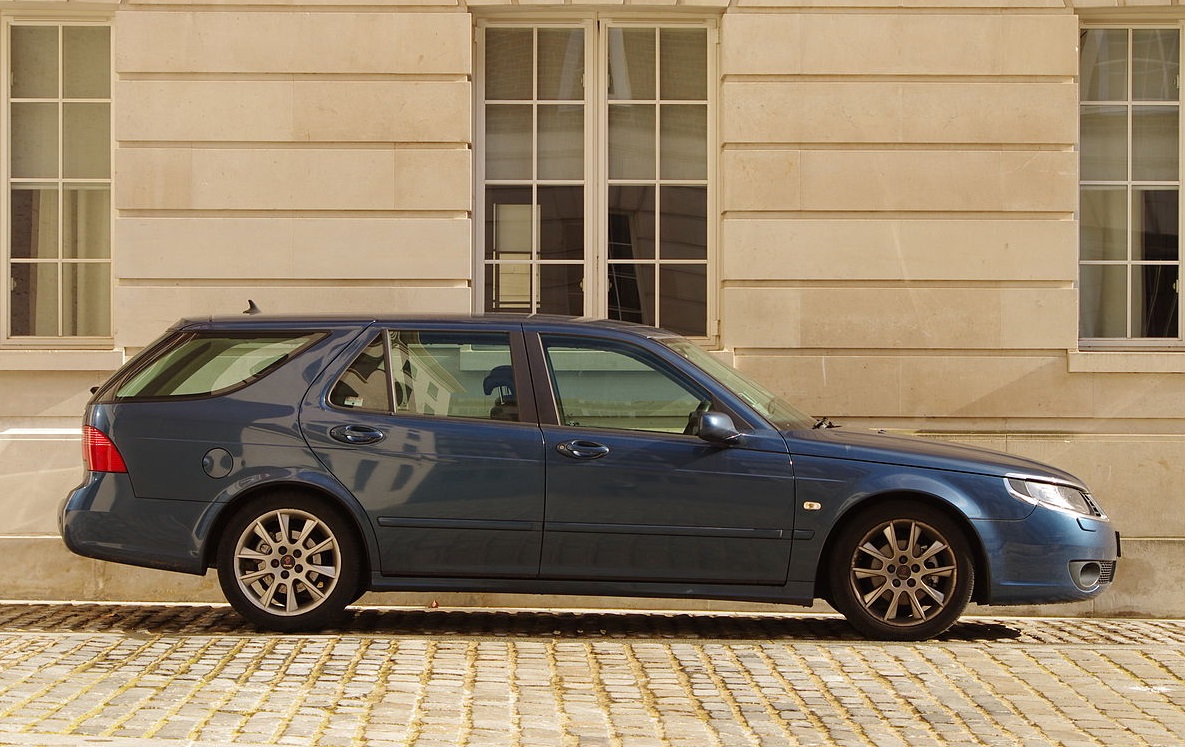
The Saab 9-3 was Saab’s volume car and the brand’s most recognizable modern model, in the late 90s and early 2000s. Buyers liked its turbocharged engines, excellent winter traction, and safety features like active head restraints. Design elements like the curved dashboard, aircraft-inspired controls, and driver-focused ergonomics gave the 9-3 a distinct identity that appealed strongly to educated, urban buyers.
 Andrew Clark, Wikimedia Commons
The Saab 9-5
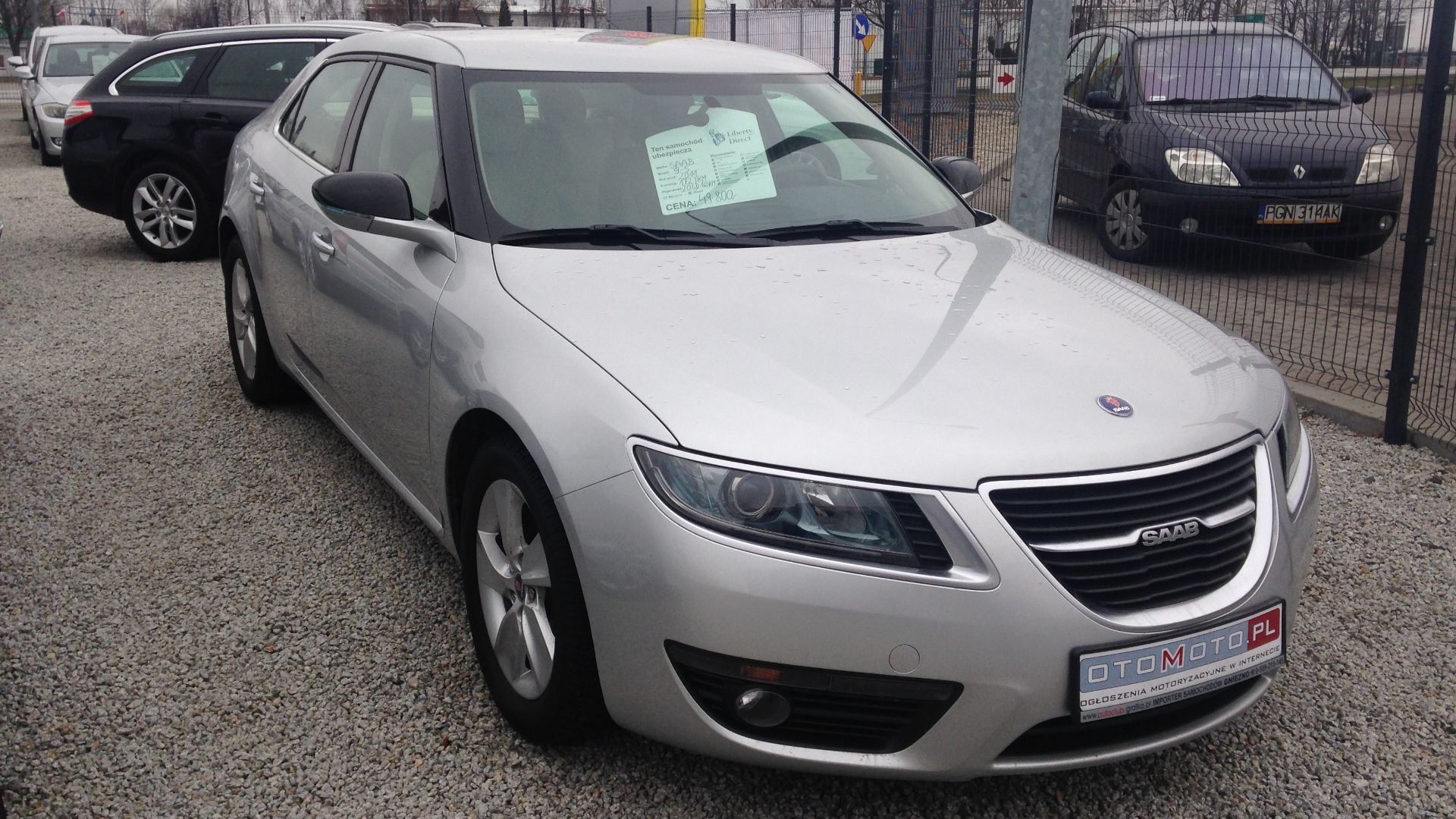
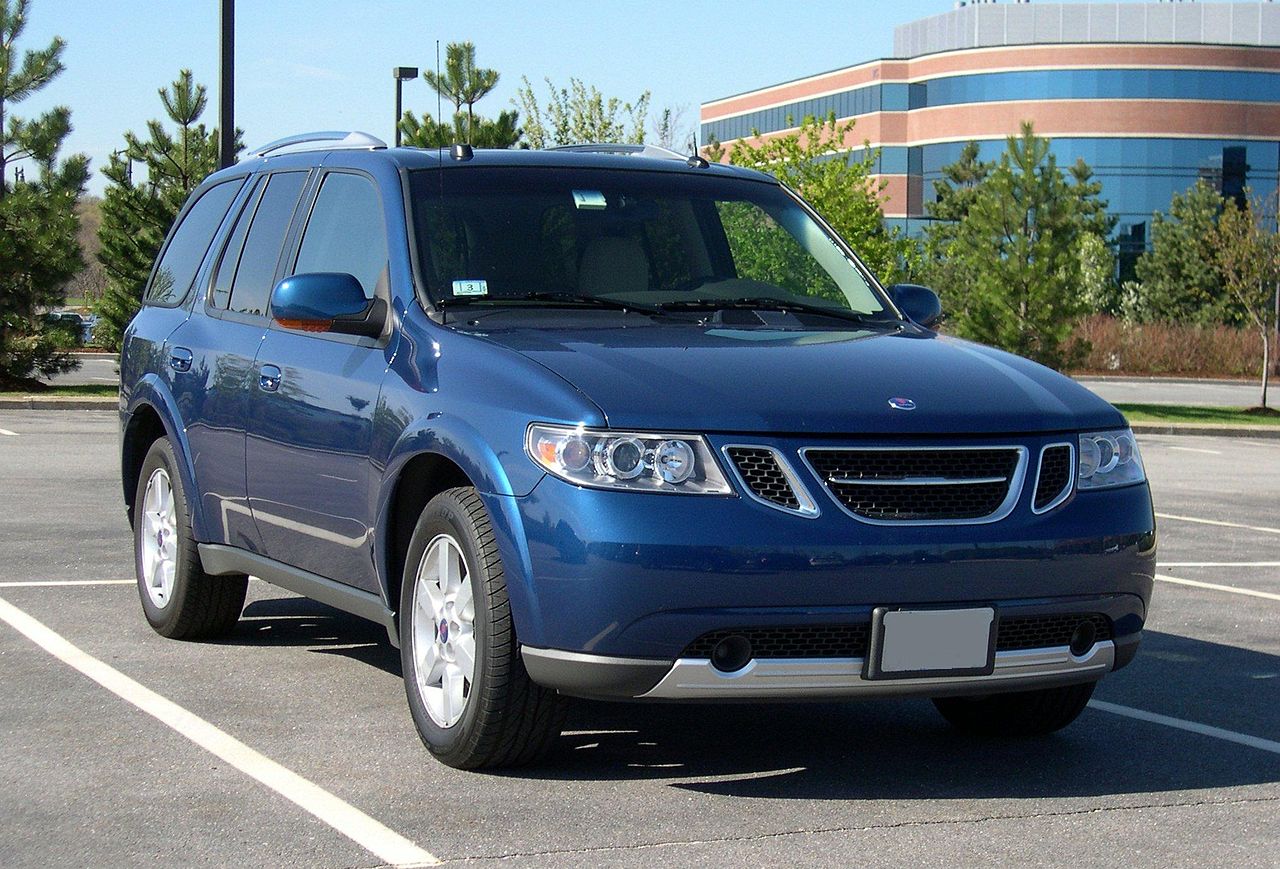
The Saab 9-5 was the brand’s executive flagship model and was especially popular among professionals seeking something different from German luxury sedans. It stood out for its comfortable long-distance ride, strong turbo torque, great crash safety ratings, and night panel feature that reduced dashboard glare. While sales were modest, the 9-5 earned lasting loyalty for blending understated luxury with Saab’s signature engineering philosophy.
 Lukasz19930915, Wikimedia Commons
Early Financial Struggles
Even before its final collapse, Saab faced a series of financial challenges. Limited North American production runs inevitably meant higher per-unit costs, and the company’s profits were inconsistent. The company never had the financial cushion enjoyed by larger automakers, which made it vulnerable to economic downturns and internal missteps.
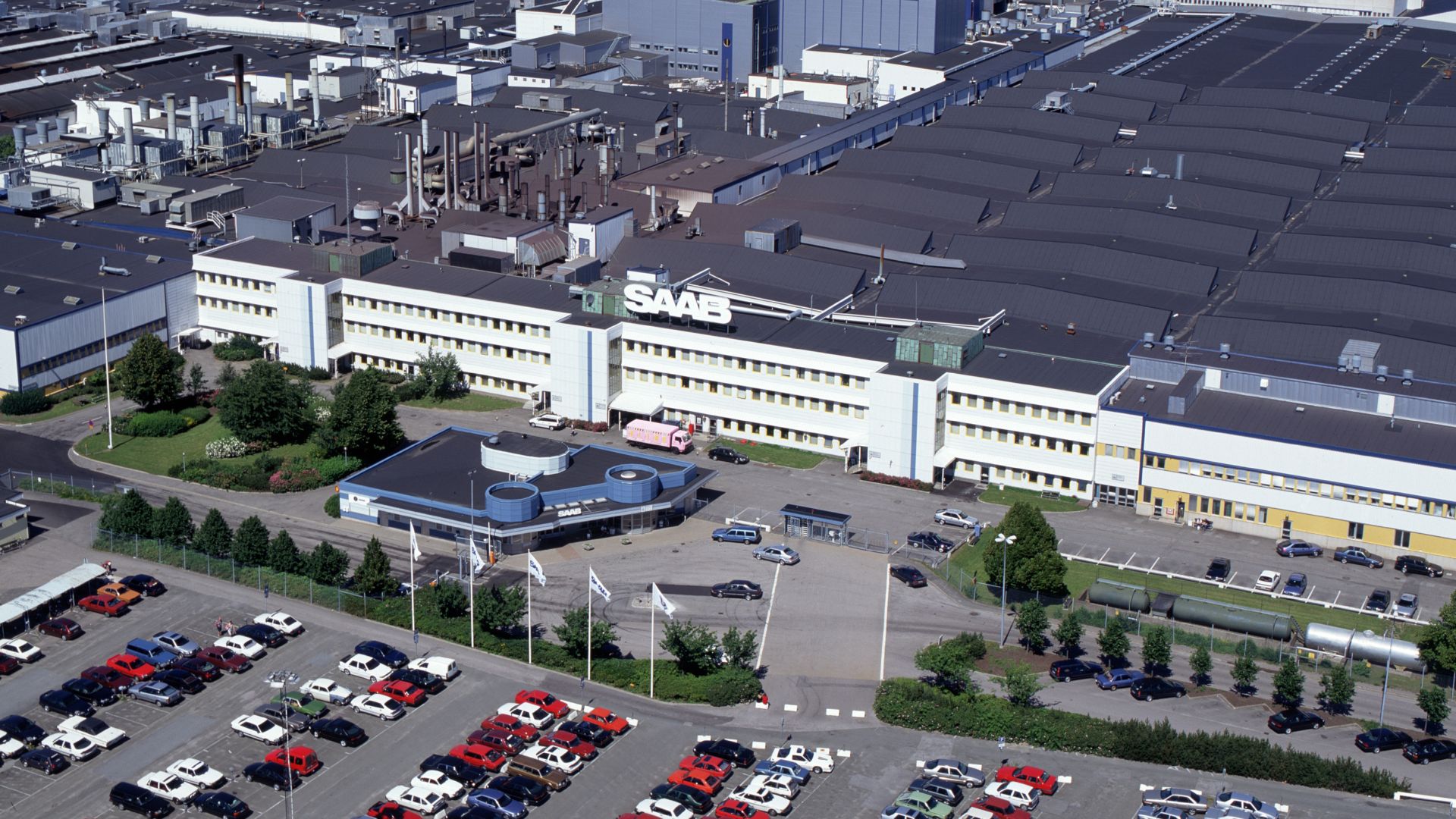 Saab Automobile AB, Wikimedia Commons
GM Steps In
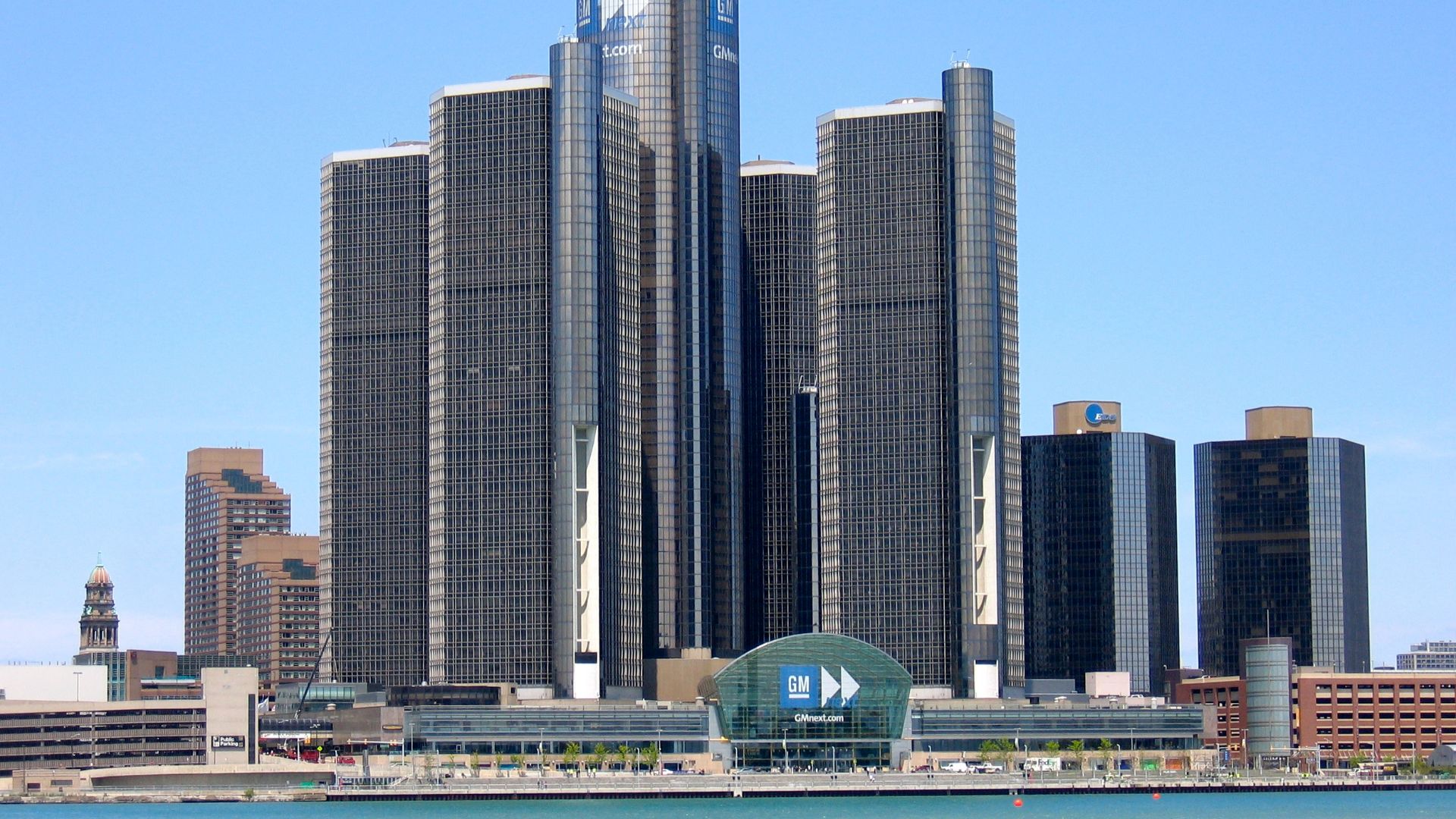
When General Motors took 50% control of the company in 1990, Saab was hoping for some sort of stability. Instead, GM’s platform-sharing diluted Saab’s design uniqueness. Many models became heavily reworked GM vehicles, disappointing the make’s longtime loyalists. Cost-cutting measures were okay for short-term survival but eroded the brand identity that had made Saab stand out in the first place.
Loss Of Engineering Independence
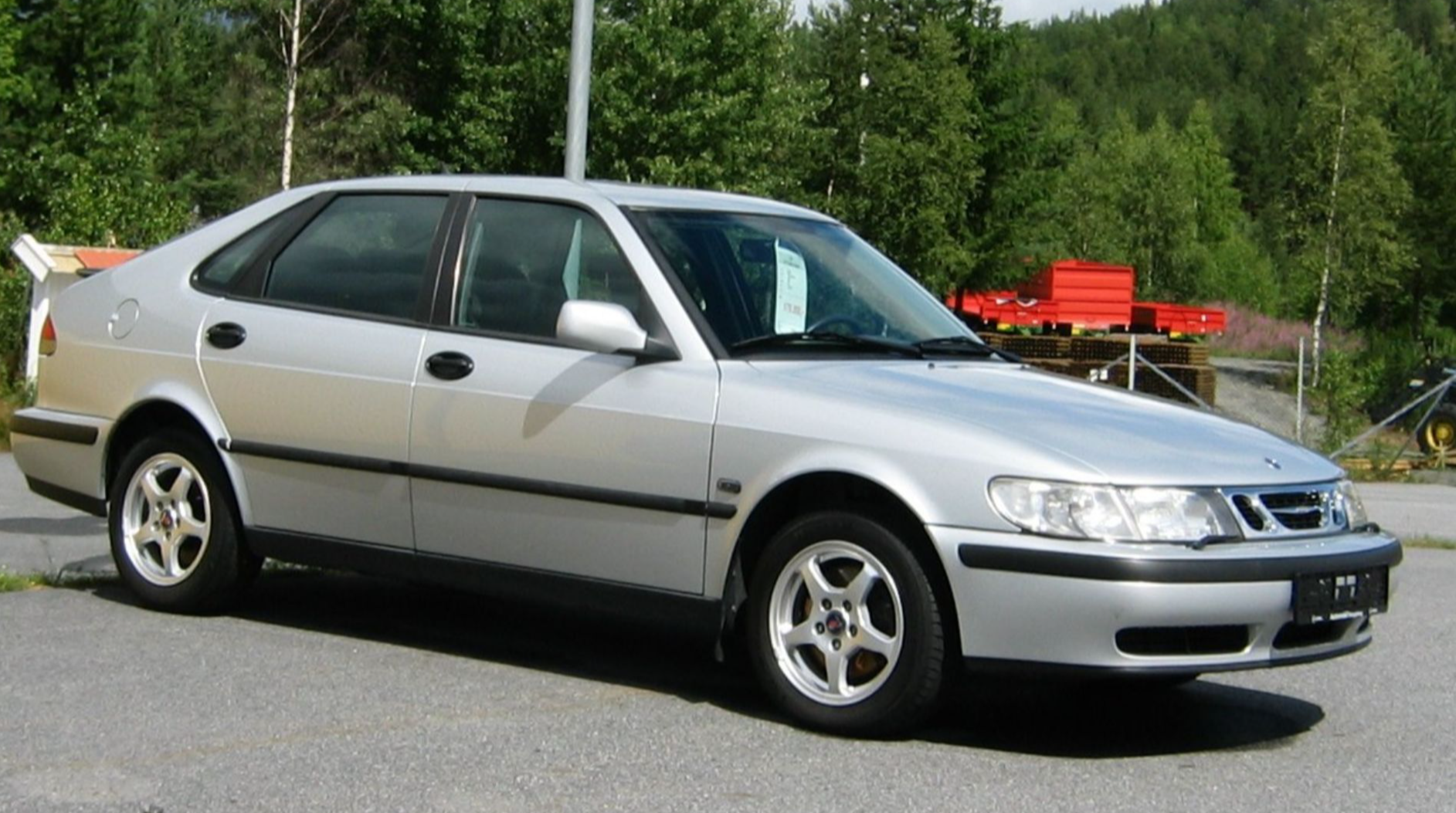
GM took 100% ownership of Saab in 2000. Under GM, Saab engineers lost autonomy. Design and development were hemmed in by corporate priorities that didn’t favor such low-volume brands. Saab’s longtime strengths were sidelined, leading to cars that felt less distinctive. To make matters worse, they still cost more than the usual mass-market alternatives.
 Harald Hansen, Wikimedia Commons
Marketing Never Quite Landed
Saab struggled to explain itself to new buyers. Its messaging leaned heavily on its famous quirkiness and intelligence but failed to connect emotionally on the mass scale that a successful carmaker needs in North America. Without strong marketing backing, Saab cars often went unnoticed in crowded showrooms filled with inferior but better-promoted competitors.
Dealer Network Challenges
Saab dealers were sparse and inconsistent. In a lot of regions, buyers had limited access to showrooms and service centers. Poor dealer coverage hurt sales and ownership confidence, especially when reliability concerns or warranty issues arose.
 MoVaughn123, Wikimedia Commons
The 2008 Financial Crisis
The global financial crisis hit Saab even harder than the other auto makers. Luxury and niche brands were smashed by steep sales declines, and Saab lacked the reserves to weather the storm. As GM itself teetered on the brink of bankruptcy, Saab was now the least of its worries. The little car-maker was now expendable in the desperate effort to turn the ship around at GM.
New Ownership
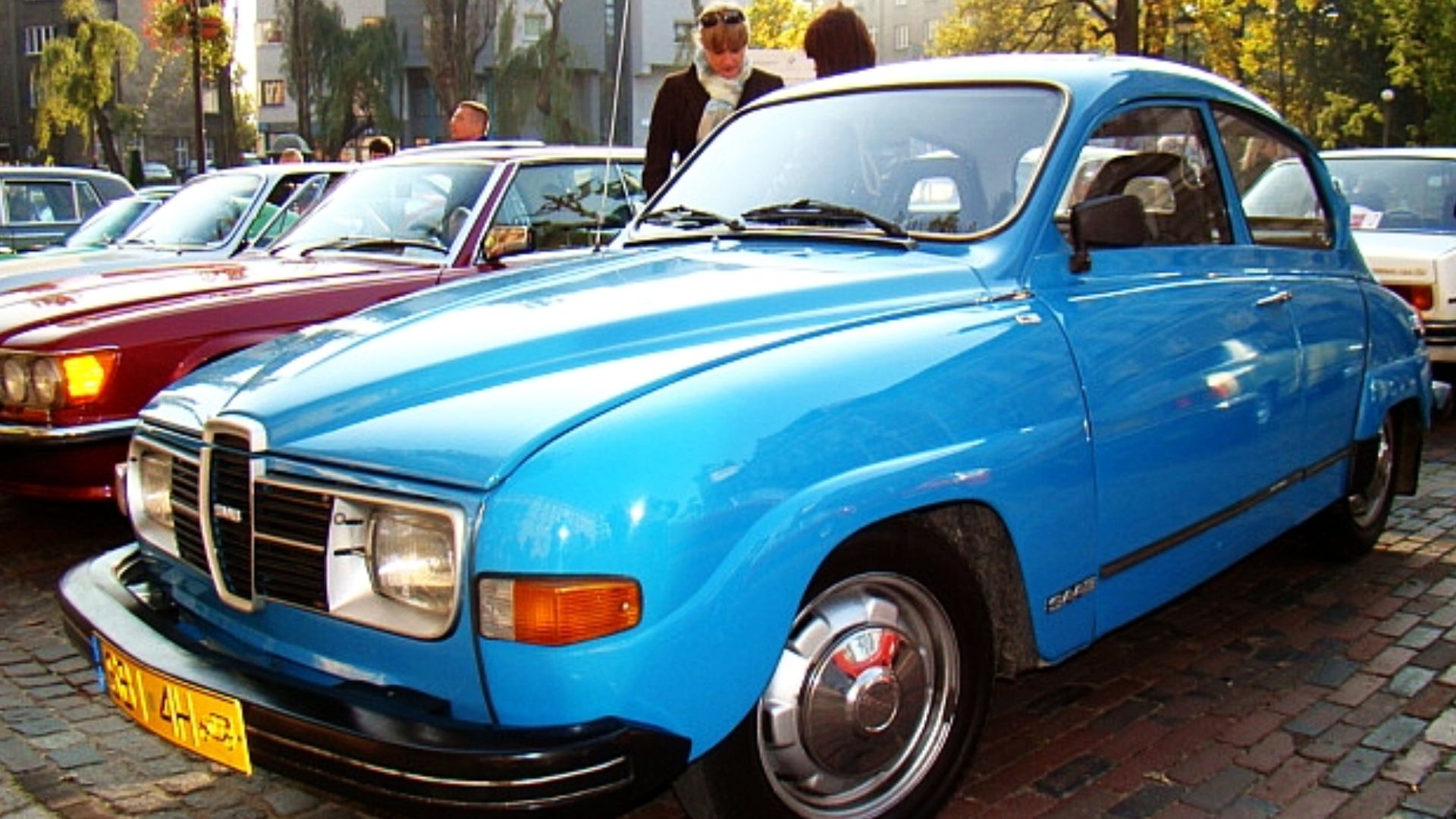
General Motors sold Saab Automobile to Dutch sports car maker Spyker Cars N.V. in early 2010 during GM’s own bankruptcy and restructuring. The deal, valued at about $400 million, was seen as a last-minute lifeline intended to save Saab as an independent brand. While the sale saved Saab from closure, Spyker lacked GM’s financial scale, leaving Saab fragile, undercapitalized, and heavily dependent on external funding almost from the start.
2011: Bankruptcy
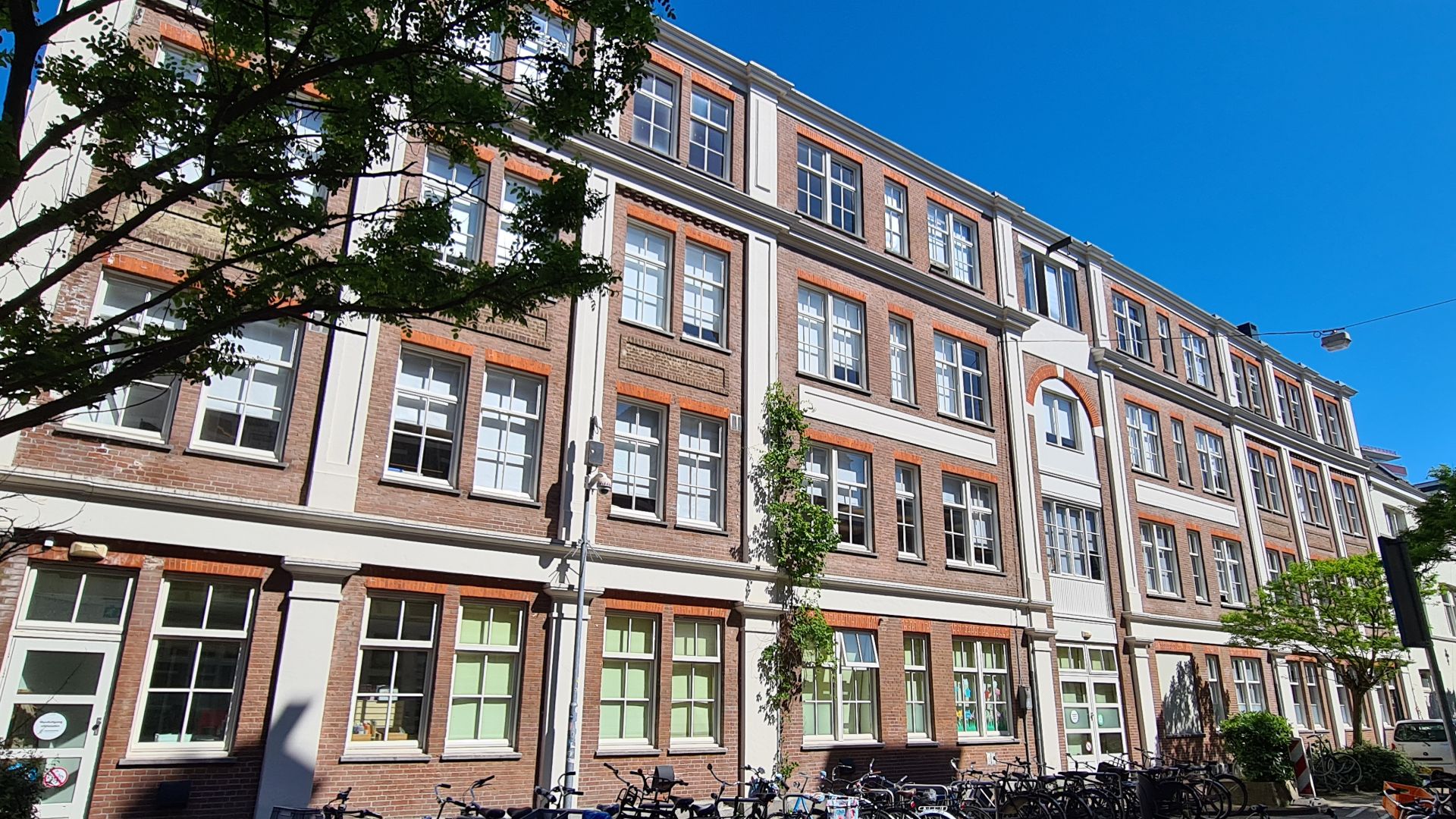
In 2011, Saab’s financial situation collapsed into insolvency and legal protection filings after years of mounting losses and failed rescue efforts. Under Spyker Cars N.V., Saab struggled to secure parts, pay suppliers, and sustain operations. Cash shortages forced production halts, and in December 2011, Saab Automobile officially filed for bankruptcy protection in a Swedish court when no viable financing plan materialized.
Enter NEVS And Chinese Ownership
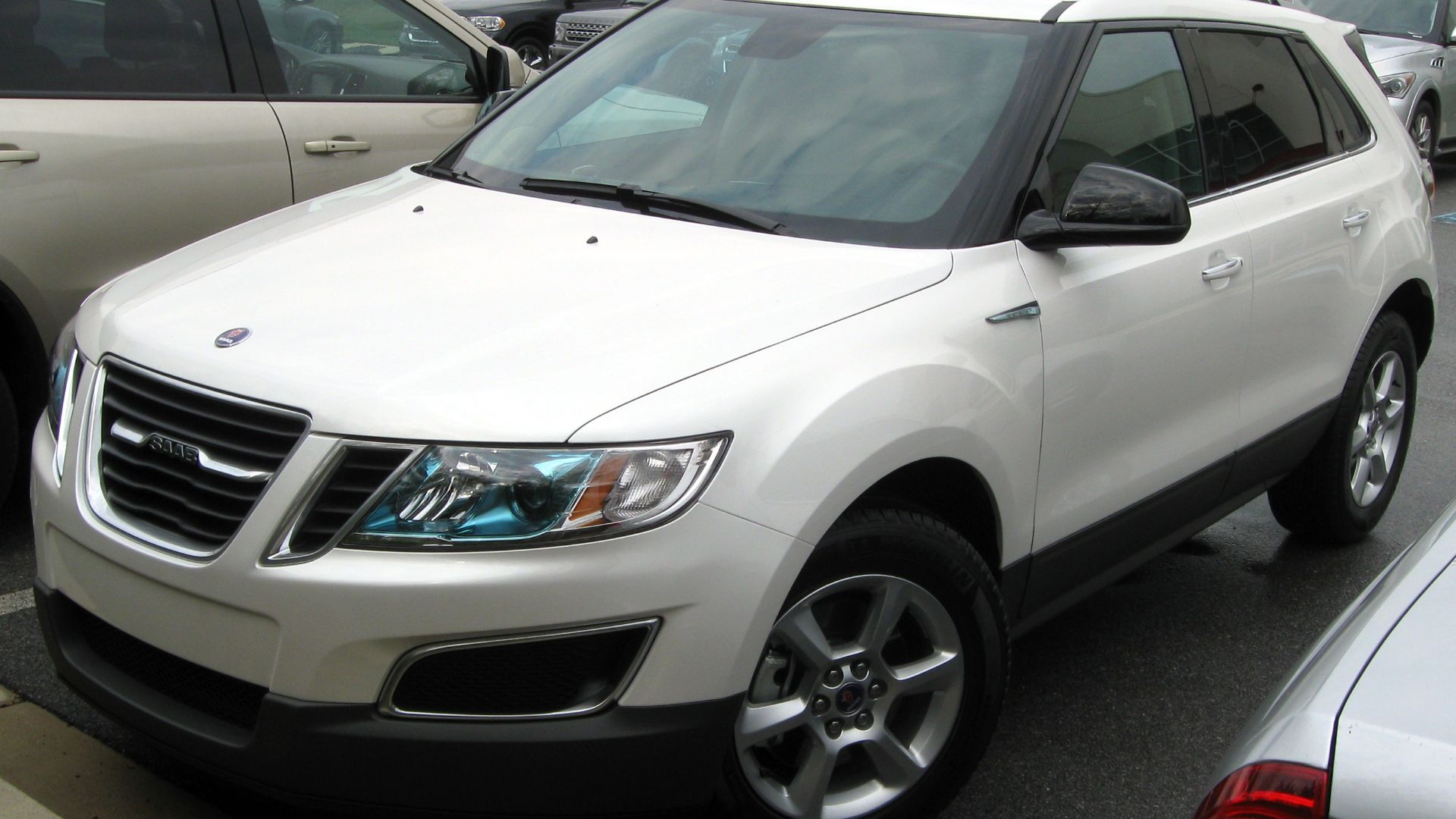
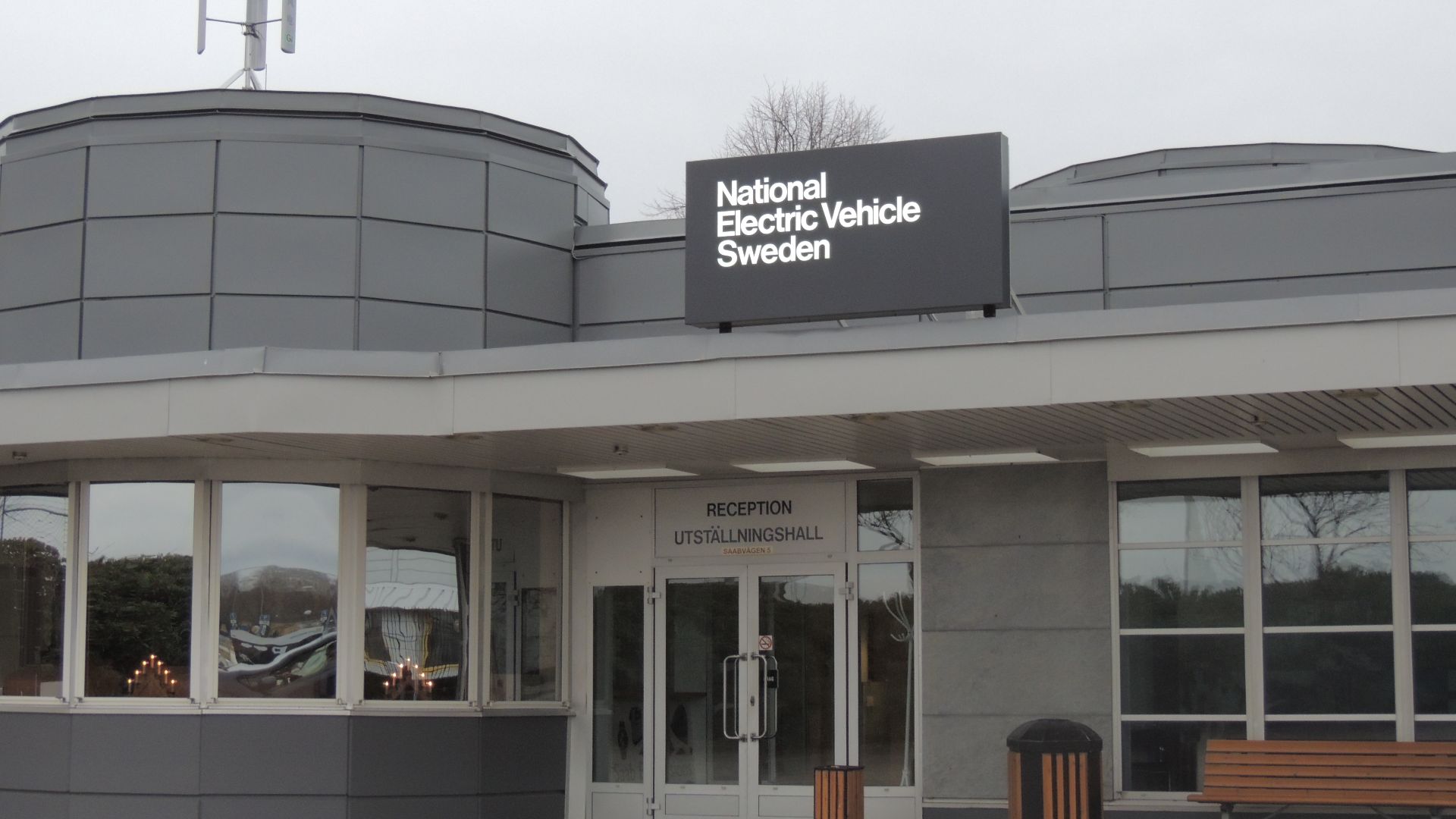
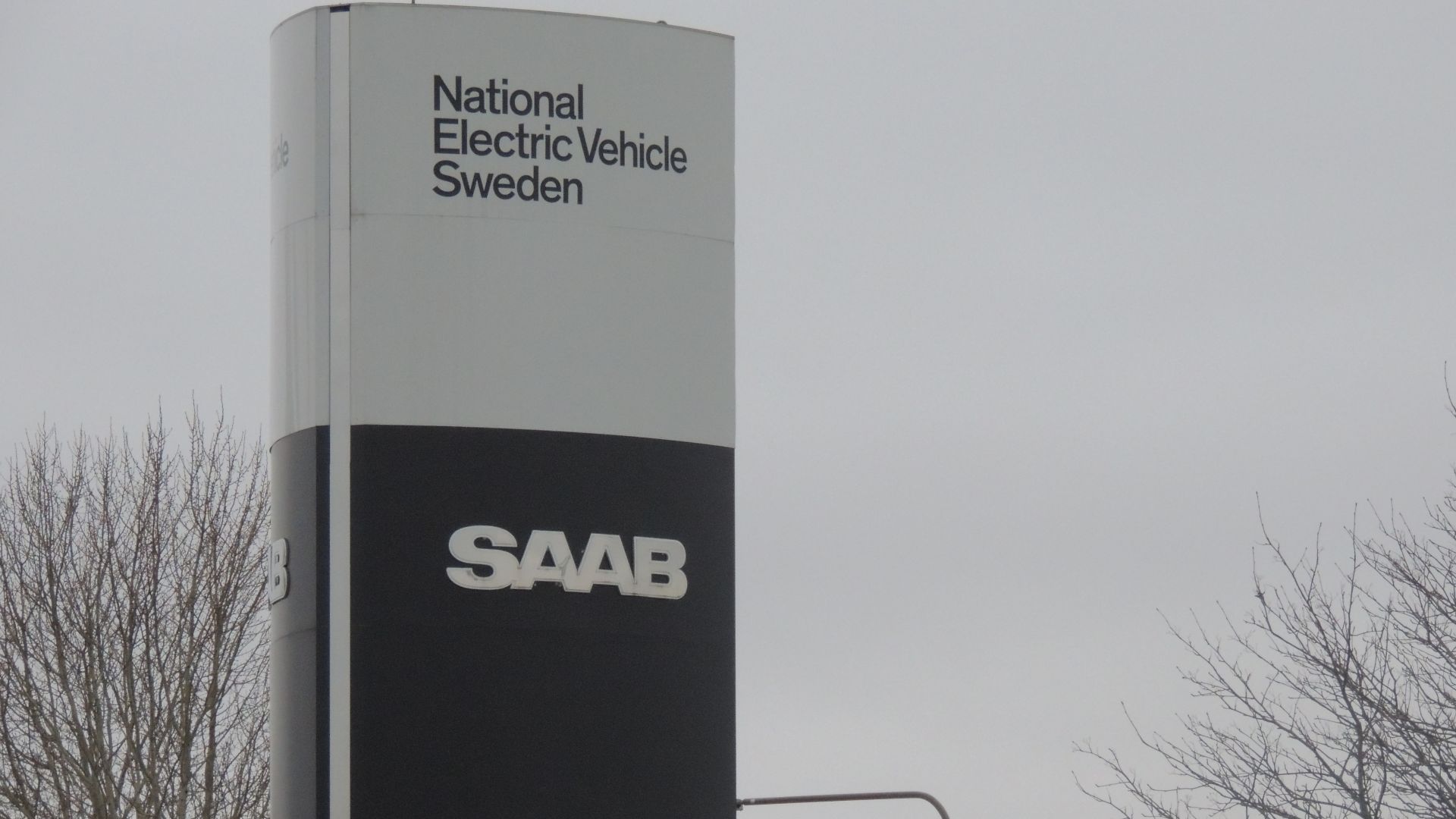
National Electric Vehicle Sweden (NEVS) now stepped in and acquired Saab’s assets with ambitions of revival. Backed by Chinese interests, NEVS focused on electric cars rather than the traditional Saab models. This marked a fundamental shift away from Saab’s historical identity.
 Lukasz19930915, Wikimedia Commons
The NEVS Electric Vision
Between 2012 and 2014, NEVS desperately attempted to reboot Saab as an electric vehicle company. They had all kinds of problems doing this. Production was limited, funding was inconsistent, and brand confusion only got worse. The sophisticated cars of the 80s and 90s were a distant memory. The new electric cars lacked clear differentiation in an increasingly competitive EV market.
 Lukasz19930915, Wikimedia Commons
Why NEVS Never Took Off
NEVS struggled mightily with regulatory hurdles, capital shortages, and brand licensing issues. Without the iconic Saab name in some markets, momentum stalled and the cars never got off the ground. The effort never reached the scale needed to sustain long-term production or relevance on the world car market.
 S. Foskett, CC BY-SA 3.0, Wikimedia Commons
Brand Licensing Complications
Saab’s name itself had now surprisingly become a liability. Licensing restrictions prevented full use of the brand in some regions. That undercut the recognition the company had spent all those decades building. The dilution of consumer trust was a major blow, especially when the revived products didn’t bear any resemblance to classic Saabs.
 Maksim Sidorov, CC BY 3.0, Wikimedia Commons
Technology Fell Behind Rivals
Saab lagged behind in its entertainment systems, powertrain variety, and emissions compliance. Catching up required massive investment that never came to fruition. As competitors rapidly caught up, Saab’s product lineup felt increasingly dated and out of touch with consumers.
 Calreyn88, CC BY-SA 4.0, Wikimedia Commons
Safety Leadership Became Less Unique
Whereas Saab had at one time been an industry leader in safety, the competition had long since caught up by the mid-2000s. Features that were once exclusive had now become standard elsewhere. Without a clear technological edge, Saab lost one of its strongest competitive advantages.
 order_242, CC BY-SA 2.0, Wikimedia Commons
Too Different For Its Own Good
Saab’s refusal to conform was both a strength and weakness. The features that endeared it to loyalists didn’t always attract mainstream buyers. In a mass-production industry driven by scale and shared platforms, being different was a risk that eventually caught up with them.
 Jelger Groeneveld, Wikimedia Commons
Fans Still Miss Saab
It’s not too tough to find Saab owners who still speak passionately about their cars. The driving feel, design philosophy, and engineering honesty left a lasting impression. It’s the emotional connection that certain cars have, and it explains why Saab is still fondly remembered long after its production run ended.
Lessons From Saab’s Collapse
Saab’s story shows that, for all the power that brand loyalty brings, it’s not enough on its own to bring long-term success. Automakers need to be able to scale production, secure funding, and maintain strategic design clarity. Without those, even the most beloved marques can fail.
 Charlie from United Kingdom, Wikimedia Commons
No Love Lost
Saab didn’t disappear because people stopped loving it. It failed because financial instability, corporate management decisions, and strategic confusion left it unable to compete. The NEVS experiment showed some promise but it came too late. Saab goes to show that passion, design genius, and business practicality must coexist to survive.
You May Also Like:
The Porsche 914 Wasn’t Like The Others And That Was The Point
Cars Likely To Become Collectibles






.jpg)

.jpg)