
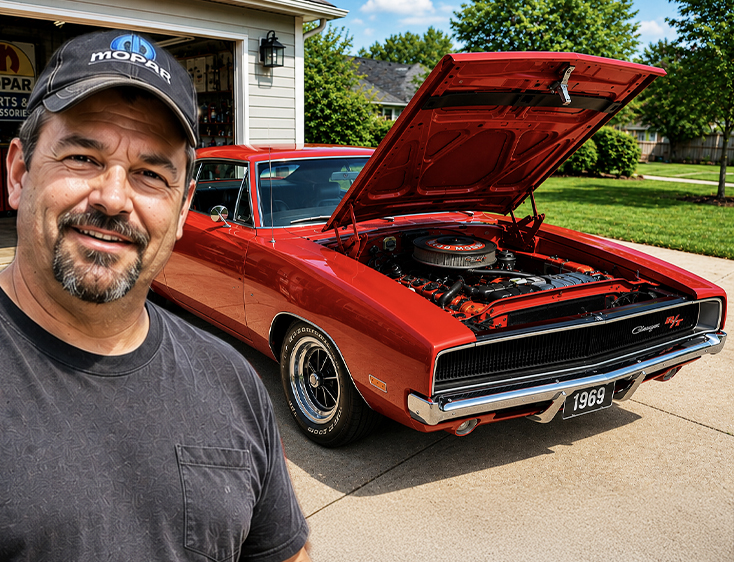
Chrysler Wanted A Bigger Big Block
During the mid-1960s, Chrysler engineers were searching for a larger and more versatile big block V8 to power the company’s growing lineup of performance cars. The older 413 and 426 wedge engines had proven strong, but Chrysler soon realized even more displacement could help the average driver hold their own in the muscle car wars.
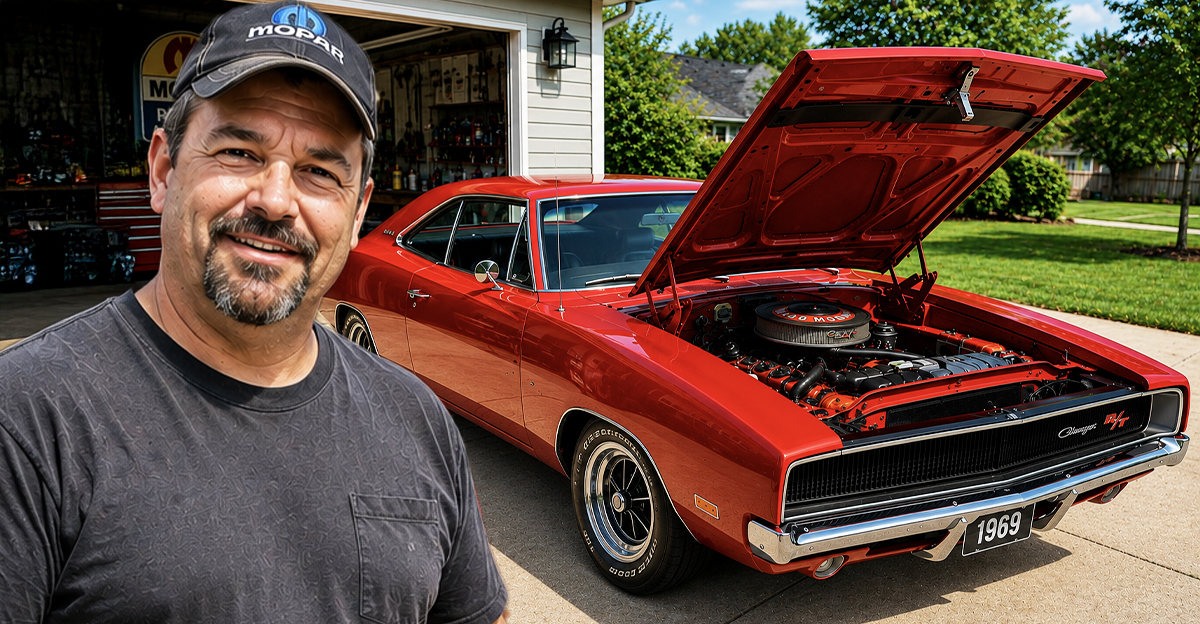
The Birth Of The 440
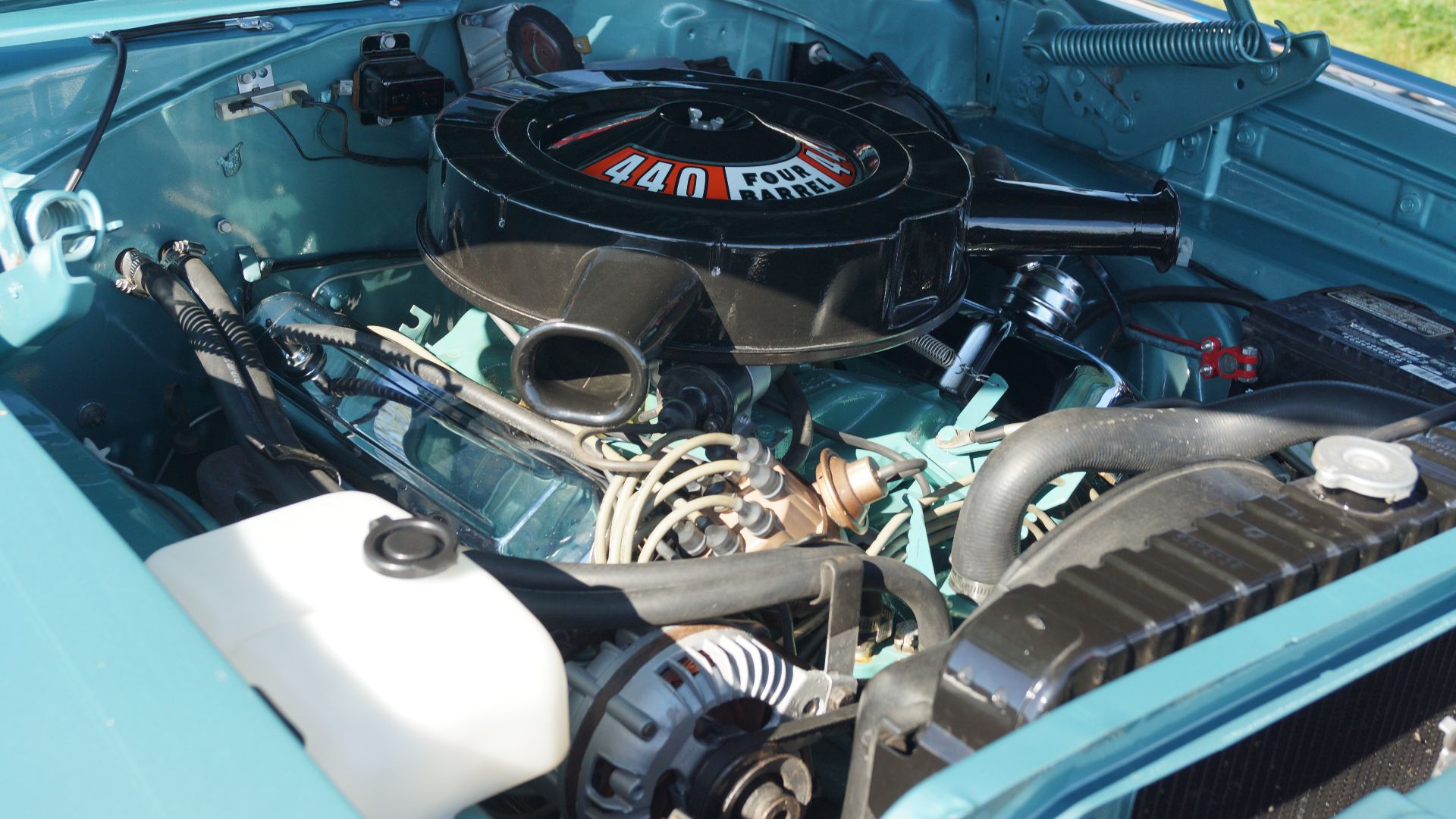
In 1966, Chrysler introduced the 440 cubic inch V8 as part of the RB engine family. With a 4.32-inch bore and a 3.75-inch stroke, the engine delivered huge torque and smooth power delivery. Almost immediately, the new big block became one of Mopar’s most important performance engines.
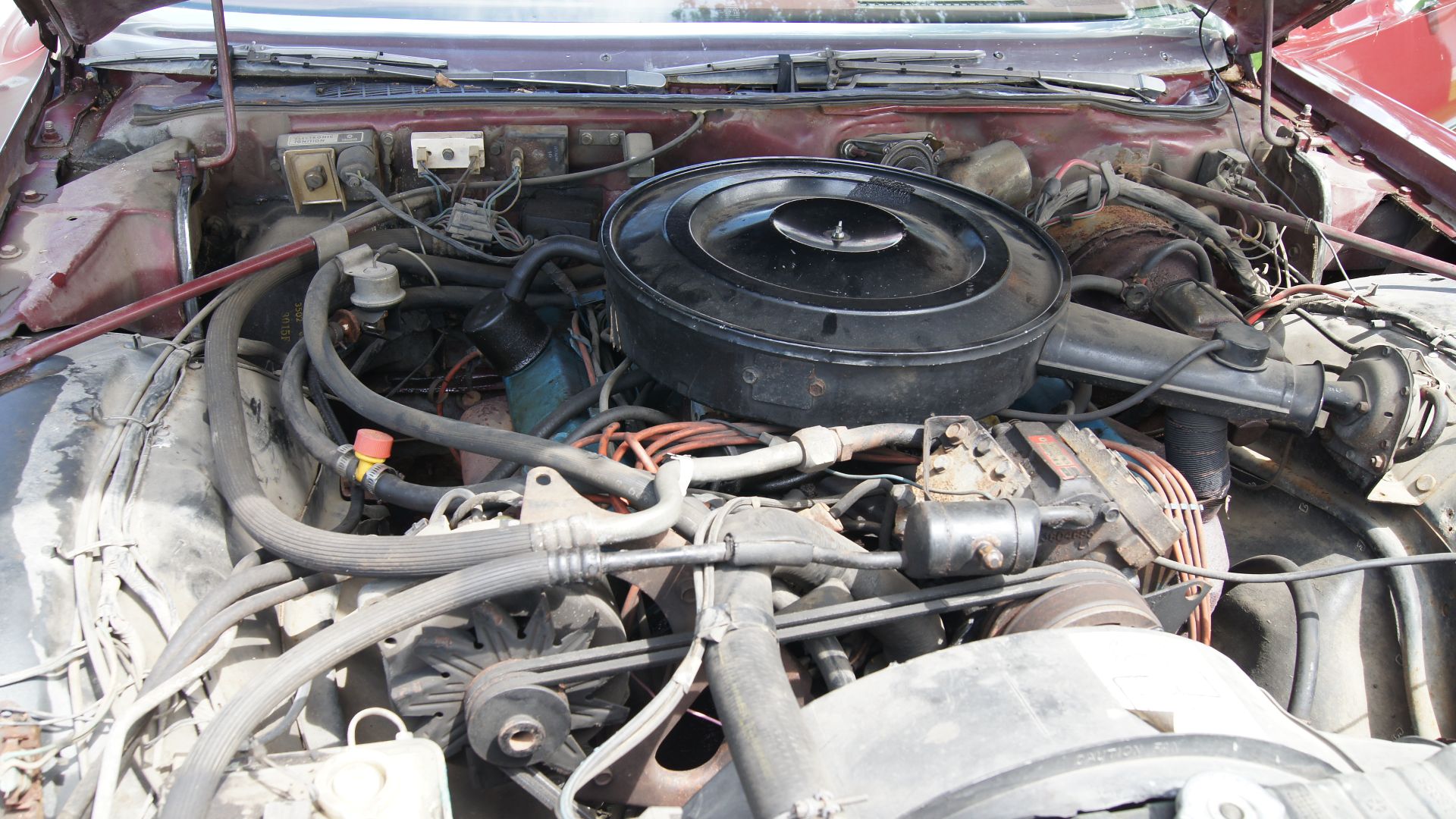 Greg Gjerdingen from Willmar, USA, Wikimedia Commons
Luxury Cars Received It First
The earliest 440 engines appeared in large Chrysler, Dodge, and Plymouth luxury cars rather than dedicated muscle machines. Models like the Chrysler New Yorker and Imperial benefited from the engine’s effortless low-end torque. Before long, Chrysler executives realized the 440 could transform performance cars as well.
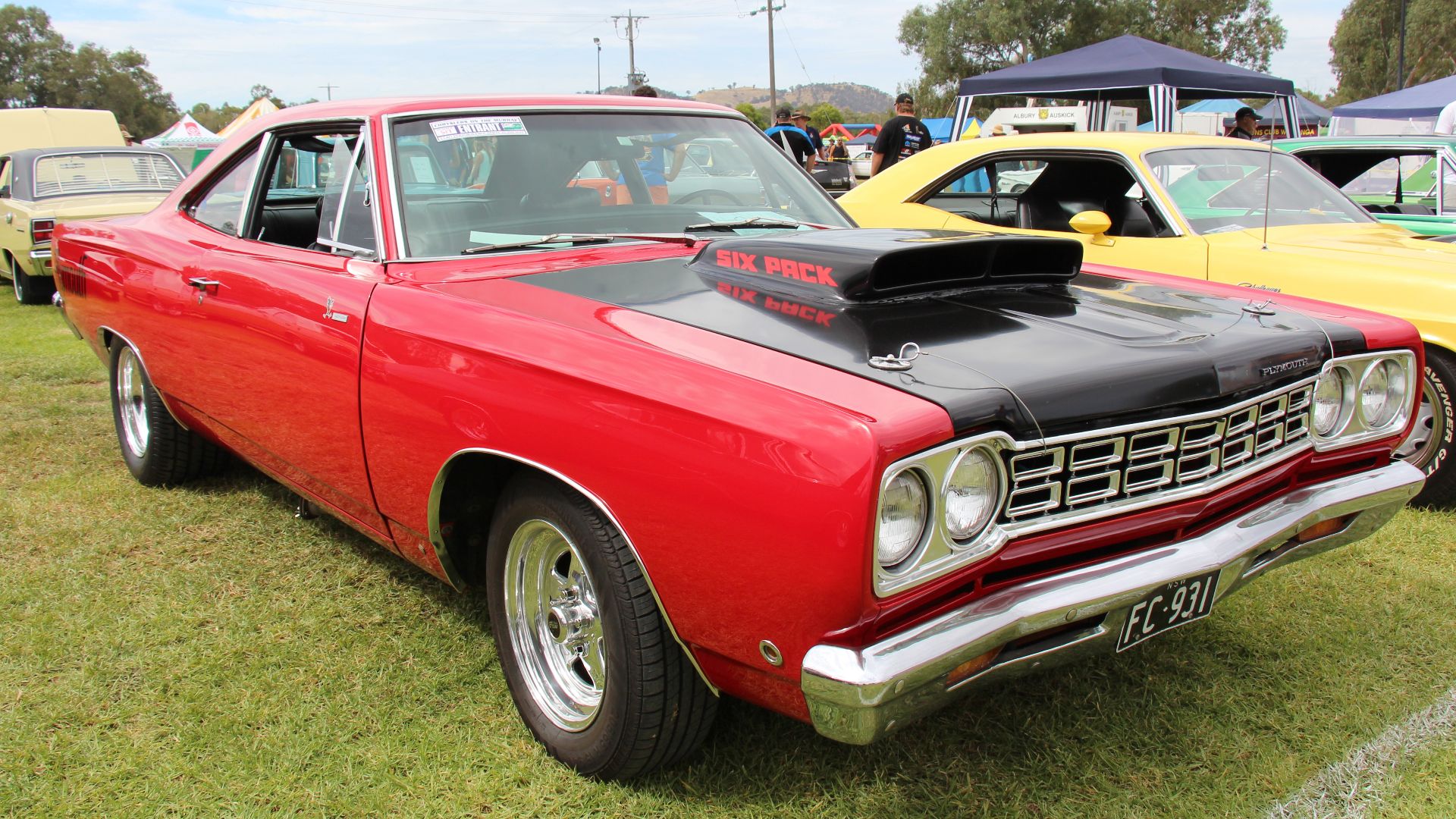
Muscle Cars Begin To Embrace The 440
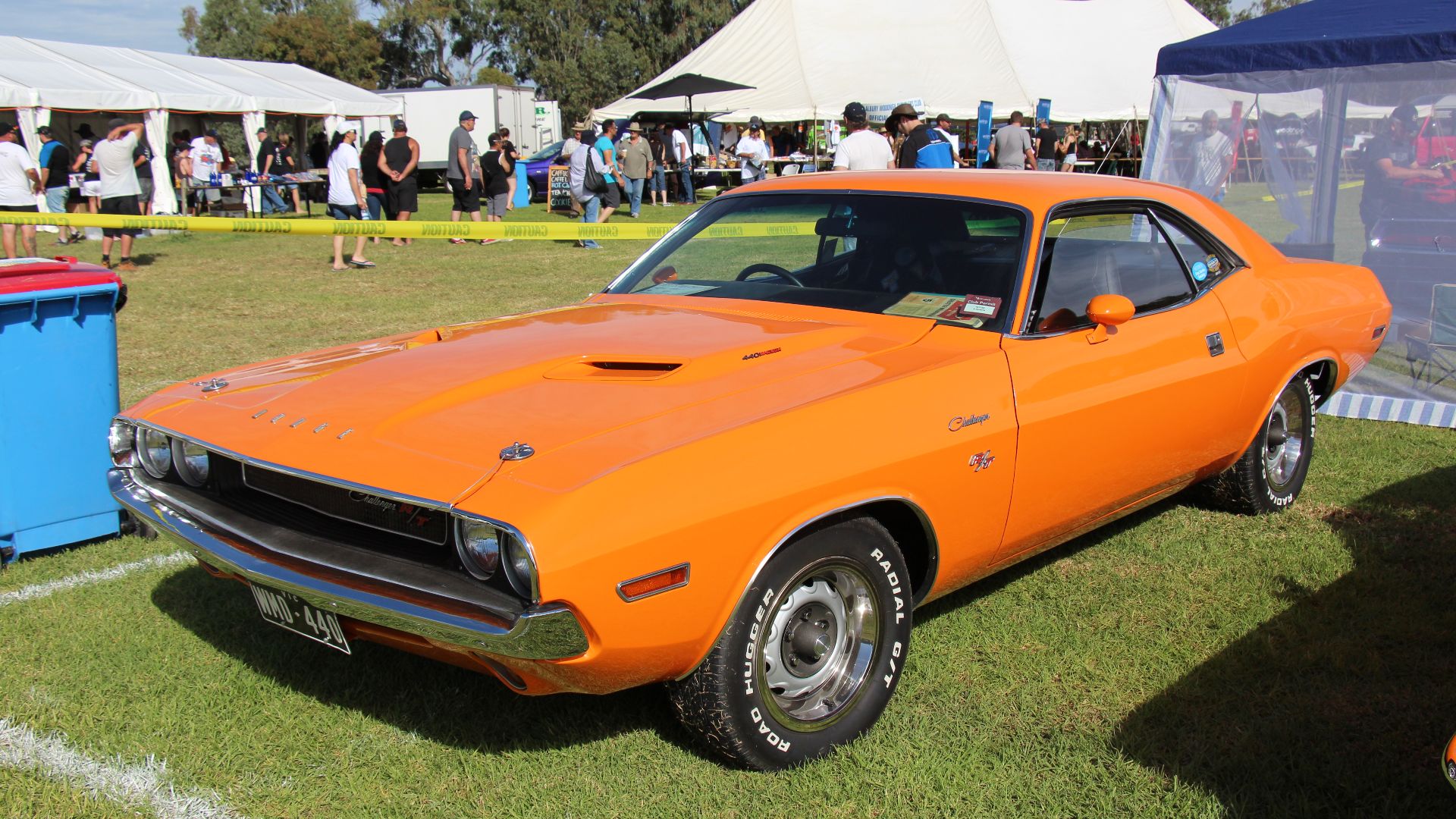
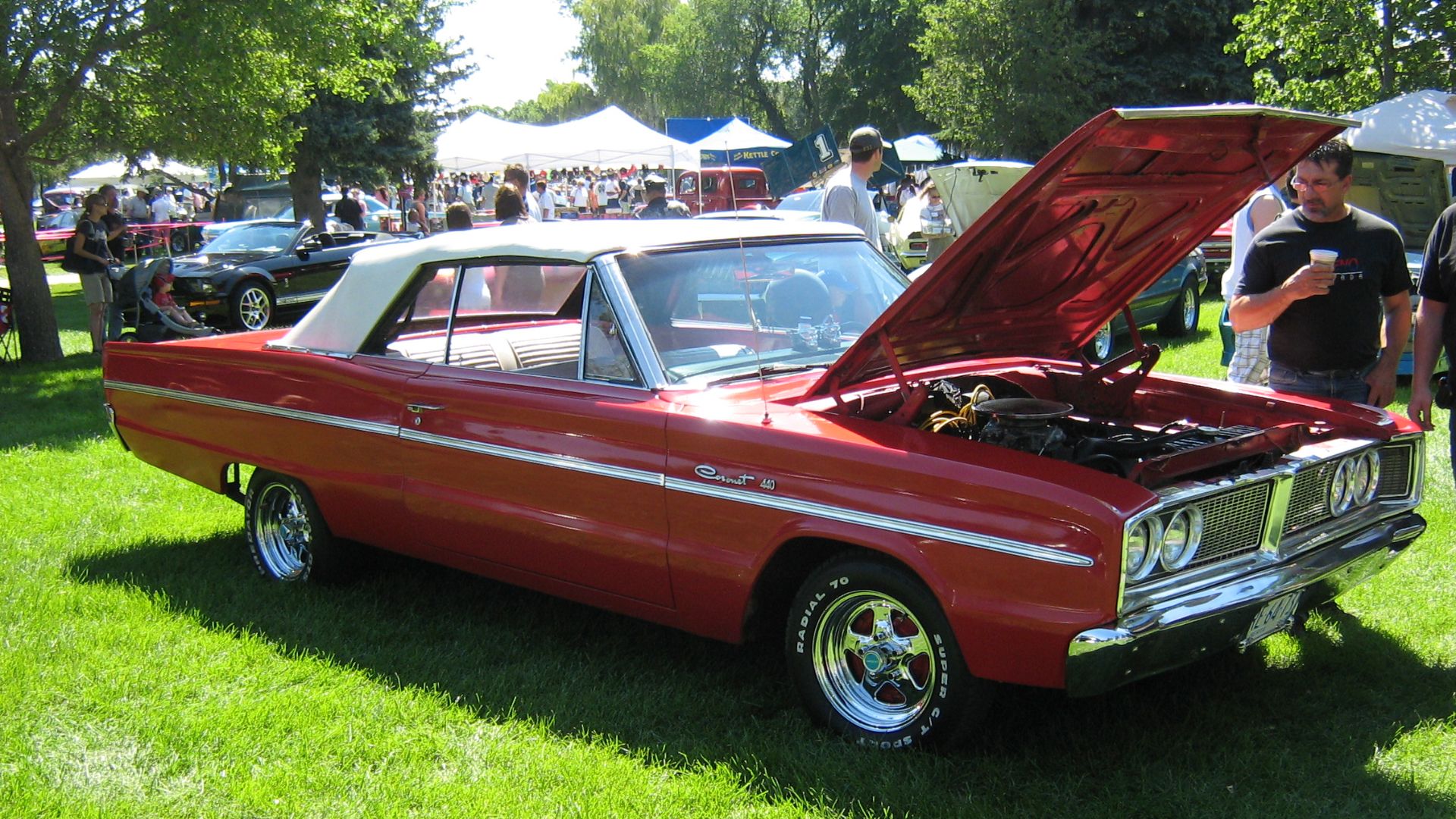
By the late 1960s, the 440 started appearing in serious performance machinery like the Dodge Coronet R/T and Plymouth GTX. Drivers quickly discovered that the engine delivered brutal acceleration without needing the exotic engineering of Chrysler’s expensive race-bred Hemi. That affordability soon became one of the engine’s biggest strengths.
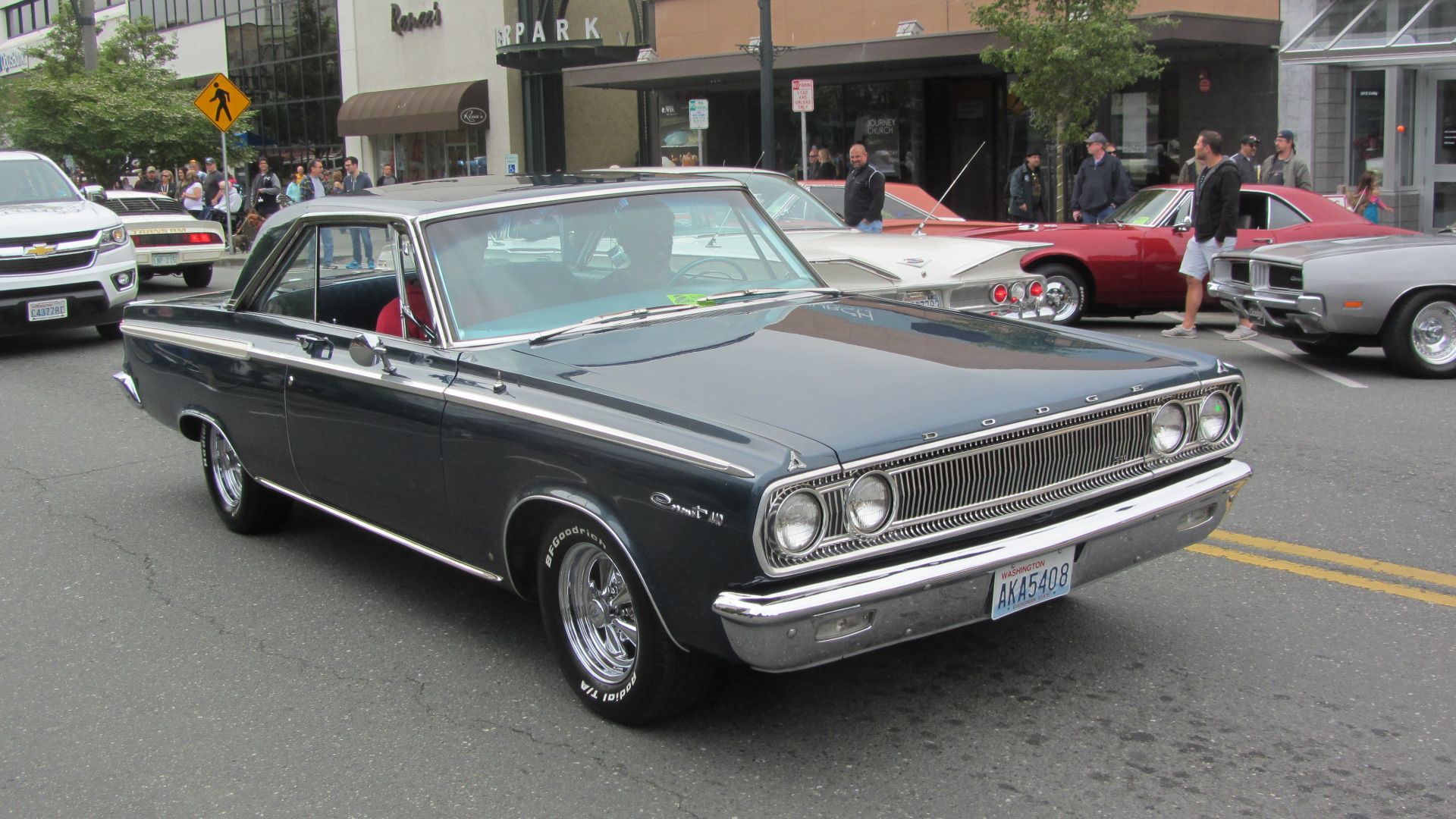 JOHN LLOYD from Concrete, Washington, United States, Wikimedia Commons
The 440 Magnum Arrives
Chrysler introduced the high-performance 440 Magnum version with upgraded camshaft tuning, higher compression, improved exhaust flow, and a four-barrel carburetor. Officially rated at 375 horsepower, the Magnum became one of the strongest street engines available. Soon, enthusiasts began comparing it directly against the legendary 426 Hemi.
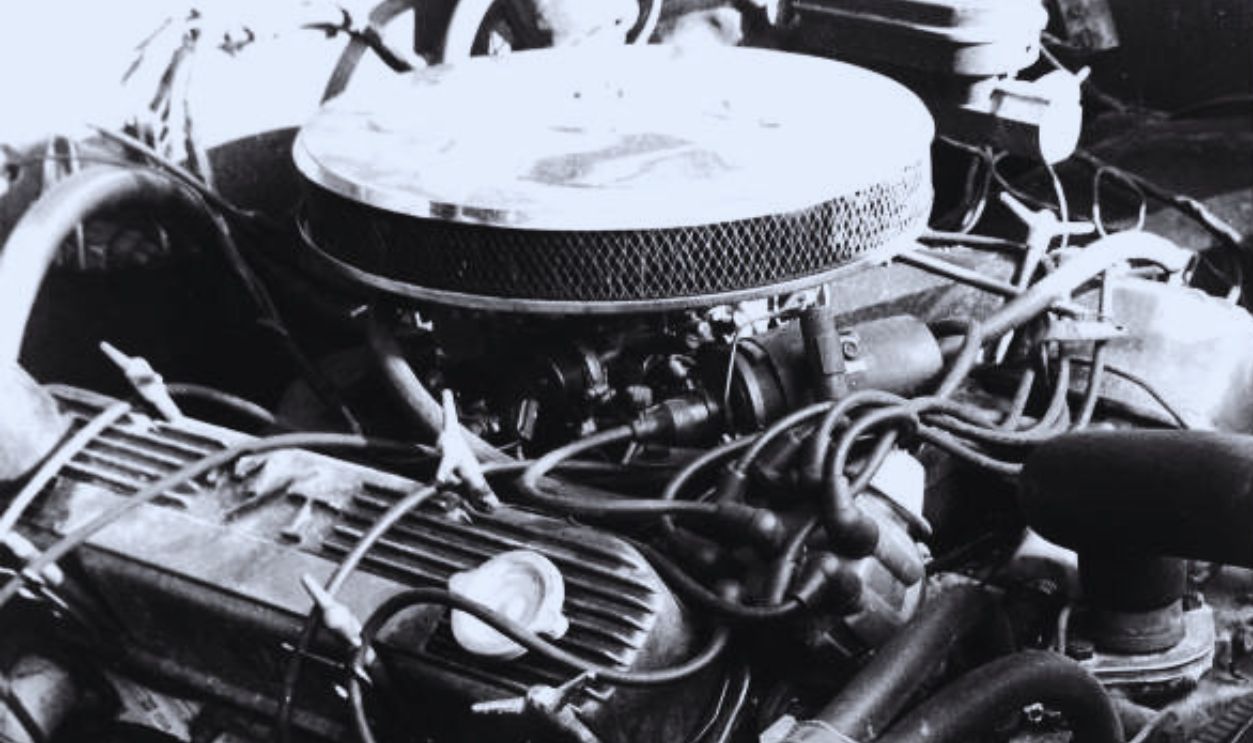 Superoctane93 at English Wikipedia, Wikimedia Commons
The 426 Hemi Casts A Giant Shadow
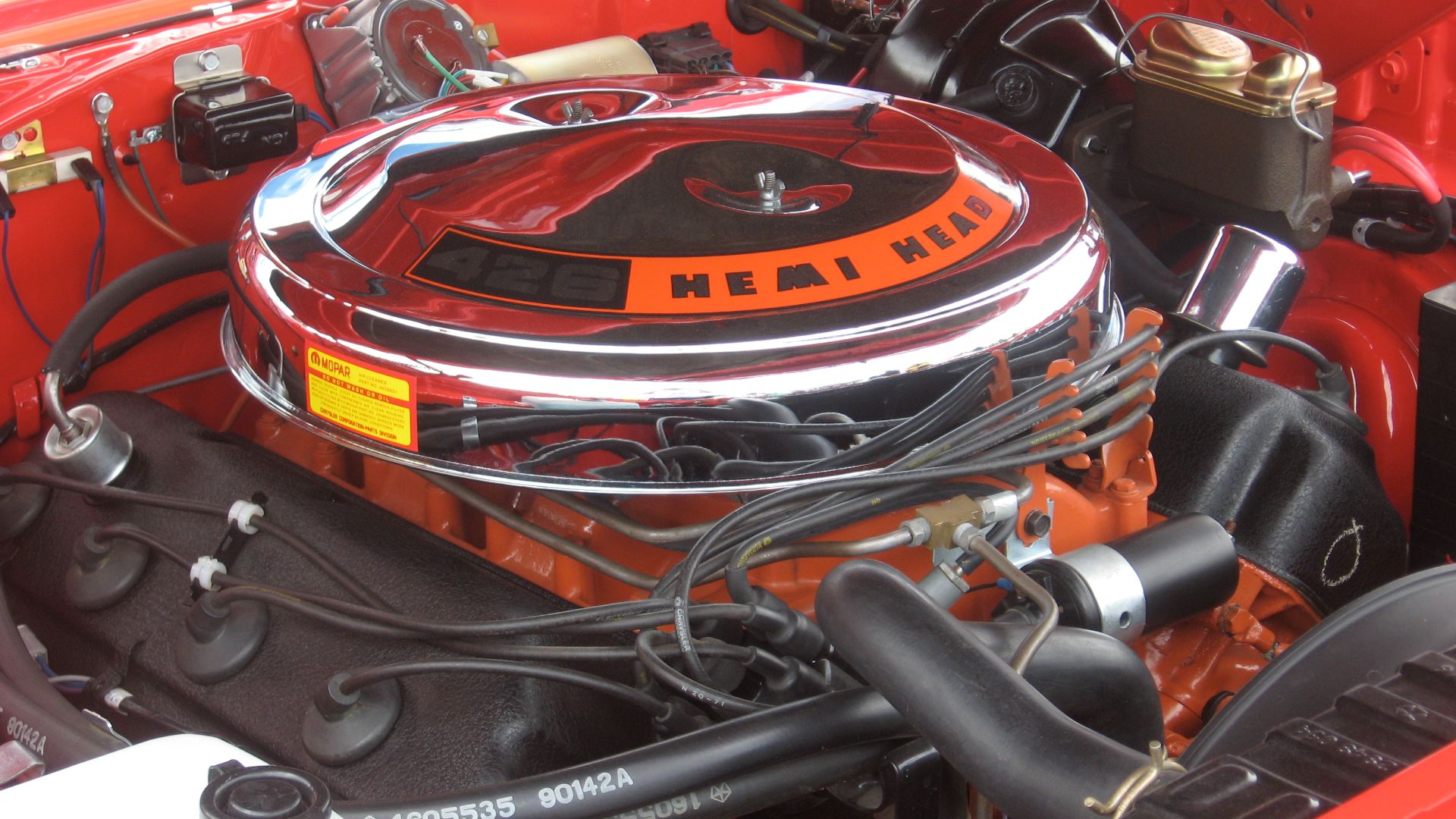
The race-derived 426 Hemi arrived with hemispherical combustion chambers, enormous breathing capability, and intimidating visual appeal. Officially rated at 425 horsepower, the Hemi became Chrysler’s halo engine almost instantly. Yet many drivers soon discovered the cheaper and simpler 440 could stay surprisingly close in real-world performance.
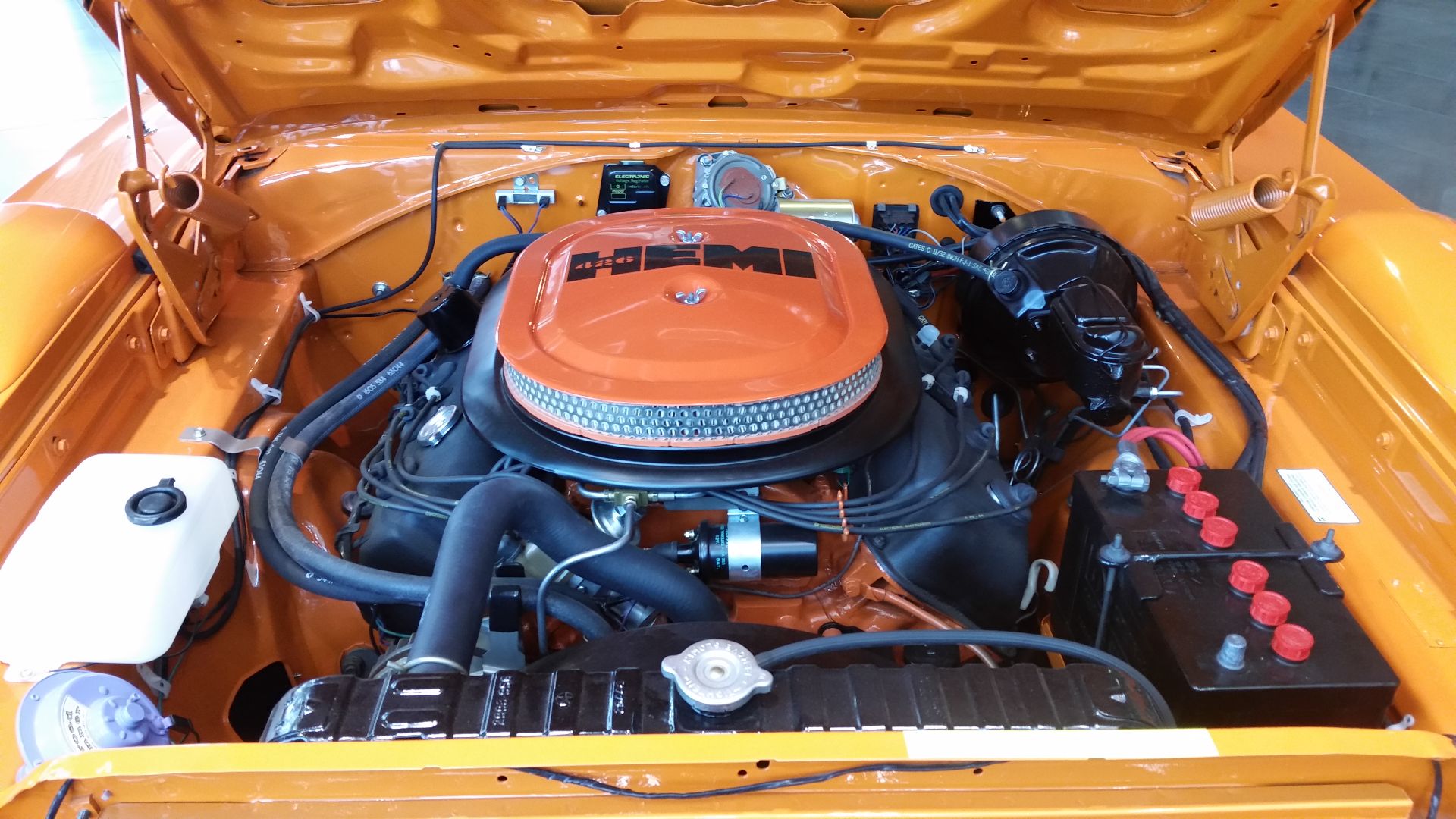 Steven Kevil, Wikimedia Commons
The 440 Delivered Incredible Street Torque
Unlike the high-revving Hemi, the 440 produced massive torque lower in the RPM range. Many drivers found the 440 easier to launch aggressively on ordinary street tires. In stoplight racing and day-to-day driving, the engine’s immediate punch often made it feel just as quick as the more famous Hemi.
Insurance Companies Began Paying Attention
As the horsepower wars escalated, insurance companies started targeting high-performance muscle cars with rising premiums. Hemi-equipped Mopars became especially expensive to insure, while 440-powered cars sometimes slipped under the radar slightly more easily. That pricing difference pushed many buyers toward the cheaper and more practical 440 combinations.
The Plymouth GTX Became A 440 Showcase
The Plymouth GTX emerged as one of the premier showcases for Chrysler’s 440 Magnum engine. Combining upscale trim with brutal acceleration, the GTX earned the nickname “The Gentleman’s Muscle Car.” Buyers who skipped the optional Hemi often found the standard 440 more than satisfying enough for street performance.
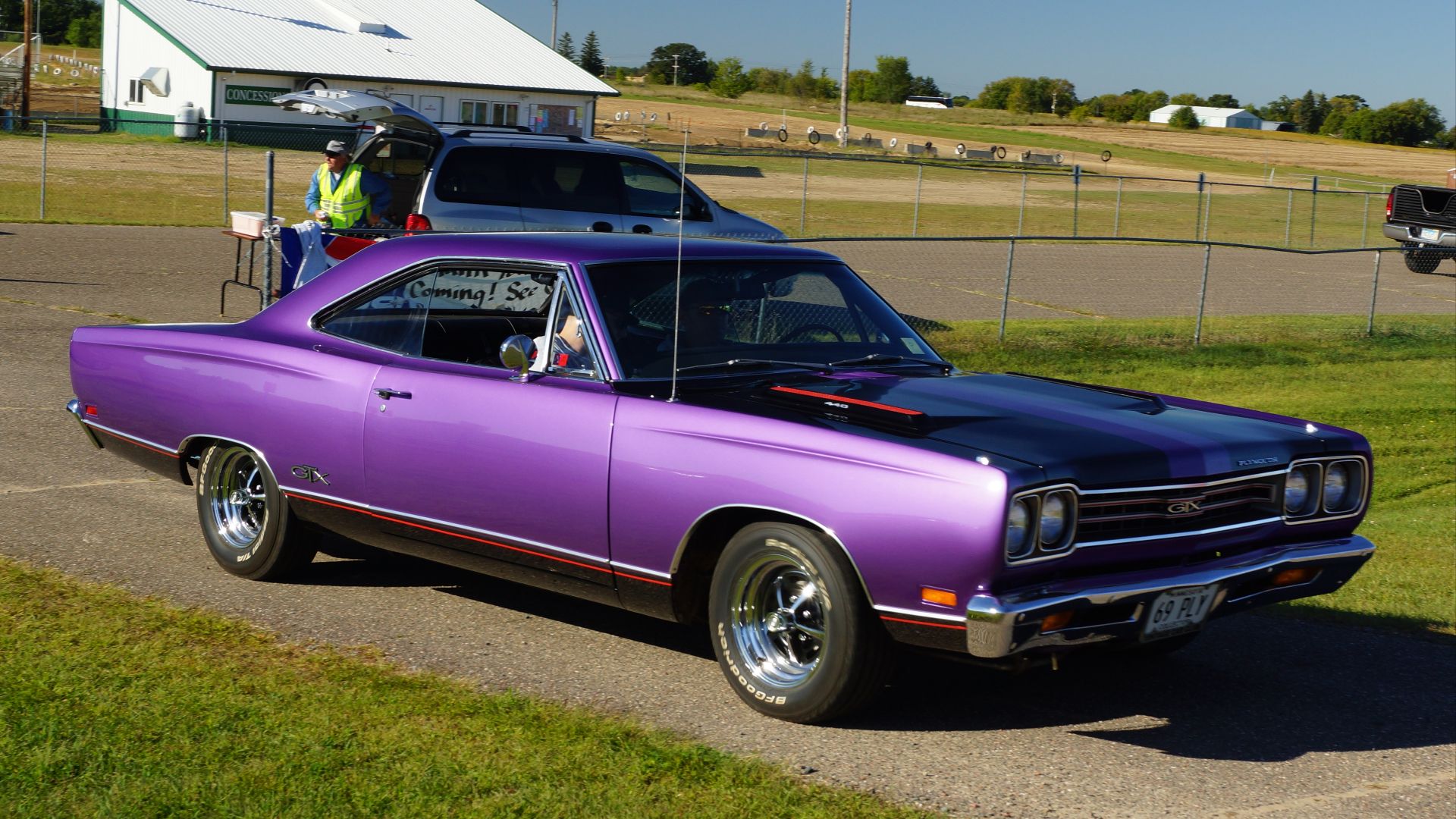 Greg Gjerdingen from Willmar, USA, Wikimedia Commons
Dodge Chargers Thrived With The 440
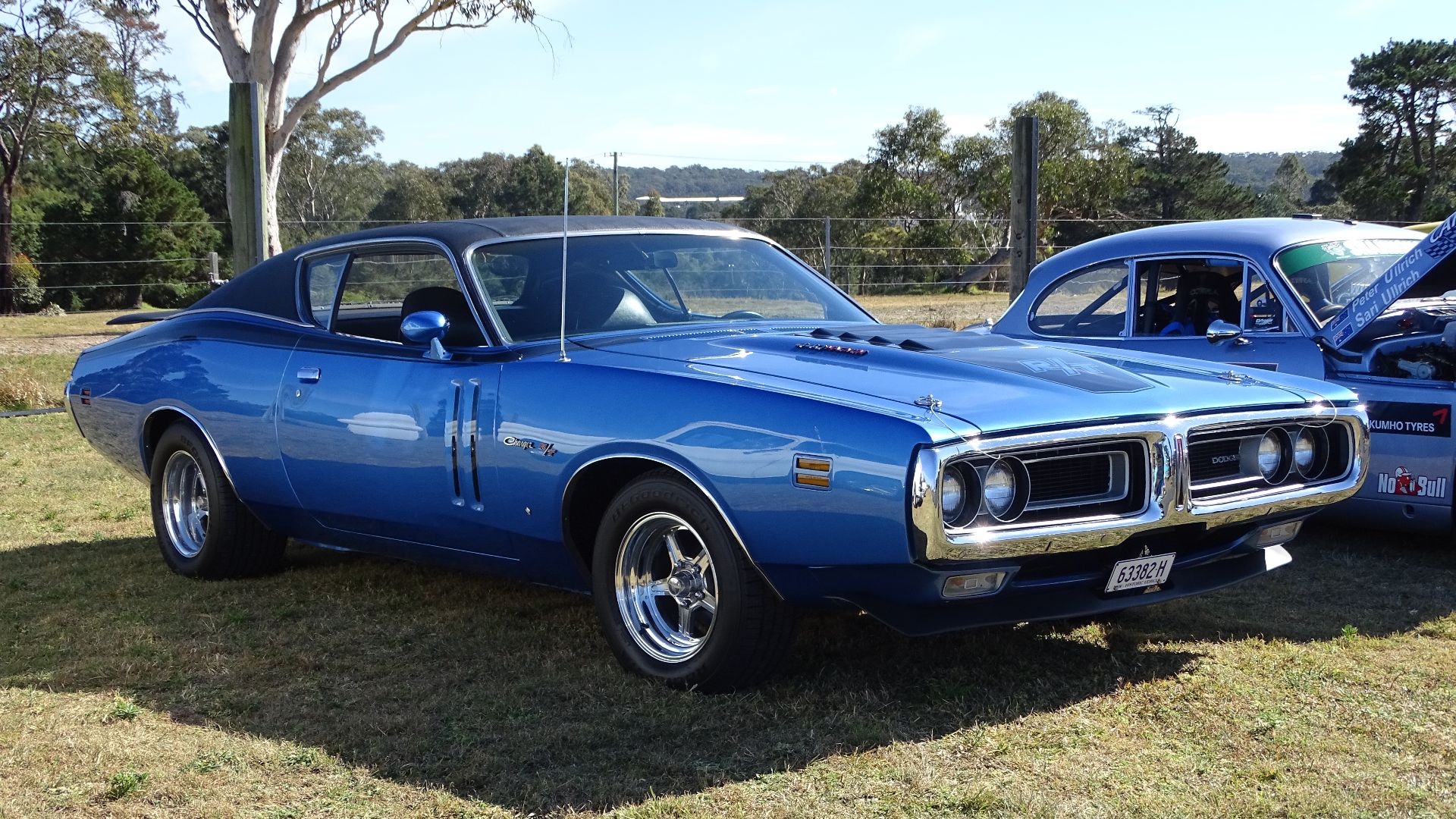
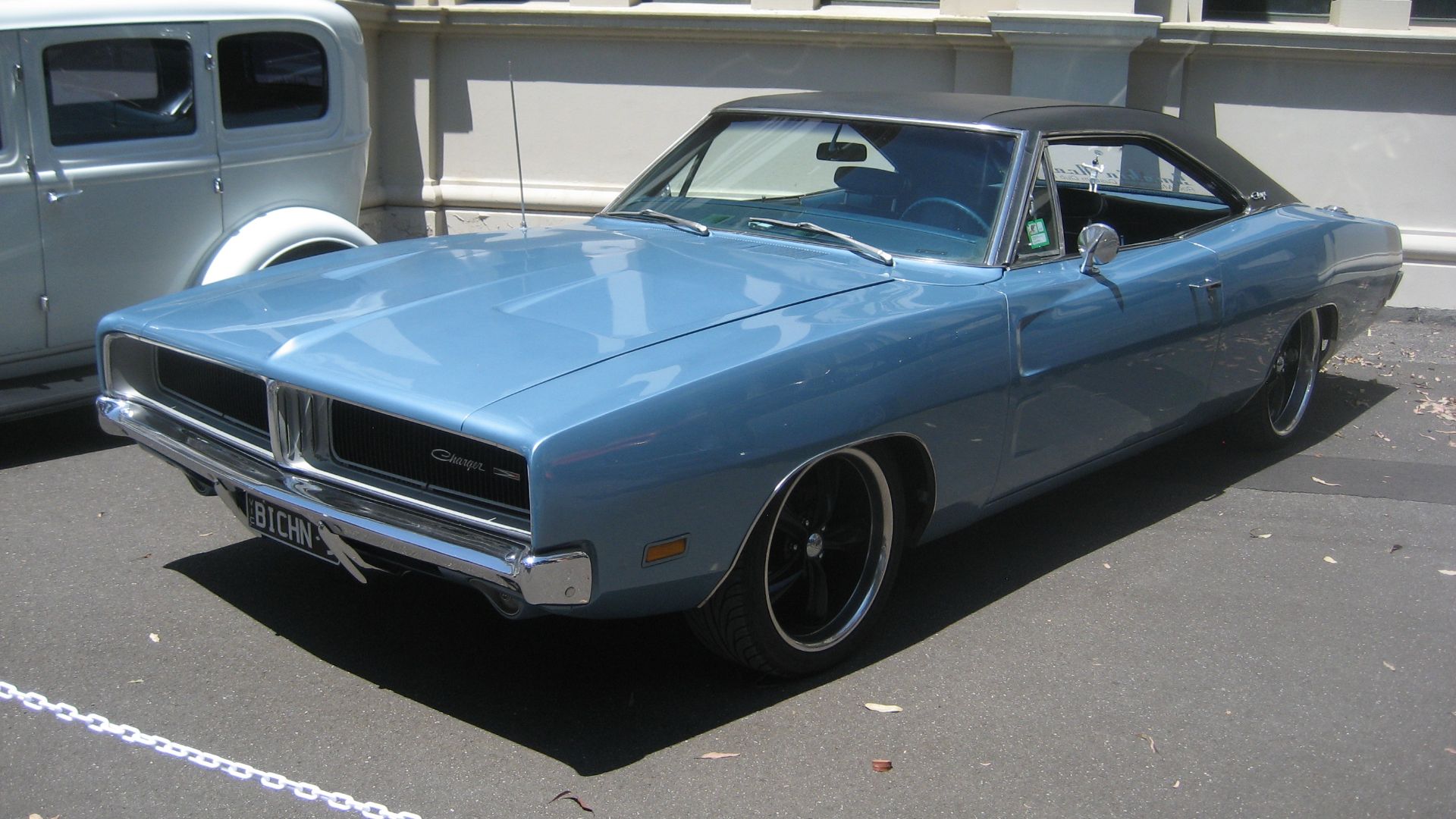
The Dodge Charger also became closely associated with the 440 during the peak muscle car years. Models equipped with the 440 Magnum offered exceptional straight-line speed while remaining cheaper than Hemi cars. This balance helped make the Charger one of Chrysler’s most successful muscle platforms during the late 1960s.
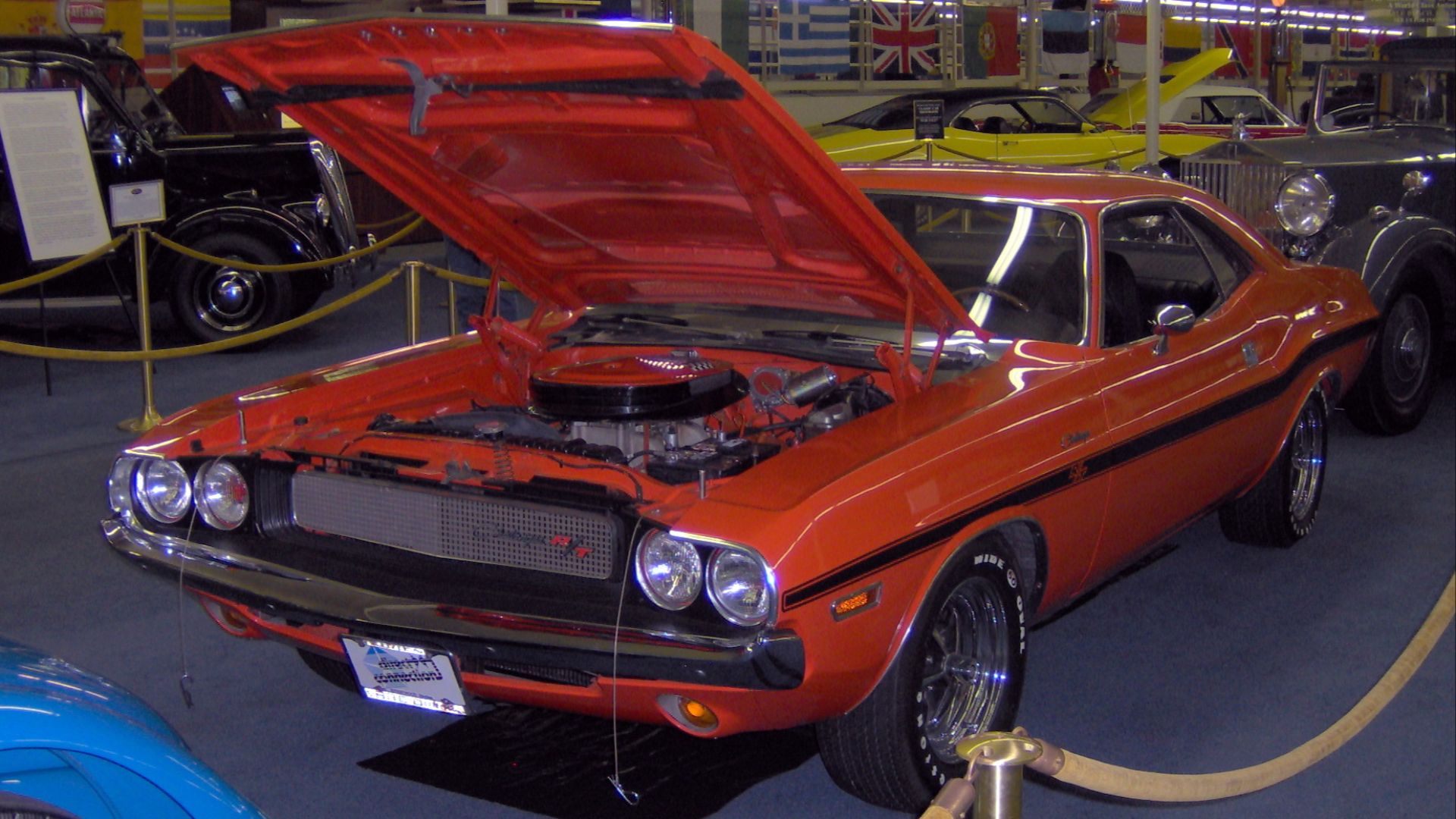
The Six Pack Changes Everything
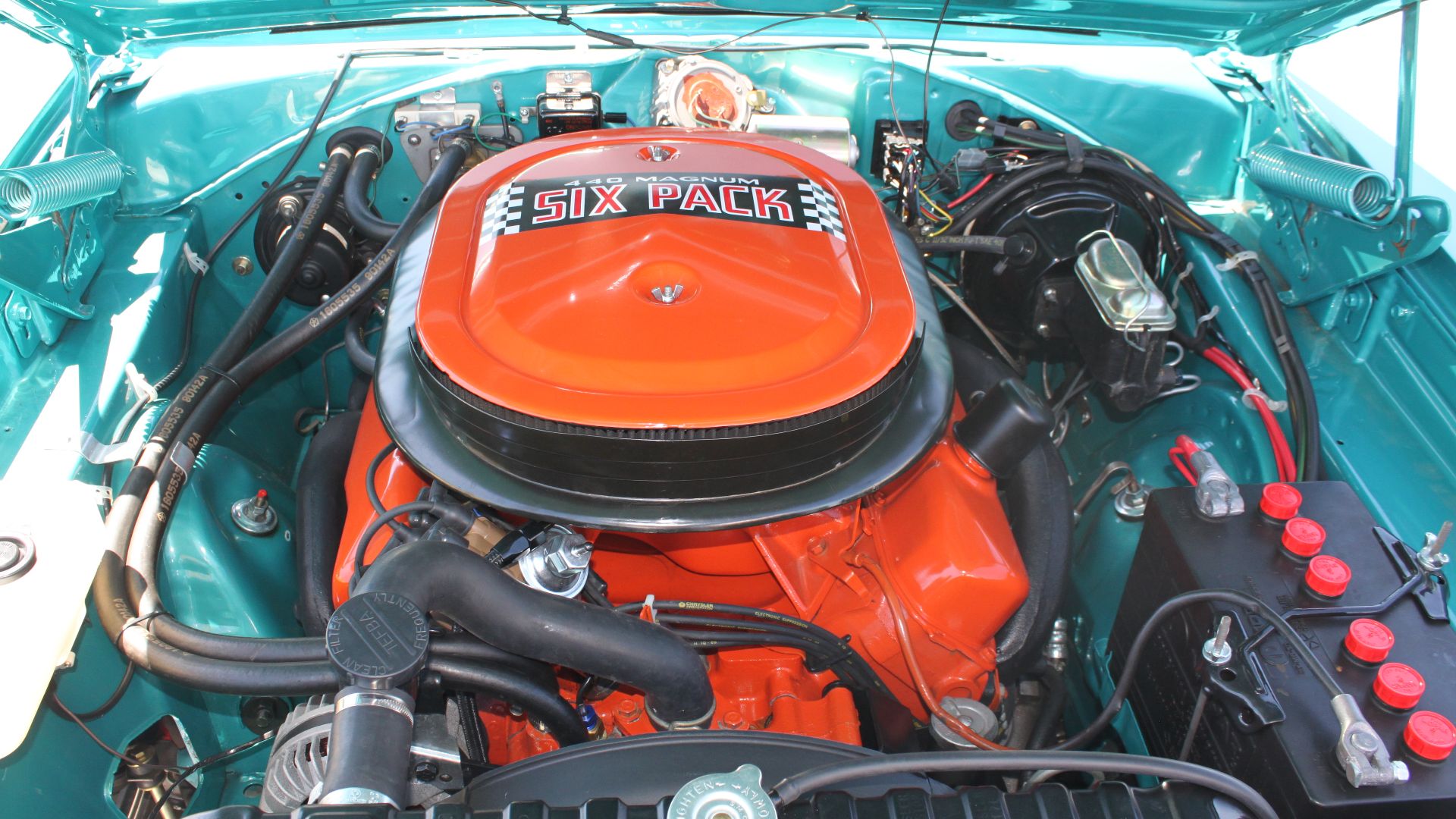
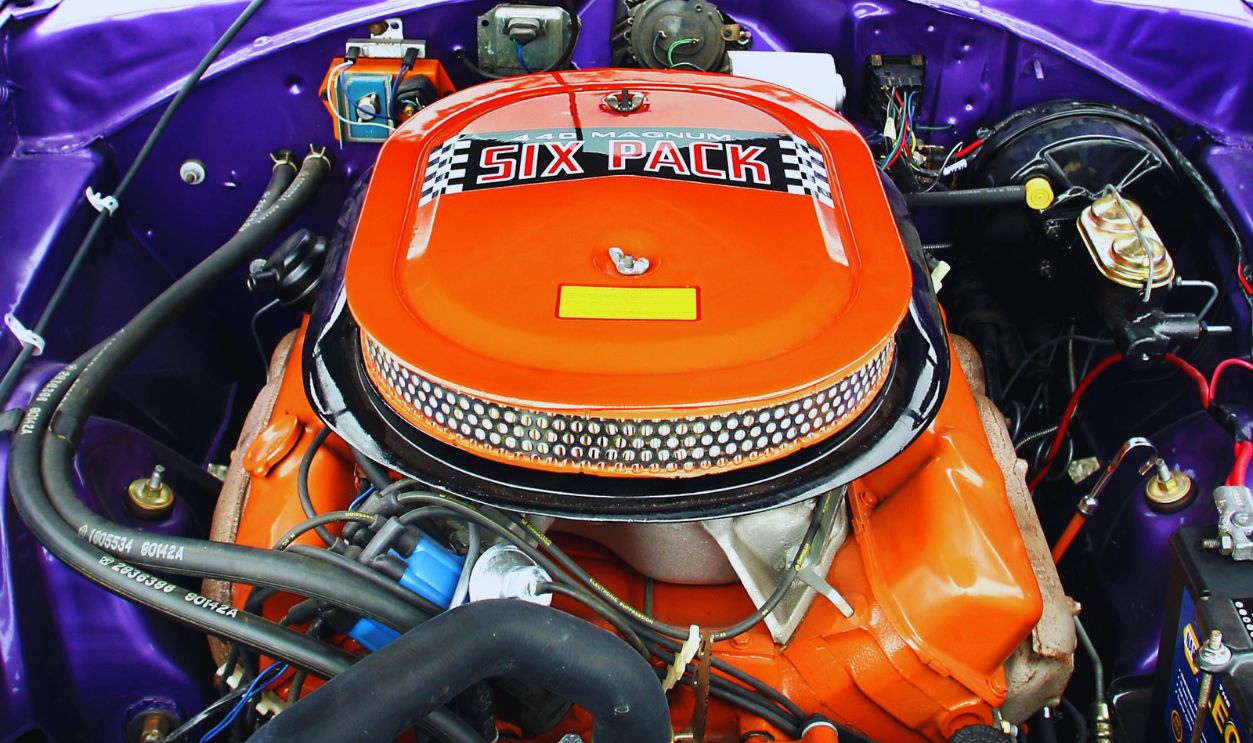
In 1969, Chrysler introduced the legendary 440 Six Pack setup using three two-barrel Holley carburetors mounted on an Edelbrock intake manifold. Official horsepower ratings climbed to 390 horsepower, although many enthusiasts believed the real output was significantly higher. Suddenly, the gap between the 440 and Hemi became even narrower.
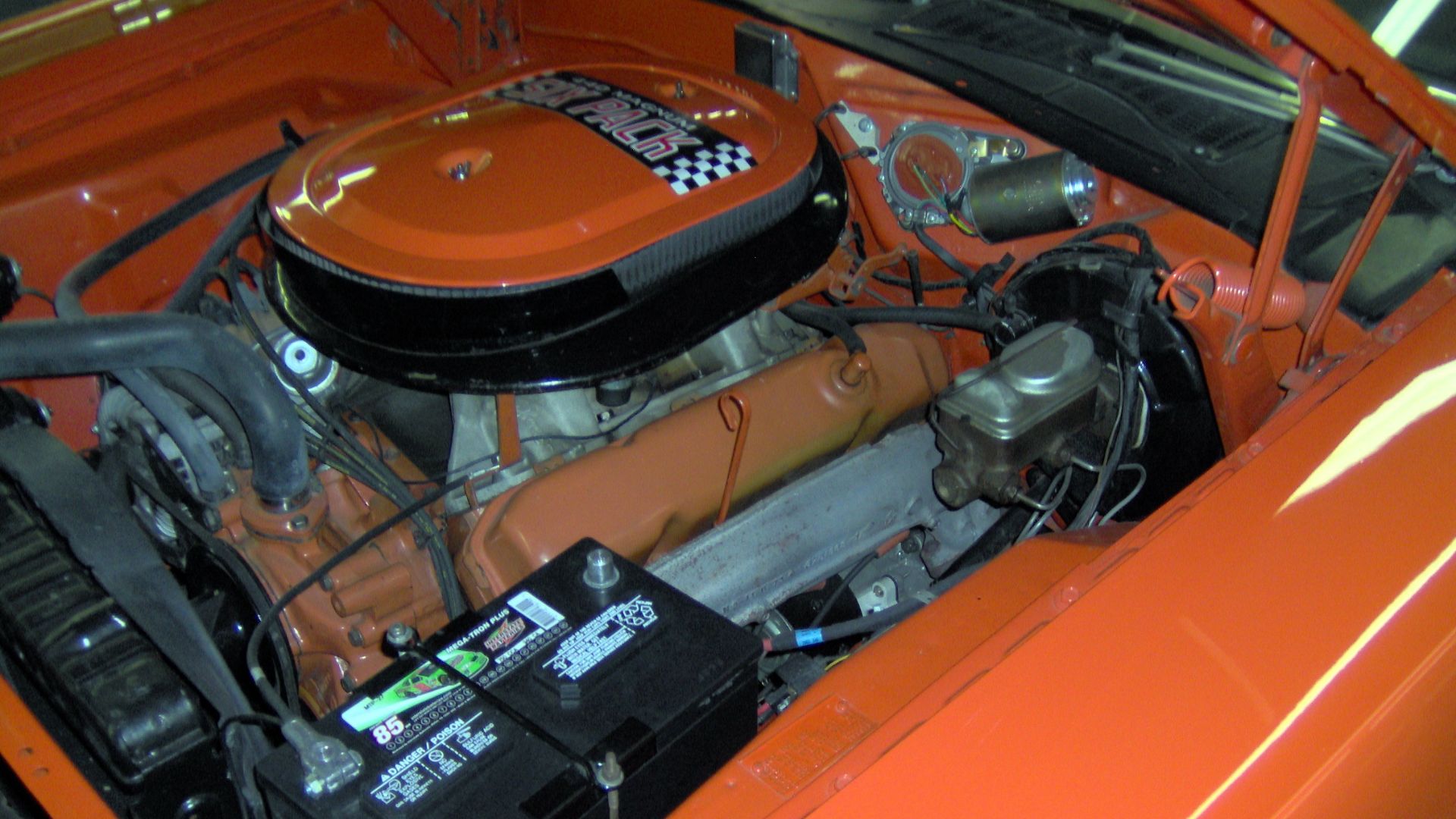 Stephen Foskett (Wikipedia User: sfoskett), Wikimedia Commons
The Six Pack Was Built For Street Domination
Unlike the Hemi, which often demanded aggressive tuning and higher RPM operation, the 440 Six Pack delivered immediate low-end thrust with remarkable drivability. The center carburetor handled normal cruising while the outer carburetors opened under heavy throttle. Drivers loved the explosive surge that arrived once all six barrels engaged.
 Stephen Foskett (Wikipedia User: sfoskett), Wikimedia Commons
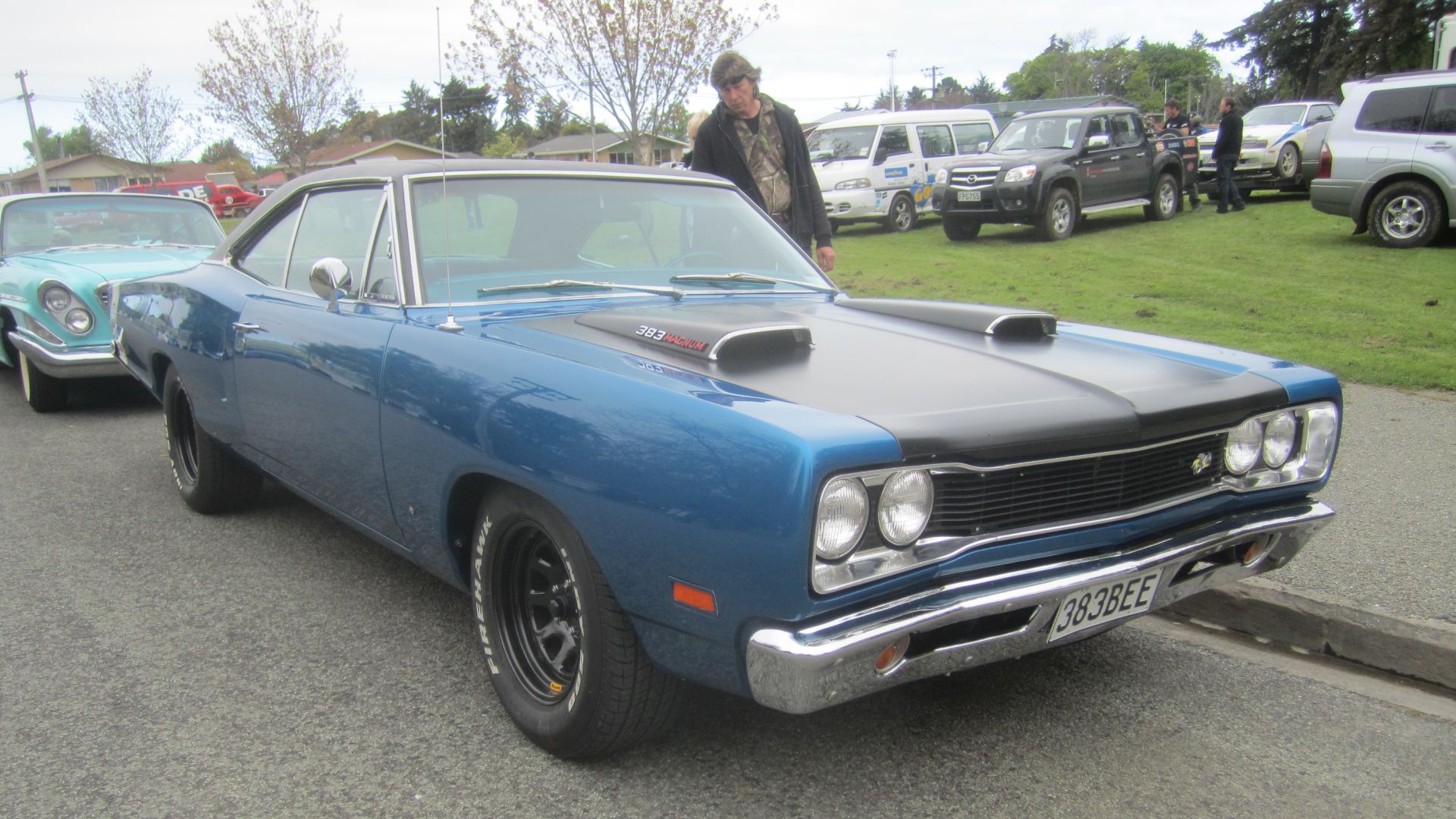
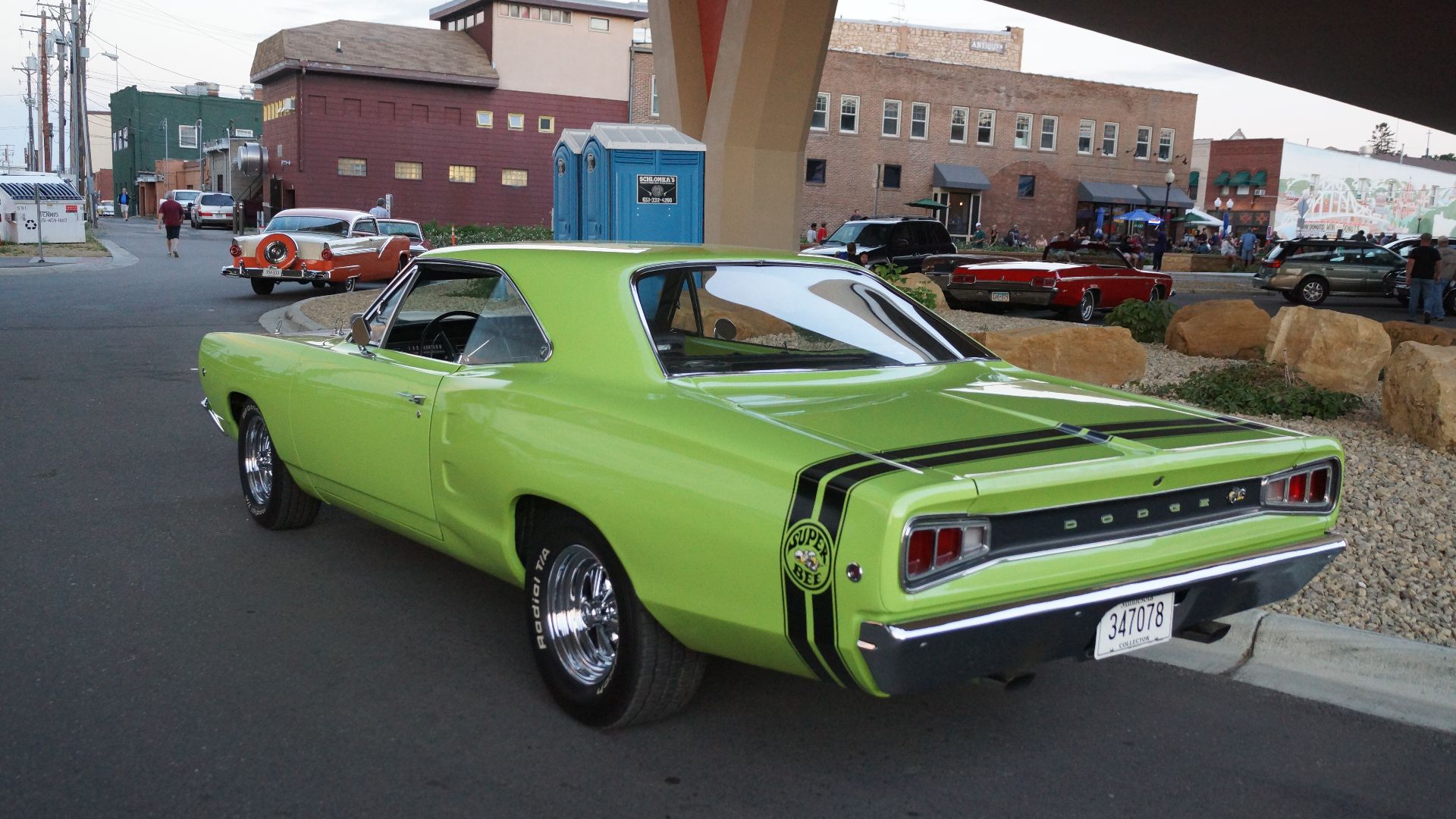
The Dodge Super Bee Gets Serious
The Dodge Super Bee became one of the most famous recipients of the 440 Six Pack package. Lightweight compared to larger Mopars, the Super Bee transformed into a genuine street terror with nearly endless torque. Its growing reputation led directly to comparisons against Chrysler’s own Hemi-powered muscle cars.
Road Tests Shocked Some Hemi Fans
Period magazine tests occasionally showed 440 Six Pack cars running quarter-mile times nearly identical to Hemi-equipped models. Some well-driven Six Pack Mopars dipped into the low 13-second range directly from the factory. Those results frustrated buyers who had paid significantly more for the exotic Hemi option.
 Greg Gjerdingen from Willmar, Wikimedia Commons
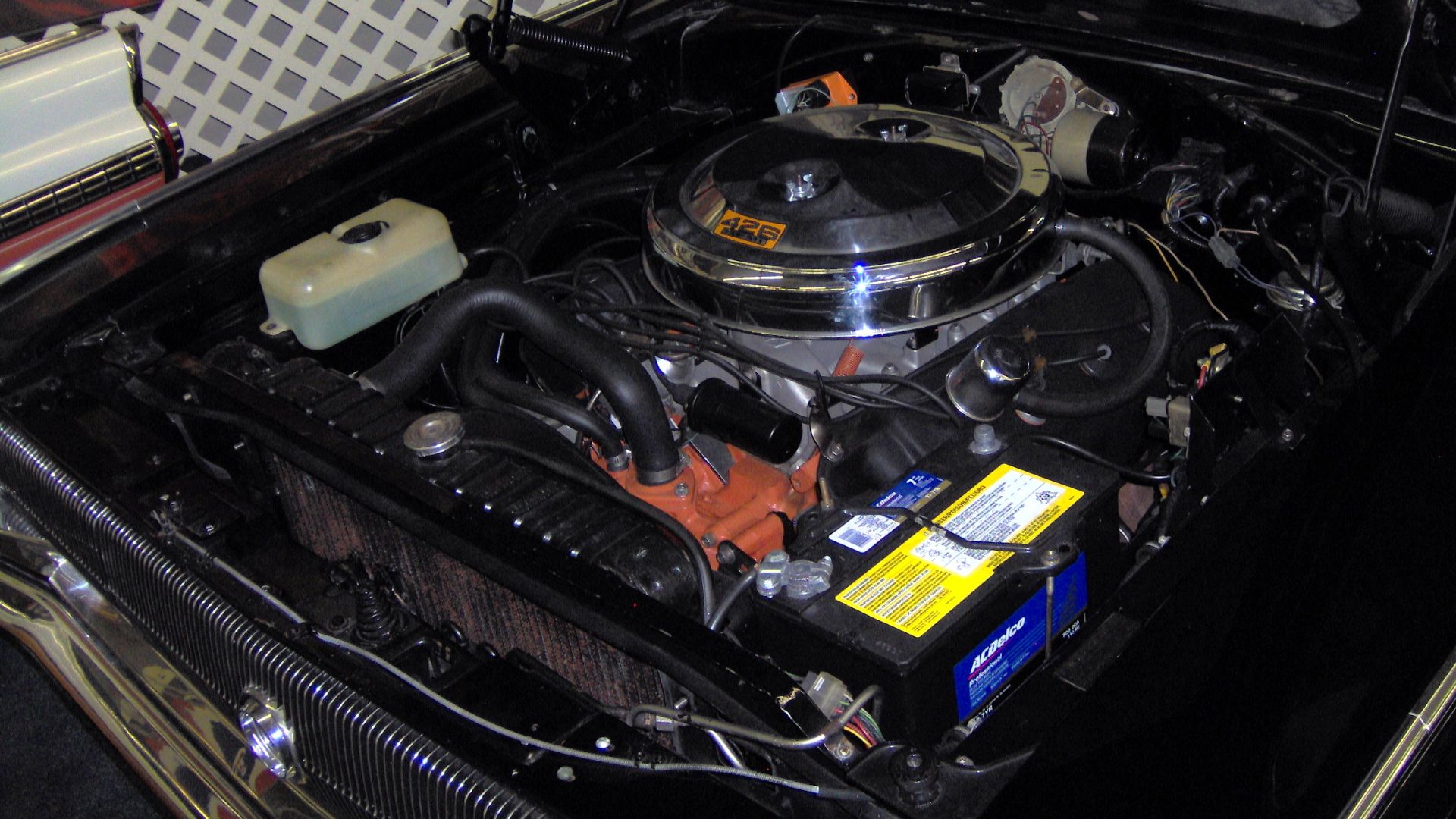
The Hemi Still Had Advantages
Despite the 440’s strengths, the Hemi retained certain advantages at higher RPM levels and in professional racing environments. Its superior cylinder head design allowed extraordinary airflow and enormous tuning potential. Serious drag racers could extract far more power from the Hemi once extensive modifications entered the equation.
 Stephen Foskett (Wikipedia User: sfoskett), Wikimedia Commons
Chrysler Trucks Benefited From The 440 Too
The 440 did not remain limited to muscle cars alone. Chrysler also installed versions of the engine into heavy-duty Dodge trucks, motorhomes, and commercial vehicles. The engine’s immense torque and durability made it well suited for hauling duties. That flexibility helped cement the 440’s reputation as an all-purpose powerhouse.
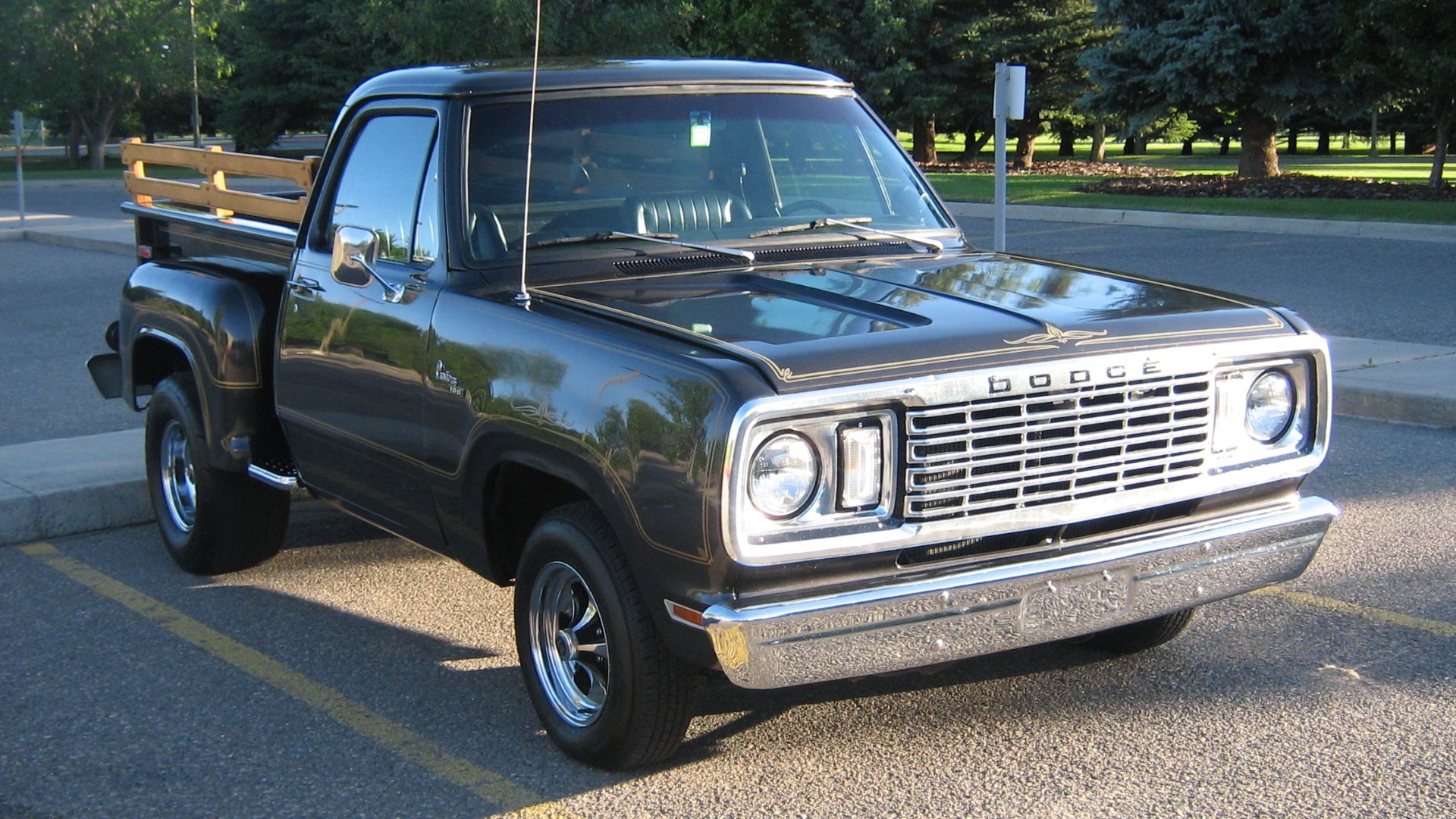 dave_7 from Lethbridge, Canada, Wikimedia Commons
Cooling Problems Sometimes Appeared
One drawback of the 440 involved Chrysler’s handling of cooling systems in high-performance applications. Engines pushed hard during hot weather could experience overheating problems, especially in tightly packed engine bays. Owners often upgraded radiators and cooling components to handle aggressive driving conditions more reliably.
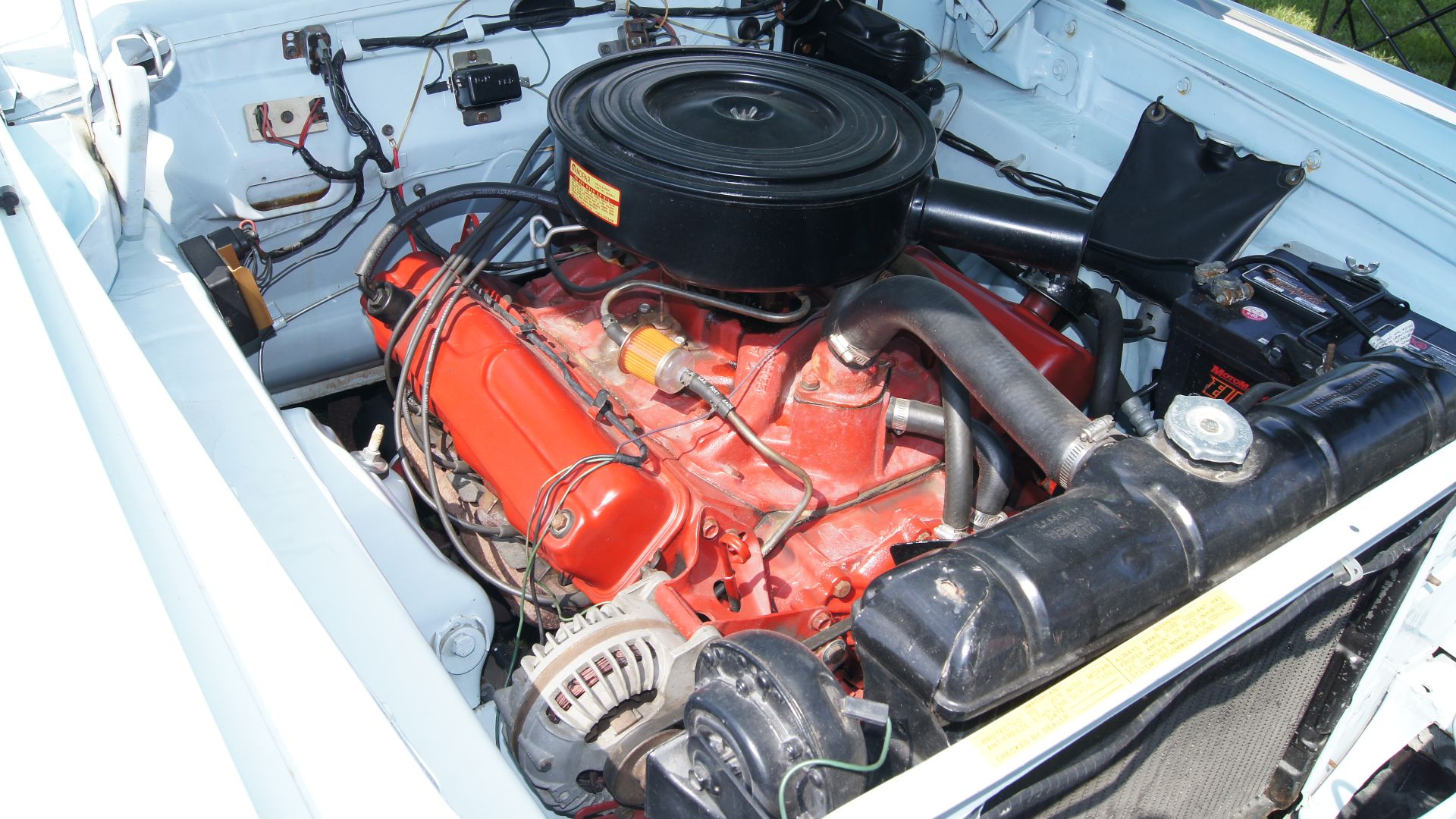 Greg Gjerdingen from Willmar, USA, Wikimedia Commons
Emissions Rules Begin To Hurt Performance
As the 1970s arrived, tightening emissions regulations and falling compression ratios started reducing horsepower across Detroit. The once-mighty 440 gradually lost some of its edge as engineers struggled to balance performance with federal requirements. Yet the engine still remained one of Chrysler’s strongest surviving big blocks.
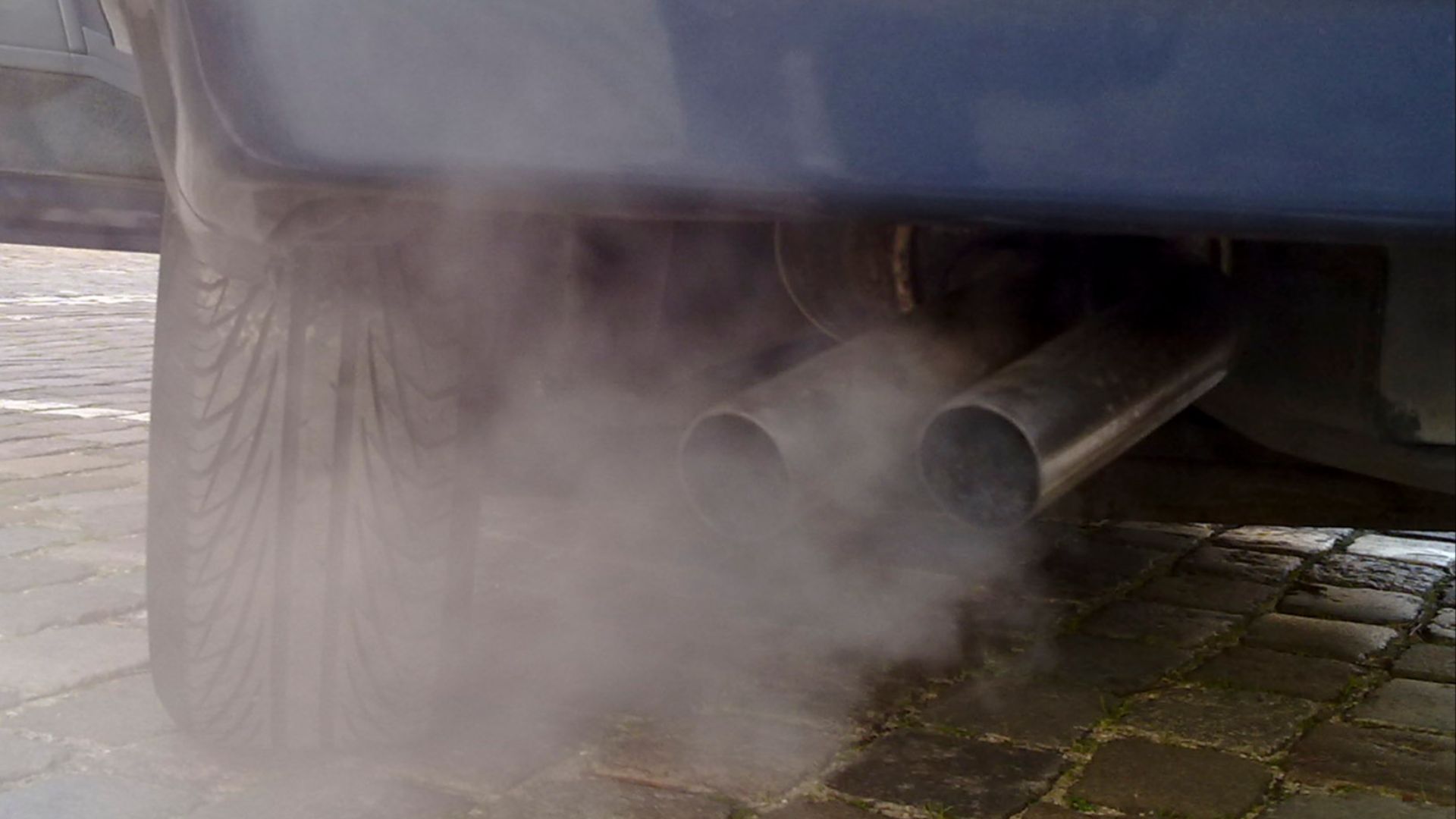 Ruben de Rijcke, Wikimedia Commons
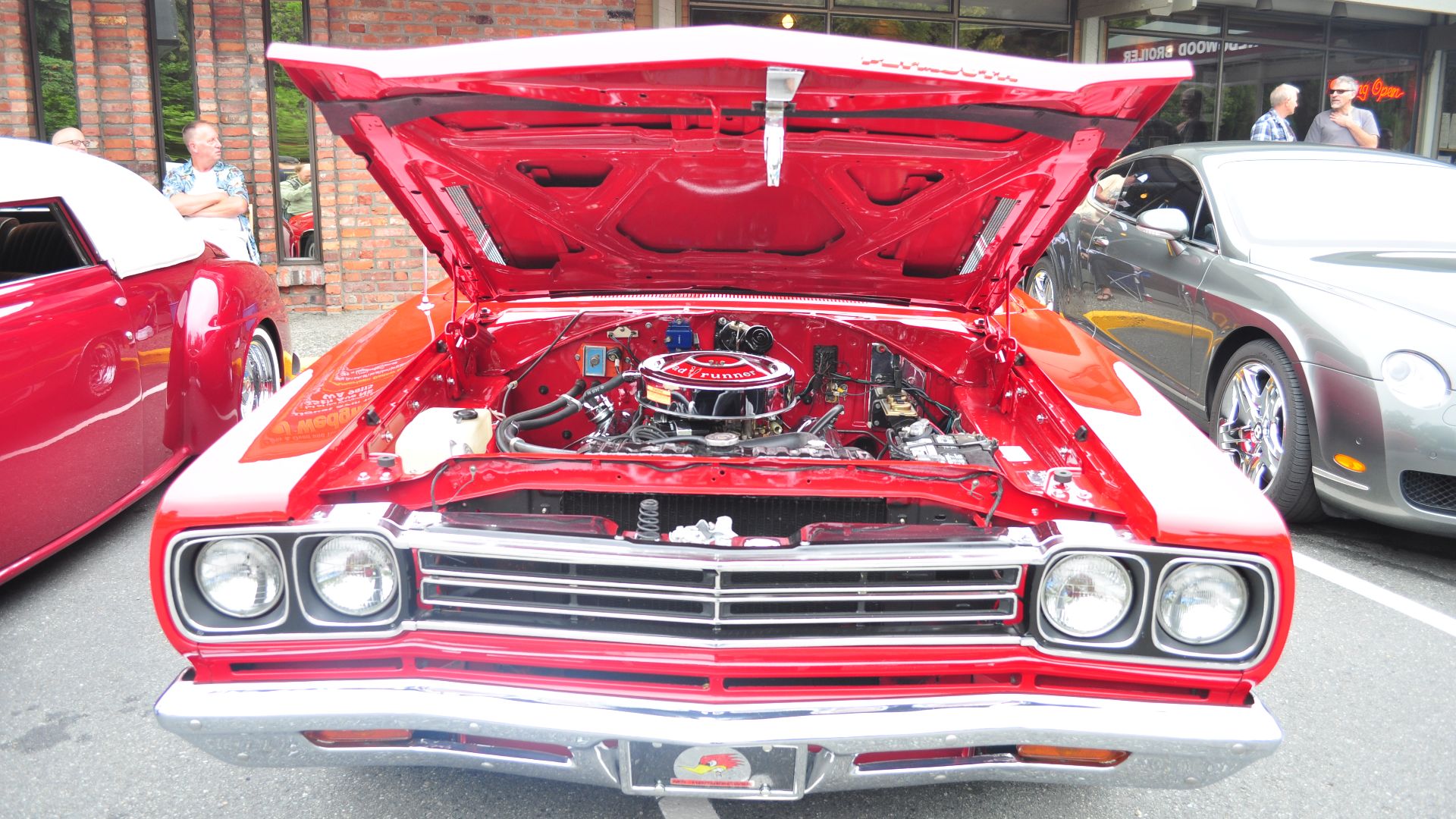
The 1970 Plymouth Road Runner Remains Legendary
Many enthusiasts consider the 1970 Plymouth Road Runner with the 440 Six Pack one of the greatest Mopars ever built. Factory cars could run quarter miles in 13.5 seconds while still offering basic street manners. These numbers kept the 440 firmly in the conversation beside the Hemi.
The 440 Was Often Easier To Maintain
Compared to the complex Hemi, the 440 used simpler wedge-head architecture that made repairs and tuning less intimidating for ordinary mechanics. Replacement parts were generally cheaper as well. This practicality helped many 440-powered Mopars survive long after neglected Hemi cars became too expensive for average owners to maintain.
 Jeremy from Sydney, Australia, Wikimedia Commons
Weight Hurt Handling Performance
Although the 440 delivered tremendous power, it also added substantial weight to the front ends of Chrysler muscle cars. Some drivers complained about understeer and nose-heavy handling characteristics during aggressive cornering. The engine excelled in straight-line acceleration far more than road course agility.
 dave_7 from Lethbridge, Canada, Wikimedia Commons
Enthusiasts Continue Debating The Hemi
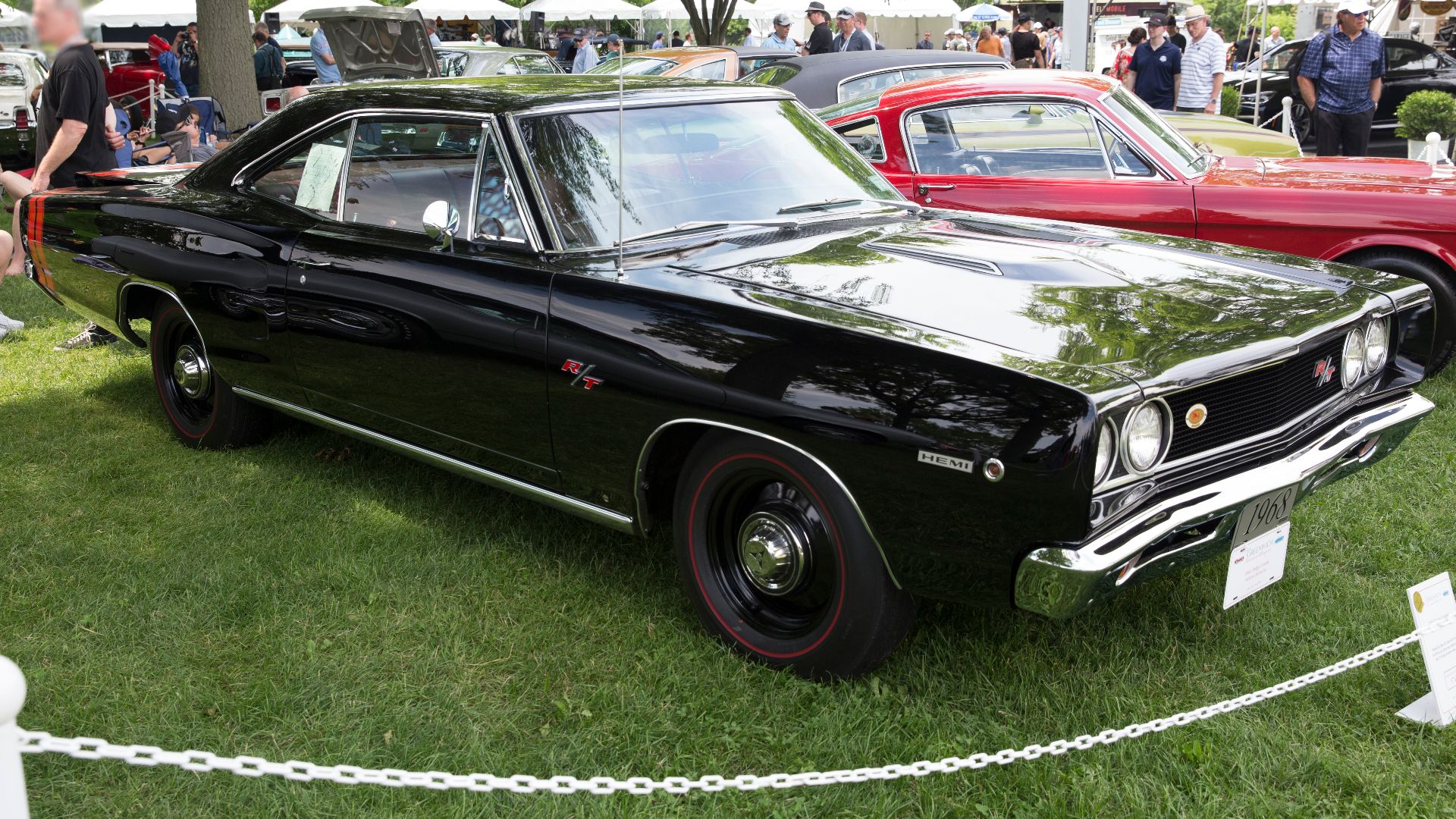
For decades, Mopar fans have argued over whether the 440 or 426 Hemi represented Chrysler’s best muscle-era engine. Hemi supporters point toward superior racing pedigree and ultimate horsepower potential. Meanwhile, many 440 loyalists insist the cheaper wedge engine delivered better real-world value and more usable street performance.
Auction Prices Reflect Hemi Prestige
Today, original Hemi-powered Mopars usually command dramatically higher prices at collector car auctions than equivalent 440 cars. The Hemi’s rarity and racing image remain enormously influential among collectors. Yet many enthusiasts quietly admit they would rather own and regularly drive a well-sorted 440 Six Pack machine.
 Mr.choppers, Wikimedia Commons
Modern Builders Still Love The 440
Even decades after production ended, engine builders continue modifying and racing Chrysler 440s across North America. Stroker kits, aluminum heads, and modern fuel injection systems can push the old wedge engine far beyond original factory specifications. The engine’s enormous aftermarket support has helped preserve its legendary status.
 Portland Press Herald, Getty Images
It Was The Everyday Mopar Monster
The Chrysler 440 never achieved the mythical aura of the 426 Hemi, but it earned something equally important: loyalty from ordinary muscle car enthusiasts. Bigger, cheaper, easier to maintain, and sometimes shockingly close in performance, the 440 proved that brute force and street torque could still—sometimes— humble racing royalty.
 Greg Gjerdingen from Willmar, USA, Wikimedia Commons
You May Also Like:
Why The Hemi Engine Still Dominates American Muscle
Classic Muscle Cars That Are Impossible To Find Now—According To Collectors
The Dodge Challenger SRT Demon 170 Made Every Other Muscle Car Look Tame



.jpg)

.jpg)