One Key, One Very Expensive Surprise
You just spent thousands on a used car, only to discover the dealer gave you one lousy key. Now you're being quoted hundreds of dollars for a spare, and the dealership doesn't seem interested in helping. How can something so basic cost so much, and shouldn't the dealer be responsible for making it right?

The Answer Might Make You Angry
Here's the frustrating truth: Most U.S. dealerships aren't legally required to provide two keys with a used vehicle. Federal law doesn't establish a minimum number of keys, so a dealer can generally sell a car with just one working key. However, promises made during the sale and certain state consumer protection laws could change what you're entitled to receive.

Why Used Cars Often Come With One Key
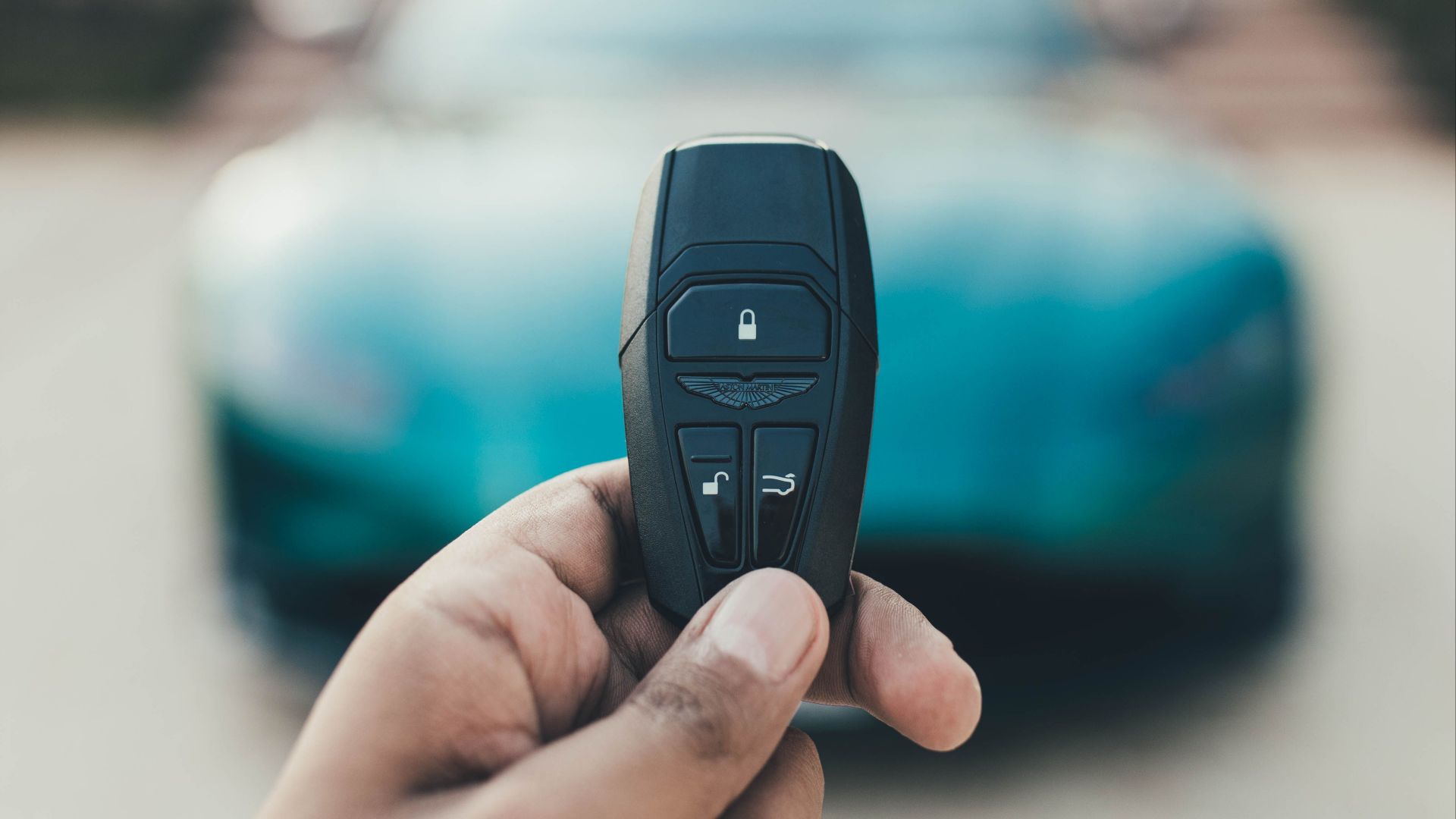
Used vehicles typically arrive at dealerships with whatever keys the previous owner provides. Sometimes a spare was lost years earlier, while other times it simply wasn't included in the trade-in. Rather than obtain a replacement, a dealership may sell the vehicle with the single key it received.
Why Dealers Don't Always Replace Missing Keys
Replacing a modern car key can be expensive, even for a dealership. Obtaining and programming another one adds to the cost of preparing a used vehicle for sale. Unless the dealer has promised a spare or is otherwise obligated to supply one, it may choose to leave that expense to the buyer.
Why A Replacement Costs Hundreds
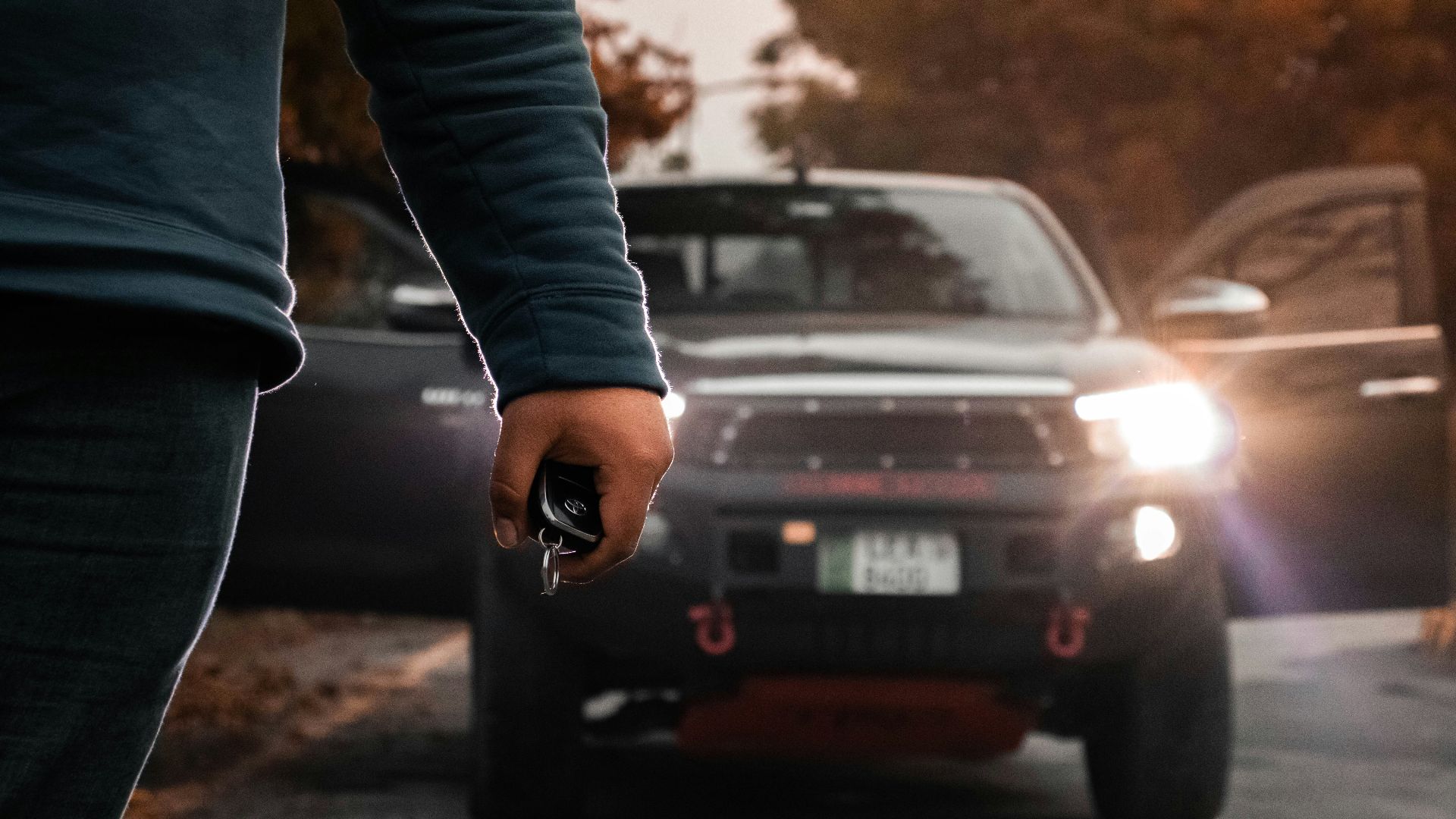
Modern car keys aren't necessarily simple pieces of metal anymore. Many contain electronic chips, remote controls, or proximity technology that communicates with the vehicle's security system. According to AAA, replacing a smart key can cost approximately $200 to $500, depending on the vehicle and service provider.
You're Paying For More Than A Key
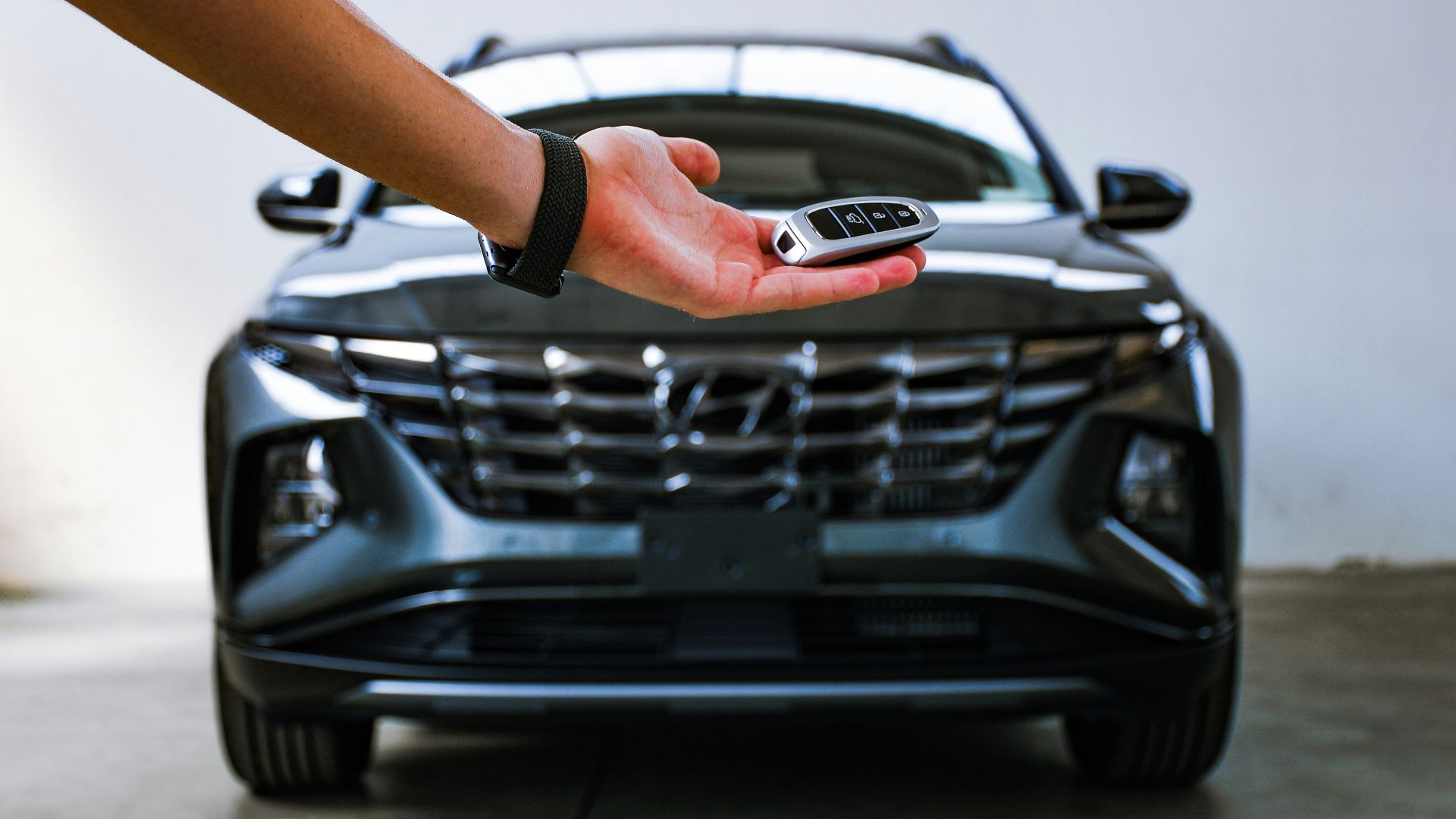
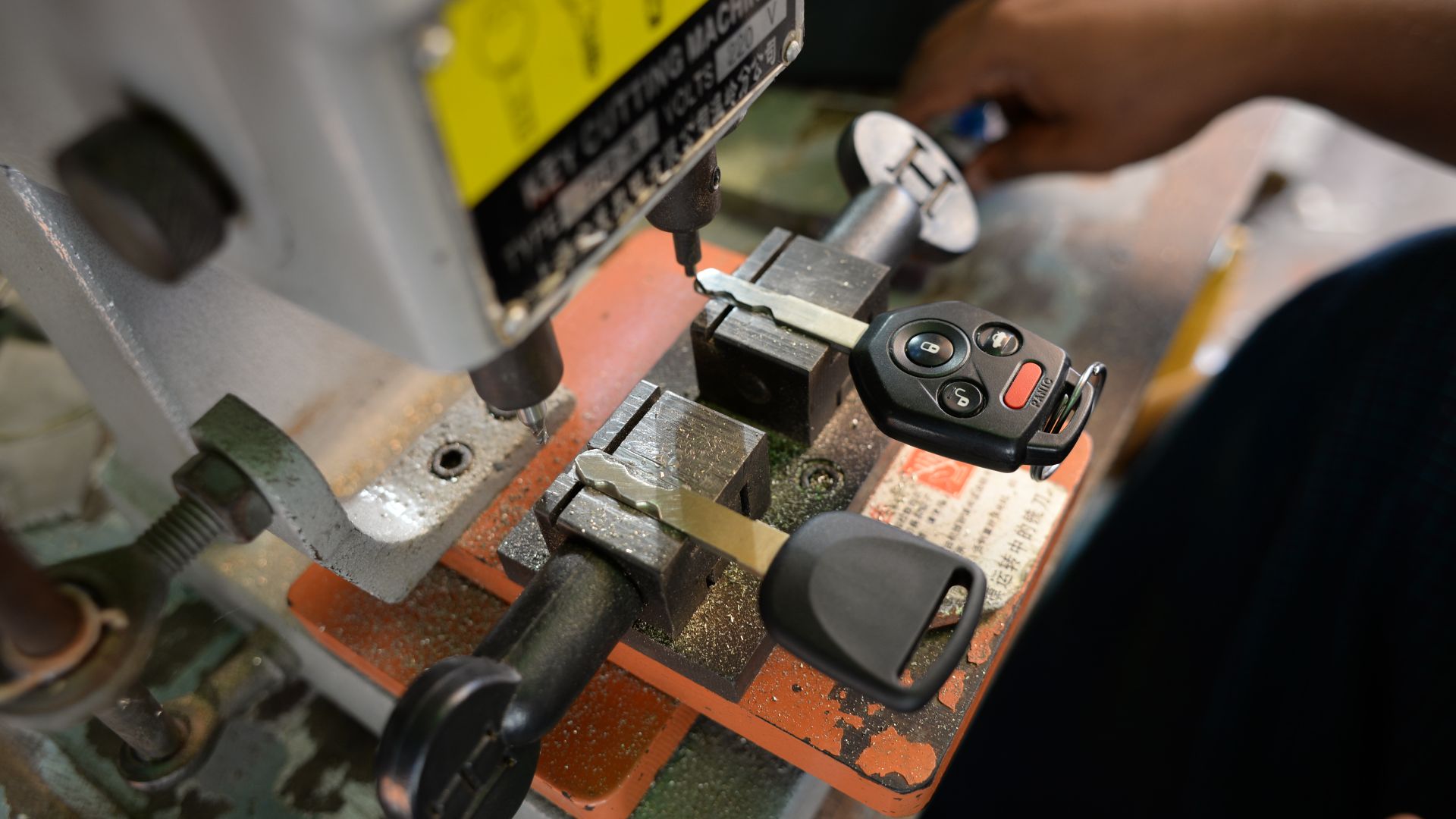
The key itself may account for only part of the bill. Many replacements require specialized cutting, electronic programming, or security-system procedures before they'll work. That extra labor and equipment can make replacing a missing key considerably more expensive than duplicating an ordinary house key.
Some Keys Are Surprisingly Affordable
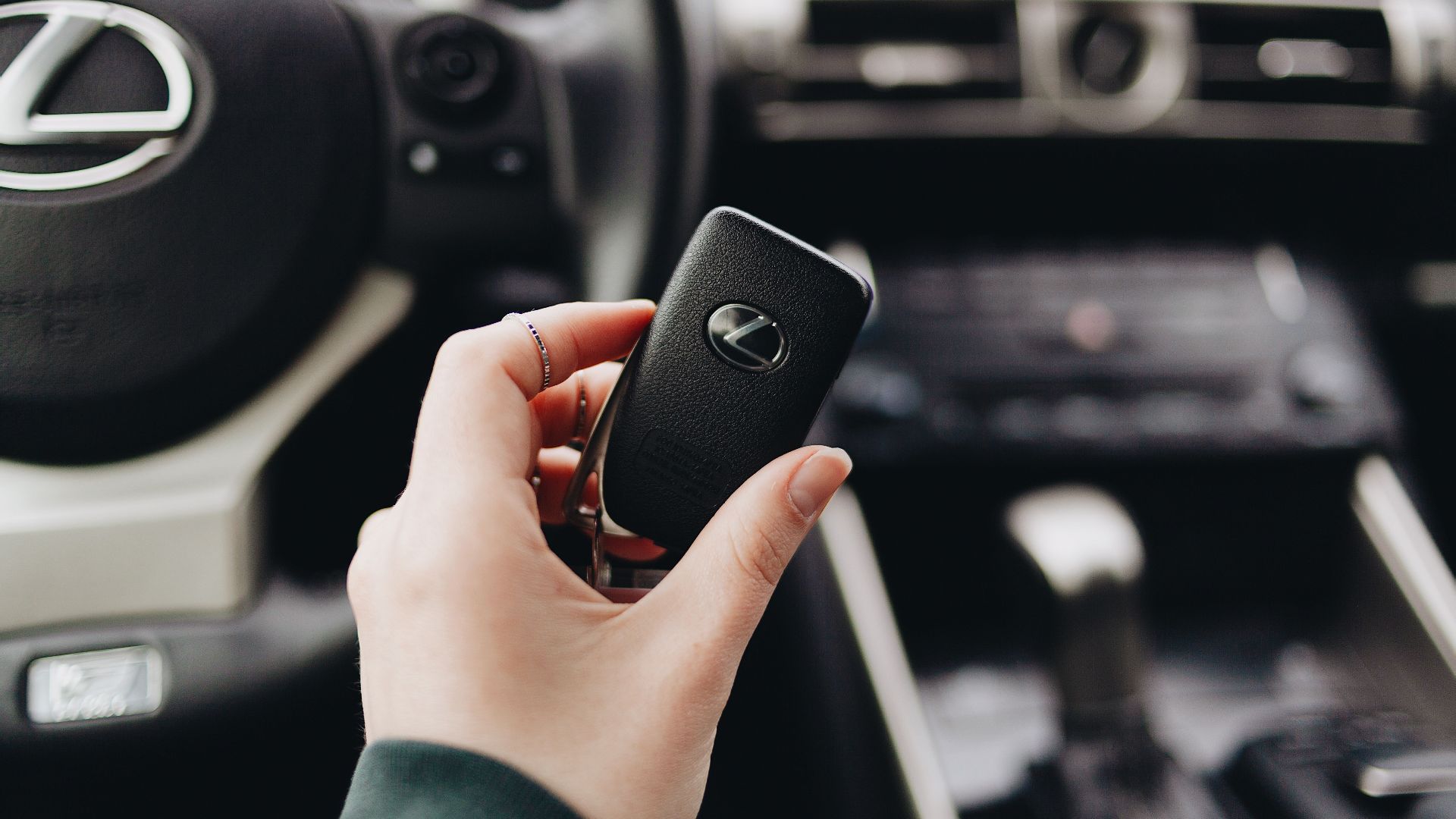
Fortunately, not every replacement costs a fortune. AAA estimates that copying a traditional metal key can cost around $10, while a transponder key may cost approximately $200. Before accepting an expensive quote, identify your vehicle's key type and determine which services it actually requires.

Losing Your Only Key Makes Everything Worse
Having one working key becomes a much bigger problem if it disappears. Without an existing key to copy, replacement procedures can be more complicated and may involve a locksmith, dealership, or tow truck. Getting a spare while your original still works can save considerable trouble later.
What Does The Law Actually Say?
The Federal Trade Commission regulates important disclosures in used-car sales, but its Used Car Rule doesn't require dealerships to provide two keys. Your rights may instead depend on state law, the purchase agreement, and what the seller represented during negotiations. That's why the details of your particular transaction matter more than any general assumption about what should come with a car.

The Buyers Guide Could Matter
Most used-car dealerships must display an FTC Buyers Guide and provide buyers with a copy. This document explains whether the car carries a warranty or is being sold without one. Although it doesn't guarantee an extra key, it helps establish the warranty terms of the transaction.

An As-Is Sale Doesn't Excuse Everything
Buying a vehicle "as is" generally means accepting responsibility for problems that aren't otherwise covered by applicable warranties. However, that designation doesn't automatically invalidate separate promises the dealership made about included equipment. State laws also differ on whether and how dealers can disclaim implied warranties.

What If The Salesperson Promised Two Keys?
A specific promise from the salesperson could give you a stronger argument for receiving a spare. If the dealer agreed to provide two keys, especially in writing, that commitment may be enforceable. The FTC warns that verbal promises can be difficult to prove, making documentation especially important.
Check Your Purchase Agreement
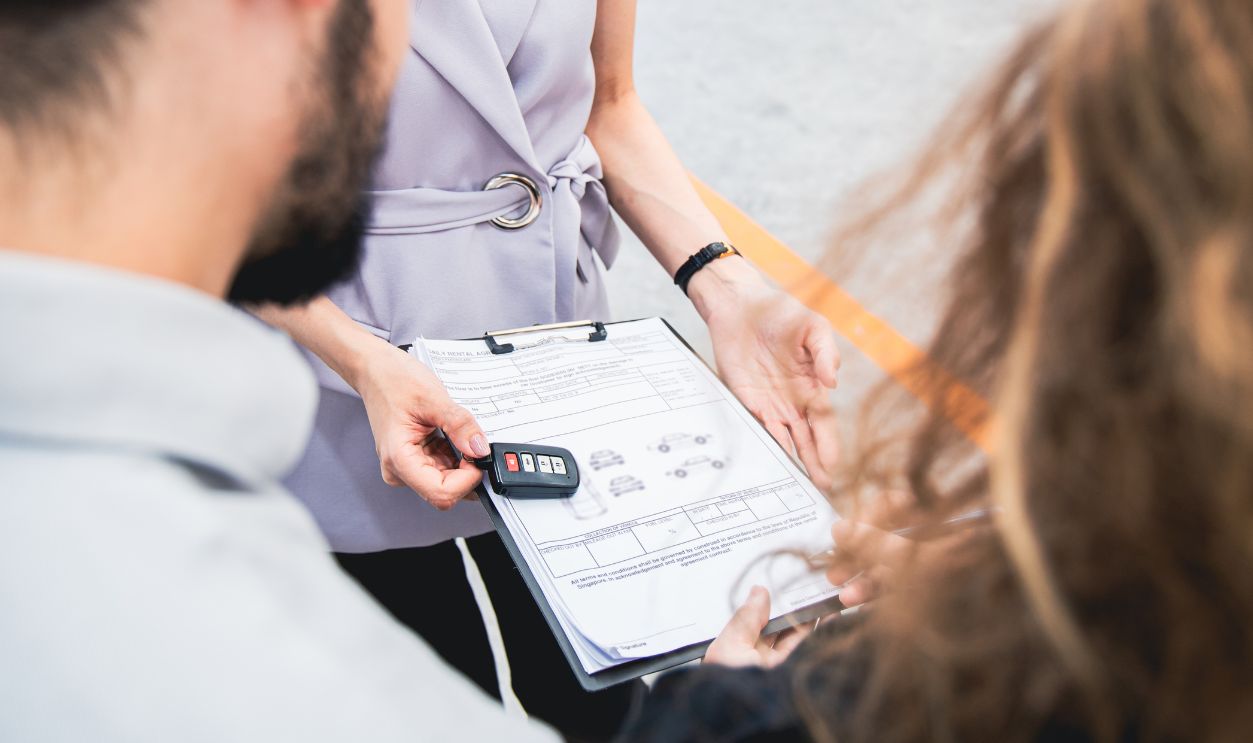
Before contacting the dealership, pull out your purchase agreement and related paperwork. Look for references to keys, included accessories, or items the seller promised to deliver later. Even a short written statement about supplying a spare could make a difference when requesting a replacement.
Don't Overlook The We-Owe Form
Some dealerships use a document called a "We Owe" or "Due Bill" to record outstanding commitments after a sale. This might include accessories, repairs, or a replacement key the dealership agreed to supply. If your paperwork lists a spare, bring that agreement to the dealer and request that it be honored.

The Original Advertisement Could Help
Think back to how the vehicle was advertised before you bought it. If the listing specifically promised two keys, save a screenshot or copy of that advertisement. Misrepresenting included equipment may raise consumer protection concerns, although your remedies depend on state law and the circumstances.

Does Your Warranty Cover The Missing Key?
Don't assume a used-car warranty automatically pays for a spare key that wasn't provided. Warranties generally cover specified problems or components, rather than every missing accessory. A malfunctioning electronic key may qualify for coverage under certain warranties, but a spare that was already missing is a different situation.
There's Also A Security Question
Have you considered what happened to the missing key? It may simply have been lost, but you don't necessarily know whether somebody else still possesses it. Ask a qualified locksmith or dealership technician whether your vehicle allows missing electronic keys to be removed from its authorized-key memory.

Start By Asking The Dealer To Help
Even if the dealership isn't legally obligated to supply another key, it's worth requesting one. Contact the sales manager, explain the unexpected expense, and bring any relevant purchase documents. Ask whether the business will provide a replacement as a customer-service gesture, especially if you recently bought the vehicle.
 f.t.Photographer, Shutterstock
A Compromise Could Save You Money
If the dealership refuses to cover the entire replacement, try negotiating a partial contribution. Ask whether it will discount the key, cover programming, or split the bill. These aren't guaranteed concessions, but a modest compromise could be more realistic than expecting the dealership to absorb every dollar.
A Locksmith Might Charge Less
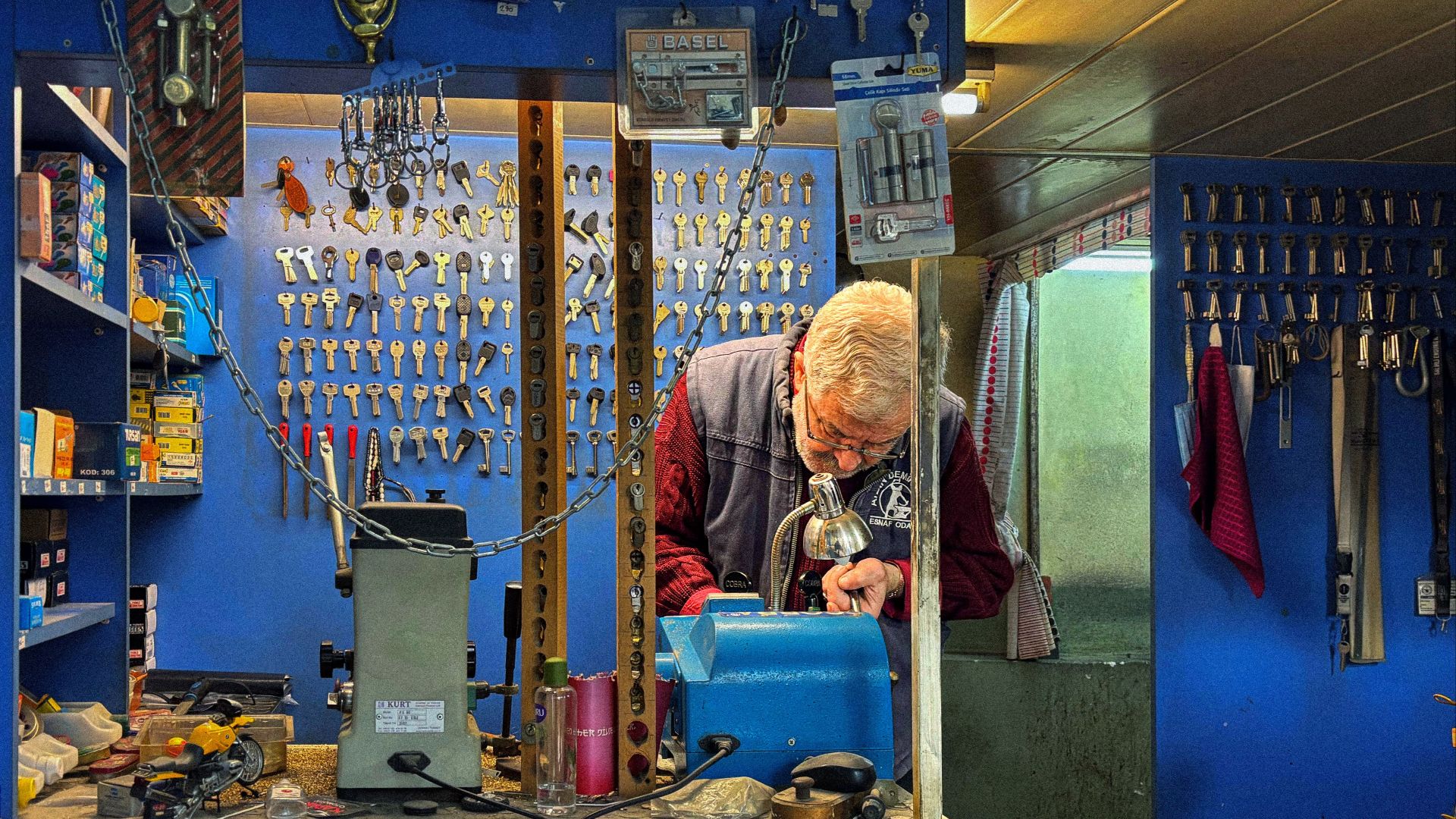
You don't necessarily have to buy your replacement from the dealership. A qualified automotive locksmith may be able to supply and program a compatible key for less. Consumer Reports has documented cases in which independent locksmiths offered substantial savings compared with dealership replacement services.
But Not Every Locksmith Can Help
Some vehicles use sophisticated security systems that require manufacturer-specific equipment or procedures. As a result, not every locksmith can replace and program every type of electronic key. Before booking an appointment, confirm that the provider can handle your exact make, model, and model year.
 Christian Heimig, Wikimedia Commons
Can You Program A Spare Yourself?
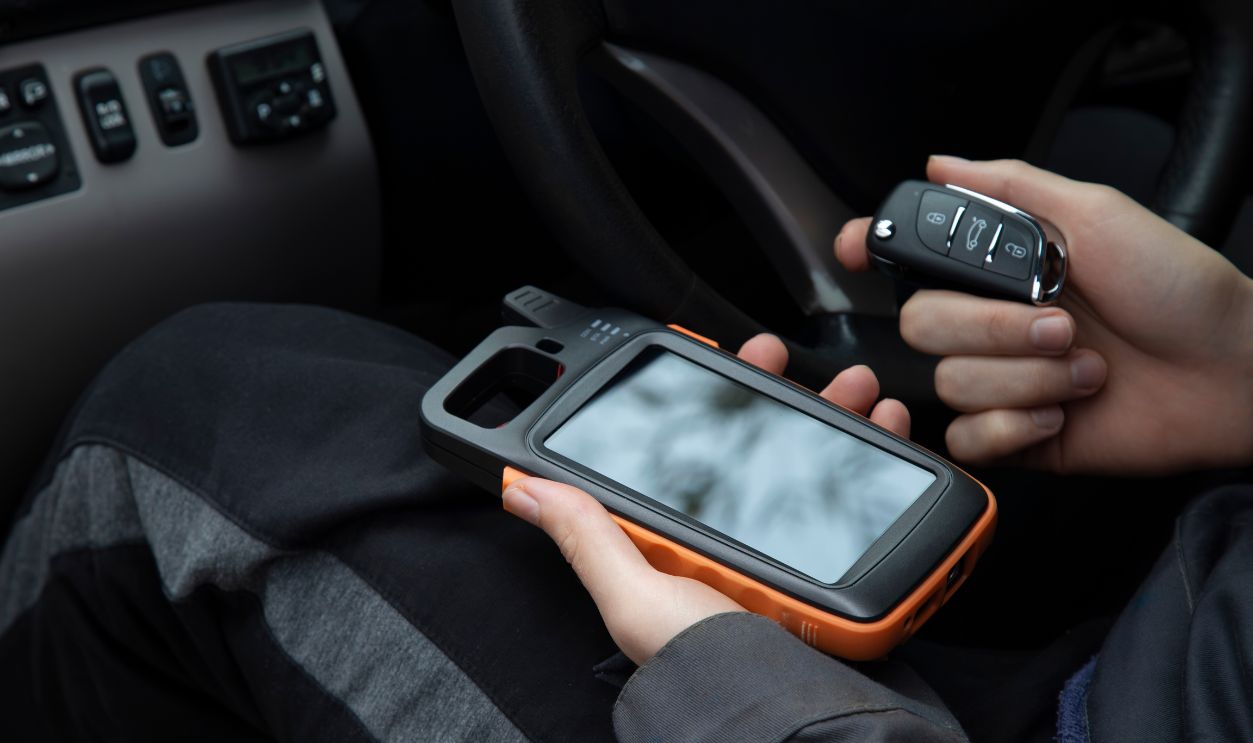
Certain vehicles allow owners to program replacement keys without visiting a dealership. However, Consumer Reports notes that many customer-programmable systems require two existing working keys to add another. Since you only have one, check your owner's manual before assuming this money-saving option is available.
 Potashev Aleksandr, Shutterstock
Be Careful Buying Cheap Keys Online
An inexpensive aftermarket key fob can look like a bargain, but compatibility isn't guaranteed. Some dealerships won't program third-party fobs, while others may charge labor even if programming fails. Verify compatibility and the return policy before purchasing a replacement that might not work.

Compare The Total Cost, Not Just The Key
A cheap replacement quote can become considerably more expensive once additional services are included. Ask whether the price covers the key, cutting, programming, taxes, and any mobile-service charges. Comparing complete written estimates from locksmiths and dealerships gives you a clearer picture of what you'll actually pay.

Could Insurance Cover The Expense?
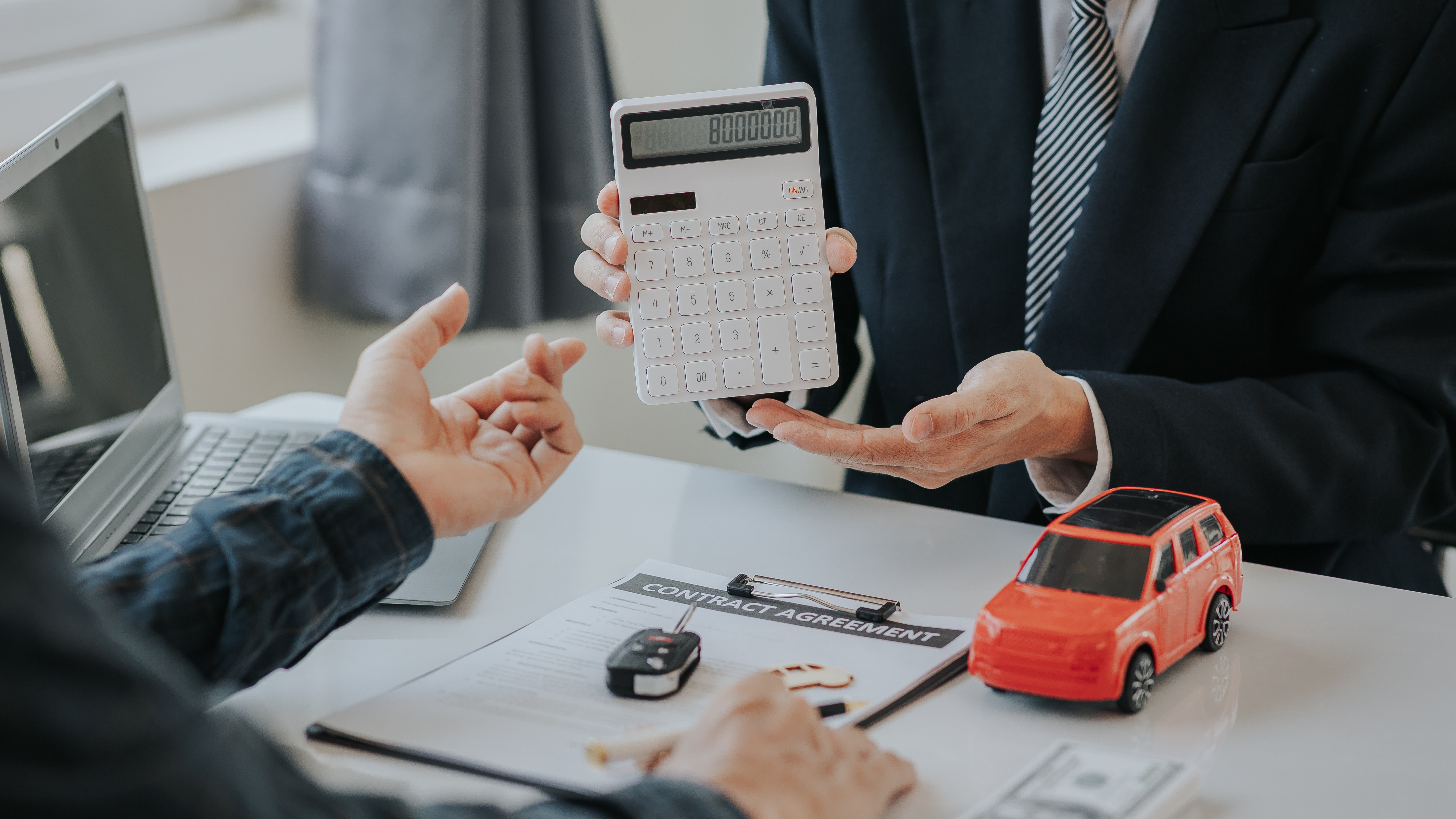
Standard auto insurance generally doesn't cover a spare key that was missing when you purchased the vehicle. Some optional protection plans cover keys that are subsequently lost, stolen, or damaged, but coverage depends on the policy. Check your existing benefits before spending money, while remembering that insurance usually won't retroactively resolve a missing-key issue from the sale.
Roadside Assistance Has Its Limits
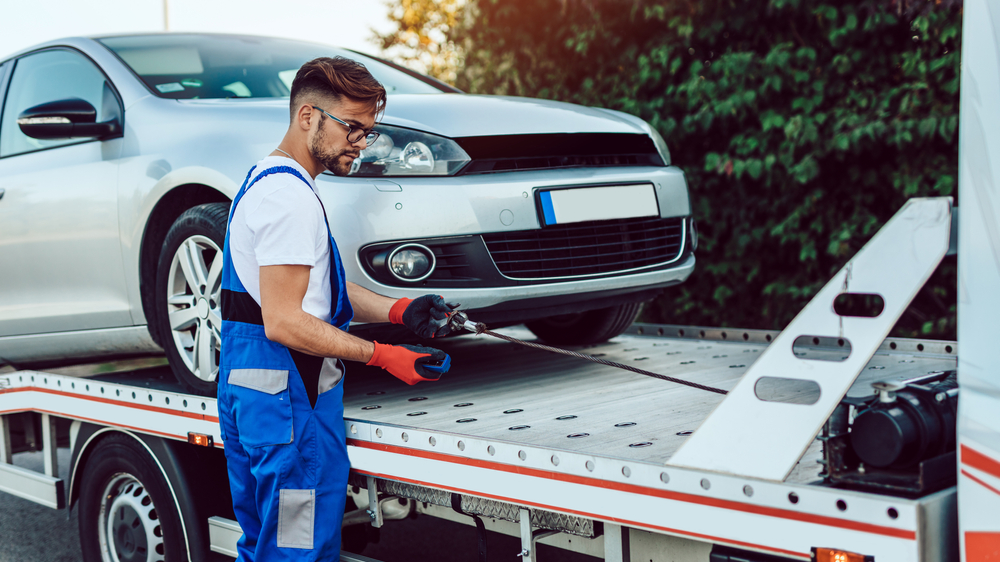
If you lose your only working key, roadside assistance may help arrange a locksmith or tow your car. However, that doesn't necessarily mean the service will pay for the replacement itself. Review your membership or insurance benefits to understand which expenses are covered before an emergency happens.
What If The Dealership Refuses?
If you believe the seller broke a documented promise, put your complaint in writing. Include copies of the relevant advertisement, purchase agreement, correspondence, and replacement-key quote. The FTC recommends explaining the problem clearly, identifying the resolution you want, and keeping records of your communications.

You Can Take The Complaint Further
If negotiations fail, your state's attorney general or consumer protection agency may provide guidance or investigate misleading sales practices. Small claims court could also be an option if you have a valid legal claim and the dispute falls within its jurisdiction. However, receiving only one key isn't automatically grounds for legal action.
 https://kaboompics.com/, Pexels
Don't Let This Happen Again
Before buying another used car, ask to see every working key and test its functions before signing. If there's no spare, request one as part of the deal or negotiate a price reduction that reflects the replacement cost. You might not be legally entitled to two keys, but you can protect yourself by addressing the issue before handing over your money. After all, nobody wants a great deal on a used car to come with a surprise bill for something so basic.

You May Also Like:
Classic Car Colors That You Used To Be Able To Buy, But Would Make Dealers Today Faint