

The Car That Helped America Get Ahead
Some car brands chased luxury. Others chased speed. Plymouth aimed for something much more practical: a good car regular families could actually afford. For much of the twentieth century, Plymouth helped make car ownership feel less like a dream and more like a normal part of middle-class American life.

A New Kind Of Car For Ordinary Americans
When Walter P Chrysler introduced Plymouth in 1928, he wasn’t trying to build a flashy status symbol. He wanted a dependable, affordable car that could compete with Ford and Chevrolet. Plymouth entered the market as Chrysler’s value brand, and that mission shaped almost everything it did.
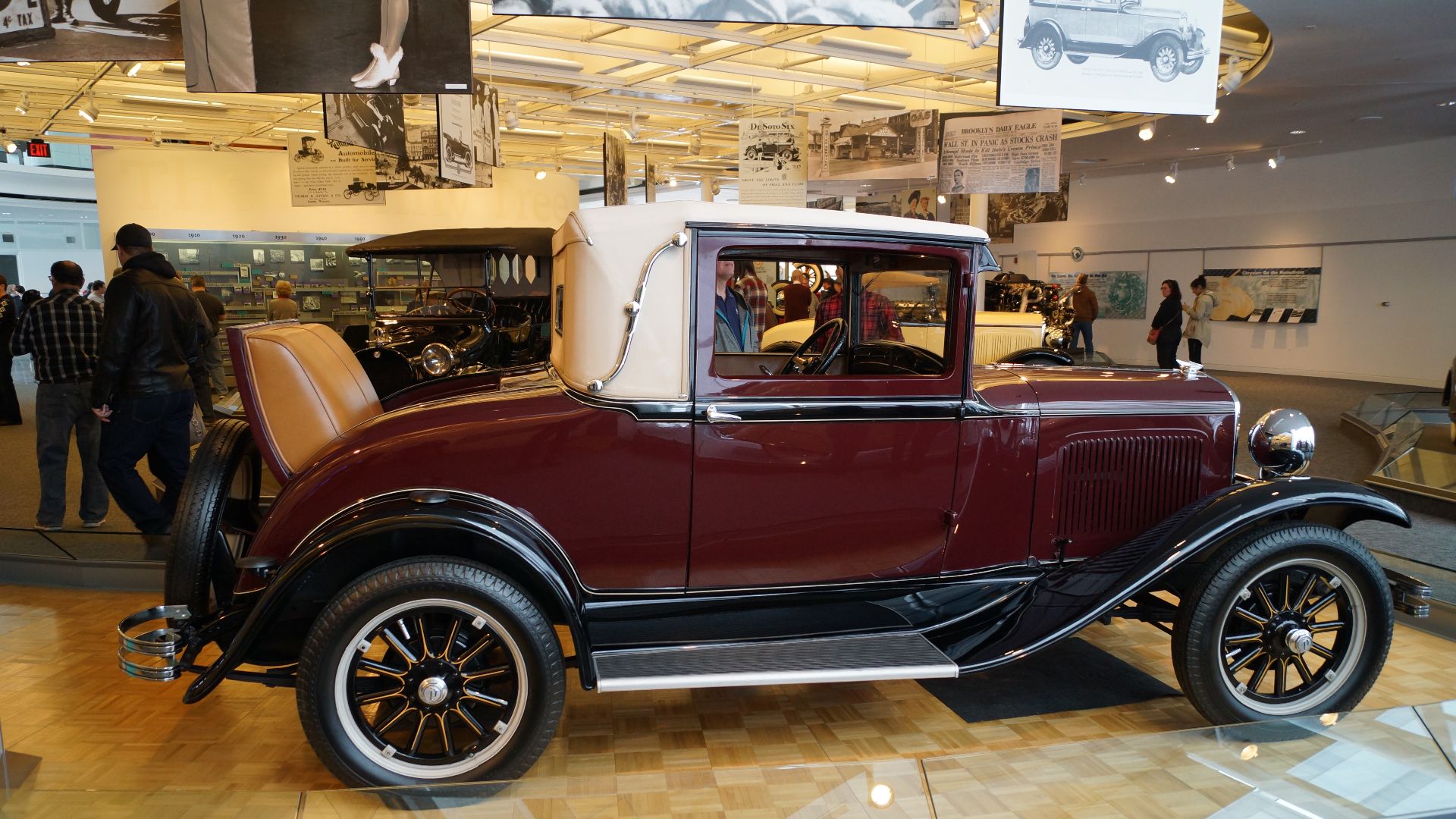 Greg Gjerdingen from Willmar, USA, Wikimedia Commons
Chrysler Took A Big Swing
Jumping into the low-priced car market was not exactly a small move. Ford and Chevrolet already had huge followings, and buyers knew those names well. Still, Chrysler believed there was space for a car that gave people solid engineering, useful features, and a price that did not feel completely out of reach.
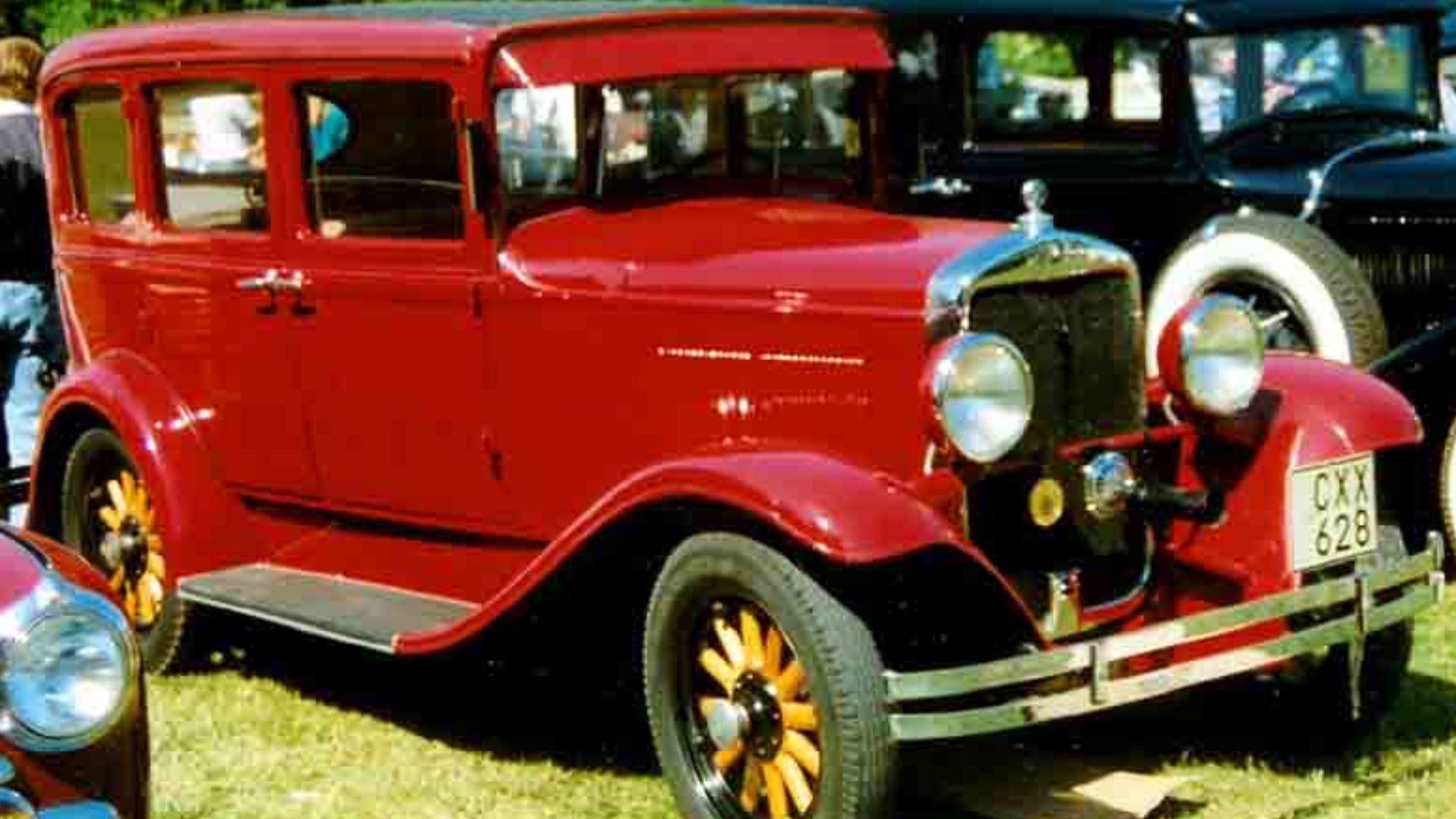 Lars-Goran Lindgren Sweden, Wikimedia Commons
It Grew Out Of Maxwell
Plymouth did not appear out of nowhere. Its roots went back to Maxwell, the struggling car company Walter Chrysler had taken over in the 1920s. Chrysler reshaped that foundation into something fresher and more competitive, and the 1928 Chrysler-Plymouth Model Q became the starting point for the brand.
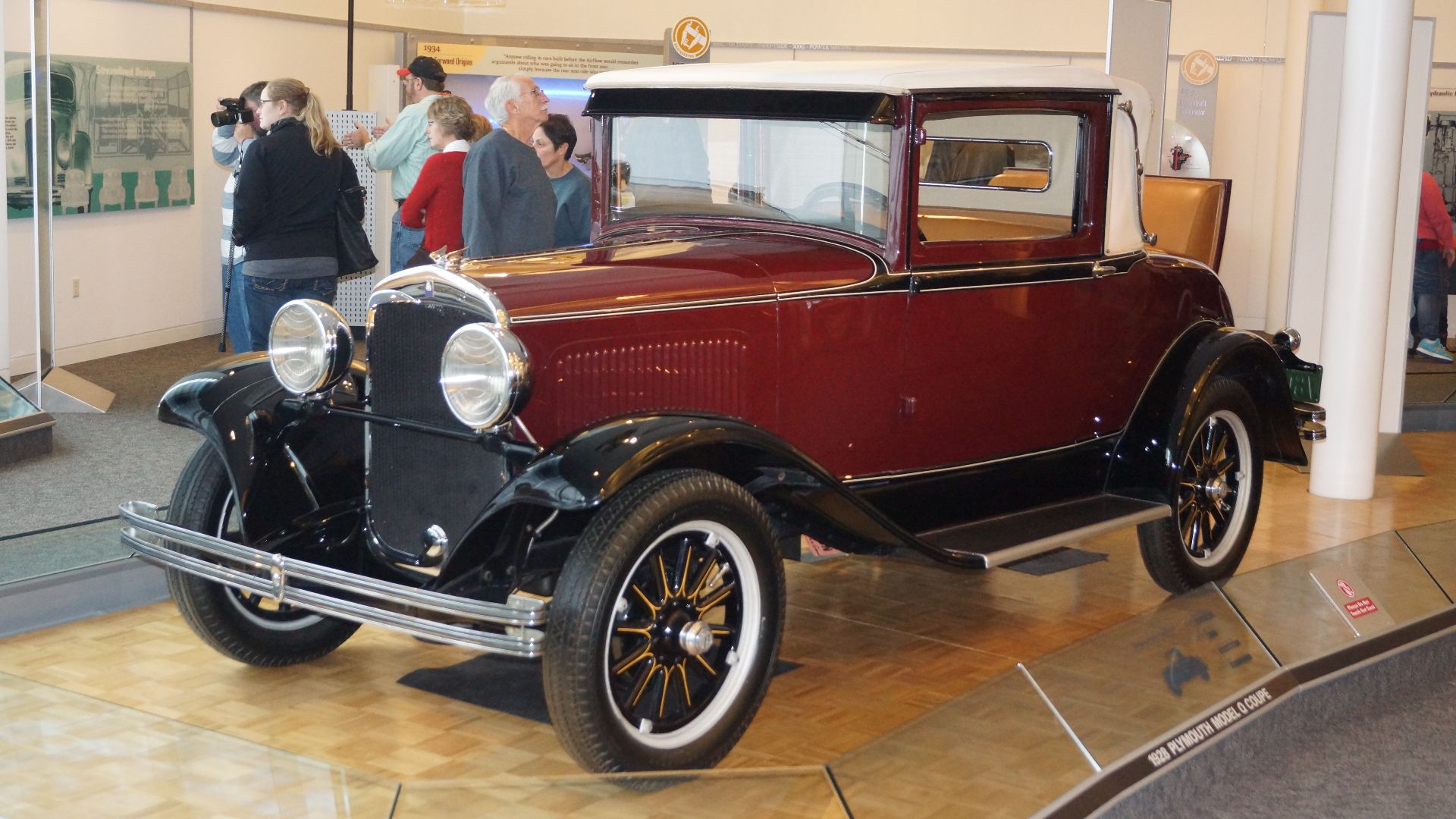 Greg Gjerdingen from Willmar, USA, Wikimedia Commons
Buyers Got More For Their Money
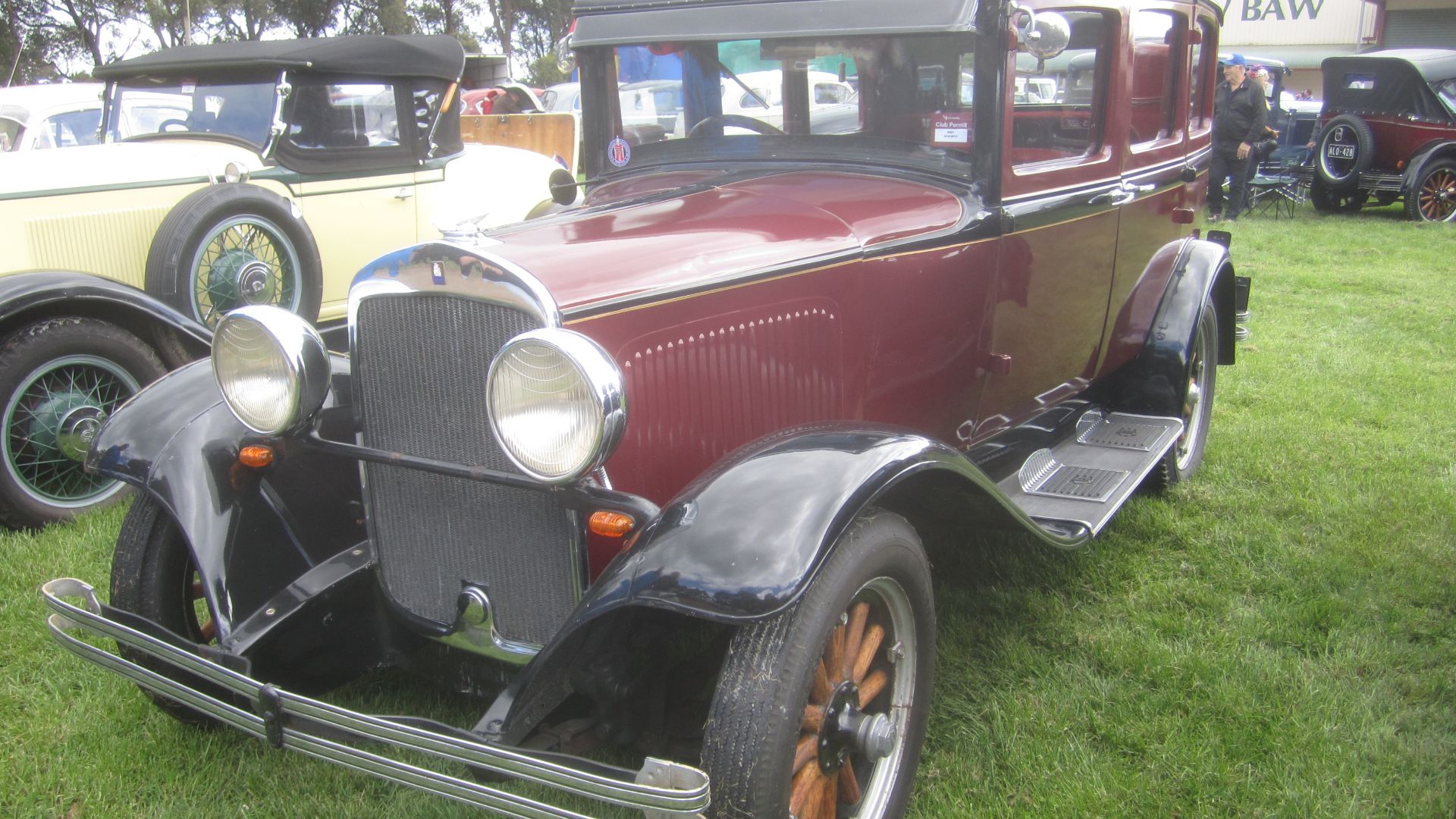
Plymouth’s big selling point was value. Early models came with features like four-wheel hydraulic brakes, which were not standard on every low-priced rival at the time. That mattered to families who wanted something affordable but did not want to feel like they were buying the bare minimum.
It Weathered The Depression
Launching right before the Great Depression sounds like terrible timing, but Plymouth managed to hang on and grow. During a period when money was tight, buyers cared about durability, price, and common sense. Plymouth’s practical image worked in its favor when many Americans were counting every dollar.
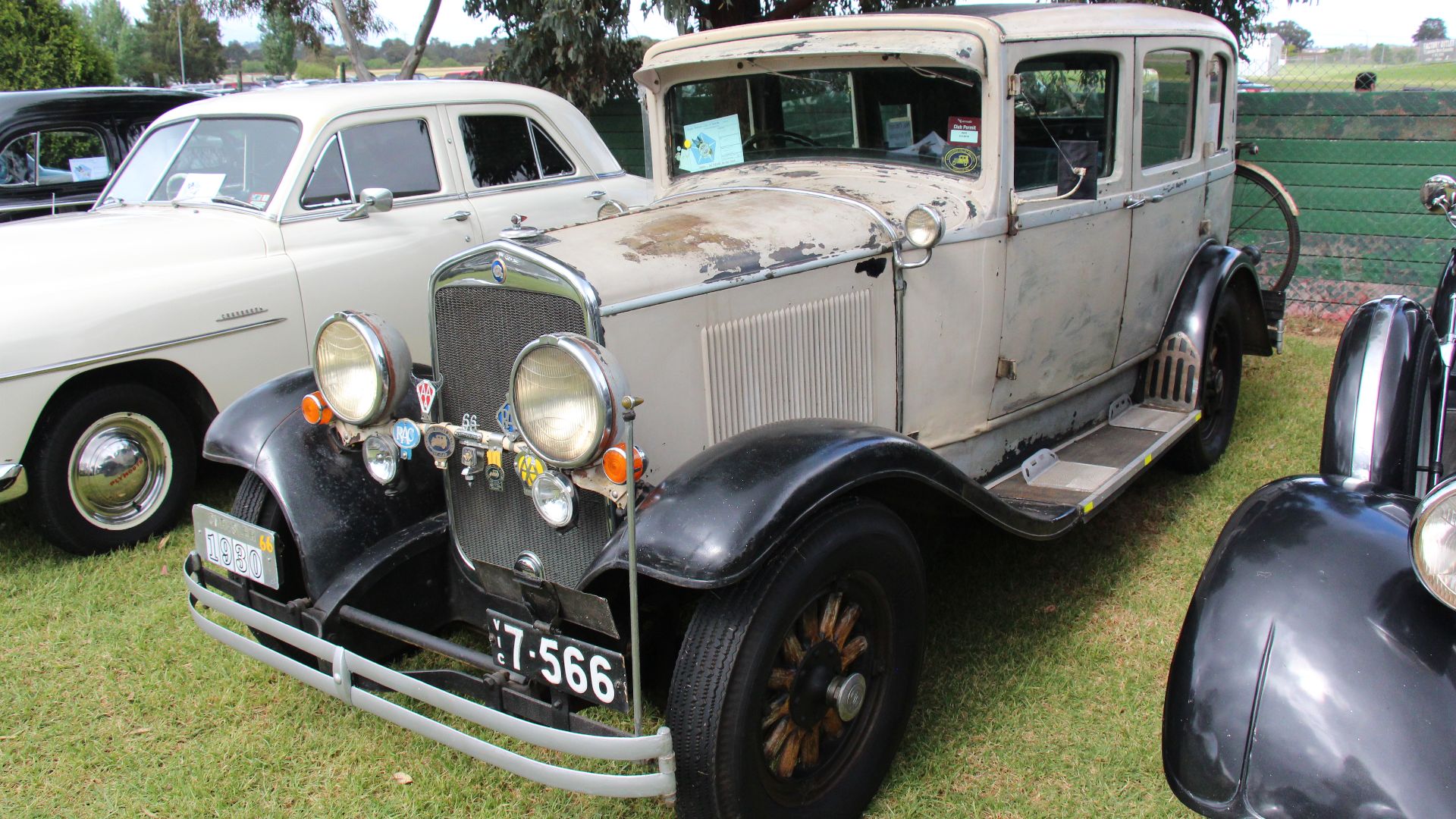
Plymouth Became A Serious Contender
By the early 1930s, Plymouth had climbed into the top tier of American car sales. That was a huge deal for a young brand competing against Ford and Chevrolet. Its success helped Chrysler become one of Detroit’s major automakers instead of just another company trying to survive.
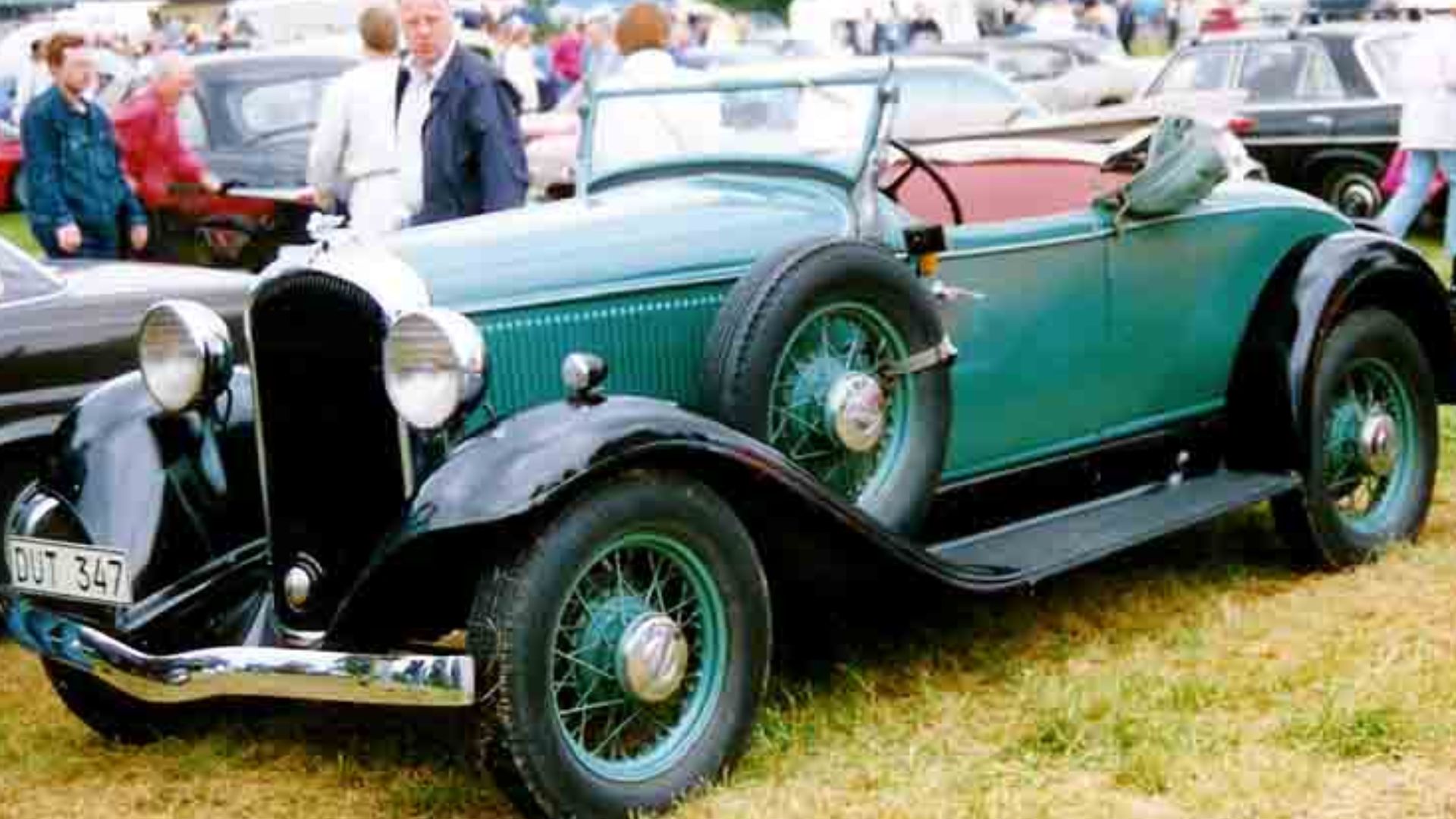 Lars-Goran Lindgren Sweden, Wikimedia Commons
It Fit Everyday Family Life
Plymouth became the kind of car people used for everything. It took workers to their jobs, kids to school, families to stores, and relatives on road trips. It was not trying to be glamorous. It was trying to be useful, and that made it a natural fit for middle-class households.
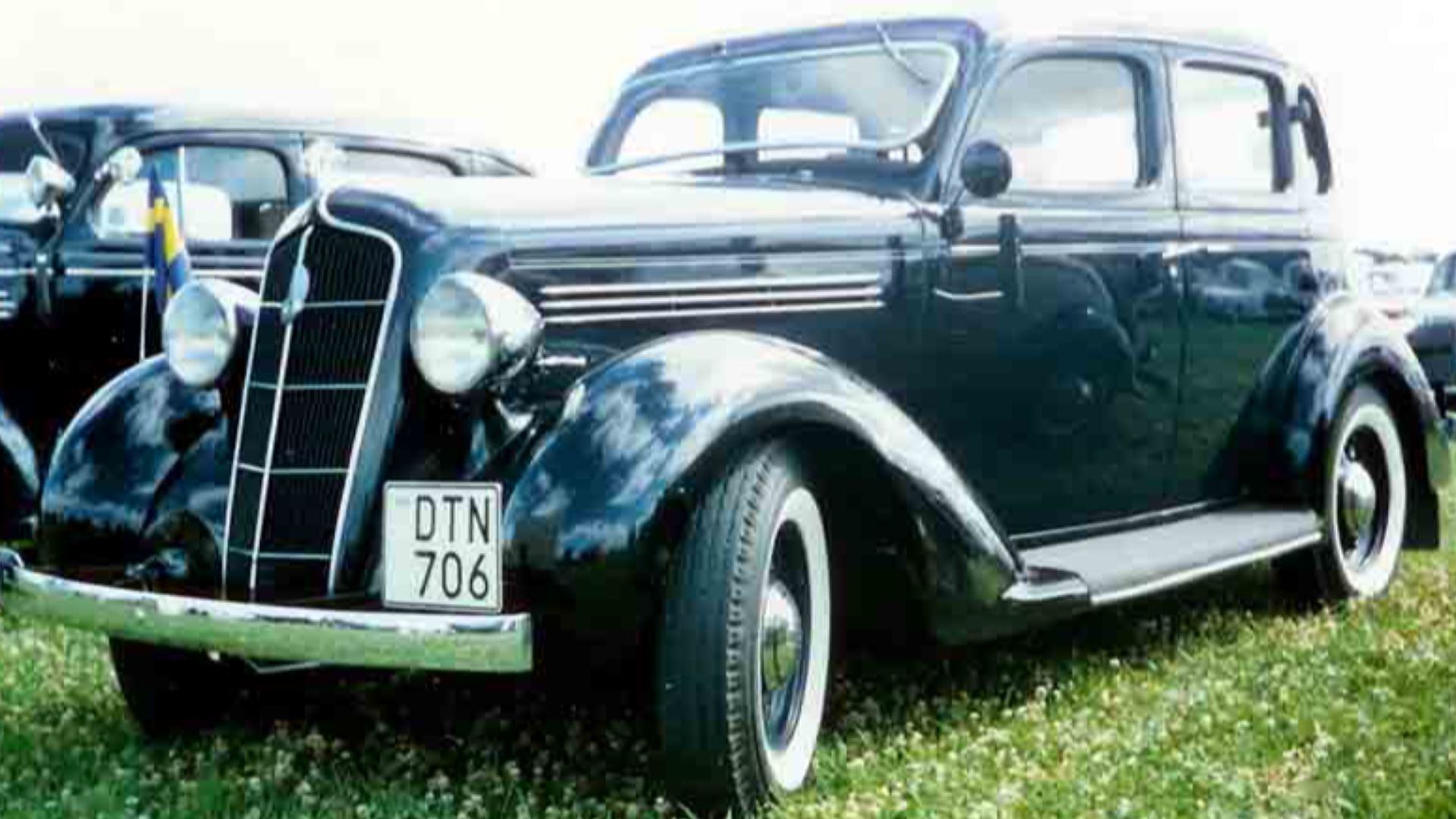 Lars-Goran Lindgren Sweden, Wikimedia Commons
The Postwar Years Were Huge
After World War II, Americans were buying homes, starting families, and moving into suburbs. They needed cars that could keep up with that new lifestyle. Plymouth benefited from that boom by offering cars that felt modern enough for the moment without pushing buyers into luxury-car territory.
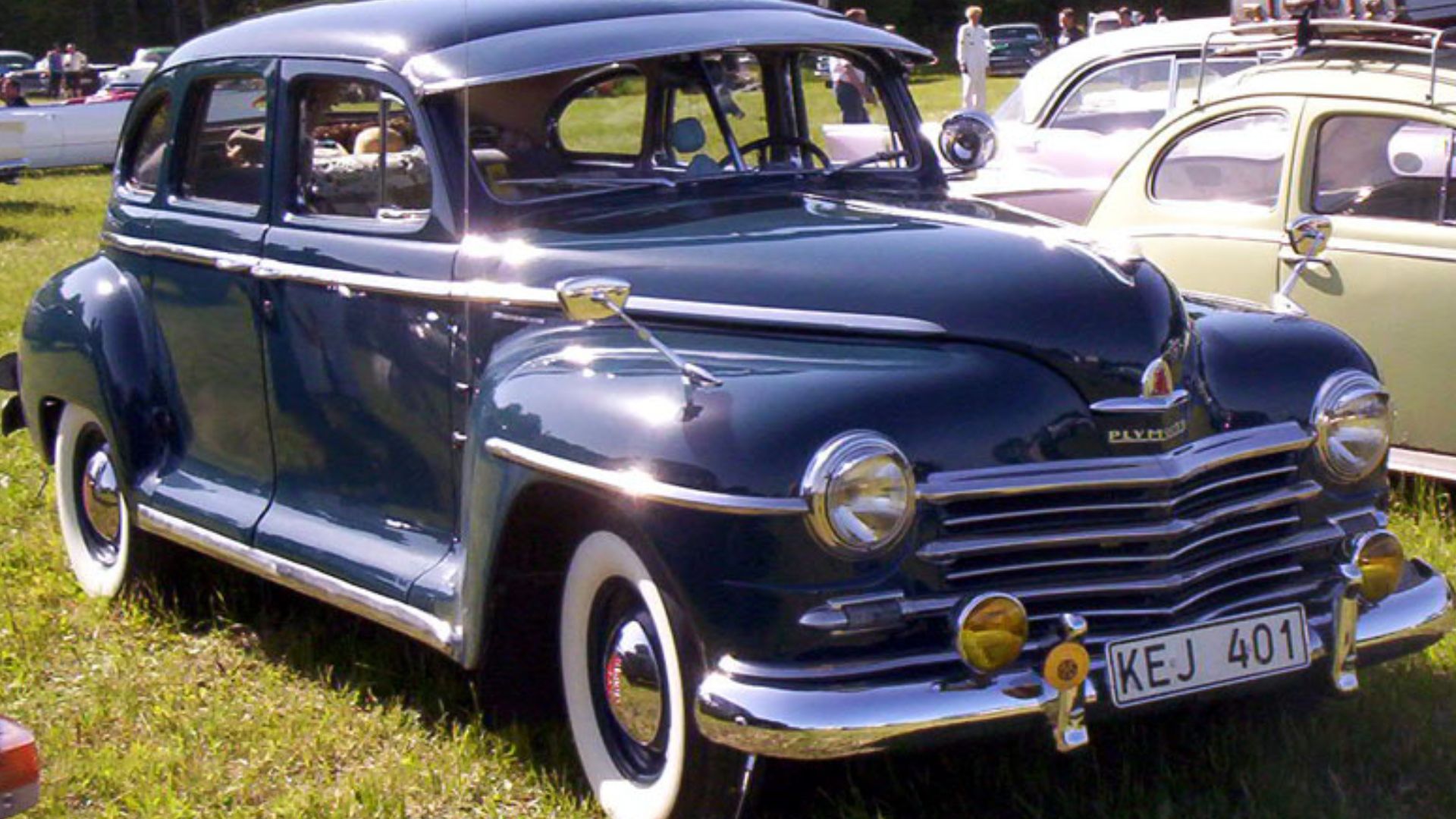
It Became Part Of The American Dream
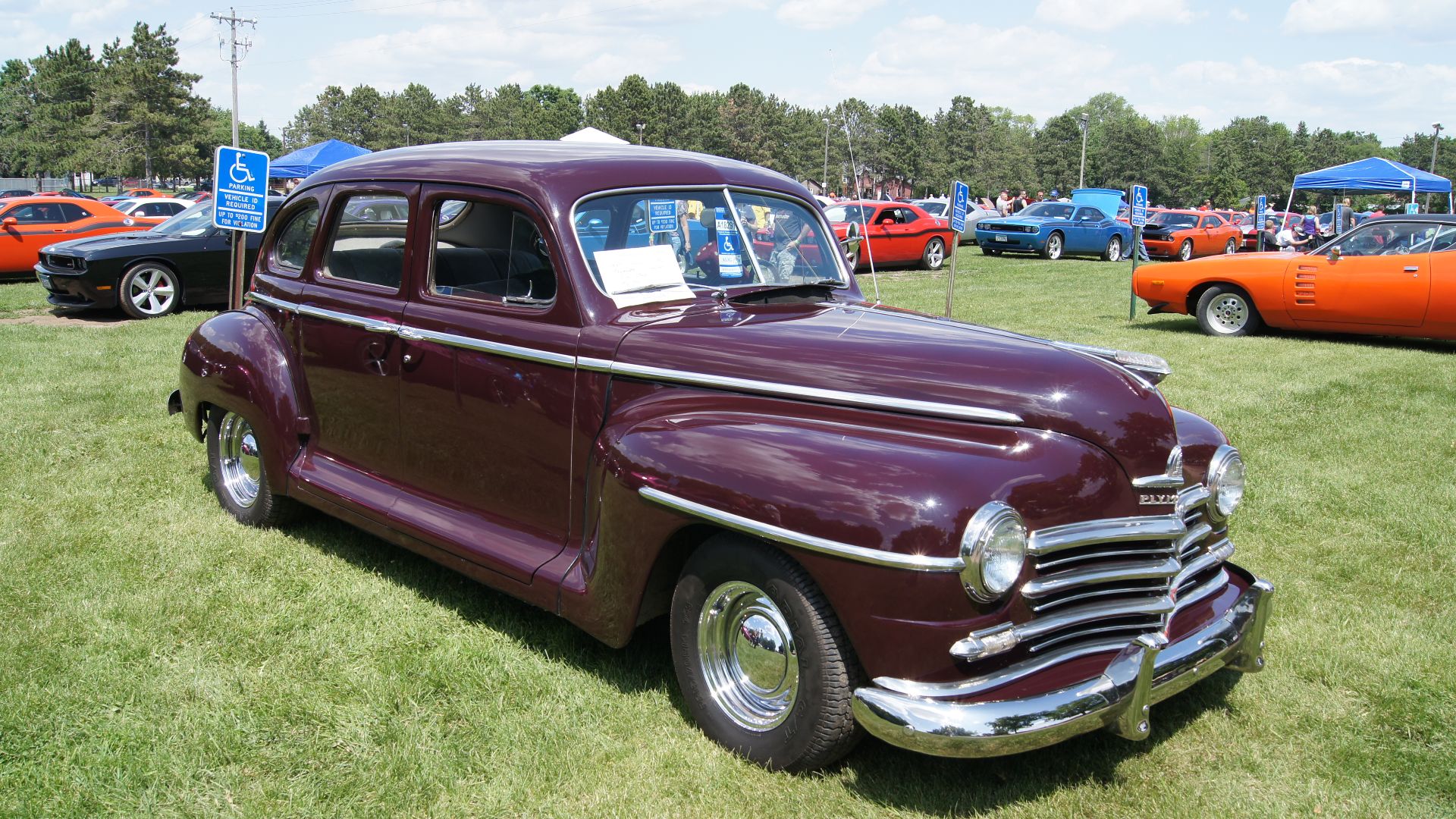
For many families, buying a Plymouth meant they were moving up. It was not a mansion or a yacht, but it was a sign of stability. A new Plymouth in the driveway told the neighborhood that a family had reliable transportation and a little room to breathe financially.
 Greg Gjerdingen from Willmar, USA, Wikimedia Commons
The Valiant Kept Things Practical
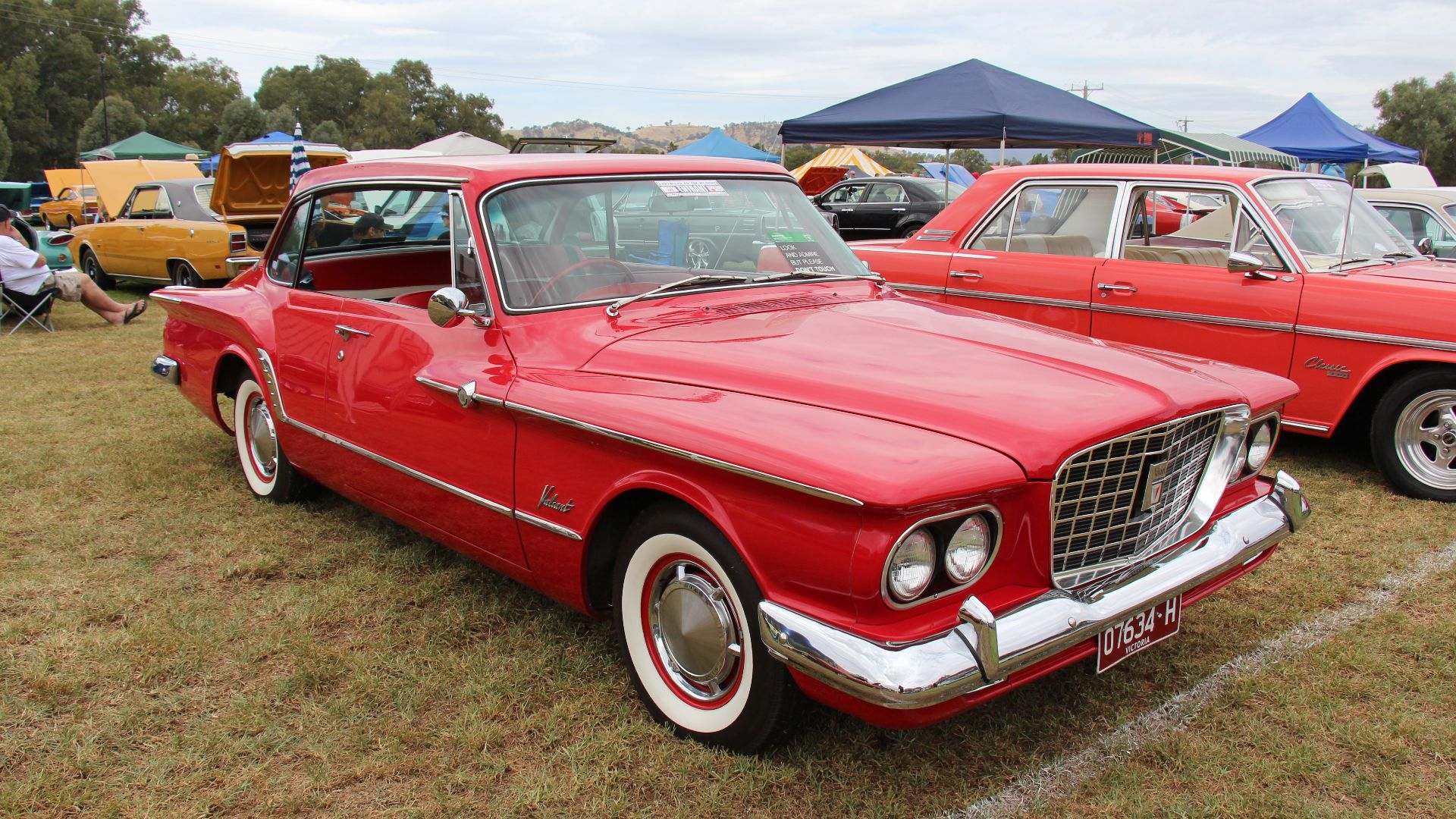
The Plymouth Valiant arrived when compact cars were becoming more appealing to buyers. It gave Plymouth a way to stay relevant as tastes started shifting away from only big, traditional sedans. The Valiant kept the brand’s practical spirit alive while showing that smaller cars could still feel smart and useful.
Plymouth Found Its Fun Side
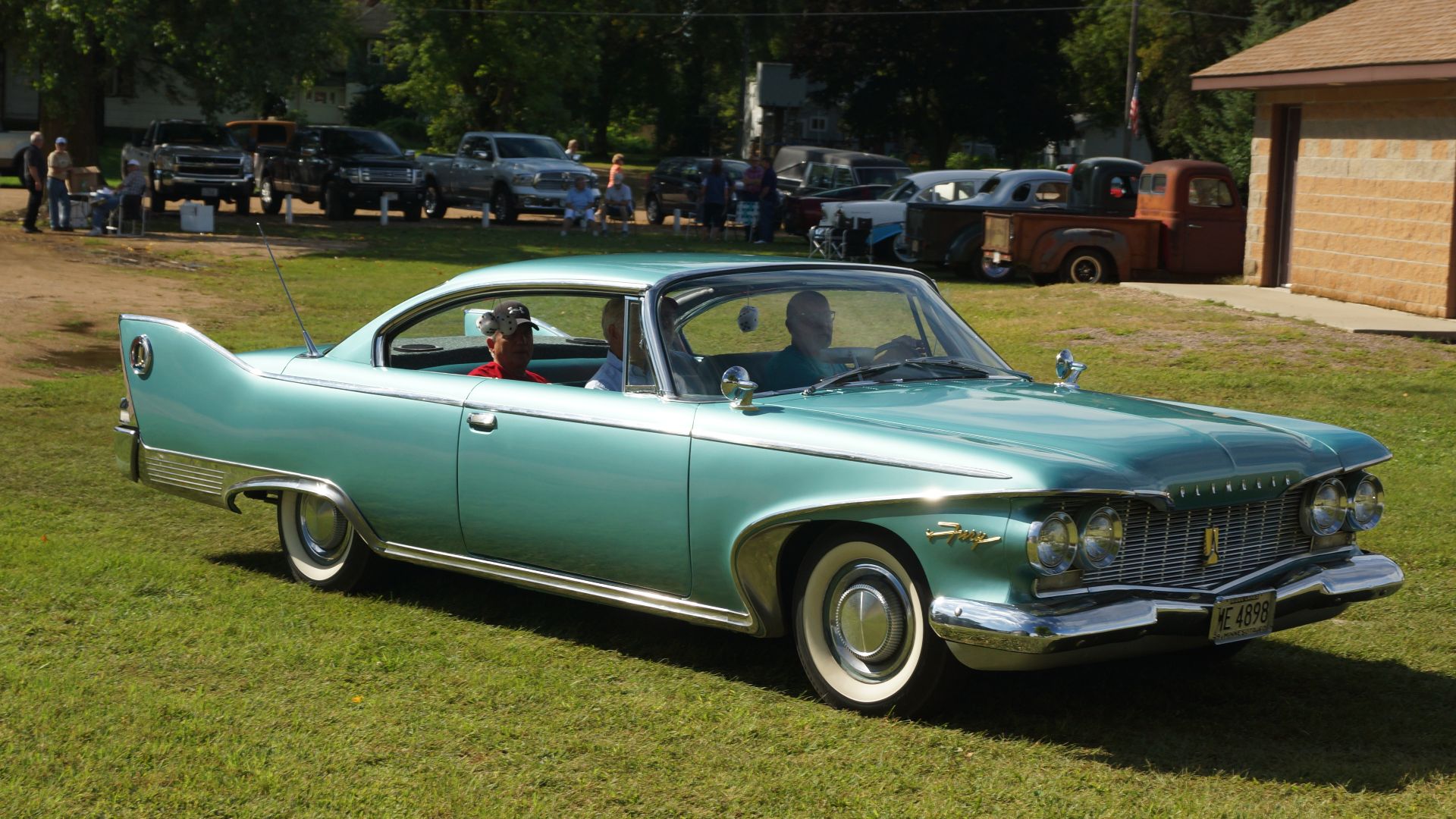
By the 1960s, Plymouth was no longer just the sensible family-car brand. It started leaning into performance, style, and younger buyers. That shift gave the company a new personality while still keeping its reputation for offering a lot of car for the money.
 Greg Gjerdingen from Willmar, USA, Wikimedia Commons
The Barracuda Made Noise
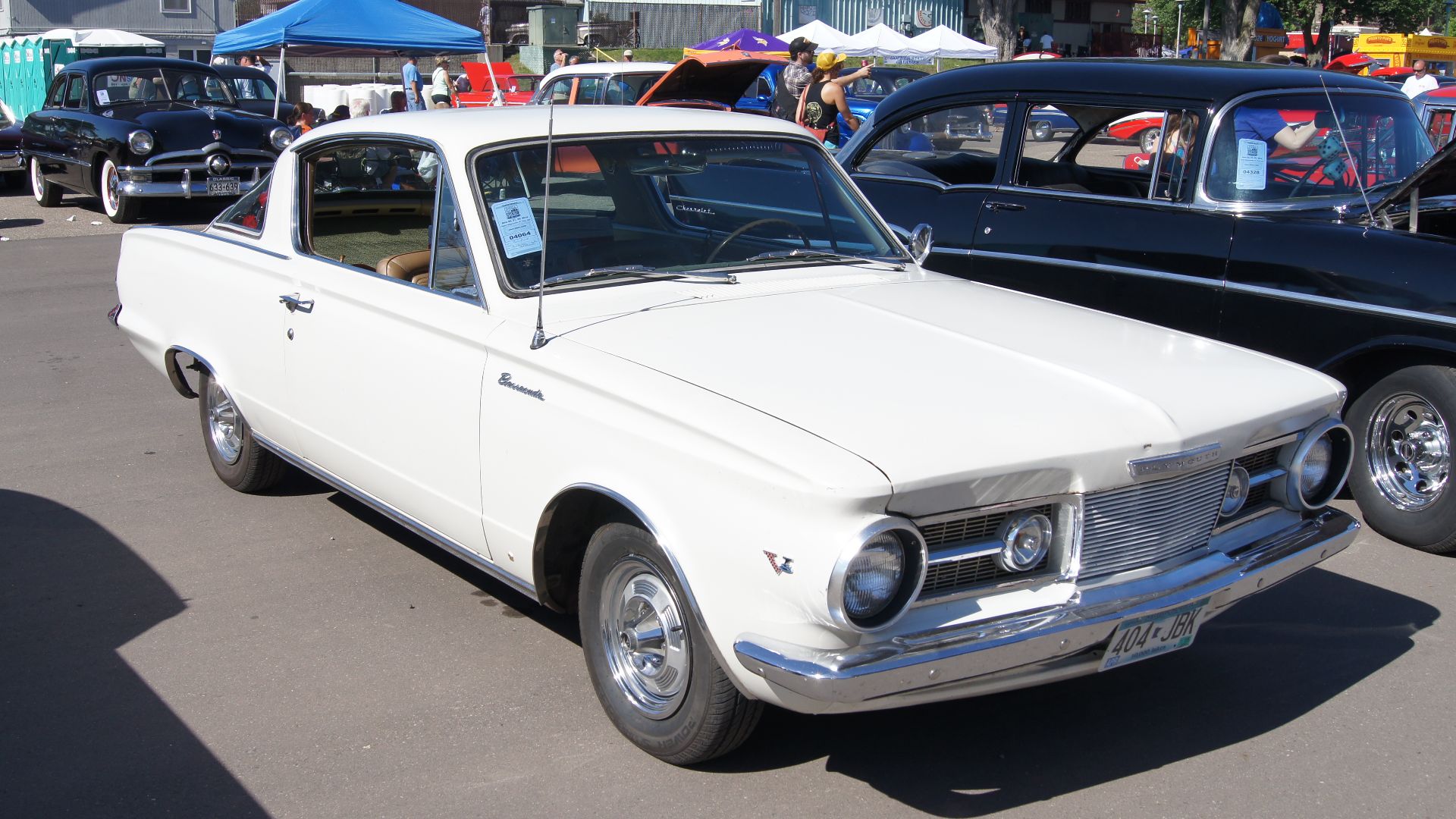
The Plymouth Barracuda arrived in 1964 and helped push the brand into the pony-car conversation. It had sporty styling, available V8 power, and a personality that felt very different from Plymouth’s older image. Suddenly, Plymouth was not just practical. It was cool.
 Greg Gjerdingen from Willmar, USA, Wikimedia Commons
The Road Runner Was Pure Personality
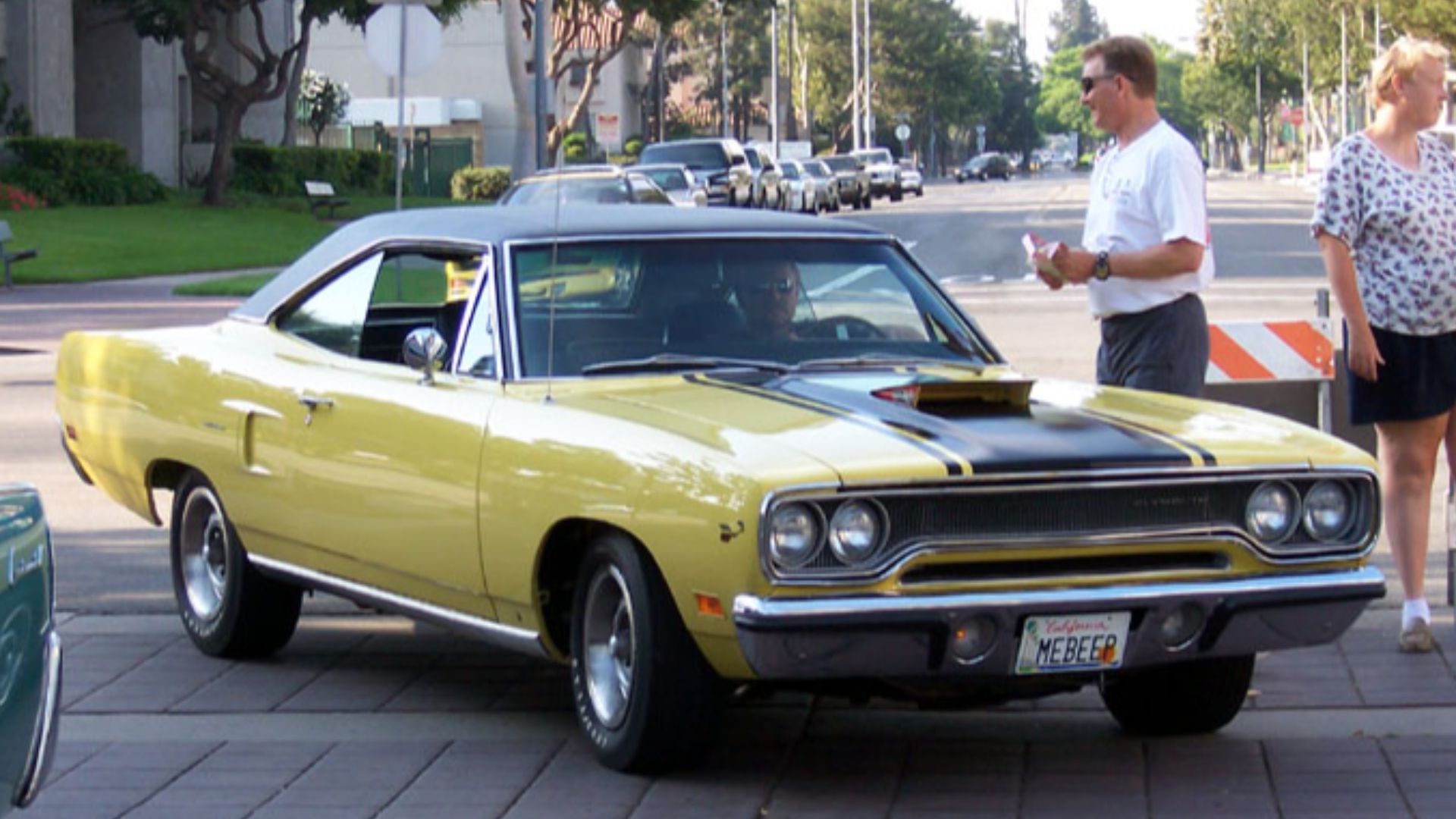
The Road Runner may be the best example of Plymouth understanding its audience. It was a muscle car built around the idea of affordable performance, not fancy extras. Add in the cartoon-inspired branding, and Plymouth had a car that felt fast, fun, and refreshingly unserious.
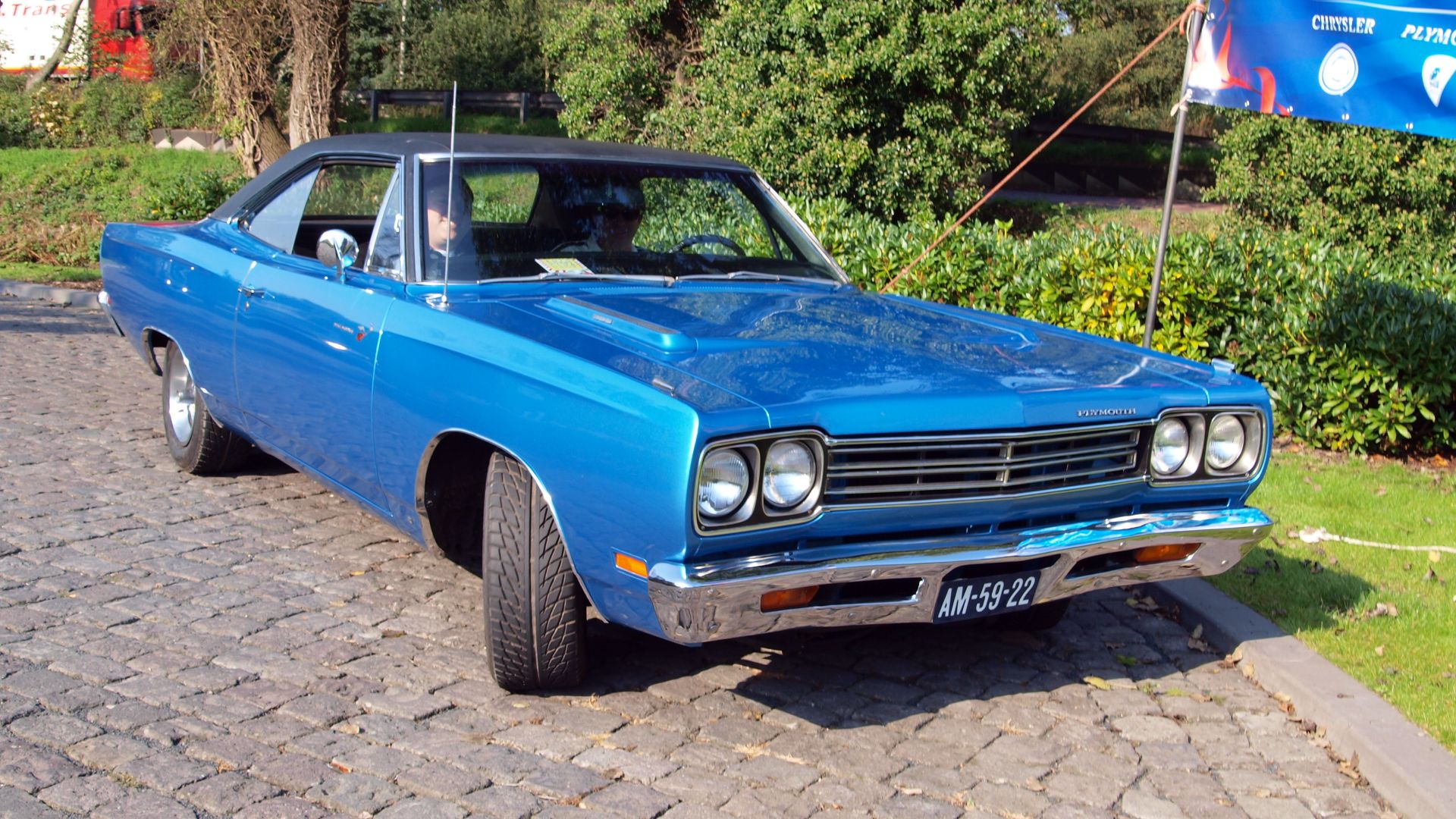
It Never Forgot Working-Class Buyers
Even when Plymouth was building exciting cars, it never fully abandoned its working-class identity. The brand’s best-known vehicles usually had a practical streak, whether they were family haulers or budget muscle cars. Plymouth’s sweet spot was giving people something useful, interesting, and attainable.
 User Morven on en.wikipedia, Wikimedia Commons
Plymouth Expanded With The Times
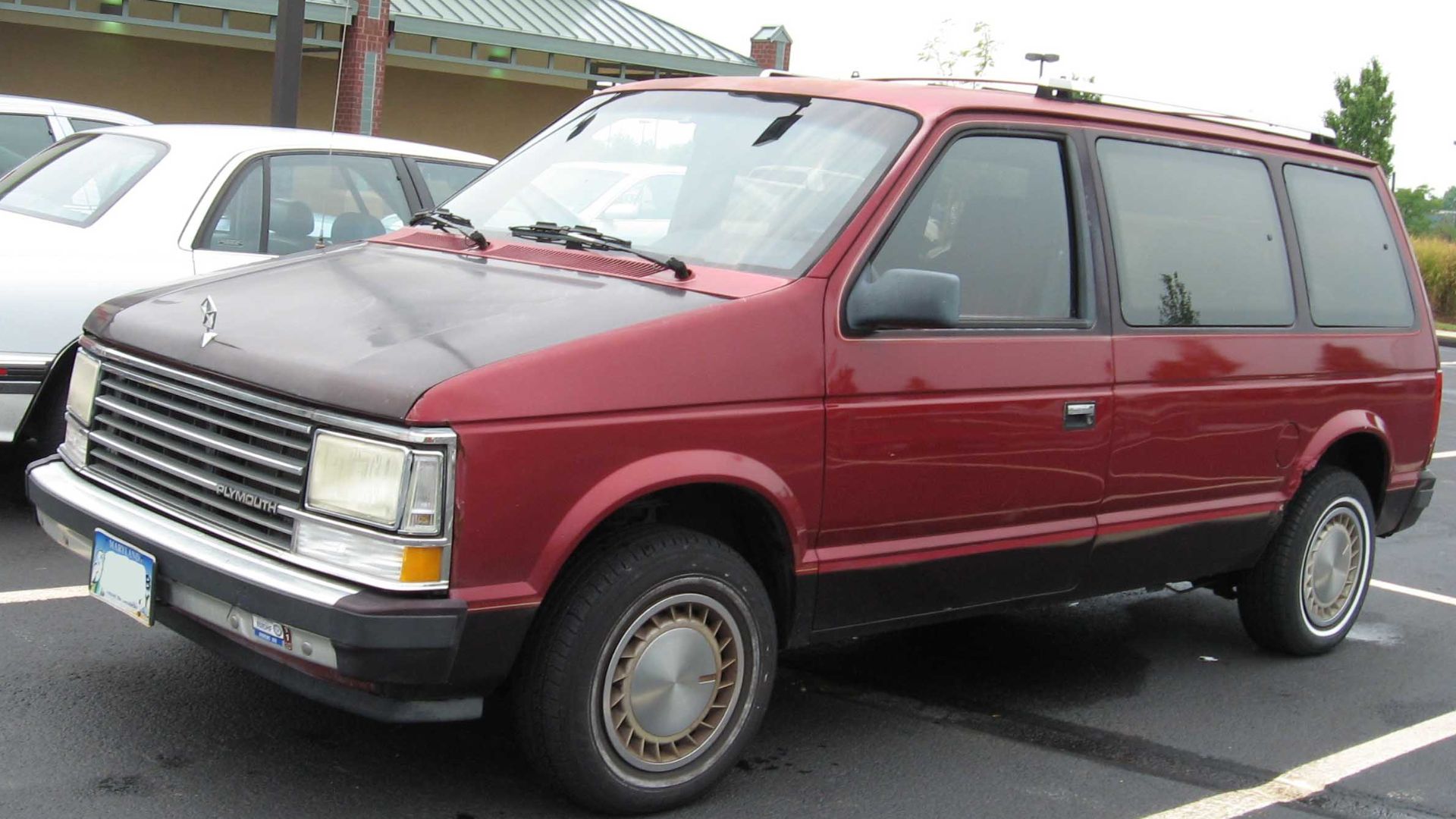
As buyers’ needs changed, Plymouth tried to change with them. The brand moved beyond traditional cars with vehicles like vans and SUVs. That shift reflected a wider change in American life, as families needed more space, more flexibility, and more ways to carry everything around.
The Voyager Was A Family Hero
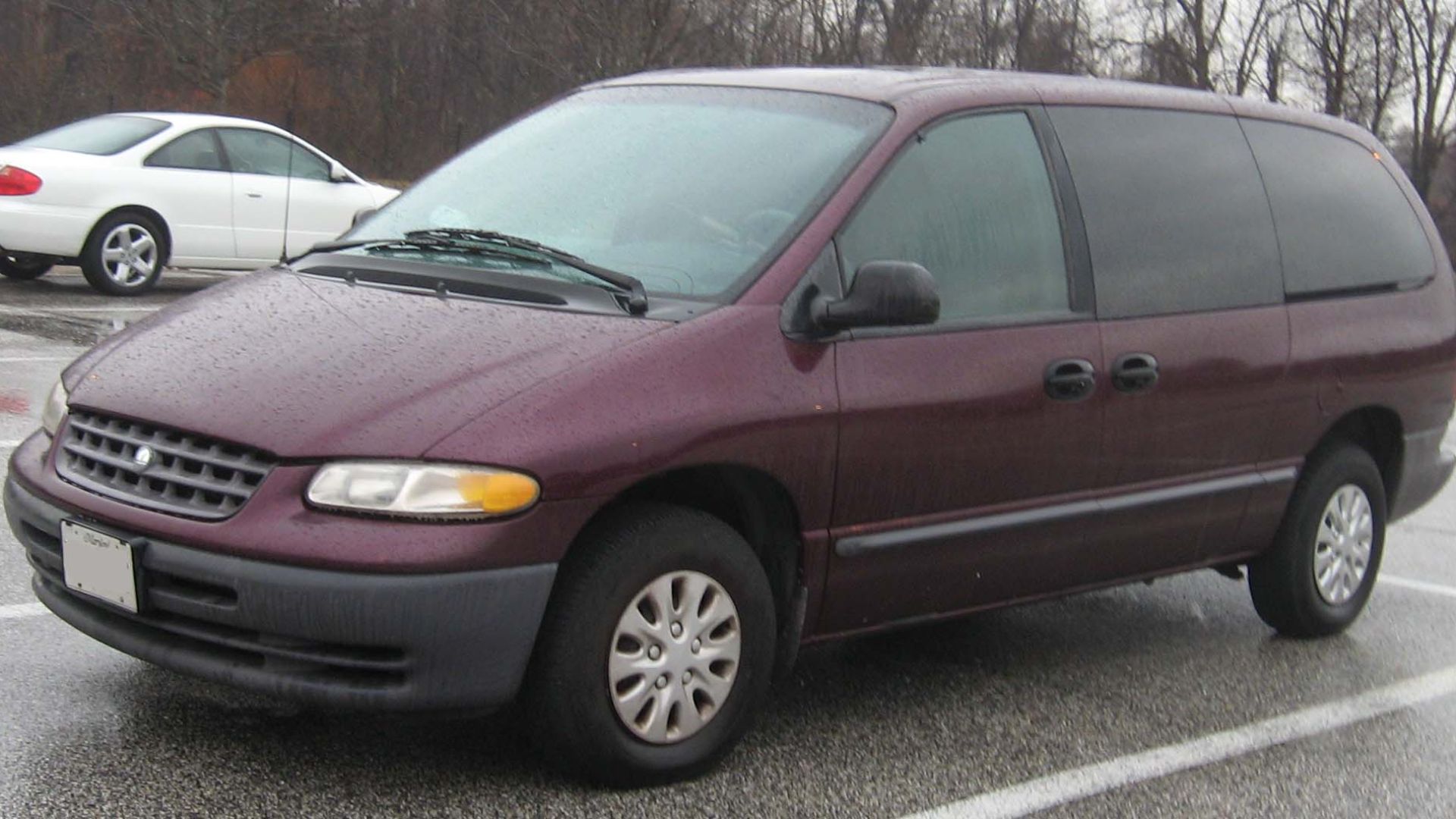
The Plymouth Voyager became one of the brand’s most important later models. As minivans took off in the 1980s and 1990s, the Voyager fit perfectly into family life. It carried kids, groceries, luggage, sports gear, and all the random stuff that somehow ends up in a family vehicle.
The Brand Started Losing Its Identity
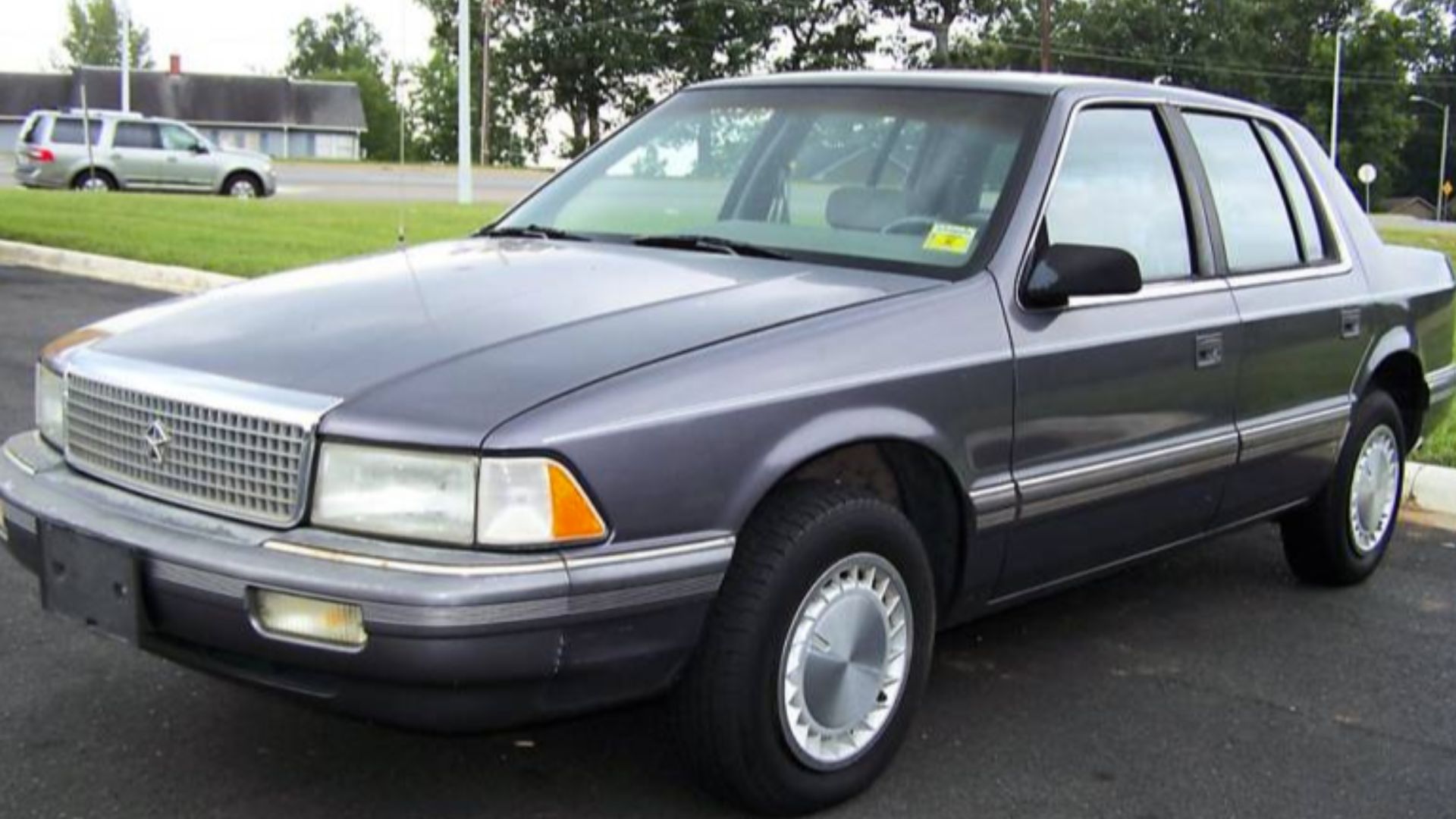
By the 1990s, Plymouth had a problem. Too many of its vehicles felt similar to Dodge or Chrysler models, which made it harder to explain why Plymouth needed to exist as its own brand. Once buyers could get nearly the same thing elsewhere in the company lineup, Plymouth’s role became less clear.
The Prowler Gave It One Last Spotlight
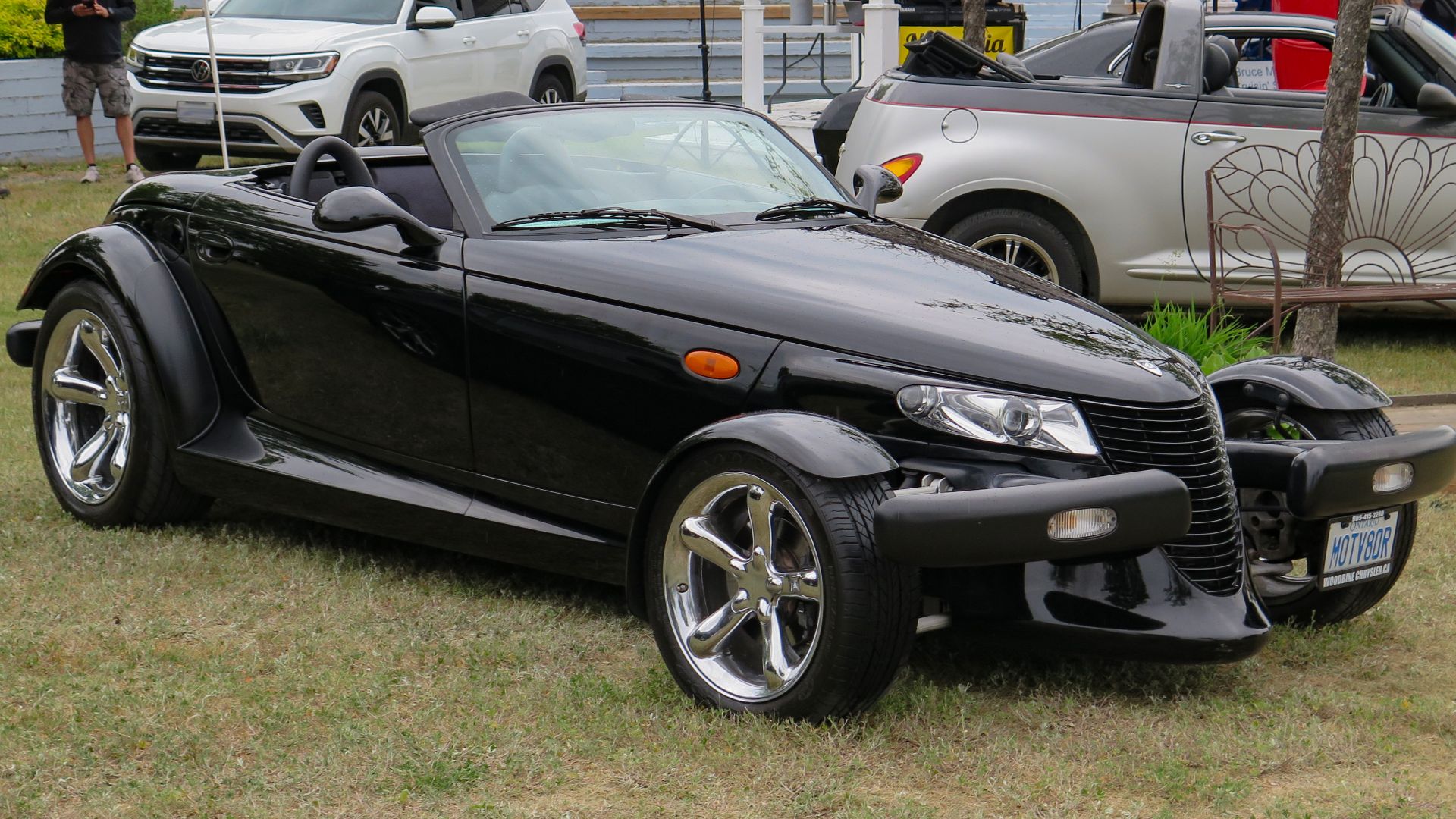
Before Plymouth disappeared, the Prowler gave the brand one last burst of attention. Its retro hot-rod styling was bold, strange, and impossible to ignore. It may not have saved Plymouth, but it proved the brand could still surprise people.
The End Came In 2001
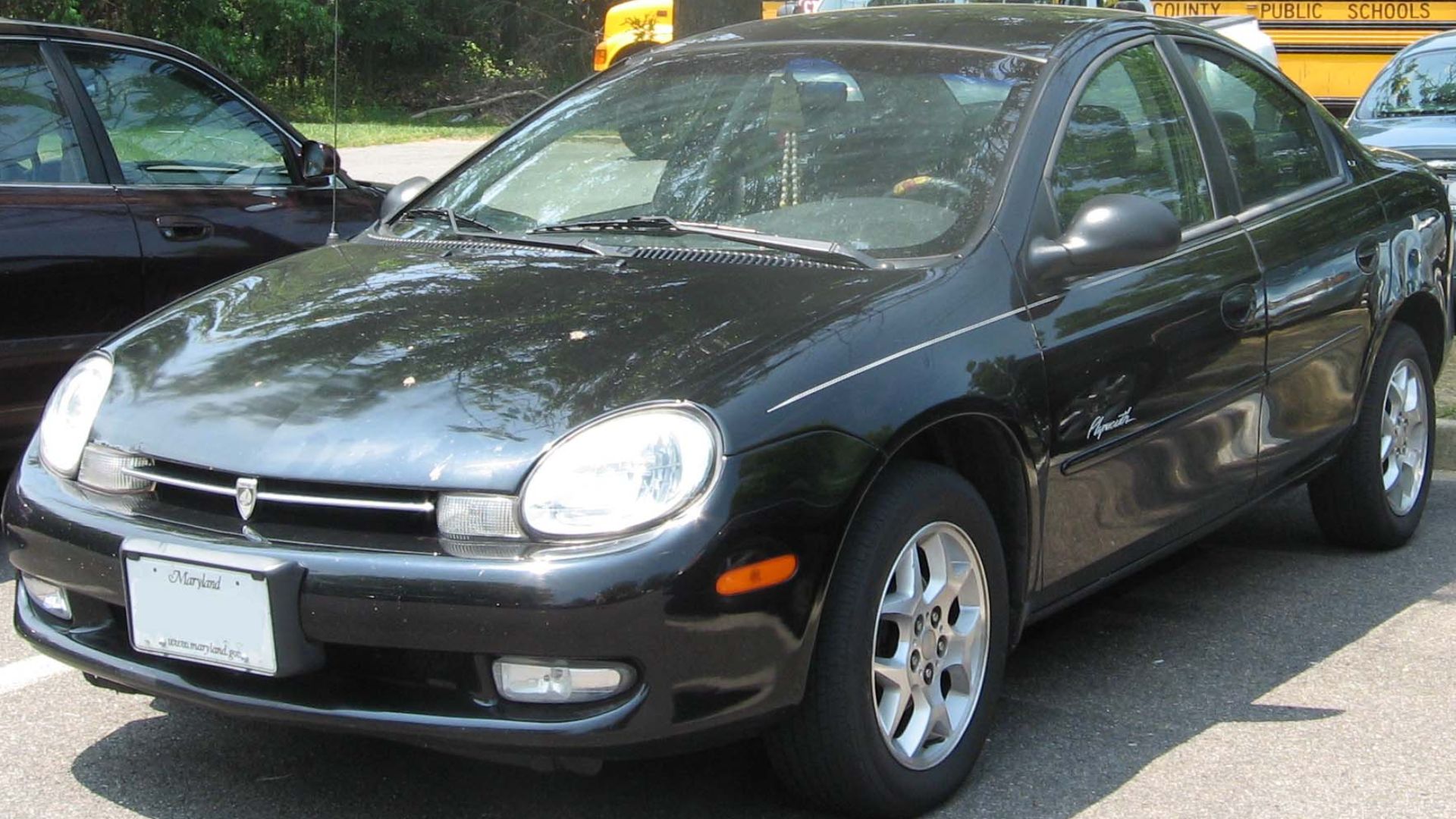
Plymouth officially ended production in 2001. By then, Chrysler had decided it no longer made sense to keep Plymouth separate from Dodge and Chrysler. After more than seventy years, the brand that once helped put millions of families on the road quietly reached the end of the line.
Why Plymouth Still Matters
Plymouth mattered because it understood regular buyers. It gave families affordable transportation, helped Chrysler grow into a powerhouse, and became part of everyday American life for generations. It was never the flashiest name in Detroit, but for millions of middle-class families, Plymouth was exactly the car they needed.
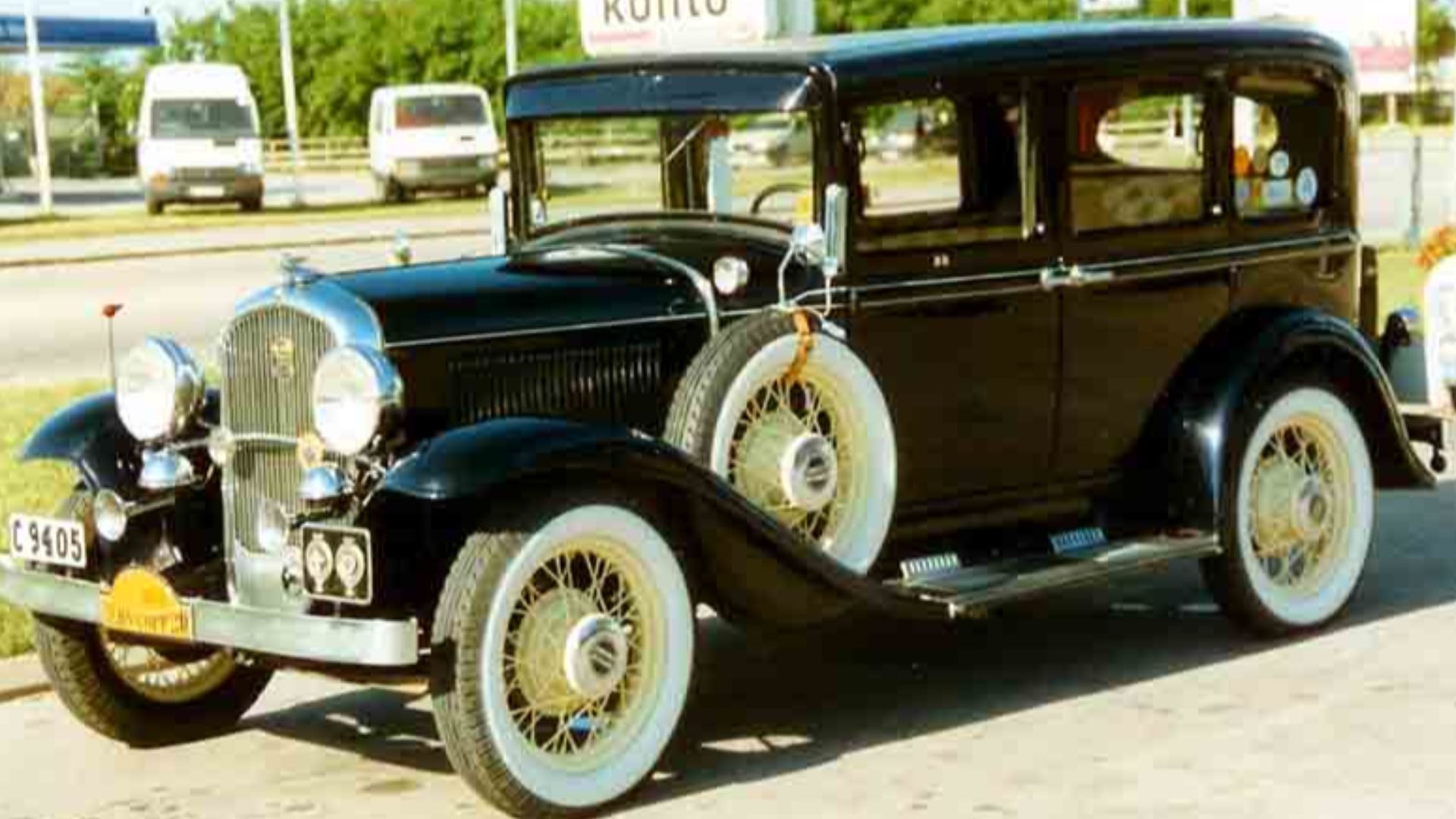 Lars-Goran Lindgren Sweden, Wikimedia Commons
You May Also Like:
Hyundai Ioniq 6: The 2023 World Car of the Year
Review: 2023 Honda Civic Type R
Review Of The 1957 Ford Thunderbird: A Timeless American Icon





.jpg)
.jpg)