The Tint Looked Fine, Then The Dashboard Lit Up
The windshield looked better, but the technology behind it stopped cooperating. When several safety features fail right after an accessory is installed, the cause can be less straightforward than it seems and there are a few possibilities worth ruling out before anyone starts replacing parts.
The Camera Behind The Windshield Does A Lot
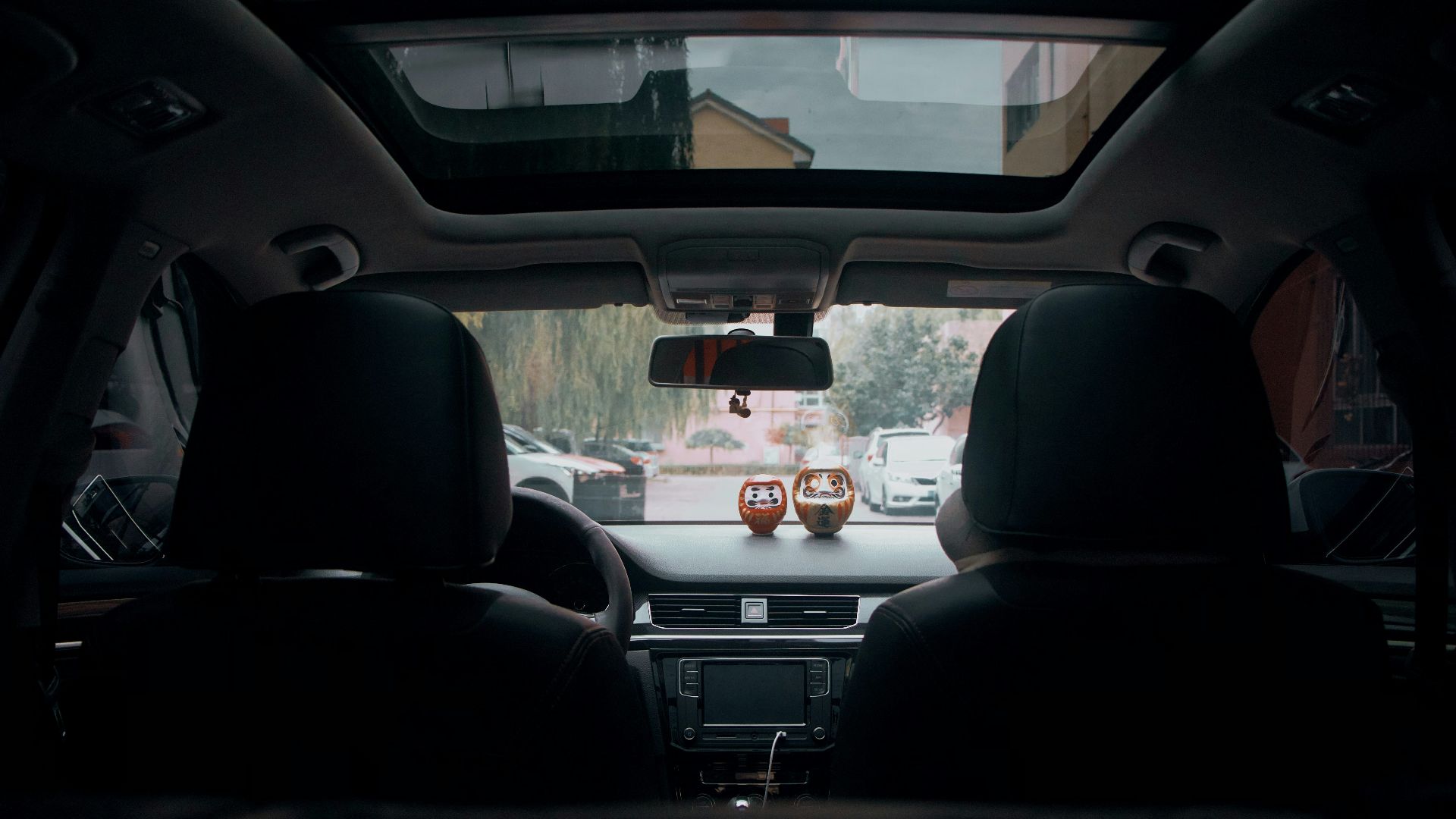
Many vehicles place a forward-facing camera near the rearview mirror. Depending on the SUV, it may support automatic emergency braking, lane departure warning, lane keeping assistance, traffic-sign recognition, adaptive cruise control, or automatic high beams. Blocking that camera can affect several features at once.
The Camera Needs A Clear View
These systems aren’t looking through the windshield the same way a human driver does. The camera relies on a specific field of view, along with predictable light transmission and optical clarity. Anything that changes what reaches the lens can potentially affect performance.
Tint Can Be A Problem
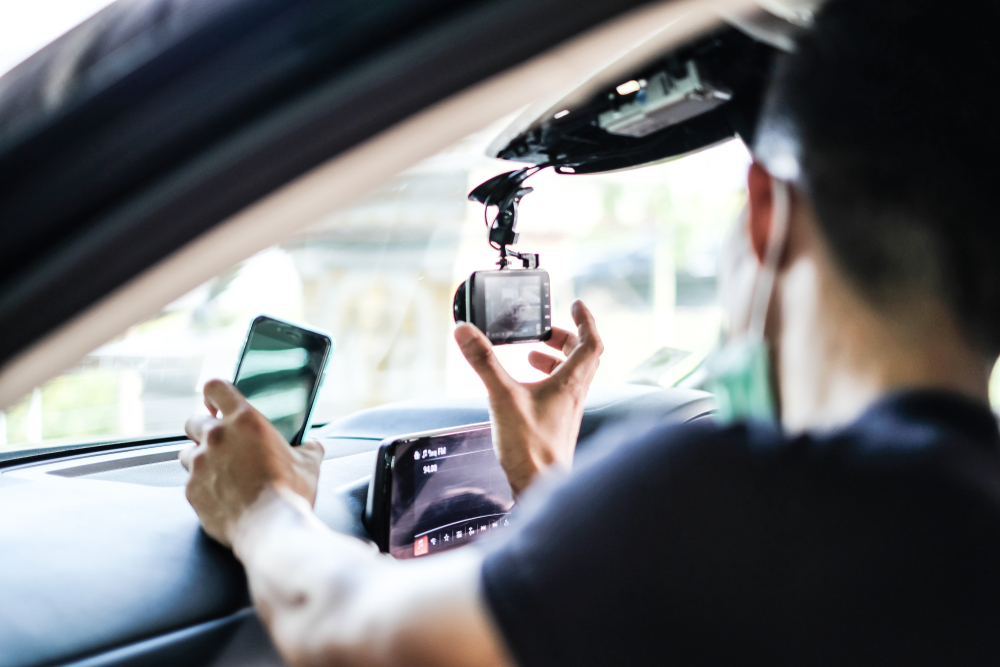
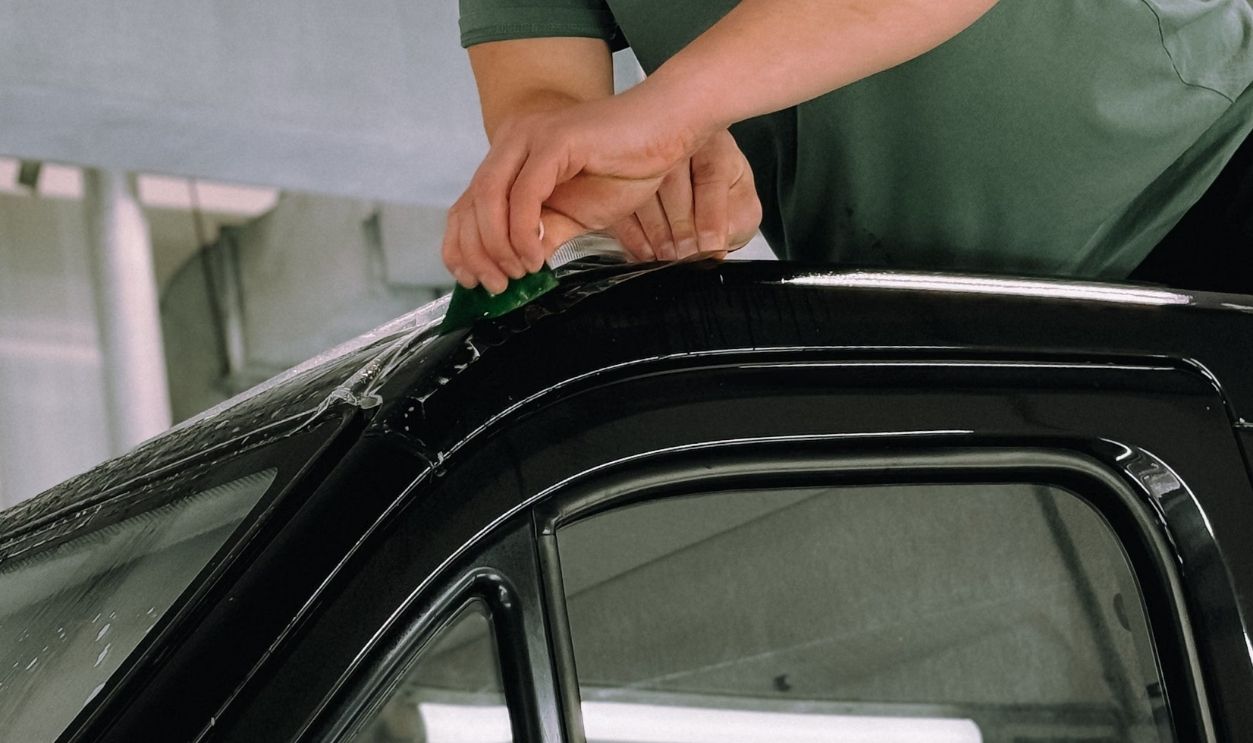
Automaker service information specifically recognizes applied tint as a possible source of front-camera problems. If tint film extends across the camera’s viewing area, it can reduce light, create reflections, distort the image, or prevent calibration from completing properly.
Even Light Tint Can Matter
The windshield doesn’t necessarily have to look dramatically dark to you. A camera can be more sensitive to reduced contrast, glare, reflections, or optical distortion than a human driver. That’s why an installer shouldn’t assume a film is harmless simply because visibility still looks good from the driver’s seat.
The Camera Area May Need To Stay Completely Clear
Many vehicles have a defined area around the forward camera that shouldn’t be covered by tint, stickers, toll transponders, dashcam mounts, or other accessories. The exact restricted area differs by vehicle. Check the owner’s manual or manufacturer service information before putting anything near the camera housing.
A Tint Strip Can Cause Trouble Too
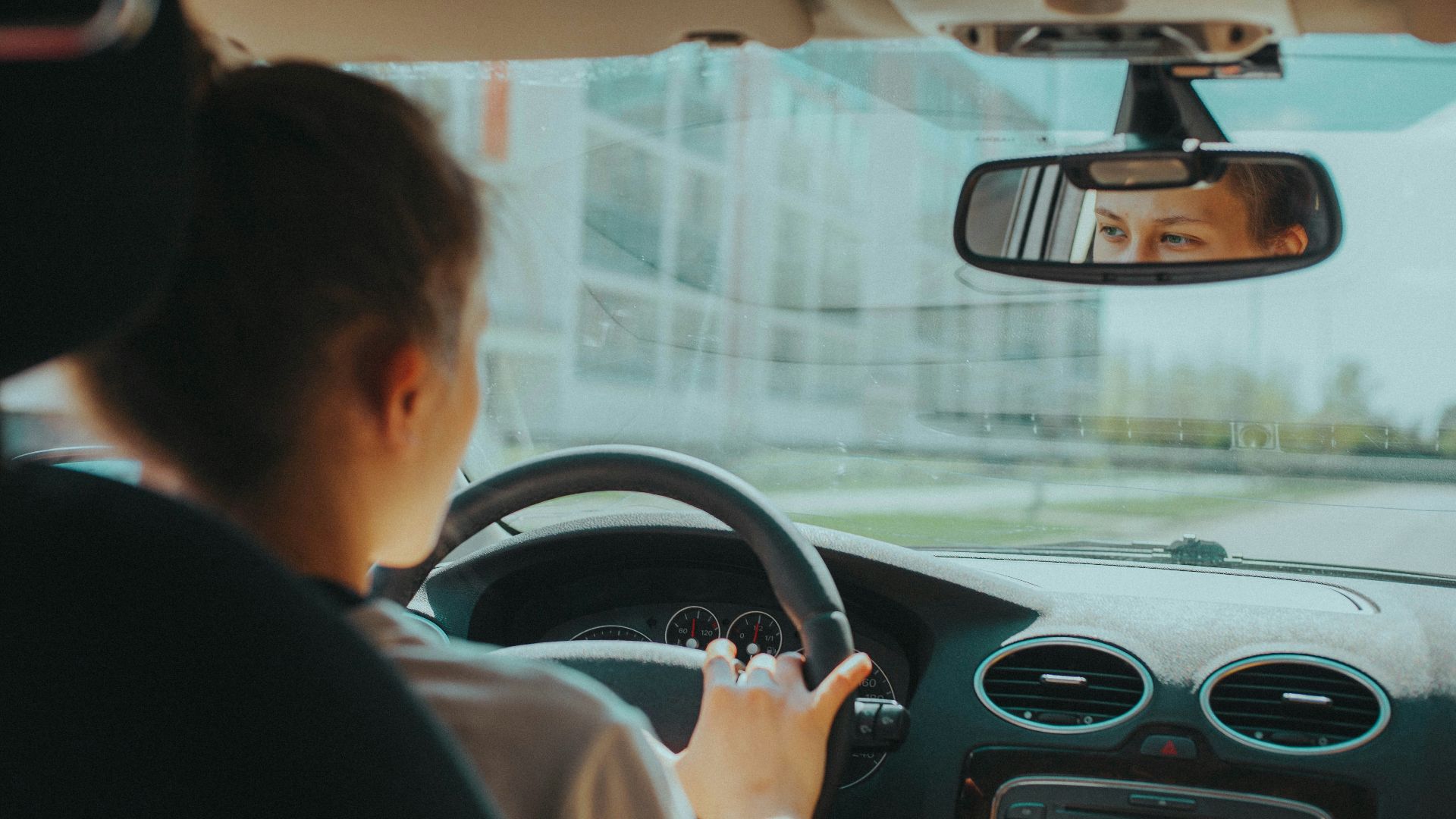
A dark band across the top of the windshield may seem safely out of the driver’s main sightline. But if the forward camera sits high behind the mirror, that strip may fall directly in its field of view. Some automaker diagnostic guidance specifically mentions windshield banners and tinted glass as possible obstructions.
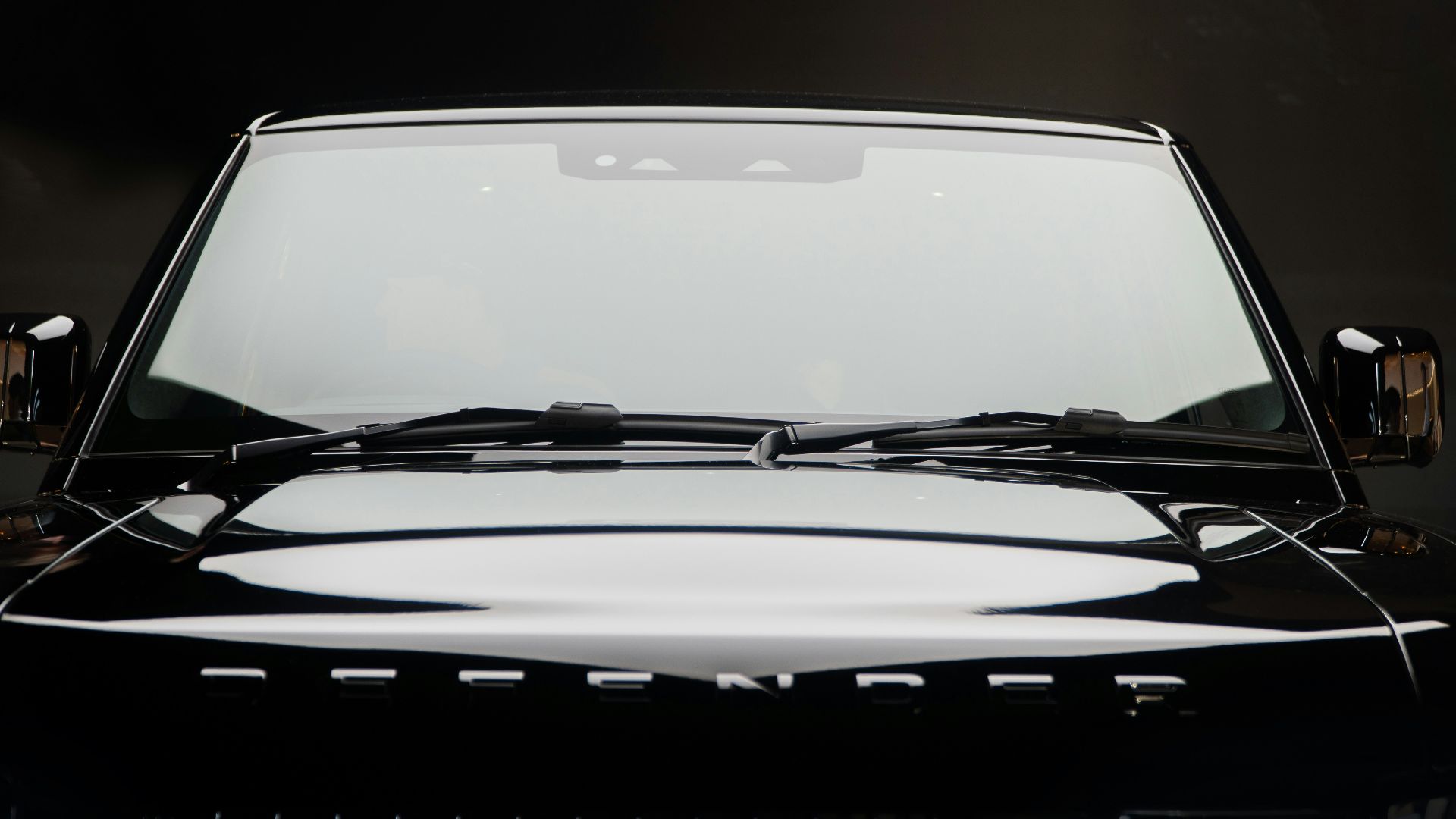
Dashcams Can Interfere As Well
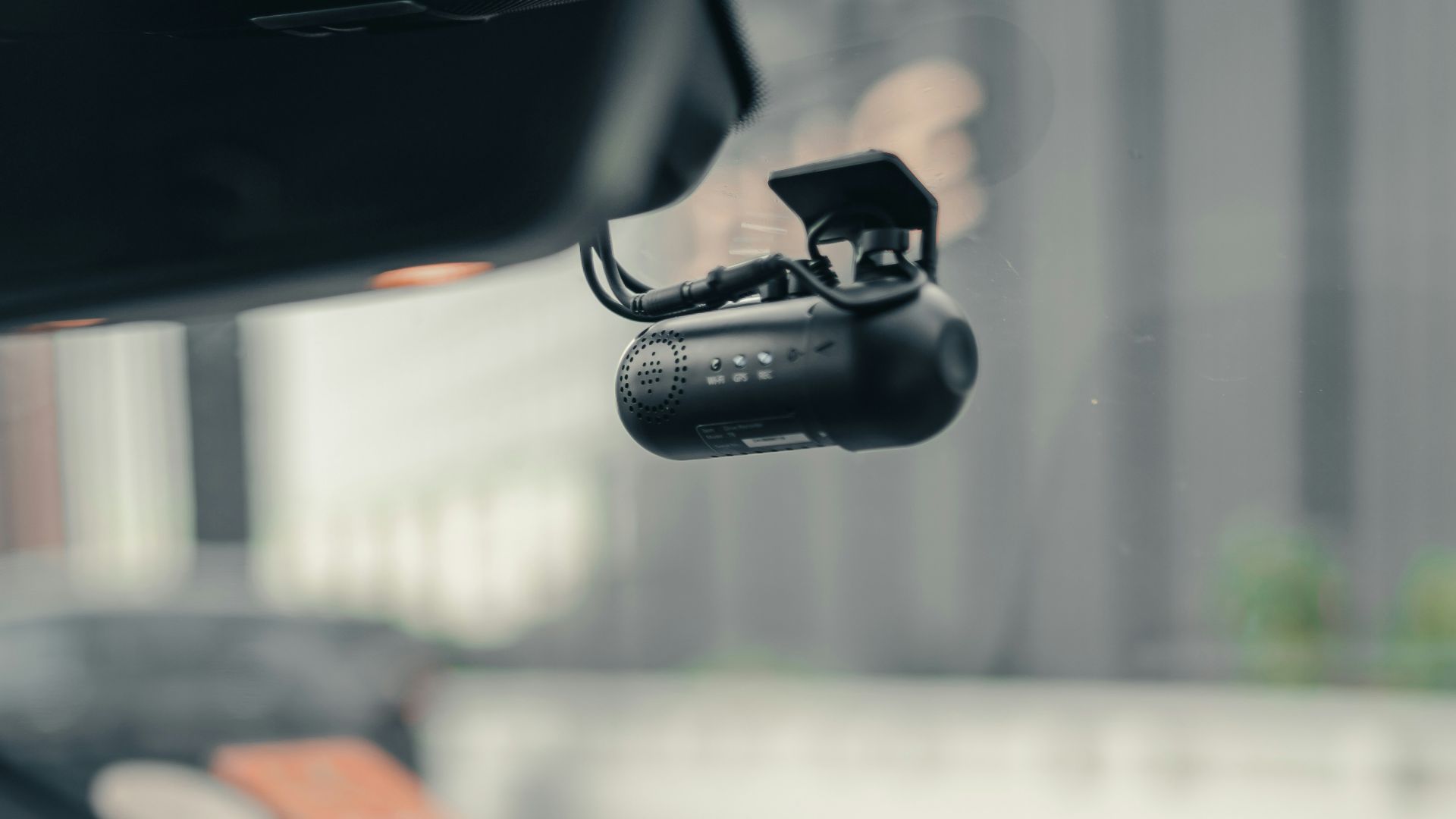
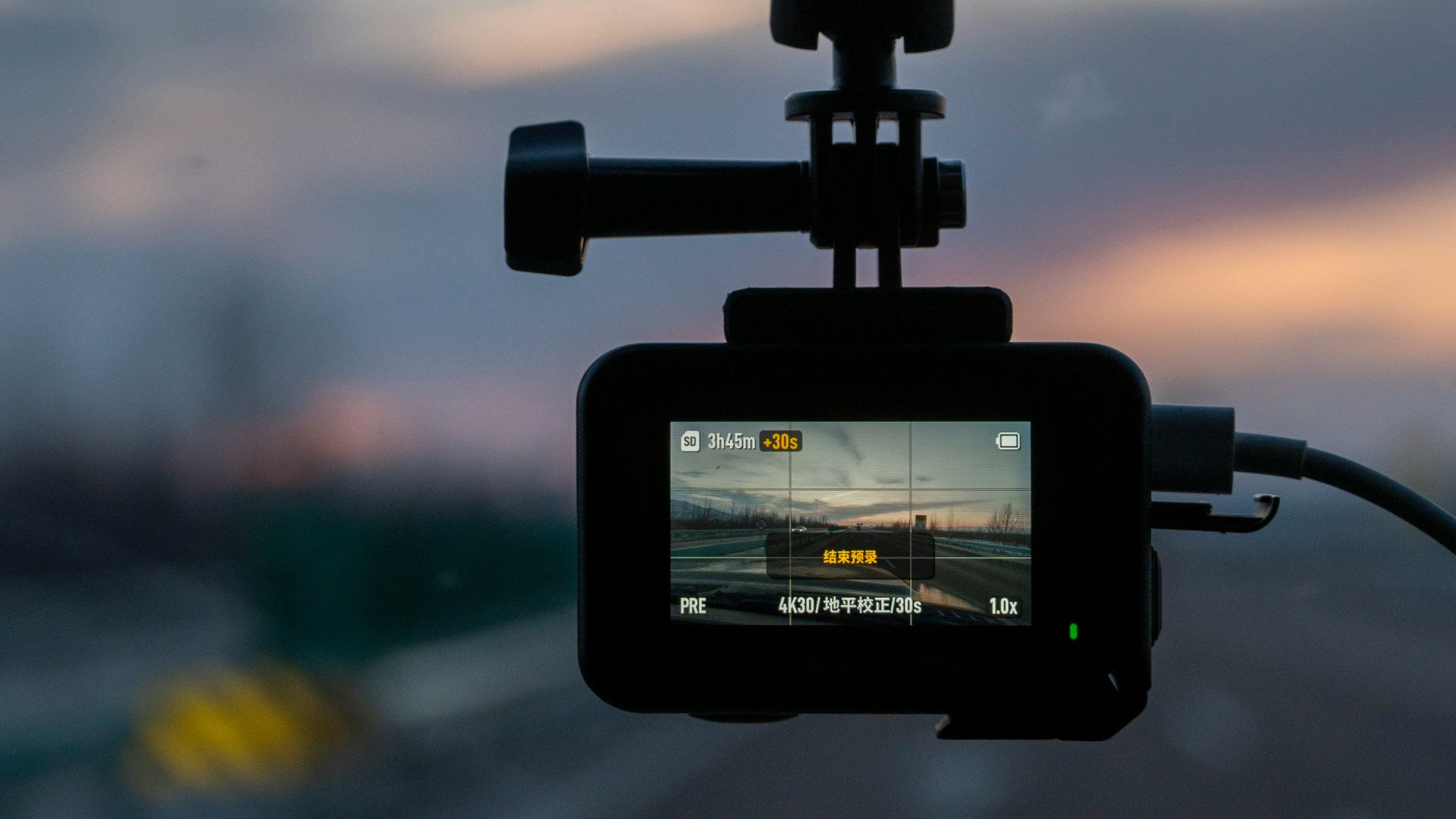
A dashcam mounted too close to an ADAS camera can physically block part of its view. The mount, power cable, or adhesive pad can also end up where the safety camera needs clear glass. Position aftermarket cameras according to both the dashcam instructions and the vehicle manufacturer’s restrictions.
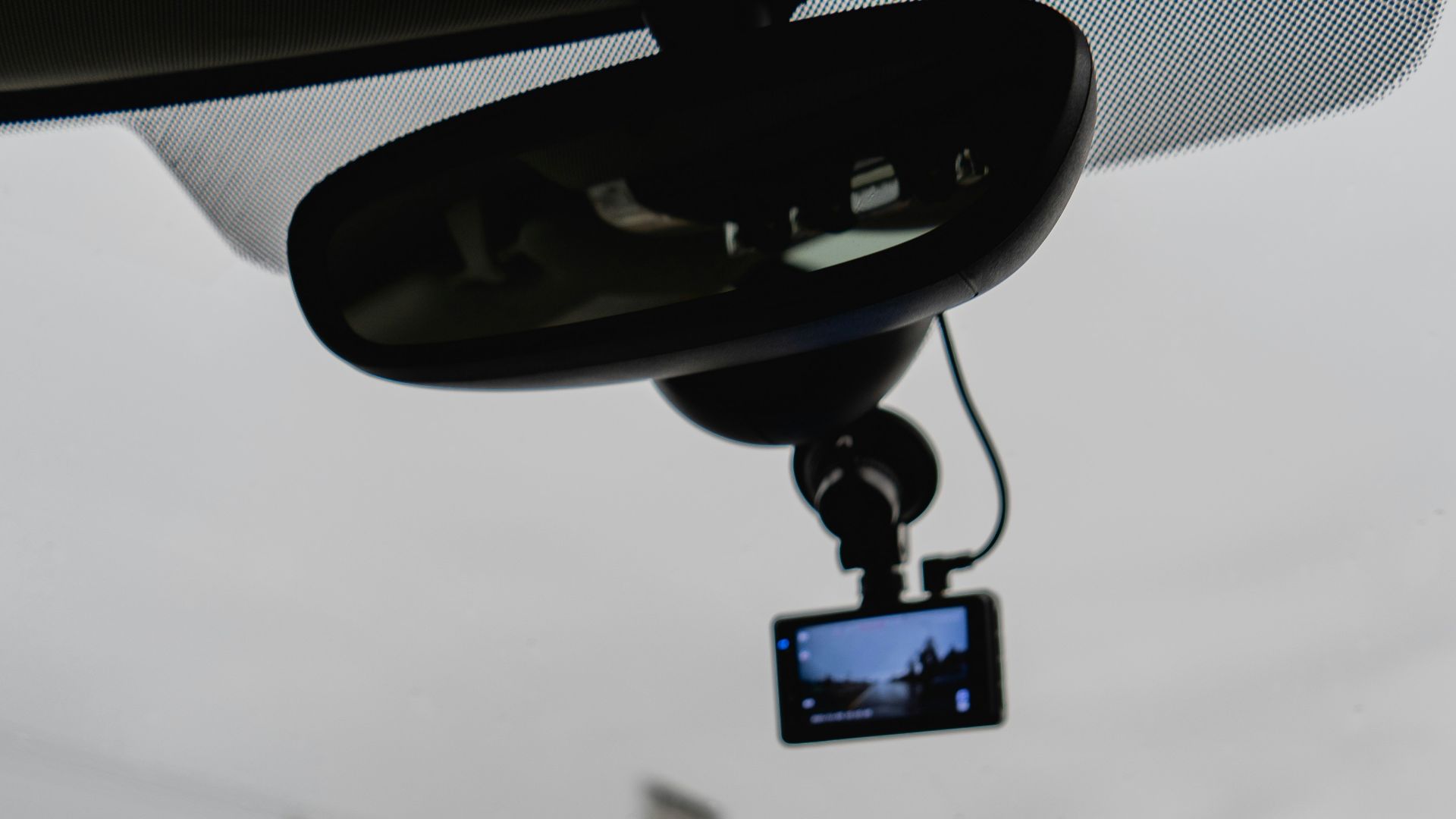
Toll Tags And Stickers Aren’t Automatically Harmless
Small objects can still matter if they’re placed directly in front of a sensor. Parking permits, inspection stickers, toll transponders, phone mounts, and decorative decals should be kept away from identified camera and sensor zones.
Dirt Can Produce The Same Warning
Before assuming the tint destroyed something, inspect the windshield around the camera. Dirt, snow, ice, condensation, road salt, or even a badly streaked windshield can temporarily block the view. Manufacturers routinely tell technicians to check for these simple causes before replacing camera hardware.
Weather Can Shut Systems Down Temporarily
Heavy rain, fog, snow, glare, and low visibility can also produce “camera blocked” or “system unavailable” warnings. If the warning appeared only during bad weather, that may be normal. If it started immediately after the tint installation and remains in clear conditions, the accessory deserves much closer attention.
Start By Reading The Exact Warning
Write down the message rather than describing it as “the safety system broke.” “Front camera blocked,” “driver assistance unavailable,” and “calibration incomplete” can point technicians in different directions. Take a photo of the dashboard message before clearing anything.
Check Whether Multiple Features Failed Together
If lane keeping, collision warning, and automatic high beams all stopped working at the same time, they may share the same forward camera. A cluster of warnings after a windshield modification can therefore have one surprisingly simple cause.
Removing The Tint Near The Camera May Fix It
If the film covers the camera’s viewing area, the installer may be able to cut or remove the film from that section. Whether that alone restores operation depends on the vehicle. Some systems may begin working again once the view is clear, while others may still need calibration or diagnostic work.
 T U N Λ H Λ N • Λ K M Λ N, Unsplash
Don’t Cut Around The Camera Yourself
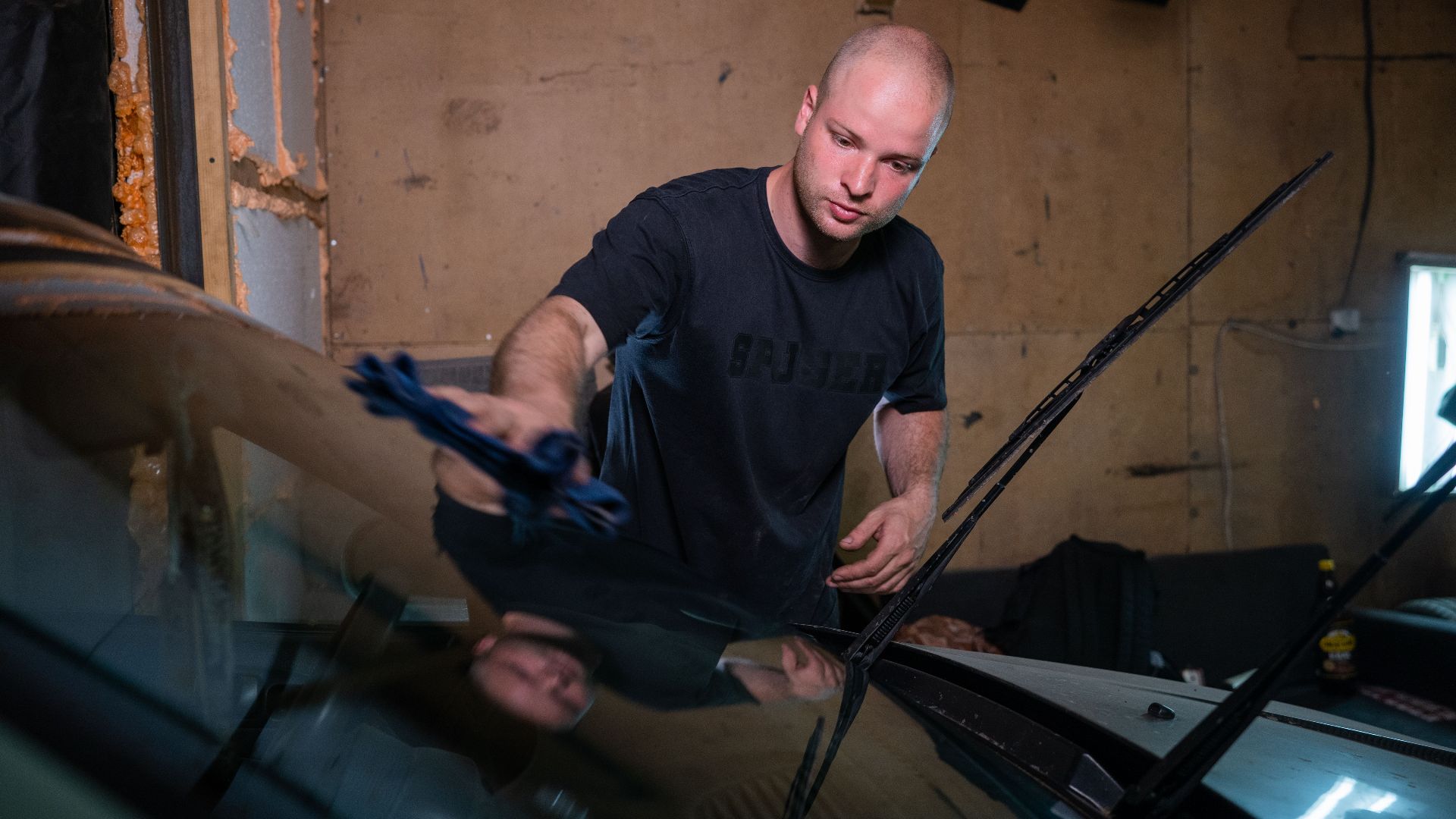
Windshield film can be difficult to remove cleanly, especially near sensor housings, defroster components, or delicate trim. You also don’t want to scratch the glass or disturb the camera mount. Take the vehicle back to the installer or a qualified glass shop.

Calibration May Be Part Of The Problem
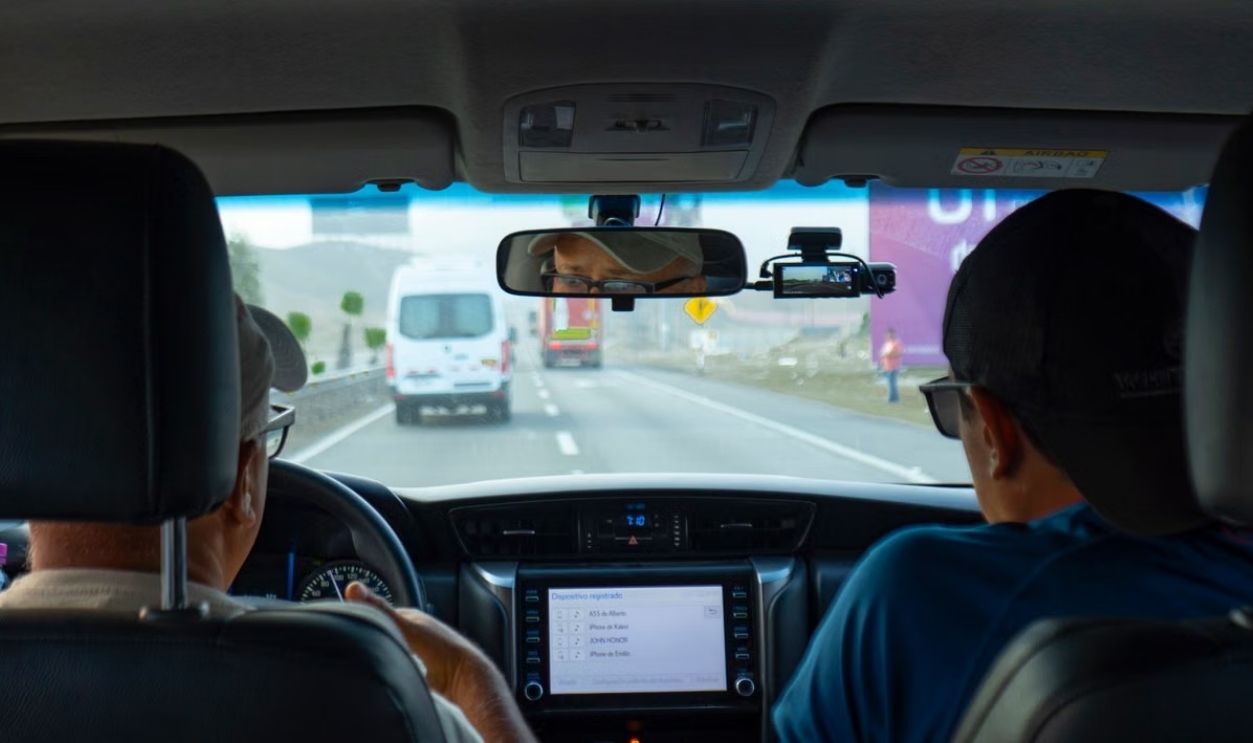
Modern safety cameras often need to know their exact position relative to the vehicle and road. That alignment process is called calibration. If the camera’s view has been altered or the windshield has been disturbed, some vehicles may require a calibration procedure before the features work normally again.
Windshield Replacement Commonly Requires Calibration
This is one reason modern windshield replacements can cost so much more than they used to. IIHS notes that many vehicles need camera or sensor calibration after windshield replacement, and owners can experience problems with crash-avoidance systems if the repair or calibration isn’t completed correctly.

Tinting Usually Doesn’t Move The Camera, But It Can Affect What It Sees
Installing film isn’t the same as replacing the windshield, so calibration isn’t automatically required on every vehicle. But if the system can’t see properly through the film, a calibration may fail or become impossible. Removing the obstruction should come before trying to recalibrate around it.
The Glass Itself Can Matter Too
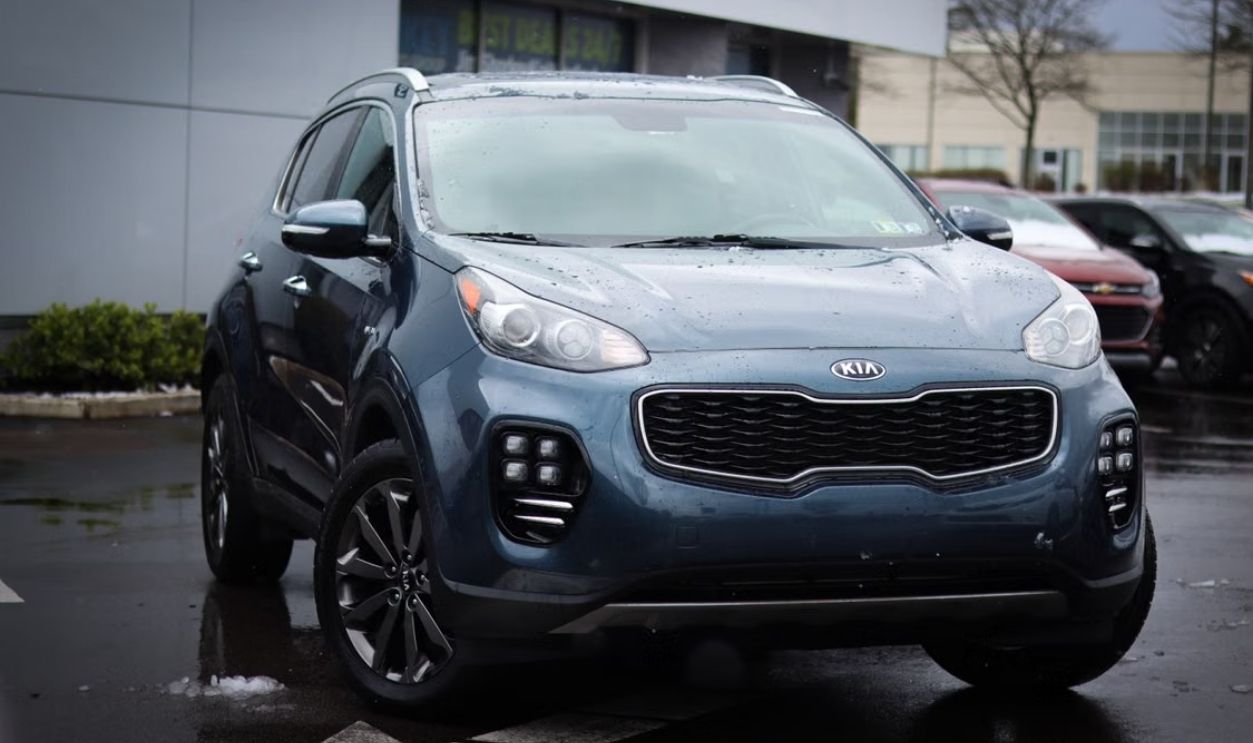
If the windshield was replaced at the same time as the tint installation, the problem may not be the film alone. Incorrect glass, an improperly positioned camera bracket, or installation errors can affect ADAS operation. Automaker service bulletins specifically identify incorrect windshield installation as a potential cause of camera faults.
Aftermarket Glass Isn’t Automatically Bad
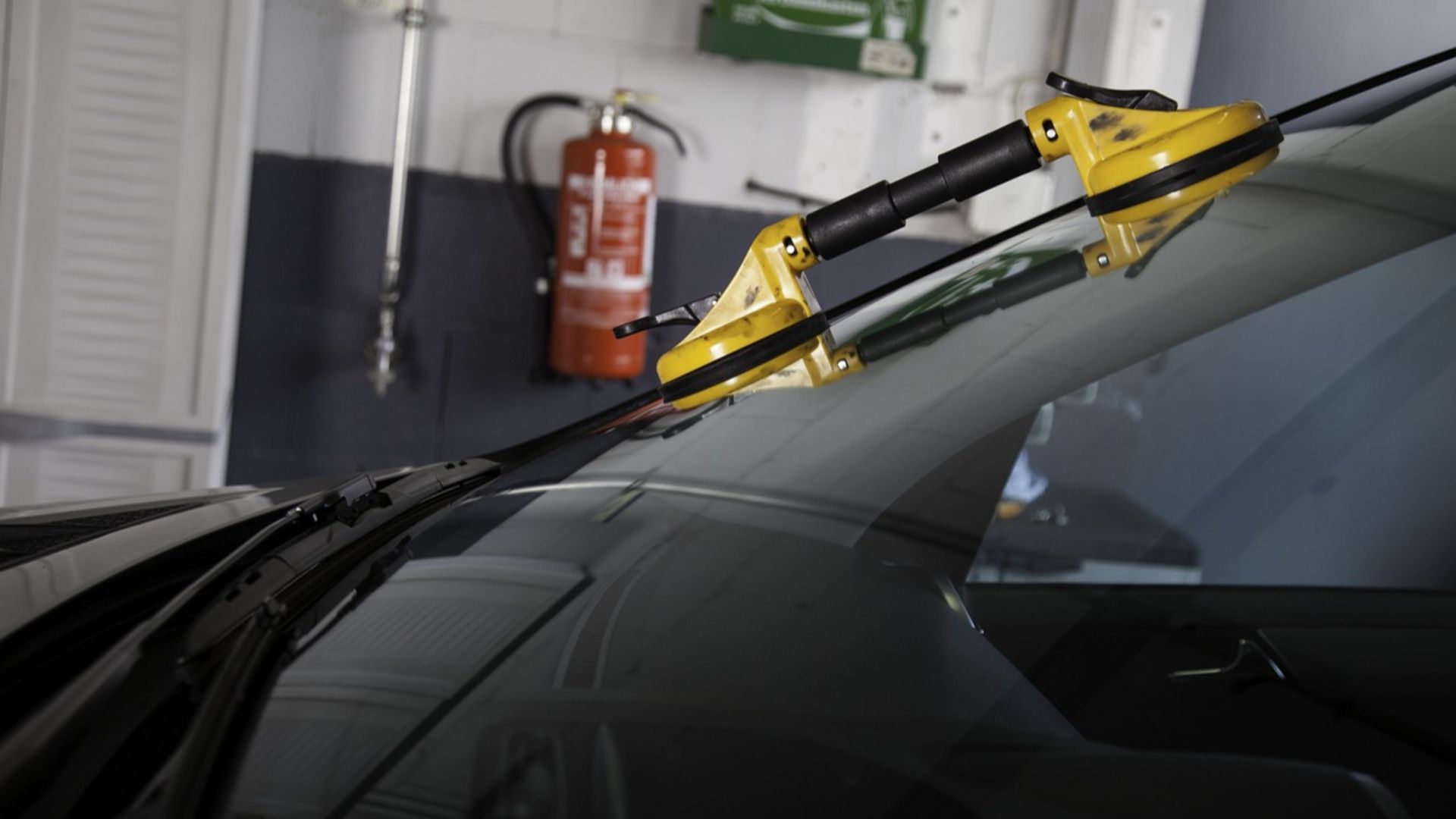
Quality aftermarket windshields can work properly on many vehicles. The problem is using glass that doesn’t meet the correct specifications for a vehicle’s camera, head-up display, rain sensor, heating elements, or other equipment. The replacement has to be appropriate for the exact configuration.
Ask Whether The Installer Checked For ADAS
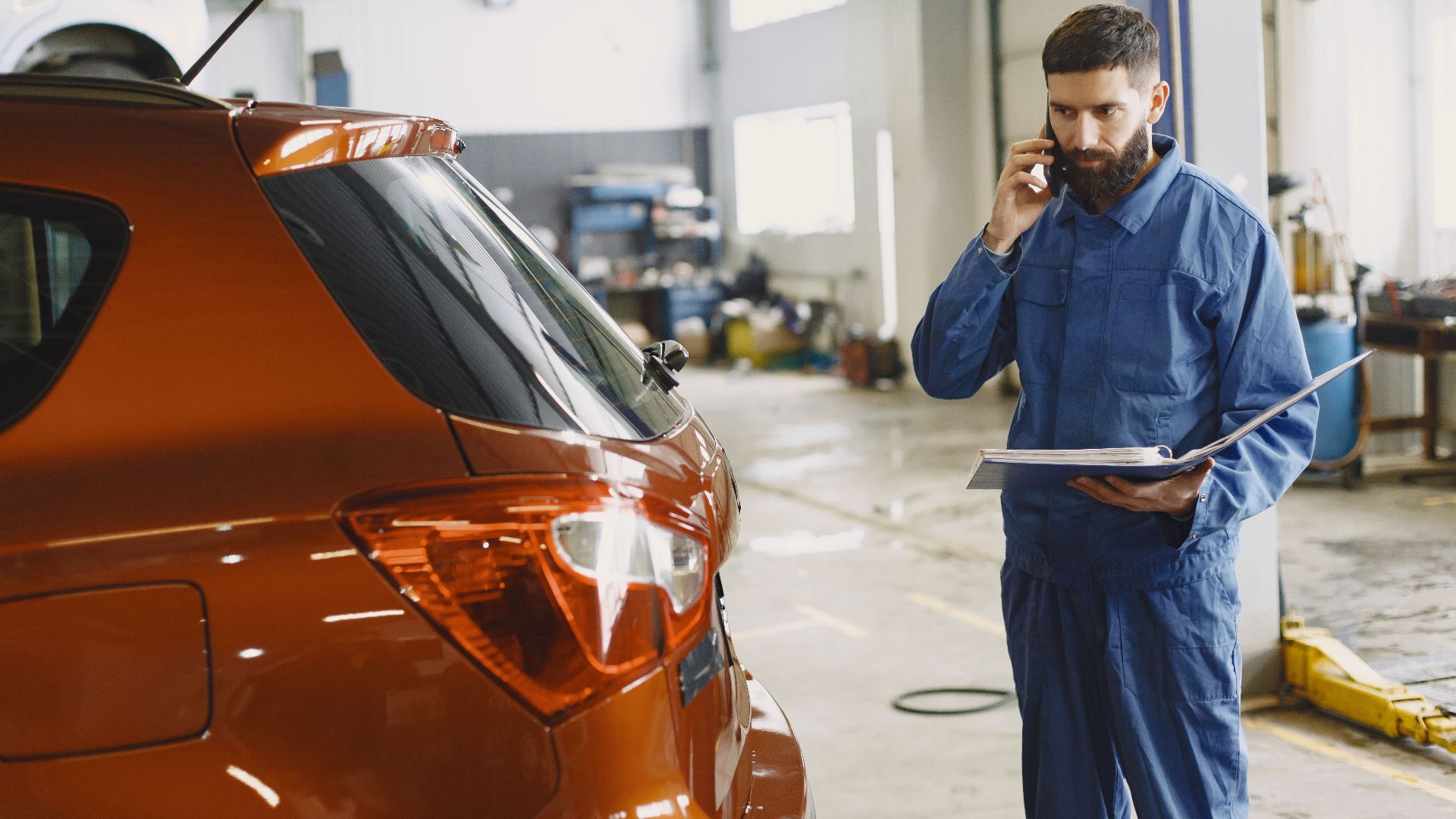
A competent tint or glass installer should recognize that a windshield-mounted camera changes the job. Ask whether they checked the manufacturer’s restrictions before applying the film and whether the camera area was intentionally left clear.
Go Back To The Installer First
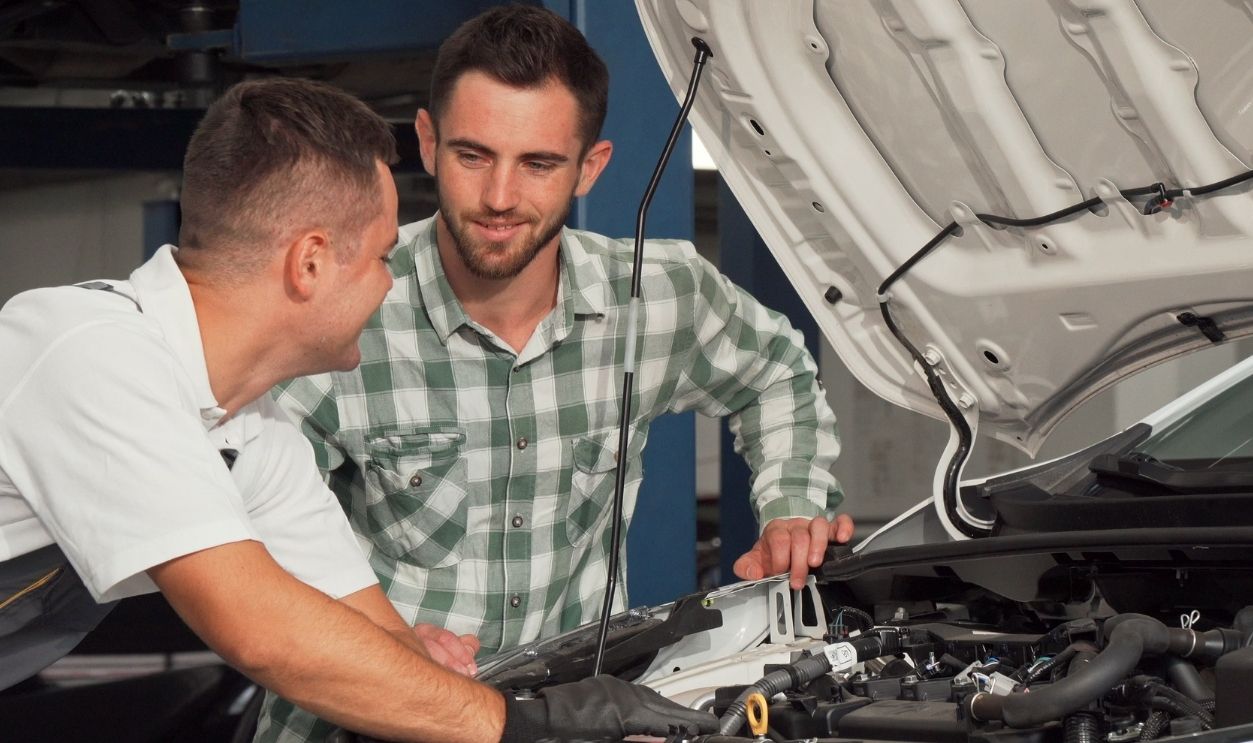
If the warnings appeared immediately after the tint was installed, give the shop a chance to inspect its work. Show them when the problem began and ask whether the film overlaps the camera zone. A reputable installer may correct the film without charging you again.

Don’t Let Them Diagnose It By Guessing
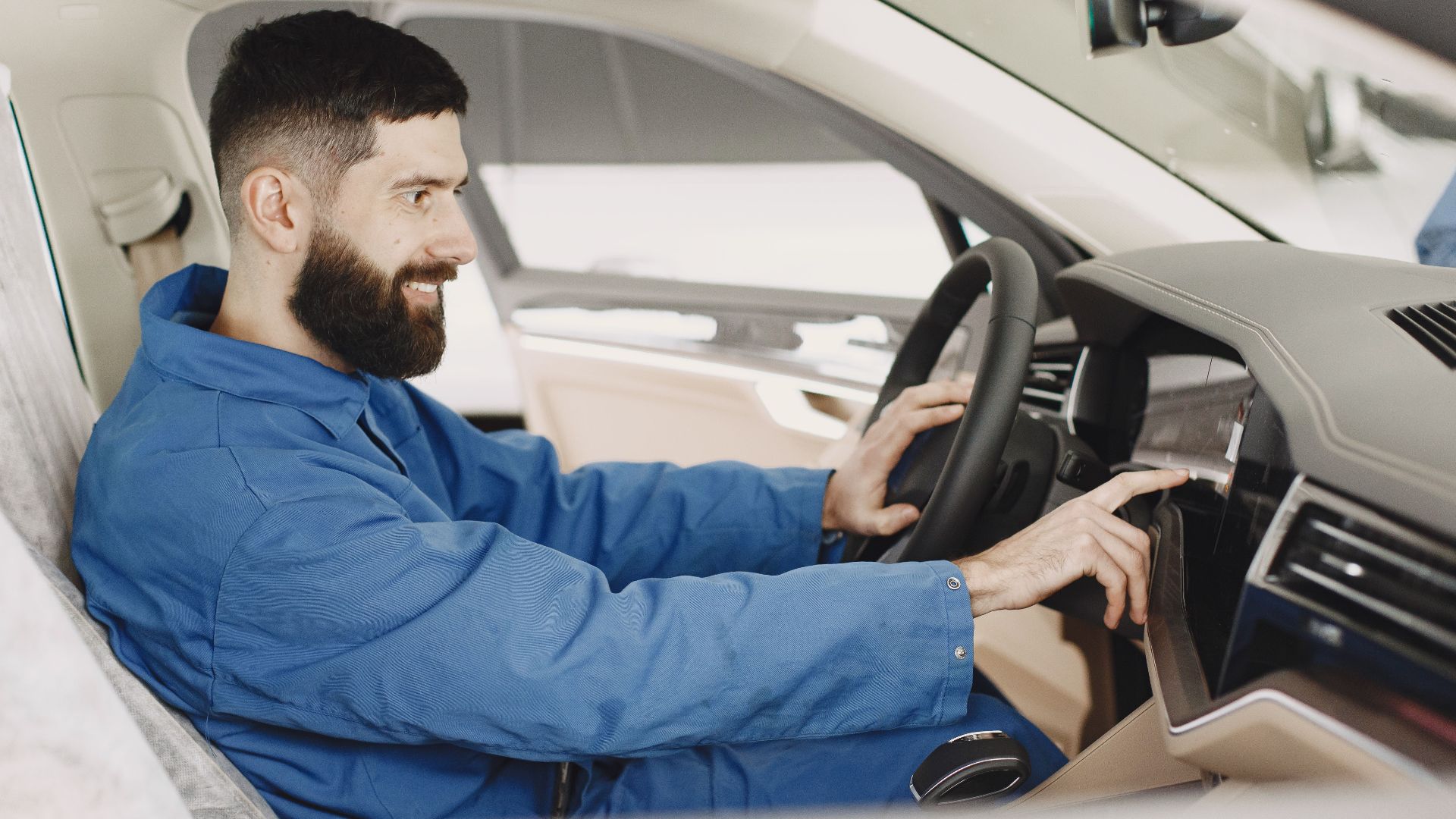
If simply clearing the camera area doesn’t solve the issue, get the vehicle scanned for diagnostic trouble codes and checked according to the manufacturer’s procedure. A camera warning can also come from low battery voltage, wiring problems, software issues, or communication faults elsewhere in the vehicle.
Replacing The Camera Shouldn’t Be Step One
A new camera can be expensive, and recent manufacturer guidance specifically warns technicians not to replace front camera modules before ruling out windshield, tint, calibration, electrical, and software issues. If the problem began after an accessory installation, investigate that connection first.

Warranty Coverage Can Get Complicated
A manufacturer generally isn’t required to pay for a failure caused by an aftermarket modification. But the presence of tint doesn’t automatically prove that every unrelated camera problem is your fault. Ask the dealer to document the diagnosis and explain why the accessory caused the failure if warranty coverage is denied.
The Tint Shop May Be Responsible For Correcting Its Work
If the installer covered an area the vehicle manufacturer clearly says must remain unobstructed, ask the shop to remove or redo the film and cover any reasonable corrective work it caused. Your strongest case will be the installation invoice, photos of the film, the vehicle instructions, and a written diagnosis linking the problem to the tint.
Don’t Ignore Disabled Safety Features
Lane centering or automatic high beams may feel optional, but other systems can be more consequential. If forward collision warning or automatic emergency braking is unavailable, you’re driving without a safety feature you normally expect to be there. Don’t assume it’ll fix itself eventually.

Keep Driving Like The Technology Isn’t There
ADAS features are designed to assist the driver, not replace attention or braking. If the system is unavailable, increase your awareness rather than trying to test whether it might still intervene. Follow the owner’s manual if it advises service for a persistent warning.
Check Accessories Before Adding More
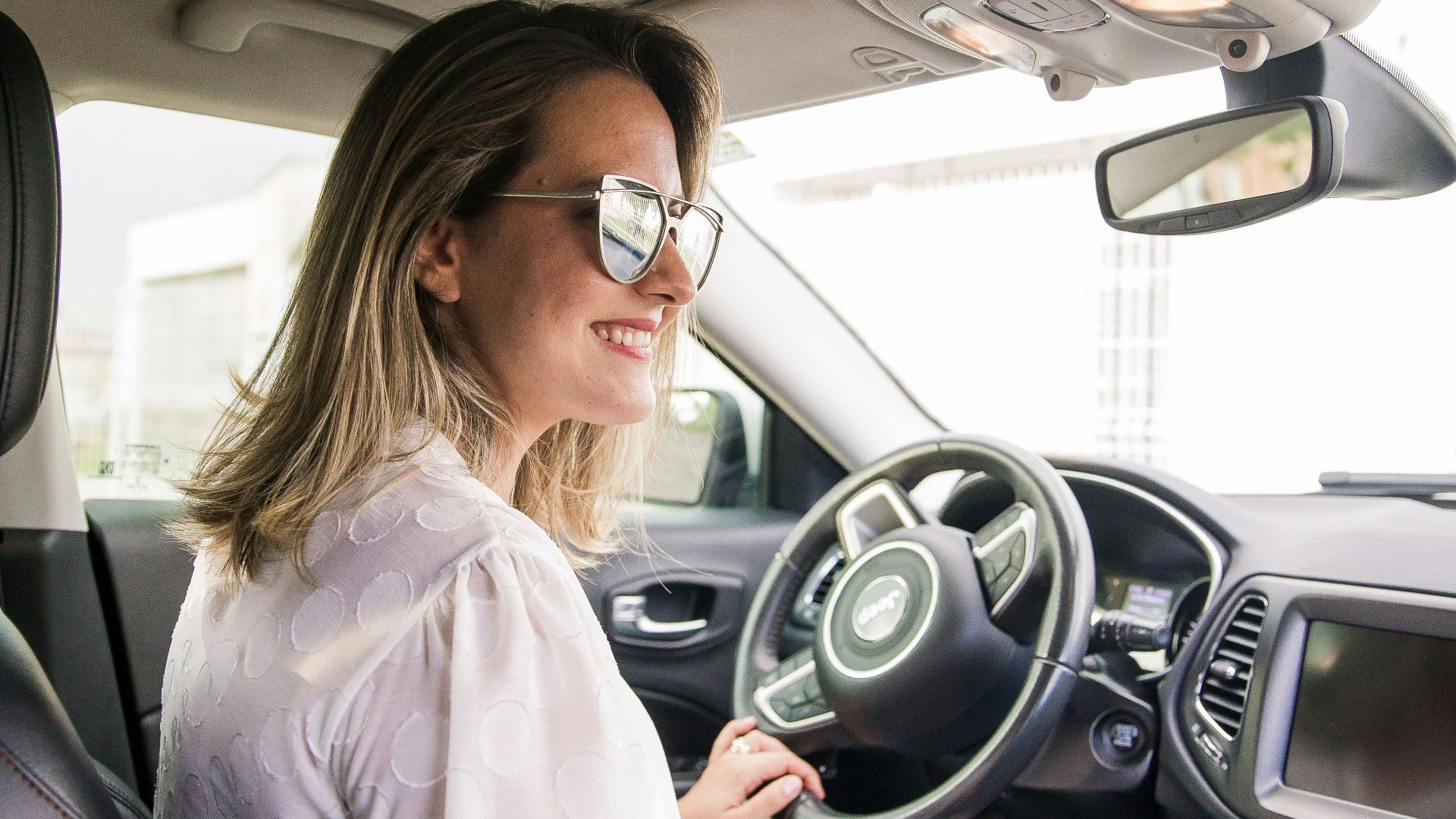
Modern SUVs may have cameras in the windshield, mirrors, grille, bumpers, tailgate, and around the body. Radar and ultrasonic sensors may be hidden behind exterior panels too. Before installing tint, wraps, bumper accessories, grille guards, license-plate mounts, or electronics, find out what sensors occupy that area.
Modern Accessories Need A Modern Installation
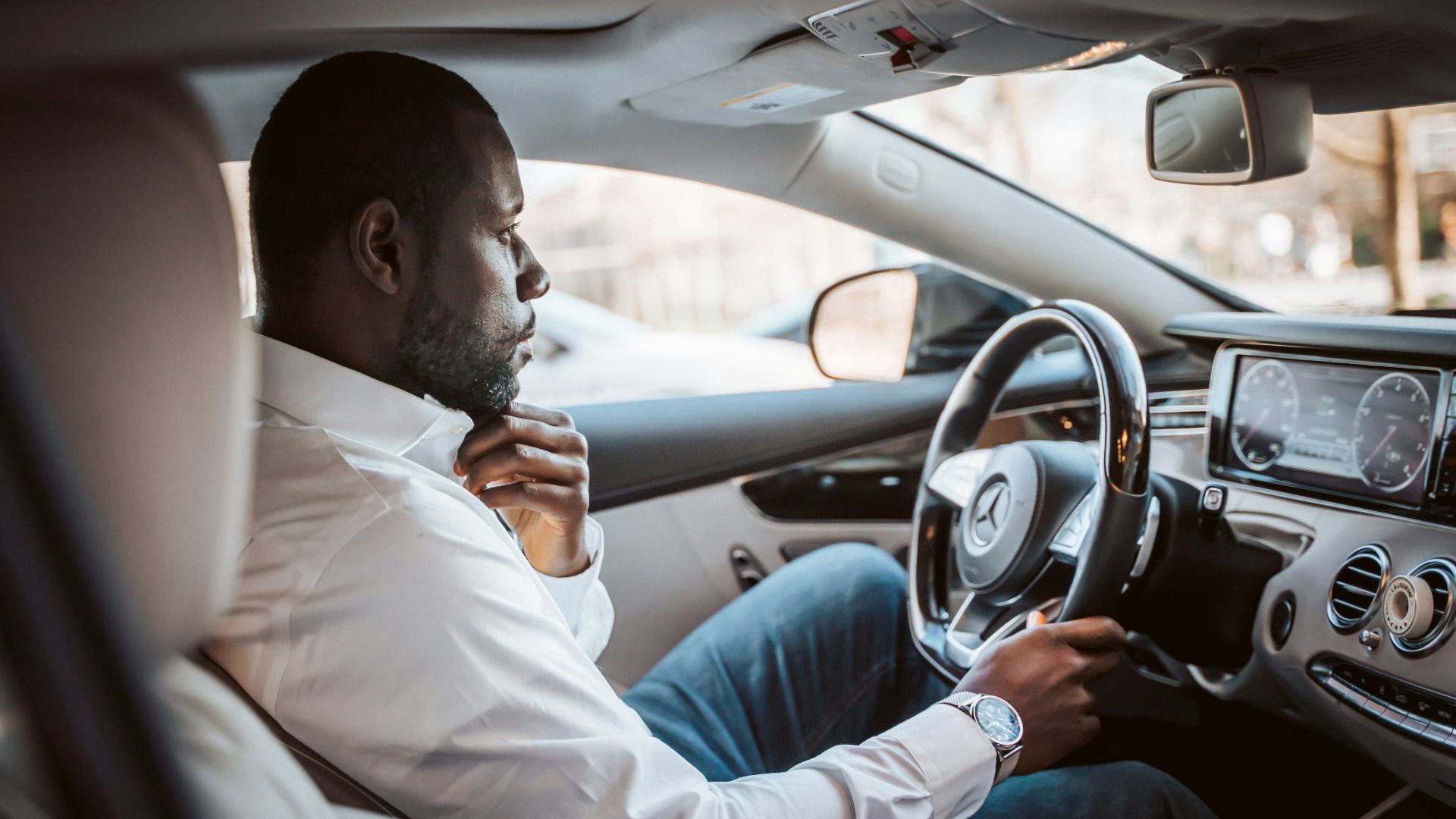
The days when a windshield was just a sheet of glass are disappearing. If your safety systems stopped working immediately after tint was installed, the film may be blocking the camera, but calibration, glass installation, or another fault could also be involved. Start with the simplest question: is anything covering the camera’s required view? If so, remove the obstruction, have the system properly diagnosed, and don’t accept an expensive camera replacement until the installer or technician has ruled out the accessory that changed everything in the first place.
You May Also Like: