My New Glass Keeps Cracking
Your factory windshield survived years of highway driving, but its replacement seems to chip whenever a pebble looks at it sideways. After two or three replacements, it is reasonable to wonder whether aftermarket glass is thinner, weaker, poorly installed, or simply unlucky. The answer is more complicated than it appears.
Drivers Notice The Difference
Windshield owners frequently raise this question online. Reddit discussions include drivers convinced replacement glass chips more readily, while others report satisfactory aftermarket installations. Those experiences are useful clues, but they can't establish once and for all that aftermarket windshields as a category are inherently weaker than factory glass.
Aftermarket Doesn’t Mean Unsafe
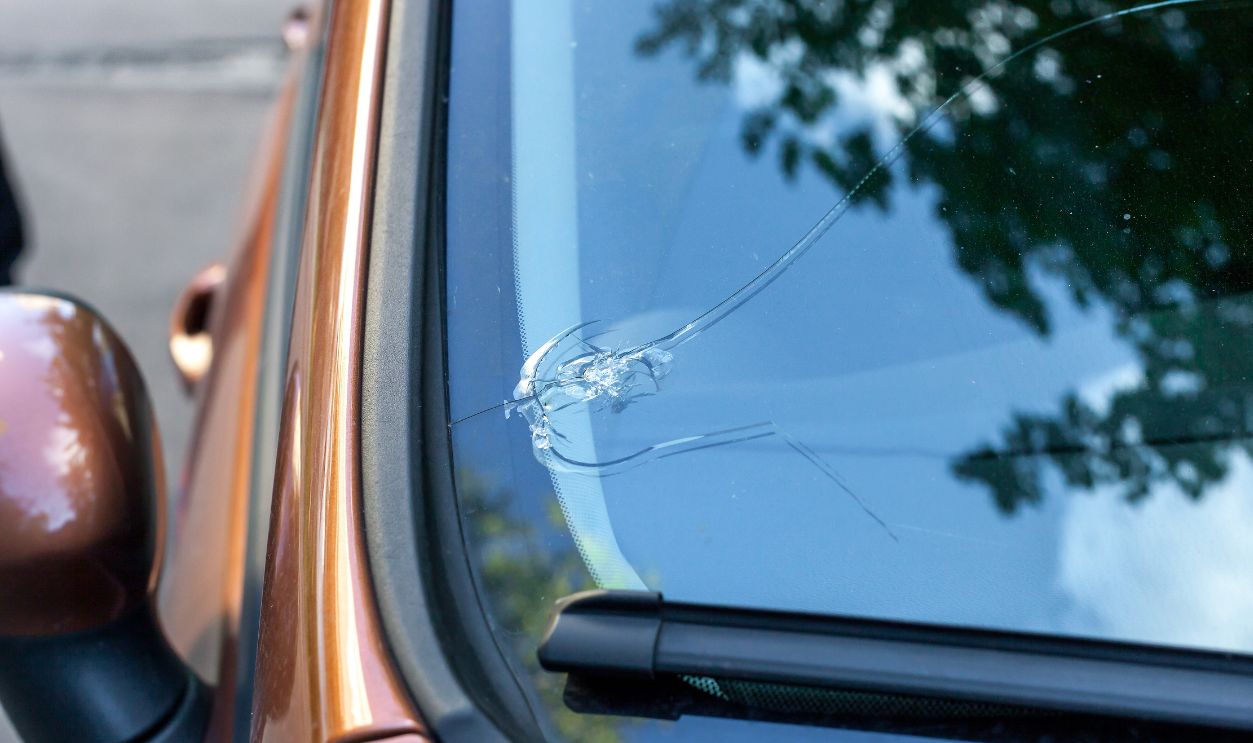
An aftermarket windshield is produced for a vehicle without necessarily carrying the automaker’s branding. In the United States, replacement automotive glazing must comply with Federal Motor Vehicle Safety Standard No. 205. The National Highway Traffic Safety Administration (NHTSA) says replacement glazing must meet and be certified to the applicable requirements of that standard.
OEM Is Different
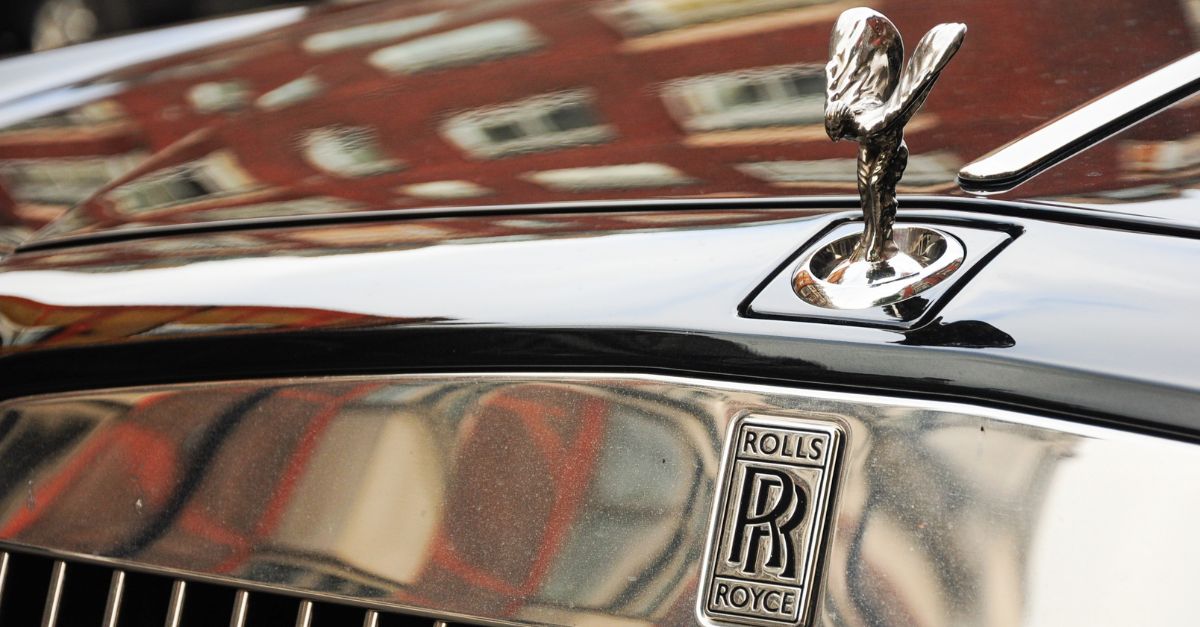
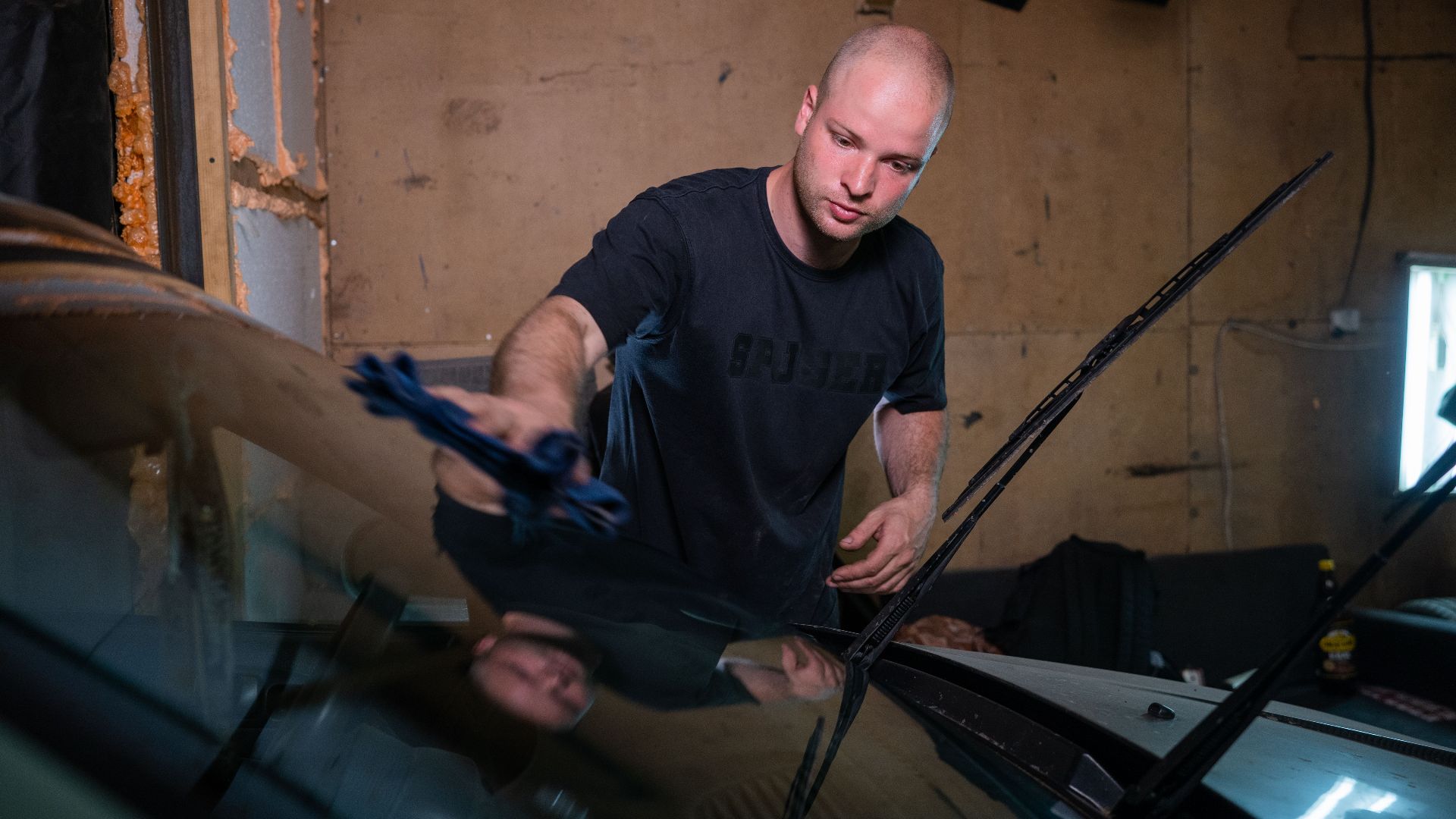
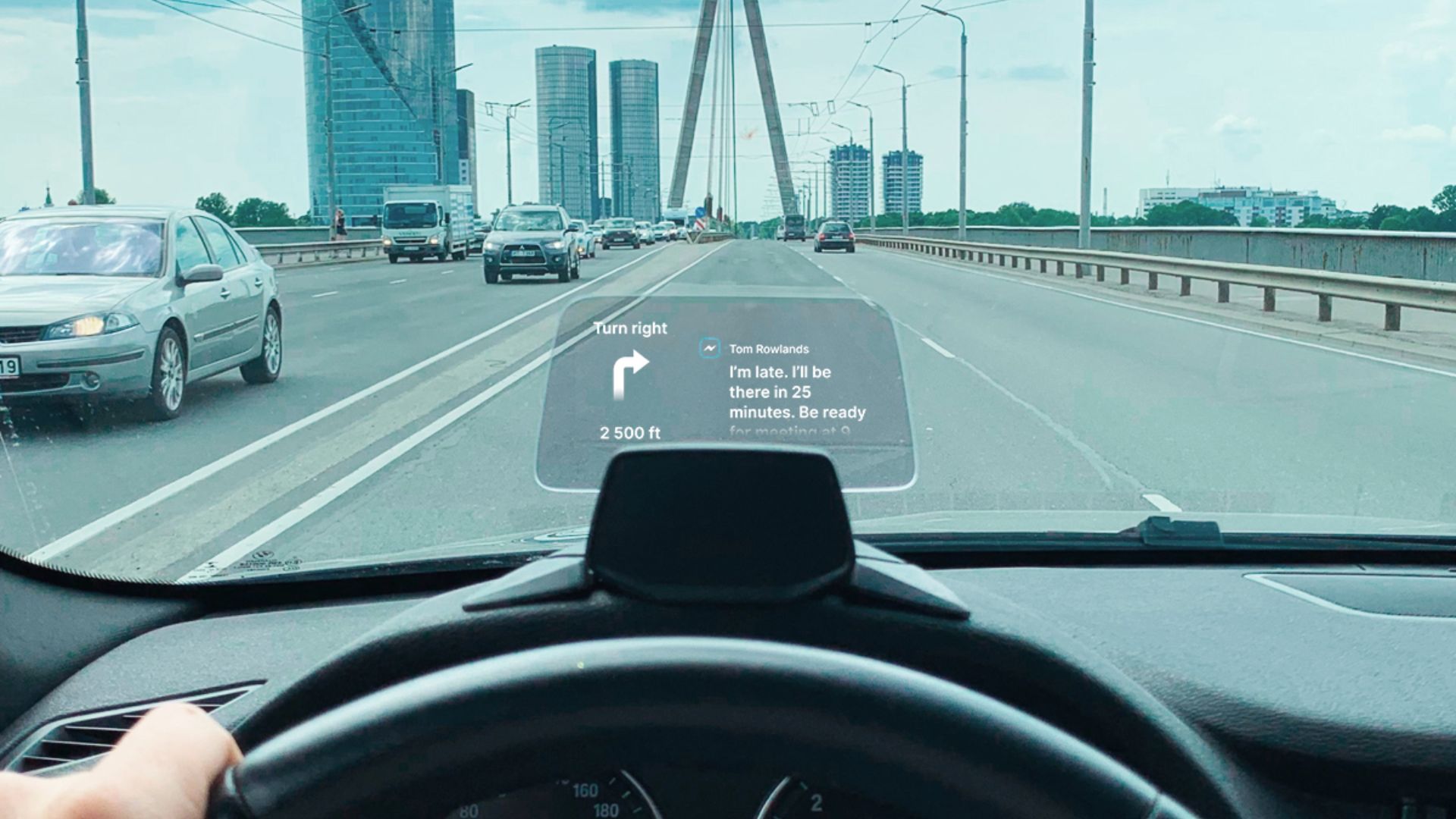
Original equipment manufacturer (OEM) glass is supplied to the specifications established for the vehicle manufacturer. That can matter beyond simply surviving rock strikes. Modern windshields may incorporate acoustic layers, antenna elements, heating features, camera mounting areas, rain sensors, tinting, and special regions designed for head-up displays.
Quality Still Varies
Meeting a federal safety standard does not mean every windshield is identical. Aftermarket products can come from different manufacturers, factories, and product lines. Glass curvature, optical quality, coatings, acoustic performance, edge finishing, and mounting provisions can vary, even when the windshield legally satisfies applicable federal glazing requirements.
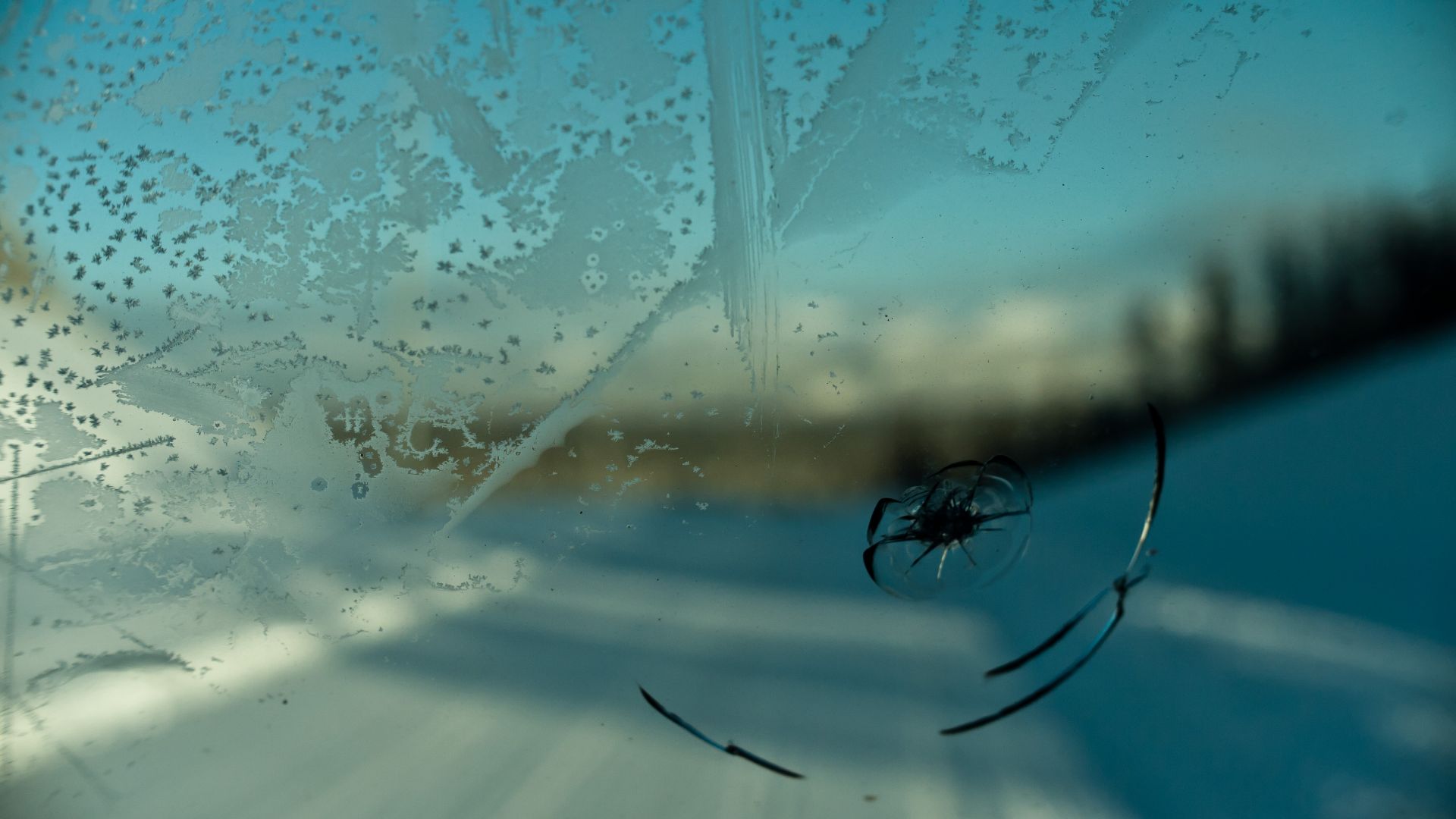 Anthony DeLorenzo from Whitehorse, Yukon, Canada, Wikimedia Commons
Is Aftermarket Glass Weaker?
There is no sound basis for assuming every compliant aftermarket windshield cracks more easily than OEM glass. Individual products can differ, however. If several replacements repeatedly suffer unusual edge cracks, spontaneous-looking fractures, optical problems, poor fit, or damage without obvious impacts, investigate the glass and installation rather than accepting repeated failures as normal.
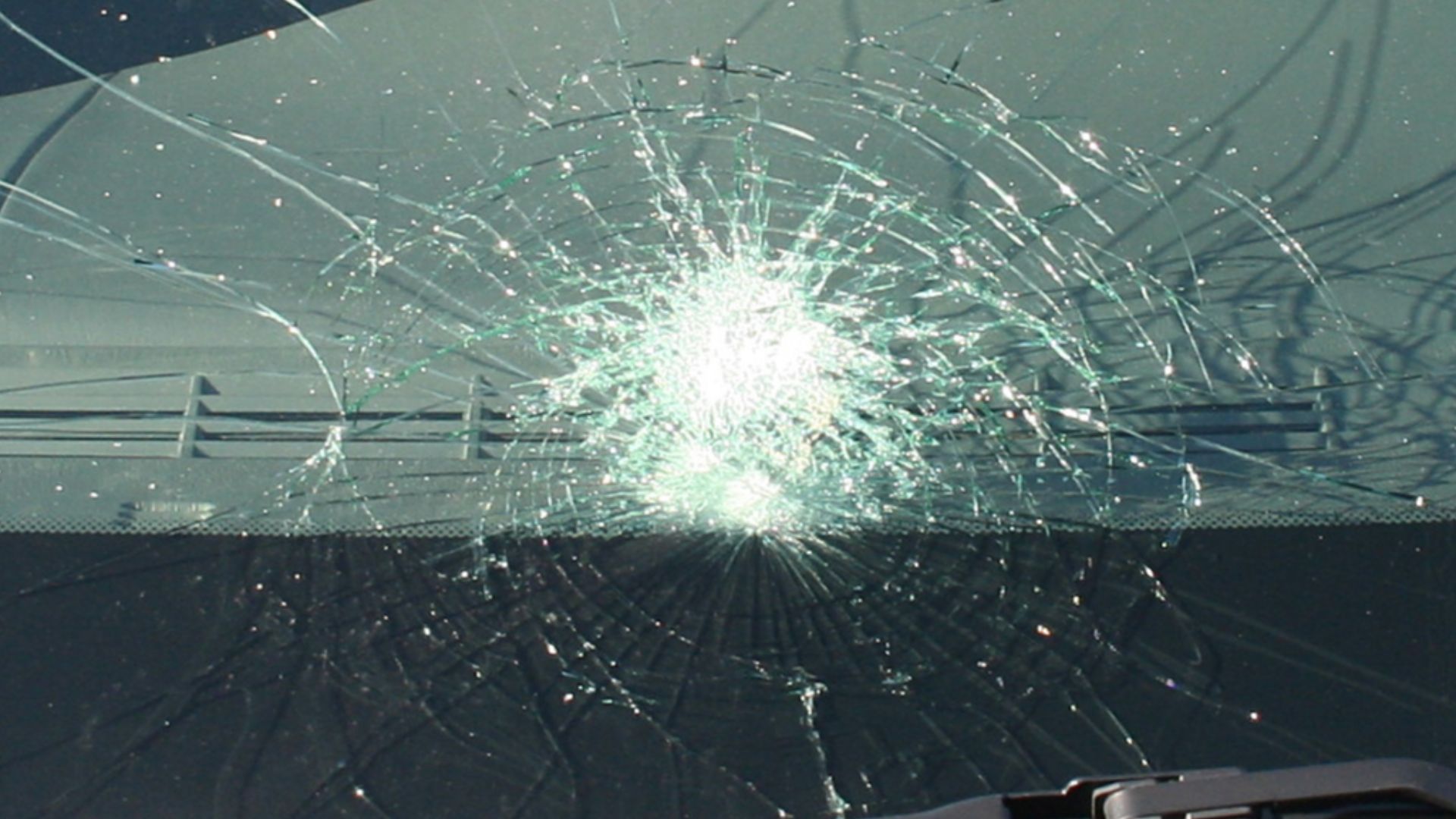
Rocks Are Still Rocks
A replacement windshield may simply have experienced worse luck. Rock size, shape, speed, impact angle, vehicle speed, following distance, road construction, winter sand, and truck traffic influence damage. A sharp stone striking the wrong spot can crack excellent glass, while another windshield survives years without receiving an equivalent hit.
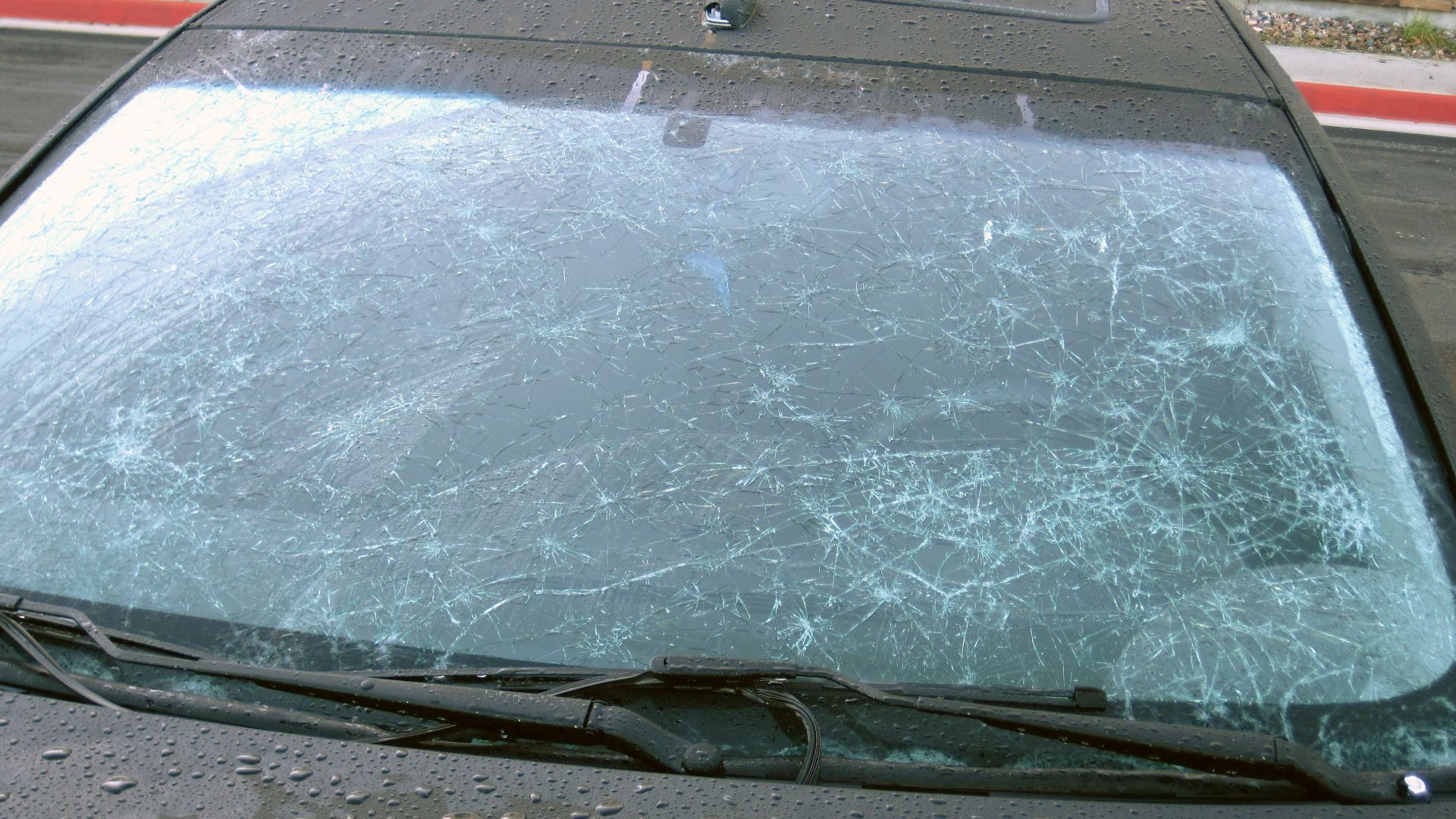 James St. John, Wikimedia Commons
Edge Hits Are Dangerous
Where the impact occurs matters enormously. Windshield edges are particularly vulnerable because stresses concentrate around the perimeter and the glass is constrained by the vehicle structure and adhesive system. A small chip near an edge can therefore develop into a substantial crack much more readily than its size initially suggests.
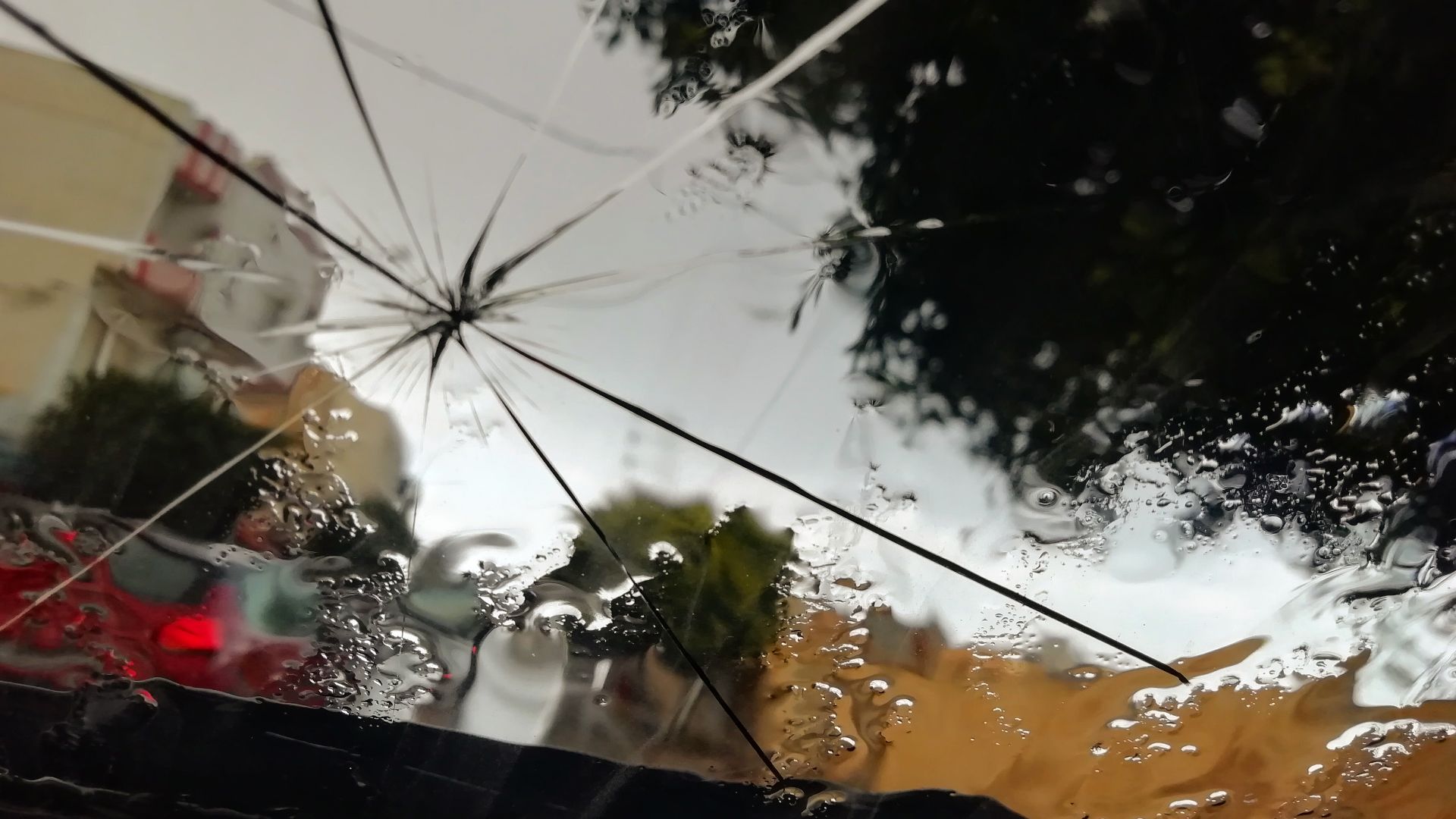 B.H. Dhiaeddine, Wikimedia Commons
Installation Matters Too
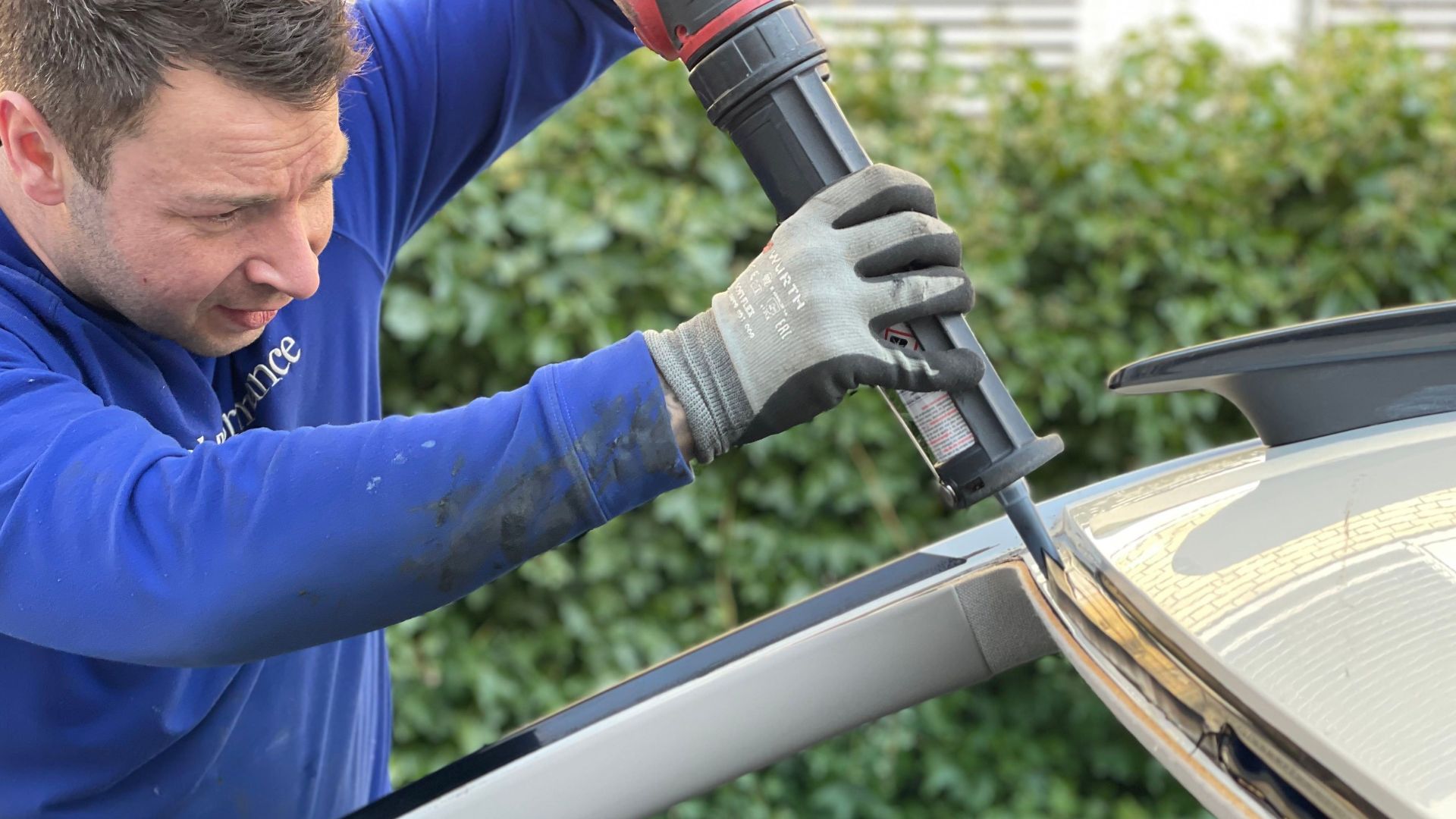
The windshield is not simply dropped into an opening. Modern bonded glass relies on carefully prepared surfaces and a compatible adhesive retention system. The Auto Glass Safety Council’s replacement standard addresses vehicle assessment, glass selection, retention systems, adhesive-bonded installation procedures, technician education, and other practices affecting a safe replacement.
Look For Installation Clues
Repeated cracking near the same edge or corner deserves professional inspection. Ask the installer to check fit, glass positioning, molding, adhesive application, damaged pinch welds, corrosion, and anything creating abnormal stress. Wind noise, water leaks, distortion, loose trim, or visibly uneven gaps provide additional reasons to question the installation.
 Jorgeelmv64, Wikimedia Commons
Replacement Is More Complex
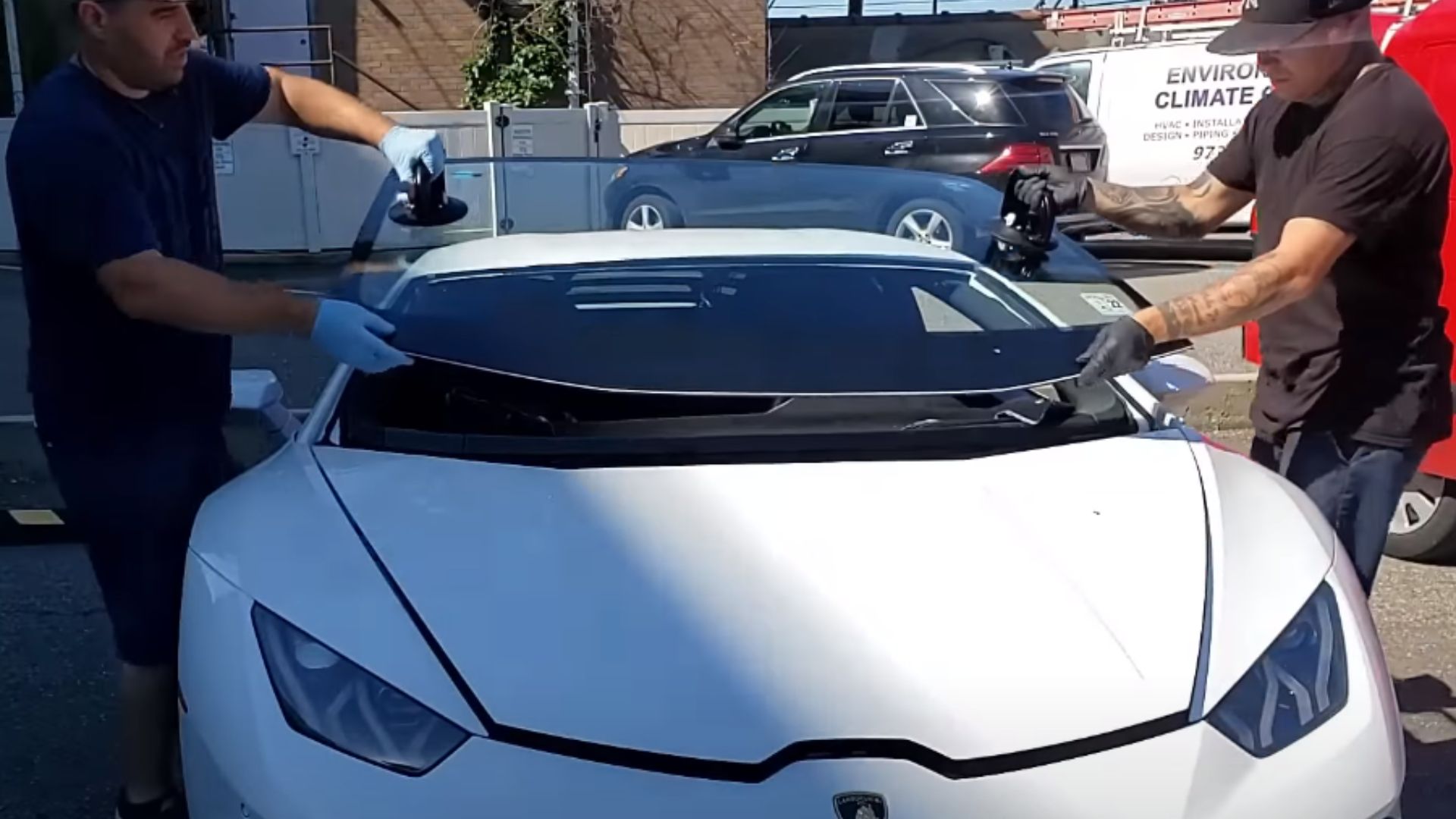
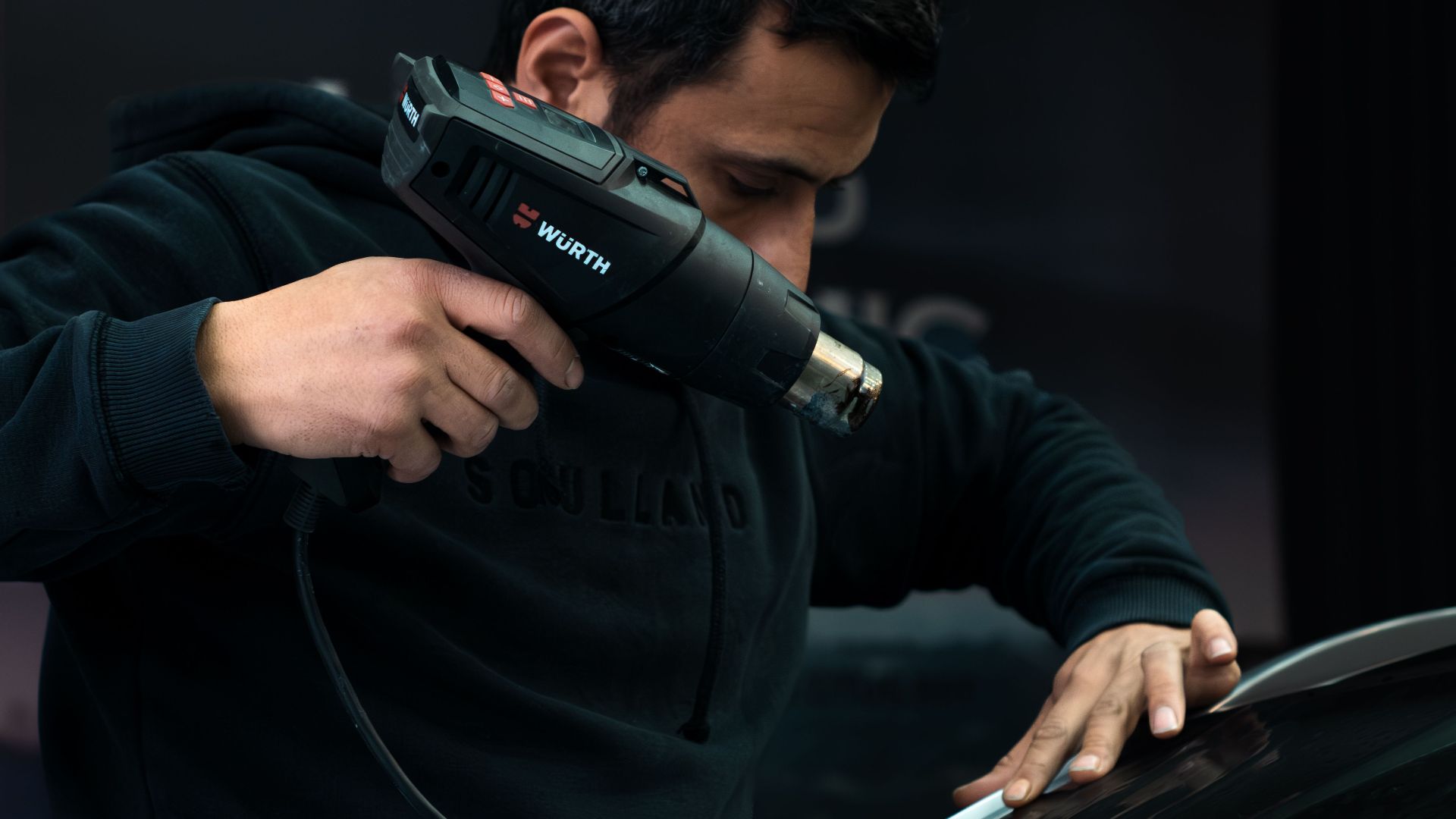
Removing today’s windshield can involve cameras, sensors, mirrors, trim, moldings, electrical connections, and delicate painted bonding surfaces. The technician must remove the damaged glass, prepare the opening, install appropriate adhesive, correctly position the replacement, reconnect equipment, and observe the adhesive manufacturer’s safe-drive-away requirements before returning the vehicle.
ADAS Raises The Stakes
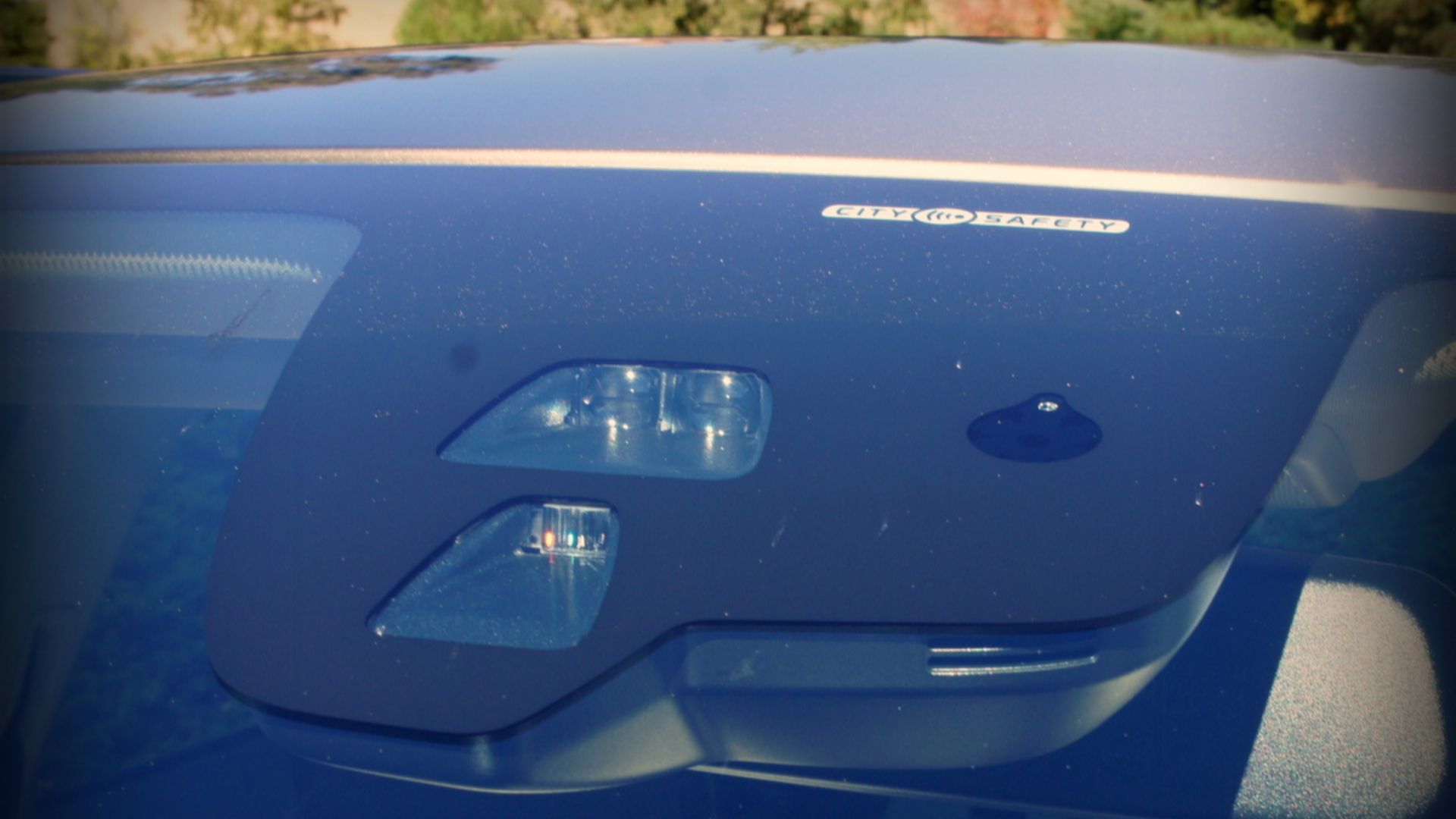
Many newer vehicles place forward-facing cameras behind the windshield for lane-departure warning, automatic emergency braking, adaptive cruise functions, or other advanced driver-assistance systems (ADAS). Replacing the windshield can disturb their relationship to the road. Consequently, proper calibration procedures may be required after installation.
 Michael Sheehan, Wikimedia Commons
Aftermarket Can Still Work
The Auto Glass Safety Council (AGSC) specifically says its standard does not prohibit non-OE glass on vehicles with glass-related advanced safety systems when the glazing satisfies applicable requirements. That does not mean every windshield suits every vehicle equally well. Correct part selection, installation, and calibration remain critical.
Some Cars Are Fussier
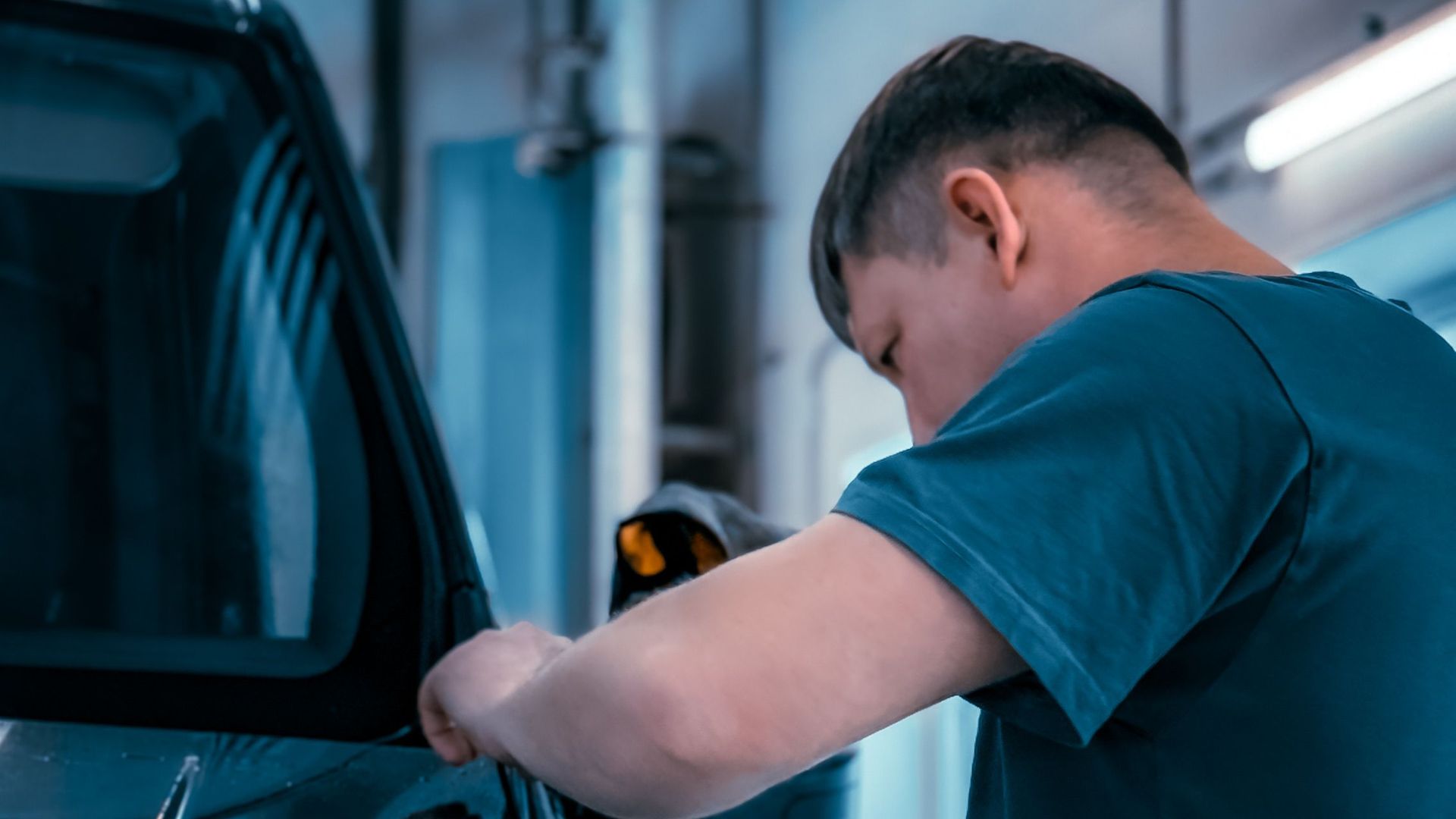
Head-up displays, cameras, acoustic glass, rain sensors, and complex windshield shapes can make small manufacturing differences more noticeable. One reader, for example, reported unsatisfactory fit and head-up-display performance after an aftermarket BMW windshield, eventually pursuing an OEM replacement through insurance. That experience is illustrative as an anecdote, but not proof of universal inferiority.
Ask Who Made It
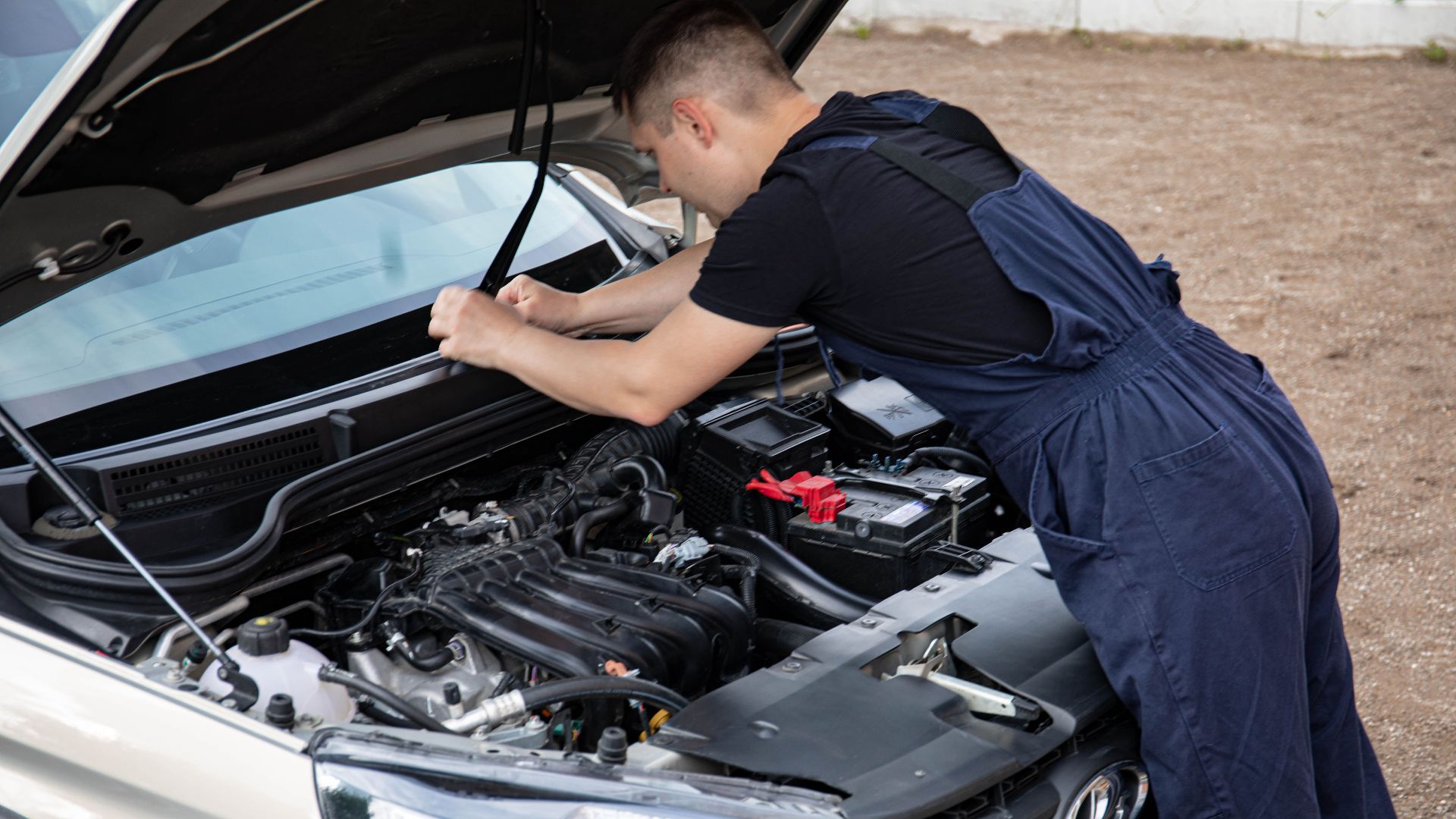
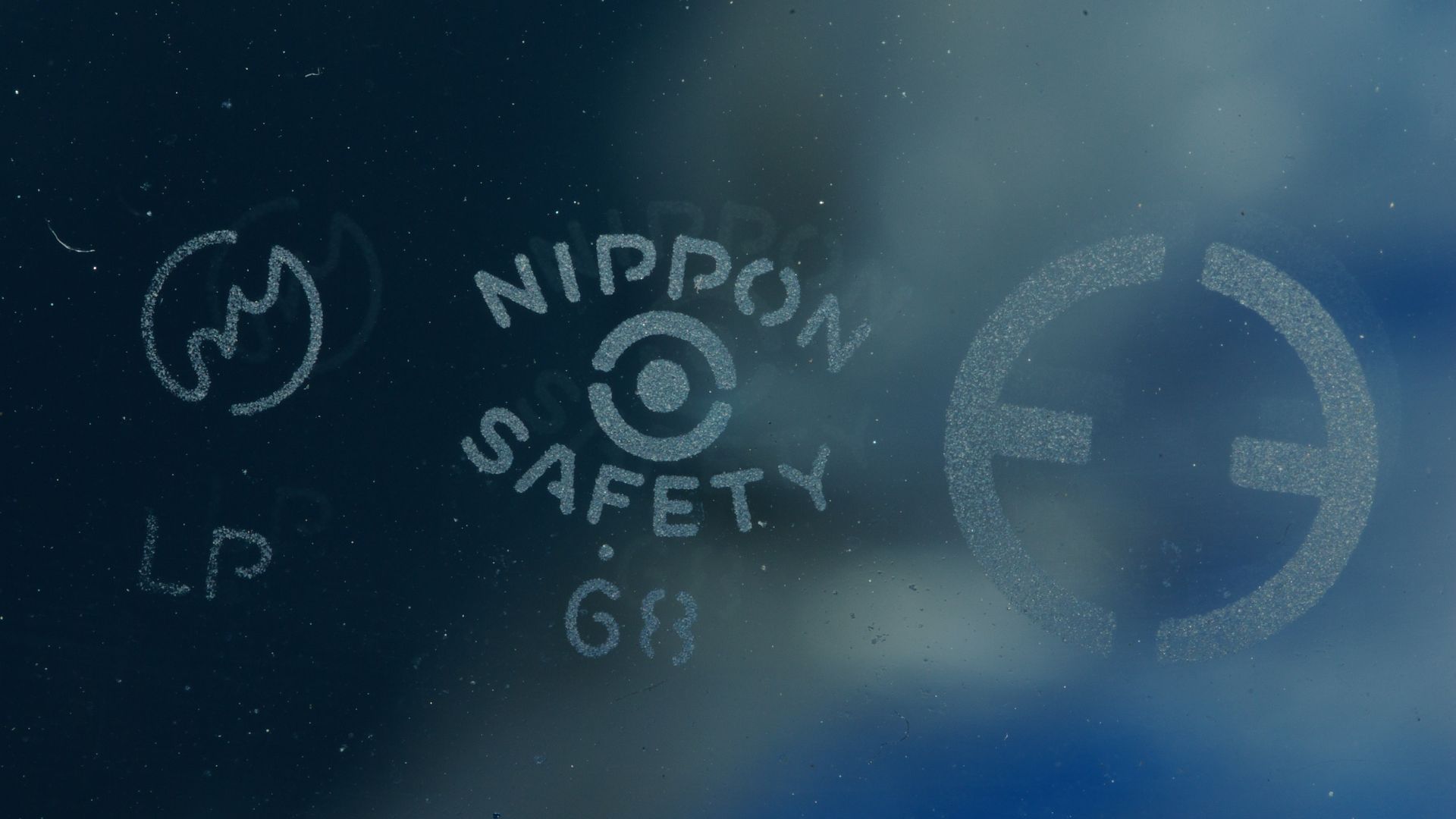
Instead of asking only “OEM or aftermarket?”, ask for the windshield manufacturer and exact part being installed. A reputable glass shop should be able to identify its supplier, confirm that the glazing carries required certification markings, and explain whether it supports your vehicle’s cameras, sensors, acoustic features, and head-up display.
Repair Chips Quickly
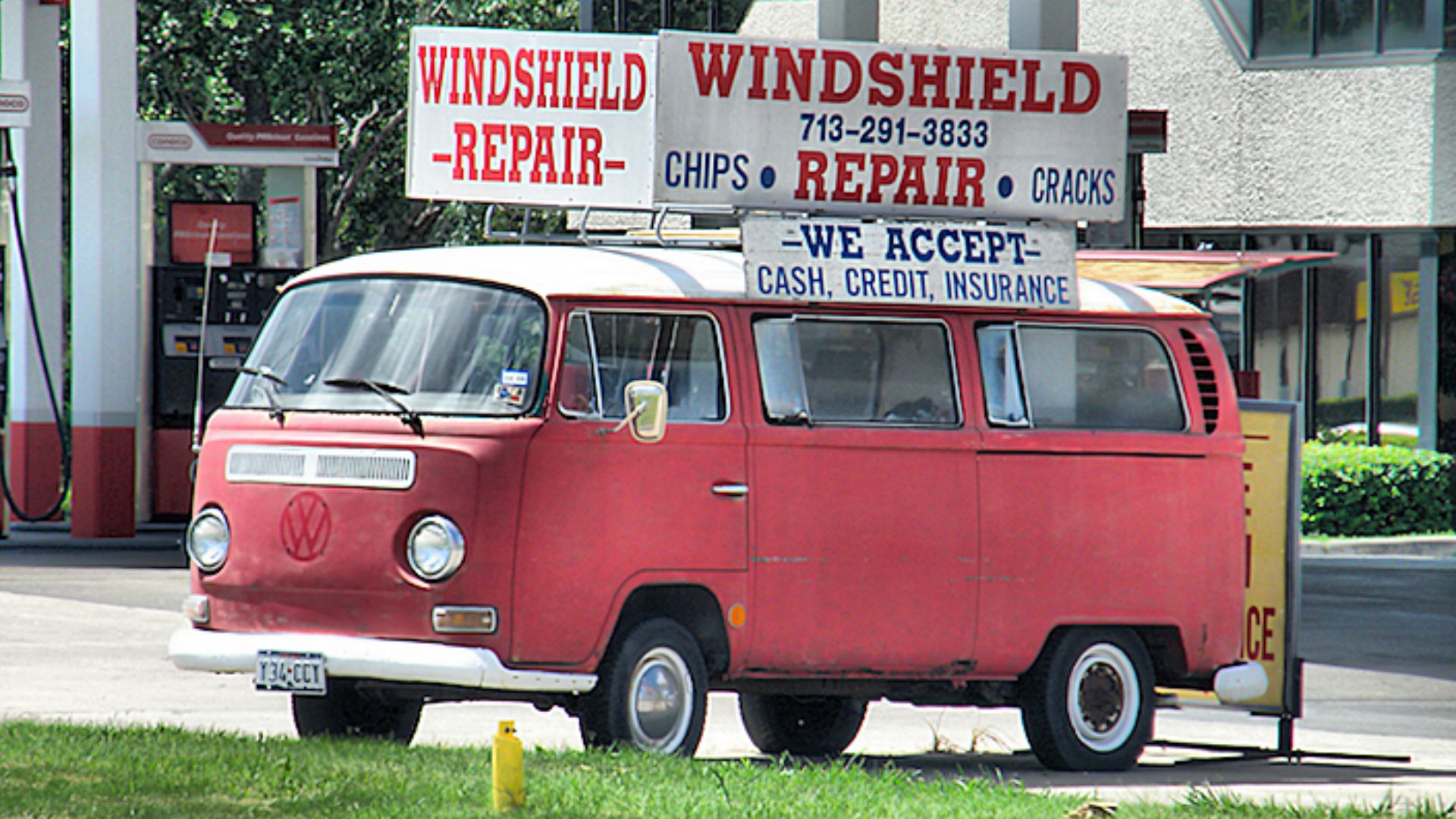
A replacement is not always necessary. Small chips can sometimes be repaired before they spread, depending on their size, depth, position, contamination, and the shop’s repair criteria. Temperature changes, vibration, and continued driving can turn a repairable impact into a crack requiring an entirely new windshield.
 Michael Martin from Cypress, Texas, Wikimedia Commons
Insurance Usually Covers Glass
In the United States, windshield damage commonly falls under comprehensive auto coverage when caused by rocks, falling objects, hail, vandalism, or similar non-collision events. Your deductible and state rules matter. Some policies or jurisdictions provide special glass provisions, while other drivers face their normal comprehensive deductible for replacement.

OEM Coverage Isn’t Automatic
Do not assume insurance will automatically pay whatever a dealership quotes for factory-branded glass. Policies can permit comparable aftermarket parts unless OEM coverage was purchased or OEM equipment is otherwise justified. If you want factory glass, ask the insurer what your policy covers and whether you can pay any price difference.

Claims Can Still Matter
A comprehensive windshield claim is different from an at-fault collision, but it still becomes part of your claims history. Whether one glass claim affects your premium depends on your insurer, state, policy, and rating rules. Never assume that a supposedly “no-fault” glass event is automatically irrelevant to future insurance costs.

Repeated Claims Raise Questions
Several glass claims can matter more than one isolated rock strike. Insurers consider claim frequency when evaluating risk, although state regulations restrict how particular losses may affect rates. Repeated comprehensive claims could influence renewal, deductibles, discounts, eligibility, or pricing depending on the carrier and jurisdiction.

Compare Before Claiming
Before filing a replacement claim, obtain the cash price and compare it with your deductible. Paying a $500 deductible toward a $650 windshield may provide little immediate benefit. Conversely, a $2,000 windshield involving cameras and calibration could make comprehensive coverage considerably more valuable. Ask about claim consequences before filing when possible.

Find The Real Cause
If your replacement windshield has cracked repeatedly, don’t automatically blame aftermarket glass, but don’t dismiss the pattern either. Document impact points and crack locations, photograph each failure, identify the glass manufacturer, review installation warranties, and consider another qualified shop. Repeated similar failures deserve investigation, not another identical replacement.

You May Also Like:
My car failed inspection because of a tiny crack in the windshield. Is that even legal?