Tomorrow's Used Cars
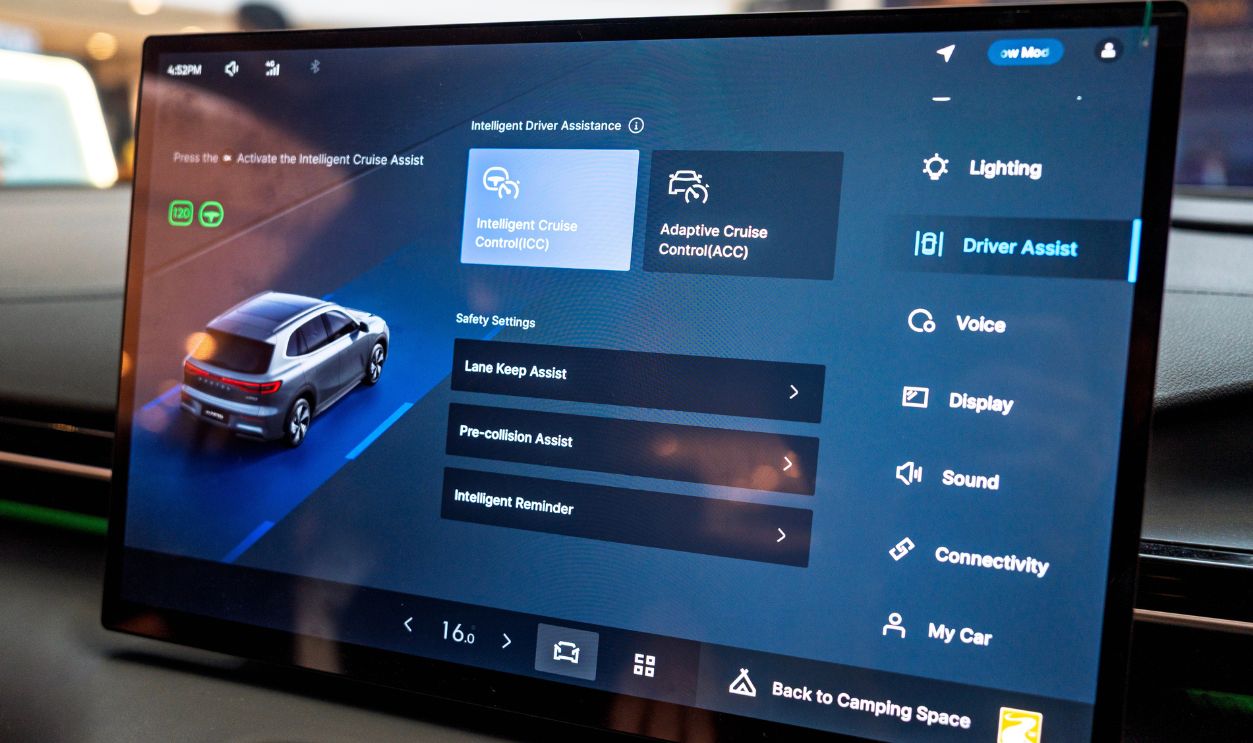
Today's cars offer astonishing convenience, safety, and efficiency, but they also contain technology previous generations never had to maintain. When these vehicles become 15-year-old used cars, owners may discover that a broken screen, camera, sensor, or motor can turn an otherwise minor repair into a surprisingly complicated expense.
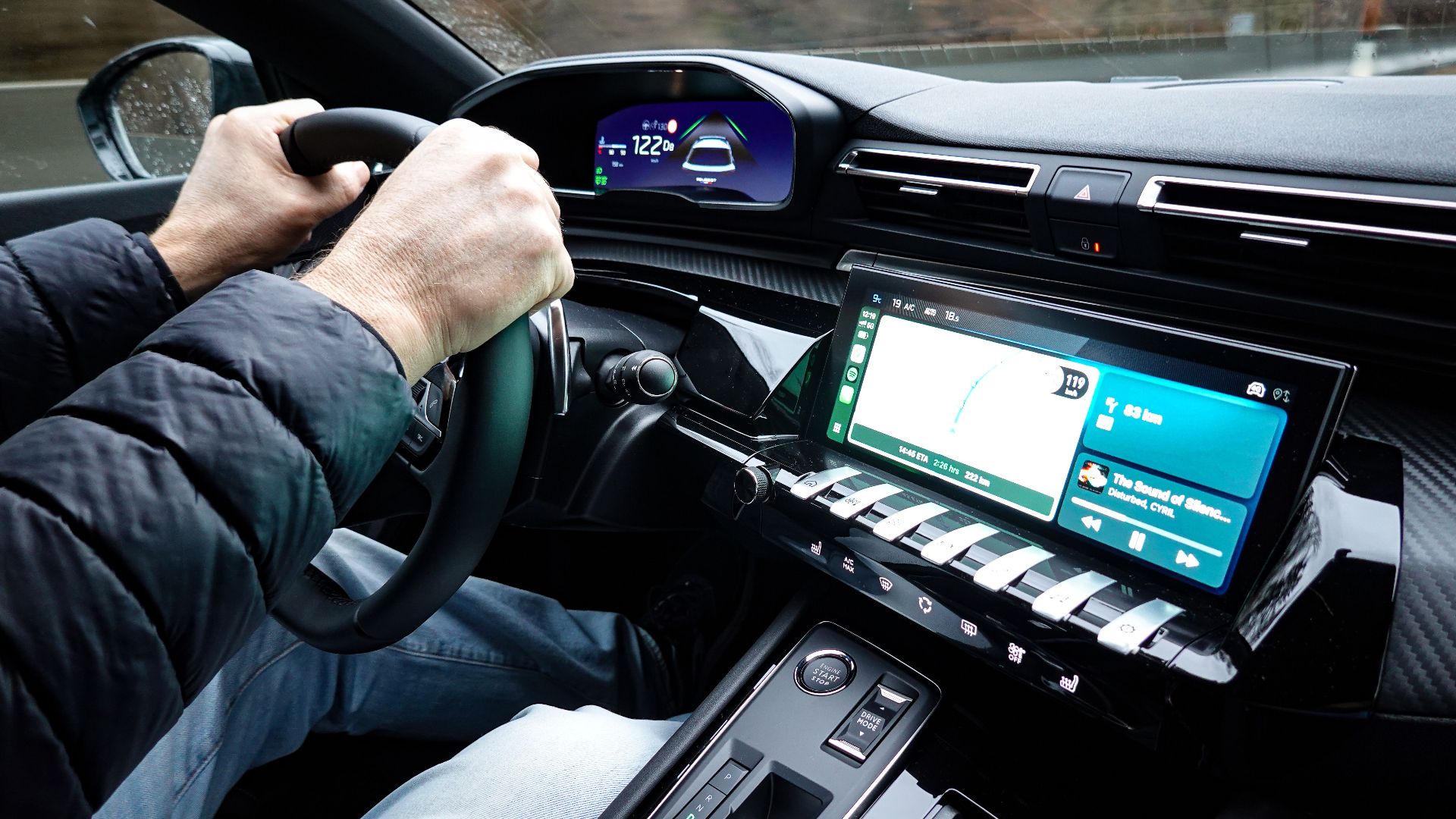
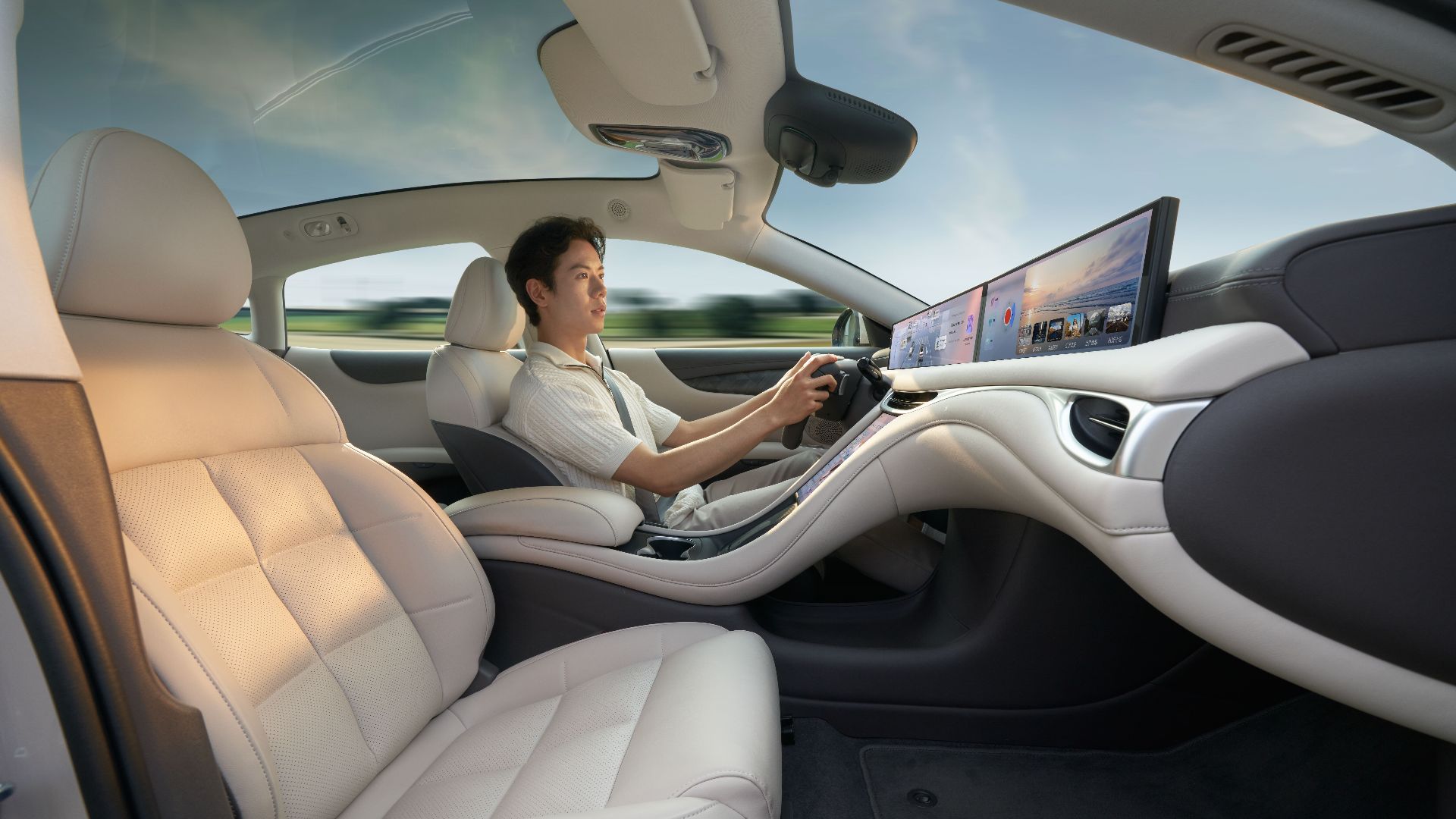
Giant Touchscreens
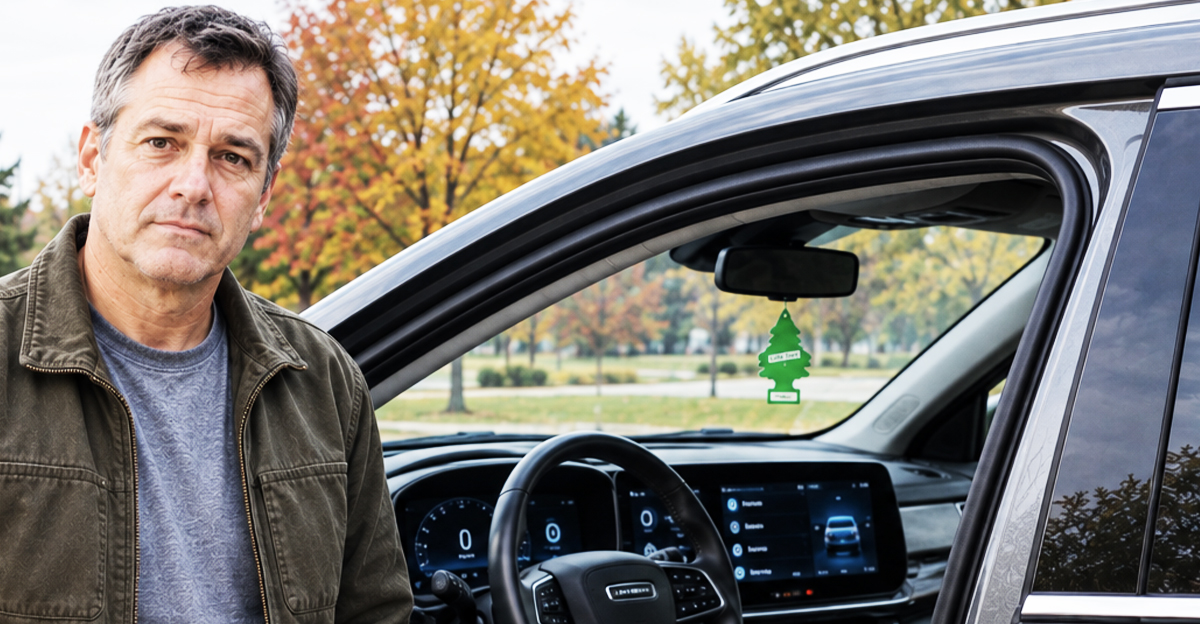
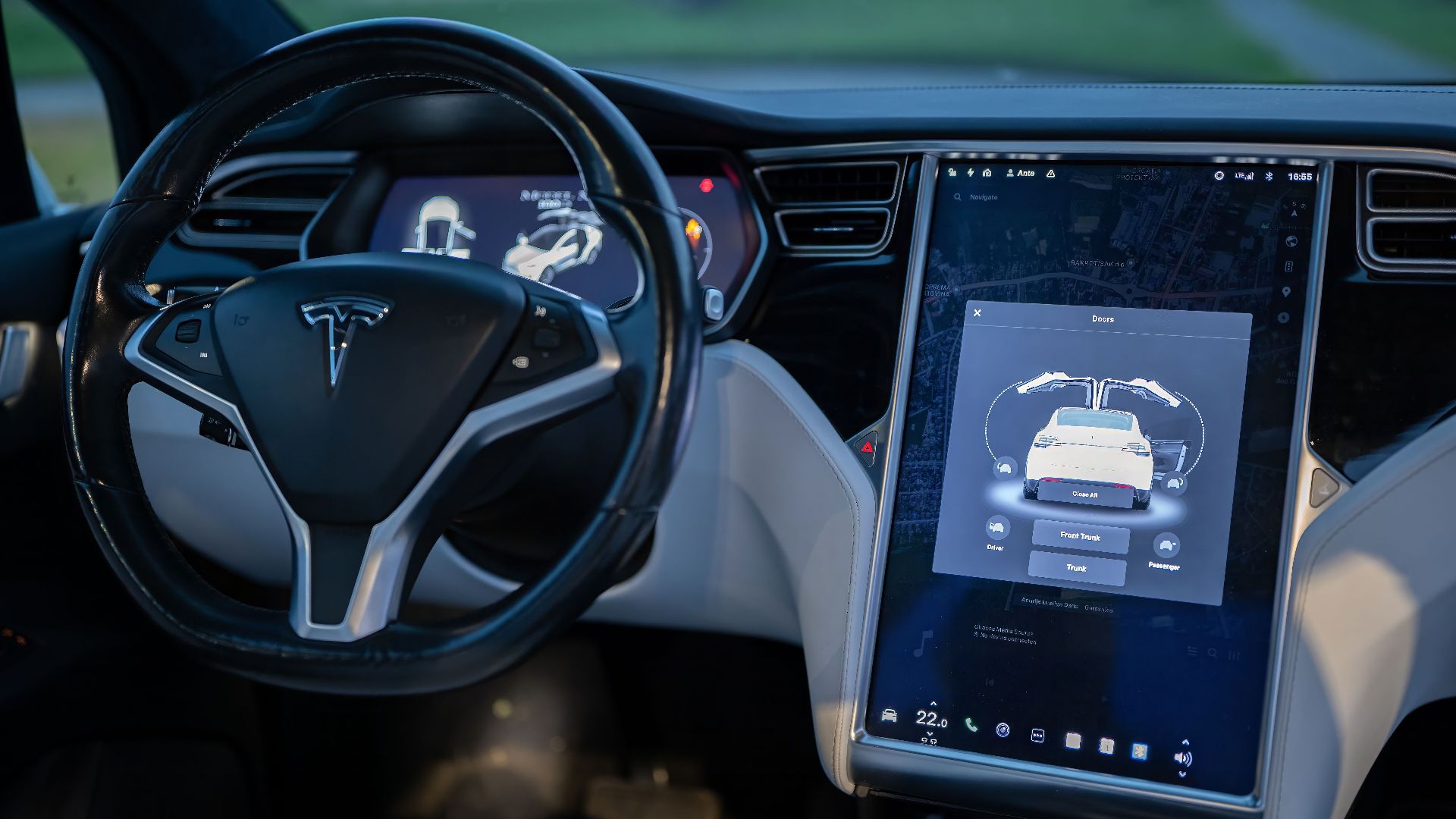
A touchscreen that controls navigation, audio, climate settings, cameras, and vehicle preferences is wonderful until the display fails. J.D. Power already finds infotainment and software among prominent owner complaints. Fifteen years from now, replacement screens may face another problem: finding compatible parts for obsolete systems.

Digital Instrument Clusters
Traditional gauges could fail, but individual components were often relatively straightforward. Modern digital clusters combine speedometer, warning lights, navigation information, driver-assistance displays, and customization in one electronic unit. A dead screen on an aging car could therefore eliminate considerably more than an old-fashioned broken fuel gauge.
Windshield Cameras
That innocent-looking camera behind the rearview mirror may operate automatic emergency braking, lane keeping, adaptive cruise control, and automatic high beams. AAA notes that windshield replacement can require precise camera calibration, sometimes with OEM glass. Fifteen-year-old cars won't magically become exempt from those requirements.
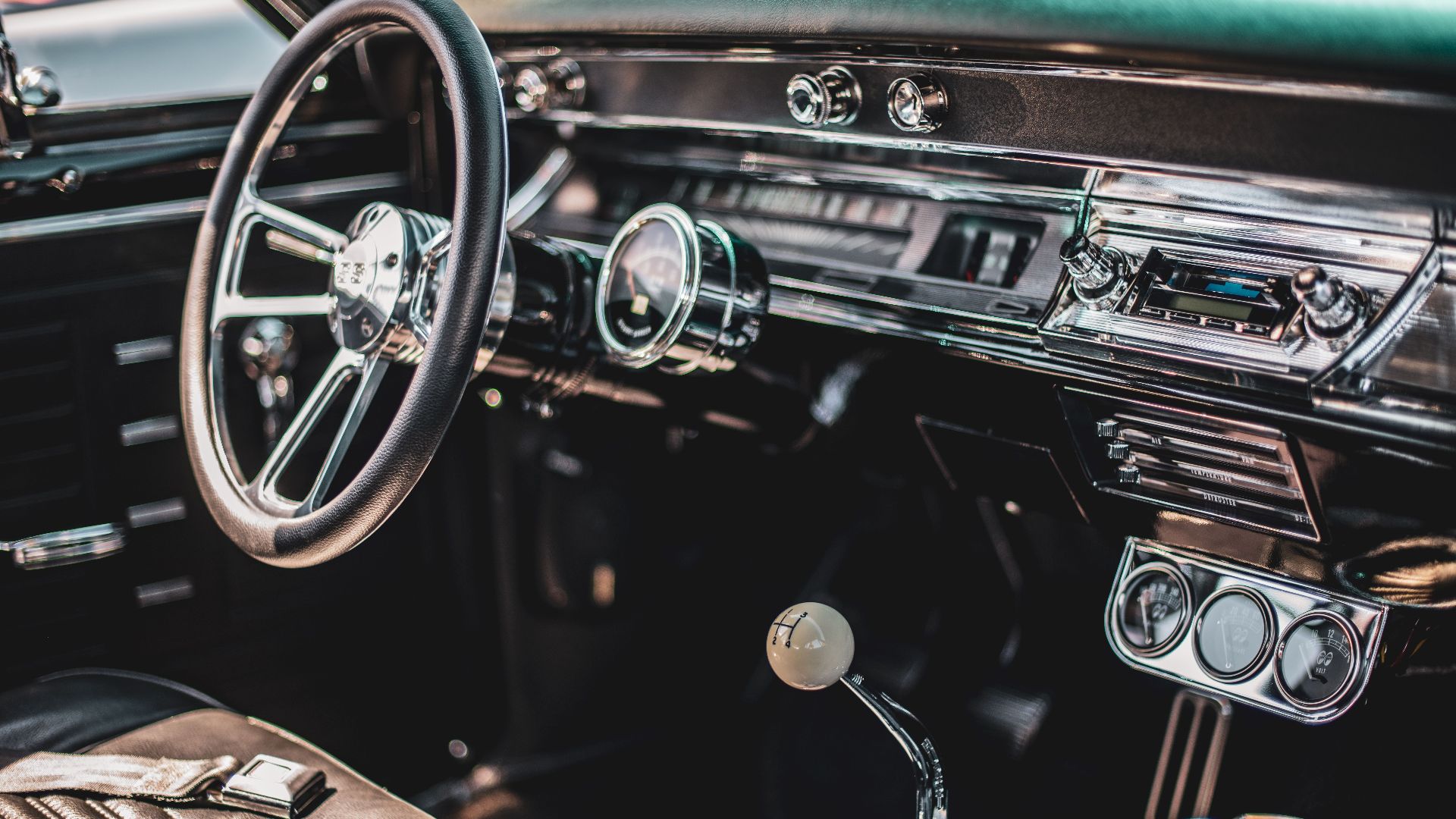
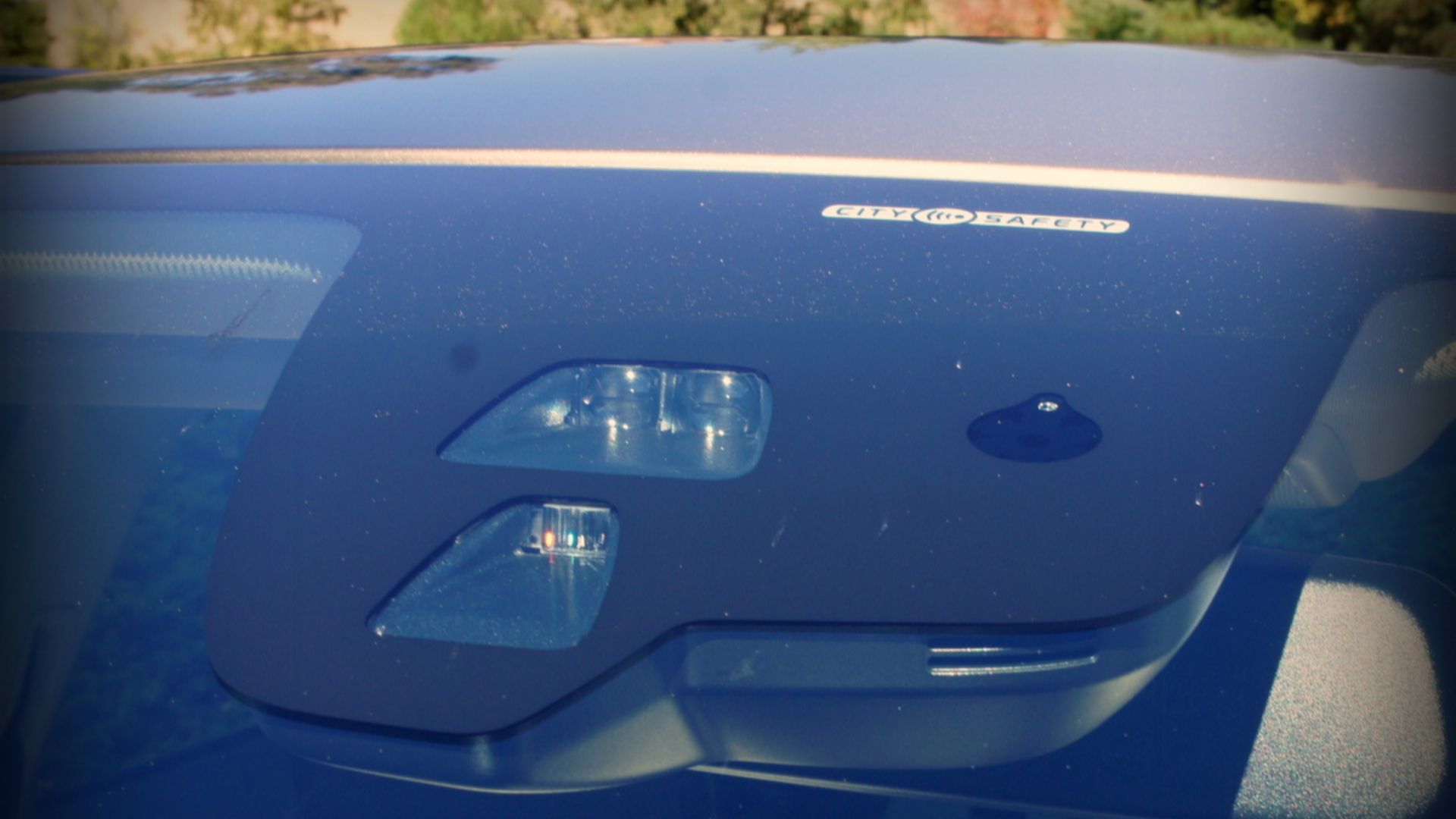 Michael Sheehan, Wikimedia Commons
Radar Sensors
Adaptive cruise control and automatic emergency braking frequently depend upon radar sensors hidden behind bumpers and grilles. Even minor damage can disturb their alignment. AAA's research found front radar components and associated work could add hundreds or more than $1,000 to repairs, depending upon the vehicle.
Blind Spot Sensors
Blind-spot monitoring feels like a simple warning light in the mirror, but the system commonly relies upon rear radar units concealed behind bodywork. A small parking-lot collision on a future 15-year-old car could therefore require bumper repairs, electronic diagnosis, sensor replacement, and calibration rather than merely paint and plastic.
360-Degree Cameras
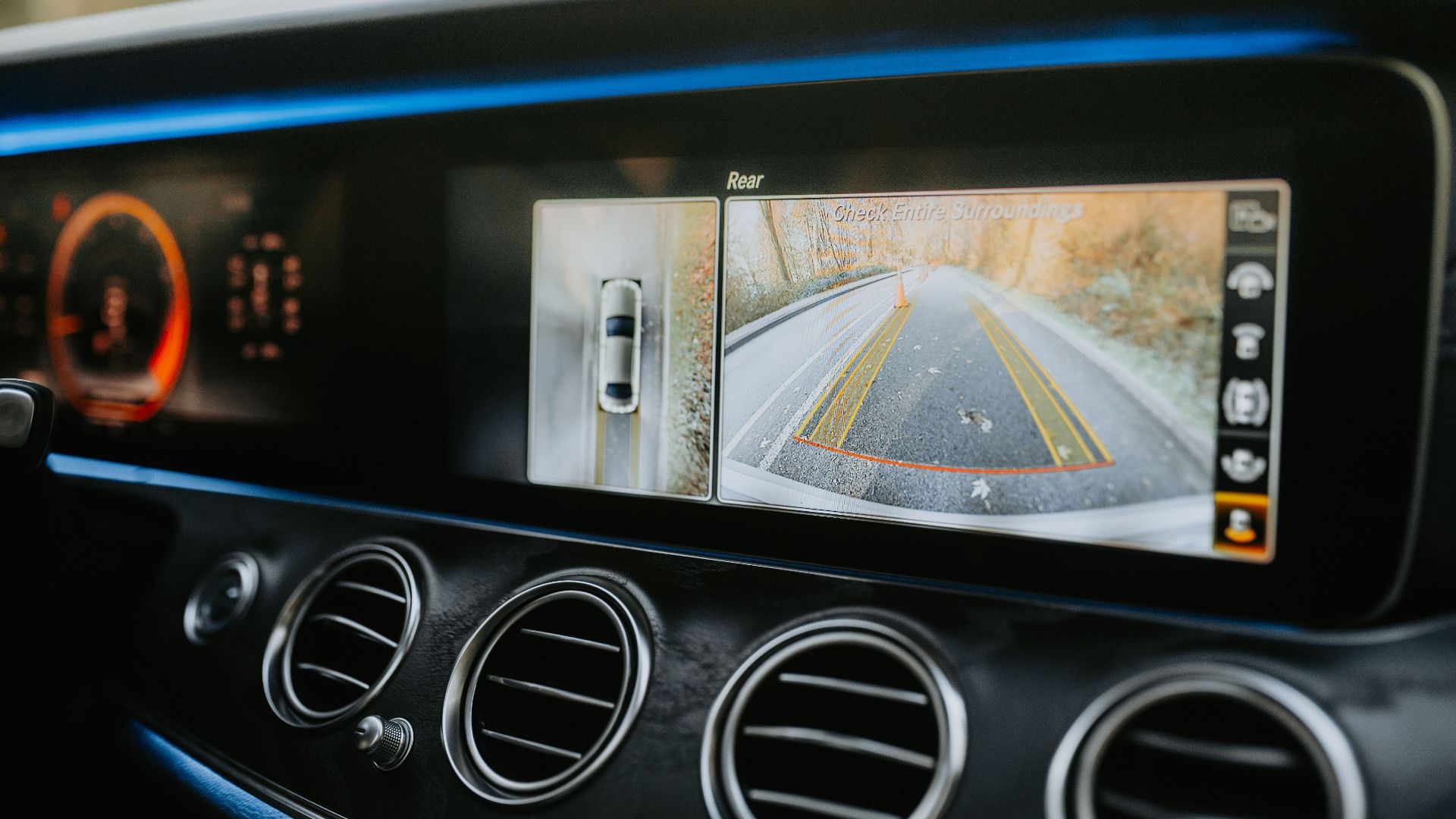
Bird's-eye parking views require multiple cameras positioned around the vehicle, commonly in mirrors, grilles, bumpers, and liftgates. Replace one camera or a component holding it and calibration may be necessary. AAA explains that some systems require special patterned mats and scan equipment to correctly stitch those images together.
Camera-Filled Mirrors
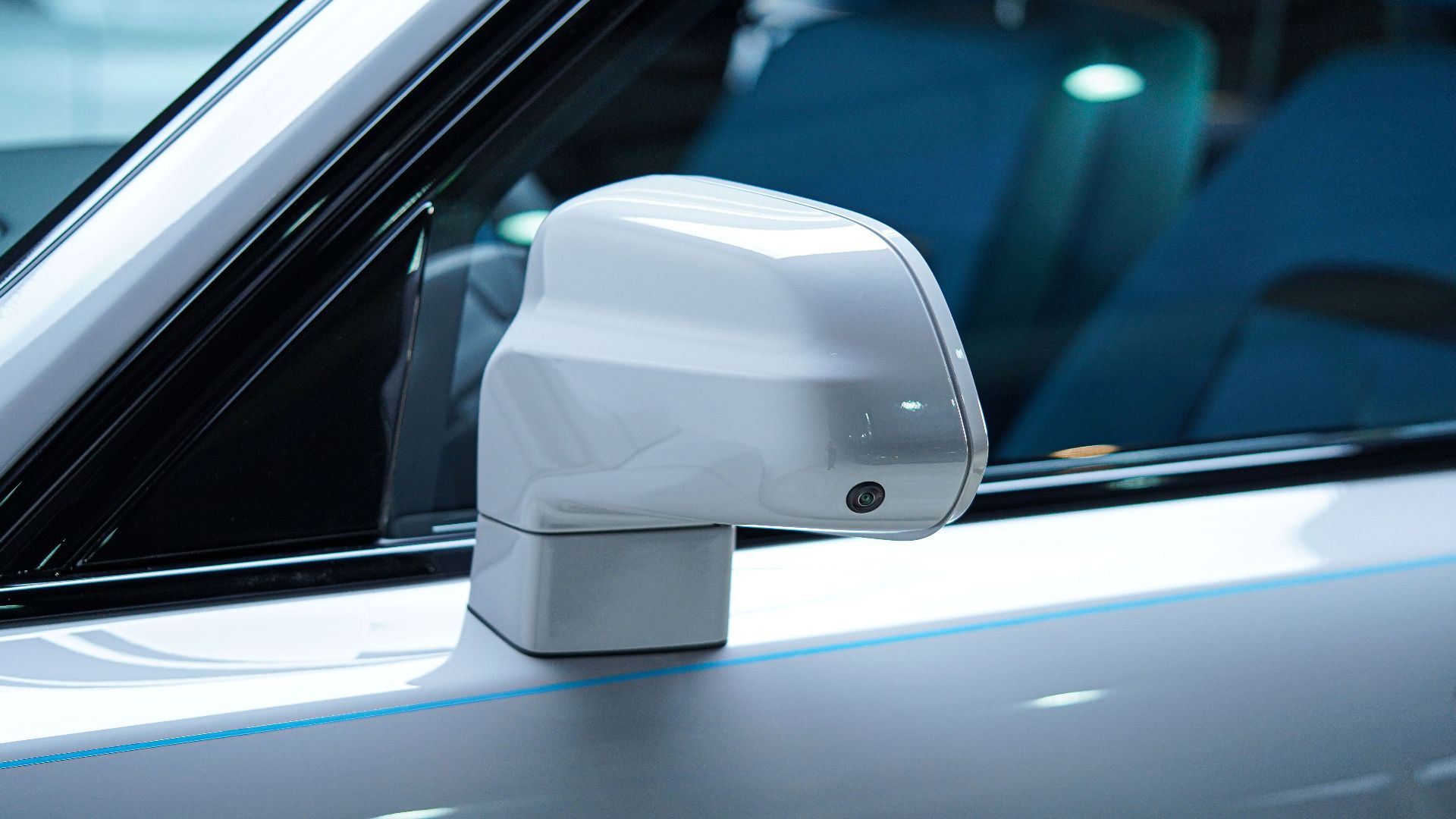
Once, replacing a damaged side mirror meant buying some glass and a housing. Modern mirrors can contain heating, power folding, memory adjustment, turn signals, blind-spot indicators, and cameras. AAA found the Advanced Driver Assistance Systems (ADAS) camera portion accounted for nearly 71% of the average side-mirror repair cost in one recent study.

Adaptive LED Headlights
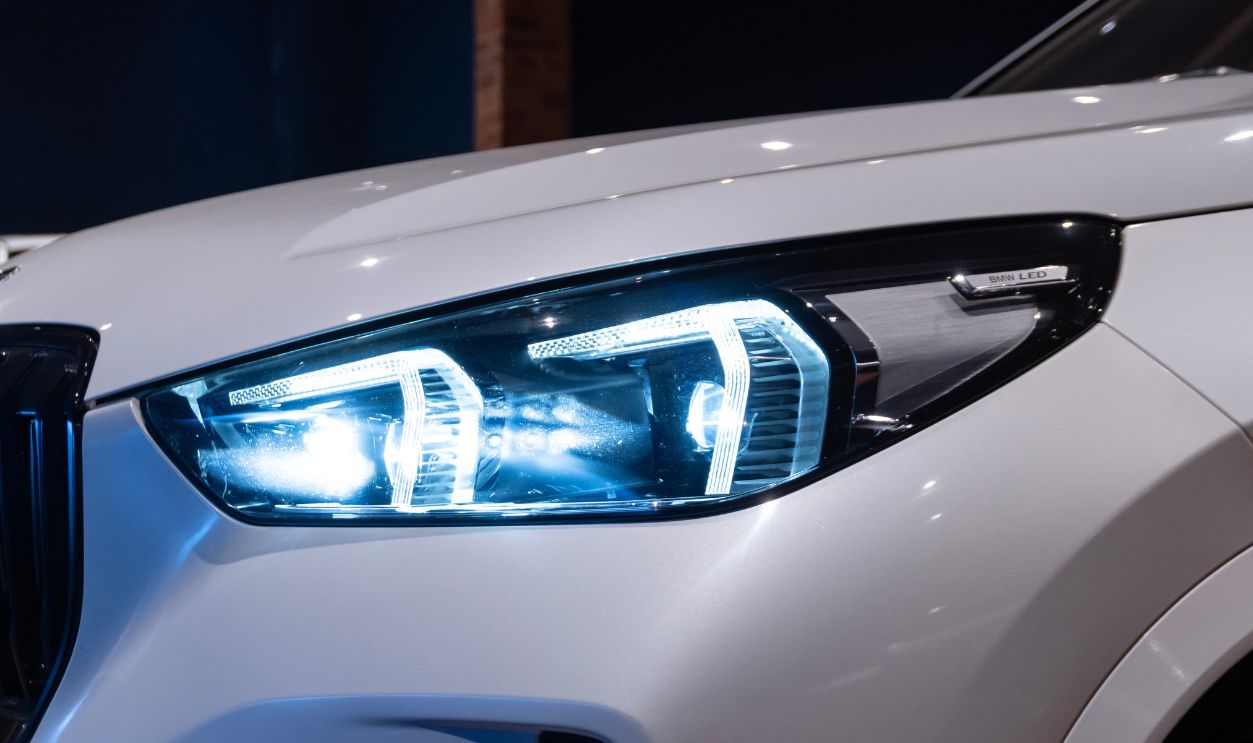
Modern headlamps can automatically swivel, level themselves, adjust their beam pattern, and integrate sophisticated LED electronics. That's vastly different from replacing a conventional bulb. If a complete proprietary lighting assembly fails years after production ends, owners could find that yesterday's burned-out headlight has become tomorrow's salvage-yard treasure hunt.
Panoramic Sunroofs
A huge glass roof makes a new vehicle feel airy and luxurious. Fifteen years of heat, cold, vibration, rain, seals, drains, tracks, cables, motors, and power shades create considerably more opportunities for trouble. Manufacturers' parts catalogs already reveal that panoramic roofs require dedicated drainage components alongside their moving hardware.

Power Liftgates
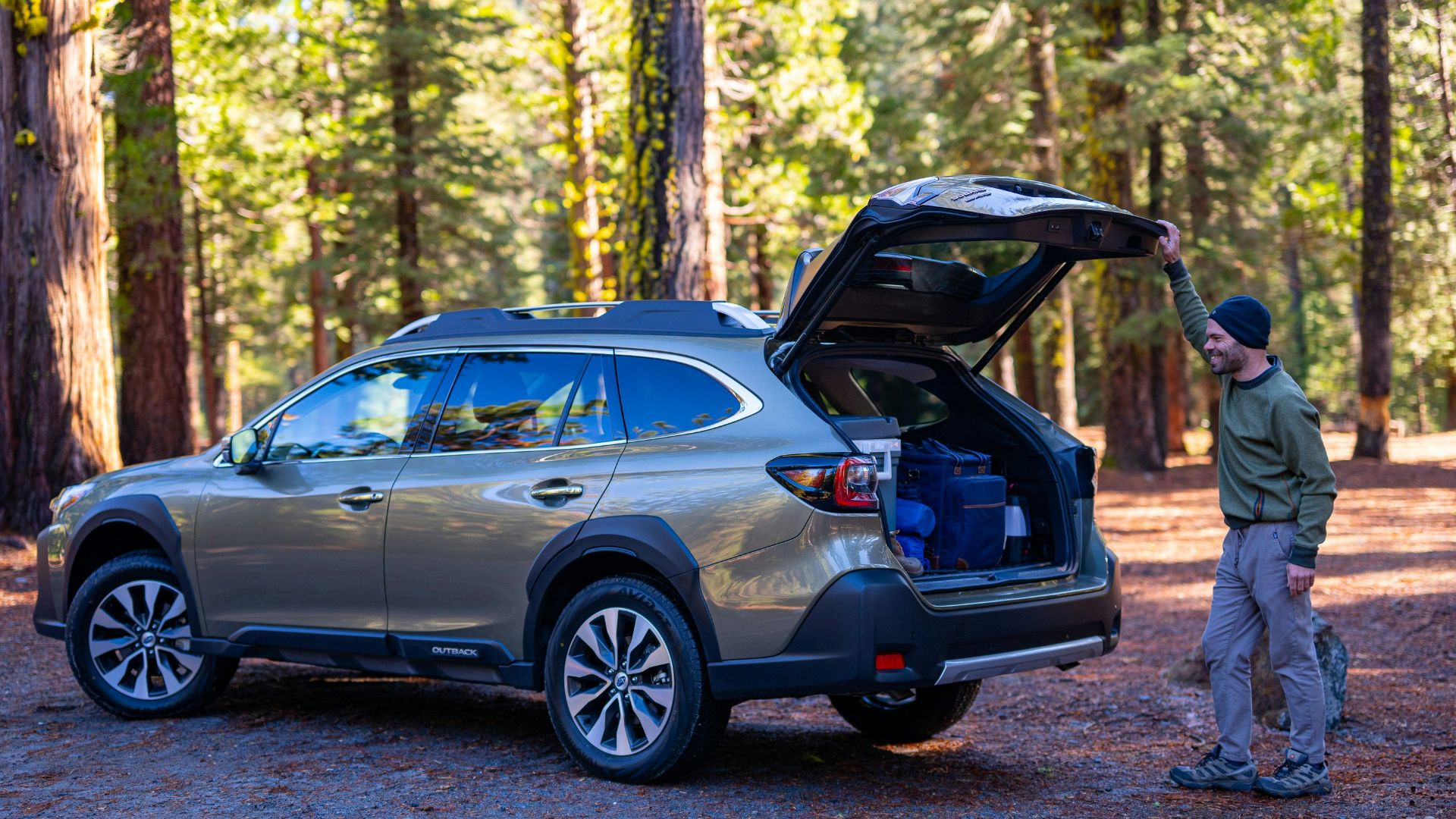
An old hatchback required hinges, struts, a latch, and your arm. A power liftgate adds motors, electronic controls, position sensors, switches, wiring, and sometimes hands-free activation. None of that means it will necessarily fail, but there's considerably more hardware standing between an older owner and a reliably opening trunk.
Electronic Door Handles
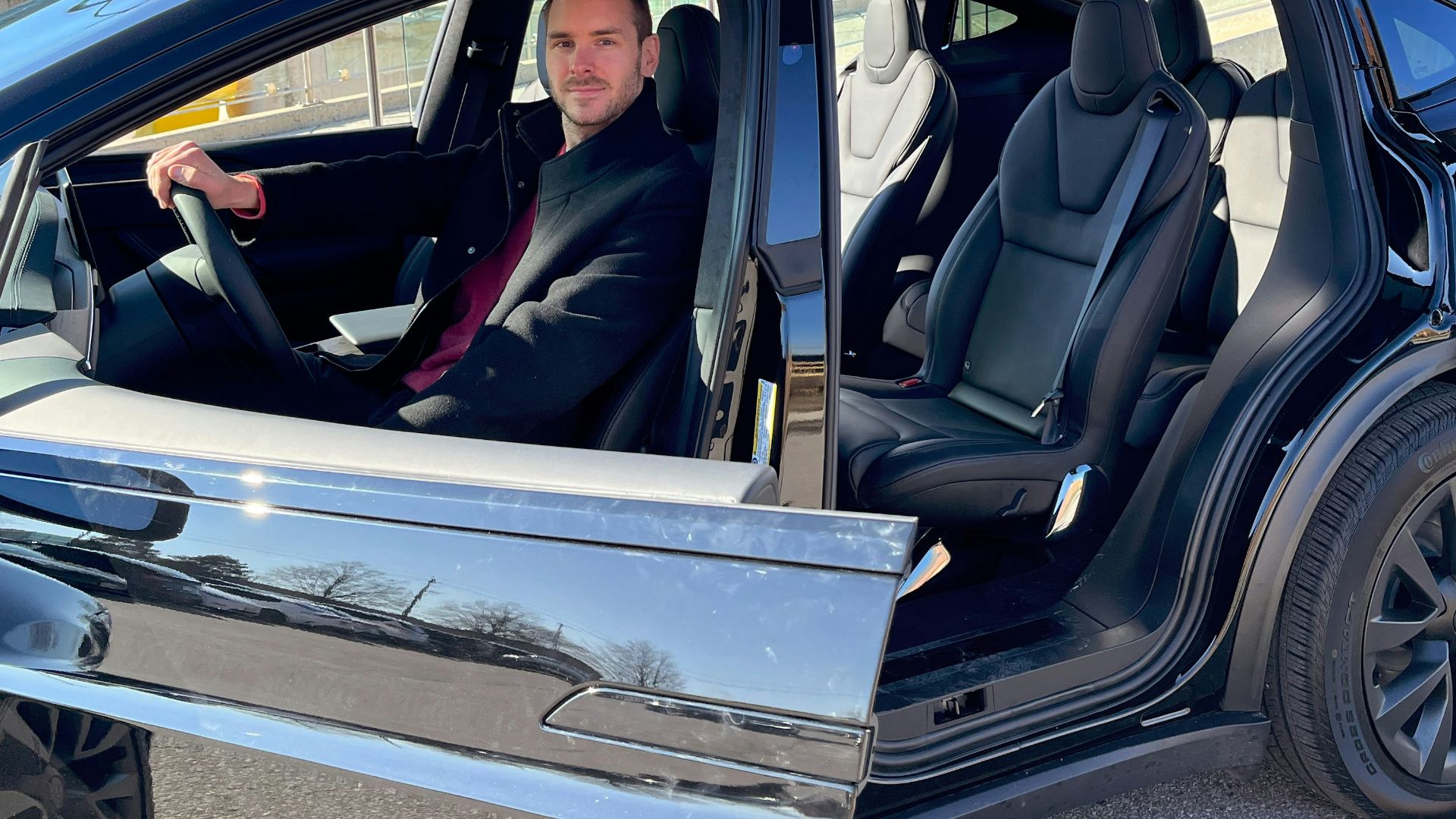
Flush and electronically actuated handles can improve aerodynamics and give a vehicle a sleek appearance. They also transform one of the simplest objects on a traditional car into an electromechanical system. On an aging vehicle, owners will need to understand both the powered mechanism and whatever manual emergency release the manufacturer provides.
Power-Folding Mirrors
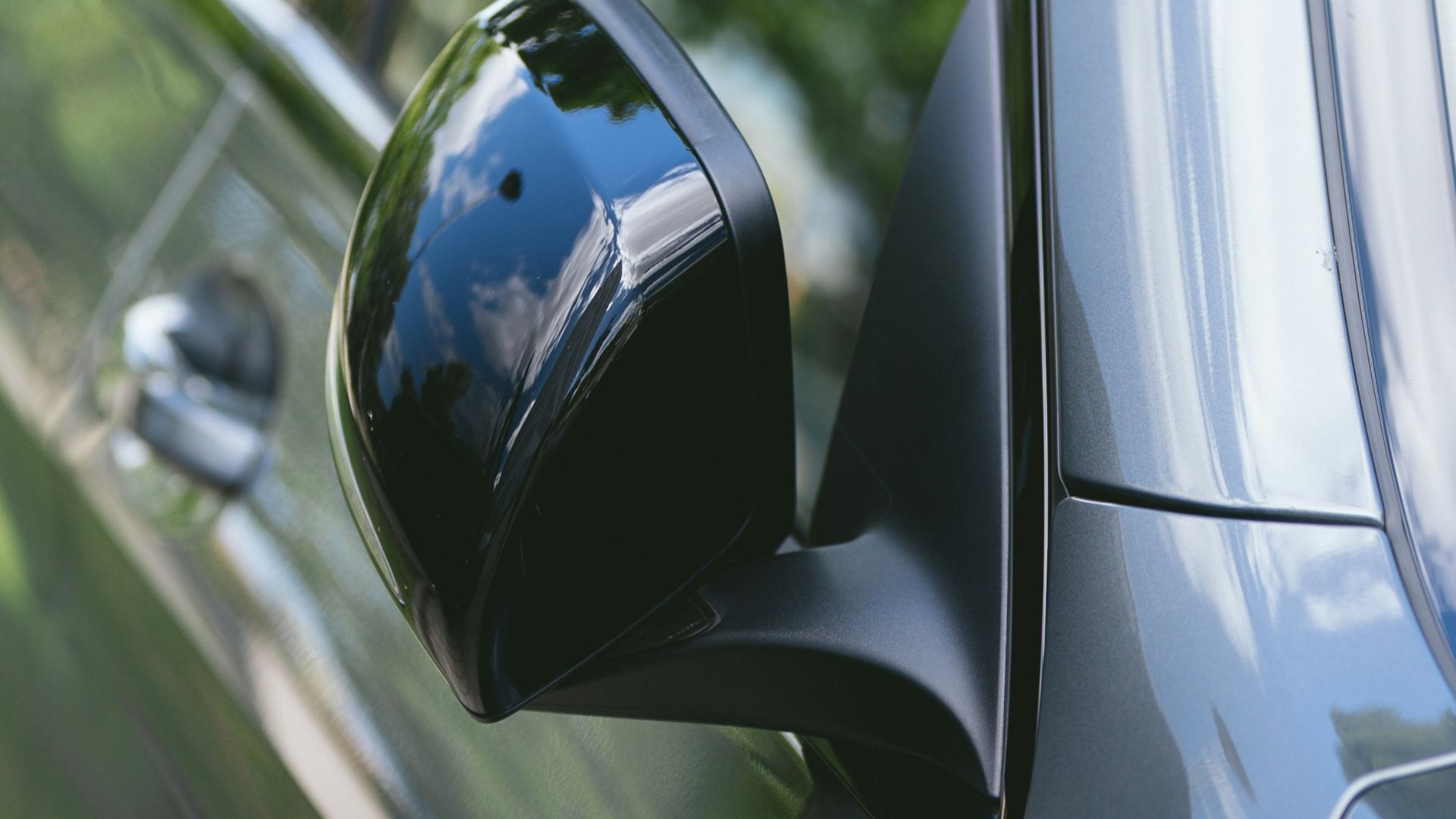
Power-folding mirrors are wonderfully convenient in narrow garages. They're also exposed to weather, road salt, car washes, impacts, freezing temperatures, and thousands of folding cycles. Add cameras, heaters, indicators, memory motors, and blind-spot warnings, and a mirror that eventually stops folding could be considerably more complicated than it appears.
Motorized Air Vents
Some upscale vehicles now use electronically controlled vents rather than simple manually positioned louvers. It's impressive showroom theater, but every additional actuator creates another component that must survive years of heat cycles and vibration. A broken vent in 2041 might require considerably more than pushing a plastic tab back into place.
Complex Power Seats
Modern premium seats can incorporate heating, ventilation, massage, memory, adjustable bolsters, lumbar supports, multiple motors, occupancy sensors, and electronic control modules. Most owners will love those features while they work. A 15-year-old luxury car with several dead seat functions, however, could become an electrical troubleshooting project.
Electronic Suspensions
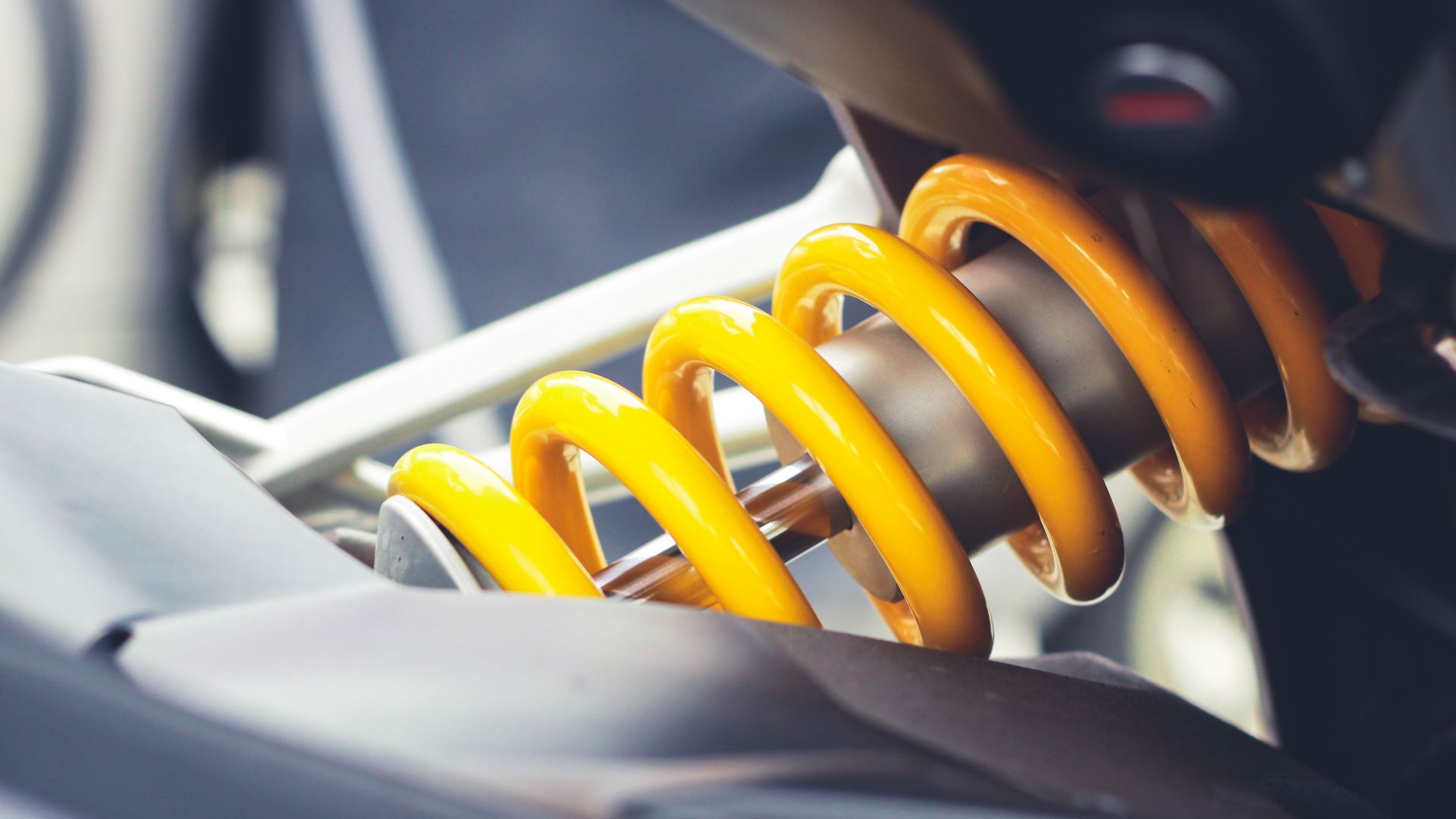
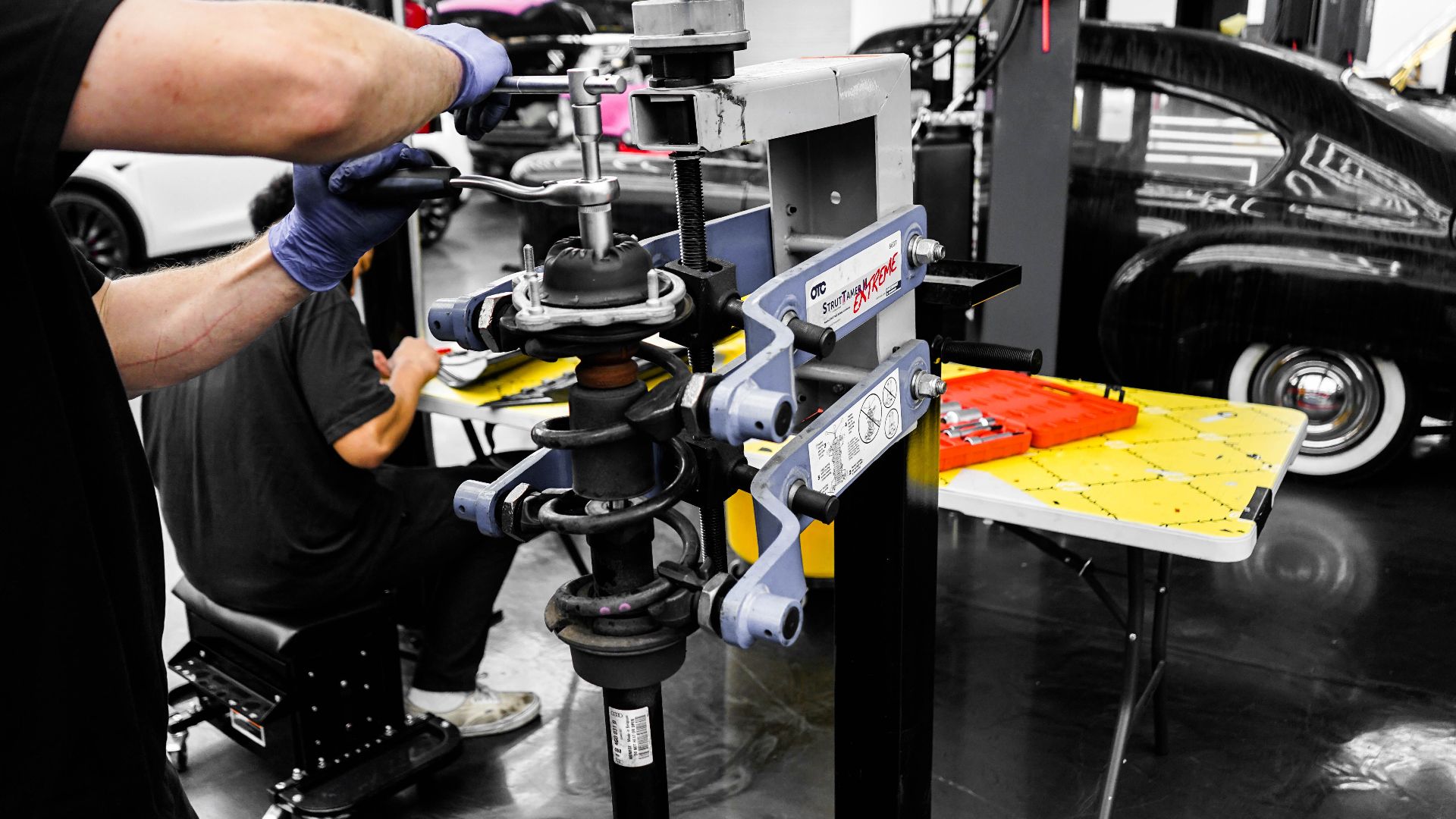
Adaptive dampers and air suspensions can produce an extraordinary combination of comfort and handling. Eventually, however, electronically controlled shocks, compressors, air springs, height sensors, valves, and control modules age. A conventional worn shock absorber is one problem. A sophisticated suspension containing interconnected electronics and pneumatics presents considerably more possibilities.
Active Anti-Roll Systems
Some high-end vehicles go beyond adaptive dampers with active systems that counteract body roll using sophisticated electromechanical or hydraulic hardware. The results can seem magical on a winding road. Long after depreciation makes the car affordable, repairing the technology responsible for that magic may remain decidedly premium-priced.
Active Grille Shutters
Automatically closing grille shutters can improve aerodynamics and help manage temperatures. Unfortunately, putting movable components directly at the front of a vehicle exposes them to insects, snow, ice, road debris, minor impacts, and weather. An old fixed grille couldn't stop opening because it never had to move in the first place.

Electric Parking Brakes
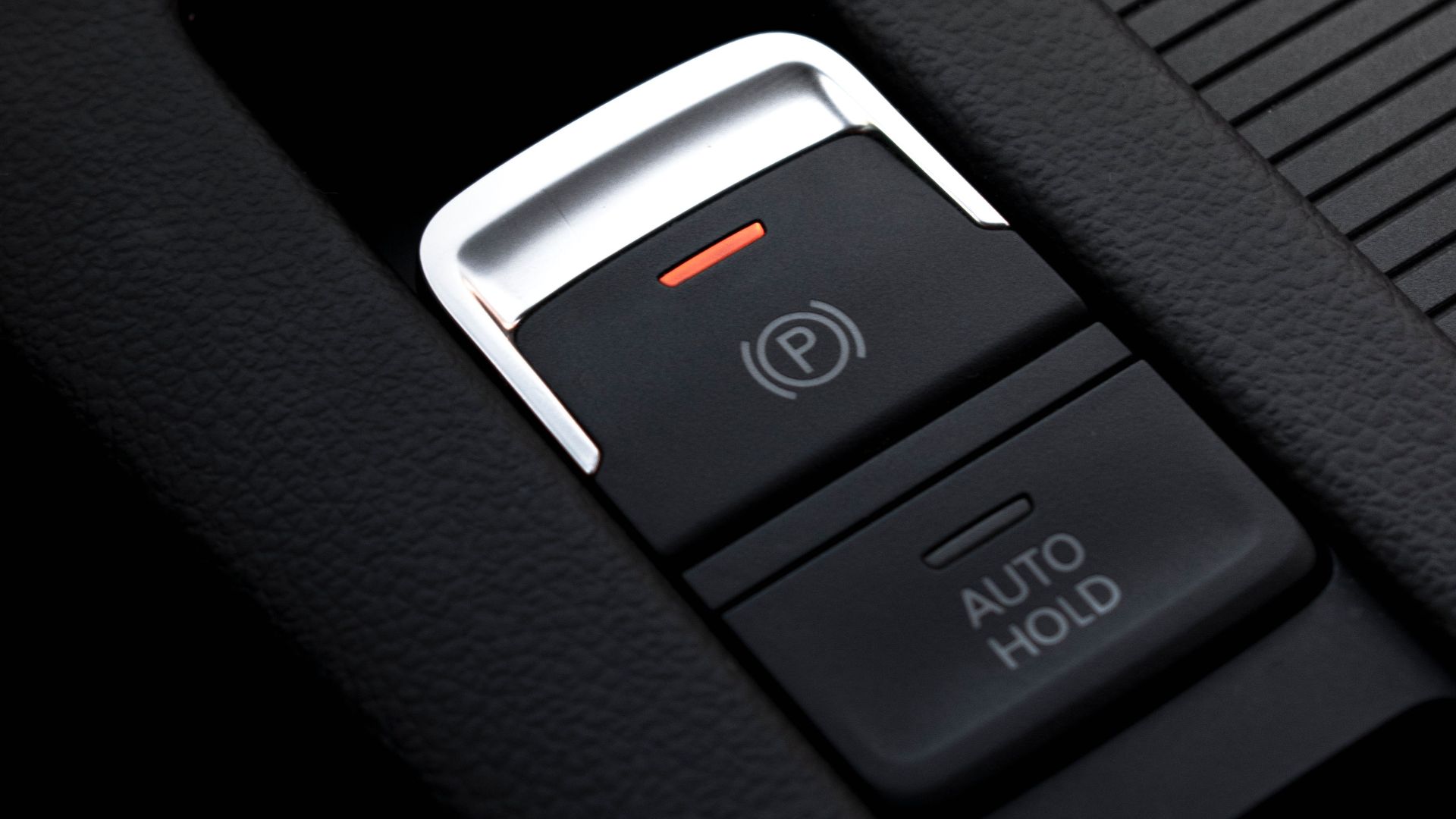
The familiar hand lever increasingly has been replaced by a switch controlling electric actuators. Electronic parking brakes enable convenient features such as automatic hold, but they also add motors, wiring, modules, and service procedures. Future DIY owners may find even routine rear-brake work requires knowing how to place the system into service mode.
Tire Pressure Sensors
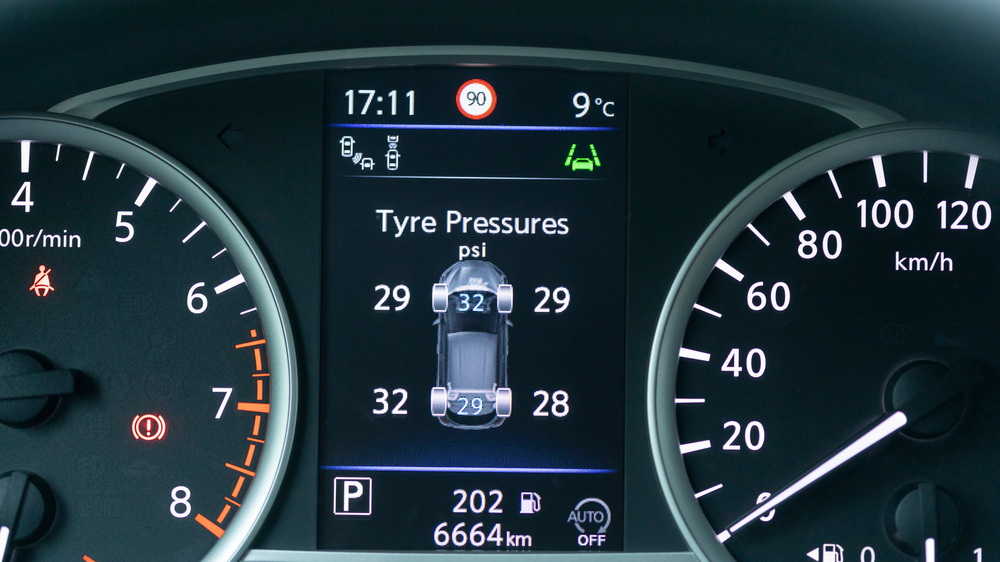
Tire pressure monitoring systems (TPMS) aren't particularly new anymore, which means we already know one age-related weakness: sensor batteries eventually die. National Highway Traffic Safety Administration's (NHTSA) original analysis anticipated batteries lasting roughly five to ten years, while later manufacturer information describes approximately decade-long lifespans. The sealed sensor may then require replacement and relearning rather than a battery swap.
Connected-Car Hardware
Cellular connectivity enables remote starting, app controls, emergency services, navigation data, and over-the-air communication. But automobiles generally remain on the road far longer than smartphones. Fifteen years later, the vehicle's original communications hardware, network standards, servers, apps, or supported services may no longer resemble the ecosystem that existed when it was sold.

Software-Dependent Features
Modern cars increasingly depend upon software for features that once operated independently. J.D. Power's 2025 dependability study found software-related problems rising, with smartphone integration particularly troublesome. Long-term ownership raises a different question: how easily can aging hardware remain useful when the digital world surrounding it keeps changing?
Plug-In Battery Packs
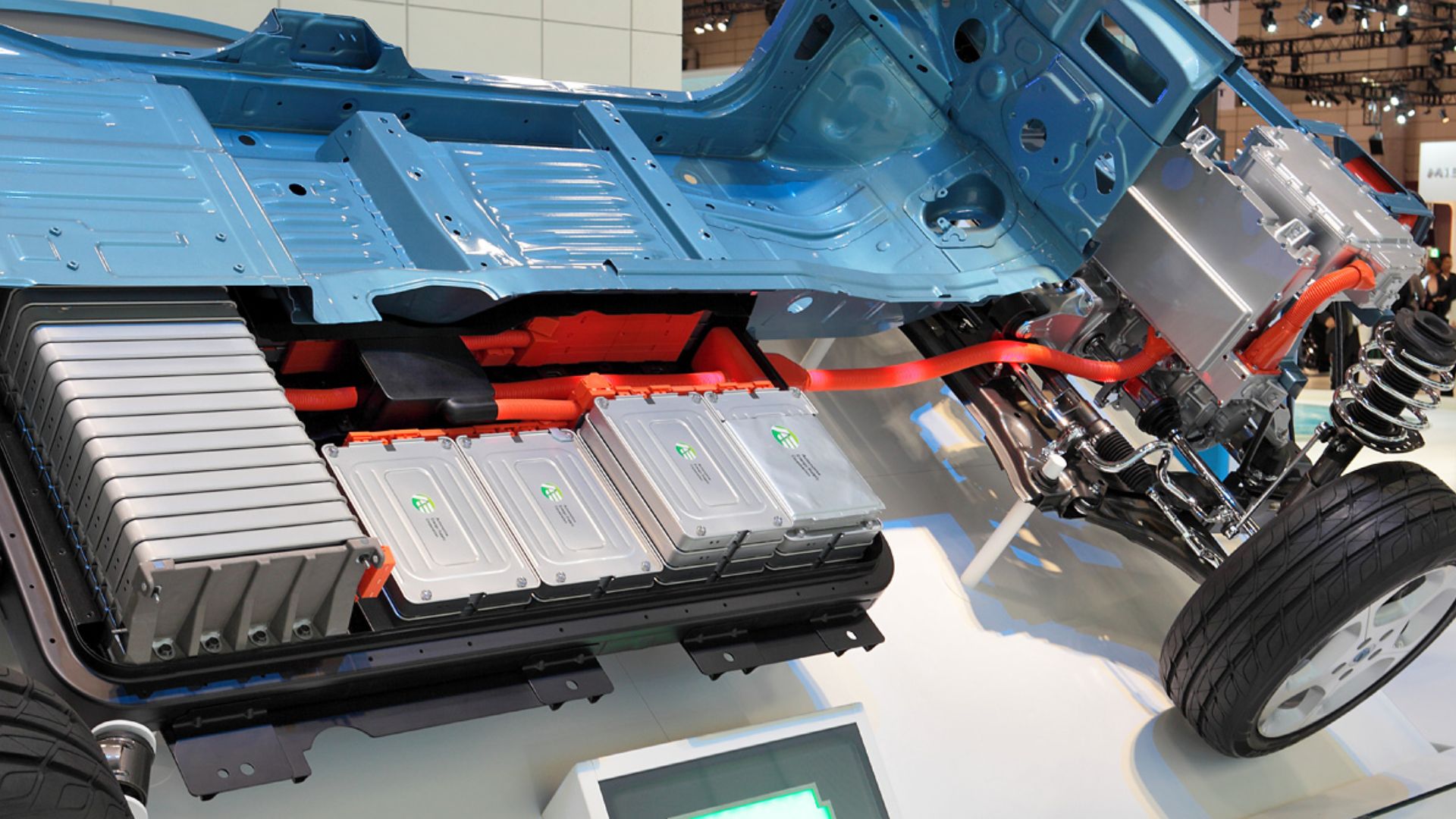
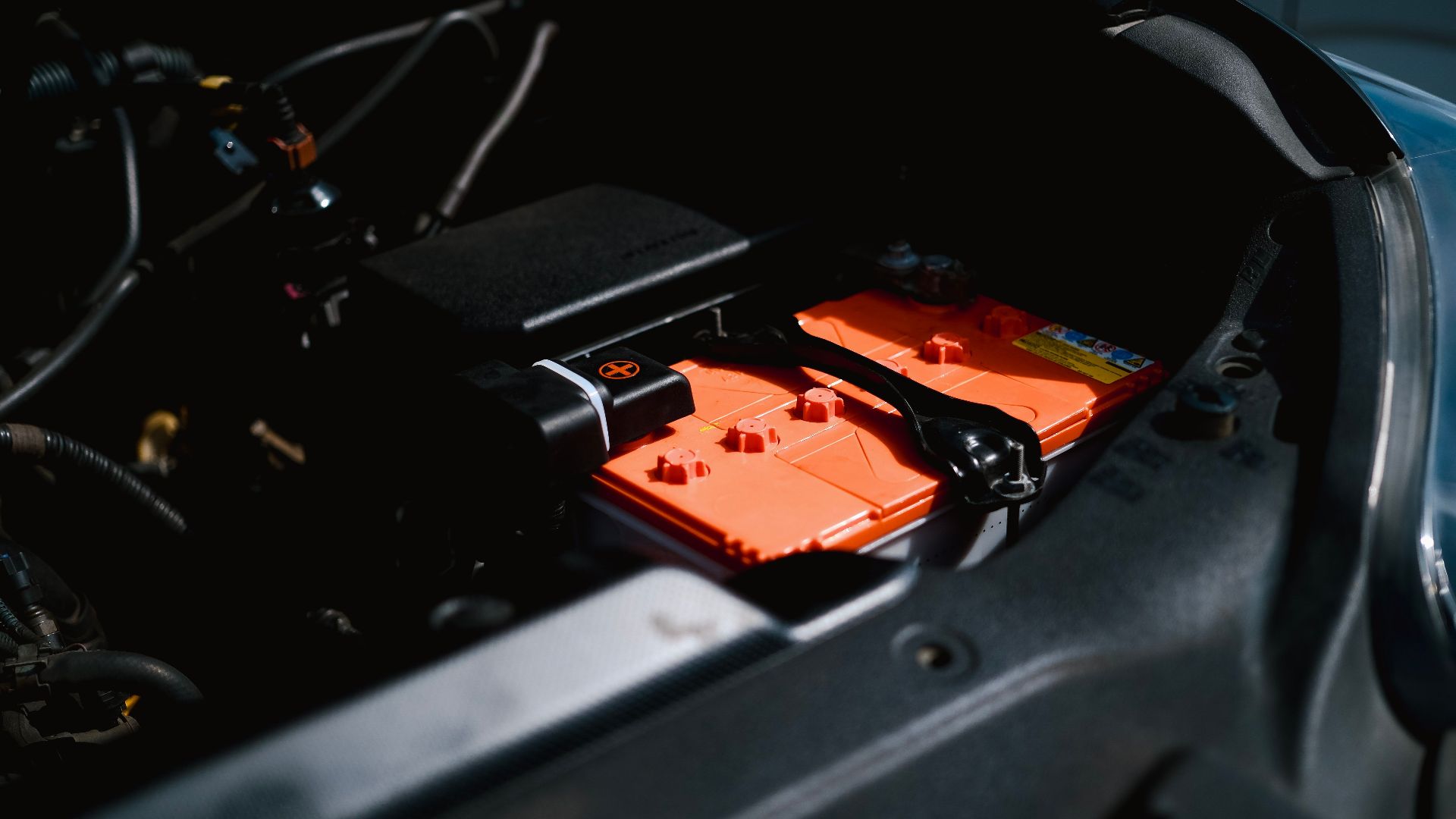
EV battery failure remains much rarer than some alarming headlines suggest. The Department of Energy (DOE) highlighted research finding only 1.5% of studied plug-in vehicles needed battery replacement because of failure outside recalls. Nevertheless, batteries eventually age, and DOE notes that replacement outside warranty can represent a significant expense.
Battery Thermal Systems
An EV battery isn't simply an enormous box of cells. Many packs rely upon sophisticated thermal-management systems, including pumps, valves, coolant circuits, sensors, heaters, and sometimes refrigerant connections. The DOE notes that liquid-cooled battery systems can require periodic attention, adding another consideration as EVs reach advanced ages.
Complexity Changes Aging
None of this means a 2026 car will inevitably become unreliable by 2041. Modern vehicles can be remarkably durable, and technology keeps improving. The bigger change is what failure means. A relatively small component can now interact with multiple systems, require specialized diagnosis, demand calibration, and turn simple repairs into interconnected ones.

The Used-Car Wild Card
The real question isn't whether these features are worth having. Many improve safety, comfort, and efficiency enormously. It's whether replacement parts, software support, diagnostic equipment, affordable specialists, and repair procedures will remain readily available as millions of technology-heavy vehicles move from first owners to the 15-year-old used-car market.

You May Also Like:
My mechanic says my turbocharged engine needs stricter maintenance than older cars. Is that true?
Car Repair And Maintenance Tools That Aren't Necessary—But Make Things A Whole Lot Easier