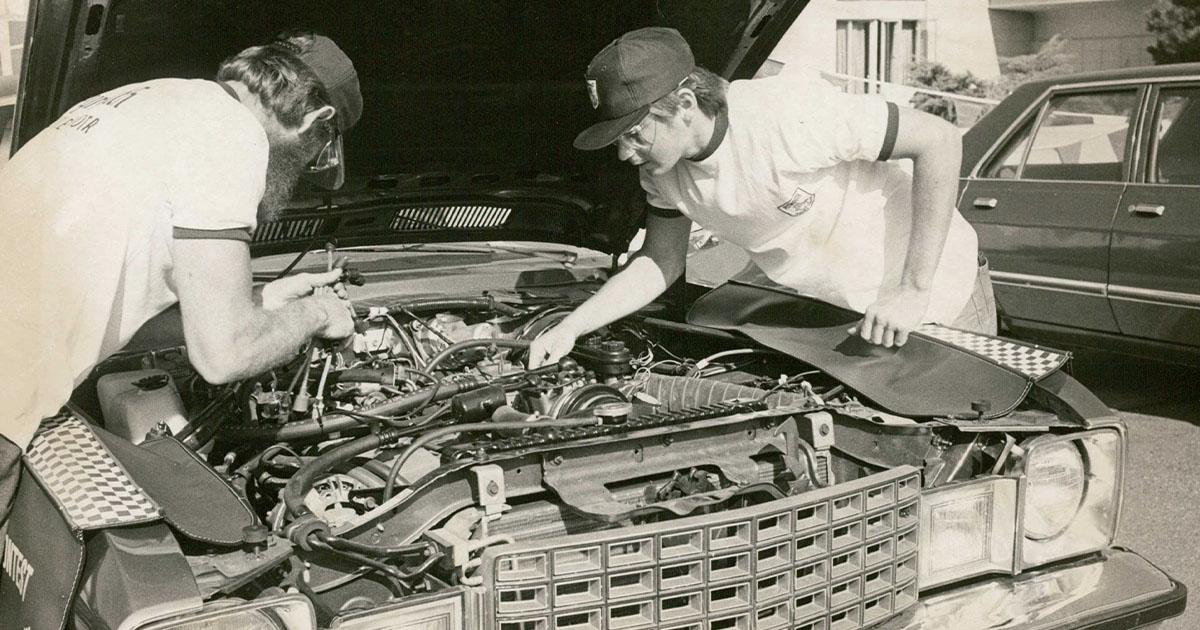
Back When Owning A Car Meant Knowing What Was Under The Hood
Back in the 1970s, owning a car meant getting your hands dirty occasionally. Drivers checked their oil, listened for strange noises, and learned basic repairs from their parents. Today, cars practically diagnose themselves, and many younger drivers have never touched a dipstick or changed a tire. Some of those old skills are obsolete, but others could still save drivers hundreds of dollars. How many did you learn growing up?
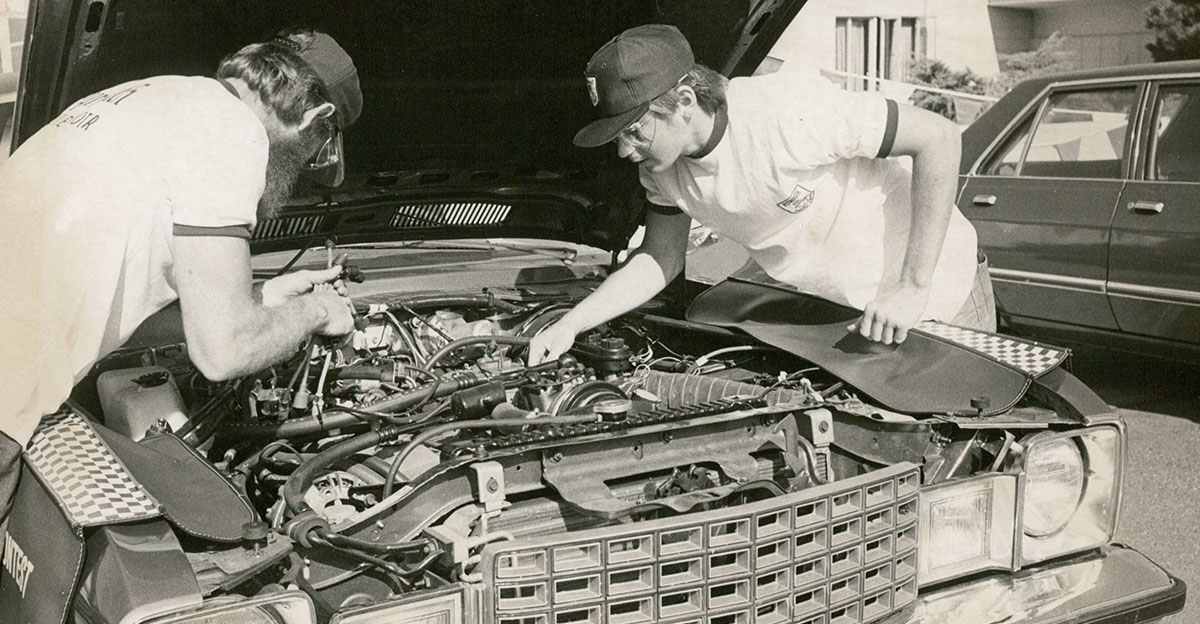
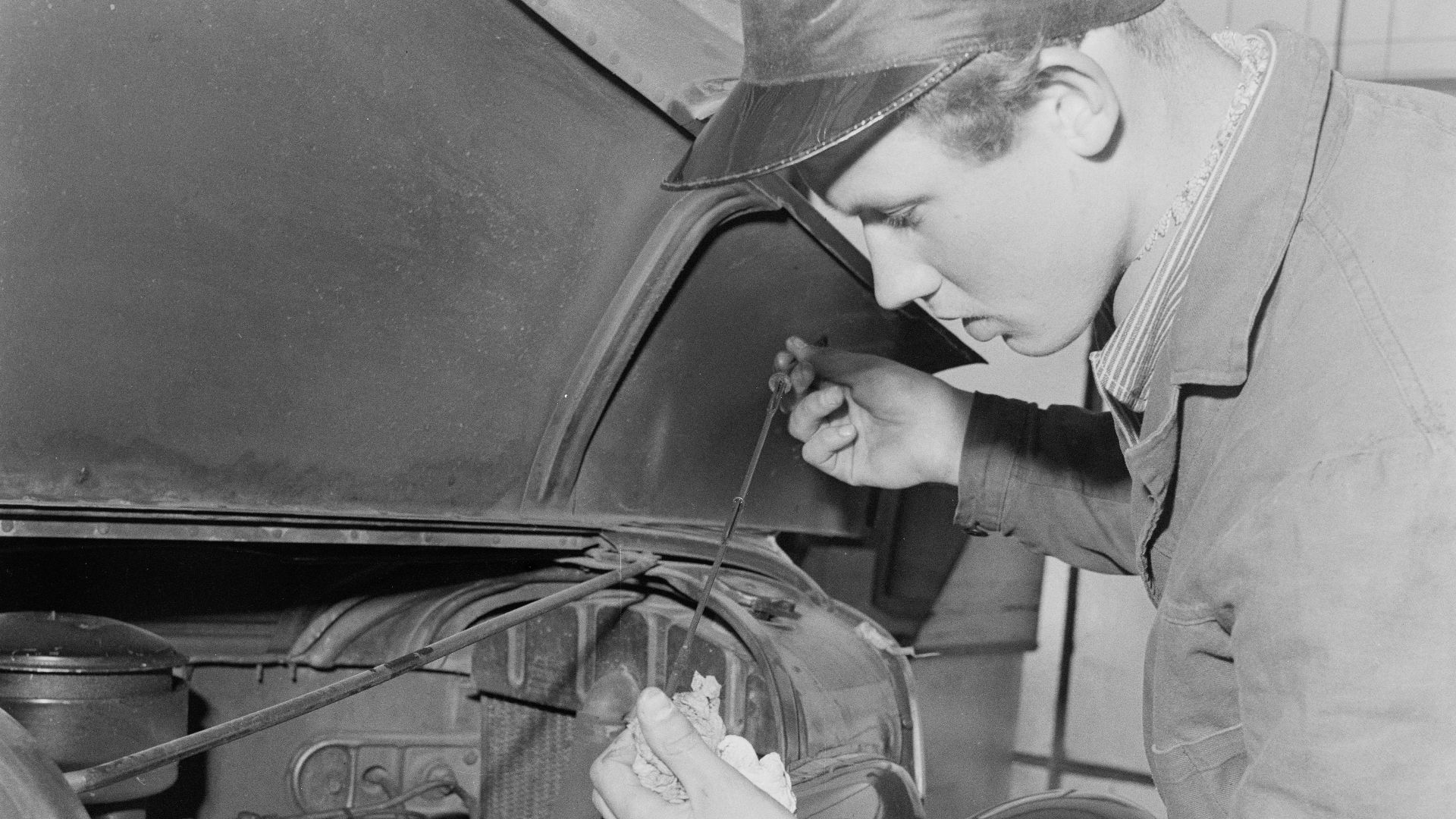
30. Checking The Oil With A Dipstick
Back then, checking the oil was practically a weekly ritual. You'd park on level ground, pull the dipstick, wipe it, and check again, following the car's instructions. Many younger drivers now rely entirely on dashboard warnings. Unfortunately, waiting for an oil-pressure warning can mean serious engine damage has already begun.
 Arne F. Køpke, Wikimedia Commons
29. Checking Tire Pressure By Hand
Before tire-pressure monitoring systems, drivers carried little pocket gauges. Today, younger motorists often wait for a dashboard light, unaware that tires can be underinflated before the warning activates. Checking cold tire pressure against the door-jamb sticker remains one of the easiest ways to improve fuel economy and tire life.
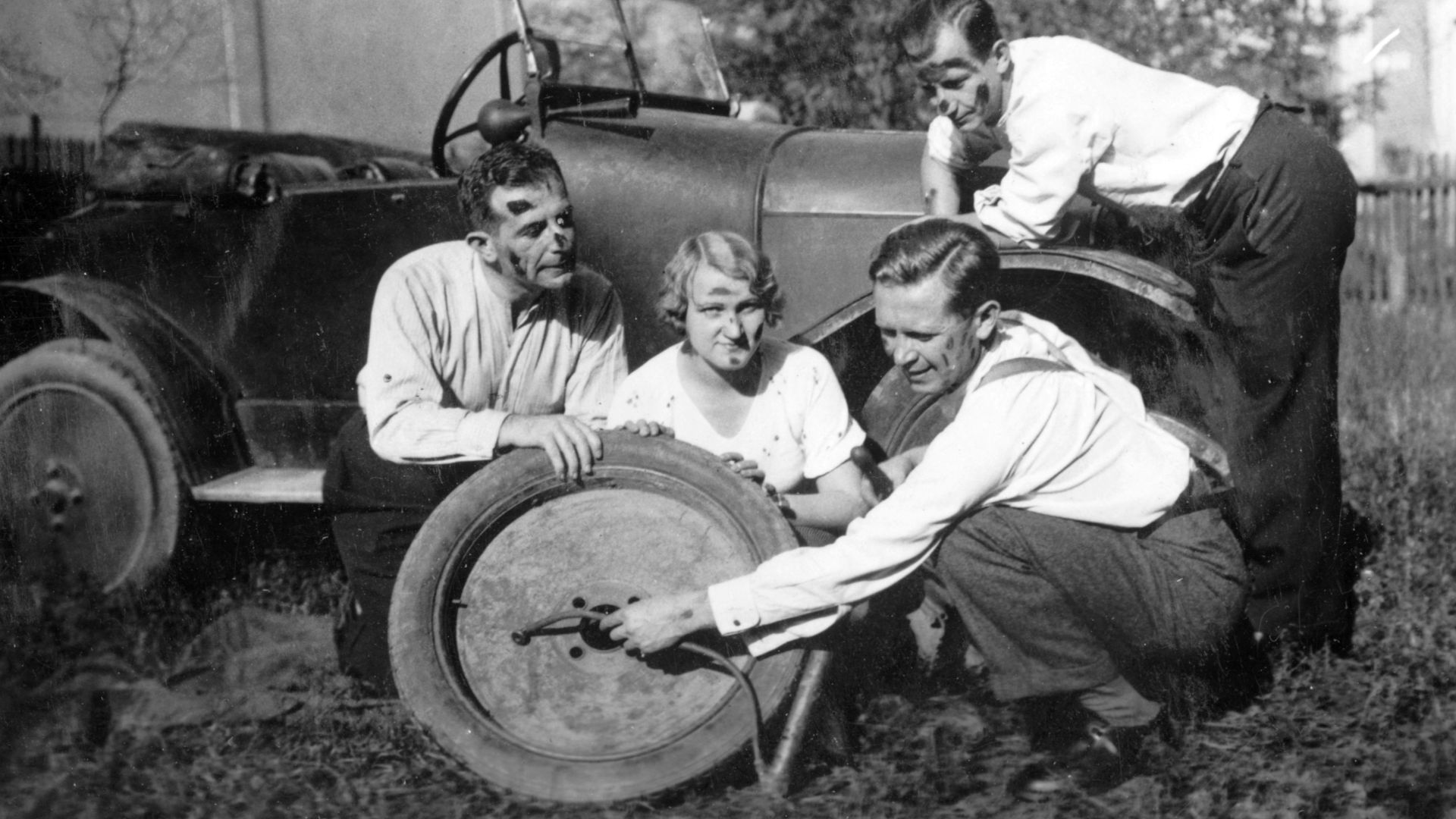
28. Rotating Tires In The Driveway
A Saturday morning tire rotation was once a normal household chore. Today, many younger drivers simply leave it to the shop, sometimes forgetting it altogether. Rotation helps distribute tire wear, although the correct pattern depends on the vehicle and tires. Anyone attempting it needs proper jack stands and safe lifting procedures.
 FOTO:Fortepan — ID 6927: Adományozó/Donor: G K., Wikimedia Commons
27. Inspecting The Fan Belt
In the 1970s, drivers regularly checked V-belts for cracks, glazing, and looseness. A squealing belt was something you investigated, not ignored. Younger drivers rarely learn this skill because modern serpentine belts have automatic tensioners. However, inspecting belt condition still matters, especially before a long road trip.
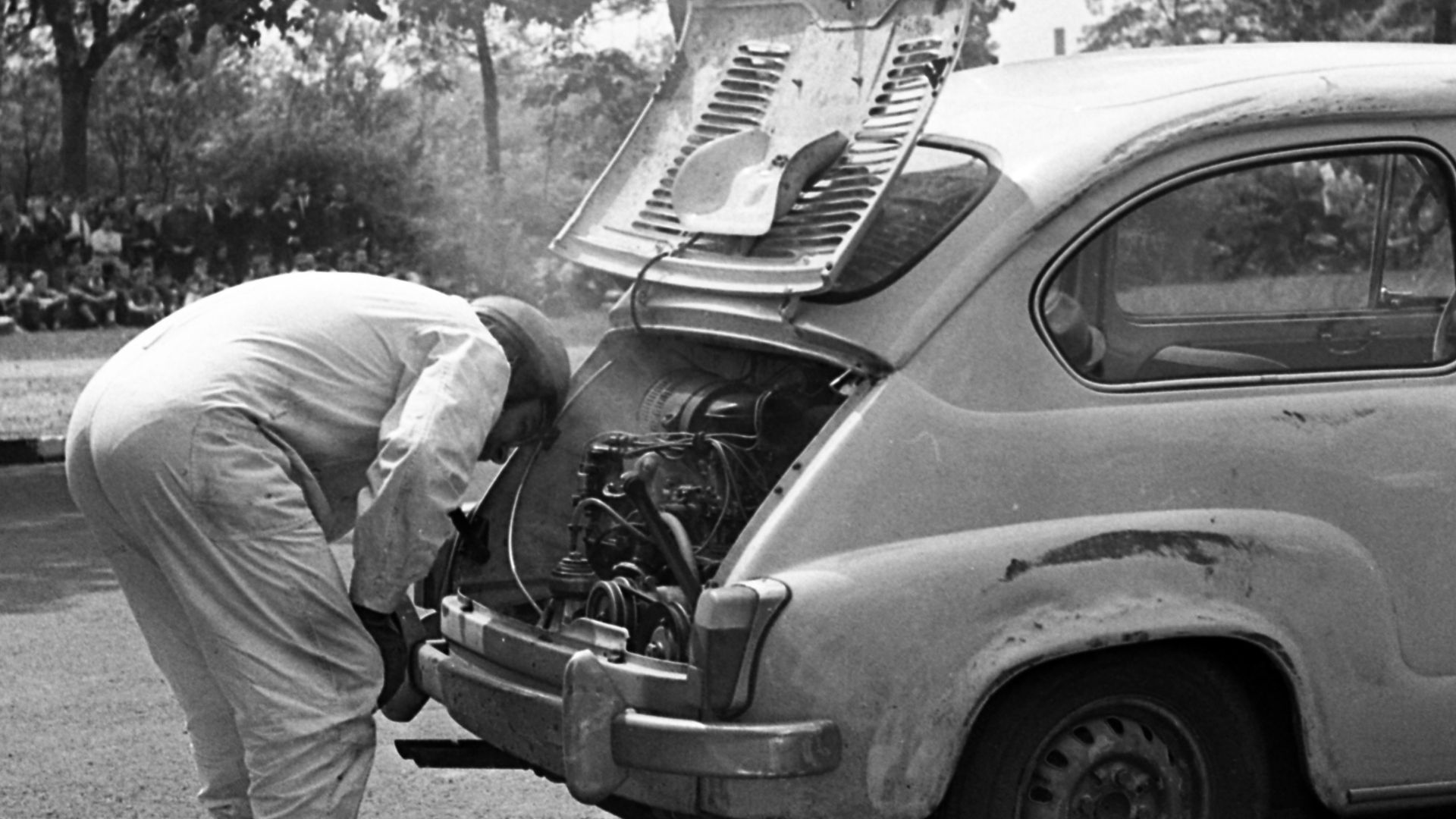 FOTO:Fortepan — ID 89592: Adományozó/Donor: Urbán Tamás., Wikimedia Commons
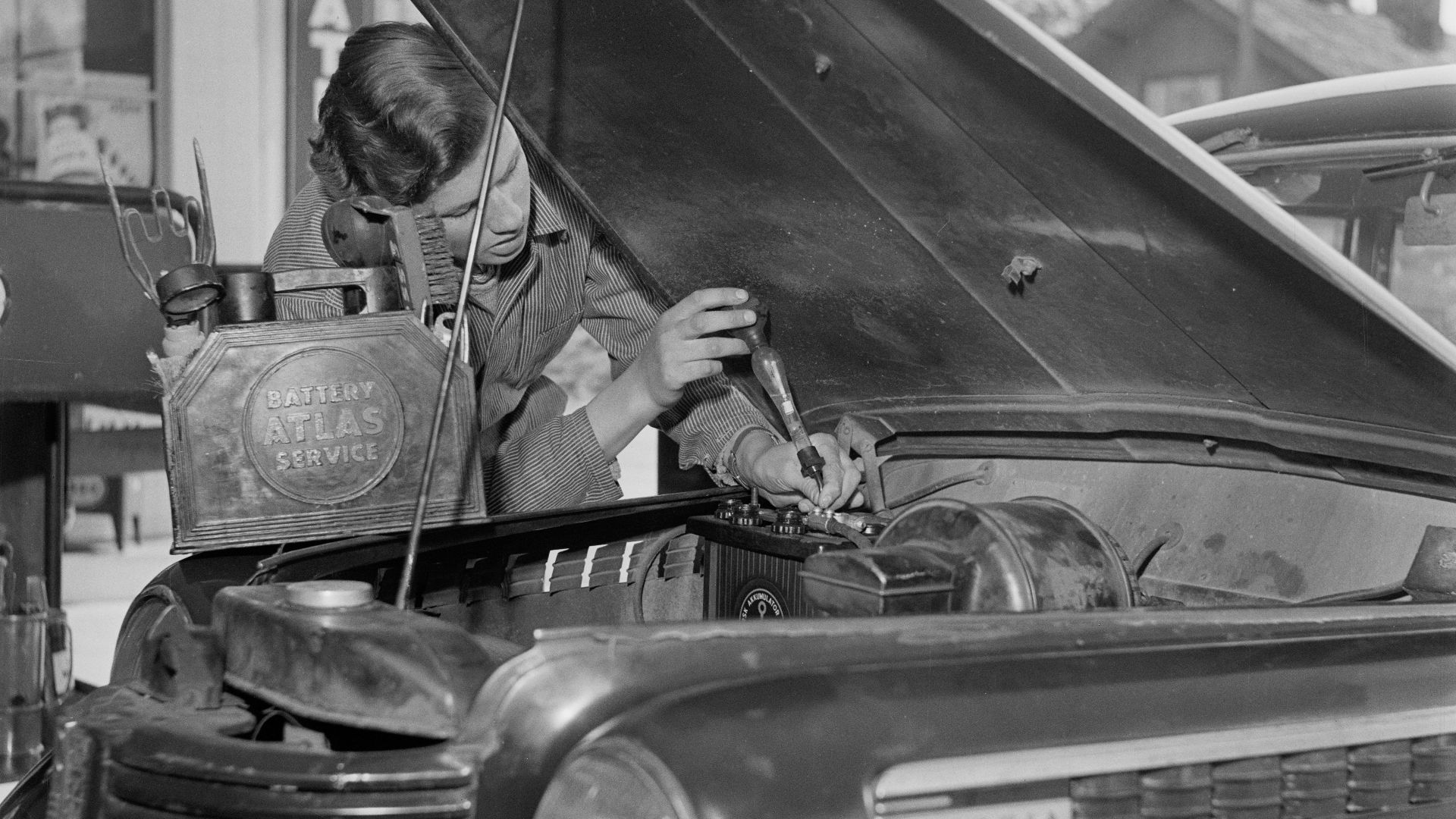
26. Cleaning Battery Terminals
That crusty buildup around battery terminals used to mean somebody was getting out the cleaning supplies. Today, younger drivers might assume a slow-starting car needs a new battery. Sometimes the real culprit is corrosion. Cleaning terminals safely and checking connections can prevent starting problems without an expensive replacement.
 Arne F. Køpke, Wikimedia Commons
25. Checking Coolant Before A Road Trip
Older drivers often inspected coolant levels before loading the family into the station wagon. Younger motorists tend to trust temperature gauges and warning lights instead. Checking the coolant reservoir when the engine is cold can reveal a developing leak. Never remove a hot radiator cap, though. That's one lesson nobody needs to learn twice.
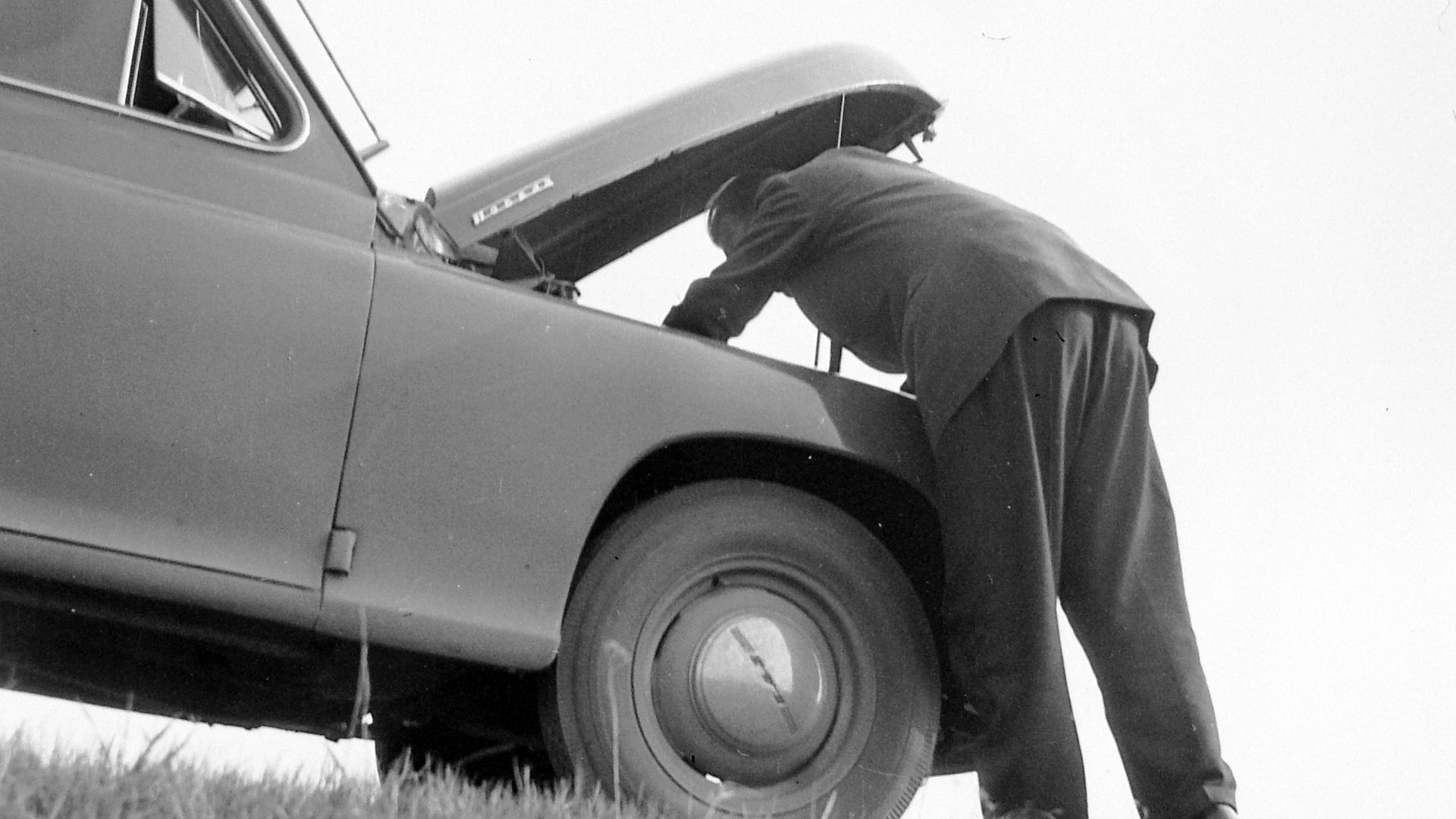 FOTO:Fortepan — ID 5291: Adományozó/Donor: Kurutz Márton., Wikimedia Commons
24. Listening To The Engine At Idle
Experienced drivers could often recognize trouble just by listening. Rough idling, knocking, or unusual ticking meant something deserved attention. Younger drivers are more accustomed to waiting for the check-engine light. Modern diagnostics are useful, but learning what your engine normally sounds like can help you recognize trouble sooner.
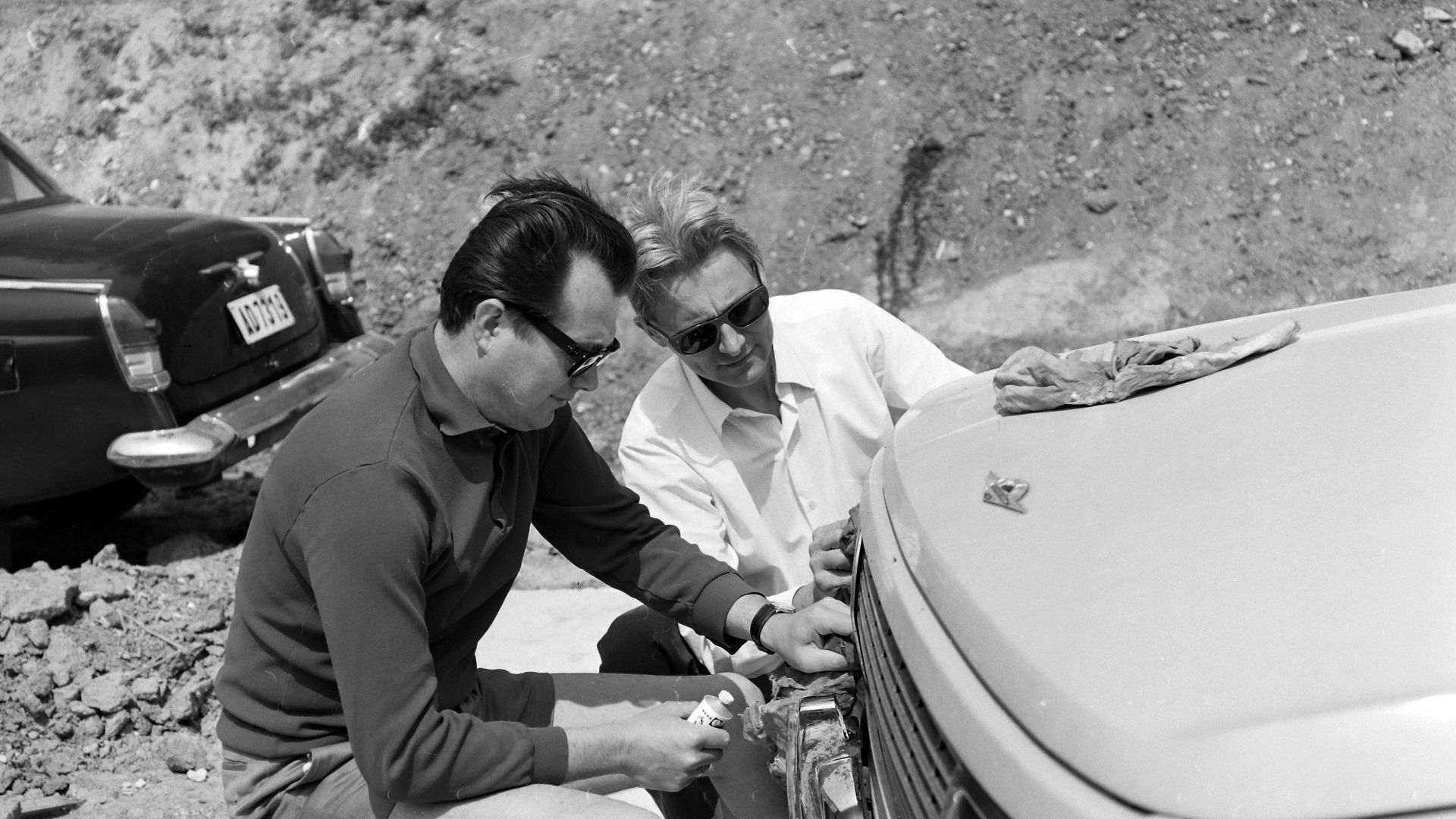 FOTO:Fortepan — ID 97816: Adományozó/Donor: UVATERV., Wikimedia Commons
23. Checking Spark Plugs
In the 1970s, pulling spark plugs could reveal clues about ignition problems, oil consumption, and combustion. Younger drivers rarely see a spark plug because modern versions can last 100,000 miles or more. Learning to recognize fouling, worn electrodes, and abnormal deposits remains valuable, especially when maintaining older vehicles.
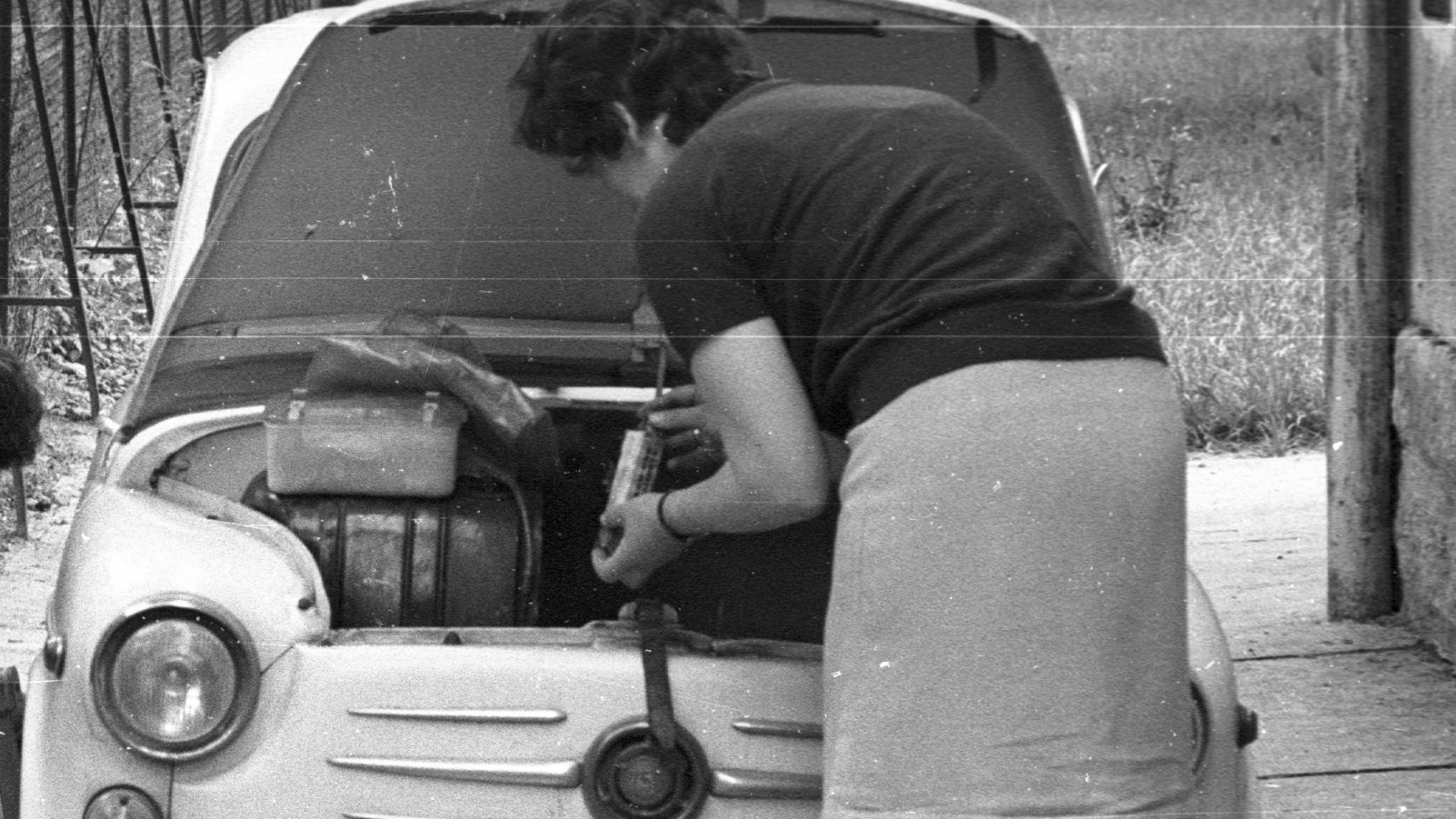 FOTO:Fortepan — ID 92806: Adományozó/Donor: G K., Wikimedia Commons
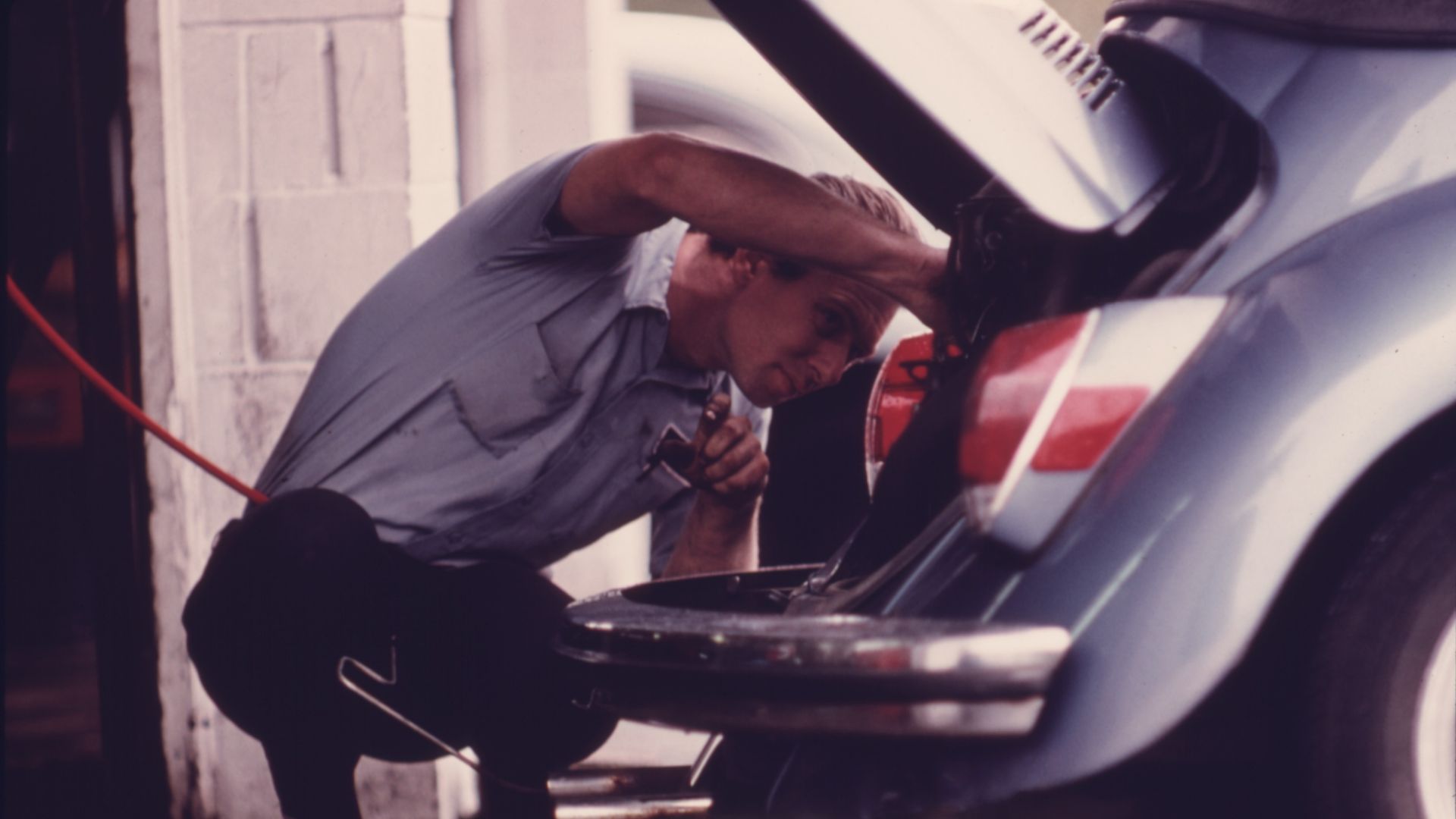
22. Replacing Ignition Points
Before electronic ignition became widespread, drivers learned to inspect and adjust distributor points using feeler gauges or dwell meters. Younger motorists generally never encounter them because modern engines eliminated the system. It's mostly a classic-car skill today, but understanding ignition points helps explain why 1970s engines needed so many tune-ups.
 Lyntha Scott Eiler, Wikimedia Commons
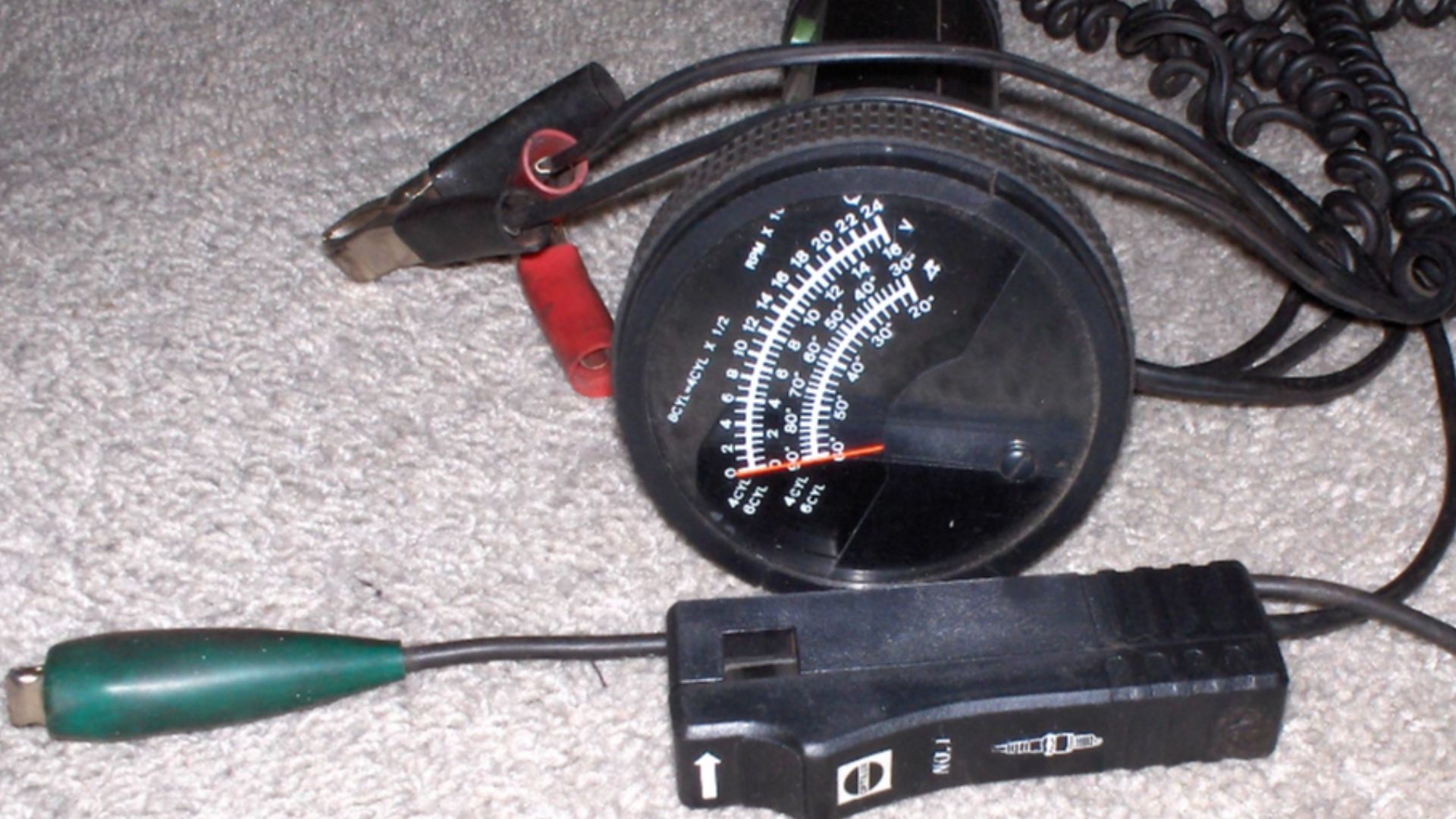
21. Setting Ignition Timing
A timing light was once as familiar in a home garage as a socket wrench. Drivers adjusted distributor timing to keep engines running properly. Younger enthusiasts may never learn the procedure because modern computers control ignition timing automatically. Anyone restoring an older muscle car, however, will quickly discover why this forgotten skill matters.
 Sonett72 at English Wikipedia, Wikimedia Commons
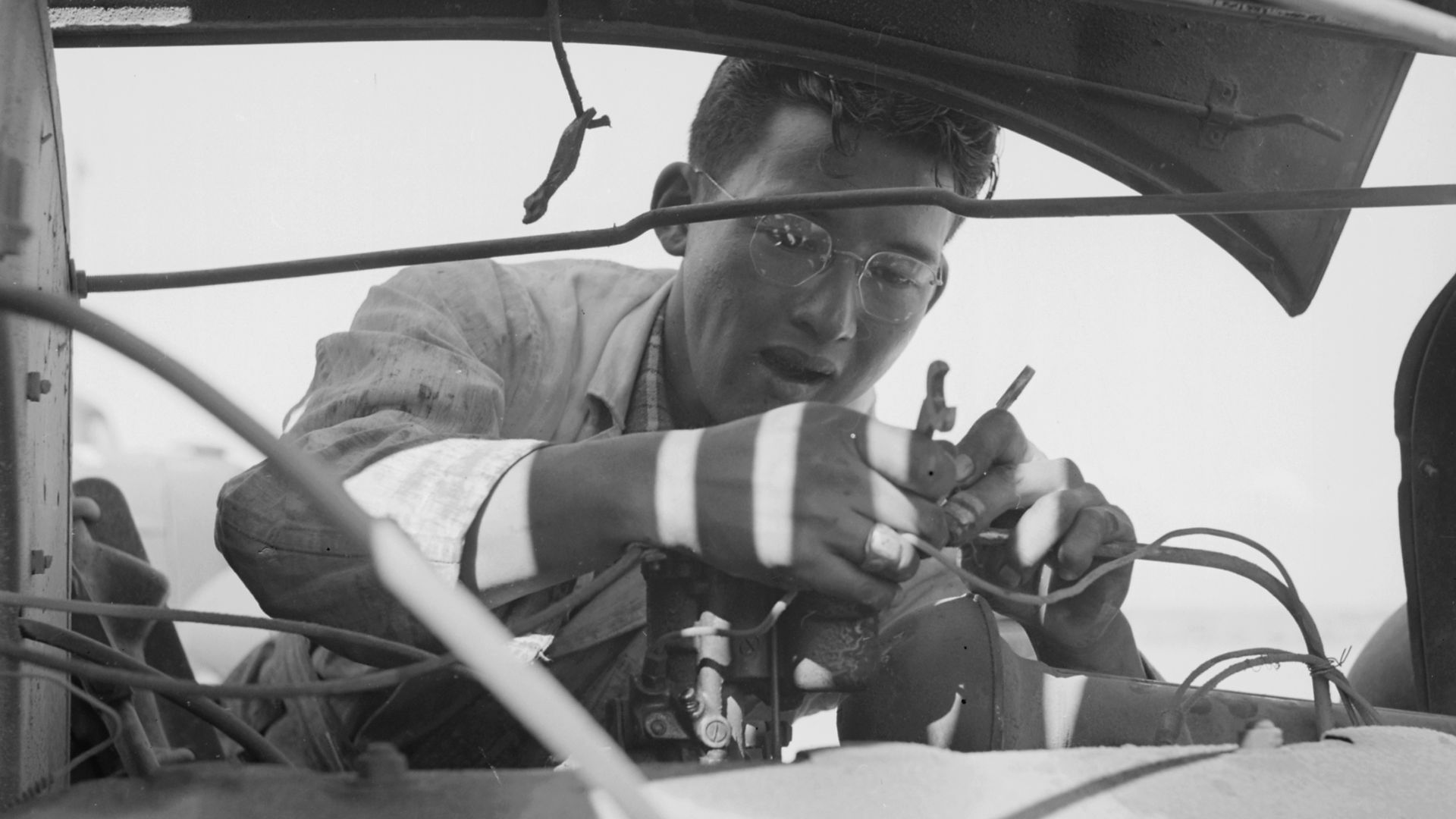
20. Adjusting The Carburetor
A screwdriver, some patience, and a good ear were once enough to tackle certain carburetor adjustments. Younger drivers raised on fuel injection rarely learn about idle-mixture screws, jets, or accelerator pumps. Modern engines are easier to live with, but carburetor knowledge remains essential for keeping vintage cars running properly.
19. Checking Transmission Fluid
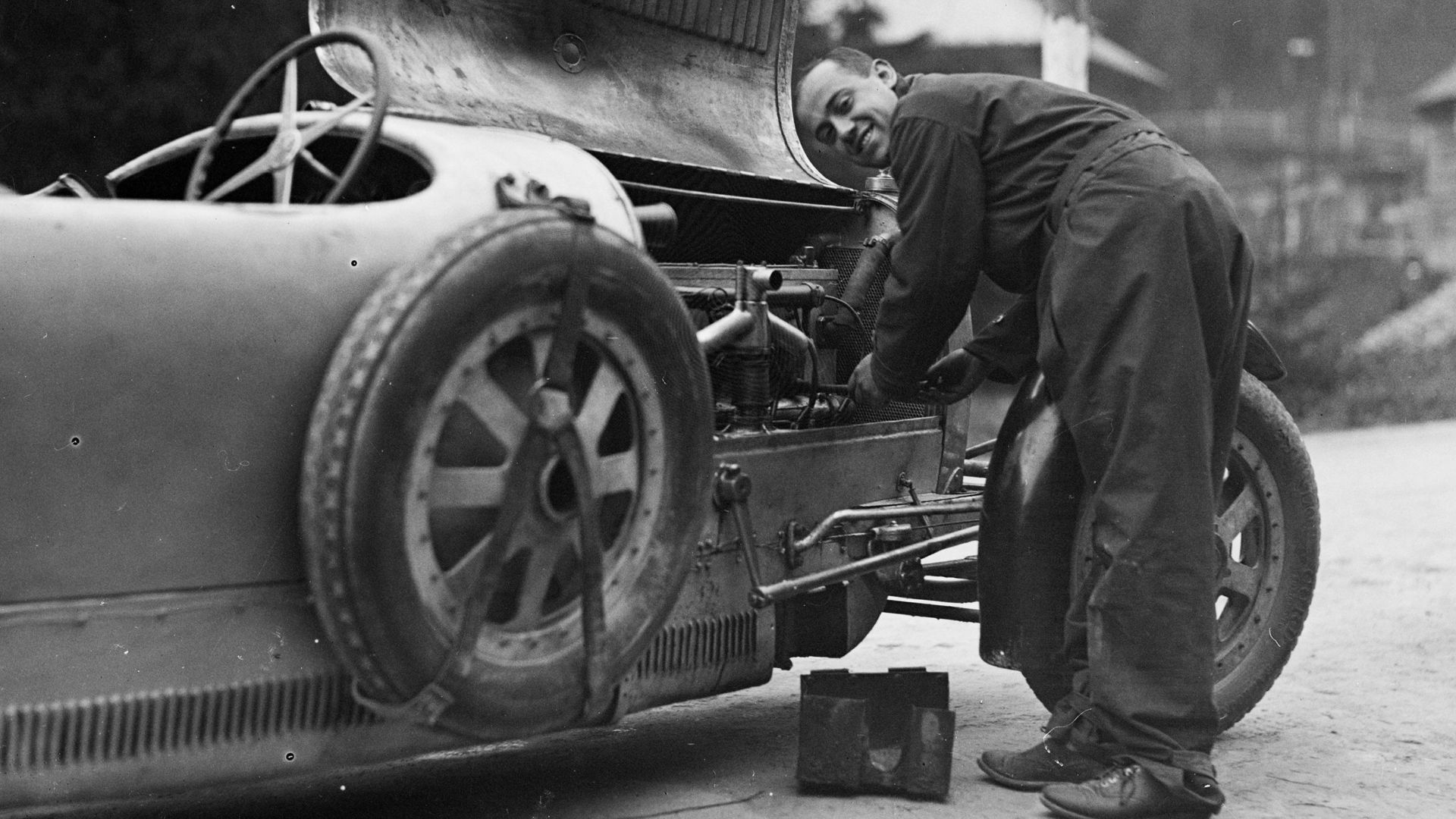
Older automatic transmissions often had accessible dipsticks, making fluid checks part of regular maintenance. Many younger drivers don't realize transmission fluid needs attention because newer vehicles sometimes lack traditional dipsticks. Knowing the correct service interval and recognizing leaks can help prevent expensive transmission damage.
 Unknown authorUnknown author, Wikimedia Commons
18. Greasing Suspension Fittings
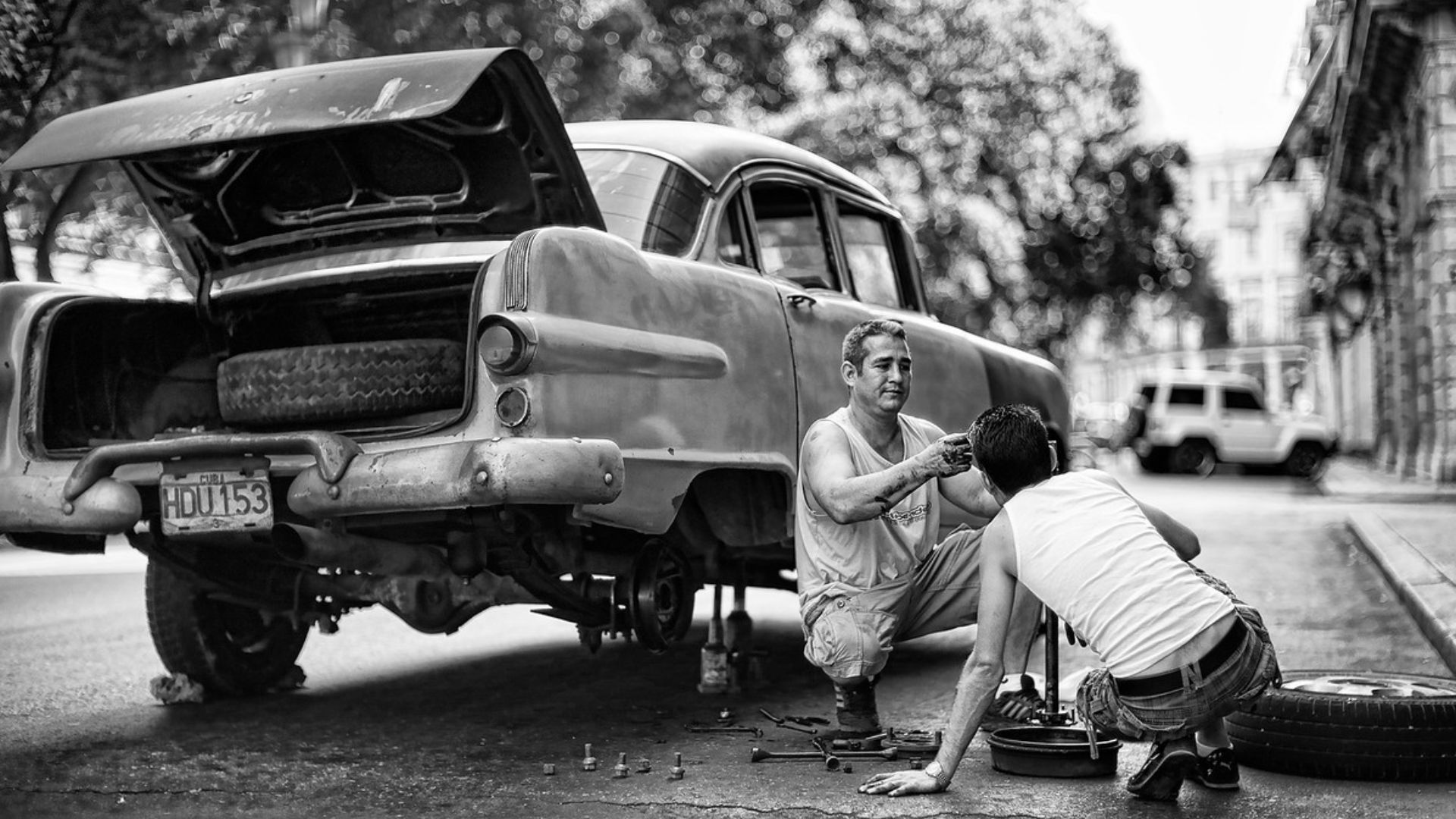
A grease gun was once a familiar sight in the family garage. Drivers lubricated steering and suspension components through small grease fittings. Younger motorists rarely learn this because most modern passenger cars use sealed parts. Some trucks and aftermarket components still require lubrication, making this old skill surprisingly relevant.
 Christopher Michel, Wikimedia Commons
17. Inspecting Brake Pads And Shoes
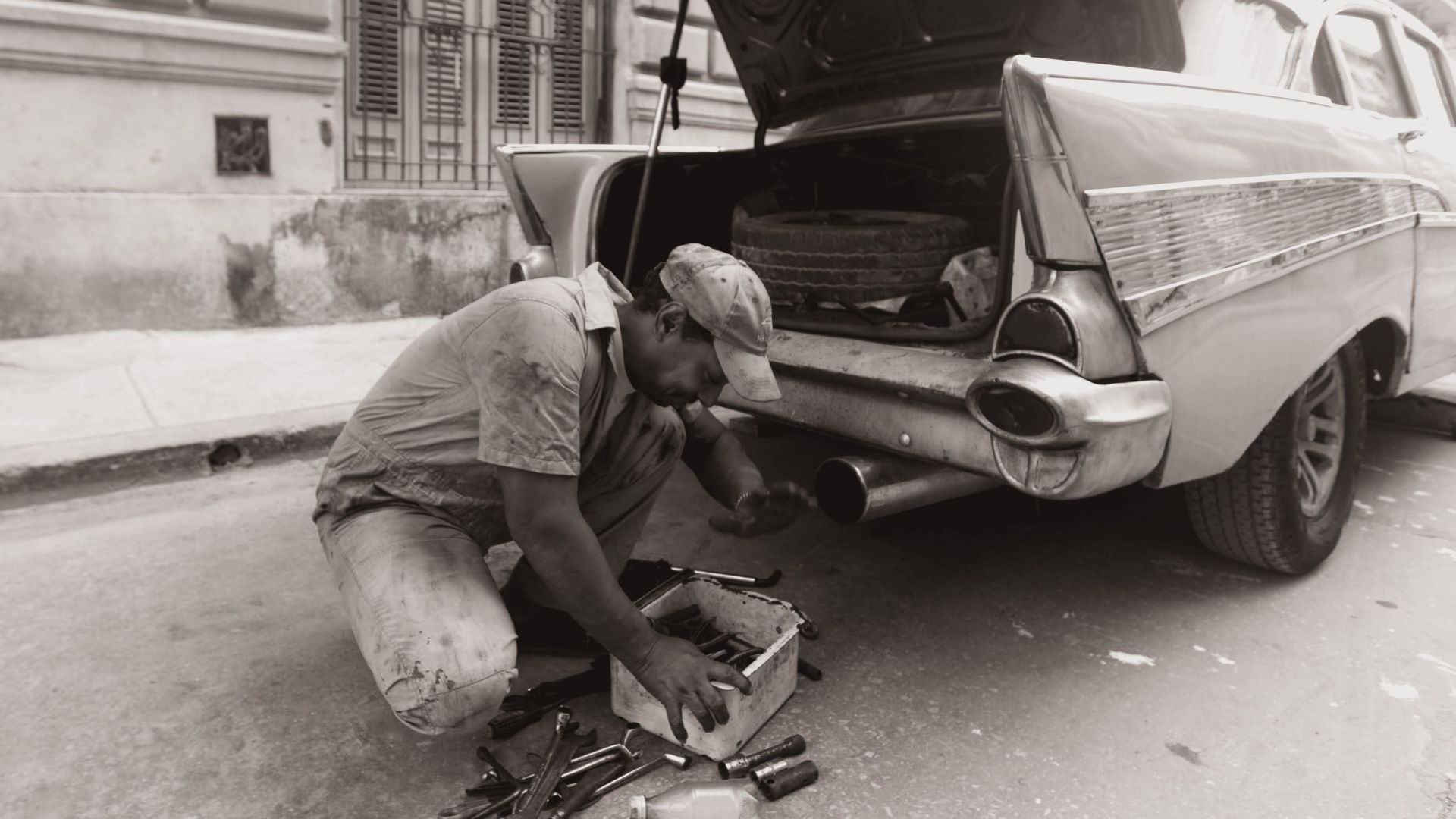
Older drivers often knew how to inspect brake shoes, pads, and hydraulic components. Younger drivers may recognize worn brakes only when they begin squealing. Learning the warning signs of brake wear can prevent damaged rotors and expensive repairs. Brake work requires proper procedures, but recognizing a problem is something every driver should learn.
16. Checking Brake Fluid Levels
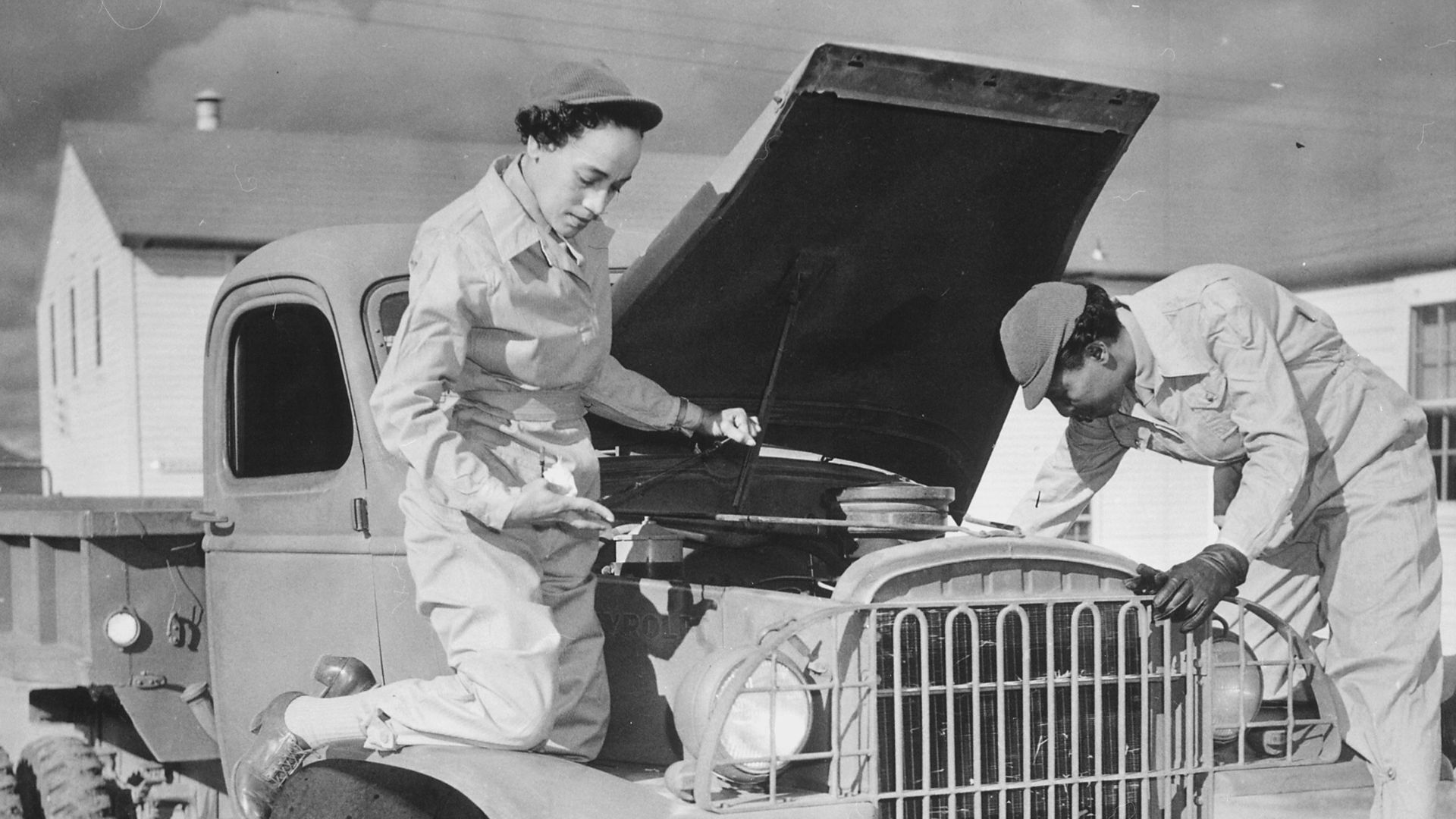
Checking the master cylinder reservoir was once routine. Younger drivers often assume brake fluid lasts forever because they rarely see it mentioned outside service appointments. A sudden drop can indicate a leak, while fluid also requires replacement according to the manufacturer's schedule. Brakes aren't something you want to maintain through guesswork.
 Unknown authorUnknown author or not provided, Wikimedia Commons
15. Inspecting Radiator Hoses
Drivers once squeezed and inspected radiator hoses when the engine was cool, checking for cracks, swelling, and deterioration. Younger motorists rarely think about hoses until one fails. Modern cooling systems are dependable, but rubber still ages. Catching a weak hose before a road trip beats watching steam pour from under the hood.
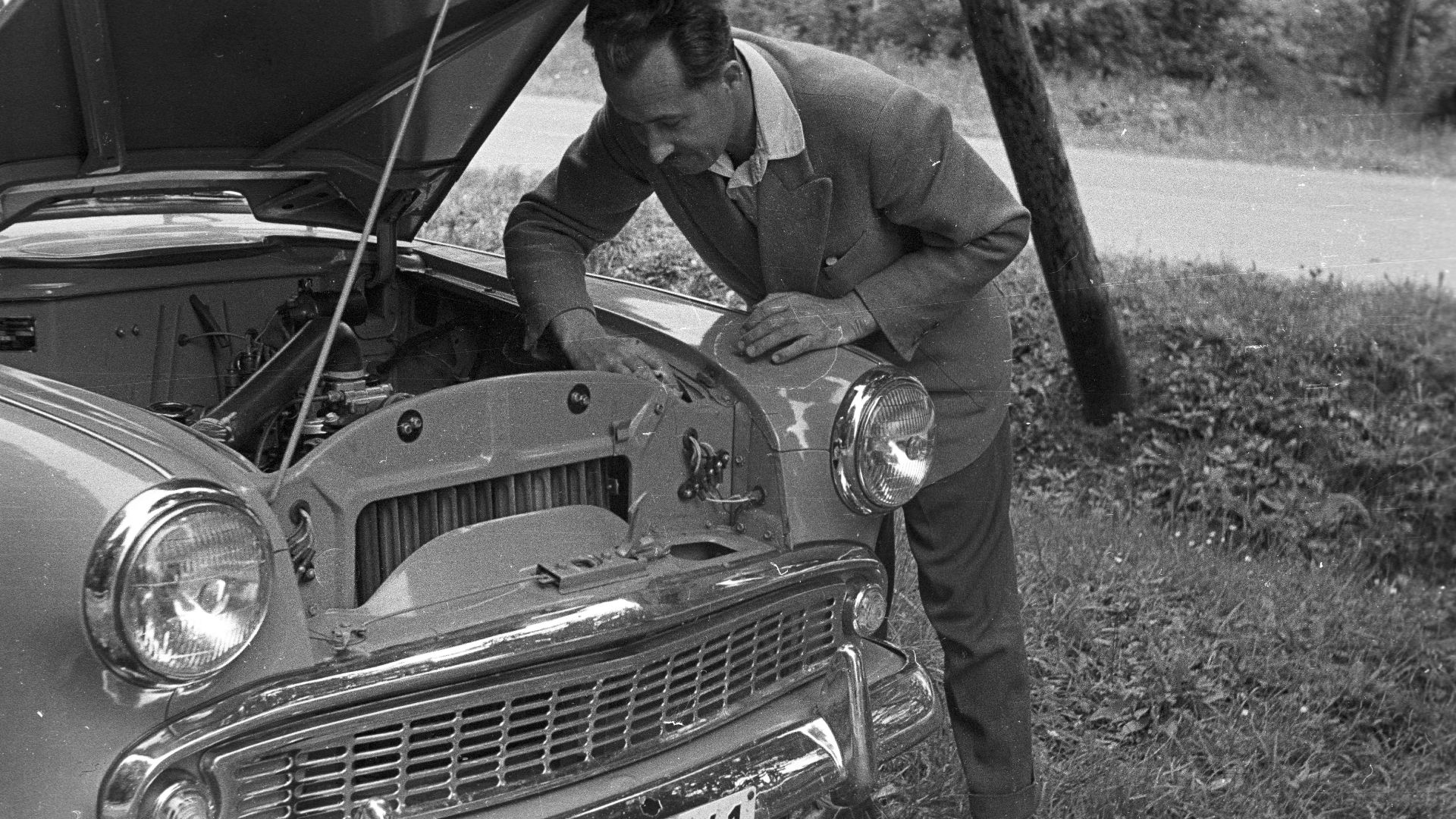
14. Checking The Air Filter
Removing the round air-cleaner lid was practically a rite of passage in the 1970s. Younger drivers often don't know where their engine air filter is located. Modern airboxes are less obvious, but inspecting and replacing a dirty filter at the proper interval remains simple maintenance that can help an engine operate as intended.
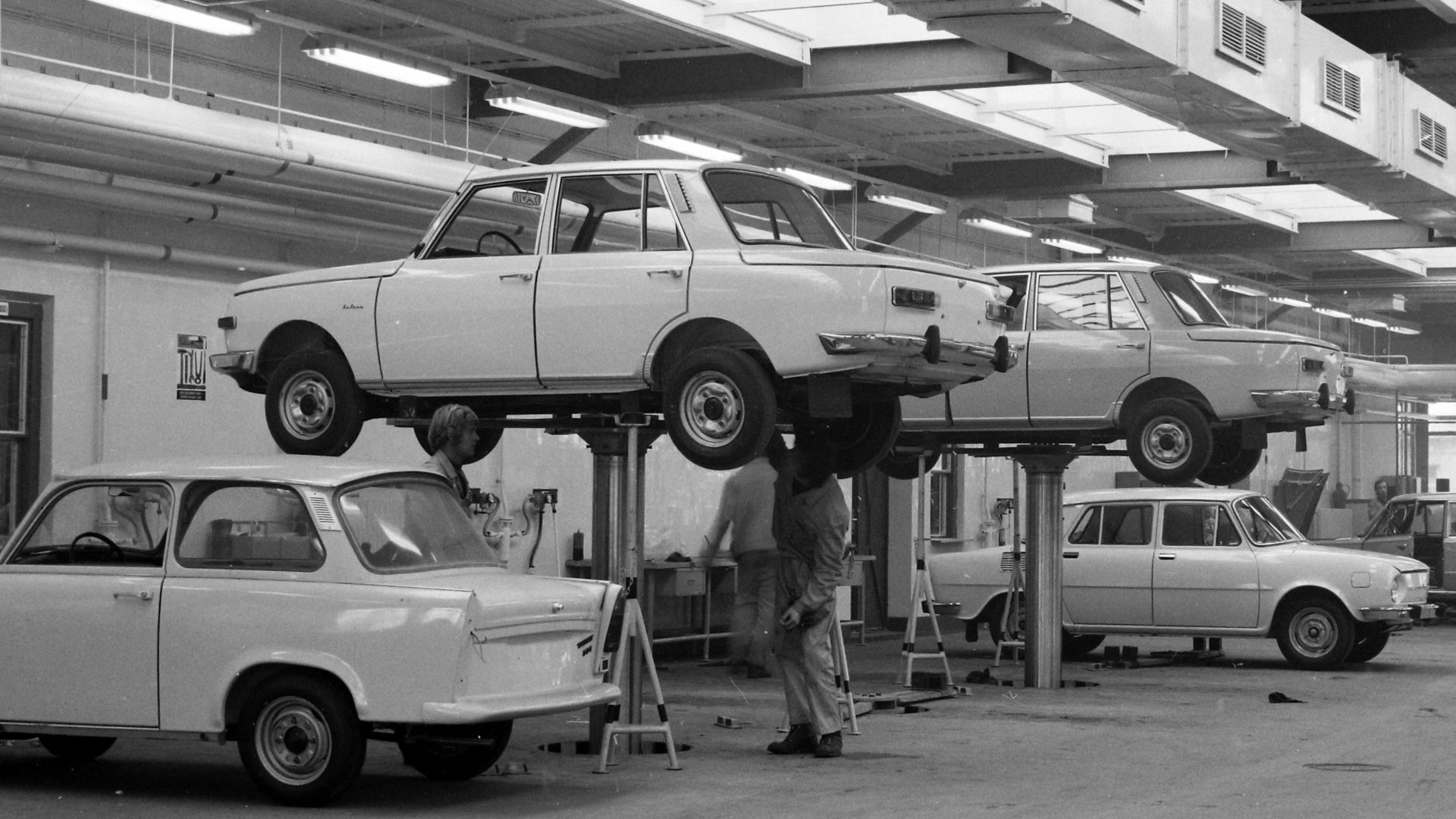
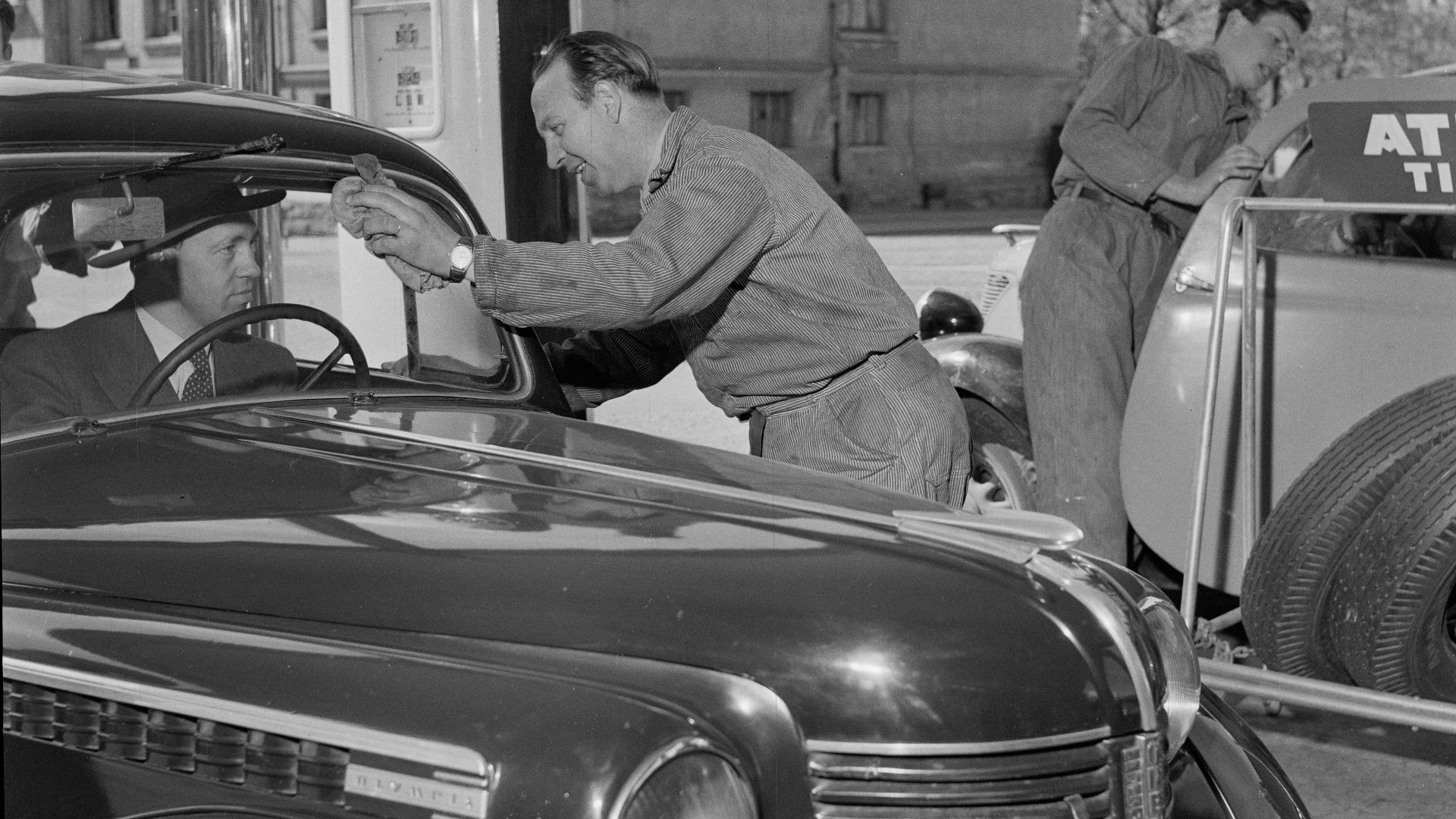
13. Cleaning The Windshield By Hand
Remember when gas station attendants cleaned your windshield while filling the tank? Younger drivers rarely experience that kind of service. Keeping glass clean, especially on the inside, remains important because road film and glare can seriously affect nighttime visibility. Sometimes the most useful maintenance doesn't require opening the hood.
 Arne F. Køpke, Wikimedia Commons
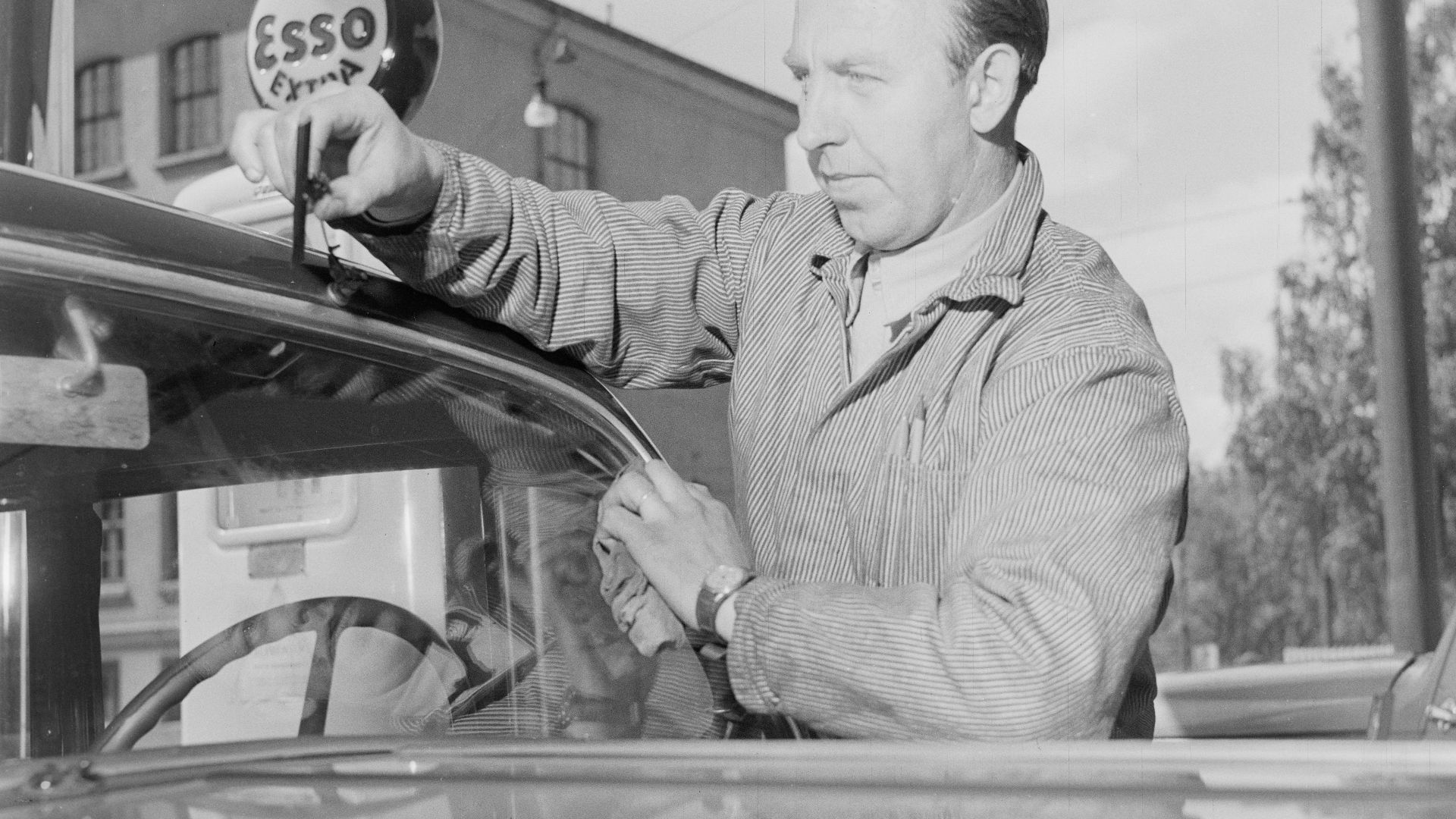
12. Checking Wiper Blades Before Rainy Season
Older drivers learned to inspect wiper blades before bad weather arrived. Younger motorists sometimes discover worn rubber halfway through a downpour. Cracked, streaking, or skipping blades need attention. It's inexpensive maintenance, but good visibility becomes priceless when you're driving through heavy rain.
 Arne F. Køpke, Wikimedia Commons
11. Checking Exterior Lights
A family member pressing the brake pedal while someone checked the taillights was once a familiar driveway scene. Younger drivers may assume their cars will report every burned-out bulb. Not all vehicles do. A quick walkaround can catch lighting problems before they become safety hazards or earn unwanted attention.
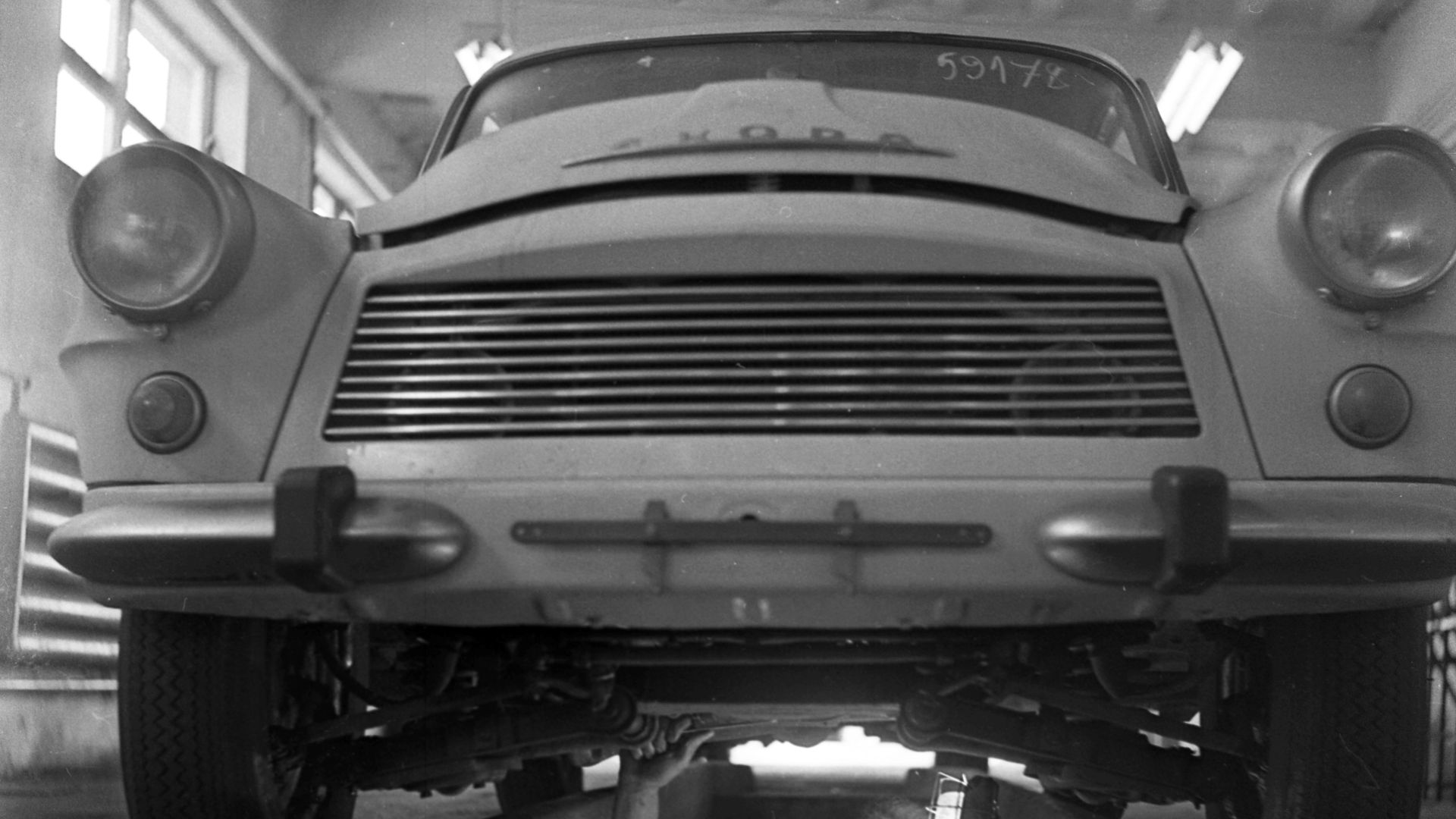
10. Inspecting Tires For Uneven Wear
Experienced drivers could spot alignment and inflation problems by looking at tire tread. Younger motorists may never inspect their tires until replacement time. Excessive shoulder wear, unusual feathering, or one-sided wear can indicate problems worth investigating. Learning those patterns can save money and help catch suspension issues early.
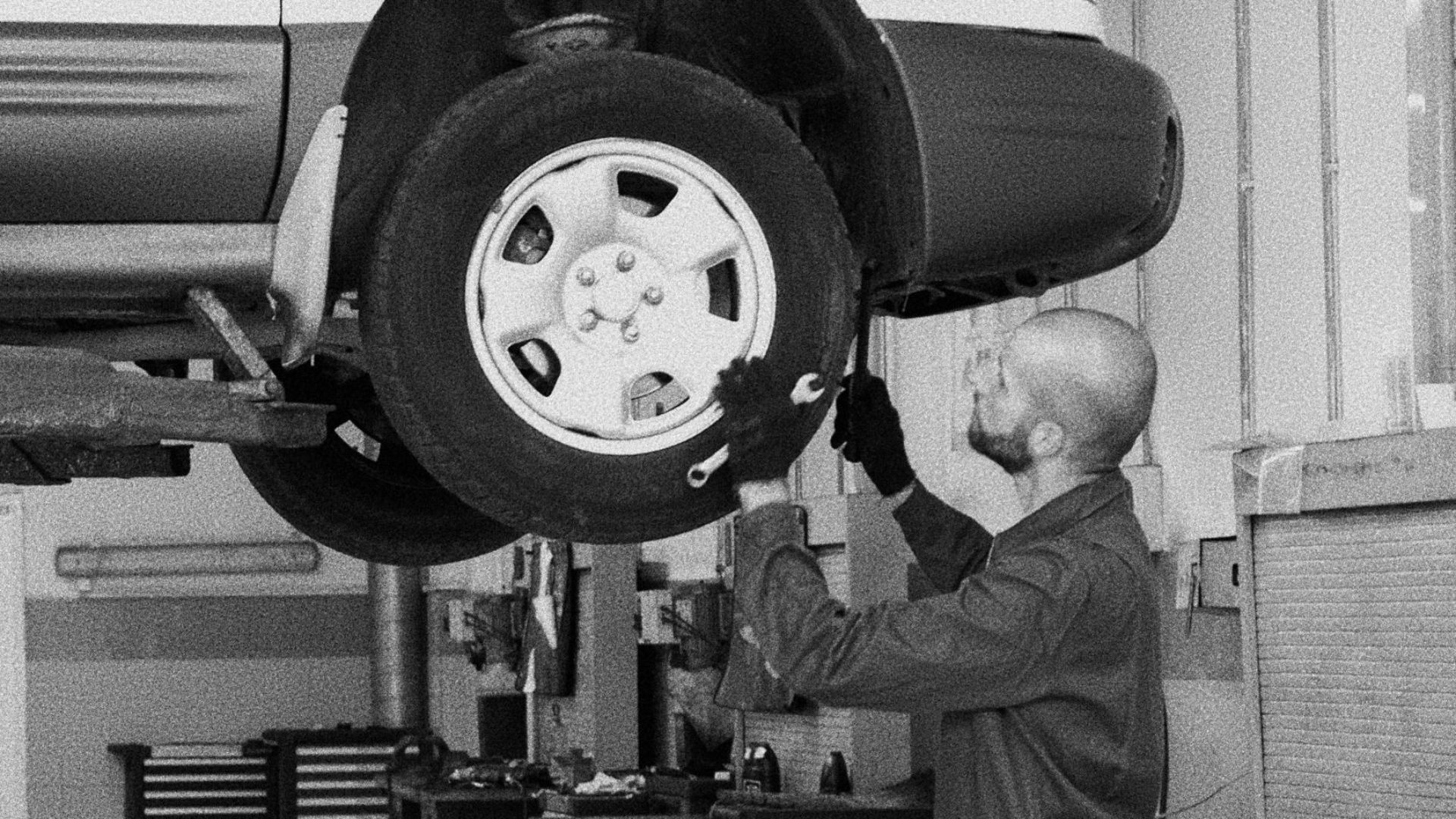
9. Checking Wheel Lug Nuts
After changing a tire, older drivers learned that tightening the lug nuts correctly was essential. Younger drivers who have never changed a wheel might not know about torque specifications or tightening patterns. A torque wrench and the manufacturer's instructions are the proper tools. Overtightening isn't safer, and undertightening can be dangerous.
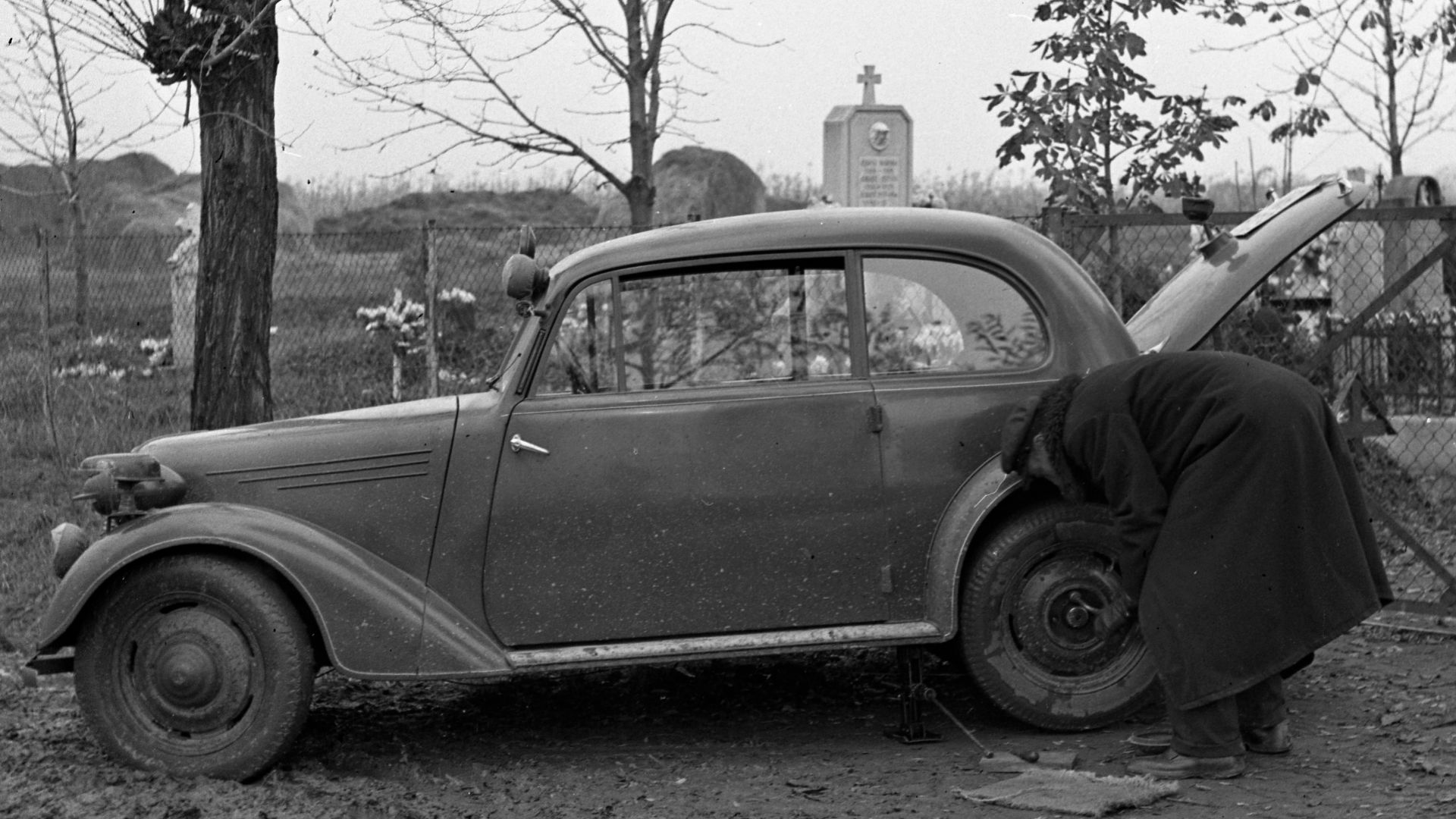 FOTO:Fortepan — ID 72913: Adományozó/Donor: Lissák Tivadar., Wikimedia Commons
8. Keeping A Basic Tool Kit In The Trunk
In the 1970s, drivers often carried wrenches, screwdrivers, pliers, and a flashlight because minor roadside repairs were expected. Younger drivers may rely entirely on roadside assistance. Modern cars are harder to repair beside the highway, but basic tools, gloves, a flashlight, and emergency supplies remain smart things to carry.

7. Knowing How To Change A Flat Tire
Changing a flat was once something parents taught teenagers before handing over the keys. Many younger drivers have never practiced, and some modern cars don't even include a spare. Knowing whether your vehicle has a spare, repair kit, or run-flat tires can prevent a roadside surprise.
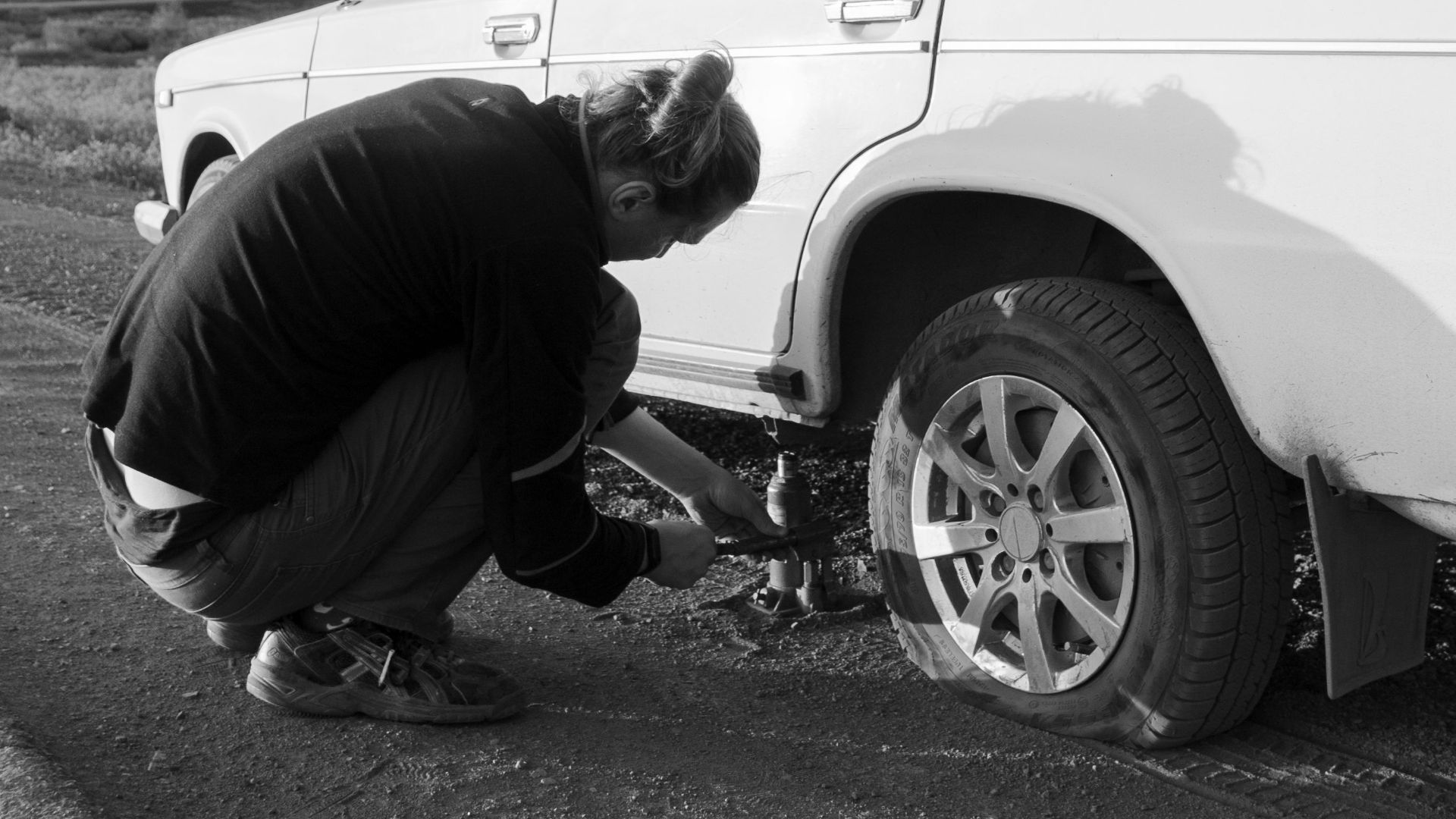
6. Checking For Leaks Under The Car
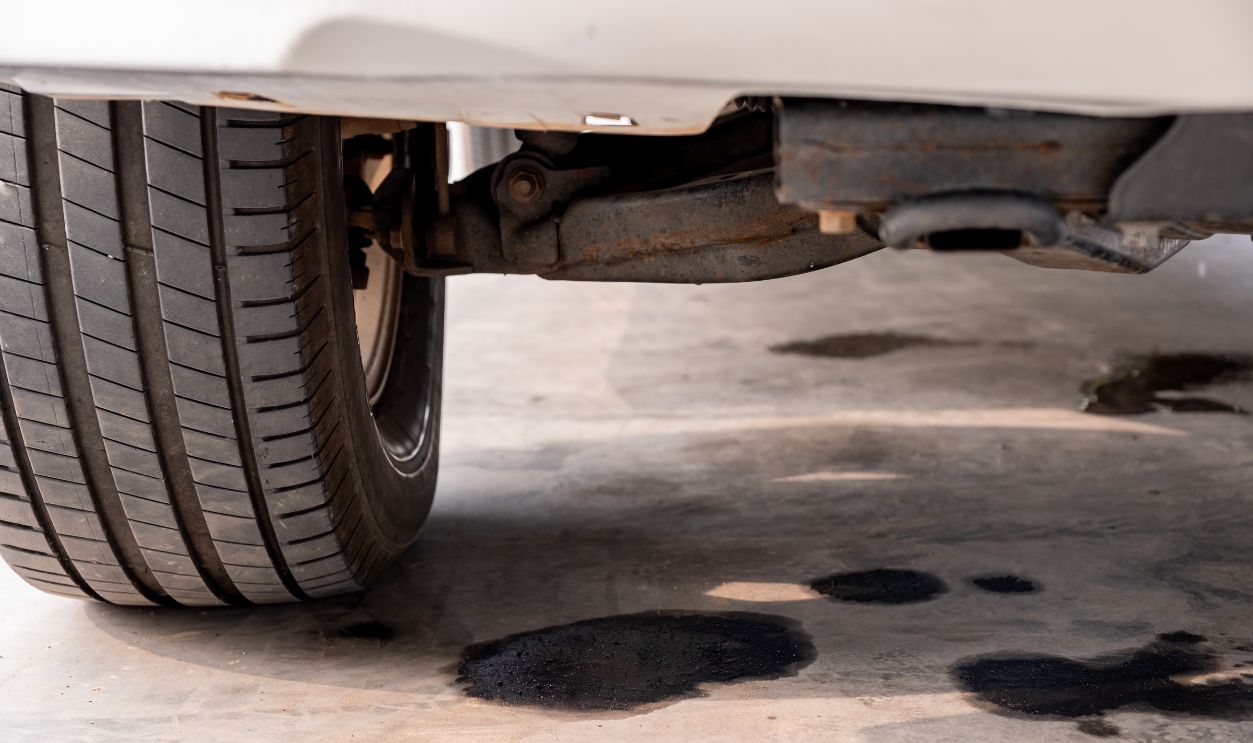
Older drivers learned to recognize suspicious puddles beneath their vehicles. Younger motorists might overlook a fresh oil or coolant leak until a warning appears. Learning where common fluids originate and recognizing unusual stains can prevent major damage. Clear water from air-conditioning condensation, however, is usually perfectly normal.
5. Washing Road Salt Off The Undercarriage
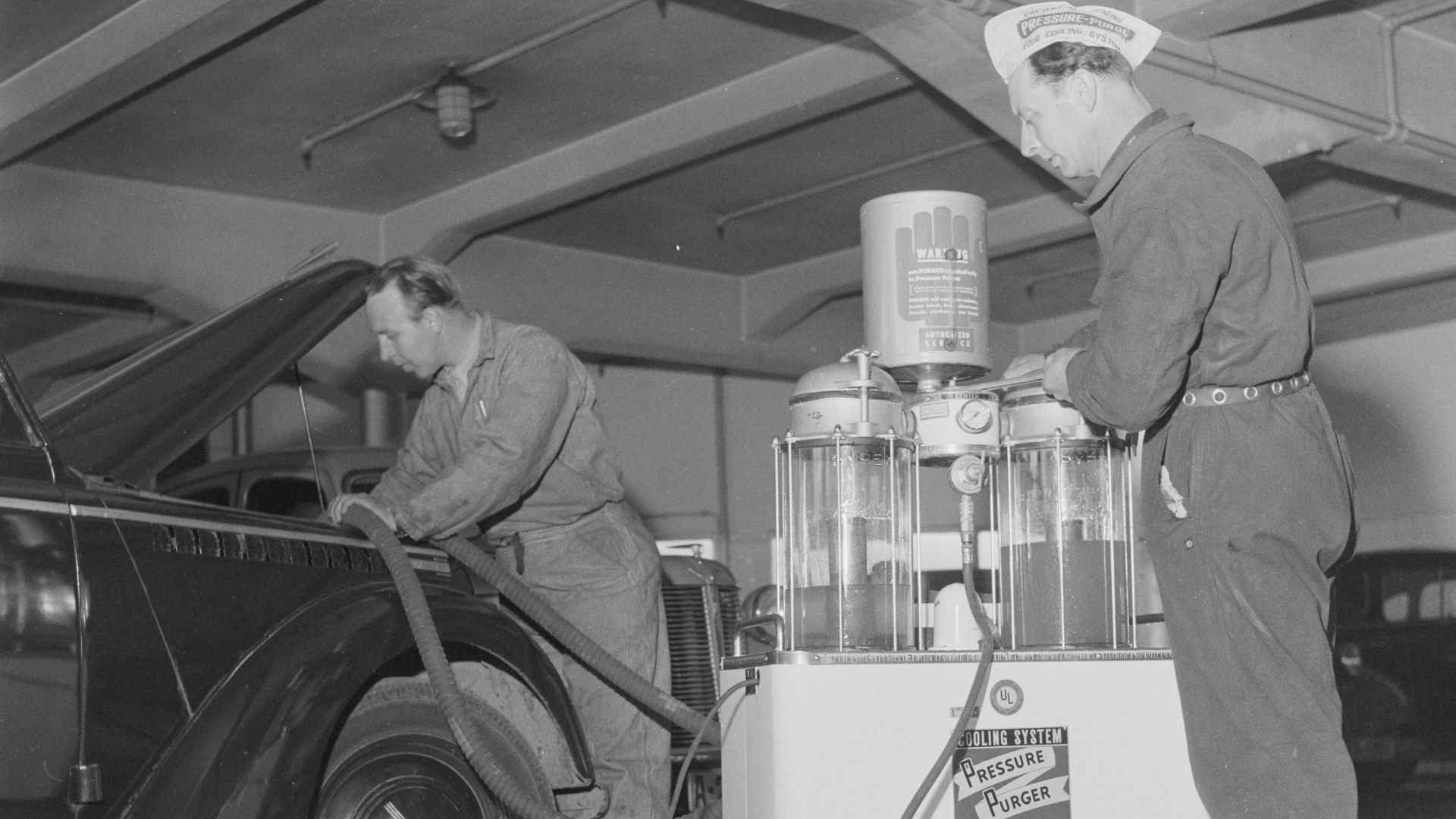
Drivers in snowy regions knew winter salt could destroy a car long before its engine wore out. Younger drivers sometimes focus on washing the paint while forgetting the undercarriage. Rinsing wheel wells and exposed underbody areas during winter helps reduce corrosion, even on modern vehicles with improved rust protection.
4. Changing The Oil Yourself
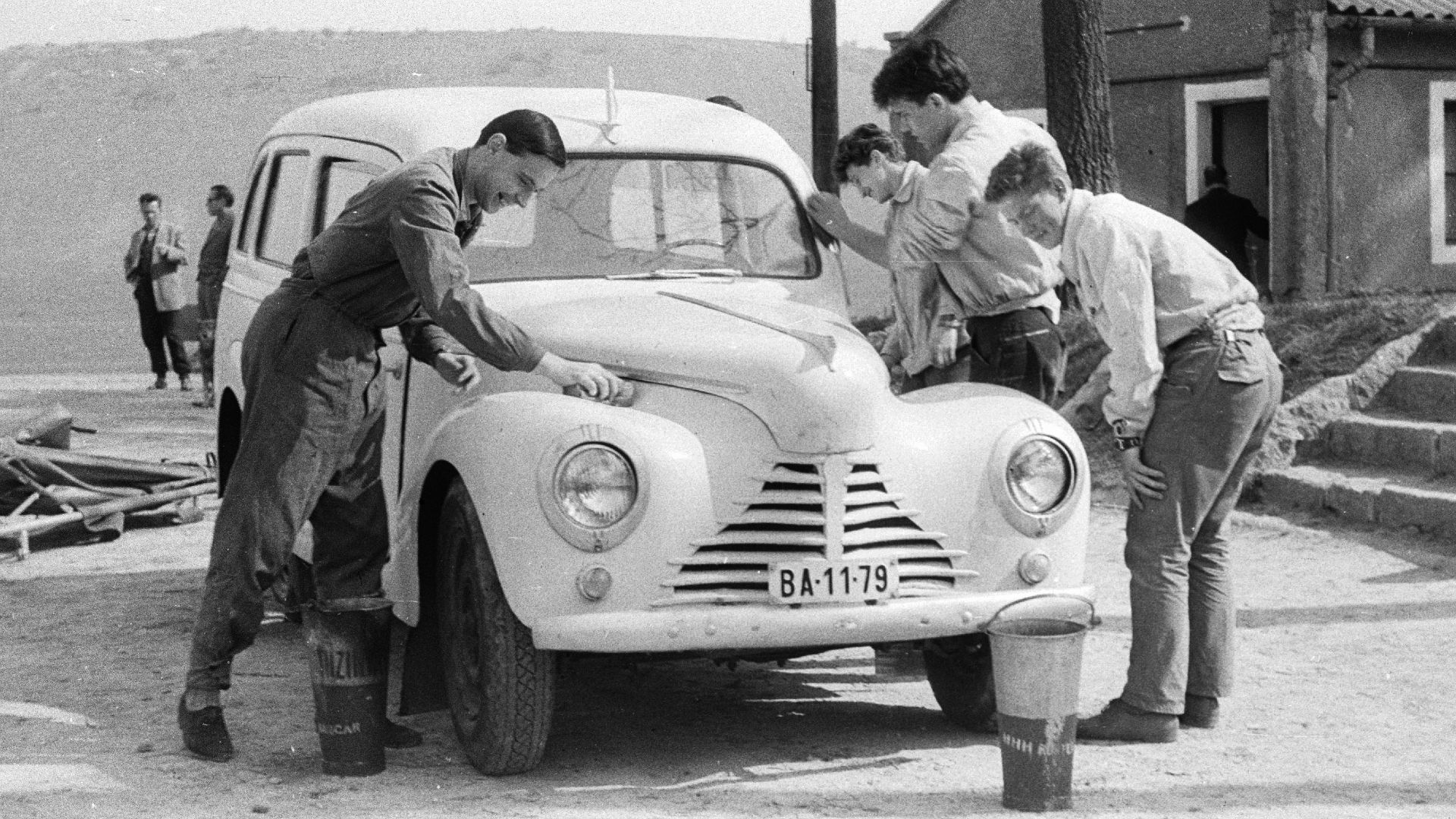
Few 1970s maintenance rituals were more familiar than a driveway oil change. Younger drivers are less likely to learn the process, especially with modern underbody panels and specialized oil requirements. Even if they never do the job themselves, understanding oil specifications, filter changes, and service intervals helps them avoid costly mistakes.
 Arne F. Køpke, Wikimedia Commons
3. Keeping A Written Maintenance Log
Before apps and digital reminders, drivers kept notebooks in their gloveboxes recording mileage, oil changes, and repairs. Younger motorists may rely on service reminders without maintaining complete records. A simple maintenance log remains incredibly useful, especially when troubleshooting recurring problems or proving a used car has been properly maintained.

2. Reading The Owner's Manual
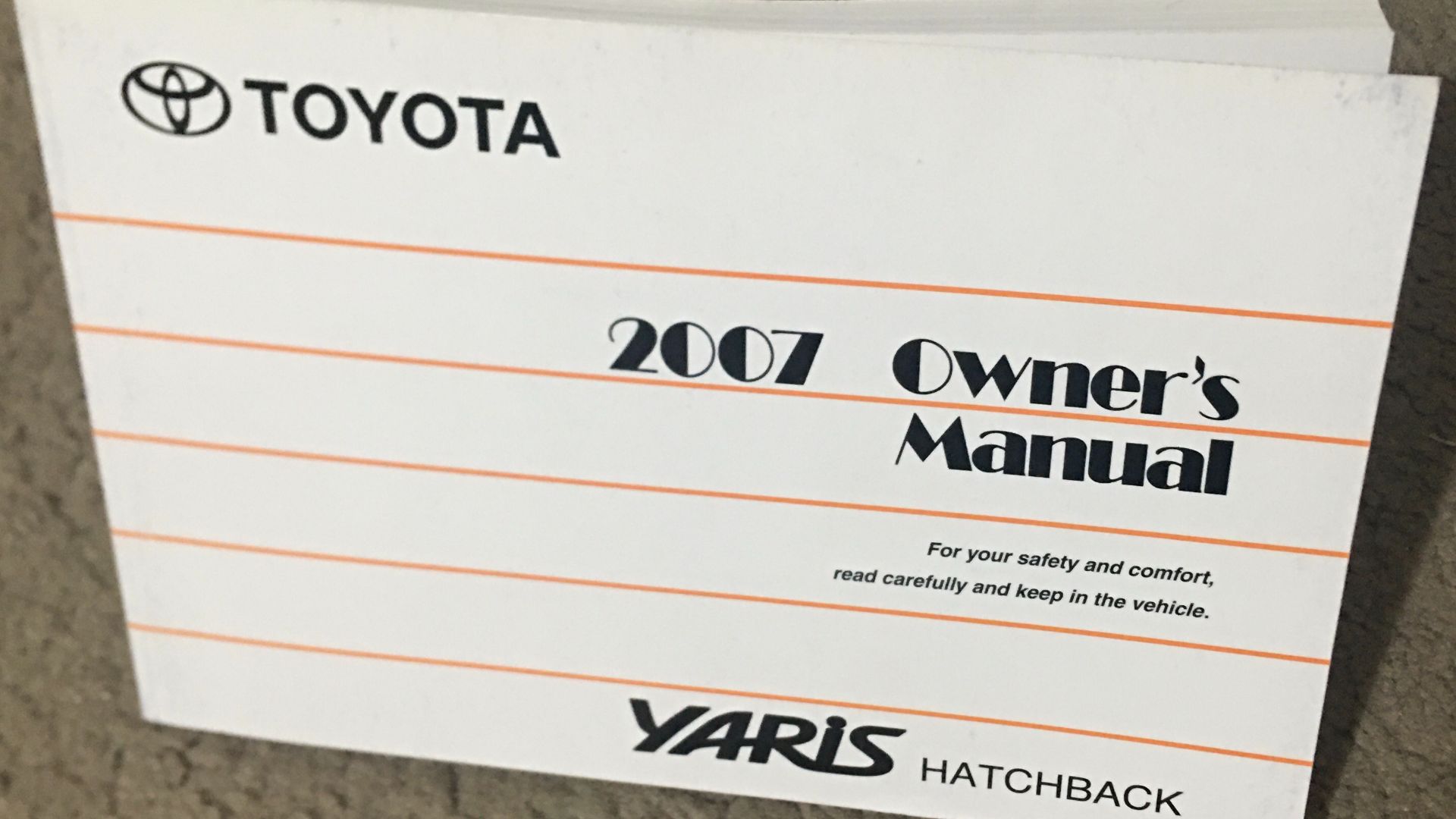
Believe it or not, drivers once actually opened those thick books in the glovebox. Younger motorists often search online instead, sometimes finding advice meant for a completely different model. The owner's manual remains the best starting point for fluid specifications, maintenance intervals, tire pressures, and vehicle-specific procedures.
 Mrbeastmodeallday, Wikimedia Commons
1. Teaching Your Kids How To Maintain A Car
Perhaps the biggest forgotten ritual wasn't mechanical at all. In the 1970s, parents and grandparents often taught teenagers how to check fluids, recognize strange noises, and handle basic roadside problems. Today, many young drivers learn to operate a car without learning much about maintaining one. Modern vehicles are more complicated, but those practical lessons are still worth passing down.
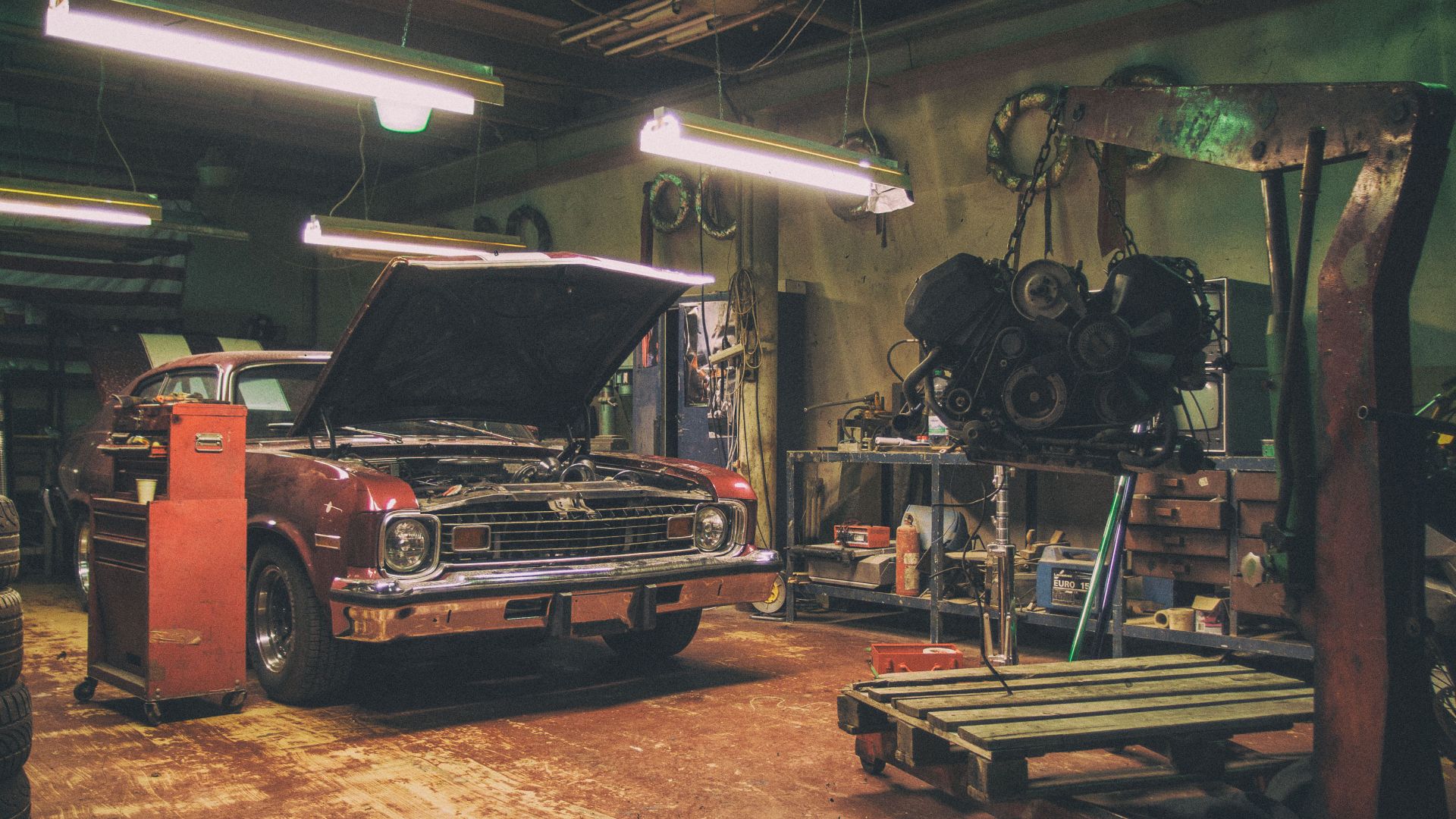 Martin Vorel, Wikimedia Commons
You May Also Like:
Car Brands That Break Down The Most—According To Mechanics
New Car Models Baby Boomers Can’t Stand
Studies Now Show That Advanced Driver-Assistance Systems (ADAS) May Be Doing More Harm Than Good