The Snow Starts Falling, And The Warning Lights Follow
Parking sensors are supposed to make tight spaces easier, but winter weather can leave them beeping at nothing or declaring themselves unavailable. When that happens repeatedly, it’s reasonable to question whether the technology was ever designed for snowy climates. The answer lies in how these small sensors interpret the world around the bumper, and why a thin layer of slush can confuse them so completely.
Most Parking Sensors Use Sound Waves
The small circular sensors embedded in many bumpers are usually ultrasonic devices. They send out high-frequency sound waves and measure how long the reflections take to return from nearby objects. The vehicle then estimates distance and warns the driver with beeps, graphics, or both.
Snow Can Look Like An Obstacle
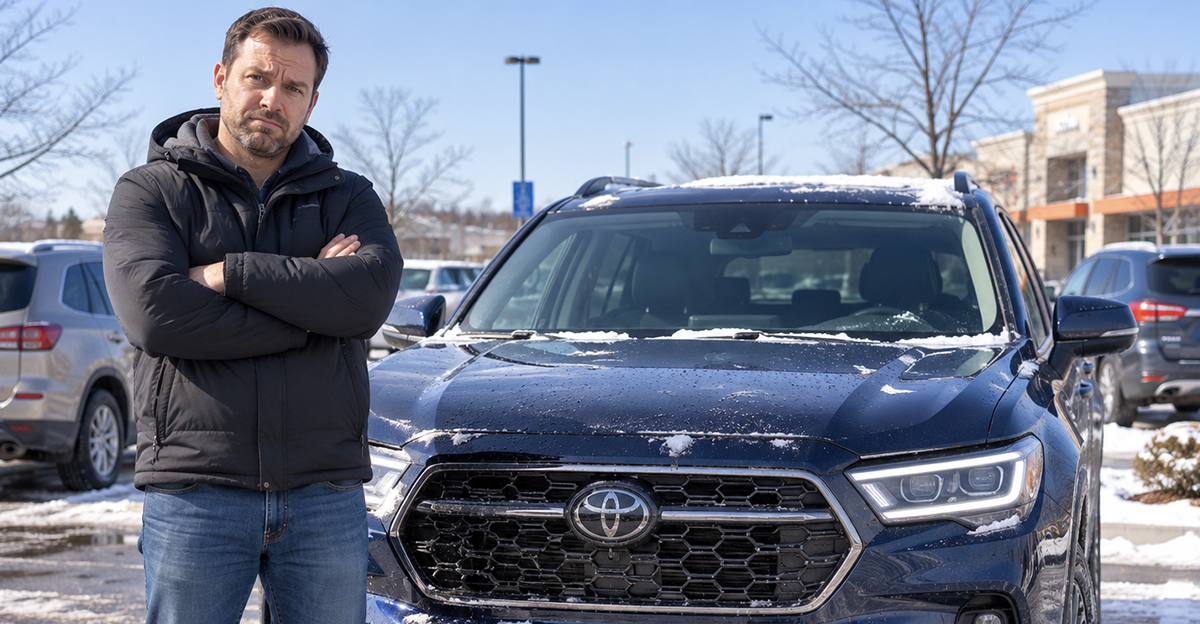
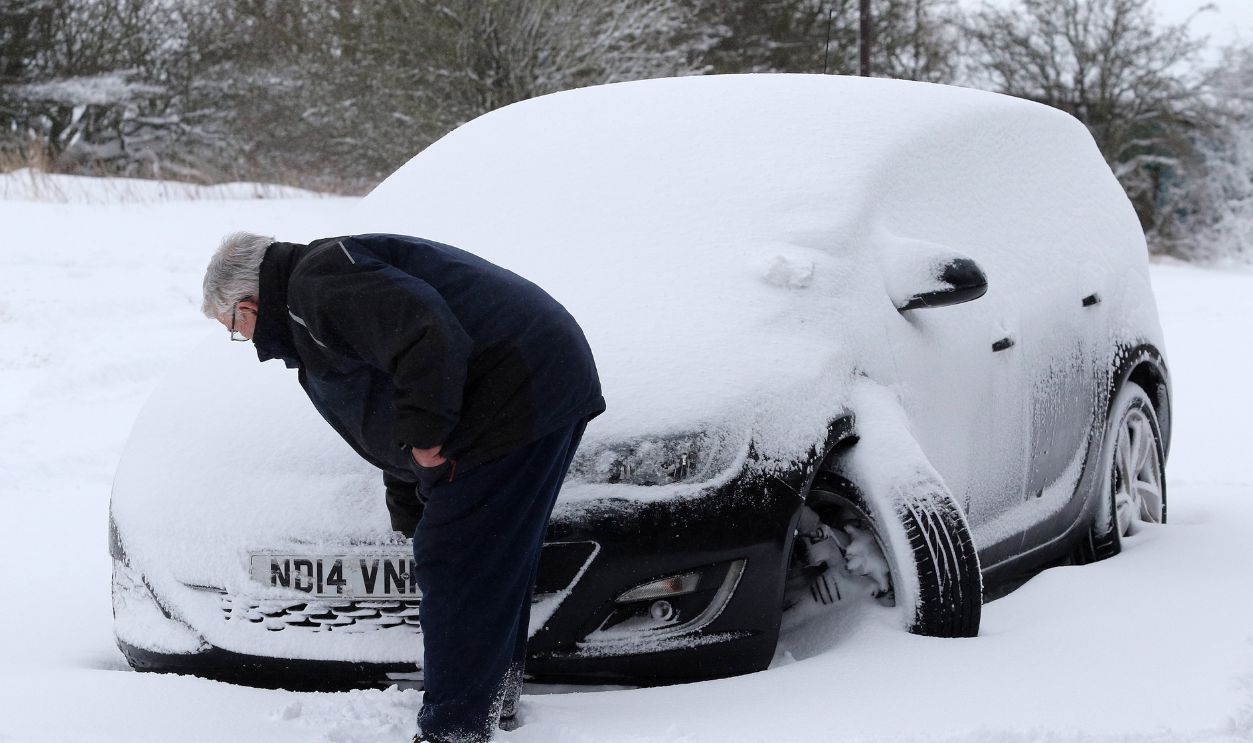
Wet snow, packed slush, road salt, and ice can cover the face of a sensor. Instead of sending sound cleanly into the space around the vehicle, the sensor may receive distorted reflections from the material stuck directly in front of it. That can cause constant beeping, inaccurate distance warnings, or a message saying the system is blocked.

Ice Can Stop Detection Completely
A solid layer of ice can prevent the ultrasonic signal from operating normally. Toyota specifically warns that ice forming on a parking sensor at low temperatures may trigger a warning or prevent the sensor from detecting objects until the ice melts. Ford likewise advises keeping its reverse sensors free of snow and ice.
Slush Creates A Moving Target
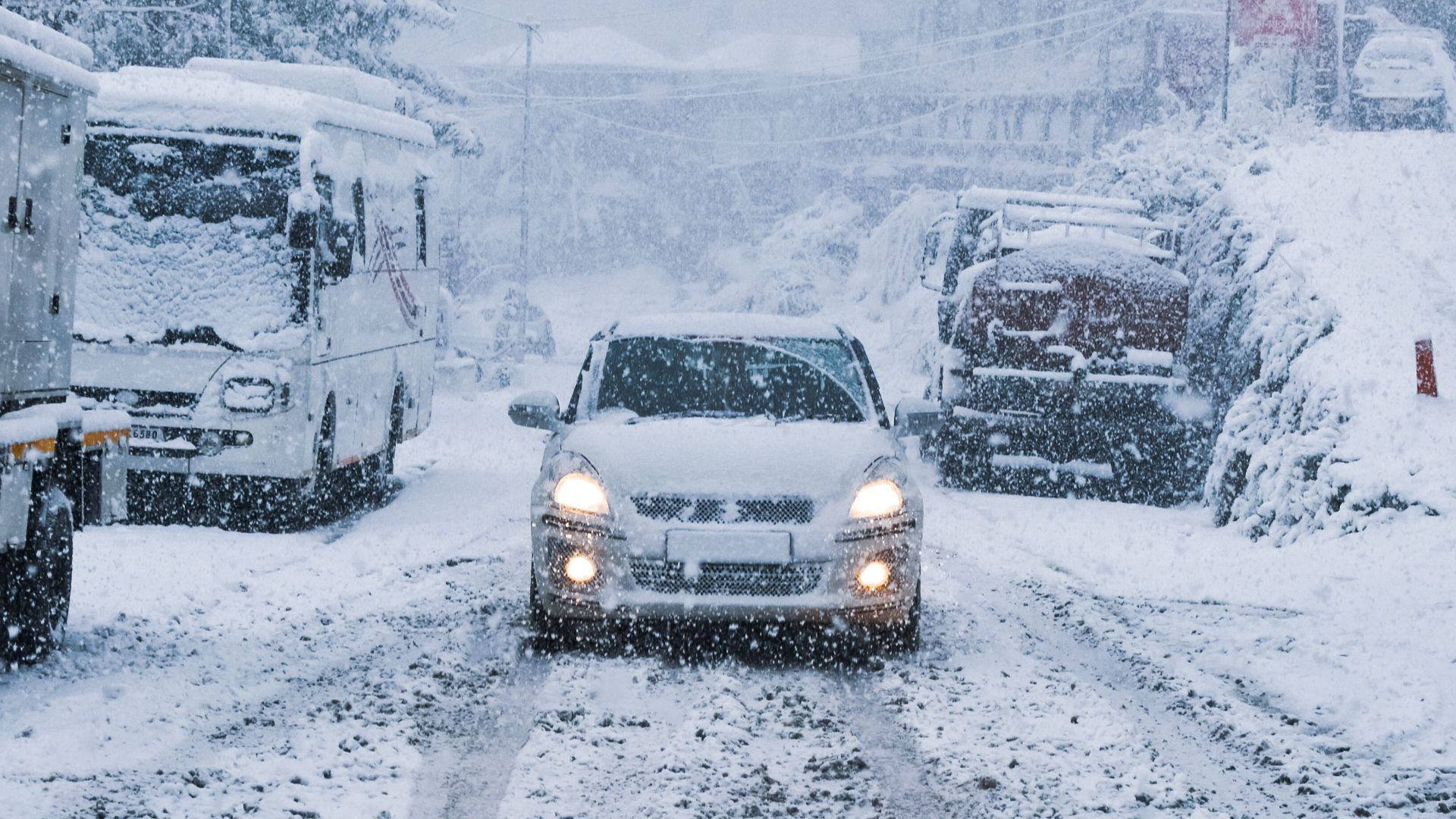
Slush is especially troublesome because it can splash onto the bumper while the vehicle is moving and then shift, drip, or freeze. The system may work when the trip begins, fail after several miles, and start operating again after the buildup falls away. That inconsistency can make the problem look electrical even when the sensors are simply dirty.
Road Salt Adds Another Layer
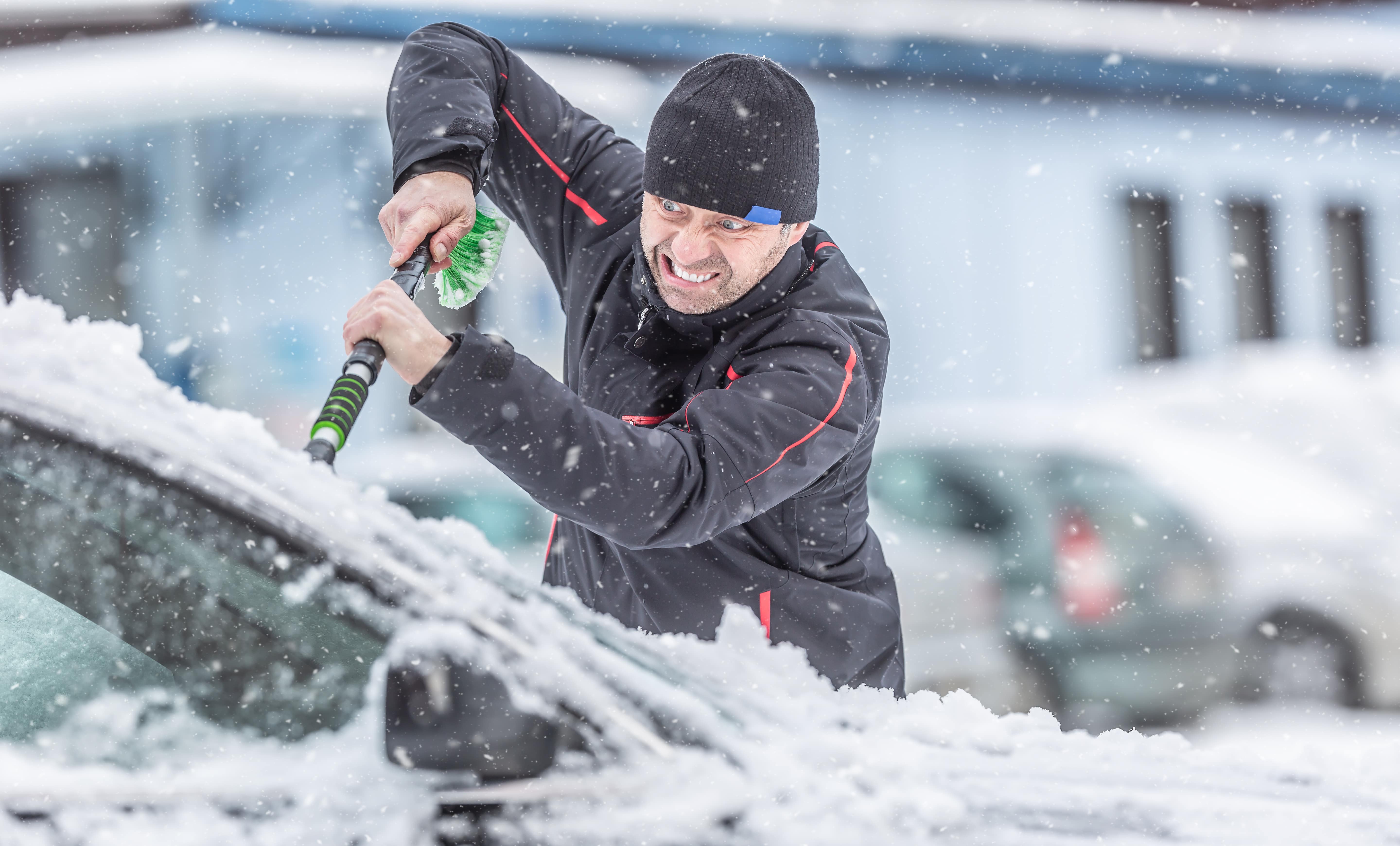
Winter roads coat bumpers with a mixture of salt, sand, moisture, and grime. Even when there’s no visible snowball stuck to the sensor, a dirty film may interfere with its performance. Consumer Reports recommends keeping vehicle safety sensors clear because winter contamination can disable or reduce the usefulness of driver-assistance features.

Heavy Rain Can Confuse Them Too
The problem isn’t limited to frozen precipitation. Toyota notes that continuously flowing water, including heavy rain passing over the sensor surface, can temporarily make parking assistance unavailable. Once conditions return to normal, the system may restore itself without requiring a repair.
The Sensors Are Weather-Resistant, Not Weatherproof
Parking sensors are designed to survive exposure to rain, car washes, temperature changes, and ordinary road spray. That doesn’t mean they can see through every layer of frozen debris. Their housings may remain physically undamaged while their ability to detect obstacles is temporarily compromised.
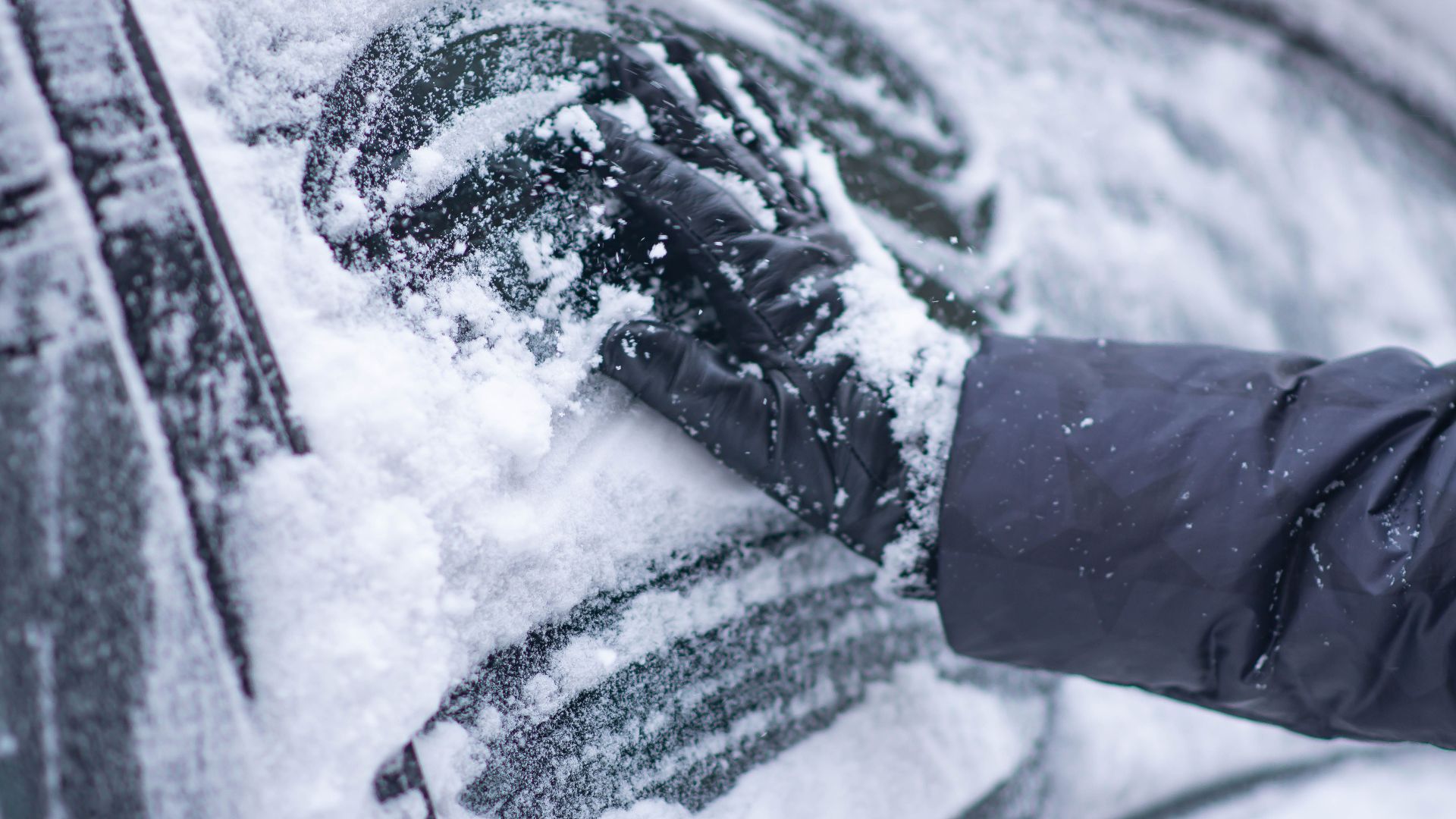
Winter Failure Is Usually A Limitation
A blocked-sensor warning during a snowstorm doesn’t necessarily indicate bad engineering or a defective vehicle. The system is recognizing that it can’t produce trustworthy information and is warning the driver not to rely on it. In many cases, shutting itself down is safer than continuing to provide misleading distance estimates.
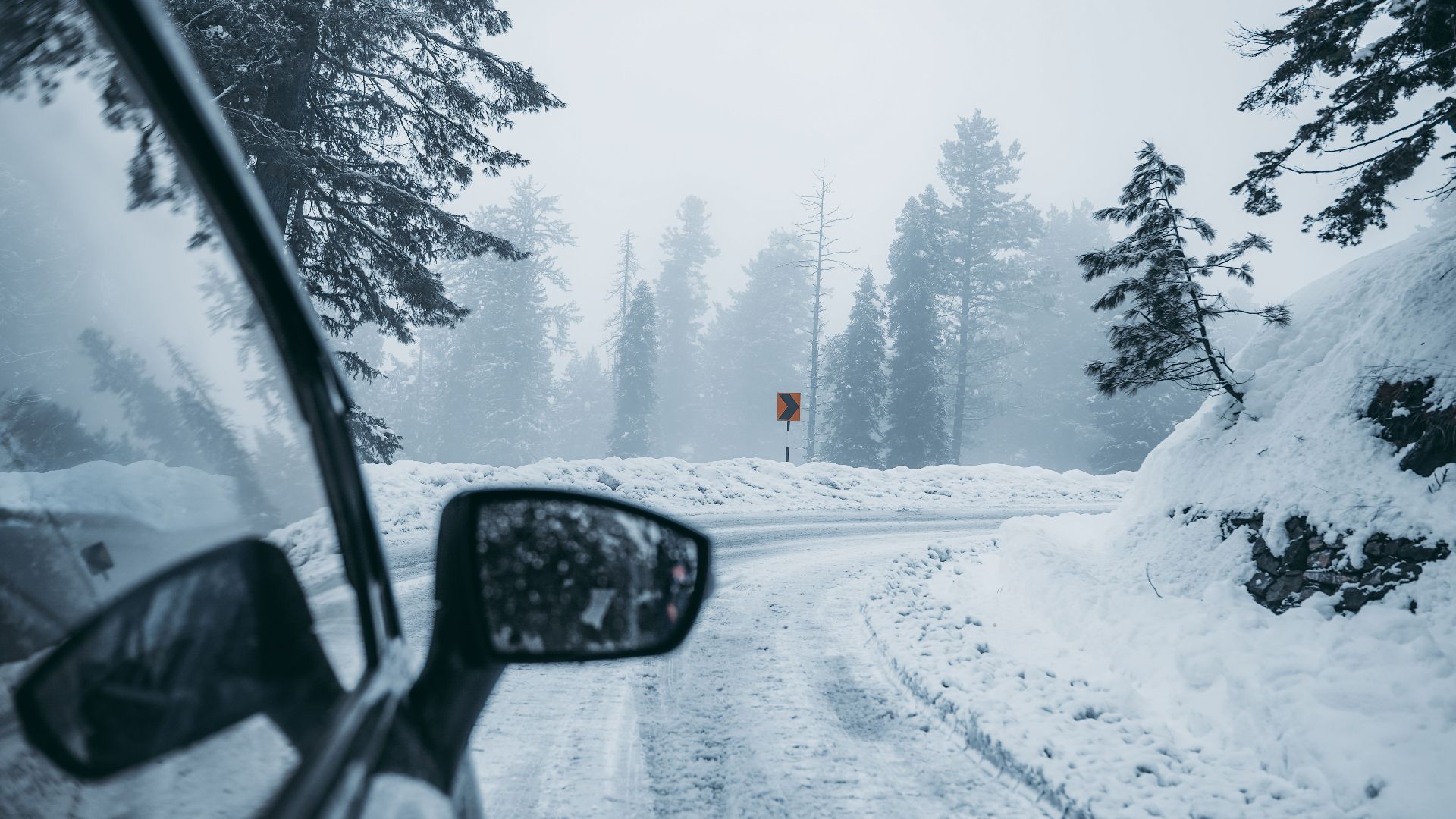
Clean The Sensors Before Leaving
During winter, make a quick bumper inspection part of the pre-drive routine. Locate each circular sensor and gently remove loose snow, slush, and dirt. Cleaning them before backing out is easier than discovering the system has failed when visibility is already poor.
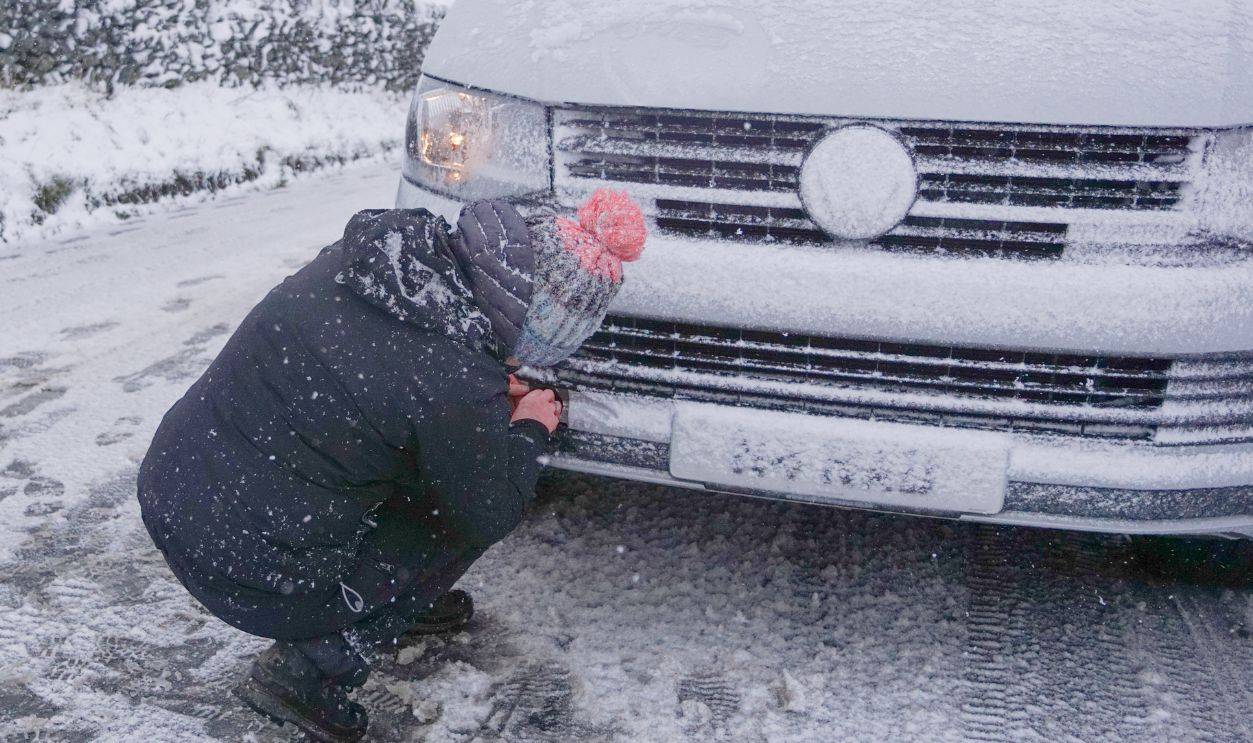
Use A Soft Cloth Or Gloved Hand
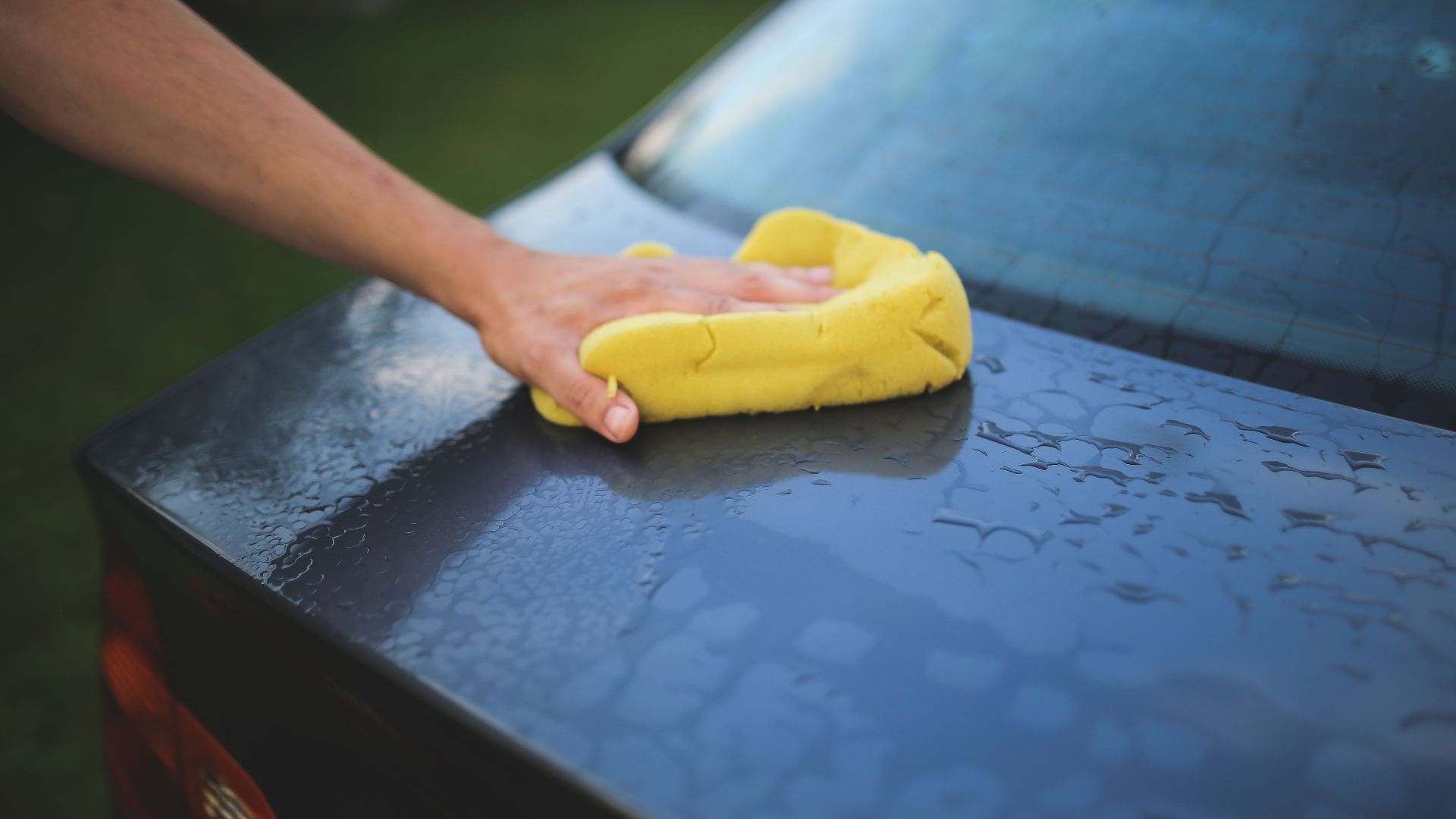
Wipe the sensor faces gently with a soft microfiber cloth, sponge, or gloved hand. Avoid sharp scrapers, metal tools, or anything that could scratch the sensor surface or surrounding paint. If the buildup is frozen solid, forcing it loose may cause more harm than waiting for it to soften.

Warm Water Requires Caution
Slightly warm water can help loosen stubborn slush, but pouring very hot water onto a freezing bumper isn’t a good idea. Sudden temperature changes may damage paint or plastic, and the water can refreeze around the sensor. A heated garage or gentle vehicle warming is usually a safer solution.
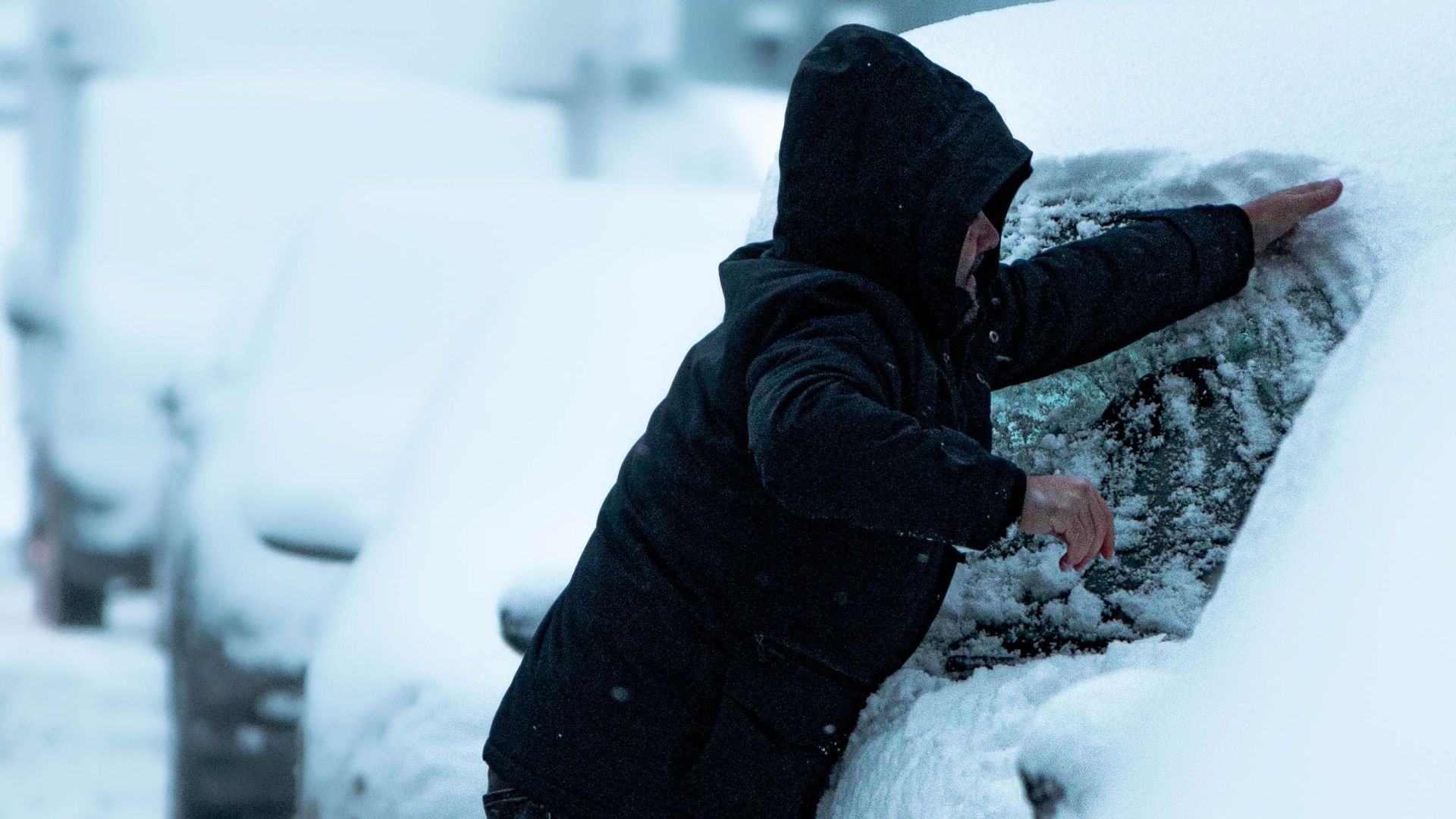
Don’t Attack Them With A Pressure Washer
High-pressure water aimed directly at a parking sensor can create problems rather than solve them. Toyota warns against spraying the sensors directly with a pressure washer or directing steam too close to them because either practice may cause a malfunction.

Clear The Whole Bumper Area
Cleaning only the center of each sensor may not be enough if thick ice surrounds it. Remove buildup from the nearby bumper surface as well, since loose chunks can slide back over the sensor or create strange reflections. Pay special attention after driving through deep snow or following a slushy highway.

Recheck Them During Long Trips
A clean bumper at the start of a trip can become coated again within minutes. If parking warnings suddenly appear after highway driving, stop somewhere safe and inspect the sensors. Winter spray from your own tires and surrounding traffic can quickly undo an earlier cleaning.
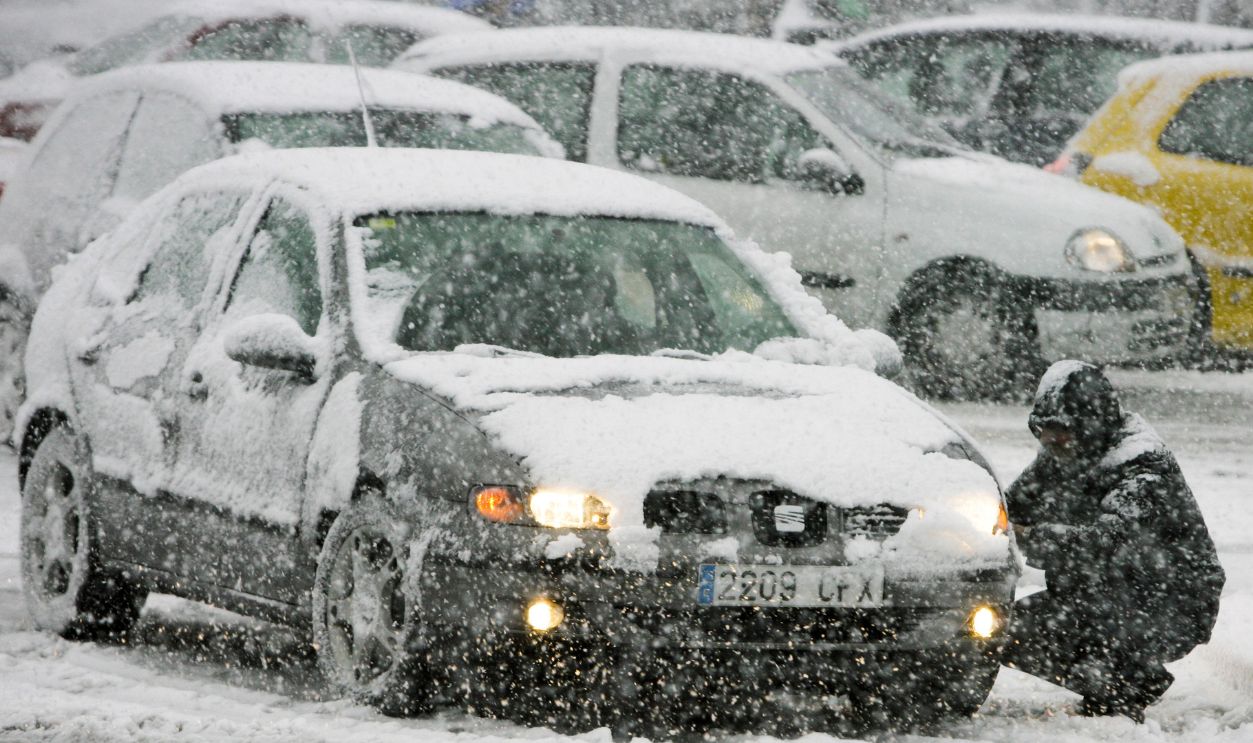
Keep A Cleaning Kit In The Car
A small winter kit can make sensor maintenance much easier. Include a microfiber cloth, soft snow brush, washer fluid, gloves, and a sealable bag for wet items. Store the cloth somewhere accessible instead of burying it under luggage in the cargo area.
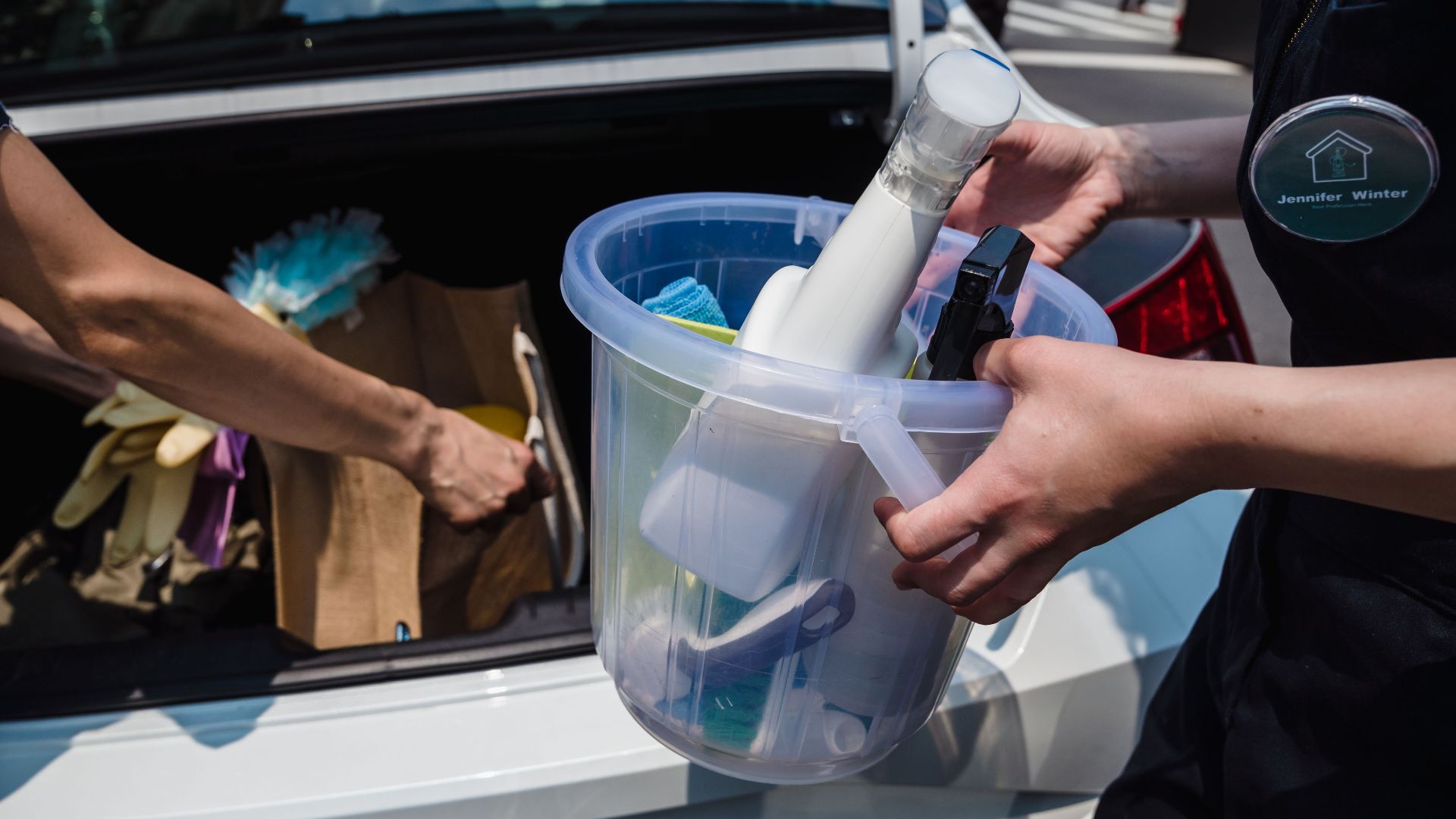
Avoid Wax Buildup Around The Sensors
Heavy wax, polish, thick ceramic-product residue, or poorly applied bumper coatings may collect around the sensor edges. Follow the product and vehicle manufacturers’ instructions when detailing the bumper. The goal is to protect the surface without leaving a layer that could interfere with the sensor.

Don’t Cover Them With Accessories
Licence-plate frames, bumper guards, bike racks, tow equipment, decorative covers, and badly positioned aftermarket accessories can interfere with detection. Snow collecting on those accessories may make the problem even worse. If warnings began after installing something new, remove it temporarily and test the system again.
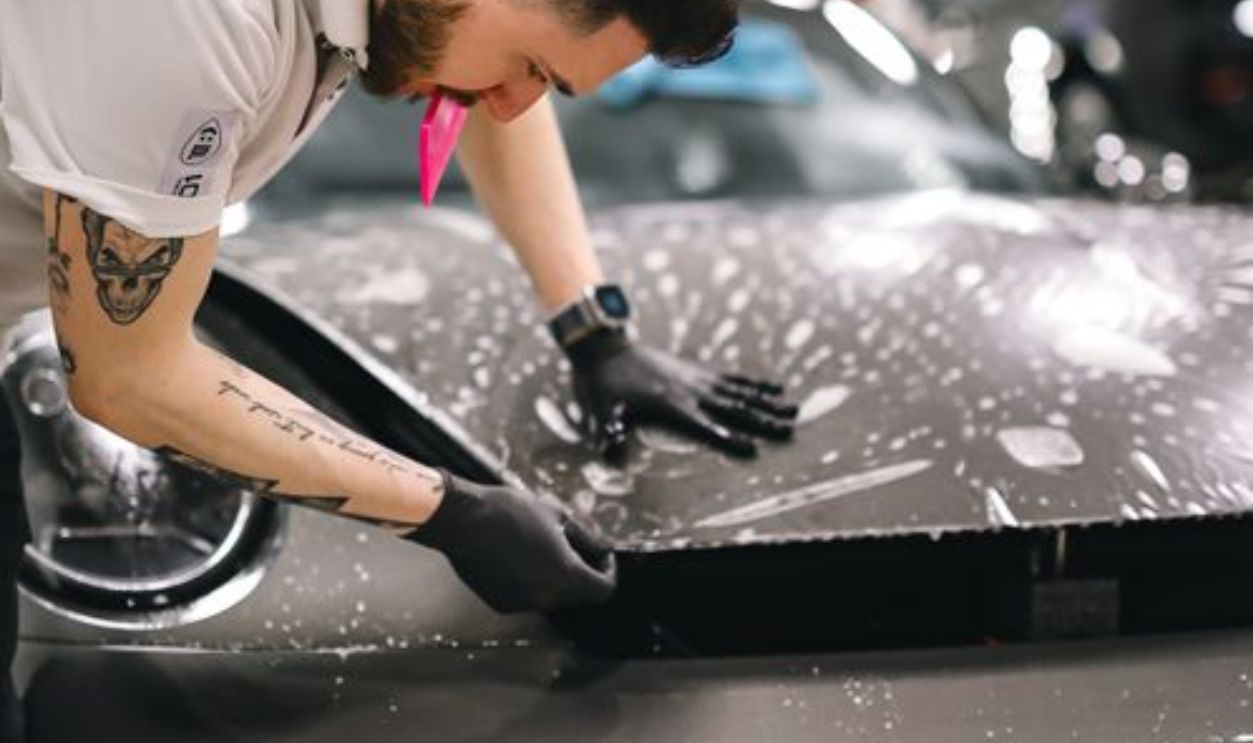
Watch For A Damaged Sensor Mount
Winter driving brings snowbanks, hidden curbs, chunks of ice, and minor bumper impacts. A sensor that has been pushed inward, tilted, cracked, or loosened may continue giving false warnings after the bumper is clean. Compare all the sensors visually and look for one that no longer sits flush.
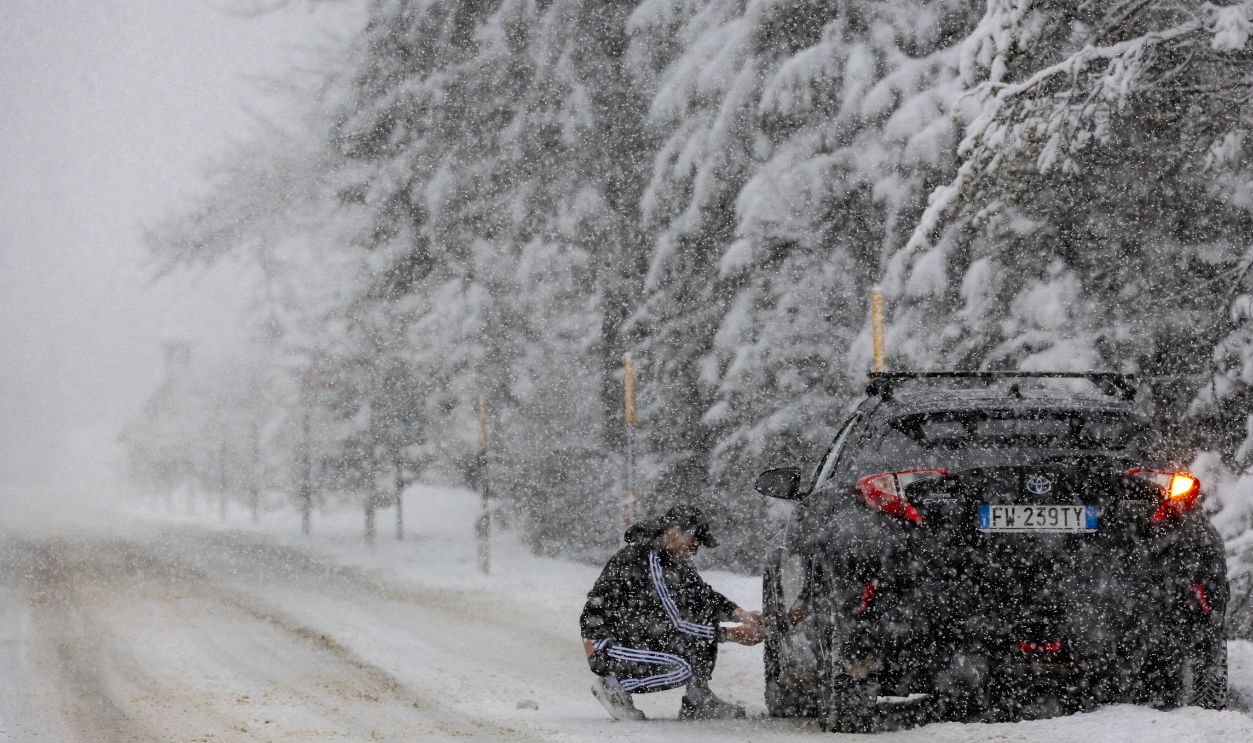
Repairs Can Affect Alignment
A repainted or replaced bumper may leave a sensor incorrectly mounted, coated with too much paint, or connected poorly. If winter problems began after collision work, return to the repair shop for inspection. A sensor can look normal from outside while sitting at the wrong angle behind the bumper.

Test The System After Cleaning
Once the sensors are clear, restart the vehicle if the owner’s manual recommends it and approach a large, stationary object slowly in a safe location. The warning should become more urgent as the distance decreases. Never use a person, pet, or easily damaged object for this test.

Know When To Turn The System Off
Constant false alarms can become distracting while manoeuvring through snowbanks or a slushy parking lot. Many vehicles allow the parking sensors to be temporarily disabled through a button or menu. Toyota, for example, provides a setting that allows parking assistance to be switched off when needed.

Cameras May Be Blocked At The Same Time
A vehicle with parking sensors may also use rear cameras, surround-view cameras, radar, or automated parking technology. Snow covering one area of the bumper may affect several systems at once. Clean the camera lenses and other clearly identified sensor areas, following the owner’s manual rather than guessing at their locations.
 Karolina Grabowska www.kaboompics.com, Pexels
Don’t Rely On Them Around Snowbanks
Even a perfectly clean sensor may have difficulty interpreting soft, uneven, or angled surfaces. Low snowbanks, narrow poles, objects very close to the bumper, and materials that absorb or scatter sound may not be detected consistently. Toyota notes that parking sensors have defined detection zones and may not recognize objects extremely close to the vehicle.
Persistent Warnings Need Diagnosis
If the system remains unavailable after the bumper is clean and dry, the issue may be more than winter grime. A failed sensor, wiring damage, corrosion, damaged connectors, software trouble, or an improperly repaired bumper may be responsible. Toyota advises inspection when warnings continue even though no water, ice, snow, or dirt is present.

They’re Built For Winter, But Not To Replace The Driver
Parking sensors are designed to operate through real winters, but only when their detection surfaces remain reasonably clear. Snow, slush, ice, salt, and flowing water can temporarily overwhelm the technology without actually damaging it. Regular cleaning, gentle de-icing, careful bumper maintenance, and knowing when to disable the warnings can keep the system useful. Even then, mirrors, cameras, direct observation, and slow manoeuvring remain far more important than any electronic beep when winter conditions close in.
You May Also Like:
I replaced my battery myself, and now my car keeps displaying warning lights. Did I miss something?