The Online Number Looked Great Until The Dealer Saw The Car
You arrived expecting something close to the trade-in estimate you’d already been given, only for the dealer to knock thousands off after the inspection. Sometimes that adjustment is legitimate because the car has damage, mechanical problems, or a different condition than originally described. Other times, it’s simply the opening move in a negotiation.
An Estimate Isn’t Always A Firm Offer
This is the first distinction to make. A trade-in estimate from a website or dealer calculator may be based on your mileage, trim, location, and self-reported condition. It can change once someone physically inspects the car and verifies whether those details were accurate.

A Real Written Offer Is Stronger
If the dealer gave you a written trade-in offer with a stated expiration date and few conditions attached, you have more leverage. Ask exactly what changed between that offer and the new one. A vague “the manager looked at it” isn’t nearly as persuasive as a documented mechanical or condition issue.
 LightField Studios, Shutterstock
Ask For The Appraisal Breakdown
Don’t simply ask why the offer went down. Ask which specific issues caused the reduction and how much each one affected the value. If the dealer says the car needs $2,000 in reconditioning, ask what work they’re expecting to perform.

Cosmetic Damage Can Legitimately Lower The Offer
Dents, scraped bumpers, cracked trim, stained upholstery, and damaged wheels all cost a dealer money to repair before resale. A car that looked “very good” when entered into an online estimator may be considered merely “good” or “fair” after inspection. That difference can change the valuation.

Tires And Brakes Matter Too
A dealer may reduce an offer if the tires are nearly worn out or the brakes need immediate work. Those are real costs the dealer may have to absorb before putting the vehicle on the lot. Still, ask whether the deduction reflects actual replacement cost or an inflated estimate designed to create negotiating room.

Mechanical Problems Can Change Everything
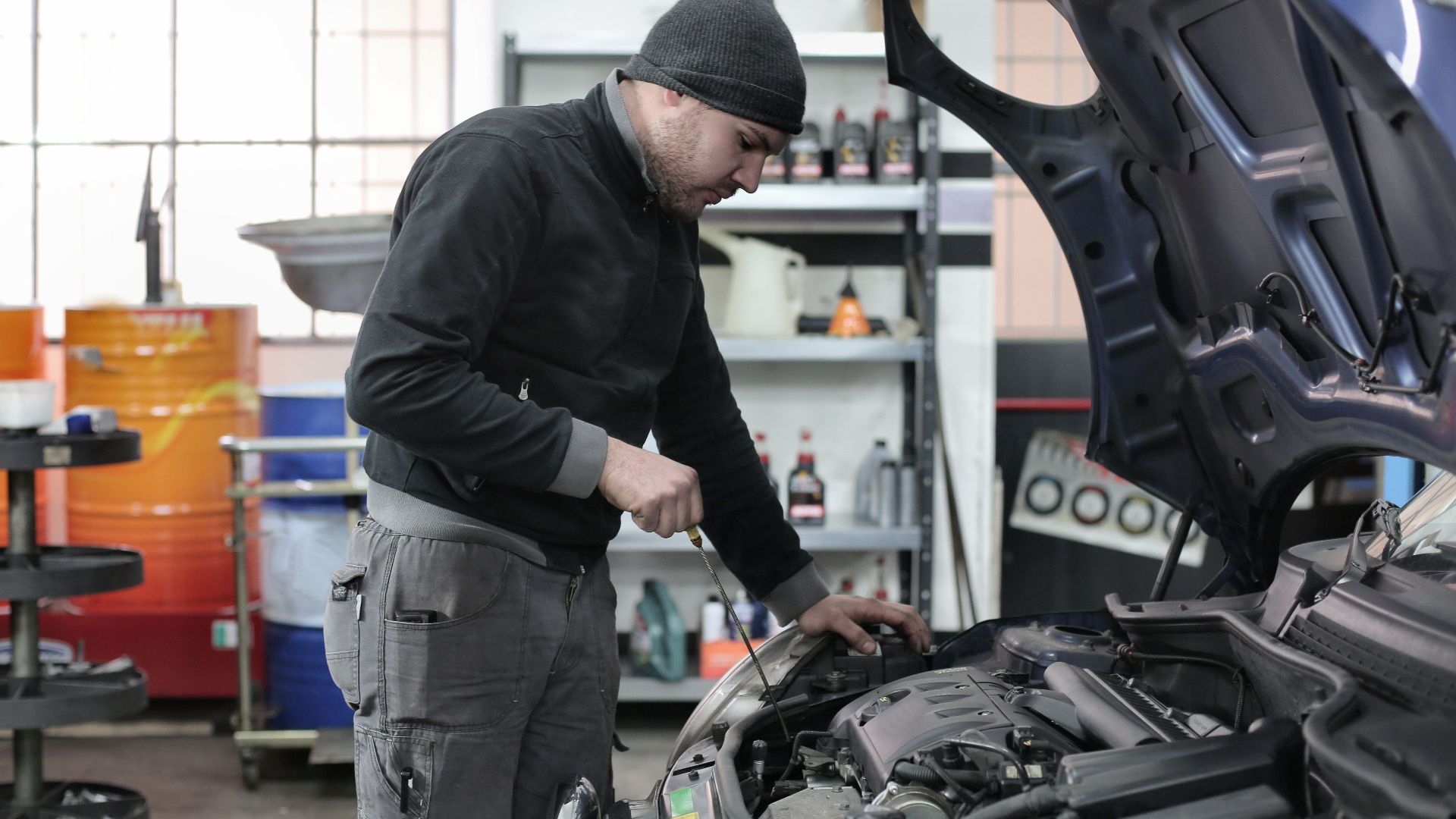
Warning lights, oil leaks, transmission issues, suspension noise, weak air conditioning, or other mechanical problems can justify a lower appraisal. Dealers may test-drive the car or have a service department inspect it before making a final offer. Major problems can have a much bigger effect than minor cosmetic flaws.
Accident History Can Hurt Even When The Repairs Look Fine
A professionally repaired car can still be worth less than an otherwise identical vehicle with a clean history. Dealers often check vehicle-history databases during appraisal. If an accident, flood record, salvage history, or other event appears that wasn’t reflected in the original estimate, the revised offer may be legitimate.

Mileage Errors Can Cause Big Swings
Double-check the mileage used in the appraisal. A mistyped odometer reading can reduce the value for no good reason. The same goes for the wrong trim, drivetrain, engine, or option package.

Make Sure They Appraised The Right Version
A four-wheel-drive model can be worth more than a two-wheel-drive version. A higher trim with expensive options may also command more. If the appraisal sheet lists the wrong configuration, point it out before debating anything else.

Condition Categories Are More Subjective Than They Sound
Words like “excellent,” “very good,” and “good” sound straightforward, but they’re not always used the same way. Kelley Blue Book notes that many owners overestimate their vehicle’s condition and that relatively few cars qualify for the highest category. Be realistic, but don’t let a dealer downgrade the car without explaining why.

Online Valuation Tools Are Baselines, Not Guarantees
Kelley Blue Book, Edmunds, and similar tools are useful because they give you a market reference. They don’t force a dealer to pay that amount. Local demand, inventory, condition, and what the dealer thinks the car will bring at auction can all change the final offer.

Get More Than One Valuation
One dealer’s offer tells you what that dealer wants to pay. It doesn’t necessarily tell you what the car is worth. Get estimates from multiple dealerships, online buyers, and valuation services before deciding whether the first offer is truly low.

A Competing Written Offer Is Your Best Leverage
Saying “I think it’s worth more” is easy for a dealer to dismiss. Saying “CarMax offered me $21,400 through Friday” is much harder to ignore. Cars.com specifically recommends getting multiple written offers and using the highest one as leverage.

Ask Them To Match The Outside Offer
You don’t need to make the conversation hostile. Show the competing offer and ask whether the dealer can match or beat it. Even if they won’t match it completely, they may raise their number enough to keep the deal together.

Separate The Trade-In From The New-Car Price
This is one of the most useful negotiating tactics. A dealer can make a weak trade-in offer look better by discounting the new car, or make a generous trade number meaningless by raising the purchase price. Negotiate the out-the-door price of the car you’re buying separately from the value of your trade.

Ignore The Monthly Payment For A Minute
Dealers can adjust the loan term, interest rate, down payment, and trade value to make almost any monthly payment look attractive. Focus on the actual numbers: new-car price, trade allowance, payoff amount, fees, APR, and total amount financed.

Watch For The “Over-Allowance” Trick
A dealer may advertise an unusually high trade-in allowance while quietly giving less of a discount on the vehicle you’re buying. The trade looks generous, but the total deal may not be. Compare the net cost rather than celebrating the trade number by itself.

Negative Equity Can Make The Deal Look Worse
If you owe more on the car than it’s worth, the dealer may roll that difference into the next loan. That’s separate from whether the appraisal itself is fair. Ask to see the trade value and loan payoff as separate line items so you know exactly where the shortfall comes from.

Check Your Payoff Yourself
Don’t rely entirely on the dealership to tell you how much is owed. Contact your lender and get the current payoff figure. A small error in payoff information can make the trade numbers look very different.

Reconditioning Costs Aren’t The Same As Retail Repair Bills
Dealers may tell you the car needs thousands of dollars of work before resale. Remember that a dealership may perform repairs internally at costs different from what you’d pay as a retail customer. Ask how they arrived at the deduction rather than assuming every quoted reconditioning dollar is unavoidable.

Don’t Automatically Fix Everything Before Trading
Spending $1,500 on cosmetic repairs doesn’t guarantee the trade value will rise by $1,500. Minor cleaning and inexpensive fixes can help, but major repairs should be considered carefully. Get trade offers first and see whether the repair would actually change what buyers are willing to pay.

Bring Maintenance Records
A stack of service records won’t magically add thousands to a trade, but it can help support the condition of a well-maintained vehicle. Cars.com recommends bringing records, extra keys, and important accessories because missing items can affect what a dealer is willing to pay.
Extra Keys Can Actually Matter
Modern key fobs can be expensive to replace. If you have both original keys, bring them. The same goes for removable cargo covers, charging cables, navigation media, or other equipment that originally came with the vehicle.

Inventory Can Affect The Offer
A dealer already sitting on six nearly identical SUVs may simply not want a seventh one badly enough to offer top dollar. Another dealer with no comparable inventory may value the same vehicle more highly. That’s another reason a single appraisal shouldn’t be treated as the market verdict.
 f.t.Photographer, Shutterstock
Some Dealers May Prefer To Wholesale Your Car
If your trade is older, high-mileage, heavily modified, or outside the dealer’s normal inventory, they may plan to send it straight to auction rather than sell it themselves. Their offer may therefore be based heavily on expected wholesale value. A dealer specializing in that type of vehicle might pay more.

You’re Allowed To Sell The Car Somewhere Else
Trading and buying don’t have to happen at the same dealership. You can sell the old car to another dealer, an online buyer, or a private buyer and purchase the replacement separately. The convenience of a one-stop trade is useful, but it isn’t mandatory.

Remember The Sales-Tax Effect
In some states or provinces, trading a vehicle can reduce the taxable amount of the replacement purchase. That means a dealer offering slightly less for the trade may still produce a similar overall result after taxes. Calculate the net difference before automatically choosing the highest cash offer.

Walking Away Is Part Of The Negotiation
The dealer has spent time appraising your car and trying to sell you another one. You’re under no obligation to accept the revised trade value simply because you’re already sitting at the desk. If the numbers don’t make sense, take your keys and leave.

The Best Pushback Is Evidence, Not Anger
If the dealer reduced your trade value after inspection, ask for the specific reasons, check that the vehicle details are correct, and compare the new figure with several outside offers. A legitimate condition issue may justify the drop, but a vague explanation and a dramatically lower number deserve scrutiny. The strongest response isn’t arguing that your car “feels” worth more. It’s showing that someone else is prepared to pay more and being willing to take that offer instead.

You May Also Like: