The Brake Pedal Had A Mind Of Its Own
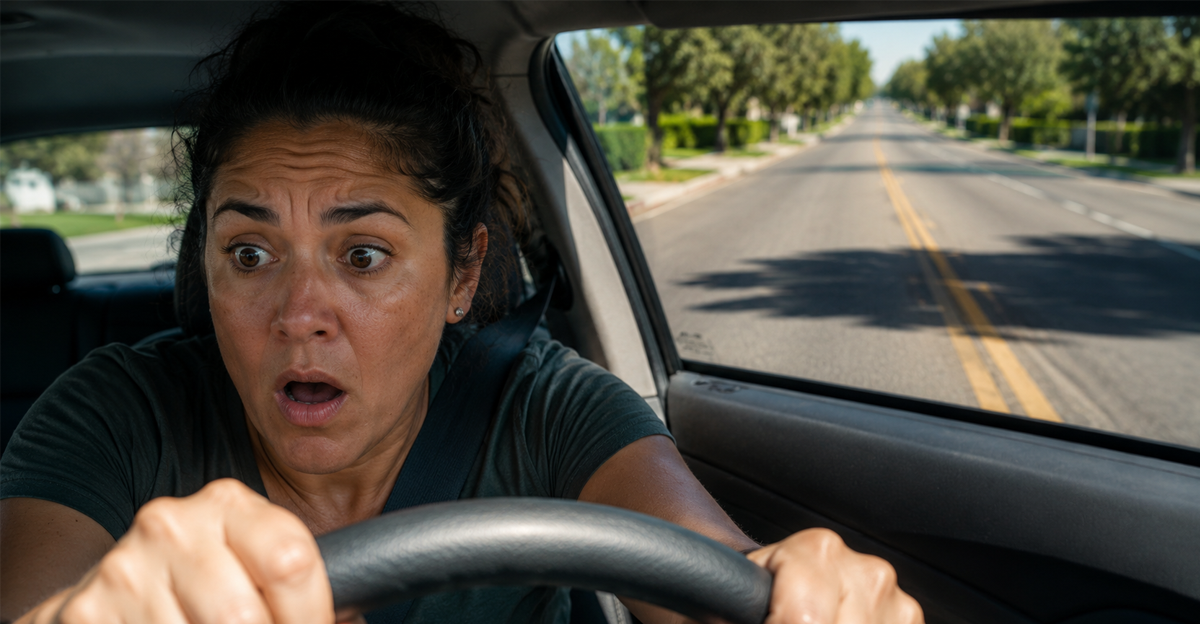
A dark shadow stretches across the pavement, the road ahead is clear, and suddenly the car hits the brakes hard enough to make your stomach jump. Moments like that can turn a reassuring safety feature into something that feels unnervingly unpredictable. Reports of unexpected braking are real, but so are the crashes these systems prevent, which makes the question of whether modern driver-assistance technology is actually safe more complicated than it first appears.
First, What Exactly Is AEB?
Automatic emergency braking, or AEB, watches the road ahead and can apply the brakes when the vehicle determines that a frontal collision is imminent. Depending on the model, the system may use cameras, radar, lidar, or some combination of sensors to identify vehicles and other hazards. Most systems first provide a forward-collision warning before automatic braking becomes the last line of defense.
Your Car Is Constantly Making Judgment Calls
The sensors themselves do not simply recognize an object and hit the brake pedal. Software analyzes information about an object's location, movement, size, and the vehicle's closing speed before deciding whether intervention is necessary. That process happens rapidly, which is exactly what gives AEB the chance to react when a human driver is distracted or simply cannot brake quickly enough.
The Problem Is That Roads Are Messy
A controlled test track is relatively predictable, but America's streets are filled with curves, construction markings, guardrails, signs, motorcycles, rain, glare, tunnels, and countless other complications. Toyota's own pre-collision-system documentation warns that roadside objects, road markings, metal objects, barriers, changing brightness, and other situations can sometimes cause the system to operate even when a collision is not actually imminent. Modern sensors can be extremely capable without being infallible.
Yes, Shadows Really Have Entered The Conversation
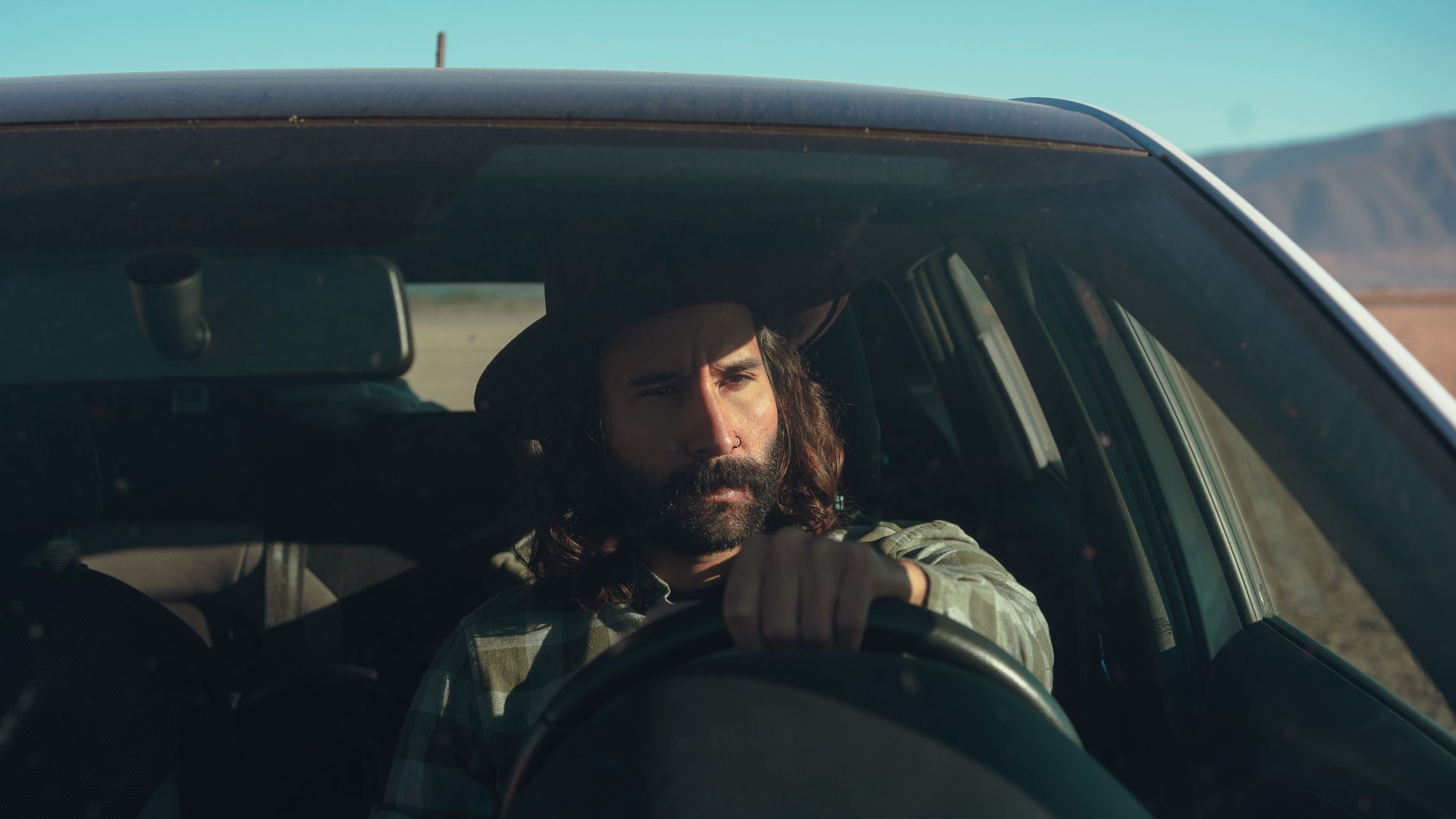
NHTSA investigated numerous Tesla complaints describing unexpected braking on high-speed roads, with many drivers reporting sunny conditions and shadows across the roadway. There is an important technical catch, however, because NHTSA determined that those particular complaints occurred while Traffic Aware Cruise Control, Autopilot, or Full Self-Driving features were engaged and were separate from the vehicles' AEB operation. In other words, a shadow-related braking event is plausible in modern driver-assistance technology, but calling every such event an AEB failure is inaccurate.

Phantom Braking Is An Informal Catch-All
Drivers commonly use the phrase "phantom braking" whenever a vehicle slows unexpectedly without an obvious hazard ahead. That nickname can describe behavior originating from different systems, including adaptive cruise control or other assisted-driving functions, rather than AEB alone. Understanding which feature was active matters because the technologies may share sensors while making different decisions for different reasons.
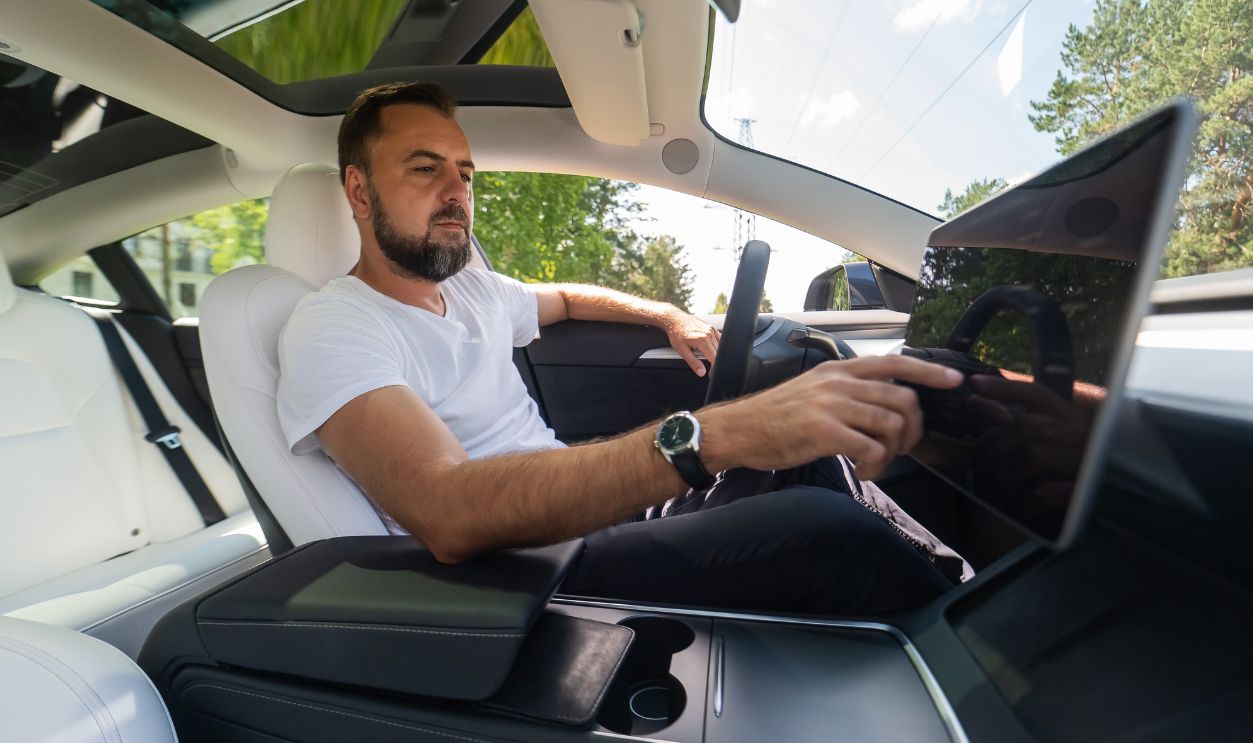
 StockPhotoDirectors, Shutterstock
Actual AEB False Activations Have Been Investigated Too
False AEB activation is not merely a terminology problem. In March 2024, NHTSA opened an investigation into certain 2019 through 2022 Honda Passport and Insight models after complaints alleged automatic emergency braking activated with no apparent obstruction, causing rapid deceleration. The agency's opening report noted 46 complaints, including allegations involving three crashes and two injuries.
The Honda Investigation Grew
NHTSA later upgraded that Honda inquiry to an engineering analysis and expanded its scope to include the 2023 Passport. By then, the agency said it had received 106 consumer complaints and reviewed 475 reports involving unique vehicle identification numbers that could relate to the alleged problem. The agency continued investigating the scope, frequency, and potential safety consequences rather than simply assuming every report represented a confirmed defect.

That Last Detail Matters
Consumer complaints are valuable warning signals, but a complaint is not automatically proof that a safety system malfunctioned. Road conditions, system design, driver inputs, repairs, sensor alignment, and many other variables can affect what happened during an individual incident. NHTSA uses investigations to separate recurring safety defects from isolated or misunderstood events, which is why raw complaint totals need context.
Now For The Other Half Of The Story
For all the unsettling examples, AEB has one major argument in its favor: it prevents a substantial number of crashes in real driving. IIHS research found that forward-collision warning combined with automatic braking reduced rear-end crashes by about 50 percent compared with comparable vehicles lacking the technology. Rear-end crashes involving injuries fell even more, by 56 percent in the study.
AEB Can Help Even When It Cannot Stop
Avoiding the crash entirely is only one possible success. If automatic braking knocks significant speed off the vehicle before impact, the collision can become less severe than it otherwise would have been. IIHS research has found larger reductions in injury-producing rear-end crashes than in rear-end crashes overall, which indicates that speed reduction can provide meaningful protection even when impact still occurs.
Pedestrians Benefit Too
Pedestrian-detecting AEB has also produced measurable real-world gains. An IIHS study found vehicles with pedestrian AEB had a 27 percent lower rate of pedestrian crashes and a 30 percent lower rate of pedestrian injury crashes than vehicles without the technology. Those numbers make it difficult to argue that automatic braking is merely an electronic gimmick.

Darkness Exposed A Major Weak Spot
The same pedestrian research also identified an important limitation. Researchers found no evidence of a crash-risk reduction on unlighted roads at night, even though pedestrian AEB performed significantly better overall. That shortcoming helped push testing and regulation toward systems that must perform under darker and more demanding conditions.

Rain Can Confuse The Picture
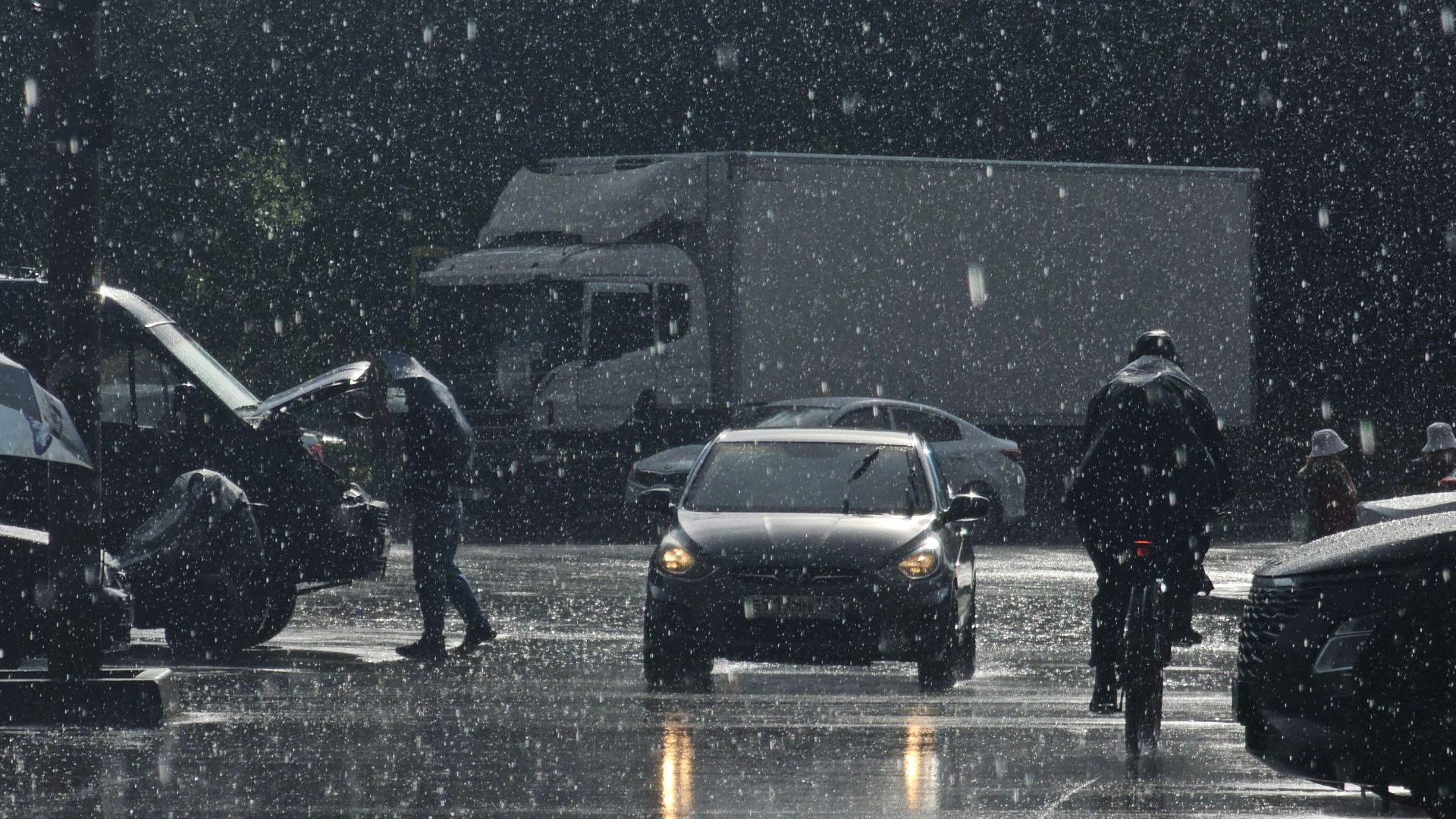
Weather introduces another challenge because cameras and other sensors need usable information about the world around them. In AAA testing that simulated moderate to heavy rain, vehicles traveling at 35 mph struck a stopped target in 33 percent of AEB test runs. AAA's results underscored why safety technology tested successfully in ideal conditions may perform differently in the weather drivers encounter every day.
Brightness Changes Are Tricky Too
Modern owner manuals openly acknowledge that sudden changes in light can affect detection performance. Toyota, for example, warns that its pre-collision system may have difficulty when bright light shines into the camera or when a vehicle moves through places where surrounding brightness changes suddenly, such as tunnel entrances and exits. The same documentation also warns that certain road patterns or paint can be mistaken for detectable objects.

Motorcycles And Trucks Raise Different Problems
Traditional AEB tests concentrated heavily on a passenger vehicle directly ahead, but real crashes are much more varied. IIHS responded by creating tougher evaluations involving motorcycles and large trucks as well as passenger cars, with higher approach speeds than its earlier testing. When IIHS initially evaluated 10 small SUVs under the newer protocol in 2024, only one earned a good rating.

Higher Speeds Remain The Big Test
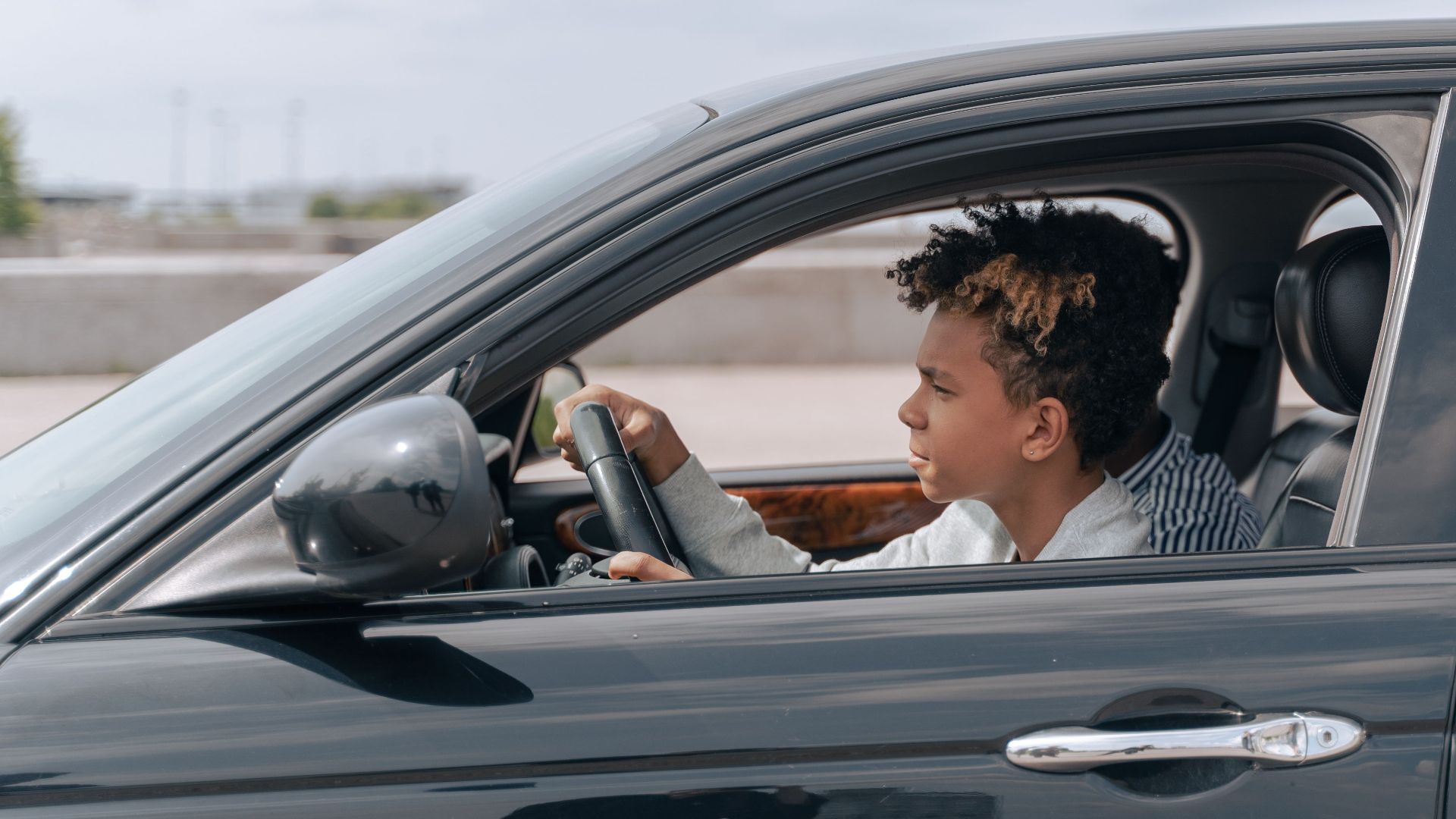
AAA found dramatic improvement when comparing newer AEB systems with earlier generations at ordinary test speeds. In 2024 testing, the newer vehicles avoided every forward collision tested through 35 mph, while corresponding 2017 and 2018 models avoided 51 percent. Performance became less impressive as speeds climbed, with three of four newer vehicles avoiding the 45-mph collision and none of the vehicles tested at 55 mph avoiding impact.
Progress Is Happening Fast
Those AAA results show why judging all AEB systems as though they are identical can be misleading. Sensor technology, processing power, software, and manufacturer tuning have changed considerably across vehicle generations, and newer systems performed substantially better in AAA's comparison. A bad experience in an older vehicle therefore does not necessarily describe how the latest version of the technology will behave.

Washington Is Raising The Bar
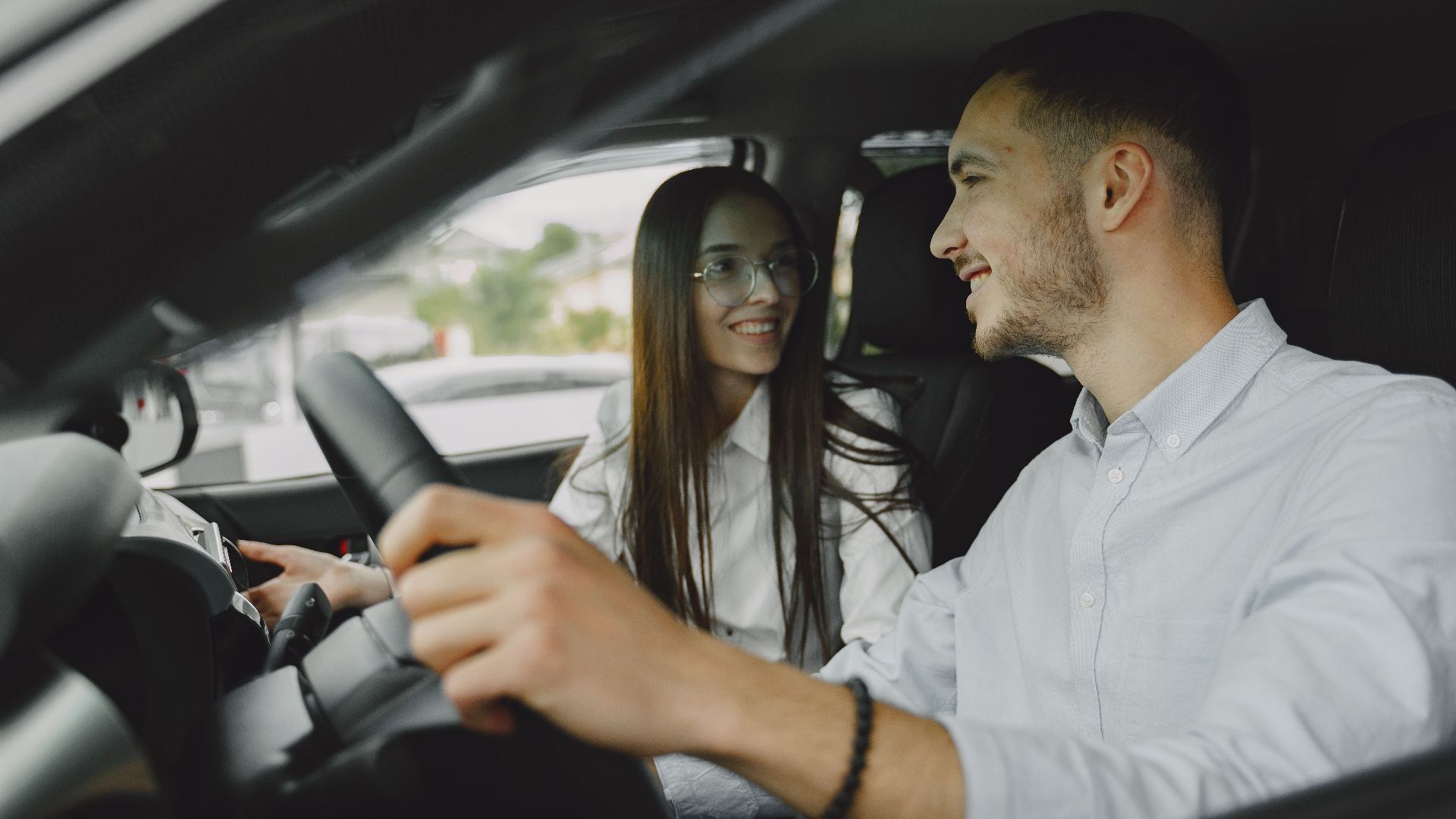
In 2024, NHTSA finalized Federal Motor Vehicle Safety Standard No. 127, establishing significantly tougher minimum AEB requirements for nearly all new U.S. passenger cars and light trucks. The rule calls for systems capable of avoiding contact with a vehicle ahead at speeds up to 62 mph under specified tests and automatically braking for imminent vehicle collisions at speeds as high as 90 mph. It also includes pedestrian requirements for both daylight and darkness.
The Federal Deadline Is 2029
Under the rule, compliant AEB and pedestrian AEB are scheduled to become mandatory on nearly all new passenger cars and light trucks by September 2029. NHTSA estimates the standard will save at least 360 lives and prevent at least 24,000 injuries each year once its effects are realized. The rule effectively shifts AEB from a widely available feature to a federally required safety system with defined performance expectations.

AEB Still Is Not A Chauffeur
The presence of automatic braking does not transfer responsibility for driving to the vehicle. NHTSA describes current driver-assistance technologies as systems that assist a fully engaged driver, not substitutes for one. AEB is best understood as an emergency backup that may intervene when something goes wrong, not permission to look away from the road.

Your Owner's Manual Is More Useful Than You Think
Buried inside modern owner's manuals are often several pages explaining exactly when collision-avoidance technology may activate unnecessarily or fail to detect something. Toyota, for example, lists roadside objects, curves, barriers, road markings, tunnels, glare, precipitation, and unusual vehicle shapes among conditions that can complicate operation. Reading those warnings may not be exciting, but they give drivers a much more realistic picture of what their particular car can and cannot do.

A Dirty Sensor Is More Than Cosmetic
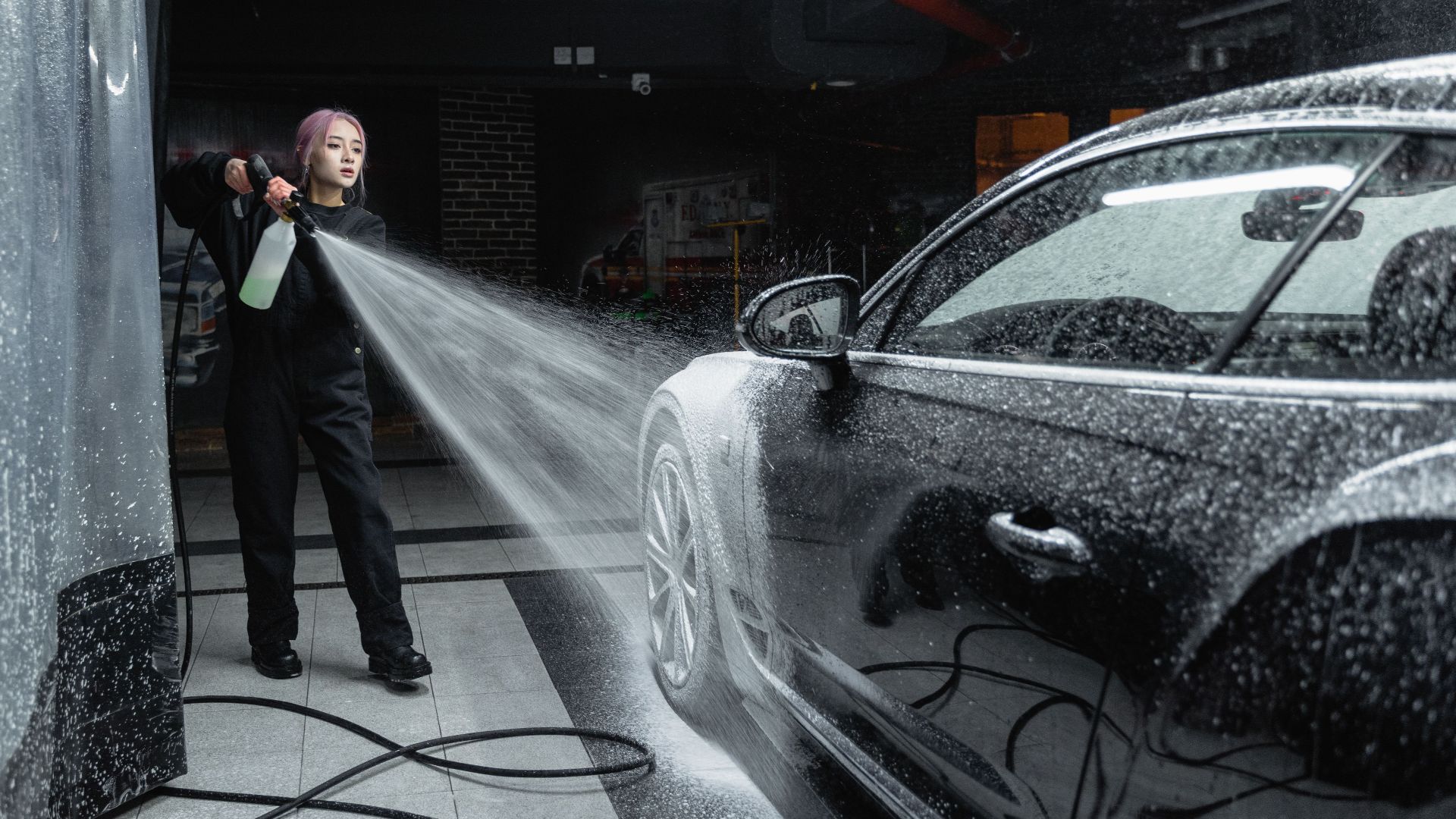
ADAS depends on cameras and radar units having an accurate view of the environment. AAA notes that front-facing cameras are used by systems such as automatic emergency braking and that their optical path through the windshield matters to proper operation. Vehicle preparation for calibration can even include ensuring that the windshield area in front of the camera is clean.
Minor Repairs Can Change How The Car Sees
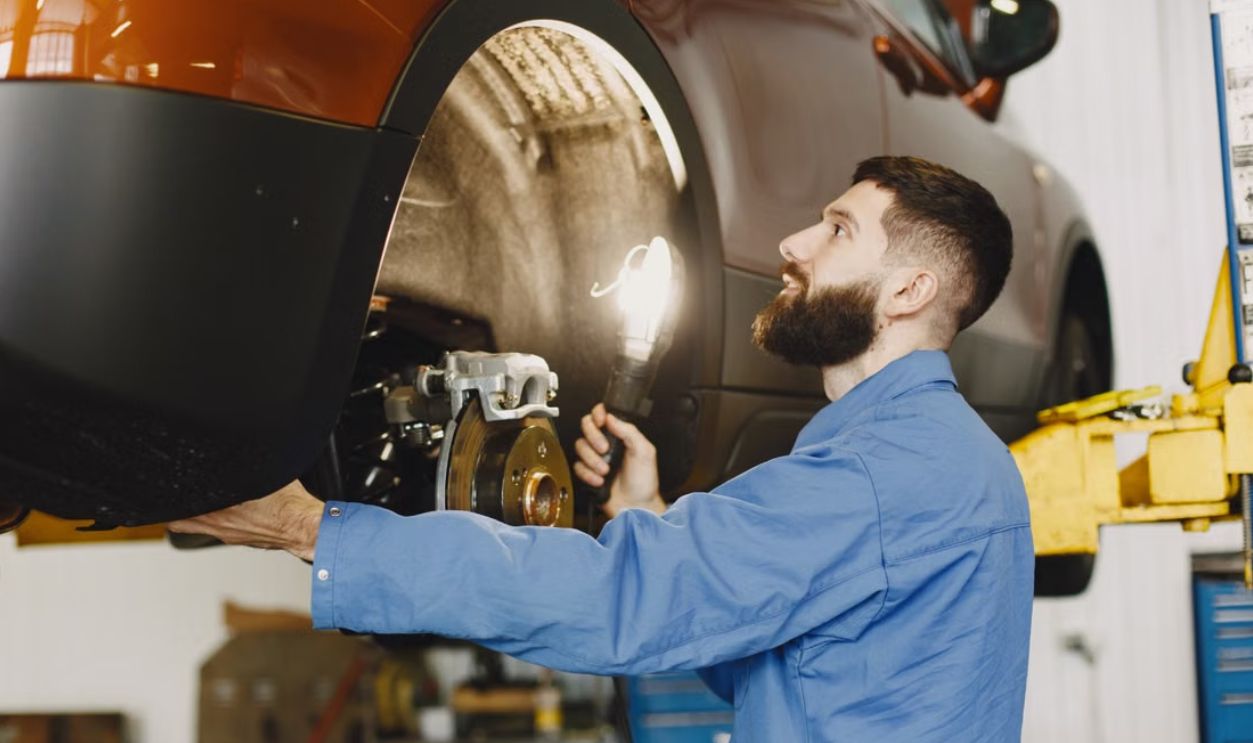
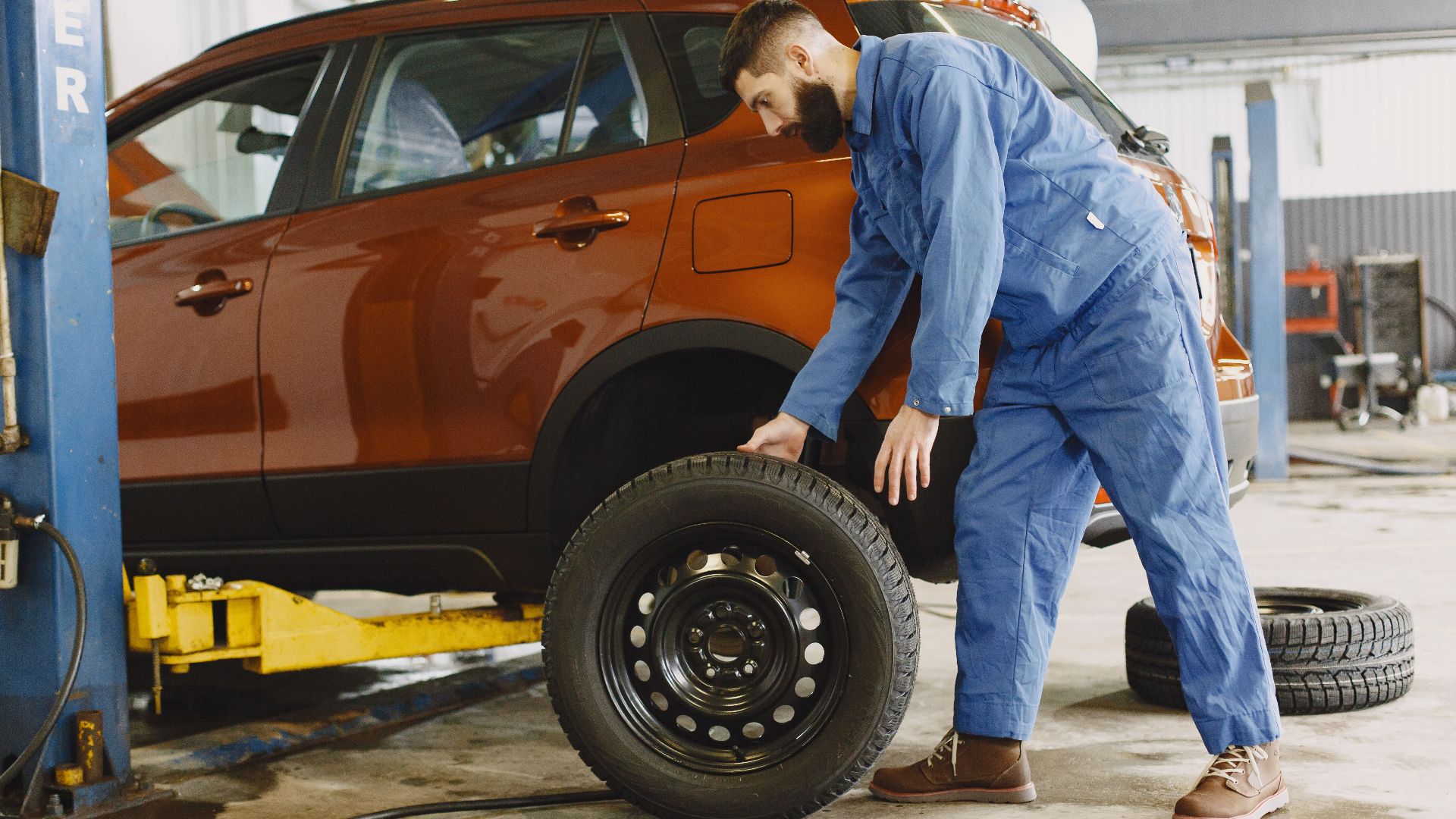
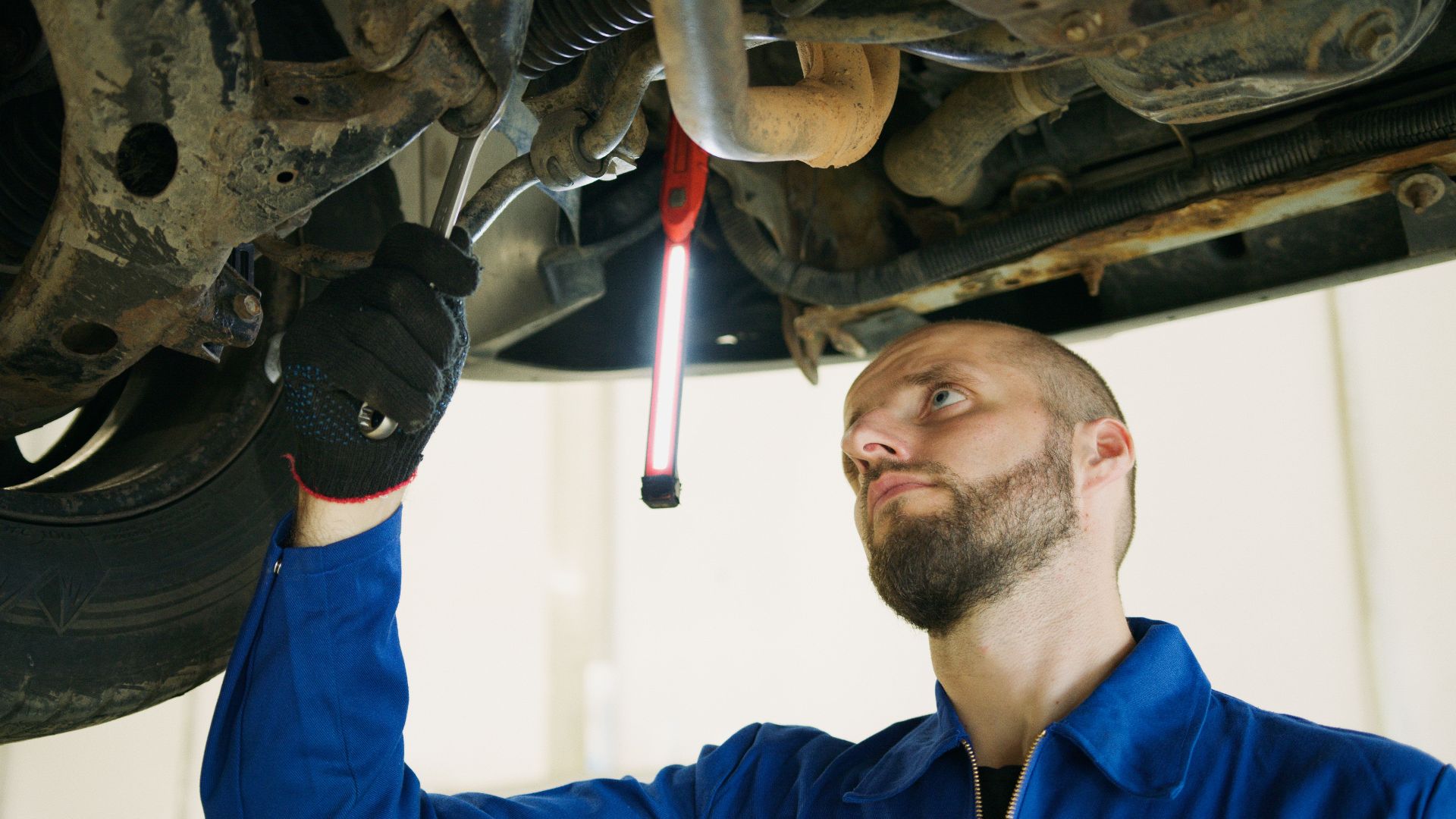
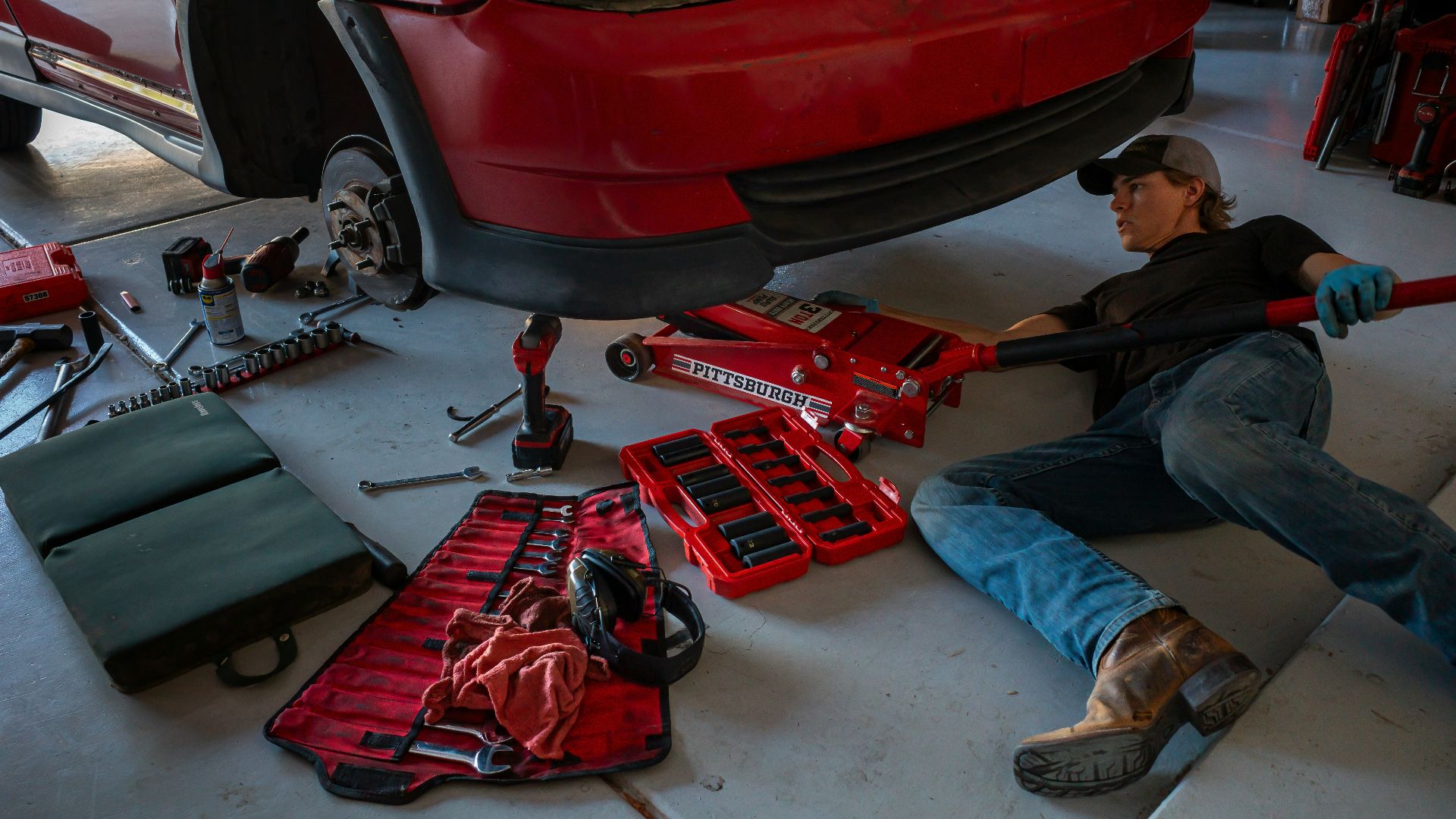
A parking-lot bump or windshield replacement may seem unrelated to automatic braking, but both can affect sensors used by ADAS. AAA says even small changes in sensor position can alter where a camera or radar unit is aimed, while windshield replacement, suspension work, wheel alignment, and collision repairs can create a need for calibration. A sensor that looks normal from outside the car may still require precise electronic or physical adjustment.
Calibration Is A Safety Issue
AAA warns that failing to calibrate an ADAS sensor when required can cause the system to operate improperly or become unavailable. The exact procedure varies by vehicle, with some requiring stationary calibration targets, others requiring a controlled drive, and some requiring both methods. That makes proper post-repair calibration an important part of maintaining the original safety performance of the car.
What To Do After A False Brake Event
If your vehicle brakes unexpectedly, stay focused on maintaining control rather than trying to diagnose the technology while moving. Once safely stopped, record the conditions surrounding the event, including speed, weather, lighting, road layout, dashboard warnings, and which assistance features were active. Repeated or severe unexpected braking deserves inspection by a qualified technician, particularly if the vehicle has recently had windshield, suspension, alignment, bumper, or collision work.
Serious Problems Can Be Reported
American drivers can submit vehicle-safety complaints directly to NHTSA, and those reports can help investigators identify potential defect trends. NHTSA's Honda AEB investigation demonstrates how accumulated consumer complaints can lead to a formal federal evaluation. Reporting does not prove that a defect exists, but it puts potentially important incidents into the system used by the country's vehicle-safety regulator.

False Positives Have A Hidden Cost
An unnecessary emergency stop is concerning for obvious reasons, but frequent false warnings can create another safety problem by destroying the driver's trust. IIHS notes that crash-avoidance technologies cannot provide their intended benefit when drivers disable them because they find the systems annoying, confusing, or unreliable. A safety feature therefore needs more than the ability to react aggressively because it also has to earn enough confidence that owners leave it switched on.
 https://kaboompics.com/, Pexels
So, Are Modern Safety Systems Actually Safe?
The best available evidence says AEB is a net safety benefit, but that does not mean every intervention is correct or every system performs equally well. Real-world studies show substantial reductions in rear-end and pedestrian crashes, while federal investigations, independent testing, and even manufacturer manuals document situations in which automated systems can struggle or intervene unexpectedly. The sensible conclusion is not to fear the technology or blindly trust it, but to treat AEB as a rapidly improving backup that still needs an alert human behind the wheel.
The Shadow Should Not Get The Final Word
A car braking for something that is not there is unsettling because the system temporarily acts with more confidence than its sensors deserve. Yet the same basic technology is already preventing crashes that distracted, surprised, or simply unlucky drivers might otherwise have suffered. The safest relationship with today's automated safety systems is therefore a partnership: let the computer watch your back, but never assume it sees the road better than you do every single time.
You May Also Like: