
Something As Simple As Checking The Oil Isn't So Simple Anymore
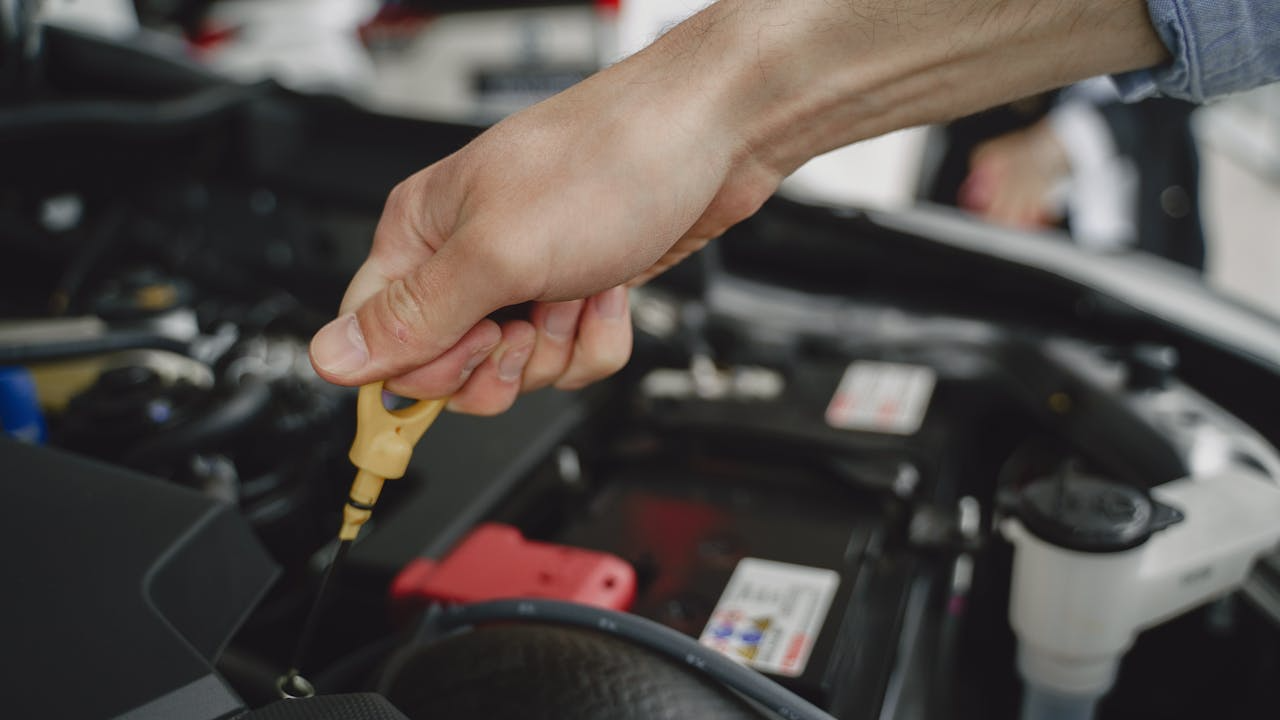
For decades, checking your engine oil meant pulling out a dipstick, wiping it clean, reinserting it, and reading the level in a matter of seconds. But many newer vehicles have eliminated the traditional dipstick altogether, replacing it with electronic oil level monitoring systems. For owners who like to perform their own maintenance, that change can feel surprisingly frustrating. So why are manufacturers moving away from such a simple and reliable tool?
The Traditional Dipstick Has Been Around For Generations
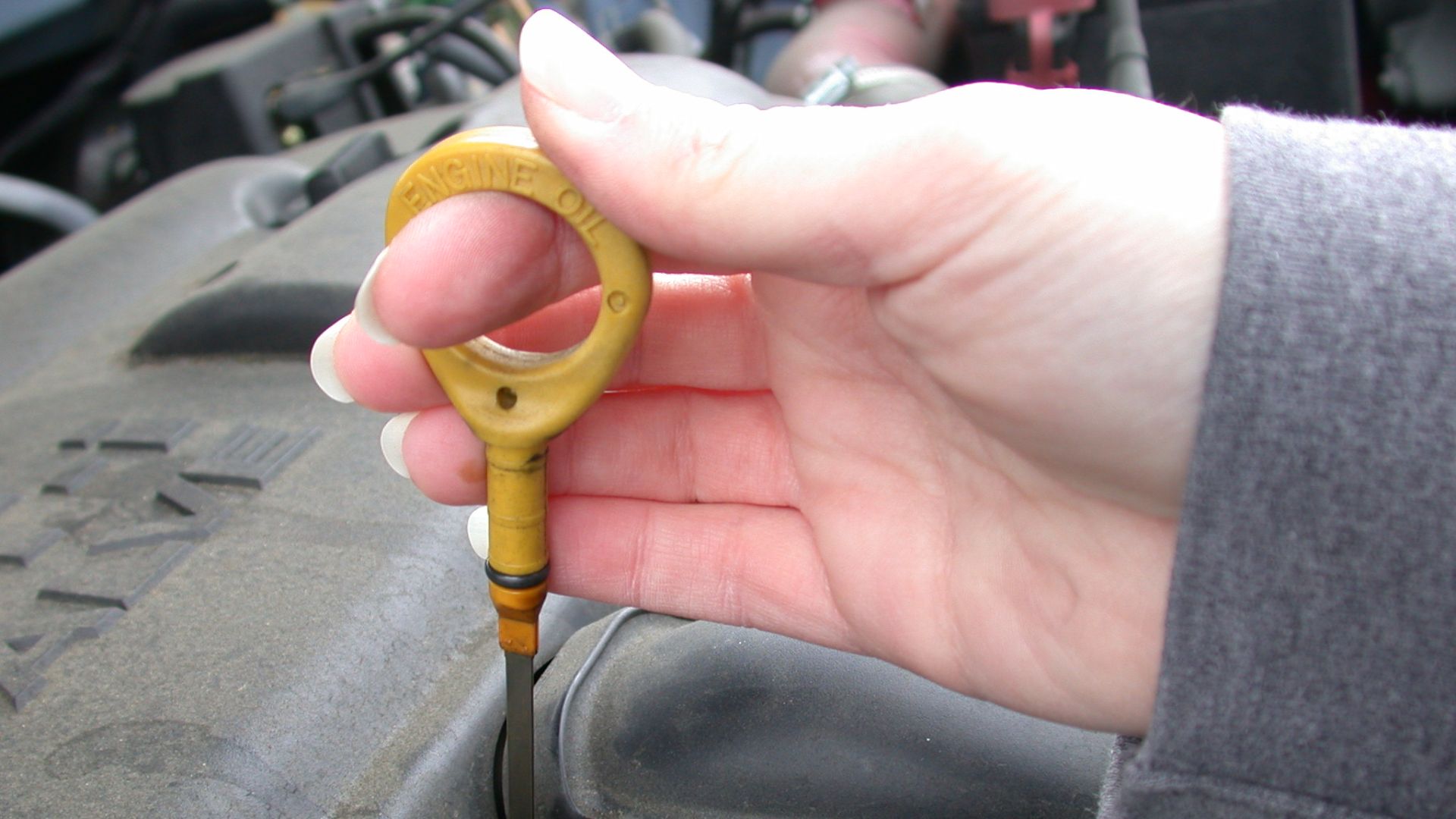
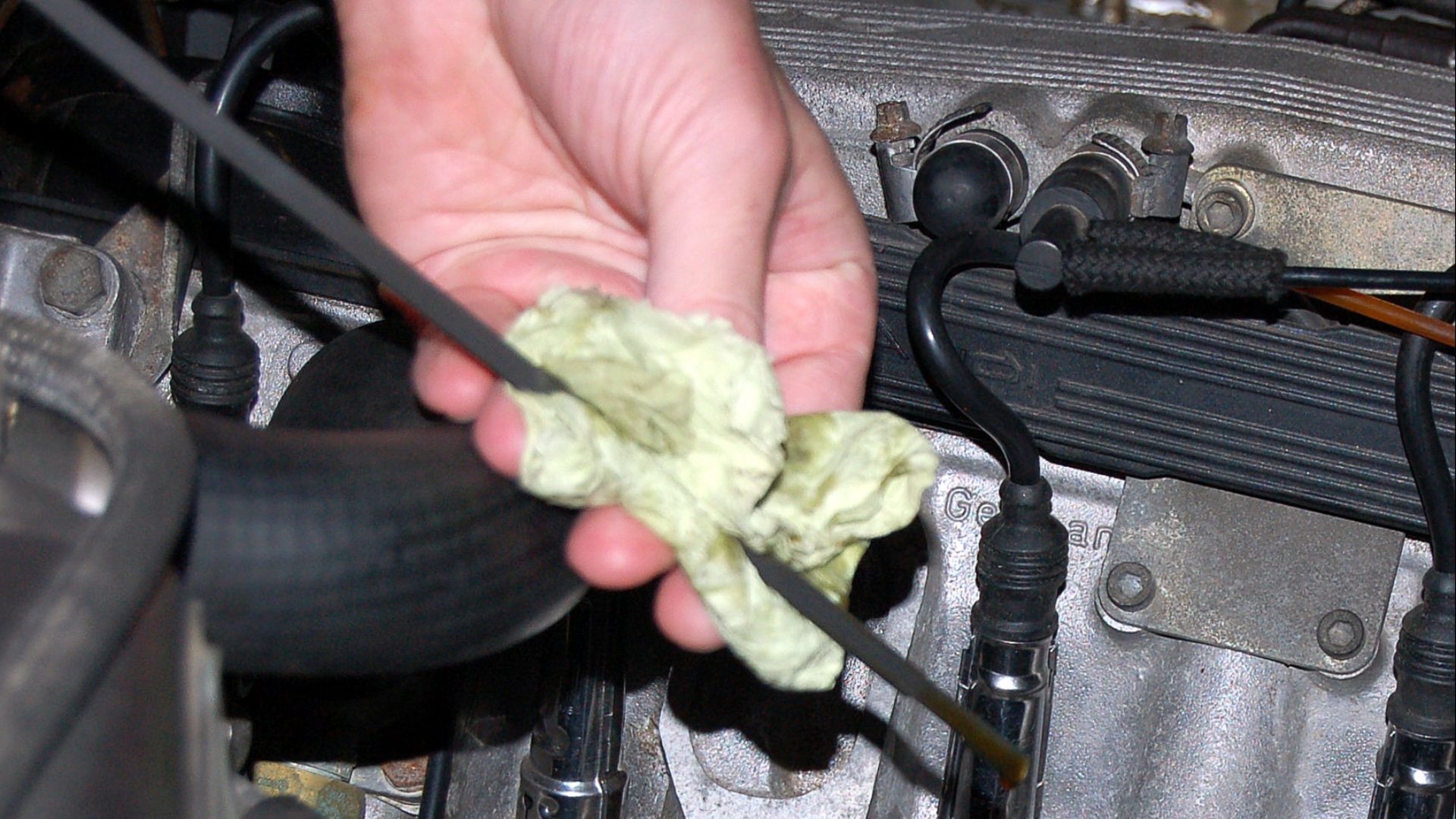
The humble dipstick has long been one of the easiest ways for drivers to monitor engine health. It required no electronics, no special tools, and very little time. If the oil level was low, you simply added more. Its simplicity is one reason many drivers are surprised to find it missing from newer vehicles.
Electronic Oil Monitoring Is Becoming More Common
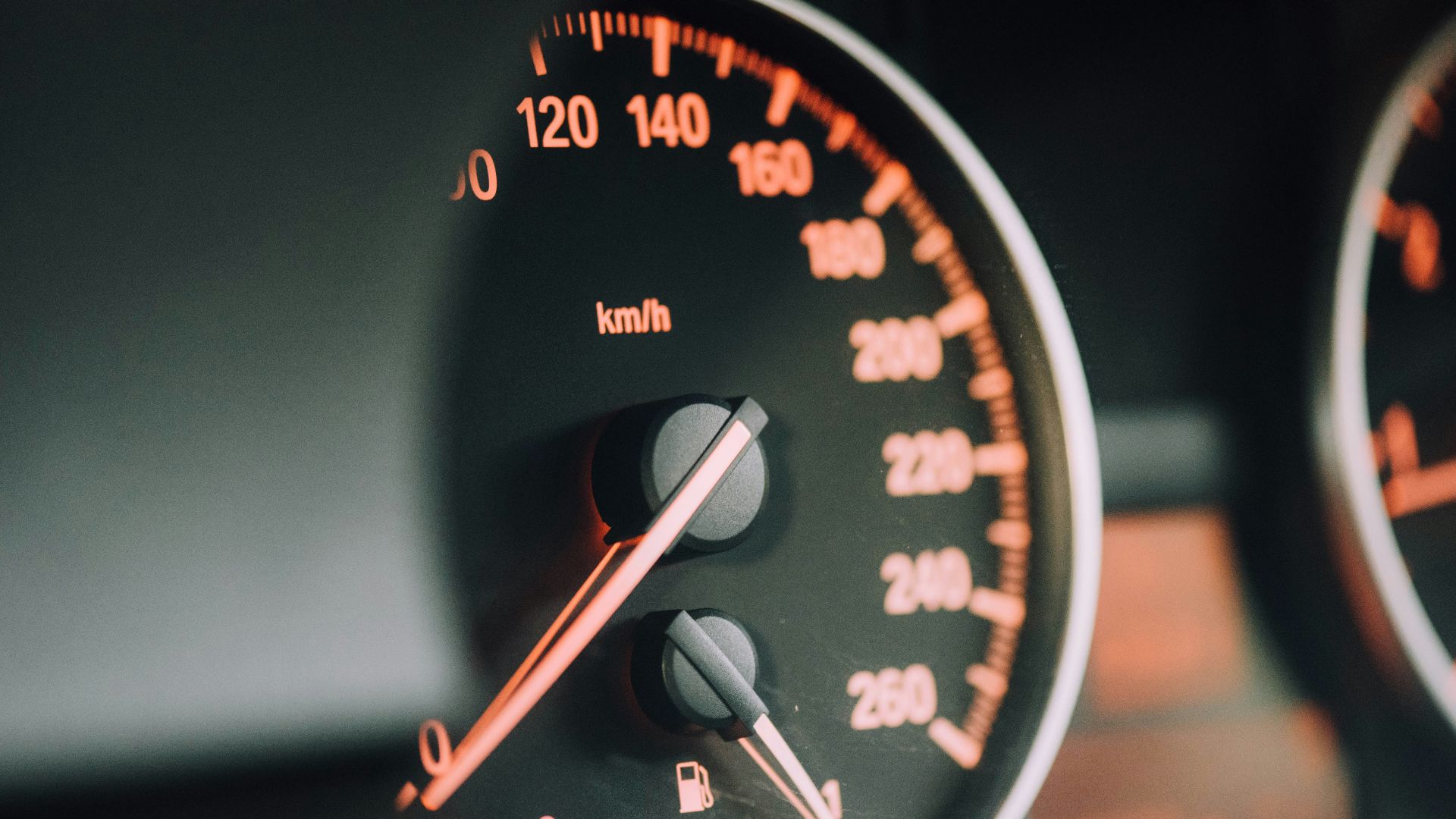
Many modern vehicles now use electronic oil level sensors instead of physical dipsticks. Rather than checking the oil manually, drivers access the information through the instrument cluster or infotainment screen. Some vehicles even perform the measurement automatically while you're driving.
Not Every New Car Has Eliminated The Dipstick
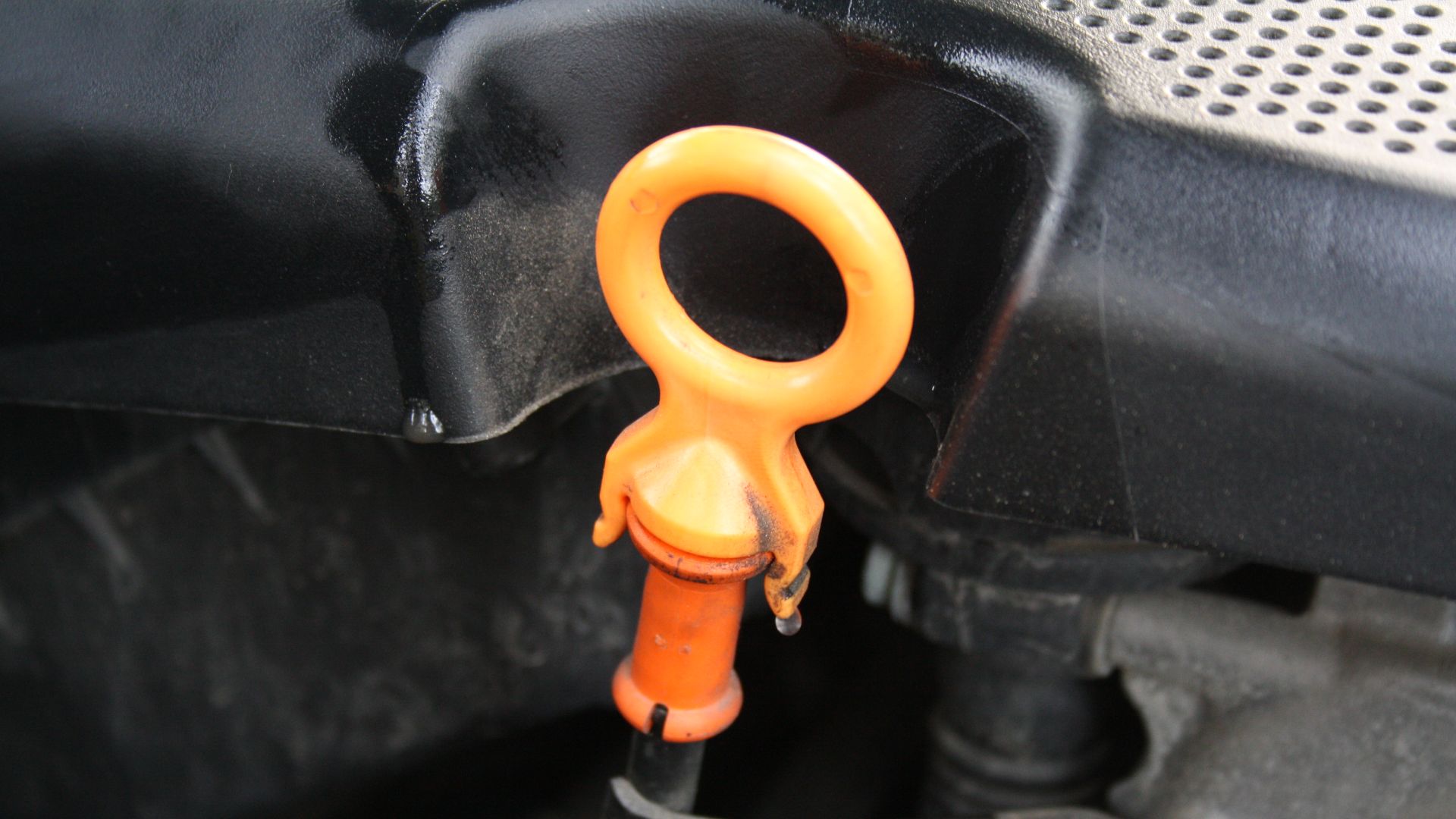
Despite the trend, traditional dipsticks haven't disappeared entirely. Many manufacturers still include them, particularly on trucks, economy cars, and vehicles intended for markets where owners are more likely to perform routine maintenance themselves. The change varies by manufacturer, engine, and model.
Packaging Modern Engines Is More Difficult
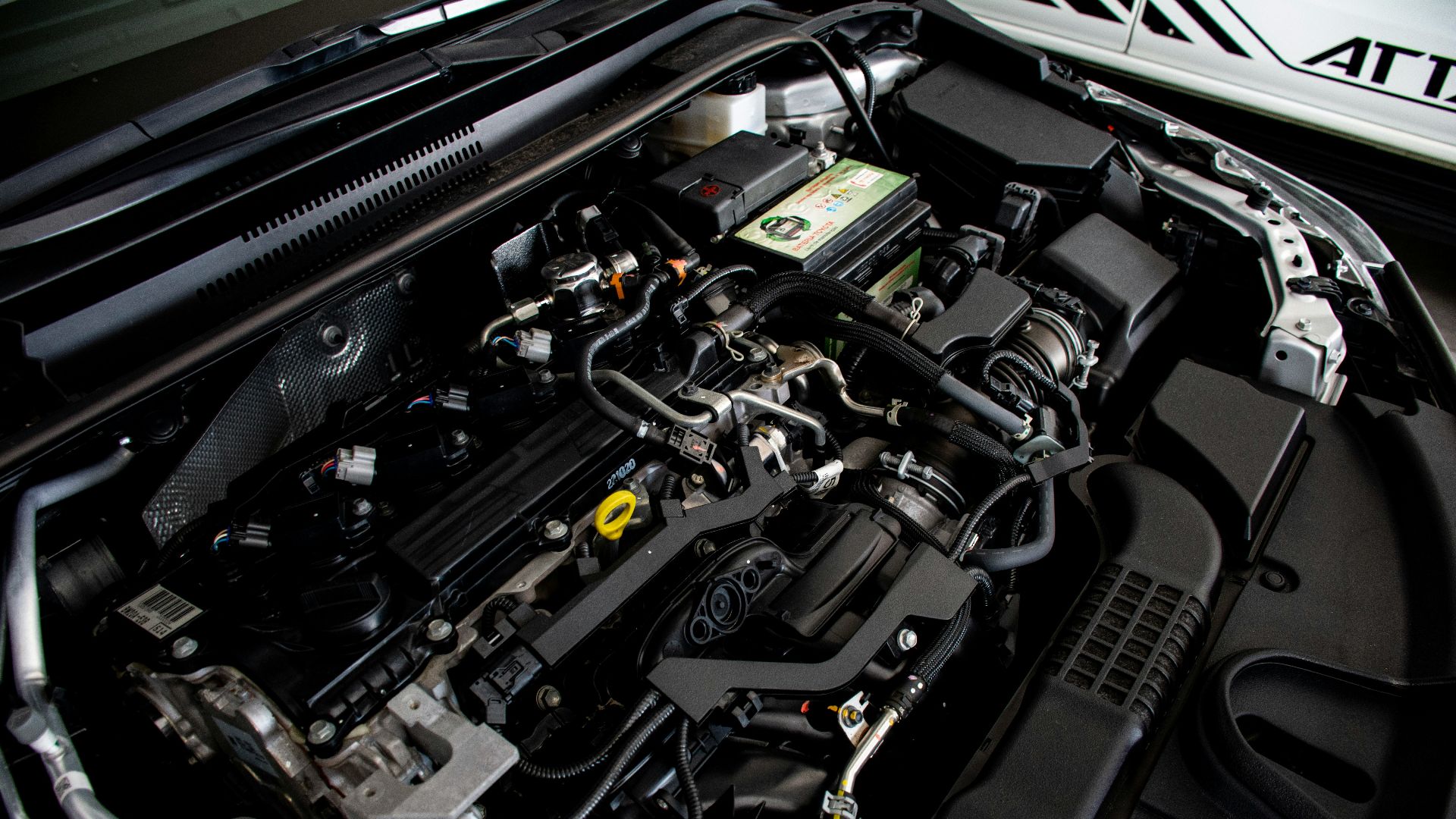
One reason dipsticks are disappearing is simple packaging. Modern engine compartments are crowded with turbochargers, emissions equipment, cooling systems, hybrid components, and advanced electronics. Eliminating the dipstick tube gives engineers a little more flexibility when designing increasingly compact engine bays.
Emissions Standards Influence Design
Modern emissions regulations have encouraged manufacturers to seal engine systems more effectively. Every opening in the engine represents another possible source of vapor leaks or contamination. While a dipstick tube is hardly a major emissions concern by itself, reducing unnecessary openings helps simplify overall engine design.
Electronic Sensors Can Be Very Accurate
Many owners assume an electronic system must be less reliable than a dipstick, but that's not necessarily true. Oil level sensors are designed to measure the amount of oil in the engine with considerable precision. In many cases, they're capable of detecting changes that would be difficult to notice on a traditional dipstick.
The Car Usually Knows When Conditions Are Right
Unlike a manual dipstick, electronic systems often wait until the engine reaches certain conditions before taking a measurement. The vehicle may require the engine to be fully warmed up, parked on level ground, and shut off for several minutes before displaying an accurate reading.
 Airman 1st Class Kate Maurer, Wikimedia Commons
That's Why The Process Can Feel Complicated
Many owners become frustrated because the oil level won't appear immediately. Some vehicles require navigating several infotainment menus, waiting for the engine to warm up, or following specific instructions before the system will perform a measurement. It's certainly less intuitive than pulling out a dipstick.
 Nenad Stojkovic, Wikimedia Commons
Reading The Owner's Manual Really Helps
Every manufacturer handles electronic oil measurement a little differently. Some require the engine to idle, while others require it to be turned off. Some perform measurements automatically after driving, while others require you to manually start the process. The owner's manual usually explains the correct procedure step by step.

You Still Need Level Ground
Whether you're using a dipstick or an electronic sensor, the vehicle generally needs to be parked on reasonably level ground. Parking on a steep hill can allow oil to pool on one side of the engine, producing an inaccurate reading regardless of the measuring method.
 Milchstraßenräuber, Wikimedia Commons
Oil Temperature Matters Too
Cold oil settles differently than hot oil. That's why some vehicles specify checking the oil after the engine reaches operating temperature and then sits for several minutes. Following the manufacturer's recommended procedure helps ensure the sensor measures the correct amount.
Electronic Systems Can Do More Than Measure Oil
Some systems don't just report oil level. They may also estimate oil condition, monitor oil life, or alert drivers if consumption becomes excessive. These additional features give owners more information than a simple dipstick ever could.

Warning Messages Shouldn't Be Ignored
If the vehicle reports a low oil level or displays an oil system warning, don't assume the electronics are malfunctioning. Verify the warning according to the owner's manual and address the issue promptly. Running an engine with insufficient oil can cause severe damage regardless of how the oil level is measured.
Sensors Can Occasionally Fail
Like any electronic component, oil level sensors aren't immune to failure. If the sensor malfunctions, the vehicle may display inaccurate readings or diagnostic trouble codes. Fortunately, these failures are relatively uncommon, and technicians can usually diagnose them using standard scan tools.

Some Engines Still Have A Hidden Dipstick
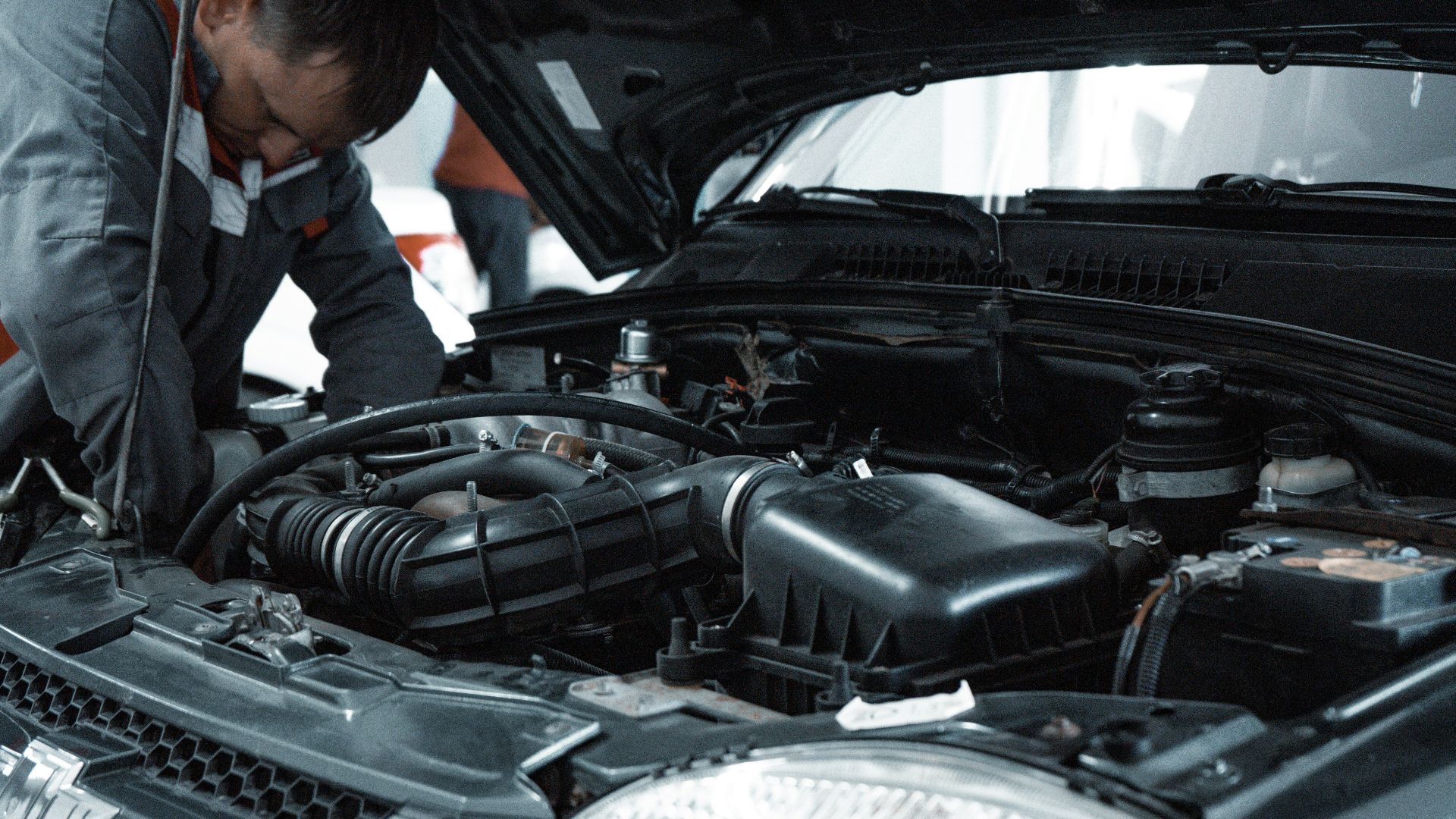
A few manufacturers remove the owner-accessible dipstick but leave a service dipstick for technicians. These are often intended only for professional maintenance and may require special procedures or tools. Just because you can't easily find a dipstick doesn't necessarily mean one doesn't exist.

DIY Maintenance Isn't Going Away
Some owners worry that electronic oil monitoring means manufacturers don't want people servicing their own vehicles anymore. While modern vehicles are certainly more complex, many still allow owners to perform routine maintenance. It simply requires learning a few new procedures.
Oil Changes Still Matter
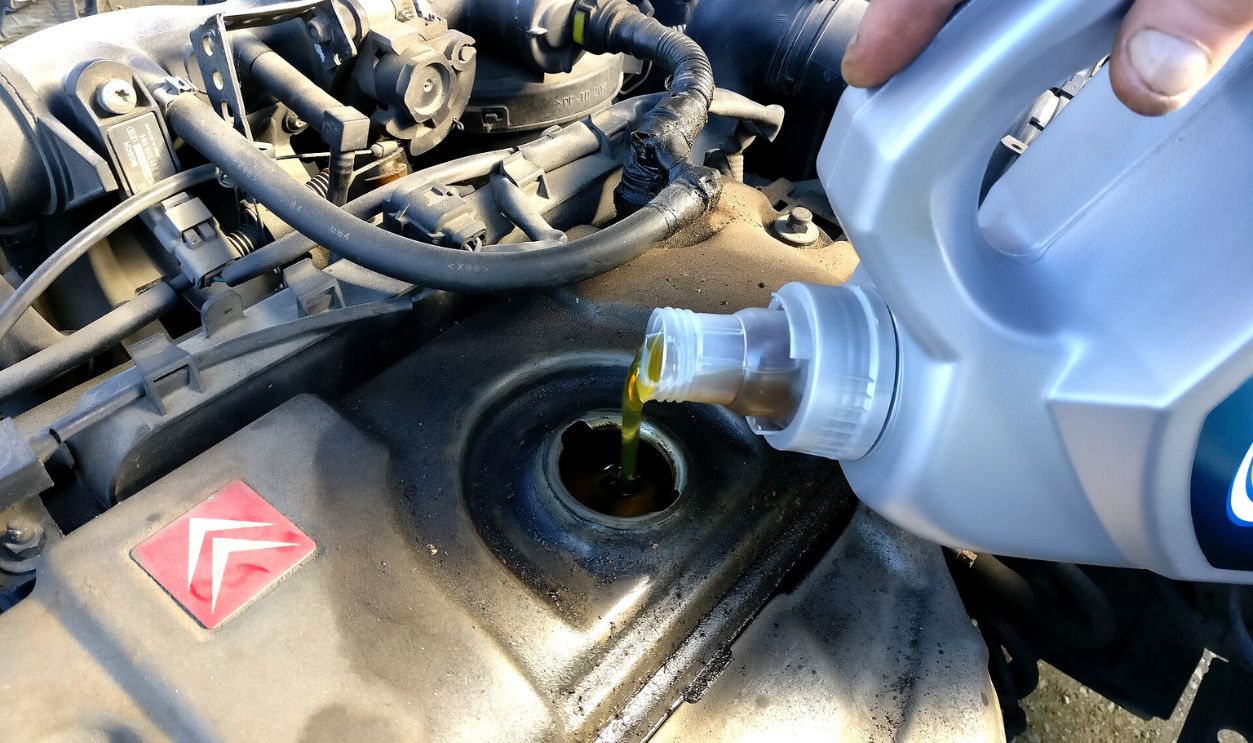
Electronic monitoring doesn't eliminate the need for regular oil changes. Even if the vehicle continuously monitors oil level and condition, you should still follow the manufacturer's recommended maintenance schedule unless the vehicle specifically uses a flexible service interval based on operating conditions.
 Santeri Viinamäki, CC BY-SA 4.0, Wikimedia Commons
Oil Consumption Can Still Occur
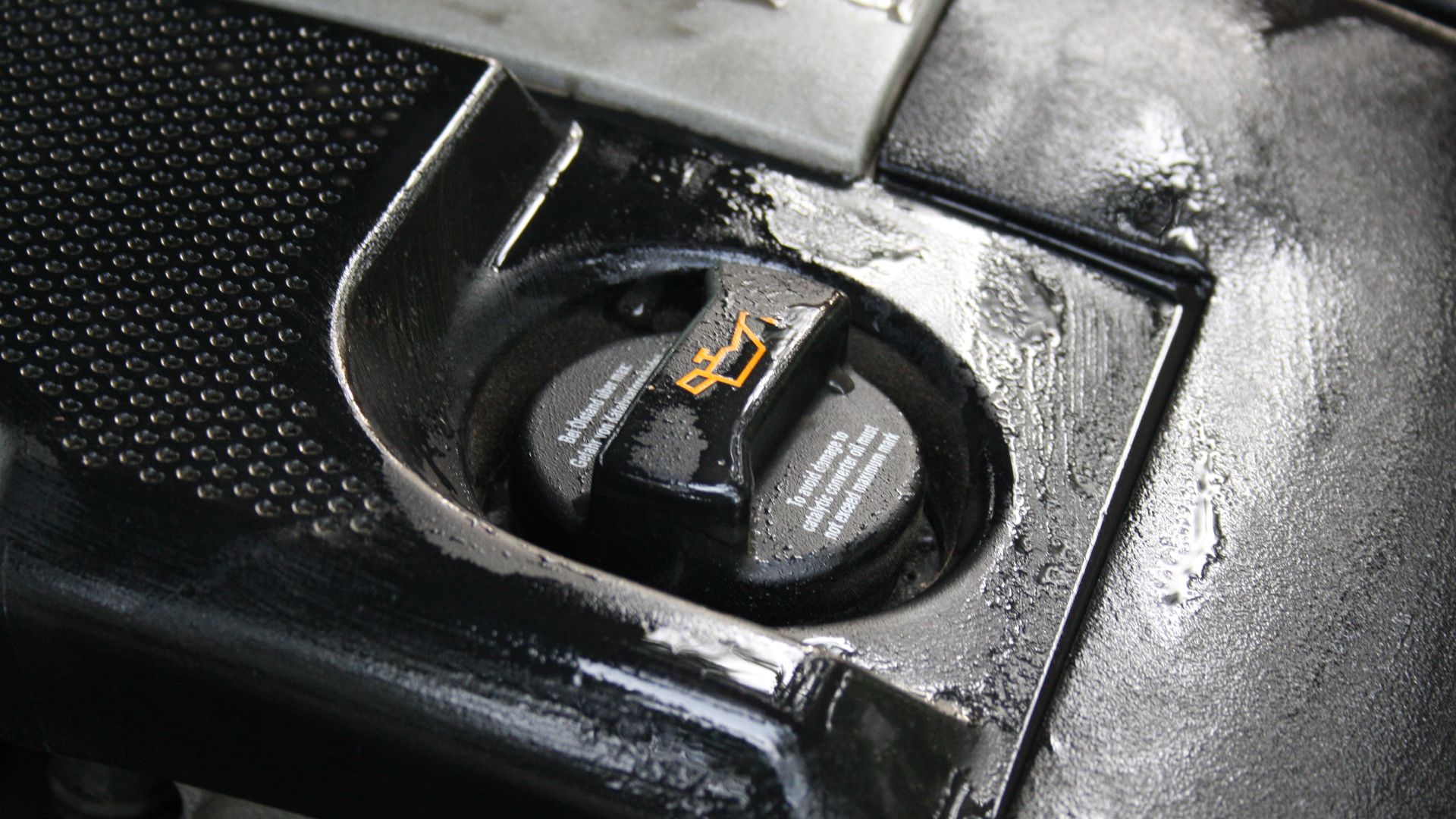
Some engines naturally consume a small amount of oil between scheduled services. Electronic monitoring systems help alert drivers before levels become dangerously low, but it's still wise to pay attention to warning messages and understand your vehicle's normal oil usage.
Software Updates Can Improve Monitoring
Because these systems rely on software as well as hardware, manufacturers occasionally release updates that improve sensor accuracy or refine warning thresholds. During routine service, ask whether your vehicle has any available software updates related to engine management.

Dealers Aren't The Only Ones Who Understand Them
Independent repair shops have become increasingly familiar with electronic oil monitoring systems. If you have questions or experience a warning light, you don't necessarily need to visit the dealership. Many qualified independent technicians can diagnose and service these systems just as effectively.

Some Drivers Still Prefer The Old Way
Even if electronic systems work well, many experienced drivers miss the reassurance of seeing the oil level with their own eyes. A dipstick provides immediate confirmation that some people simply find more satisfying than navigating digital menus. It's a preference that manufacturers are well aware of.

Convenience Depends On What You're Used To
For drivers who've only owned vehicles with electronic monitoring, checking the oil through a dashboard menu may feel completely normal. Those transitioning from older vehicles often need a little time to adjust. Like many new automotive technologies, familiarity eventually makes the process feel much easier.
 Shixart1985, Wikimedia Commons
Technology Isn't Replacing Good Maintenance
Removing the dipstick doesn't mean manufacturers expect owners to pay less attention to their engines. Instead, they're using sensors to automate a task that many drivers rarely performed anyway. For people who regularly checked their own oil, the change may feel inconvenient, but the goal is still to help owners monitor engine health accurately.

A Different Method Doesn't Necessarily Mean A Worse One
If your new car doesn't have a traditional dipstick, you're experiencing a growing trend across the automotive industry. Manufacturers are redesigning engines to improve packaging, support modern emissions systems, and take advantage of increasingly sophisticated electronic monitoring. While checking the oil may require a few extra steps compared with older vehicles, these systems are generally accurate and reliable when used correctly. Once you understand your vehicle's specific procedure, you'll likely find that monitoring your engine oil remains just as important—even if the dipstick itself is gone.
You May Also Like:
My windshield fogs up much more than my old car ever did. Are modern vehicles designed differently?