I Thought All-Wheel Drive Solved Winter Driving
When I bought a vehicle with all-wheel drive, I assumed it would make winter driving much less stressful. It certainly felt more confident when pulling away from snowy intersections. Then one icy stop made me realize I had misunderstood what all-wheel drive actually does. Factinate Ltd
The First Close Call Changed Everything
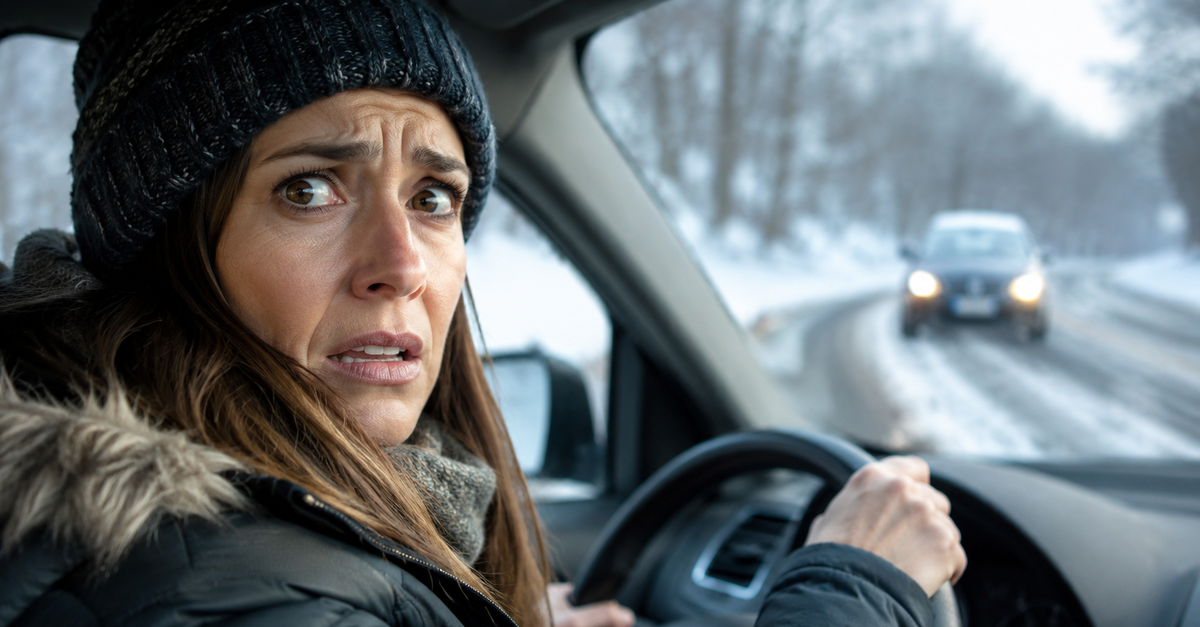
I approached a red light at what seemed like a reasonable speed. When I pressed the brake pedal, the vehicle kept sliding much farther than I expected. That moment taught me that getting moving and getting stopped are completely different challenges.

All-Wheel Drive Helps You Get Going
All-wheel drive sends engine power to all four wheels when extra traction is needed. That additional traction helps the vehicle accelerate more effectively on slippery roads. It is especially useful when climbing snowy hills or pulling away from a stop.

Braking Depends On Something Else Entirely
Once you step on the brakes, the drive system is no longer the main factor. Stopping depends on how much grip the tires have against the road surface. Every modern passenger vehicle uses brakes on all four wheels regardless of whether it has front, rear, or all-wheel drive.

Tires Are The Real Stars Of Winter Safety
Your tires are the only part of the vehicle touching the road. Their rubber compound and tread determine how much grip is available for braking and steering. Even the most advanced drivetrain cannot overcome poor tire traction.
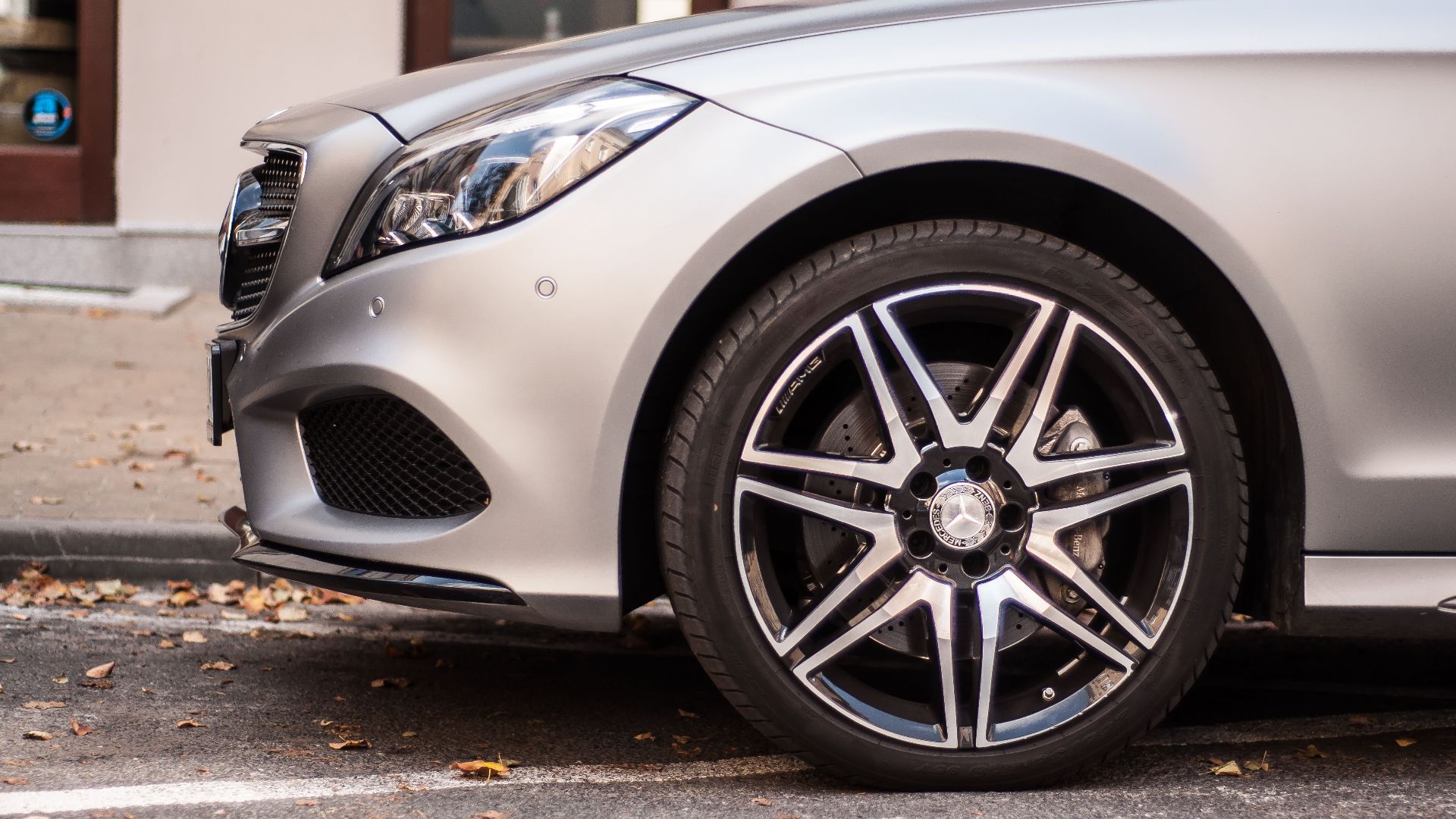
Winter Tires Use Different Rubber
Winter tires are built with rubber compounds that remain flexible in freezing temperatures. That flexibility helps them grip snow and ice better than typical all-season tires. Better grip translates into shorter stopping distances and improved control.
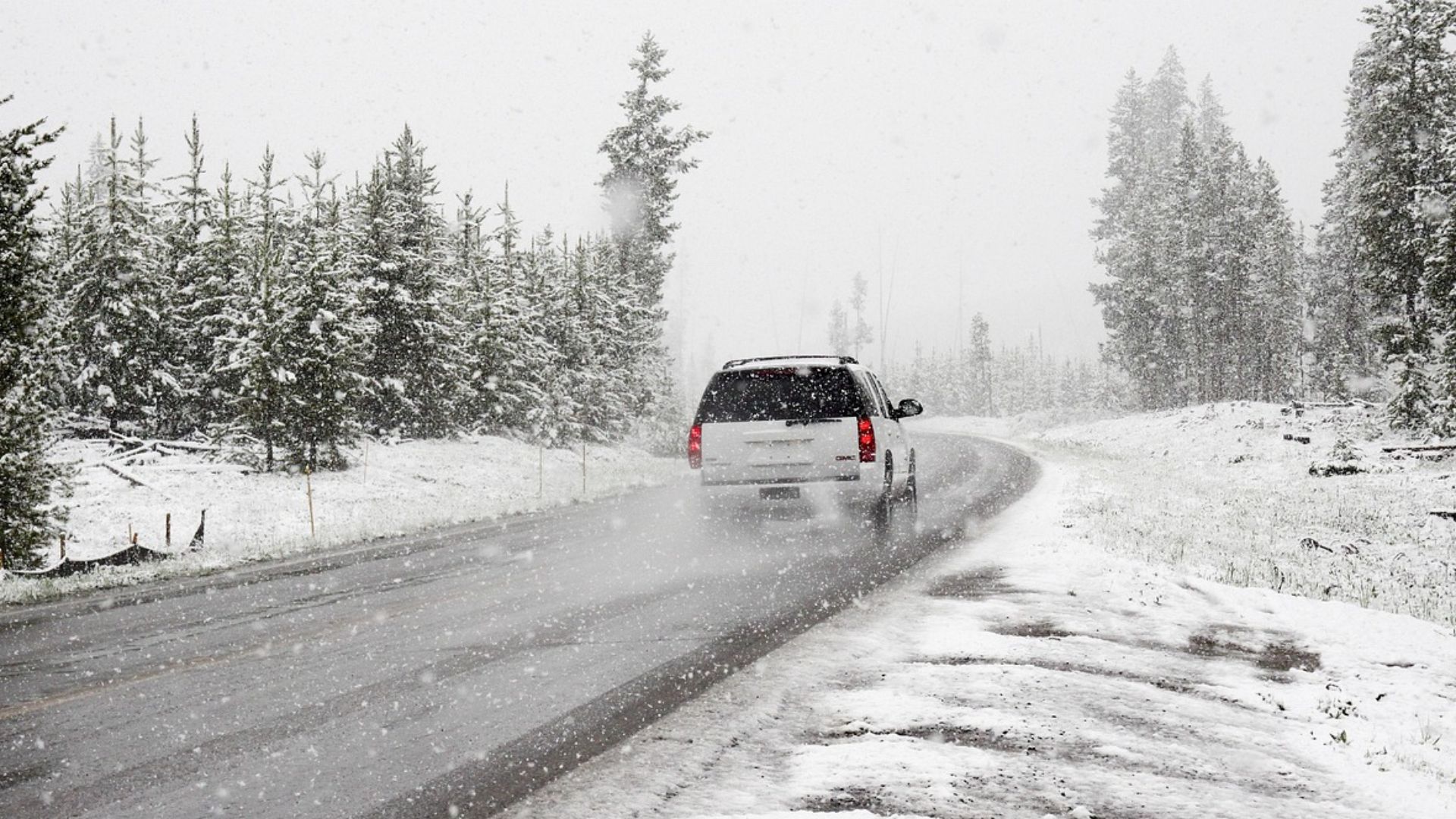
Consumer Reports Put The Myth To The Test
Consumer Reports compared identical vehicles with different tire setups in snowy conditions. Their testing found that winter tires dramatically improved braking performance compared with all-season tires. The publication concluded that tire choice often matters more than adding all-wheel drive alone.
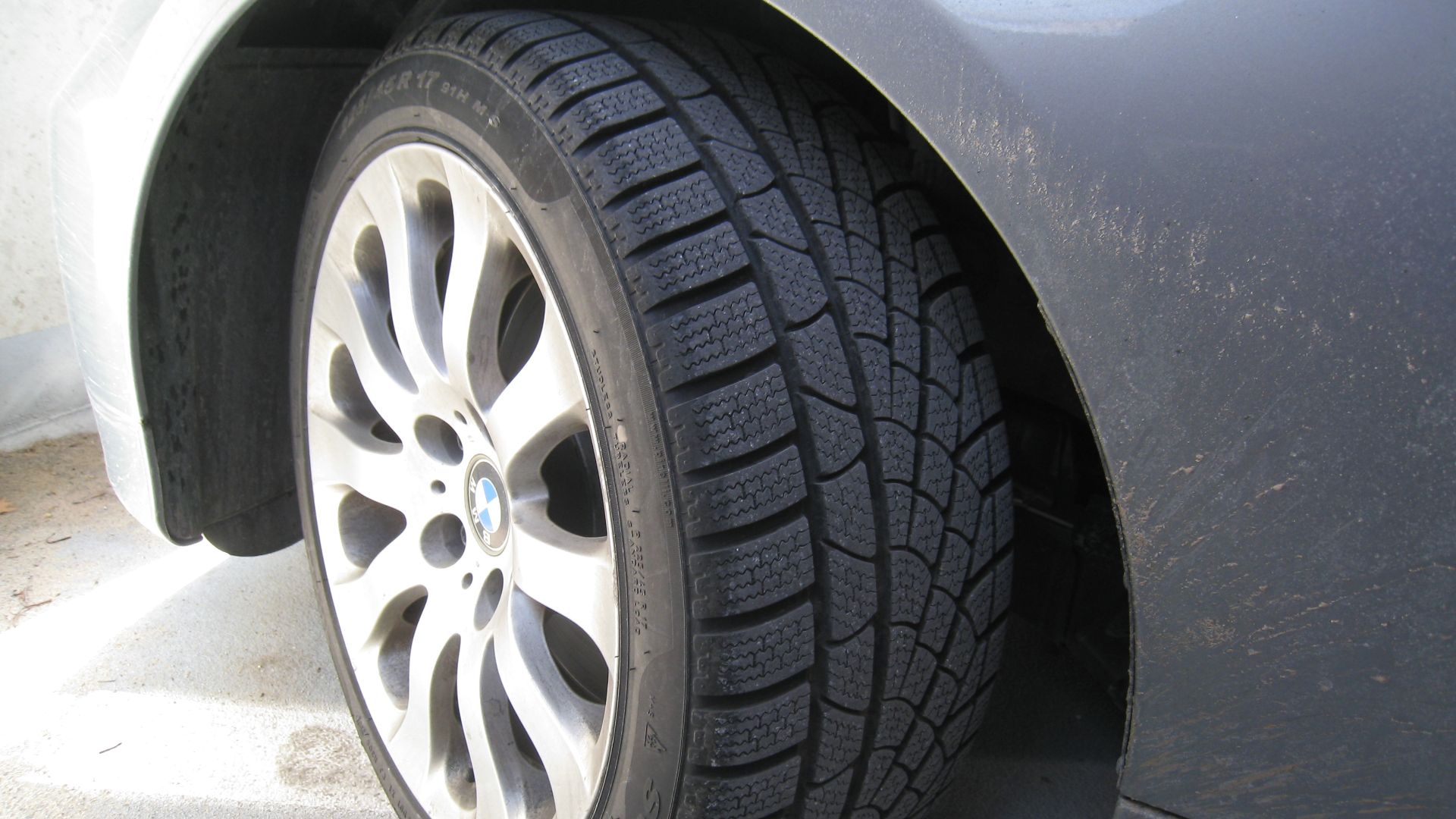
Front-Wheel Drive Can Surprise You
Many people assume all-wheel drive always beats front-wheel drive in winter. In reality, a front-wheel-drive vehicle equipped with quality winter tires can stop just as well or better than an all-wheel-drive vehicle on all-season tires. That surprises many drivers because advertisements often focus on acceleration instead of braking.
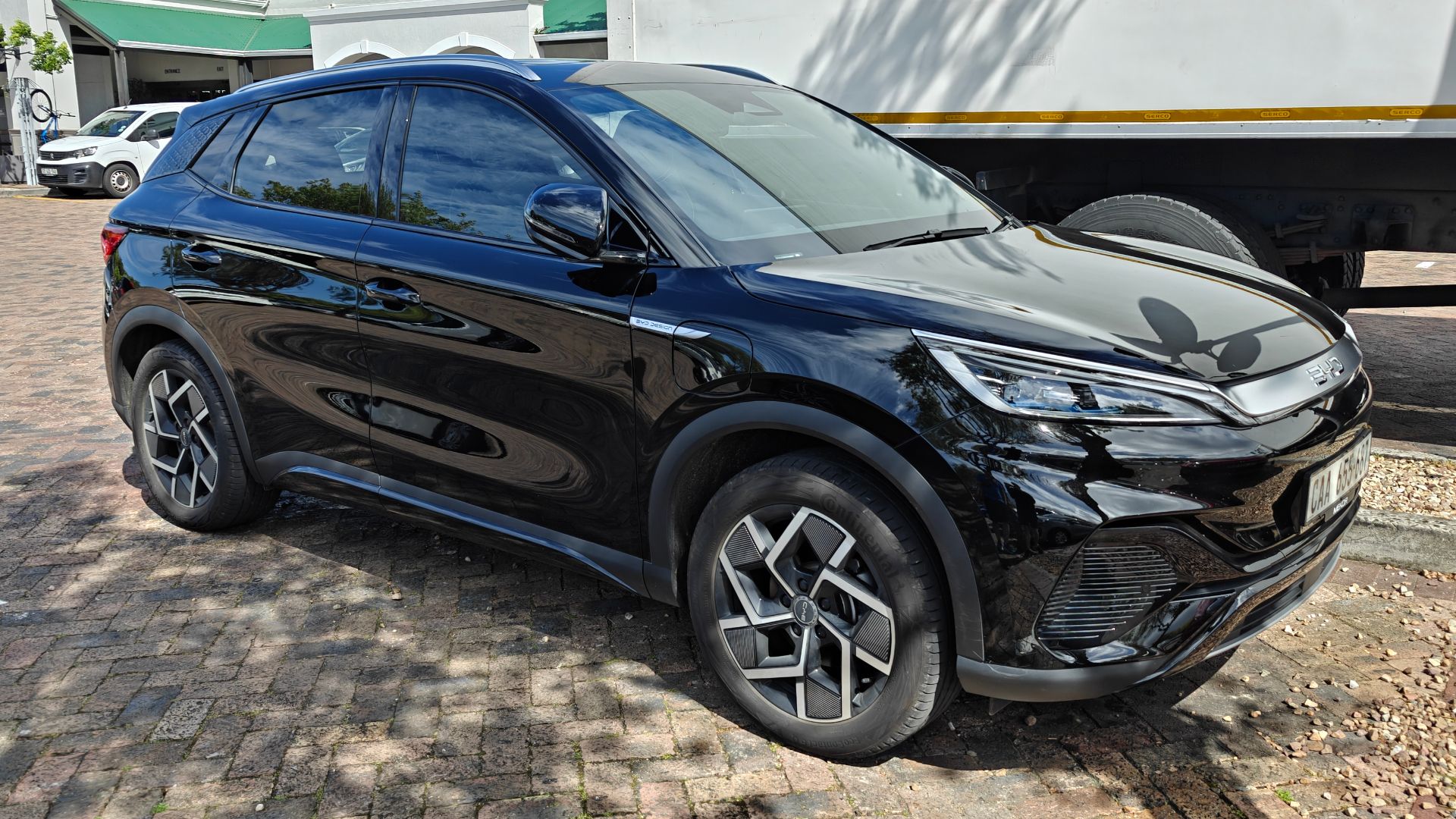
Electronic Safety Systems Have Limits
Anti-lock brakes and electronic stability control are valuable safety technologies. They help drivers maintain steering control and reduce skids during emergency situations. Even so, they cannot create traction where little grip exists.

Ice Changes Everything
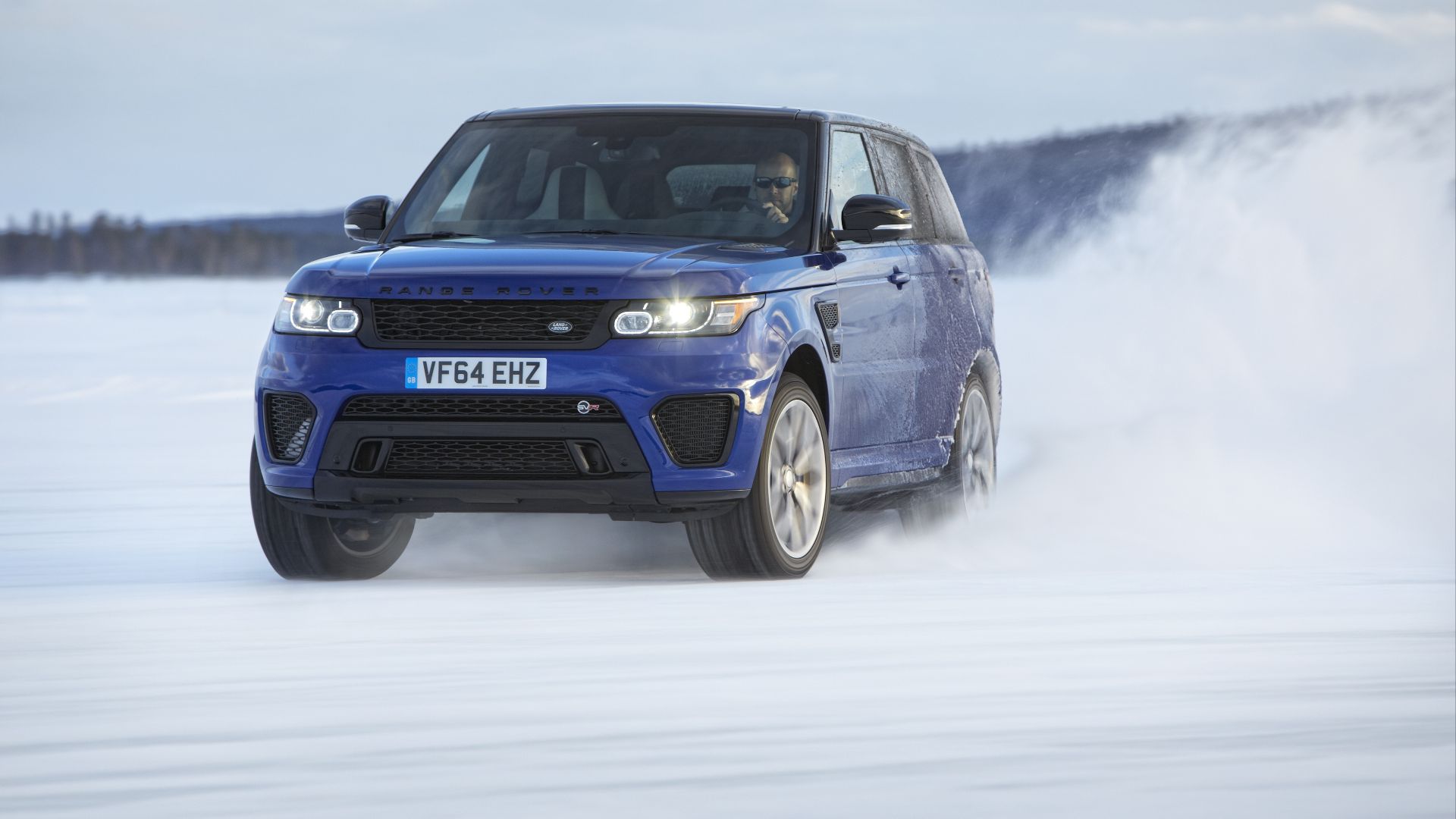
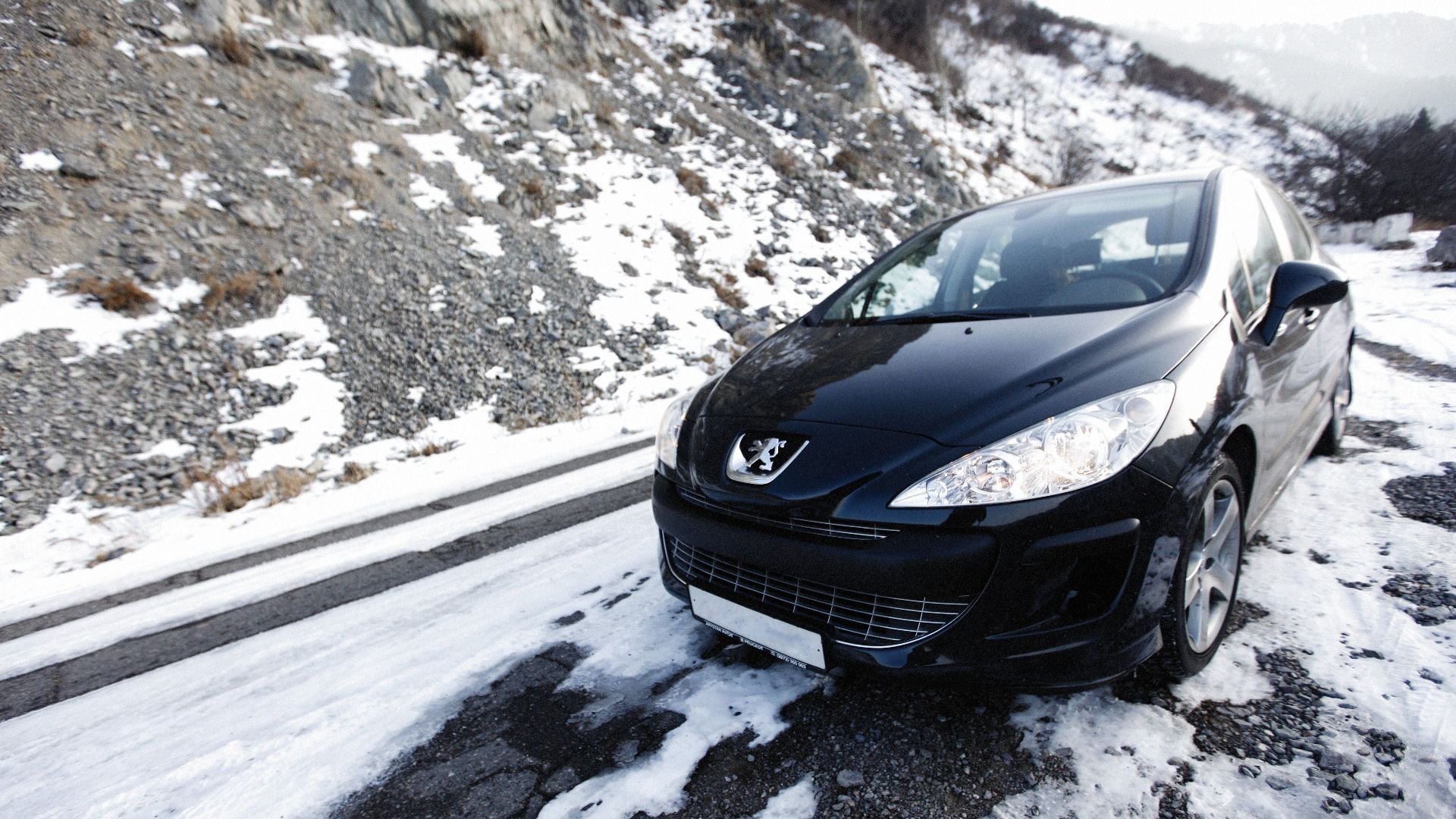
Snow offers some texture that tires can grip. Smooth ice provides far less friction, making stopping distances much longer. Even experienced drivers must reduce speed significantly when roads become icy.
 Land Rover MENA, Wikimedia Commons
Speed Makes A Huge Difference
Doubling your speed does much more than double your stopping distance. On slippery roads, extra speed quickly overwhelms available traction. Slowing down before hazards is one of the most effective winter safety habits.
Following Distance Needs To Grow
Drivers often follow too closely during winter weather. Extra space gives more time to react and brake gradually. Increasing following distance greatly reduces the chance of rear-end collisions on slick roads.
Cornering Requires Grip Too
Turning places demands on the same limited tire grip used for braking. Entering a corner too quickly can cause the vehicle to slide even if it has all-wheel drive. Slowing before the turn is much safer than braking during it.
Hills Can Be Deceptive
All-wheel drive often shines when climbing snowy hills. The confidence gained during the climb can create unrealistic expectations when descending the same hill. Gravity makes stopping downhill much more difficult than climbing uphill.
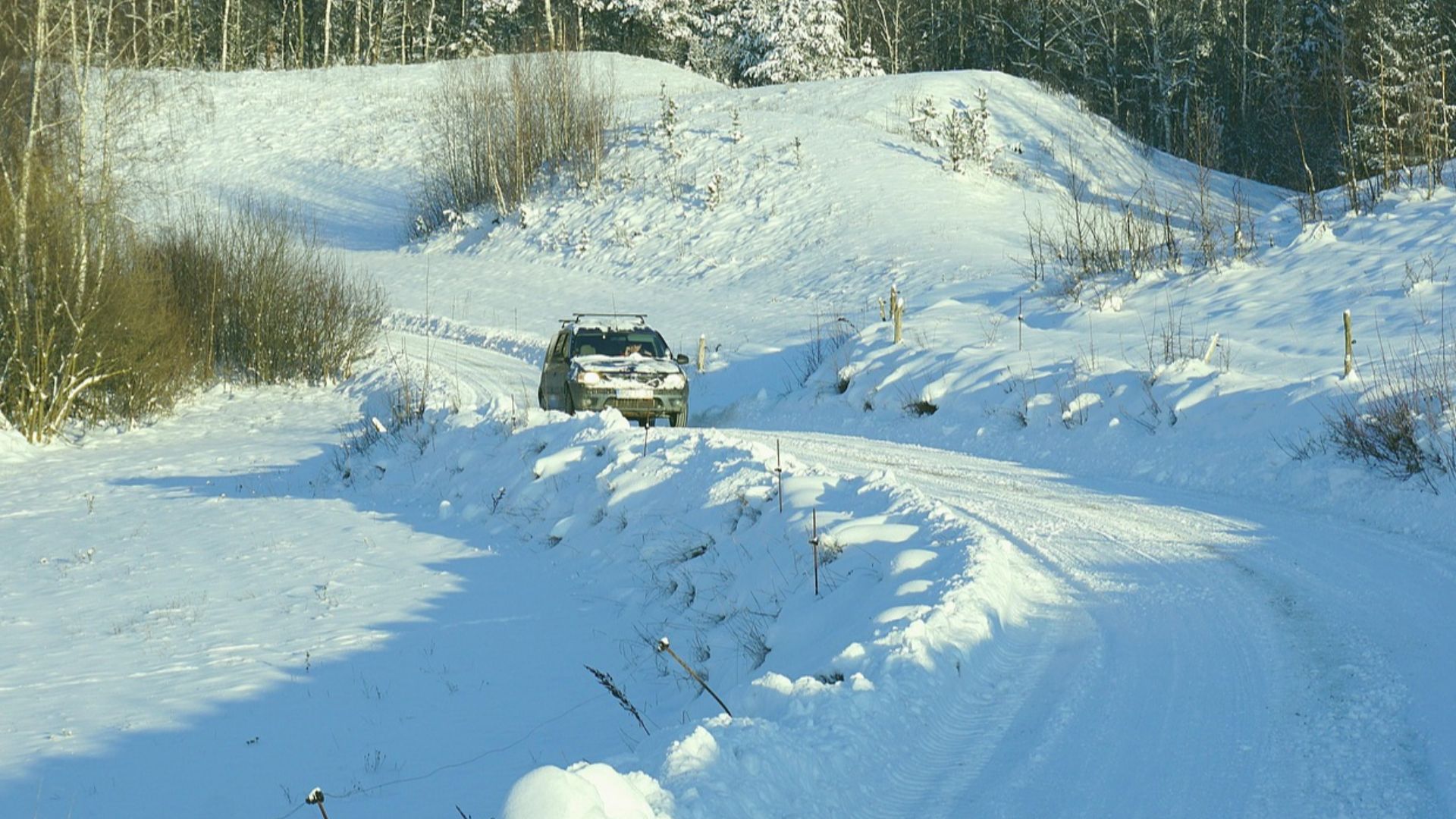
Weight Does Not Guarantee Better Braking
Many all-wheel-drive vehicles are heavier than comparable front-wheel-drive cars. Extra weight can actually increase stopping distances if tire grip remains unchanged. Physics still applies regardless of drivetrain design.
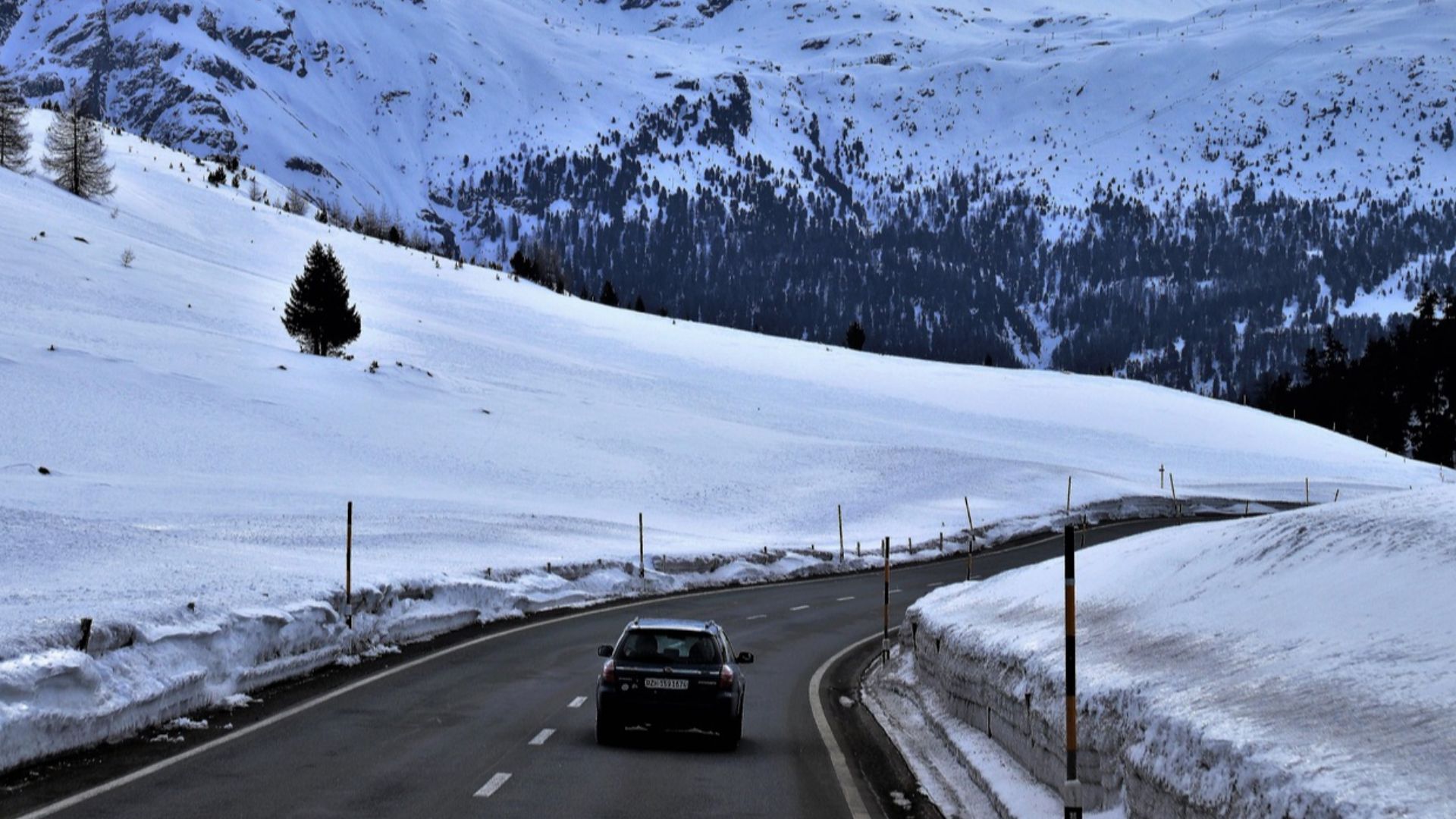
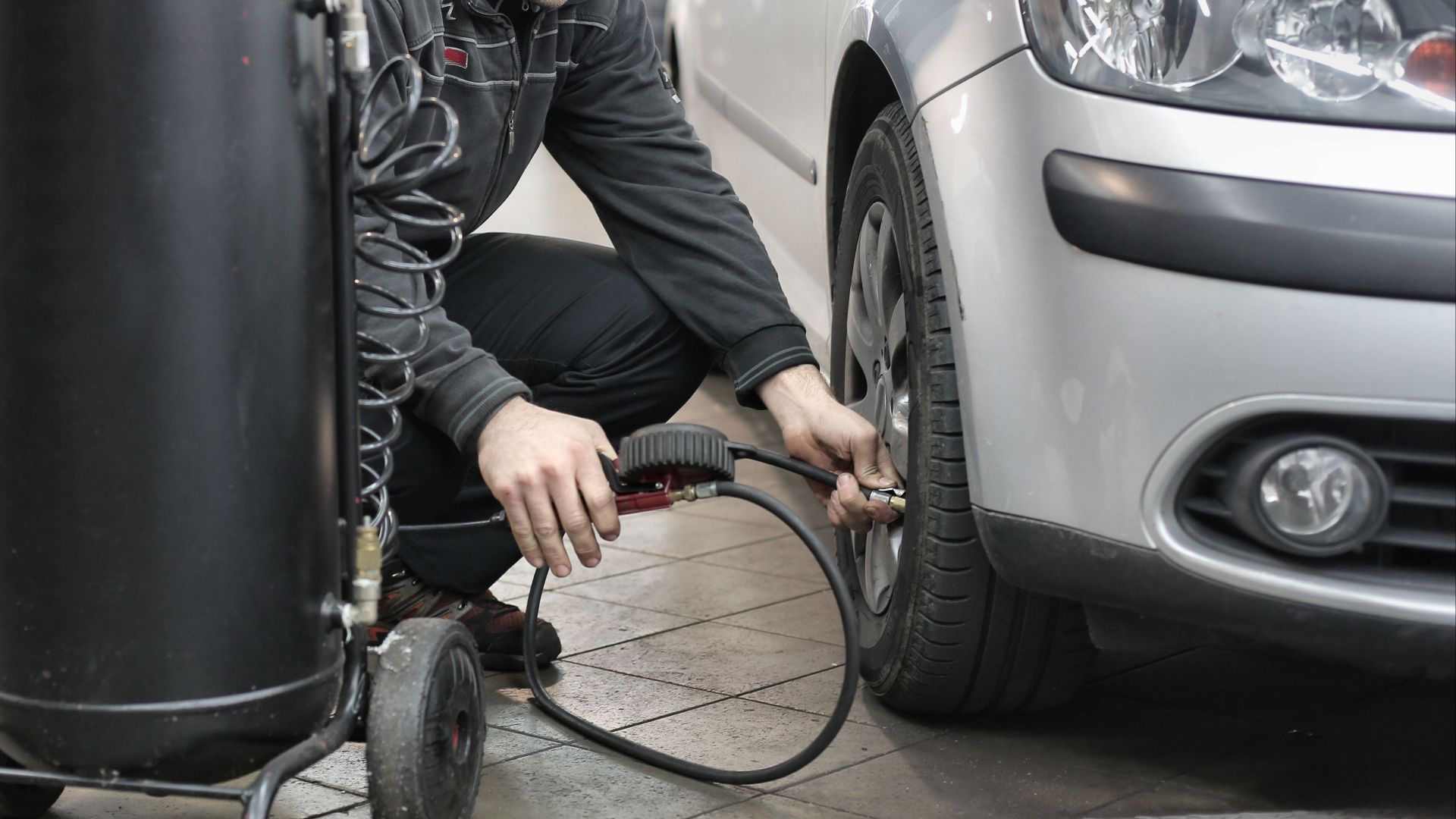
Tire Pressure Matters More Than Many Realize
Cold temperatures naturally reduce tire pressure. Underinflated tires may not perform as intended and can affect handling and braking. Checking pressure regularly during winter helps maintain safe performance.
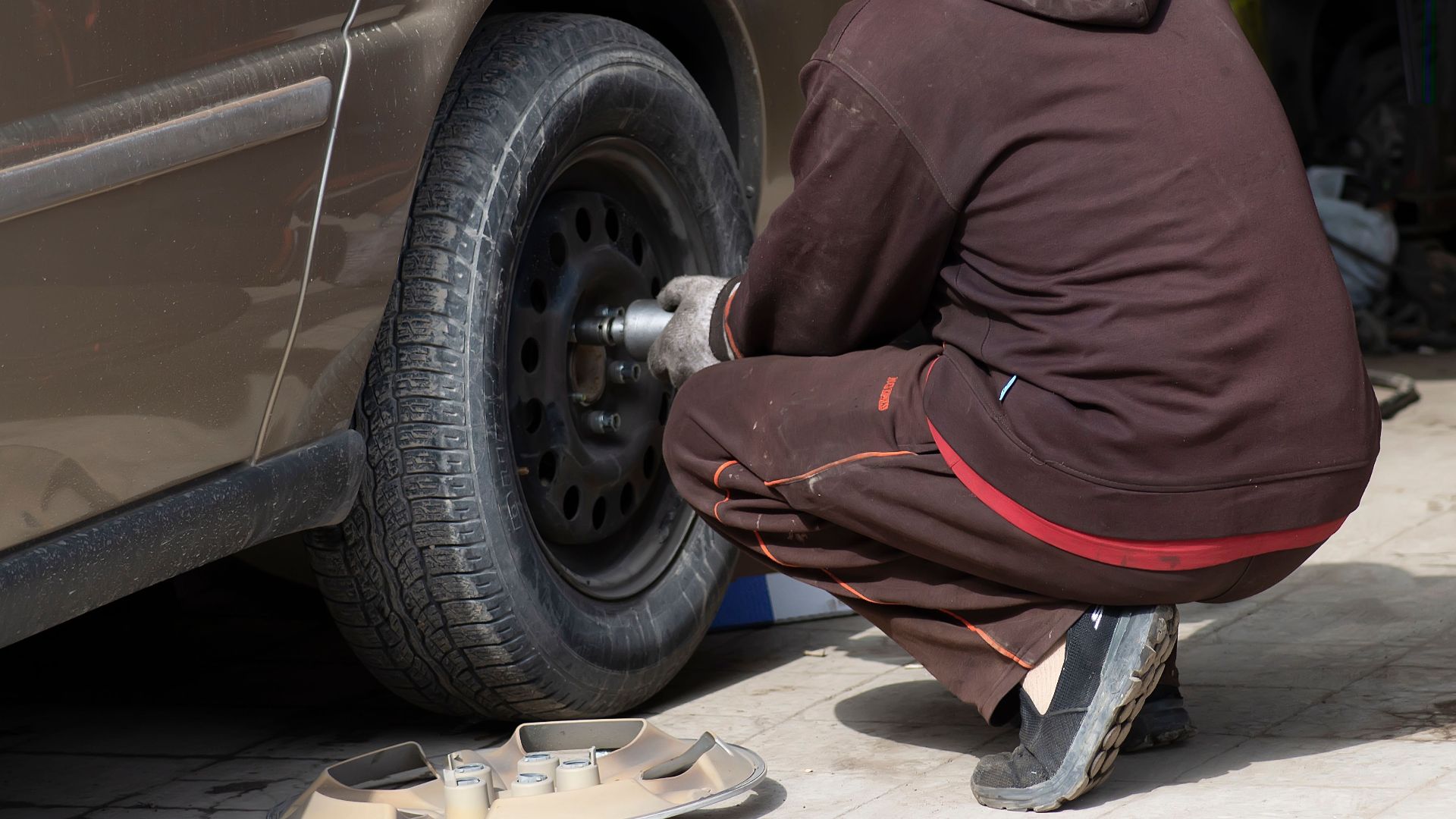
Worn Tread Is A Serious Problem
Even quality tires lose effectiveness as their tread wears down. Shallow tread struggles to channel slush and maintain grip. Replacing worn tires before winter can significantly improve safety.
Not Every All-Season Tire Performs Equally
Some all-season tires handle light winter conditions reasonably well. Others struggle once temperatures drop below freezing or roads become icy. Drivers should understand the limitations of the tires already on their vehicle.
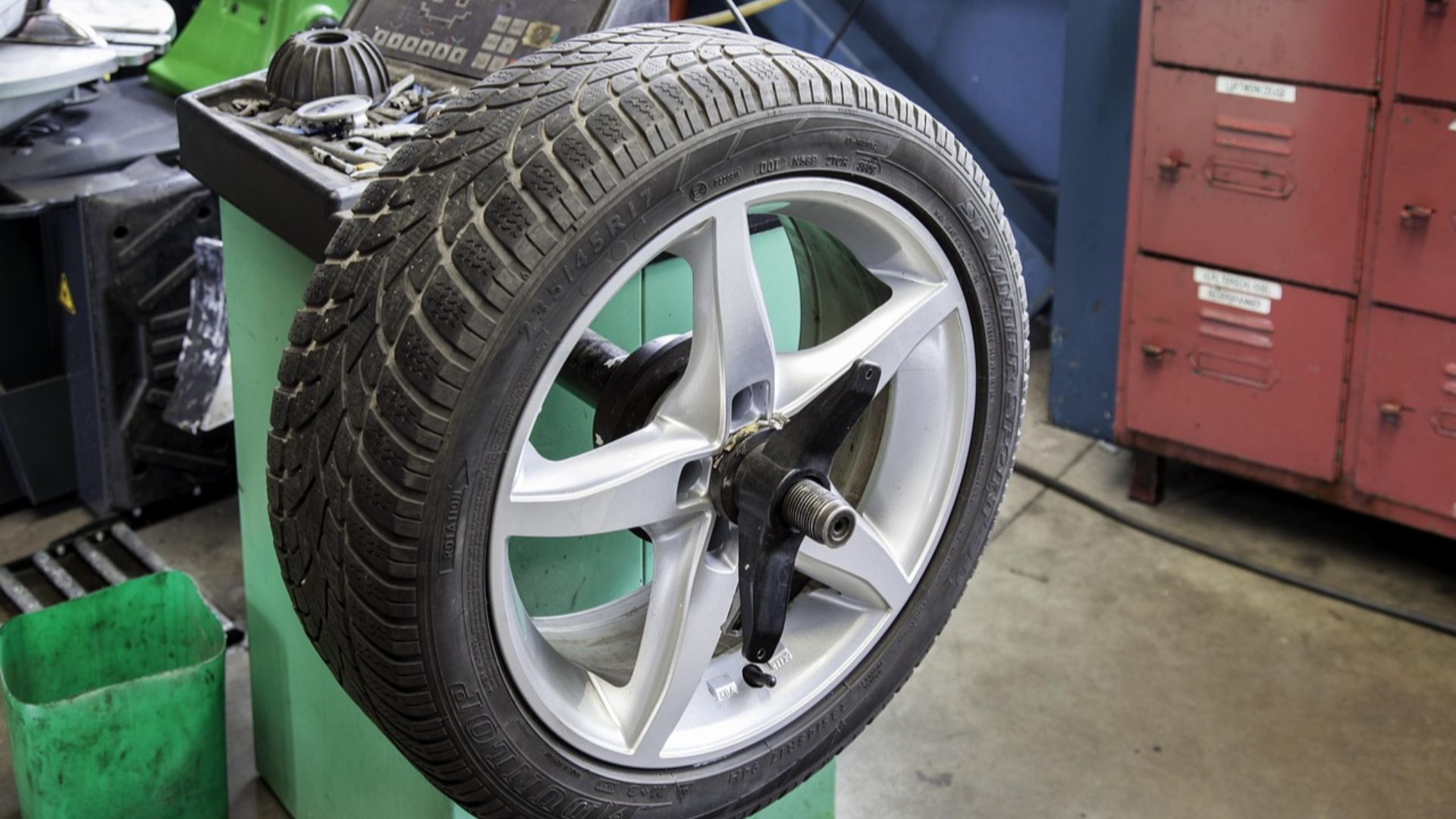
All-Weather Tires Offer Another Option
All-weather tires differ from traditional all-season tires. They are designed to provide stronger winter performance while remaining suitable for year-round use. They may appeal to drivers who experience moderate winters but do not want separate tire sets.
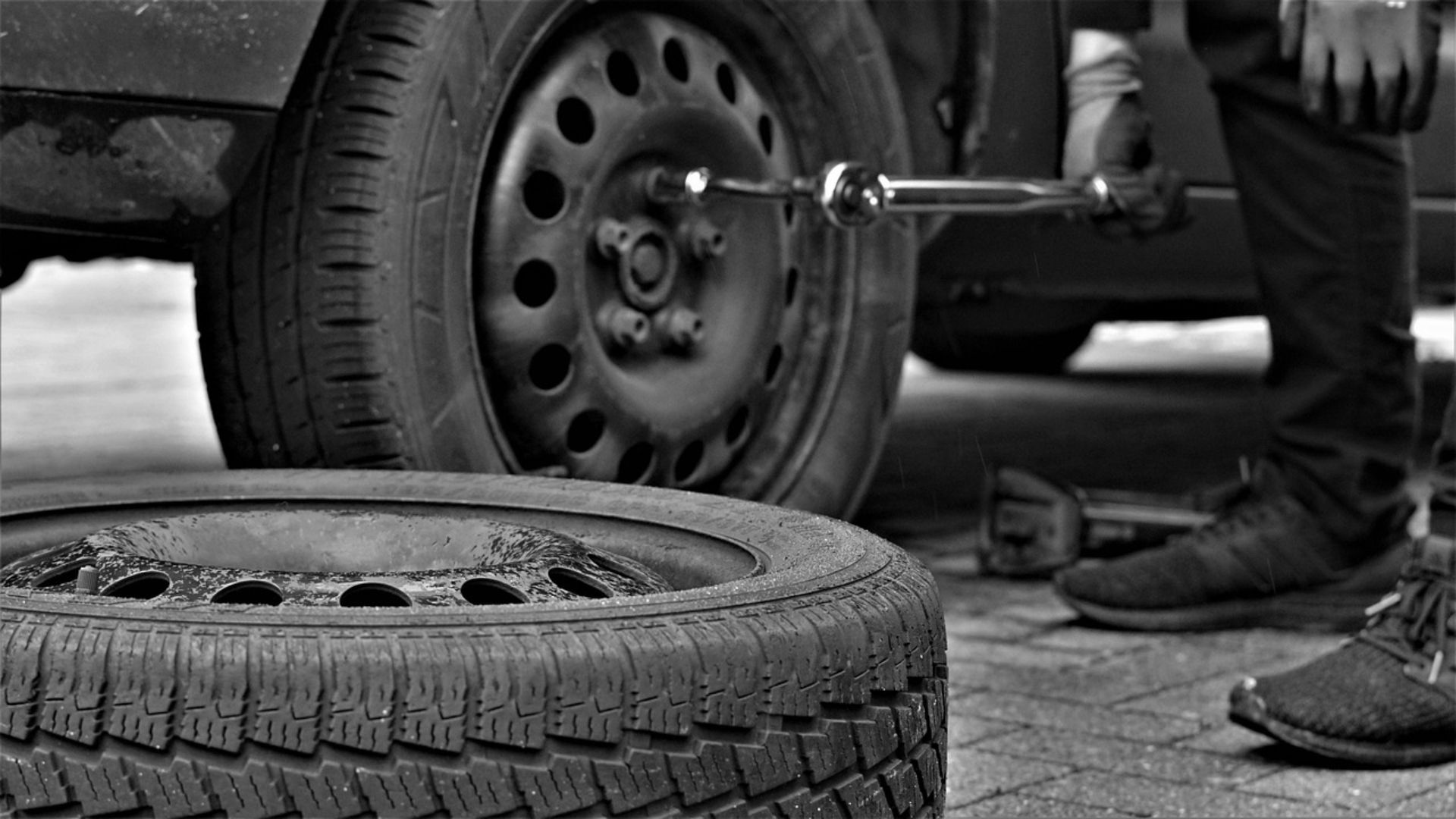
Practice Builds Confidence
A quiet, snow-covered parking lot can provide a safe place to experience how your vehicle behaves. Practicing gentle braking and steering helps drivers understand traction limits. Familiarity reduces panic during real emergencies.
 Matthew T Rader, Wikimedia Commons
Gentle Inputs Make A Difference
Abrupt steering, hard acceleration, and sudden braking can overwhelm available traction. Smooth movements help tires maintain grip. Calm driving usually produces better results than aggressive corrections.
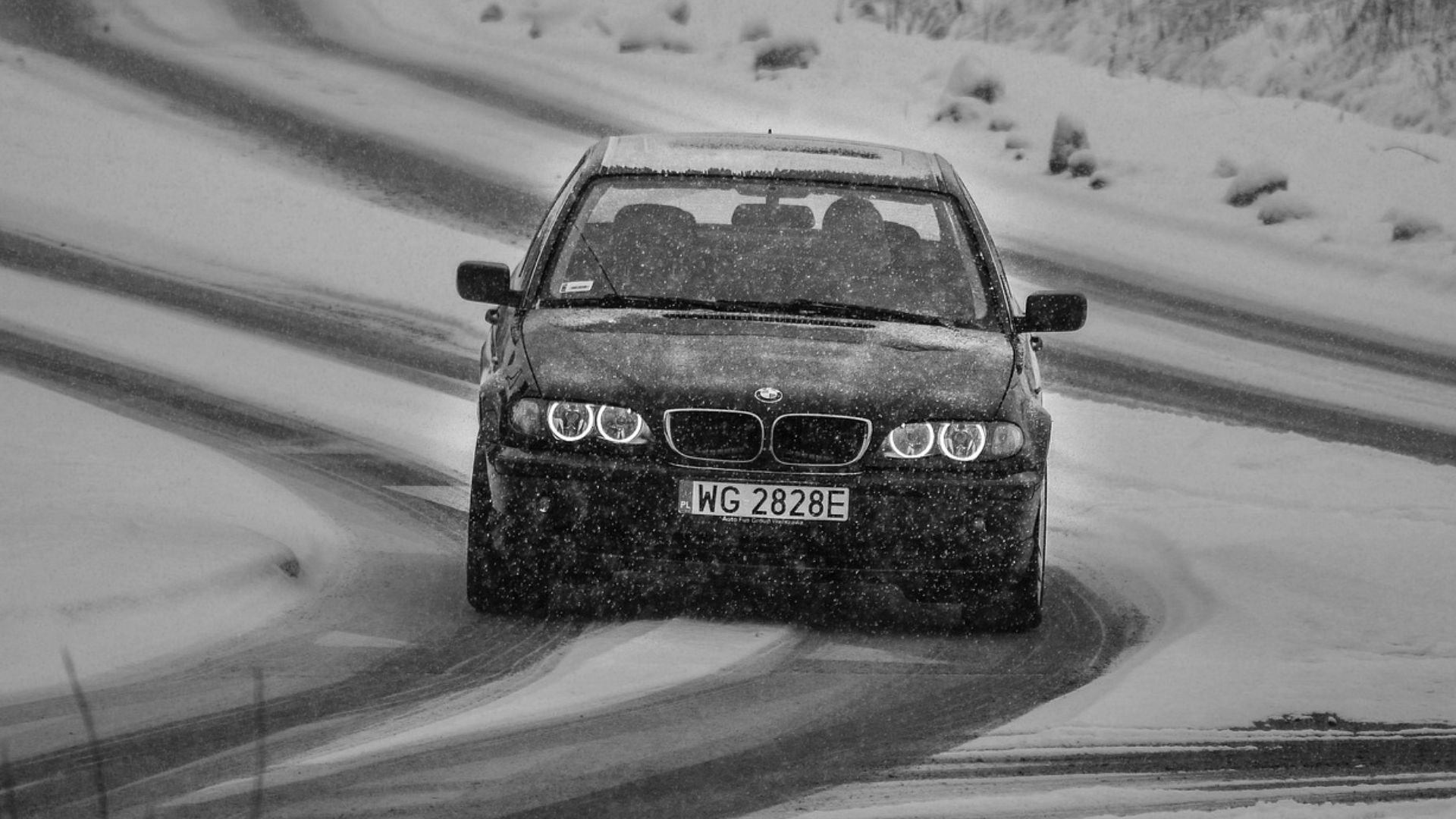
Winter Conditions Can Change Quickly
Roads may appear merely wet while actually hiding patches of ice. Bridges, overpasses, and shaded areas often freeze first. Remaining alert helps drivers anticipate changing conditions.

Technology Cannot Rewrite Physics
Modern vehicles include impressive safety features. Those systems improve stability and driver control in many situations. None of them eliminate the need for good tires, appropriate speeds, and careful driving.
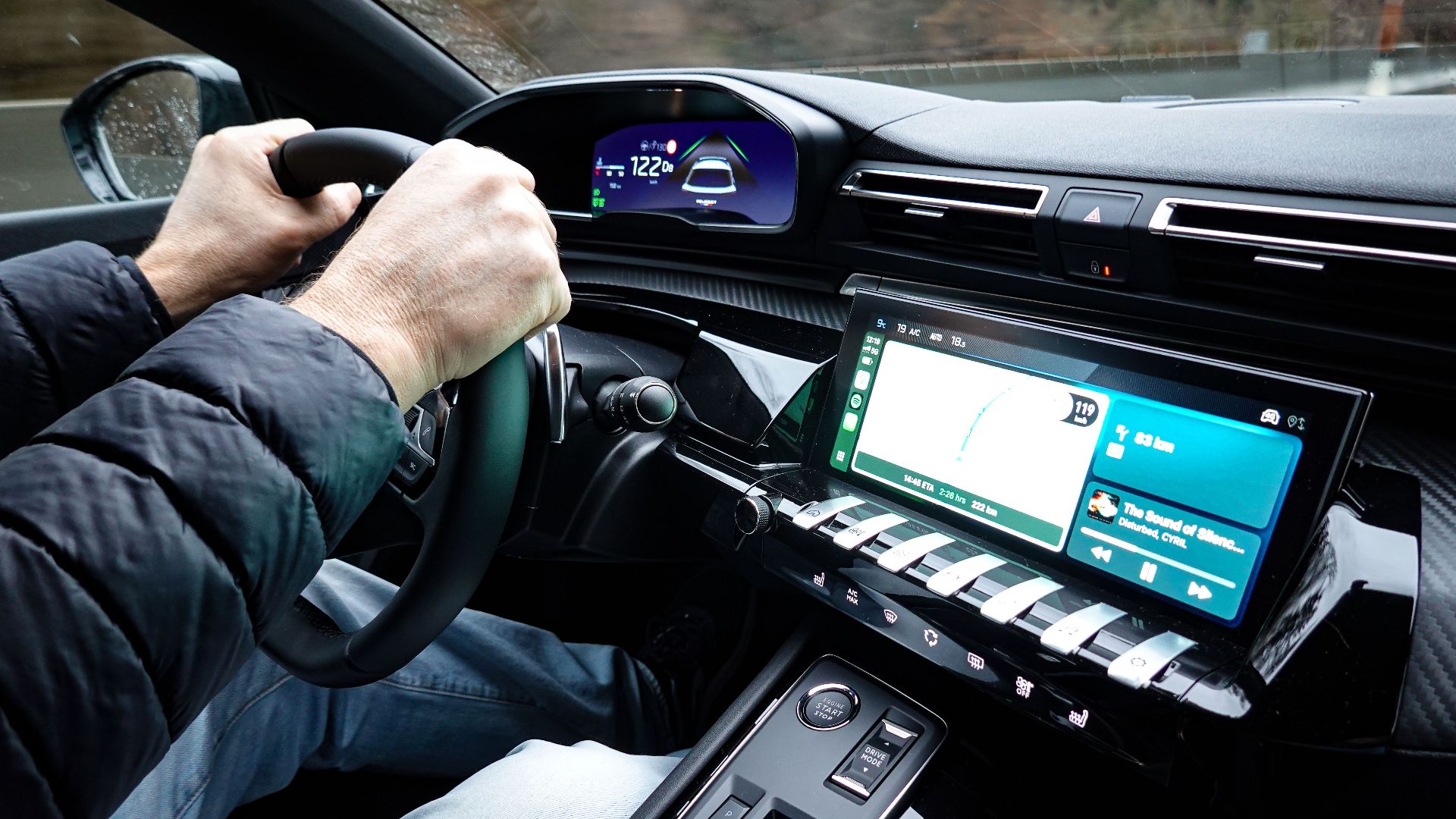
My Biggest Misunderstanding Was Confidence
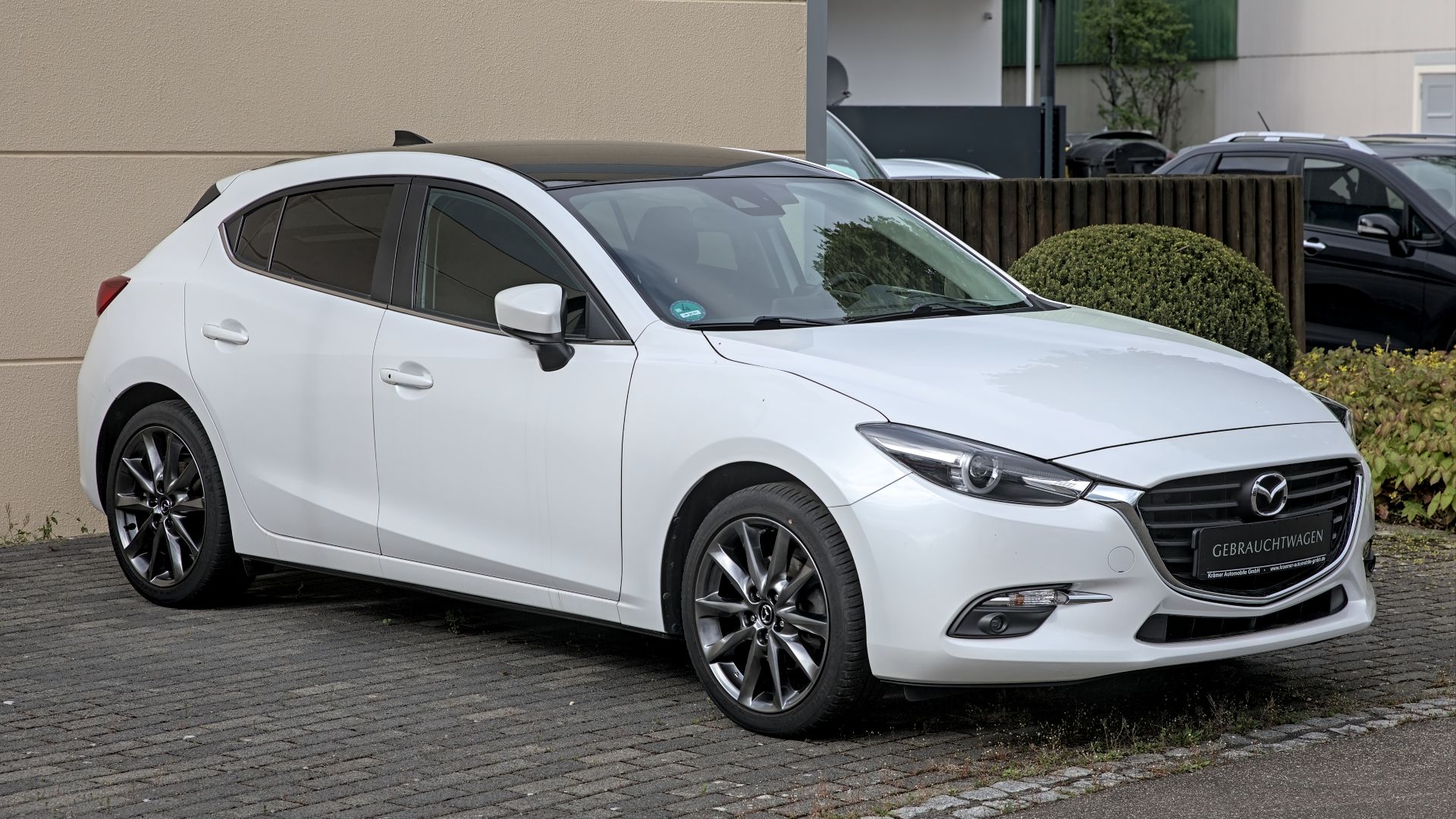
The real mistake was believing all-wheel drive made me nearly immune to winter hazards. It improved my ability to accelerate, but it did not shorten my stopping distance. Understanding that difference completely changed how I approached winter driving.
 Alexander-93, Wikimedia Commons
The Lesson I Wish I Had Learned Earlier
If I could give one piece of advice to anyone shopping for a winter vehicle, it would be this. Buy the drivetrain that fits your needs, but invest just as much attention in quality winter tires and safe driving habits. Those choices will usually have a much bigger impact on staying safe when the roads turn slippery.
You May Also Like:
The Most Overrated Cars Today, According To Car Enthusiasts
People With The Largest Car Collections In The World