A Tiny Bump, A Big Bill
You expect a small bumper scrape to require little more than paint and plastic repair. Instead, you're handed a repair estimate worth thousands of dollars because your vehicle's safety sensors stopped working correctly. Modern cars hide sophisticated electronics behind seemingly simple body panels, making even minor damage surprisingly expensive.
More Than A Bumper
Today's bumpers are no longer just plastic covers designed to absorb low-speed impacts. They often conceal radar units, ultrasonic parking sensors, wiring harnesses, mounting brackets, and protective housings that support your vehicle's advanced driver assistance systems, commonly known as ADAS.
Hidden Safety Technology
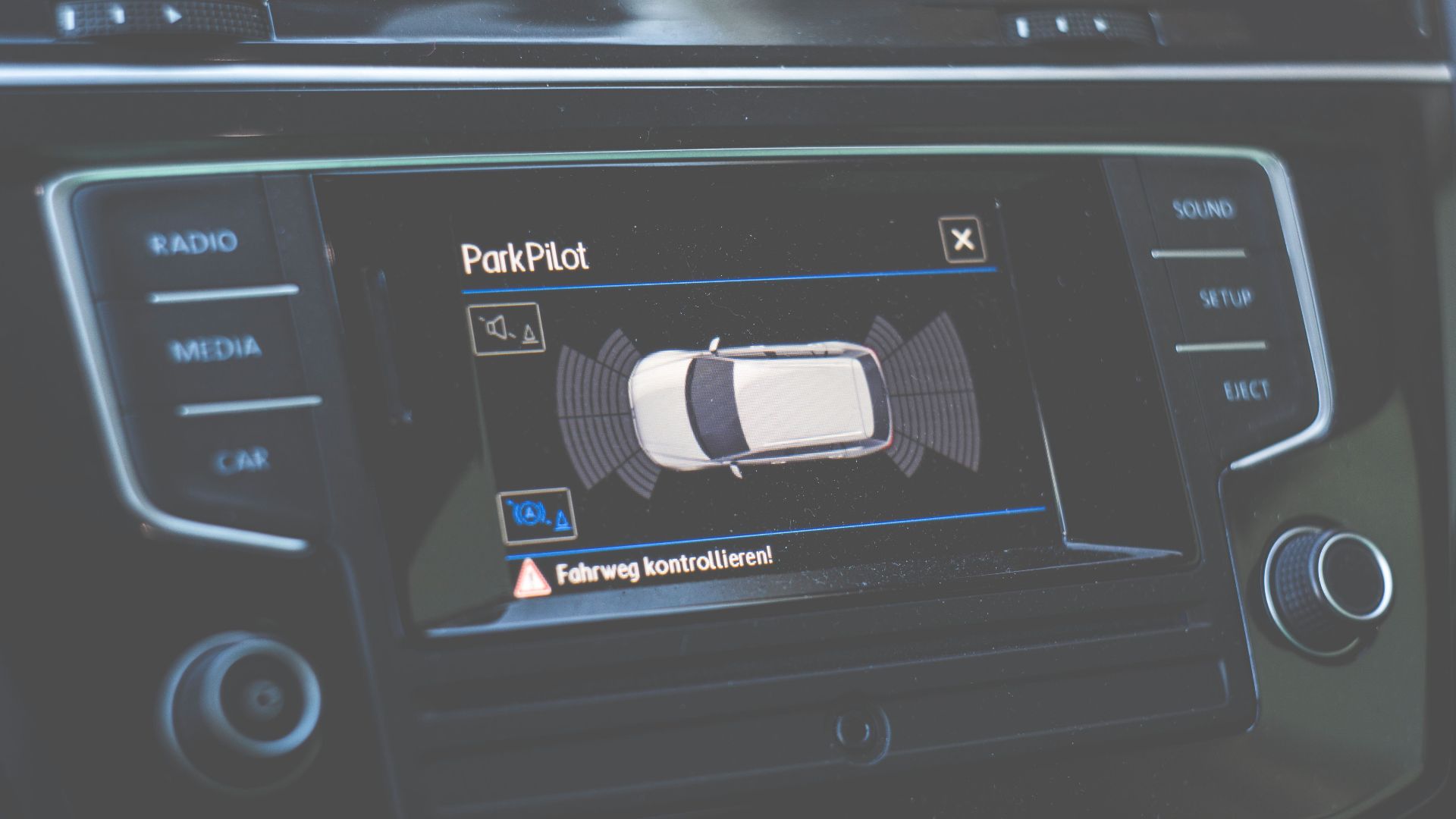
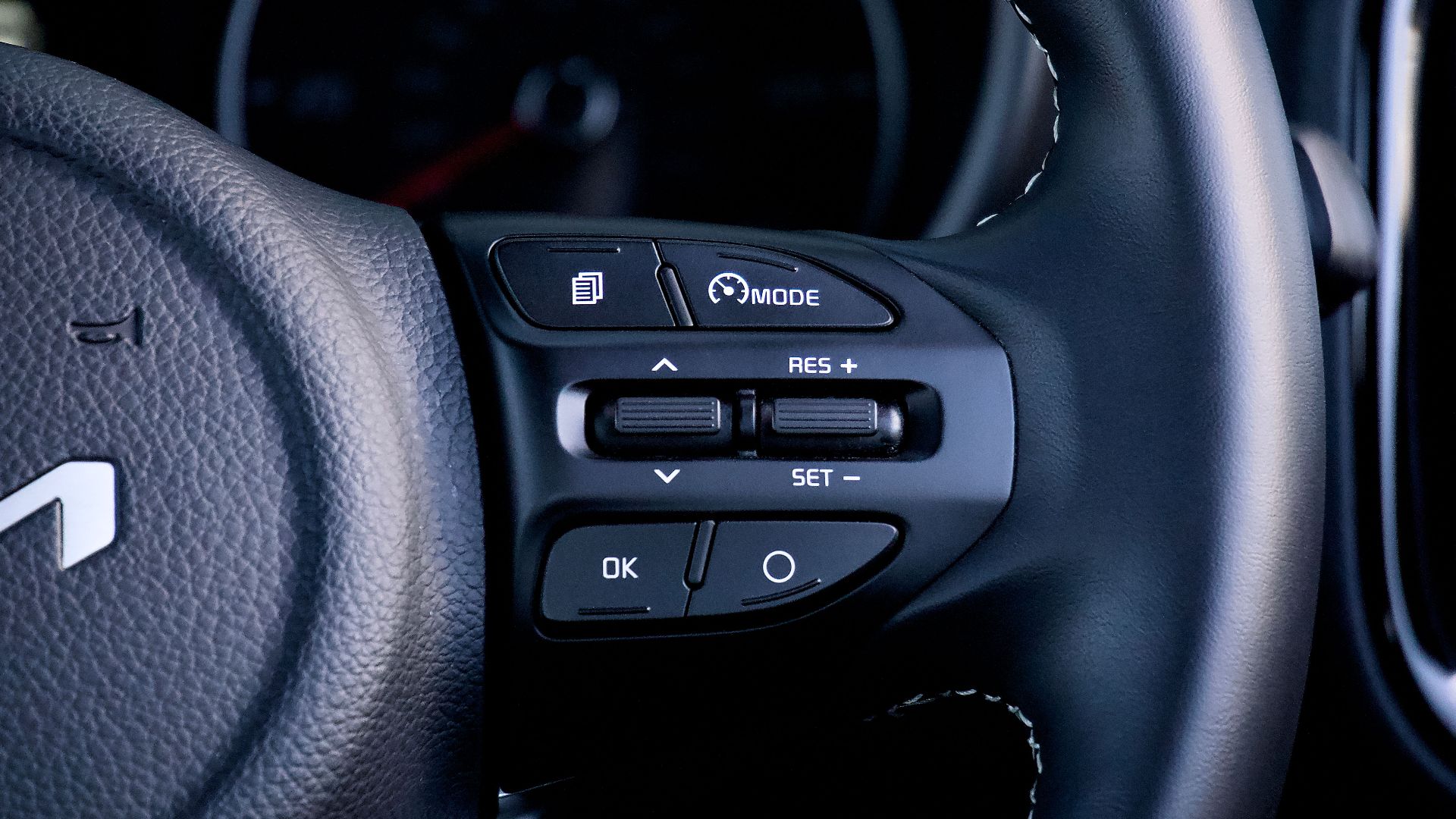
Depending on your vehicle, the front or rear bumper may contain sensors for adaptive cruise control, automatic emergency braking, parking assistance, rear cross-traffic alerts, blind-spot monitoring, or collision warning systems. A seemingly harmless scrape can shift these components enough to affect their accuracy.
Alignment Matters
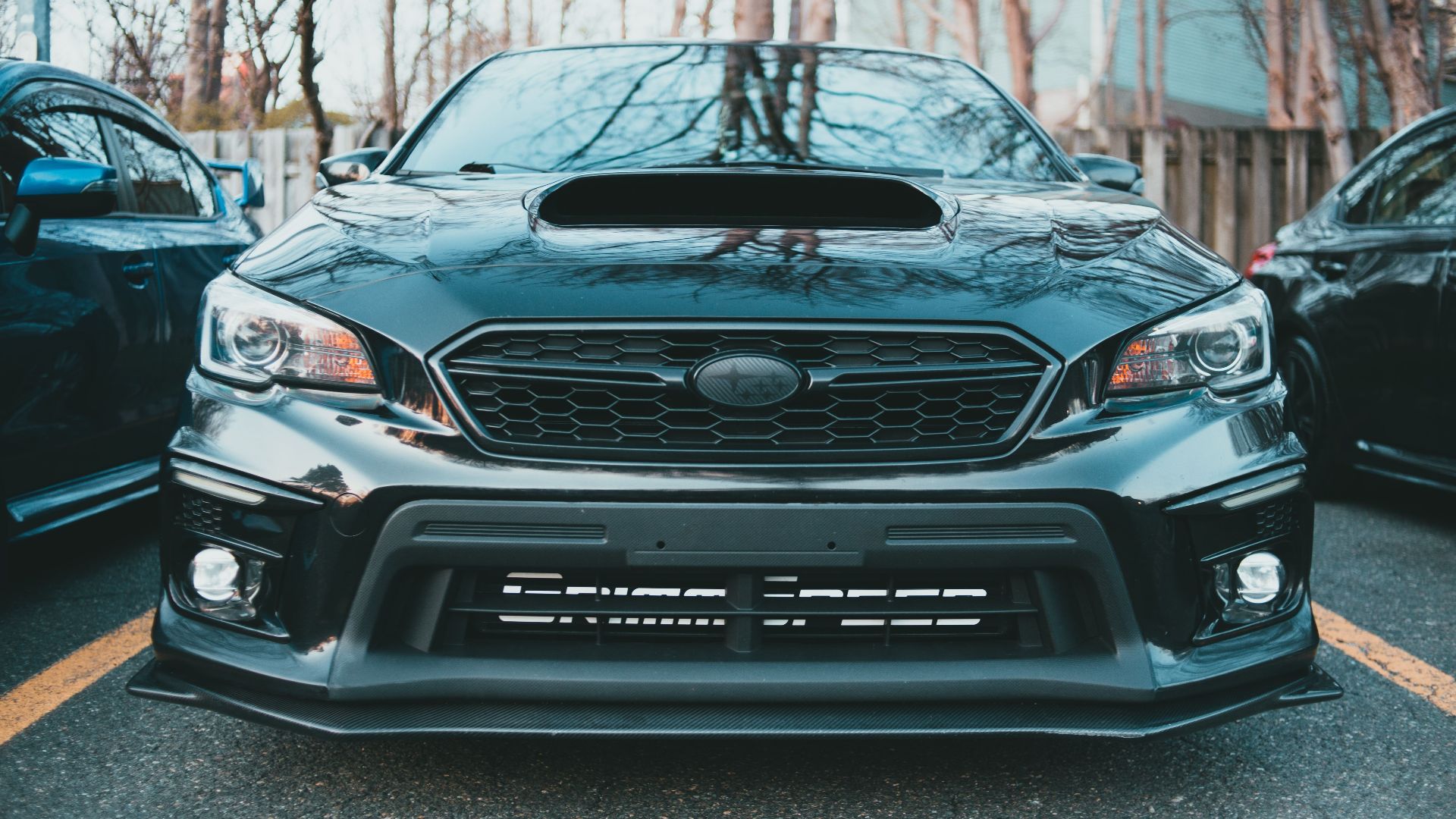
Many sensors don't have to break before they stop functioning correctly. A bumper that shifts only a few millimeters during a minor collision can change a radar or camera's aim enough to trigger warning lights or unreliable safety system performance.
Damage You Cannot See
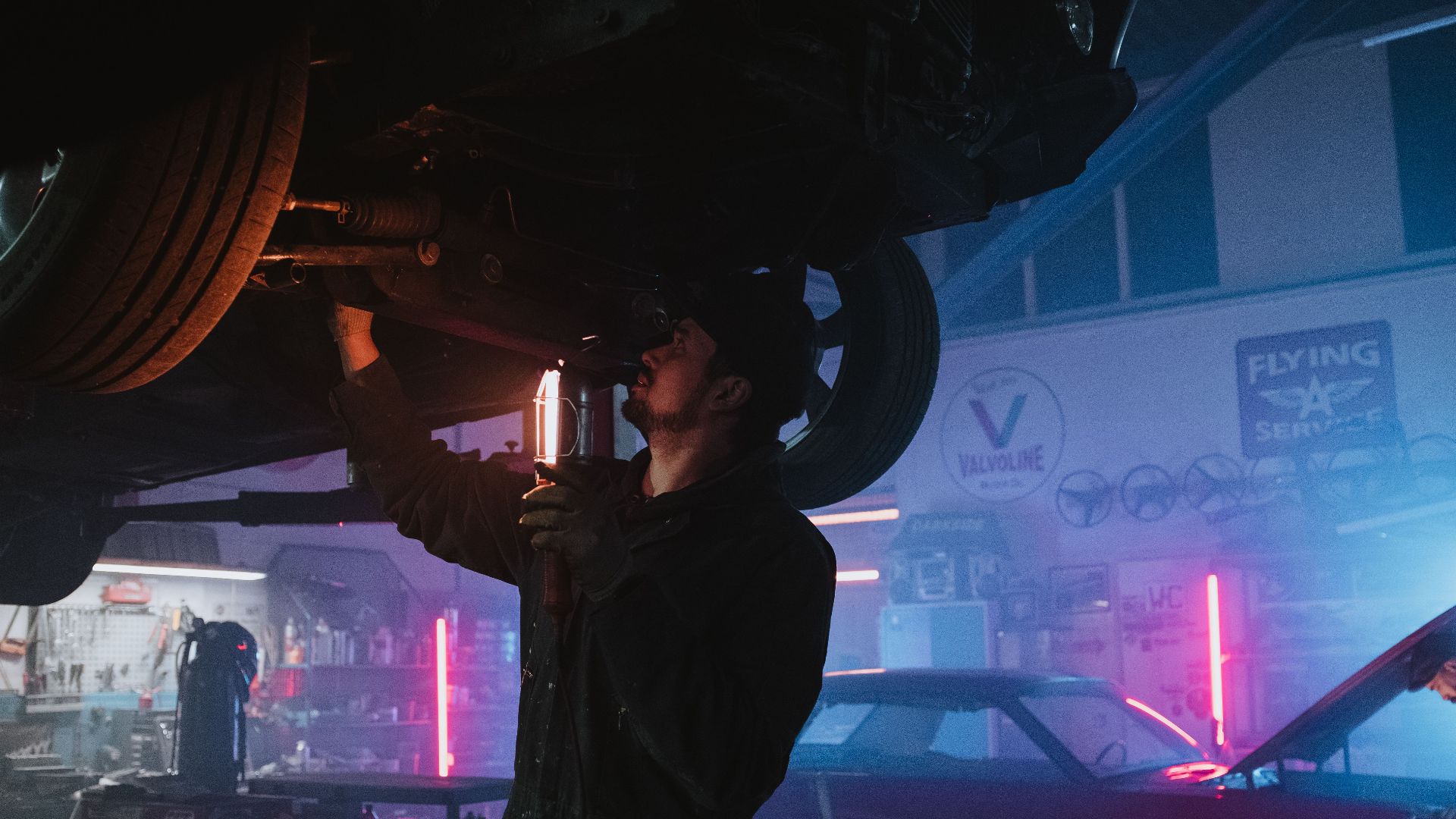
After a scrape, the painted bumper cover might look repairable, but the hidden brackets, foam absorbers, wiring, or sensor mounts underneath may be cracked or distorted. These concealed problems frequently account for much of the repair estimate rather than the cosmetic damage itself.
Why Calibration Is Needed
Replacing or repositioning a bumper usually requires recalibrating the vehicle's safety systems. Calibration ensures every camera and radar sensor is once again aimed exactly where the manufacturer intended, allowing emergency braking and other features to operate safely.
Static And Dynamic Tests
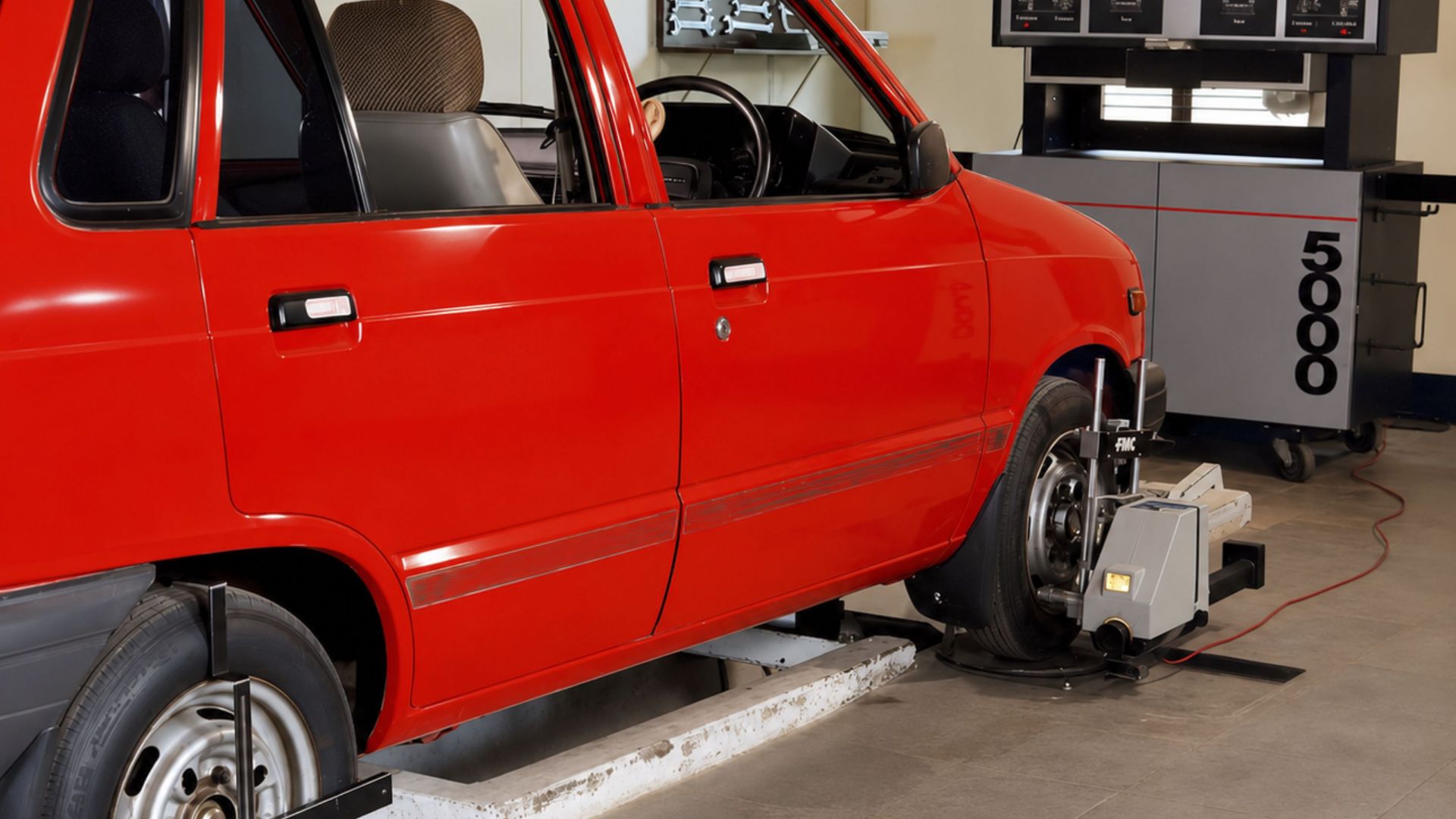
Some vehicles require static calibration inside a carefully measured workshop using specialized targets. Others also require dynamic calibration involving a controlled road test at specified speeds and conditions. Many vehicles need both procedures before repairs are considered complete.
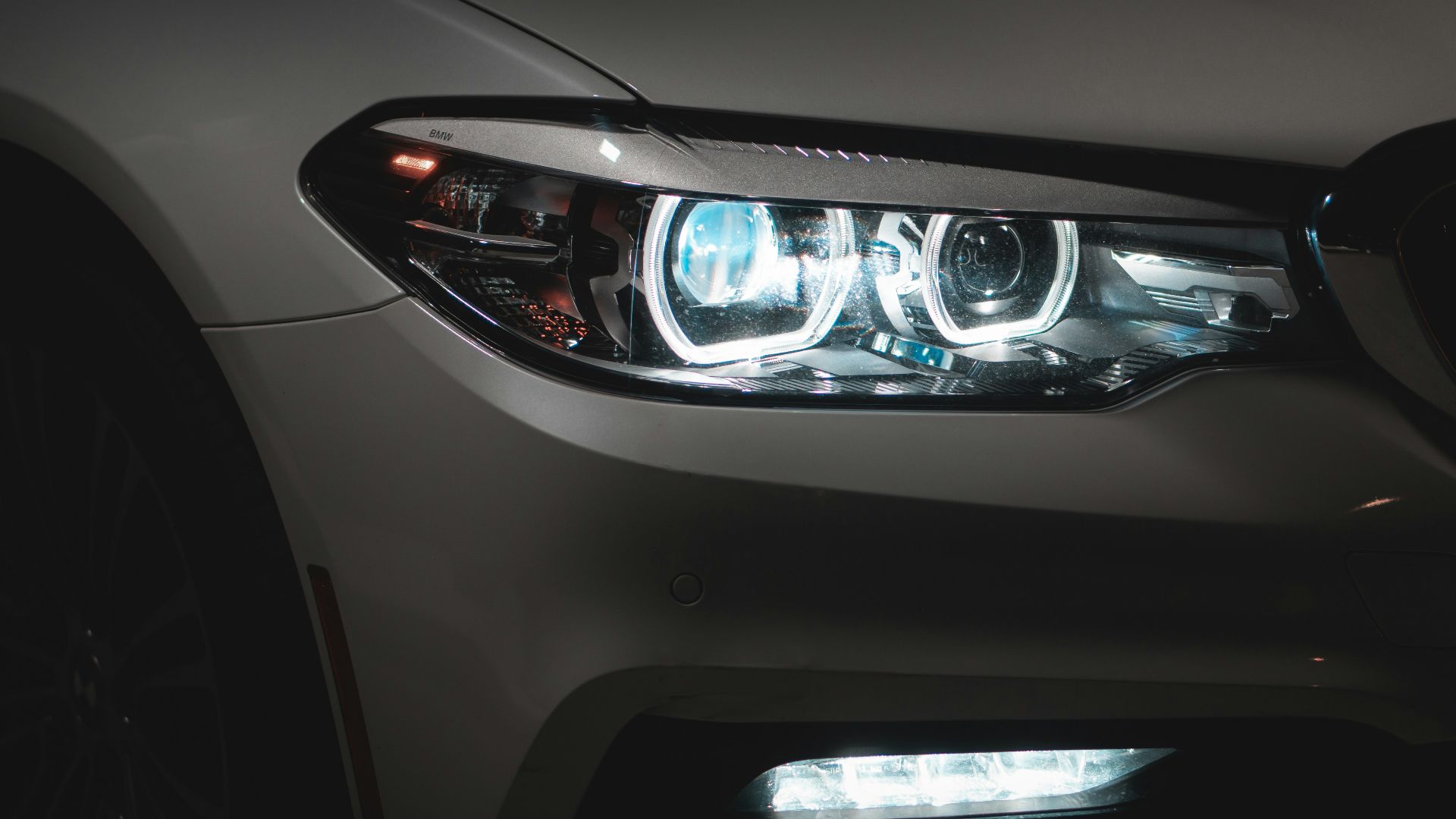
Specialized Equipment
Repair shops must invest in expensive calibration frames, computerized diagnostic tools, manufacturer software subscriptions, and dedicated work areas. Those costs become part of every repair bill, even if the visible body damage appears relatively minor.
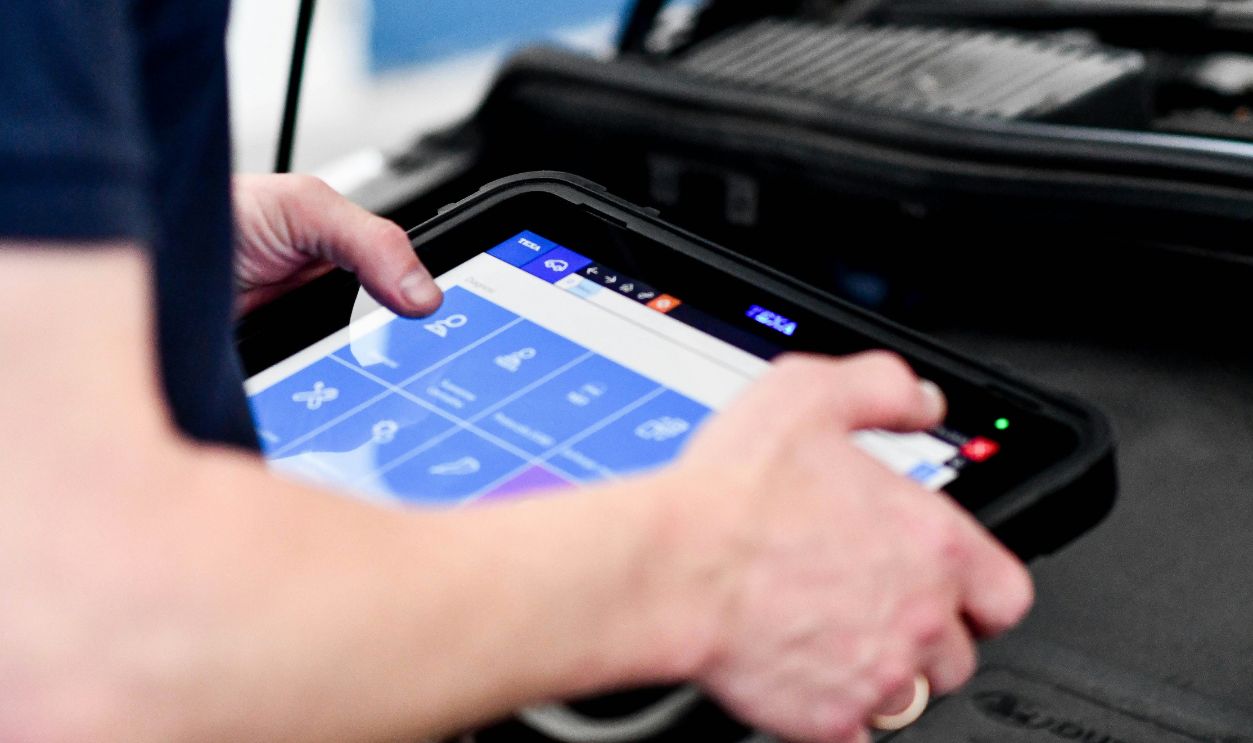
Skilled Technicians
Modern collision repair increasingly combines bodywork with electronics, computer diagnostics, and precision measurements. Technicians must receive ongoing manufacturer-specific training because calibration procedures vary considerably between different makes and even different model years.
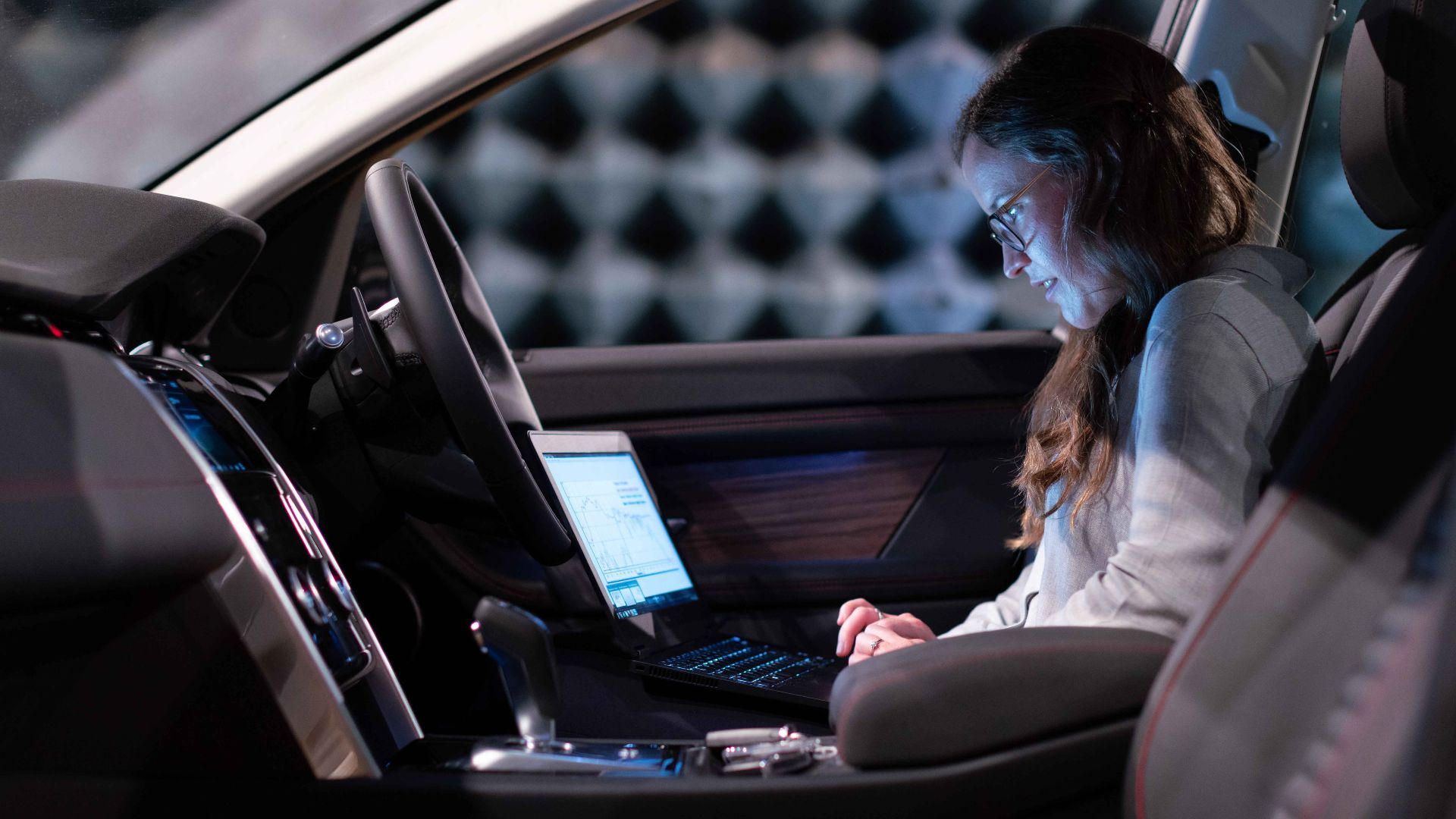
Every Model Differs
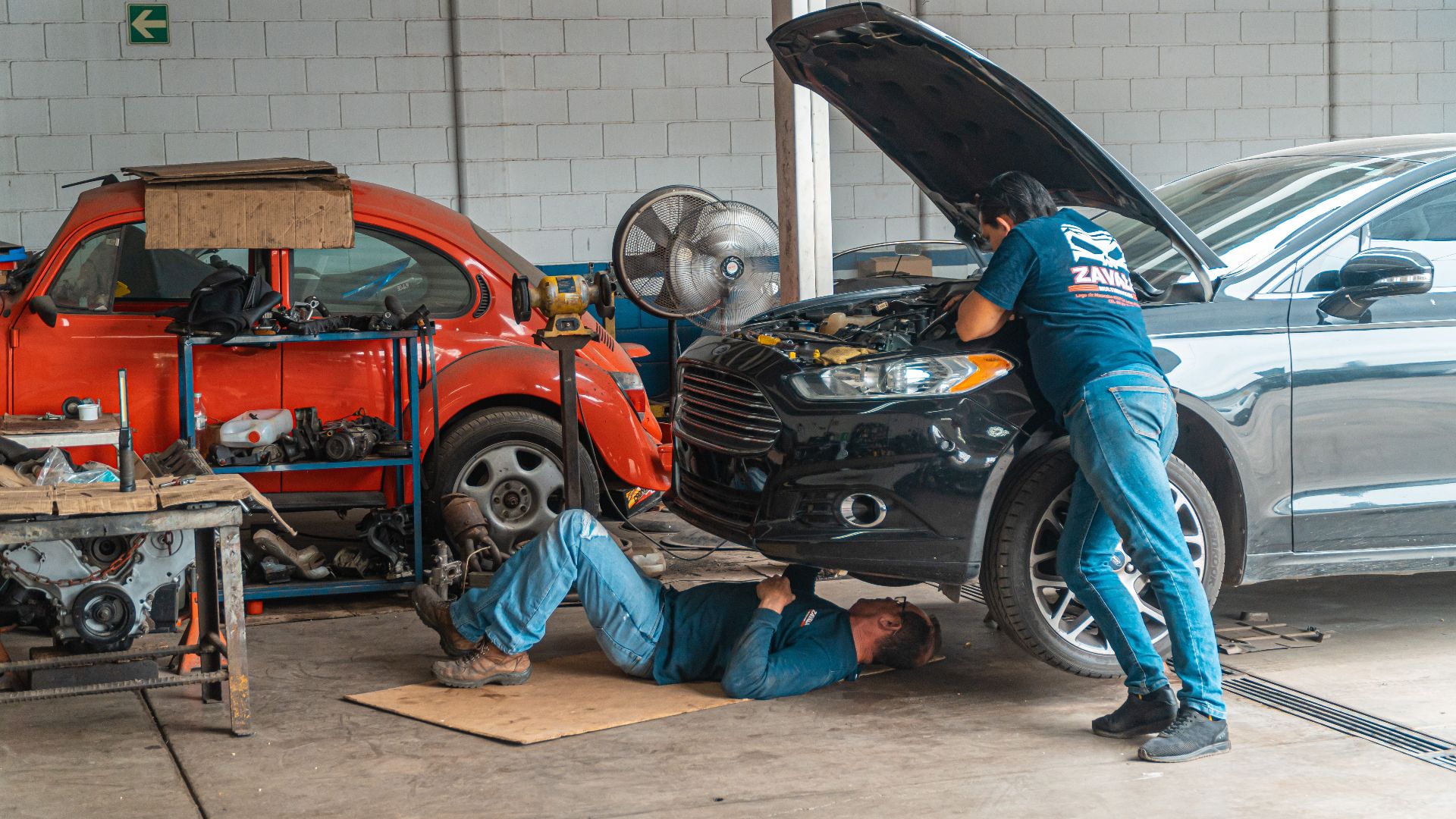
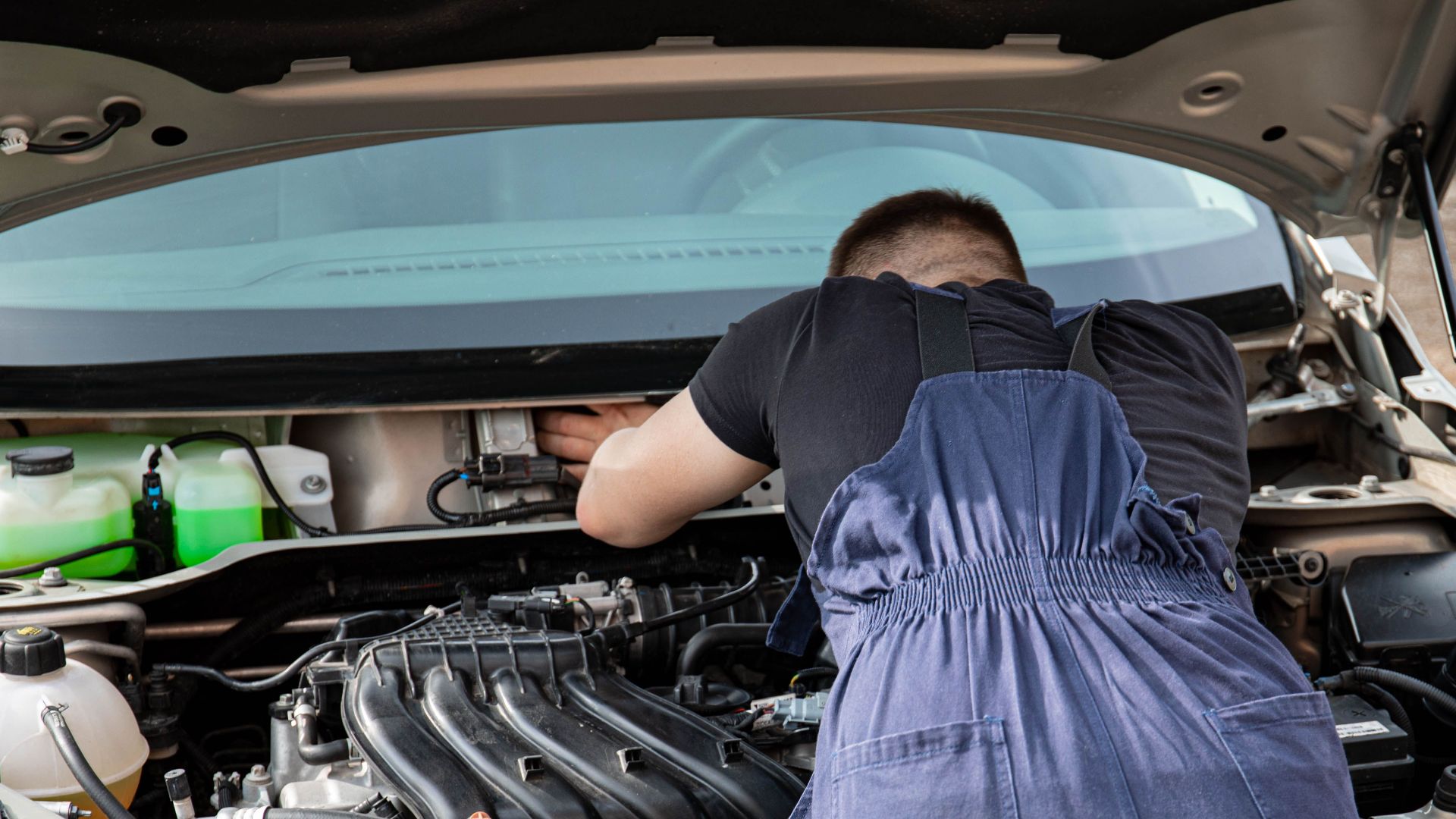
The exact repair process depends on your vehicle. Two cars with similar bumper damage may require completely different replacement parts, calibration routines, labor times, and diagnostic procedures because their sensor layouts and software differ substantially.
 Jose Ricardo Barraza Morachis, Pexels
Replacement Can Be Necessary
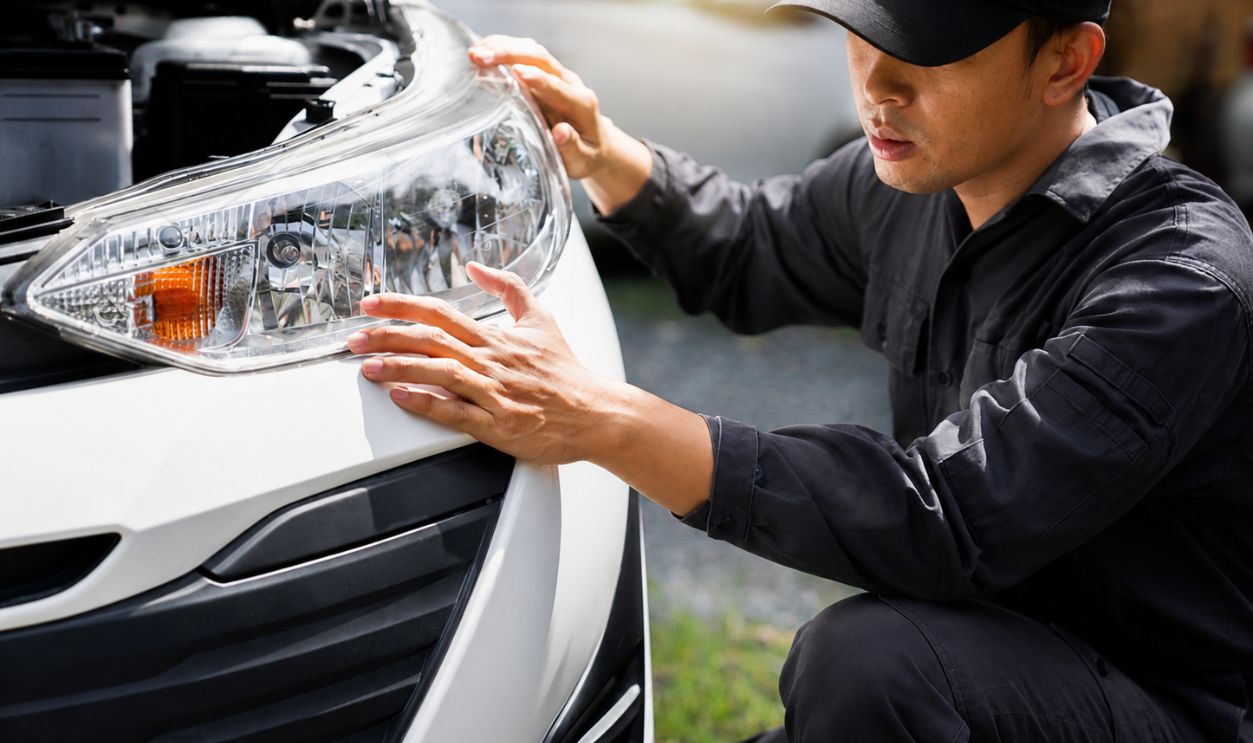
Sometimes a sensor survives the collision, but its plastic mounting bracket does not. Manufacturers often specify replacing damaged brackets rather than attempting repairs because even tiny changes in sensor position can affect how accurately the system detects hazards.
Paint Can Affect Sensors
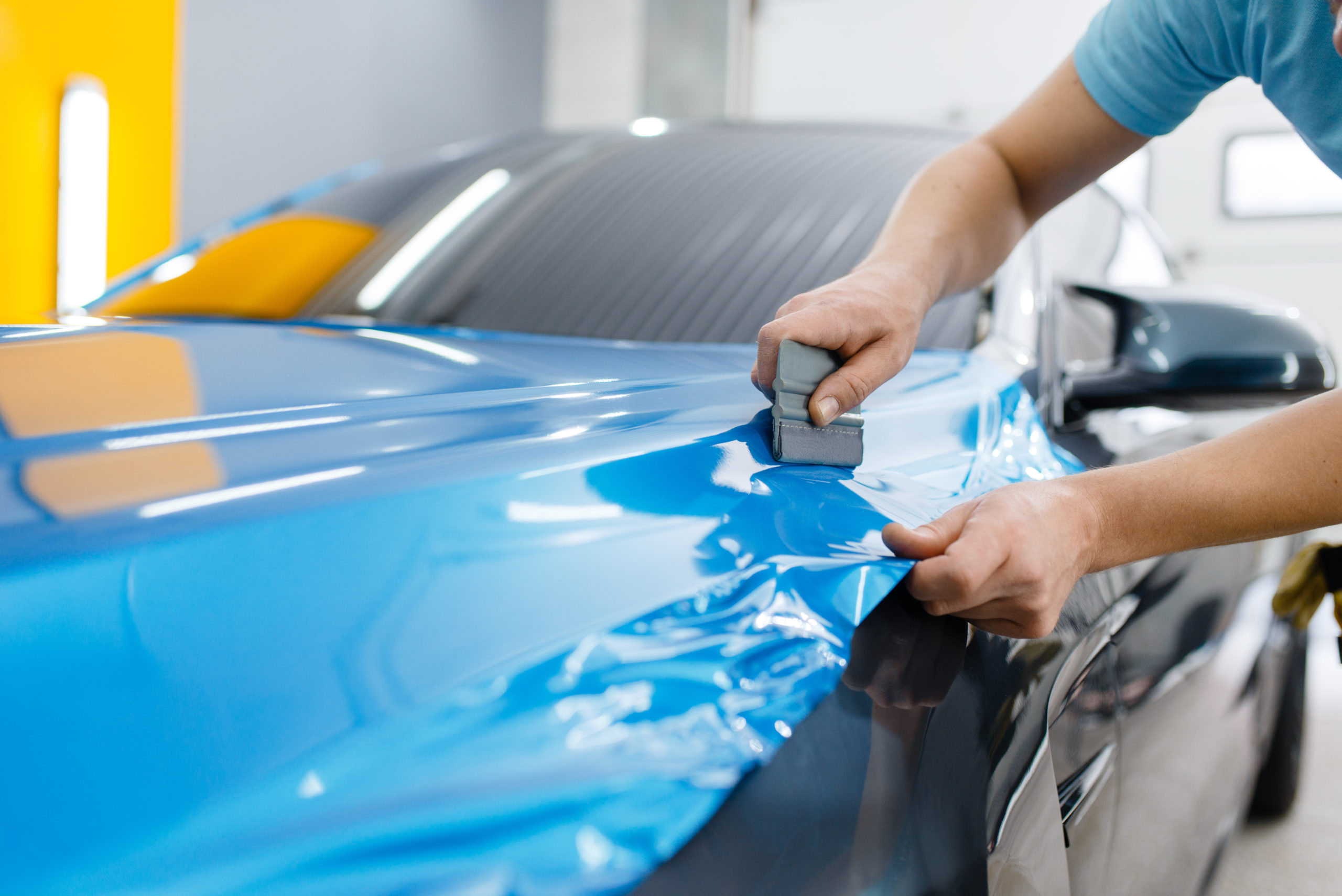
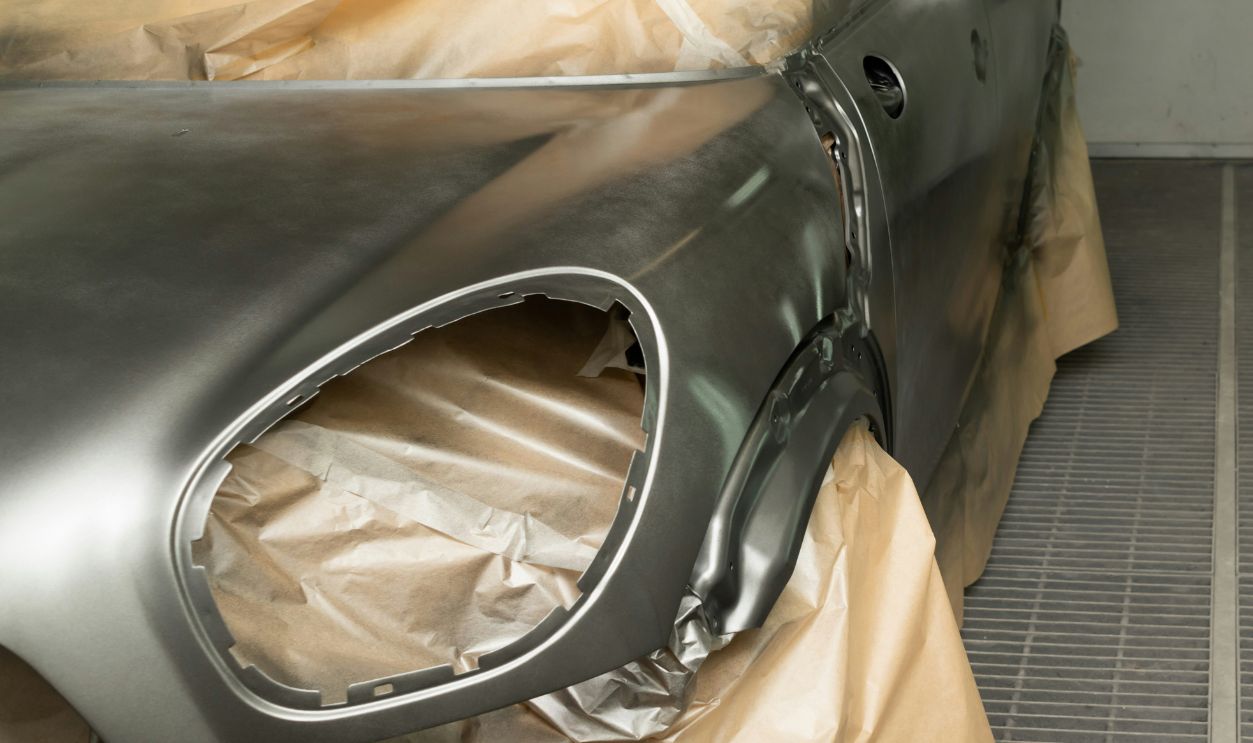
Some radar sensors transmit signals through specially designed bumper covers. Using excessive body filler, incorrect repair methods, or unsuitable paint materials may interfere with radar performance, making proper refinishing techniques just as important as the mechanical repairs.
Insurance Often Pays
If the scrape resulted from a covered collision, your insurance policy may pay for both the physical repairs and any required sensor calibration, subject to your deductible. Never assume calibration is an unnecessary add-on simply because you cannot see it.

Cheap Repairs Carry Risks
Choosing the lowest estimate isn't always the safest decision. A shop that skips required calibration procedures may return your vehicle with safety features that appear functional but perform incorrectly during an emergency when you need them most.
Watch For Warning Lights
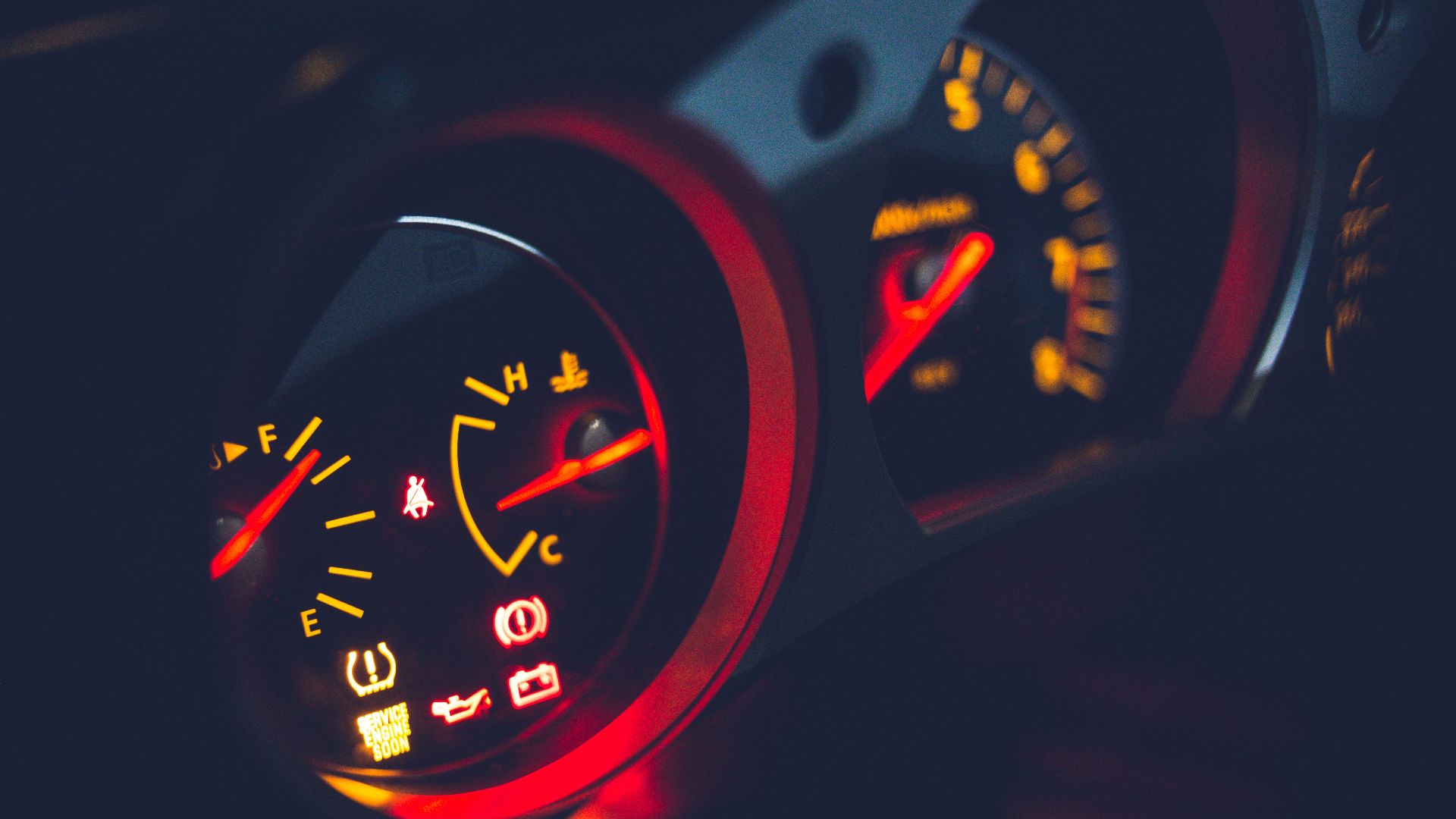
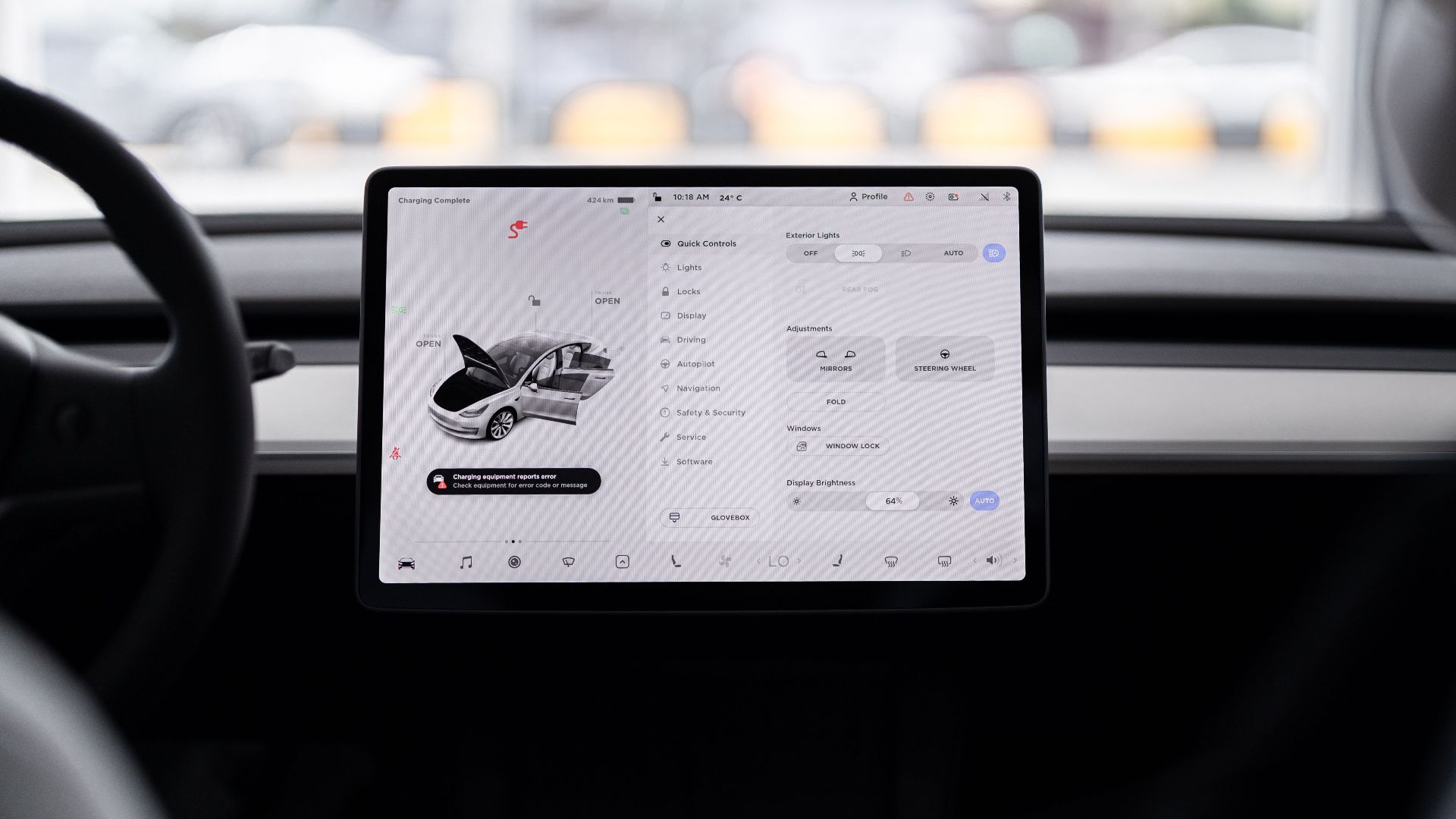
Dashboard warnings, disabled adaptive cruise control, parking sensor errors, unexpected braking behavior, or lane-keeping malfunctions after a minor collision should never be ignored. These symptoms often indicate your ADAS system requires inspection or recalibration.
Ask The Right Questions
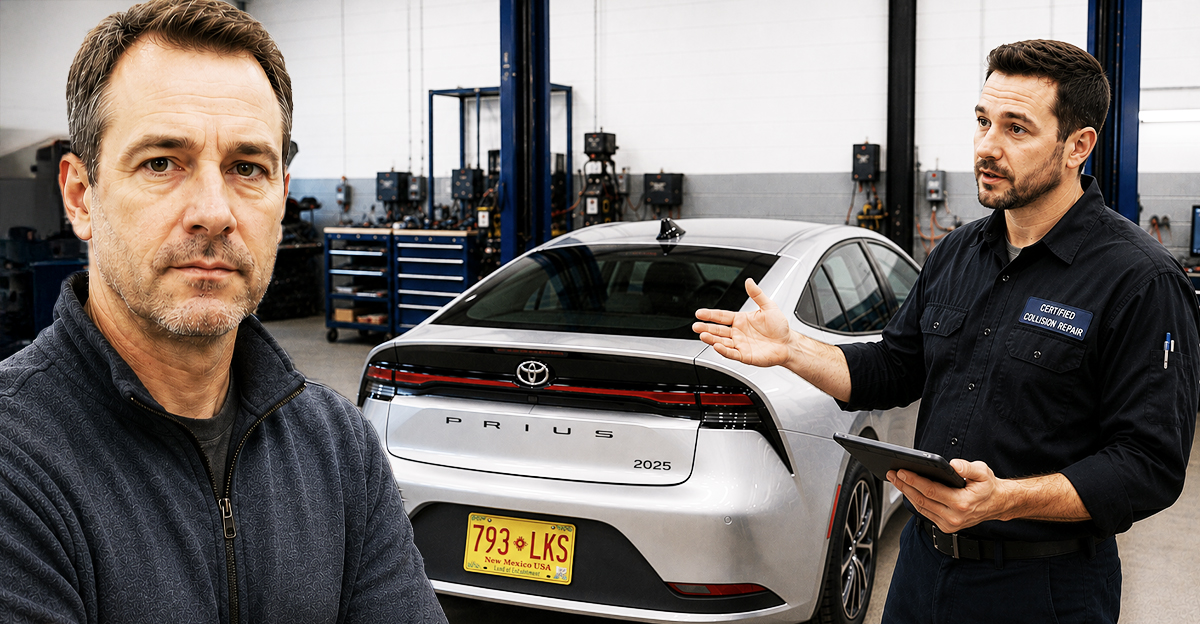
Before authorizing repairs, ask whether the estimate includes scanning the vehicle for fault codes, recalibrating affected sensors, performing a post-repair verification, and documenting that every safety system operates within manufacturer specifications.
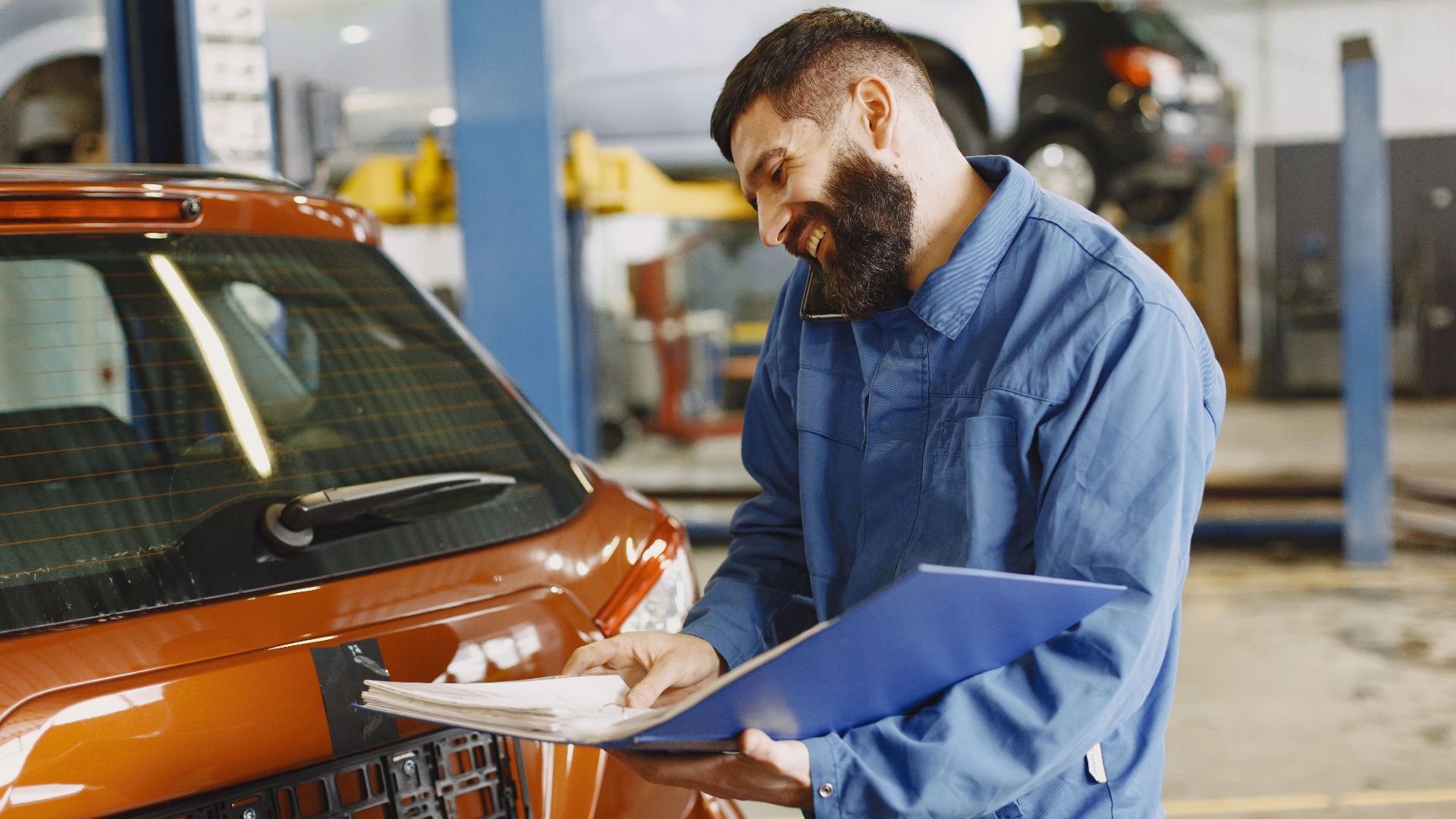
Documentation Matters
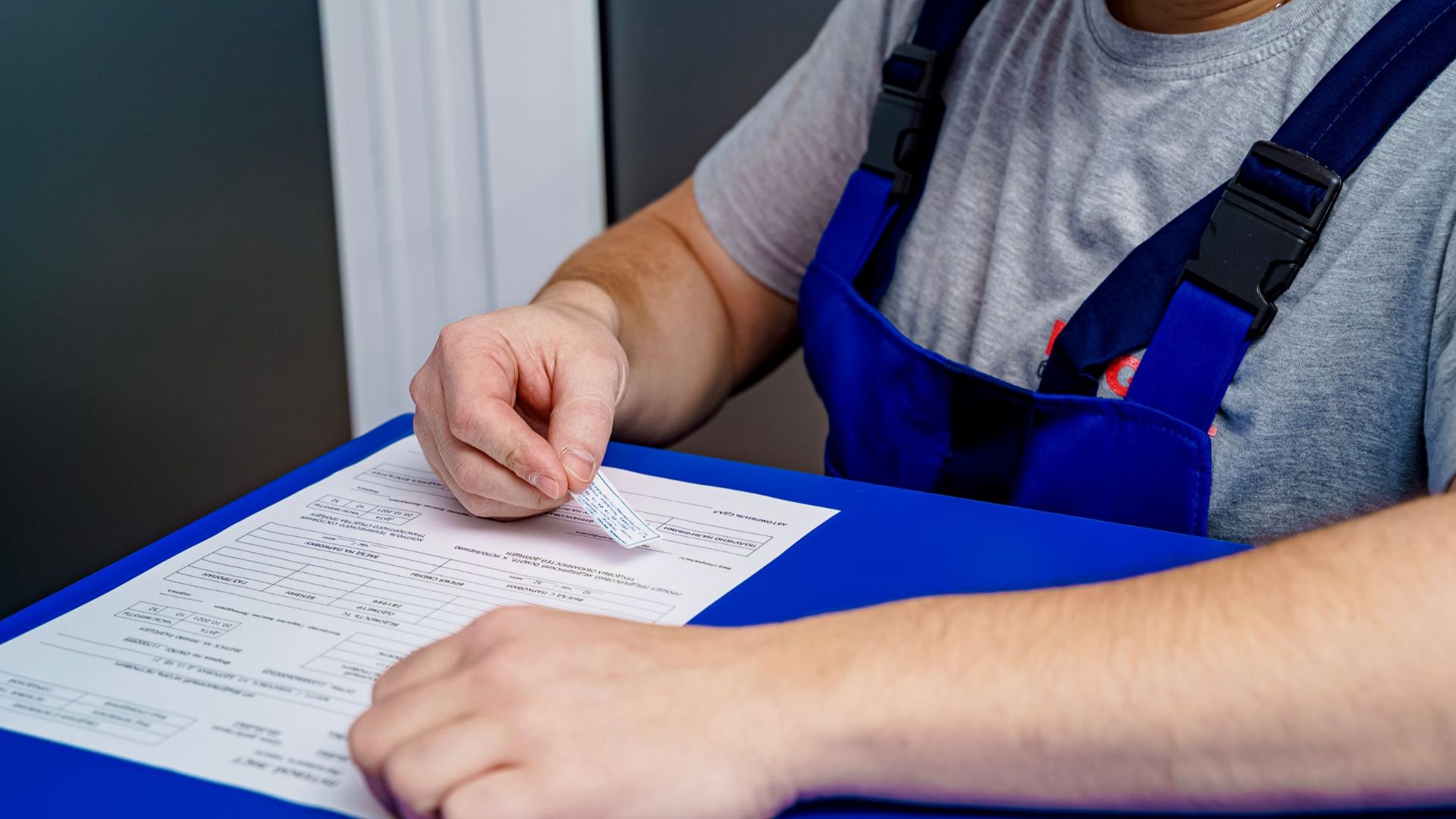
Request copies of the diagnostic scan reports and calibration records after the repair is complete. These documents provide valuable evidence that the vehicle's safety systems were restored properly and may help support future warranty or insurance claims.
Why Estimates Vary
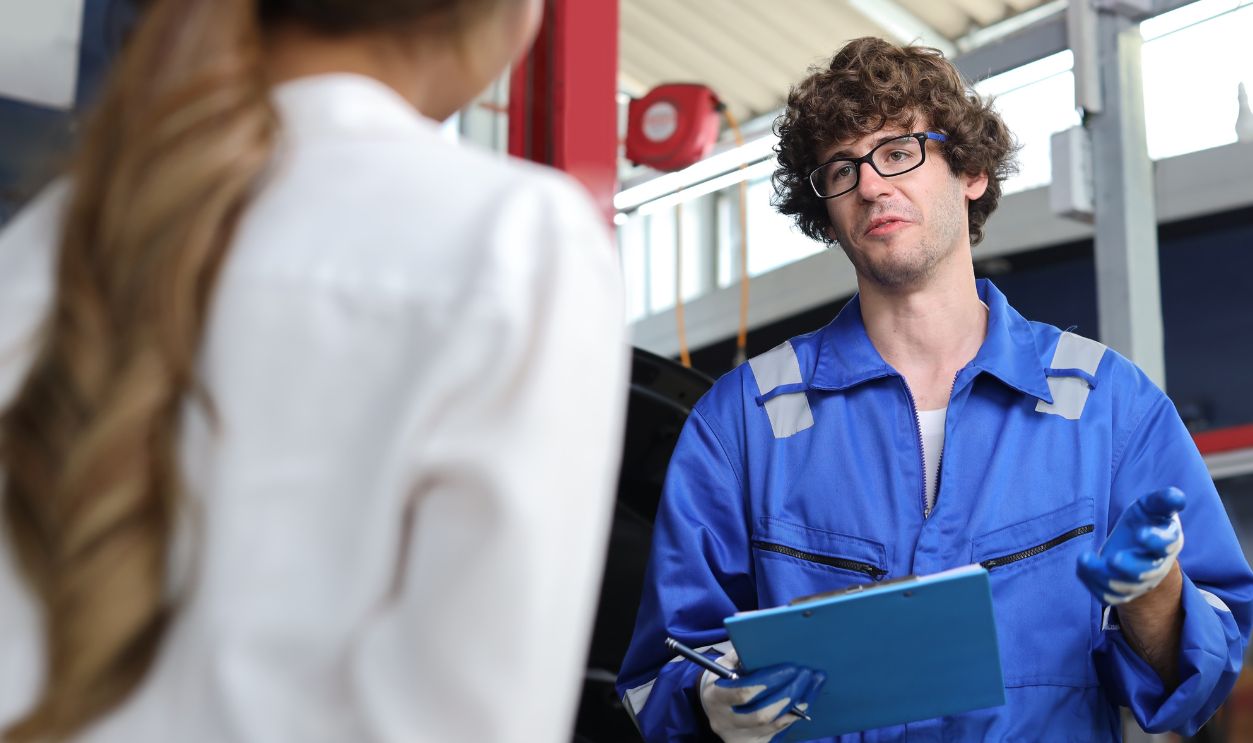
One repair facility may recommend replacing several components while another proposes repairing them. Differences in manufacturer procedures, equipment availability, labor rates, and calibration requirements can easily produce estimates that vary by hundreds or even thousands of dollars.
Prevention Saves Money
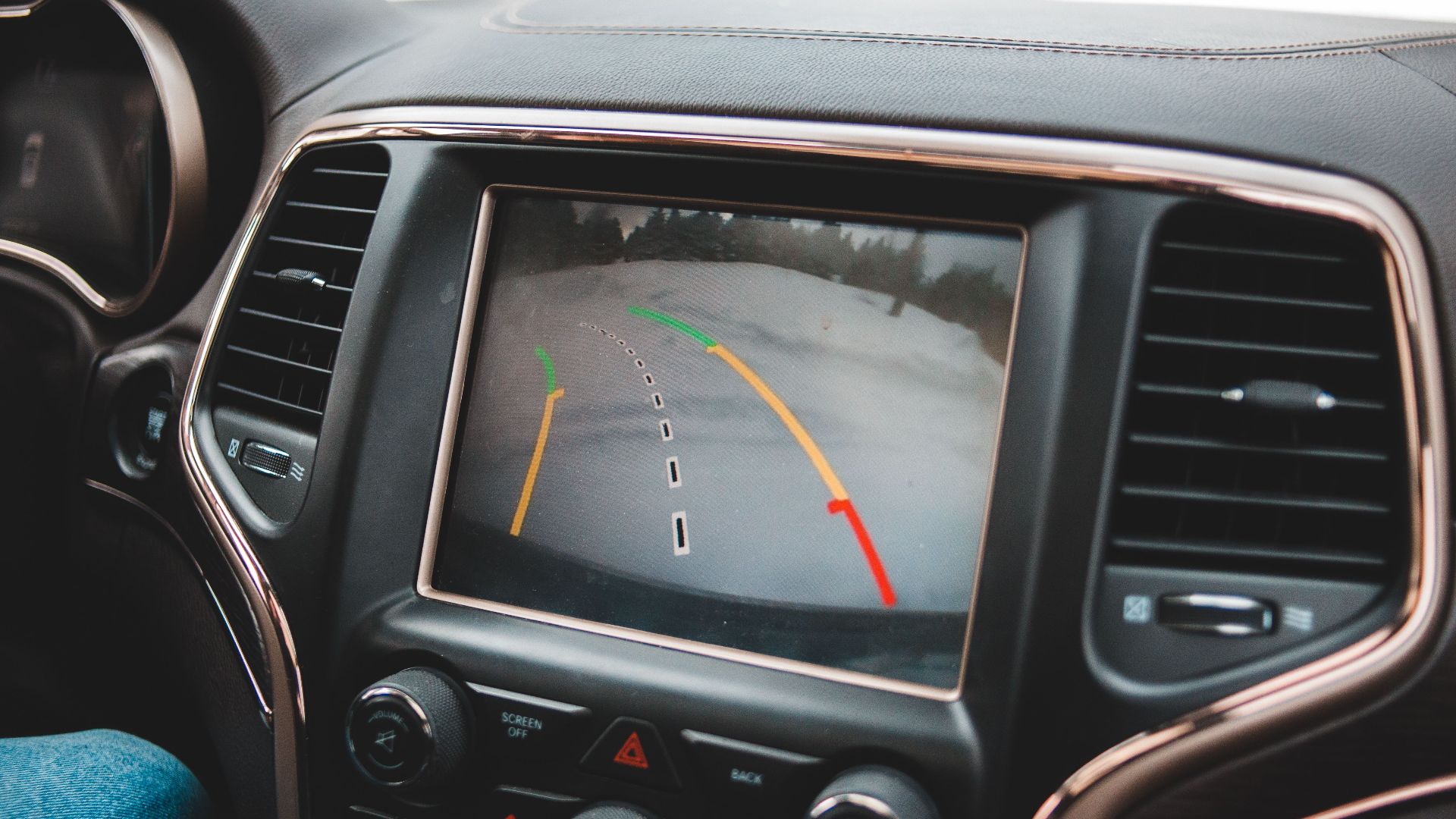
Although accidents happen, leaving extra following distance, parking carefully, and using backup cameras responsibly can reduce the likelihood of low-speed bumper impacts. Avoiding even a seemingly insignificant scrape may save you from unexpectedly expensive electronic repairs.
The New Reality
Modern safety technology has dramatically reduced many types of crashes, but it has also made collision repairs more complicated and costly. The same systems that help prevent accidents require exceptional precision whenever bodywork is performed.
Protecting Your Investment
When your vehicle's safety sensors stop working after a minor bumper scrape, the repair bill can feel shocking. Understanding why recalibration is necessary helps you make informed decisions and ensures the technology designed to protect you continues working exactly as intended.
You May Also Like:
My insurance company totaled my car over a scratch. Should I fight them or take the check?