A New Battery Should've Solved The Problem, So Why Are The Warnings Still There?
Replacing a car battery used to be one of the easiest maintenance jobs a vehicle owner could do at home. On many modern vehicles, though, installing a new battery is sometimes just the beginning. It's not uncommon for warning lights to appear, safety systems to behave differently, or electronic features to temporarily stop working after the battery has been disconnected. While that can be alarming, it doesn't always mean you've done anything wrong.
Modern Cars Depend On Electronics
Today's vehicles contain dozens of electronic control modules that communicate with one another constantly. When the battery is disconnected, many of those systems temporarily lose power, stored settings, or learned values. As a result, it's not unusual for the dashboard to light up with warnings immediately after reconnecting the battery.
Temporary Warning Lights Are Fairly Common
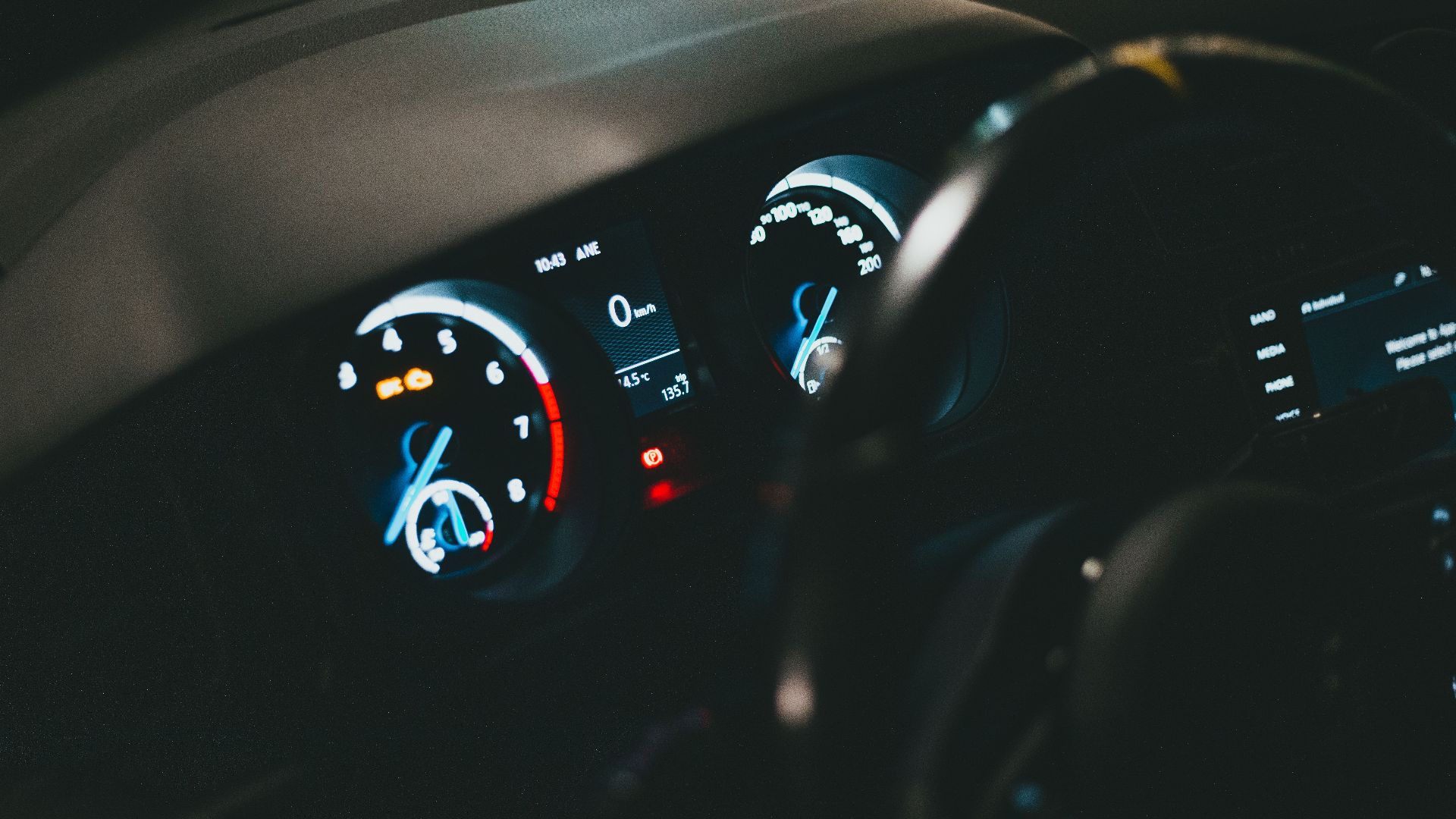
Seeing multiple warning lights after reconnecting the battery can look serious, but in many cases they're temporary. Systems like stability control, traction control, steering assist, and driver-assistance features often need to complete self-checks before they return to normal operation.
Did You Install The Correct Battery?
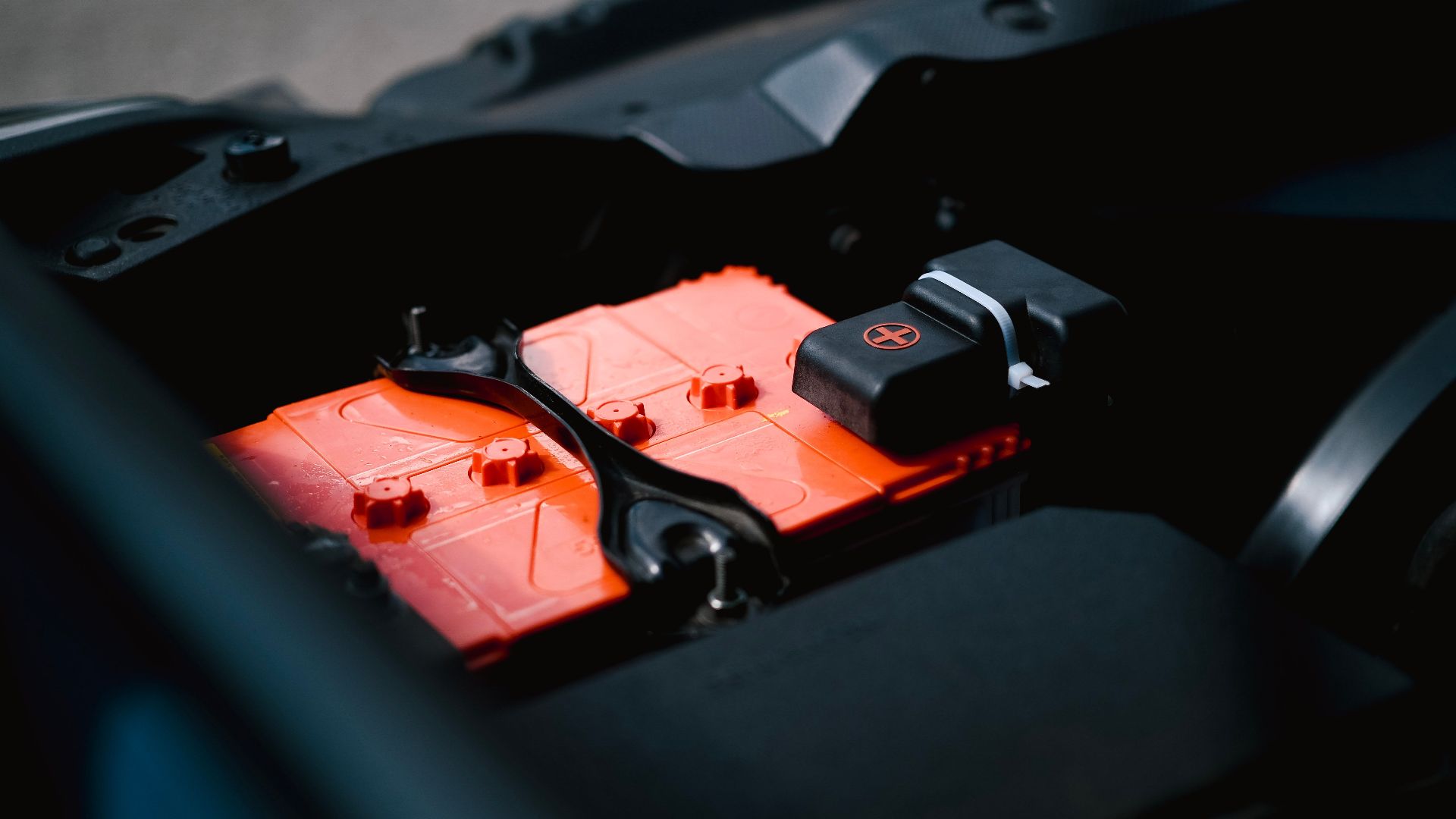
One of the first things to verify is whether the replacement battery matches the manufacturer's specifications. Modern vehicles often require a specific battery size, cold-cranking amperage (CCA), reserve capacity, and battery technology, such as AGM (Absorbent Glass Mat) or enhanced flooded batteries. Installing the wrong type can cause charging and electrical problems.
Double-Check The Battery Connections
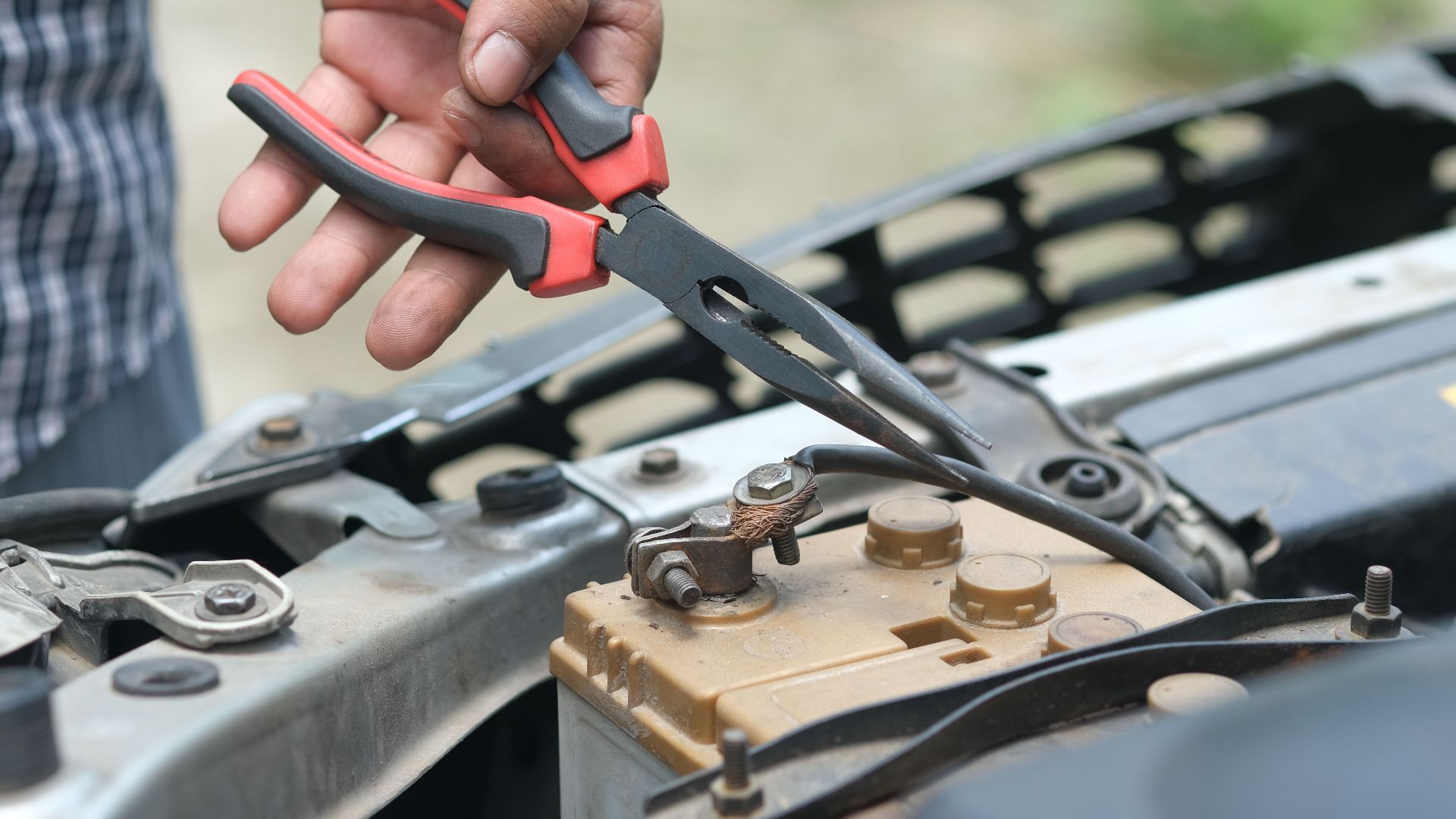
Loose battery terminals are one of the most common causes of electrical issues after battery replacement. Even if the cables appear attached, they should be fully seated and tightened securely. A slightly loose connection can cause intermittent voltage drops that confuse the vehicle's electronics.
Corrosion Can Create Problems
If corrosion remained on the battery terminals or cable ends during installation, electrical resistance may increase. Cleaning the terminals thoroughly before installing the new battery helps ensure a solid connection and reliable voltage throughout the vehicle.
Verify The Polarity
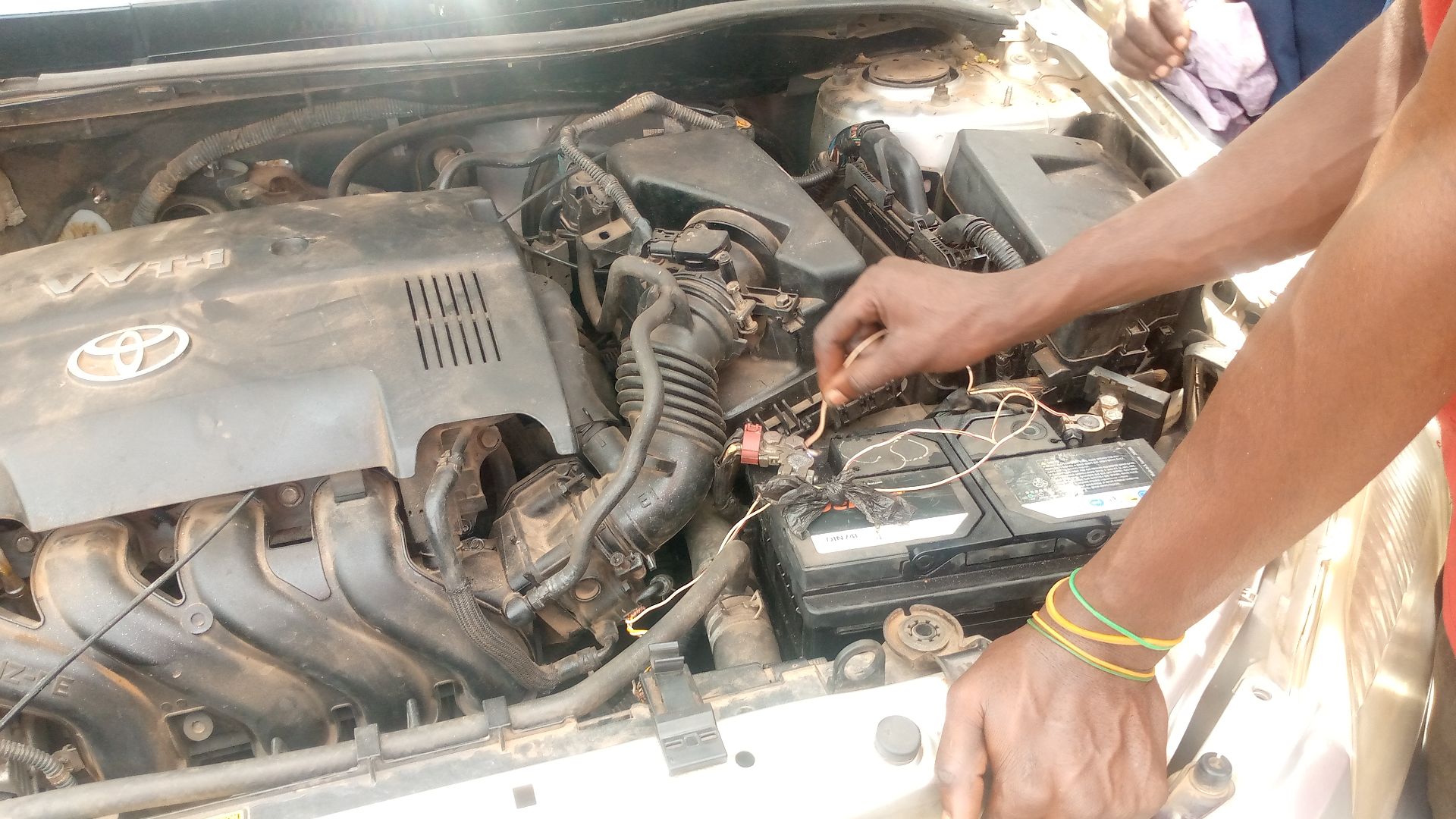
It sounds obvious, but it's worth confirming that the positive and negative terminals are connected correctly. Accidentally reversing the cables, even briefly, can damage fuses, electronic modules, or charging system components. If this happened, professional diagnosis is usually recommended.
The Battery May Need To Be Registered
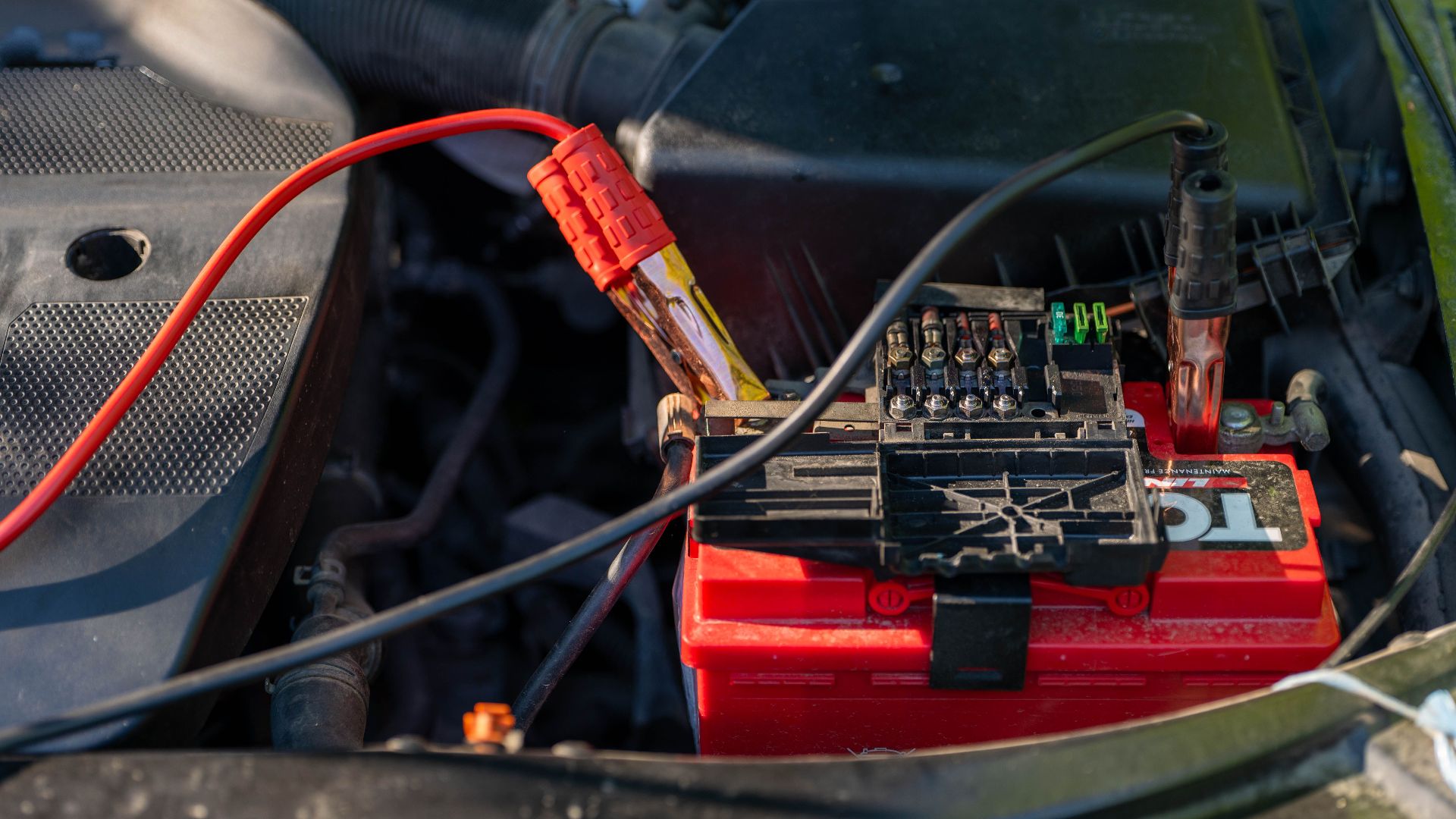
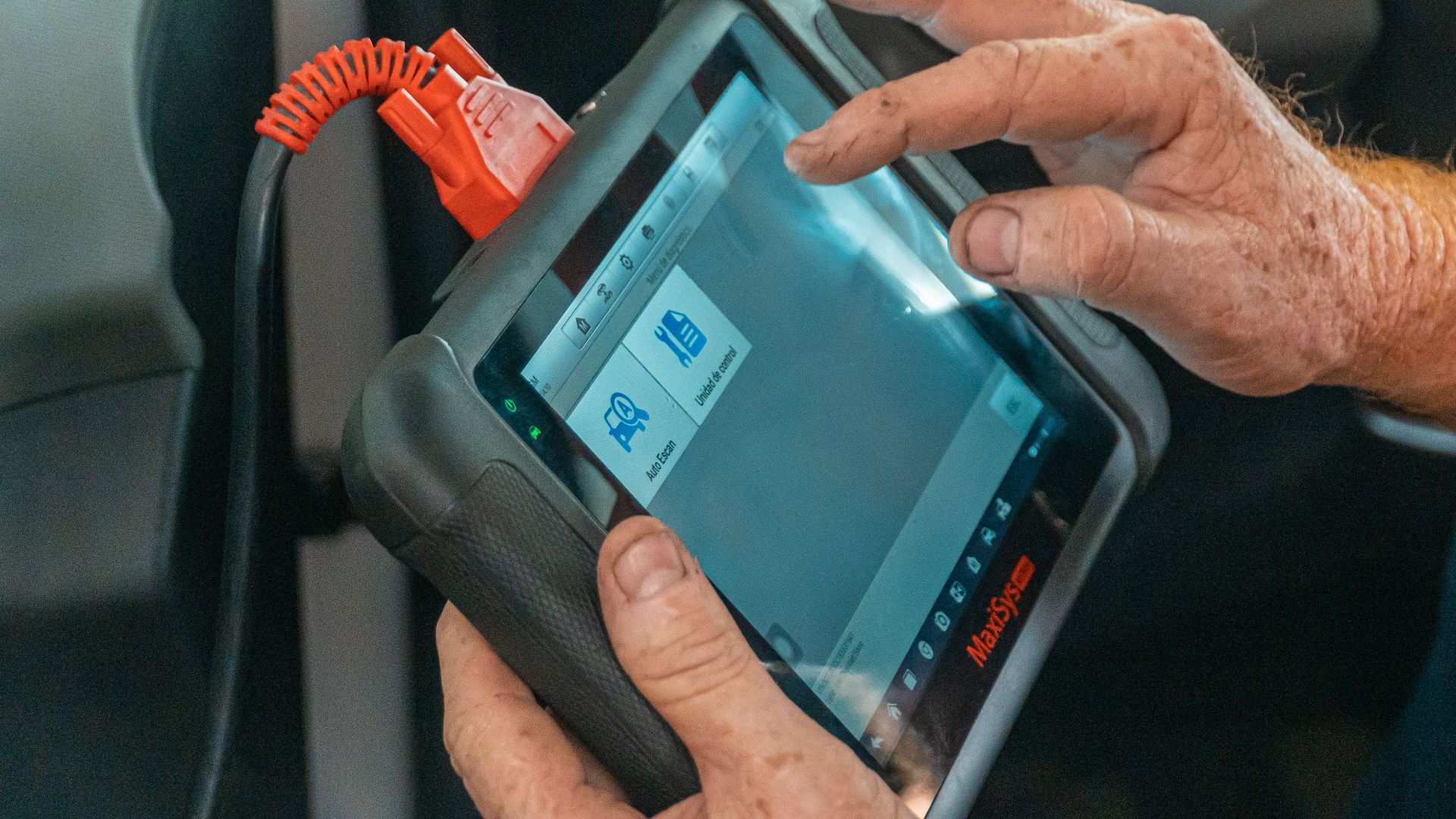
Some modern vehicles, particularly many BMW, Audi, Mercedes-Benz, MINI, and other European models, require a battery registration or coding procedure after replacement. This tells the vehicle's charging system that a new battery has been installed so it can manage charging properly. Skipping this step may lead to warning lights, improper charging, or reduced battery life.
 Jose Ricardo Barraza Morachis, Pexels
Battery Monitoring Systems Need Accurate Information
Many newer vehicles include intelligent battery sensors that monitor battery health and charging. If the vehicle still believes the old battery is installed, it may continue using charging strategies intended for an aging battery rather than a brand-new one.
 Jose Ricardo Barraza Morachis, Pexels
The Steering System May Need To Relearn
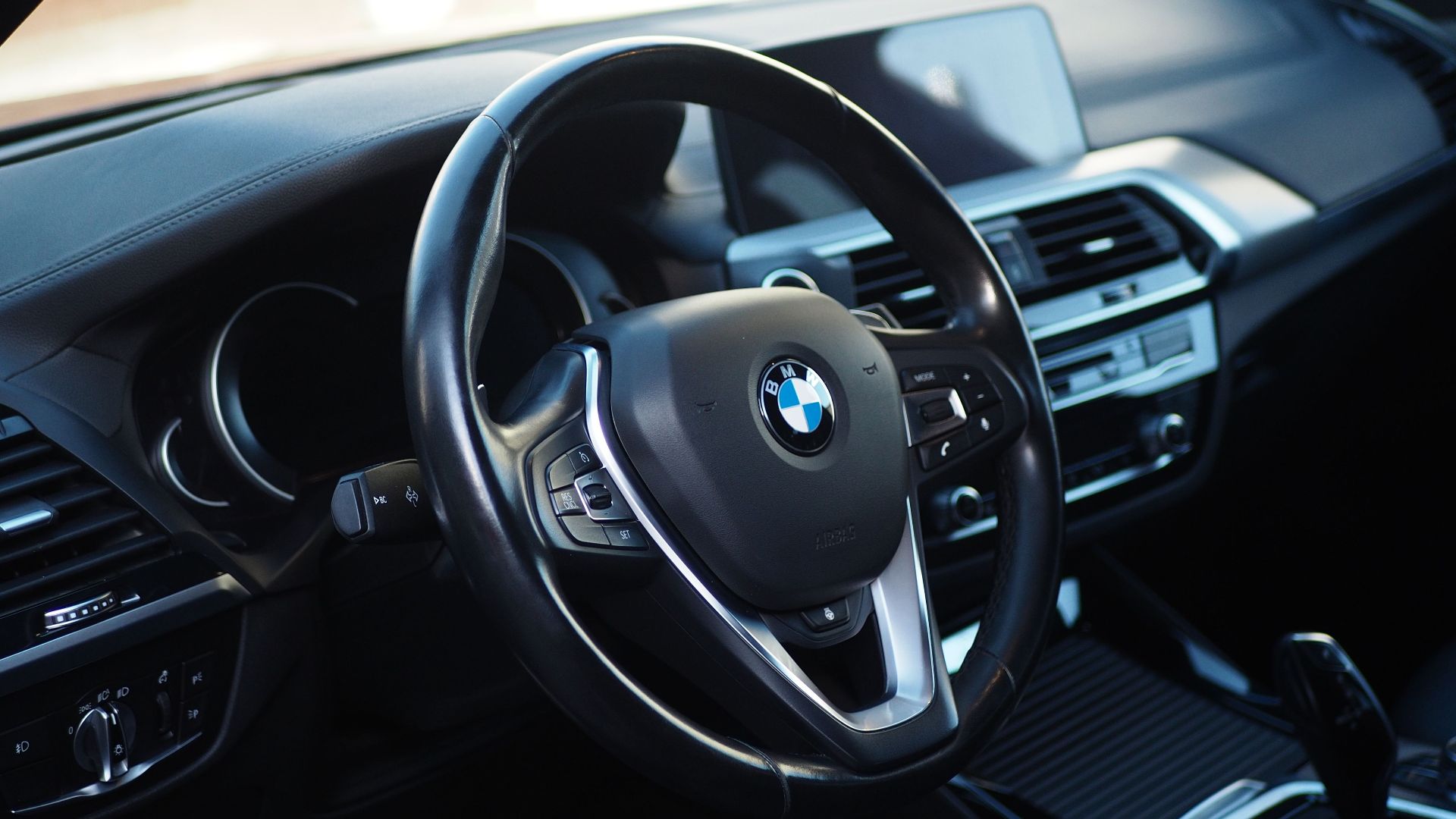
Electric power steering systems sometimes require recalibration after battery replacement. On some vehicles, simply turning the steering wheel fully left and right while the engine is running allows the system to relearn its position. Your owner's manual may describe this procedure if it's required.
Power Windows May Need Resetting
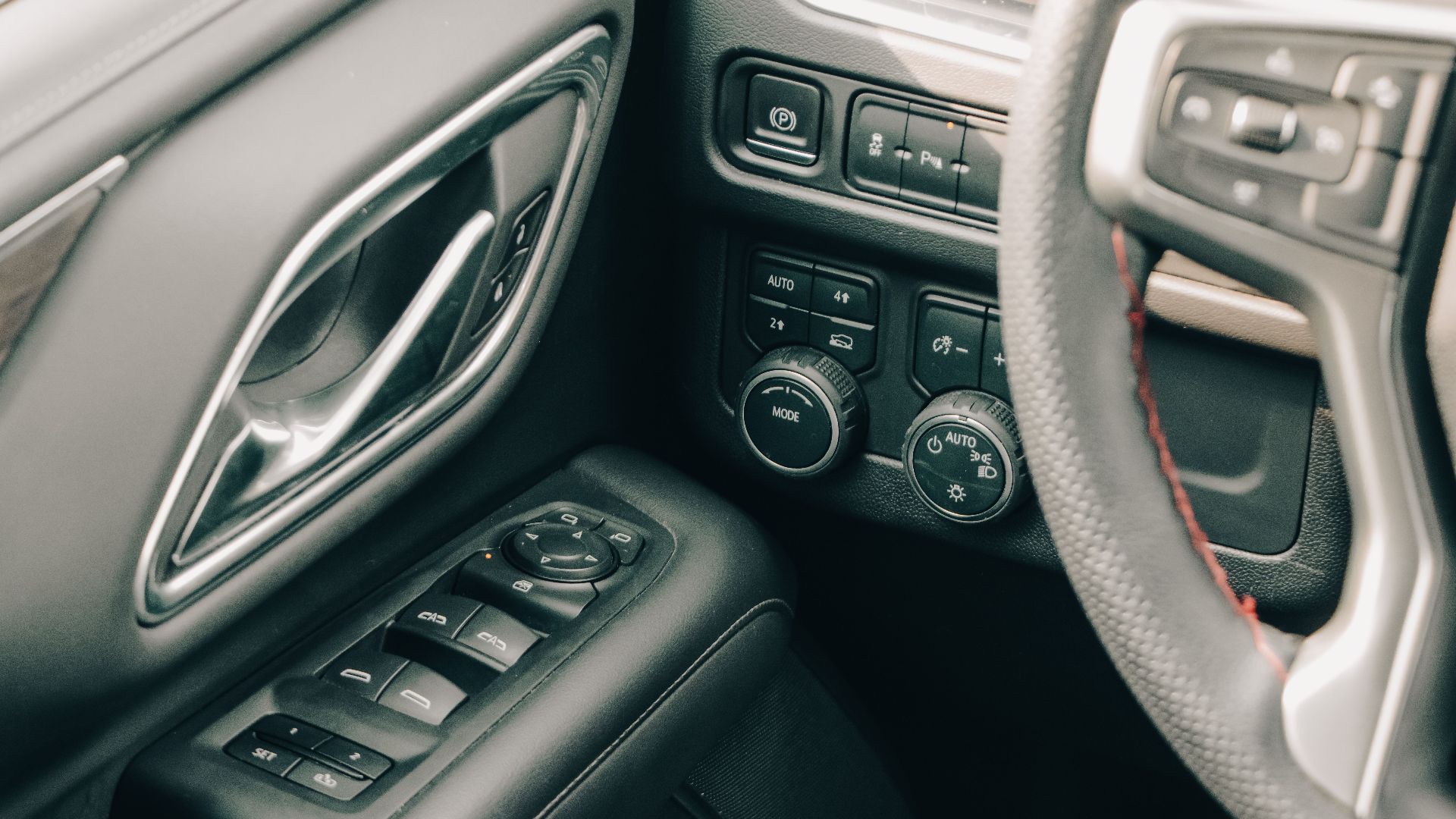
Automatic one-touch window functions often stop working temporarily after battery power is lost. Many vehicles require each window to be fully lowered and raised again to restore the automatic feature. This is a common reset procedure and usually isn't a sign of a problem.
The Clock And Radio Settings May Reset
Losing saved radio stations, the clock, seat memory, or infotainment preferences is perfectly normal after disconnecting the battery. These settings generally need to be reprogrammed manually unless your vehicle stores them elsewhere.
Driver-Assistance Systems May Recalibrate
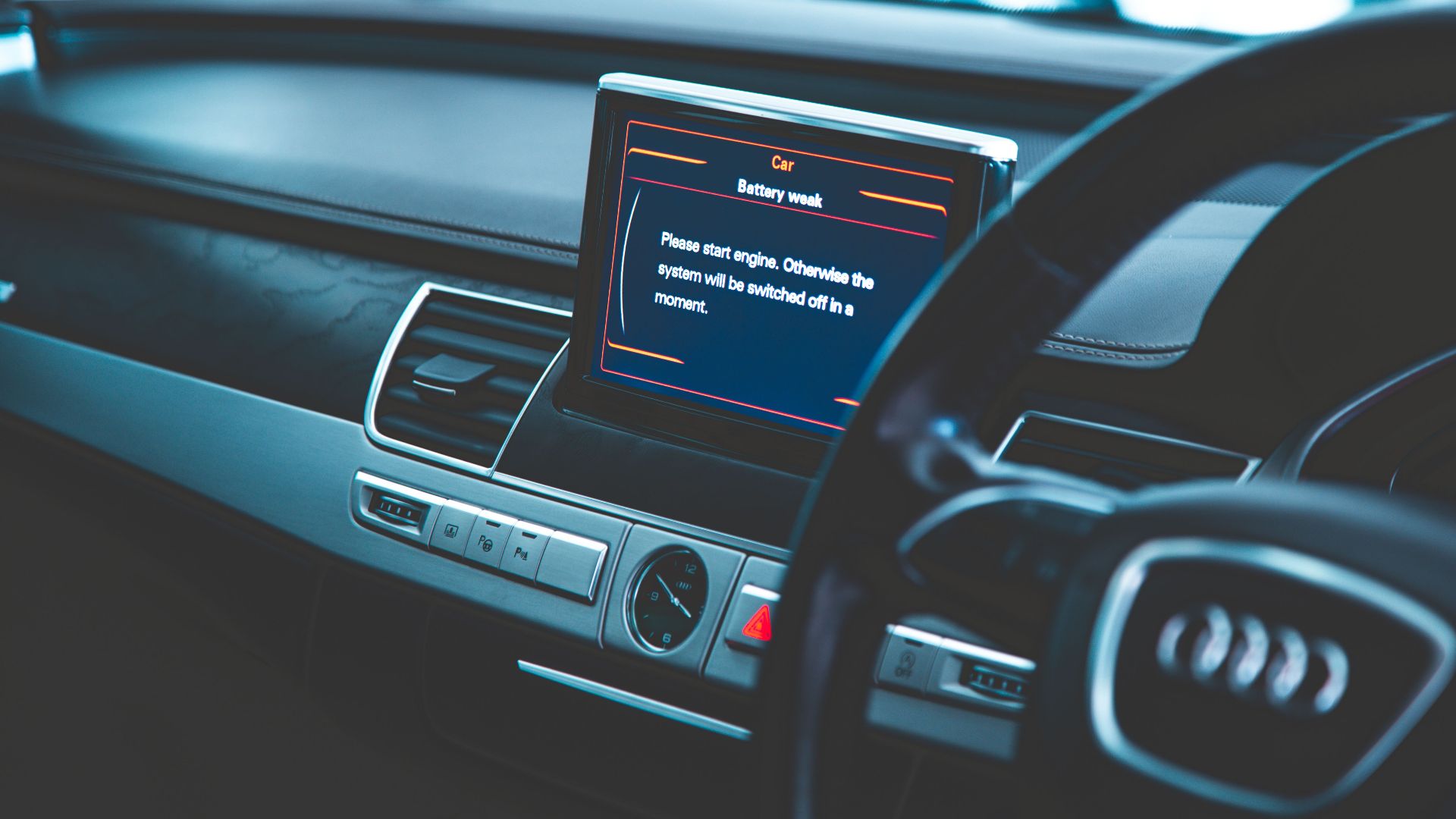
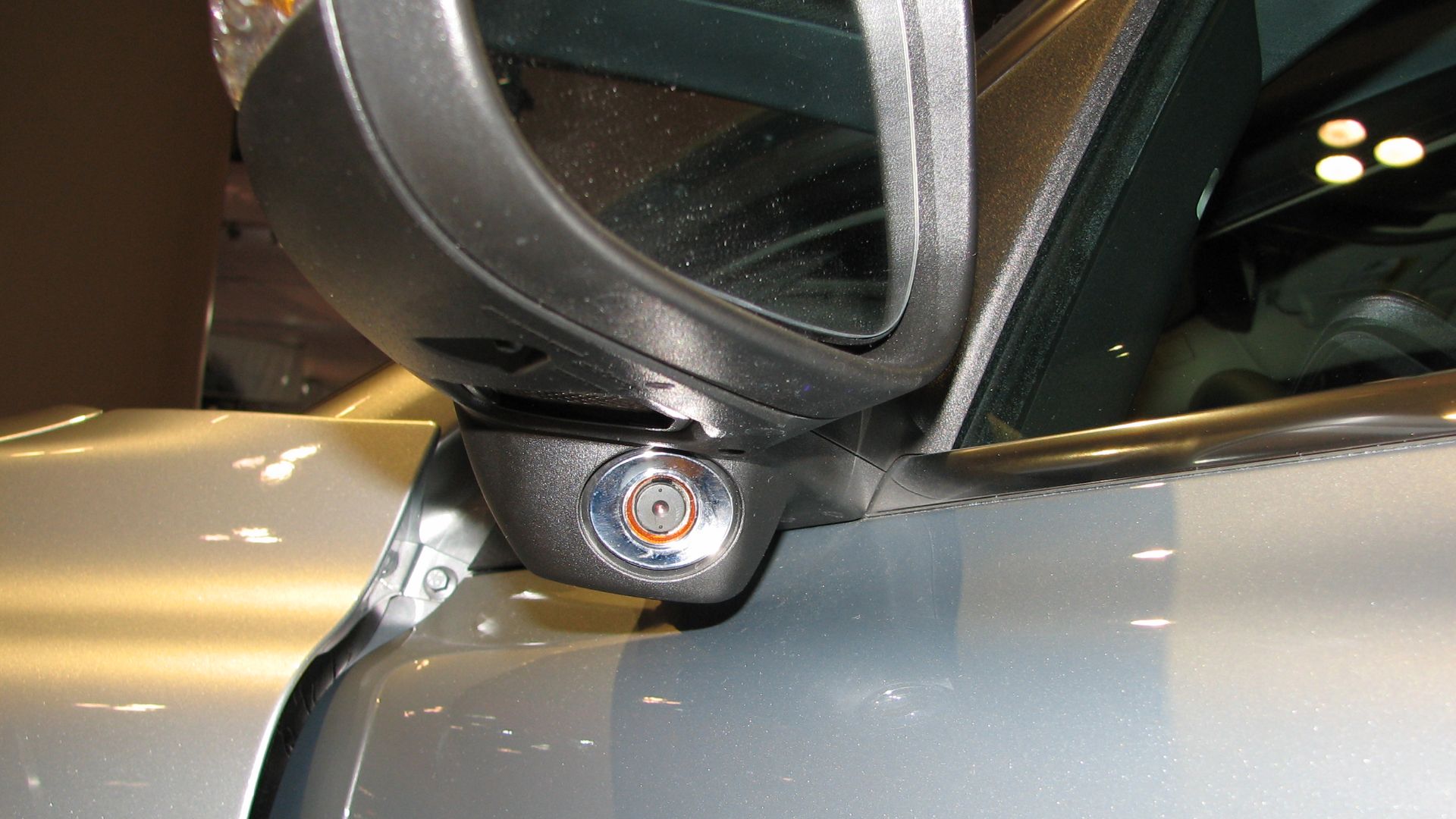
Lane-keeping assist, adaptive cruise control, blind-spot monitoring, and other ADAS features sometimes perform self-checks after power is restored. Until those checks are complete, temporary warning messages may appear on the dashboard.
 User:Emancipator, Wikimedia Commons
Some Warning Lights Clear After Driving
Certain systems won't fully recalibrate until the vehicle has been driven. Wheel-speed sensors, steering angle sensors, and stability control systems often need several minutes of normal driving before confirming that everything is functioning properly. If the warnings disappear after a short drive, no further action may be necessary.

Check The Battery Voltage
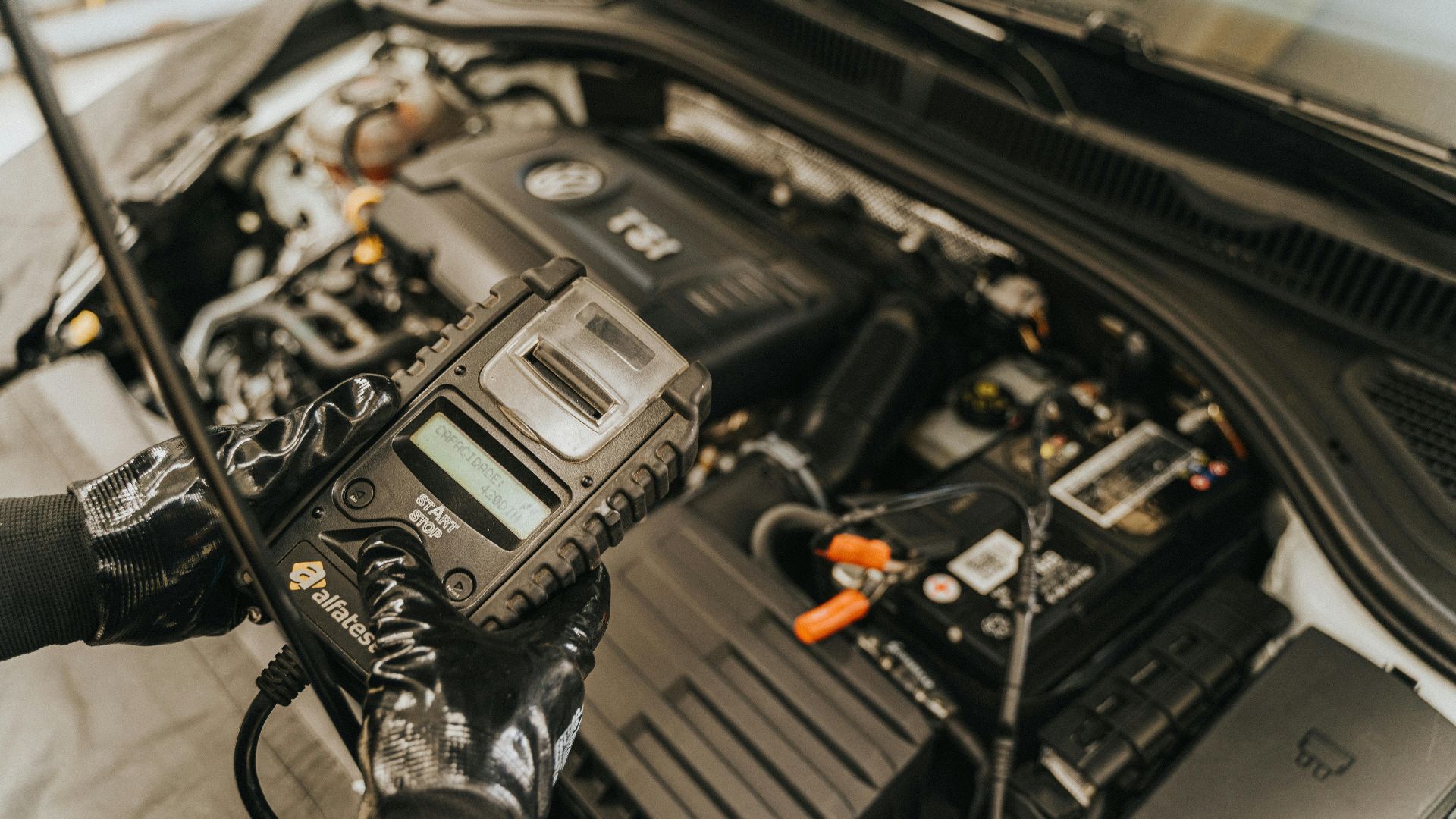
Even brand-new batteries occasionally arrive partially discharged. Measuring battery voltage with a multimeter can confirm whether the battery itself is healthy. If the voltage is lower than expected, charging the battery may resolve some warning messages.
Don't Forget The Charging System
A weak alternator can create symptoms that resemble battery problems. If warning lights remain after installing a fully charged battery, the charging system should also be tested. Replacing the battery won't solve an alternator problem.
Inspect Nearby Wiring
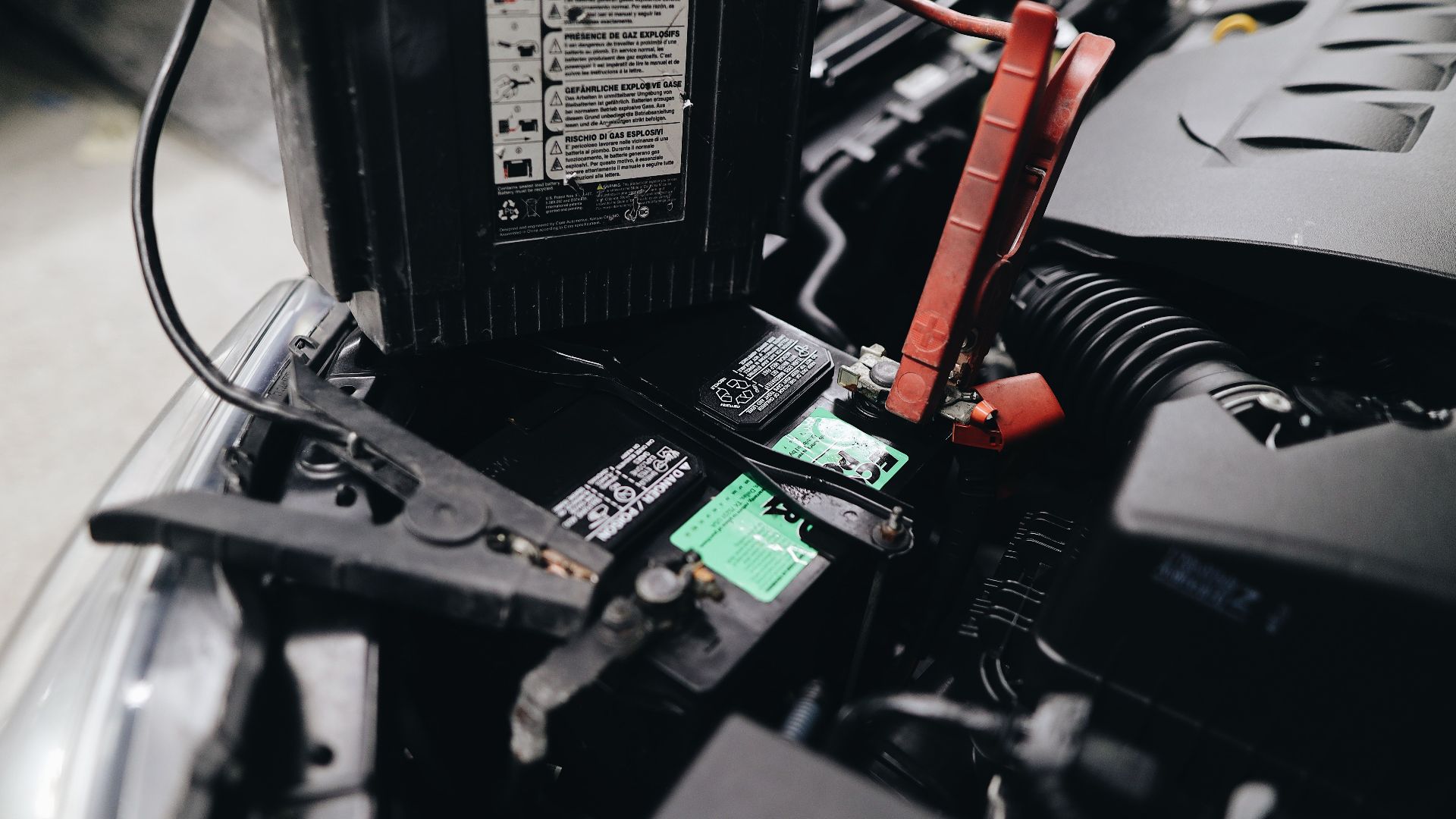
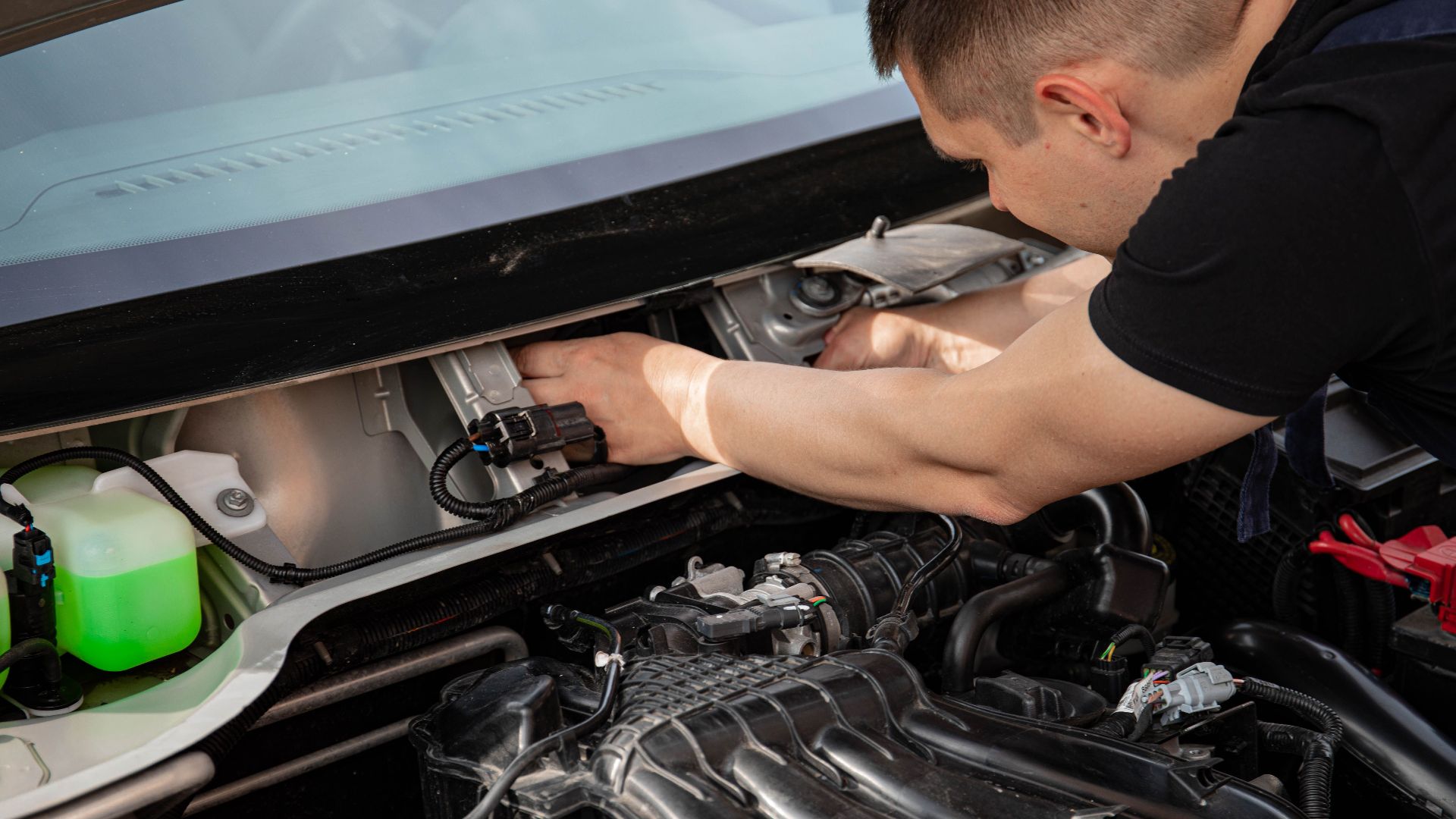
During battery replacement, it's possible to accidentally disturb nearby wiring, battery monitoring sensors, or ground cables. Take a careful look around the battery compartment to make sure every connector that was unplugged has been securely reattached.
Scan For Diagnostic Trouble Codes
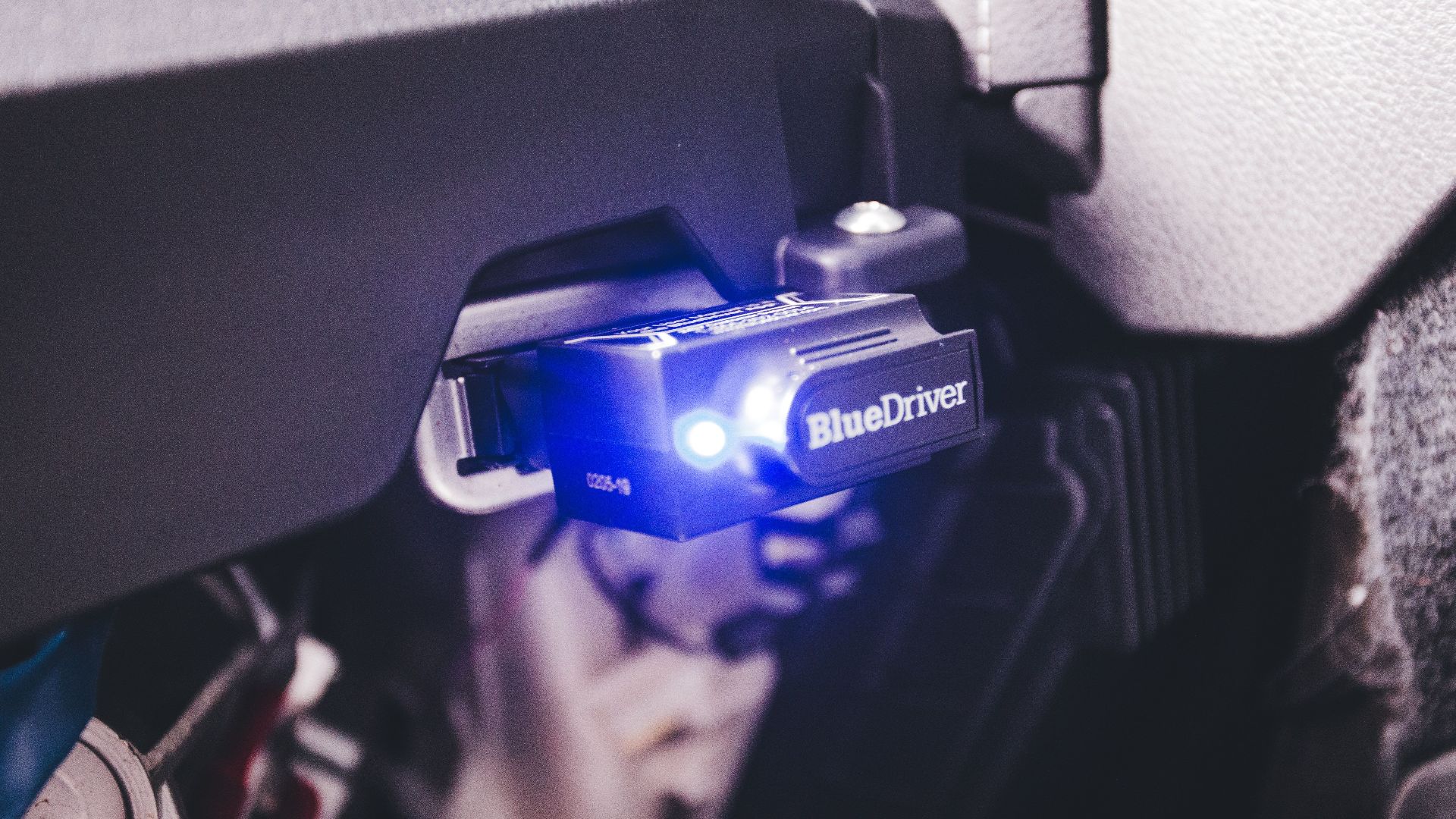
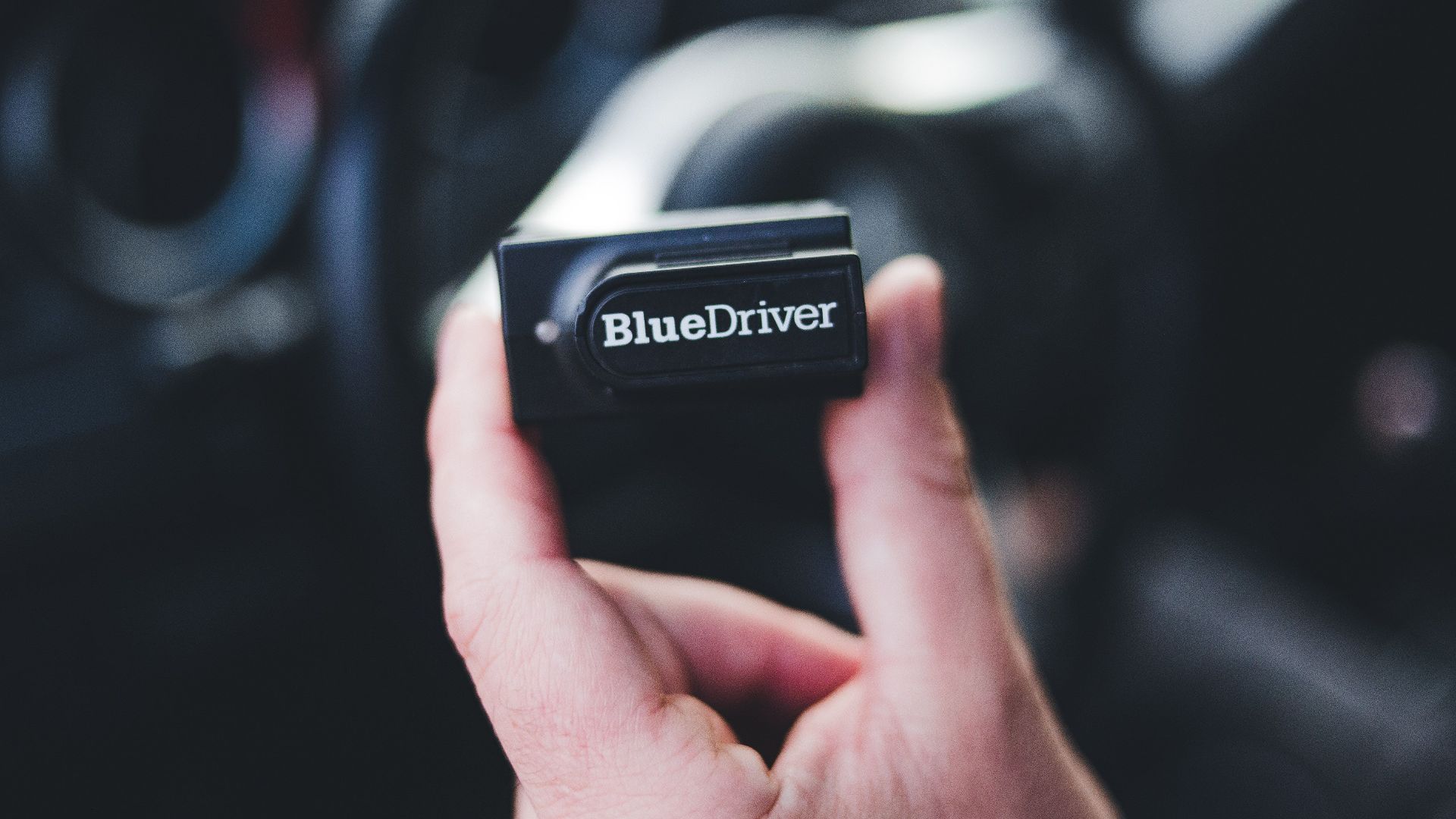
If warning lights remain illuminated, using an OBD-II scanner can provide valuable information. Modern vehicles store diagnostic trouble codes that help identify which systems are reporting faults. Even an inexpensive scanner may point you toward the source of the problem.
Clearing Codes Isn't Always The Answer
Some people immediately erase warning codes after replacing the battery. While that may temporarily turn off the warning lights, it doesn't necessarily fix the underlying issue. It's usually better to determine why the code appeared before clearing it.

Fuses May Have Blown
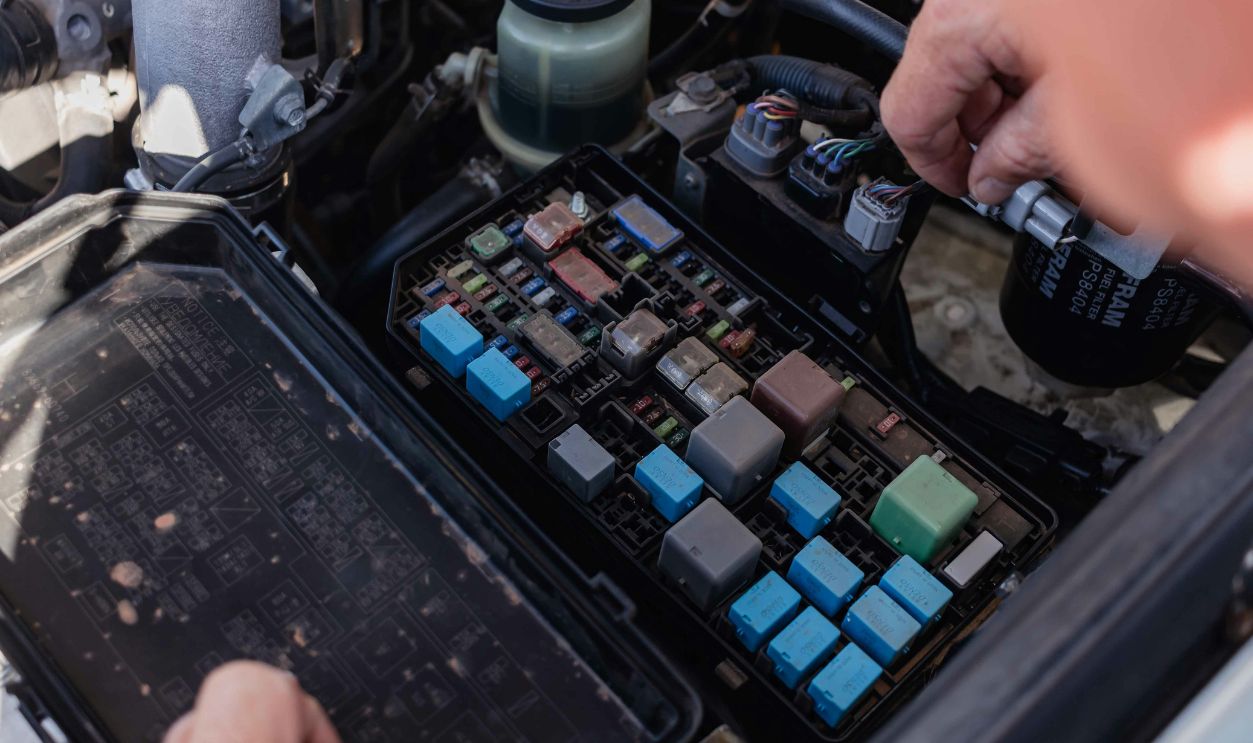
Although uncommon during a routine battery replacement, blown fuses can occur if a short circuit happens accidentally. If certain systems stop working entirely after the battery installation, checking the appropriate fuses is a good next step.
Read The Owner's Manual
Manufacturers often include battery replacement procedures and post-installation reset instructions in the owner's manual. Some vehicles have very specific requirements for resetting windows, steering systems, sunroofs, or electronic accessories after power has been disconnected.

Professional Equipment May Be Needed
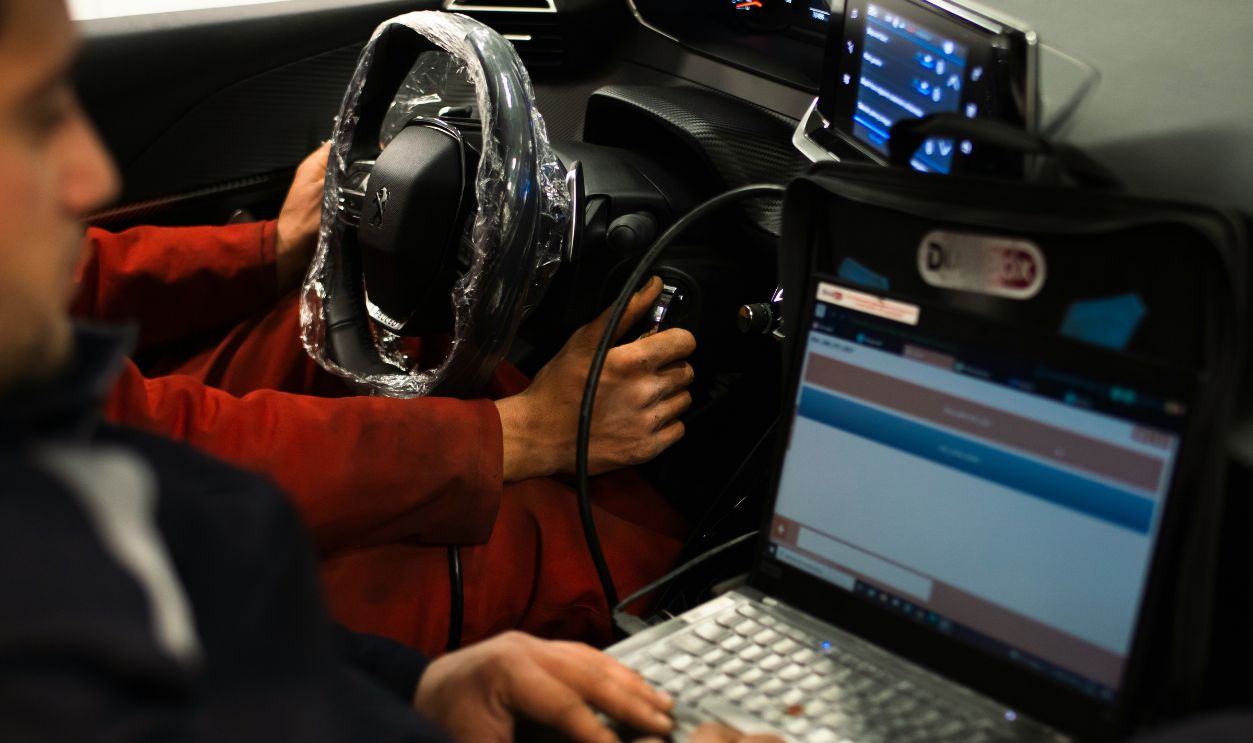
If your vehicle requires battery registration, module programming, or advanced diagnostics, a repair shop or dealership may have equipment that isn't available to most DIY mechanics. Fortunately, these procedures are often relatively quick once the correct tools are connected.
Not Every Warning Means Something Is Broken
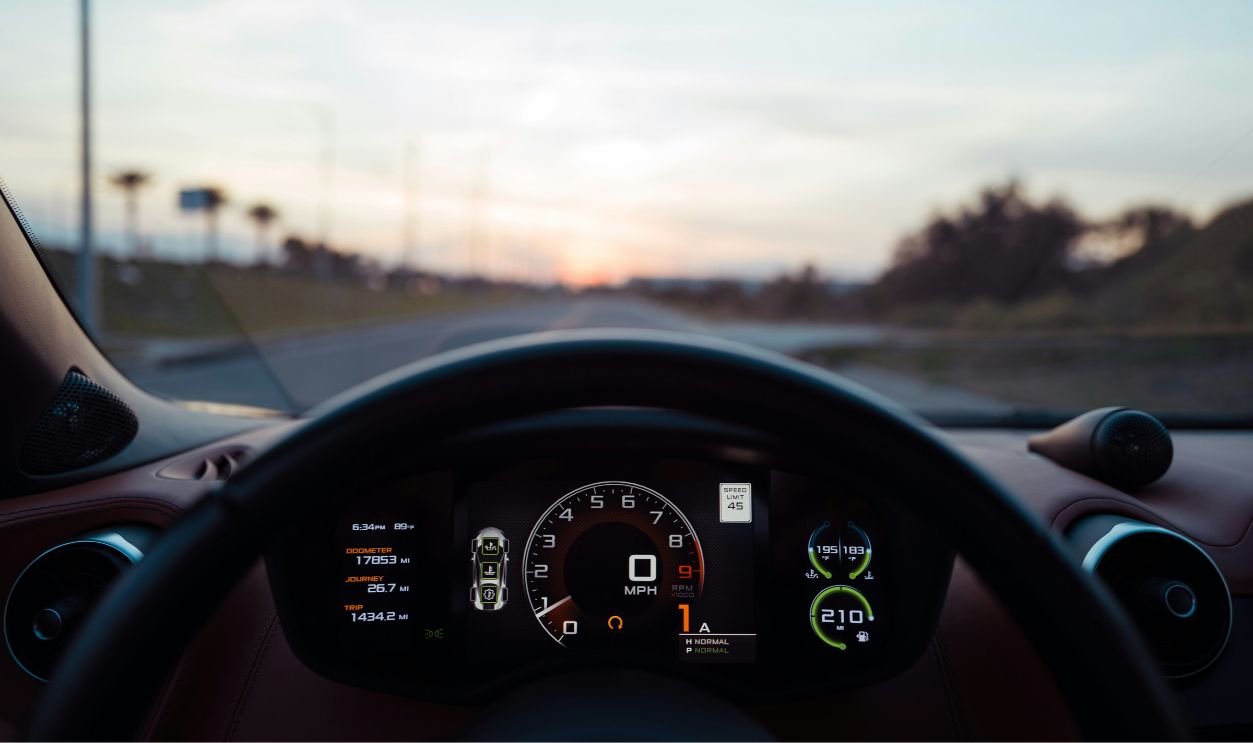
Modern vehicles are designed to notify drivers whenever systems lose calibration or communication, even temporarily. Seeing several warning lights immediately after replacing a battery doesn't automatically mean you've damaged anything. In many cases, the vehicle simply needs to complete its normal startup and relearning procedures.
DIY Battery Replacement Is Still Worth Doing
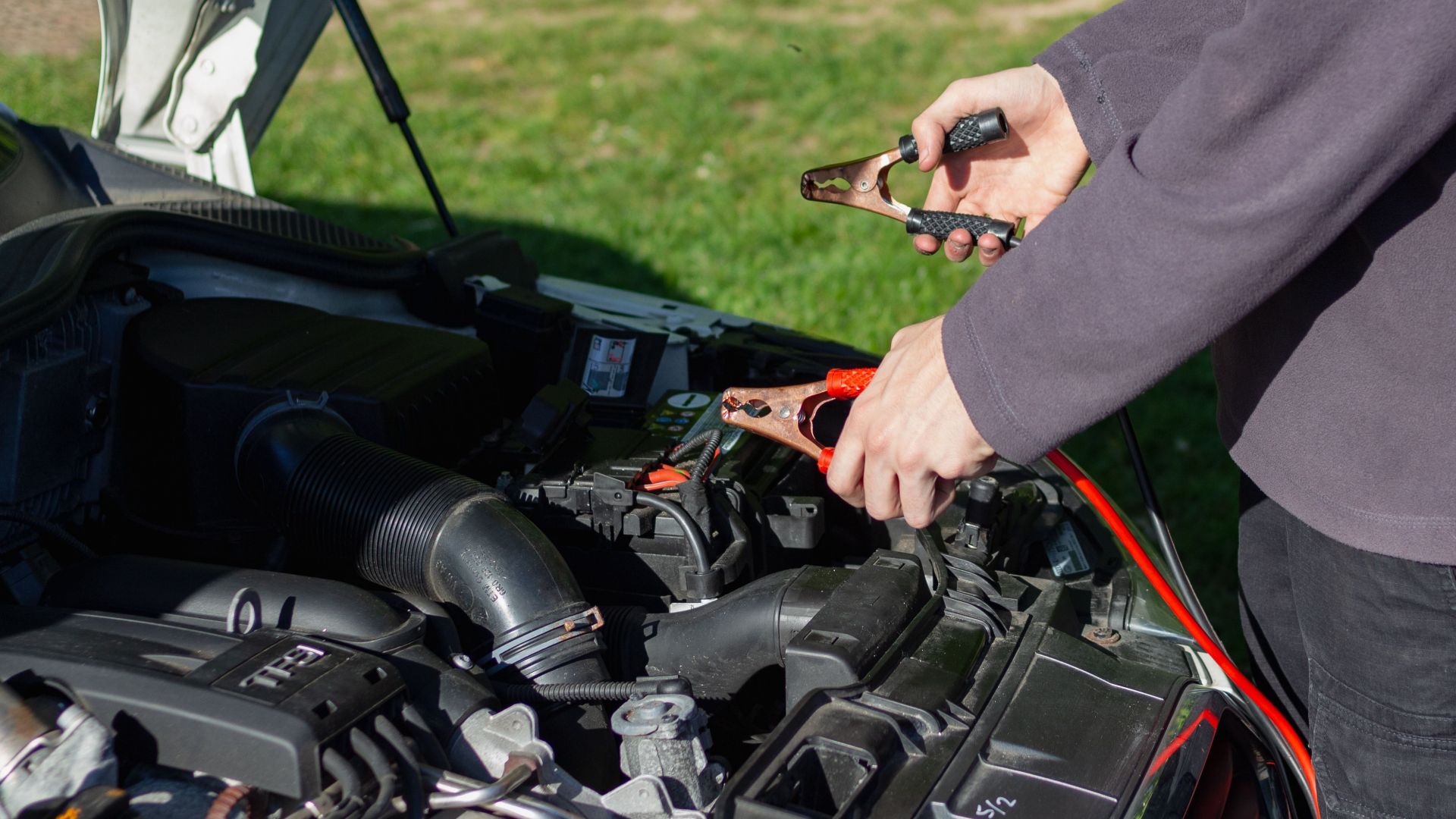
Replacing your own battery can still save money and is well within the abilities of many vehicle owners. The process is simply a little more involved than it was on older vehicles. Taking a few extra minutes to verify battery specifications, secure every connection, and follow any manufacturer reset procedures can prevent many post-installation headaches.
 Daniel @ bestjumpstarterreview.com, Pexels
A Few Extra Steps Can Get Everything Back To Normal
If your car keeps displaying warning lights after you replaced the battery yourself, don't panic. Start by checking the battery type, terminal connections, and nearby wiring. Give the vehicle time to complete any relearning procedures, and consult the owner's manual for model-specific resets. If the warnings persist, a diagnostic scan or battery registration may be needed. In many cases, the fix is much simpler than it first appears, and you'll soon be back on the road with a properly functioning electrical system.
You May Also Like: