A Beautiful View Can Come With An Uncomfortable Trade-off
Panoramic glass roofs have become one of the most sought-after features on new vehicles, but once summer arrives, many owners discover there's a downside. Even with the air conditioning running, the cabin can become noticeably hotter than they expected. Fortunately, there are several ways to reduce the heat without giving up the panoramic roof altogether.
Panoramic Roofs Let In More Than Sunlight
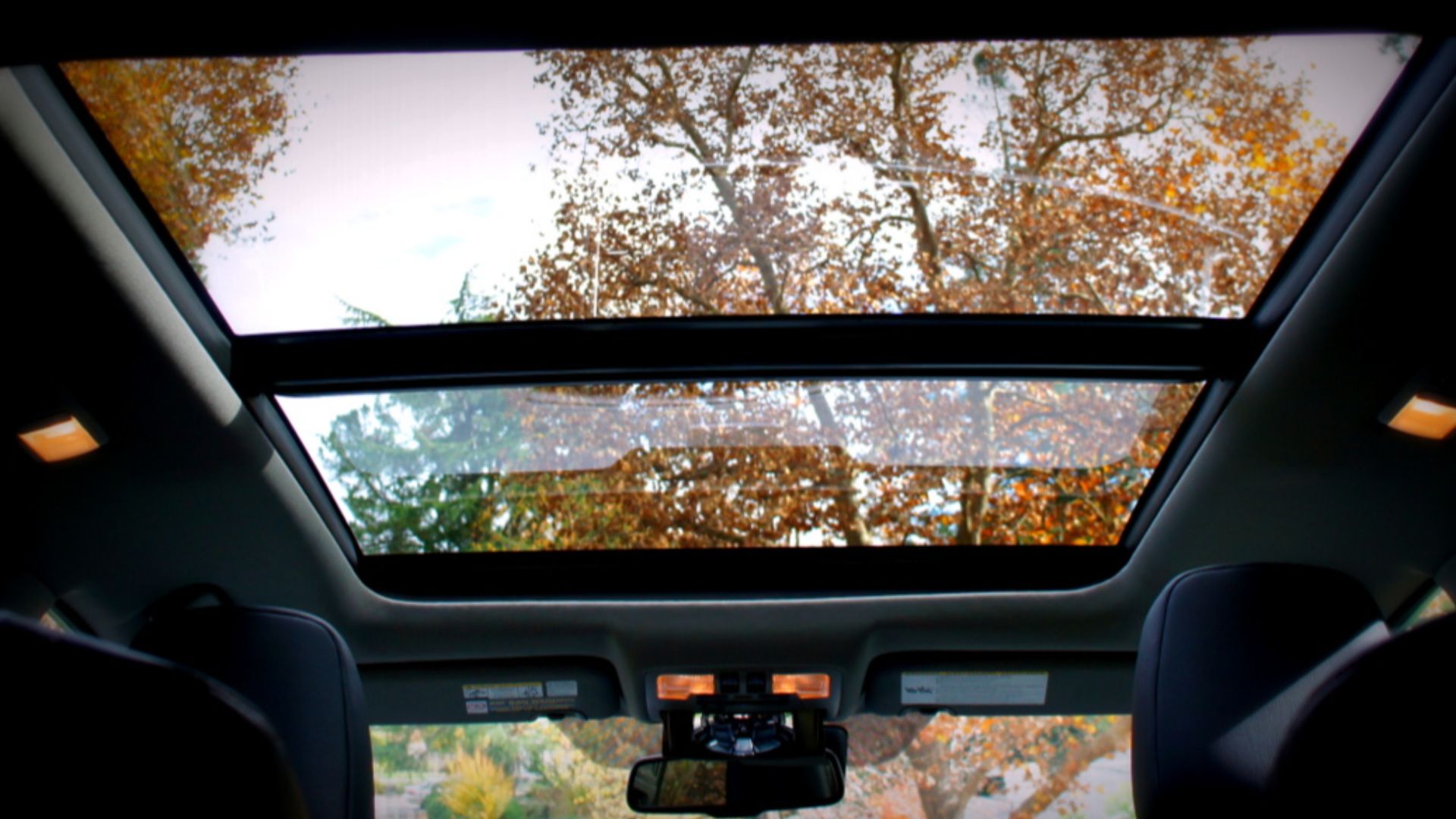
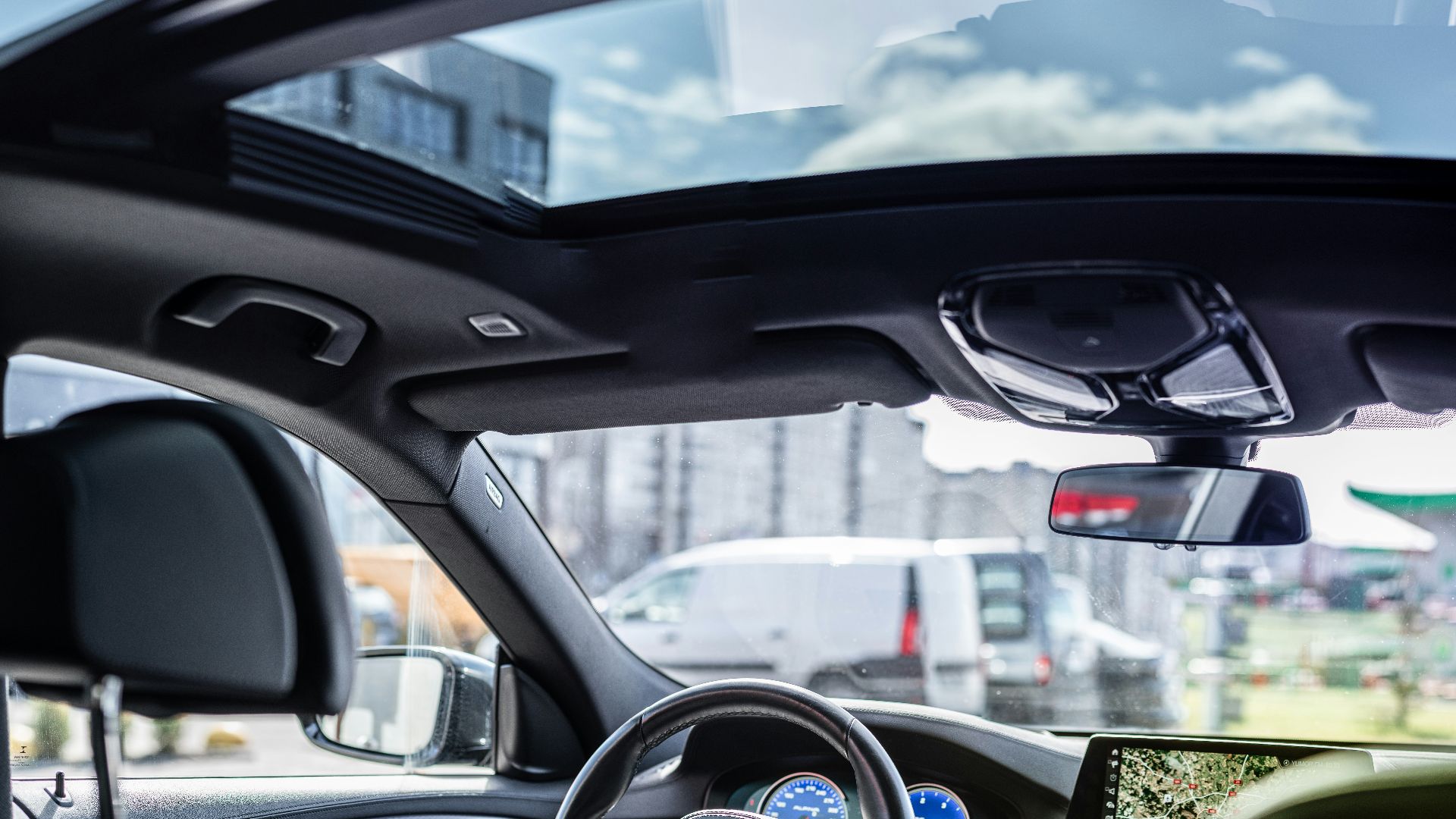
A panoramic roof doesn't just brighten the cabin. It also allows solar energy to enter through a much larger area of glass than a traditional sunroof. Even when the glass blocks harmful UV rays, it can still allow significant heat to pass into the vehicle.
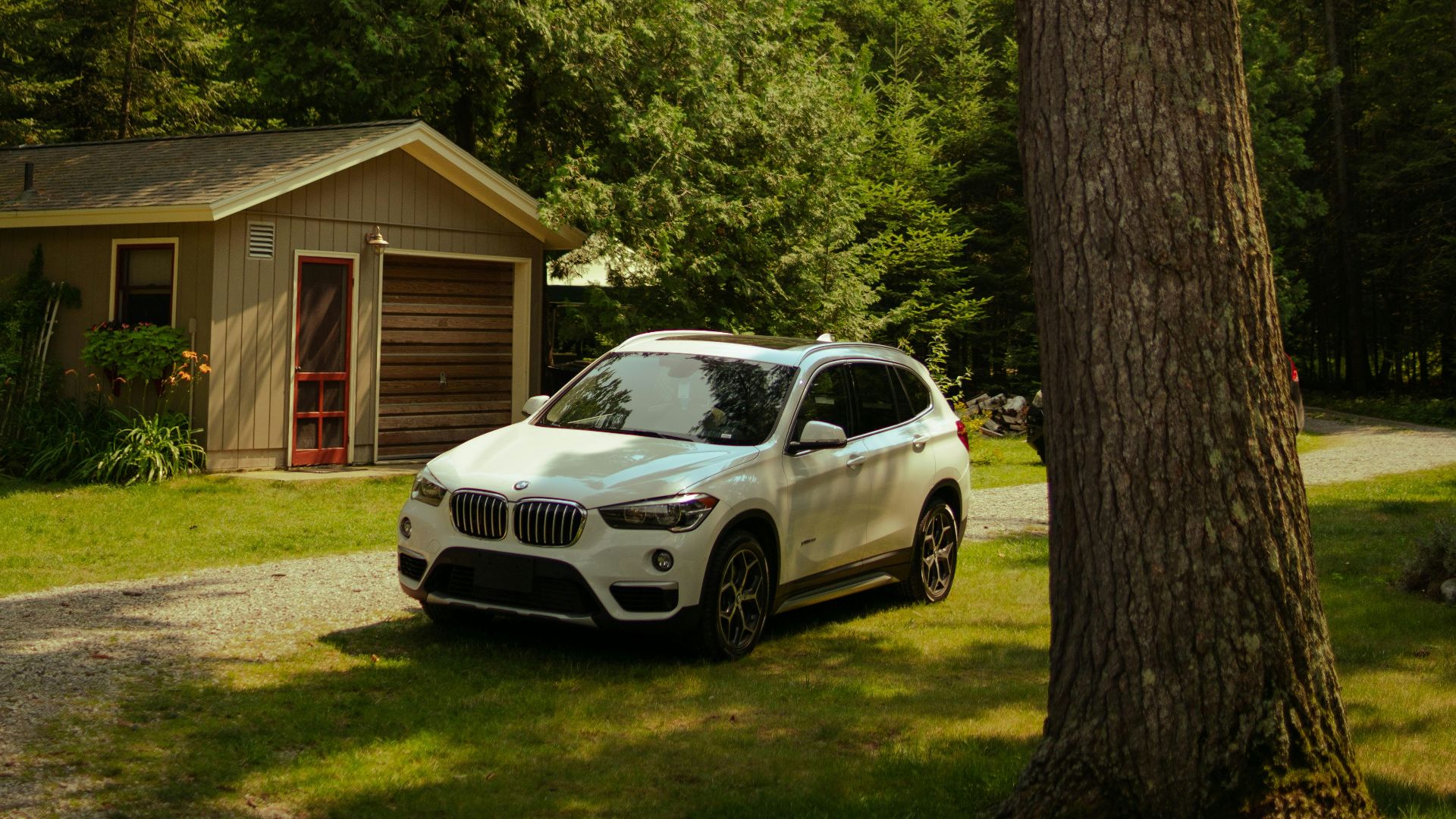
 Michael Sheehan, Wikimedia Commons
UV Protection Isn't The Same As Heat Protection
Many owners assume that because their panoramic roof blocks nearly all ultraviolet radiation, it should also keep the cabin cool. Those are actually two separate things. Modern automotive glass often does an excellent job filtering UV rays that damage skin and interiors, while still allowing infrared heat to enter.
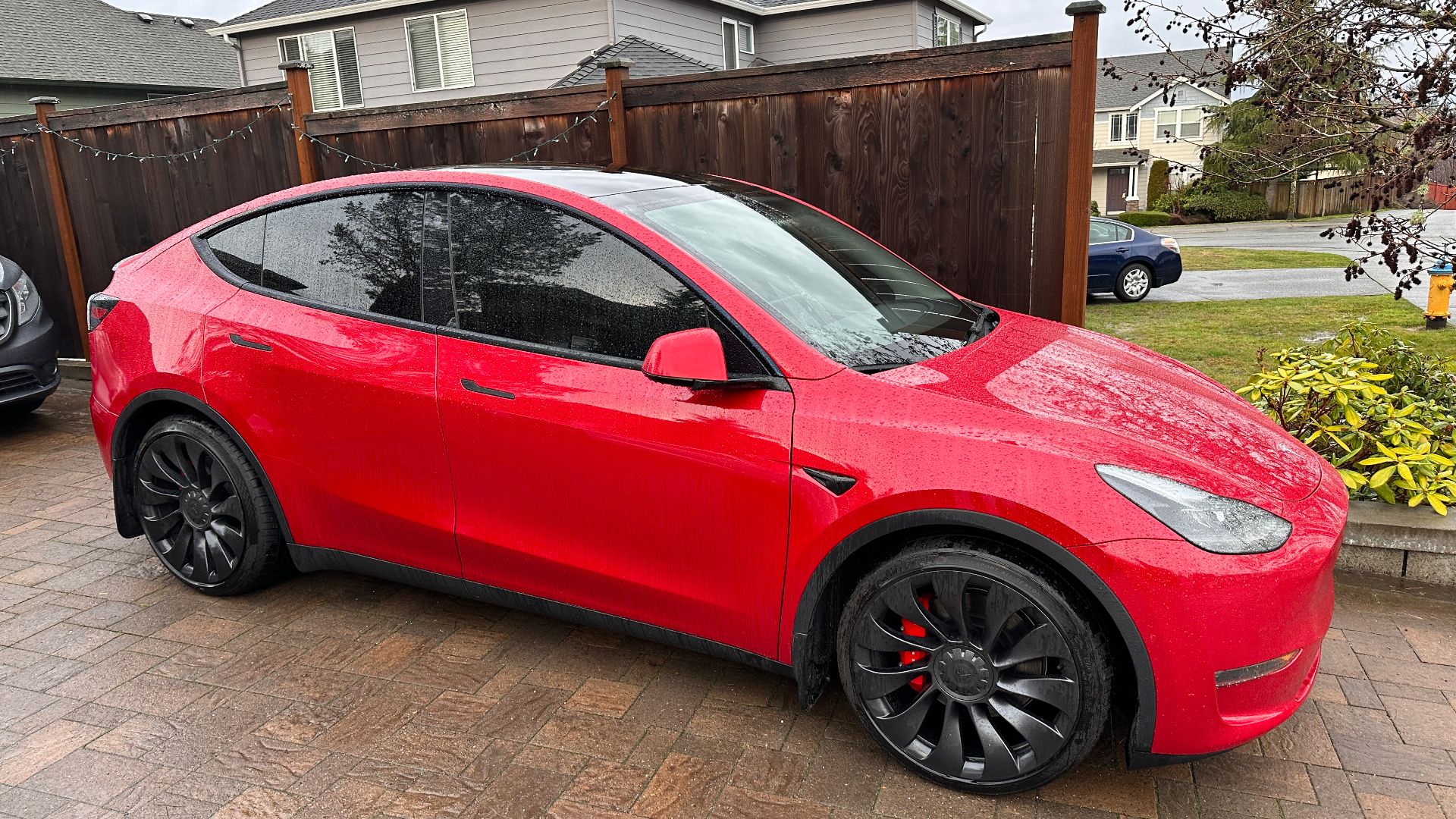
 TuRbO_J from Adelaide, Australia, Wikimedia Commons
Infrared Heat Is The Real Culprit
Most of the heat you feel comes from infrared energy rather than ultraviolet light. Depending on the type of glass your vehicle uses, a considerable amount of infrared radiation can still pass through the roof, warming the seats, dashboard, and air inside the cabin.

Factory Tint Has Limits
Most panoramic roofs leave the factory with tinted glass, but the tint is usually designed to balance visibility, appearance, and heat reduction. Manufacturers generally don't make the glass extremely dark because passengers still want to enjoy the open, airy feeling that makes panoramic roofs attractive in the first place.
The Interior Shade Makes A Big Difference
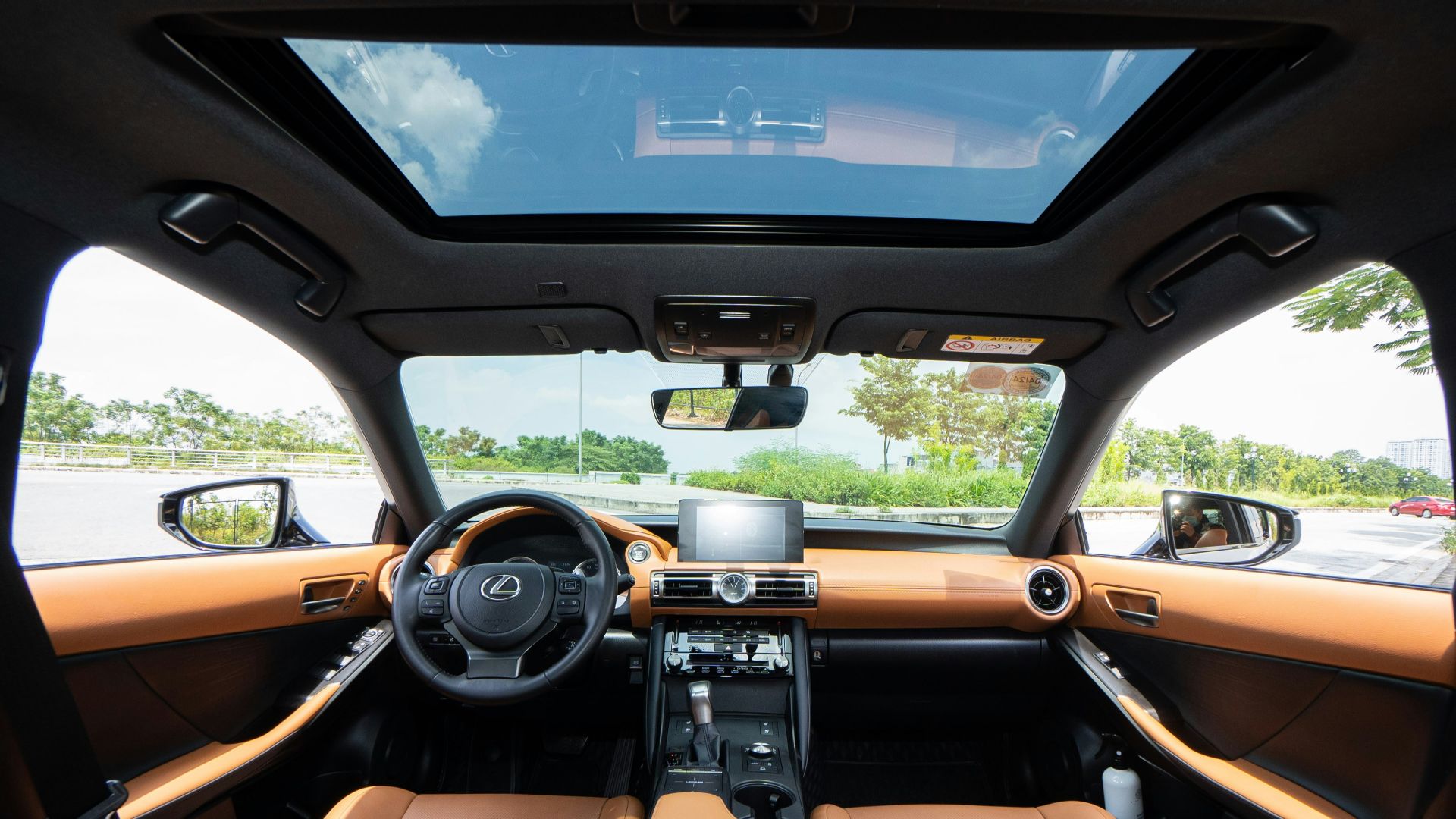
If your vehicle includes a retractable interior sunshade, use it. Many owners leave the shade open because they enjoy the extra light, but closing it during hot weather can noticeably reduce how much heat reaches the passenger compartment. While it won't stop all heat, it provides an important insulating layer.
Park In The Shade Whenever Possible
It sounds obvious, but parking under trees, in covered parking garages, or on the shaded side of a building can dramatically reduce interior temperatures. Keeping direct sunlight off the roof for several hours often makes a bigger difference than any aftermarket accessory.
Windshield Shades Help Too
The panoramic roof isn't the only place heat enters. A reflective windshield sunshade blocks one of the vehicle's largest glass surfaces and helps keep the dashboard and steering wheel cooler. Combined with the roof shade, it can significantly reduce overall cabin temperatures.
 Shixart1985, Wikimedia Commons
Ceramic Window Tint Can Help The Rest Of The Cabin
While most panoramic roofs can't legally or practically be tinted much darker, applying high-quality ceramic tint to the side windows and rear glass can reduce the total amount of heat entering the vehicle. Ceramic films block a large percentage of infrared heat without making the windows excessively dark.
Roof Tint May Be Possible
Depending on local laws and the specific vehicle, some professional tint shops can apply heat-rejecting film to panoramic roof glass. If you consider this option, verify that the film is compatible with your roof and won't interfere with manufacturer recommendations or the warranty.
Crack The Windows Carefully
Leaving the windows open just a small amount while parked, where it's safe and weather permits, allows hot air to escape instead of building up inside the cabin. Even a slight opening can reduce interior temperatures, though this isn't appropriate in every location or security situation.
Remote Climate Control Is A Luxury Worth Using
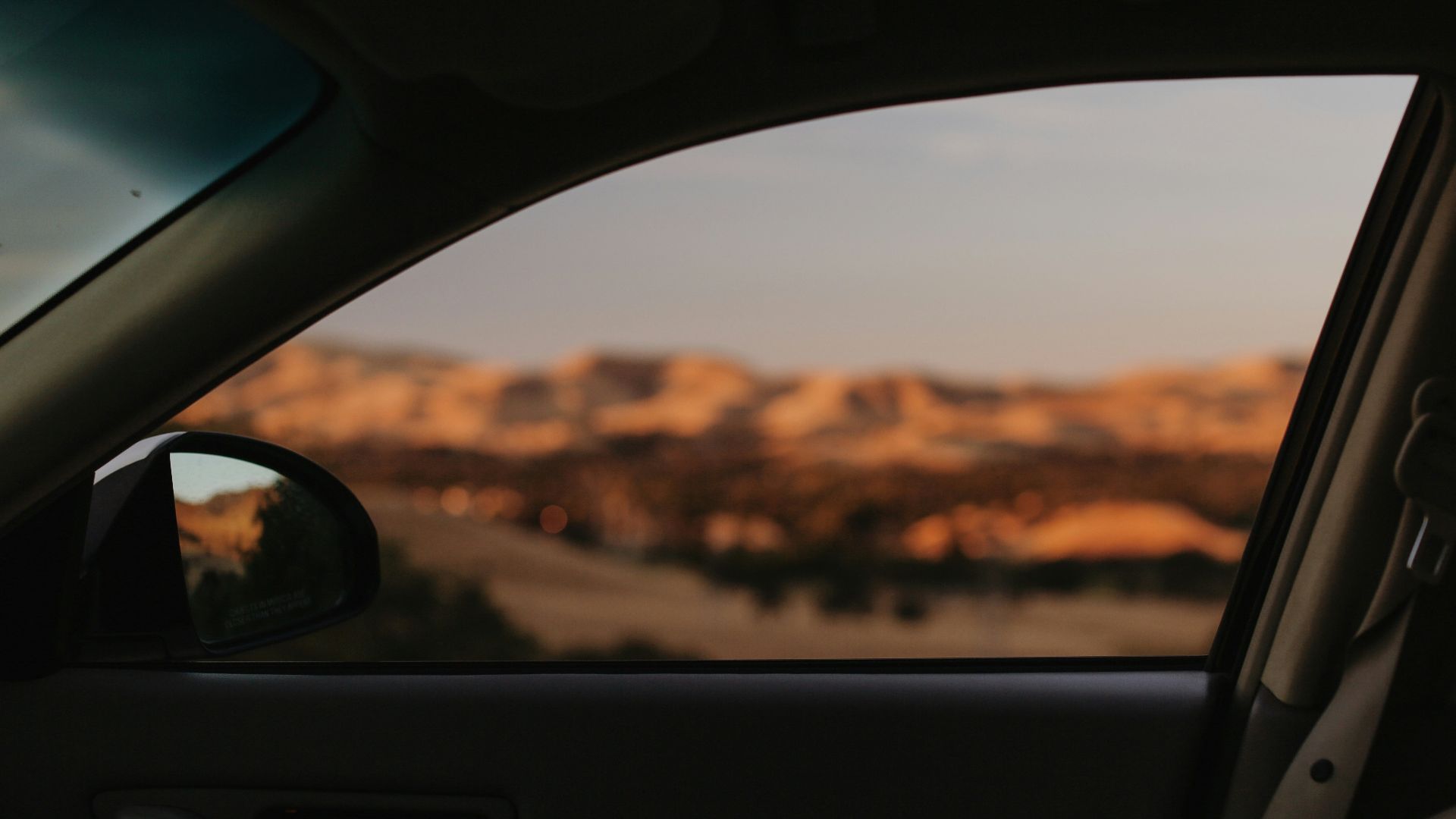
Many modern vehicles allow owners to start the air conditioning remotely through a key fob or smartphone app. Cooling the cabin for just a few minutes before entering can make a dramatic difference, especially after the vehicle has been sitting in the sun.
Ventilated Seats Can Offset The Heat
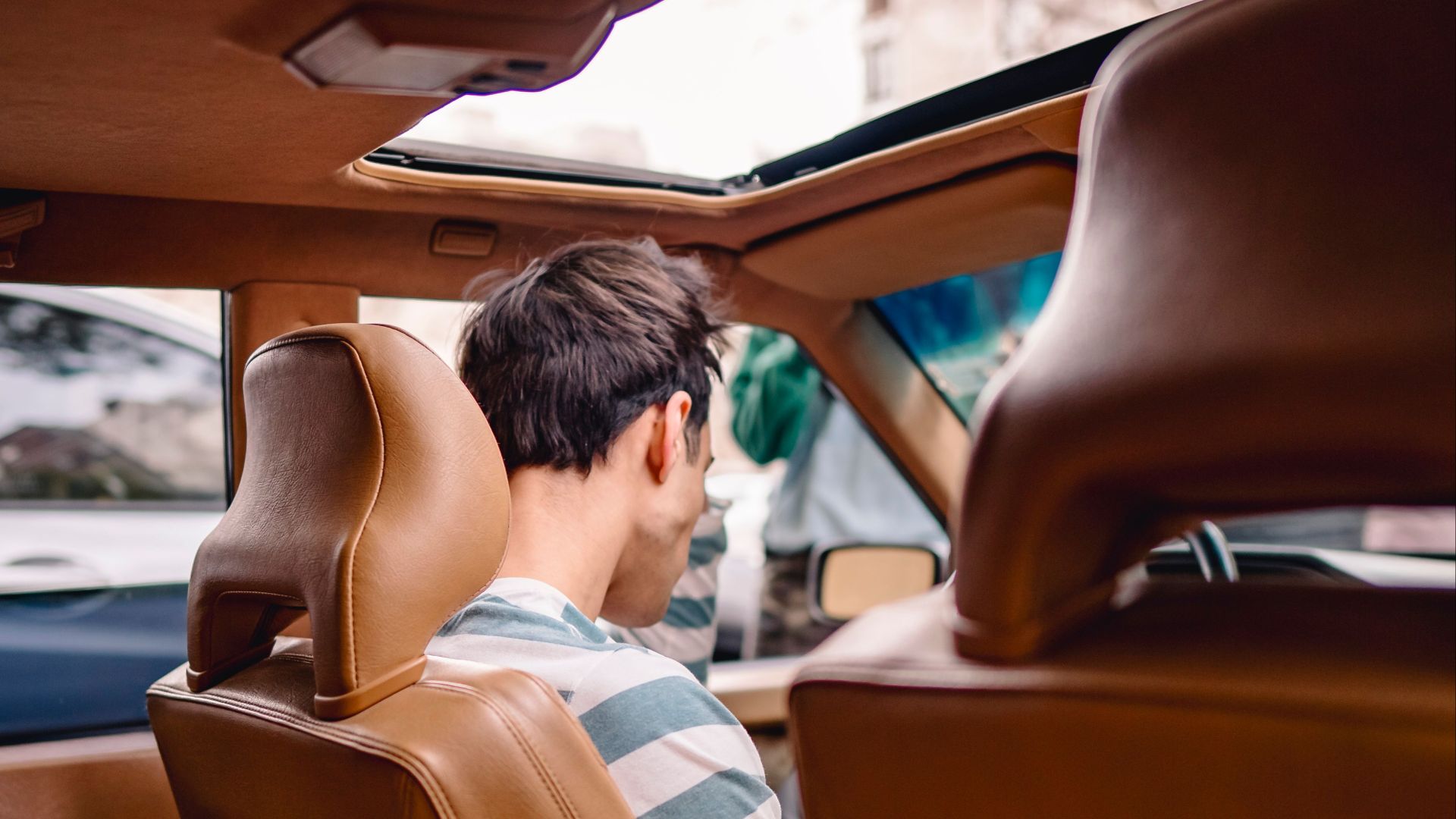
If your vehicle has ventilated front seats, use them together with the air conditioning. They won't cool the entire cabin, but they help remove heat trapped between your body and the seat, making the vehicle feel comfortable much more quickly.
Cabin Preconditioning Helps EV Owners
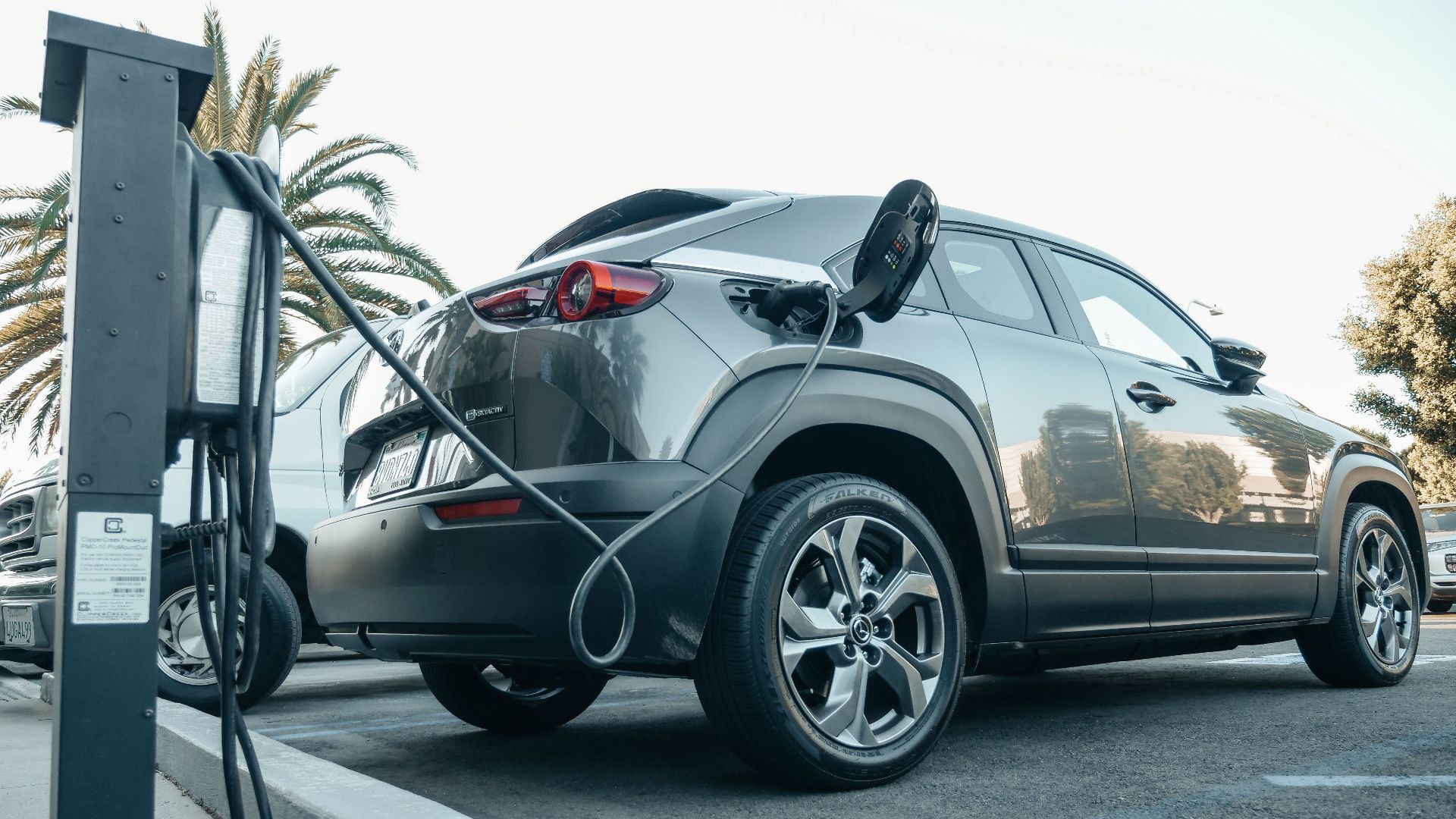
Many electric vehicles with panoramic roofs offer scheduled cabin preconditioning while still plugged in. This feature cools the interior before departure without using battery energy from the drive itself. It's one of the easiest ways to manage summer heat.
Heat-Reflective Covers Are Available
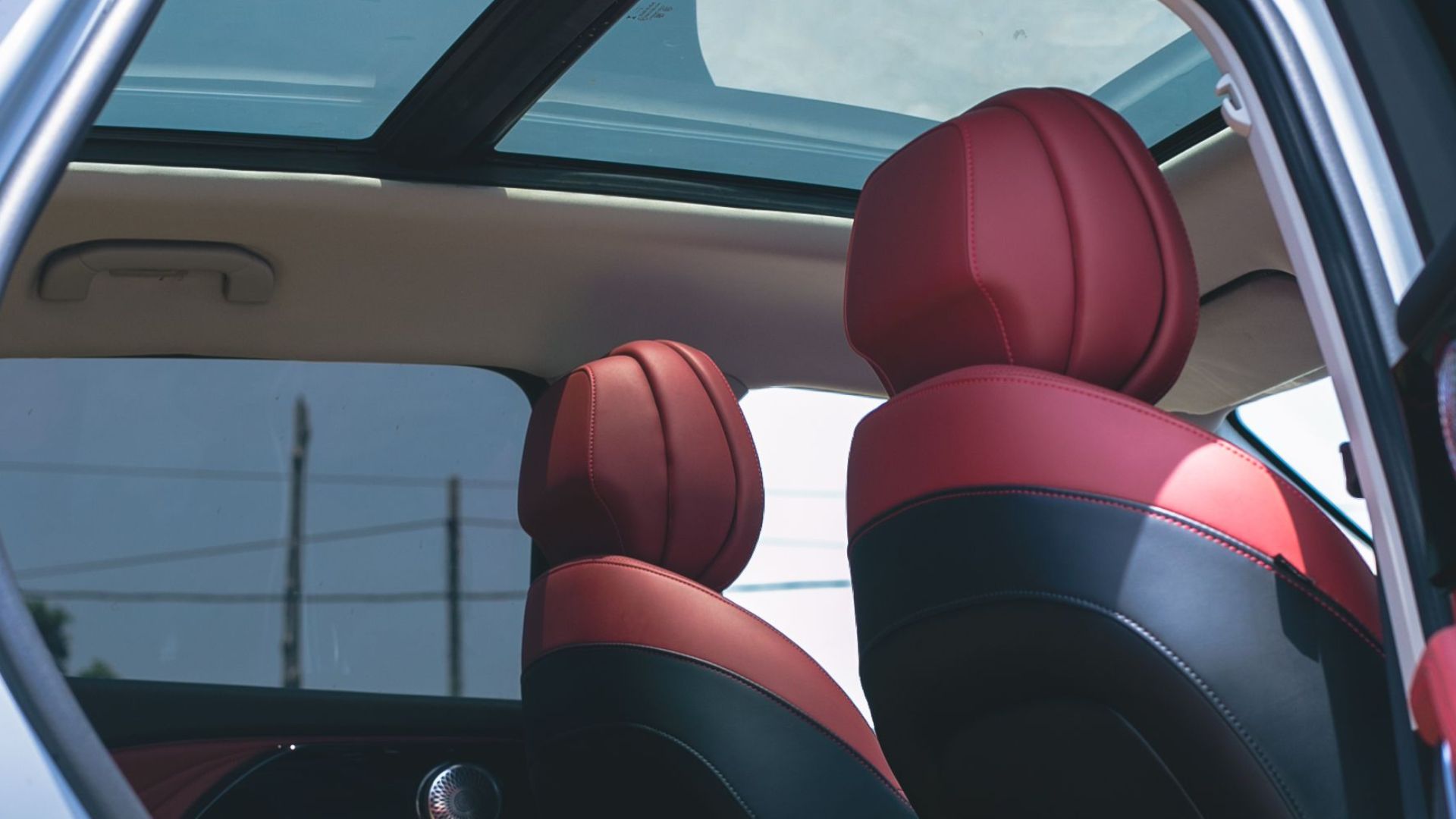
Several companies sell removable shades designed specifically for panoramic roofs. These mesh or reflective inserts fit beneath the glass and provide another barrier against incoming sunlight. Many owners notice a meaningful reduction in cabin temperatures after installing them during the hottest months.
Light-Colored Interiors Stay Cooler
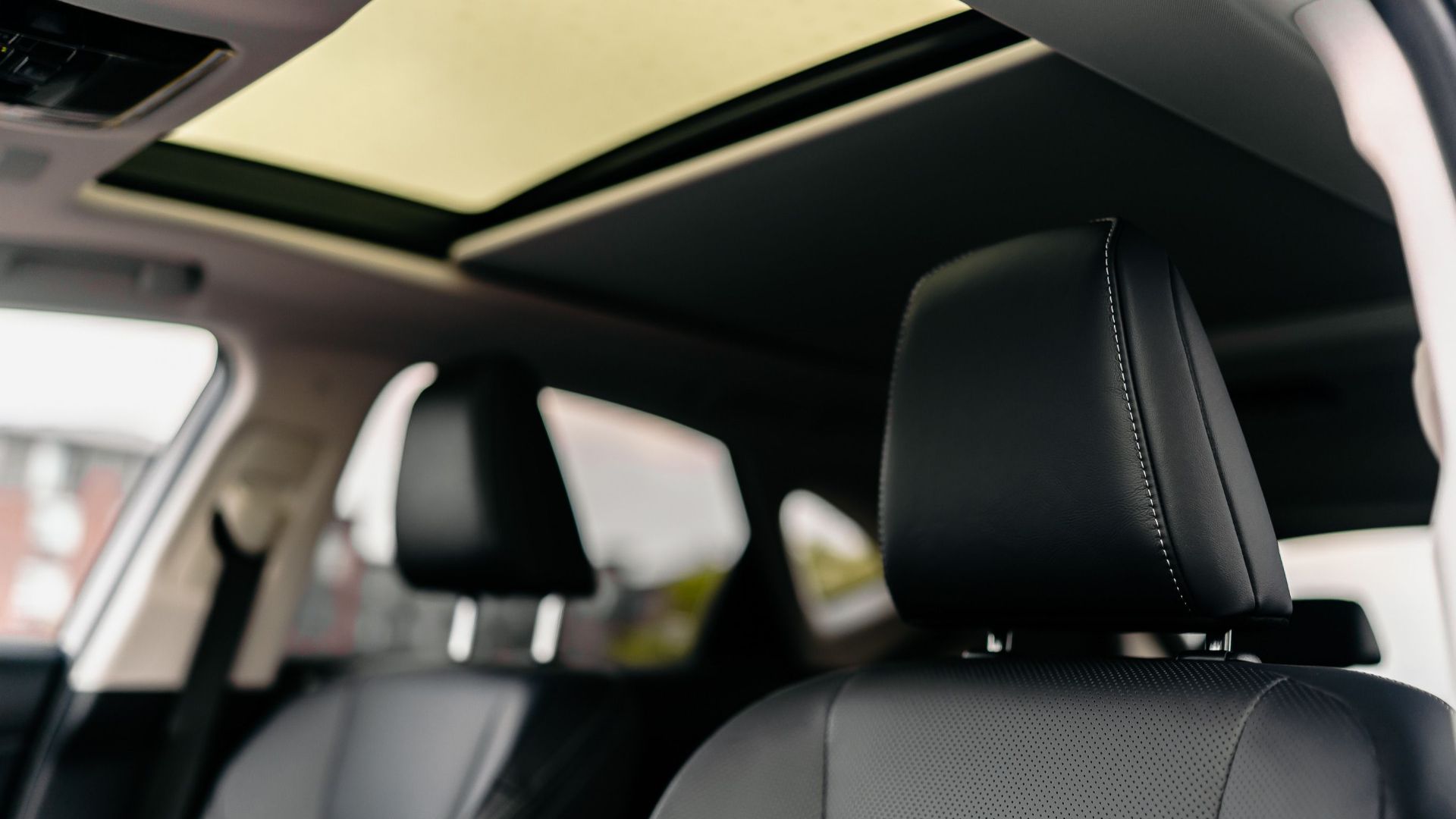
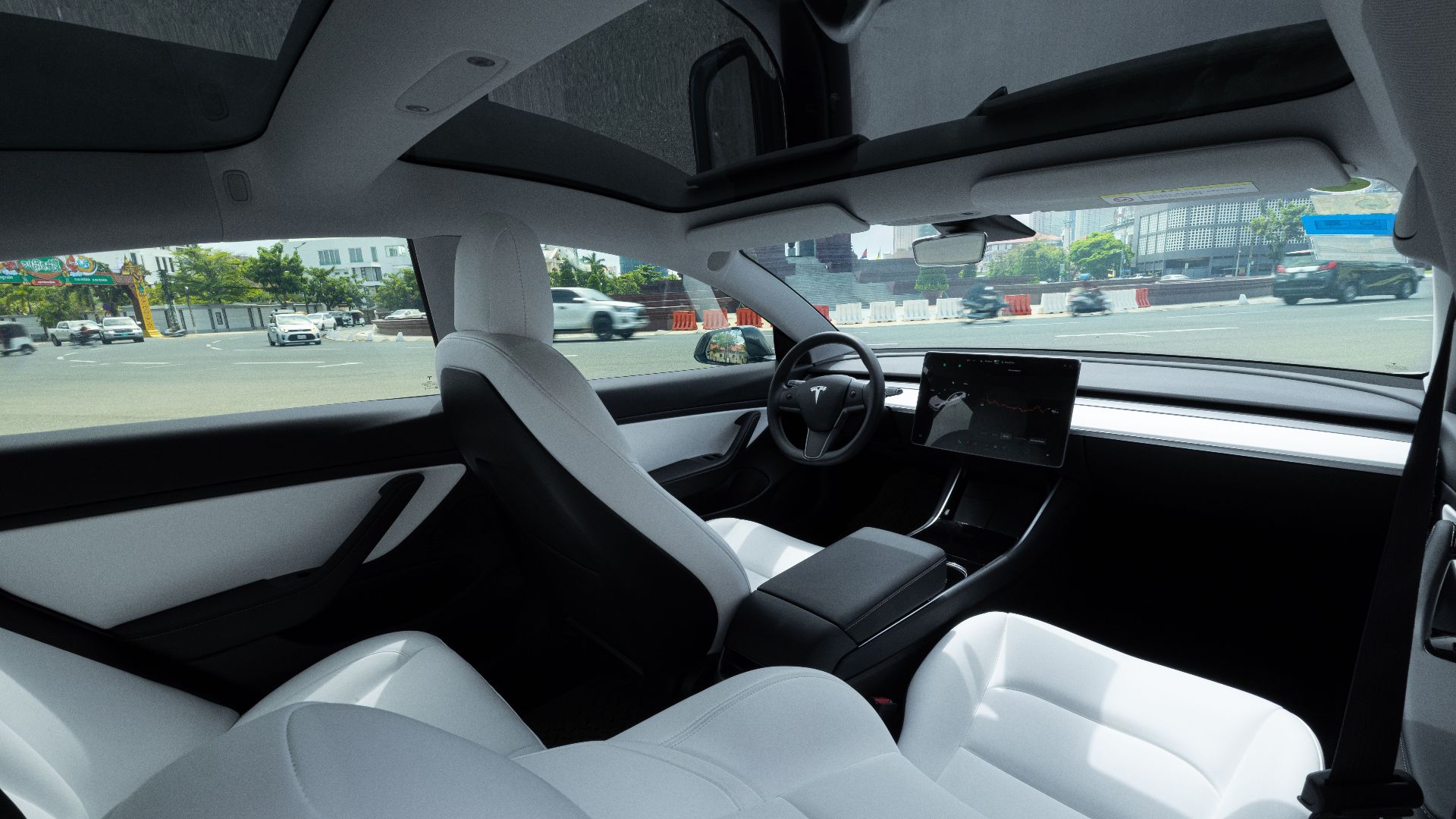
If you're shopping for a new vehicle, remember that interior color matters too. Black leather absorbs far more heat than light gray or beige upholstery. Combined with a panoramic roof, dark interiors can make the cabin feel considerably warmer during summer afternoons.
Air Conditioning Needs A Little Time
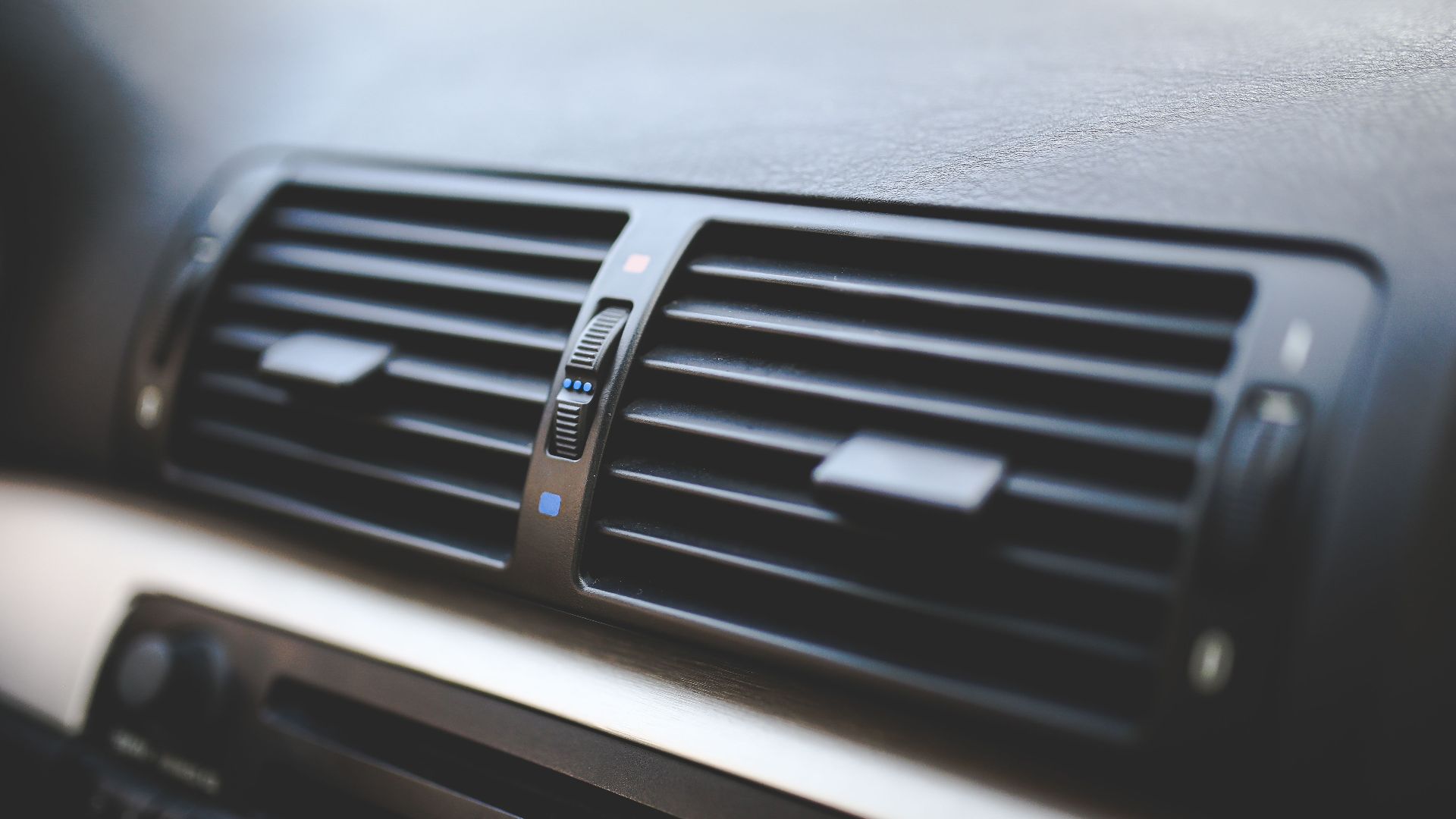
After entering a very hot vehicle, don't expect instant relief. Open the doors briefly to release trapped hot air before driving away. Once moving, switching the climate control to recirculation mode after the initial cooldown usually helps the air conditioner work more efficiently.
 Karolina Grabowska www.kaboompics.com, Pexels
Keep The Glass Clean
Dust, pollen, and grime don't necessarily make the roof hotter, but keeping the glass clean improves visibility and allows factory coatings to perform as intended. Use cleaners recommended for automotive glass to avoid damaging specialized coatings.
Roof Glass Is Built To Handle Heat
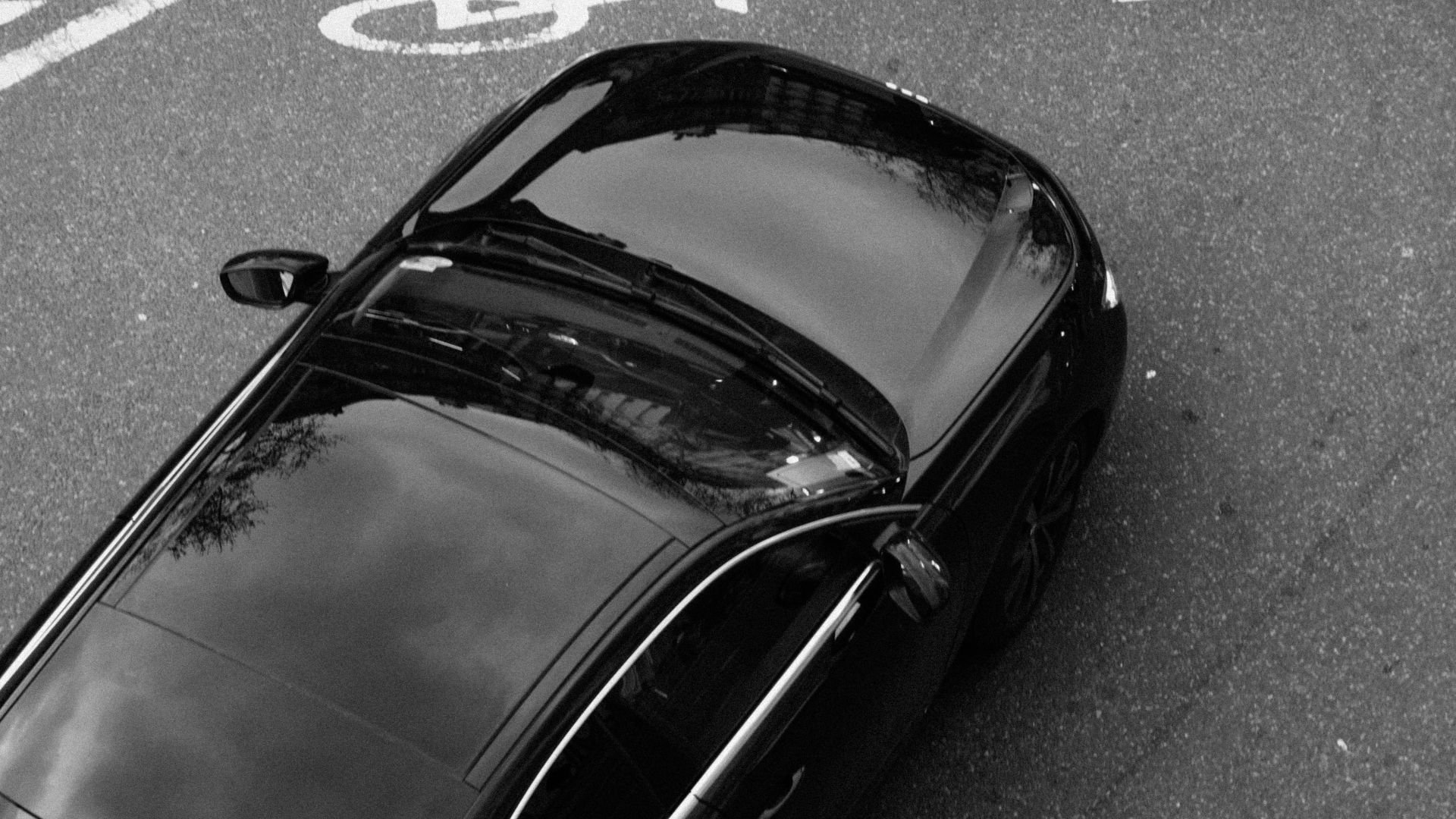
Many owners worry that repeated exposure to high temperatures will damage the panoramic roof itself. Automotive roof glass is designed to tolerate significant temperature changes and sunlight. While extreme heat affects cabin comfort, it generally isn't harmful to the glass when the system is functioning normally.
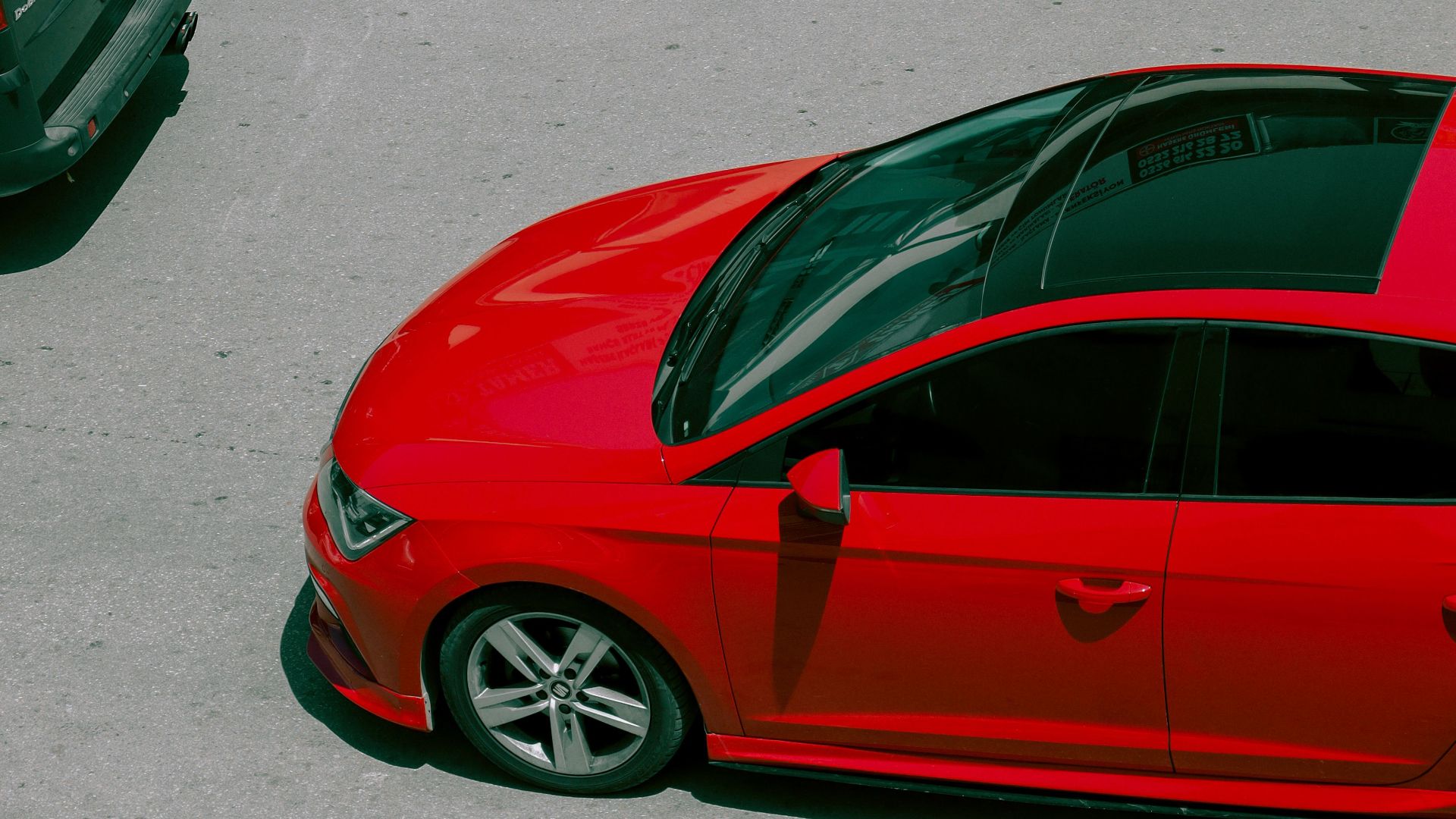
Glass Can Still Expand And Contract
Like all materials, glass expands and contracts as temperatures change. Manufacturers account for this movement during design, so normal summer conditions shouldn't damage the roof. Sudden impacts or existing defects are much more likely to cause problems than ordinary hot weather.
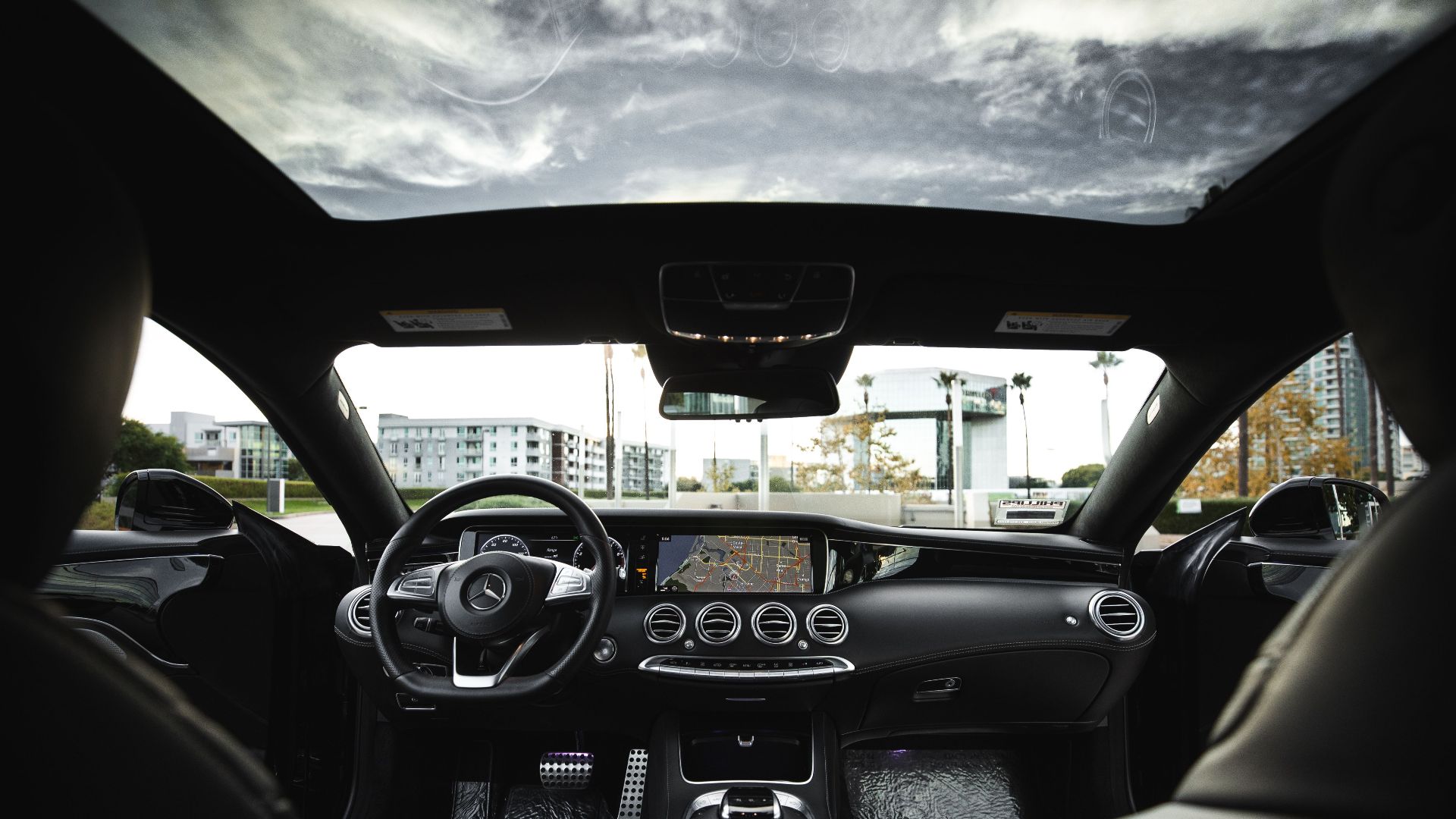
Check The Roof Seal
If you notice excessive heat accompanied by unusual wind noise, water leaks, or rattles, inspect the panoramic roof seals. While worn seals won't usually cause heat buildup by themselves, they may indicate the roof should be inspected for proper adjustment.

Maintenance Still Matters
Panoramic roofs often include drainage channels, tracks, and moving components if they open. Following the maintenance schedule in your owner's manual helps ensure smooth operation and prevents unrelated issues from developing over time.
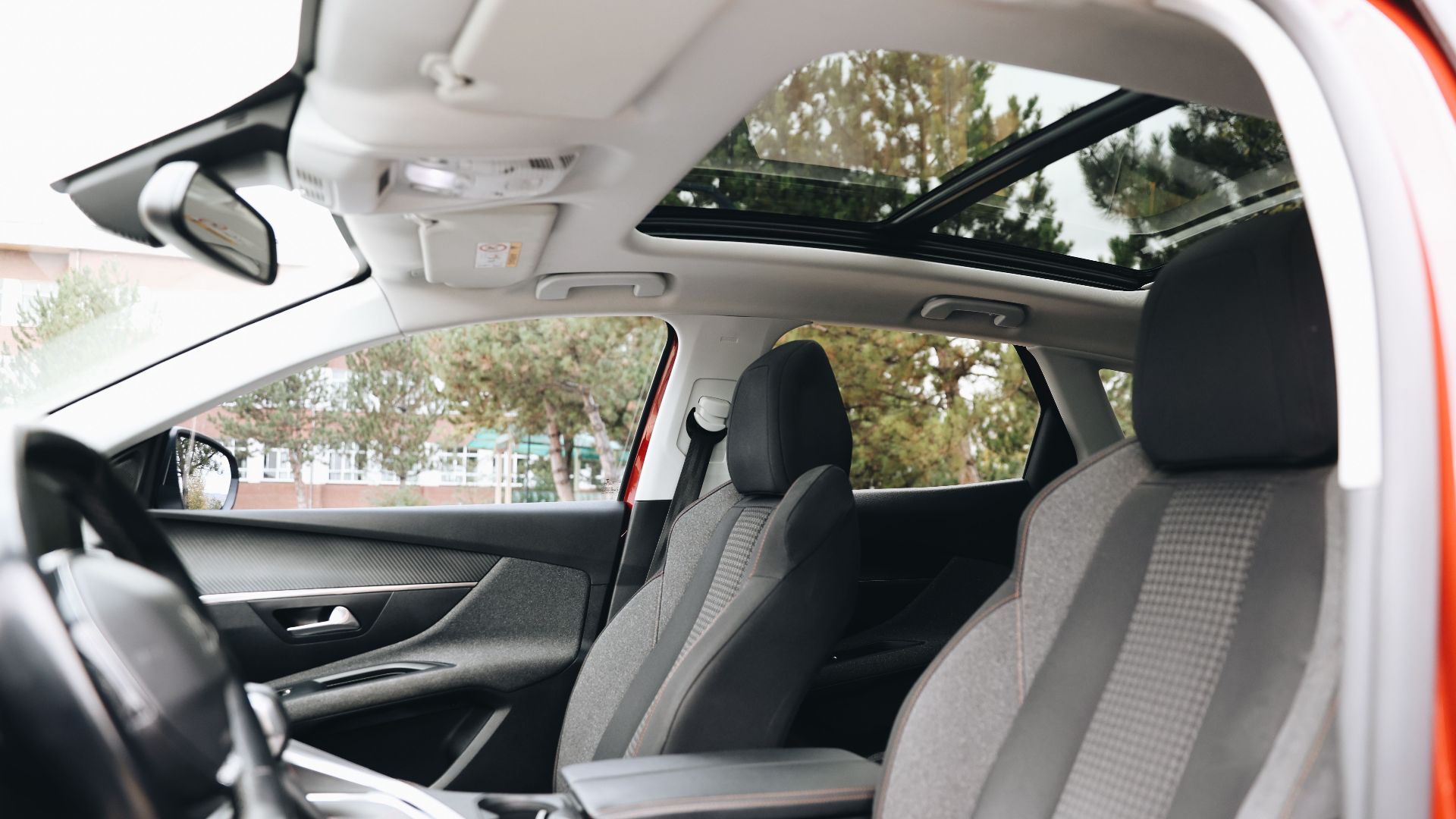
Every Manufacturer Uses Different Glass
Not all panoramic roofs perform the same. Some manufacturers use laminated glass with advanced infrared-reflective coatings, while others rely primarily on tinting. Premium vehicles often incorporate more sophisticated glazing technology than entry-level models, so heat performance can vary considerably.
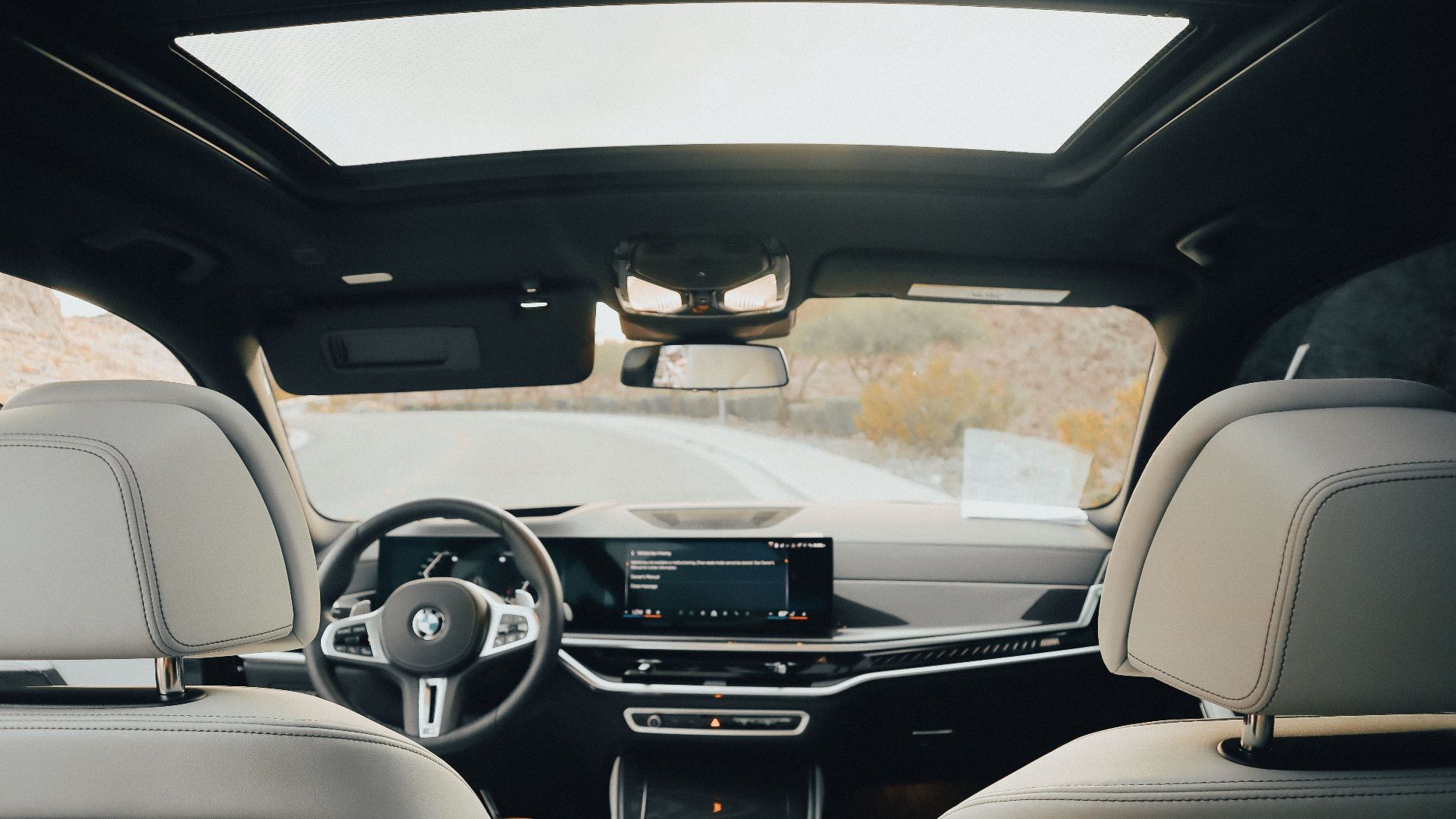
Sometimes Expectations Need Adjusting
Even the best panoramic roof will usually allow more heat into the cabin than a solid metal roof. That's simply the nature of having a large sheet of glass overhead. The goal isn't to eliminate all heat but to reduce it enough that the vehicle remains comfortable throughout the summer.
Most Owners Find A Combination That Works
Rather than relying on one solution, many drivers achieve the best results by combining several approaches. Closing the sunshade, using a windshield reflector, parking in the shade, installing ceramic window tint, and using remote climate control together often make a much larger difference than any single upgrade.
You Don't Have To Give Up The Panoramic Roof
If your panoramic glass roof makes the cabin unbearably hot during the summer, you're certainly not imagining it. Large glass panels naturally allow more solar heat into the vehicle than traditional steel roofs. Fortunately, that doesn't mean you're stuck sweating through every drive. By understanding how heat enters the cabin and combining practical solutions like interior shades, ceramic tint, sunshades, smart parking choices, and pre-cooling the vehicle, you can enjoy the openness and visibility of a panoramic roof while keeping the cabin much more comfortable all summer long.
You May Also Like:
My windshield fogs up much more than my old car ever did. Are modern vehicles designed differently?