The Car Isn’t The Part That Has Me Worried
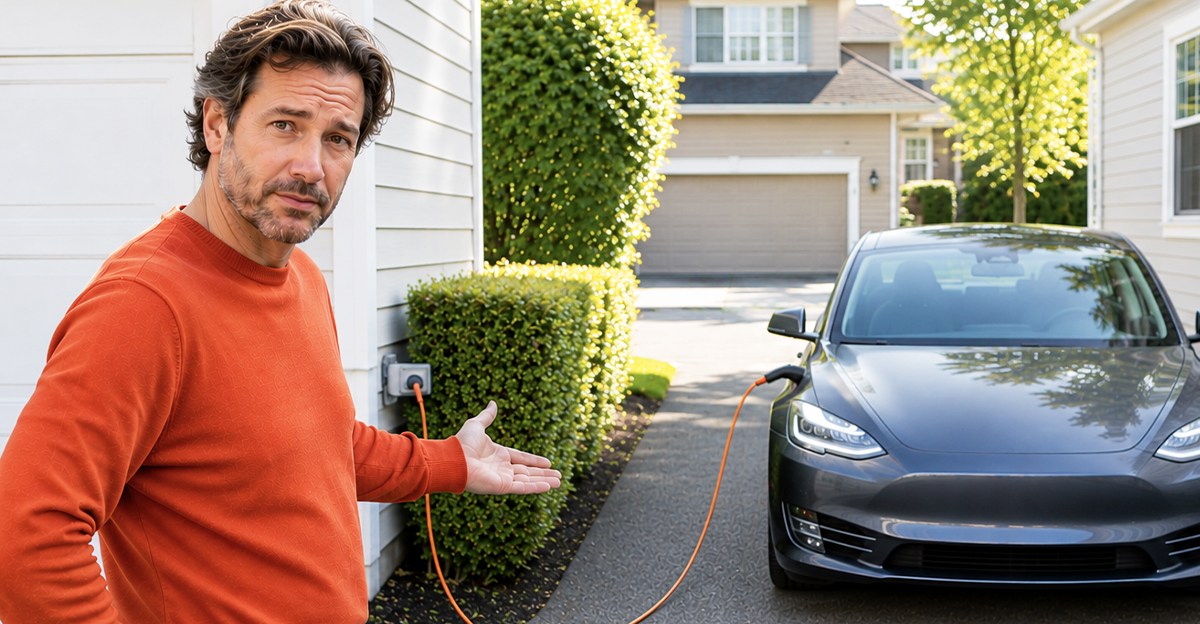
Charging an EV at home is supposed to be one of the easiest parts of owning one. But when the setup involves a cord stretching from a house, across a shared driveway, and into a parked car for hours at a time, it’s reasonable to wonder whether convenience has crossed into a safety problem.
First, Find Out Whether It’s Actually An Extension Cord
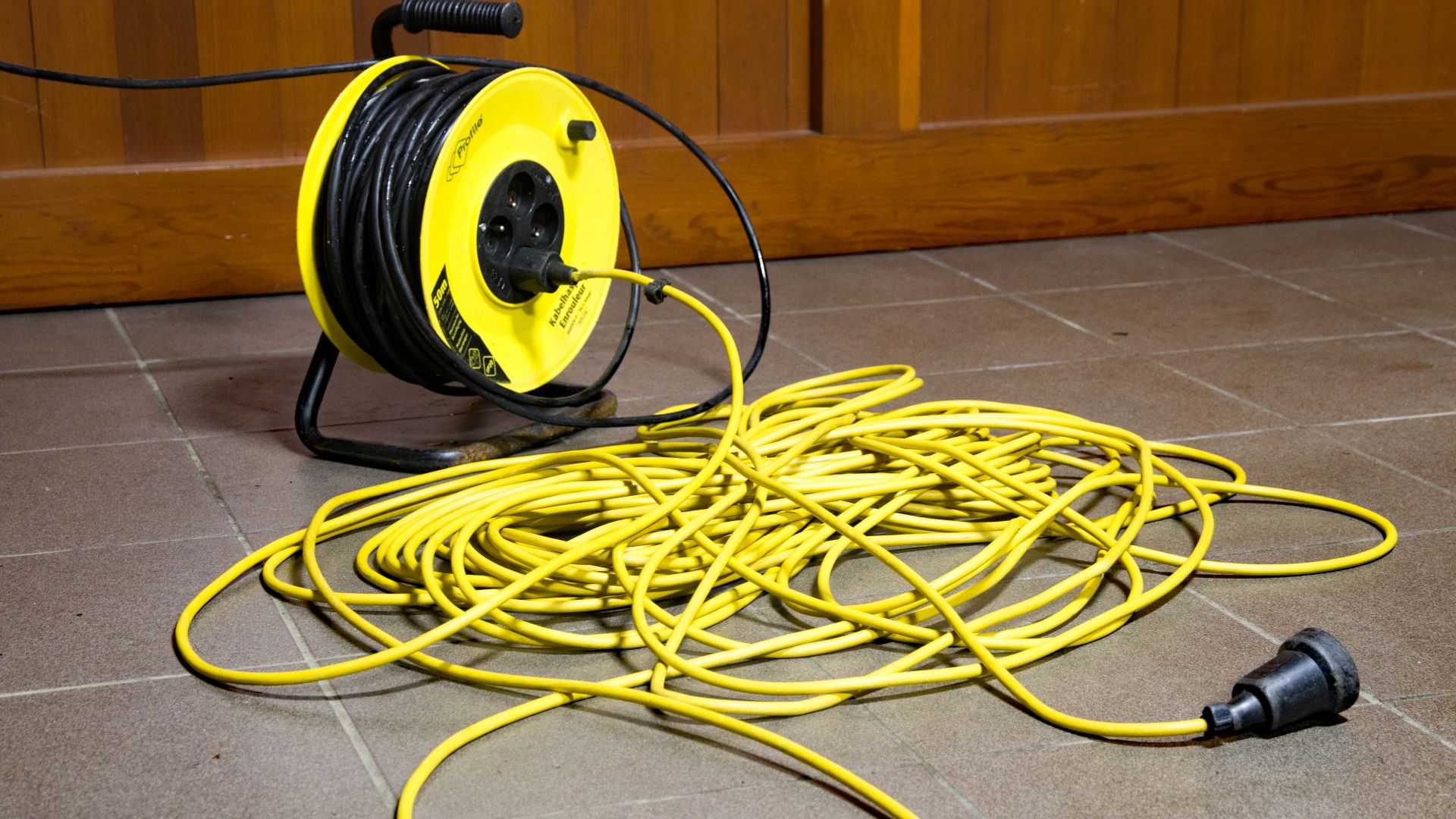
An EV’s portable charging unit has a long cable of its own, and that can look like an ordinary extension cord from a distance. That distinction matters. EV charging equipment is specifically designed to transfer substantial electrical loads to a vehicle, while a household extension cord generally isn’t intended to become part of a regular EV charging setup.
Ordinary Extension Cords Are A Major Red Flag
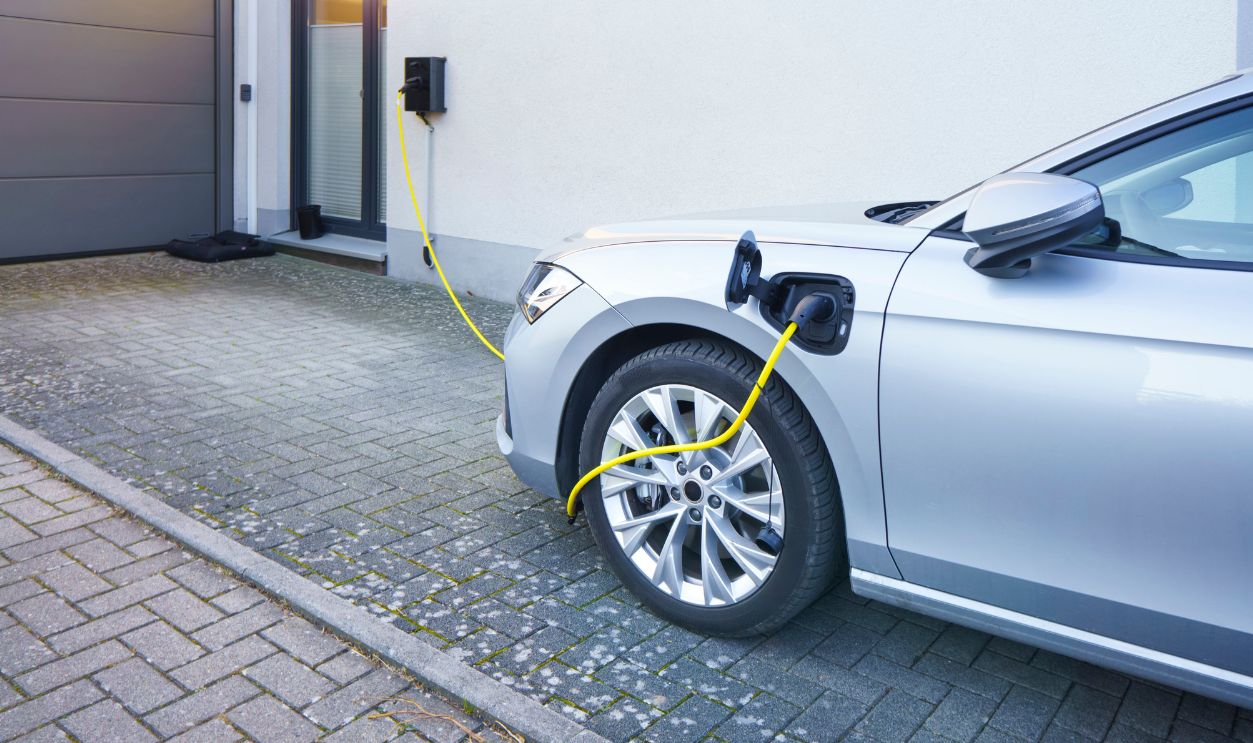
The Electrical Safety Foundation International advises EV owners never to use an extension cord or multi-plug adapter when charging an electric vehicle. It recommends using manufacturer-provided or approved charging cables instead.
Some Automakers Explicitly Ban Them
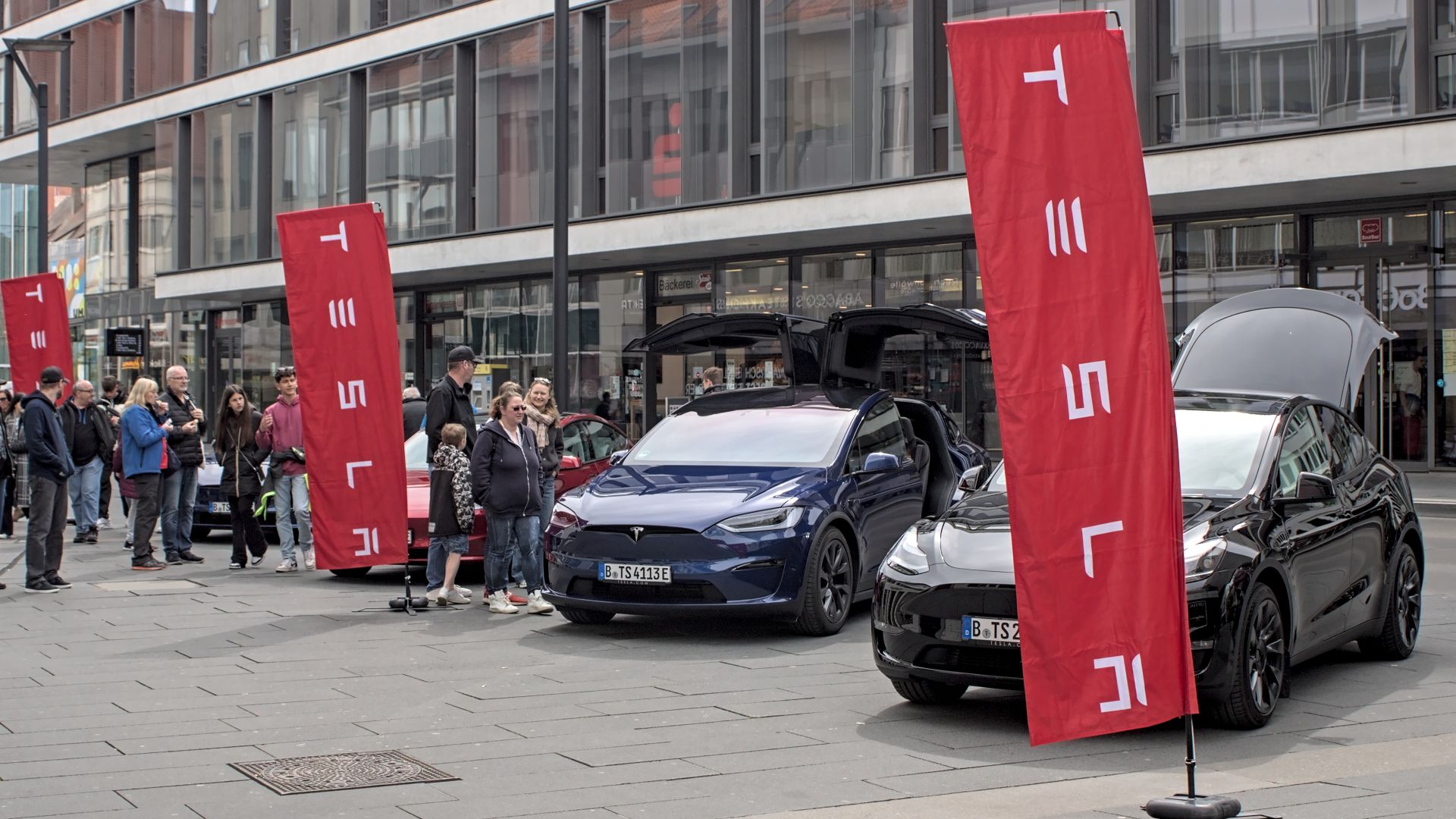
This isn’t simply conservative advice from safety organizations. Tesla has warned in Mobile Connector documentation not to use an extension cord, noting the potential for fire, and General Motors has given similar instructions in EV owner manuals. Always follow the instructions for the specific vehicle and charging equipment rather than assuming a heavy-looking cord is adequate.
 Alexander-93, Wikimedia Commons
EV Charging Is A Long-Duration Electrical Load
A lamp or power tool may draw electricity for a relatively short period. An EV can charge continuously for many hours. That prolonged load makes the condition of the receptacle, wiring, plugs, charger, and electrical circuit especially important.
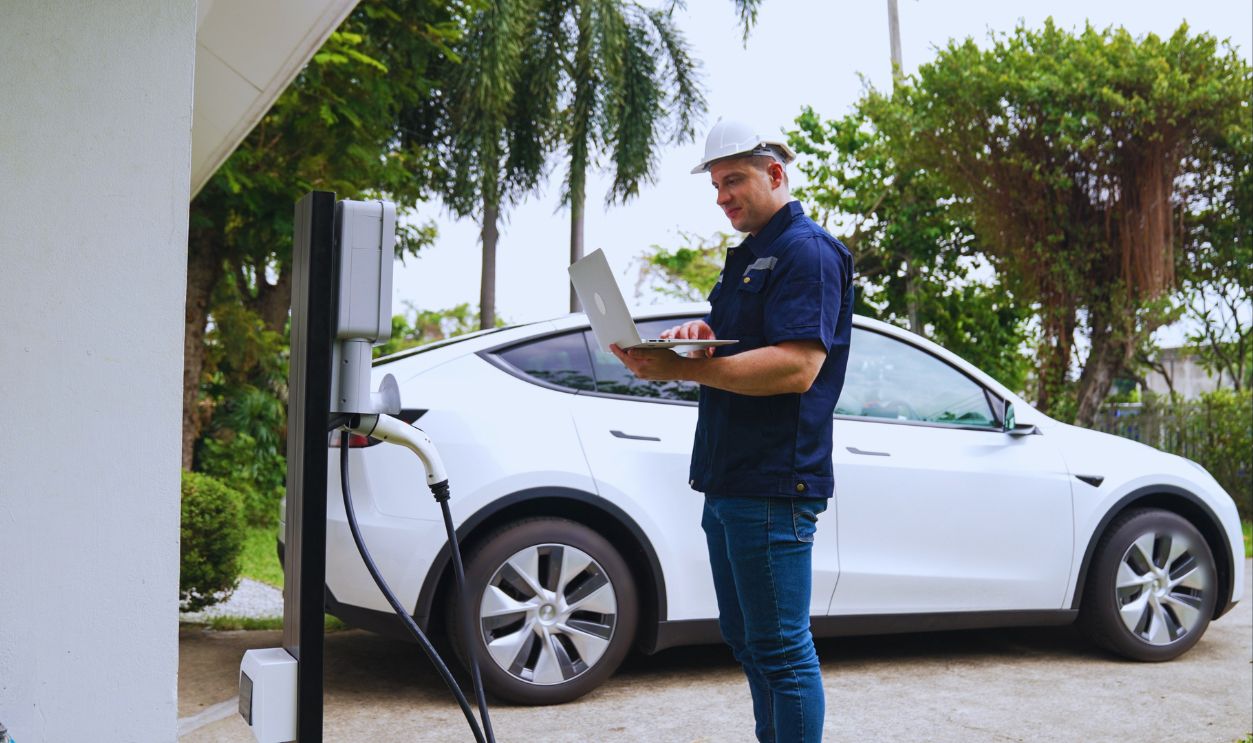 Summit Art Creations, Shutterstock
A Cord Can Overheat Without Looking Dramatic
An undersized or inappropriate extension cord introduces electrical resistance, which can produce heat. Poor connections, worn receptacles, damaged plugs, and coiled cords can make matters worse. The dangerous part is that overheating may occur gradually inside a plug or receptacle before anyone notices obvious signs of trouble.
The Outlet Matters Too
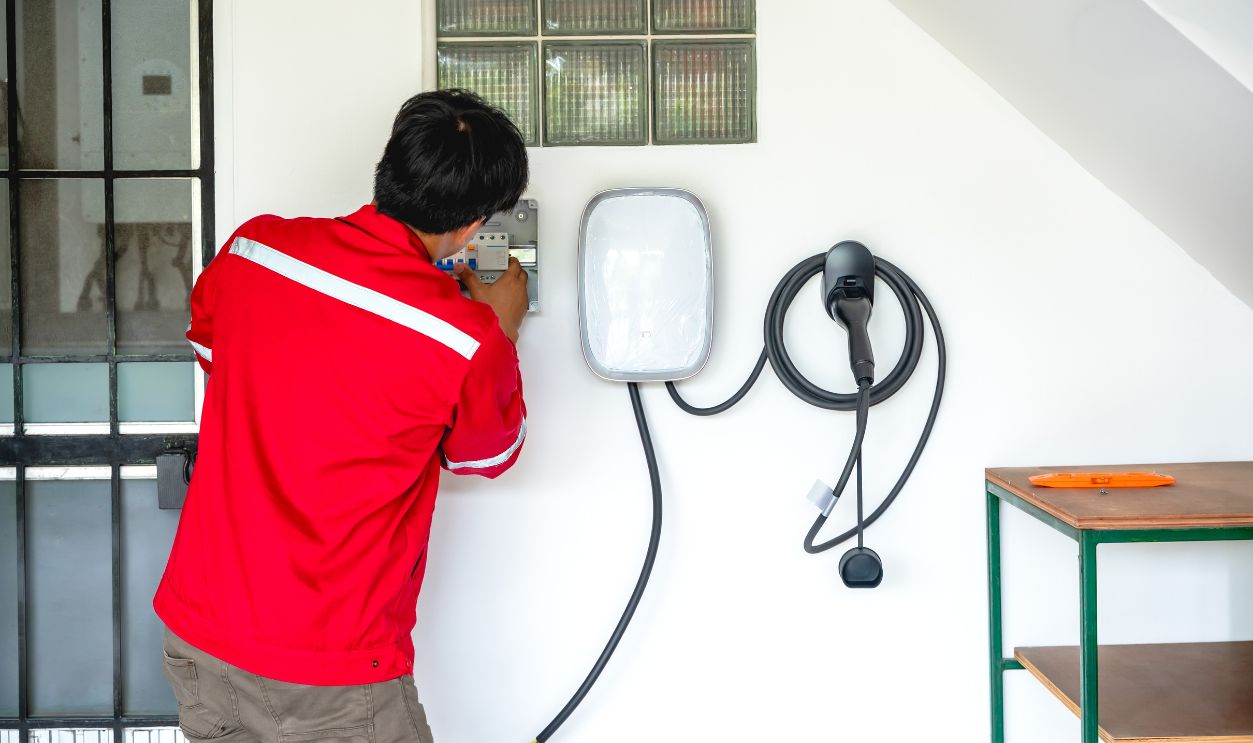
Even if no extension cord is being used, plugging a portable EV charger into an old or damaged household outlet can create problems. A loose receptacle can heat under sustained load. EV charging guidance routinely emphasizes properly installed outlets, certified charging equipment, and professional electrical work where required.
Now Add A Driveway To The Equation
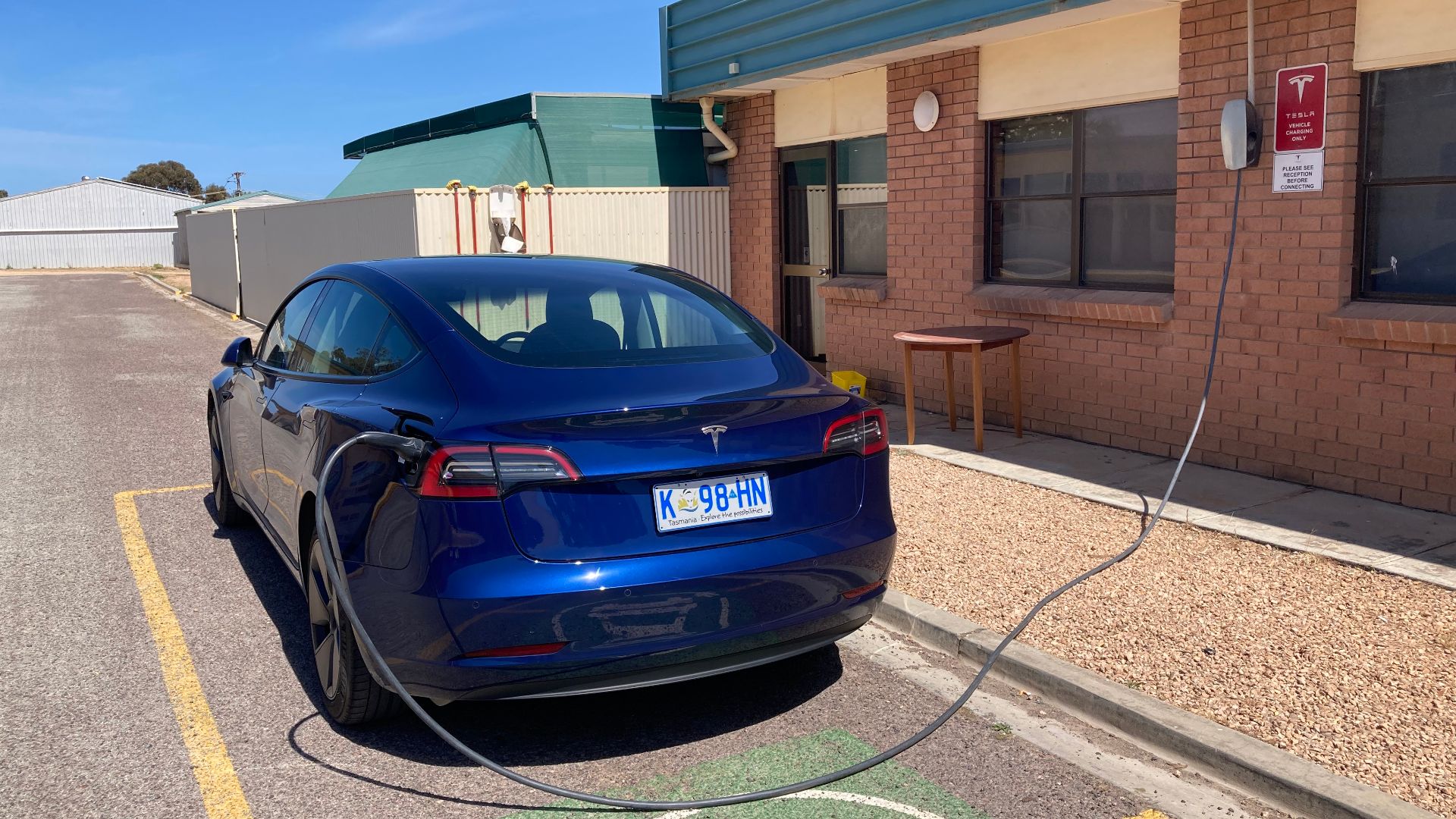
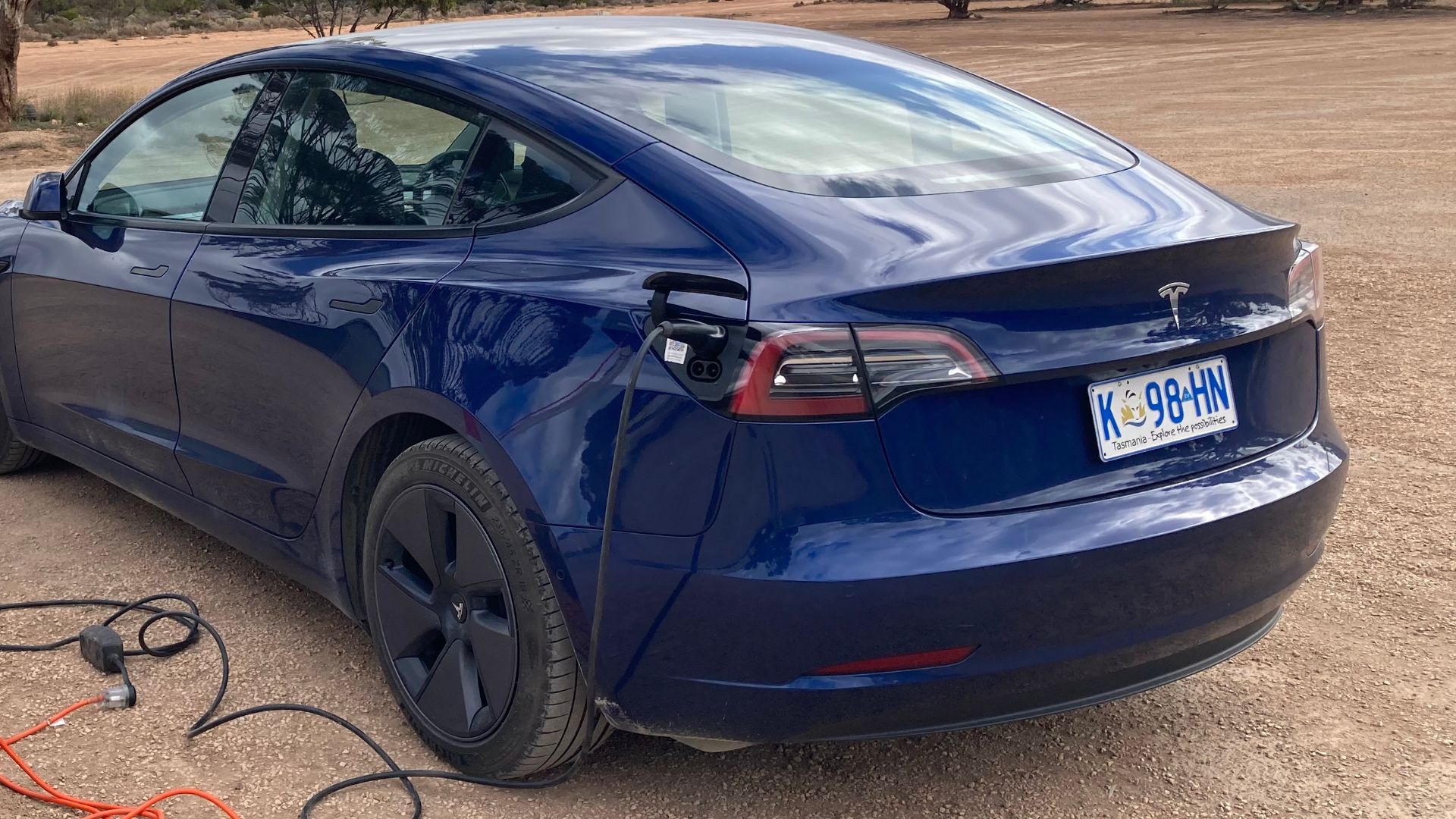
Electrical safety is only half the concern. A cable lying across a shared driveway can be stepped on, crushed, twisted, dragged, or repeatedly driven over. Damage to the insulation may eventually expose conductors or compromise the charging equipment even when the cable initially looks fine.
 Mariordo (Mario Roberto Durán Ortiz), Wikimedia Commons
Tires And Charging Cables Don’t Mix Well
A vehicle rolling over a cord places a concentrated load on it. Repeated crushing can damage insulation and internal wiring, particularly where the cord bends against pavement or a curb. A shared driveway makes that exposure especially difficult to control because multiple people may use the area.
It Can Also Become A Trip Hazard
Someone walking through the driveway at night may not notice a dark cable lying across the pavement. Children, delivery workers, visitors, cyclists, and neighbors can all encounter it. ESFI advises keeping EV charging cables off the floor where possible to avoid tripping hazards and help preserve the cord.
Snow And Leaves Can Make It Nearly Invisible
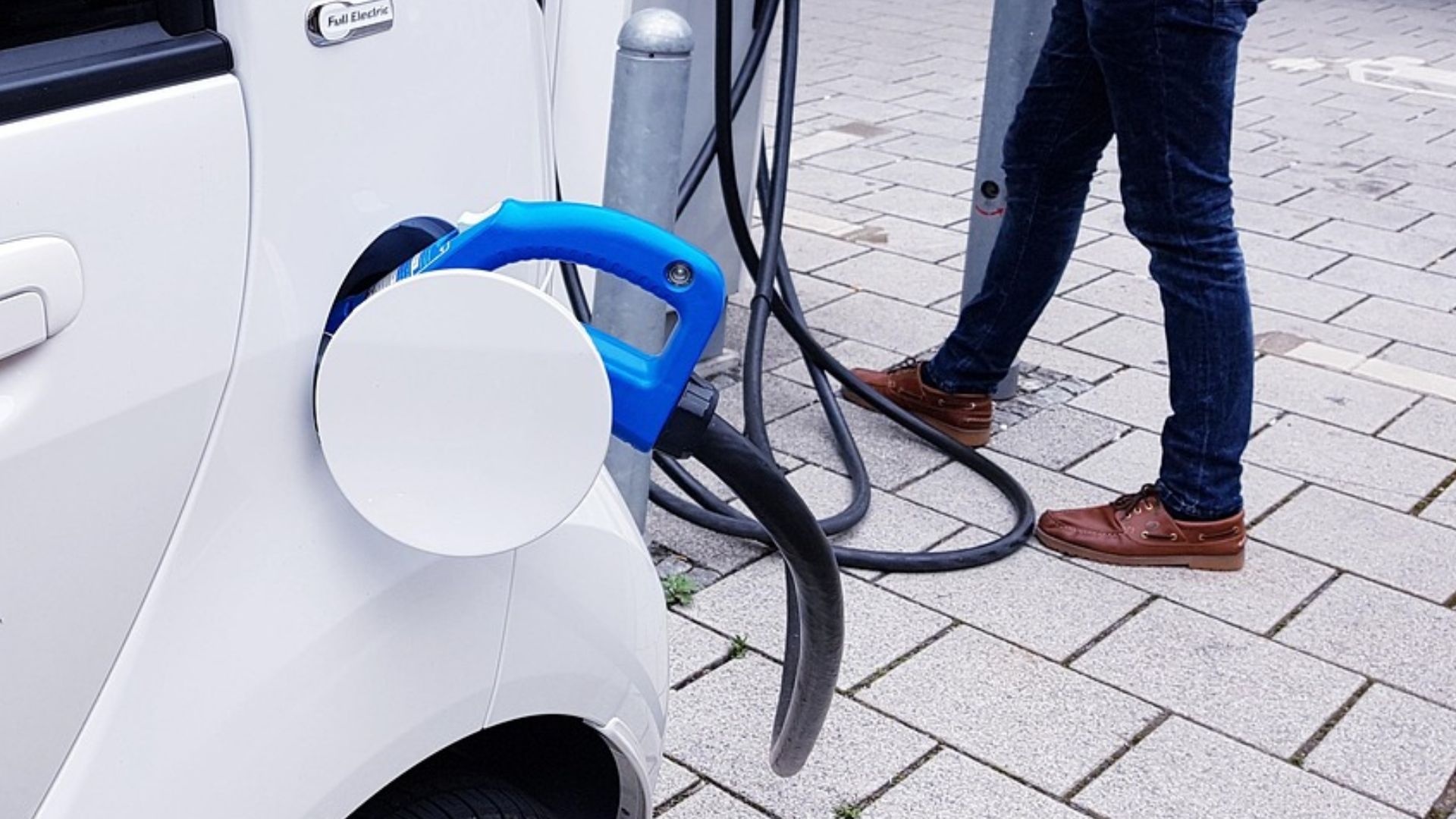
A cord that seems obvious on a sunny afternoon can disappear beneath snow, fallen leaves, or darkness. Snow removal can introduce another problem if a shovel, snowblower, or plow contacts it. Anyone using a shared driveway may not know a live electrical cable is underneath.

Water Adds Another Concern
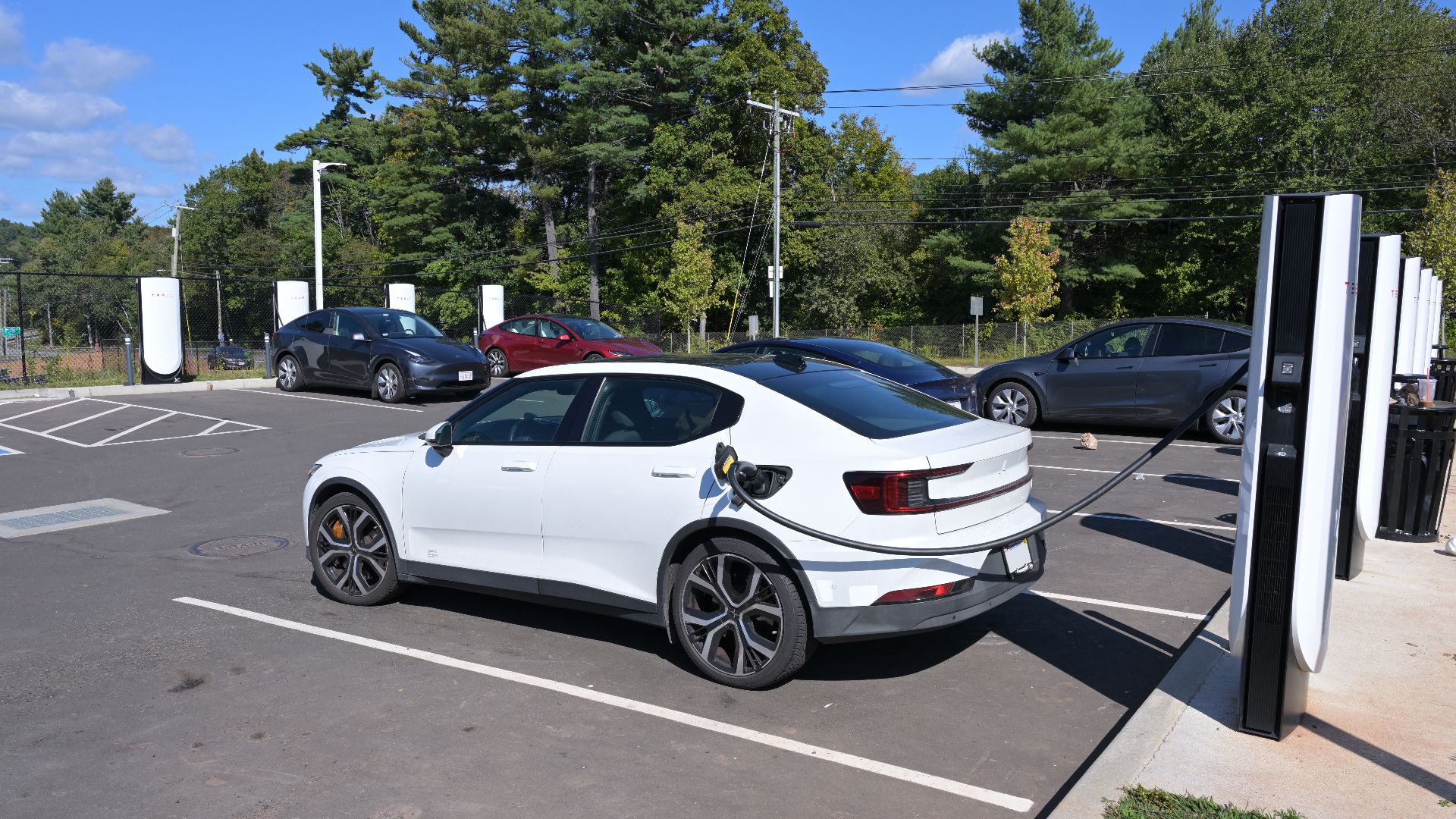
Proper outdoor EV charging equipment is designed with environmental protection in mind, but that doesn’t mean every plug, outlet, extension cord, and connection is appropriate for wet conditions. Outdoor receptacles and equipment need to be suitable for the location and installed according to applicable electrical requirements.
 4300streetcar, Wikimedia Commons
Don’t Wrap Questionable Connections In Plastic Bags
A makeshift plastic bag, bucket, or tape-covered connection isn’t a substitute for weather-rated electrical equipment. It can trap moisture rather than solve the problem. If a plug connection needs improvised weather protection to survive outdoors, the charging arrangement itself deserves reconsideration.

Shared Property Makes The Issue More Complicated
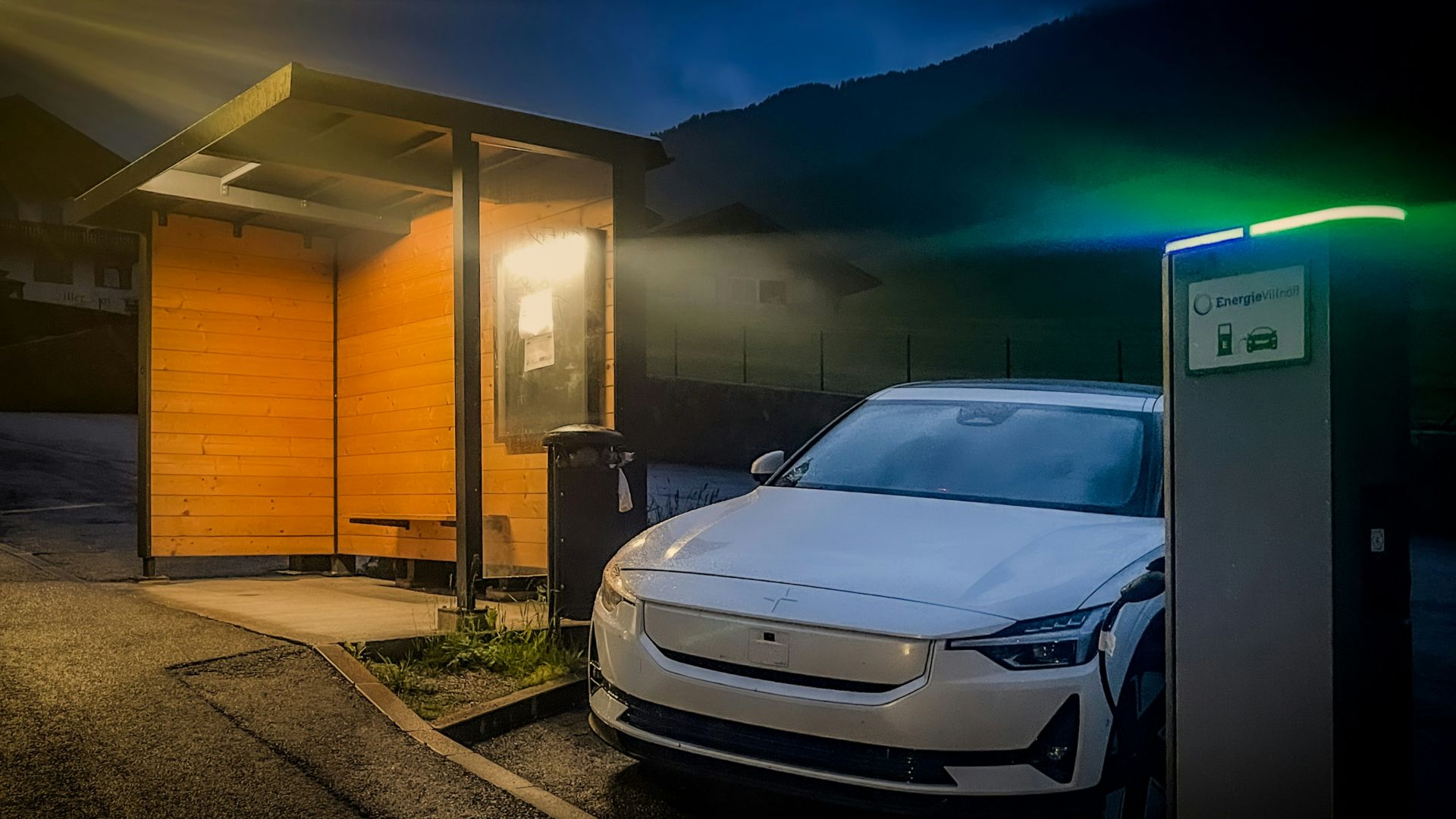
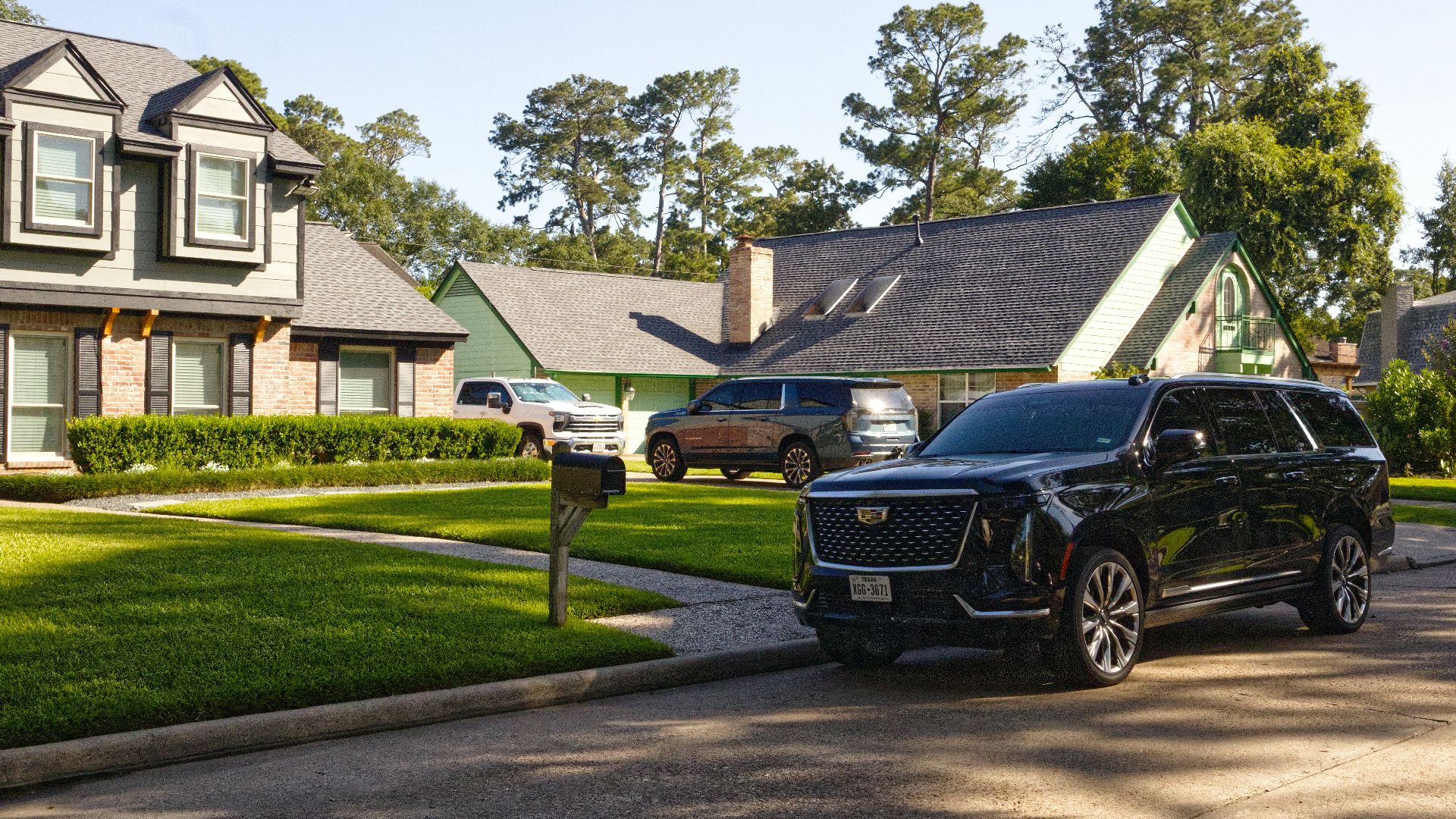
If both homes have legal rights to use the driveway, one household generally shouldn’t create an obstruction that interferes with the other household’s safe use. Exactly what is permitted depends on the property arrangement, easement, lease, condominium rules, homeowners association rules, and local law. An electrical safety concern and a property-rights dispute are related, but they aren’t necessarily the same issue.
Check Who Actually Owns The Driveway
A driveway that looks shared may be jointly owned, owned by one property with an easement benefiting another, or part of common condominium property. Pull out the deed, survey, lease, condo declaration, or association rules if the disagreement grows. Knowing the legal arrangement makes later conversations much clearer.
Local Electrical Rules Can Also Apply
EV charging installations are covered by electrical codes and local permitting or inspection requirements. In Ontario, for example, the Electrical Safety Authority specifically warned after finding unsafe EV charging arrangements that included extension cords running across sidewalks. ESA recommends properly certified charging equipment and work performed through licensed electrical contractors when installation is required.
A Sidewalk Would Raise Even More Concerns
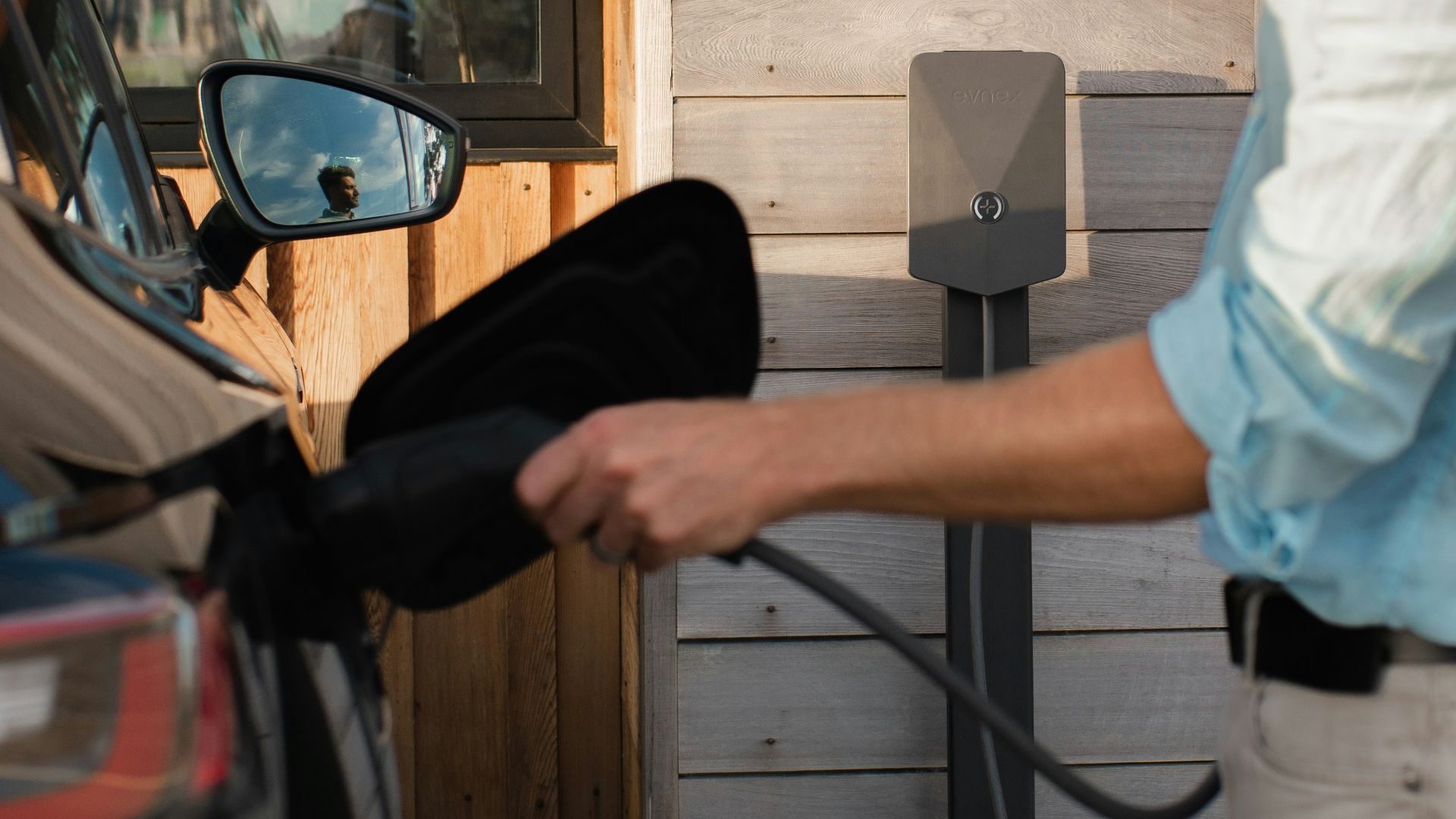
Running a cord across a public sidewalk can introduce accessibility, trip-hazard, and municipal right-of-way issues in addition to electrical concerns. Cities increasingly have to address residents who park EVs on streets but have no driveway charger. Some jurisdictions permit specially designed cable channels or curbside arrangements, while others restrict cords crossing pedestrian routes, so the local rules need to be checked.
Don’t Solve It By Buying Your Neighbor A Bigger Cord
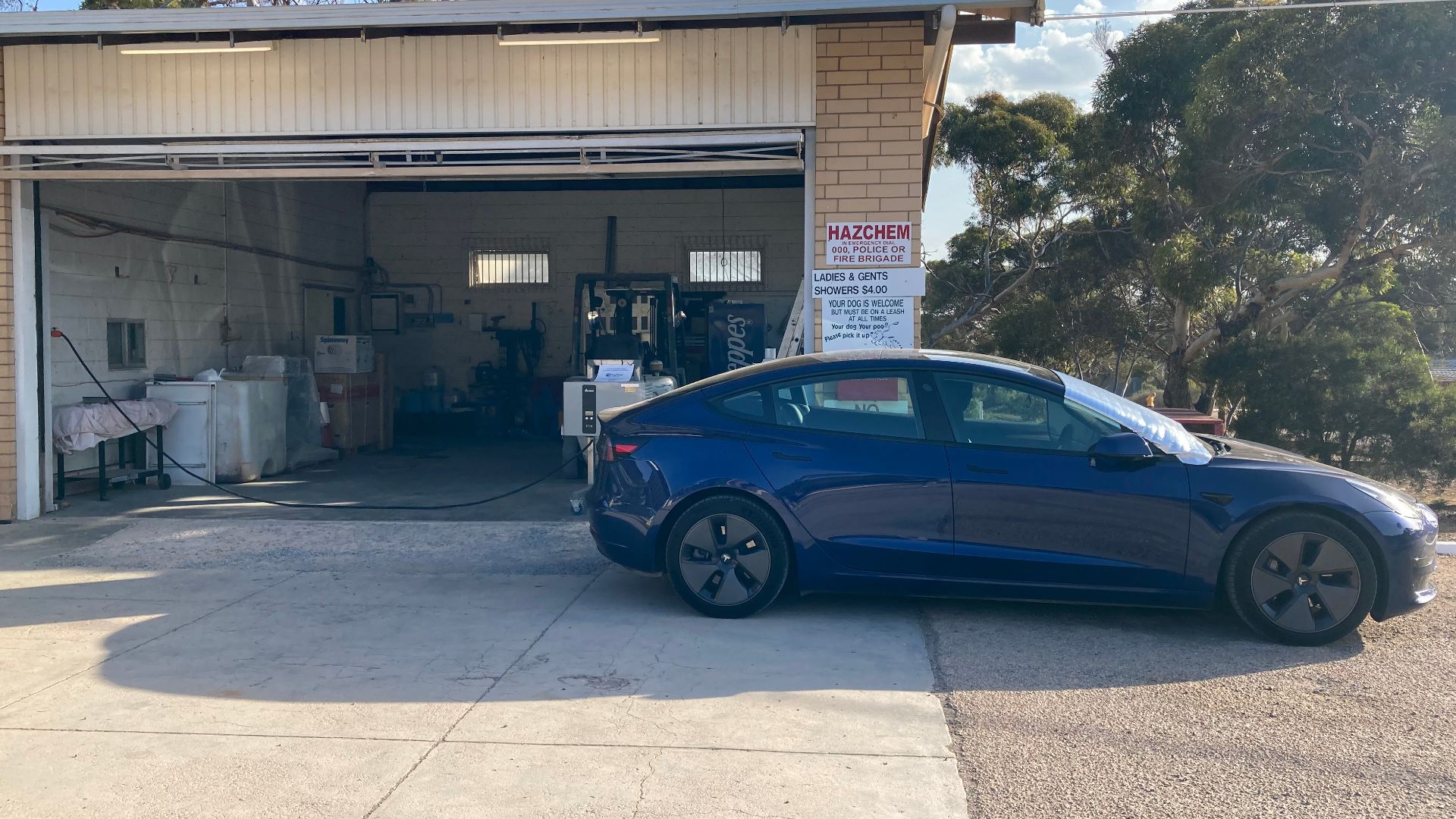
A thick outdoor extension cord may look safer than a lightweight one, but that doesn’t override the EV manufacturer’s charging instructions. If the charging equipment says no extension cords, changing the gauge doesn’t transform an unsupported setup into an approved one. ESFI also describes extension cords generally as temporary devices rather than permanent substitutes for household wiring.
Cable Covers Aren’t A Complete Solution Either
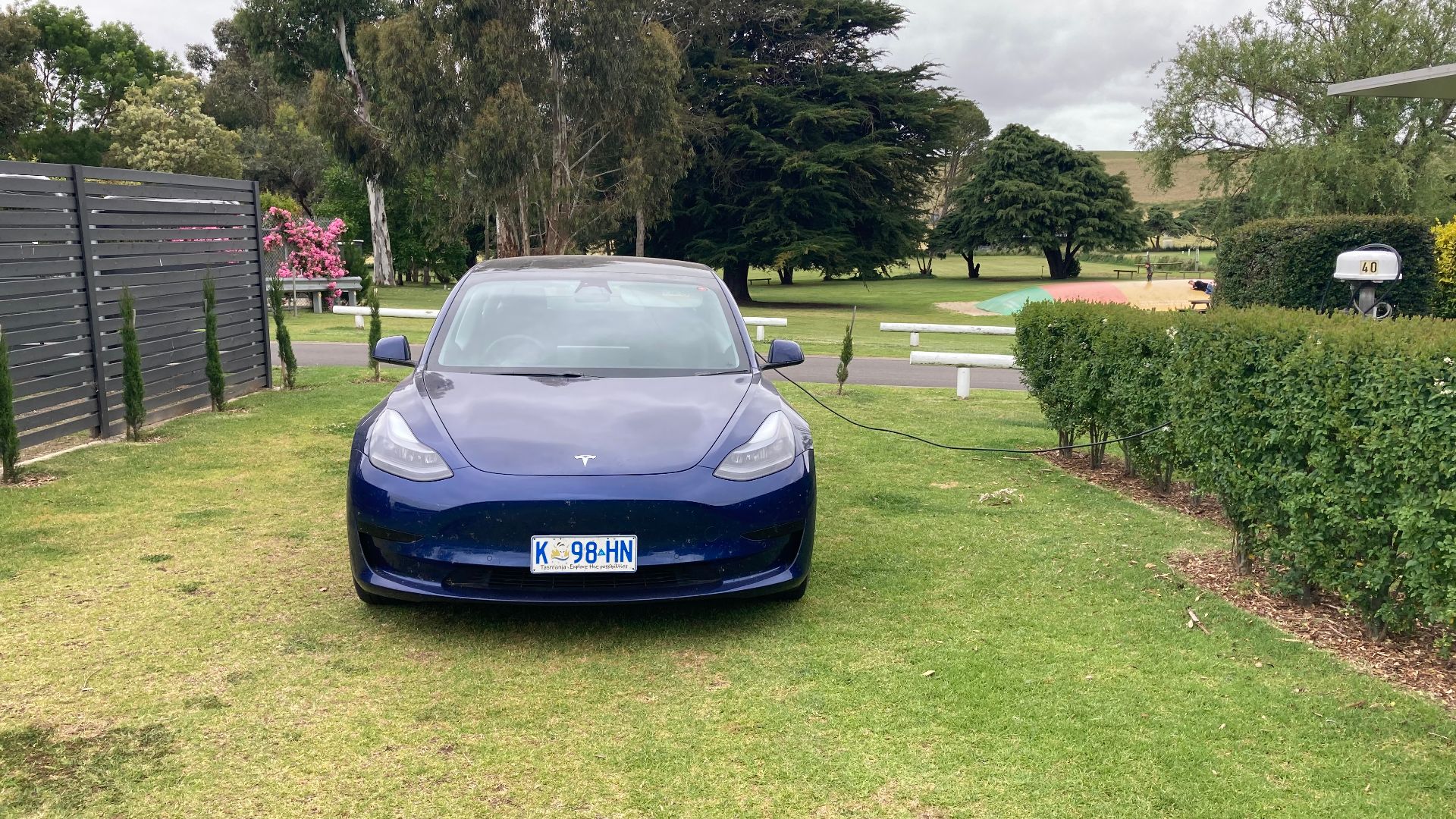
A heavy-duty cable protector can reduce some trip and crushing risks in applications where its use is appropriate. It does not make an unapproved electrical connection safe, guarantee that a shared driveway remains unobstructed, or override local rules. The underlying charging setup still needs to comply with the equipment instructions and applicable electrical requirements.
A Proper Charger Is The Better Long-Term Fix
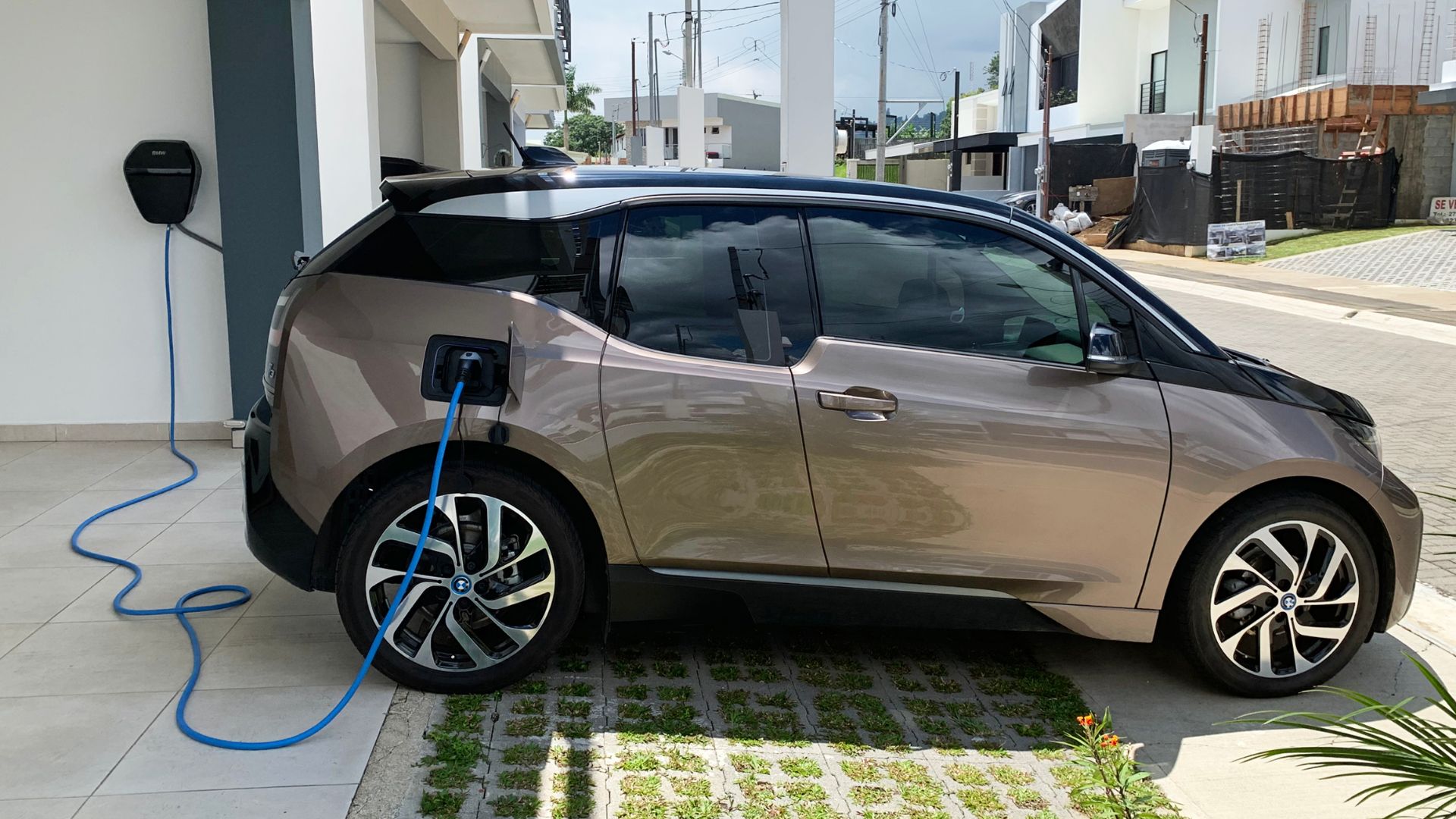
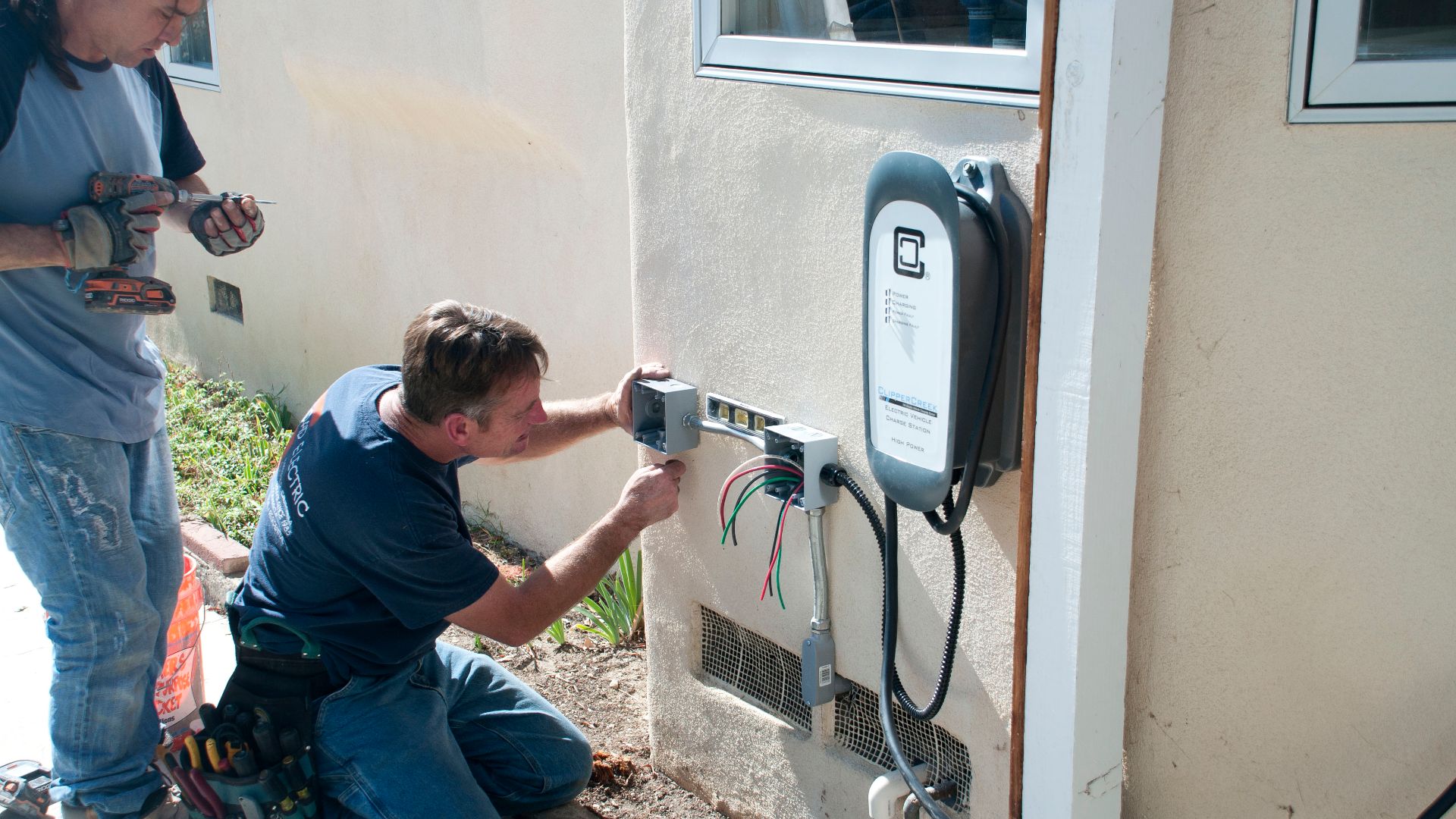
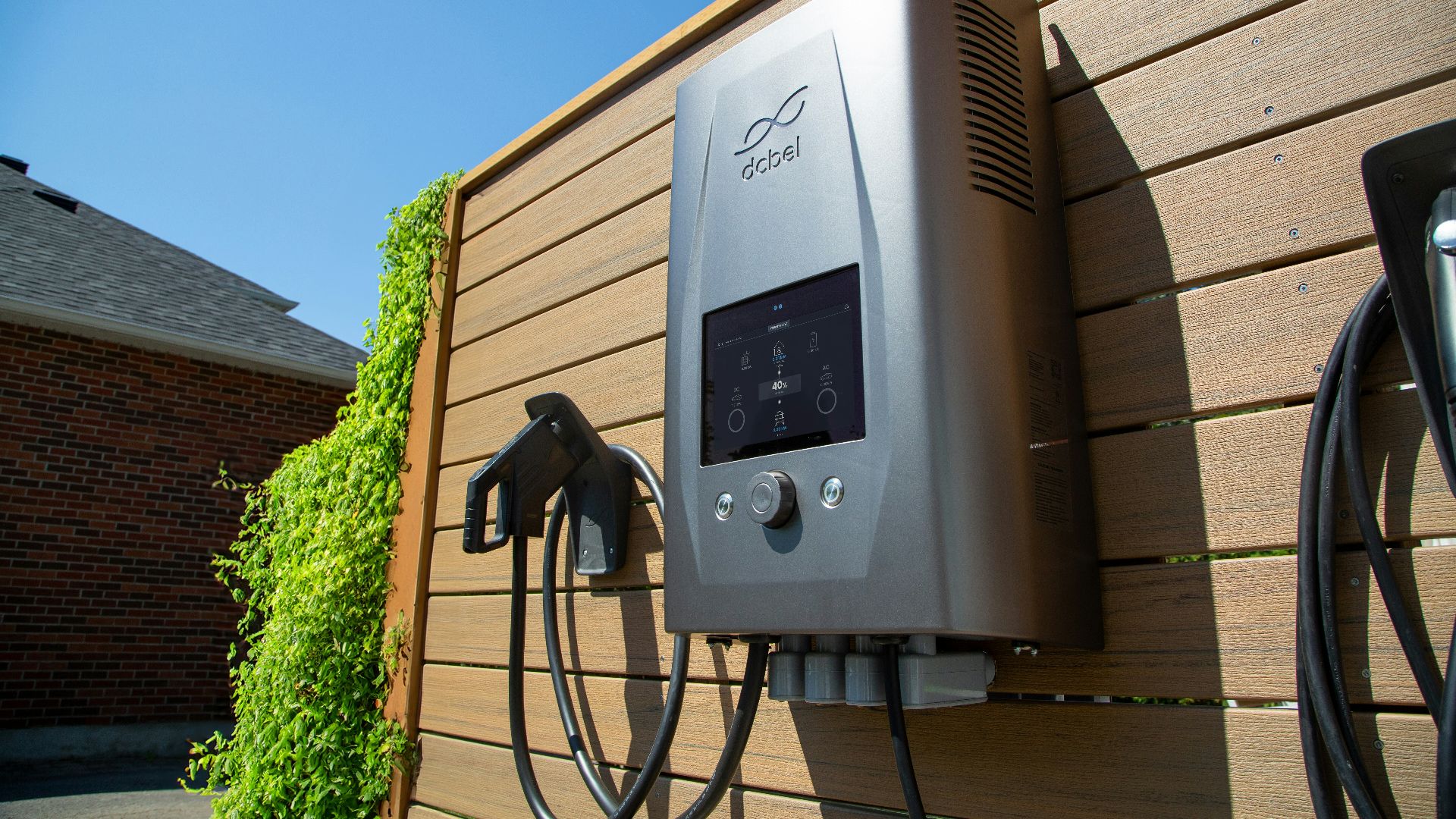
If your neighbor regularly charges in the same location, the more sensible solution may be installing an EV charger where its cable can reach the parking space without crossing the shared travel path. A qualified electrician can evaluate electrical capacity, circuit requirements, charger location, weather exposure, and cable routing. Consumer Reports likewise recommends professional installation of home charging equipment.
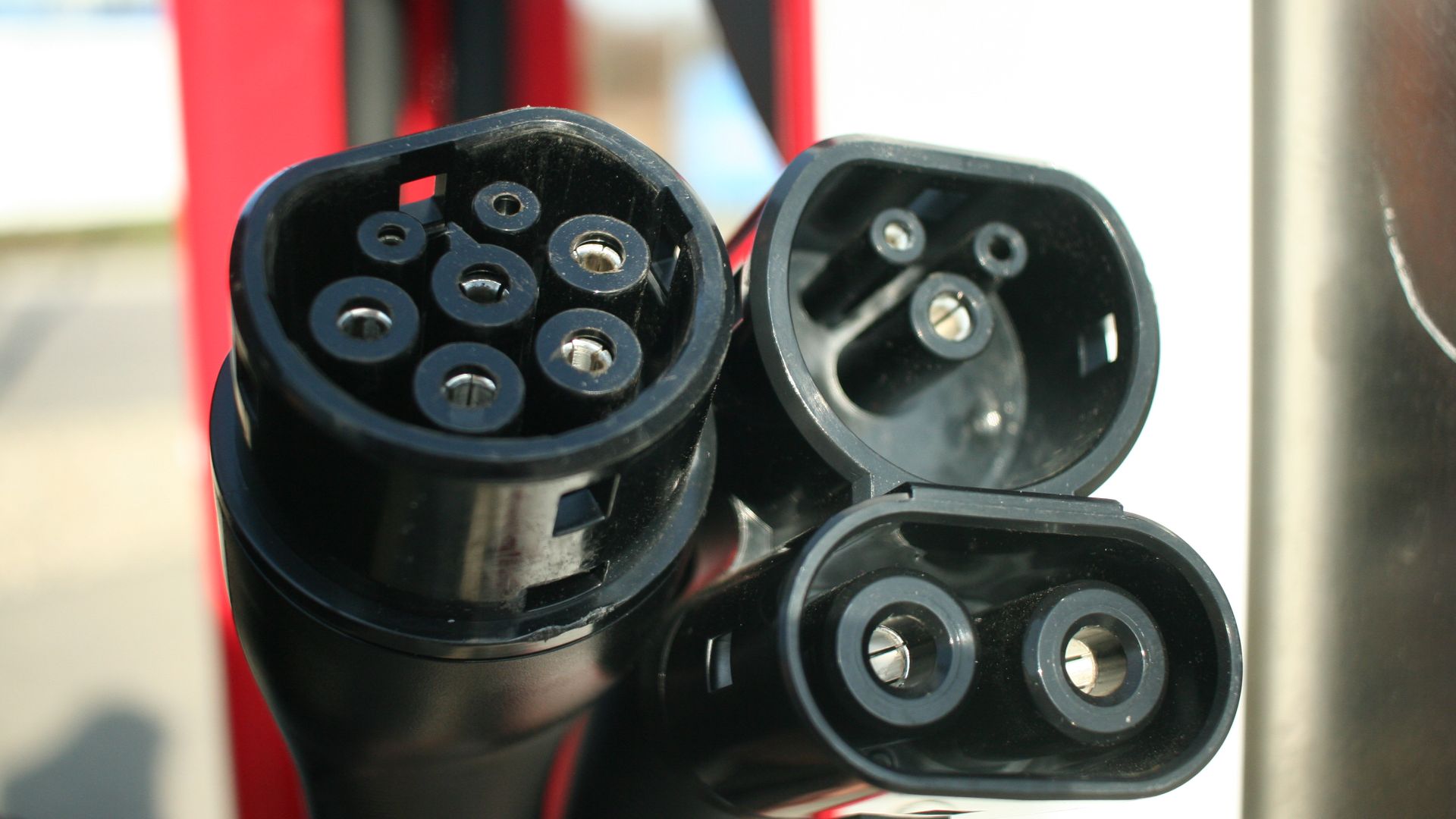 Paul Sladen, Wikimedia Commons
Even Level 1 Charging Needs To Be Done Properly
A standard 120-volt outlet can be used with compatible Level 1 EV charging equipment, so a full Level 2 installation isn’t mandatory for every driver. The important point is that the manufacturer-approved EV charging unit should normally connect as instructed to a suitable receptacle. “It’s only a normal wall outlet” doesn’t make improvised wiring a good idea.
Start With A Calm Conversation
You don’t have to accuse your neighbor of creating a fire hazard. Try something practical: “I’m concerned about the charging cable getting driven over or someone tripping on it. Can we figure out another route for it?” Focusing on the shared driveway rather than criticizing their EV is more likely to produce a useful solution.

Ask For The Driveway To Stay Clear
A reasonable goal is straightforward: both households should be able to walk and drive through the shared area without having to cross electrical equipment. Perhaps the vehicle can park closer to the outlet, the charger can be relocated, or a permanent installation can be placed on the correct side of the driveway.

Document The Setup If The Problem Continues
If discussions go nowhere, take dated photographs showing where the cord travels and how it interferes with the driveway. Save relevant messages between the households as well. Documentation becomes useful if a landlord, condo board, homeowners association, electrician, insurer, or local authority eventually needs to understand the situation.

Don’t Unplug A Live Charger Yourself
Even if the cable is on shared property, don’t repeatedly move, unplug, drive over, or tamper with your neighbor’s charging equipment. You could damage expensive equipment, create an electrical hazard, or turn a manageable disagreement into a property dispute. Ask the owner to move it or involve the appropriate property manager or authority instead.
Escalate The Safety Issue In The Right Order
If a normal conversation fails, the next step may be a landlord, condominium board, homeowners association, property manager, or whoever administers the shared driveway. For a suspected unsafe electrical installation, a local electrical inspection authority or qualified electrician can provide more meaningful guidance than an online argument. If there is immediate evidence of fire, sparking, smoke, severe cord damage, or another urgent hazard, treat that as an emergency rather than a neighbor dispute.

Home Charging Shouldn’t Require Everyone Else To Step Over It
The problem isn’t that your neighbor owns an EV or charges it at home. Proper home charging is routine and can be very safe. The concern is a setup that relies on an ordinary extension cord, crosses a shared travel route, gets driven over, or ignores the equipment manufacturer’s instructions. Start by identifying what kind of cable is actually being used, raise the problem calmly, and push for a permanent charging arrangement that keeps electrical equipment out of the shared driveway. Convenience is a good reason to charge at home. It isn’t a good reason to turn the path between two homes into part of the charging circuit.
You May Also Like:
My mechanic says I need four new tires because one blew out. Is that really necessary?