Why The Recommendation?
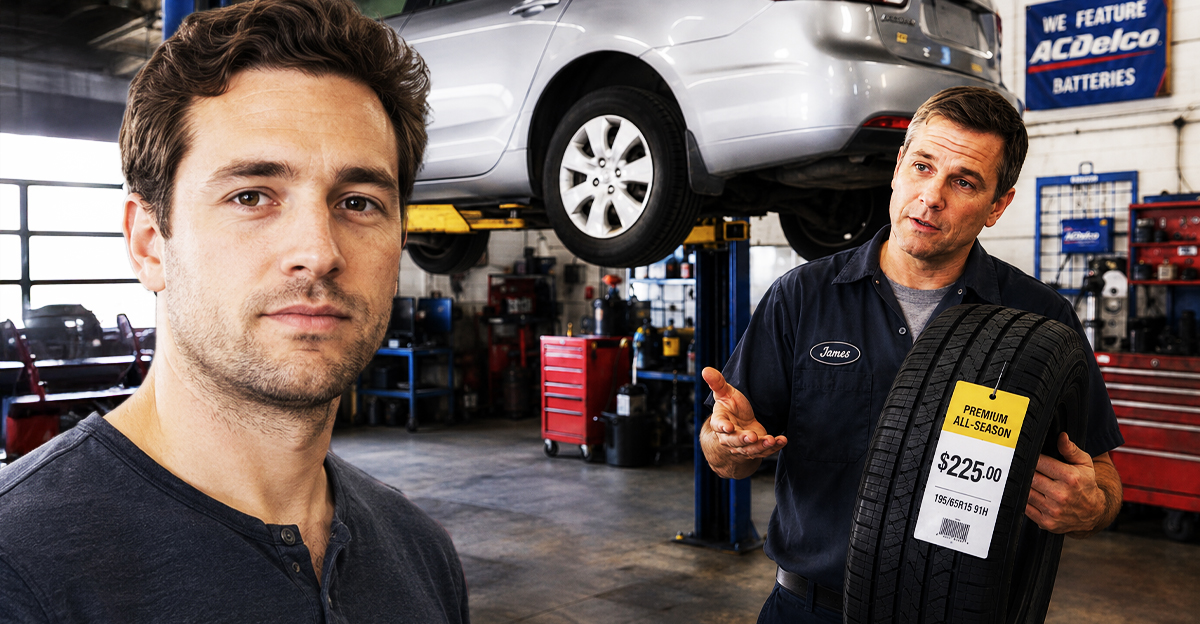
A single blown tire can quickly turn into an expensive conversation. One shop insists you need only one replacement, while another recommends replacing all four. The right answer depends on your vehicle, how much tread remains, and whether the recommendation protects your drivetrain or simply increases the repair bill.
One Tire Changes Everything
A blowout does not automatically mean every tire has reached the end of its life. However, replacing only one tire creates differences in tread depth, grip, and rolling circumference. Those differences can affect handling, braking, and, on some vehicles, expensive drivetrain components.
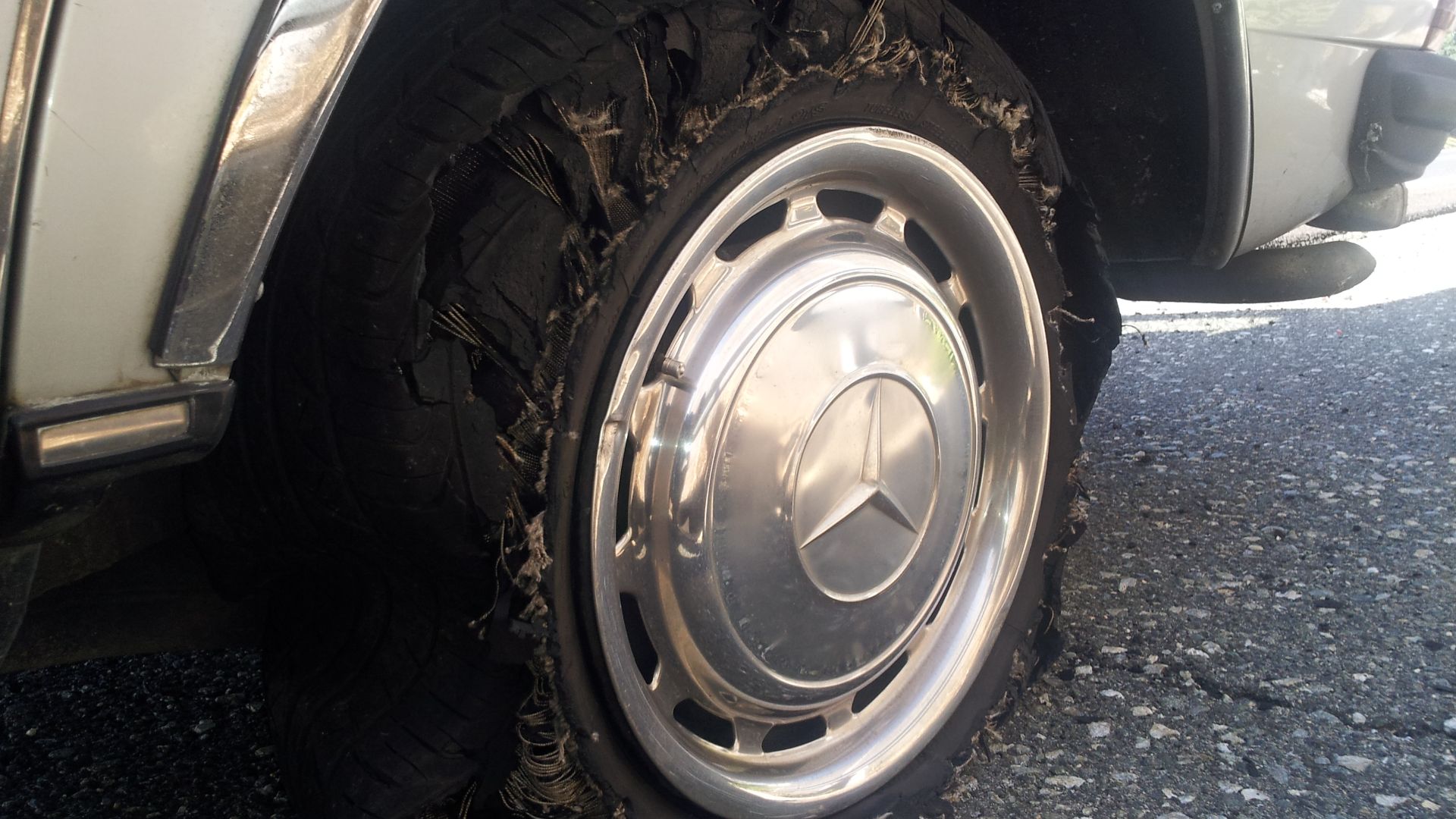 User:Nih131, Wikimedia Commons
Start With Tread Depth
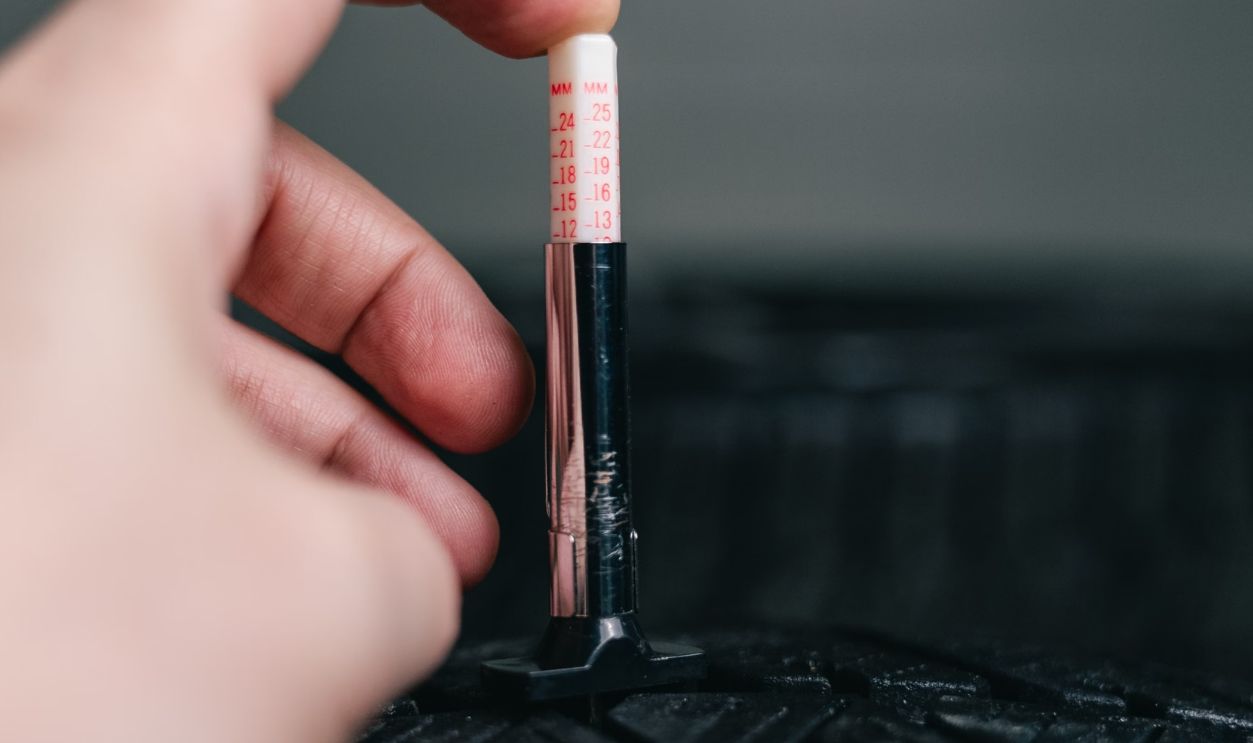
Before agreeing to any recommendation, ask for the tread depth measurements of all four tires. Those numbers provide the best evidence for deciding whether you need one, two, or four replacements. Never rely solely on a visual inspection or a salesperson's opinion.
Vehicle Type Matters
Your vehicle's drivetrain makes a huge difference. Front wheel drive, rear wheel drive, and all wheel drive systems respond differently to mismatched tires. The recommendation that makes perfect sense for one vehicle may be unnecessary and costly for another.
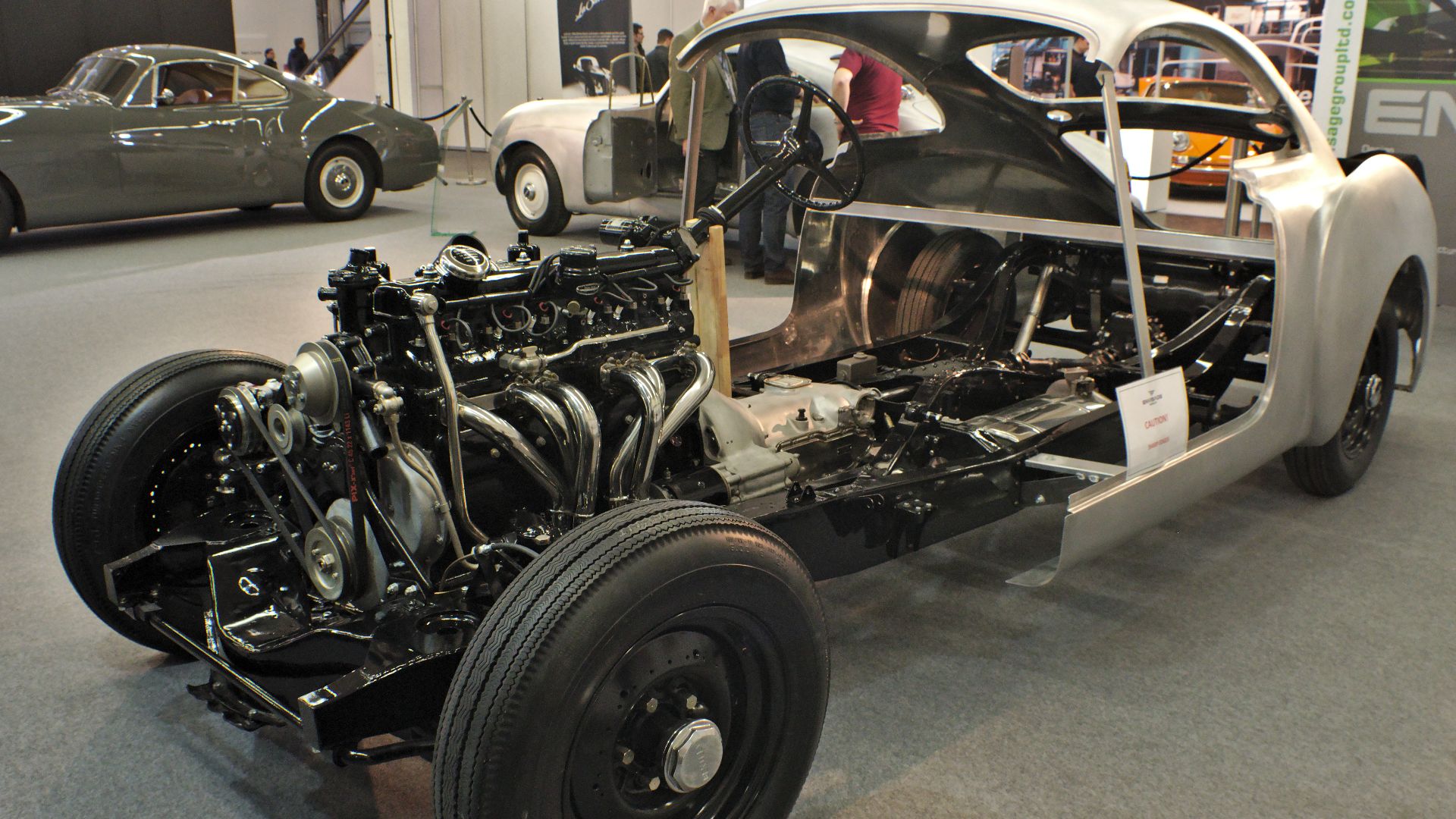 Thomas Vogt from Paderborn, Deutschland, Wikimedia Commons
Front Wheel Drive
Many front wheel drive vehicles can safely replace tires in pairs instead of replacing all four. If the remaining tires have plenty of life left and the new tires closely match them, replacing only the affected axle is often sufficient.
Rear Wheel Drive
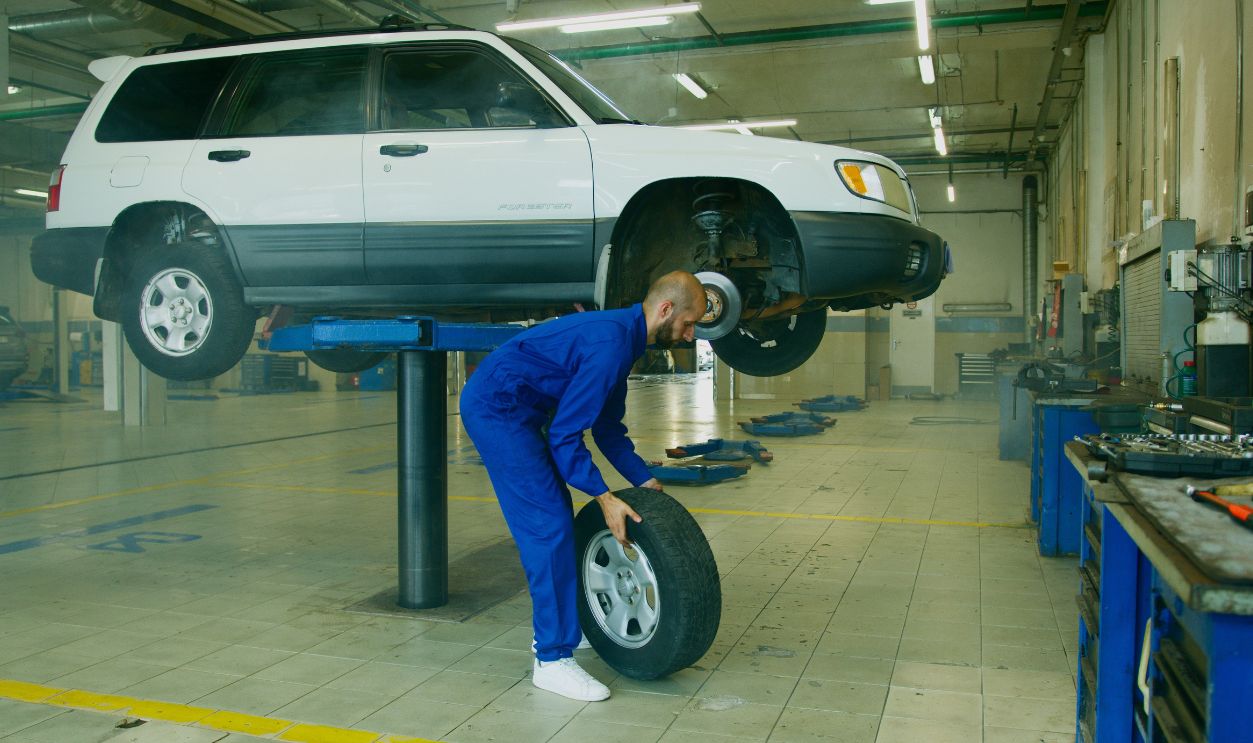
Rear wheel drive vehicles also generally tolerate replacing tires in pairs. Matching tread depth and tire type across the same axle helps preserve predictable handling, especially during hard braking or on wet roads.
All Wheel Drive Challenges
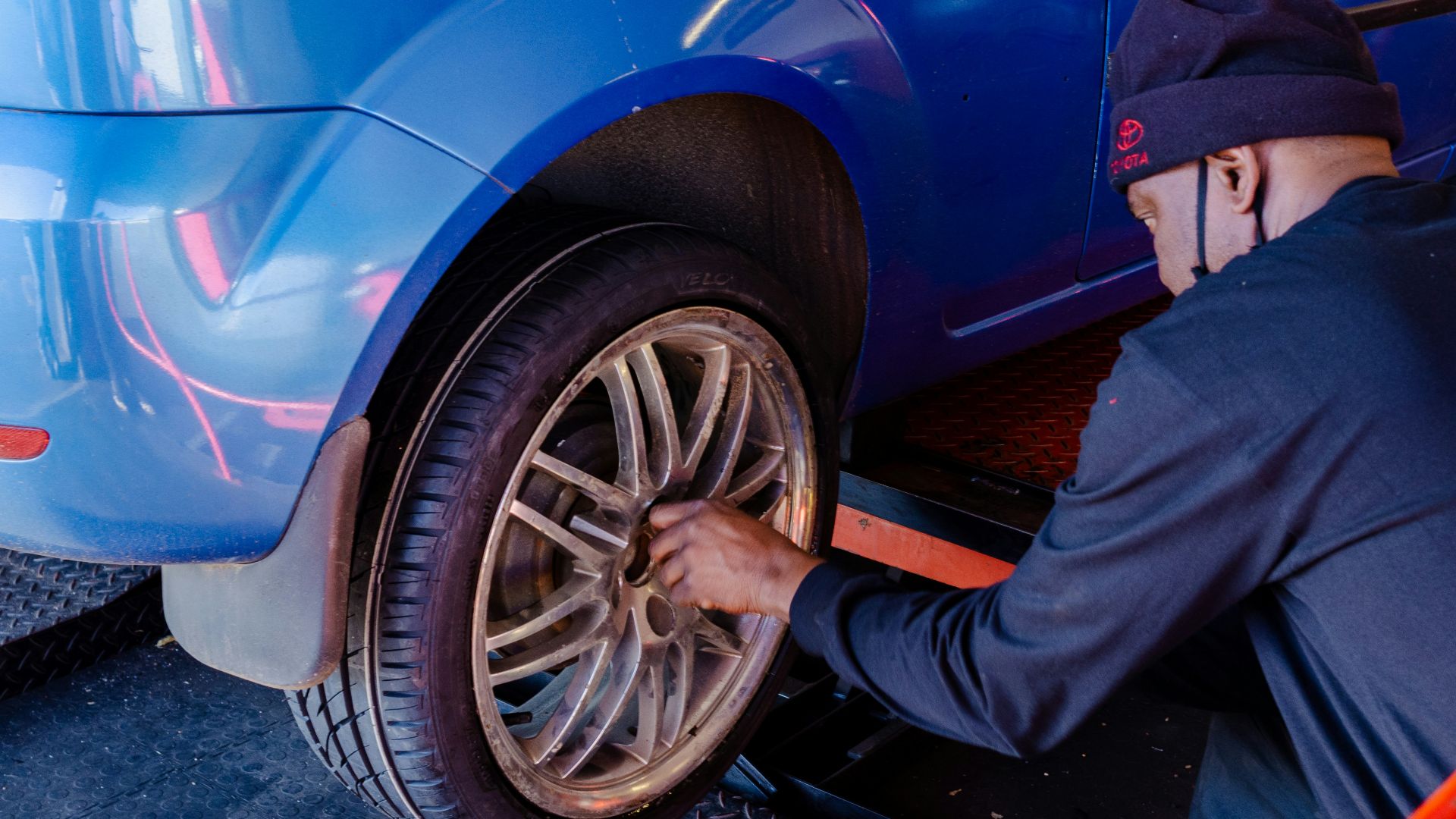
All wheel drive vehicles are far less forgiving. Even small differences in tire circumference force differentials and transfer cases to compensate continuously. Over time, that unnecessary strain can contribute to expensive mechanical failures.
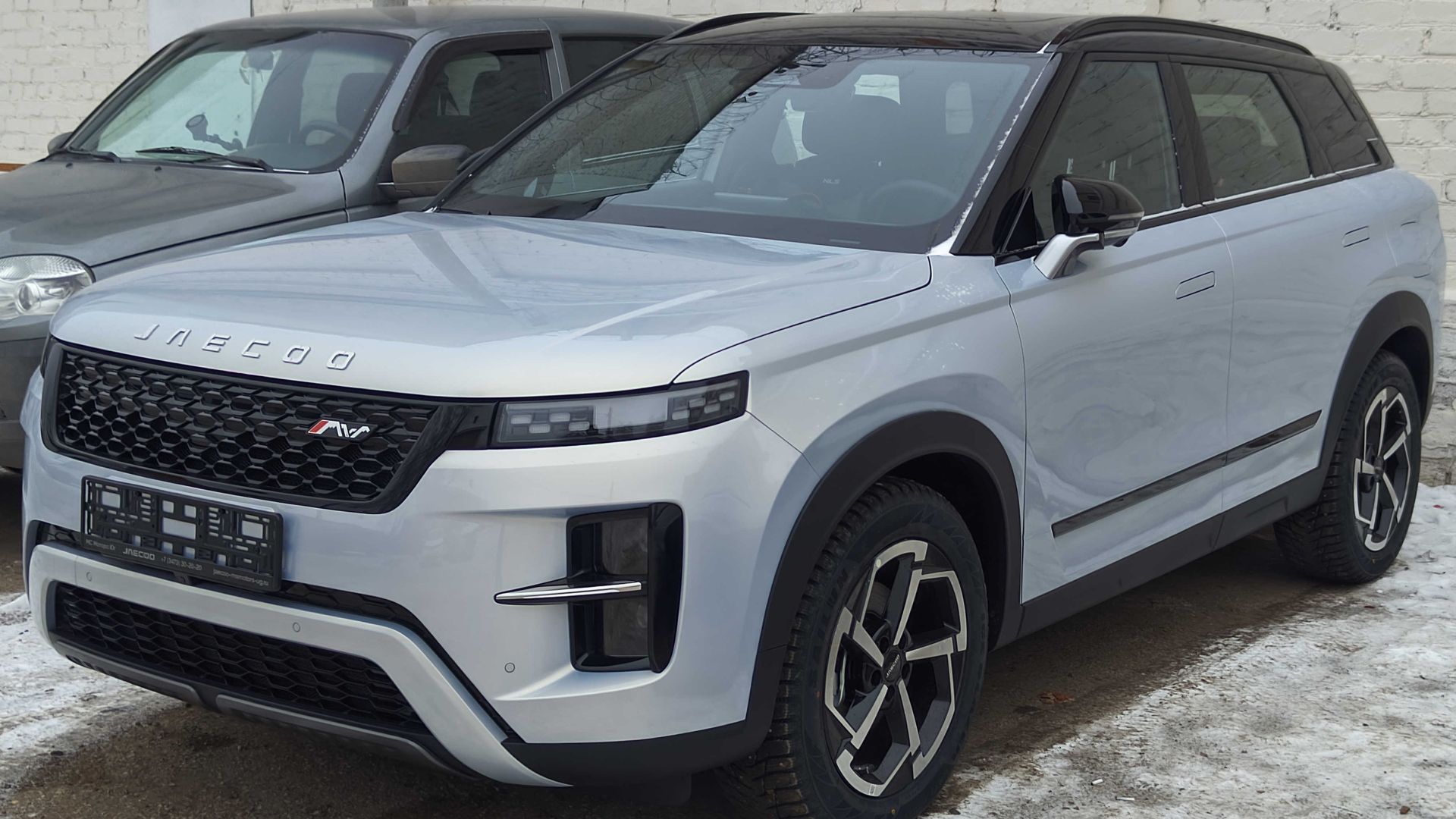 Throwawayacc222, Wikimedia Commons
Why Diameter Matters
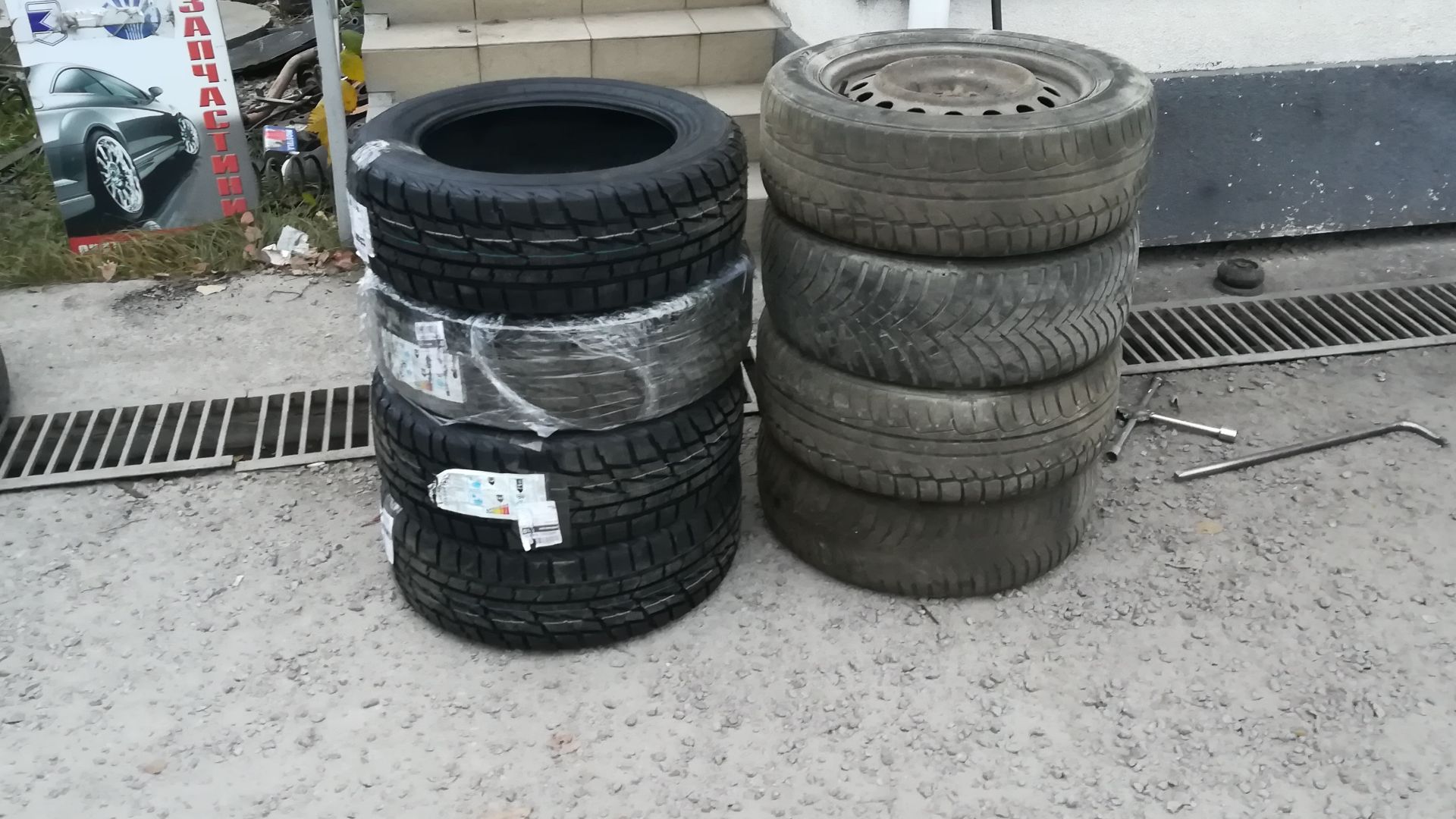
As tires wear, they become slightly smaller. A new tire rotates fewer times per mile than a worn tire because its circumference is larger. AWD systems can interpret that difference as wheel slip, even when driving perfectly straight.
Manufacturer Specifications
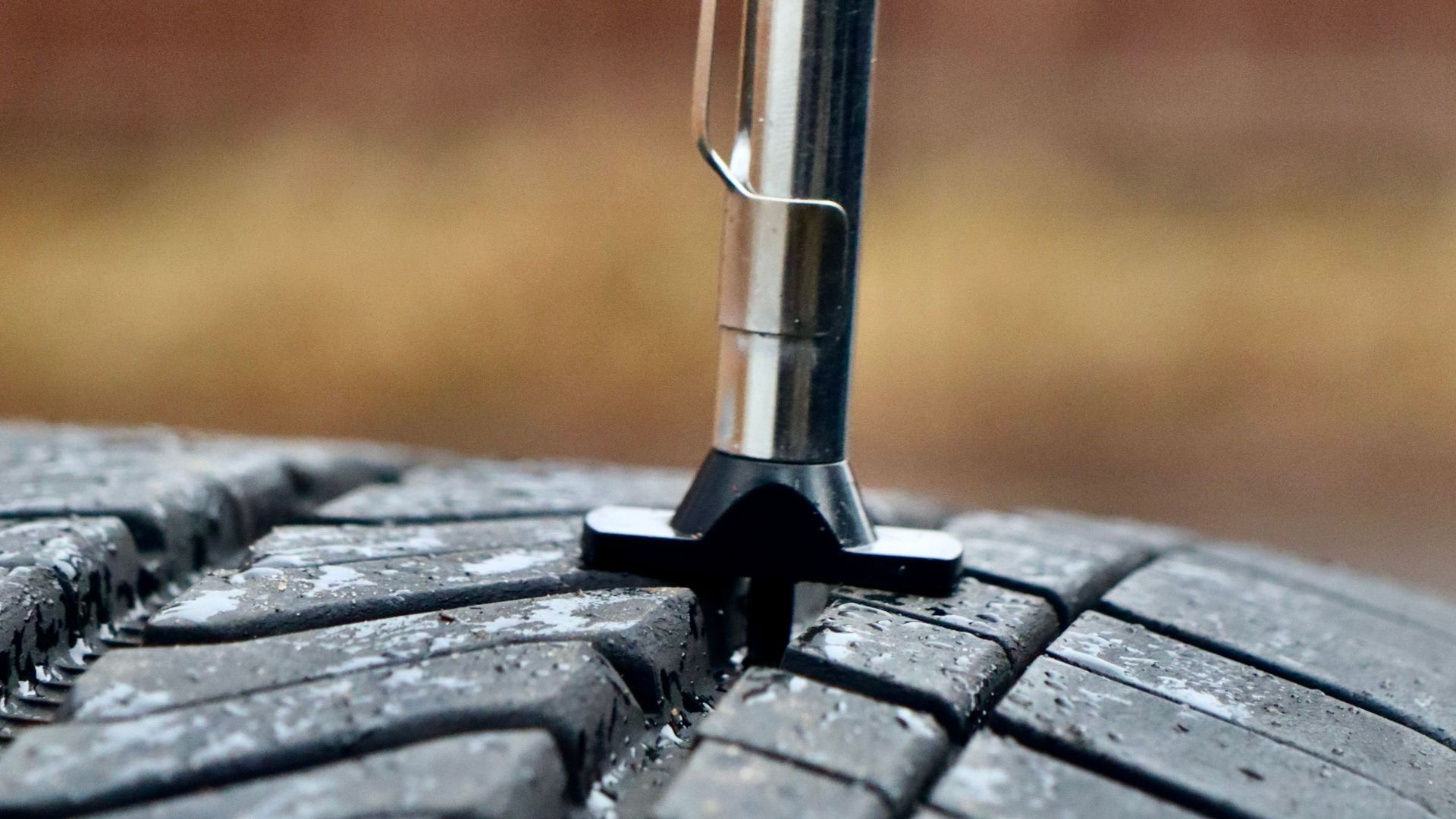
Many manufacturers specify maximum allowable tread depth differences between tires. Some recommend staying within about 2/32 inch, while others publish slightly different limits. Your owner's manual always takes priority over general tire shop advice.
Shops Are Not Always Wrong
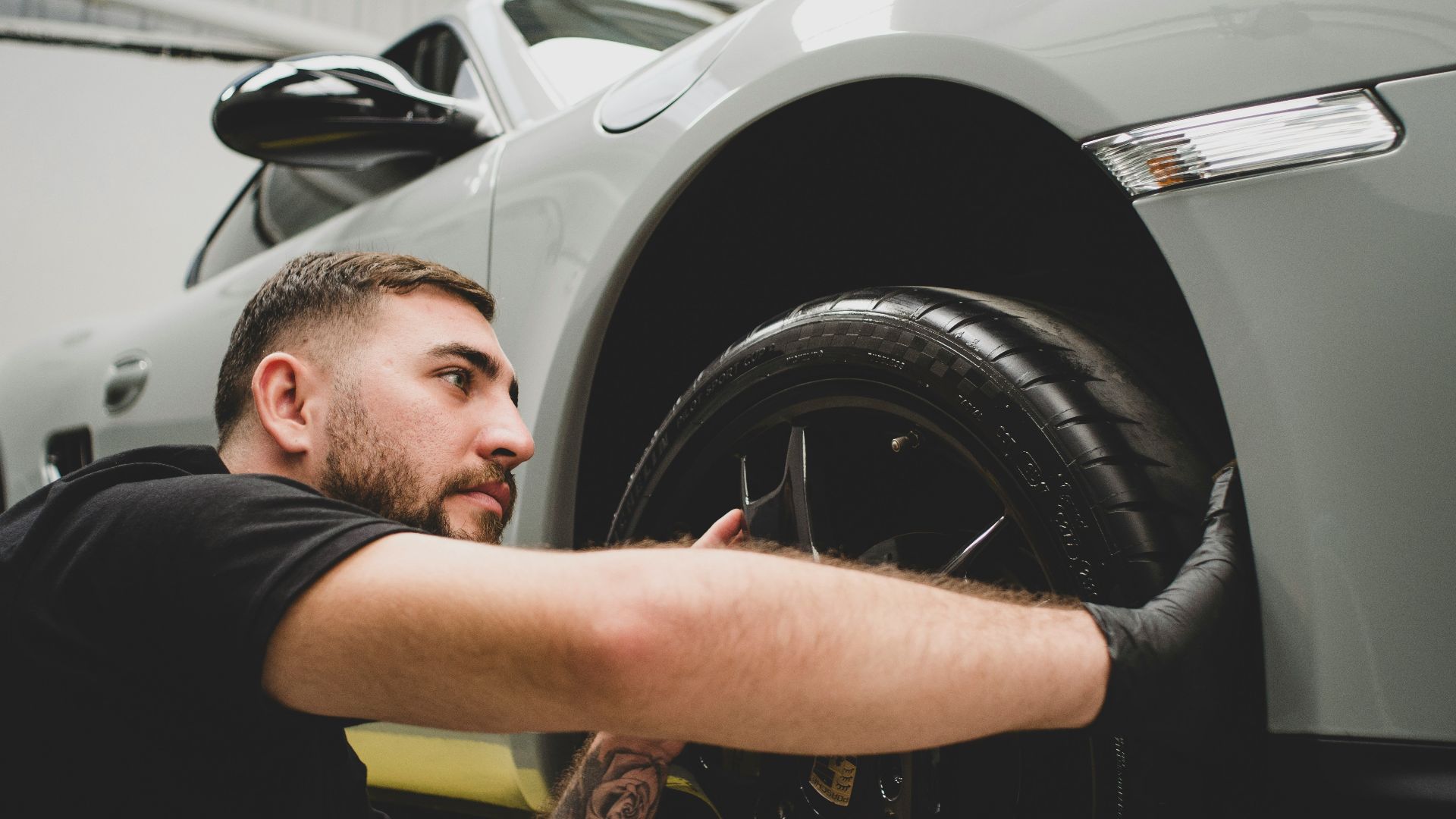
Drivers often assume recommending four new tires is simply an upsell. Sometimes it is not. A responsible mechanic may actually be protecting an expensive AWD drivetrain from damage that could cost thousands more than a new set of tires.
Upselling Still Happens
That said, not every recommendation deserves blind trust. Some shops routinely suggest replacing four tires without measuring tread depth or considering manufacturer guidelines. If nobody measures your existing tires, ask why they skipped the most important step.

Ask For Proof
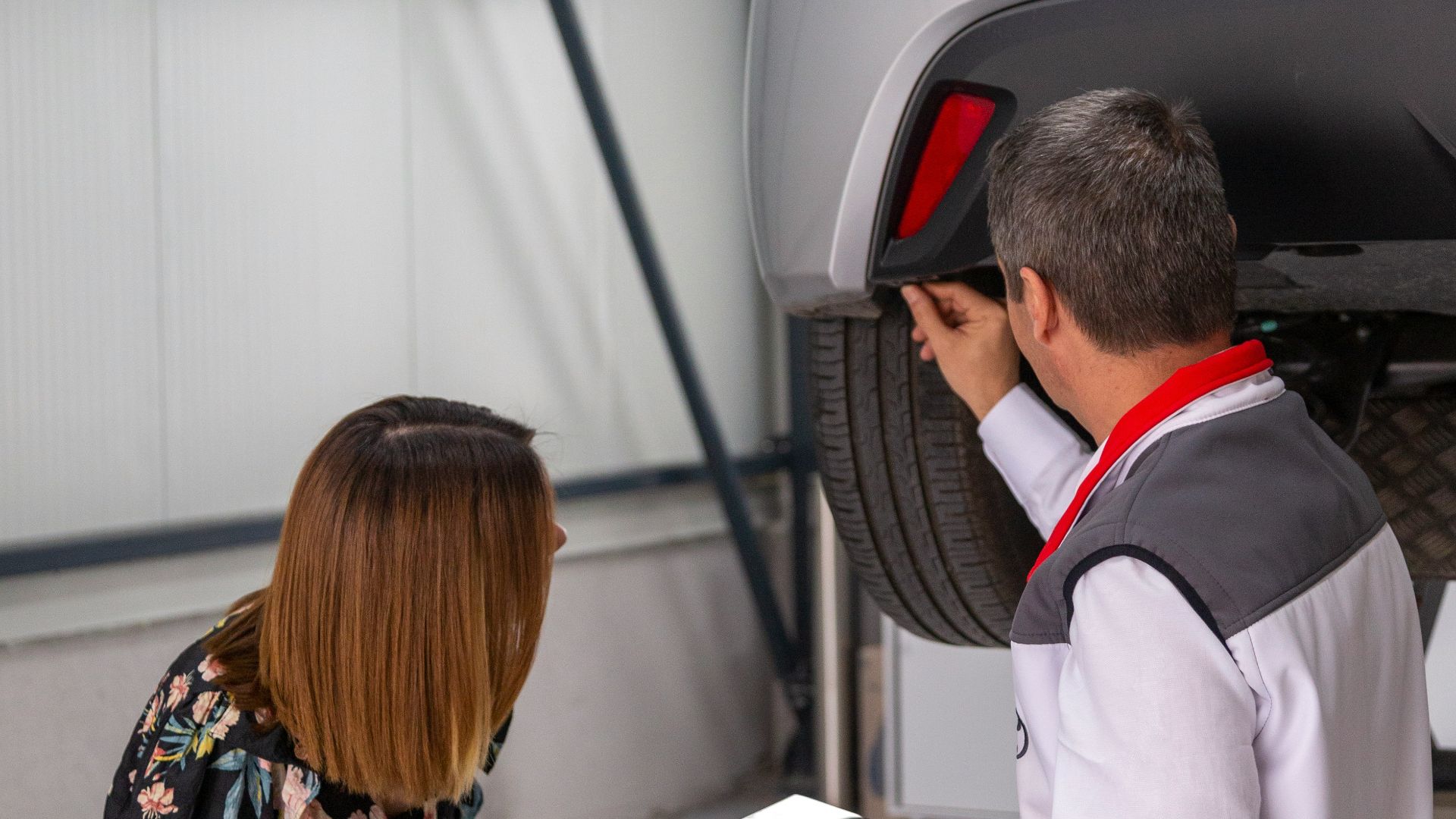
A reputable shop should willingly show you the tread depth readings, explain the manufacturer's specifications, and describe why their recommendation fits your specific vehicle. If they cannot explain their reasoning clearly, consider getting another opinion.
Tire Shaving Option
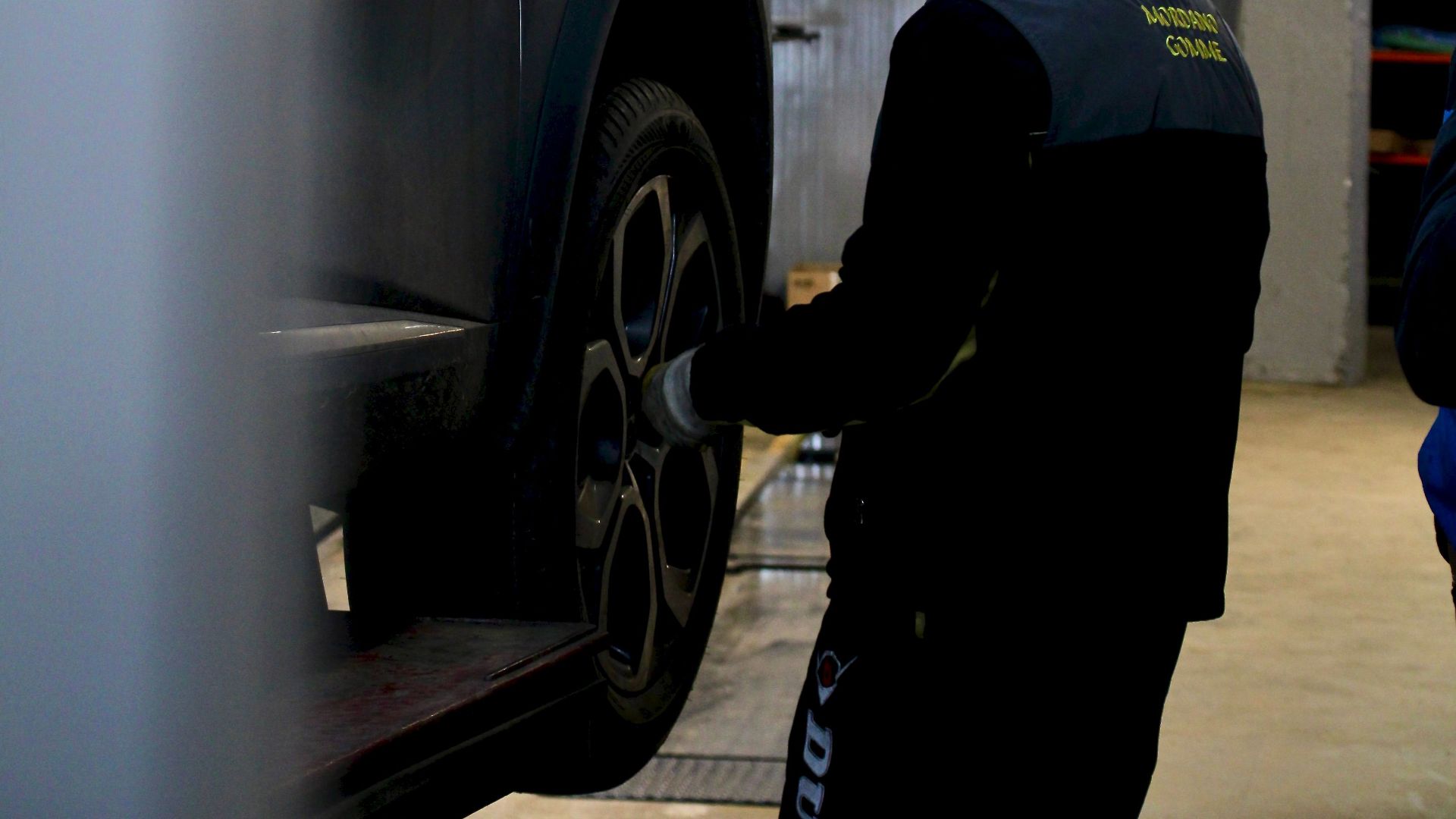
Many drivers have never heard of tire shaving. This process trims a brand new tire until its tread depth closely matches the remaining tires. On many AWD vehicles, that can safely eliminate the need to replace all four tires.
When Shaving Works
Tire shaving makes the most sense when the other three tires still have substantial tread remaining. If your existing tires are already heavily worn, shaving away most of a brand new tire usually makes little financial sense.
Used Matching Tires
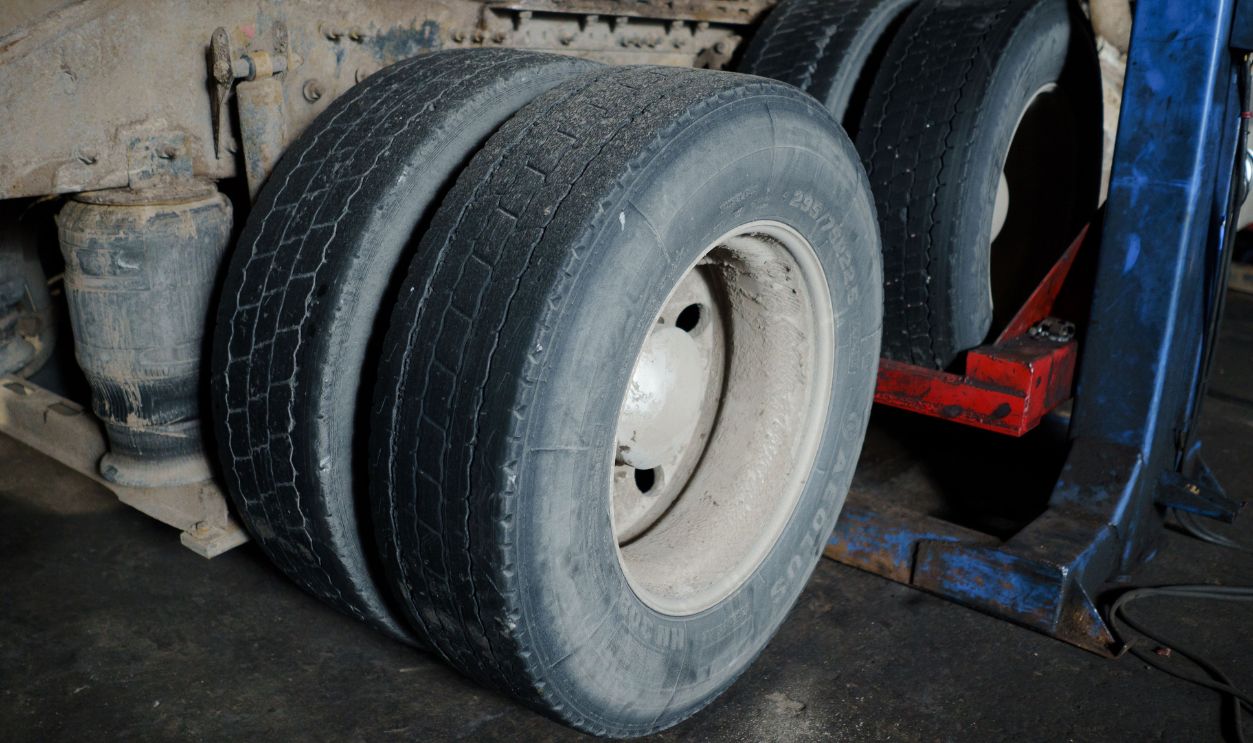
Another possibility is purchasing a quality used tire with similar tread depth to your remaining tires. Some reputable tire dealers specialize in matching tread wear, providing another alternative to buying four completely new tires.
Mixing Tire Brands
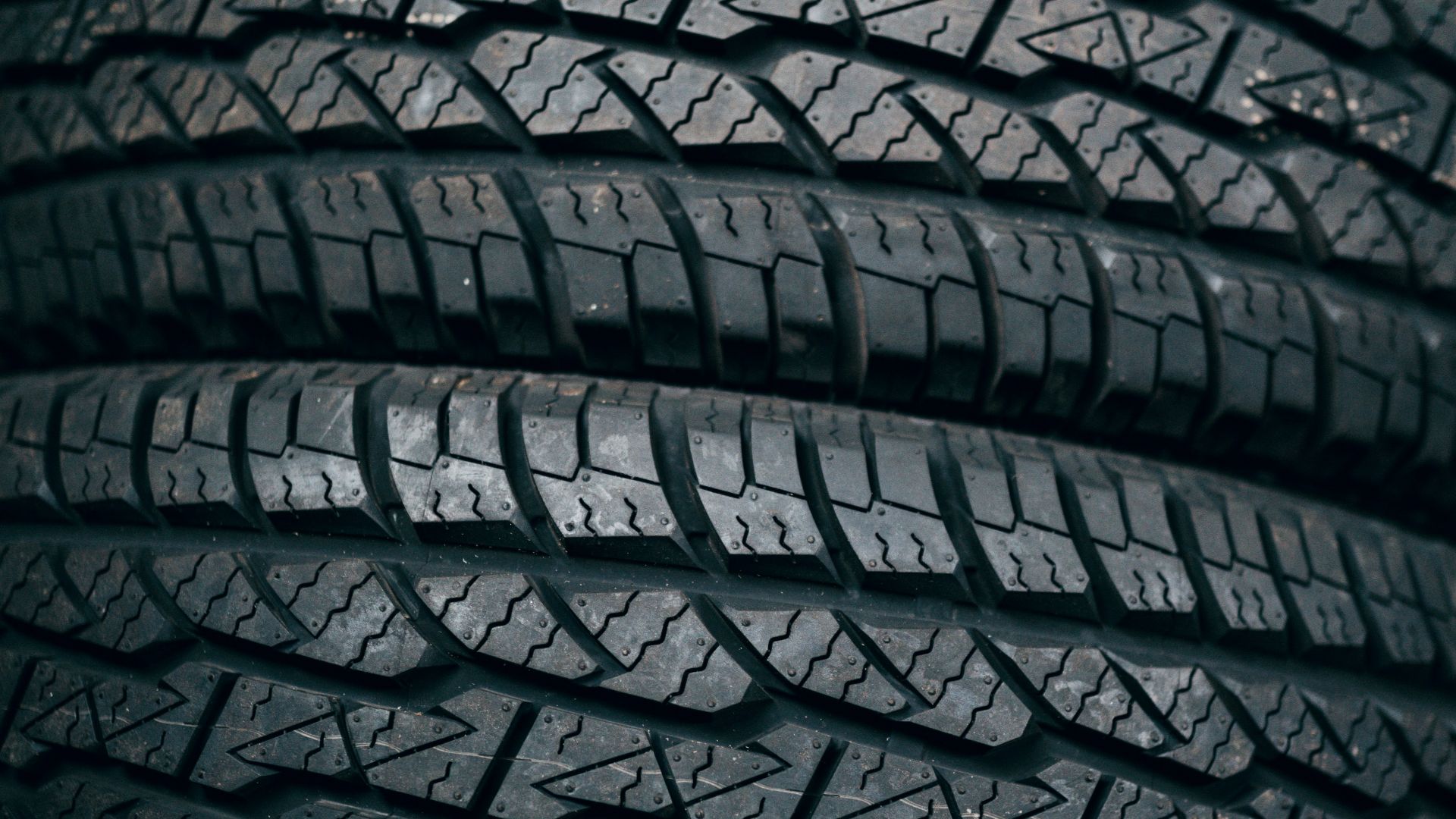
Even when replacing only one or two tires, matching the brand and model is preferable. Different tread designs, rubber compounds, and construction methods can produce different handling characteristics even if the tire sizes appear identical.
Uneven Wet Traction
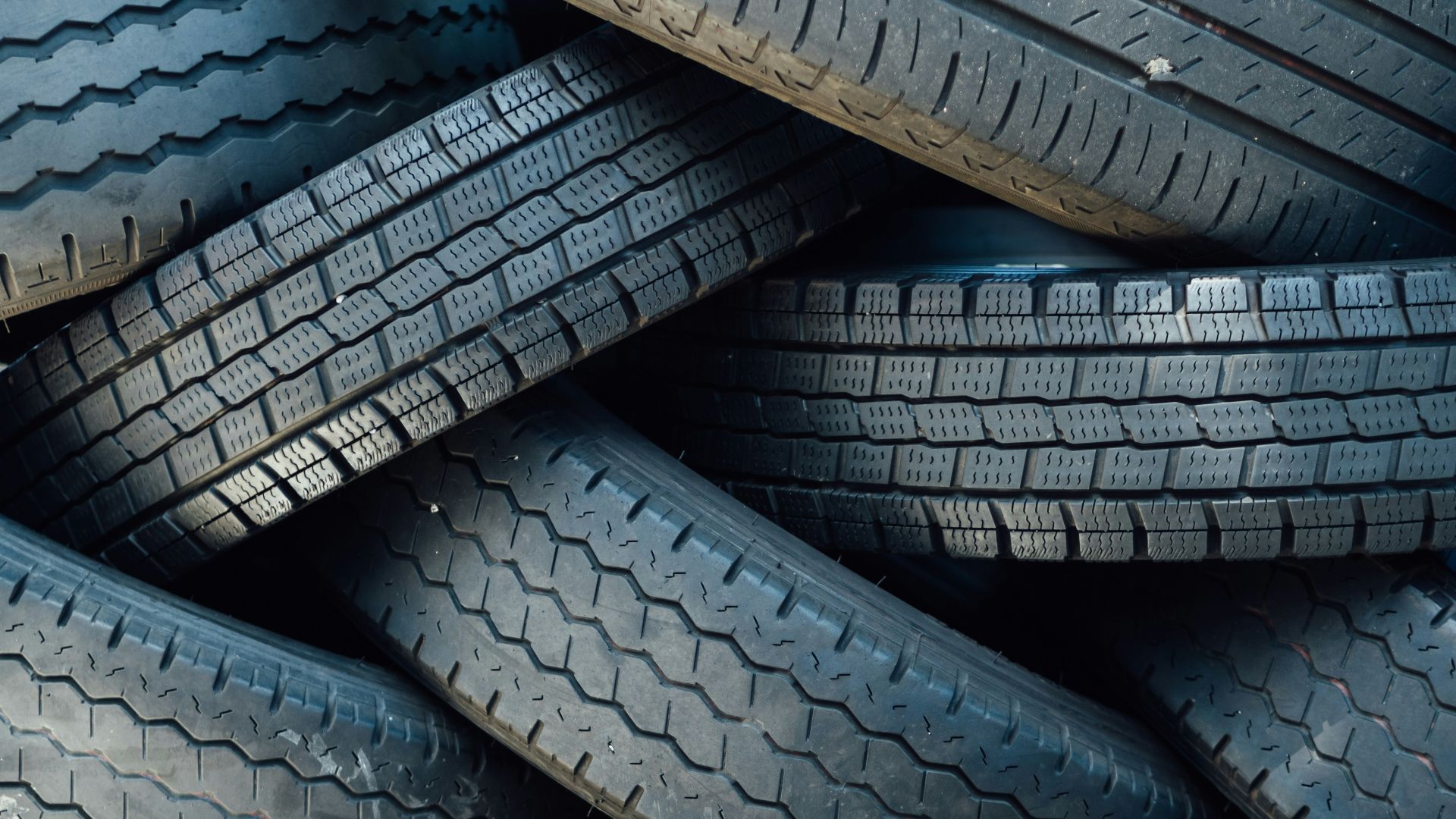
Different tread depths become especially noticeable during rain. A new tire evacuates water more effectively than a worn tire. Uneven traction across the vehicle can change braking distances, cornering behavior, and hydroplaning resistance.
Rotation Prevents Problems
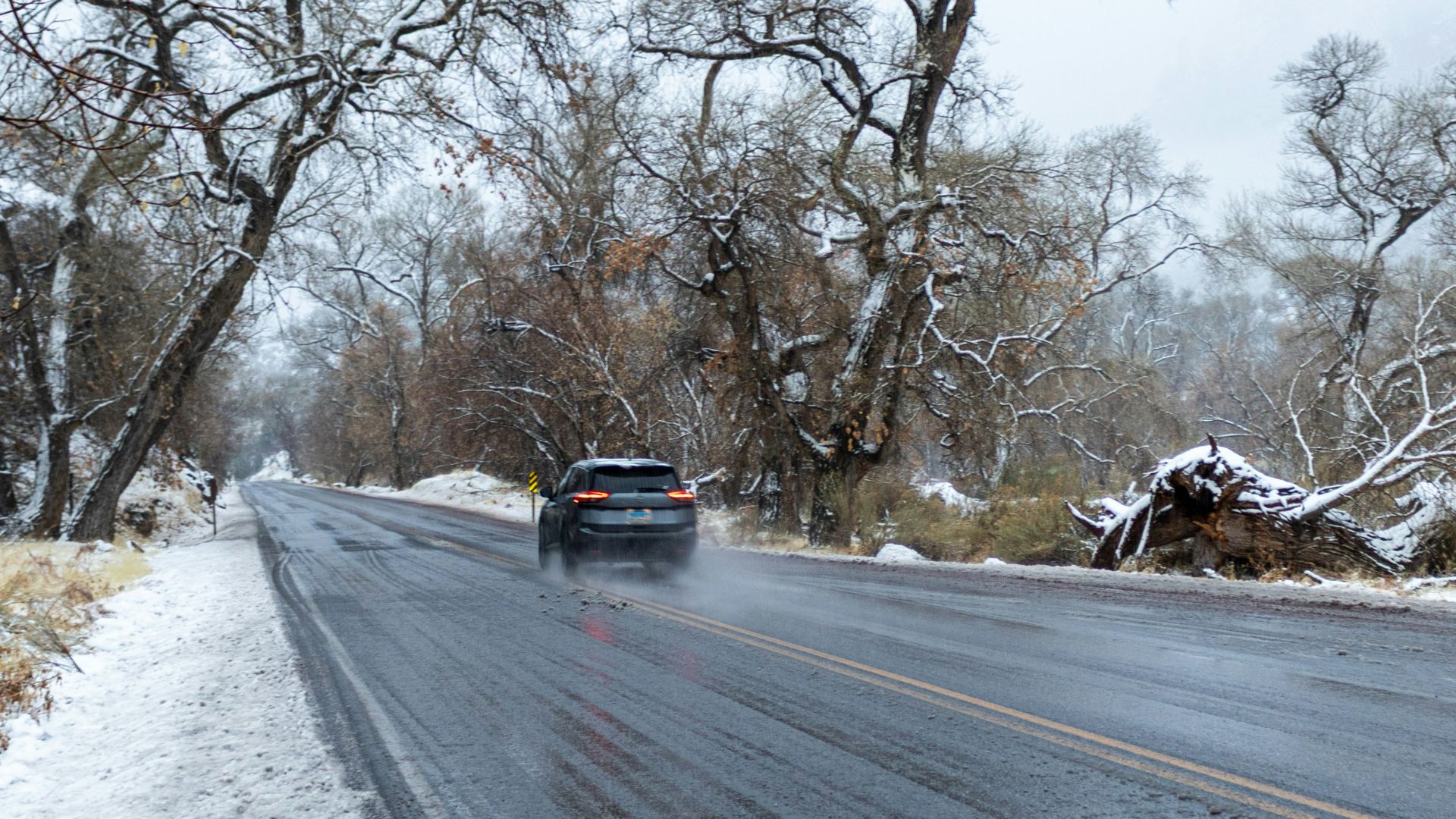
Regular tire rotations help all four tires wear at similar rates. Keeping wear even throughout the life of the tires makes future replacement decisions easier and reduces the chance of facing an expensive four tire replacement after one failure.
Alignment Counts Too
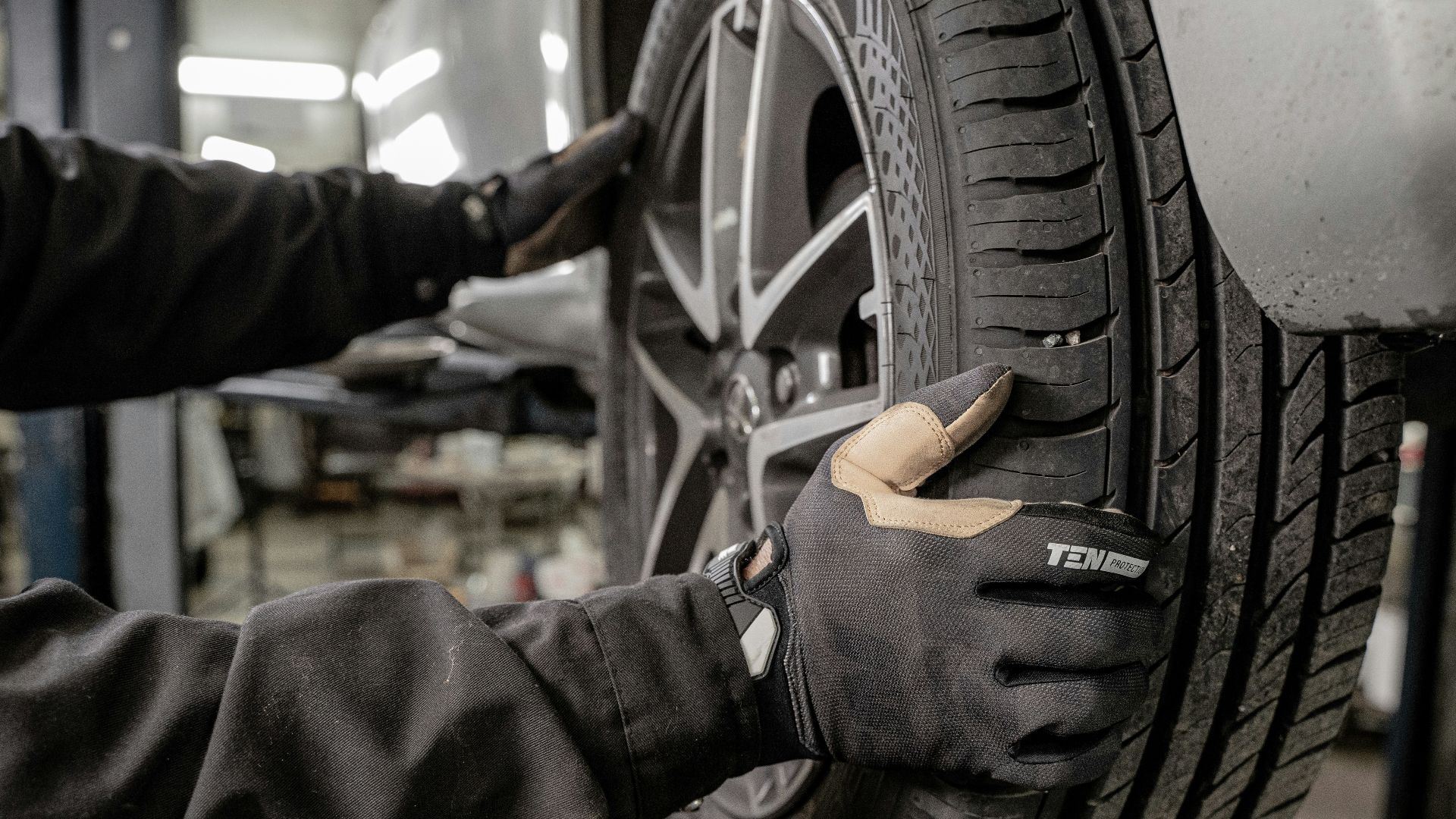
Poor alignment often causes one or two tires to wear much faster than the others. If a blowout follows severe uneven wear, replacing tires without correcting the alignment problem simply guarantees the same issue will return.
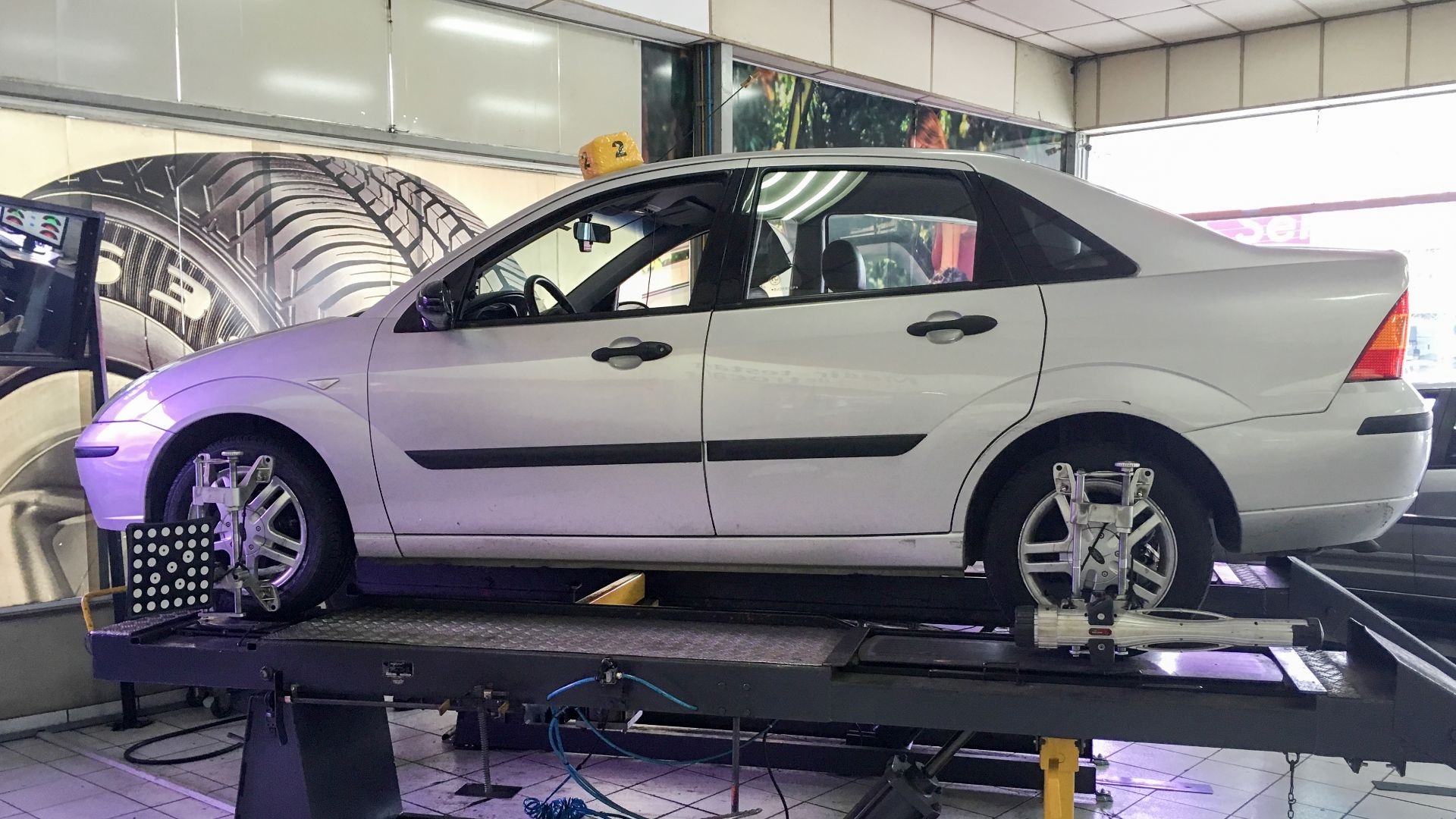 Photograph by Mike Peel (www.mikepeel.net)., Wikimedia Commons
Tire Age Matters
Even if the remaining tires still have acceptable tread, they may be approaching the end of their safe lifespan. Cracking, dry rot, or advanced age can justify replacing the full set regardless of tread depth.
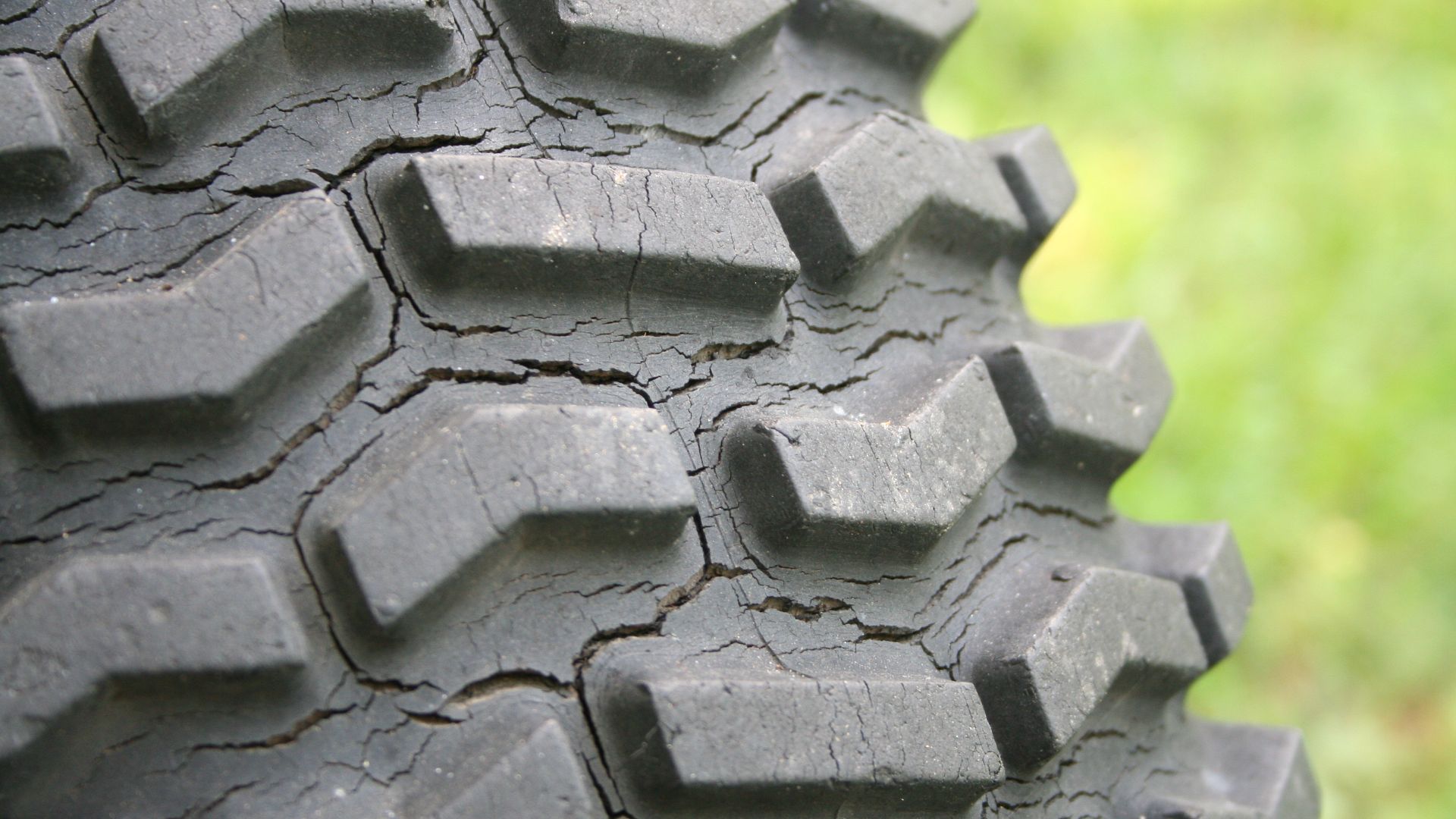 Griffinstorm, Wikimedia Commons
Insurance Rarely Helps
Most standard auto insurance policies do not pay for ordinary tire replacement after road hazards unless you purchased separate tire protection. Some tire retailers also sell road hazard warranties that may significantly reduce replacement costs.

Cost Vs Risk
Replacing four tires can feel painful financially. However, damaging an AWD transfer case or differential because of mismatched tires may cost several times more. The cheapest decision today is not always the least expensive decision over several years.
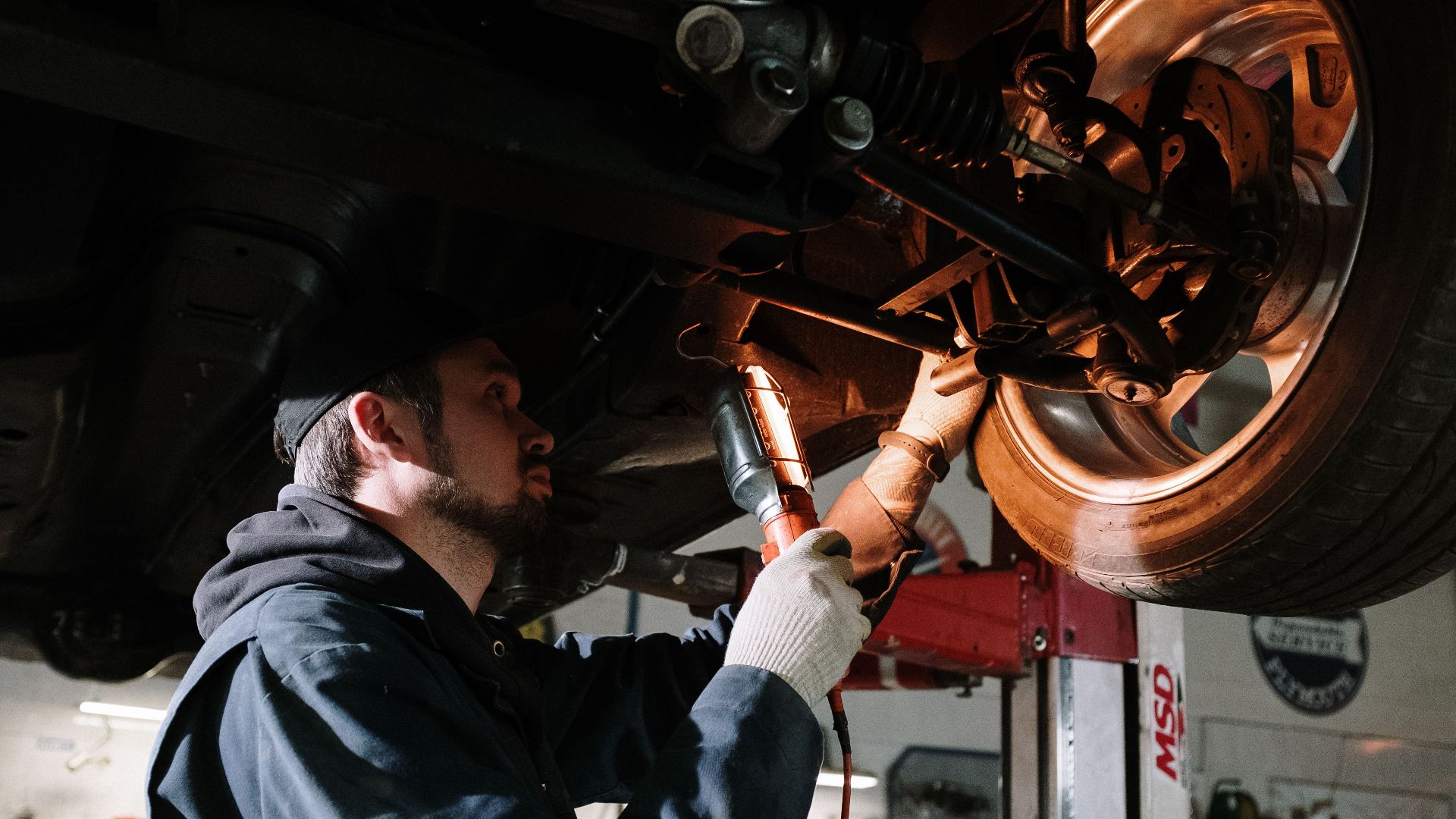
Questions Worth Asking
Ask your mechanic exactly how much tread remains, whether your vehicle manufacturer specifies replacement limits, whether tire shaving is available, and whether a matching used tire could safely solve the problem. Good shops welcome informed questions.

Know Your Vehicle
The correct answer is rarely a simple yes or no. Some drivers genuinely need four new tires after a blowout, while others can safely replace only one or two. Understanding your drivetrain, tread depth, tire age, and manufacturer recommendations helps you avoid unnecessary spending while protecting your vehicle.

You May Also Like:
Exactly What You Need To Do To Get The Most Out Of Your Tires