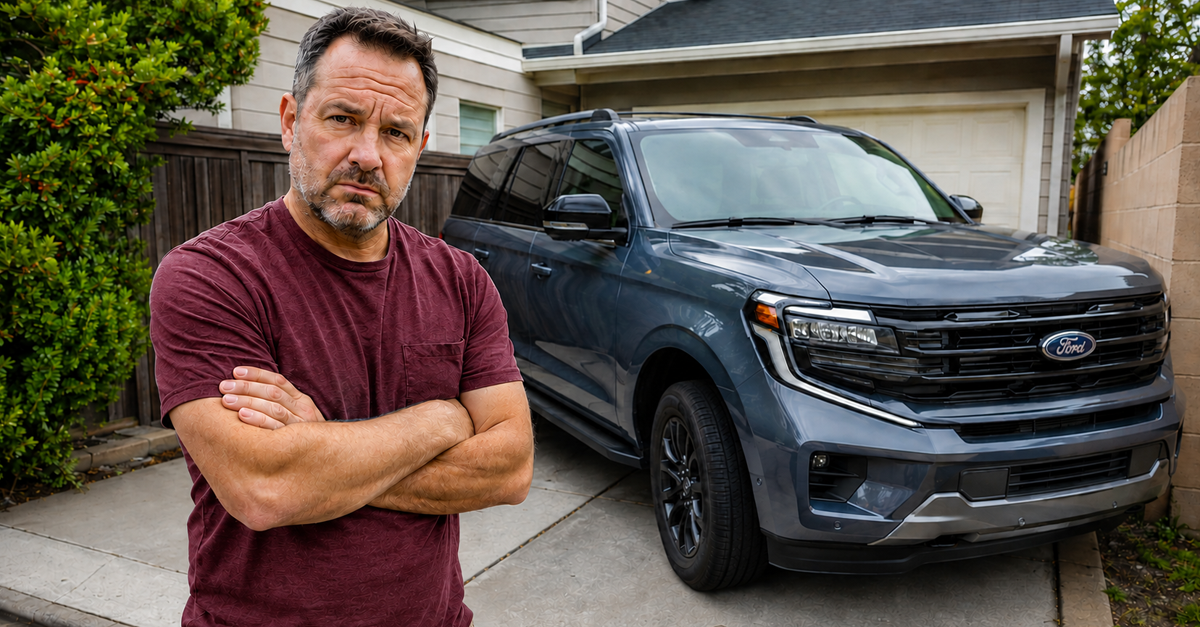
The Honeymoon Ended In The Driveway
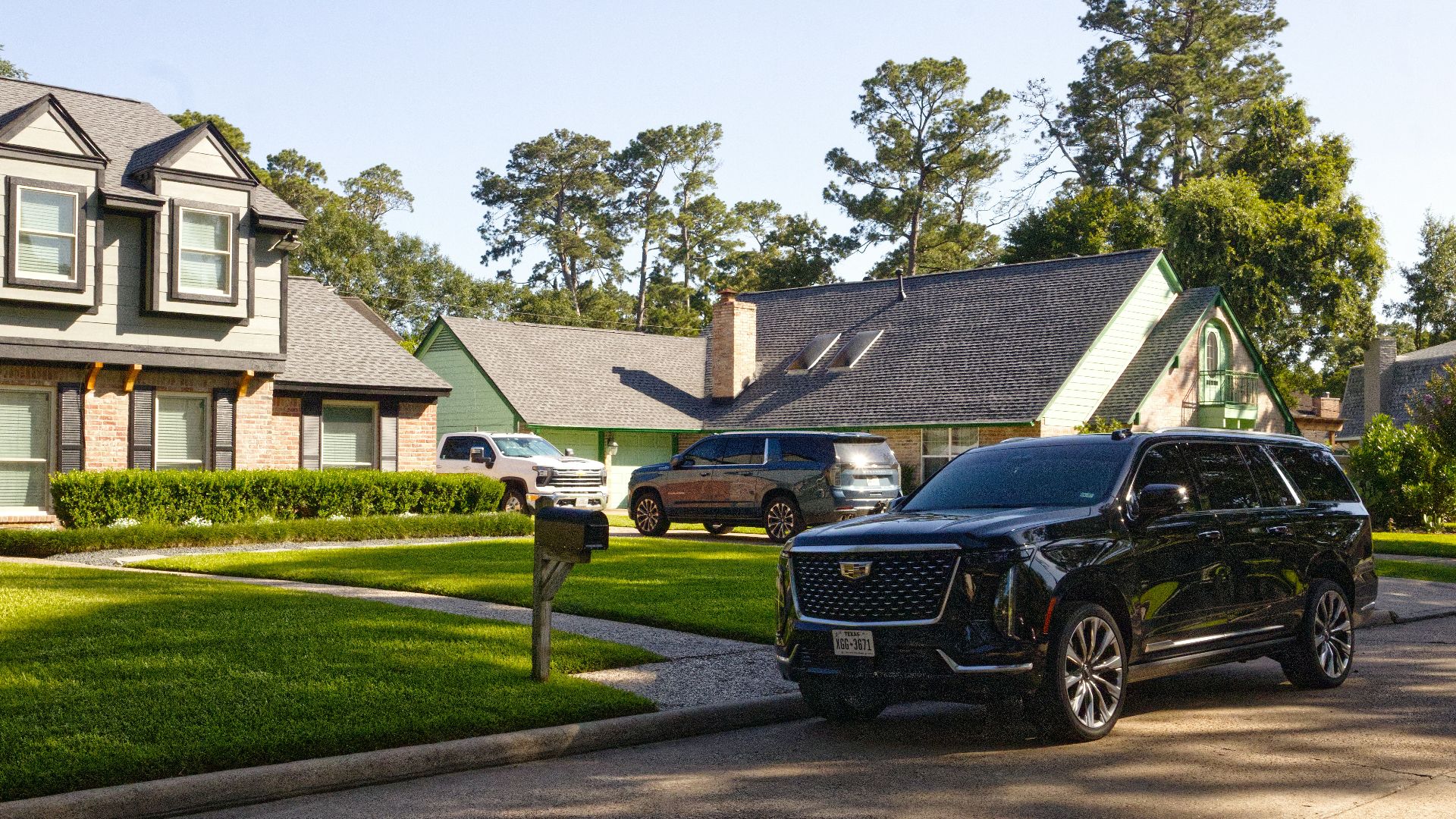
A large SUV can feel wonderfully spacious on the test drive and surprisingly cumbersome once you bring it home. A narrow driveway, tight gate, or short approach may expose maneuverability problems that never appeared at the dealership. If every arrival requires a three-point shuffle, your second thoughts are understandable.
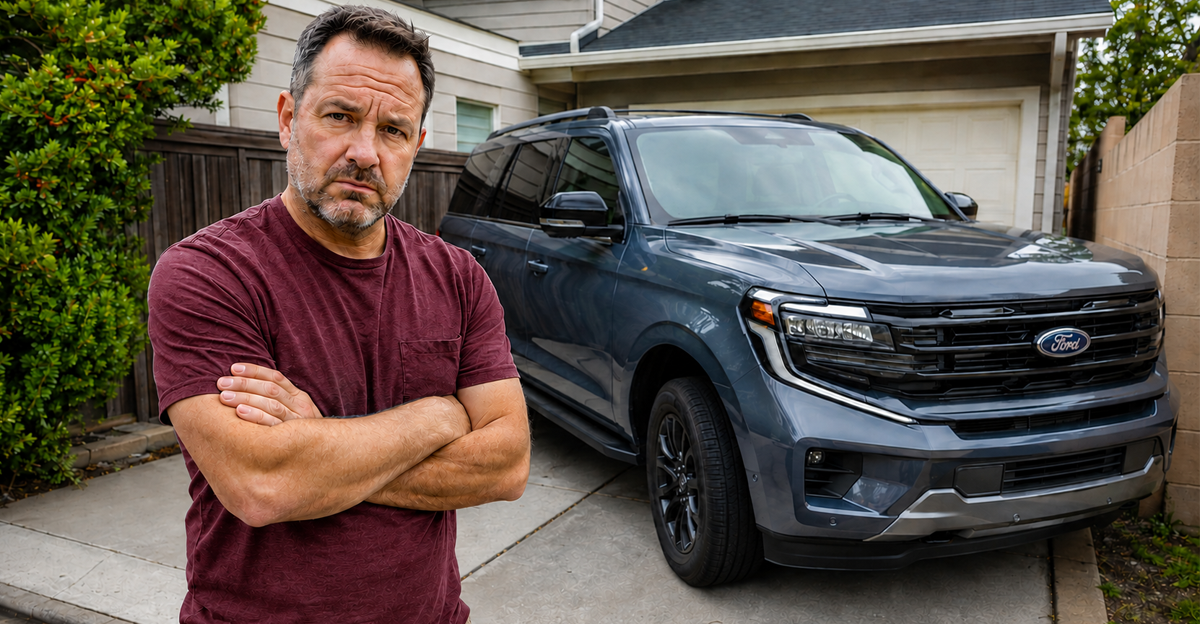
Yes, New Vehicles Are Getting Bigger
The Environmental Protection Agency reports that average new-vehicle weight and footprint have generally increased in recent years. The market has also shifted dramatically away from sedans and wagons toward SUVs. Bigger vehicles now dominate showrooms, even though many homes and parking facilities were designed decades ago.
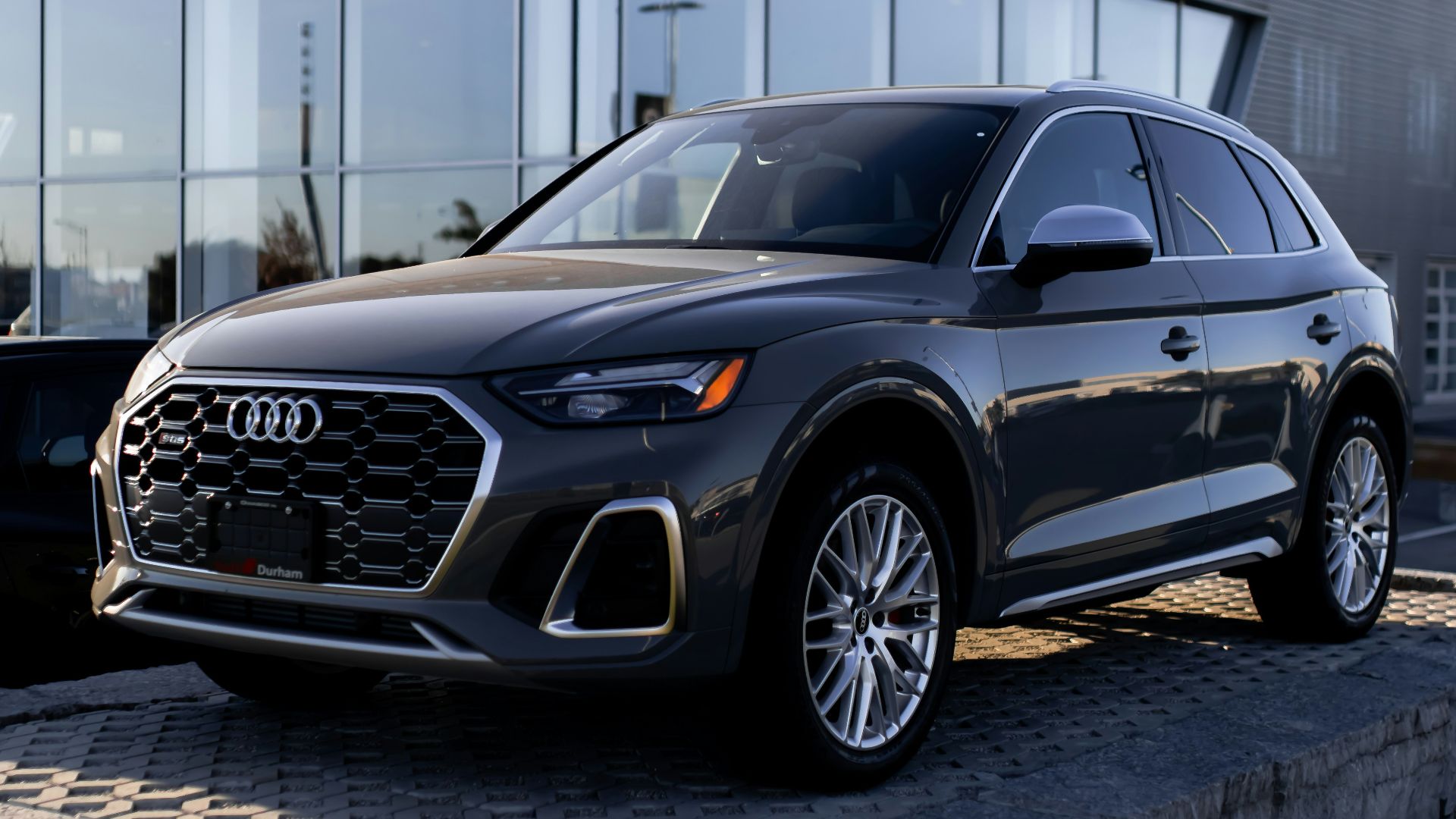
 Coolcaesar at English Wikipedia, Wikimedia Commons
SUVs Now Rule The Market
According to the EPA, vehicles classified as trucks under federal fuel-economy rules represented 66 percent of new production for the 2024 model year. Truck SUVs alone accounted for half of new-vehicle production. Buyers seeking something smaller therefore face fewer choices than they once did.
Turning Radius Is Only Half The Story
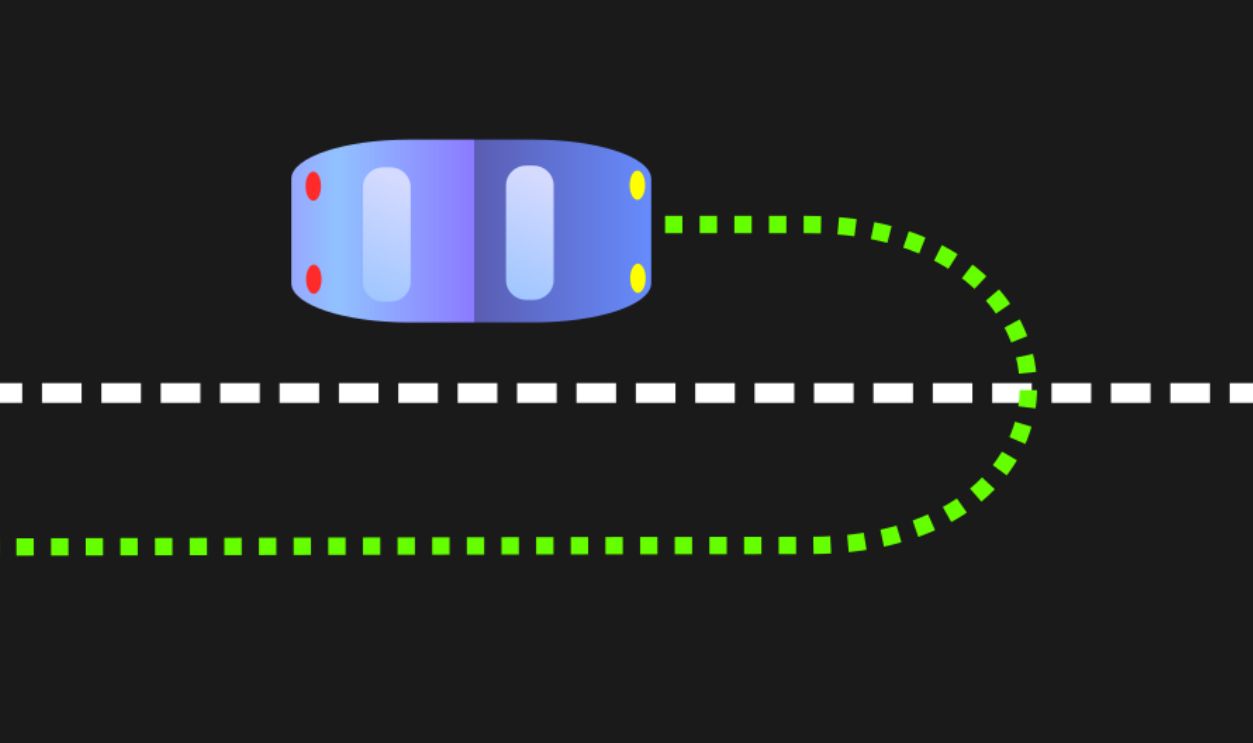
Manufacturers commonly publish a turning diameter, which describes the space needed to complete a circular turn. That figure is often measured curb to curb using the path of the tires. The body, mirrors, bumpers, and corners can travel outside that measured circle.
 Smurrayinchester, Wikimedia Commons
Wheelbase Makes A Major Difference
Wheelbase is the distance between the front and rear axles. A longer wheelbase generally requires more room to turn when other design factors remain similar. Full-size SUVs use long wheelbases to create passenger space, improve high-speed stability, and support generous cargo capacity.
Steering Angle Matters Too
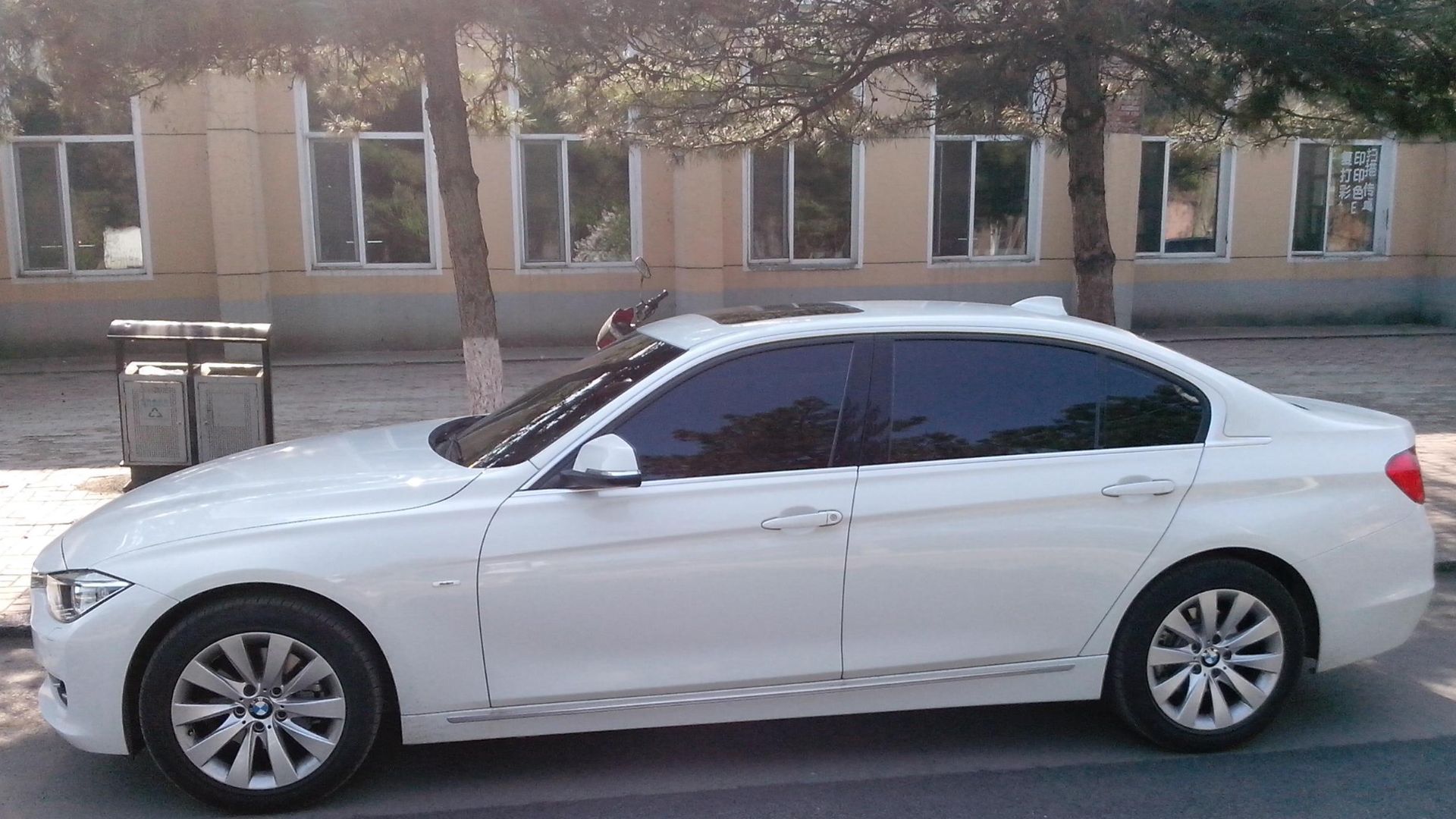
Vehicle size does not determine maneuverability by itself. Engineers can reduce the turning circle by allowing the front wheels to reach a greater steering angle. Suspension components, tire width, wheel size, and four-wheel-drive hardware can limit how far those wheels can turn.
Similar SUVs Can Feel Very Different
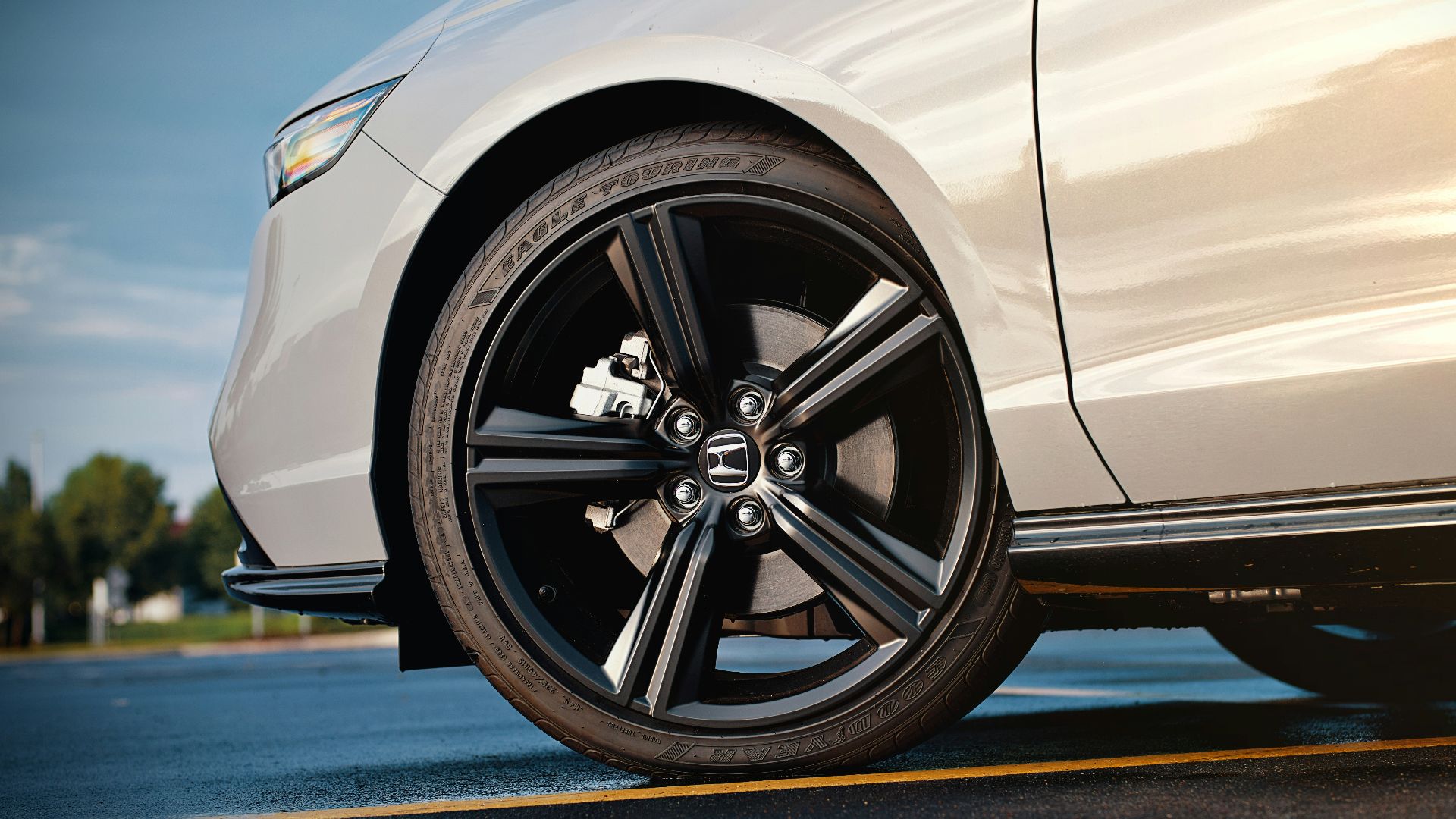
Two SUVs with comparable exterior dimensions may have noticeably different turning circles. Steering geometry and maximum wheel angle can offset some of the disadvantages of a long wheelbase. This is why specifications and a proper low-speed test are more useful than judging maneuverability from a photograph.
Full-Size Really Means Full-Size
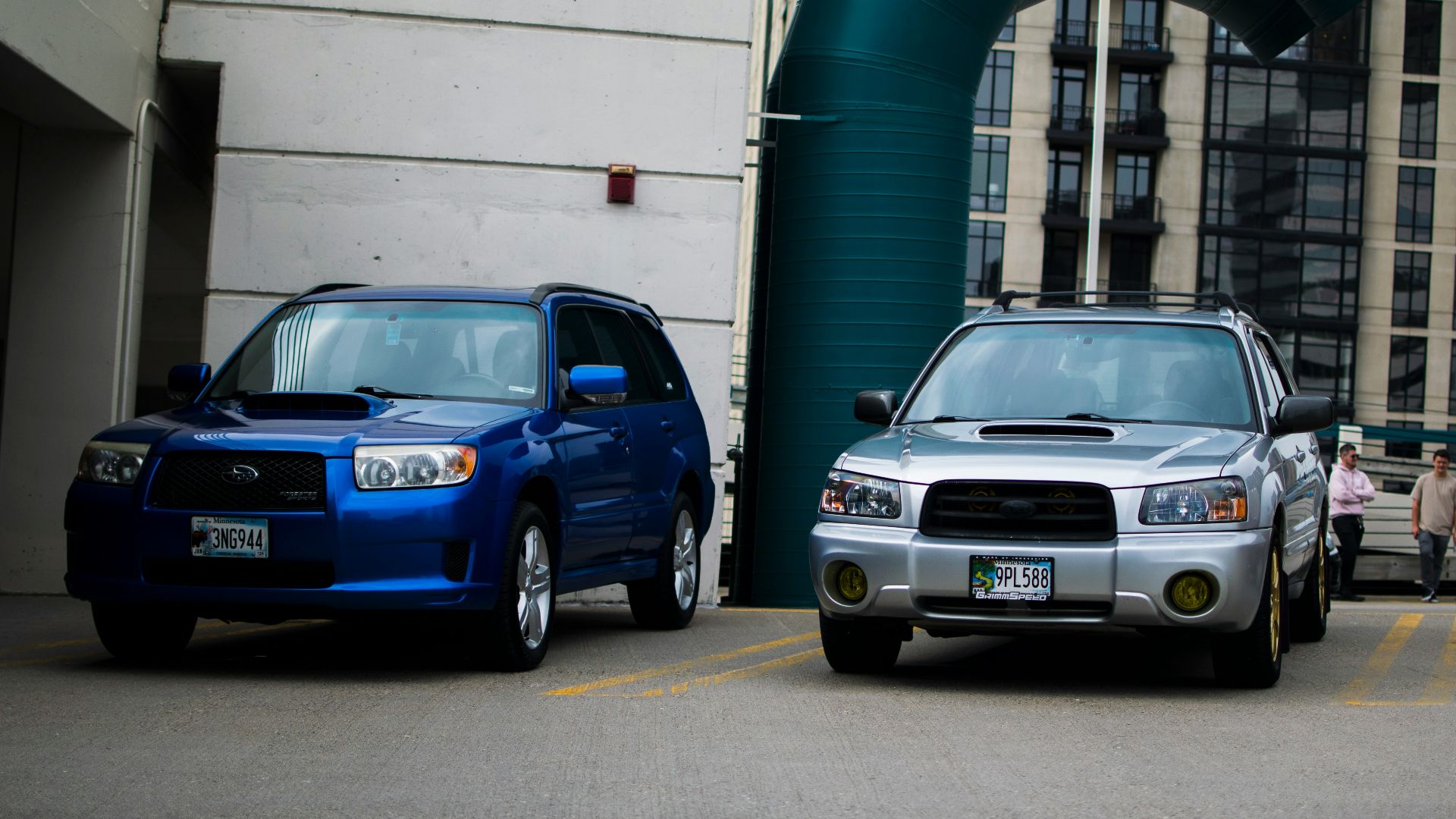
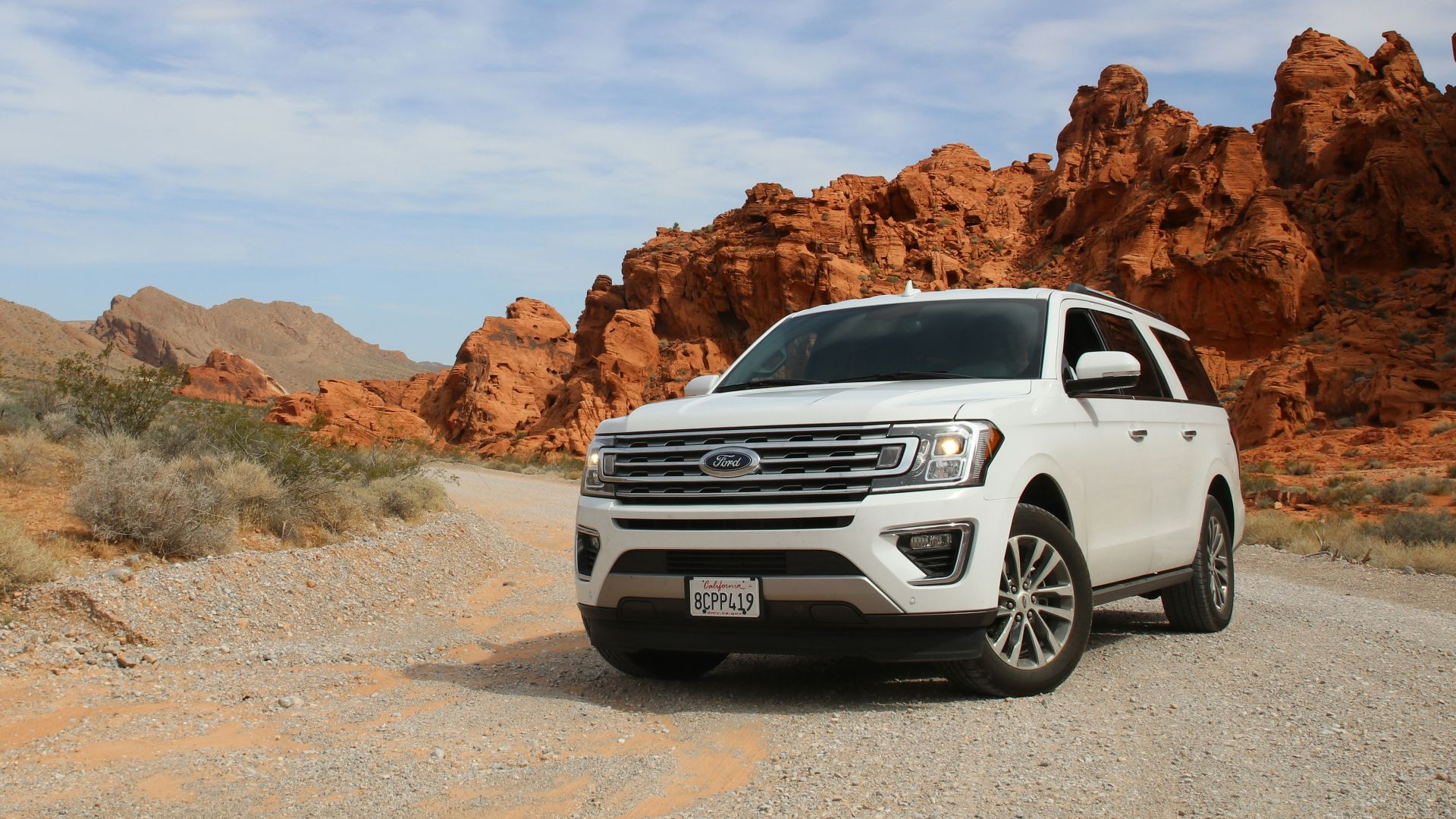
Ford lists the regular 2025 Expedition at 209.9 inches long, while the Expedition MAX stretches to 221.7 inches. Both versions measure 94.6 inches wide when their mirrors are included. Those dimensions demand careful placement in driveways that were built around narrower cars.
Some SUVs Stretch Even Farther
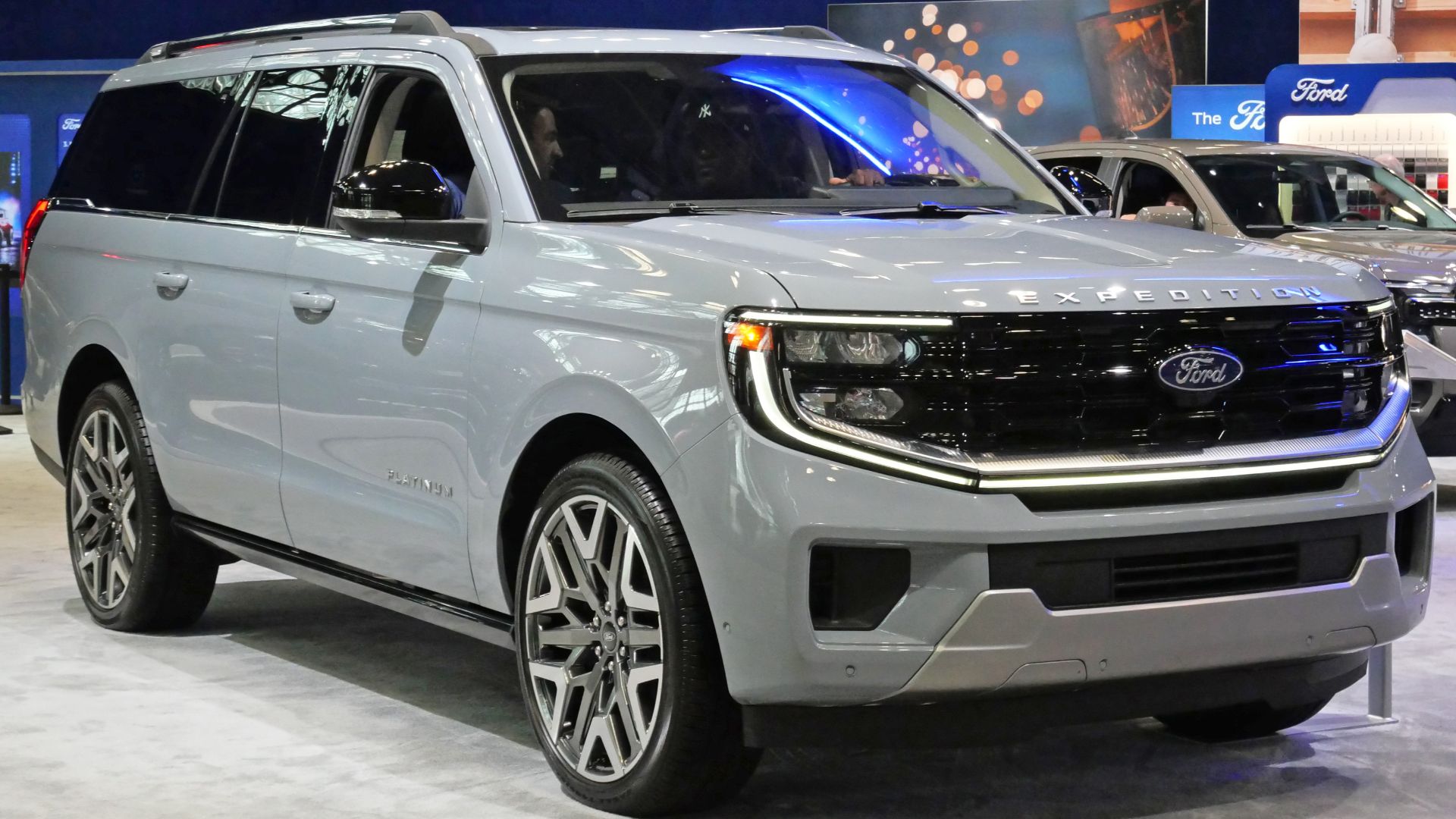
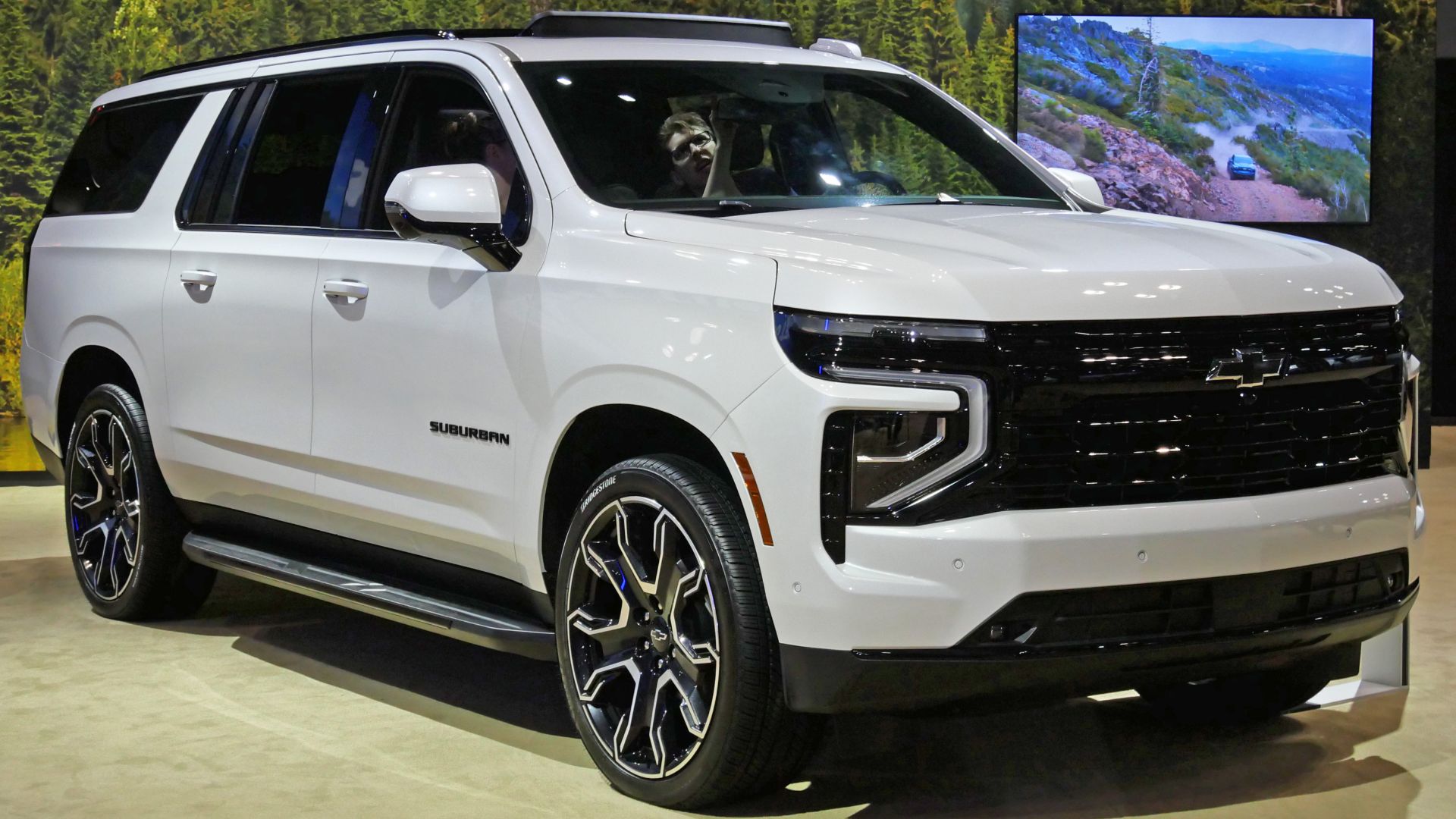
Chevrolet lists the 2026 Suburban at 226.3 inches long and 93.6 inches wide with its mirrors. It can carry up to nine people in certain configurations and provides substantial cargo room. Those capabilities are real, but so is the amount of pavement the vehicle occupies.
The Corners Follow Different Paths
During a tight turn, the inside rear wheel follows a smaller arc than the outside front corner. The rear body can cut toward a curb while the nose swings outward. Watching only one side of the SUV can therefore leave the other side exposed.
Driveway Shape Can Magnify The Problem
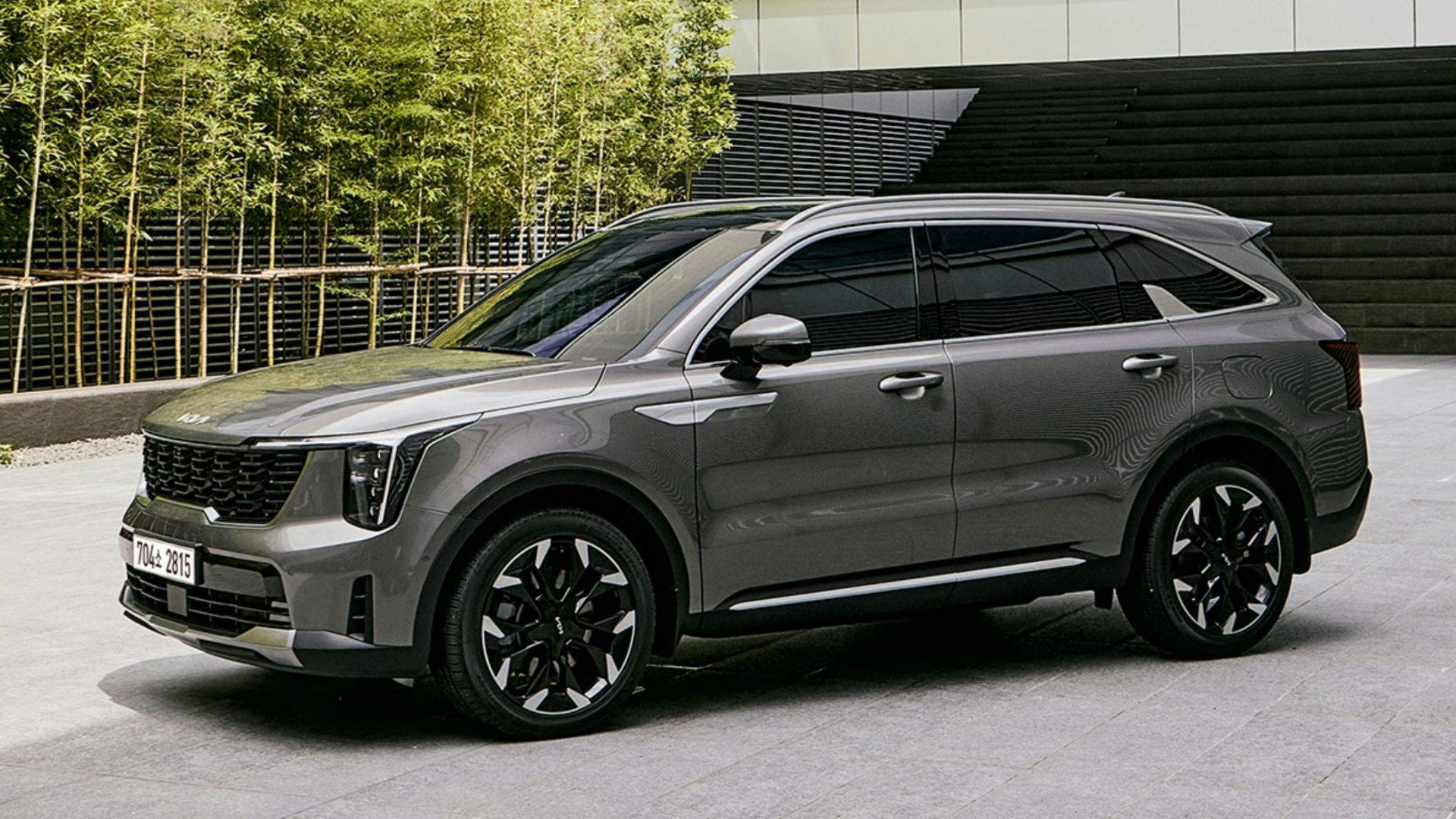
A driveway that meets the street at an angle requires more steering correction than a straight approach. Curbs, retaining walls, parked cars, and gateposts can reduce the usable opening further. A vehicle that technically fits between the boundaries may still lack enough room to line up smoothly.
Height Can Hurt Your Sightlines
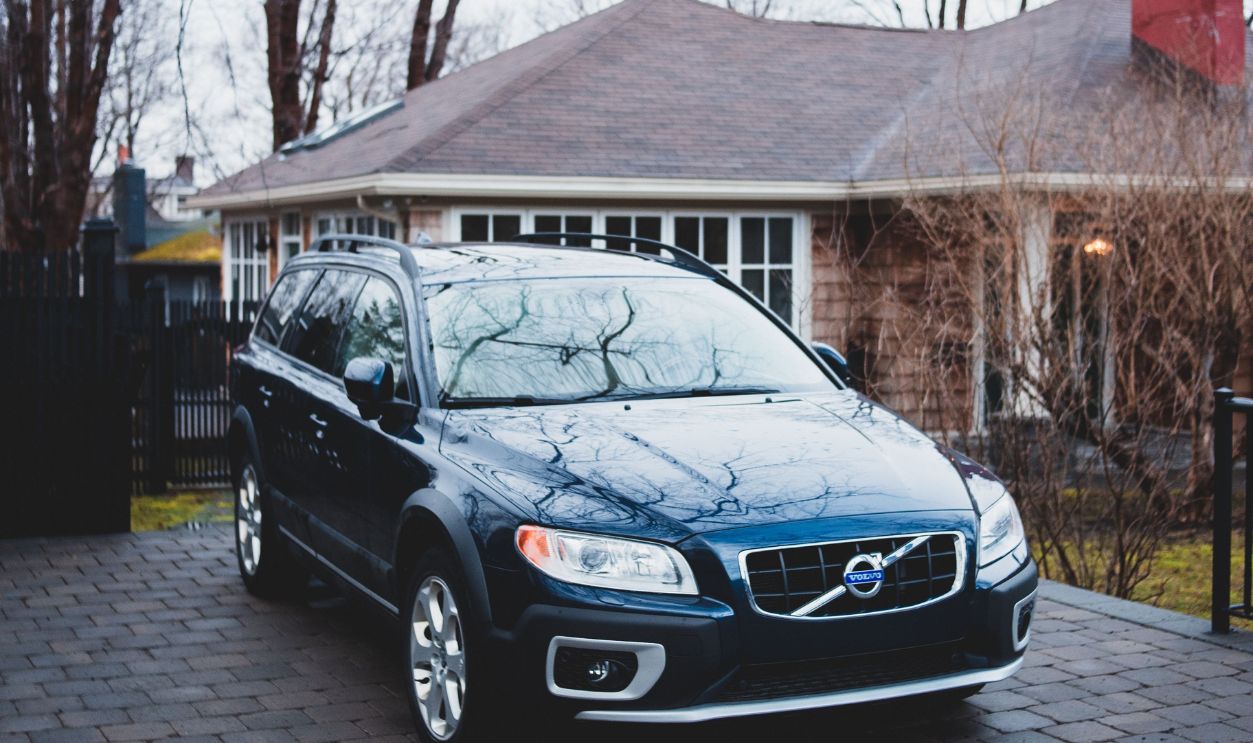
A high driving position gives a commanding view farther down the road, but the nearby view can be worse. IIHS found that drivers of a 2023 Chevrolet Suburban could see only 28 percent of the area measured 10 meters in front of the vehicle. Drivers of the 2000 version could see 56 percent of the same measured area.
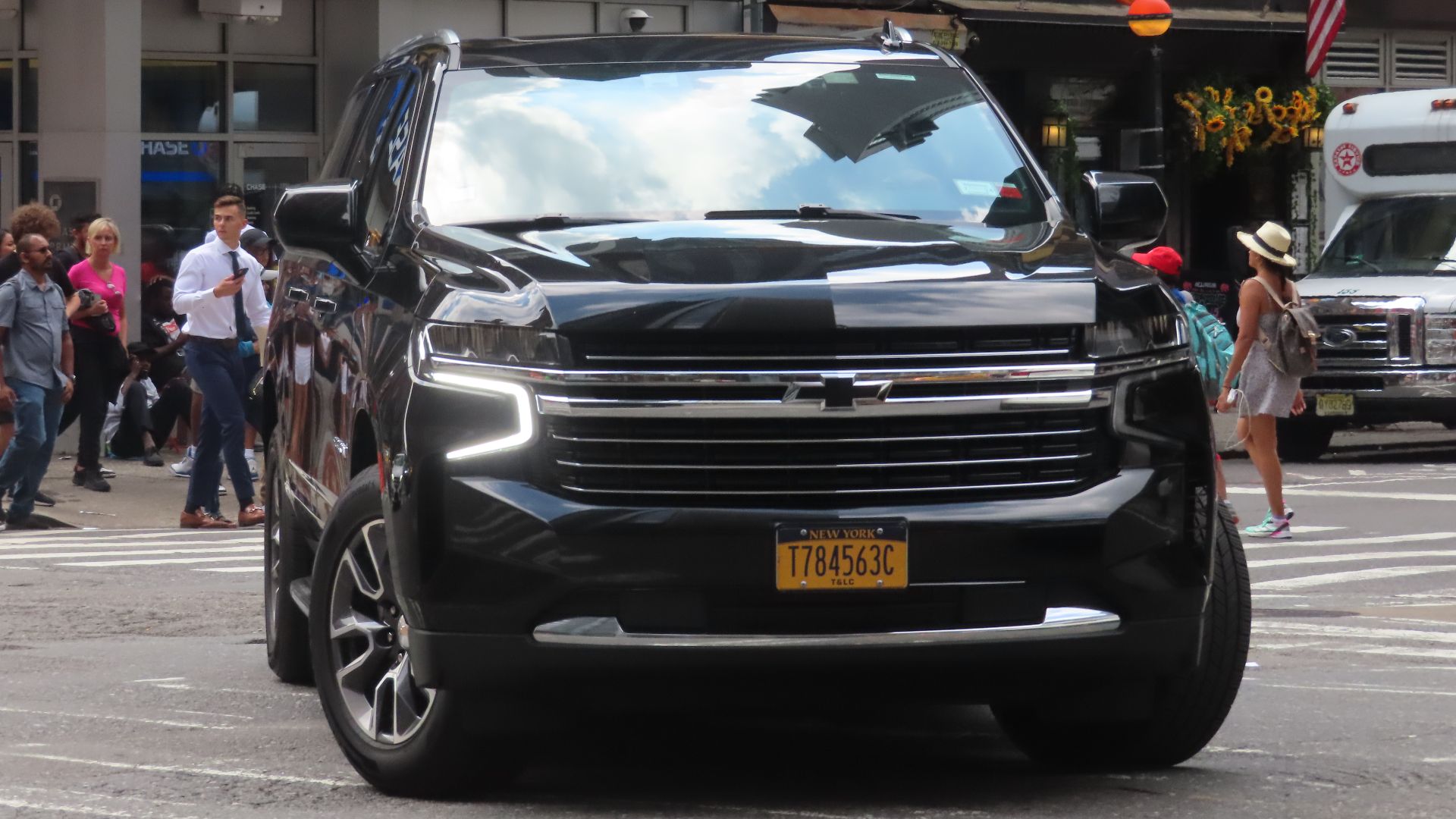 Jason Lawrence from New York, Wikimedia Commons
Modern Styling Adds More Blind Zones
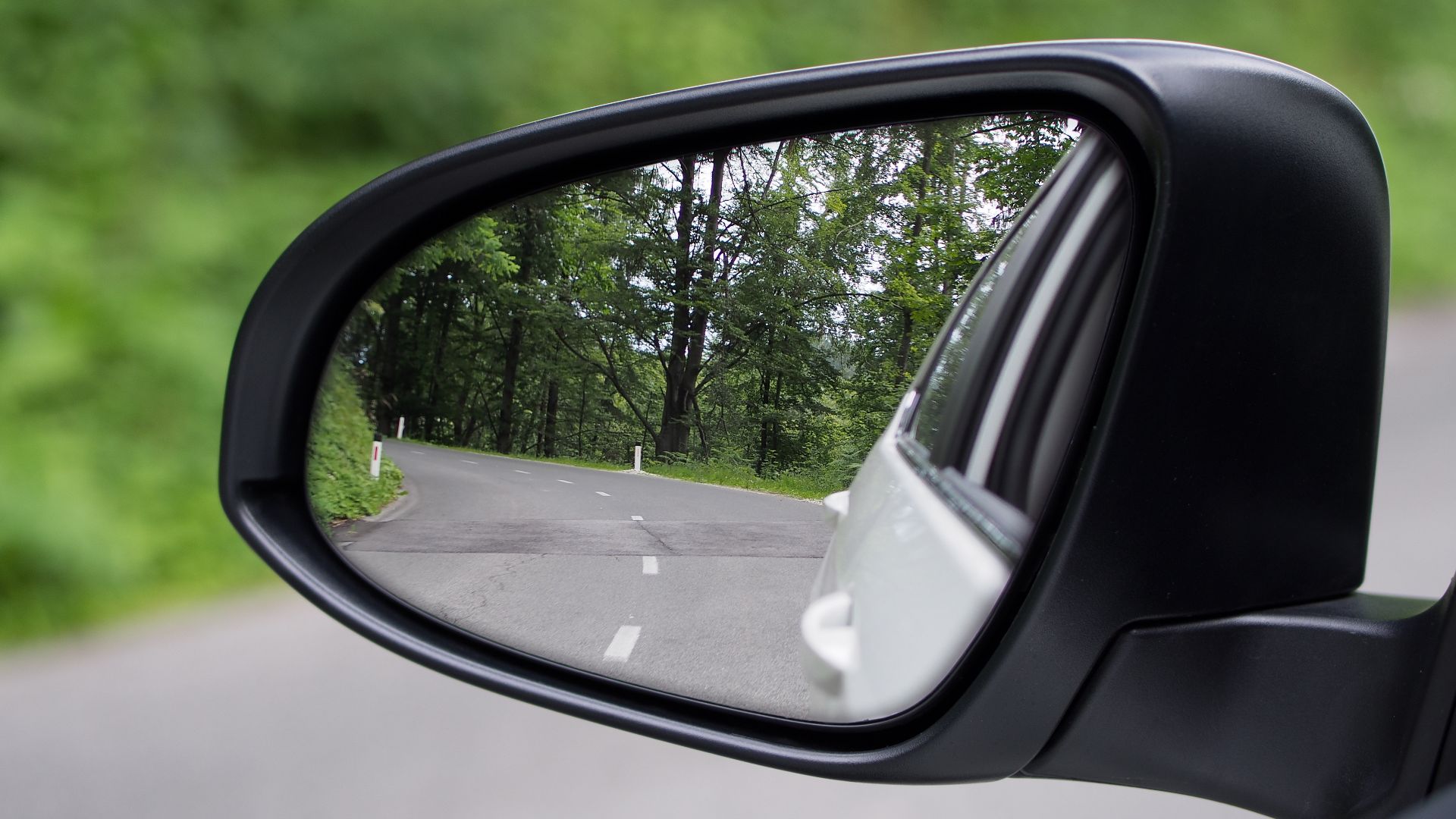
The IIHS study linked declining close-range visibility to higher hoods and larger side mirrors, among other design changes. Thick roof pillars can also hide objects or pedestrians during a turn. Moving your head before proceeding can reveal hazards that remain hidden from a fixed seating position.
 Petar Milosevic, Wikimedia Commons
Cameras Help Without Shrinking The SUV
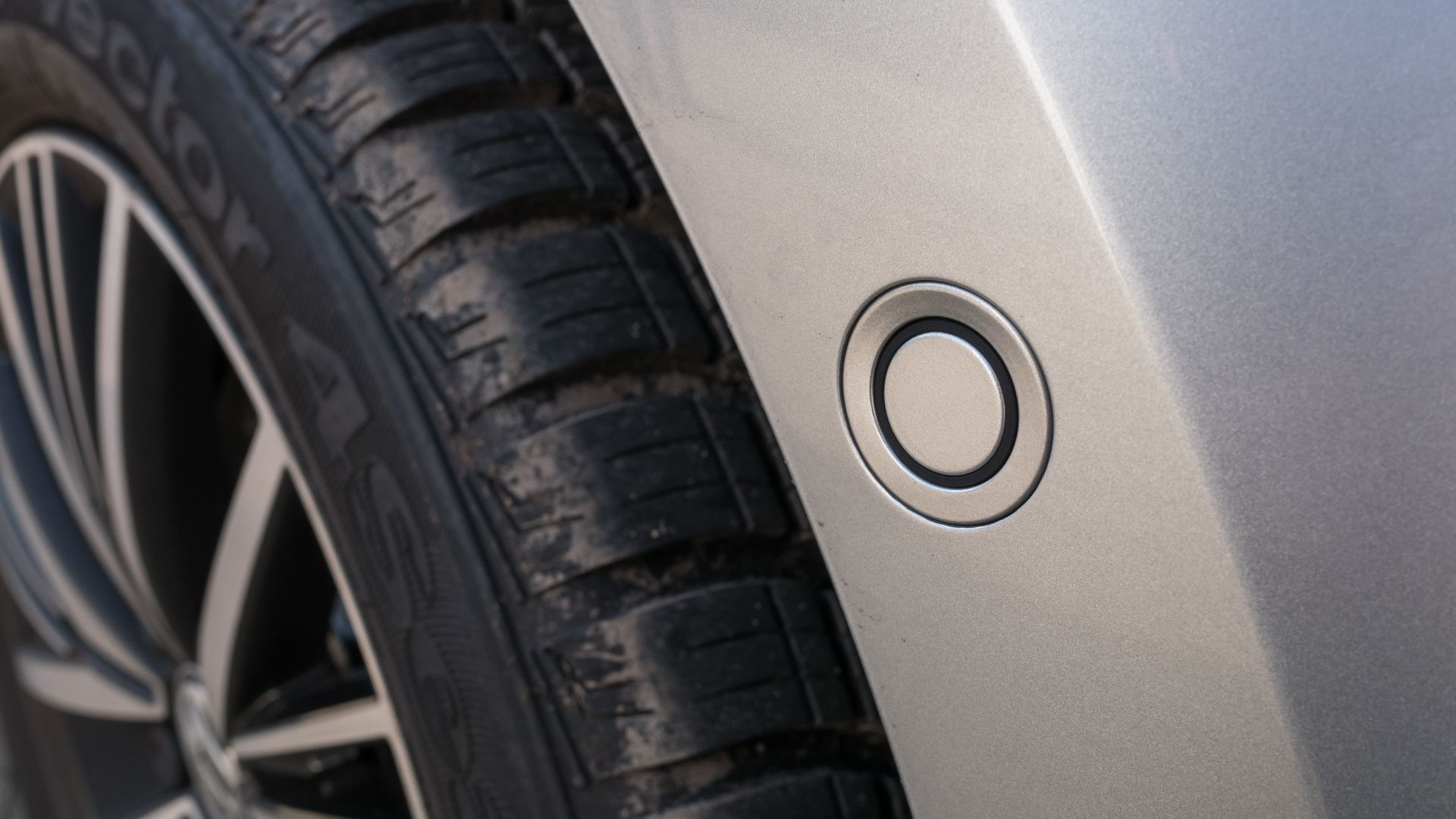
A surround-view camera can make it easier to judge curbs, painted lines, and driveway edges. Parking sensors can provide additional warnings when the vehicle approaches an obstacle. Neither feature changes the SUV’s physical turning circle or guarantees that every object will be detected.
Technology Still Needs A Driver
AAA advises drivers to remain attentive when using camera, radar, and ultrasonic safety systems. Sensors may miss certain objects, and their performance can be affected by dirt, weather, or obstruction. The safest approach combines the available displays with direct visual checks.
Reversing May Be The Better Approach
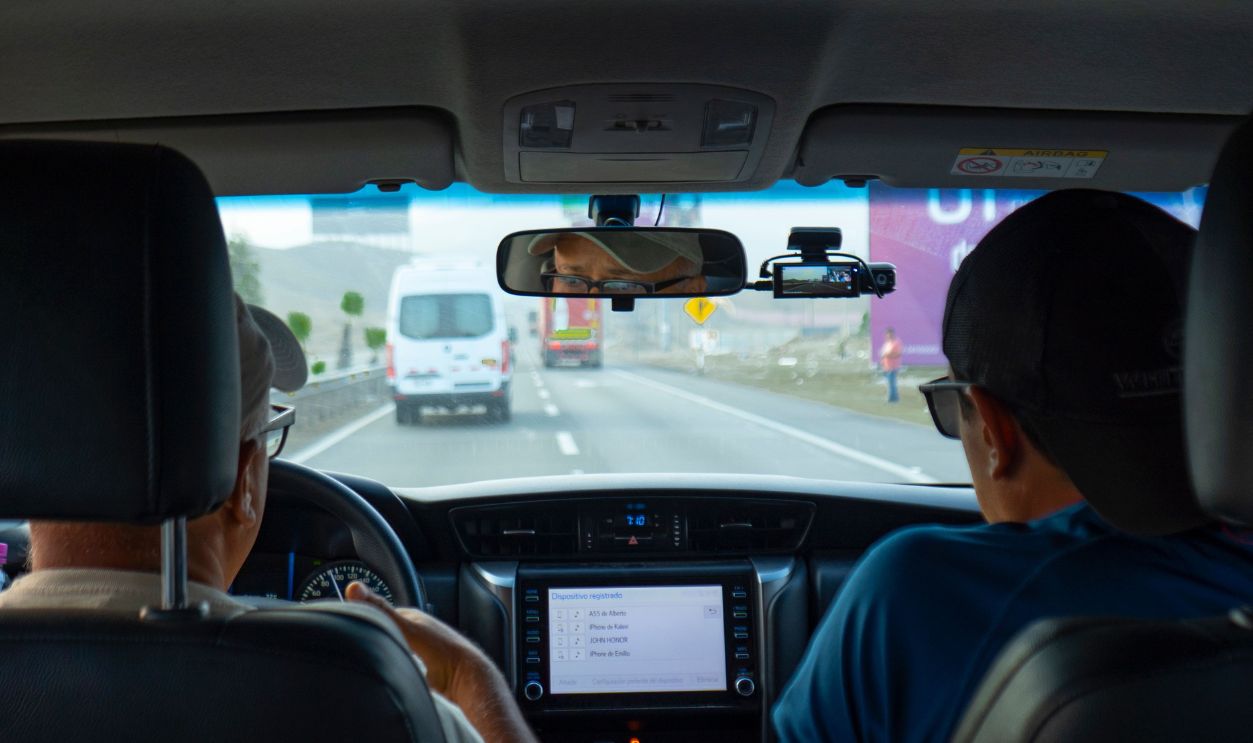
Backing into a driveway can sometimes provide better control over the vehicle’s final position. The front end remains free to swing through the wider street while the rear is guided into the opening. Whether this works at your home depends on traffic, visibility, driveway geometry, and local restrictions.

Practice In An Empty Lot First
An open parking lot provides a safer place to learn where the SUV’s wheels and corners travel. Use existing lines as references and make slow turns in both directions. Repeating the exercise can help you identify the point at which the front corner begins its outward swing.
Map The Driveway With Markers
Measure the narrowest opening and compare it with the SUV’s width, including its mirrors. Soft cones can help mark the path without putting the vehicle or property at risk. A spotter can assist, but the driver should stop immediately whenever that person disappears from view.
Do Not Treat Folding Mirrors As A Cure
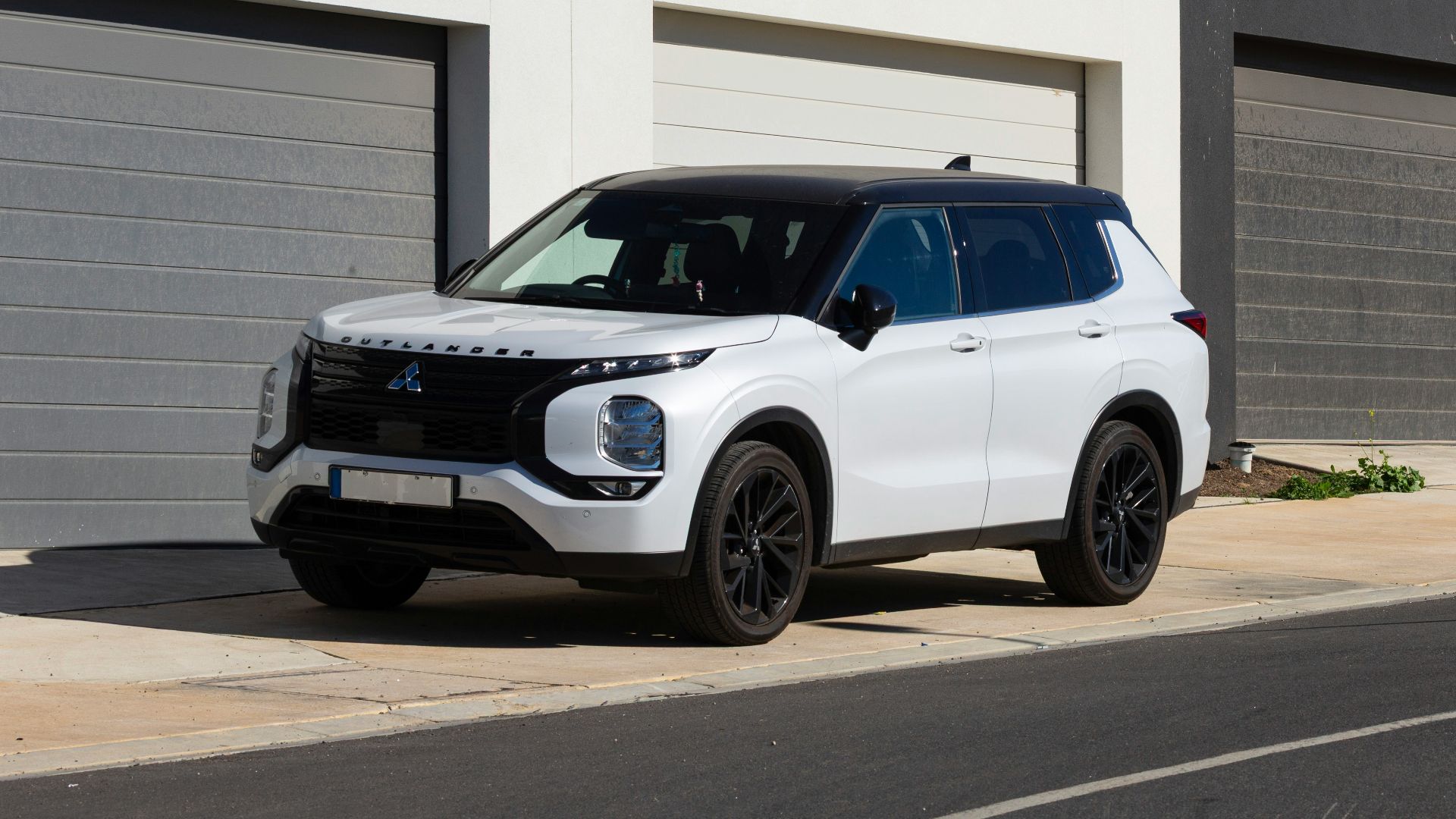
Power-folding mirrors can provide useful clearance after the SUV is aligned. Folding them too early removes an important view down the vehicle’s sides. If the body itself barely clears the entrance, reduced mirror width will not solve the turning problem.
Bigger Wheels Can Change The Experience
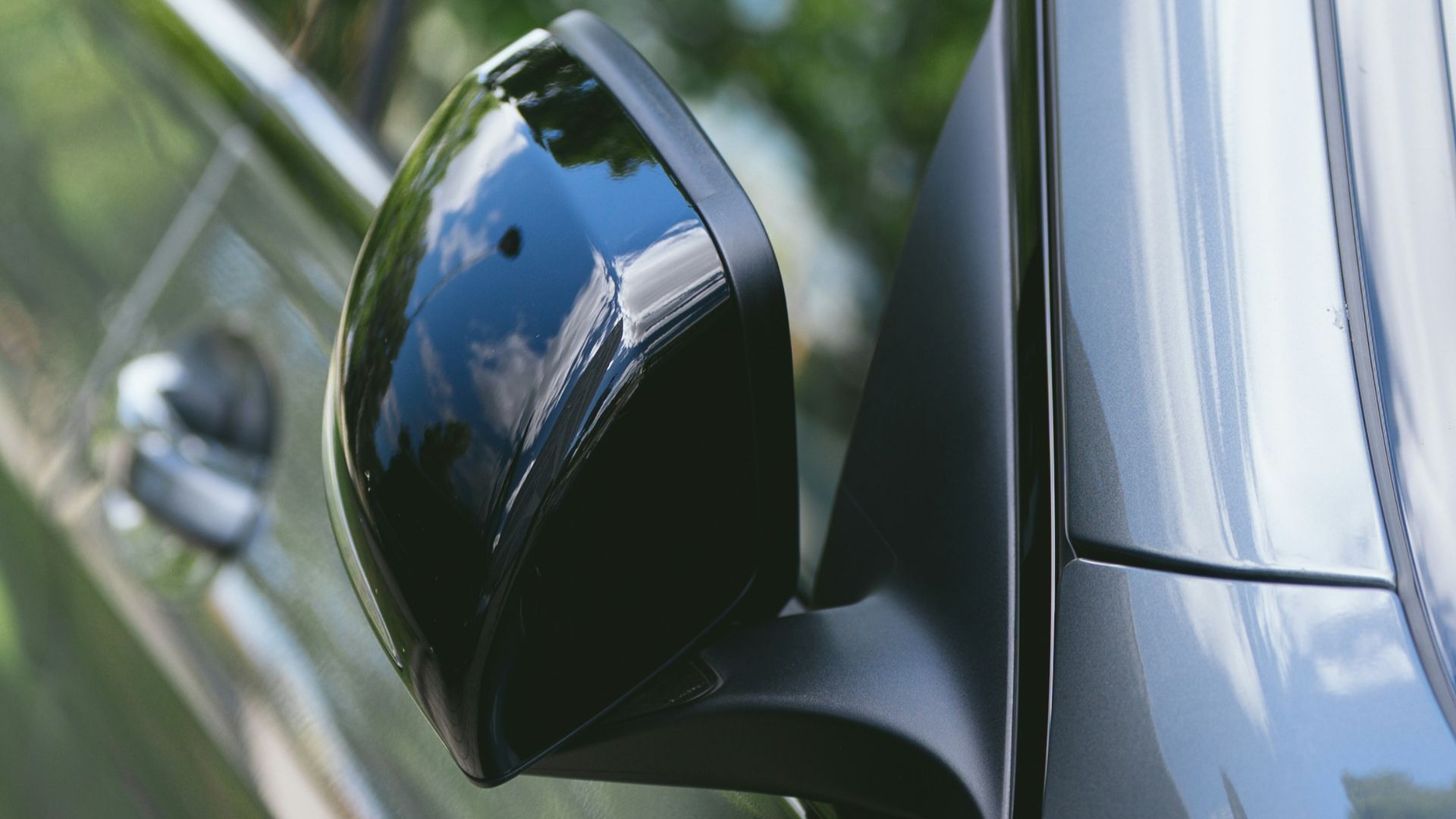
Large wheels and wide tires are popular on upper SUV trims, but different factory wheel packages can affect steering feel and maneuverability. Ford offers wheels as large as 24 inches on the Expedition. Buyers should test the exact trim and wheel combination they intend to own.
Four-Wheel Steering Can Help
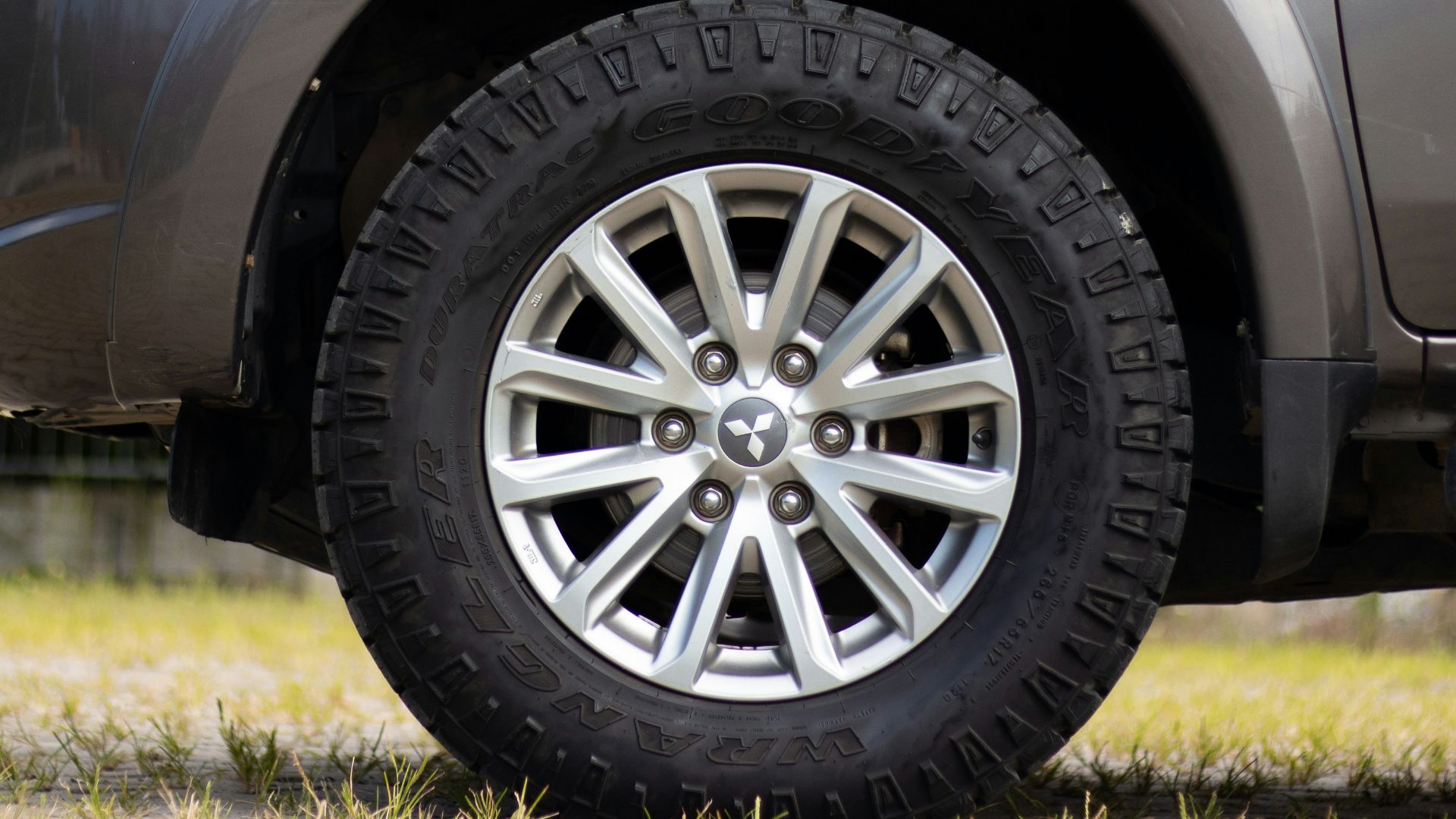
Some large vehicles use four-wheel steering to turn the rear wheels slightly opposite the fronts at low speeds. This can reduce the effective turning circle and make parking easier. Availability varies by model and trim, so it should never be assumed from the vehicle’s price or size.
Practicality Depends On Your Routine
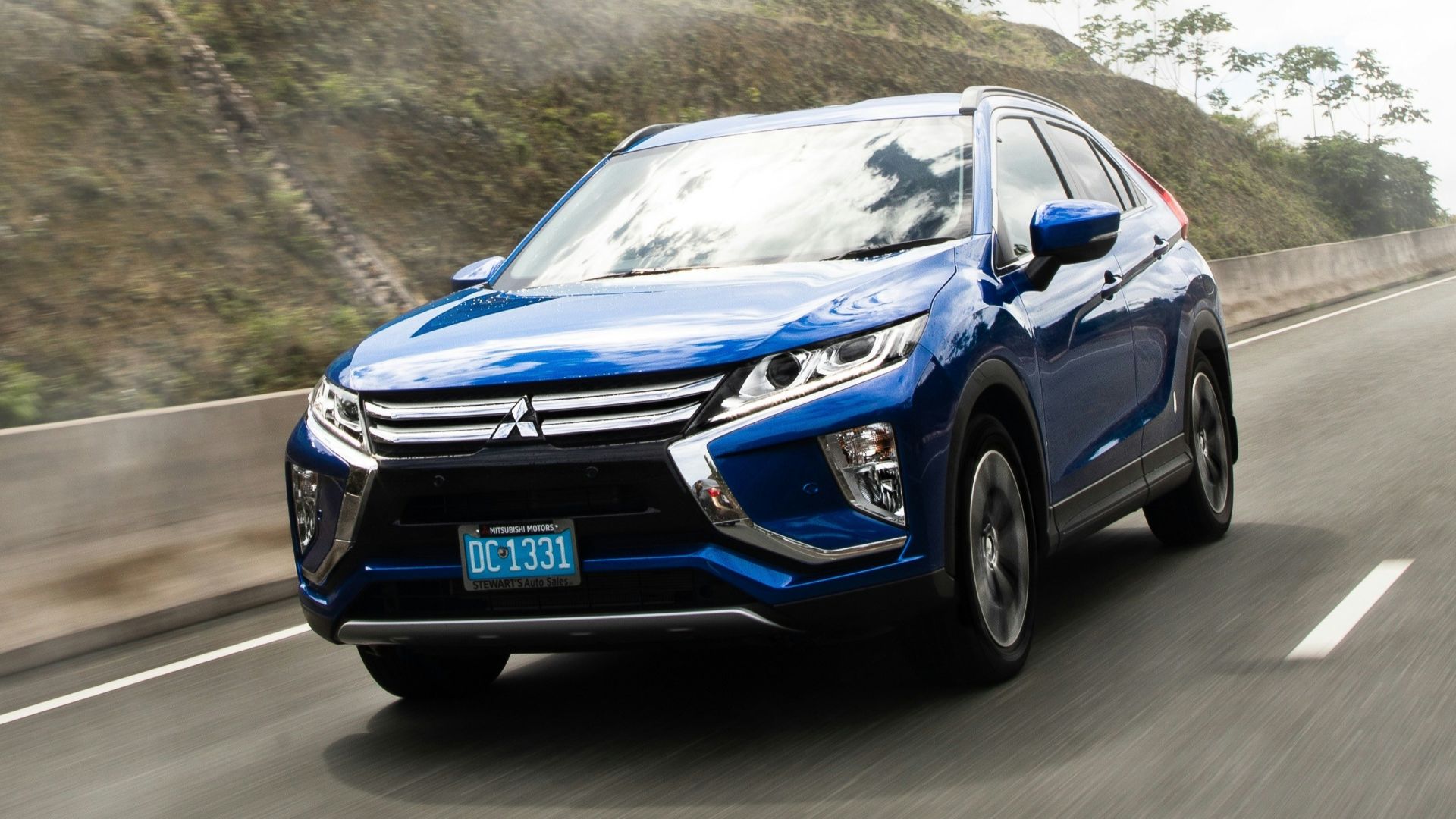
A large SUV may be practical for a family that regularly uses three rows, carries bulky equipment, or tows a heavy trailer. The same vehicle can be wasteful and frustrating for someone who usually travels alone and parks in tight urban spaces. Practicality is determined by everyday use, not maximum capability.
Extra Capacity Carries Daily Costs
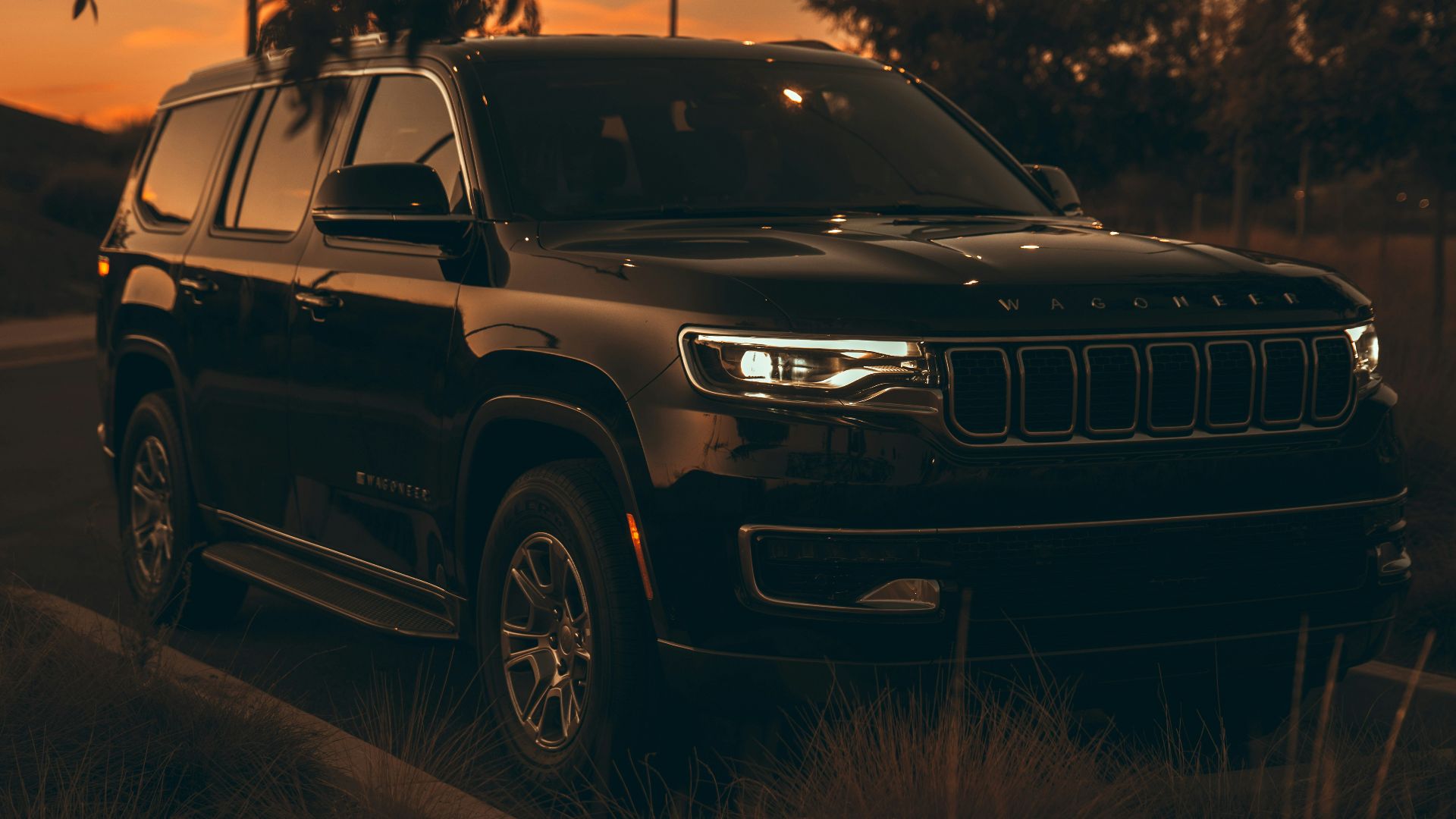
A third row and a huge cargo area remain attached to the vehicle even when they are empty. Their surrounding structure contributes to the SUV’s length, weight, and footprint. Owners deal with those dimensions on every driveway entrance, fuel stop, and parking attempt.
Larger Is Not Automatically Safer
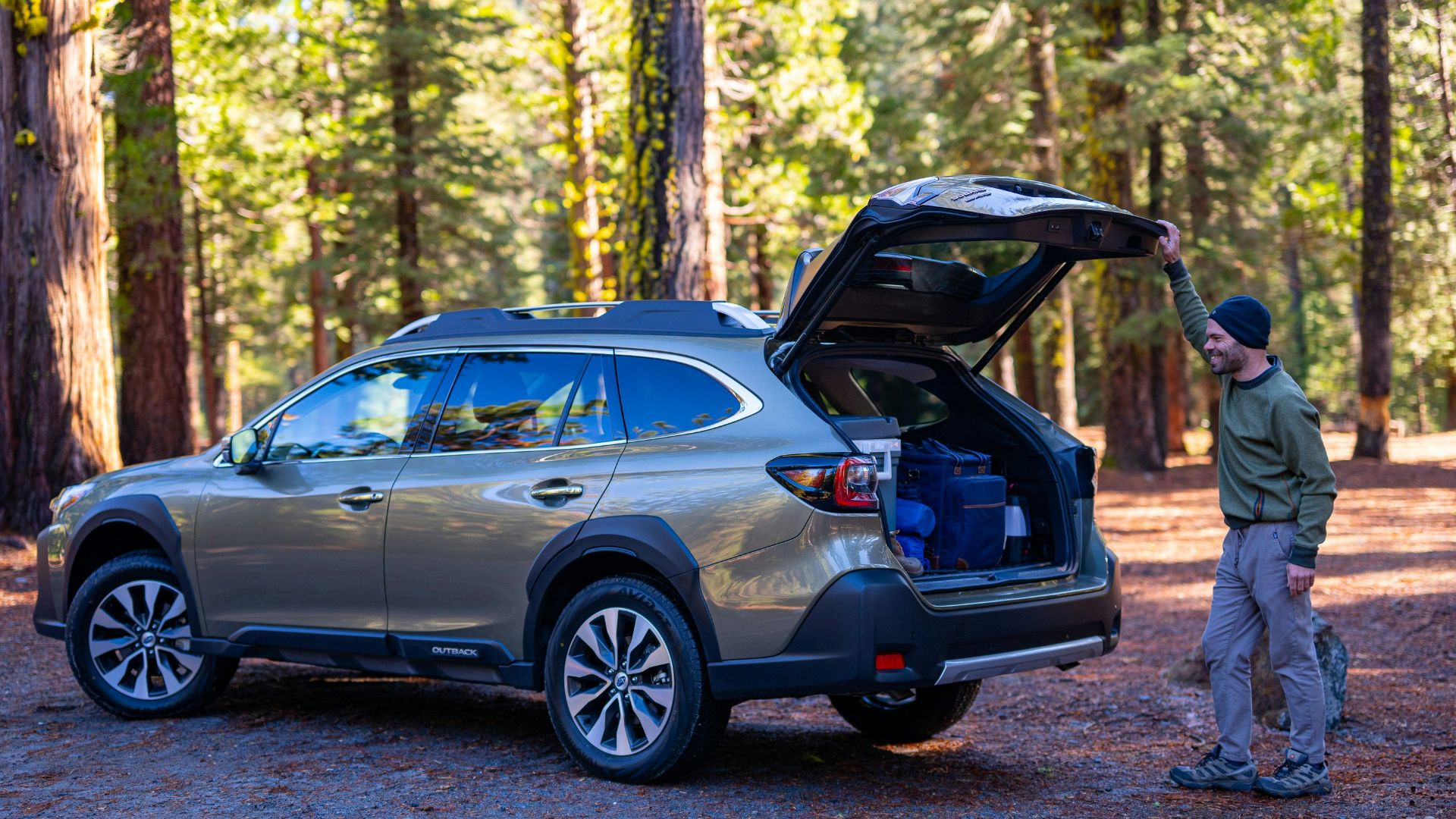
Greater mass can offer protection to occupants in some crashes, but the benefits are not unlimited. IIHS found that adding weight above the fleet average produced little additional protection for occupants of already-heavy pickups while increasing risks to people in other vehicles. Vehicle compatibility and crash design matter alongside size.
Pedestrians Face Added Risks
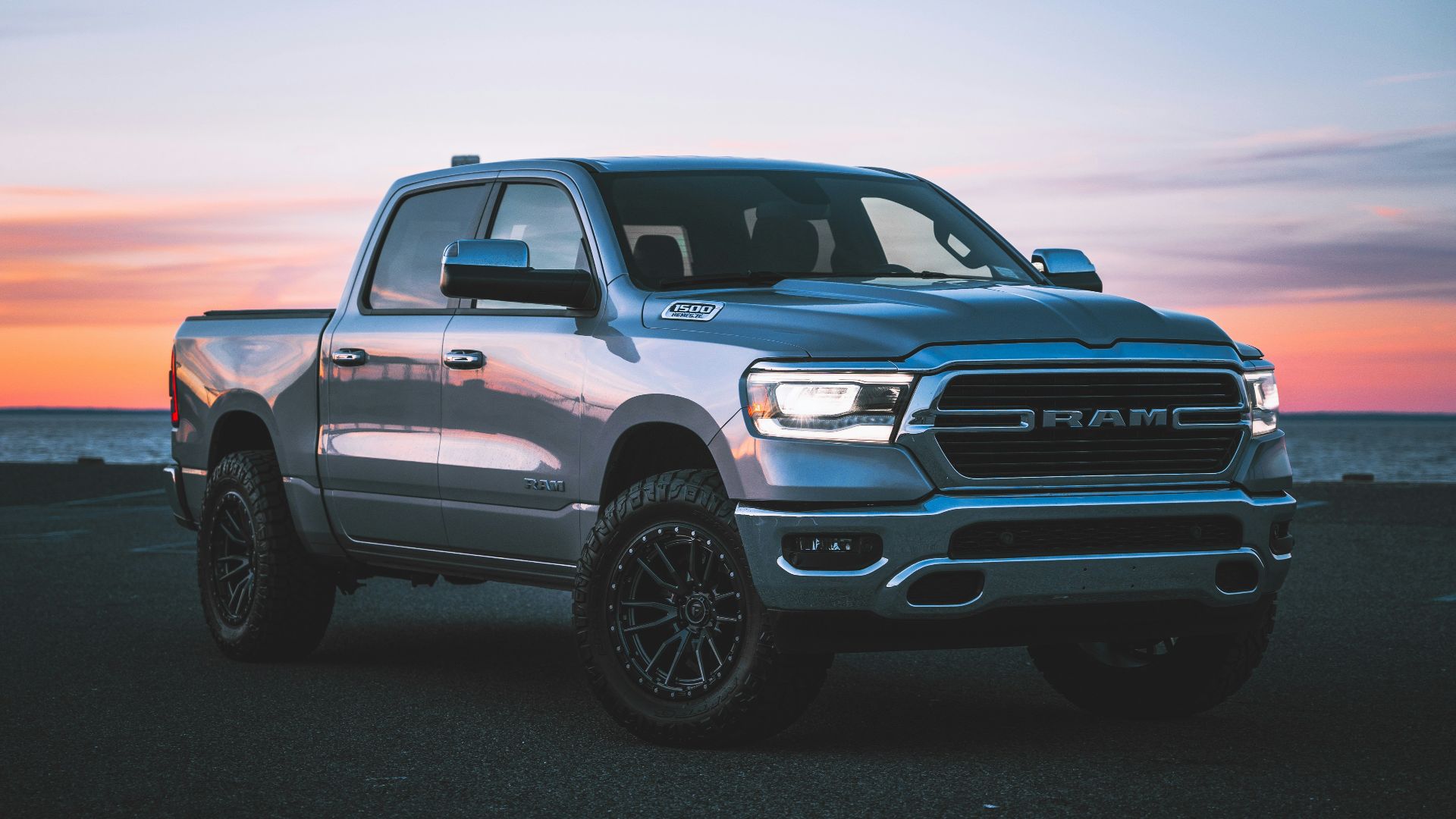
IIHS research shows that SUVs, pickups, and vans are more likely than cars to strike pedestrians during certain turning movements. High, blunt front ends are also associated with more severe pedestrian injuries. Slow driveway entries and careful checks for children, cyclists, and walkers are especially important in a large SUV.

Decide With A Realistic Trial
If possible, repeat your normal routine several times before making a final decision. Include the driveway, garage, work parking lot, school pickup area, and any frequently used fuel station. Edmunds recommends treating small irritations during a test drive seriously because they can become major annoyances over time.
The Right Size Is The One That Works
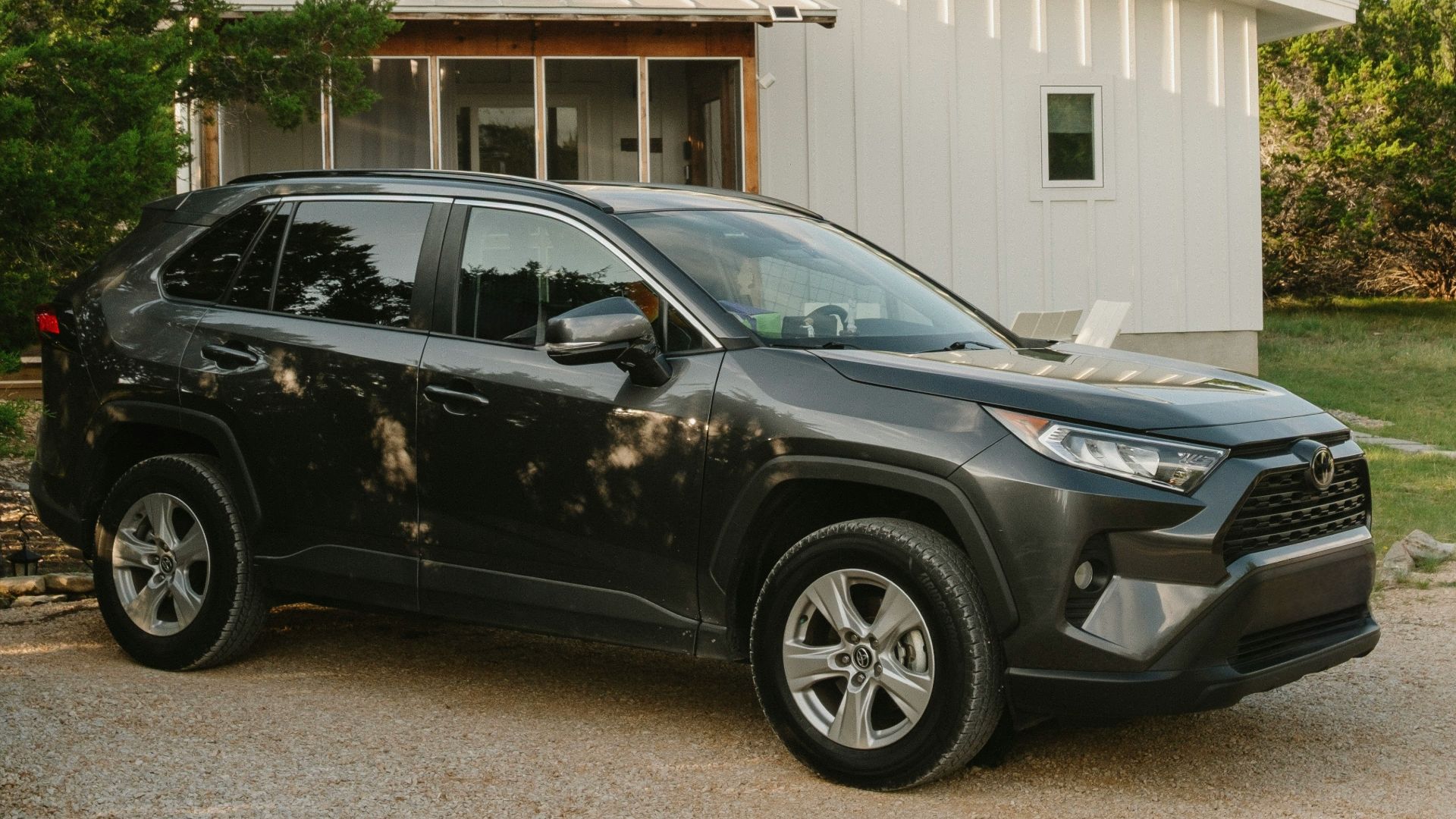
Cars have become less practical in some respects because the market has prioritized passenger space, cargo capacity, towing, styling, and a high seating position. That does not make every big SUV a bad choice, but it does make matching the vehicle to your surroundings essential. If entering your own driveway remains stressful after careful practice, moving to a smaller or more maneuverable vehicle may be the most practical answer.
You May Also Like:
My car sits outside year-round, and the paint is starting to fade. Is there any way to prevent it?
Before SUVs Took Over, These Station Wagons Carried American Families Everywhere