
Your Old Car Reappeared
You sold your car after honestly explaining its known problems and accepting a lower price because of them. The next day, the buyer advertised it for considerably more money without mentioning those issues. You no longer own the vehicle, but knowing another buyer could unknowingly inherit serious problems creates an uncomfortable dilemma.
This Really Happens
The situation commonly happens when a buyer immediately relists a car for a higher asking price while claiming it has no issues. In some cases the problems has been repaired but in others the issues are simply being concealed.
 Dinkun Chen, Wikimedia Commons
Maybe They Fixed It
Before assuming fraud, recognize one important possibility. Your buyer might understand the car better than you did. A fault that seemed expensive or mysterious to you could have a surprisingly inexpensive solution for somebody with mechanical experience, diagnostic equipment, inexpensive parts, or access to a repair shop.
Timing Raises Questions
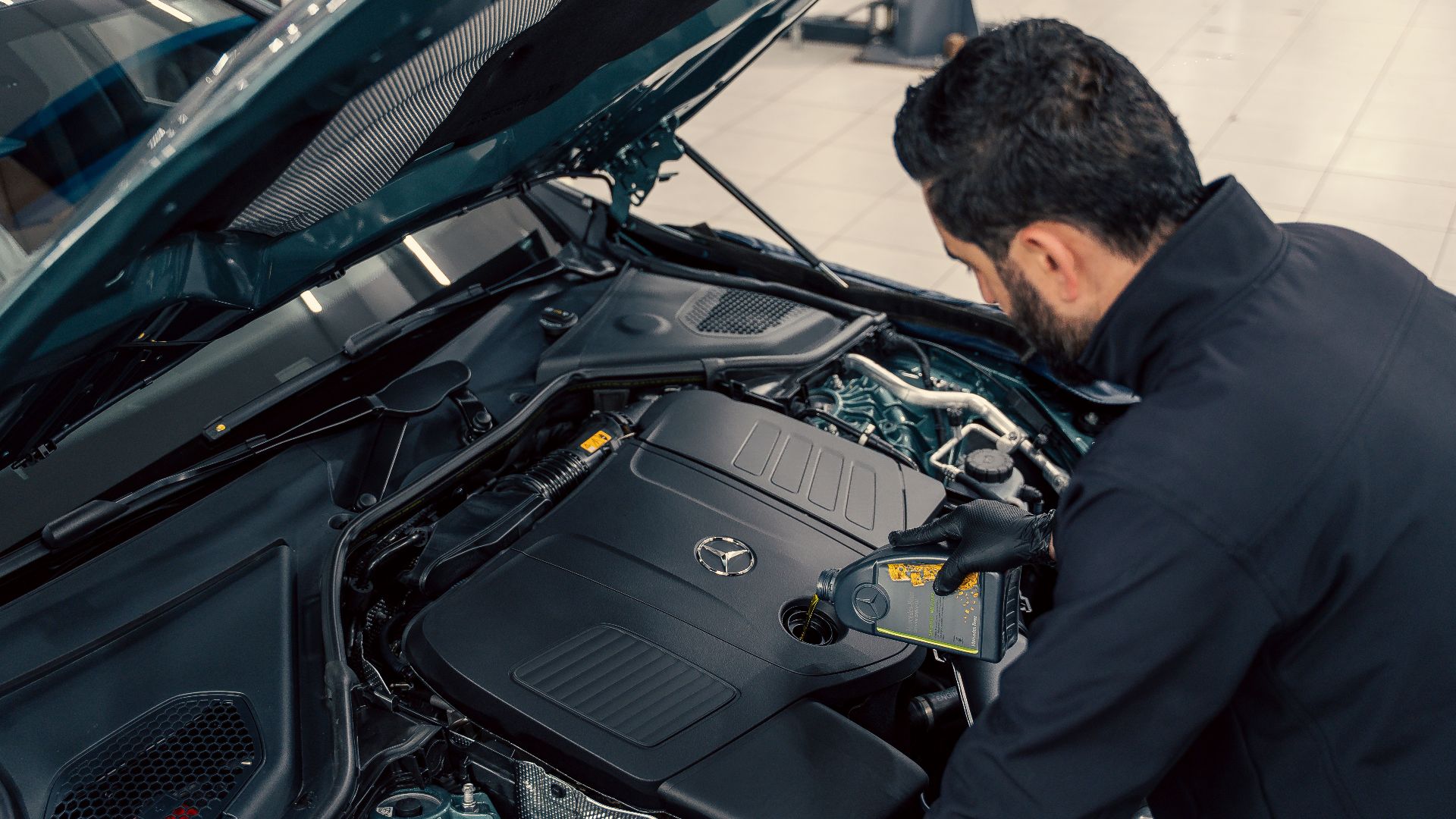
Still, a next-day advertisement deserves scrutiny when substantial repairs appeared necessary. In the above example, the buyer might have known an inexpensive solution to the problem. Without evidence, however, the original owner has no way of knowing if that's really true.

Not All Problems Equal
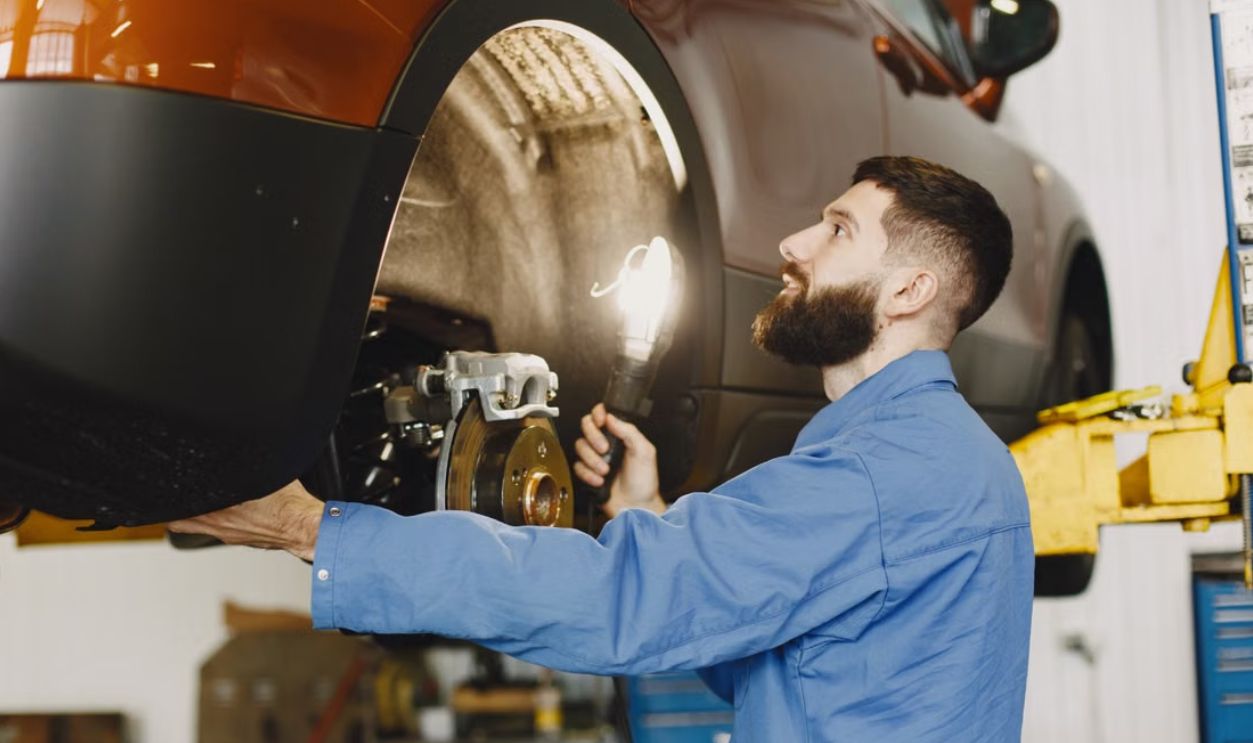
A broken cupholder is different from failing steering, dangerously worn suspension, defective brakes, or serious structural damage. Your concern should rise with the potential consequences. If the undisclosed problem could make the vehicle unsafe, you have a stronger ethical reason to consider taking reasonable action.
Your Disclosure Was Important
Your original decision to disclose known defects was the right approach ethically and can also be important legally. Rules vary considerably among states, particularly for private-party transactions. Keeping your original advertisement, messages, repair estimates, inspection reports, and bill of sale can help establish exactly what you told your buyer.

Private Sales Are Different
Do not assume rules applying to dealerships automatically apply to an ordinary private seller. The Federal Trade Commission's Used Car Rule generally governs used-car dealers and requires covered dealers to display a Buyers Guide containing warranty information. Private transactions are largely governed by state contract, fraud, title, and vehicle laws.
 Harrison Keely, Wikimedia Commons
State Law Really Matters
There is no single nationwide rule governing every disclosure in every private used-car transaction. Even the meaning and effectiveness of an "as is" sale can depend on state law. The FTC specifically notes that state law determines whether and how dealers may make effective "as is" sales.
 howtostartablogonline.net, Wikimedia Commons
Honesty Still Matters
"As is" should never be interpreted as permission to lie. Fraud and misrepresentation are separate issues from providing a warranty. If someone makes specific false statements about a vehicle or deliberately conceals a known material problem, the resulting dispute can be very different from an innocent seller simply declining to guarantee an old car.

Preserve Your Evidence
Save screenshots of your original listing before it disappears. Preserve texts or emails where you disclosed problems, along with repair invoices and diagnostic reports. Keep the bill of sale and proof showing when ownership transferred. If questions eventually come back to you, contemporaneous records are far better than memories.

Screenshot Their Advertisement
If the new advertisement concerns you, preserve that too. Capture the description, asking price, photographs, date, seller information, and any claims about condition. Do not alter anything or impersonate a prospective buyer to manufacture evidence. Simply documenting information already publicly available may prove useful if a dispute later develops.

Don't Assume Responsibility
Once you legitimately transfer ownership, you generally do not control what the next owner does with the vehicle. You disclosed the problems to your buyer. You are not automatically responsible for ensuring that every future owner repeats everything you previously said when the car changes hands again.

Don't Become The Investigator
Resist the temptation to create fake accounts, arrange bogus test drives, or confront the reseller. You do not know whether repairs were completed after the purchase. Turning yourself into an amateur investigator could create unnecessary conflict without establishing what actually happened to the vehicle after it left your possession.

Consider Contacting Them
If the issue is serious, one measured message to the reseller may be reasonable. You could simply say you noticed the advertisement and ask whether the previously disclosed defect was repaired. Avoid accusations or threats. Their response might establish that the problem was fixed, eliminating your concern entirely.

Reporting May Be Appropriate
If you have strong evidence that a dangerous known defect is being deliberately concealed, consider using the marketplace's reporting mechanism. That's one concrete step you can take after seeing the vehicle advertised without the problems you think it still has.

Dealers Face More Rules
The situation becomes more significant if your buyer is actually operating as a used-car dealer rather than occasionally selling a personal vehicle. The FTC's Used Car Rule applies to most dealers selling more than five used vehicles during a 12-month period and requires Buyers Guides on covered vehicles.

Advertising Cannot Deceive
Dealer advertising also attracts greater regulatory scrutiny. The FTC has taken enforcement action against used-car businesses over deceptive representations about vehicles and failures to provide required disclosures. A person systematically buying cars cheaply and immediately reselling them may therefore present different legal questions from an ordinary private owner.

Don't Contact Future Buyers
Trying to identify prospective purchasers and privately warning each one can create complications, particularly when you cannot establish whether the defect still exists. A factual report to a marketplace or appropriate state regulator is usually more sensible than inserting yourself directly into somebody else's transaction based primarily on suspicion.

Safety Changes The Calculation
If you genuinely believe the vehicle presents an immediate safety risk, the stakes are higher. Your documentation matters here. A dated diagnosis showing a serious steering, braking, structural, or other safety defect shortly before the resale gives you considerably more basis for concern than a vague recollection of intermittent mechanical trouble.
Protect Yourself First
Make sure the administrative side of your own sale is finished. Follow your state's requirements for transferring title and reporting the sale or release of liability where applicable. Keep copies of the paperwork. You do not want parking tickets, toll charges, crashes, or registration problems mistakenly following the car back to you.

Learn For Next Time
Future private sales should be documented carefully. Put known significant problems in writing rather than relying entirely on conversation. Describe the vehicle accurately, retain a copy of the advertisement, document the transaction, and complete required title paperwork promptly. Good records protect honest sellers as well as buyers.

You Did Your Part
You cannot control every subsequent sale of a car you once owned. If you honestly disclosed its known problems, documented your transaction, and transferred ownership correctly, you fulfilled the central responsibility of an ethical private seller. For a serious suspected deception, preserve evidence and report it through appropriate channels rather than confronting buyers yourself.

You May Also Like:
Before selling your used car, try modern tech upgrades that can make it feel like new.