The Short Answer Is Probably No
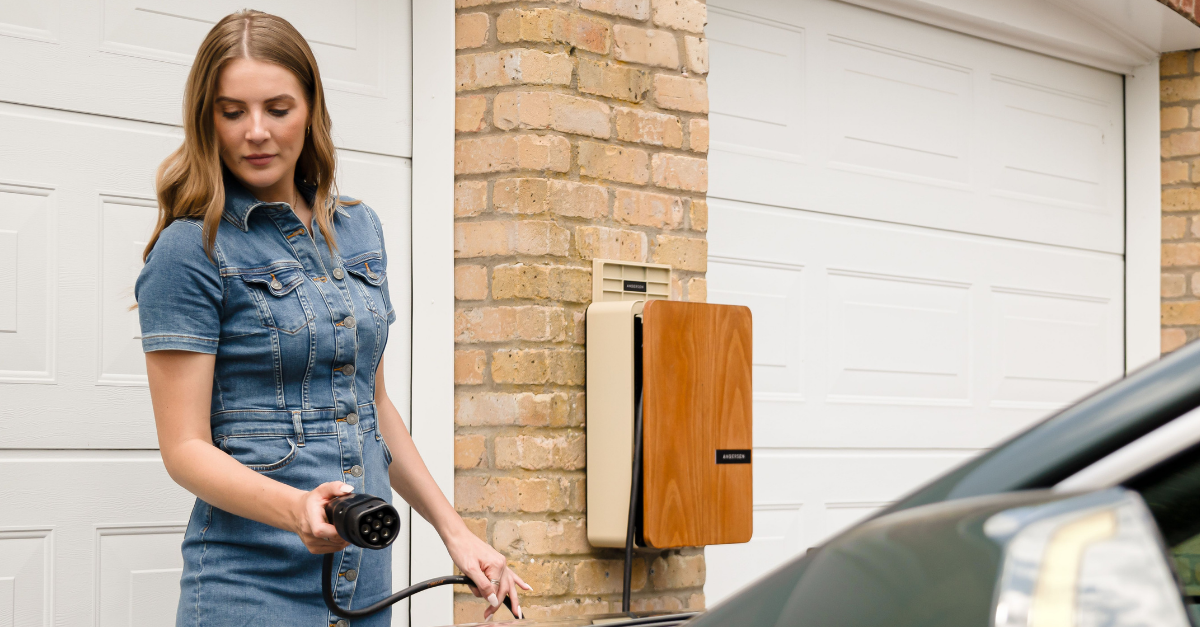
Many drivers assume switching to an electric vehicle automatically slashes their monthly transportation costs, but the math depends on much more than the price of electricity. Your local utility rates, driving habits, charging equipment, and even the time of day you plug in all influence what you actually spend. If your electric bill came as a surprise, you're far from alone.
Electricity Prices Vary More Than Many Buyers Realize
One of the biggest variables is where you live. Residential electricity prices differ dramatically across the United States, meaning two EV owners driving identical cars could pay very different amounts to charge them simply because they have different utility providers.

Your Utility Rate May Be Higher Than The National Average
Many online savings calculators rely on national or state averages, but your own bill matters most. If your utility charges well above average rates, your actual charging costs may exceed the estimates you saw before buying your EV.

Time-Of-Use Pricing Can Make A Huge Difference
Many electric utilities charge different prices depending on when electricity is used. Charging during peak evening hours can cost considerably more than charging overnight if your utility offers time-of-use pricing, making your charging schedule almost as important as how much you drive.
Level 2 Charging Usually Requires An Upfront Investment
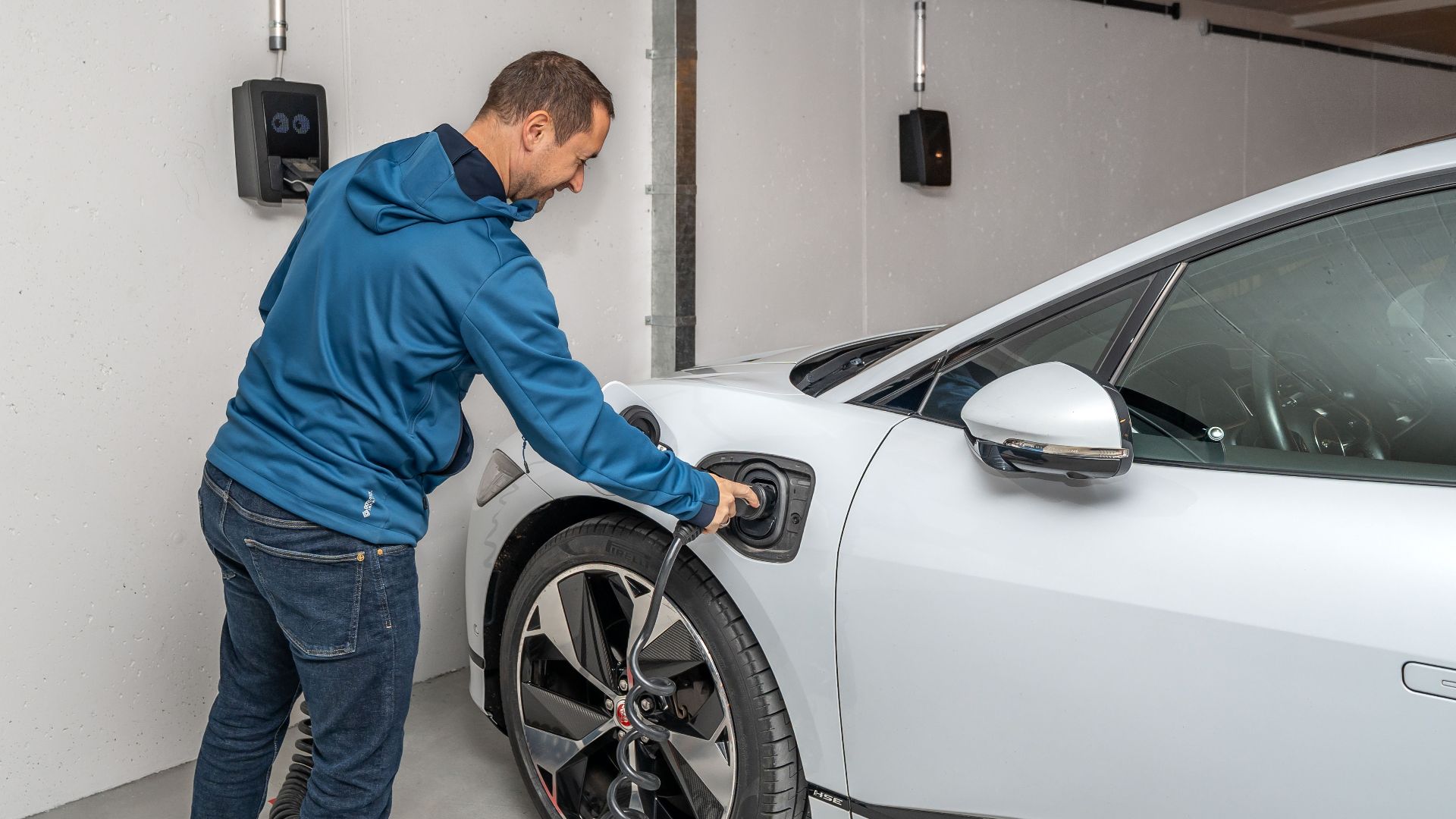
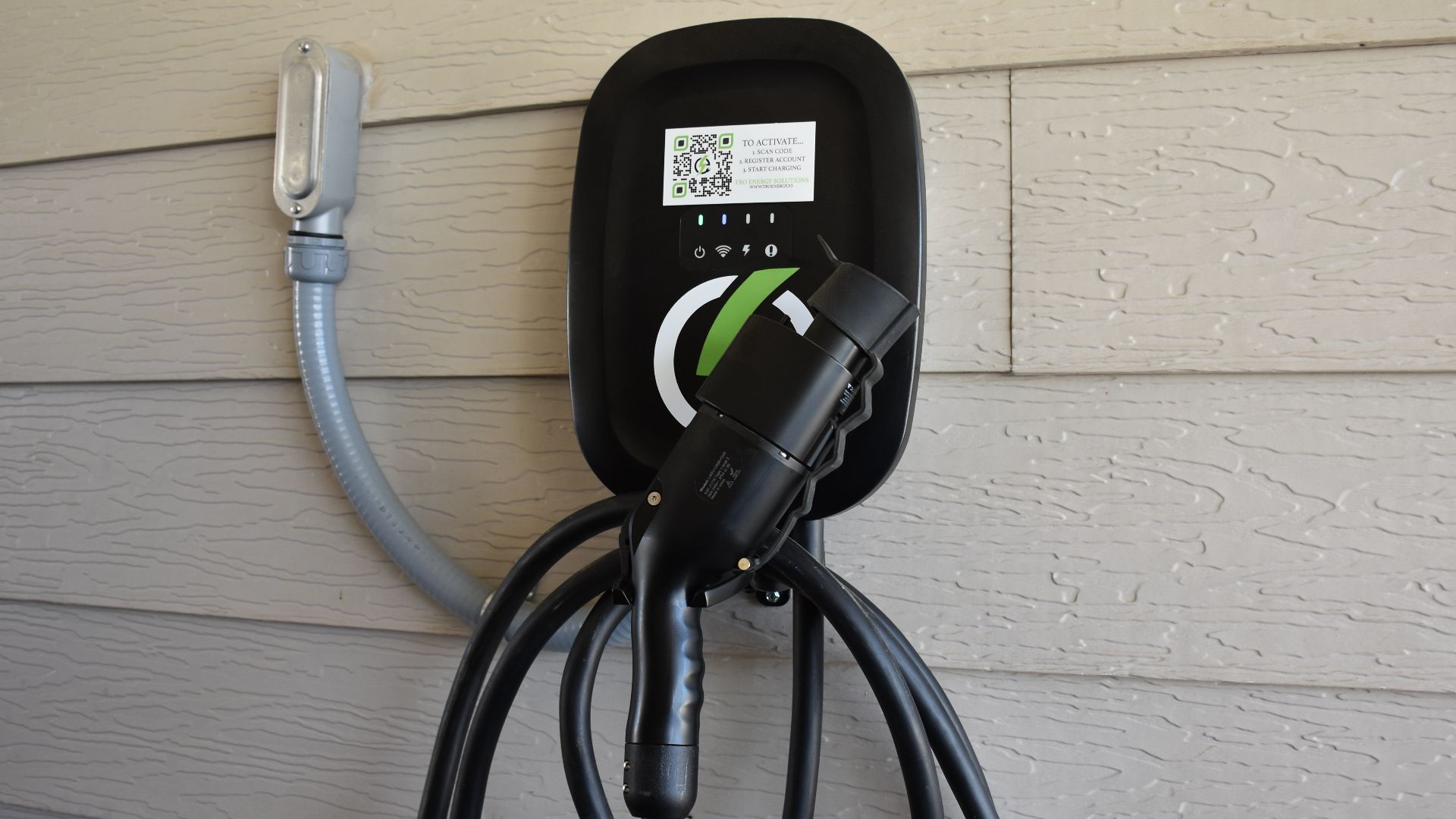
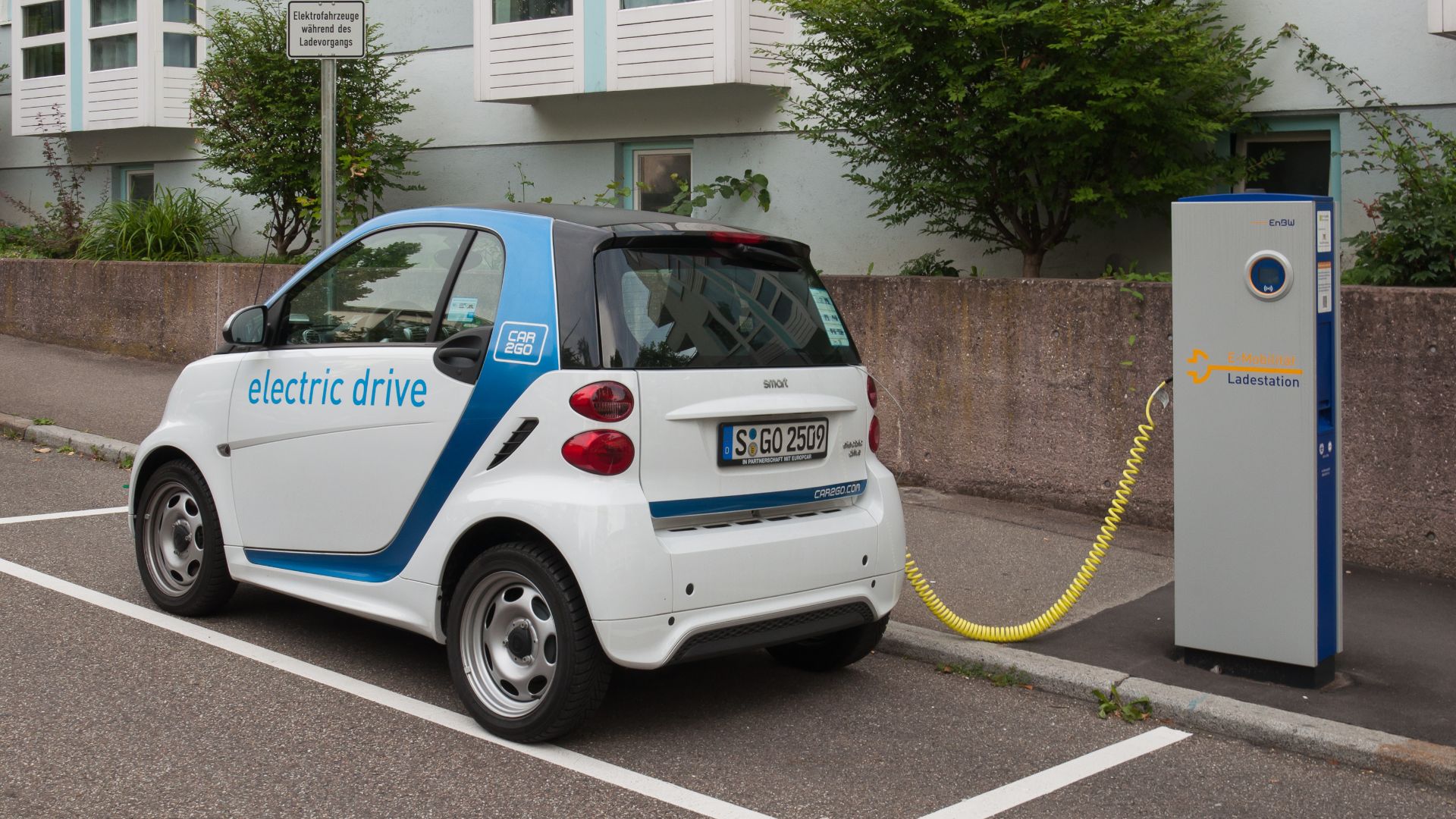
A Level 1 charger plugged into a standard household outlet works for many drivers, but others install a faster Level 2 charger. The Environmental Protection Agency estimates that equipment typically costs about $400 to $1,000, while installation can range from roughly $300 to $2,000 depending on the home's electrical setup.
Installation Costs Change The Payback Calculation
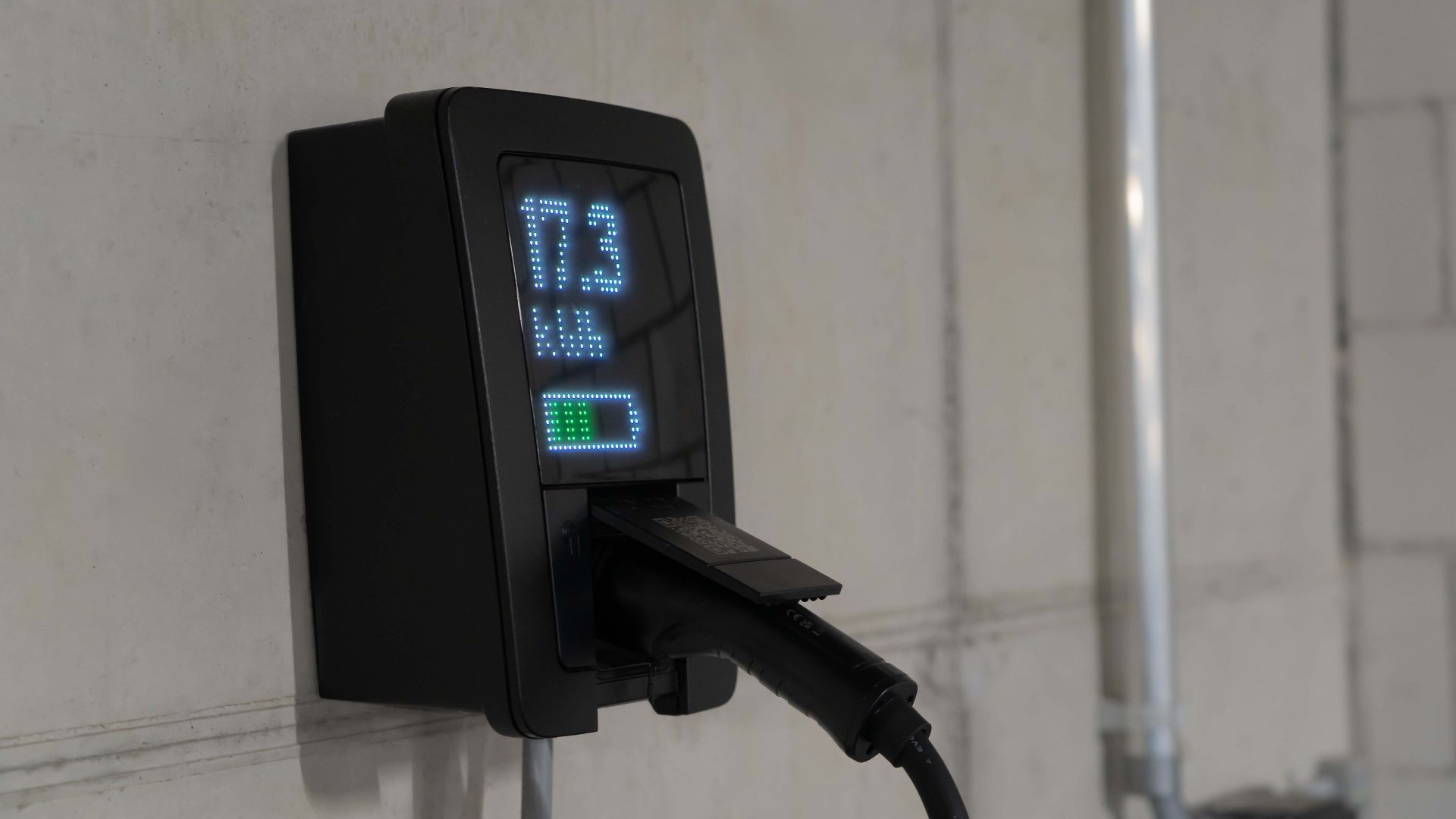
Many buyers focus only on the monthly electricity bill and forget to include charger installation. If you spent over $1,000 installing charging equipment, it may take several years of fuel savings before those upfront costs are fully recovered.
 Janecze Wright, Fort Cavazos Public Affairs, Wikimedia Commons
Charging Losses Are Part Of The Equation
Not every kilowatt-hour you purchase ends up stored inside your battery. Some electricity is lost as heat during the charging process, meaning your utility bill reflects slightly more energy than the battery itself ultimately stores.
Weather Can Increase Charging Costs
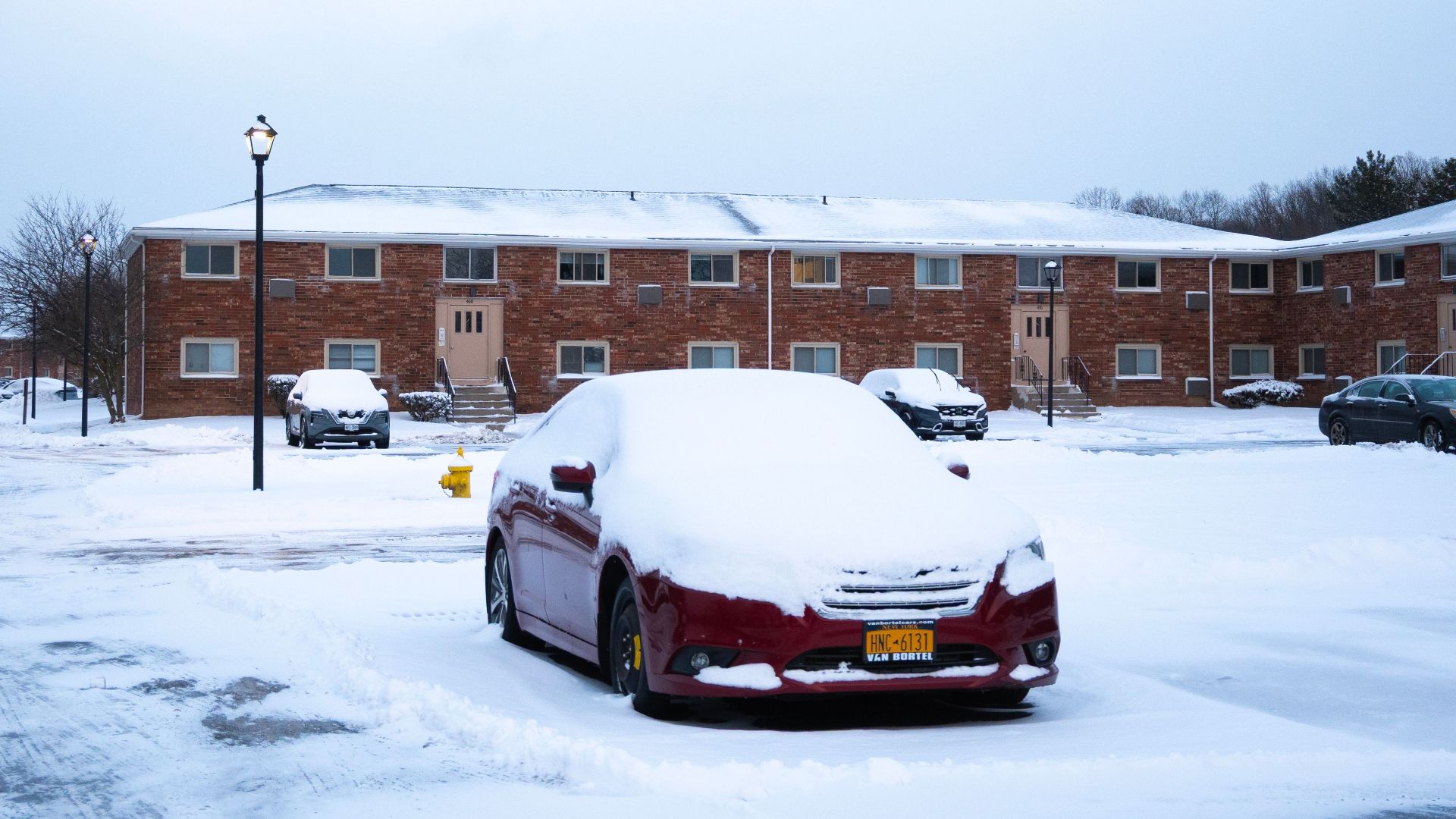
Cold temperatures reduce battery efficiency and increase energy consumption because the vehicle uses electricity to warm both the battery and cabin. Extremely hot weather can also increase energy use through air conditioning and battery cooling systems.
Driving Style Still Matters
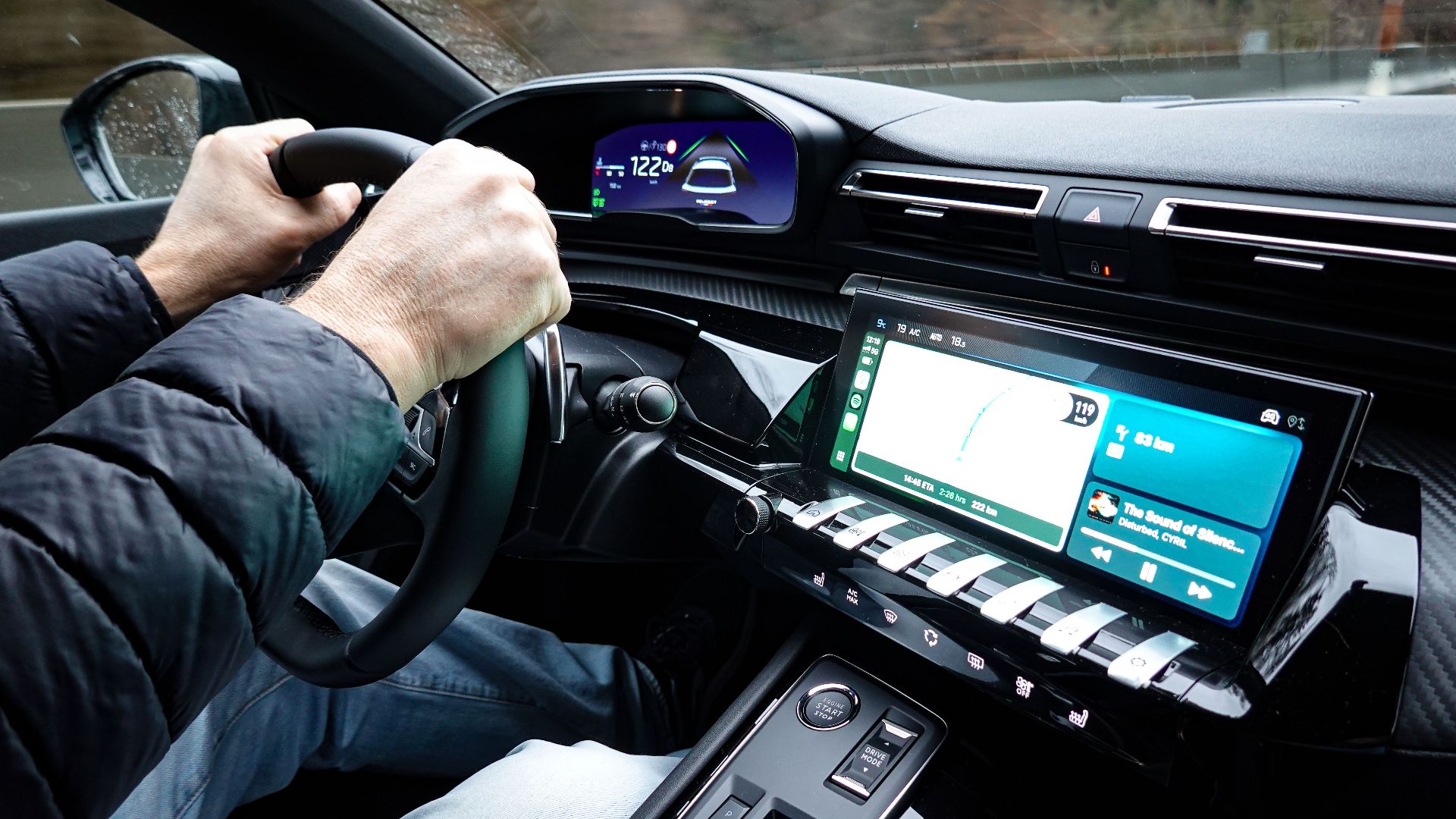
Electric vehicles reward smooth acceleration and steady speeds. Frequent hard acceleration, sustained highway driving, or carrying heavy loads can increase electricity consumption, reducing the savings compared with gentler driving.
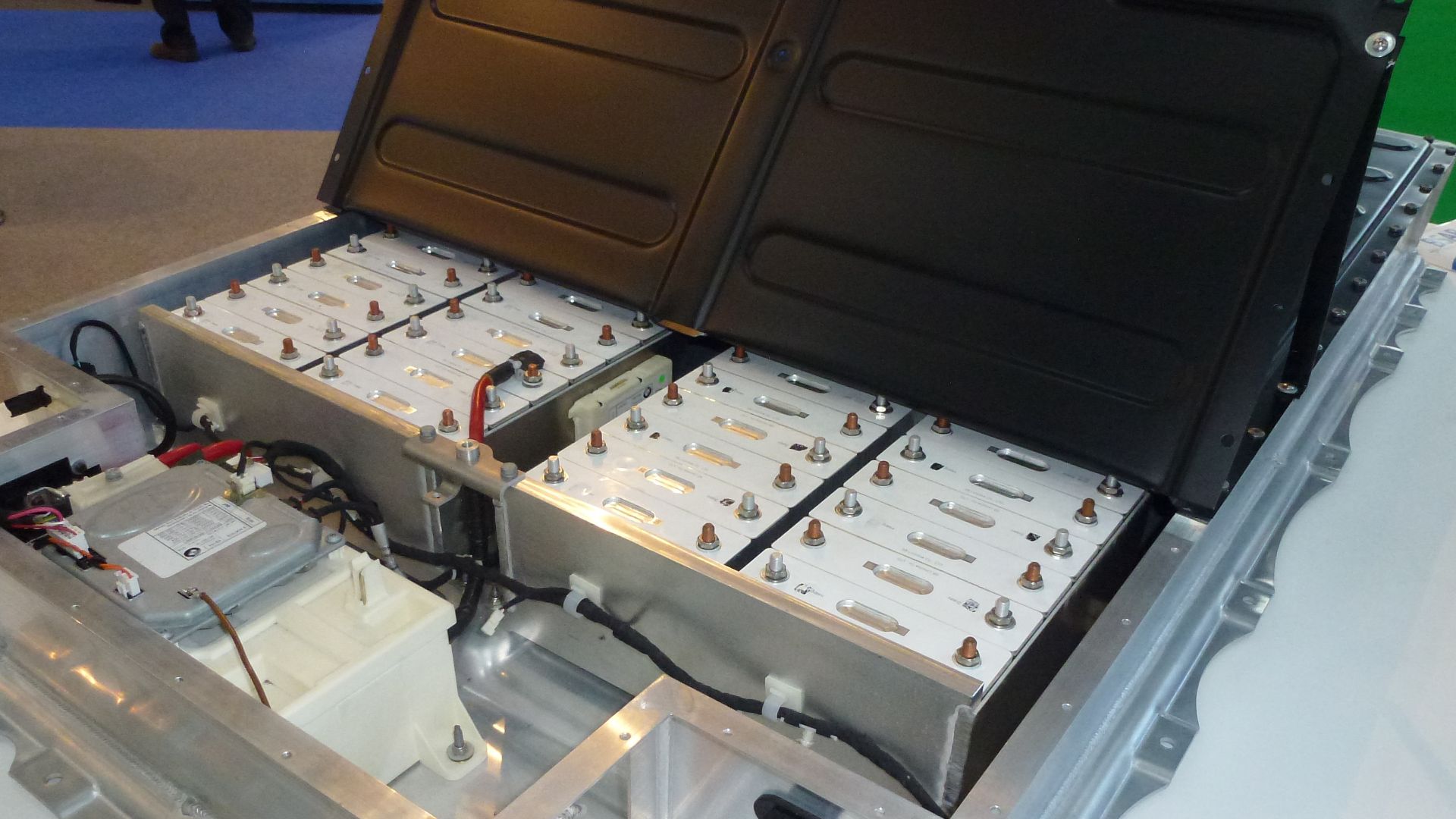
Larger Batteries Cost More To Fill
A vehicle with a 100-kWh battery naturally requires more electricity for a full charge than one with a 60-kWh battery. Although larger batteries provide greater range, they also make each complete charging session more expensive.
 RudolfSimon, Wikimedia Commons
You Probably Don't Need To Charge To 100 Percent
Most manufacturers recommend limiting routine charging to around 80 percent for many battery-electric vehicles unless you need maximum range for a trip. Charging less often to full capacity can also reduce the time spent plugged in and may benefit long-term battery health.
Public Charging May Have Skewed Your Expectations
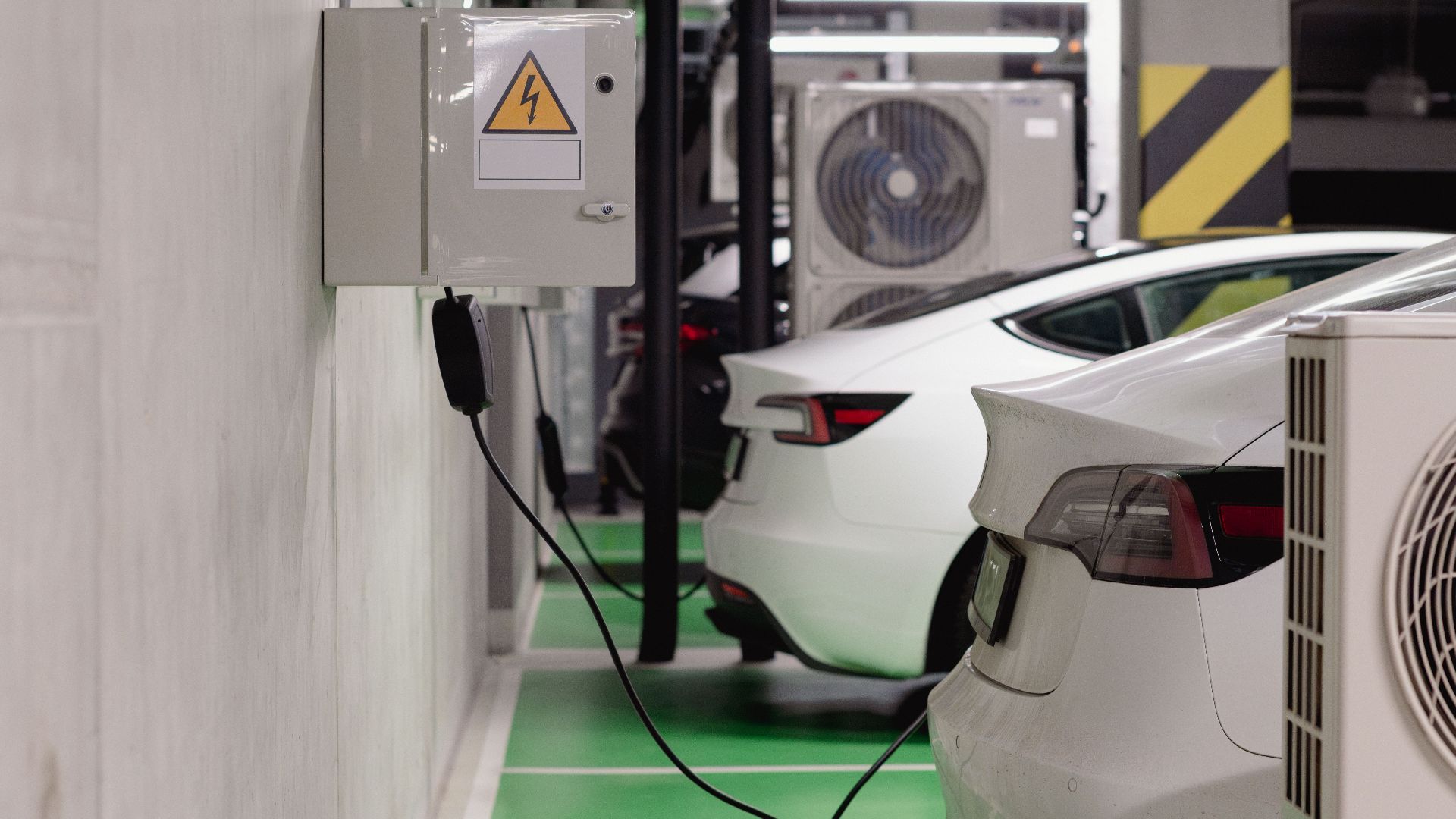
Many new owners compare home charging to expensive public fast chargers and assume home charging will always feel inexpensive. While home charging is generally the cheapest option, it still reflects current residential electricity prices, which have risen in many areas.
Fast Charging Is Usually More Expensive
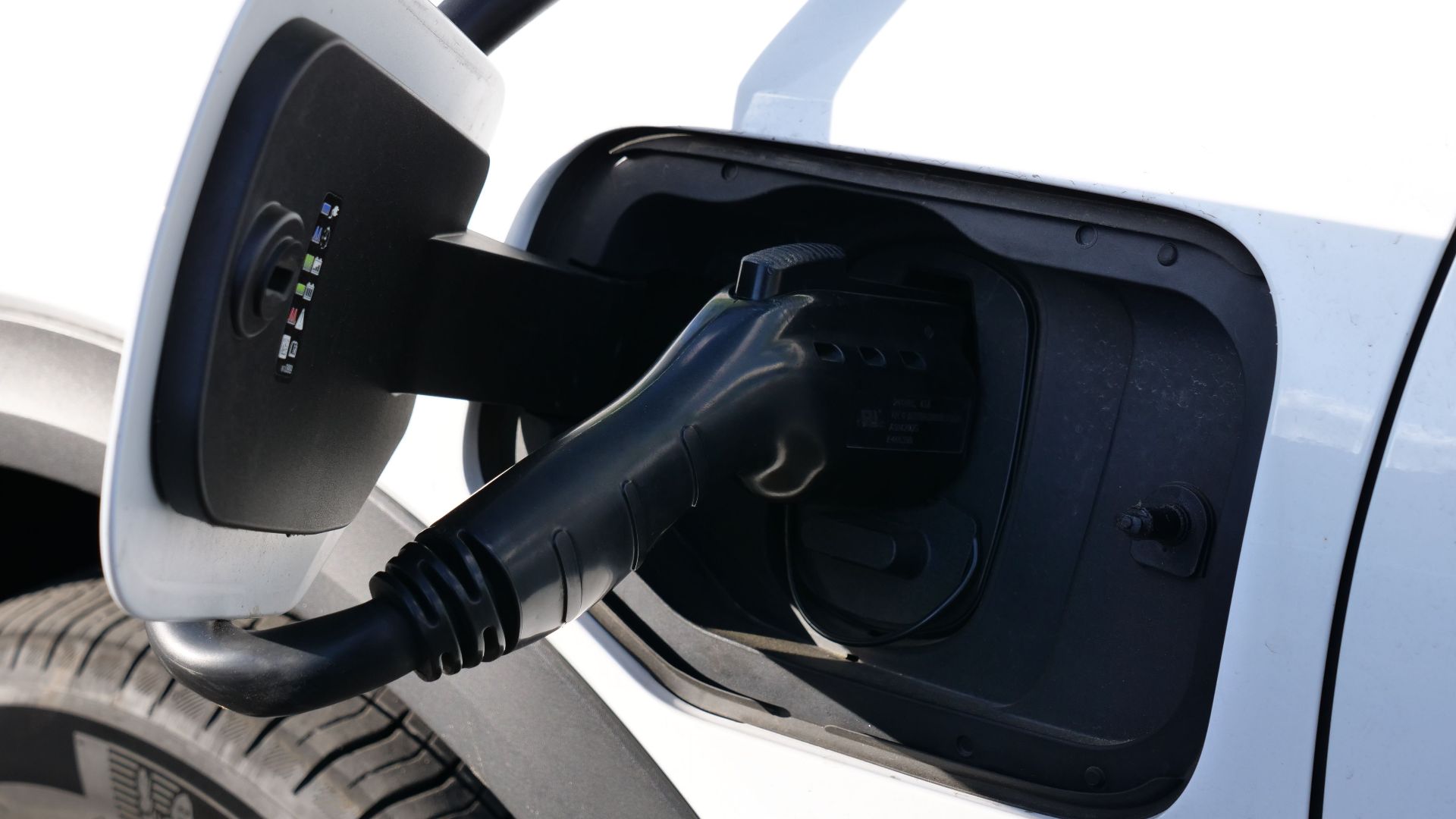
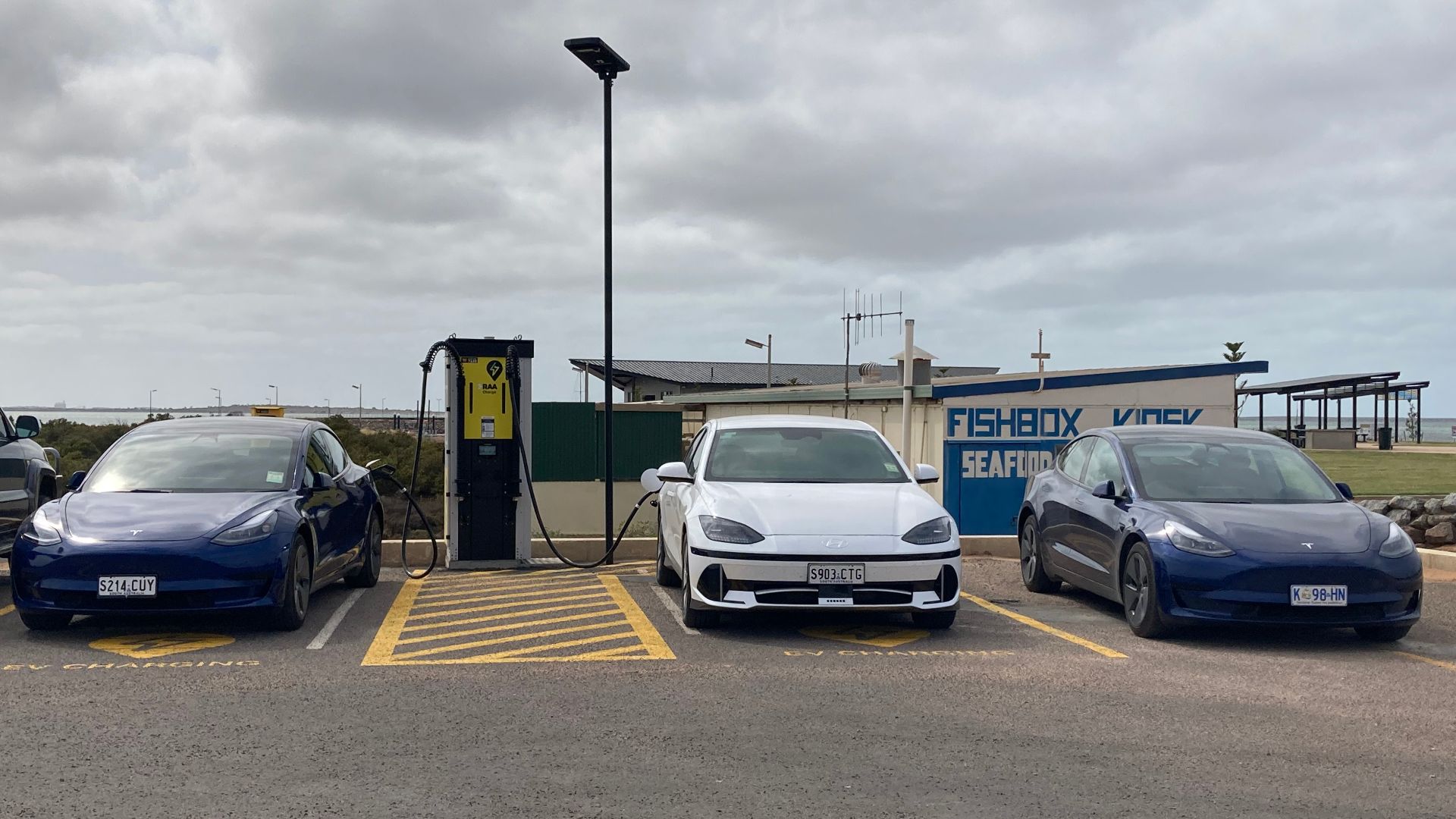
The EPA notes that DC fast charging generally costs more than charging at home or with Level 2 workplace chargers. That's because fast-charging networks must recover the costs of specialized equipment, maintenance, and commercial electricity pricing.
 Julian Herzog (Website), Wikimedia Commons
Fuel Savings Are Only One Piece Of Ownership Costs
Electric vehicles often have lower routine maintenance costs because they require no oil changes and have fewer moving engine parts. Those savings can help offset higher electricity bills when evaluating total ownership costs over several years.
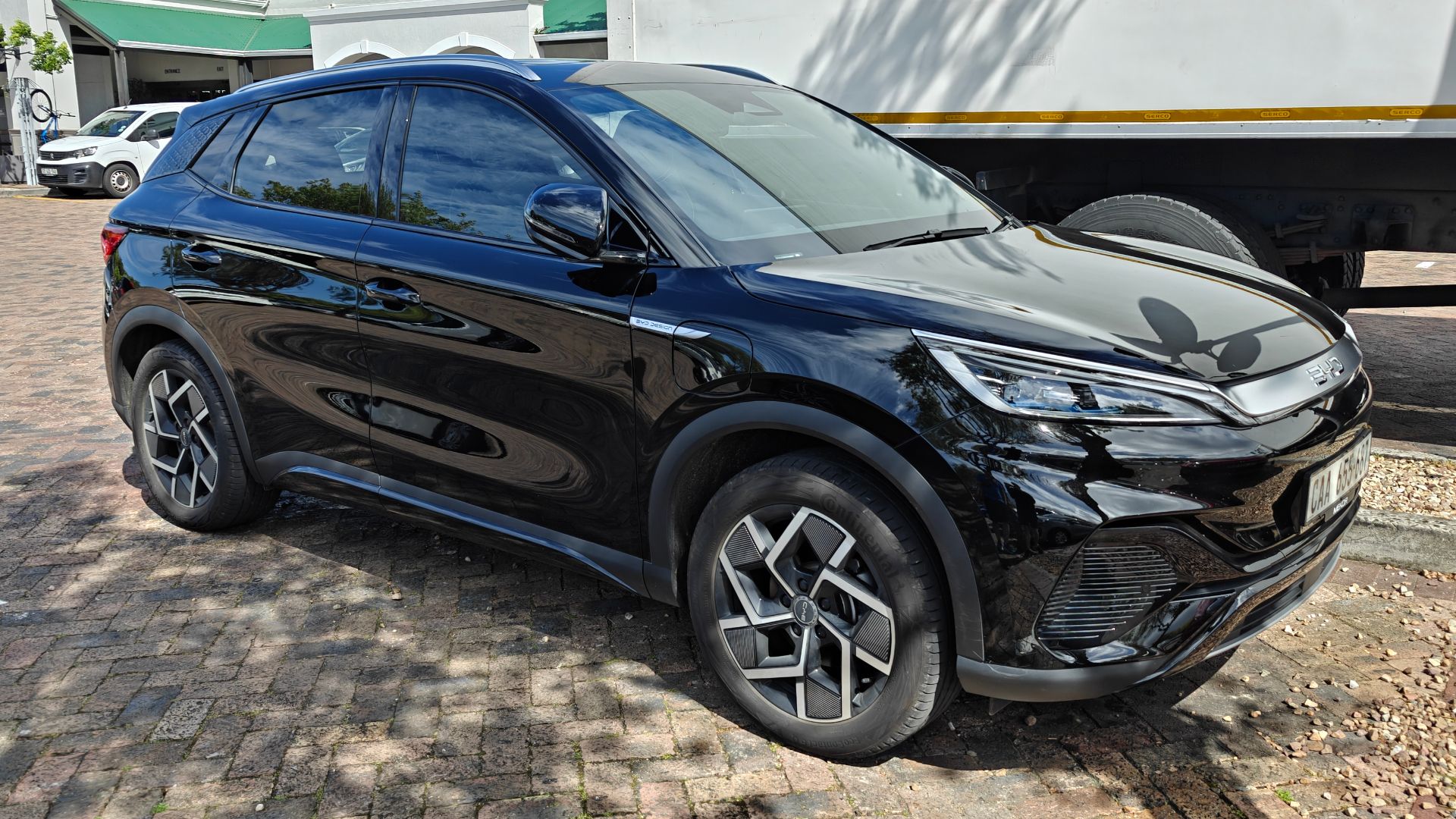
Utility Rebates Can Lower Your Costs
Many electric utilities offer rebates on home chargers, discounted overnight charging programs, or special EV electricity plans. Some buyers overlook these programs and continue paying standard residential rates when cheaper options are available.
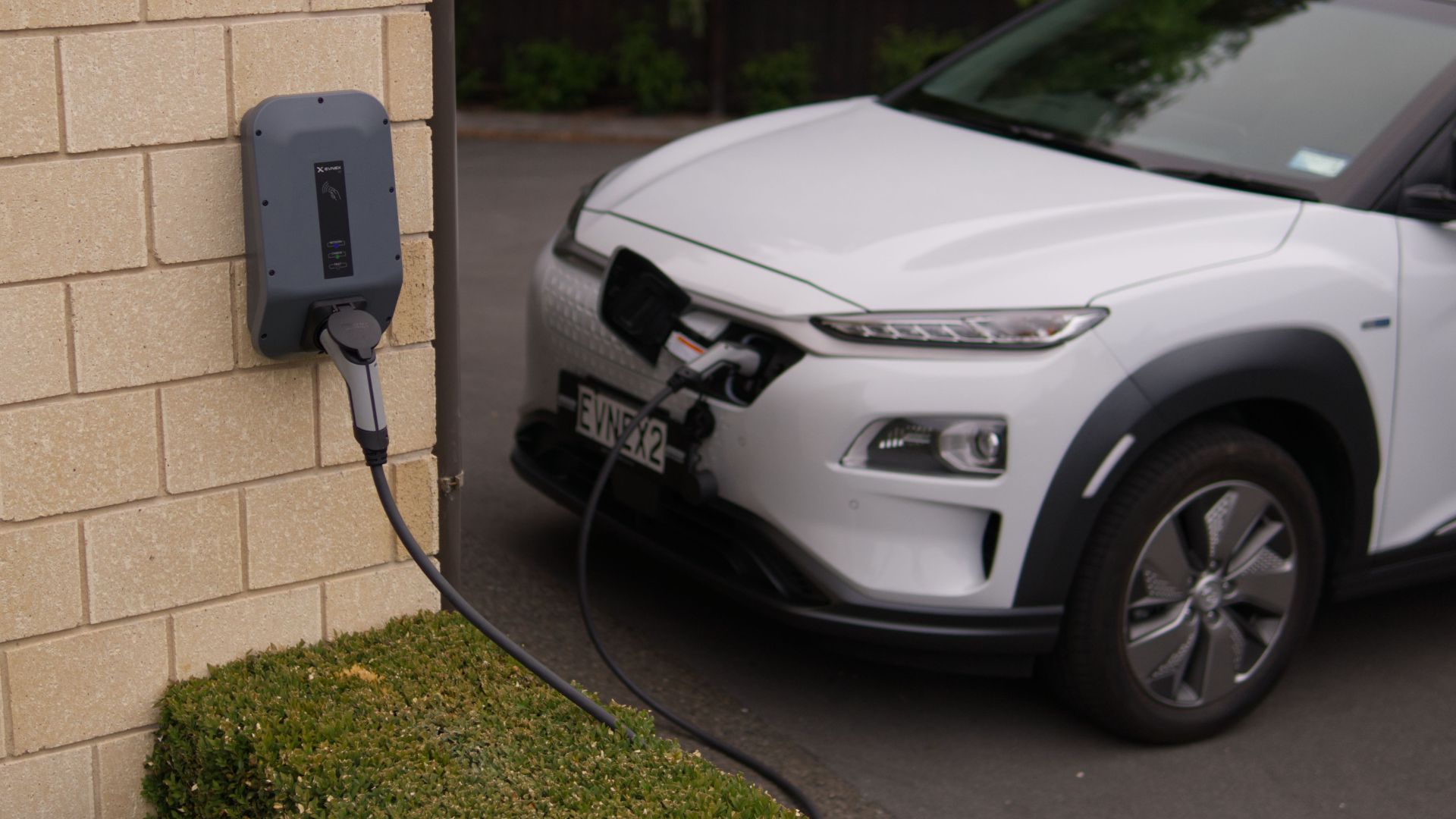
Smart Charging Can Save Money Automatically
Many modern EVs and home chargers allow scheduled charging. Setting your vehicle to begin charging after off-peak rates begin can reduce costs without requiring you to stay awake to plug in at midnight.
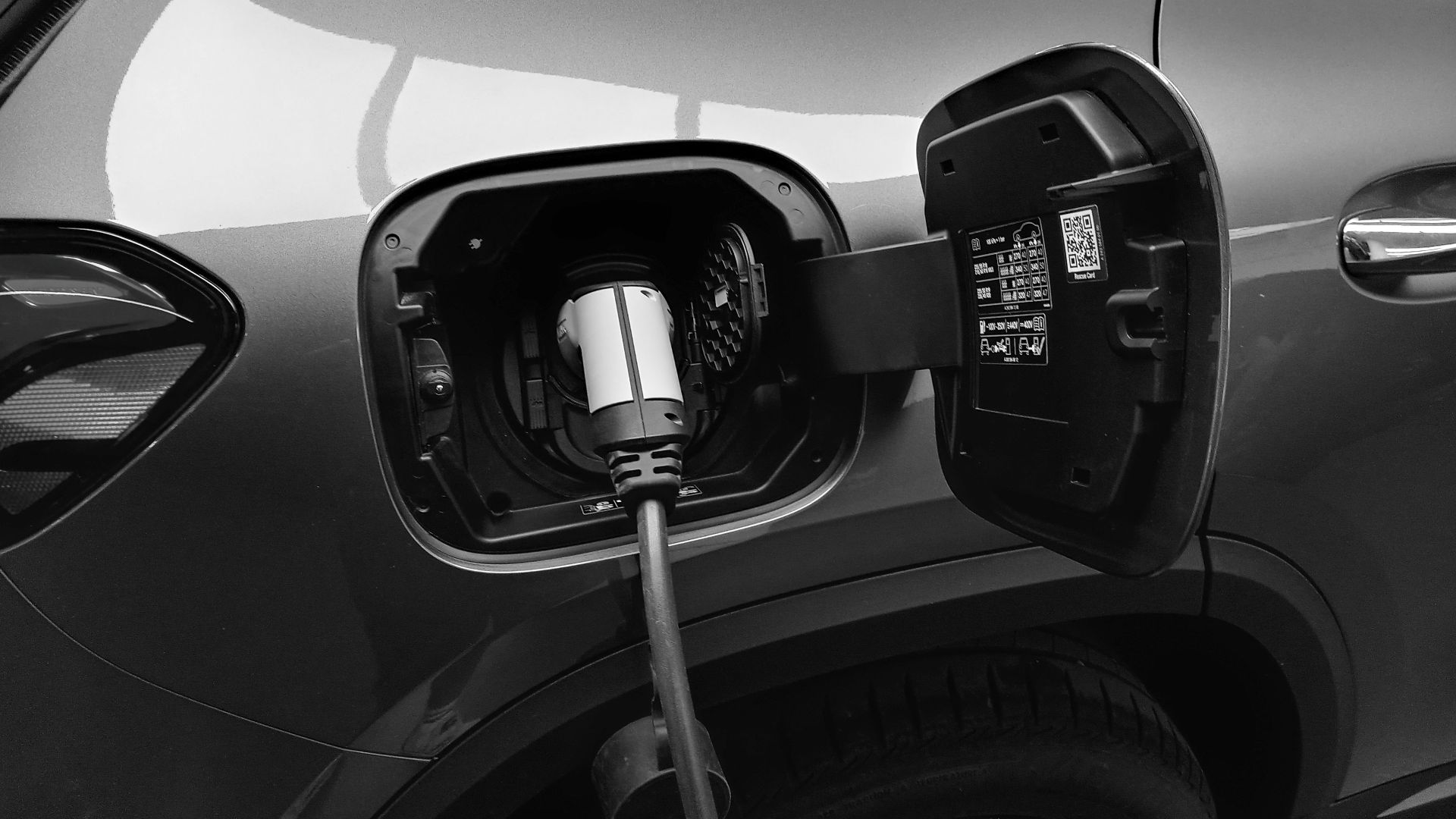
Solar Panels Can Change The Economics
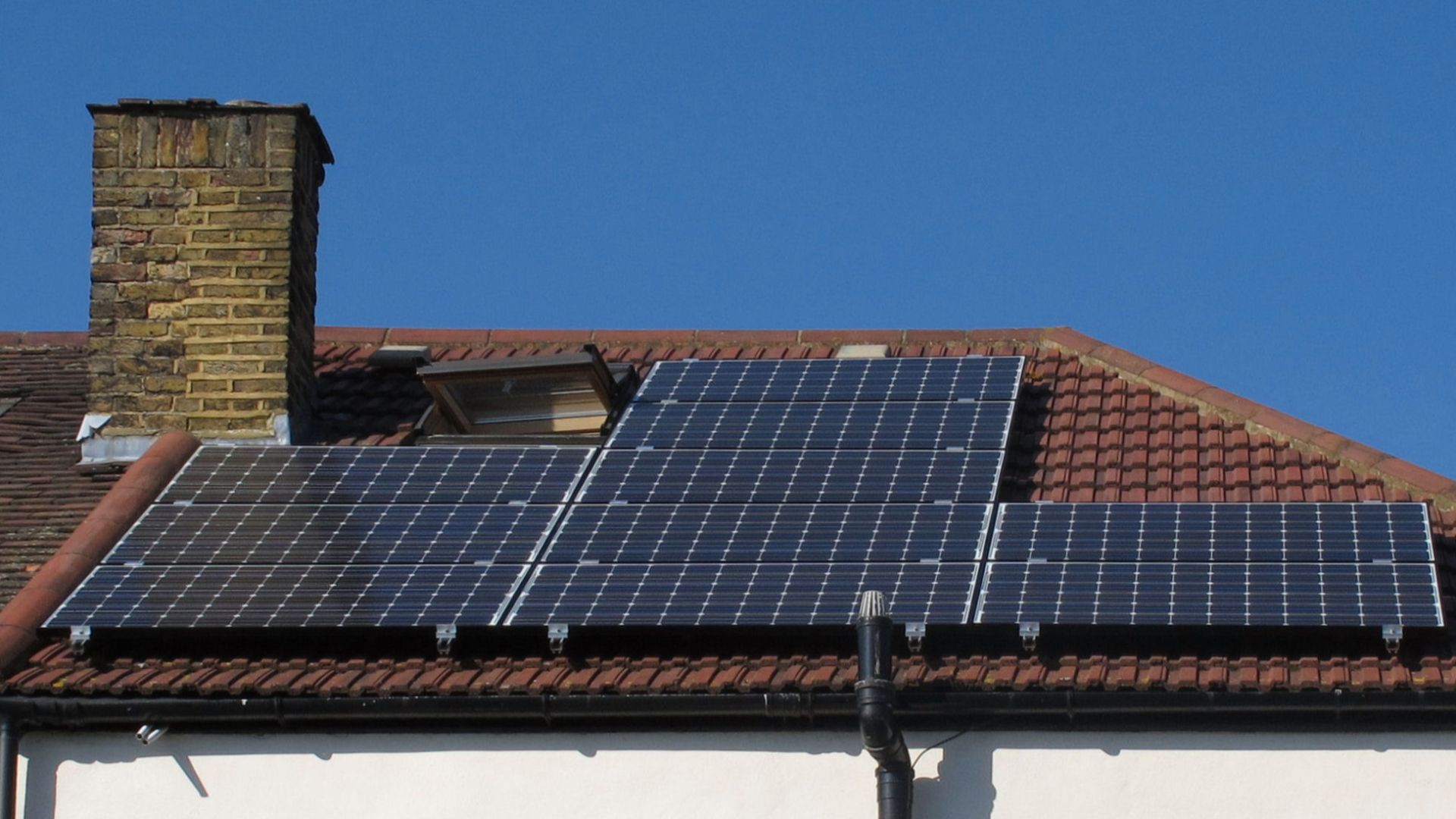
Homeowners with rooftop solar often reduce the effective cost of charging substantially by using electricity generated during the day. However, the savings depend on the size of the solar system, local utility policies, and whether excess generation earns full retail credit.
 David Hawgood , Wikimedia Commons
Short Commutes May Mean You Need Less Charging Than You Think
Many owners instinctively plug in every night even after driving only a few miles. Because most daily commutes are well below the range of modern EVs, charging every few days instead of every night may better align with your actual energy needs.
Online Cost Calculators Use Assumptions
Government and consumer fuel-cost calculators are useful planning tools, but they estimate costs using assumptions about mileage, electricity prices, gasoline prices, and efficiency. Your personal driving patterns can produce noticeably different results.

Gasoline Prices Still Matter
The value of owning an EV changes whenever gasoline prices rise or fall. Even if your electric bill is higher than expected, your vehicle may still cost less to operate than a comparable gasoline model depending on current fuel prices in your region.
 Mr. Satterly, Wikimedia Commons
Your Original Calculation May Still Be Correct
If home charging costs more than you anticipated, it doesn't necessarily mean you made a mistake. Many owners simply underestimate variables like local electricity rates, charger installation, seasonal efficiency, and utility pricing plans. Looking at your total ownership costs over several years—rather than one monthly electric bill—usually provides the clearest picture of whether your EV is delivering the savings you expected.

You May Also Like:
My extended warranty won’t cover a known defect. Isn’t that what extended warranties are for?
DIY Car Maintenance: Simple Tasks to Keep Your Vehicle Running Smoothly