The Pressure To Buy A Pickup Is Real
If your teenager wants a pickup because all his friends have one, saying no does not make you unfair. In a lot of places, trucks carry a certain image of freedom, toughness, and status. That pull is real, but it is not the same as making a smart decision about money. But with a teenager, the even more important issue might be safety.

Parents Get To Look Past The Hype
A teen usually sees what a vehicle says about them right now. A parent has to think about crash risk, repair costs, insurance, and whether the vehicle actually fits a brand-new driver. Saying no to a truck can be a practical call, not a rejection of your kid’s feelings.

Teen Drivers Already Start At Higher Risk
The Centers for Disease Control and Prevention says teen drivers ages 16 to 19 face a much higher crash risk than older drivers. In 2022, about 2,883 teens in the United States ages 13 to 19 were killed in motor vehicle crashes, according to the CDC. That is the backdrop for any first-car decision, whether the vehicle is a pickup, SUV, or sedan.

The First Months Are The Most Dangerous
The period right after a teen gets a license is especially risky. The Insurance Institute for Highway Safety has long pointed to inexperience as a major reason crash rates are so high for new drivers. That means the best first vehicle is usually the one that makes mistakes easier to avoid, not harder to manage.
Big Does Not Always Mean Safer
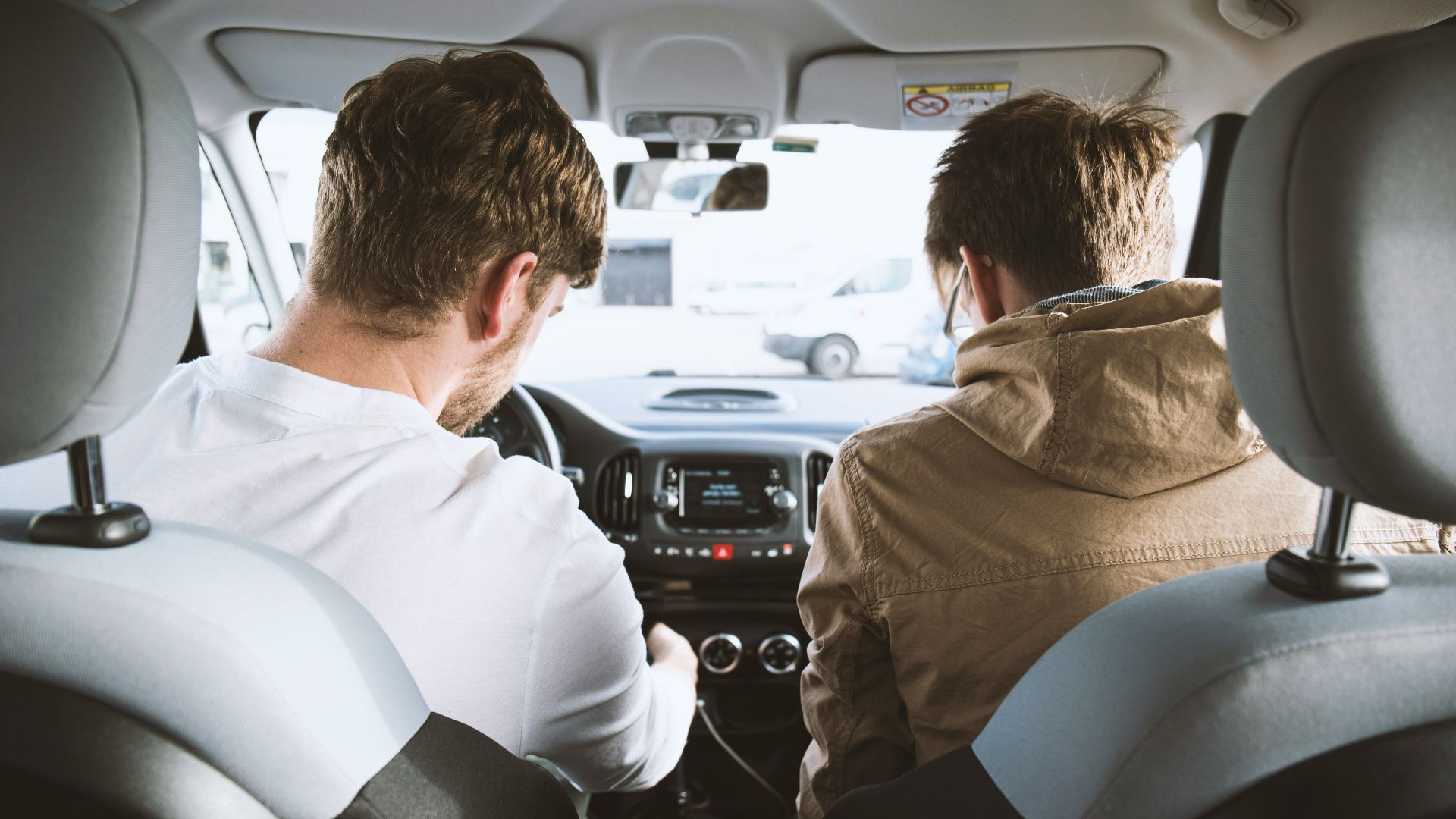
A lot of parents and teens assume a pickup is automatically the safer choice because it is larger and sits higher. Size can help in some crashes, but it is only part of the picture. Handling, braking, visibility, and rollover risk matter too.

Pickups Come With Tradeoffs
The IIHS has noted that pickups and SUVs generally have a higher rollover risk than lower passenger cars because they have a higher center of gravity. That does not mean every pickup is unsafe. It does mean a truck can ask more of a driver who is still learning basic judgment and control.
Stopping Distance Matters
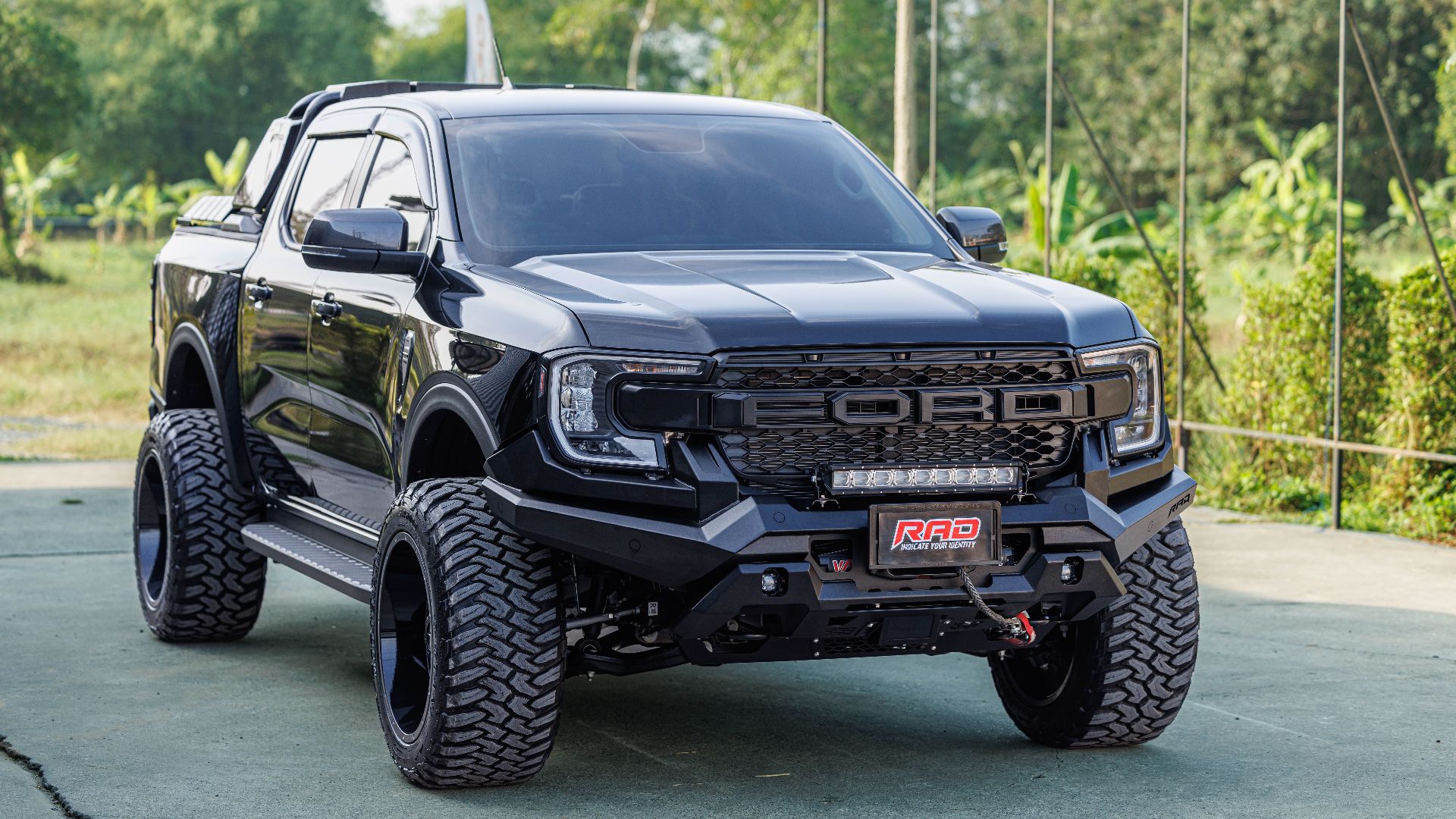
Pickup trucks can be heavier than sedans, and heavier vehicles may need more distance to stop depending on speed, tires, and road conditions. For a teen still learning following distance and smooth braking, that matters. A small mistake in a lighter vehicle can become a bigger one in a heavier truck.
The Truck Bed Brings Extra Temptation
A pickup bed can create situations many families do not want to deal with yet. Teens may feel pressure to haul furniture, sports gear, or a pile of stuff for friends after a game or party. That can lead to distraction, overloading, or other bad calls that come up less often with a small sedan.

Passengers Change The Risk Fast
The CDC says the presence of teen passengers increases crash risk for unsupervised teen drivers. More friends in the vehicle often means more noise, more distraction, and more pressure to show off. If the truck is tied up with friend-group status, that pressure can get even stronger.

Too Much Power Is Not A Small Thing
Many modern pickups have strong engines and quick acceleration, even in everyday trims. That may sound fun, but extra power in inexperienced hands can make bad decisions worse. A first vehicle does not need to be exciting to be a good one for learning.
The Best First Car Is Usually Pretty Boring
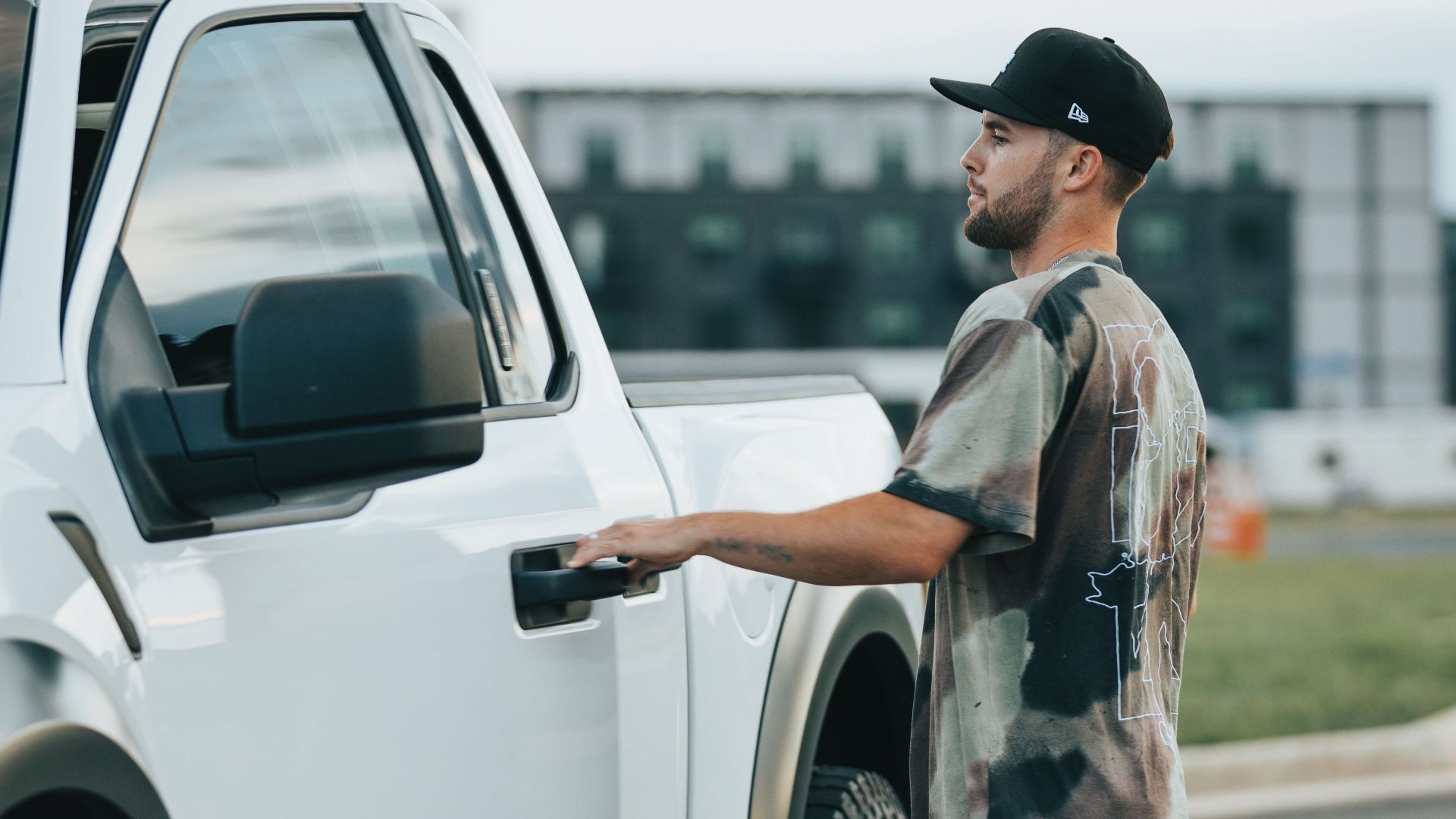
That may not be what a teen wants to hear, but it is often true. Consumer Reports and the IIHS both stress practical features for teen vehicles, including strong crash-test performance, electronic stability control, and moderate size. The best first car is usually chosen with safety ratings and real-world costs in mind, not social pressure.

Used Trucks Are Often More Expensive Than Expected
Many families get caught off guard here. Pickups often hold their value very well, which can make used ones expensive compared with sedans of similar age. Kelley Blue Book has repeatedly noted strong resale value in the truck market, and that can mean paying more for an older vehicle with more miles.

Insurance Might Not Be Friendly
Insurance prices depend on the driver, ZIP code, trim, and specific model, but trucks are not always cheap to insure for teens. A larger, more expensive vehicle can cost more to repair or replace after a crash. Before you say yes, it makes sense to get actual quotes instead of guessing.

Fuel Costs Show Up Every Week
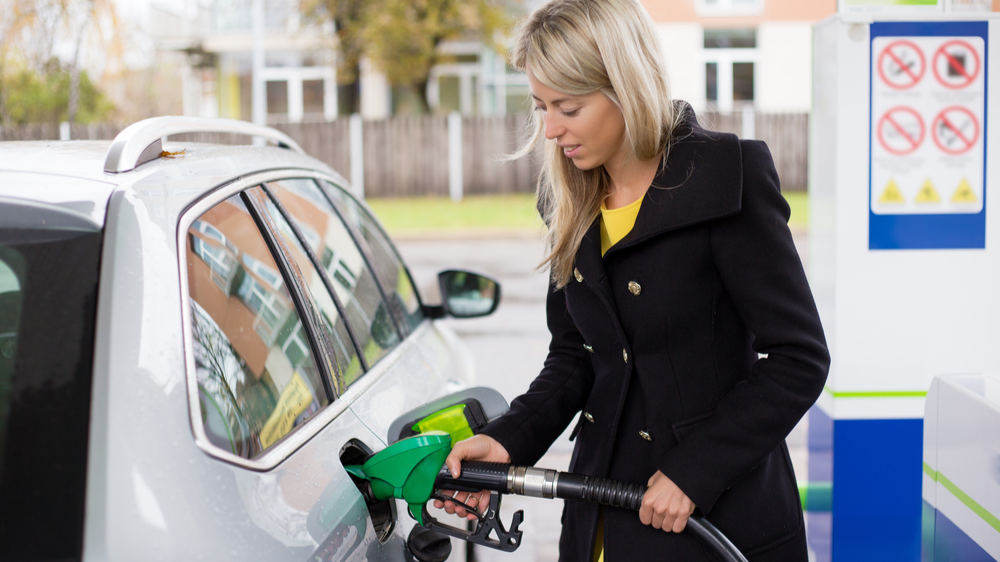
Even though trucks are more efficient than they used to be, many pickups still use more fuel than compact cars or midsize sedans. The Environmental Protection Agency’s fuel economy data makes it easy to compare models side by side. If your teen is mostly driving to school, work, and practice, a truck may cost more mile after mile without giving much back.
 Kaspars Grinvalds, Shutterstock
Parking And Maneuvering Are Bigger Deals Than Teens Think
Full-size pickups can be awkward in school parking lots, tight neighborhoods, and crowded shopping areas. Longer wheelbases and taller hoods can make low-speed maneuvering tougher for a new driver. Those everyday hassles can turn into dents, scraped bumpers, or near misses.

Tall Front Ends Create Real Concerns
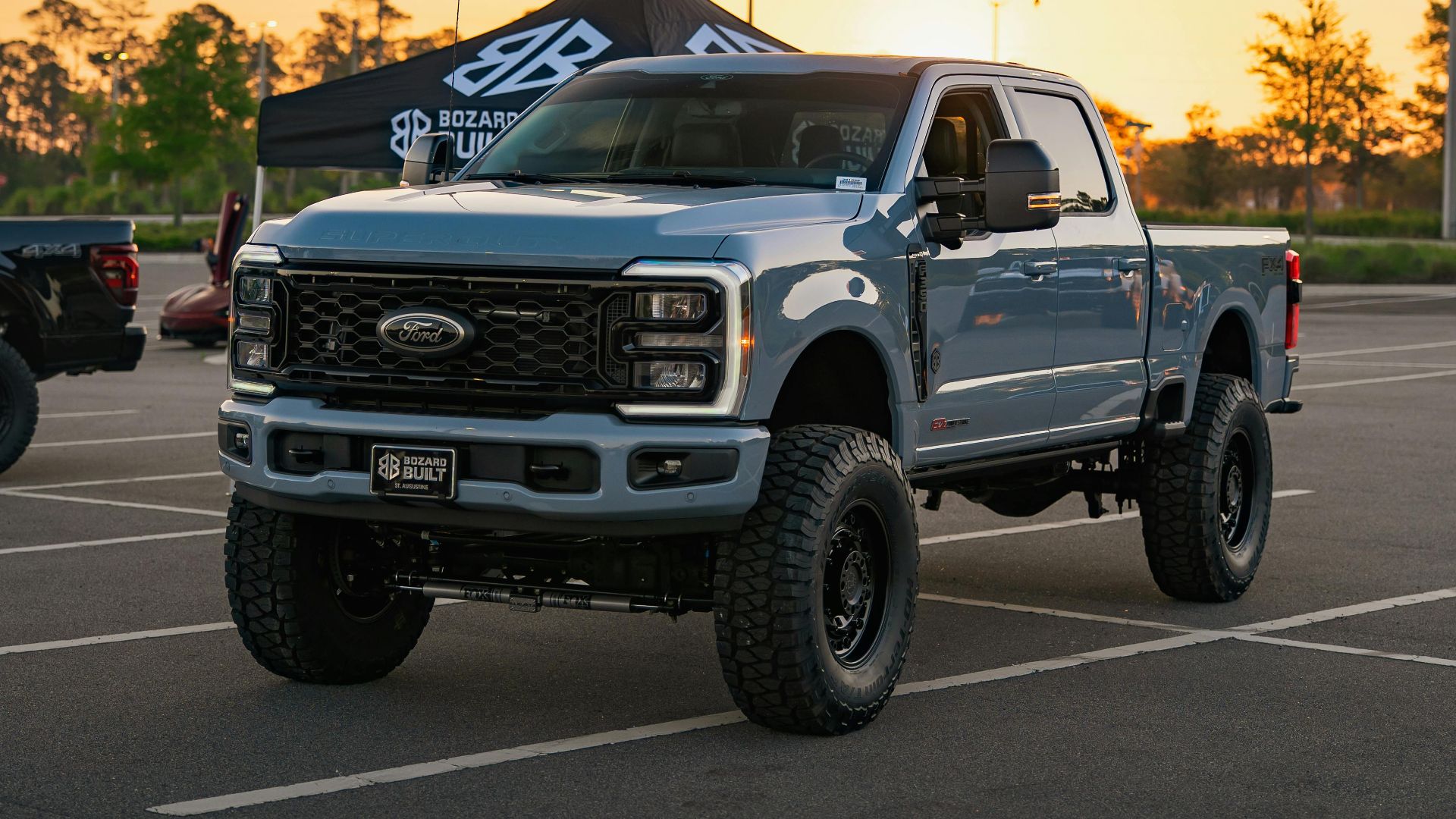
Vehicle safety researchers have paid more attention in recent years to the tall front ends of many modern trucks and SUVs. Higher front profiles can create larger blind zones close to the vehicle. For a new driver in busy school pickup lines or neighborhood streets, that is not a minor issue.
Visibility Is Not Just About Sitting High
IIHS research has looked at how larger vehicles can create visibility problems and lead to worse outcomes in crashes involving pedestrians. A teen may feel more confident sitting up high, but confidence is not the same as having a clear view. Good driving starts with what a driver can actually see.

Sometimes The Truck Does Not Match The Life
A lot of teens want a pickup for the image, not because they need one. If your child is not regularly towing, hauling, working on a farm, or carrying serious equipment, the truck may not match the real job. Parents are allowed to ask a simple question: what problem is this vehicle solving?
Sometimes A Truck Really Is The Right Tool
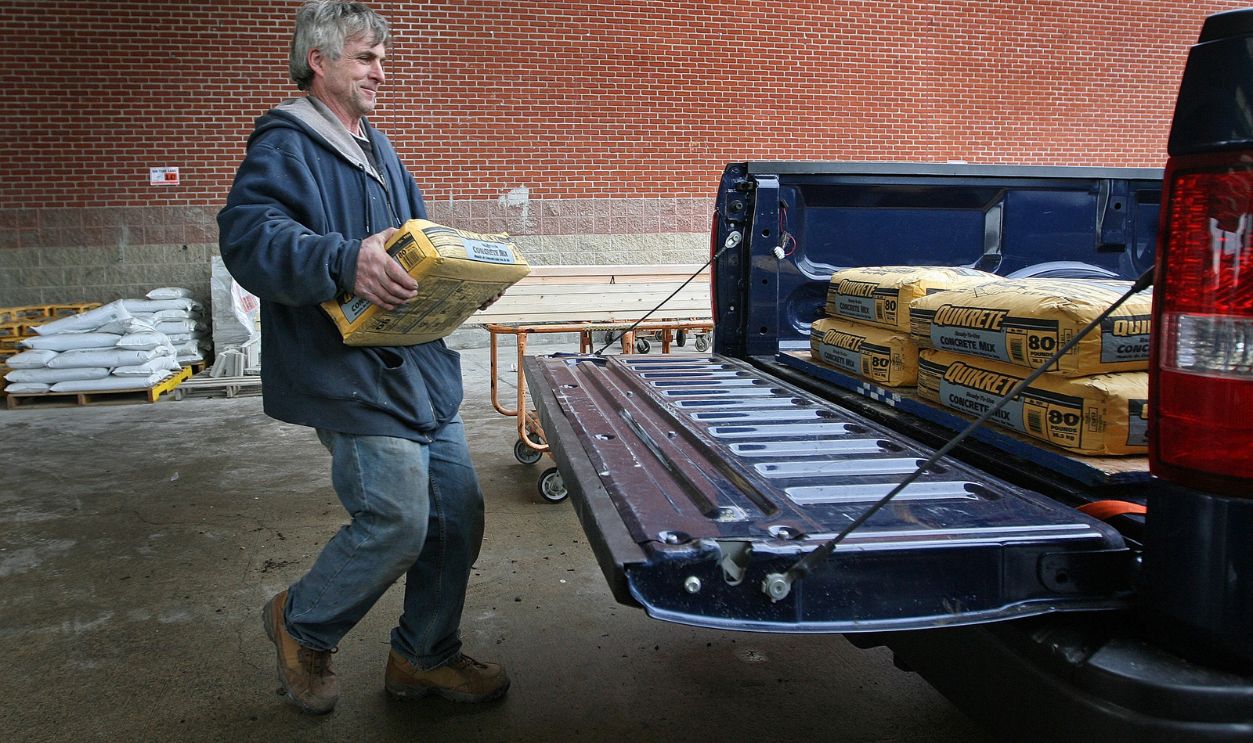
There are cases where a pickup makes sense. A teen who truly needs to haul tools, feed, landscaping gear, or sports equipment for work or family responsibilities may benefit from one. The key is separating real need from trend, because those are two very different arguments.
If You Are Open To A Truck, Set Limits
You do not have to choose between a complete yes and a complete no. A parent can limit the search to smaller or midsize trucks with strong safety ratings, crash-avoidance tech, and manageable power. That keeps the decision grounded in facts while still giving the teen some say.

Safety Features Should Be Mandatory
If a truck is still on the table, look for electronic stability control, side curtain airbags, anti-lock brakes, and the best crash-test performance you can afford. Automatic emergency braking and blind-spot monitoring are also worth putting high on the list if they are available. The IIHS and NHTSA are good places to confirm what a specific model really has.
A Written Driving Agreement Can Help
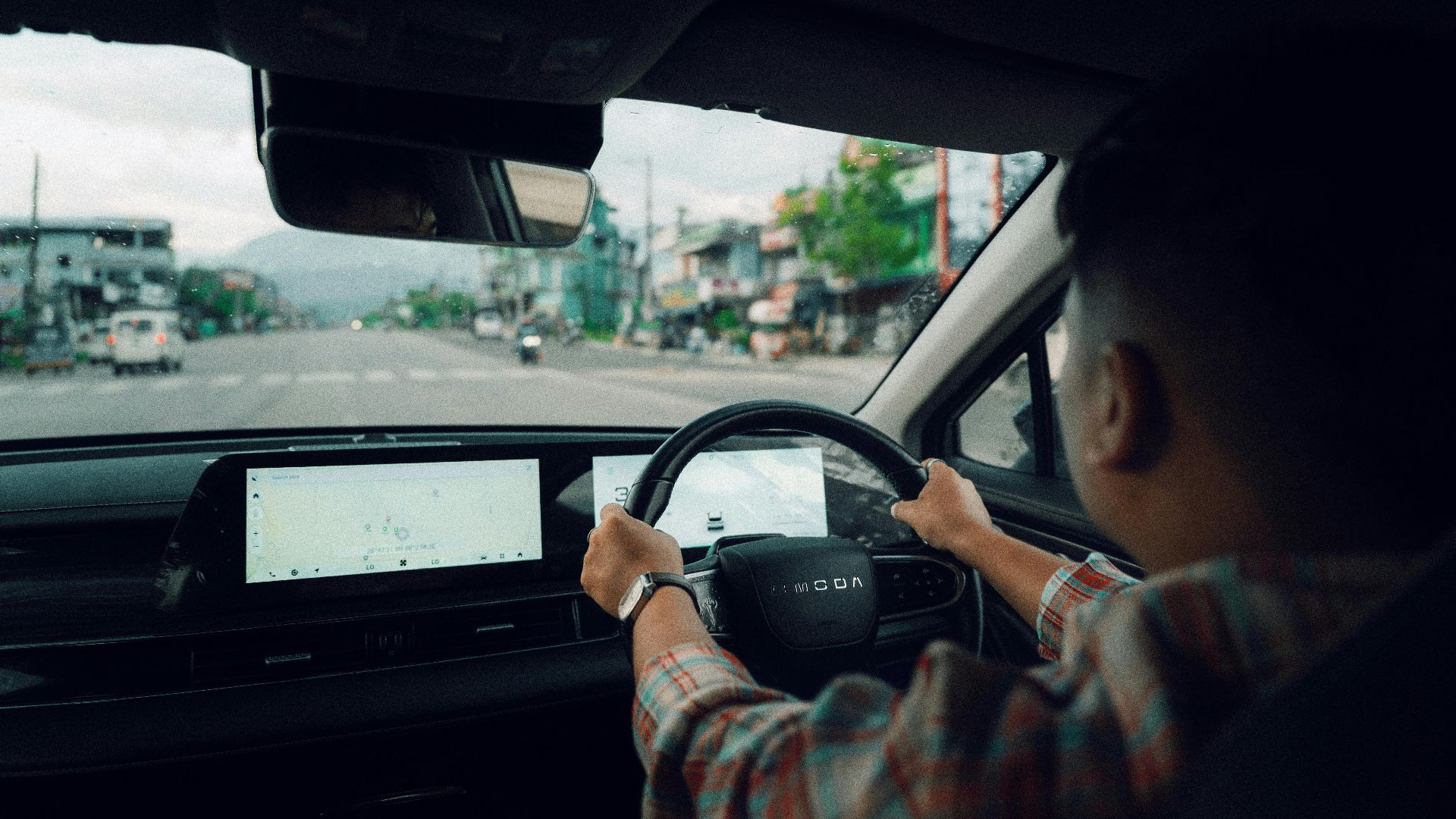
The CDC recommends clear family rules about seat belts, passengers, speeding, nighttime driving, and phone use. Putting those rules in writing may sound formal, but it can prevent a lot of arguments later. A truck is not automatically a bad choice, but loose rules can make any vehicle a risky one.

A Smaller Alternative Might Do The Job
If your teen wants the higher seating position and cargo flexibility of a truck, a smaller crossover or hatchback may cover some of that ground. Many offer better fuel economy, easier parking, and strong safety records. Sometimes the smartest answer is the compromise your teen can still live with.
 The Washington Post, Getty Images
Peer Pressure Is Not A Reason To Buy A Vehicle
This is really the heart of it. When a teenager says all his friends have trucks, he is describing a social fact, not making a transportation case. Parents are not wrong for refusing to let popularity decide a purchase that affects safety and finances every single day.

No Is Fine, But Explaining It Usually Works Better
A flat no may feel satisfying for a moment, but then the argument starts. It usually goes better when you explain why, including safety data, insurance quotes, fuel costs, and your expectations for a first vehicle. Your teen may still be unhappy, but at least the decision will sound reasoned instead of random.

You Are Not Saying No To Independence
What many teens hear is that the truck stands for freedom and adulthood. What a parent may actually be rejecting is extra risk, extra cost, or a vehicle that does not match the driver’s skill level. Those are not the same thing, and it helps to say that clearly.

The Right Answer Depends On The Teen
A calm, careful teen with a real need for utility is different from an impulsive teen chasing an image. Family finances, local roads, mileage, and maturity all matter. There is no one answer for every family, but a truck is not automatically the right first vehicle just because it is popular.
The Bottom Line For Parents
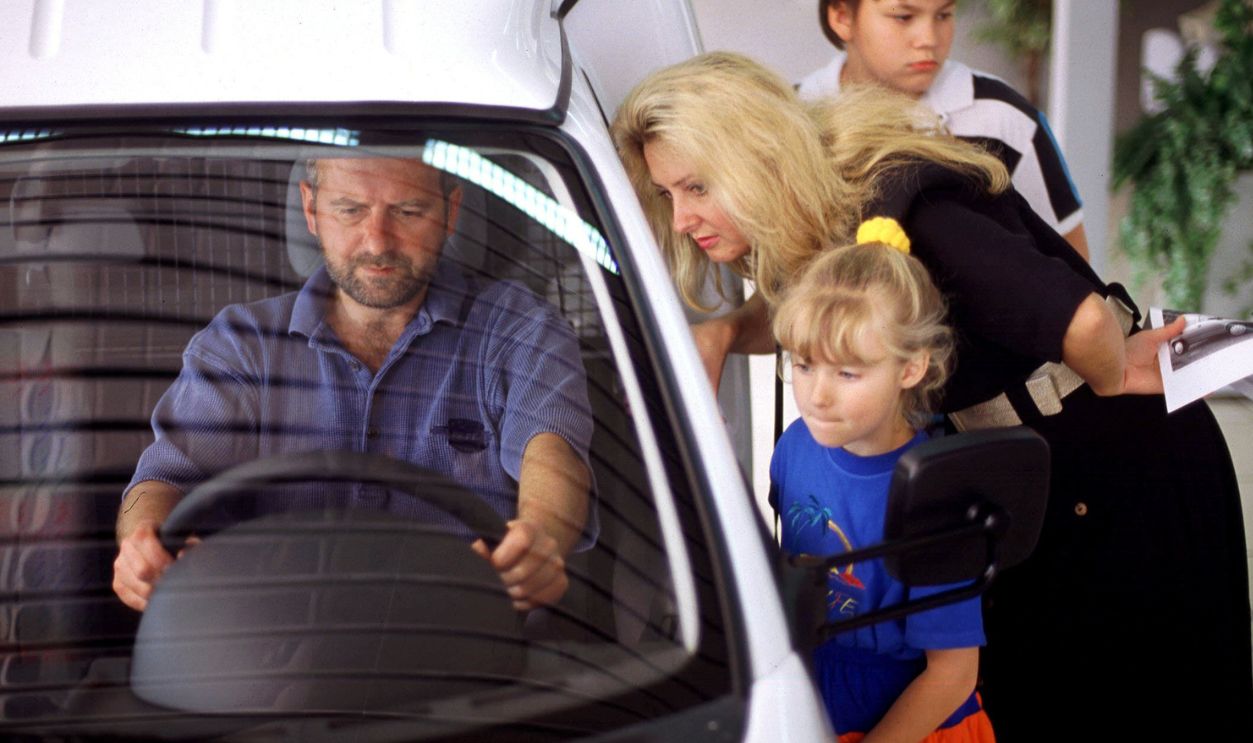
No, you are not wrong for saying no. You are doing what parents are supposed to do: weighing real-world risks and costs against the emotional pull. If a pickup can meet the tests of safety, affordability, and actual need, then maybe it deserves a second look. But friend-group trends alone are not enough.