Towing Capacity Isn't The Number That Usually Causes Trouble
Today's electric pickups can have more than enough muscle to pull a substantial travel trailer. The harder question is how far they'll pull it before needing another charger. A truck that looks perfect on a spec sheet can behave very differently once a tall camper is attached, especially on a long highway trip.
Electric Pickups Can Pull Serious Weight
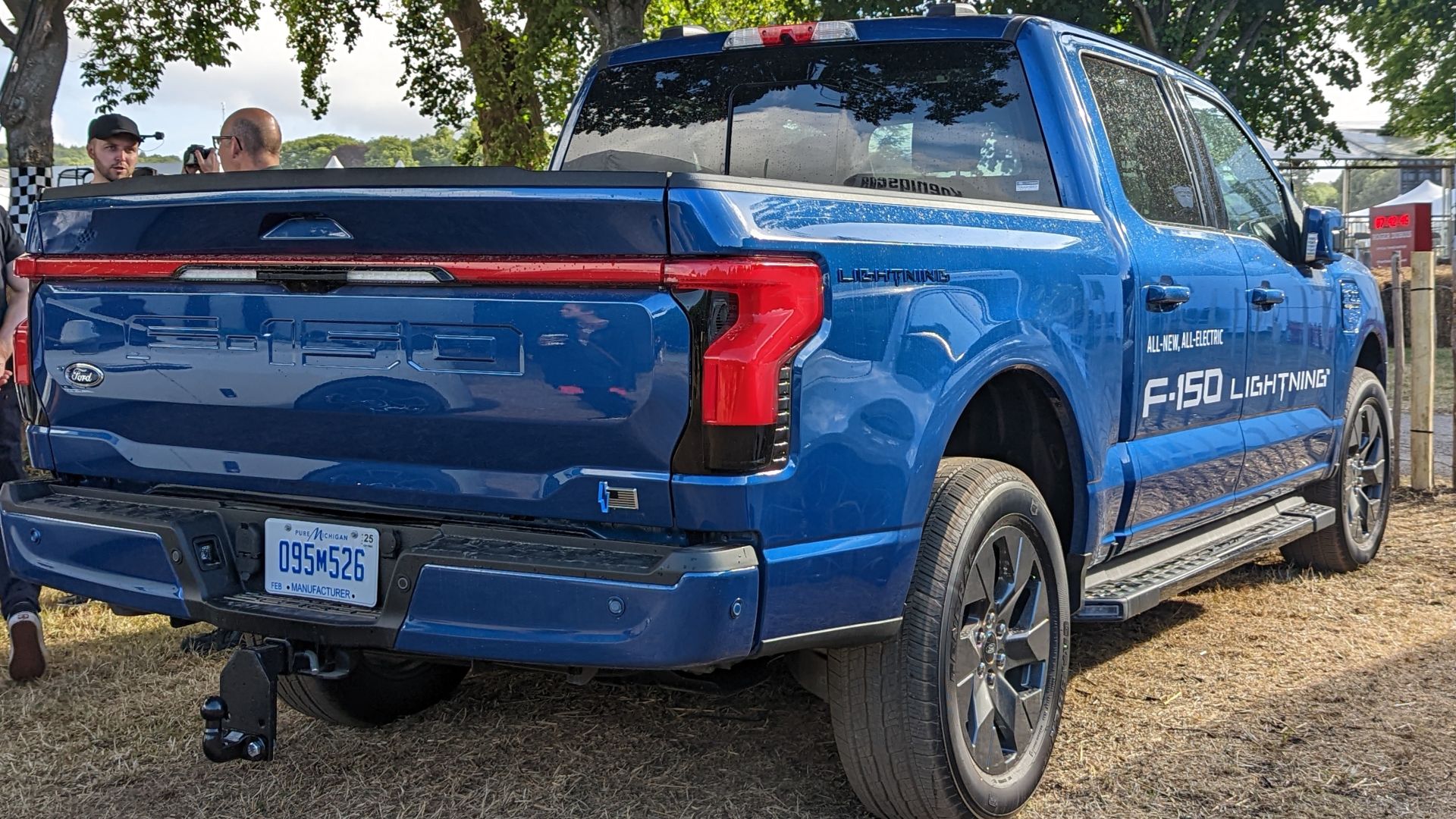
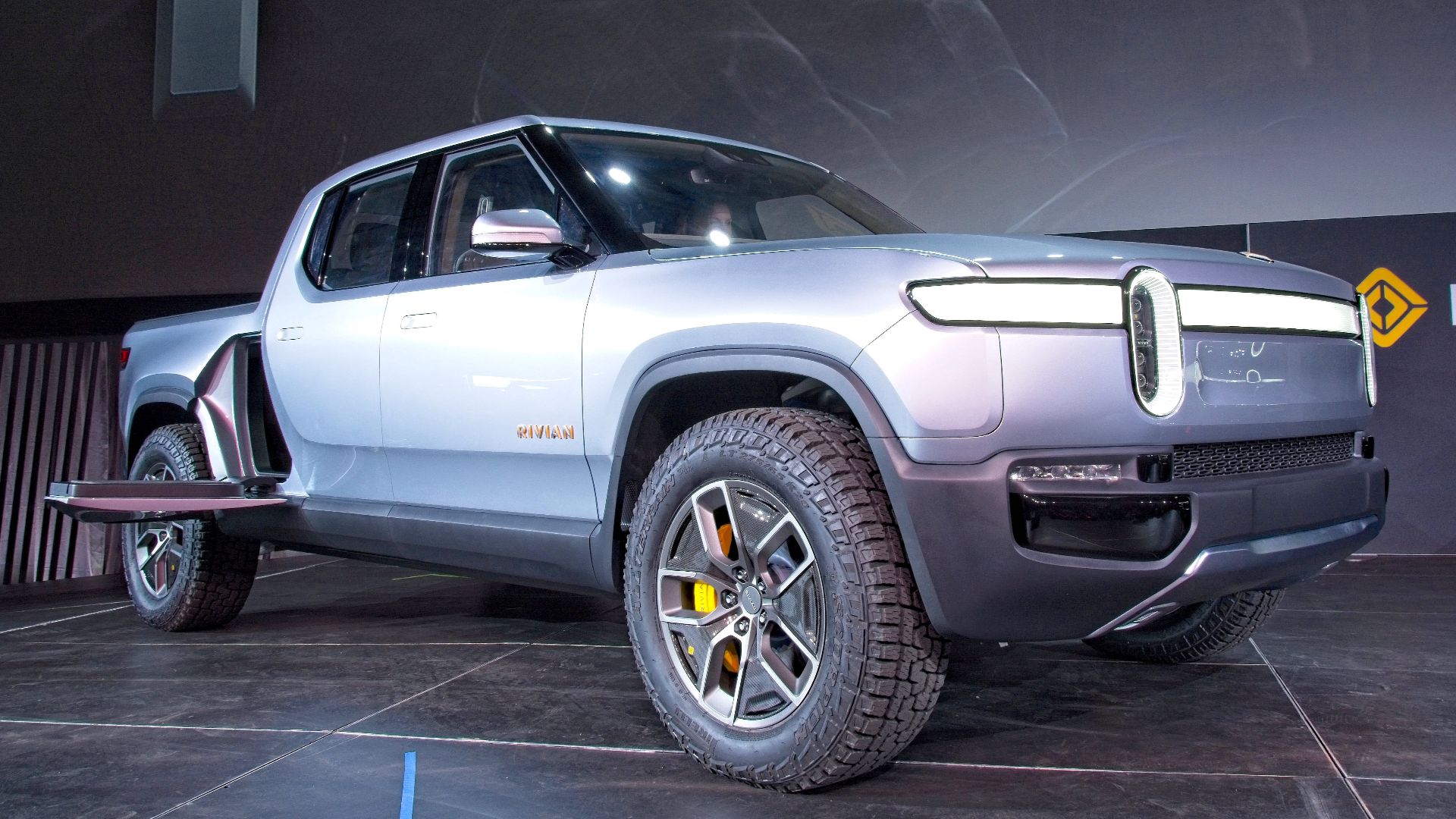
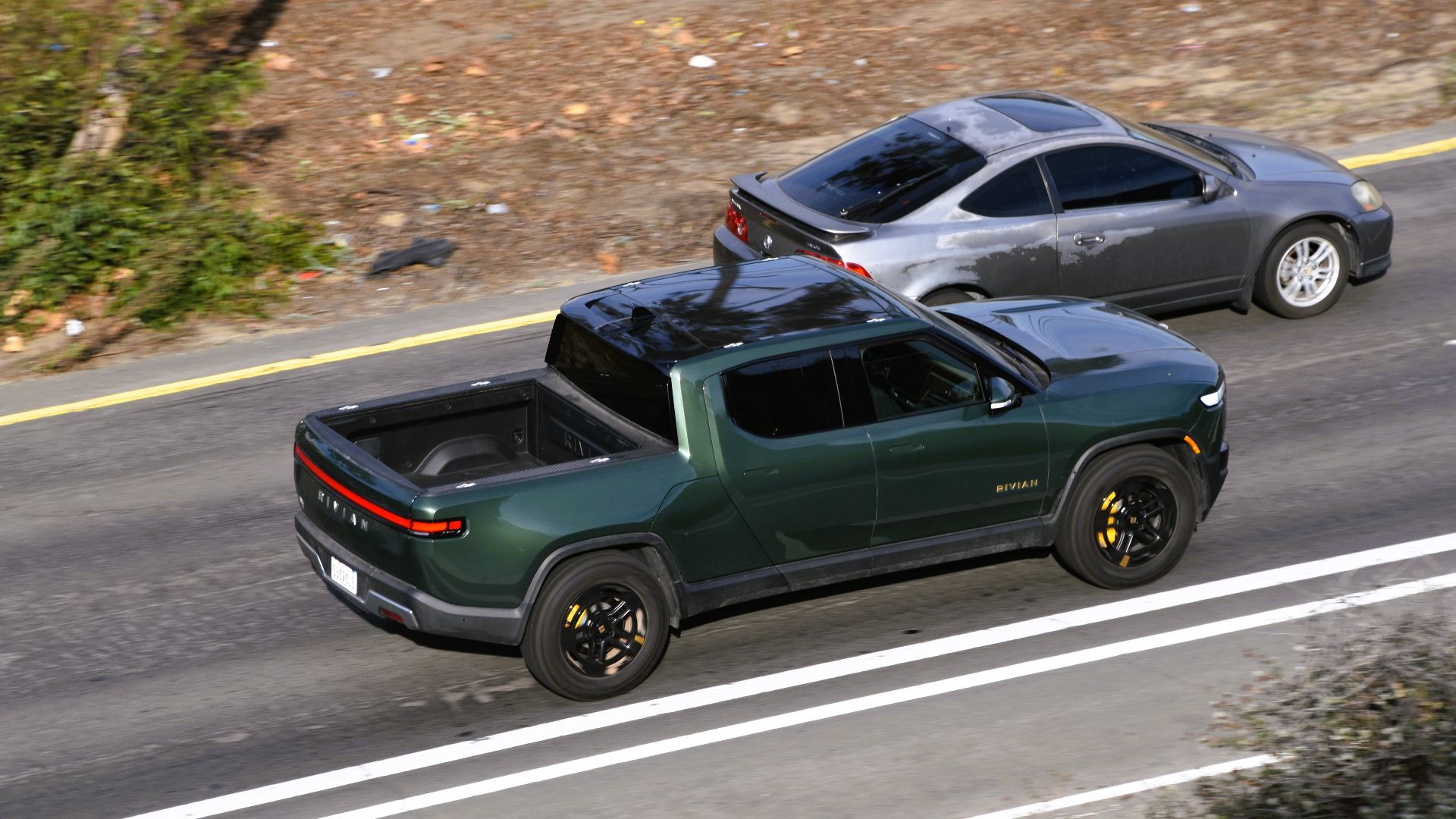
The idea that EVs simply can't tow is already outdated. Ford rates properly equipped versions of the F-150 Lightning for up to 10,000 pounds, while the Rivian R1T has been rated for up to 11,000. Chevrolet's 2026 Silverado EV can reach 12,500 pounds in certain configurations, and some Cybertruck versions are rated for 11,000. The electric motors generally aren't the weak link.
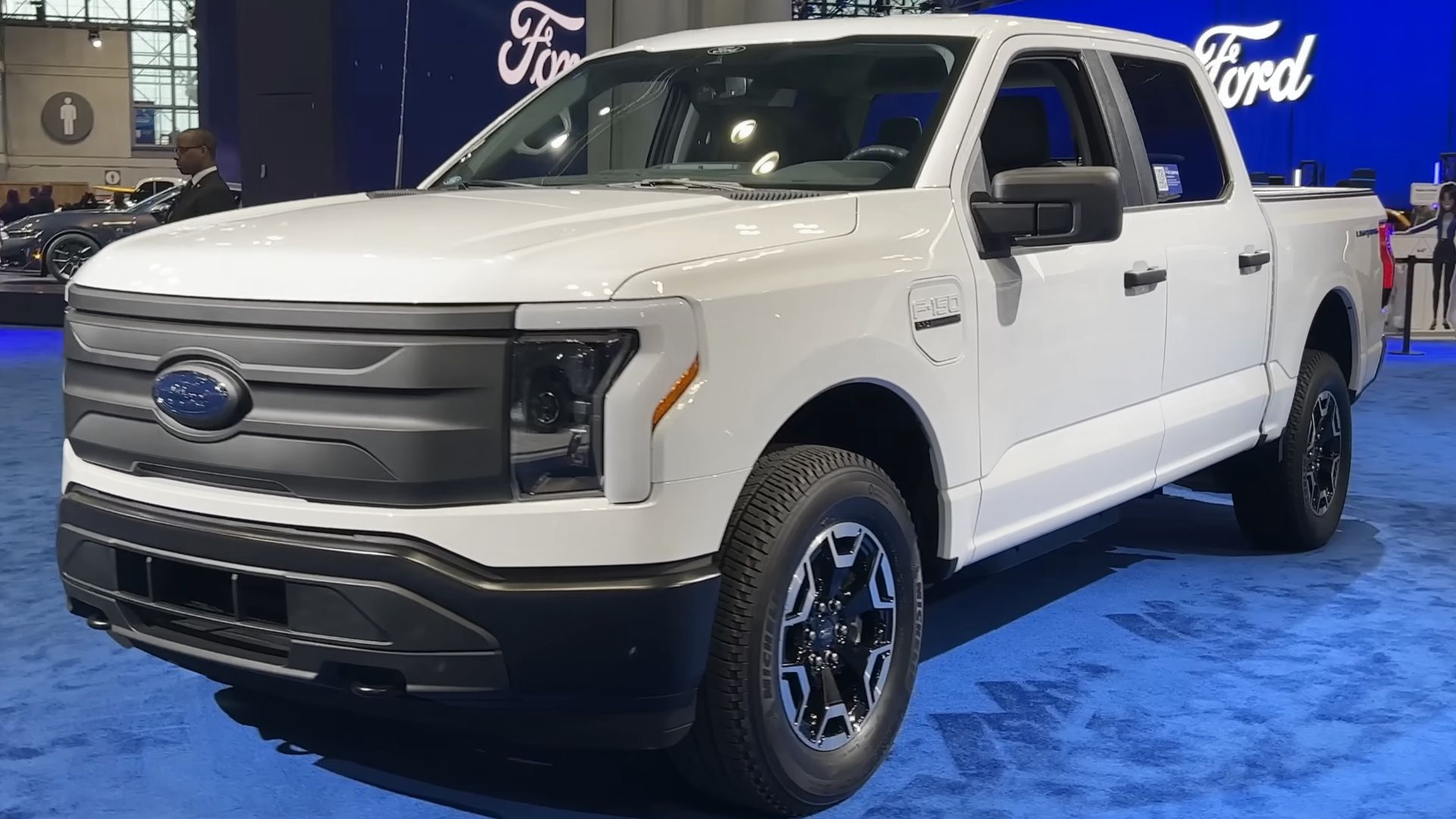 Autosdeprimera, Wikimedia Commons
The Range Concern Is Much More Legitimate
Towing hurts efficiency in any pickup, including gasoline and diesel trucks. The difference is that an EV begins with far less stored energy and takes longer to replenish it. The Department of Energy specifically advises EV buyers to allow extra range for heavy loads and hilly driving. Once a large travel trailer joins the trip, the distance between charging stops can shrink dramatically.
Don't Plan Around The Unloaded Range Number
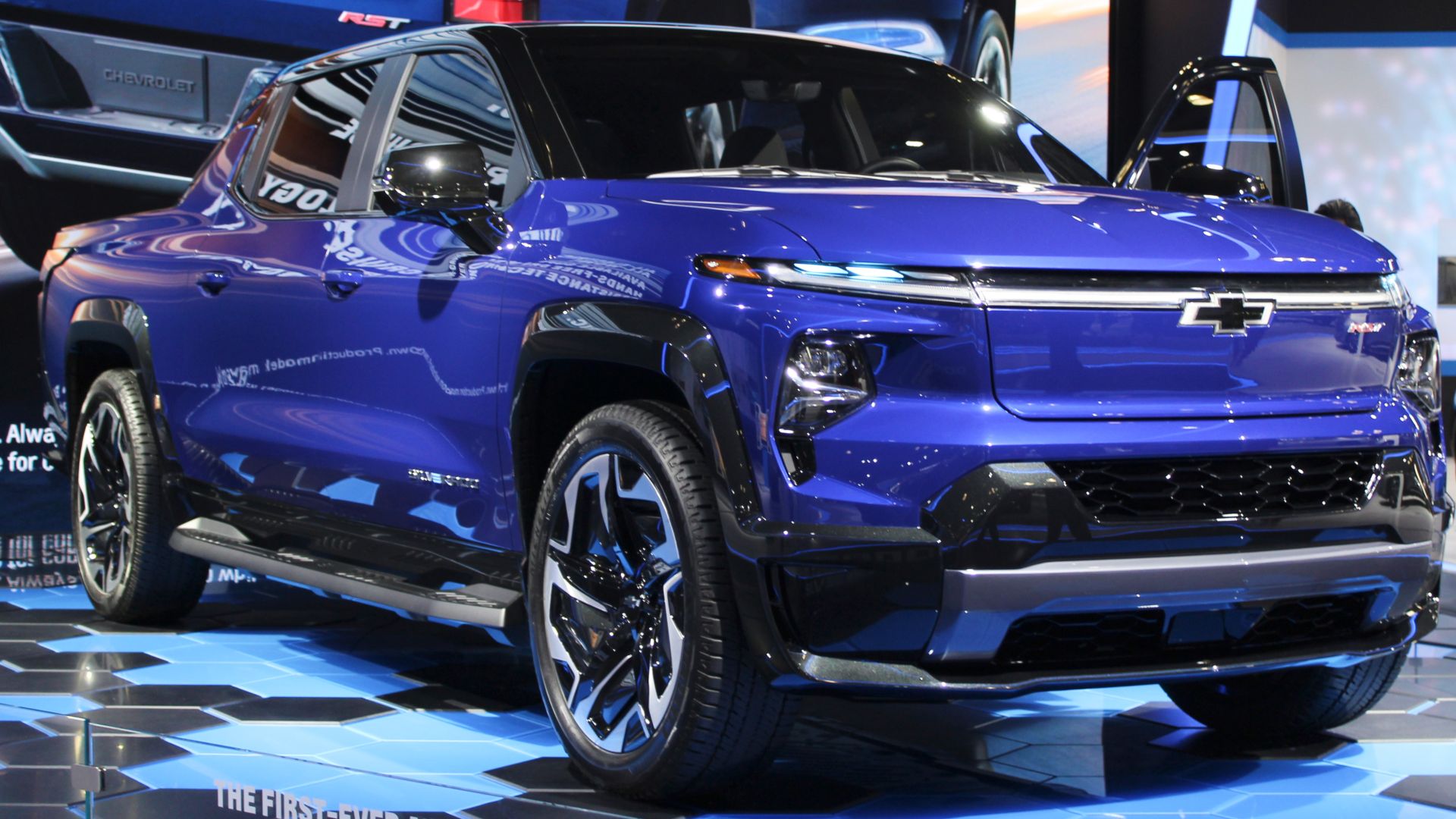
A Silverado EV advertising more than 400 miles of range may sound like it could easily handle a 250-mile towing leg. That advertised figure isn't a promise of towing range. EPA and manufacturer estimates are produced without your particular trailer, family, camping gear, highway speed, mountains, or weather. For towing, the number that matters is the truck's efficiency with the actual trailer attached.
The Trailer's Shape Can Matter As Much As Its Weight
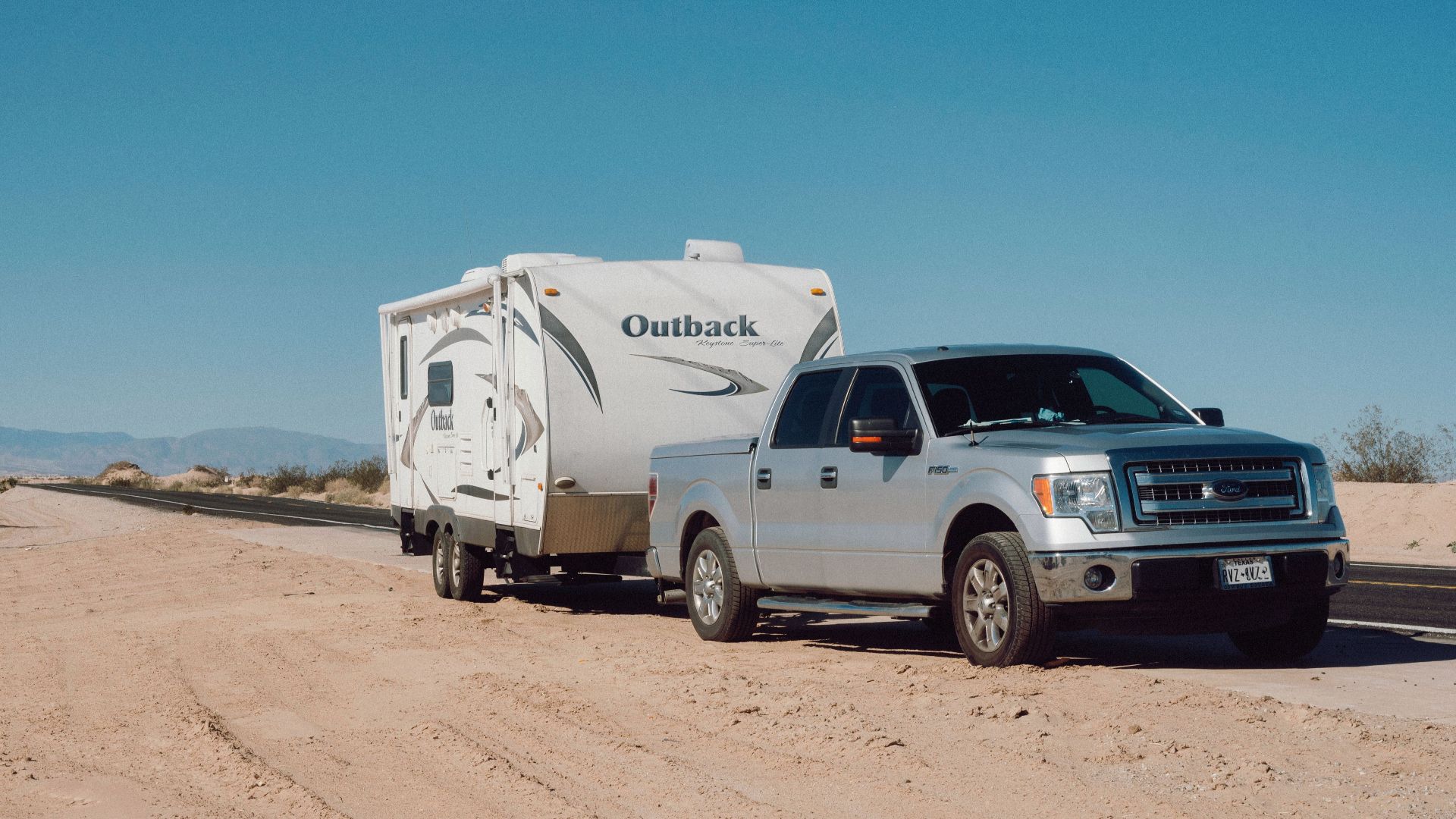
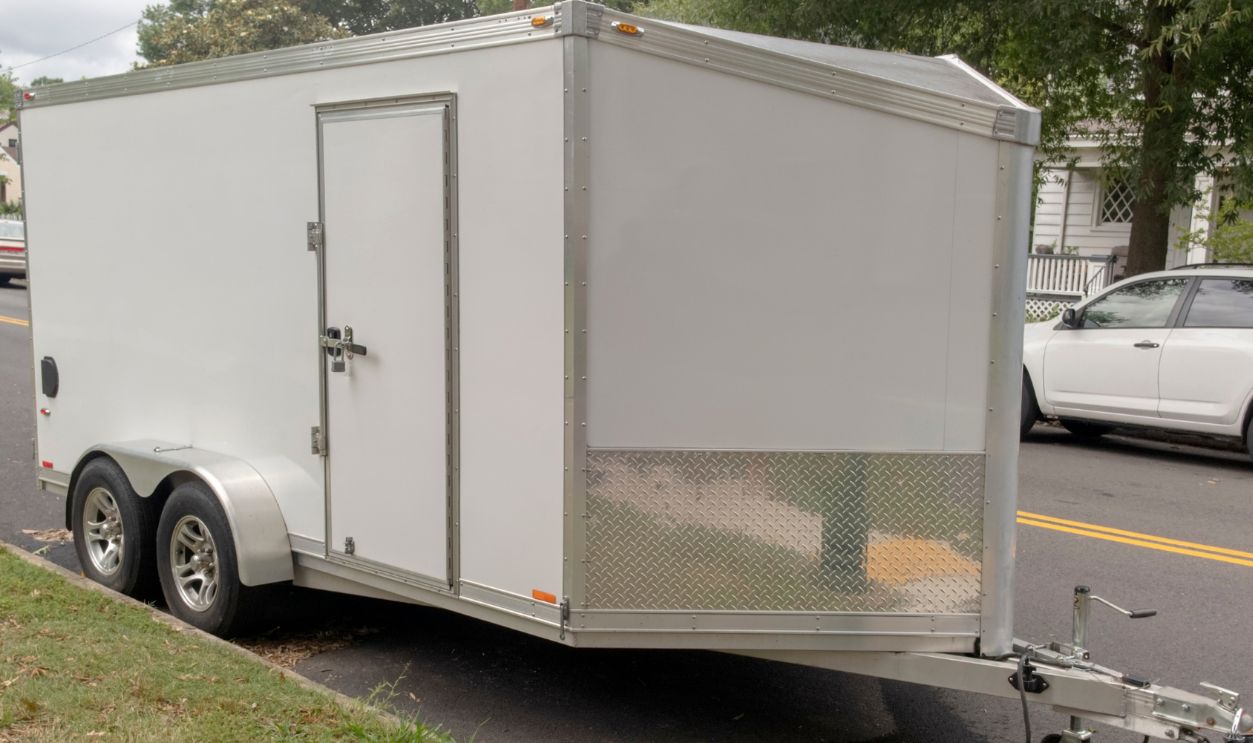
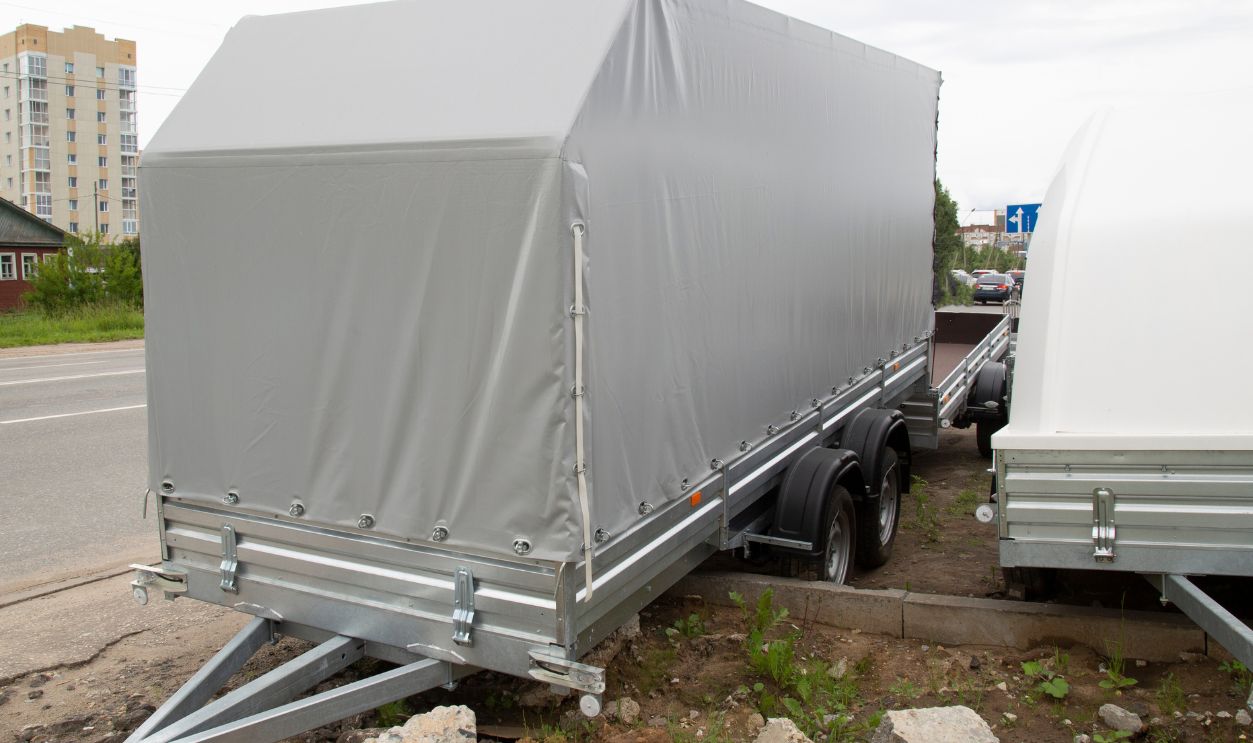
A travel trailer creates enormous aerodynamic drag because the truck is suddenly pulling a large wall through the air. MotorTrend found that trailer frontal area had a major effect during its F-150 Lightning testing, with even a relatively light camper consuming much more energy than the truck did by itself. A short, aerodynamic boat trailer can therefore be easier on range than a lighter but tall, boxy camper.
A Lightweight Camper Can Still Take A Big Bite
It's tempting to assume that buying a 3,000-pound trailer solves the problem because the truck is rated to tow three times that amount. It doesn't necessarily work that way. MotorTrend tested an F-150 Lightning with a 3,140-pound travel trailer and calculated roughly 115 miles of towing range under its highway conditions. The trailer's aerodynamic drag mattered even though its weight was modest.
Heavier Trailer Tests Have Produced Even Shorter Ranges
Consumer Reports towed a trailer weighing nearly 10,000 pounds with an extended-range F-150 Lightning and Rivian R1T. Under those specific test conditions, it extrapolated maximum ranges of roughly 91 miles for the Ford and 85 miles for the Rivian. Those were intentionally demanding tests near the trucks' towing limits, but they demonstrate just how dramatically a large trailer can change the equation.
 Richard Truesdell, Wikimedia Commons
Newer Long-Range Trucks Improve The Situation
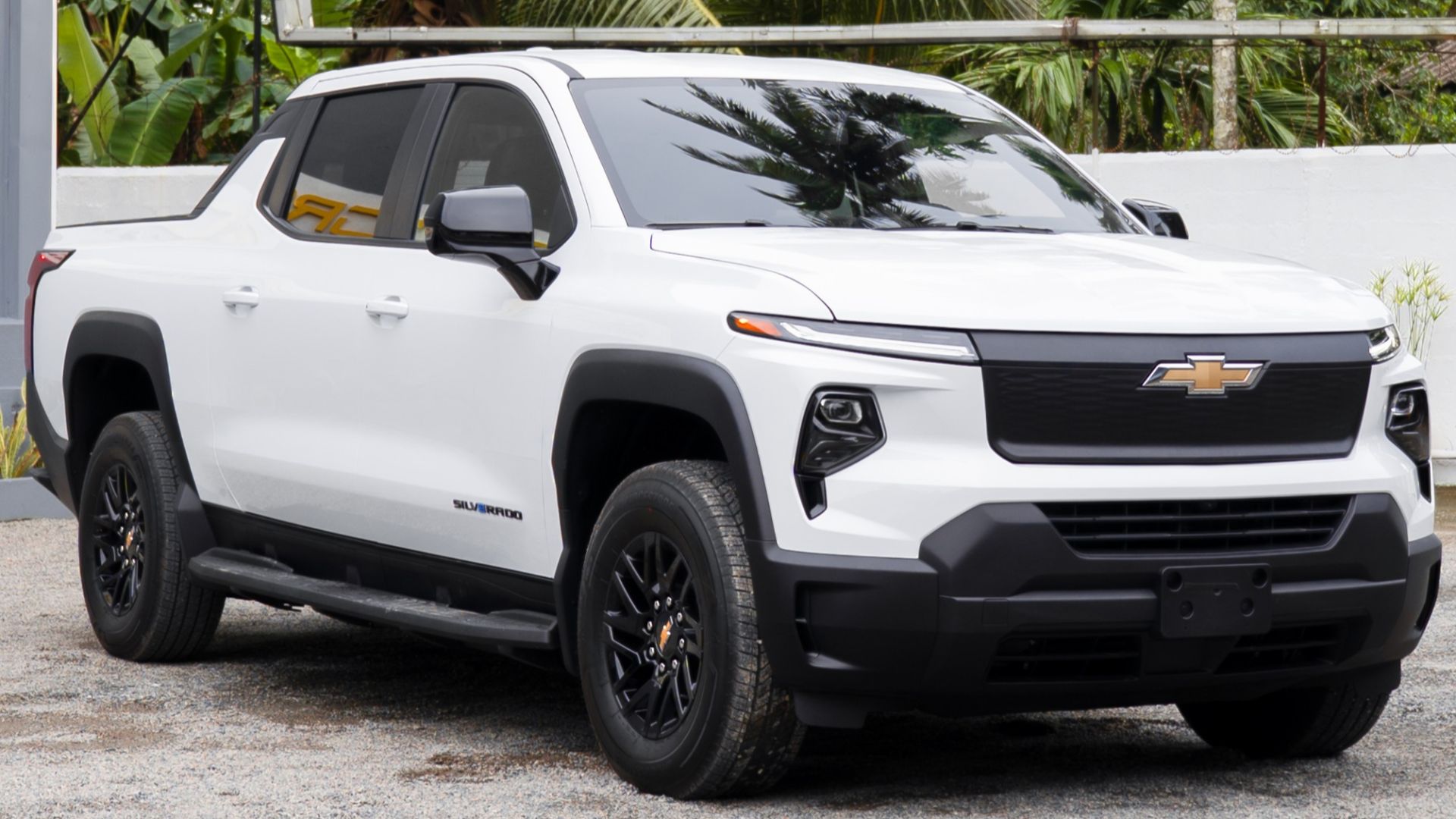
The electric-truck market is changing quickly. Chevrolet currently advertises up to 478 miles of GM-estimated range for certain 2026 Silverado EV configurations, while GMC offers similarly long-range Sierra EV variants. A much larger battery gives families considerably more breathing room when towing. But even a 400-plus-mile unloaded truck shouldn't be assumed to travel anything close to that distance with a large camper attached.
Choose The Exact Truck Configuration Carefully
Maximum range and maximum towing capacity don't always occur on the same version of a truck. Chevrolet's 2026 Silverado EV towing chart, for example, shows different tow ratings depending on battery and equipment configuration. Options, passengers, cargo, and packages can change the numbers further. Don't shop by model name alone. Check the door label and towing guide for the exact truck you're considering.
 Potashev Aleksandr, Shutterstock
The Bigger Battery May Be Worth More Than Fancy Features
For someone primarily buying an electric pickup to tow a travel trailer, battery capacity can matter more than luxury trim or giant wheels. More usable energy provides additional range between stops and a larger emergency buffer when a planned charger doesn't work. Before spending thousands on appearance packages, compare what that money could buy in battery capacity and towing-friendly equipment instead.
Map Charging Gaps Using Towing Range
The route from home to the campground matters as much as the truck. Don't ask whether there are chargers every 250 miles if your trailer reduces practical range to 140. Identify compatible DC fast chargers along the actual highway and calculate the longest gap between them. Then leave a buffer rather than planning to arrive at each charger with 1 percent remaining.
Charger Layout Can Become A Bigger Problem Than Charger Availability
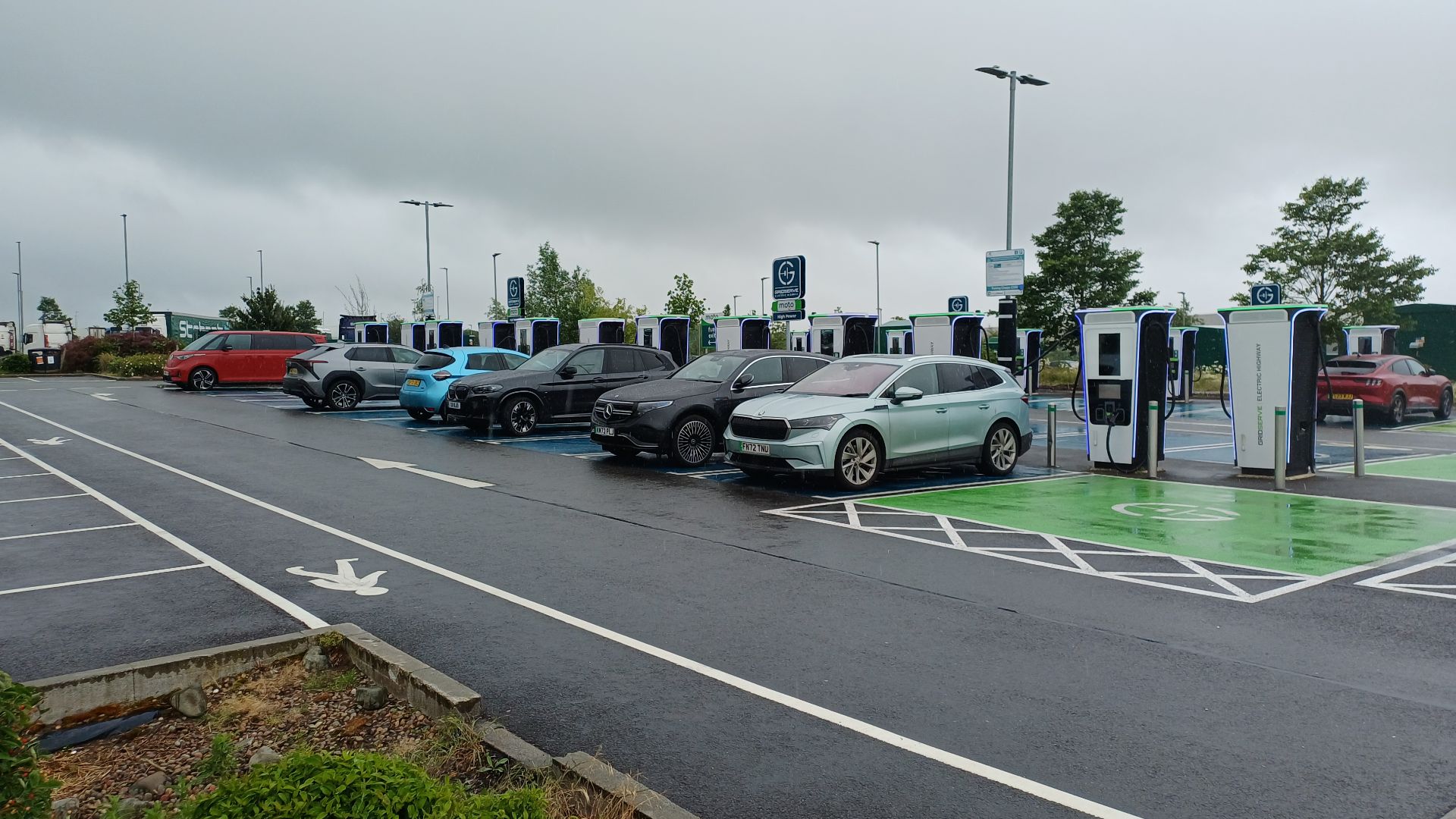
A station can be perfectly functional and still be terrible for someone towing a 28-foot trailer. Consumer Reports found that many public chargers are placed against curbs or at the edges of parking lots rather than arranged as pull-through spaces like gas pumps. An EV towing family may technically reach the charger only to discover there is no reasonable way to park without blocking traffic.
 Hugh Venables , Wikimedia Commons
You May Have To Unhitch To Charge
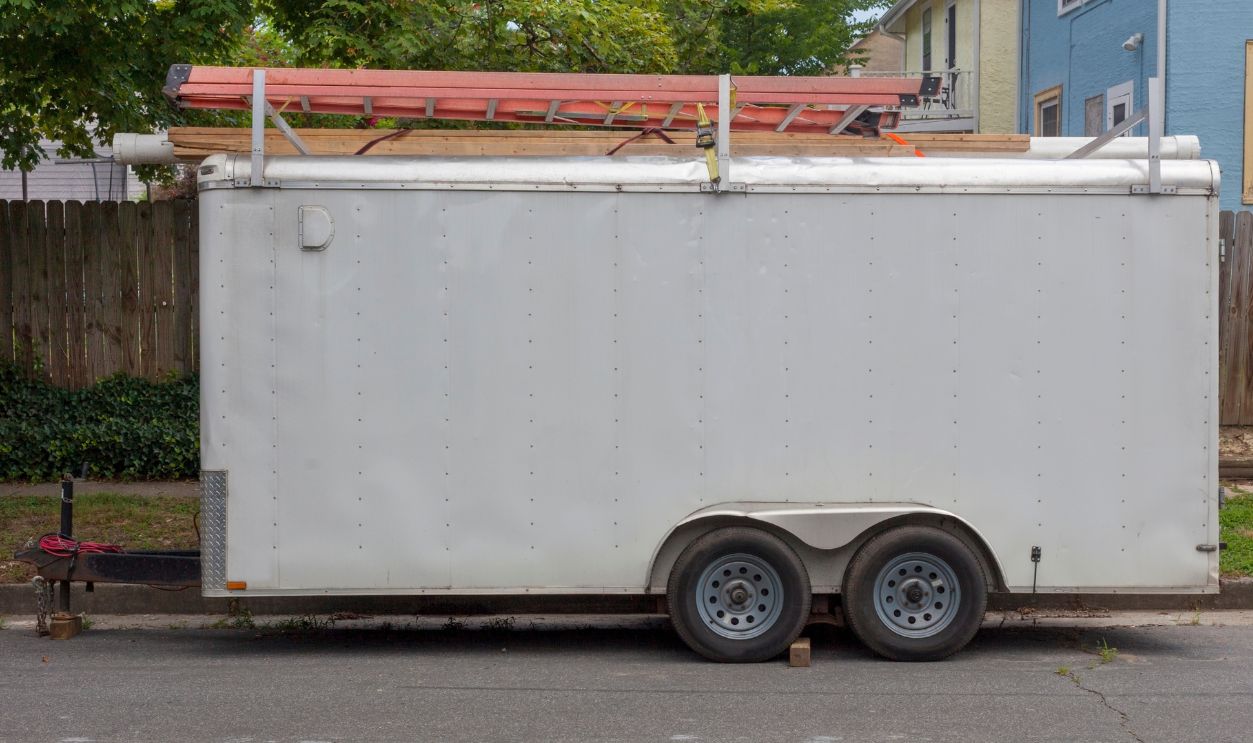
Disconnecting the camper every couple of hours quickly removes some of the appeal of electric towing. Weight-distributing hitches, safety chains, electrical connectors, and trailer jacks make unhitching much more involved than separating a tiny utility trailer. Some newer charging sites are being designed with trailers in mind, but don't assume every station on the route can accommodate your complete rig.
Charging Time Matters More When Towing
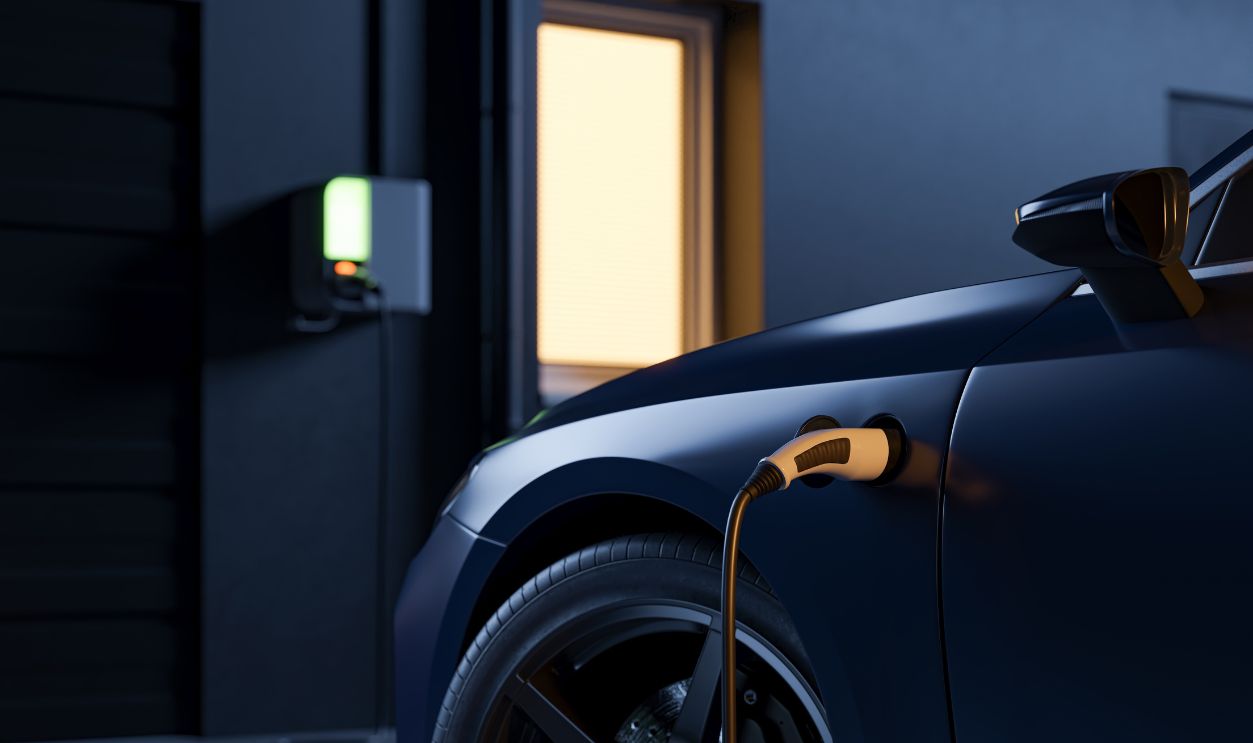
A normal EV road trip often works well because drivers charge quickly and leave before the battery reaches 100 percent. Towing can make that harder because the next charger may require a much larger energy reserve. The family may find itself waiting longer for extra charge rather than leaving at the fastest point of the charging curve, especially where charging stations are widely spaced.
 Taras Valerievich, Shutterstock
Charging Usually Slows As The Battery Gets Full
DC fast charging generally delivers its highest speeds while the battery is relatively low and slows substantially at higher states of charge. An unloaded EV driver may happily leave at 70 or 80 percent. Someone towing a camper may need 90 percent to comfortably reach the next station. That final portion can make the stop feel much longer than the manufacturer's headline fast-charging time suggests.
Campground Charging Can Completely Change The Trip
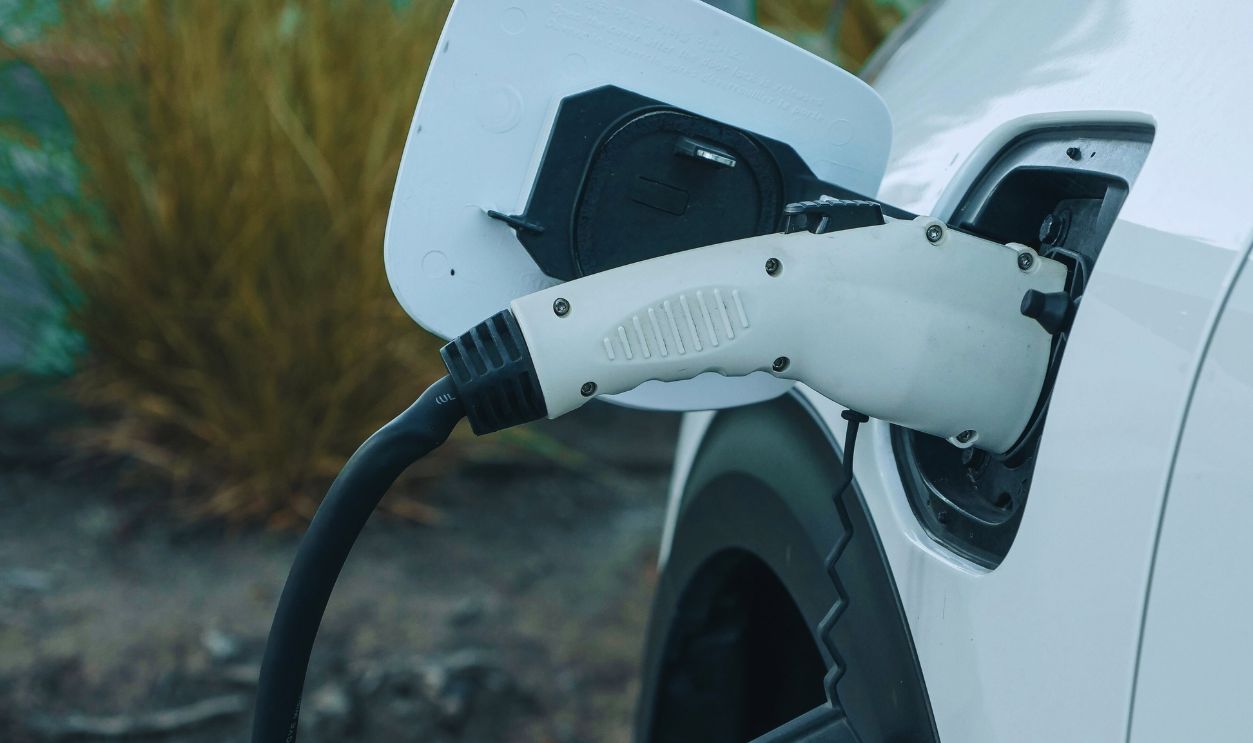
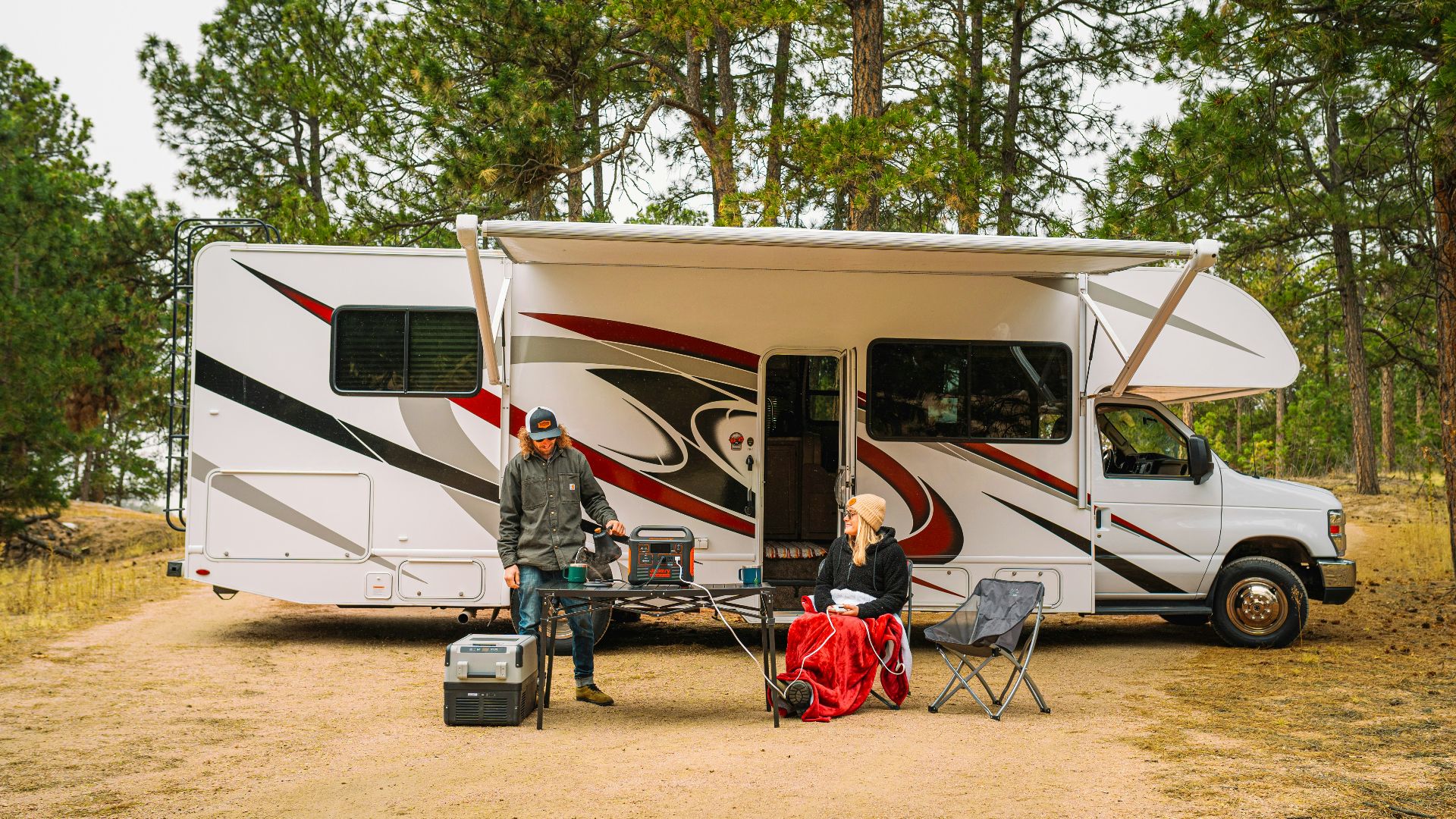
An electric campsite can be enormously useful because the truck can recharge while the family sleeps, hikes, or relaxes. Some electric pickups also provide onboard power that can run camping equipment directly from the truck. If the campground has approved EV charging and suitable electrical service, arriving with a low battery may be much less stressful because the truck can start the return journey full.
 ajay_suresh, Wikimedia Commons
But Don't Assume An RV Outlet Is Yours To Use
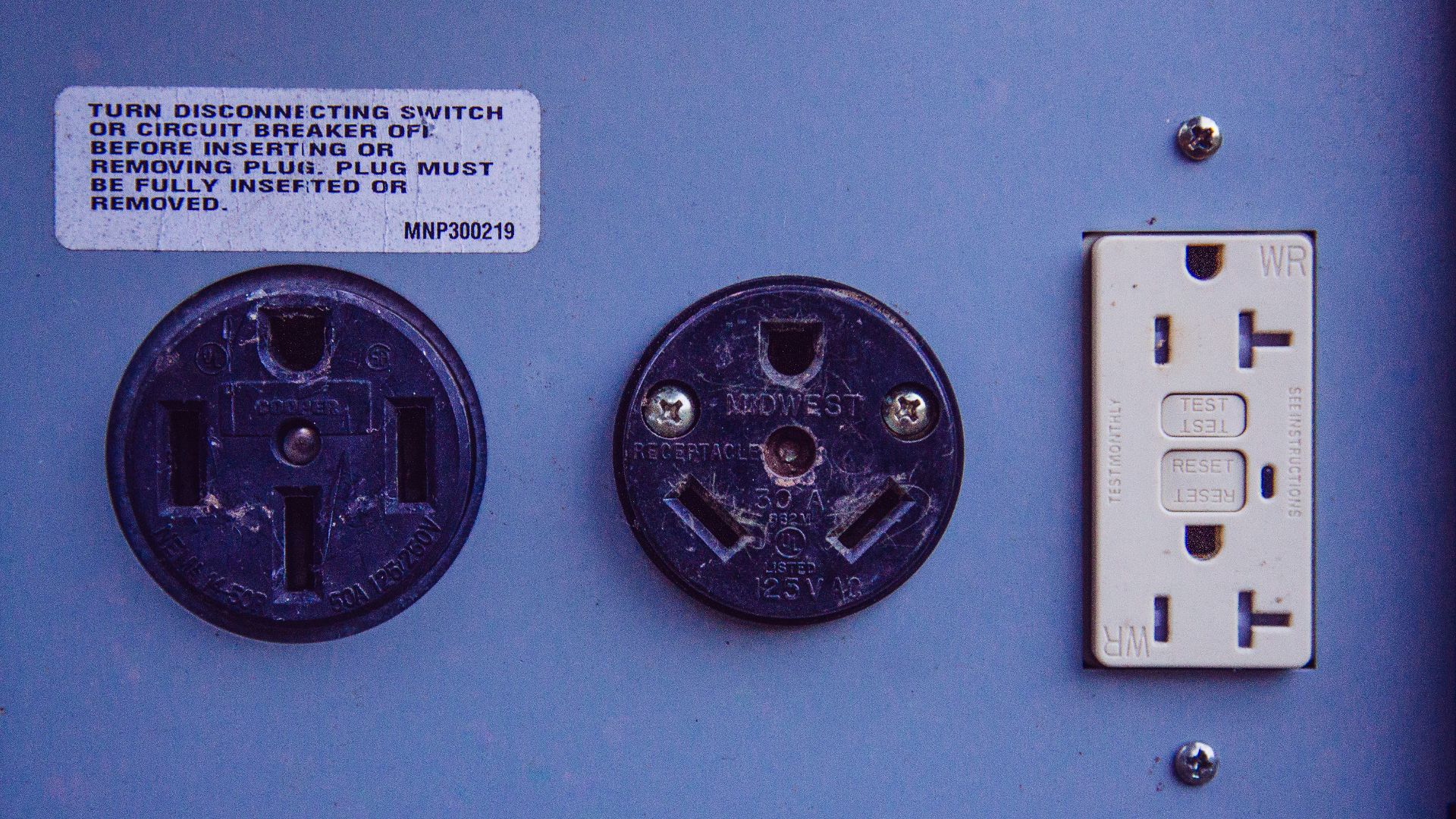
A campground having 30- or 50-amp electrical hookups doesn't automatically mean management permits EV charging from them. Electrical capacity, billing, wiring, and campground rules vary. Ask before booking whether EV charging is allowed and what equipment is required. Don't arrive assuming that an improvised adapter and extension cord will turn every campsite into your personal charging station.
 Tony Webster from Minneapolis, Minnesota, United States, Wikimedia Commons
Mountains Can Make The Range Estimate Move Quickly
Towing a camper uphill requires substantial energy, and a long mountain climb can make the predicted remaining range drop alarmingly fast. Regenerative braking may recover some energy on the descent, but it won't return everything used climbing the mountain. Families camping in mountainous areas should plan more conservatively than someone towing across flat interstate highways.
 Jackery Power Station, Unsplash
Weather Can Shrink The Safety Margin Further
Cold temperatures increase energy consumption for battery and cabin heating, while extreme heat can also affect efficiency through air-conditioning and thermal management. The Department of Energy notes that temperature, heavy loads, hills, and climate-control use can all reduce EV range. A towing route that works comfortably in mild weather may become considerably tighter during a freezing fall camping trip.

Don't Forget Payload And Tongue Weight
A truck's 10,000-pound tow rating isn't the only limit that matters. Travel trailers transfer tongue weight onto the pickup, and that weight counts against the truck's payload along with passengers, coolers, firewood, bikes, and everything in the bed. Rivian, for example, recommends tongue weight around 10 percent of loaded trailer weight. Check the truck's actual payload sticker before assuming the family can load everything it wants.
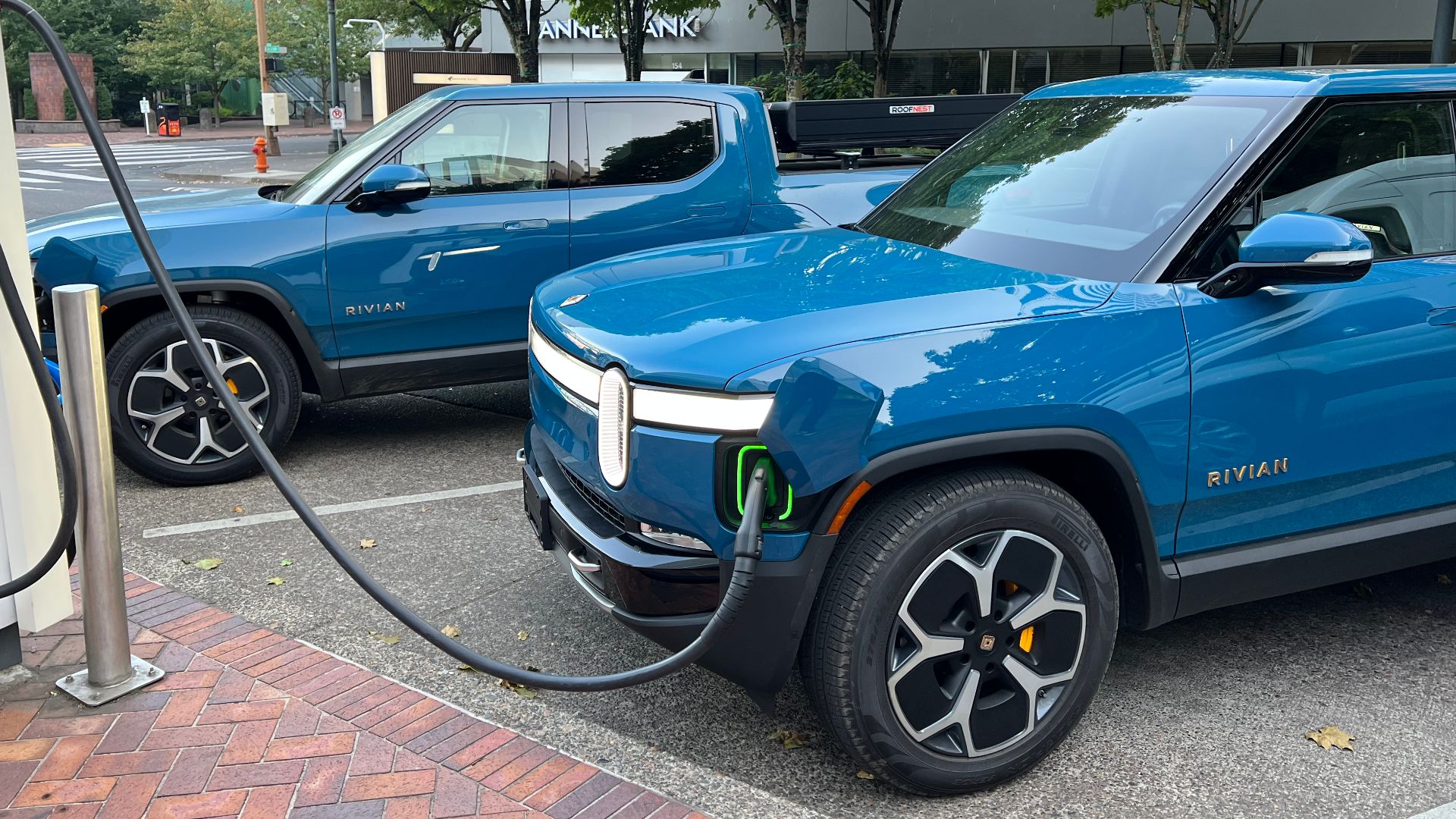 Benjamin Hollis from Seattle, WA, USA, Wikimedia Commons
The Actual Towing Experience Can Be Excellent
Range problems shouldn't overshadow what electric pickups do well. Consumer Reports found the immediate torque made heavy trailers feel remarkably easy to pull, while regenerative braking and one-pedal characteristics could make speed control smooth and confidence inspiring. There are no transmission shifts or engine struggling up grades. Once moving, an electric truck can feel exceptionally well suited to towing.
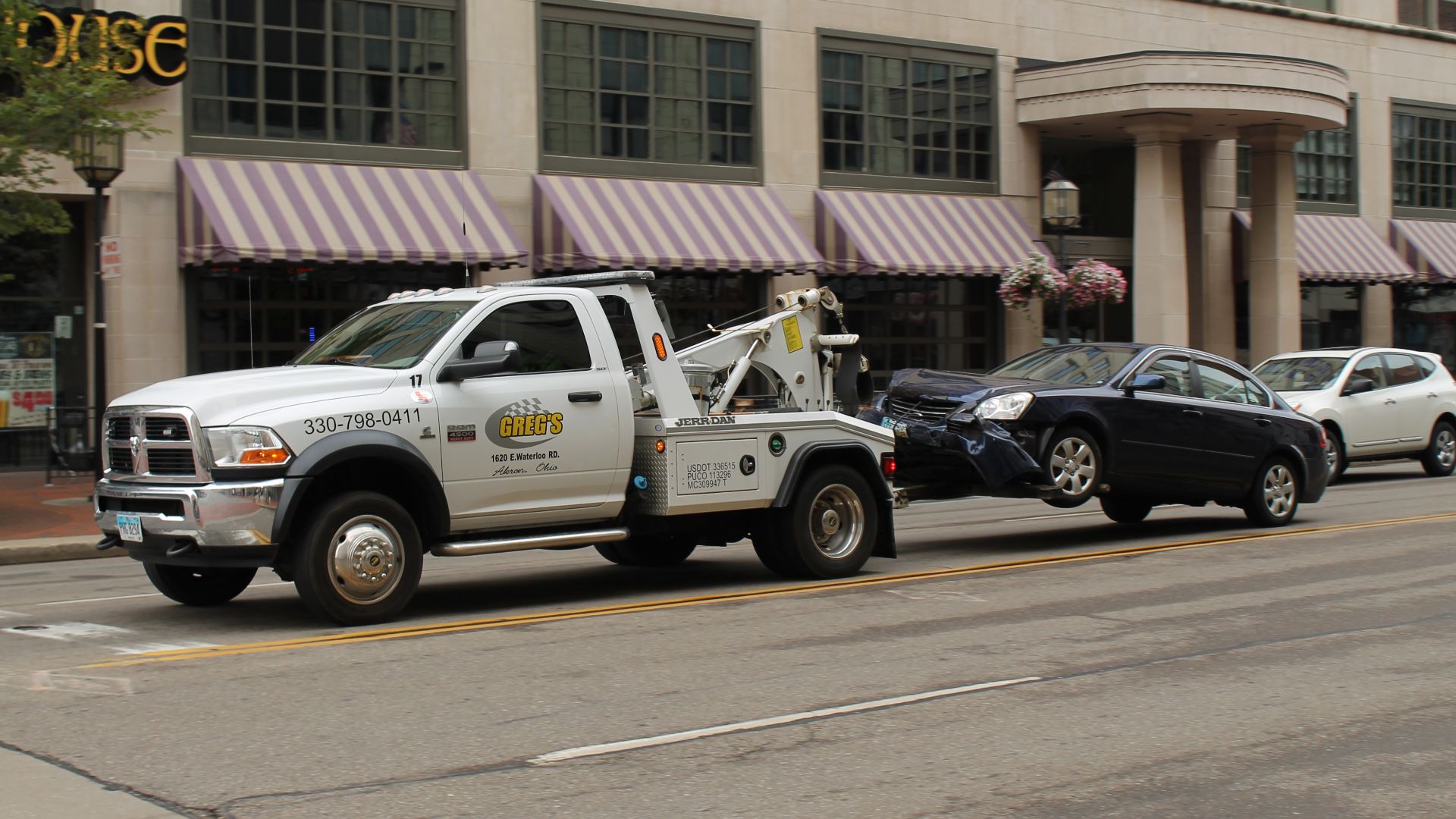 Raymond Wambsgans from Akron Ohio, USA, Wikimedia Commons
Slowing Down Can Buy Meaningful Range
Aerodynamic drag rises rapidly with speed, which matters enormously when you're pulling a large camper. Driving 60 or 65 mph rather than pushing toward 75 can improve efficiency while also giving the driver more reaction time with a heavy trailer. MotorTrend's tests reinforce how important trailer aerodynamics are, so highway speed becomes one of the few range factors the driver can control immediately.
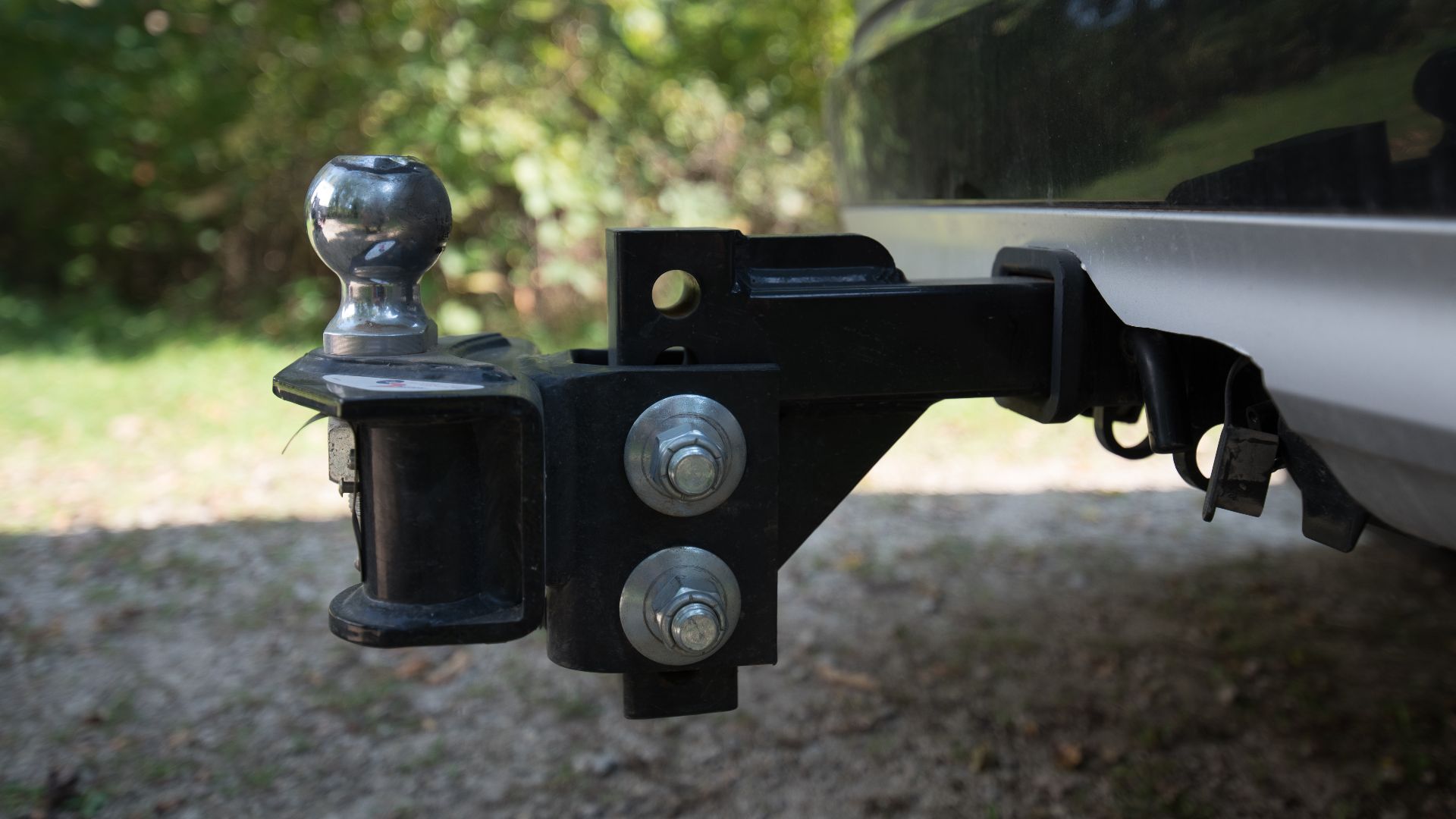 Tony Webster from Minneapolis, Minnesota, United States, Wikimedia Commons
Rent Or Test The Combination Before Committing
If possible, don't make a $70,000-plus truck purchase based on online range arguments. Tow the family's actual trailer or something similar with the electric pickup you're considering. Better still, test a representative highway route and see how many kilowatt-hours per mile the combination consumes. Once you know real towing efficiency, estimating useful range becomes much more reliable.
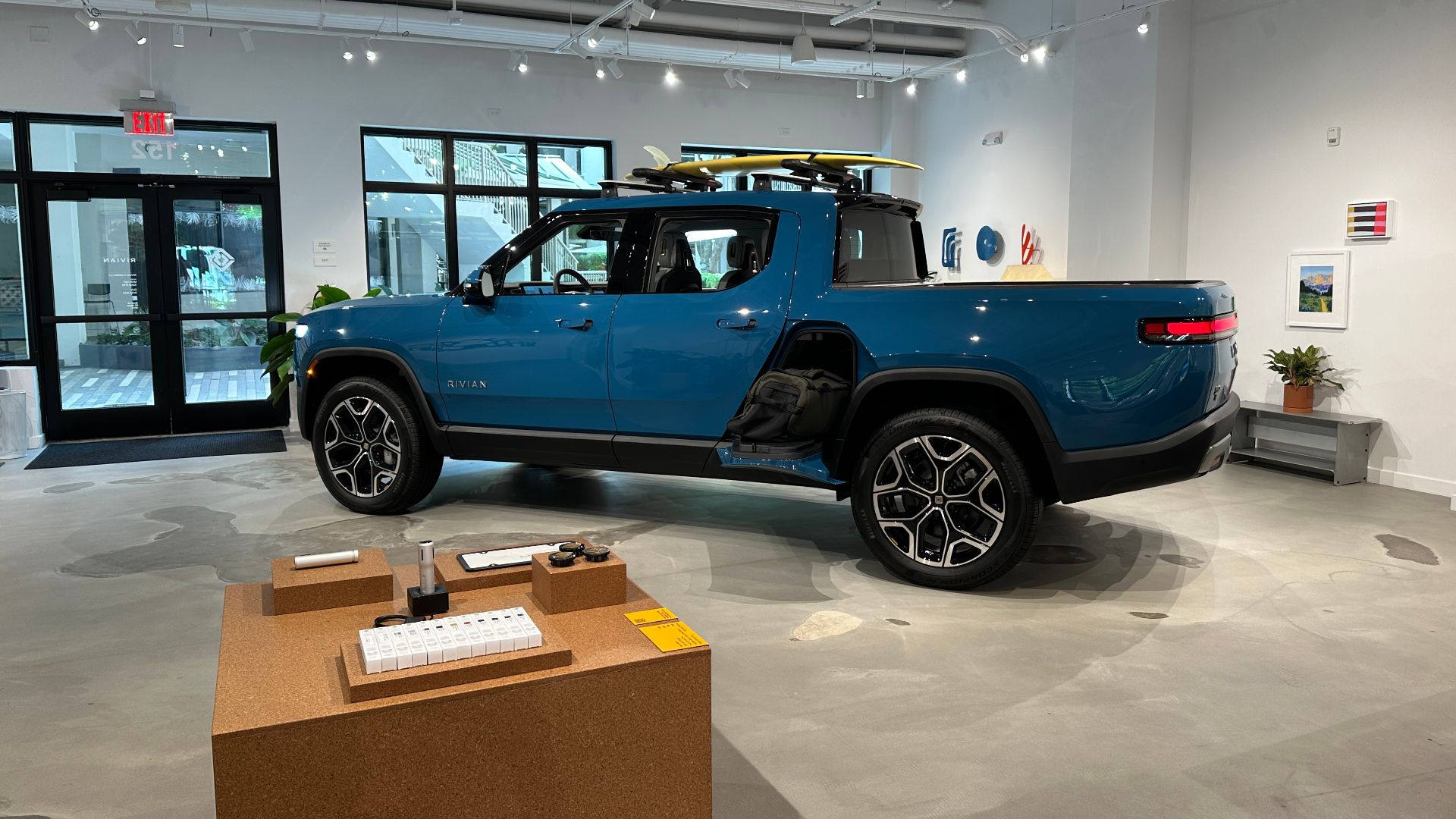 Phillip Pessar, Wikimedia Commons
Your Camping Style May Decide Who's Right
An electric pickup can make enormous sense for a family towing a camper 70 miles to the same nearby state park several weekends each summer, especially if home or campground charging is available. The calculation changes for someone regularly covering 500 miles in a day through rural areas. The same truck can be fantastic for one camping routine and deeply inconvenient for another.

Both Concerns Can Be Right At The Same Time
Electric pickups have enough torque and towing capacity to be genuinely impressive tow vehicles, so wanting one isn't unrealistic. But worrying about long-distance towing range isn't outdated either. Travel trailers can cut range dramatically, charging sites aren't always trailer-friendly, and frequent fast-charging stops can lengthen a vacation day. The best answer is to map the family's usual camping routes, estimate range using the actual trailer, and check every charging stop before buying. If those routes still work comfortably with a generous buffer, an electric pickup may be a great fit. If every trip depends on squeezing from charger to charger, the technology may not match the way your family travels yet.
 Charles from Port Chester, New York, Wikimedia Commons
You May Also Like:
My friend says driving with an empty trailer hitch can get me ticketed. Is that true?