Your Driveway May Not Be Entirely Yours
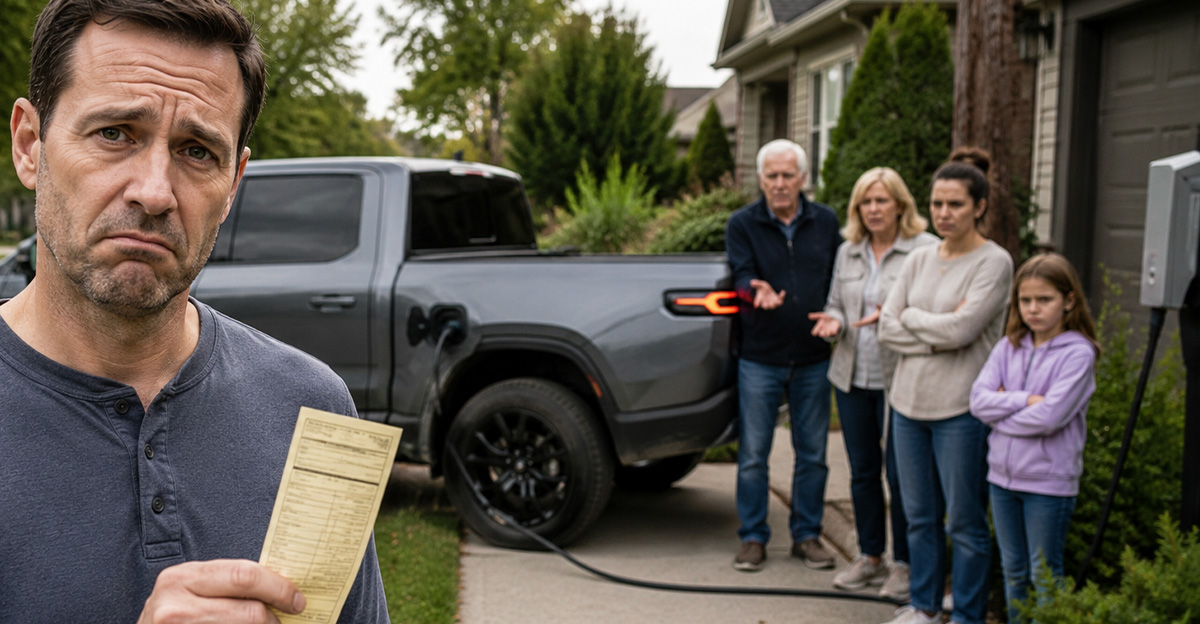
Your new electric truck fits in the driveway—almost. When it is plugged in, a few feet of the truck hang across the sidewalk. It seems harmless, especially overnight. Unfortunately, the city may see things differently. In many places, blocking even part of a public sidewalk can earn you a ticket.
Yes, A Ticket Is Possible
The short answer is yes. Many cities have rules against parking or stopping a vehicle where it blocks a sidewalk. Those rules can still apply when most of the vehicle is sitting on your own driveway. The important question is whether pedestrians can freely use the public walkway.
The Sidewalk Is Usually Public Space
A sidewalk running across the end of your driveway may feel like part of your property, but it is typically within the public right-of-way. That distinction matters. You may use the driveway to cross the sidewalk, but that does not necessarily mean you can use the sidewalk as extra parking space.

Driveways Create A Strange Illusion
It is easy to understand the confusion. You paved the driveway, shovel it, maintain the area around it, and park your vehicles there every day. Yet the section where pedestrians cross can still fall under municipal control. Property ownership and parking rights are not always the same thing.

Electric Trucks Make The Problem Worse
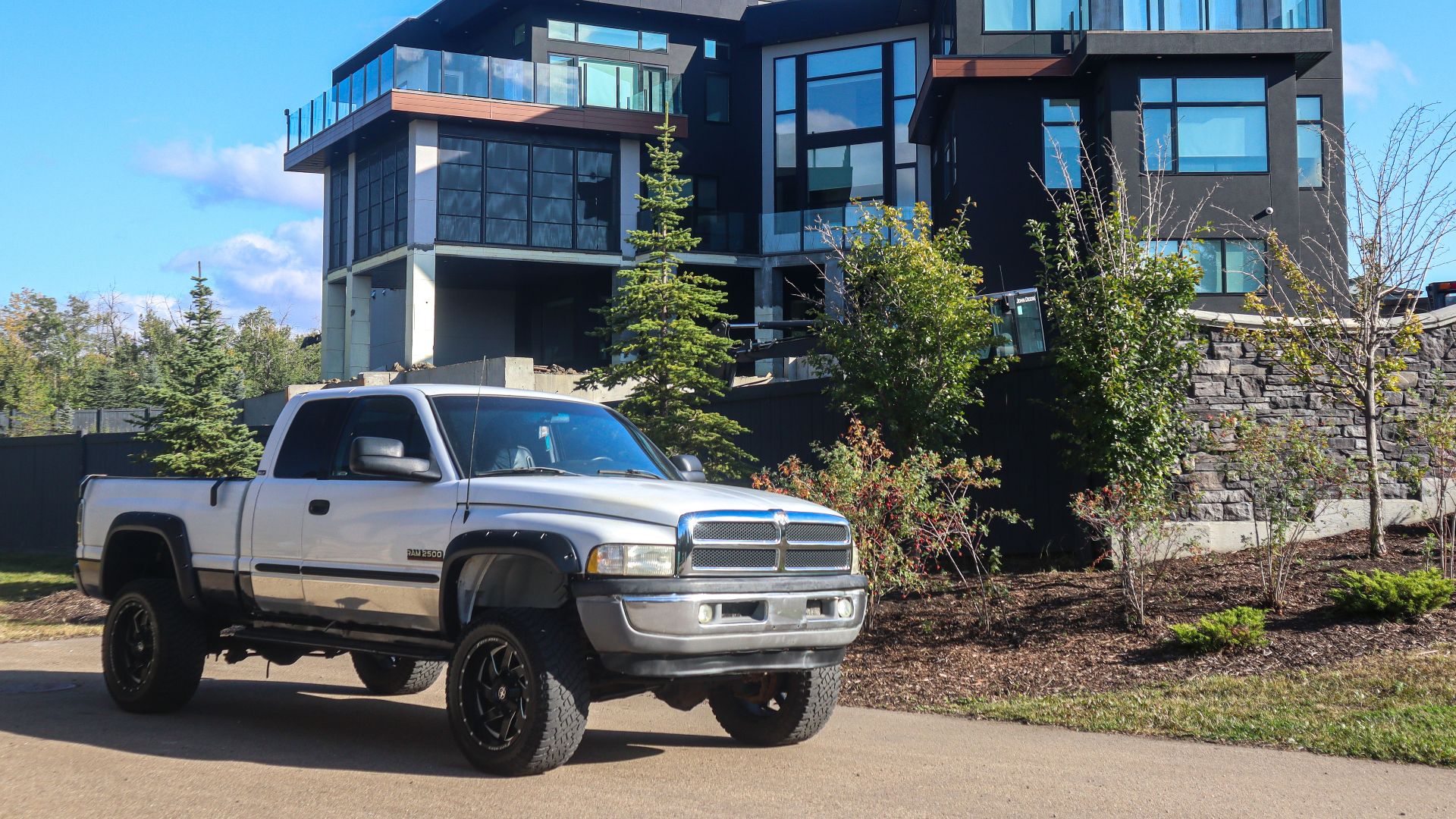
Modern electric pickups can be enormous. Add a crew cab and a long bed, and suddenly a driveway that easily swallowed an old sedan cannot handle the family truck. This is becoming a practical headache in older neighborhoods where driveways were designed decades before today's supersized vehicles arrived.
Charging Does Not Usually Create An Exception
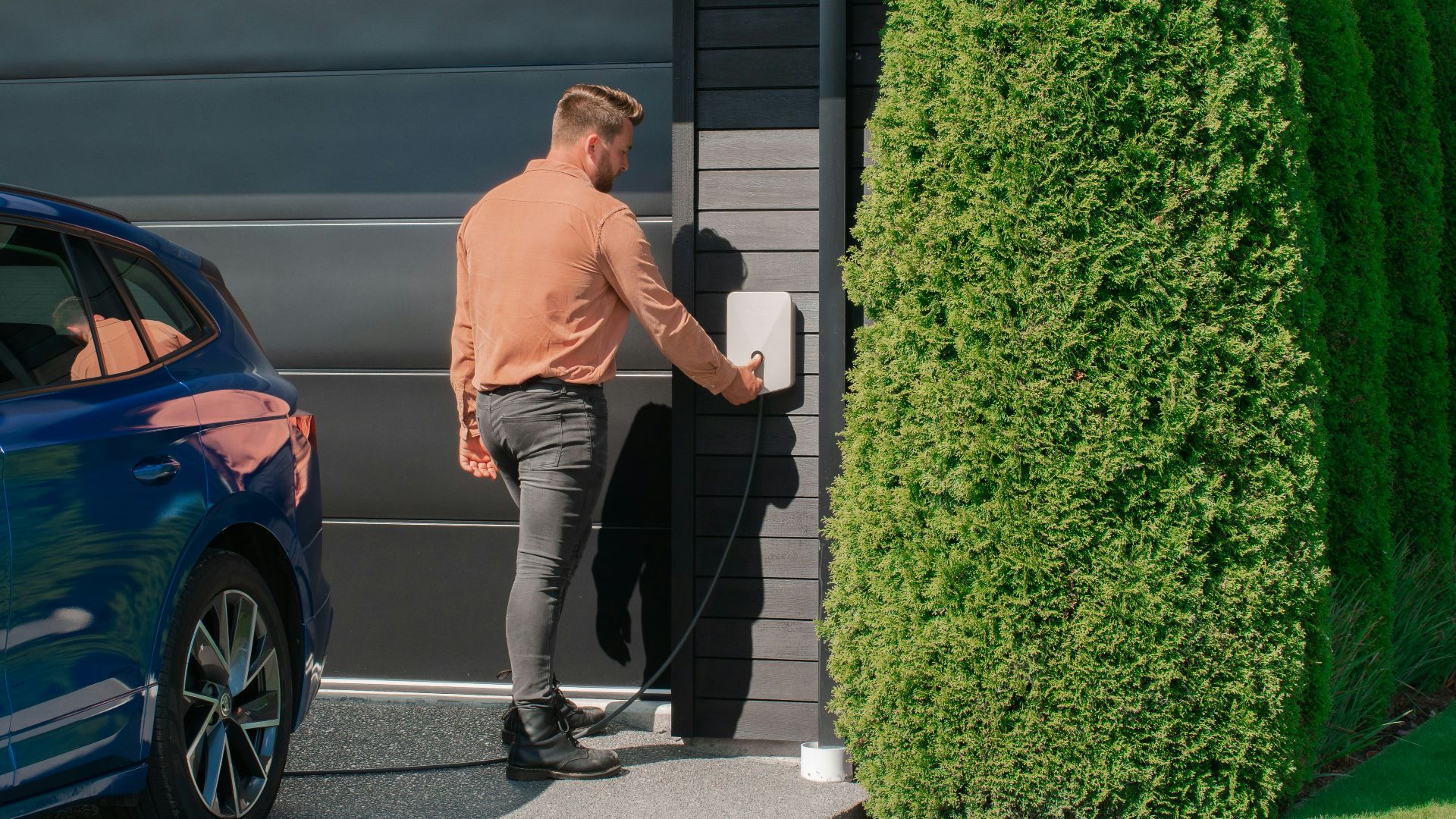
Plugging in the truck probably will not give you special permission to block the sidewalk. Parking rules generally care about where the vehicle is positioned, not why it is there. An officer is unlikely to treat charging as fundamentally different from leaving a gasoline-powered pickup in exactly the same spot.
Being On Your Property May Not Save You
You might look at the truck and think, "But the wheels are on my driveway." That is not necessarily the test. If the nose, bumper, hitch, bed, or another portion extends far enough to interfere with pedestrian travel, you may still have an enforcement problem.

Accessibility Is A Major Reason
Sidewalk rules are not simply bureaucratic fussiness. Clear pedestrian routes are especially important for people using wheelchairs, walkers, canes, and other mobility devices. A person walking might squeeze around your truck, while someone using a wheelchair may have no safe way to get past it.

Going Into The Street Is Not A Solution
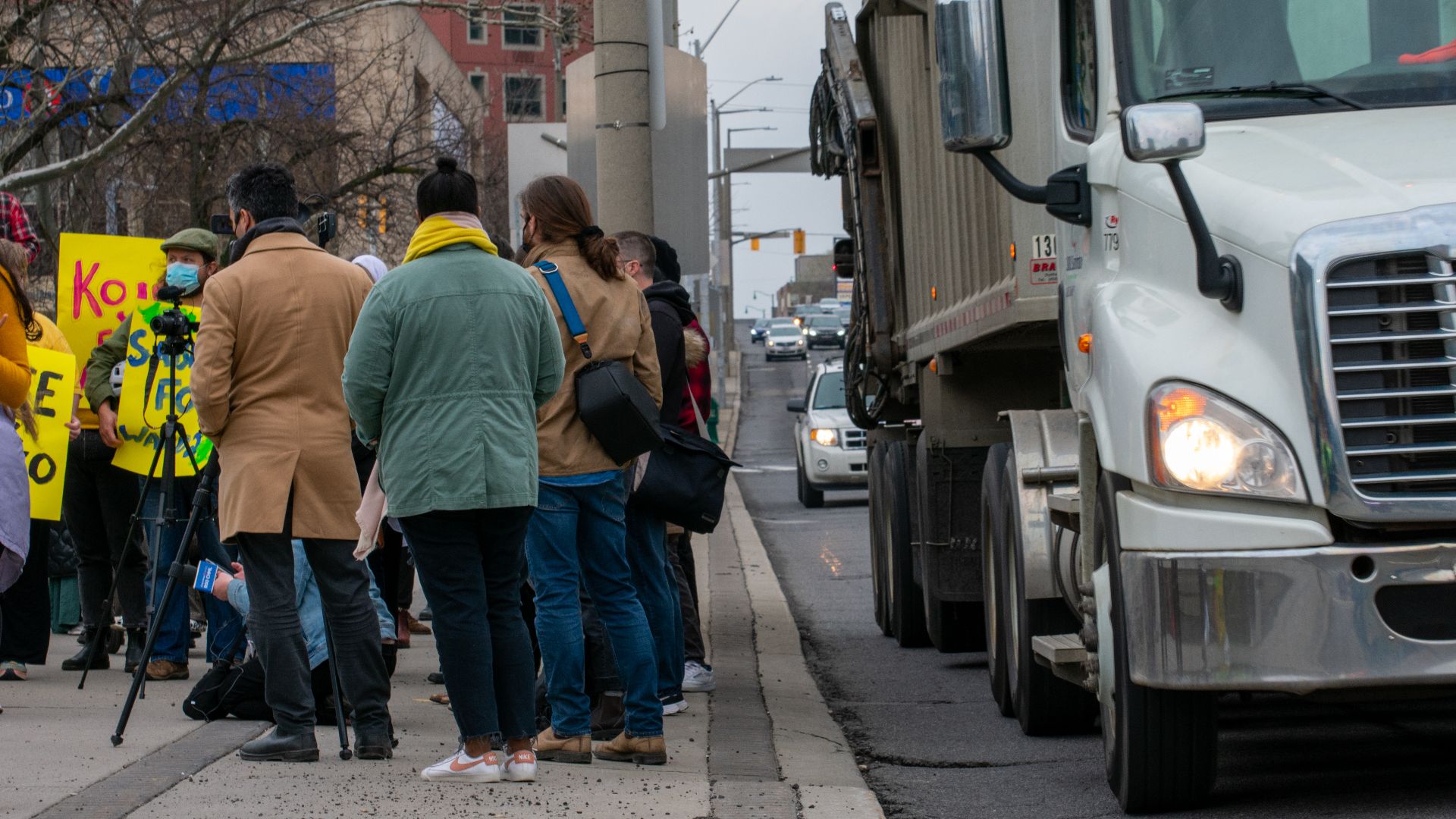
Drivers sometimes assume pedestrians can simply walk around the truck. That can mean stepping onto grass, squeezing between vehicles, or entering the roadway. None of those choices is particularly appealing, especially for children, older adults, or people with limited mobility. The sidewalk is supposed to remain usable.

Even A Partial Blockage Can Matter
You do not necessarily have to cover the entire sidewalk before attracting attention. Local regulations may require a certain amount of clear space or simply prohibit vehicles from extending onto the pedestrian area at all. Leaving what looks like "plenty of room" may therefore still violate the rules.
 Joey Coleman from Hamilton, Canada, Wikimedia Commons
A Neighbor May Trigger Enforcement
Some sidewalk parking problems go unnoticed for months. Then somebody complains. A neighbor pushing a stroller, a wheelchair user, or another resident may contact parking enforcement or municipal services. Once an officer visits the property, the fact that the truck has been parked that way for ages will not necessarily help.

You May Not Need A Warning Sign
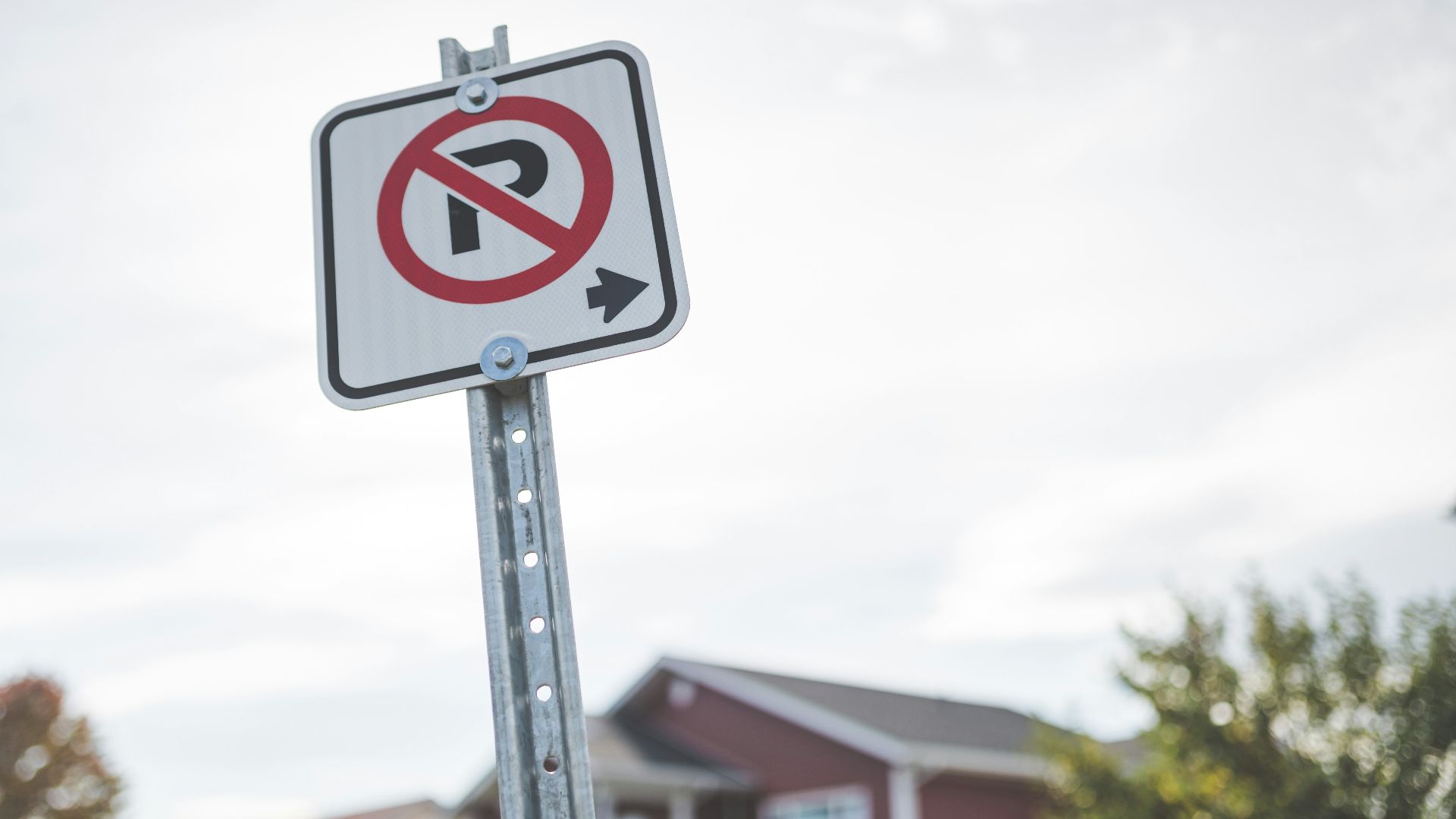
Do not assume parking is legal because there is no sign saying otherwise. Municipal parking codes frequently contain rules that apply everywhere, without individual signs on every street. Sidewalk obstruction is commonly treated this way. Knowing the general parking rules matters just as much as reading the nearest sign.
The Fine Depends On Your City
There is no universal ticket price for blocking a sidewalk. Fines vary between municipalities and can change over time. Some cities may also distinguish between stopping, standing, and parking violations. Before assuming the risk is only a cheap ticket, look up the current rules where you actually live.

Towing Can Be A Bigger Headache
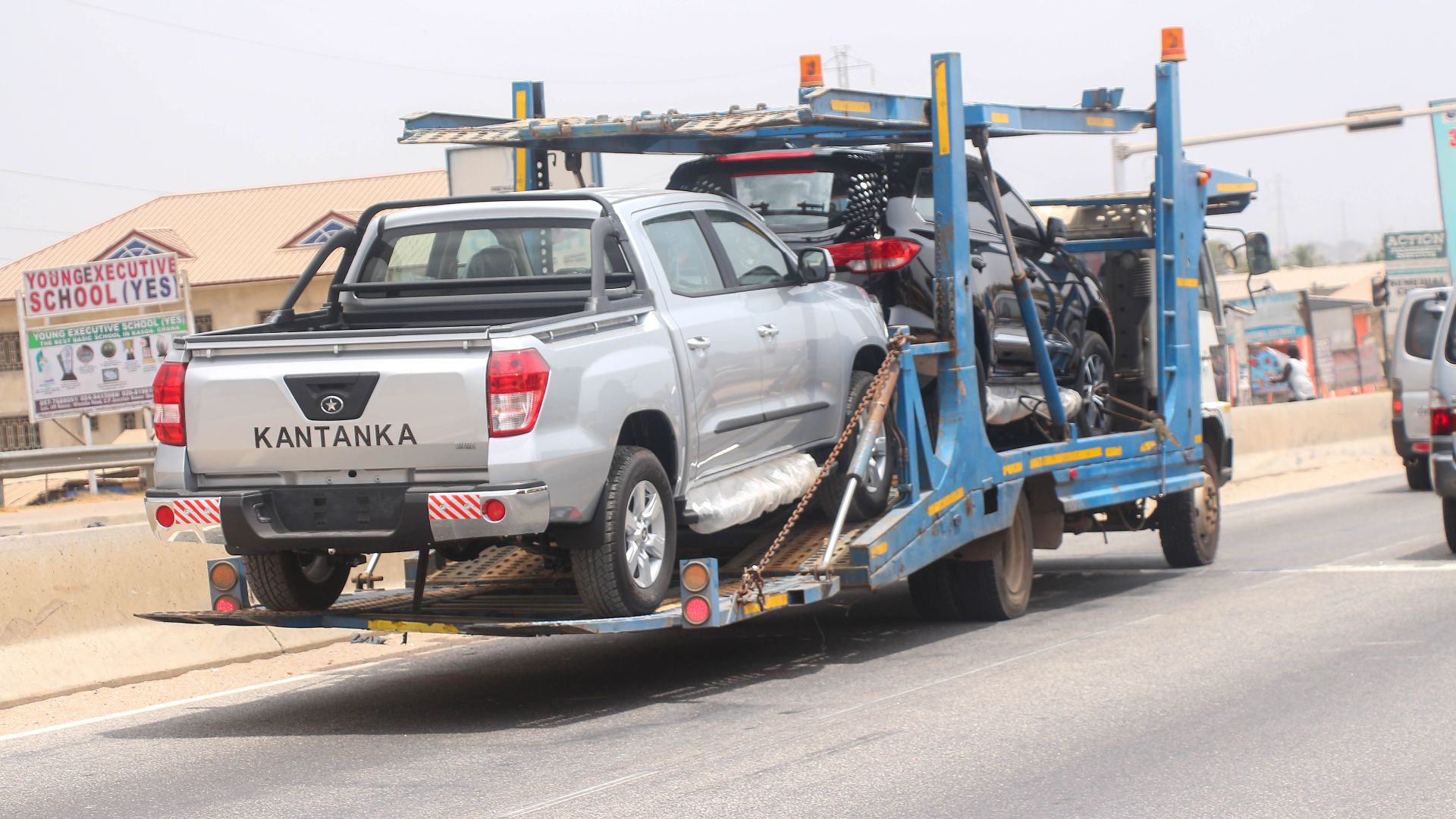
A ticket may not always be the worst possible outcome. Depending on local rules and circumstances, seriously obstructing public space can potentially lead to further enforcement. Even where towing is uncommon, repeatedly ignoring notices or complaints is a poor strategy. Fixing the parking arrangement is usually much cheaper.
Find Your Actual Property Line
Homeowners are often surprised by where their private property ends. The municipal right-of-way may extend farther toward the house than expected. A survey, property plan, or municipal mapping tool can help you understand the layout, although parking regulations can still protect sidewalk space regardless of the precise ownership boundary.

Measure The Truck And Driveway
Before spending money, grab a tape measure. Measure the usable driveway from the sidewalk clearance point to the closest legal stopping point near your house or garage. Then measure the truck. Knowing whether you are short by three inches or three feet makes finding a realistic solution much easier.

Watch The Charging Cable Too
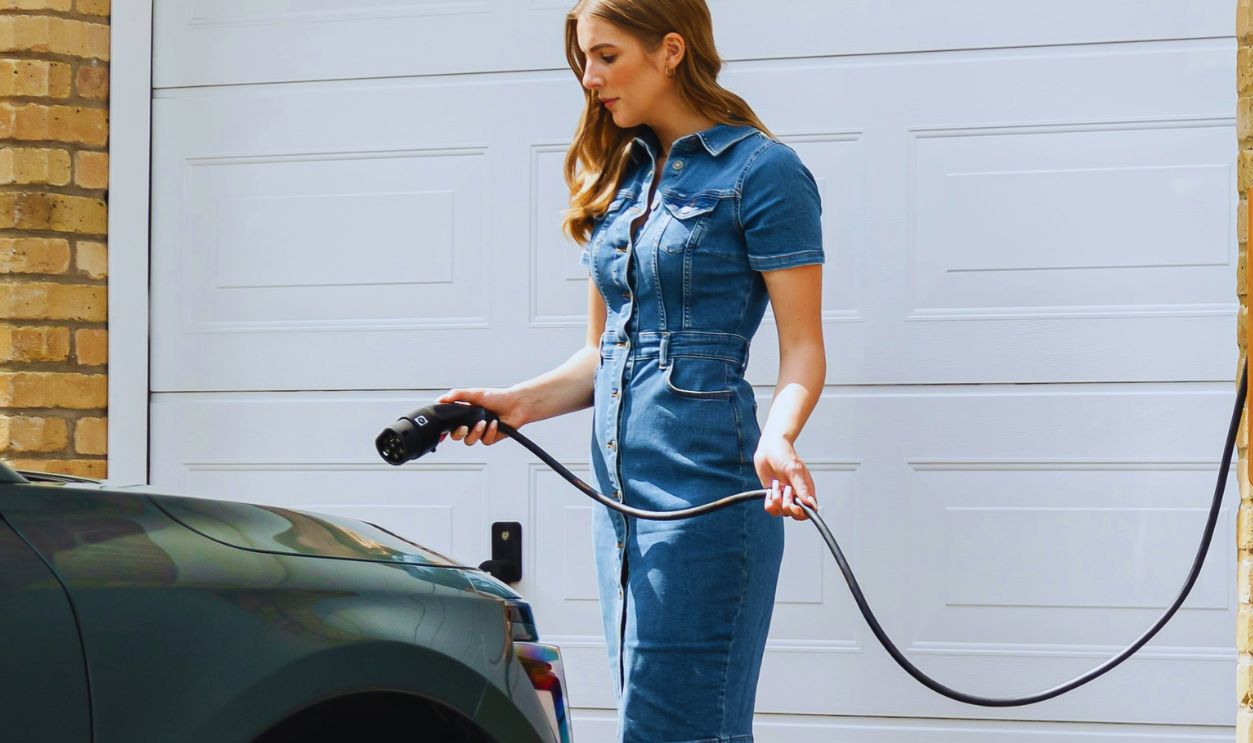
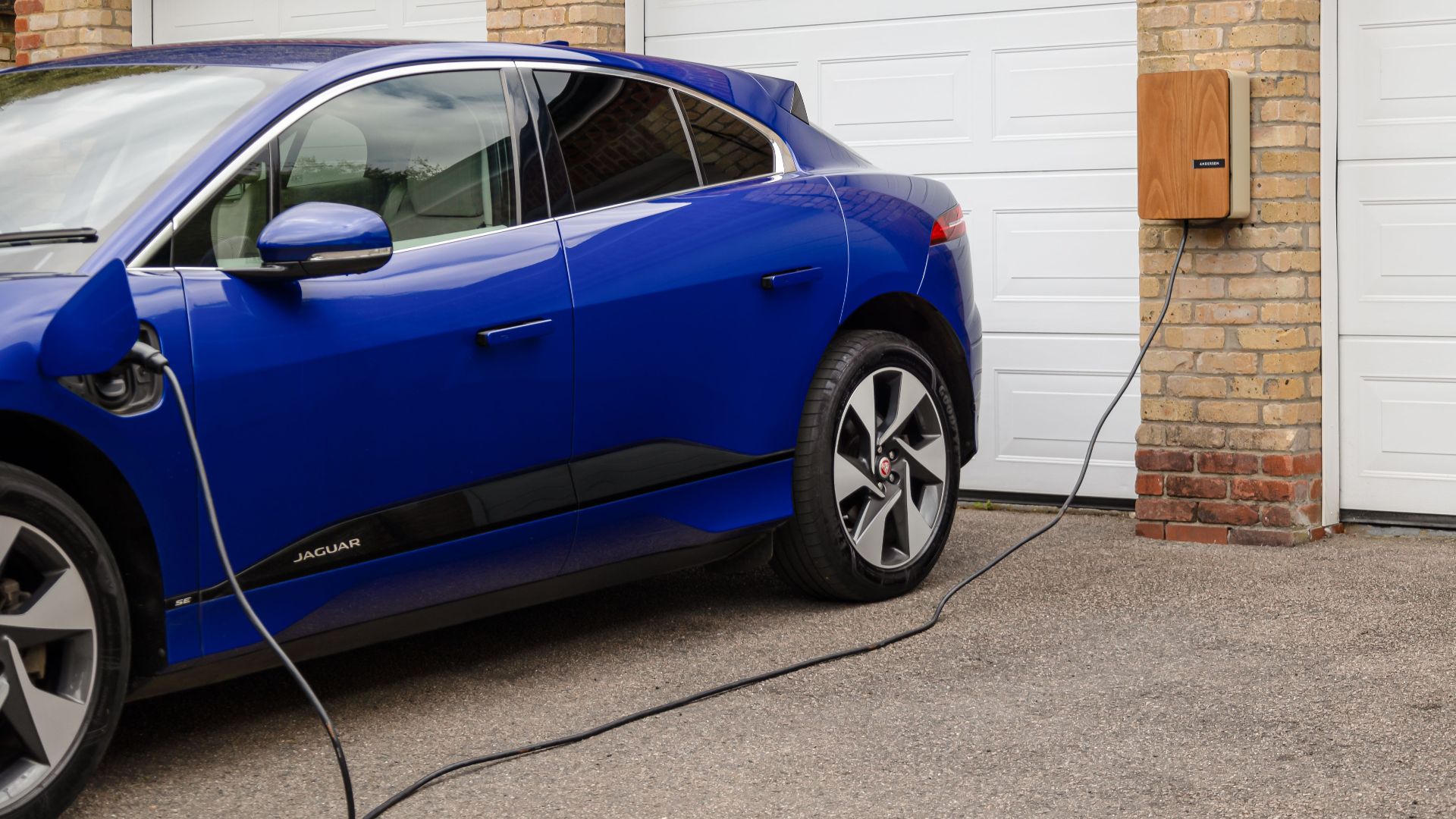
The truck itself is not the only potential obstruction. A charging cable stretched across a public sidewalk can create another problem. Someone could trip over it, a wheelchair could have difficulty crossing it, and your municipality may have separate rules governing cords, hoses, or other objects placed across pedestrian routes.
Cable Covers Are Not Automatic Permission
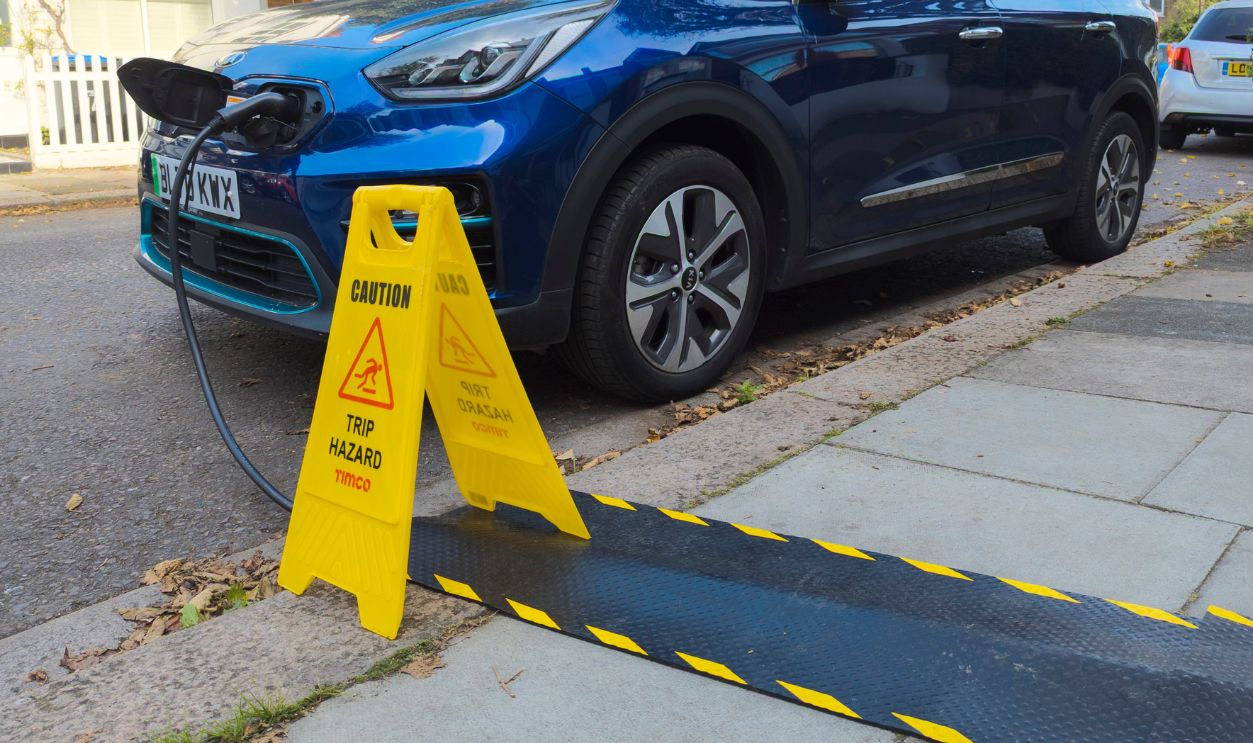
A heavy-duty cable protector can reduce a tripping hazard, but it does not magically make every charging setup legal. Some municipalities regulate equipment placed on sidewalks or public rights-of-way. Before running a charging cord across pedestrian space, check whether your city requires approval or prohibits the arrangement entirely.
Try Repositioning The Truck First
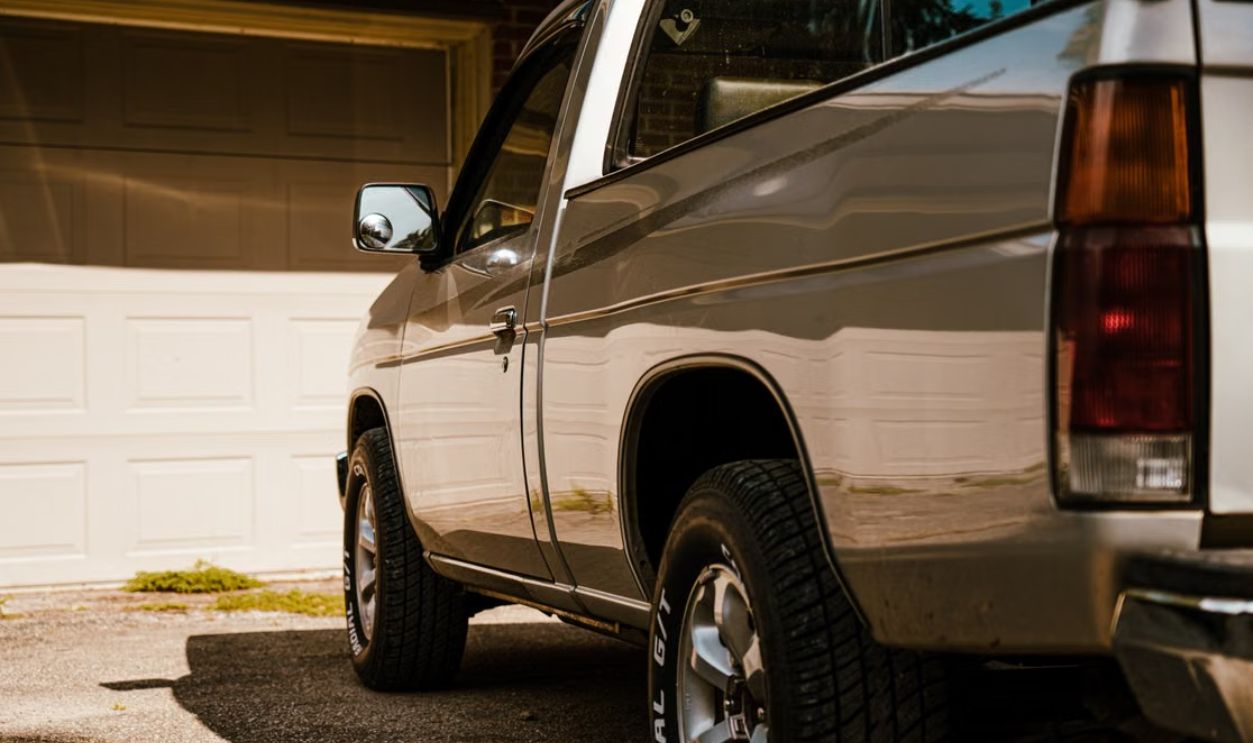
Sometimes the cheapest solution is also embarrassingly simple. Pull farther forward, back farther in, or change the truck's orientation if your driveway layout safely allows it. Just make sure solving the sidewalk problem does not create another one by blocking a garage, extending into the road, or damaging landscaping.
Parking Backward Could Help
If the charging port is influencing where you park, reversing into the driveway may give you more flexibility. Electric vehicles place charging ports in different locations, and changing the truck's direction can sometimes buy valuable space. The goal is to keep the entire vehicle clear of the pedestrian route.
Consider Moving The Charger
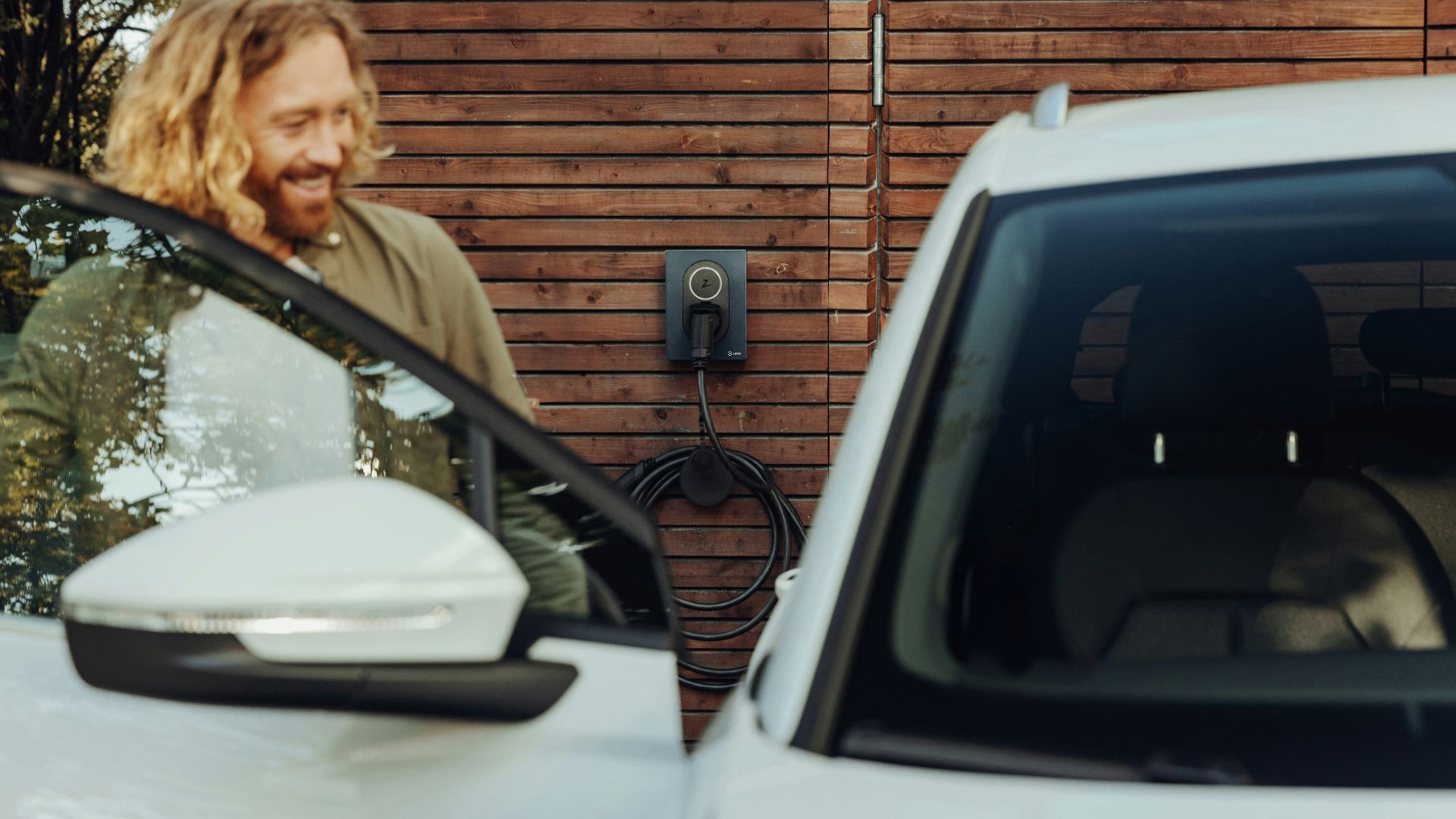
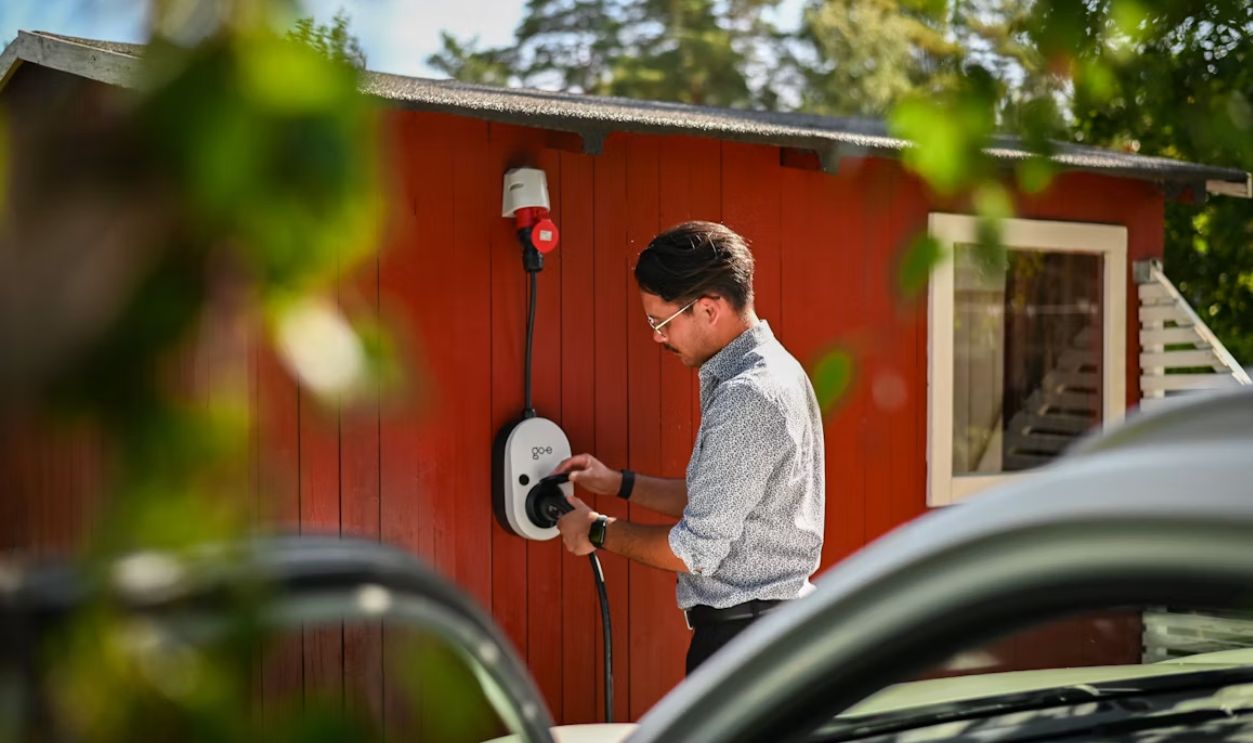
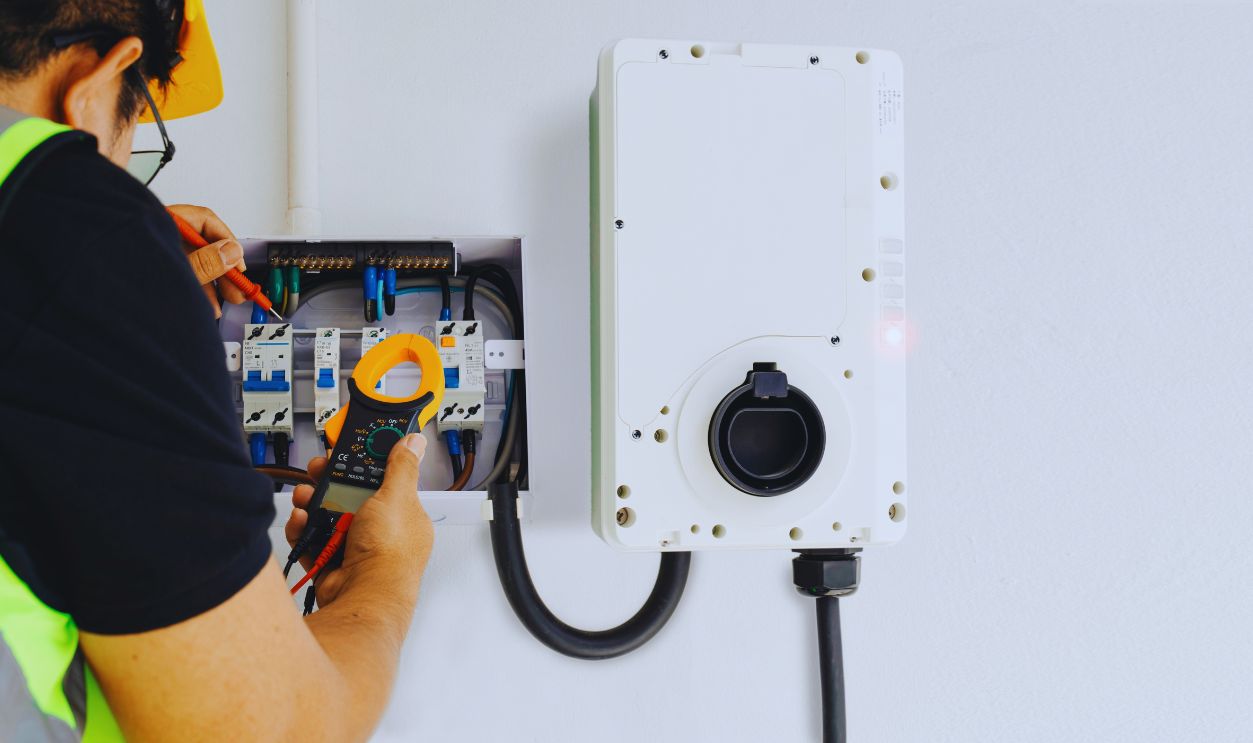
If you constantly have to leave the truck awkwardly positioned to reach your home charger, the charger may be in the wrong place. An electrician may be able to relocate the unit or install another suitable charging point that lets the truck sit completely inside the usable portion of your driveway.
A Longer Cord Is Not Always Better
Buying a longer charging cable sounds like an easy answer, but treat extension arrangements carefully. EV charging equipment has electrical requirements, manufacturer limitations, and local installation rules. Have a qualified electrician recommend a proper setup rather than improvising simply because you need another six feet of reach.
Driveway Changes Need Permission
If your driveway genuinely cannot hold the truck, you might consider widening or extending it. Check municipal rules before pouring concrete or moving landscaping. Cities often regulate driveway widths, curb cuts, drainage, landscaping, and front-yard parking. Fixing one violation by accidentally creating another would be painfully ironic.

Look Up The Exact Bylaw
Search your municipality's website for terms such as "sidewalk obstruction," "parking over sidewalk," "driveway parking," and "right-of-way." If the wording remains confusing, call municipal parking enforcement or 311 where available. Ask specifically whether a vehicle may extend across the sidewalk while parked on a residential driveway.

Take Photos Before Fighting A Ticket
If you receive a ticket and believe the truck was legally positioned, document everything before moving it. Take clear photos showing the vehicle, sidewalk, driveway, nearby signs, and remaining pedestrian space. Check the specific bylaw listed on the ticket. Evidence is far more useful in a dispute than remembering how things looked.

Do Not Build Your Routine Around Getting Away With It
Maybe enforcement rarely visits your street. Maybe other neighbors block their sidewalks every night. Neither fact makes your setup legal. Parking enforcement can be complaint-driven, inconsistent, or suddenly more active. If your truck regularly blocks pedestrian space, relying on nobody caring is a risky long-term charging strategy.
Keep The Sidewalk Clear And Skip The Drama
Electric trucks bring plenty of advantages, but fitting one onto an older residential property can require some creativity. If your truck extends across a public sidewalk while charging, assume a ticket is possible until your municipality says otherwise. Keep the walkway clear, adjust your charging setup, and save yourself the unpleasant surprise.

You May Also Like:
Compact Cars From The 1990s That Were More Fun Than Anyone Admitted