The Big Screen Debate
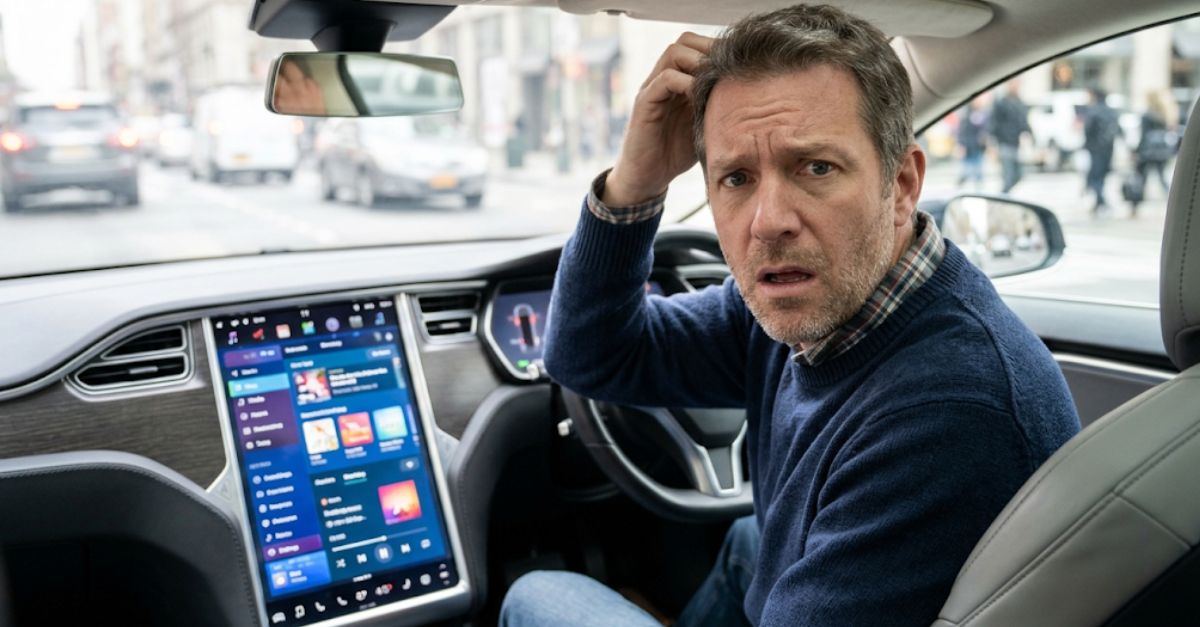
Everyone on Earth is addicted to screens, so it's no surprise your kid what's the car with the biggest screen. Big infotainment screens have become one of the biggest selling points in new cars, with some stretching 15 inches, 17 inches, and even more.
But do they pull a driver’s eyes and attention off the road so much that they are a safety issue? That question is far from settled.
Distracted Driving Is Dangerous Driving
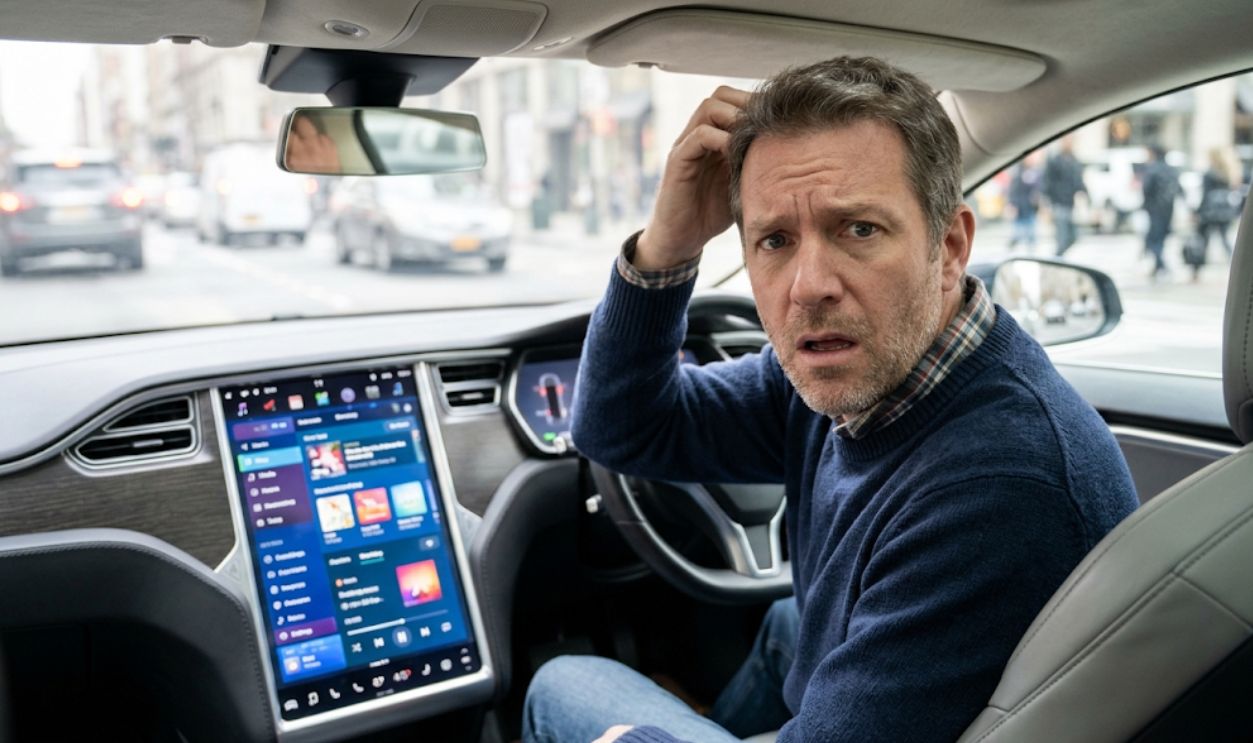
Distracted driving is a serious safety problem. The National Highway Traffic Safety Administration said 3,275 people were killed in distraction-affected crashes in the United States in 2023. As more car functions move into a touchscreen, that design choice can shape how often drivers look away and how long they stay focused on the screen instead of traffic.

What Counts As Distraction
Safety experts usually break distraction into three types: visual, manual, and cognitive. In plain terms, that means taking your eyes off the road, your hands off the wheel, or your mind off driving. A big infotainment screen can trigger all three when a driver scrolls through menus, taps tiny icons, or tries to figure out a busy layout.

Screen Size Is Only Part Of The Story
Here is the key point: bigger screens are not automatically more distracting just because they are bigger. What matters more is the way the system works, how many steps it takes to do a task, where the screen sits in the driver’s line of sight, and whether important functions still have physical controls.
What AAA Found Early On
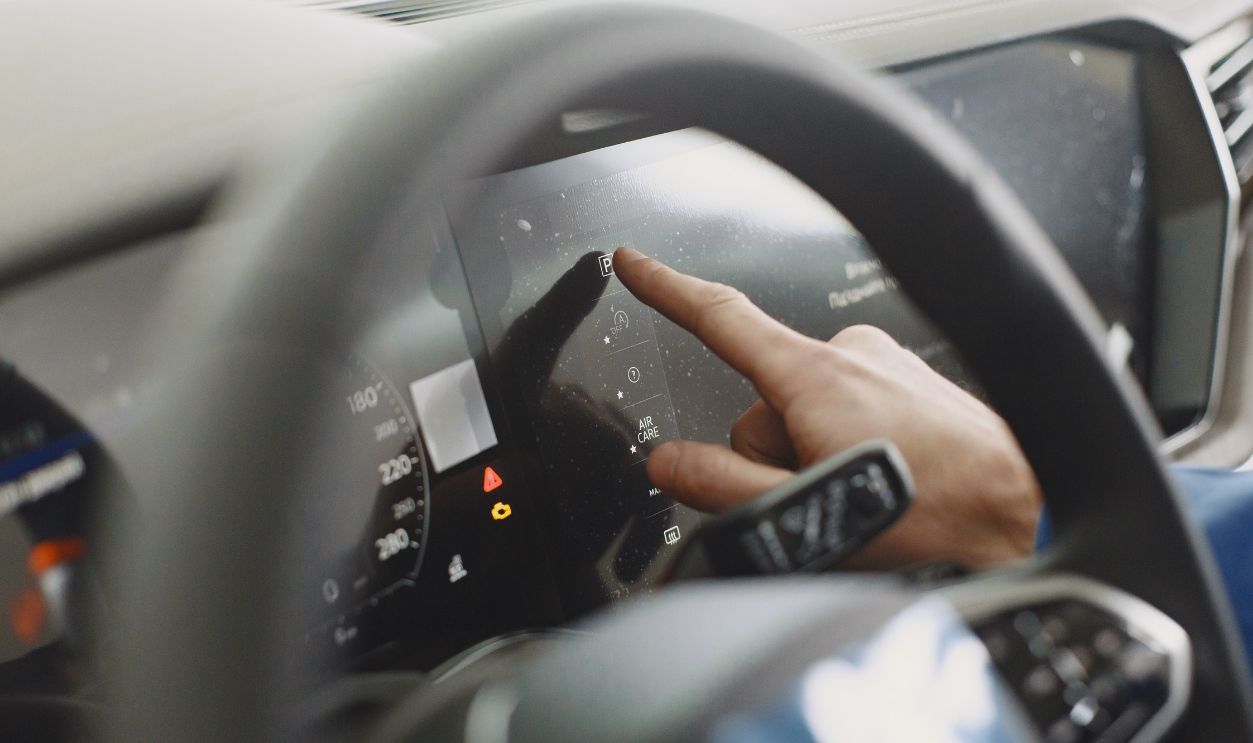
AAA’s Foundation for Traffic Safety helped bring this issue into focus in 2017 with research from the University of Utah. The study found that newer infotainment systems often demanded a lot of visual and mental attention, even for common tasks like entering navigation directions or changing audio settings. Some systems created demand levels the researchers rated as high or very high while the car was moving.
The University Of Utah’s Main Finding
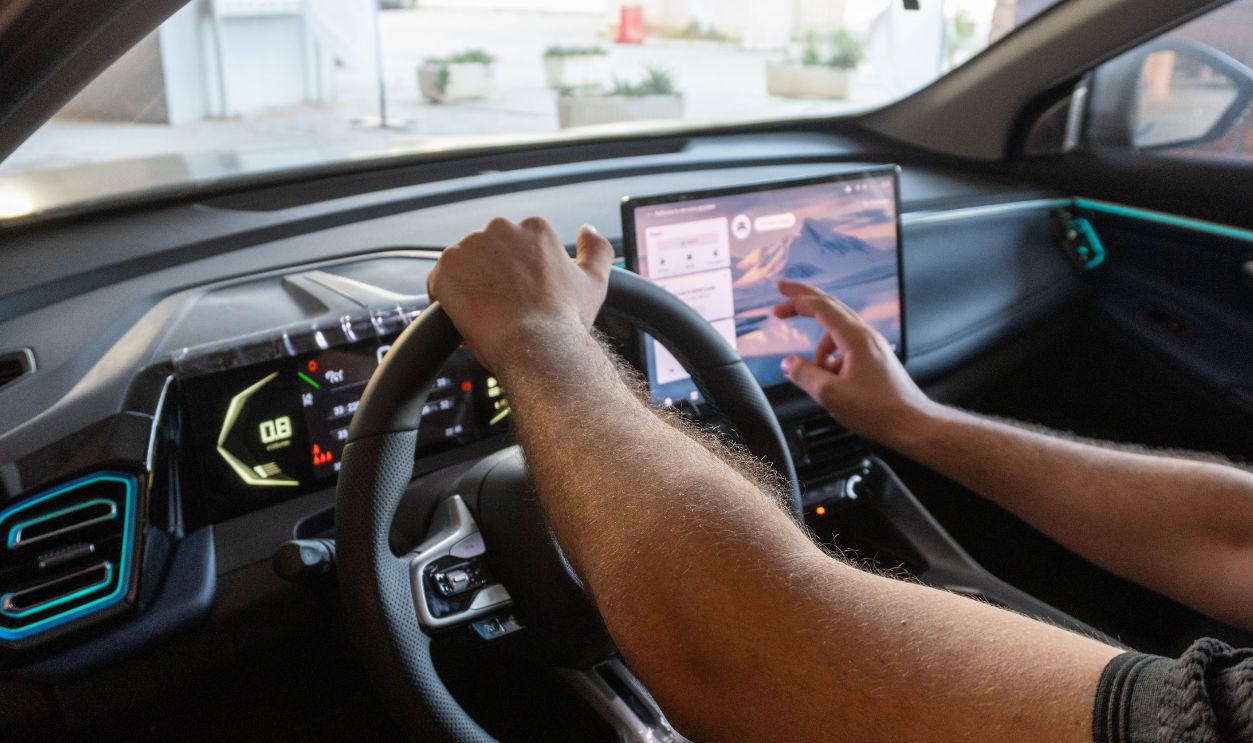
David Strayer and other researchers at the University of Utah became some of the best-known voices on this topic. In the 2017 AAA Foundation study, they looked at infotainment tasks in 30 vehicles and found that many routine interactions could leave drivers mentally overloaded for long stretches. The problem was not just the number of taps. It was the total time and attention those tasks required.

Why Long Glances Matter
NHTSA has long warned that glances away from the road become especially risky when they last more than two seconds. That matters because touchscreen tasks can easily drag on longer than that. A bigger screen may show more information at once, but if that extra information creates clutter or forces a driver through multiple menus, it can still lead to long, risky glances away from traffic.
Not Every Touchscreen Works The Same Way
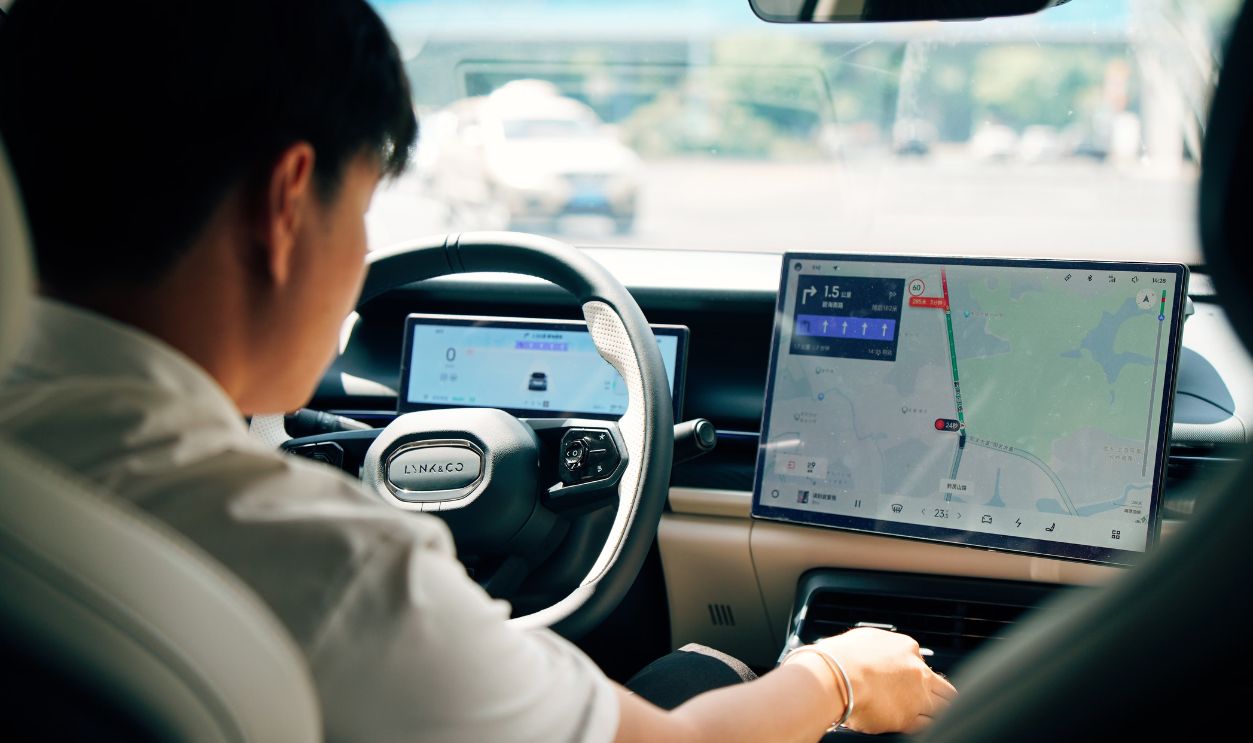
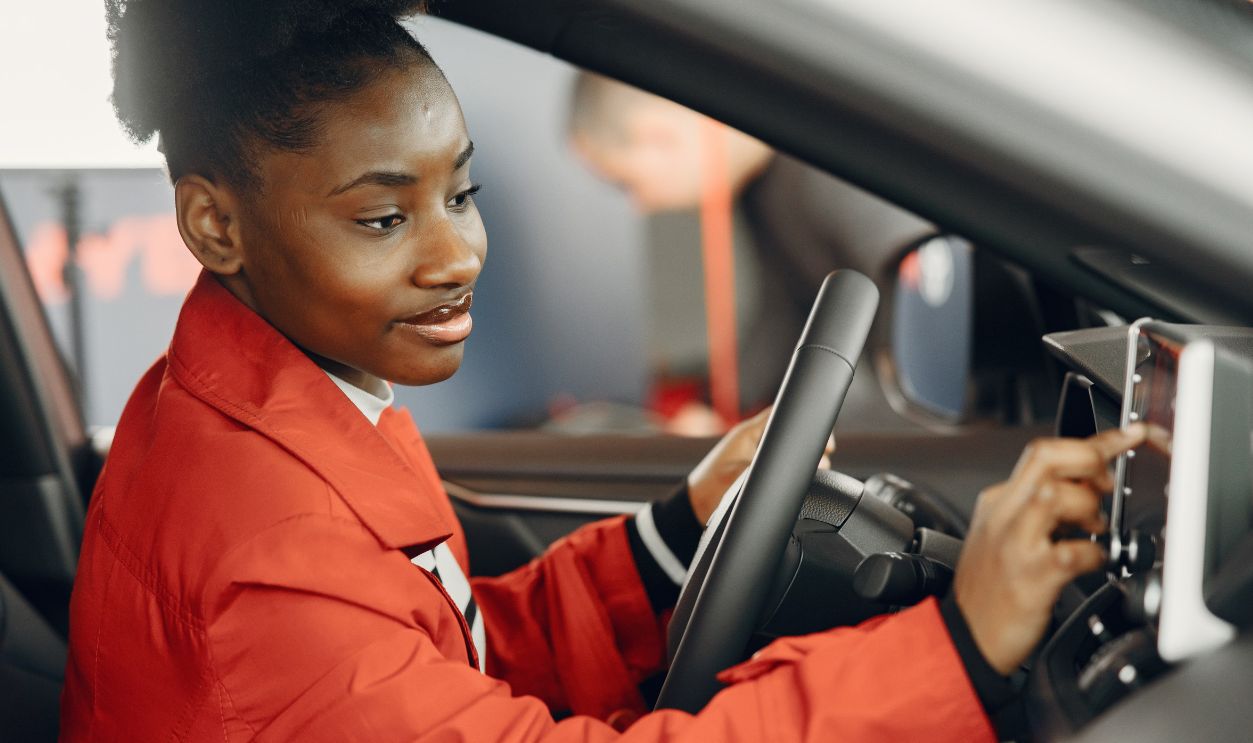
Two 15-inch screens can feel completely different in real driving. A clean layout with big icons, quick response times, and simple menus can be easier to use than a smaller screen with a messy design. Researchers and safety groups keep coming back to the same point: interface design matters more than screen size by itself.
Why Physical Buttons Still Matter
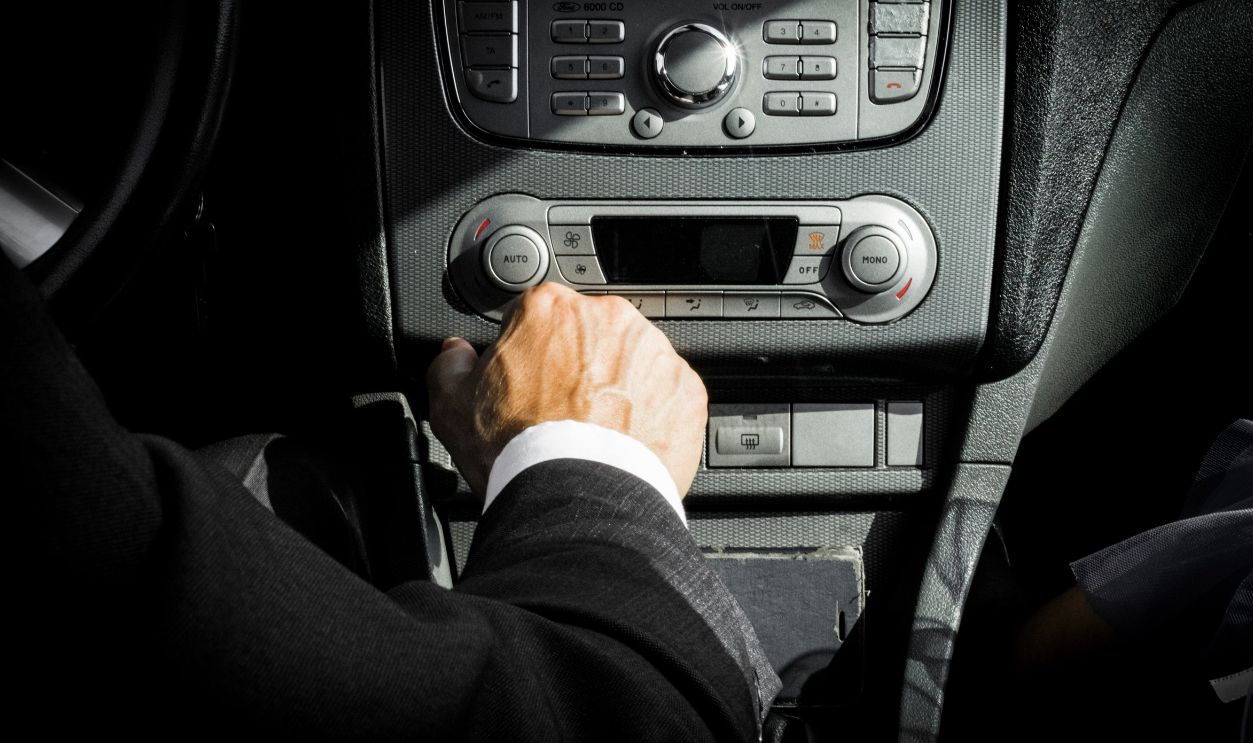
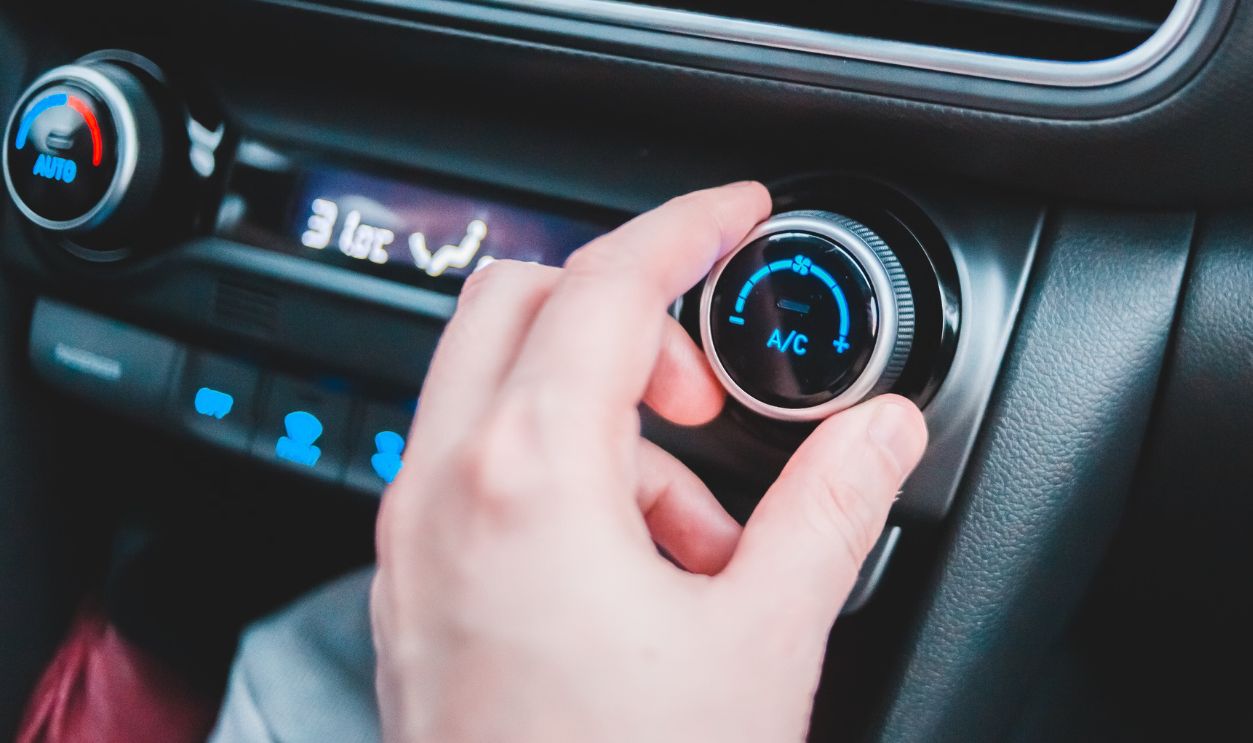
Physical knobs and buttons keep winning this argument for a reason. Drivers can adjust volume, fan speed, or temperature by feel, which means they do not have to stare at a screen. When those basic functions are buried inside a touchscreen, even a great-looking display can turn into a frustration and, in some cases, a real distraction.
Europe Started Pushing Back
One of the biggest recent developments came from Europe. In 2024, Euro NCAP announced that starting in January 2026, automakers aiming for the group’s top five-star safety rating would need separate physical controls for basic functions including turn signals, hazard lights, horn, windscreen wipers, and the emergency call feature. The move was a direct response to concerns that too much reliance on touchscreens was creating avoidable distraction.
Why The 2026 Change Matters
The Euro NCAP decision matters because automakers pay close attention to safety-rating rules. When a major safety group says physical controls help cut distraction, car companies listen. The policy does not ban large screens, but it does send a clear message that touch-only design has limits.
Journalists Have Tested This Too
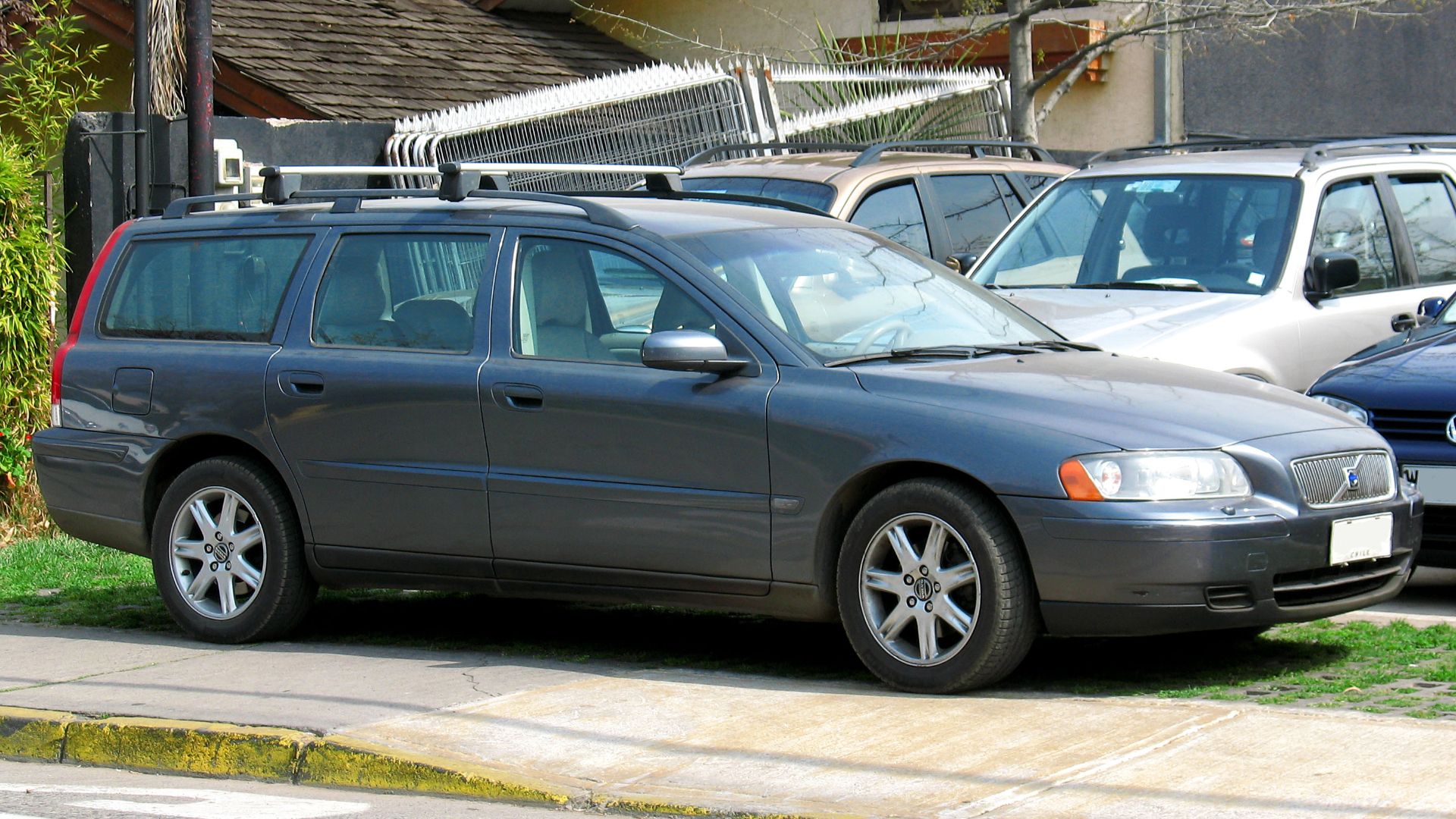
The Swedish car magazine Vi Bilägare got attention in 2022 by timing how long drivers needed to do basic tasks in different cars. In its test, a 2005 Volvo V70 with physical buttons often proved quicker and easier for simple adjustments than several newer cars with touchscreen-heavy setups. It was not a peer-reviewed academic study, but it matched a complaint many drivers already had.
 order_242 from Chile, Wikimedia Commons
Simple Tasks Should Stay Simple
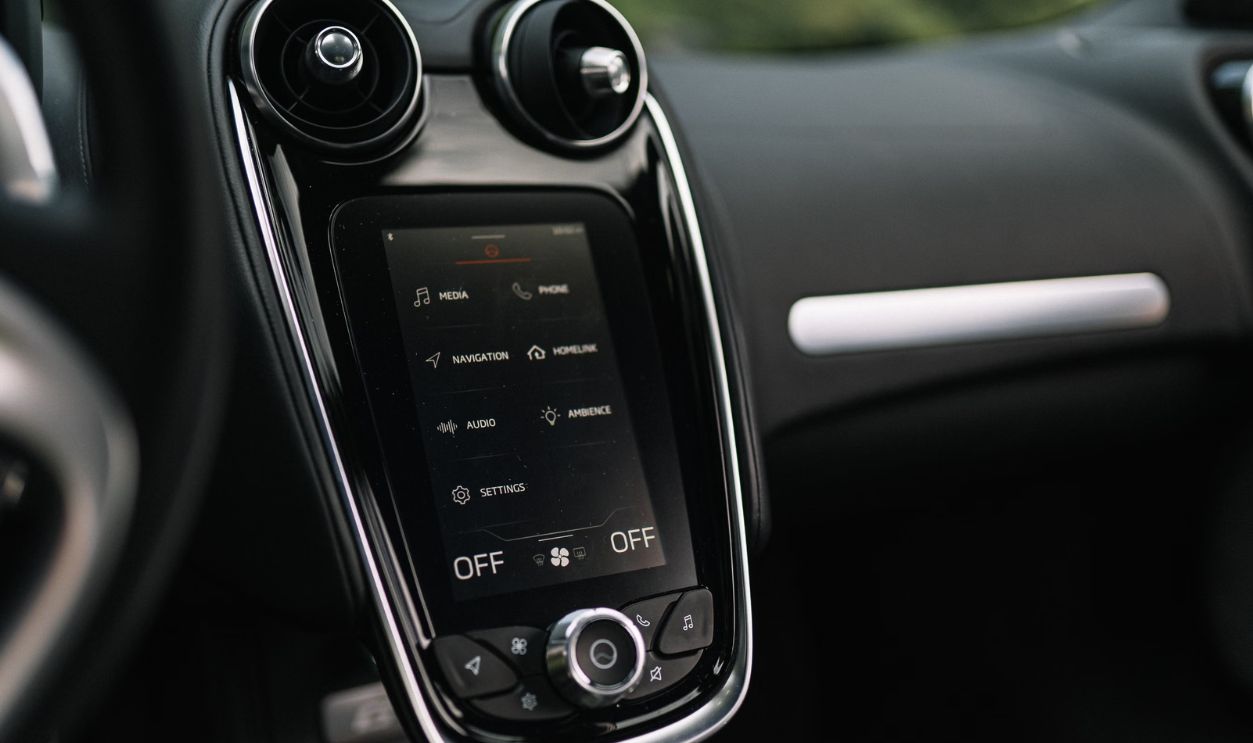
Changing the cabin temperature should not feel like using a tablet at highway speed. One reason giant screens frustrate drivers is that they often mix key driving-related controls with entertainment, phone functions, apps, and vehicle settings in the same digital space. The more layers a driver has to work through, the greater the risk of distraction.
What IIHS Has Said
The Insurance Institute for Highway Safety has repeatedly pointed to the dangers of infotainment systems that demand too much attention. IIHS has said drivers can become overloaded when secondary tasks are too complicated or take too long. That lines up closely with what AAA and university researchers have found.

When Bigger Can Help
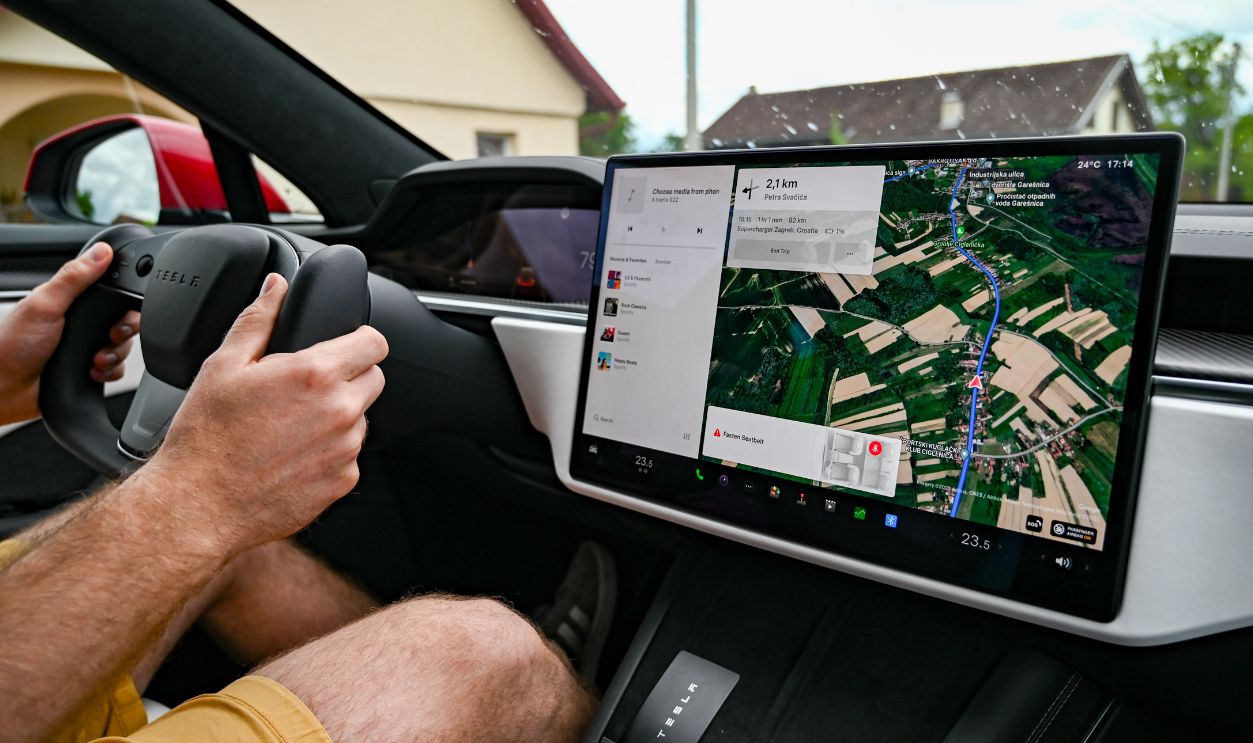
To be fair, giant-screen fans have a point. A larger display can mean bigger text, larger touch targets, and clearer camera views. That may reduce strain and help drivers finish a task faster. If the layout is smart and the most-used features stay easy to reach, a bigger screen can actually be easier to read than a cramped one.
When Bigger Becomes A Problem
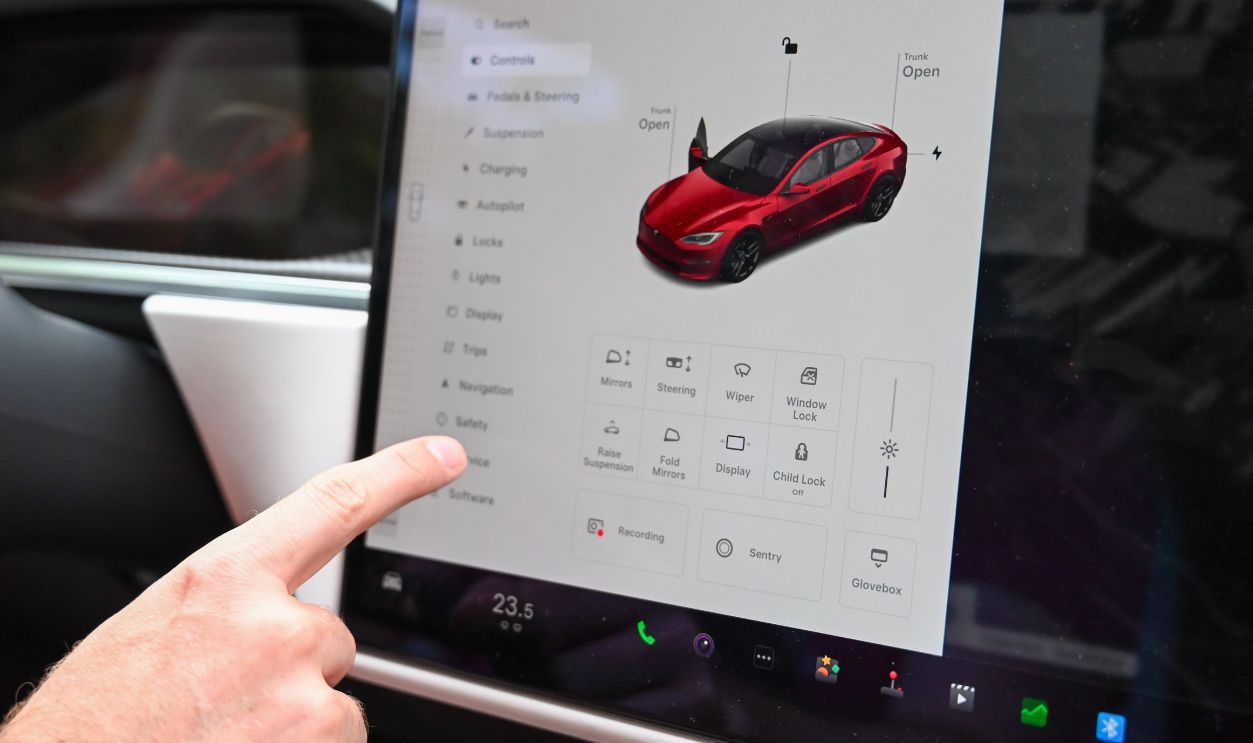
But a bigger screen can also turn into a busier screen. More space often leads to more widgets, more menus, more animations, and more visual clutter. If the dashboard starts feeling more like a consumer gadget than a driving tool, all that digital space can become one more distraction.
CarPlay And Android Auto Add Another Layer
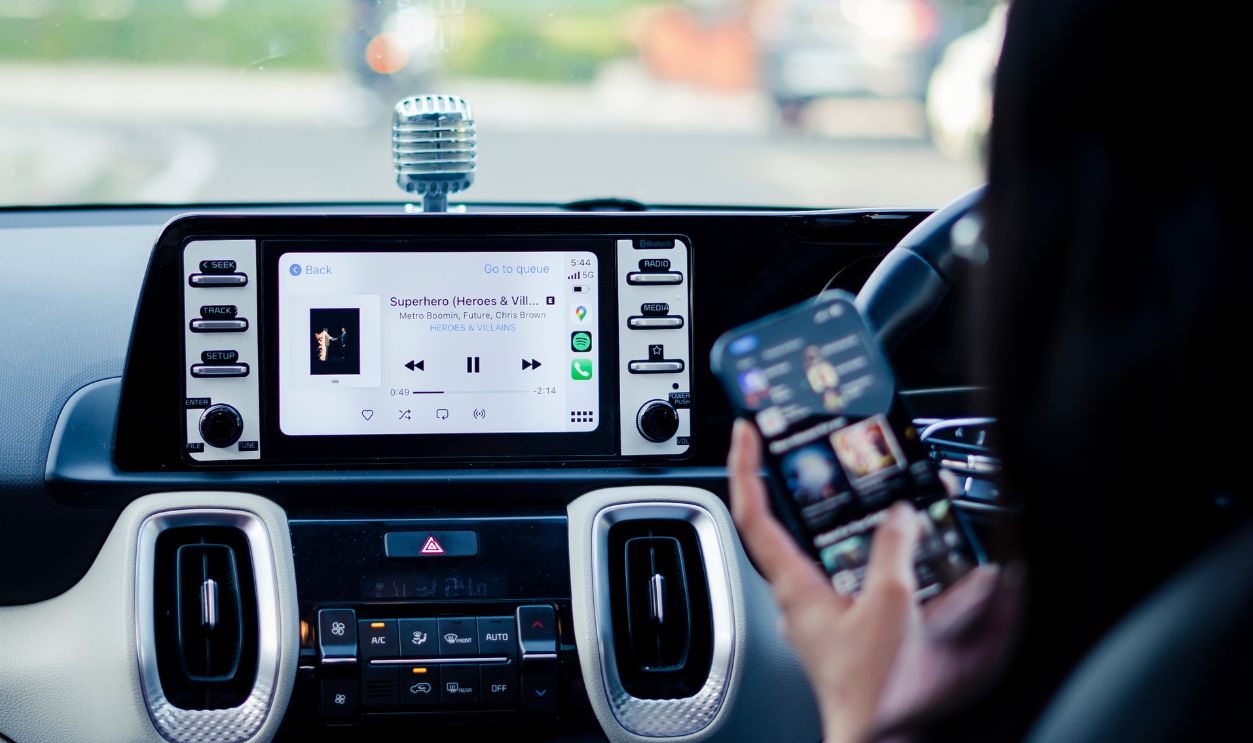
Many drivers now spend more time using Apple CarPlay or Android Auto than the car’s built-in software. That can help if voice commands work well and the layout feels familiar. It can still become distracting if a driver starts reading messages, digging through playlists, or hopping between apps while the car is moving.
Voice Control Helps, Up To A Point
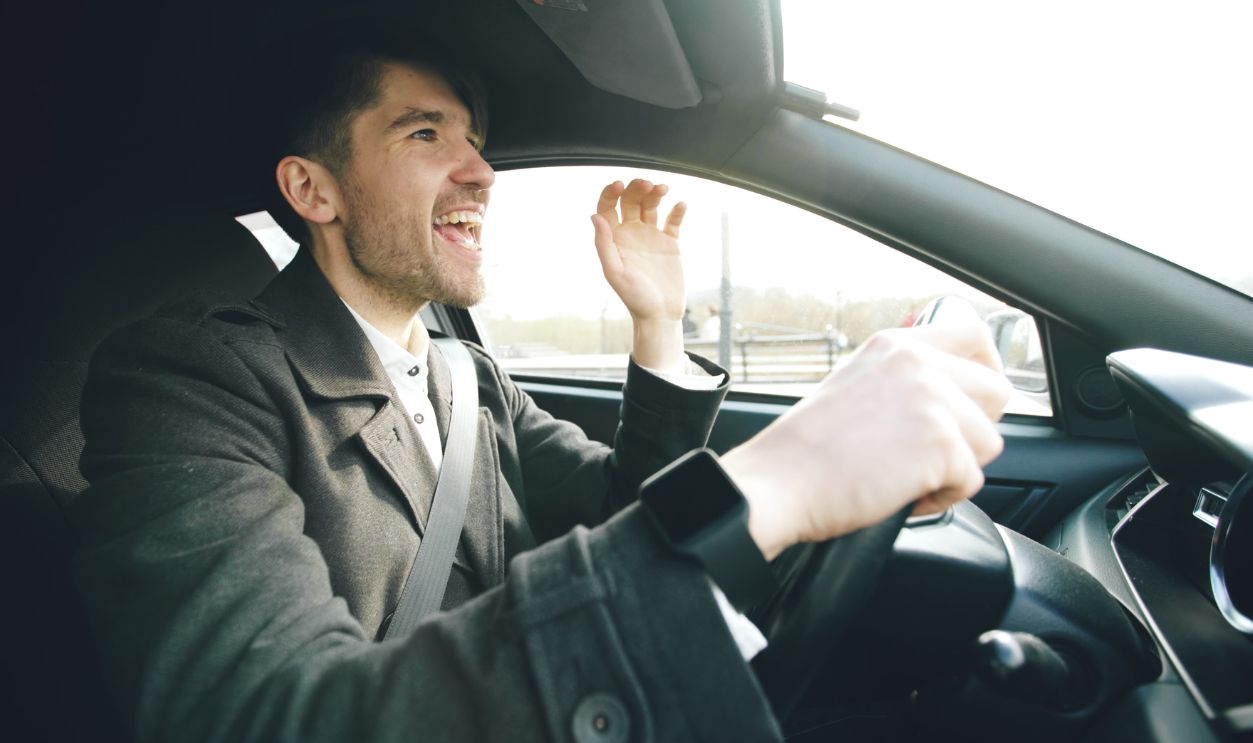
Automakers have pitched voice assistants as the fix for touchscreen overload for years. Sometimes they do help. But research has shown that weak voice systems can create their own kind of mental strain when drivers have to repeat commands, wait through lag, or wonder whether the car understood them at all.
Teen Drivers May Face More Risk
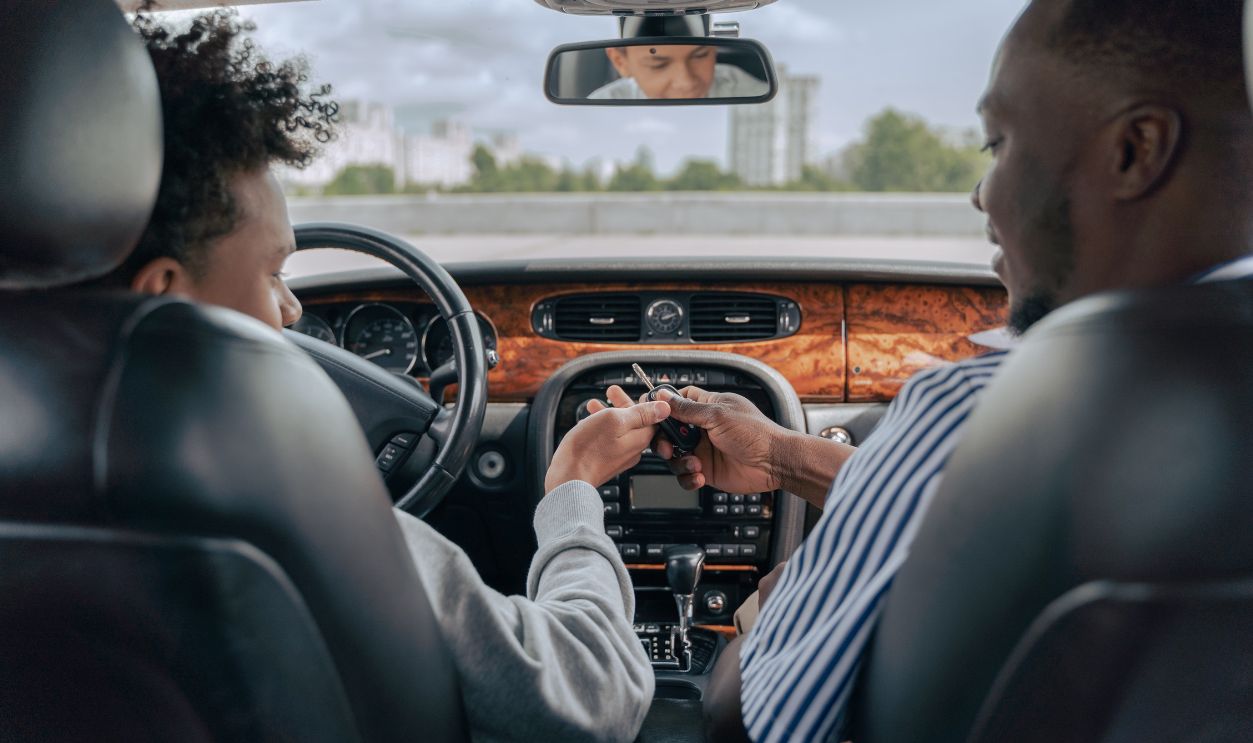
This issue deserves even more attention if you are shopping for a younger or less experienced driver. Teen drivers already face higher crash risk because they have less experience spotting hazards and managing their attention. A cabin built around a giant, tempting screen can make that challenge even harder when traffic gets busy.
The Appeal Is Obvious
There is no point pretending otherwise. A giant screen looks modern, expensive, and fun. Automakers know a dramatic display can sell a car on the showroom floor much faster than a row of practical buttons ever could.
The Best Question To Ask At The Dealer
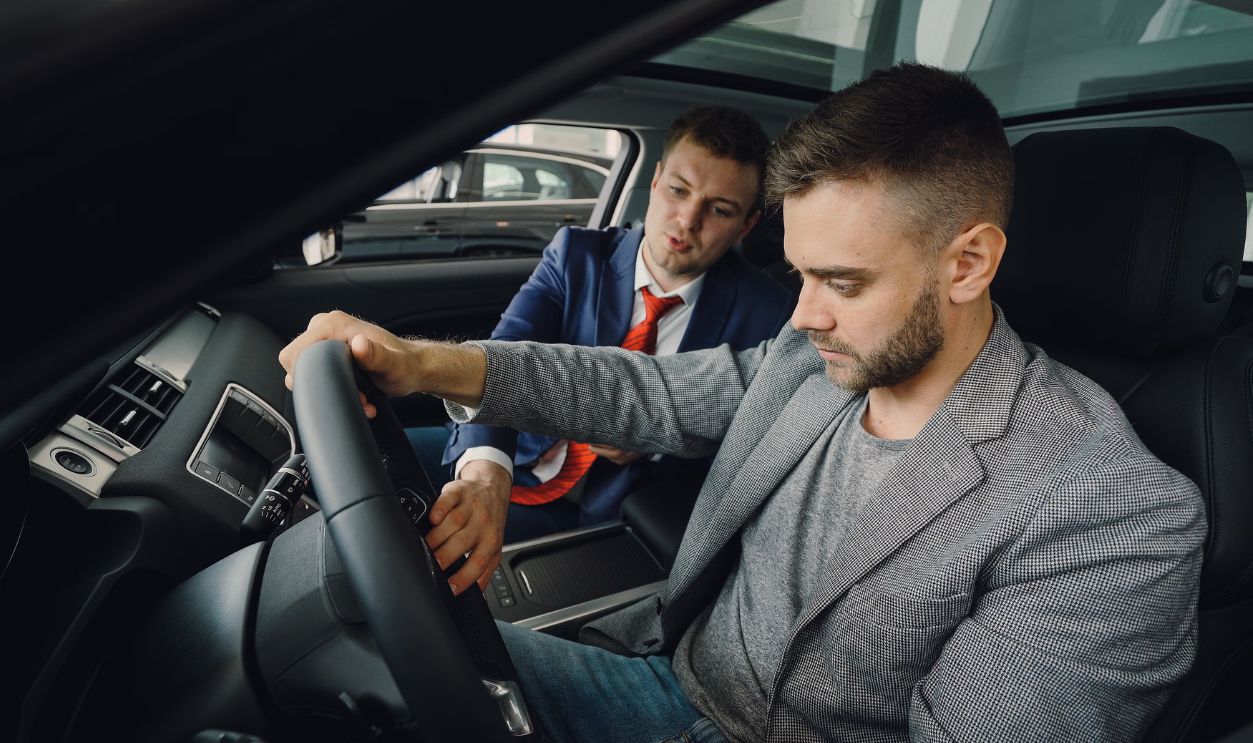
Do not just ask how big the screen is. Ask how many taps it takes to do everyday things like changing climate settings, turning on the defroster, switching radio presets, or muting navigation prompts. If those jobs feel annoying while the car is parked, they will feel worse at 65 mph.

Try A Quick Glance Test
While sitting in the car, see whether you can find and use key controls without staring at the screen for long stretches. If you have to study tiny icons or dig through multiple pages, that is a warning sign. Routine changes should be quick and easy.
Features Worth Looking For
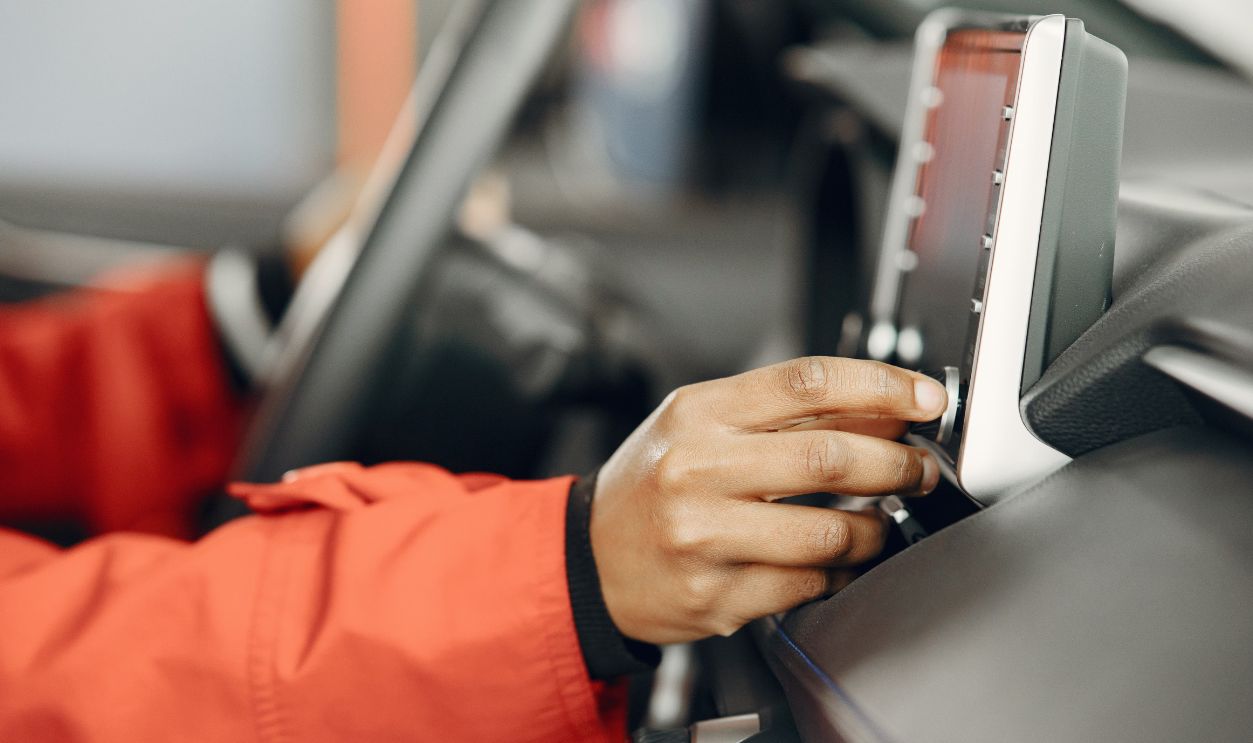
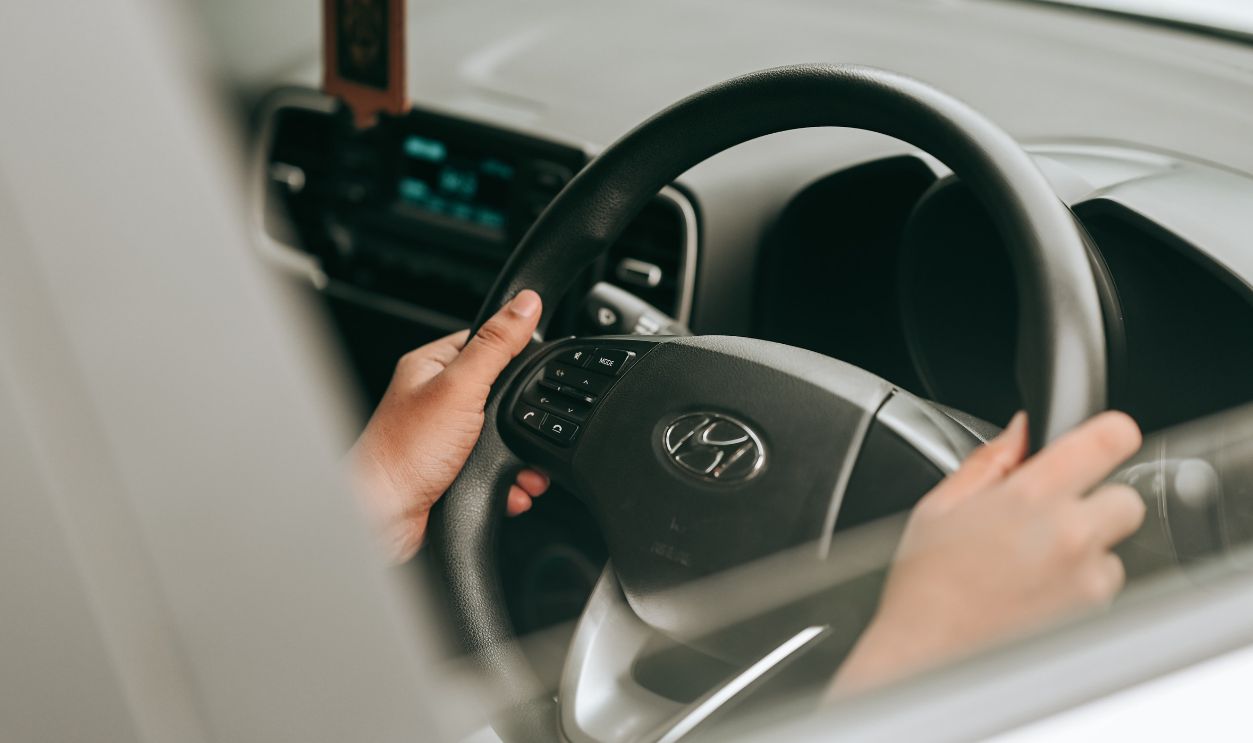
Cars deserve extra credit if they still offer a volume knob, simple steering-wheel controls, and dedicated buttons for front and rear defrost. It also helps when climate controls stay visible on the screen instead of disappearing into submenus. Those details may matter more to everyday safety than a flashy home page.
Placement Matters Too
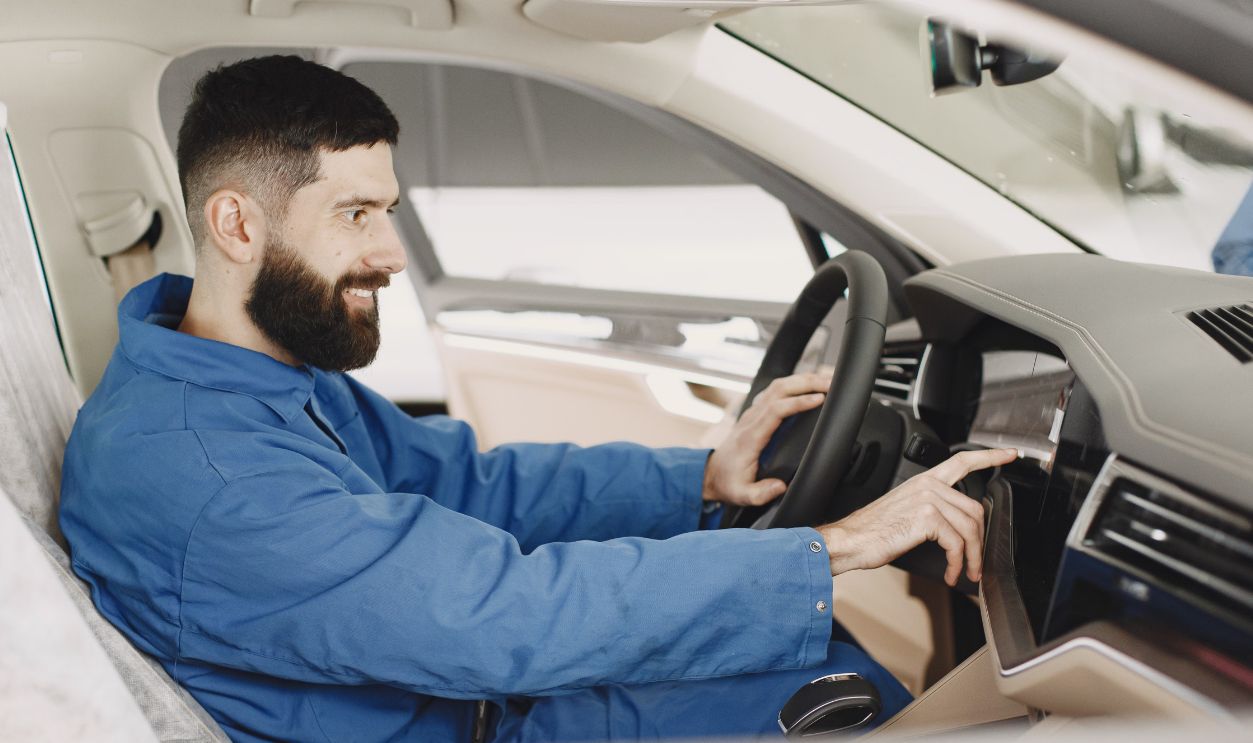
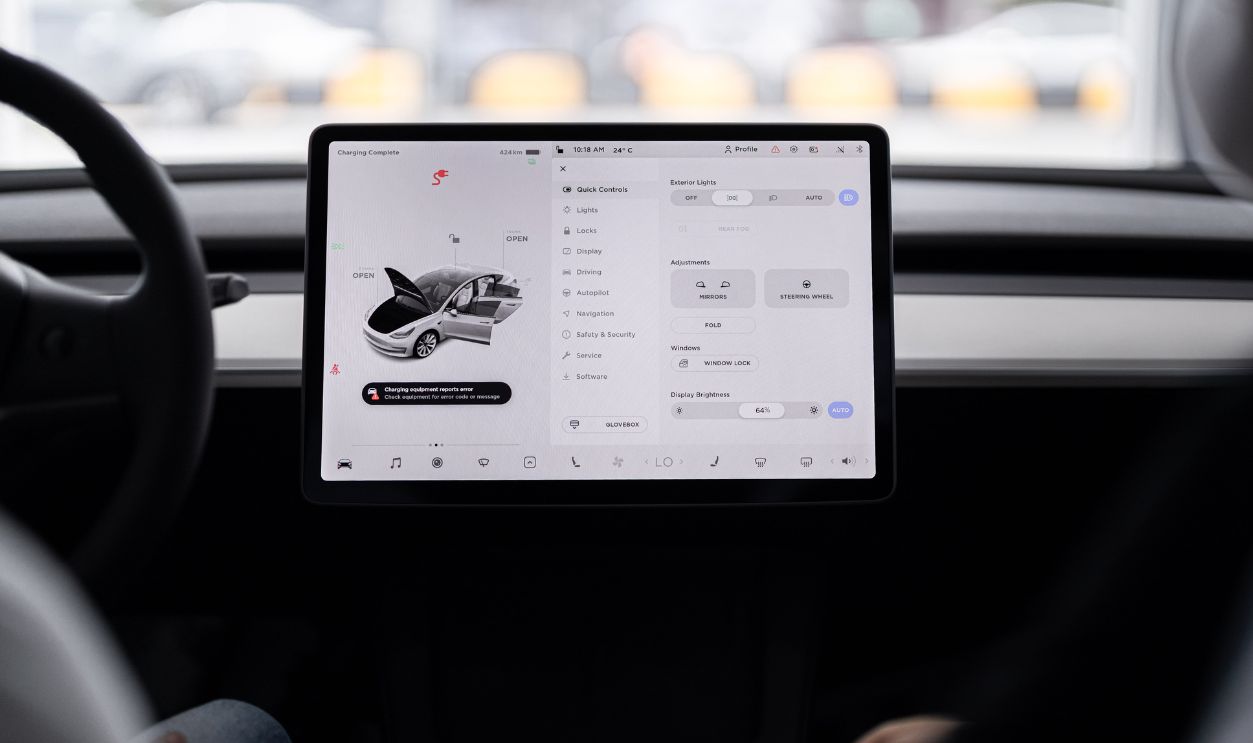
A large screen mounted high on the dashboard can cut down on how far a driver has to look down. That does not remove the distraction, but it can be better than a low-mounted display that pulls the eyes farther from the road. During a test drive, it is also worth checking the angle, brightness, and glare.
Software Can Make Things Better Or Worse
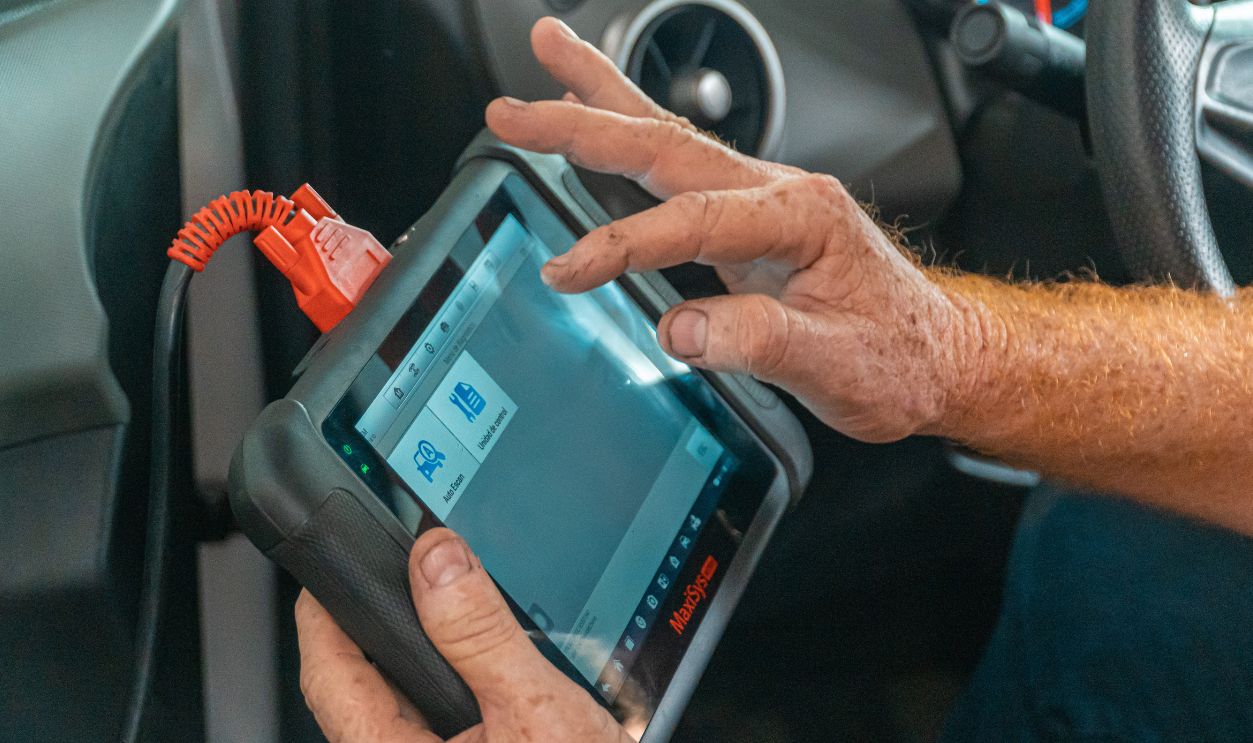
One twist with modern cars is that infotainment systems can change through over-the-air updates. A setup that feels simple today can get busier after a redesign, or improve if the automaker adds shortcuts and cleaner menus. That is one reason recent reviews and owner feedback matter so much.
 Jose Ricardo Barraza Morachis, Pexels
So, Are Bigger Screens More Distracting?
The most honest answer is: sometimes, but not always. Research and safety guidance point more strongly to task complexity, menu structure, glance time, and the loss of physical controls. A giant screen with a smart layout and real buttons for key functions can be manageable. A smaller screen that still forces everything through touch can be just as bad, or worse.

What I’d Tell Your Daughter
Wanting a big screen makes sense. Just do not confuse a giant display with a better or safer experience. The sweet spot is a car that gives you modern tech without making you manage a tablet every time you want to change the temperature or skip a song.

The Bottom Line For Parents And Shoppers
If the choice is style versus ease of use, lean toward ease of use. The evidence from NHTSA, AAA Foundation research, IIHS, and Euro NCAP’s 2026 rule change points in the same direction. Big screens are not the problem by themselves. Bad interface design is.