The Brochure Said “Tow More” But The Door Sticker Said “Not So Fast”
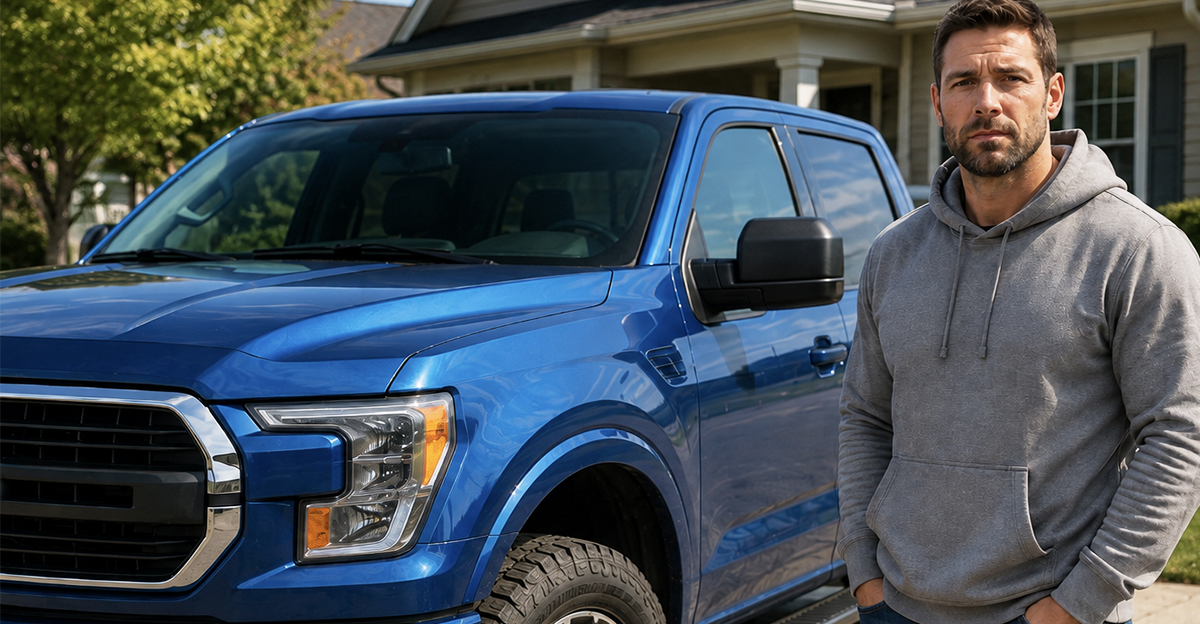
The truck’s advertised towing number looked enormous, so the trailer seemed like an easy match. Then passengers, hitch weight, and bed cargo started eating into the payload rating before the trailer was even connected. That’s the part many buyers miss: the biggest towing number in the ad is only one piece of the calculation.
Tow Rating Is Only The Headline Number
A truck’s maximum tow rating tells you how much trailer weight it may be able to pull under specific conditions. It doesn’t mean every version of that truck can tow that amount with a full cab and loaded bed. Engine, axle ratio, drivetrain, wheelbase, cab style, trim, and equipment can all change the actual rating.
Payload Is Often The First Real Constraint
Payload is the amount of weight the truck can carry on itself. That includes passengers, cargo, accessories, hitch hardware, and the portion of the trailer’s weight pressing down on the truck. A truck can have an impressive tow rating and still run out of payload surprisingly quickly.

The Door-Jamb Sticker Matters More Than The Ad
For a specific truck, the tire and loading label on the driver’s door jamb is one of the most useful numbers you’ll find. It typically states the maximum combined weight of occupants and cargo for that vehicle as built. That number can be much lower than what you expected from the brochure.
Every Passenger Uses Payload
A family of four can consume several hundred pounds before anyone loads a suitcase. Add coolers, tools, a tonneau cover, aftermarket steps, or camping gear, and the available payload drops further. None of that weight disappears just because the trailer has its own axles.

Tongue Weight Counts Against Payload Too
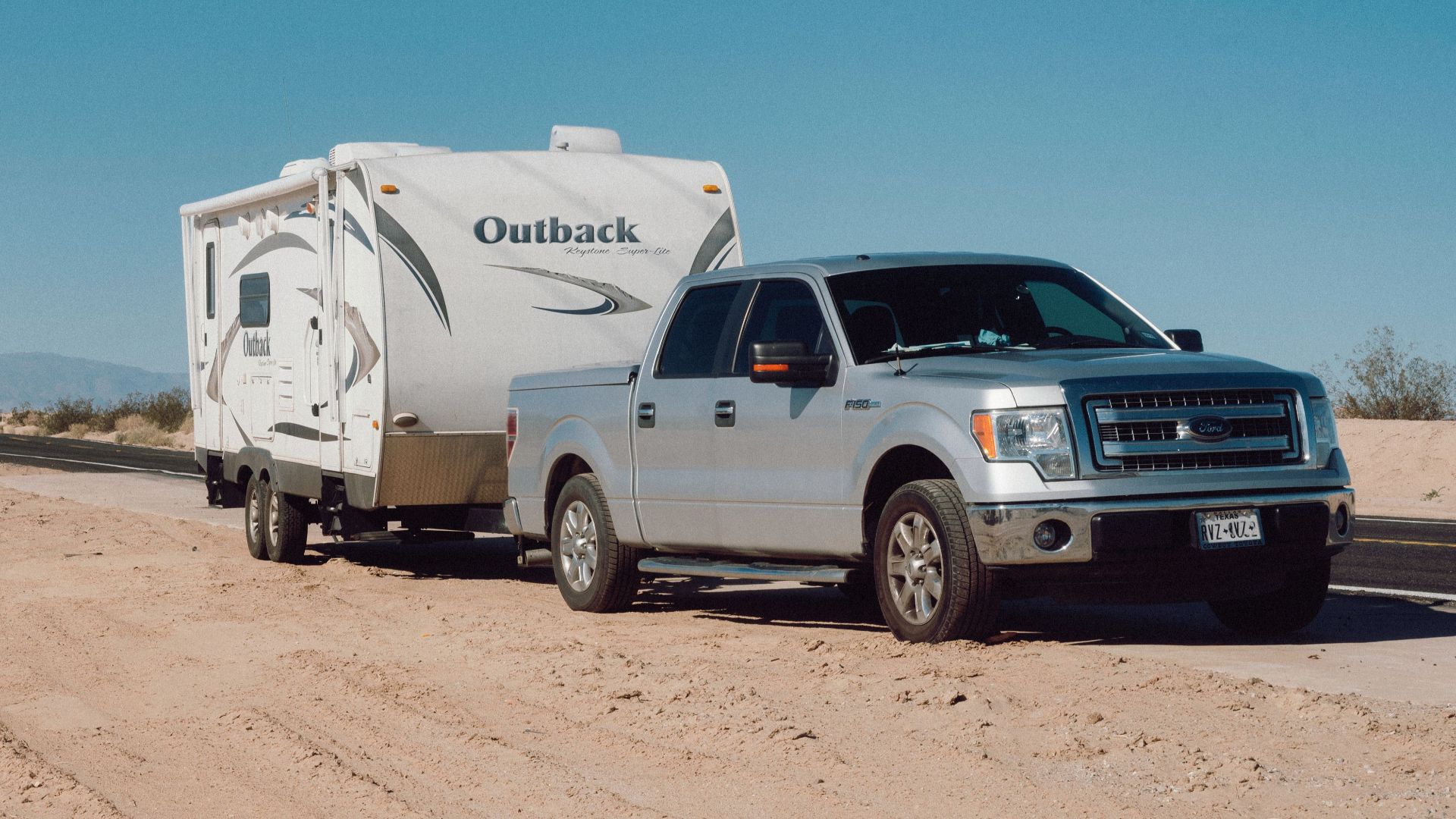
A conventional trailer pushes part of its weight down onto the hitch. That tongue weight becomes load carried by the truck, so it counts against payload. This is why a heavy travel trailer can overwhelm a half-ton pickup even when its total trailer weight looks comfortably below the advertised tow rating.
Travel Trailers Can Be Especially Payload-Hungry
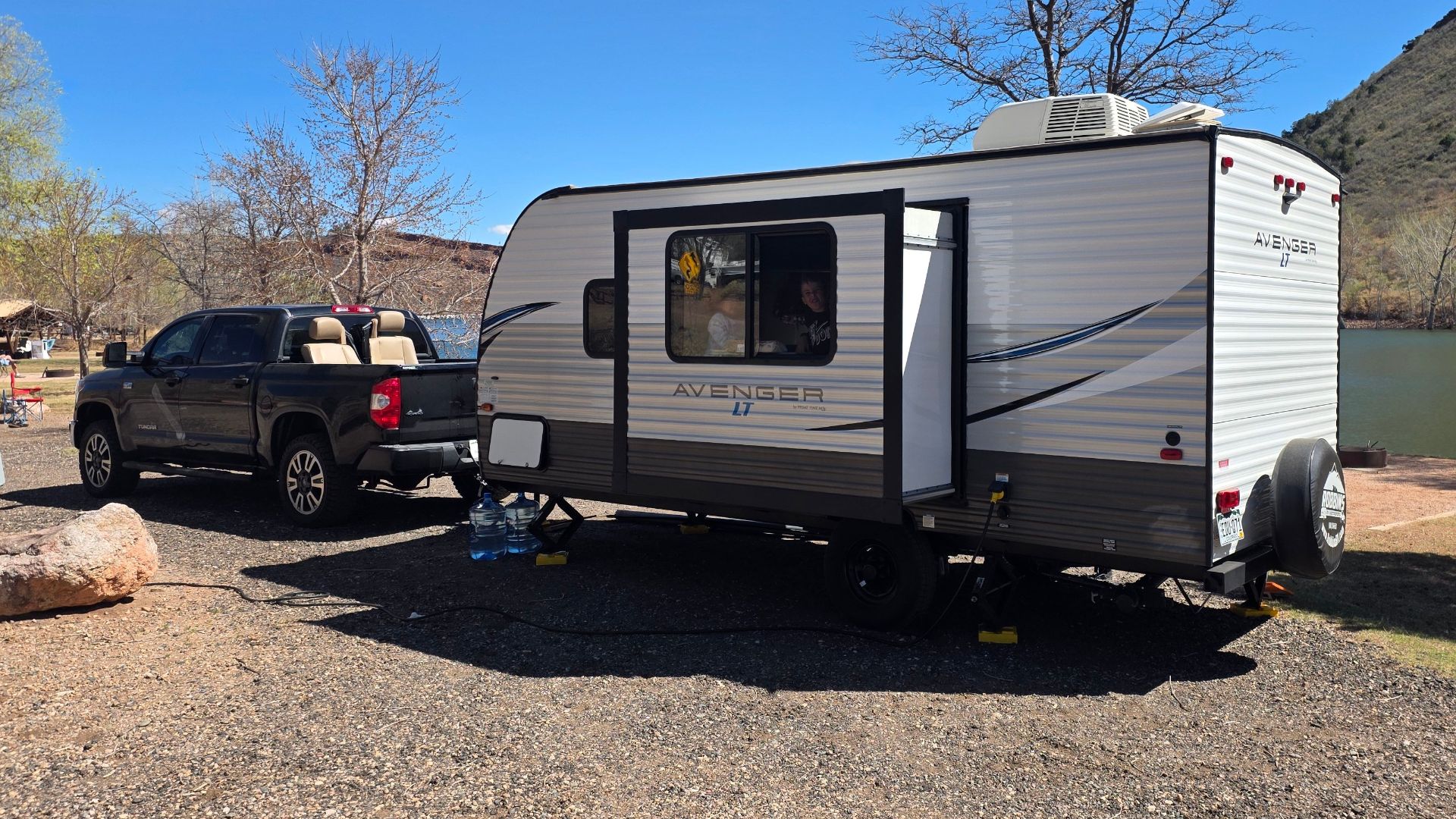
Many conventional trailers need roughly 10% to 15% of their loaded weight on the hitch for stable towing. A 7,000-pound trailer can therefore place hundreds of pounds on the truck before you add passengers or cargo. That can be enough to turn a seemingly easy tow into an overloaded truck.
Fifth-Wheels Put Even More Weight On The Truck
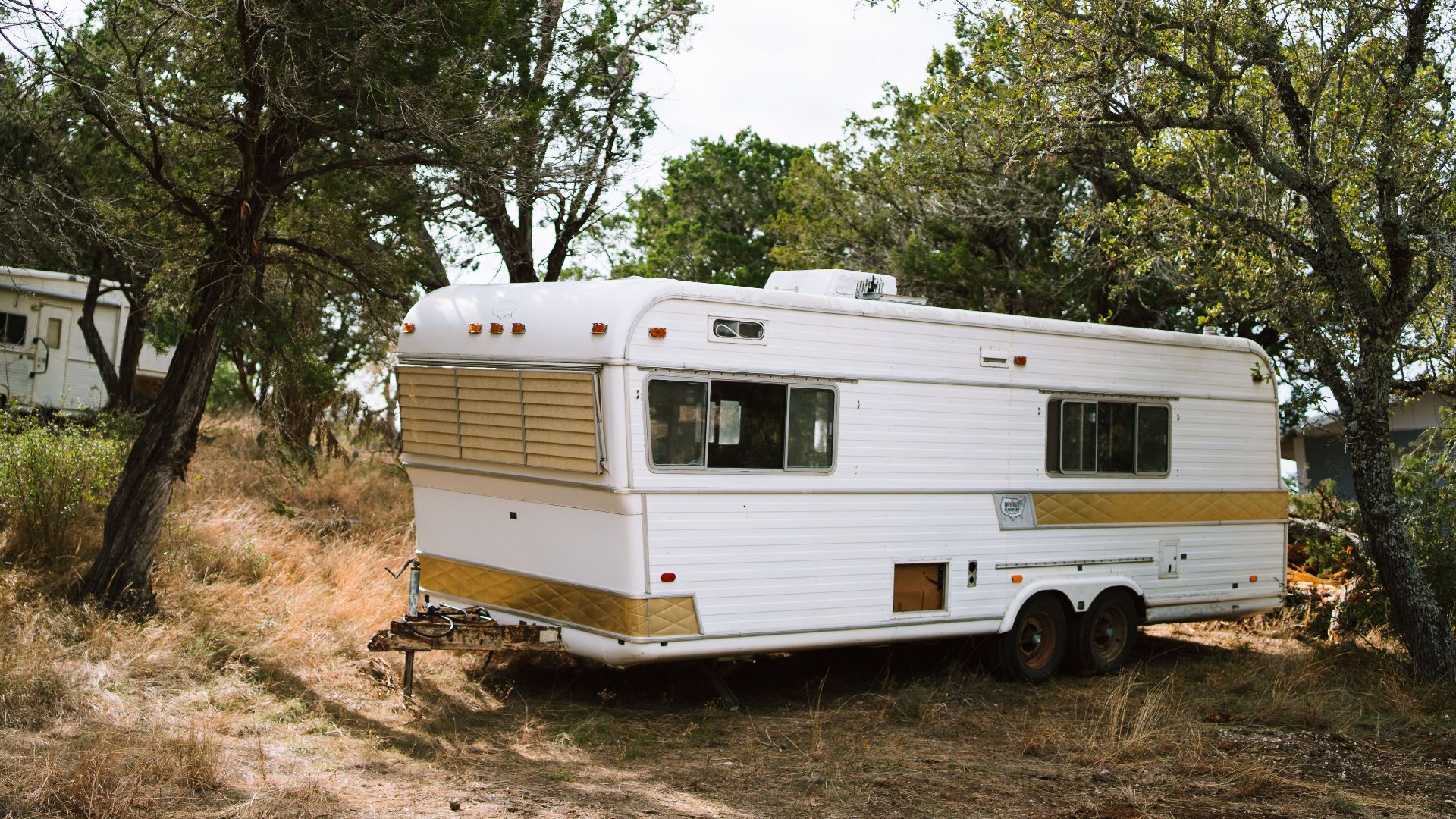
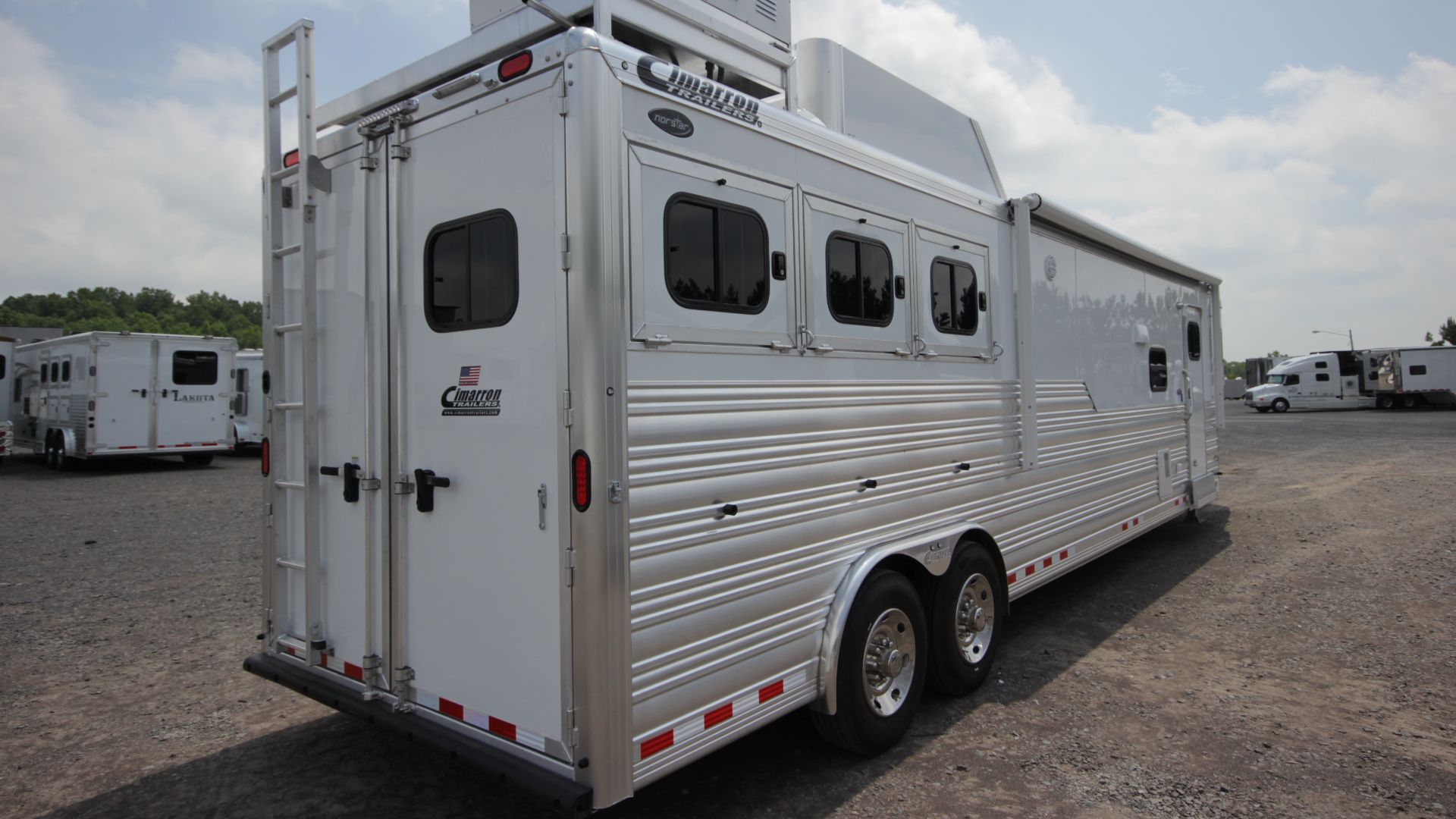
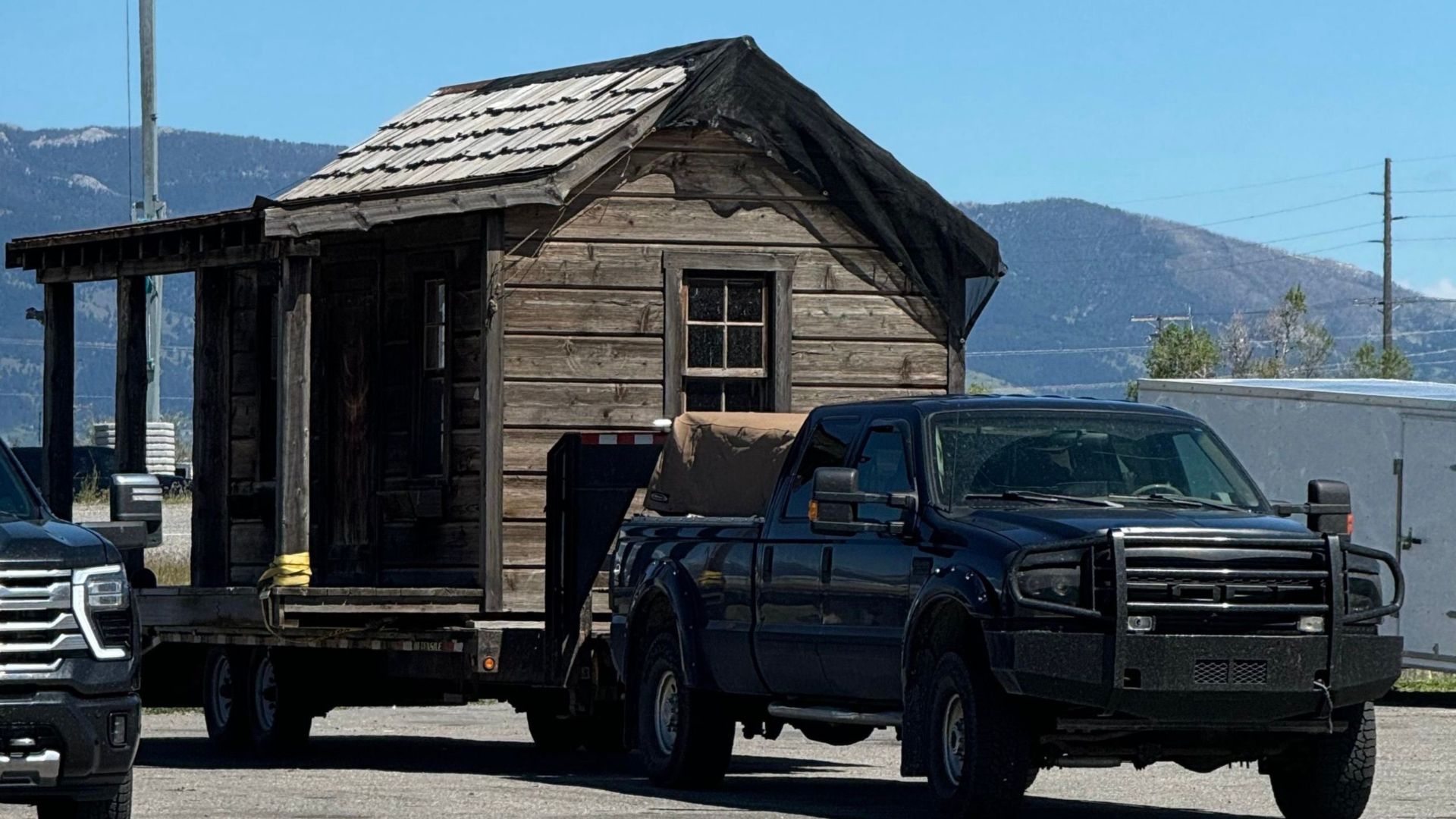
Fifth-wheel and gooseneck trailers usually place a much larger percentage of their weight directly over the rear axle. That can consume payload extremely quickly. A truck with a large tow rating may still need a much higher payload package to handle the pin weight safely.
 Trailers of the East Coast, Wikimedia Commons
GVWR Sets The Truck’s Maximum Loaded Weight
Gross Vehicle Weight Rating, or GVWR, is the maximum the truck itself is rated to weigh when loaded. That includes the truck, fuel, occupants, cargo, accessories, and hitch weight. Staying under the advertised tow rating doesn’t help if the truck is already over GVWR.

GAWR Matters At Each Axle
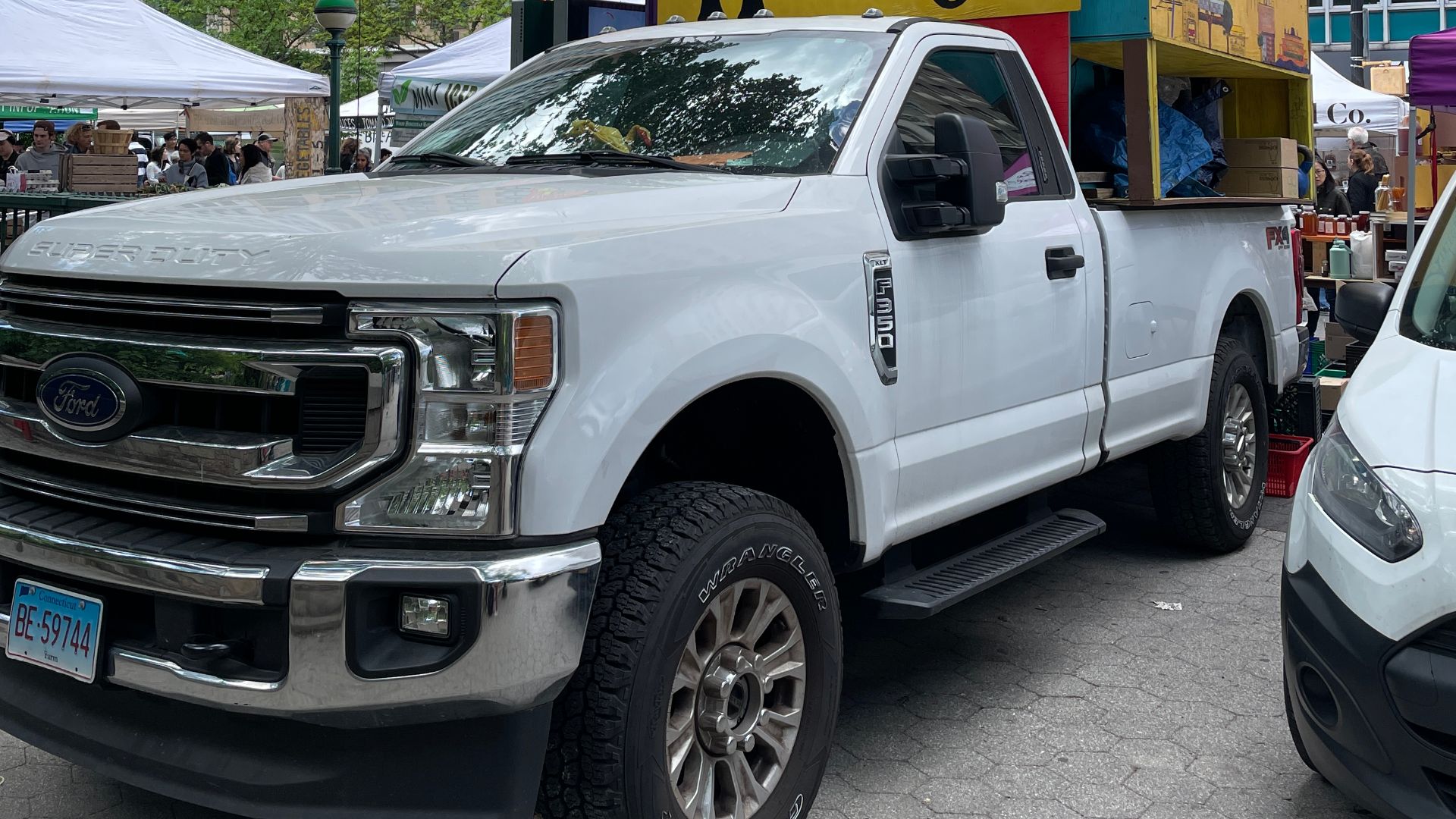
Gross Axle Weight Rating tells you how much weight each axle is designed to carry. The rear axle is especially important when towing because trailer tongue or pin weight shifts load toward the back of the truck. It’s possible to remain under total GVWR while overloading the rear axle.
 Deans Charbal, Wikimedia Commons
GCWR Limits The Whole Combination
Gross Combined Weight Rating is the maximum allowable weight of the loaded truck and loaded trailer together. Even if payload and axle ratings look fine, GCWR can still become the limiting number. You need to compare the actual combined weight, not just the trailer’s brochure weight.
“Dry Weight” Is Usually Too Optimistic
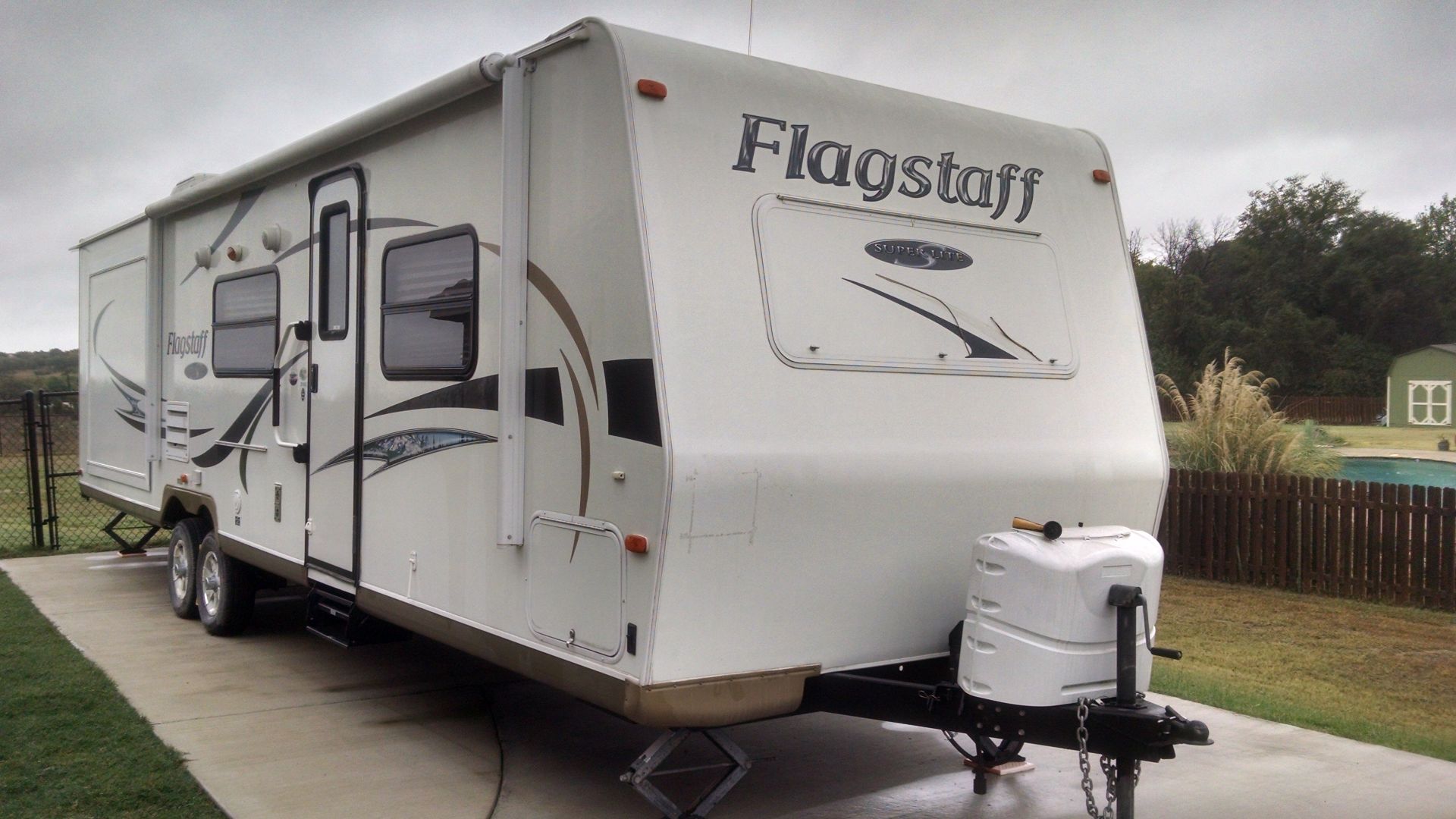
Trailer dry weight usually excludes some or all cargo, water, propane, batteries, accessories, and personal gear. Once the trailer is ready for a trip, it can weigh far more. Planning around dry weight is one of the easiest ways to underestimate the real load.

Use Loaded Trailer Weight Instead
The better number is the trailer’s actual ready-to-travel weight. Include water if you carry it, food, clothing, camping equipment, propane, batteries, bikes, and anything permanently installed. If you haven’t weighed it yet, use the trailer’s GVWR as a conservative planning number.

Hitch Equipment Has Weight Too
Weight-distribution hitches, fifth-wheel hitches, ball mounts, and other towing hardware can weigh a lot. That equipment sits on the truck, so it uses payload before the trailer is even attached. Heavy fifth-wheel hitches are particularly easy to forget in the calculation.
 KittensMittens2, Wikimedia Commons
Aftermarket Accessories Count
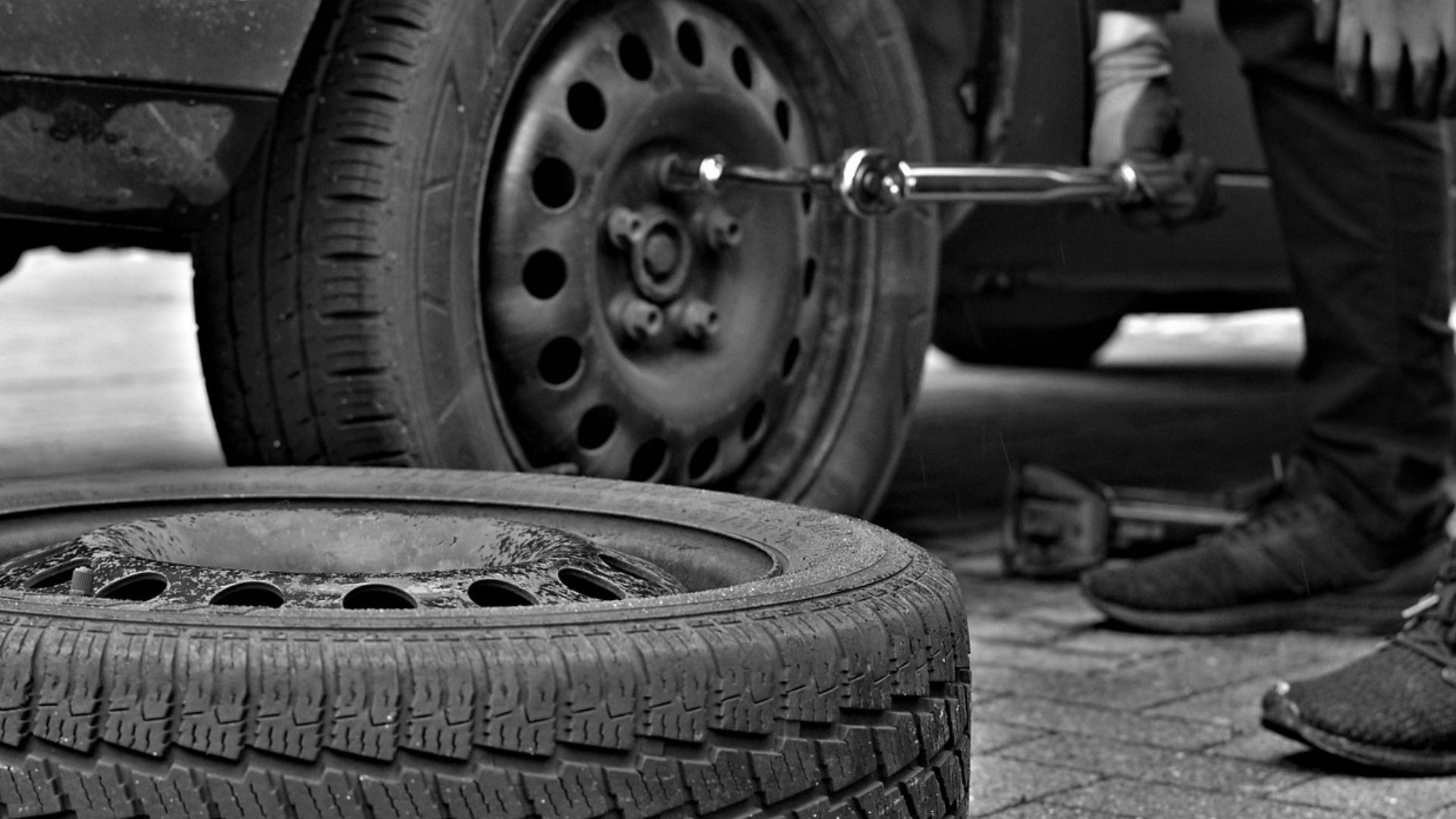
Bed caps, toolboxes, bumpers, winches, skid plates, larger tires, and auxiliary fuel tanks all add weight. They may make the truck more useful, but they reduce how much payload remains for people and trailer weight. The payload sticker doesn’t automatically increase because the truck got upgraded.
Tow Packages Don’t Always Increase Payload
A factory tow package may add cooling, gearing, wiring, a brake controller, and a stronger hitch. Those features can improve towing capability, but they don’t necessarily raise the truck’s payload rating. In some configurations, extra equipment can actually reduce available payload because the truck itself becomes heavier.

Trim Level Can Make A Big Difference
Luxury trims often carry more equipment, larger wheels, power accessories, sound insulation, and heavier interiors. That can reduce payload compared with a simpler work-oriented trim. Two trucks with the same engine and badge can therefore have very different real-world towing limits.
More Cab Means Less Payload
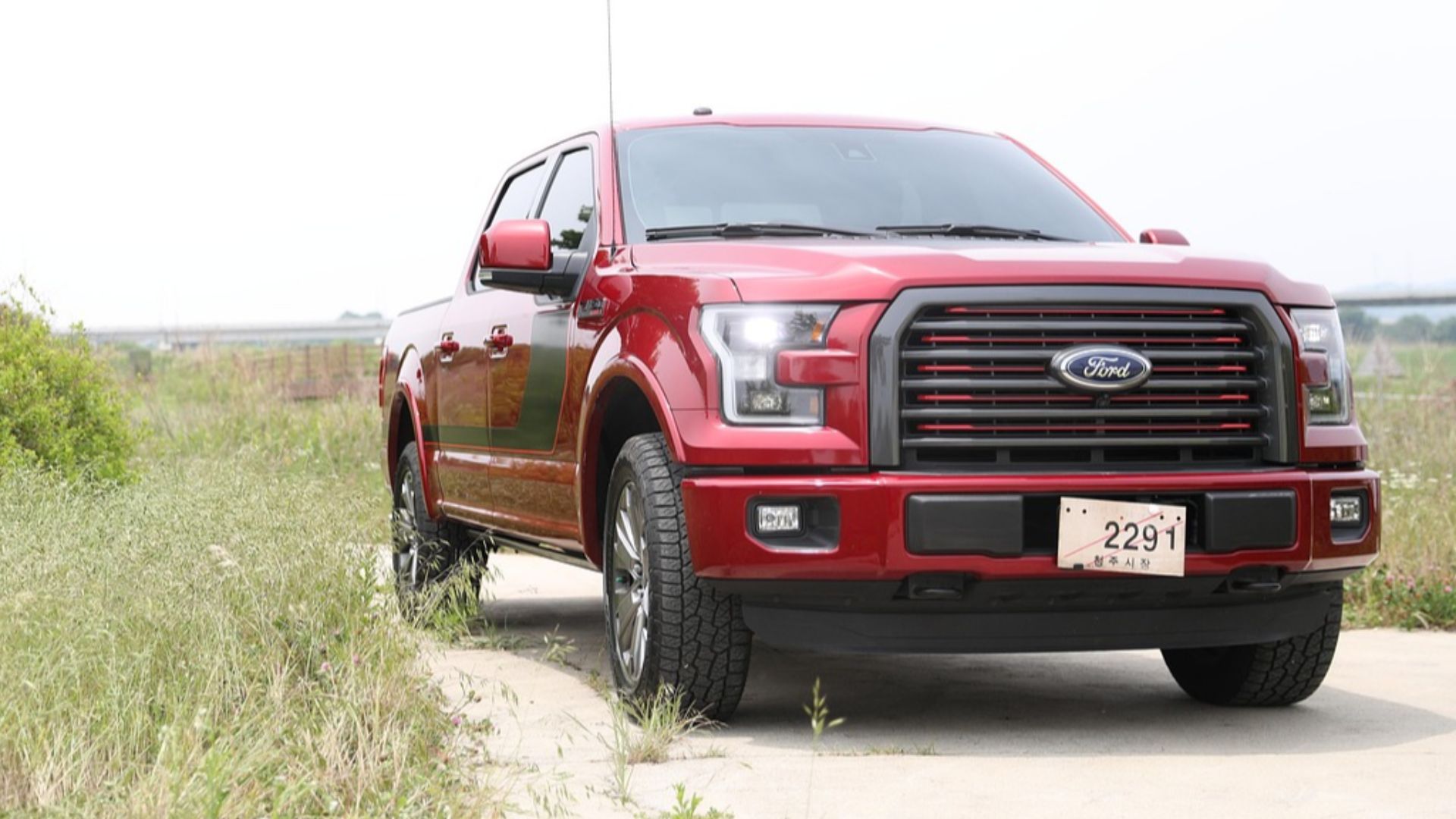
Crew cabs are popular because they carry more people comfortably, but the larger cab adds weight. Four-wheel drive also adds weight compared with two-wheel drive. Those features can reduce payload even when the advertised maximum tow figure stays associated with the broader model line.
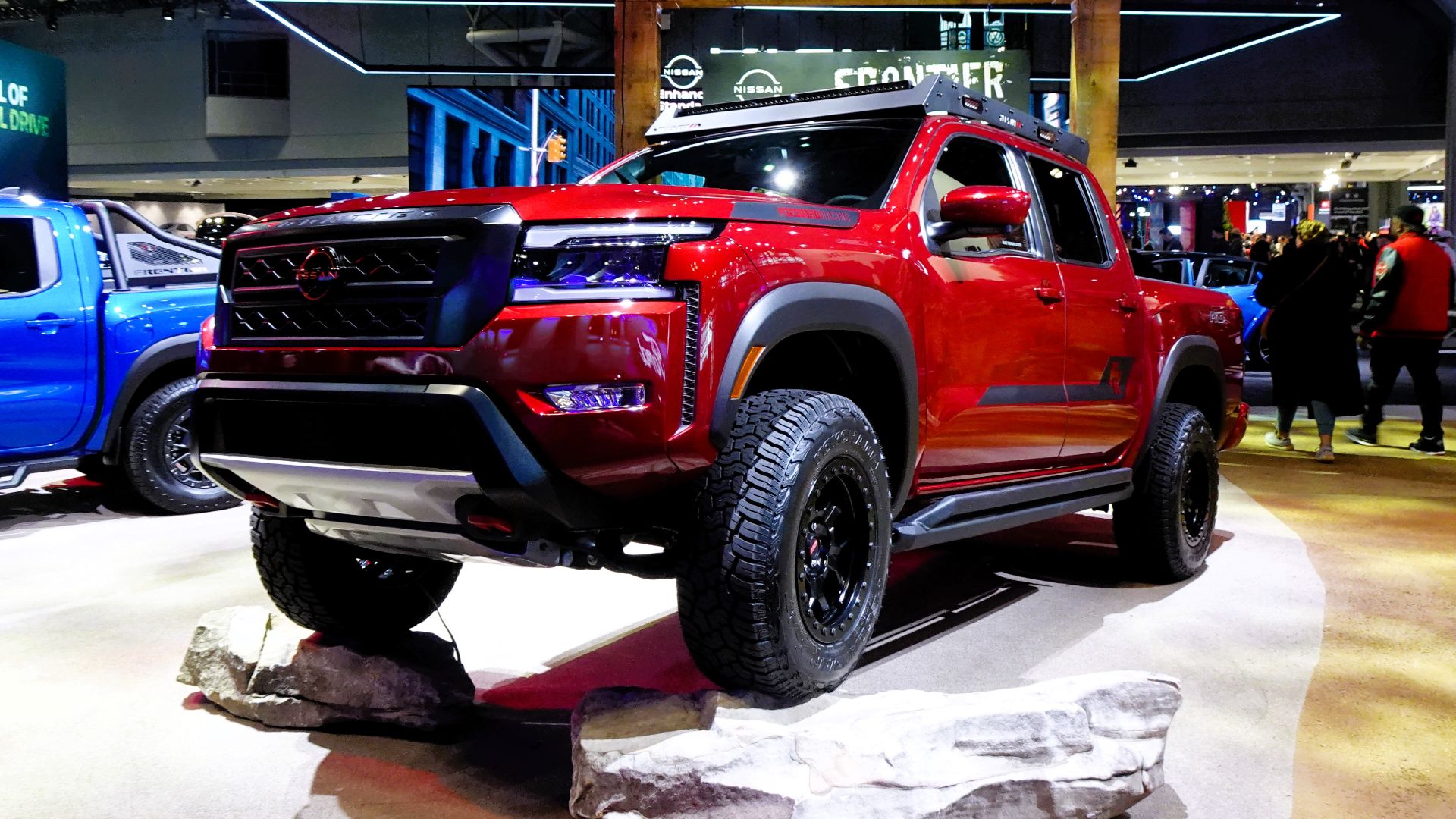 Charles from Port Chester, New York, Wikimedia Commons
The Maximum Tow Rating Usually Requires A Specific Configuration
The biggest number in the commercial may apply to a lightly equipped truck with a particular axle ratio, drivetrain, bed length, cab, and towing package. Your truck may be rated significantly lower. Always use the VIN-specific or configuration-specific towing guide.
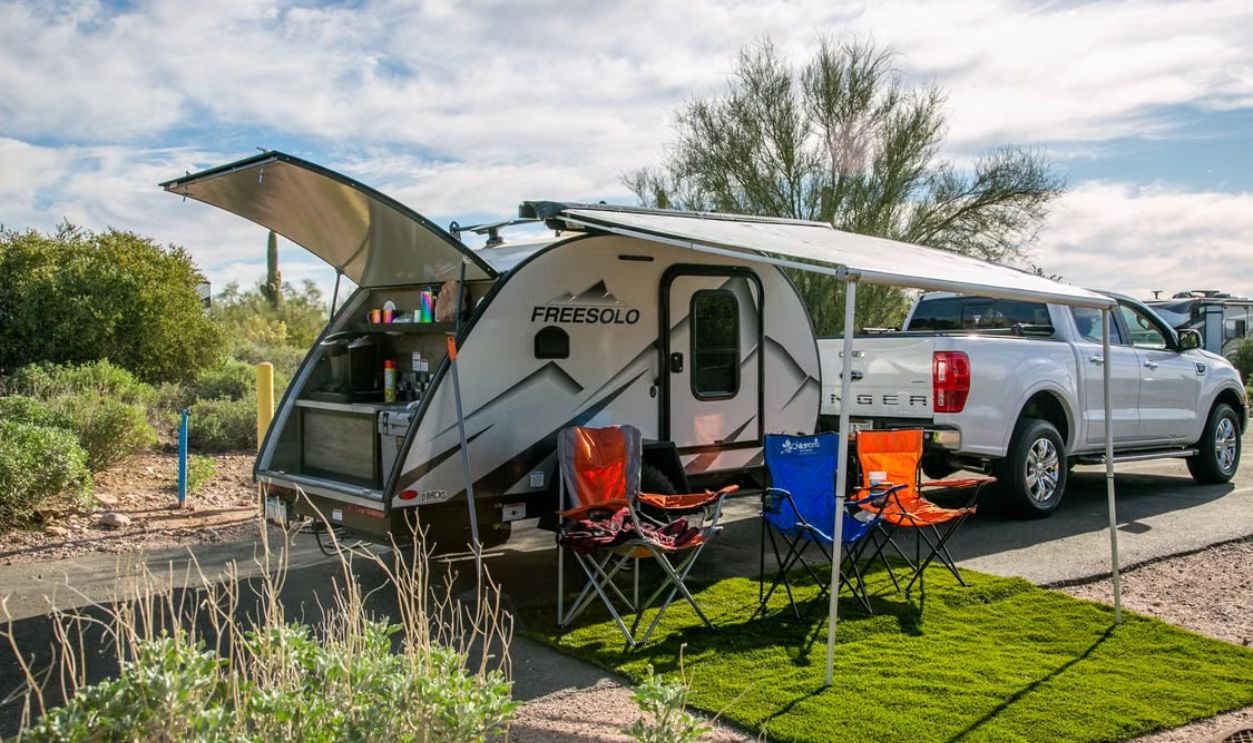
Weight-Distribution Hitches Don’t Create Payload
A weight-distribution hitch can redistribute some load between the truck and trailer axles, which may improve handling and help keep the front axle properly loaded. It doesn’t magically erase tongue weight or increase GVWR. The truck still has to remain within all of its ratings.
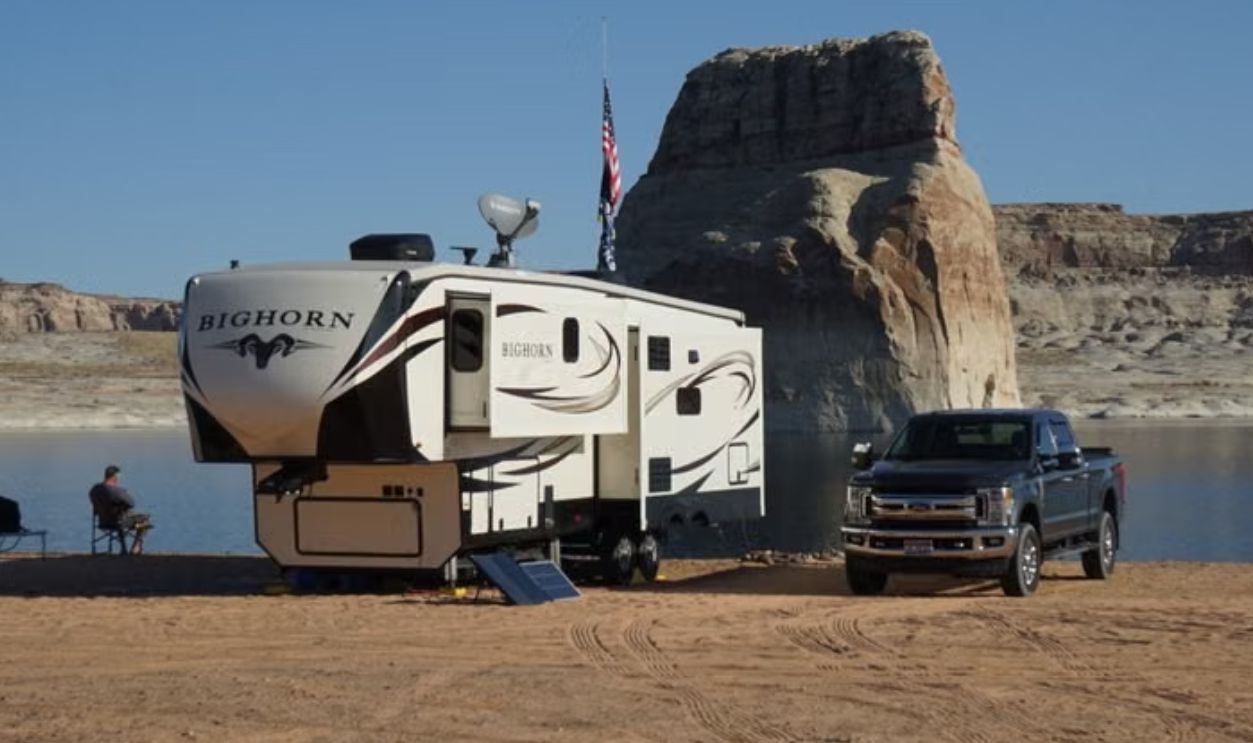 Rockwell branding agency, Pexels
Airbags Don’t Increase The Legal Rating Either
Air-helper springs can reduce rear sag and improve ride control when used correctly. They don’t raise the manufacturer’s GVWR, GAWR, or payload rating. A level-looking truck can still be overloaded.
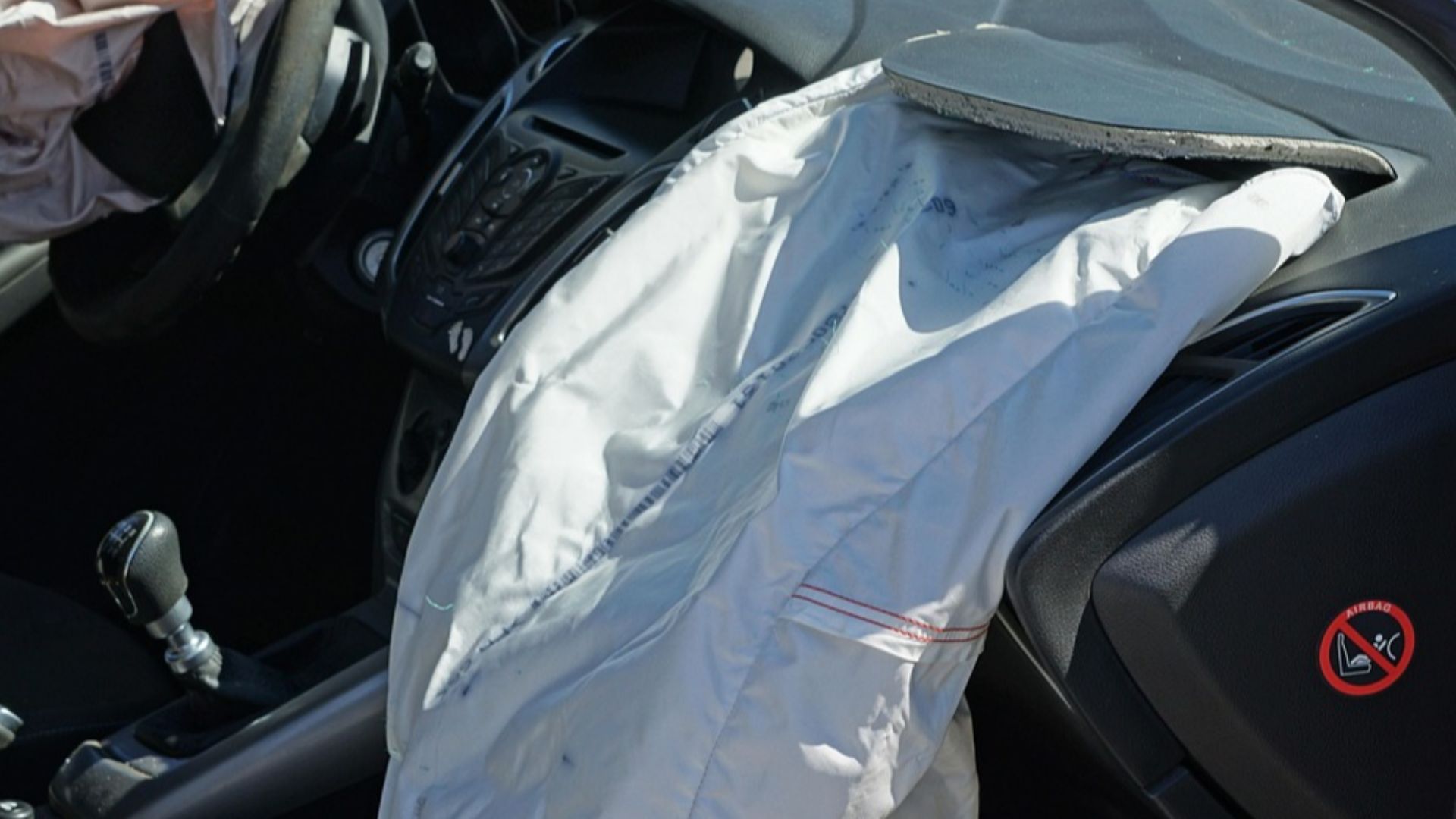
The Scale Is Better Than Guesswork
Once the rig is loaded for travel, visit a public truck scale. Weigh the truck by itself, then the truck and trailer together, and if possible get individual axle weights. That tells you whether the real combination is under GVWR, axle ratings, and GCWR.
 Jan Hoffmann, Wikimedia Commons
Leave Some Margin
Running right at every published maximum may be technically within the rating, but it leaves little room for unexpected cargo, extra water, passengers, or weight-estimate errors. A reasonable buffer can make towing less stressful and give the truck more room for heat, hills, and changing conditions.

Braking And Stability Matter Too
A truck may have enough engine power to move a heavy trailer but still feel uncomfortable controlling it. Trailer brakes, brake controller setup, tires, suspension, wheelbase, crosswinds, and weight distribution all affect stability. “Can pull it” and “can control it comfortably” aren’t the same thing.
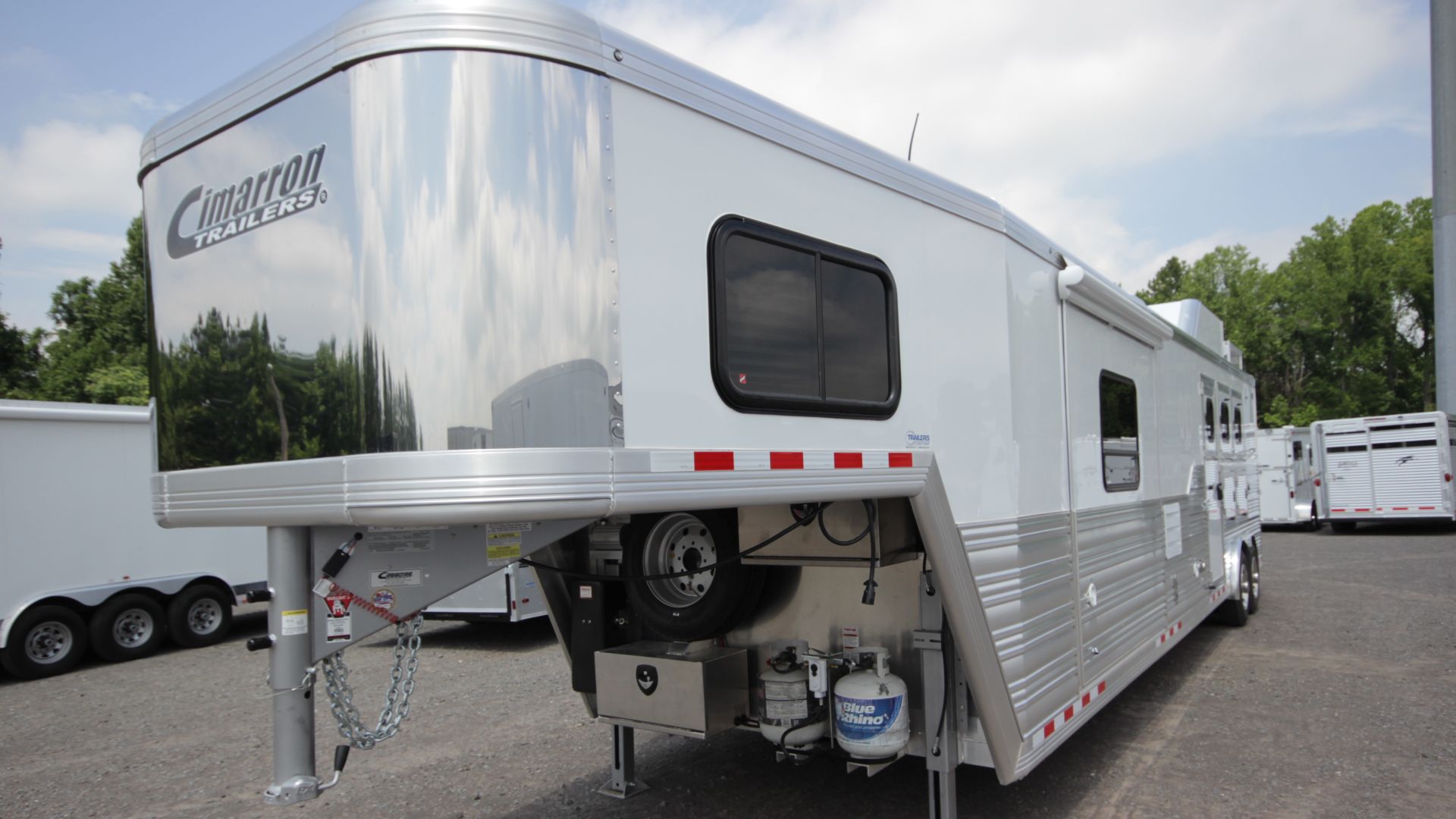 Trailers of the East Coast, Wikimedia Commons
So Which Number Actually Matters?
There isn’t one magic number. The real limit is whichever rating you hit first: payload, GVWR, rear GAWR, GCWR, hitch rating, or maximum trailer weight. For many family pickups towing travel trailers, payload is the surprise bottleneck because passengers and tongue weight consume it so quickly.
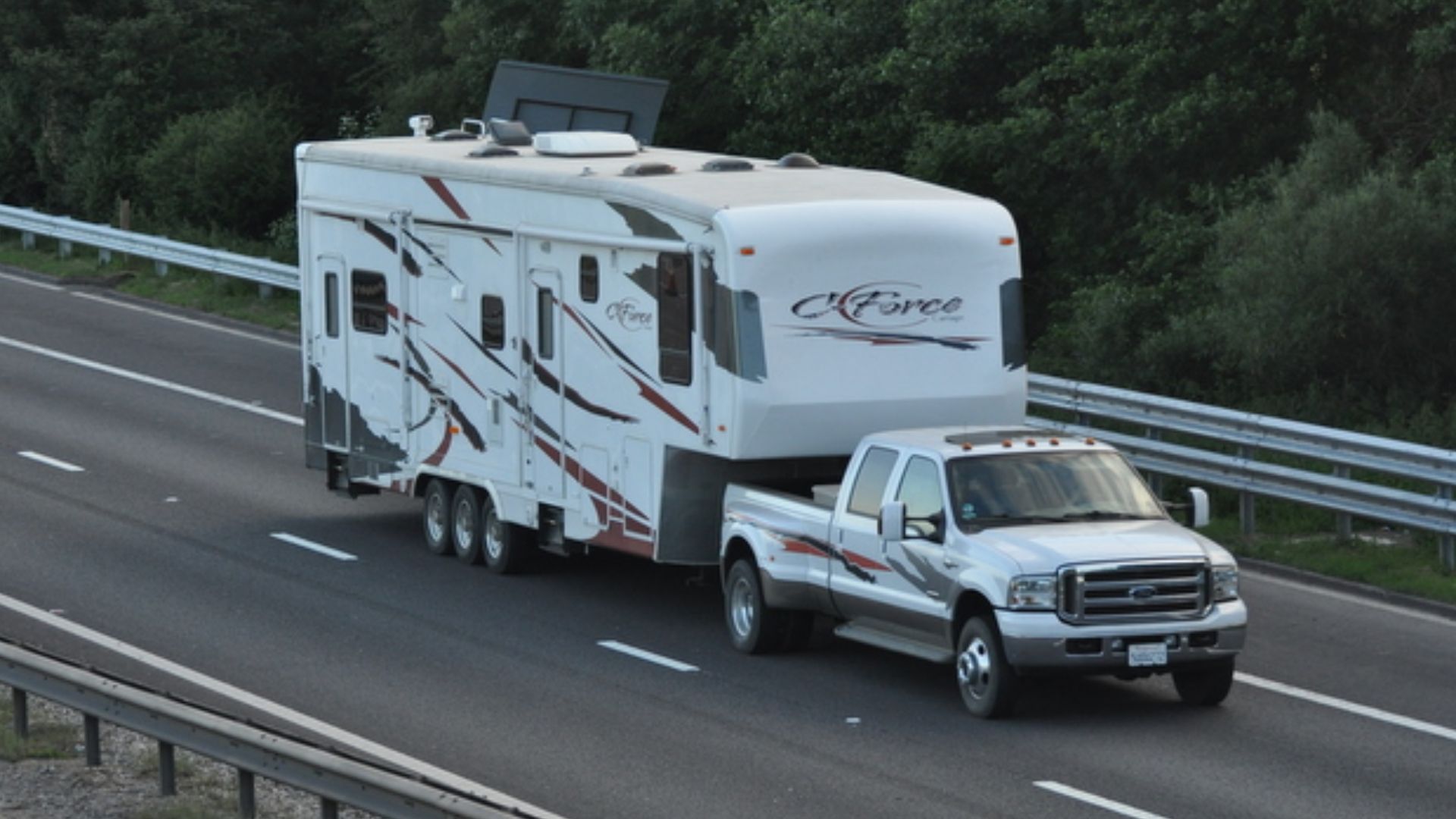 John Carver, Wikimedia Commons
Start With The Sticker, Then Do The Math
Before buying a trailer, check the truck’s actual door-jamb payload number, the VIN-specific towing guide, axle ratings, hitch rating, and GCWR. Estimate the trailer’s loaded weight and tongue or pin weight, then subtract passengers, cargo, and hitch equipment from payload. If the numbers are close, weigh the rig before a long trip. The biggest tow rating in the brochure may get your attention, but the smallest real-world limit is the one that decides whether the setup actually works.
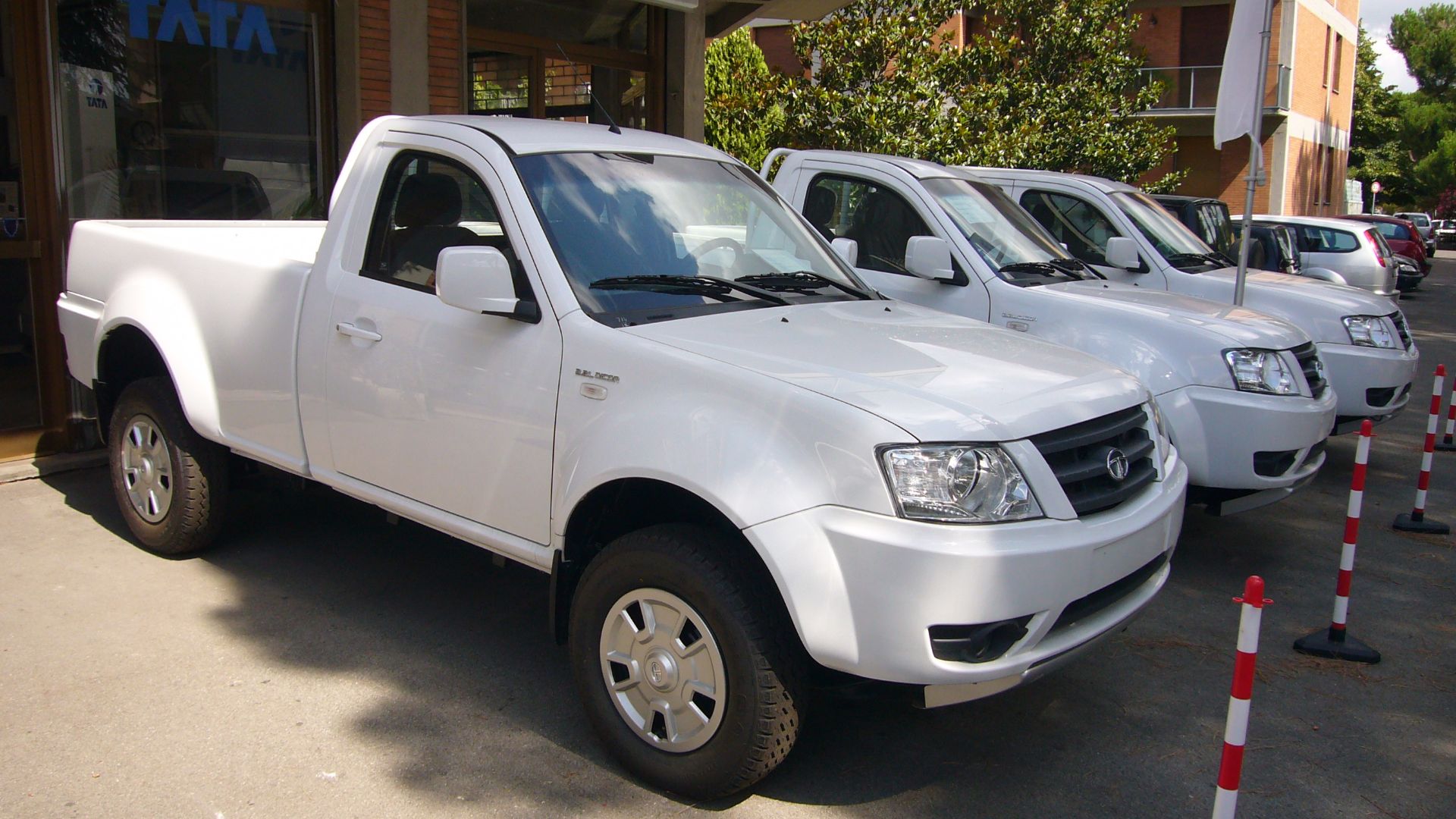 Rutger van der Maar, Wikimedia Commons
You May Also Like: