Wait, I Have To Take That Off?
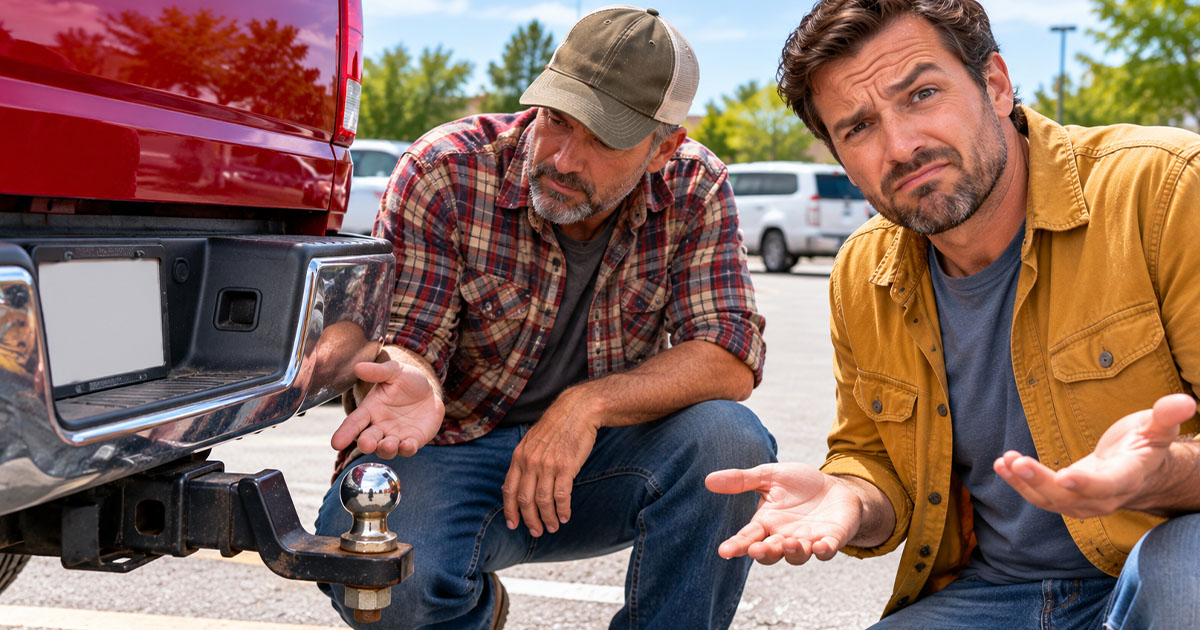
You finished towing the trailer days ago, but the ball mount is still sitting in the receiver behind your truck. Then a friend tells you that driving around with an empty trailer hitch can earn you a ticket. But you see it all the time.
Is leaving it attached actually illegal?
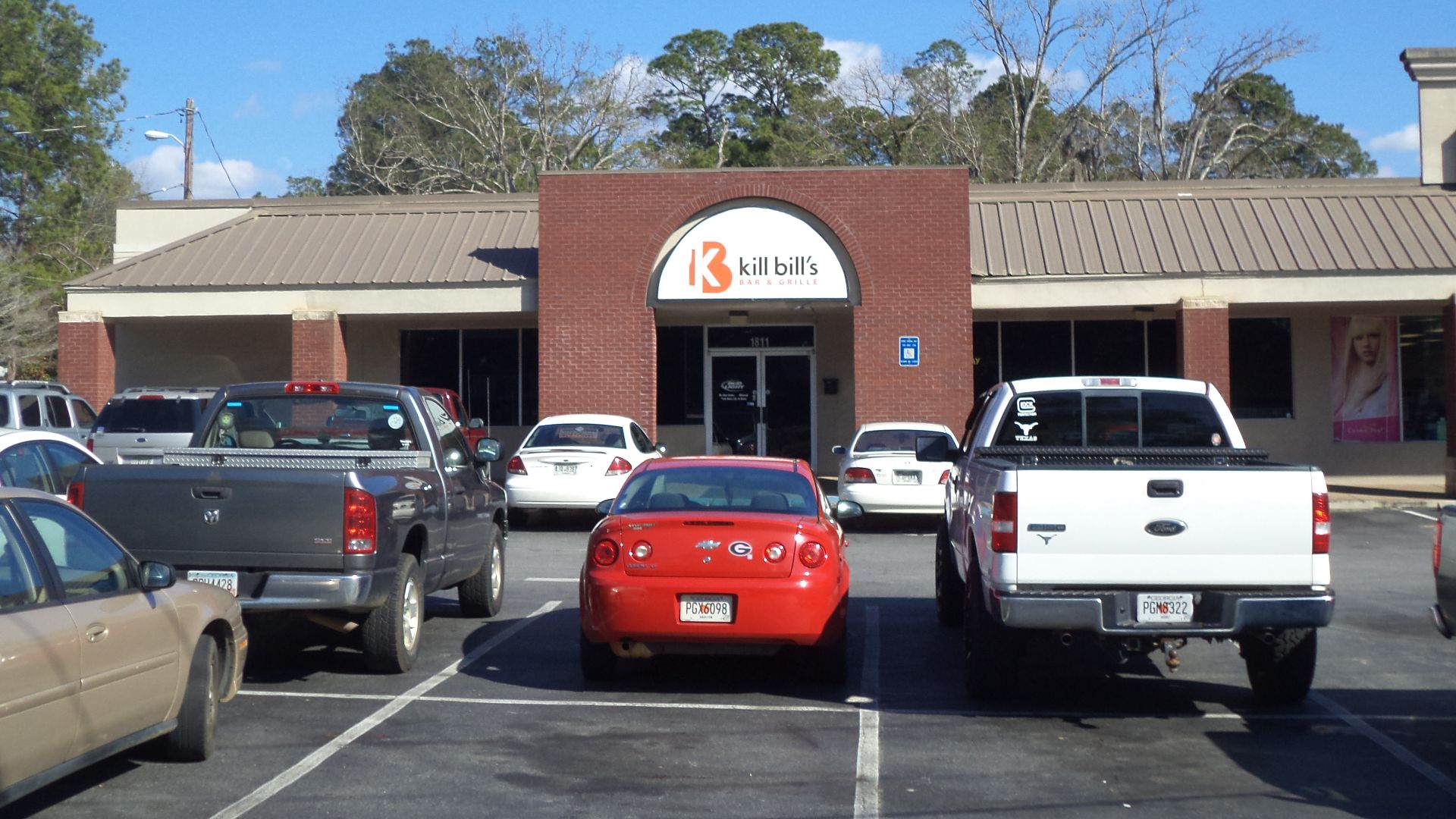
You've Probably Seen Thousands Of Them
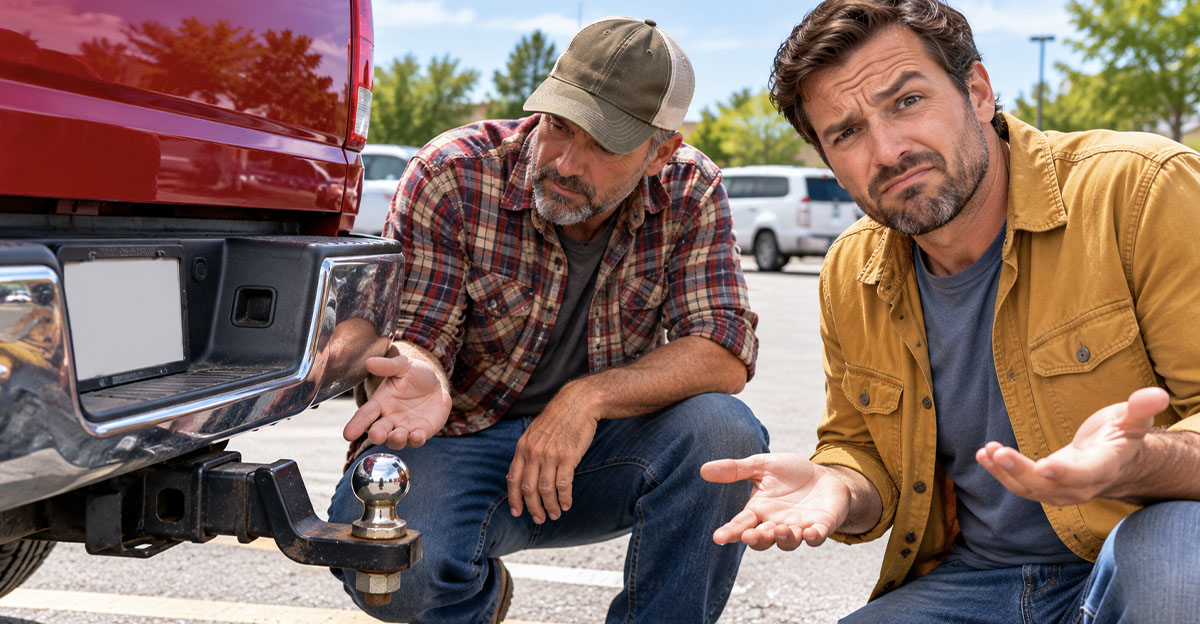
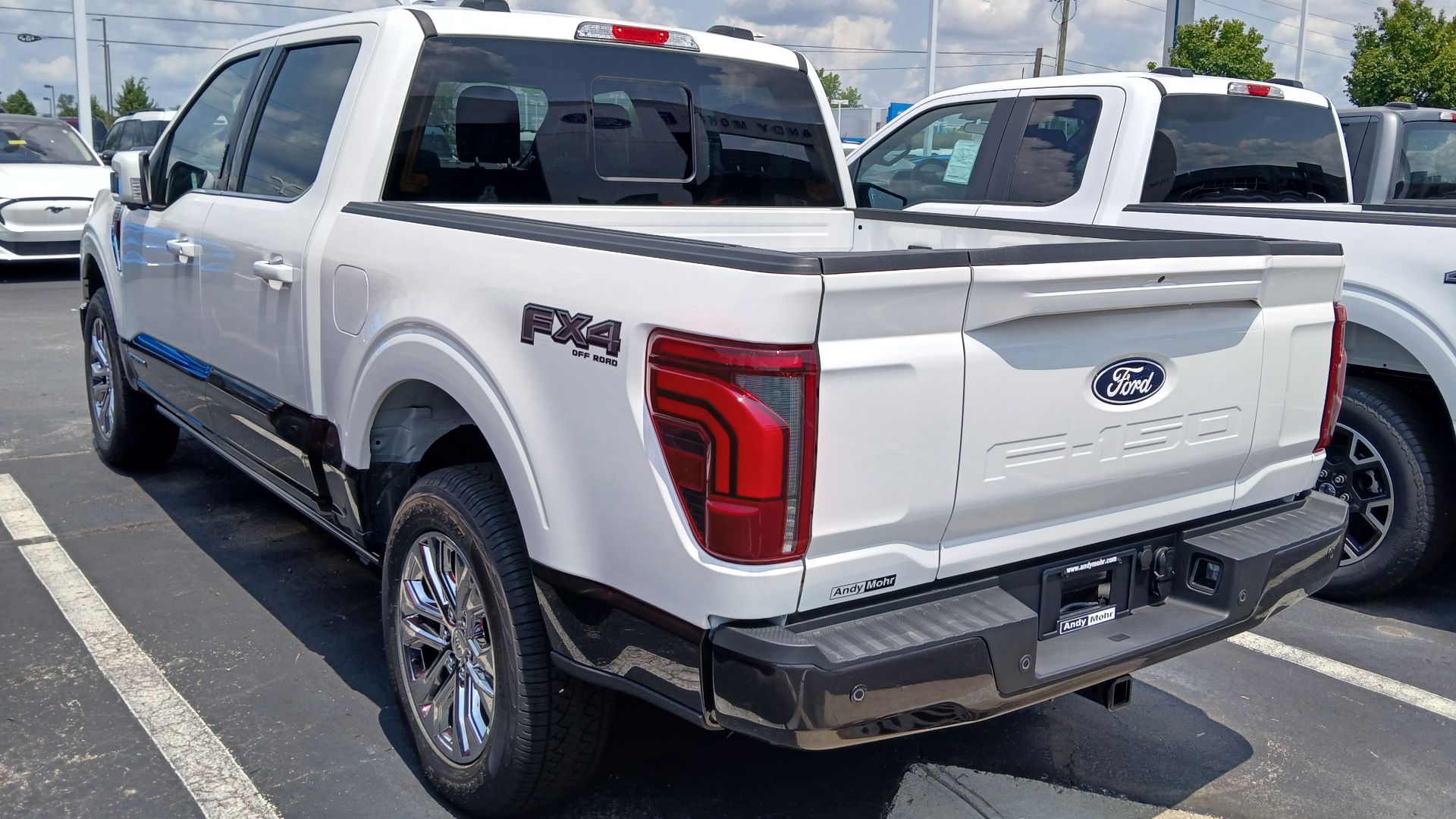
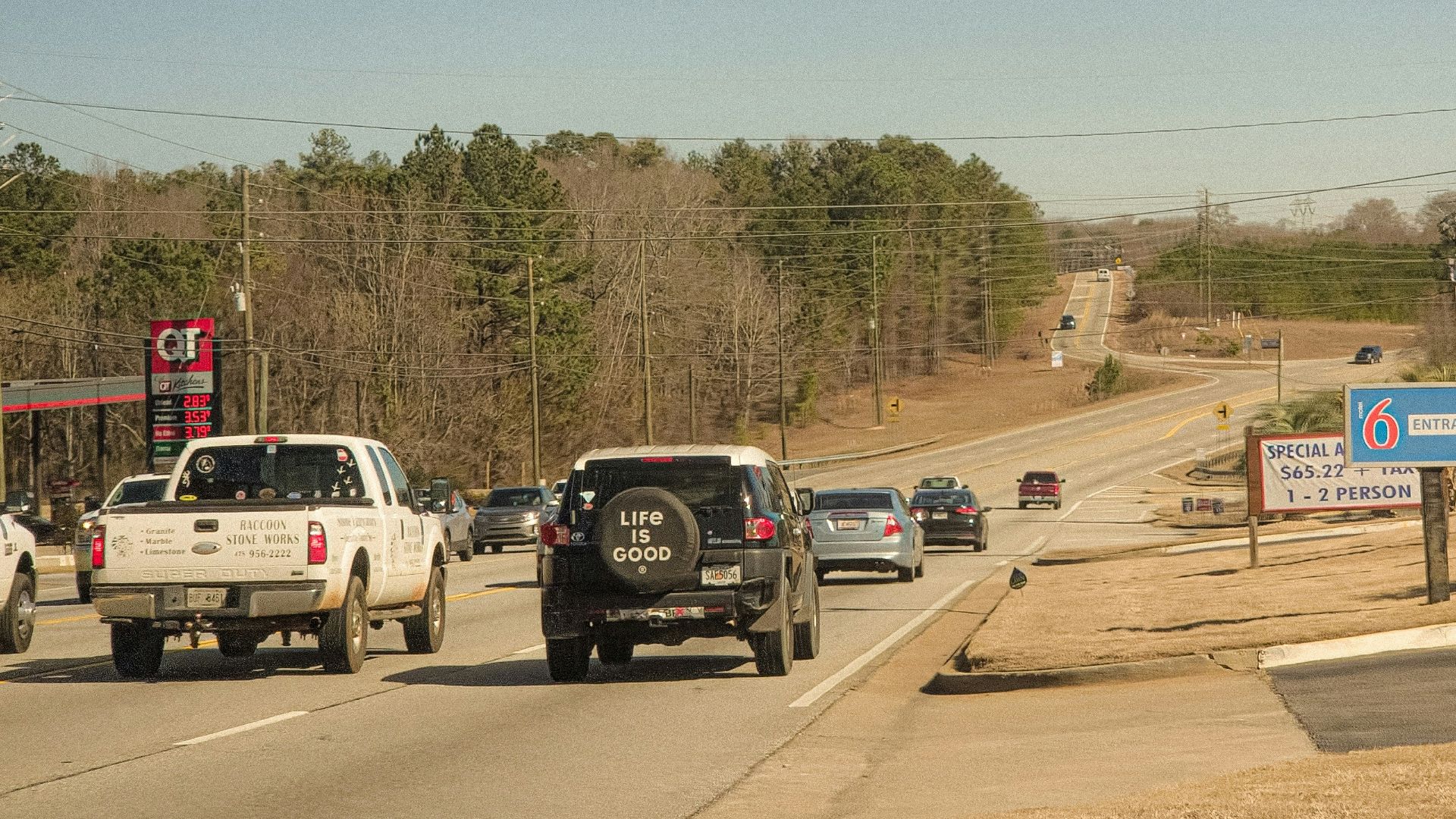
Drive through almost any American parking lot and you'll spot pickups and SUVs with unused ball mounts sticking out behind them. Plenty of owners leave them installed because they'll be towing again soon, while others simply can't be bothered to remove them. Something this common couldn't possibly be illegal, could it?
 Deathpallie325, Wikimedia Commons
Common Doesn't Always Mean Legal
Unfortunately, America's traffic laws don't work that way. Vehicle-equipment rules vary by state, and something that attracts absolutely no attention in one situation could give an officer a legitimate reason for a traffic stop in another. The hitch itself isn't necessarily the most important part of this story.
 Michael Rivera, Wikimedia Commons
Let's Clear Up The Terminology First
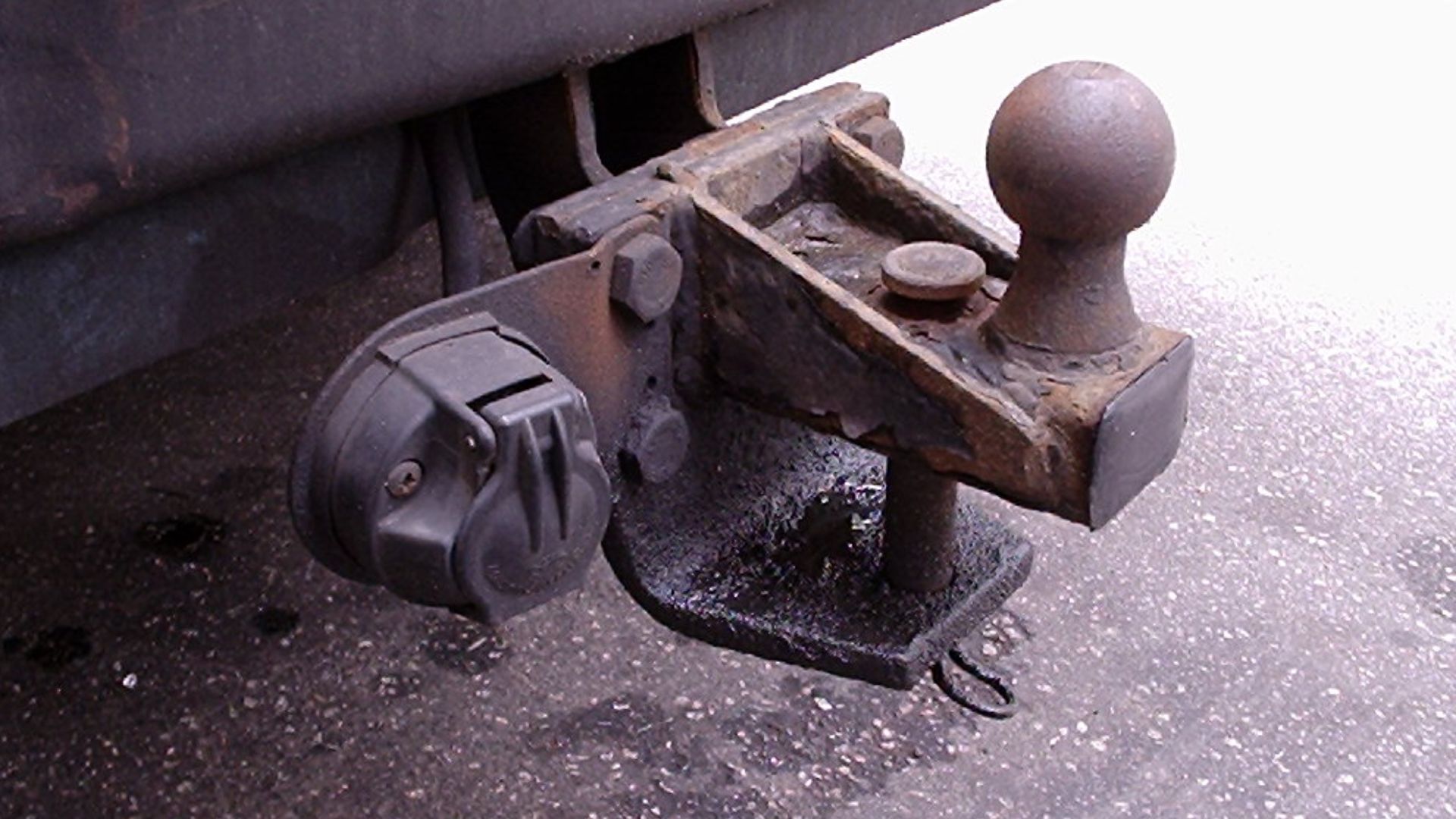
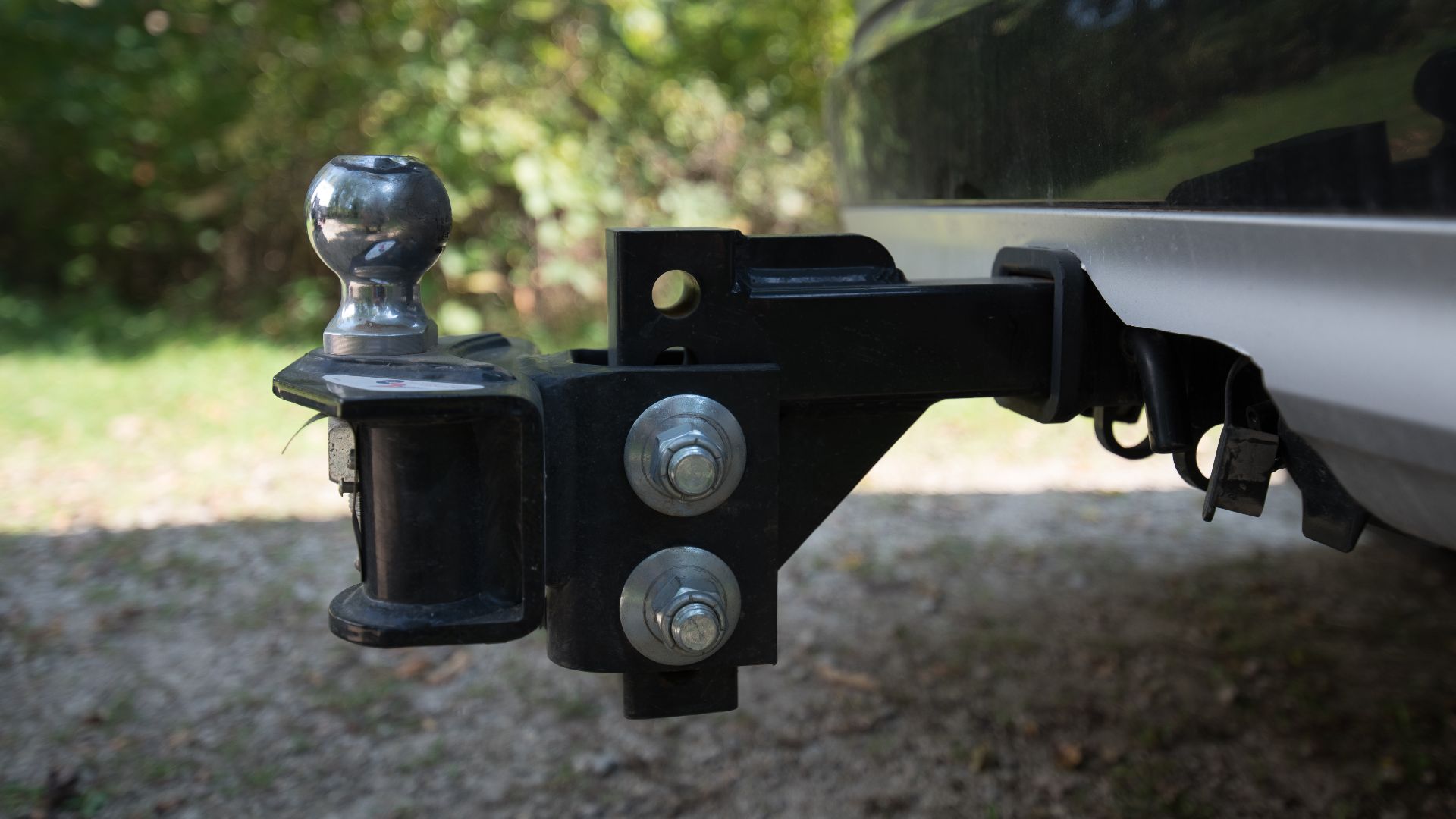
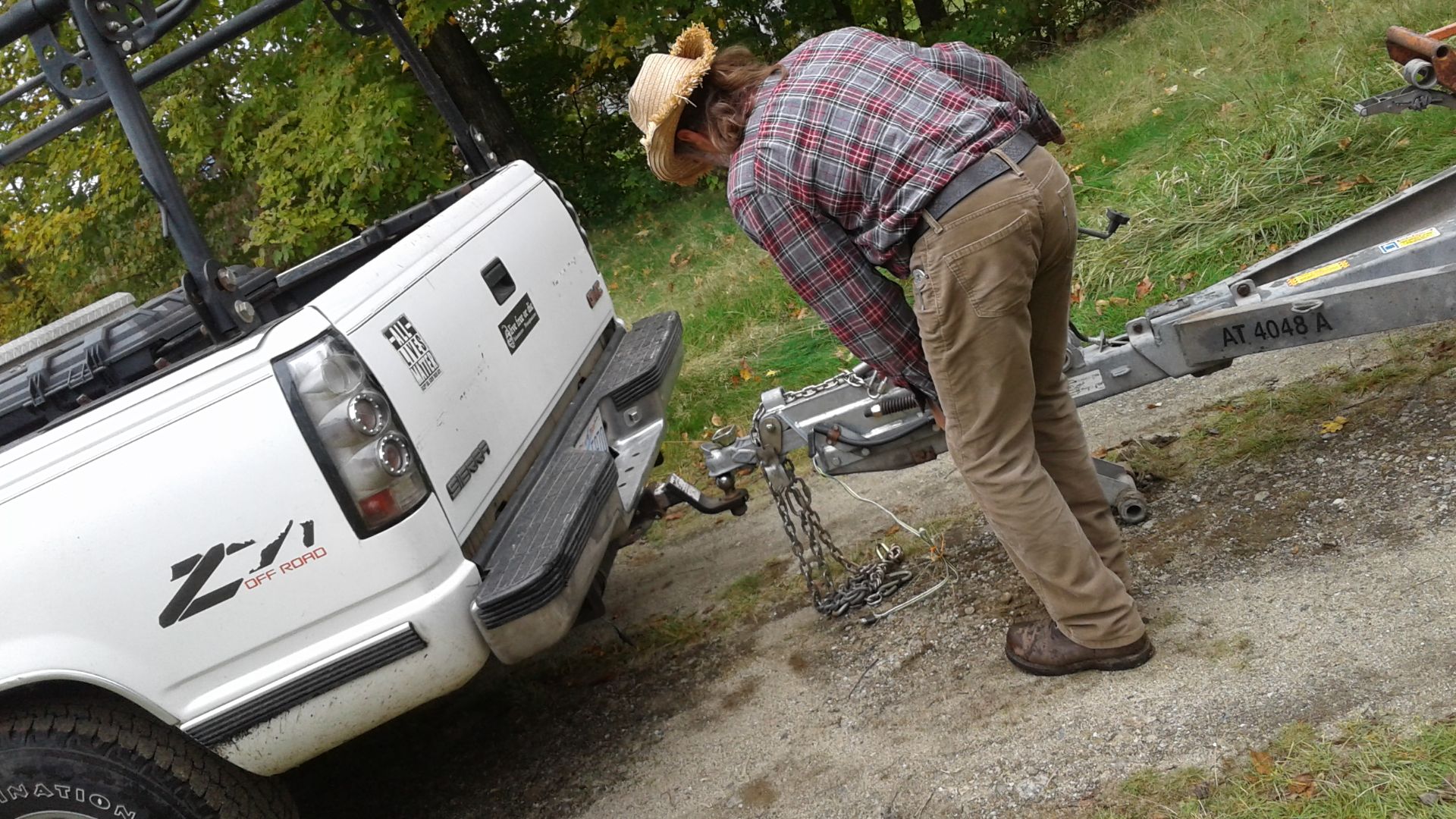
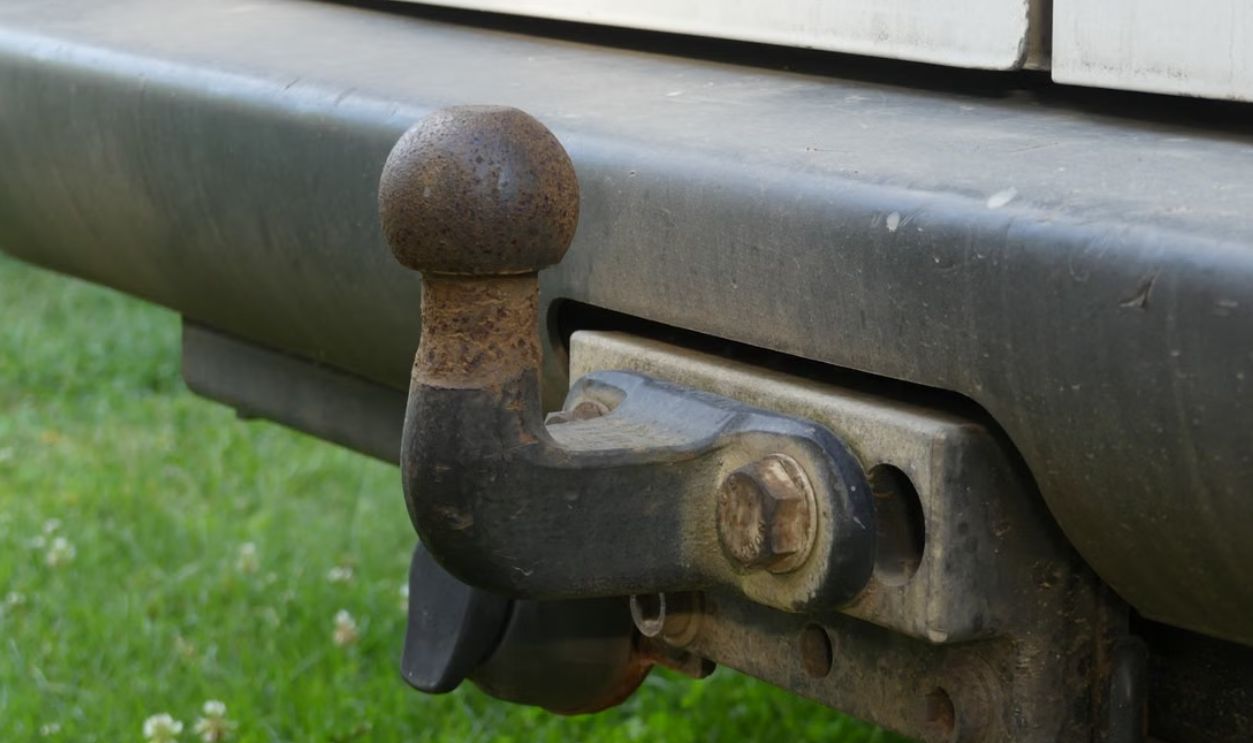
People usually call the entire setup a "trailer hitch," but the receiver is normally the part permanently mounted to the vehicle. The removable metal piece that slides into it is the ball mount, with the trailer ball attached to that. That's usually what drivers are debating when they talk about an "empty hitch."
 Erik Larsen, Wikimedia Commons
The Receiver Usually Stays Put
Nobody expects you to start unbolting the receiver from your truck every time you disconnect your boat trailer. It's designed to remain attached to the vehicle. The question is whether that removable ball mount can legally remain inside the receiver when nothing is being towed.
So Why Would Police Care?
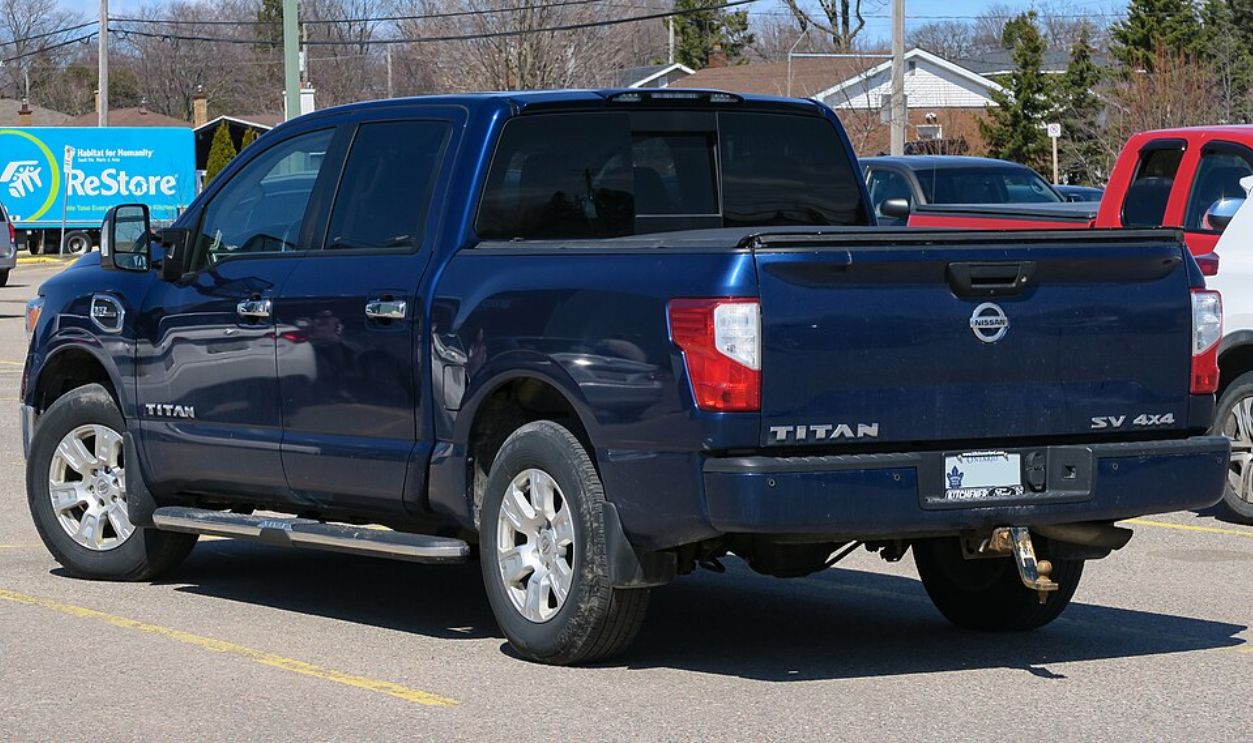
At first glance, there's not much happening back there. The ball mount isn't dragging along the highway or affecting your steering, and thousands of other trucks seem to have one. But walk behind your vehicle and look at what's directly above the hitch. That's where the real problem sometimes appears.
Take A Good Look At Your License Plate
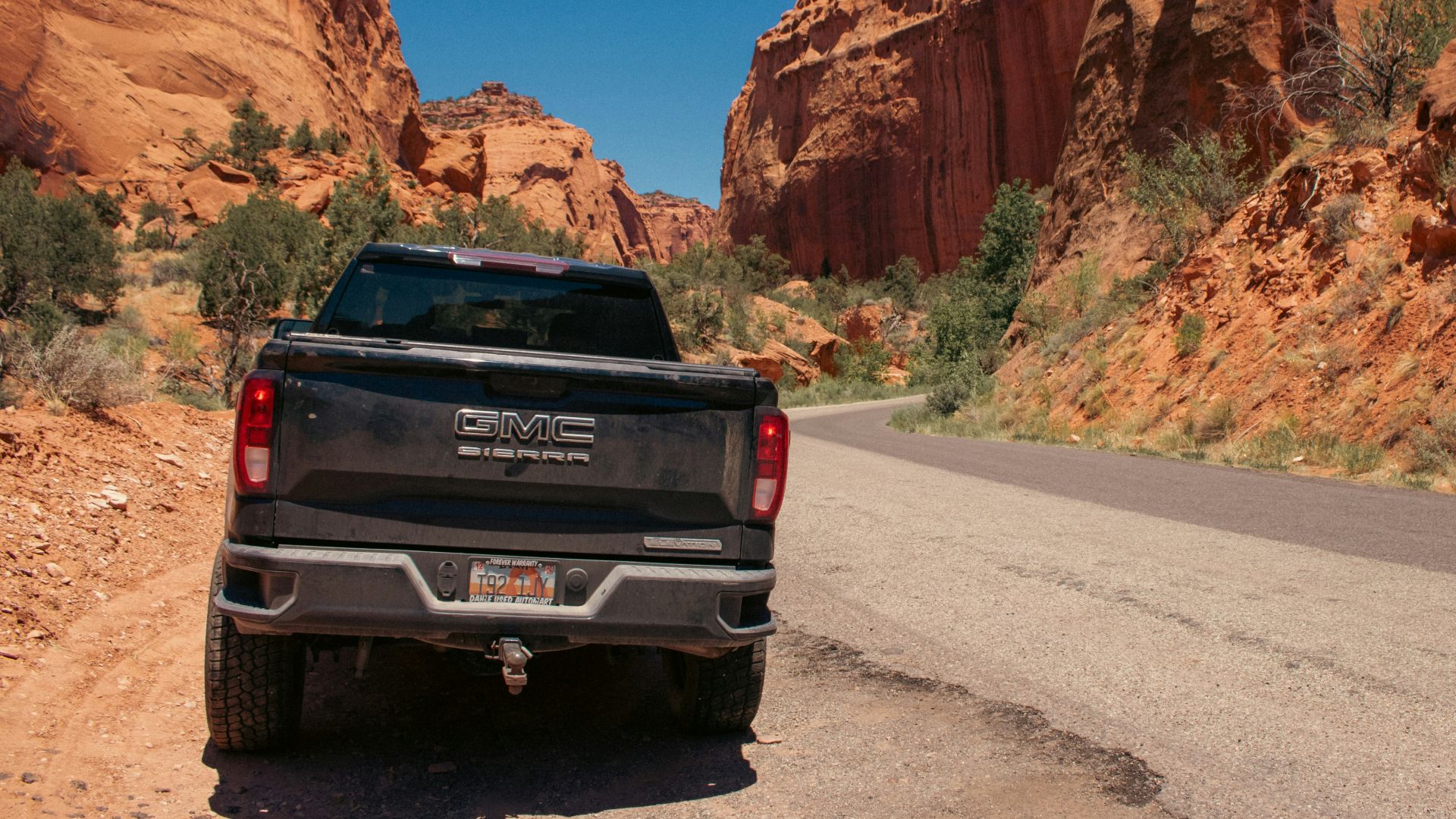
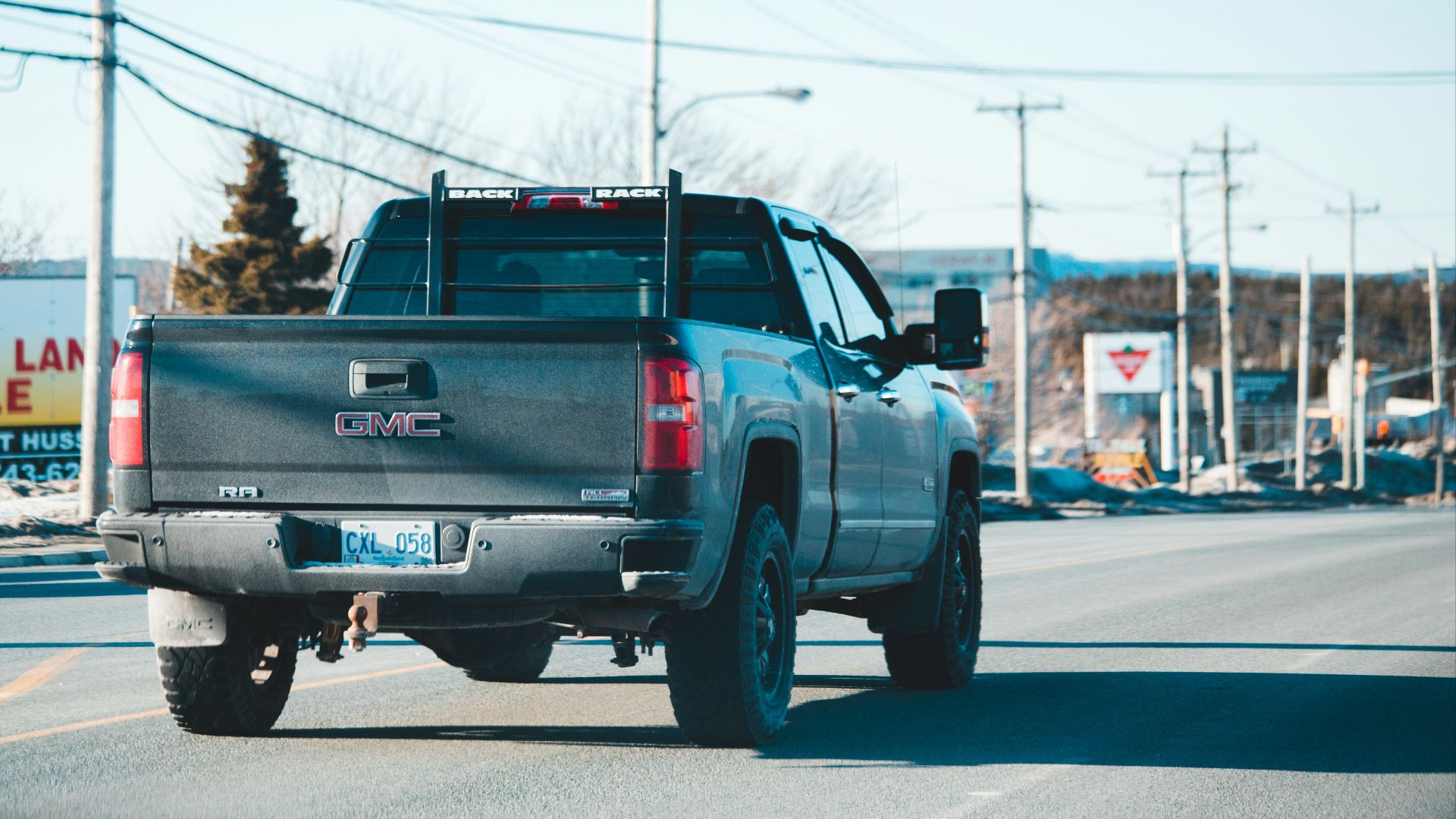
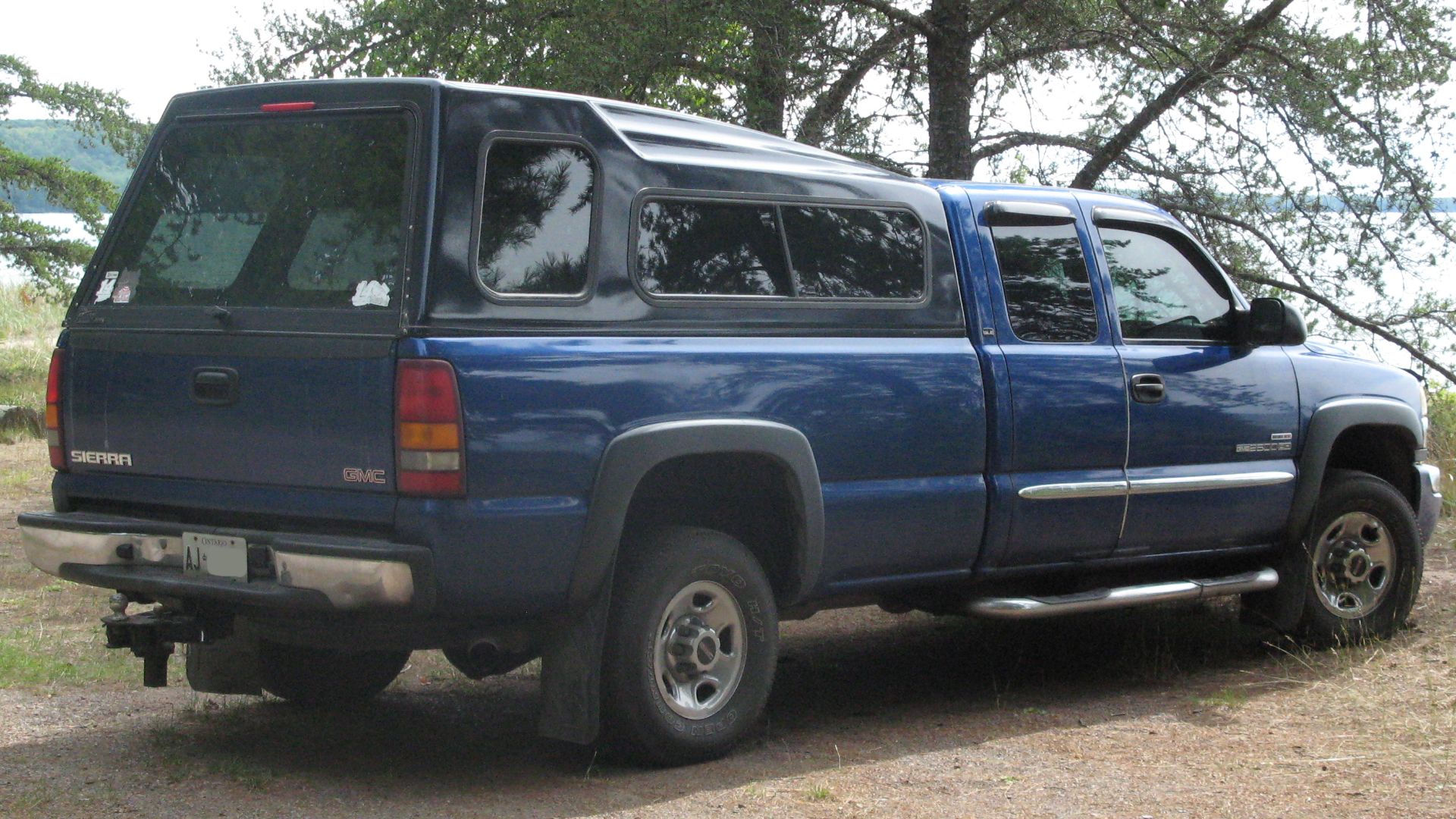
Depending on the design of your truck or SUV, the trailer ball may sit directly below the rear license plate. On certain vehicles, it can even block part of the plate from some viewing angles. That seemingly insignificant detail has generated actual court cases in several states.
 Tony Webster from Minneapolis, Minnesota, United States, Wikimedia Commons
America's States Require Plates To Be Visible
The wording differs across the country, but states generally have rules requiring license plates to be properly displayed and sufficiently visible or legible. The National Conference of State Legislatures has noted that all 50 states regulate plate frames and covers in some fashion because obstructed plates can interfere with identification.
 Osmany M Leyva Aldana, Unsplash
A Hitch Can Become The Obstruction
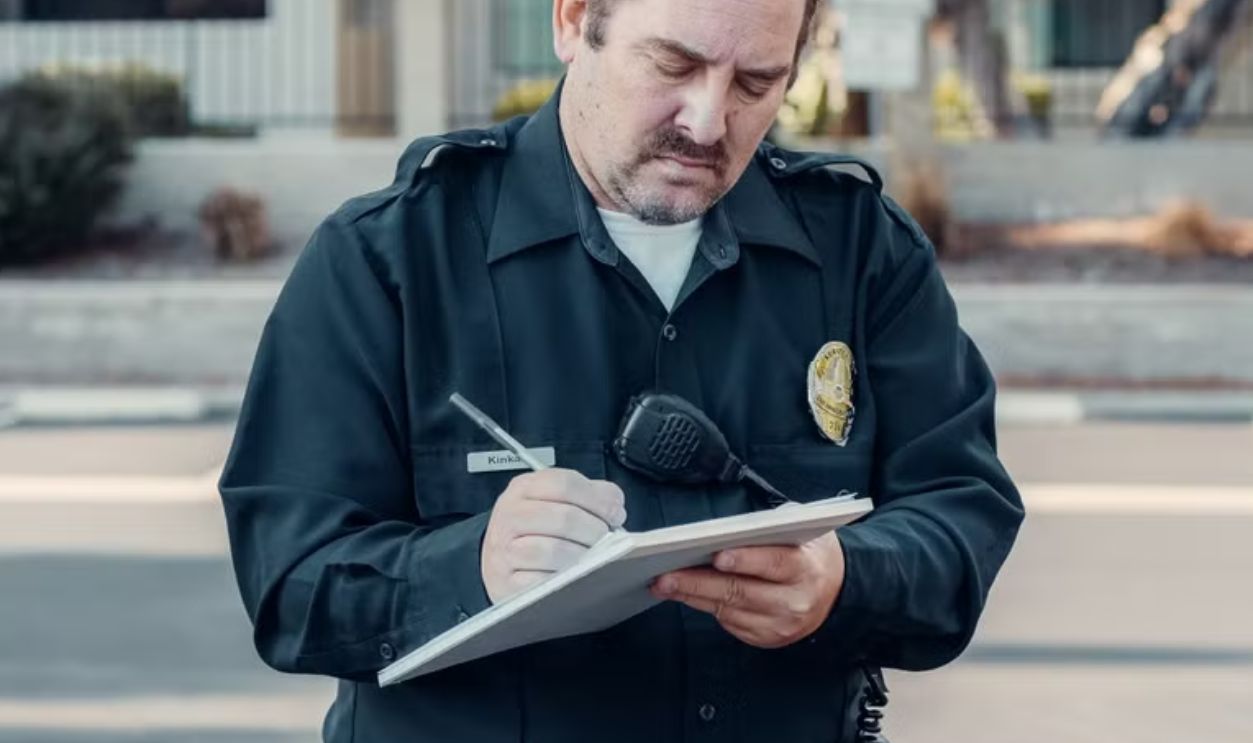
Here's the part your friend may have heard about. In some states, courts have determined that a trailer ball blocking part of a license plate can violate plate-visibility requirements. That means an officer may have grounds to stop the vehicle even though there's nothing inherently wrong with having towing equipment attached.
Idaho Has Actually Dealt With This
An Idaho appellate case involved a pickup whose trailer ball prevented an officer from seeing two characters on the license plate while following the vehicle. The court concluded that the plate wasn't "clearly visible" as required by Idaho law, and the hitch obstruction provided a lawful basis for the traffic stop.
Wyoming Reached A Similar Conclusion
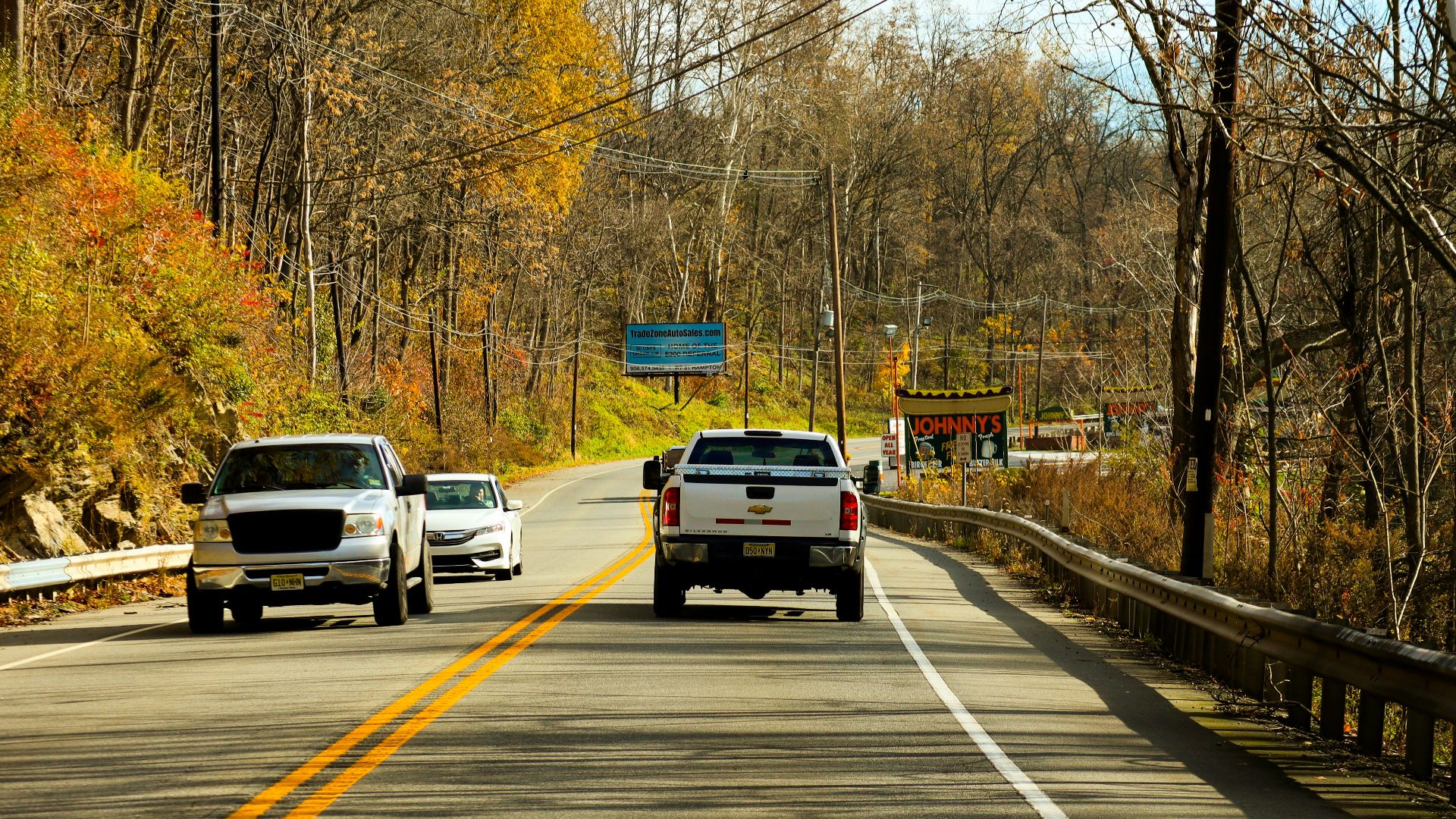
Wyoming's Supreme Court considered the same basic problem and concluded that a trailer ball partially blocking a license plate could violate the state's requirement that the plate remain plainly visible and clearly legible. The court also discussed similar decisions from several other states.
New Jersey Gets Even More Specific
New Jersey's vehicle-inspection regulations don't leave much room for interpretation. They specifically state that a license plate cannot be obstructed by a trailer hitch, along with things such as a snowplow bracket, bumper guard, sign, or other device.
But This Is Where The Internet Rumor Goes Too Far
Those rules and court decisions don't establish that every American must remove every unused ball mount whenever a trailer comes off. That's a much broader claim. The important distinction is between having a hitch installed and having a hitch that violates another vehicle rule.

There Isn't A Blanket Federal Ban
For ordinary personal passenger vehicles, there isn't a federal law simply declaring that an unused trailer hitch or ball mount must be removed when you're not towing. Federal regulations contain detailed towing-equipment requirements for commercial vehicles, but that's a different category of regulation.

That Means State Law Is The Big One
American drivers need to look at the law where they're actually driving. States can use different wording for license-plate visibility, vehicle projections, equipment, and lighting. Courts can also interpret seemingly similar laws differently, which helps explain why you'll hear contradictory stories about hitch tickets.
Florida Shows How Different Things Can Get
A Florida appellate court examined a traffic stop involving a trailer hitch that partially blocked a license plate and reached a different interpretation from courts in several other states. The court noted that its conclusion represented a minority approach compared with jurisdictions that treated hitch obstructions as violations.
 Captainmorlypogi1959, Wikimedia Commons
So Two Similar Trucks Could Face Different Rules
Imagine identical pickups, both with the same ball mount installed and neither towing anything. Put them in different states and the applicable laws or court interpretations may not be identical. That's why "My uncle got ticketed for this" isn't particularly useful without knowing where it happened and what exactly was obstructed.
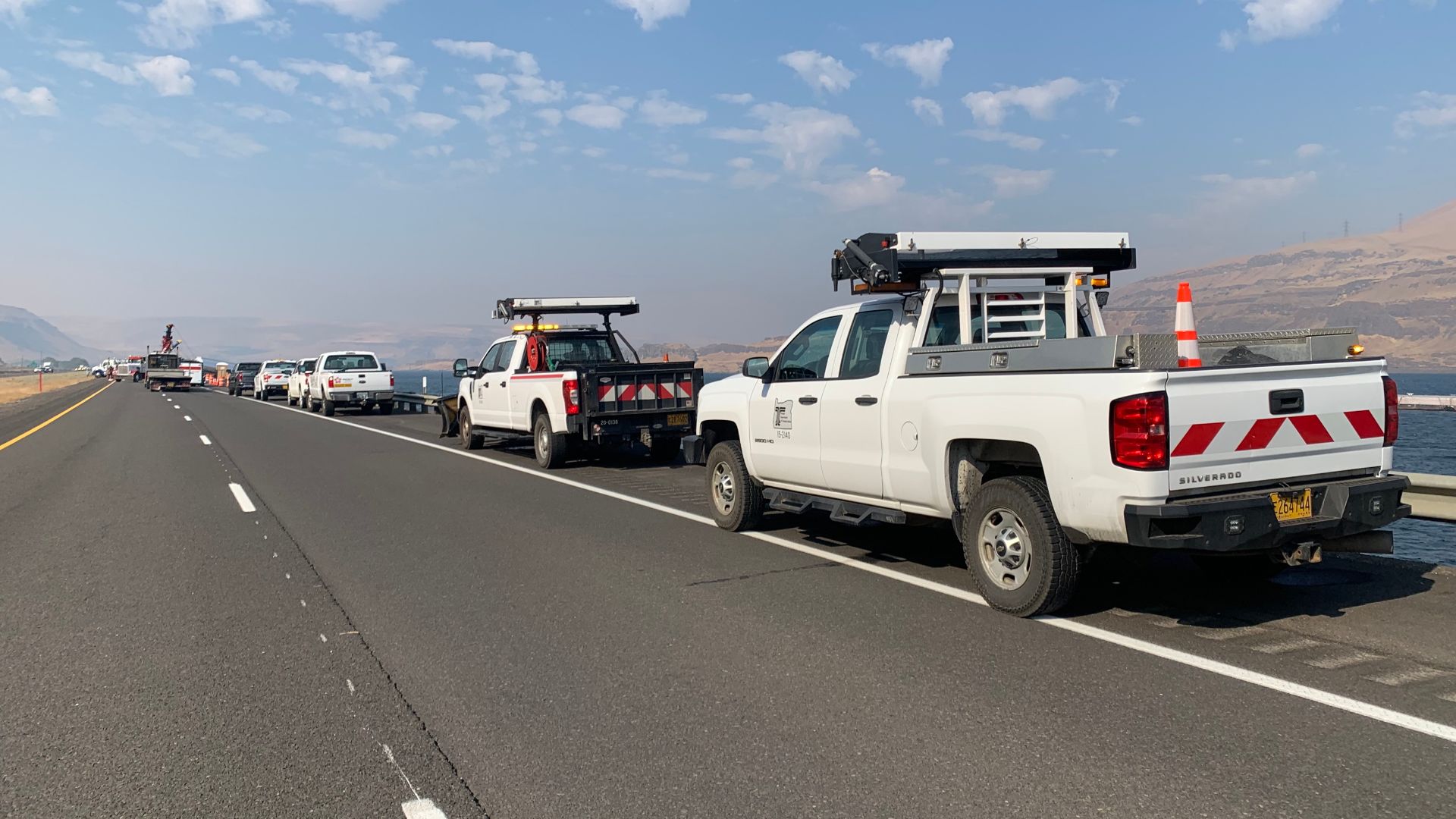
Your Plate's Position Matters A Lot
Some pickups mount the rear plate well above or to the side of the receiver. A standard ball mount may not come anywhere close to blocking it. Other vehicles position the plate almost directly behind the ball. The accessory hasn't changed, but its effect on plate visibility certainly has.
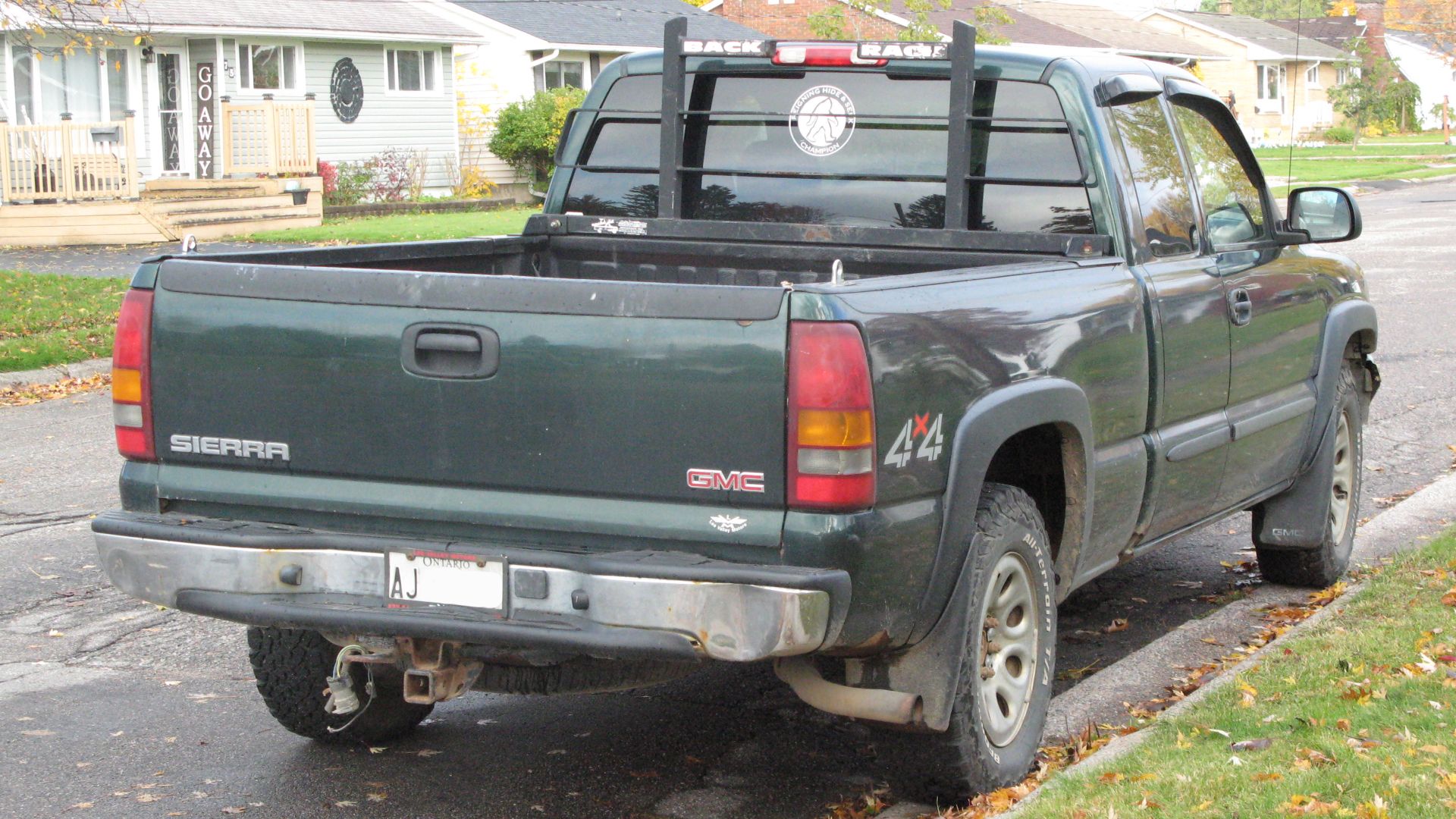 SsmIntrigue, Wikimedia Commons
Check More Than The Straight-On View
Standing three feet behind your truck isn't necessarily enough. A hitch ball might leave the plate perfectly readable from eye level while obscuring a character when viewed from farther back or from another normal viewing angle. Several court cases involving trailer hitches have specifically wrestled with visibility from different positions.
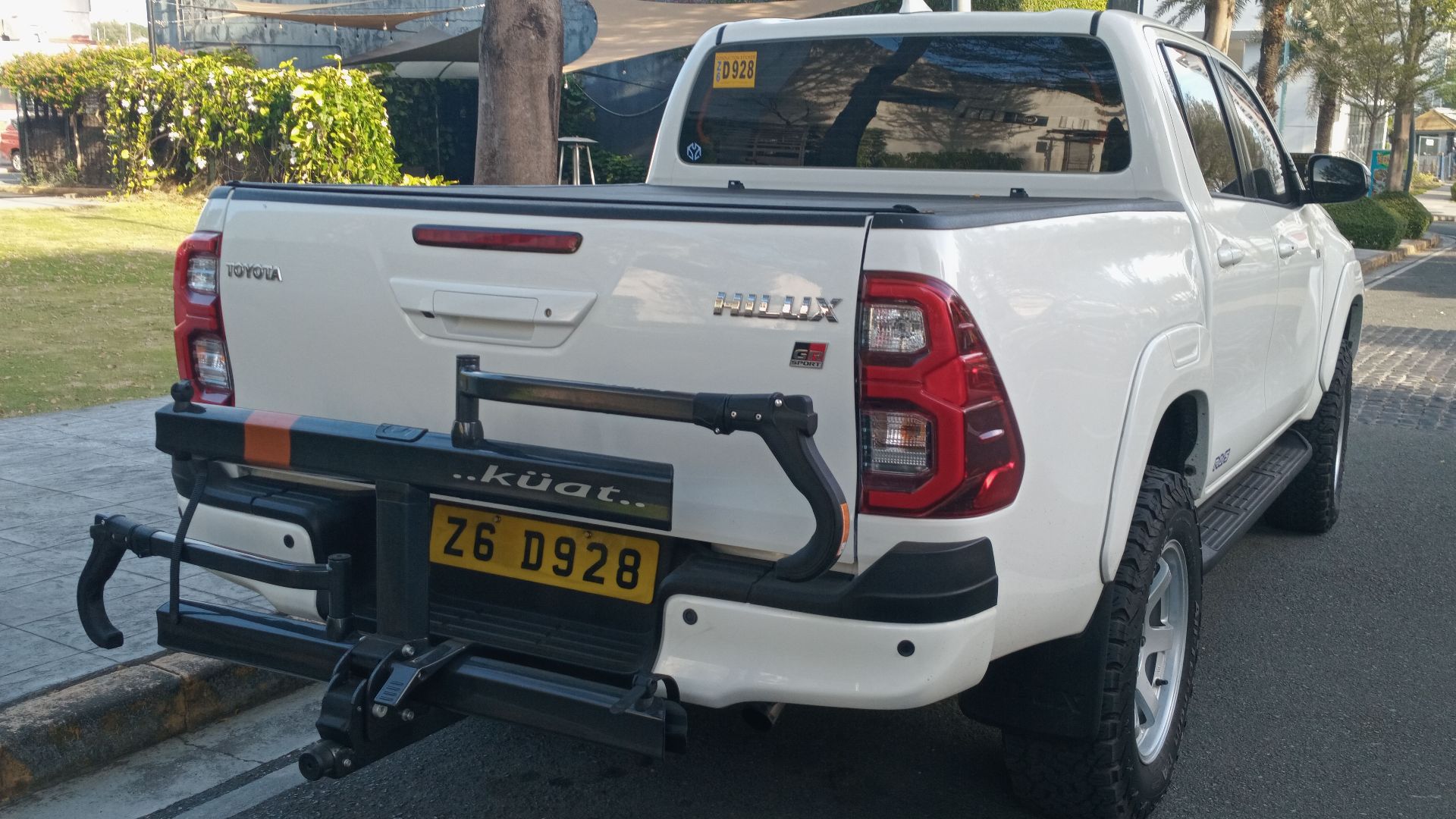 Ethan Llamas, Wikimedia Commons
Police Aren't The Only Ones Reading Plates
Your license plate may also need to be visible to toll systems, parking cameras, automated license-plate readers, and other identification technology. That's one reason states have become increasingly specific about devices that cover or interfere with plates. A hitch isn't automatically exempt simply because it wasn't designed to hide anything.
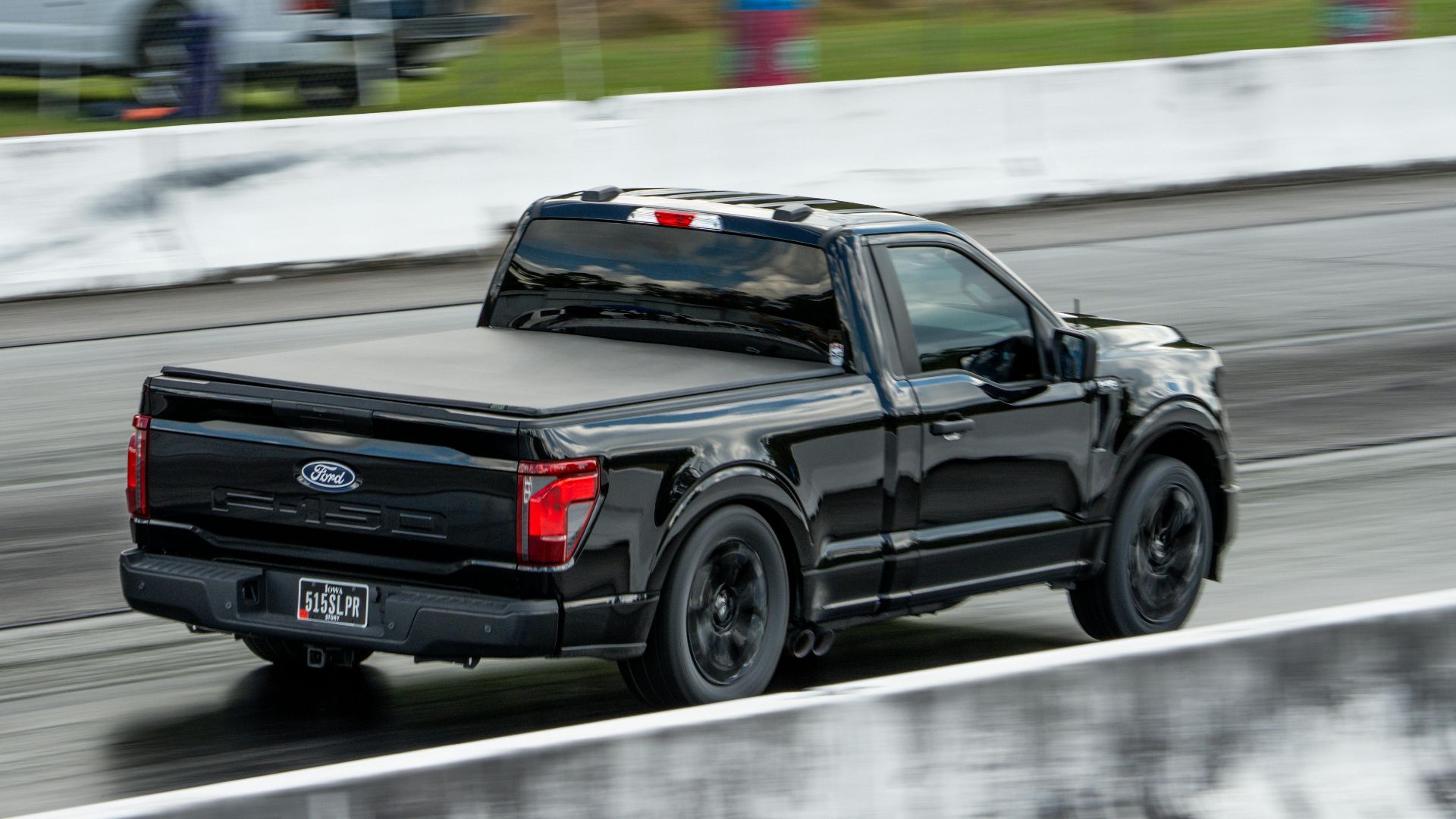
What If The Hitch Doesn't Block The Plate At All?
Now we've reached the scenario most drivers are probably wondering about. Suppose the entire plate is plainly visible, the hitch isn't interfering with any required equipment, and the ball mount is simply sitting there unused. Is the fact that you're not towing anything enough to make it illegal?
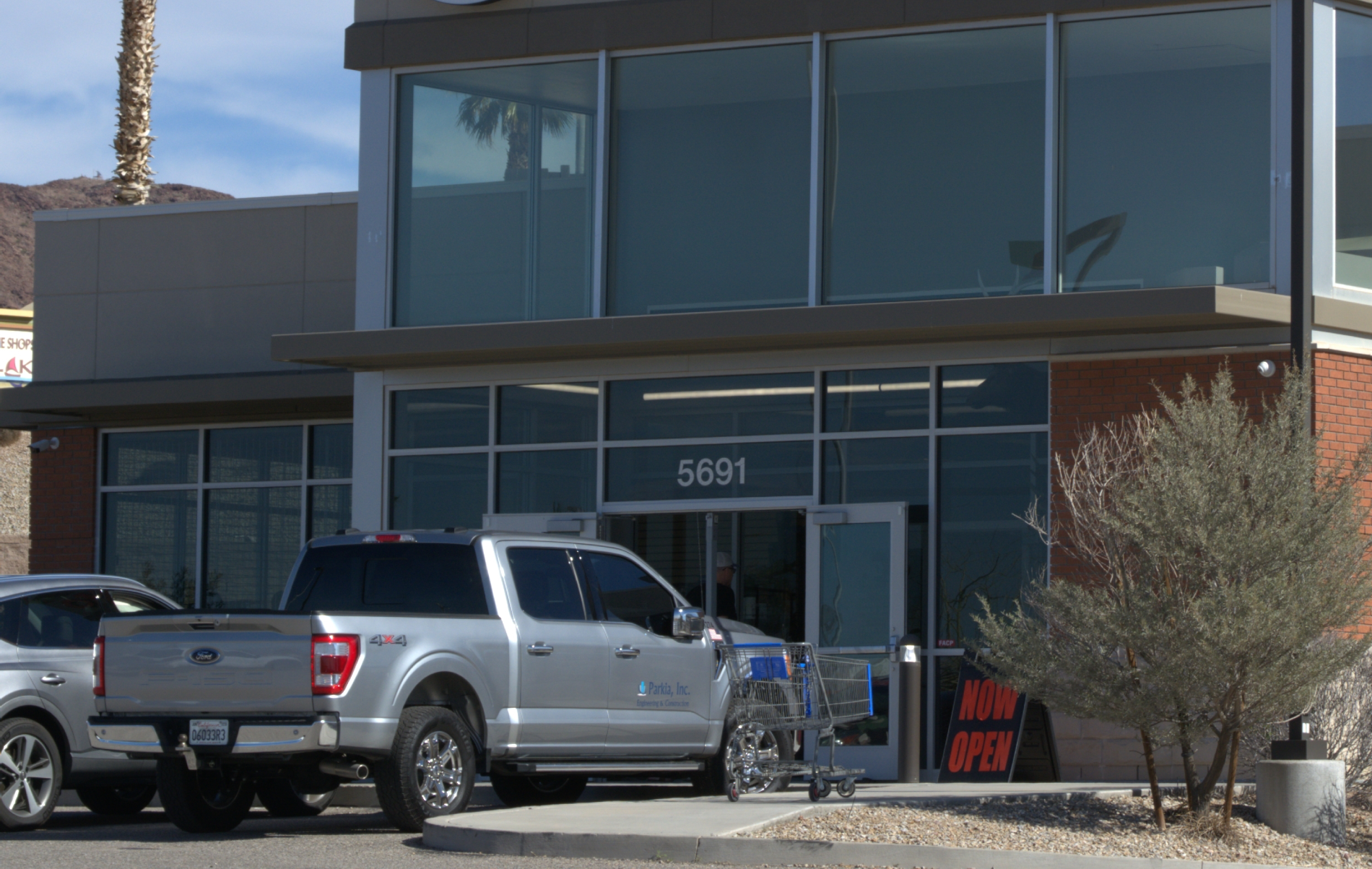
What About The Hitch Sticking Out?
Another version of the rumor says the ball mount itself becomes illegal because it extends beyond the bumper. That's also too broad as a nationwide statement. States have their own rules governing unsafe equipment and projections, so an unusually large setup could raise separate issues without making every ordinary ball mount illegal.
 SsmIntrigue, Wikimedia Commons
Giant Adjustable Hitches Deserve Extra Attention
Not every towing setup is a little two-inch ball tucked underneath the bumper. Some adjustable drop hitches and multi-ball mounts are enormous. If yours extends significantly behind the vehicle, it's smart to check your state's equipment rules rather than assuming every towing accessory is treated identically.
Your Lights Matter Too
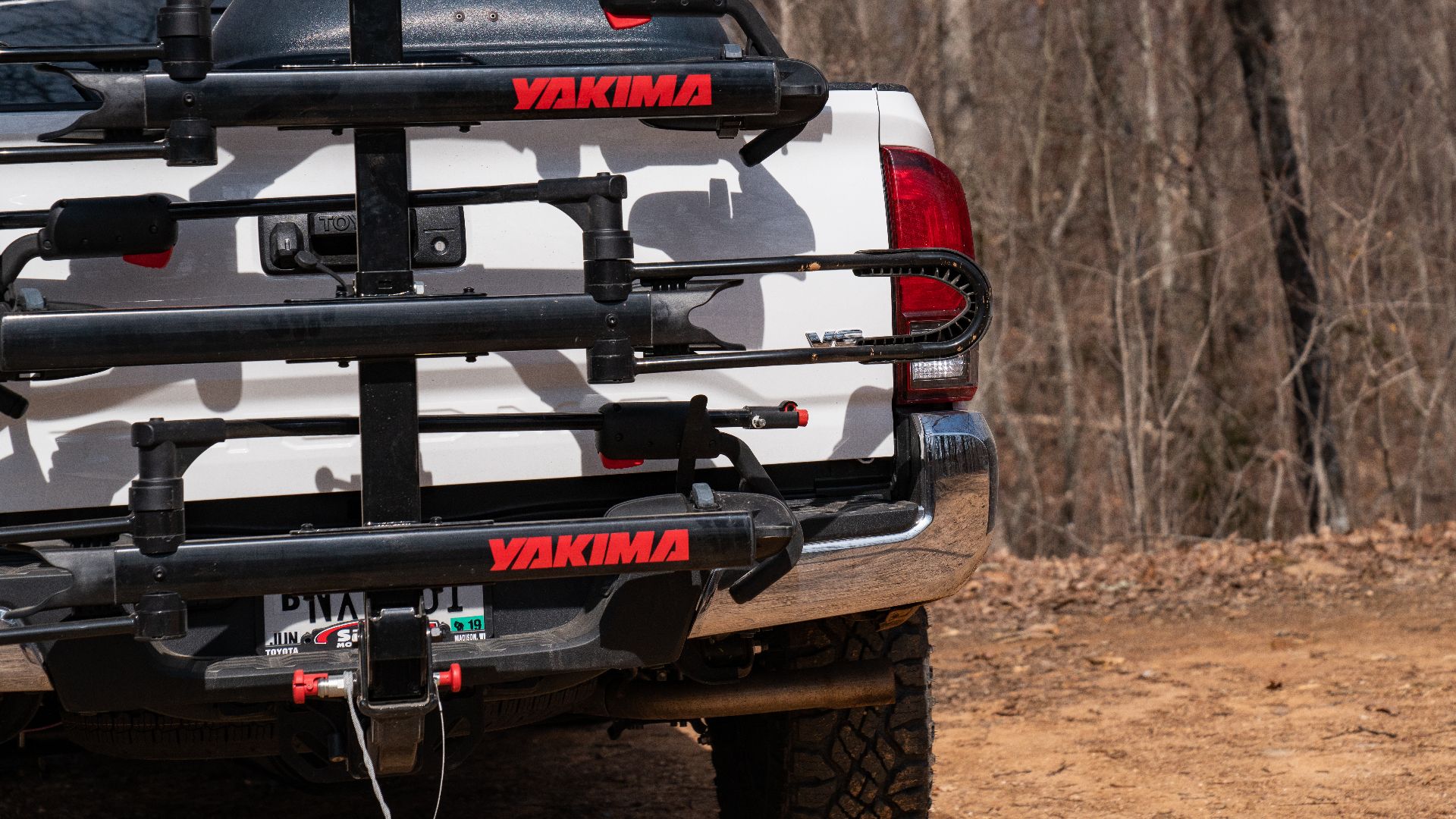
While you're inspecting the rear of the vehicle, look at your required lighting. A hitch accessory shouldn't interfere with taillights or other legally required equipment. This becomes particularly important once drivers start attaching cargo carriers, hitch steps, bike racks, and other accessories around the receiver.

Bike Racks Can Create The Same Headache
Ironically, removing your ball mount and installing a giant bike rack doesn't necessarily solve the visibility issue. Hitch-mounted racks and cargo carriers can also block plates or lights. The broader lesson is that what's attached to the receiver matters less than what that attachment actually obstructs.
 Tony Webster, Wikimedia Commons
There's Also A Reason To Remove It That Has Nothing To Do With Police
Anyone who has walked behind a pickup at night and slammed a shin into a trailer ball already understands this one. An empty ball mount can become an extremely effective ankle detector. Removing it when you're finished towing also keeps the equipment out of the weather.

Leaving It Installed Can Create Another Annoying Problem
Ball mounts can corrode inside receivers, especially after repeated exposure to rain, road salt, dirt, and winter driving. Leave one untouched long enough and something designed to slide out in seconds can become a weekend project involving penetrating oil, hammers, and increasingly colorful language.
Here's The Question That Really Matters
Instead of asking, "Is it illegal to have an empty hitch?", ask, "Is my particular hitch violating one of my state's vehicle-equipment laws?" Is the plate fully visible? Are the lights unobstructed? Is the setup otherwise compliant? Those questions get much closer to the actual legal issue.

So... Can An Empty Trailer Hitch Really Get You Ticketed?
Simply leaving an unused trailer ball mount installed is not automatically illegal throughout the United States. There is no blanket federal rule requiring ordinary drivers to remove one every time they stop towing. However, you absolutely can run into trouble if the hitch violates a state requirement, particularly by obstructing the license plate. Courts in states including Idaho and Wyoming have upheld traffic stops involving plates partially obscured by trailer balls, while individual state laws and interpretations vary.
Your Friend Is Right... With A Giant Asterisk
The old claim that Americans must always remove an empty trailer hitch is far too sweeping. In many cases, an unused ball mount can remain installed without creating a violation. The trouble begins when the equipment blocks something your state requires to remain visible or otherwise violates local equipment rules. So before spending ten minutes wrestling a rusty ball mount out of your receiver, check your state's law and take one good look behind the truck. If your plate is hiding behind a giant chrome trailer ball, your friend may finally have something worth bragging about.

You May Also Like: