The Car Knows Too Much
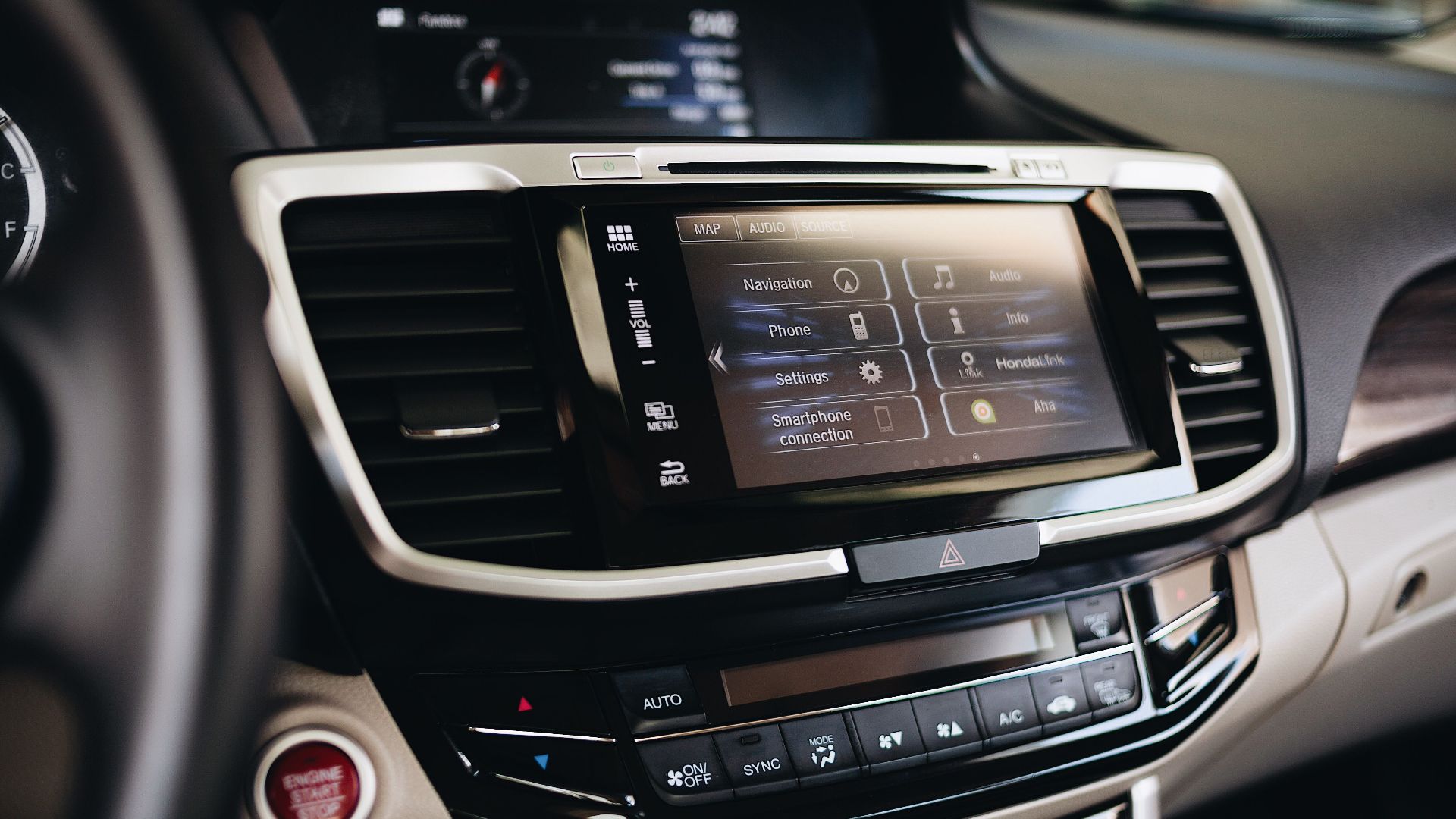
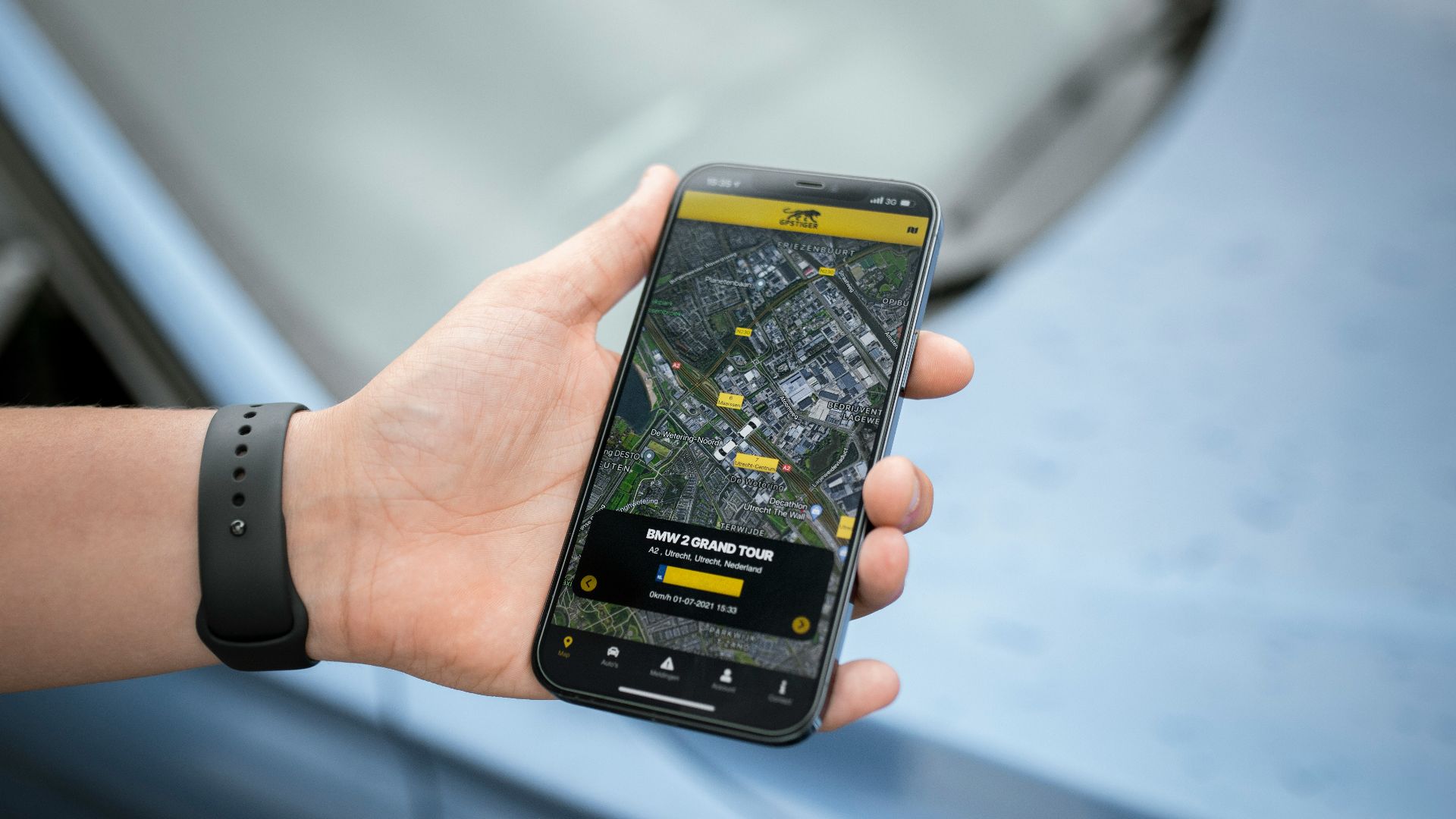
Connected cars can tell us when the fuel is low, whether the doors are locked, and exactly where the vehicle is parked. Very handy—until the app reveals that your son is somewhere he definitely said he wouldn’t be. Suddenly, convenient technology starts looking a lot like family surveillance.
It Started As A Safety Feature
Like many parents, I originally loved the tracking feature. If my son borrowed the car, I could see that he arrived safely without calling or texting him. It felt reassuring, not invasive. Then I realized I was checking the app even when there was absolutely no reason to worry.

Then Curiosity Took Over
Once you know you can see where the car is, resisting the temptation becomes surprisingly difficult. A quick check turns into another check an hour later. Before long, you’re wondering why the car spent 25 minutes outside a house you’ve never heard of.

The First Argument Was Inevitable
Eventually, I made the mistake of mentioning something I had seen. My son immediately asked how I knew where he had been. I pointed to the vehicle app. His expression made one thing very clear: what I considered a useful safety feature, he considered spying.

Technically, It Is My Car
This became my strongest argument. The car belongs to me, I pay the insurance, and I’m responsible if something happens to it. Surely that gives me the right to know where it is. Unfortunately, ownership doesn’t automatically make every form of monitoring feel reasonable.

But He Is Still A Person
My son’s argument was equally simple. Borrowing somebody’s car shouldn’t mean surrendering every bit of privacy. He wasn’t objecting to rules about where the vehicle could go. He objected to the possibility of having every stop silently recorded and potentially questioned afterward.

Connected Cars Change The Rules
Parents have always worried about teenagers driving. The difference is that previous generations couldn’t casually open an app and see the car moving across a map. Technology hasn’t created parental concern. It has simply given concerned parents an incredibly powerful new tool—and almost no instruction manual for handling it.
Safety Is A Real Benefit
There are excellent reasons to appreciate location tracking. If a car is stolen, stranded, or involved in an emergency, knowing its location could be enormously useful. If a young driver misses an expected arrival time, the information can also provide reassurance before anybody starts imagining disaster.
Peace Of Mind Has A Price
The problem is that peace of mind can quickly become dependence. Every time you check the map and see everything is fine, the temptation to check again grows stronger. Instead of making you less anxious, constant access to information can sometimes give you one more thing to obsess over.

Teenagers Need Some Independence
Learning to drive has traditionally been one of the great steps toward independence. Suddenly, teenagers can get themselves to work, visit friends, and make decisions without a parent sitting beside them. Continuous tracking changes that experience. They may be driving alone, but digitally, Mom and Dad can still be riding along.

Trust Matters More Than Technology
No app can replace a healthy relationship between parent and child. If I trust my son, I shouldn’t need to check his location every 20 minutes. If I don’t trust him, watching a tiny car icon move around a screen probably won’t solve the underlying problem anyway.

Rules Are Still Reasonable
Privacy doesn’t mean handing over the keys with absolutely no conditions. Families can reasonably establish boundaries about passengers, curfews, highways, long trips, or places the car shouldn’t go. The important distinction is between agreeing on driving rules beforehand and secretly investigating someone’s movements afterward.

Tracking Should Not Be A Trap
One particularly unfair approach would be allowing a teenager to believe they have normal freedom, then confronting them with location data whenever they do something unexpected. If tracking is enabled, everyone using the vehicle should understand what information is being collected and how the family plans to use it.

Emergencies Are Different
There’s also a huge difference between checking because your child is three hours late and checking because you’re curious whether they really went to the library. One is a legitimate safety concern. The other starts edging into detective work—and nobody enjoys discovering that their parent has become Sherlock Holmes with an SUV app.
The App Can Create Suspicion
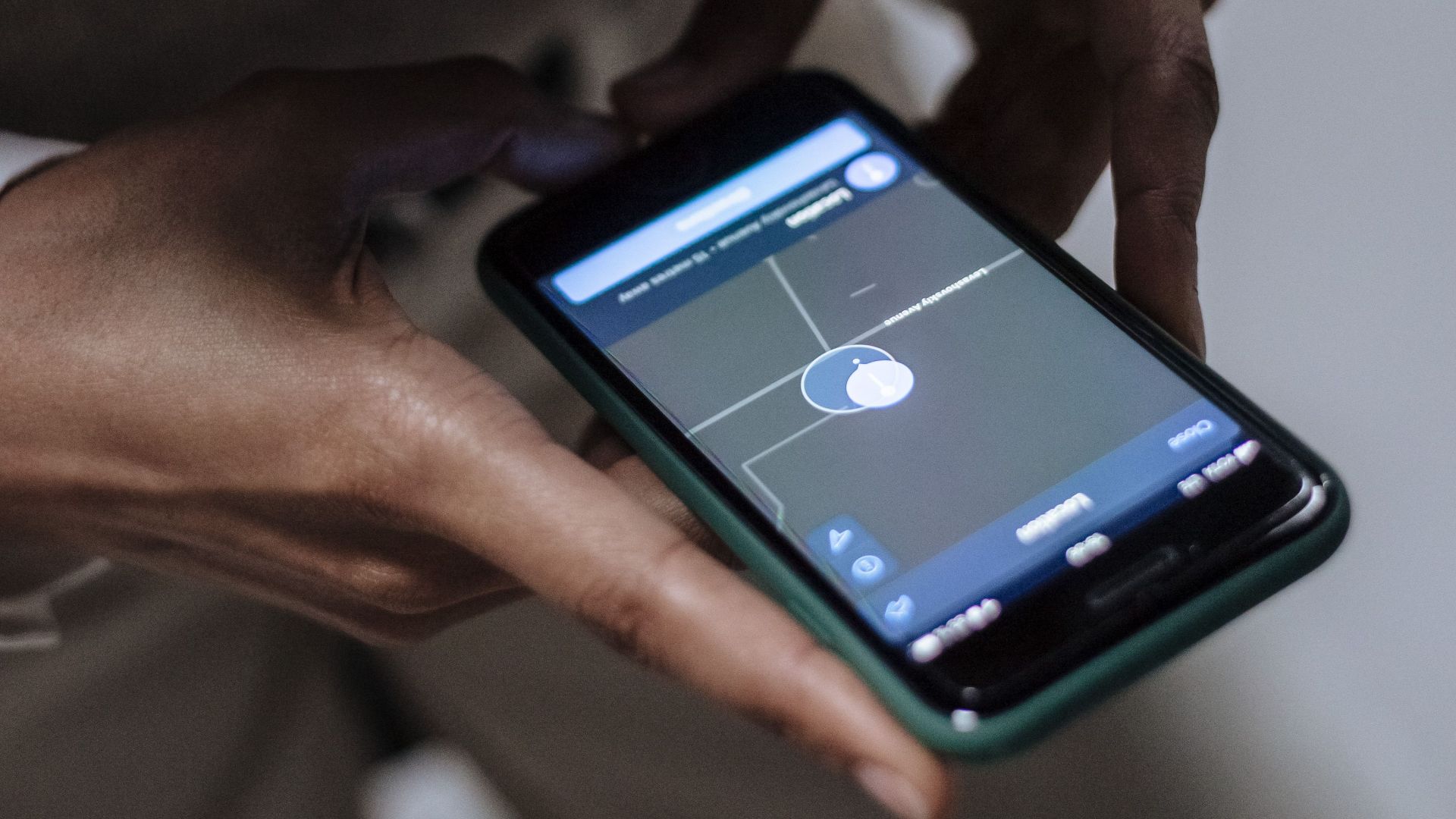
Location data also lacks context. A car parked somewhere unfamiliar can look suspicious when there’s a perfectly boring explanation. Maybe a friend needed a ride. Maybe the usual road was closed. Maybe they stopped for food. A map gives you coordinates, not the whole story.
Small Questions Become Interrogations
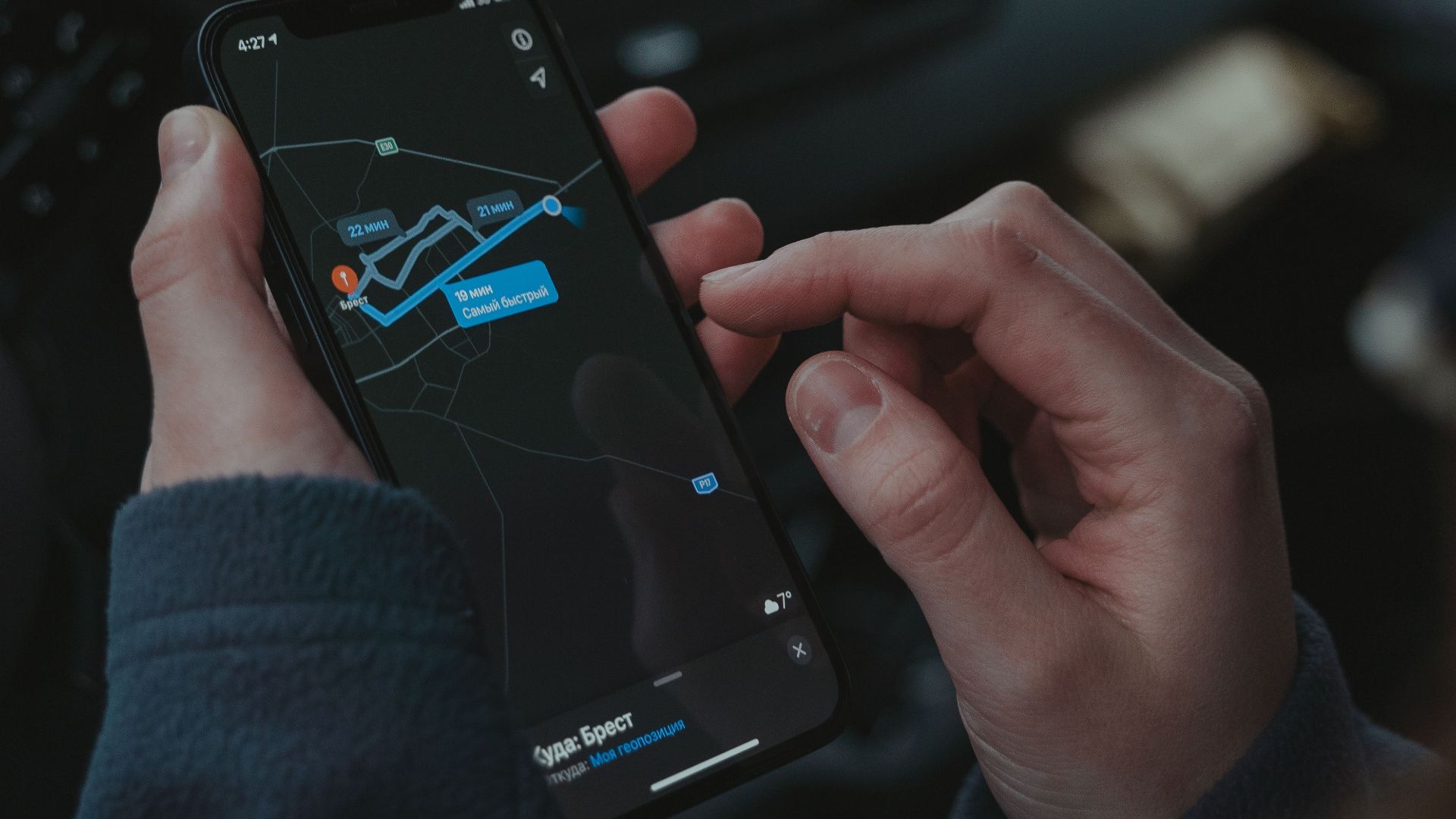
That lack of context can turn innocent conversations into cross-examinations. “How was your night?” becomes “Why were you on Maple Street at 9:42?” Once someone realizes their movements may be checked against a digital record, ordinary family conversations can become surprisingly tense.

Adults Would Hate It Too
Imagine your spouse examining a location log every evening and asking why you spent 17 minutes at the hardware store. Even if you had nothing to hide, it would probably feel irritating. Teenagers may have less freedom than adults, but that doesn’t mean they’re incapable of feeling the same discomfort.

The Technology Is Not Going Away
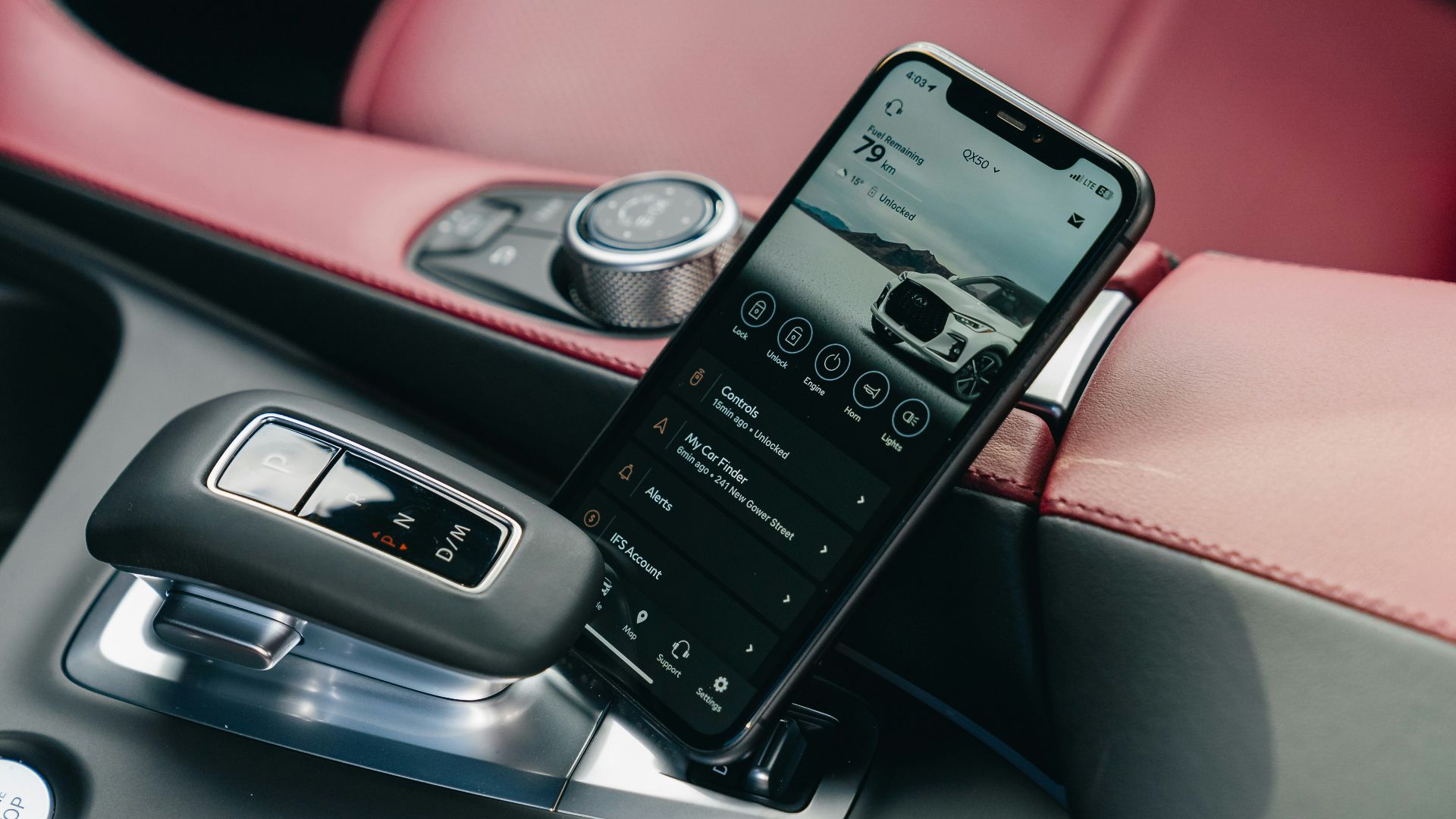
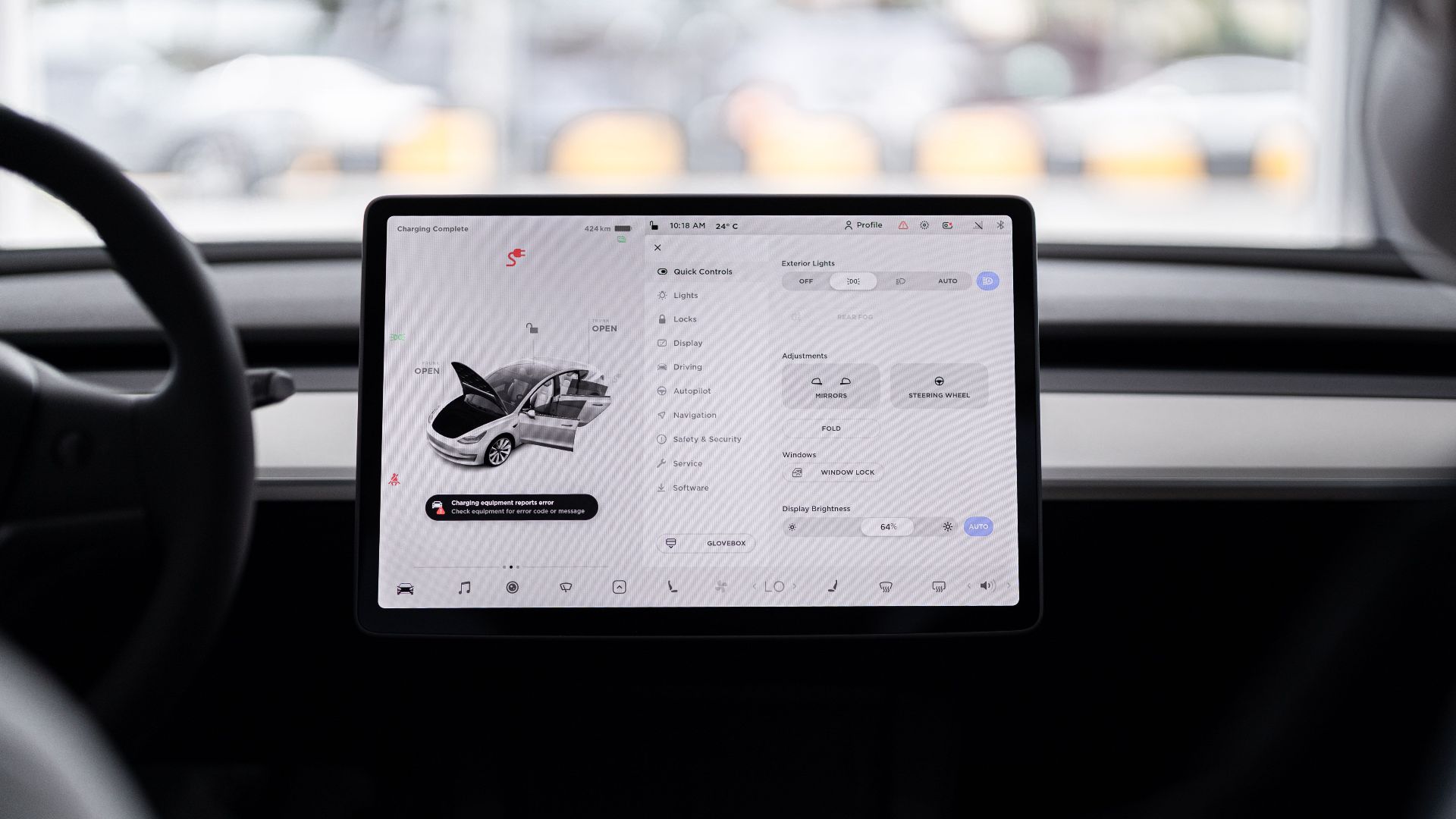
Modern vehicles are becoming more connected, not less. Apps can provide locations, driving histories, remote controls, maintenance alerts, and other information. Families therefore need to develop their own etiquette around these features, because simply pretending the technology doesn’t exist is becoming increasingly unrealistic.
Have The Tracking Conversation
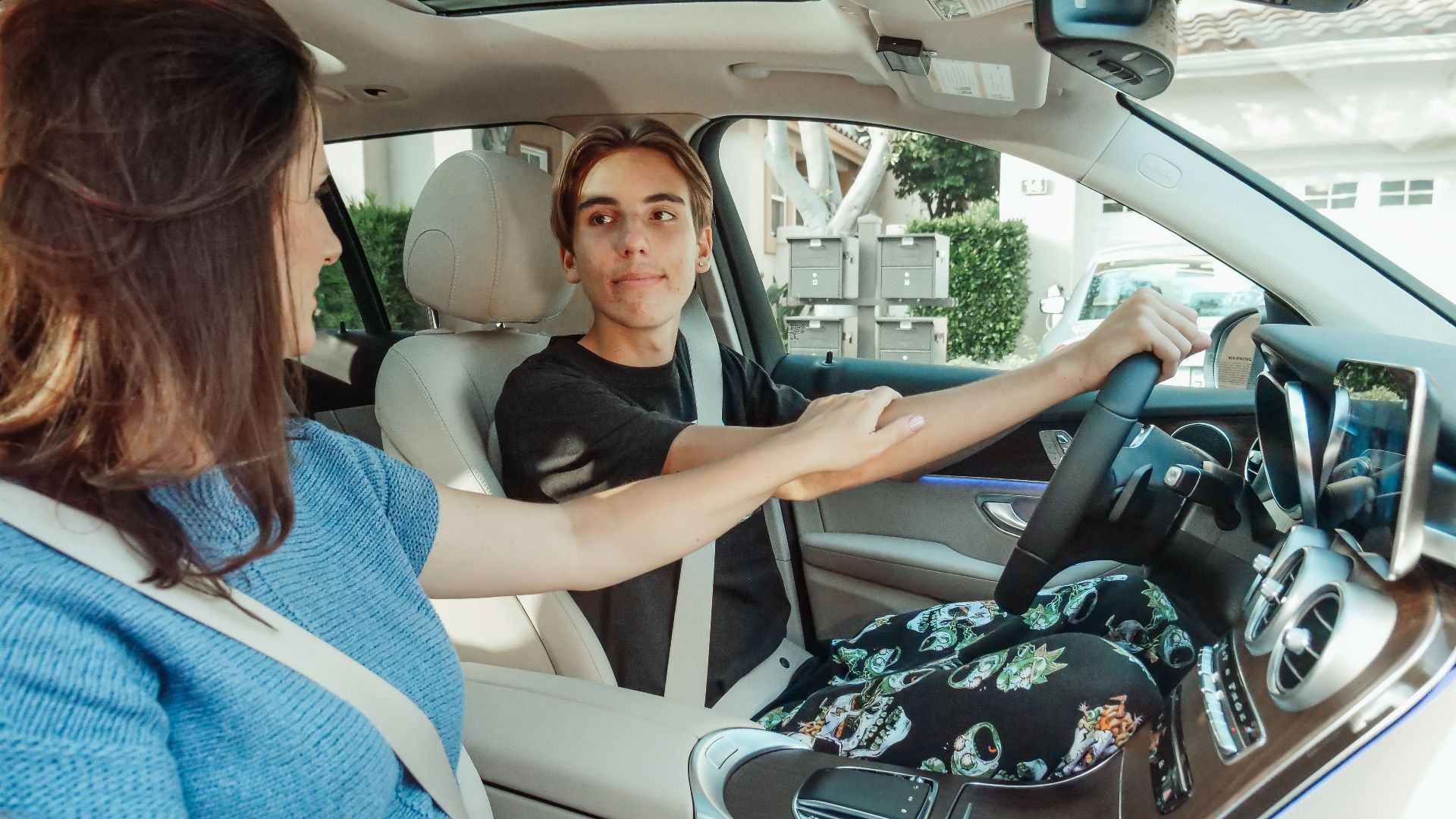
The simplest solution may be the least technological one: talk about it. Parents should explain what the app can reveal, why they might check it, and under what circumstances they will do so. Young drivers should also have an opportunity to explain what feels intrusive to them.

Agree On A Safety Threshold
Families can establish a clear threshold for checking location. Maybe tracking is used when the driver is unusually late, unreachable, or asks for help. Having agreed conditions can prevent nervous parents from casually checking every trip while preserving the feature for situations where it genuinely matters.
Avoid The Gotcha Moment
If you do notice something unusual on the app, resist immediately announcing, “I know where you were.” Starting with an accusation almost guarantees defensiveness. Ask about the evening normally first. Unless there is a genuine safety issue, location data shouldn’t become ammunition for catching somebody in a minor inconsistency.

Driving Behaviour Can Be Useful
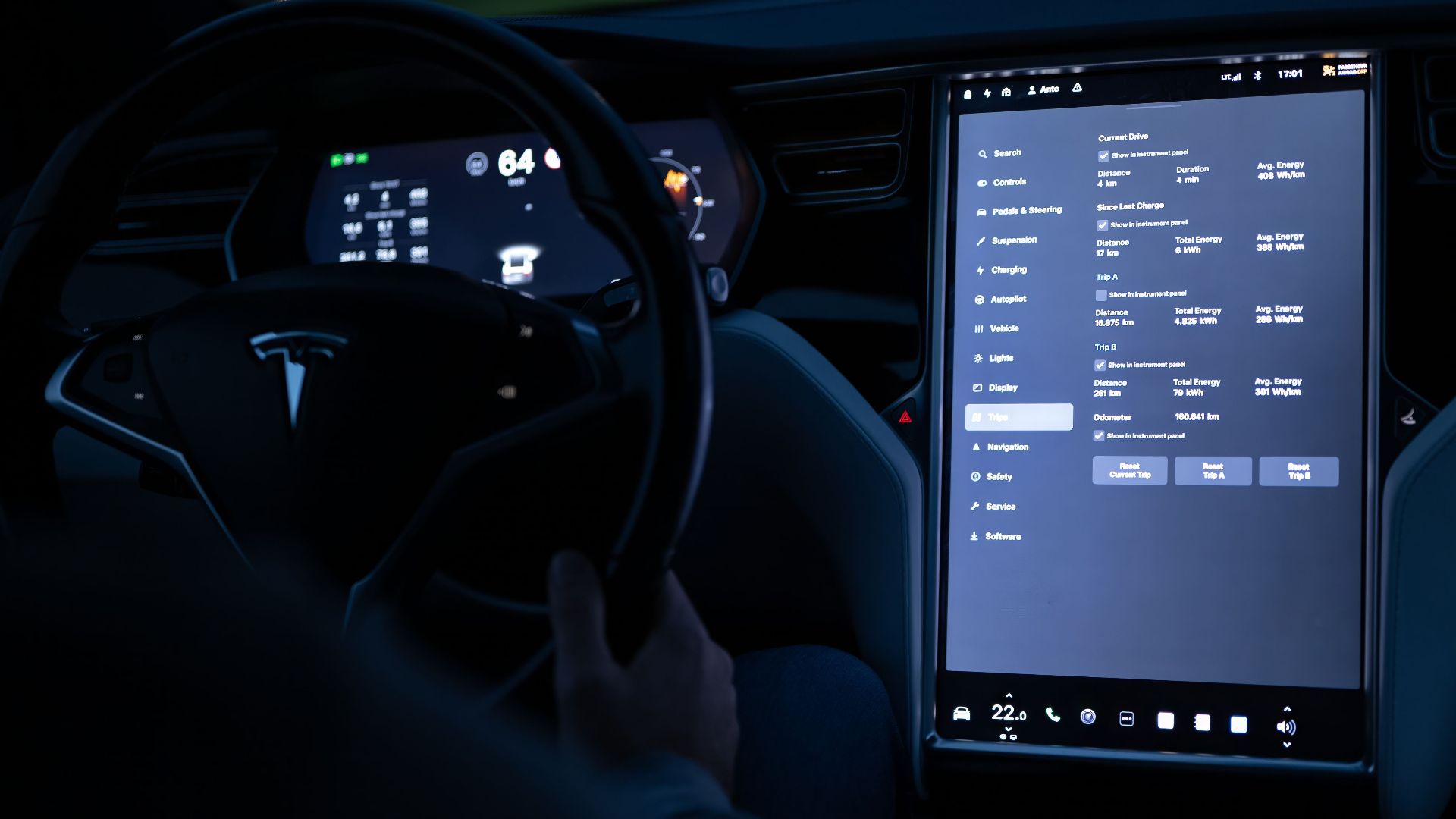
Some connected-car features can reveal more than location, including information about speed or driving behaviour. Used carefully, these tools could help inexperienced drivers improve. Used aggressively, they can make every trip feel like a driving test where an invisible examiner is constantly sitting in the passenger seat.
Privacy Should Grow With Responsibility
A newly licensed 16-year-old borrowing the family vehicle may reasonably face more oversight than an experienced 20-year-old. As young drivers prove themselves responsible, parental monitoring should probably decrease. Otherwise, technology can prevent the natural transfer of independence that is supposed to happen as children grow older.
Parents Need Boundaries Too
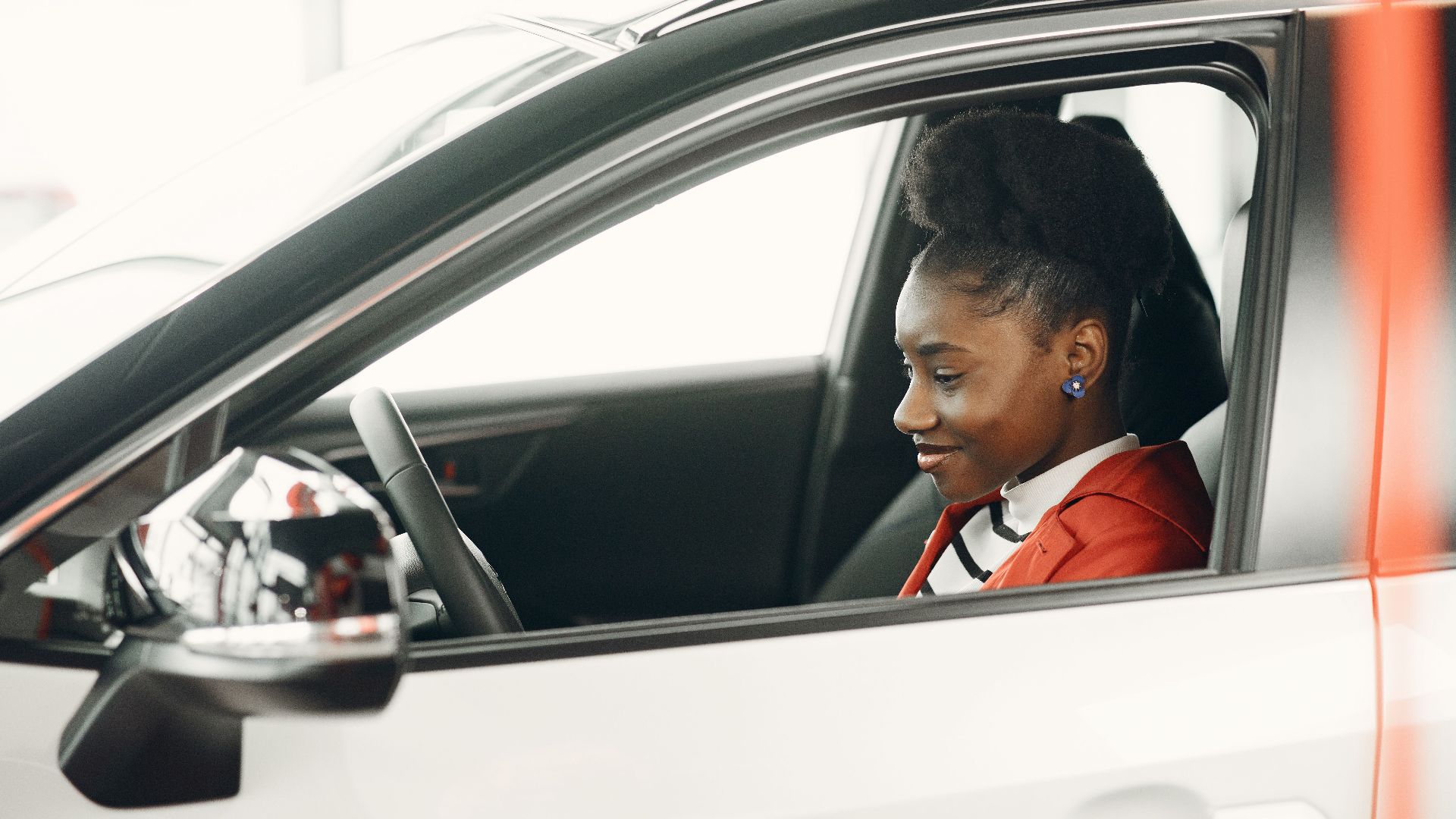
We spend plenty of time creating rules for teenage drivers, but parents may need rules for themselves. Don’t check the app because you’re bored. Don’t monitor dates. Don’t investigate every unexpected stop. Having access to information doesn’t automatically mean you need to look at it.
 https://kaboompics.com/, Pexels
Connected Cars Are Neither Good Nor Bad
The technology itself isn’t the villain. Location tracking can recover stolen cars, reassure families, and help during emergencies. The trouble begins when a safety tool quietly becomes a surveillance tool. Like most technology, its impact depends far more on how people use it than on the feature itself.
The Best Feature Might Be Restraint
Car companies will keep adding clever features because consumers love convenience. But perhaps the smartest approach is knowing when not to use them. Sometimes the healthiest thing a parent can do is leave the app closed, trust the person holding the keys, and get on with the evening.

Trust Should Stay In The Driver’s Seat
Connected cars can absolutely be a good thing, but families need boundaries before convenience turns into conflict. Track the vehicle when safety genuinely requires it, not simply because technology makes it possible. Cars may now tell us almost everything—but knowing when not to look could be the most important feature of all.
You May Also Like:
Everyday Cars That Secretly Became Collectible While Nobody Was Paying Attention
Cars From The 2000s That No One Remembers—Seriously, Do You Remember Even 5 Of These Vehicles?