Yesterday’s Traffic Is Today’s Treasure
Not every collectible car started life behind velvet ropes. Some hauled groceries, carried kids to soccer practice, or disappeared into office parking lots by the thousands. Then most were wrecked, modified, or simply worn out. Suddenly, finding a clean original example became difficult, and yesterday’s ordinary transportation started looking surprisingly special.
Ford Crown Victoria (1998–2011)
For decades, the Crown Victoria seemed practically indestructible and completely ordinary. Police departments, taxi companies, and families used them relentlessly. Today, their old-school body-on-frame construction, rear-wheel drive, available V8 power, and unmistakably American personality make clean civilian examples increasingly interesting to enthusiasts who remember when these cars were everywhere.
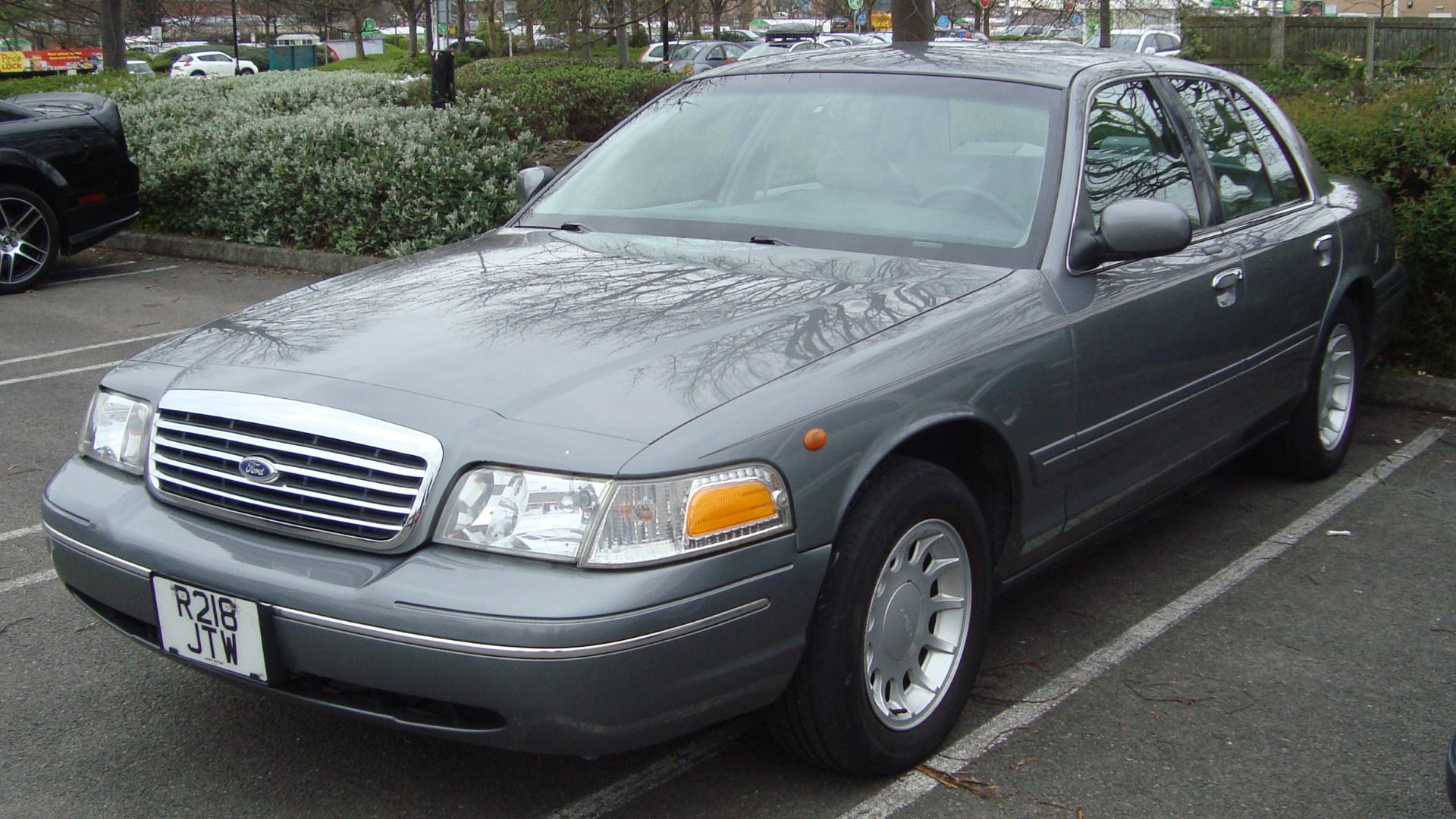 Kieran White from Manchester, England, Wikimedia Commons
Mercury Grand Marquis (1998–2011)
The Crown Victoria’s more luxurious cousin once seemed like the quintessential retiree automobile. That image is becoming part of its charm. A well-preserved Grand Marquis delivers enormous seats, simple controls, rear-wheel drive, and a V8 engine in a package that essentially disappeared when Ford ended Panther-platform production. Survivors are increasingly worth preserving.
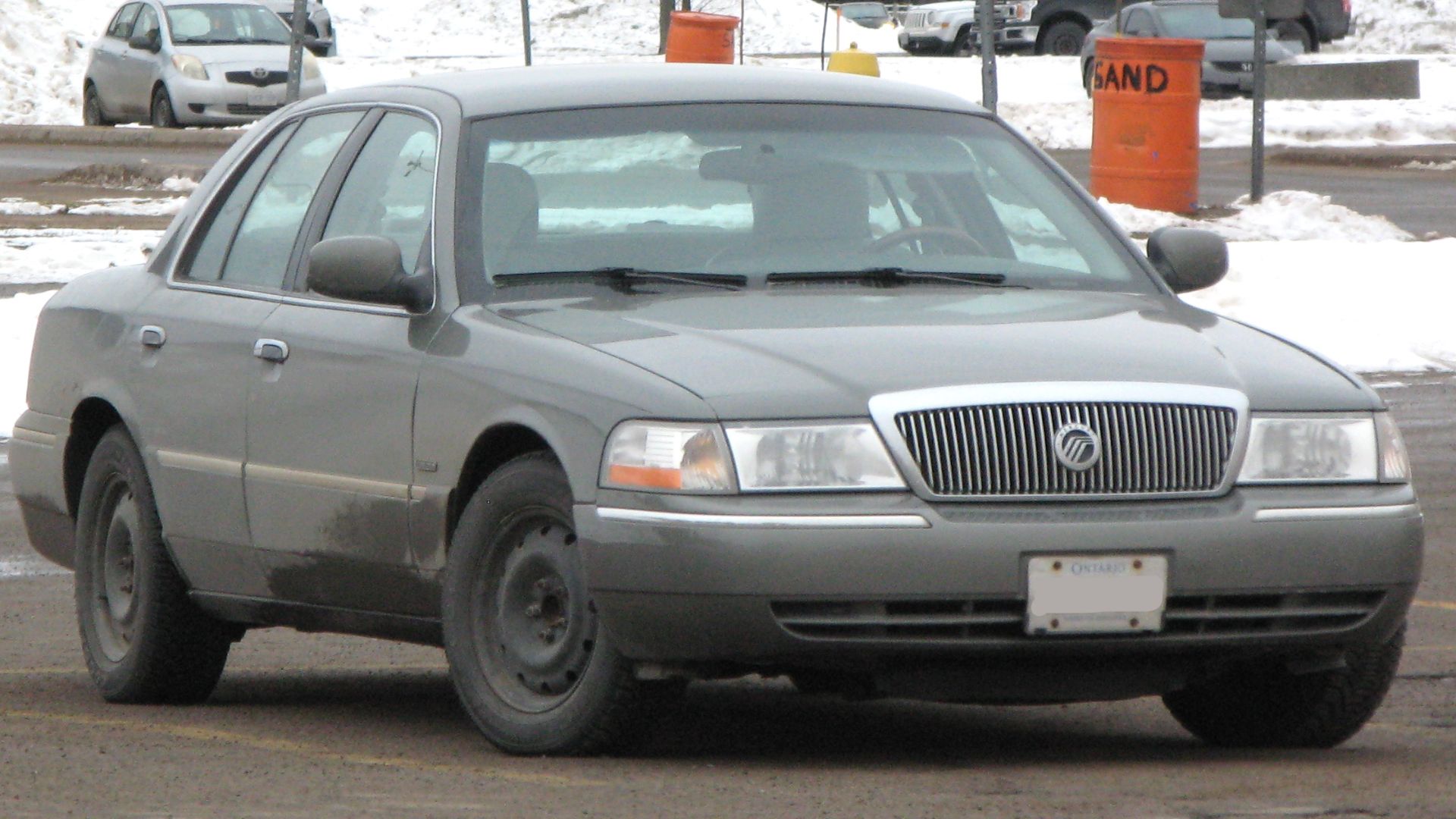 SsmIntrigue, Wikimedia Commons
Buick Roadmaster Estate (1994–1996)
Nobody buying a Roadmaster Estate in the 1990s needed convincing that it was enormous. What buyers may not have appreciated was how unusual it would eventually become. The final Roadmaster wagons combined traditional American station-wagon practicality with rear-wheel drive and a 5.7-liter V8, creating an unlikely cult favorite that has become difficult to ignore.
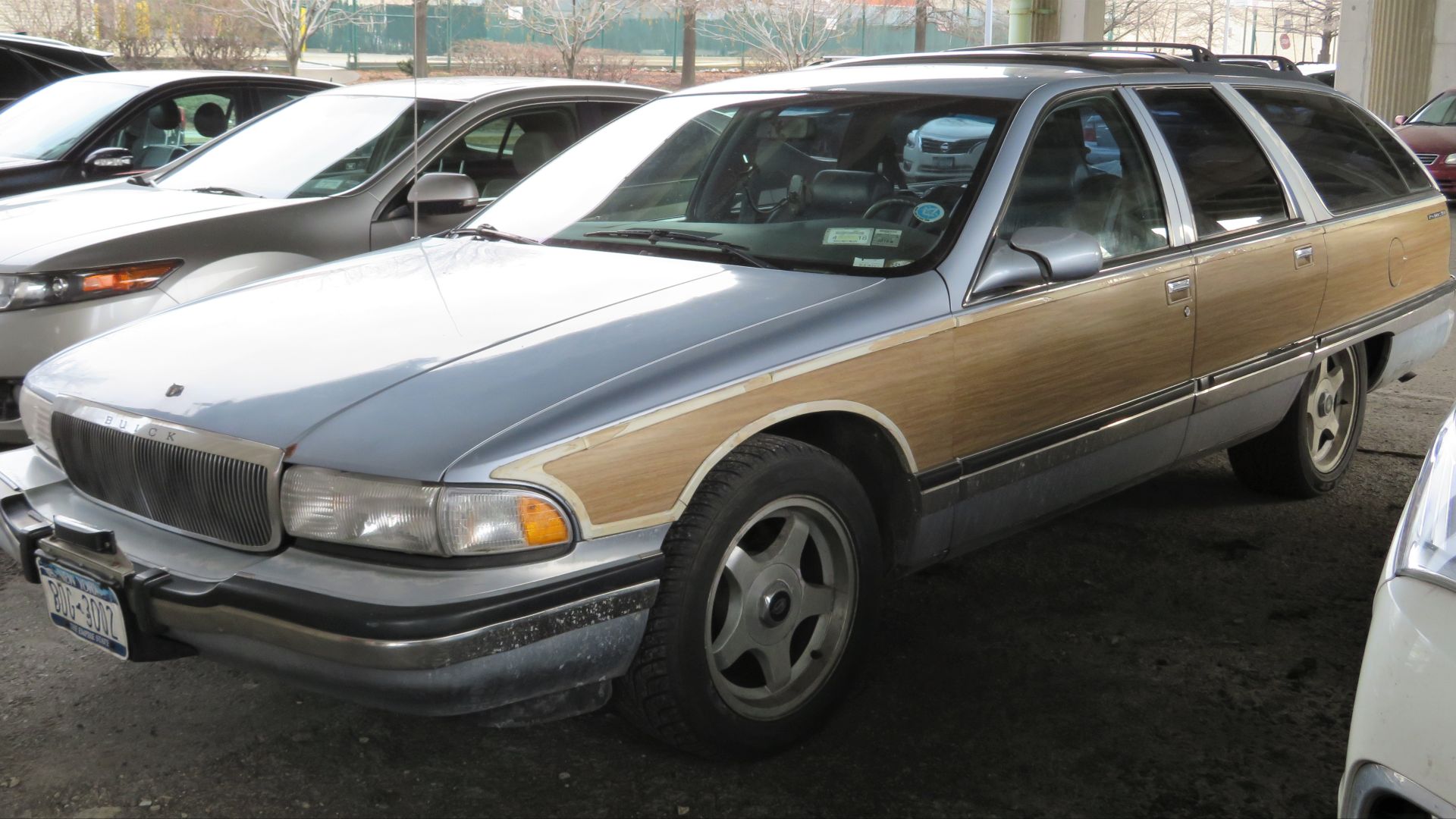
Chevrolet Impala SS (1994–1996)
The 1994-1996 Impala SS took the basic bones of Chevrolet’s enormous Caprice and turned them into something genuinely cool. Its LT1 V8, rear-wheel-drive layout, monochromatic appearance, and muscular stance gave enthusiasts a factory hot rod disguised as a family sedan. Nice, unmodified examples are now far removed from anonymous used-car status.
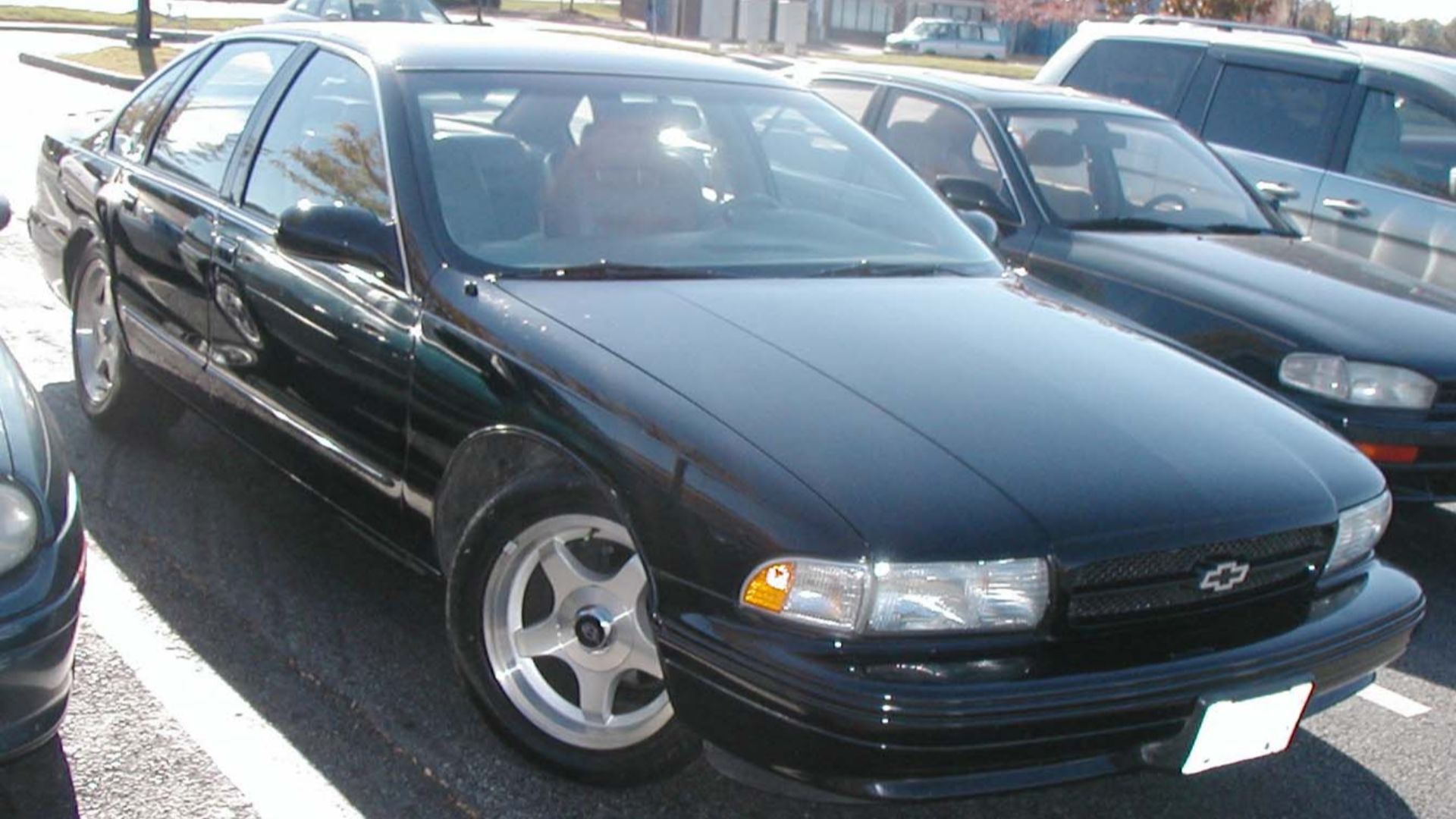
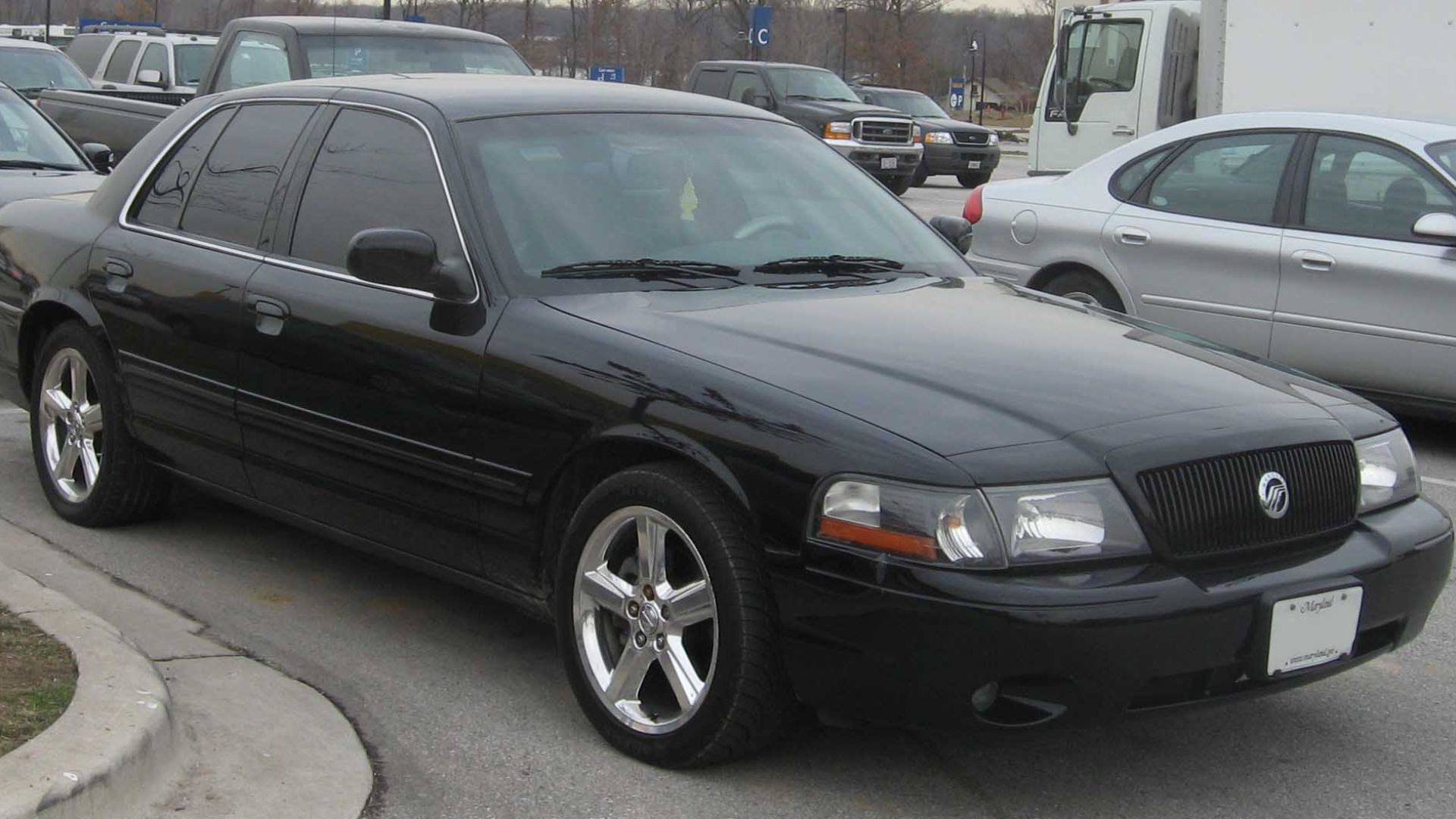
Mercury Marauder (2003–2004)
When Mercury resurrected the Marauder name for 2003, buyers received what looked like a Grand Marquis that had started hanging around with the wrong crowd. Its 4.6-liter DOHC V8, sinister styling, rear-wheel drive, and limited production gave it genuine personality. The Marauder’s relatively short 2003-2004 run only strengthened its later collector appeal.
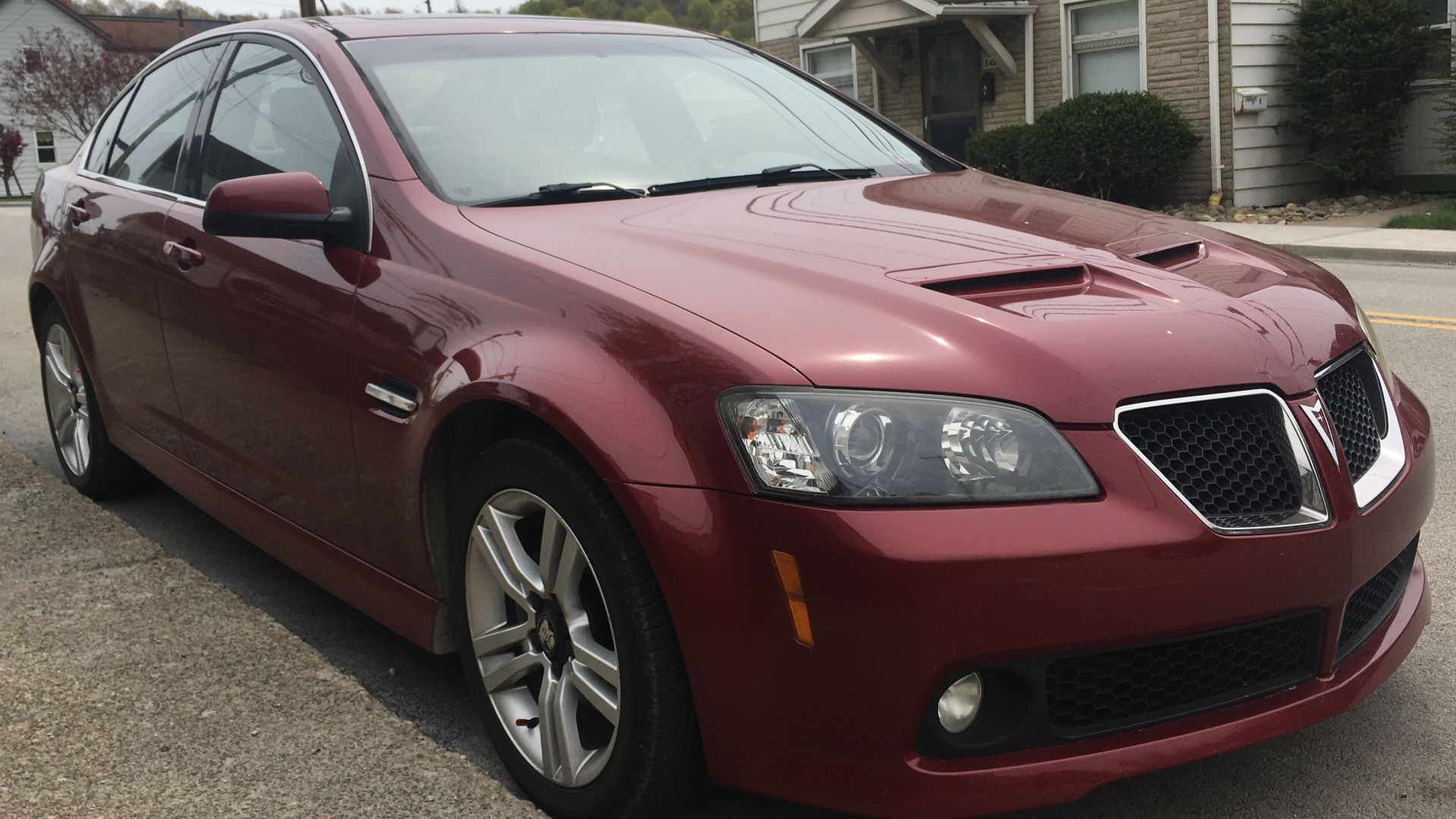
Pontiac G8 (2008–2009)
The G8 briefly gave American buyers something they didn’t know they were about to lose: an Australian-built, rear-wheel-drive Pontiac performance sedan. V8-powered GT and especially GXP versions became obvious enthusiast targets, but even the broader G8 lineup has developed a following. Pontiac’s subsequent disappearance turned an interesting used sedan into a piece of automotive history.
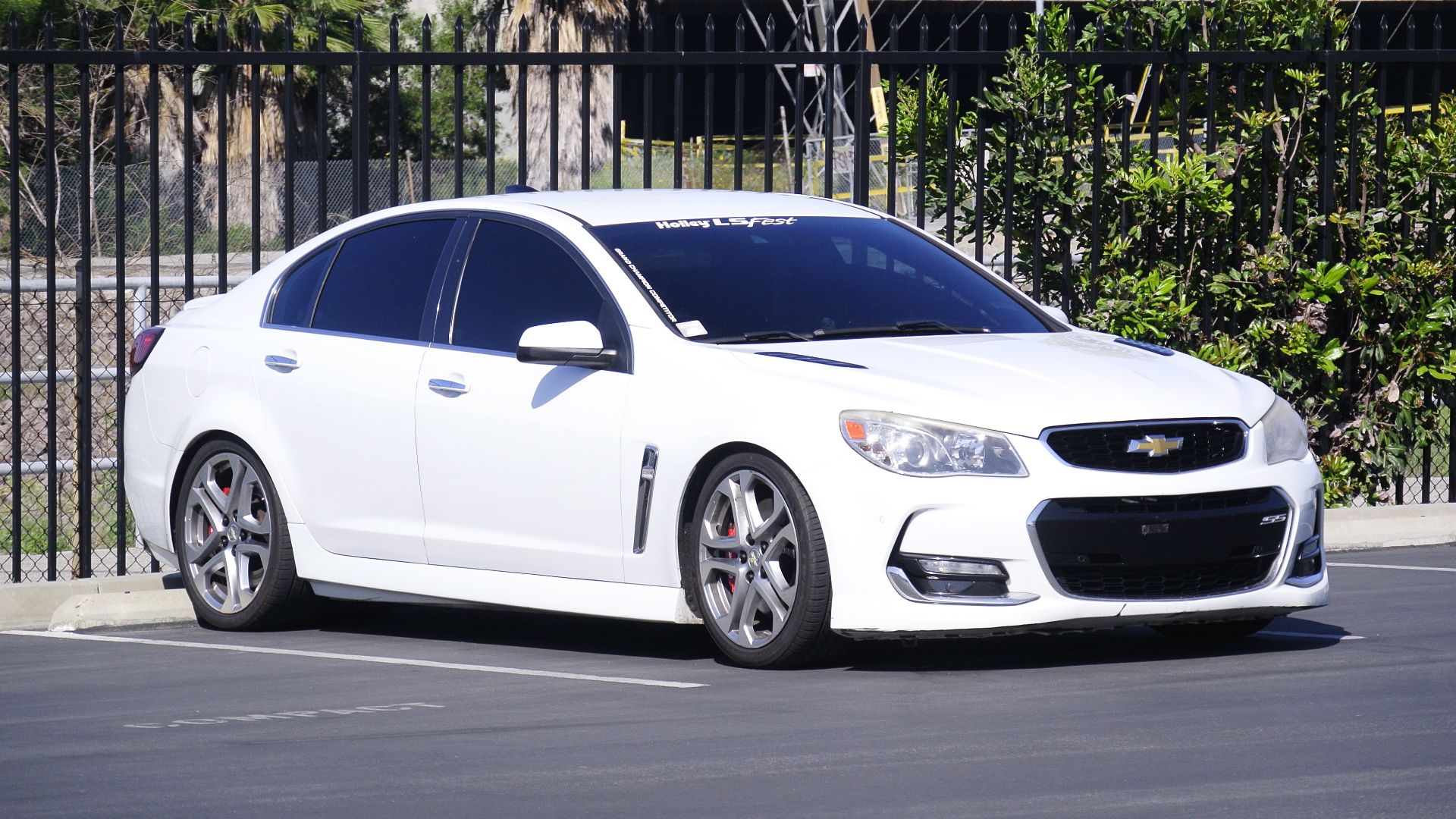
Chevrolet SS (2014–2017)
The Chevrolet SS might be the ultimate stealth collectible. To casual observers, it looked like something from the airport rental counter. Underneath sat a rear-wheel-drive chassis, a 6.2-liter V8, and, eventually, an available six-speed manual. Imported from Australia in small numbers, it was effectively a four-door muscle car hiding behind anonymous Chevrolet styling.
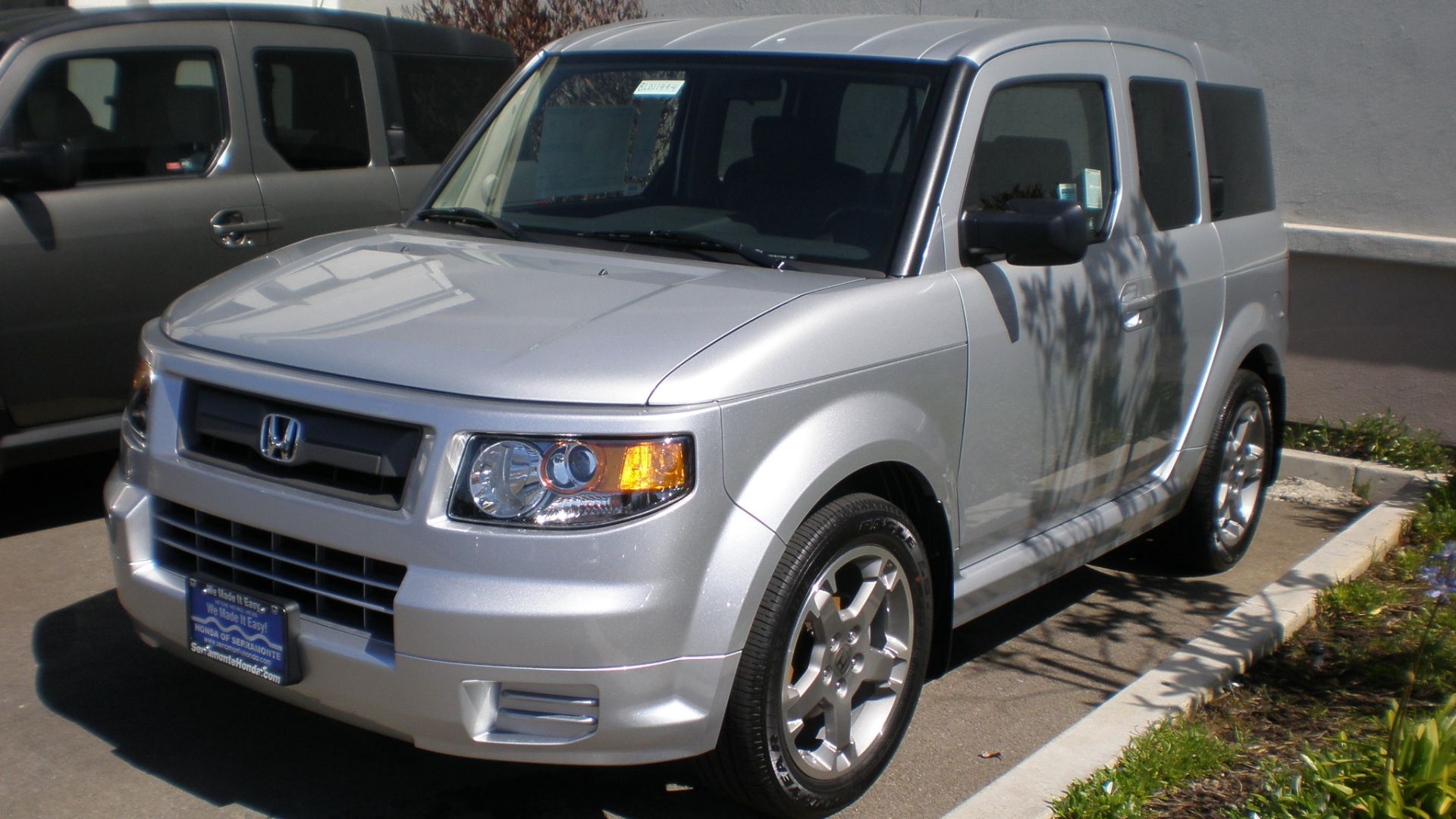
Honda Element (2003–2011)
The Element once looked like an appliance somebody had designed using graph paper. Time has been remarkably kind to it. Its boxy shape creates tremendous interior versatility, while available all-wheel drive and Honda durability broaden its appeal. Campers, dog owners, outdoor enthusiasts, and younger collectors have helped transform the weird little Element into a sought-after used vehicle.
 BrokenSphere, Wikimedia Commons
Toyota FJ Cruiser (2007–2014)
Toyota’s retro-styled FJ Cruiser was never exactly invisible, but plenty of people dismissed it as an eccentric SUV with awkward rear doors and questionable visibility. Then Toyota stopped selling it in America. Its distinctive styling, legitimate off-road ability, Toyota reputation, and relatively unusual personality helped clean examples become far more desirable than typical aging SUVs.
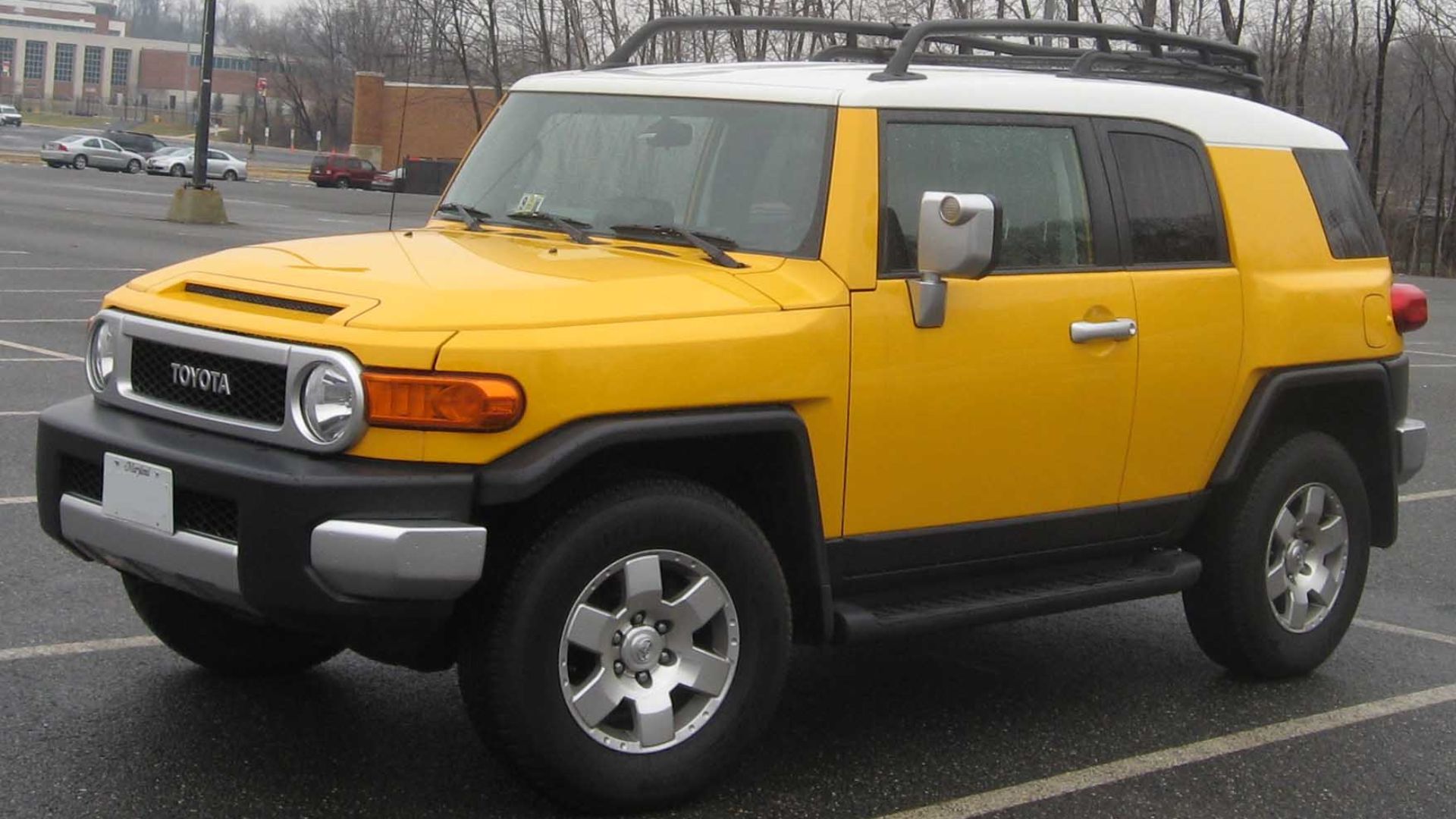
Nissan Xterra (2005–2015)
The Xterra spent years being overshadowed by Wranglers and 4Runners, which helped keep used prices relatively approachable. Now enthusiasts increasingly appreciate its simple mission. The rugged second generation offered body-on-frame construction, available four-wheel drive, and serious off-road capability without pretending to be luxurious. Unmodified examples are becoming much harder to overlook.
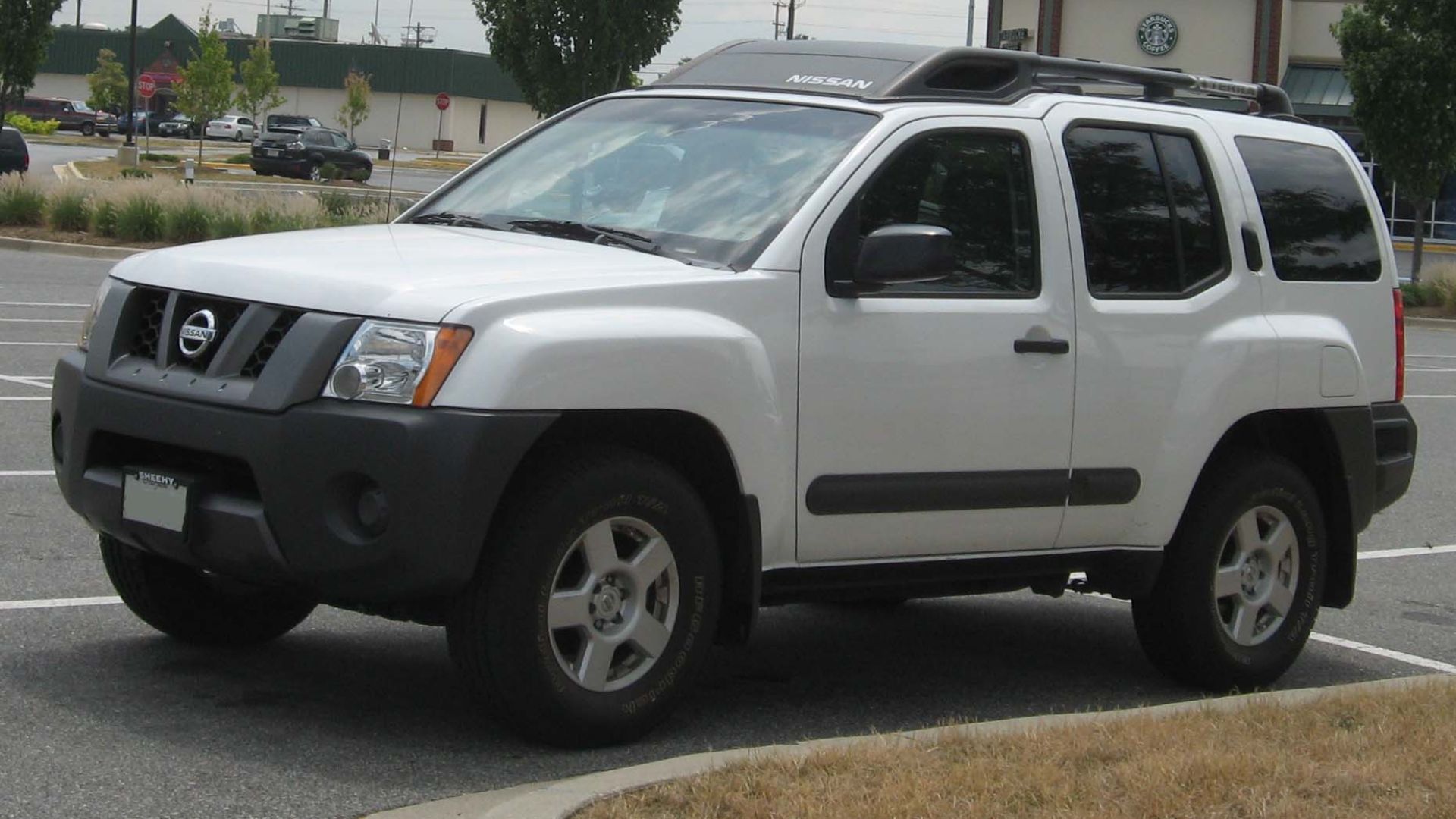
Subaru Baja (2003–2006)
The Baja answered a question relatively few buyers were asking: What if Subaru turned the Outback into a tiny pickup? Sales were modest, but its weirdness eventually became an advantage. With all-wheel drive, four doors, a small cargo bed, and available turbo power, the Baja now occupies a niche that virtually nothing else can fill.
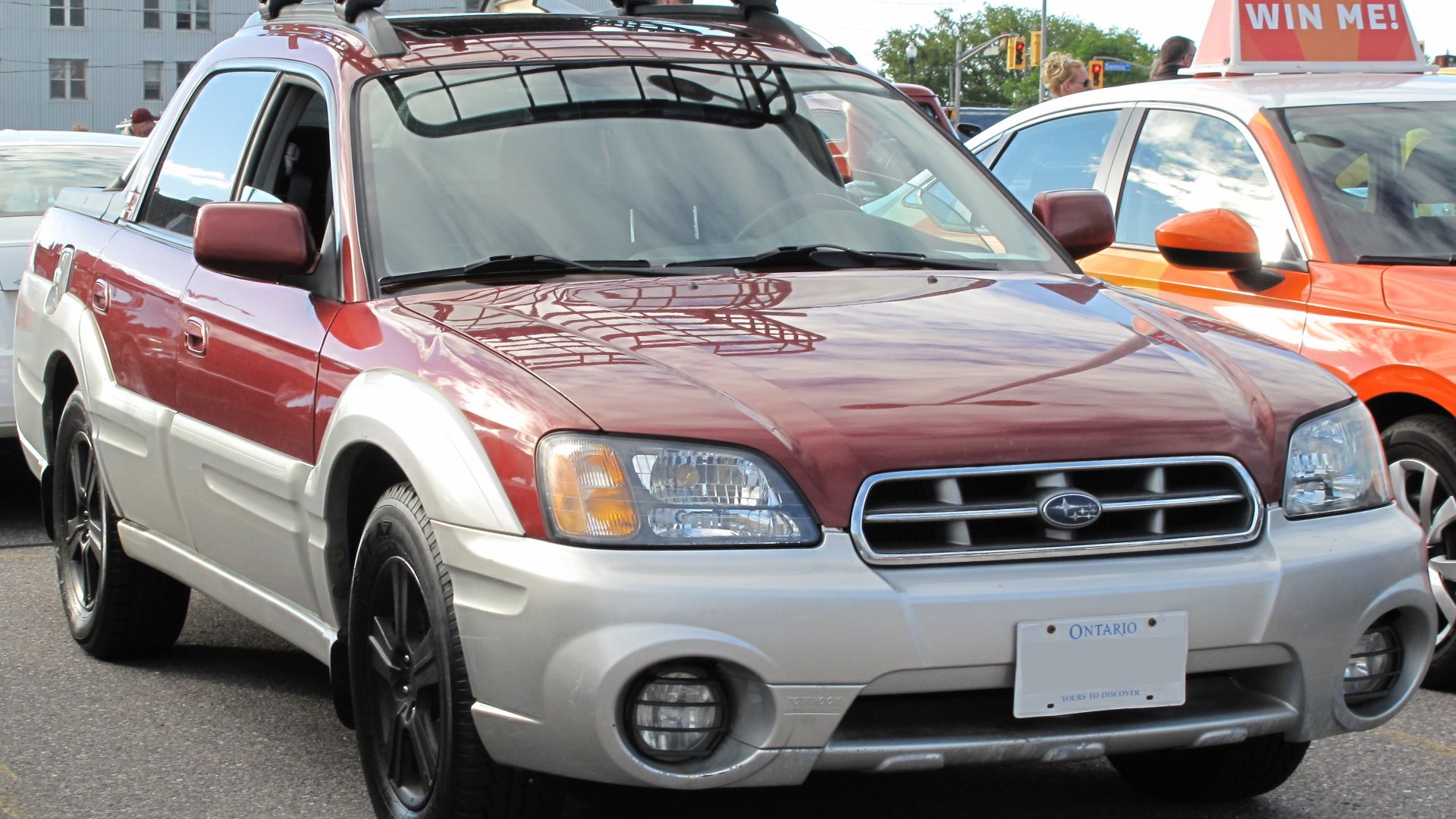
Honda CRX (1988–1991)
There was a time when the CRX was simply a cheap little Honda. Unfortunately, cheap little Hondas tended to be modified, crashed, rusted, or driven until they surrendered. That attrition makes stock examples especially appealing today. Light weight, excellent fuel economy, responsive handling, and wonderfully simple engineering make the CRX an increasingly nostalgic reminder of old Honda.
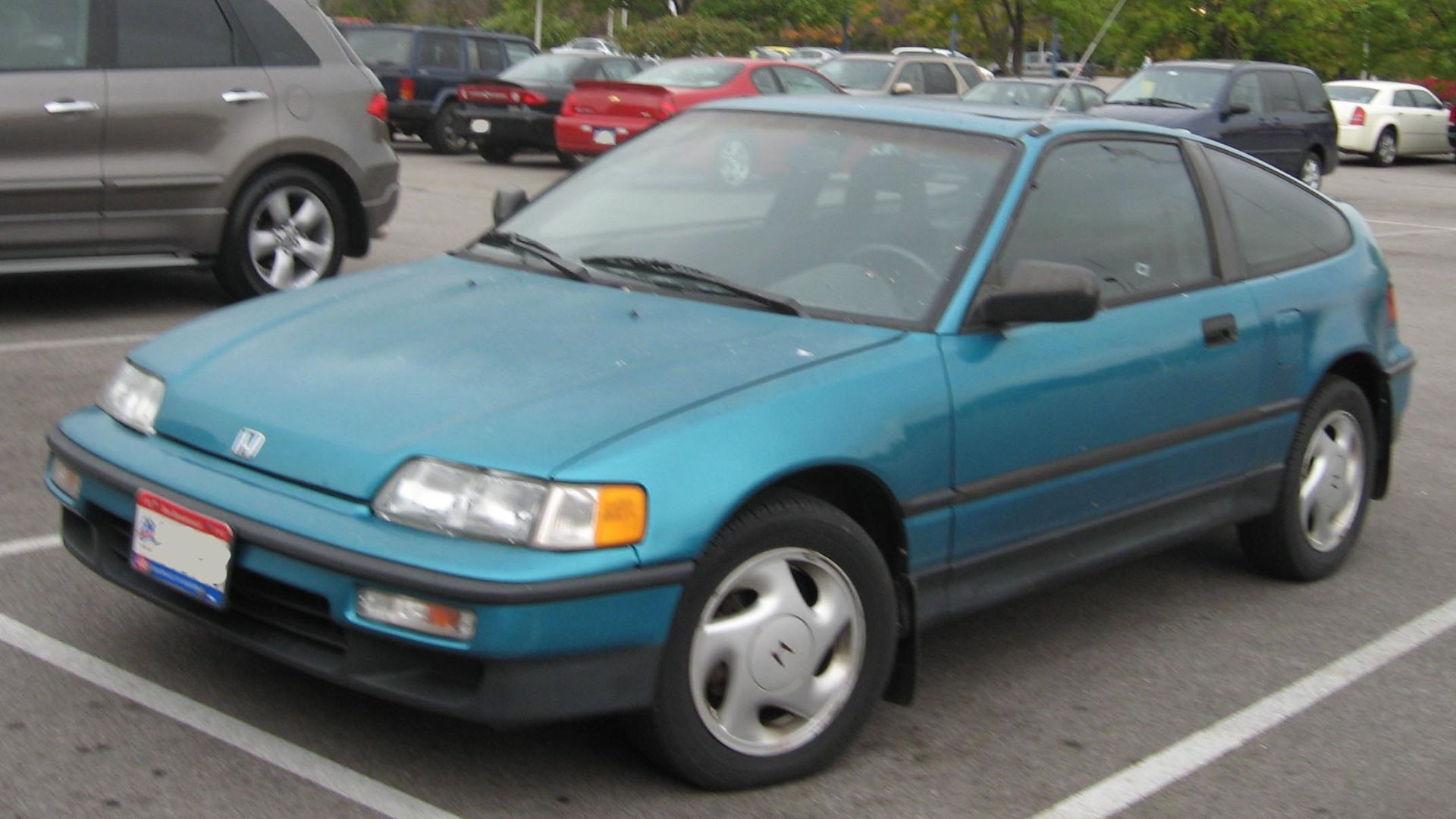
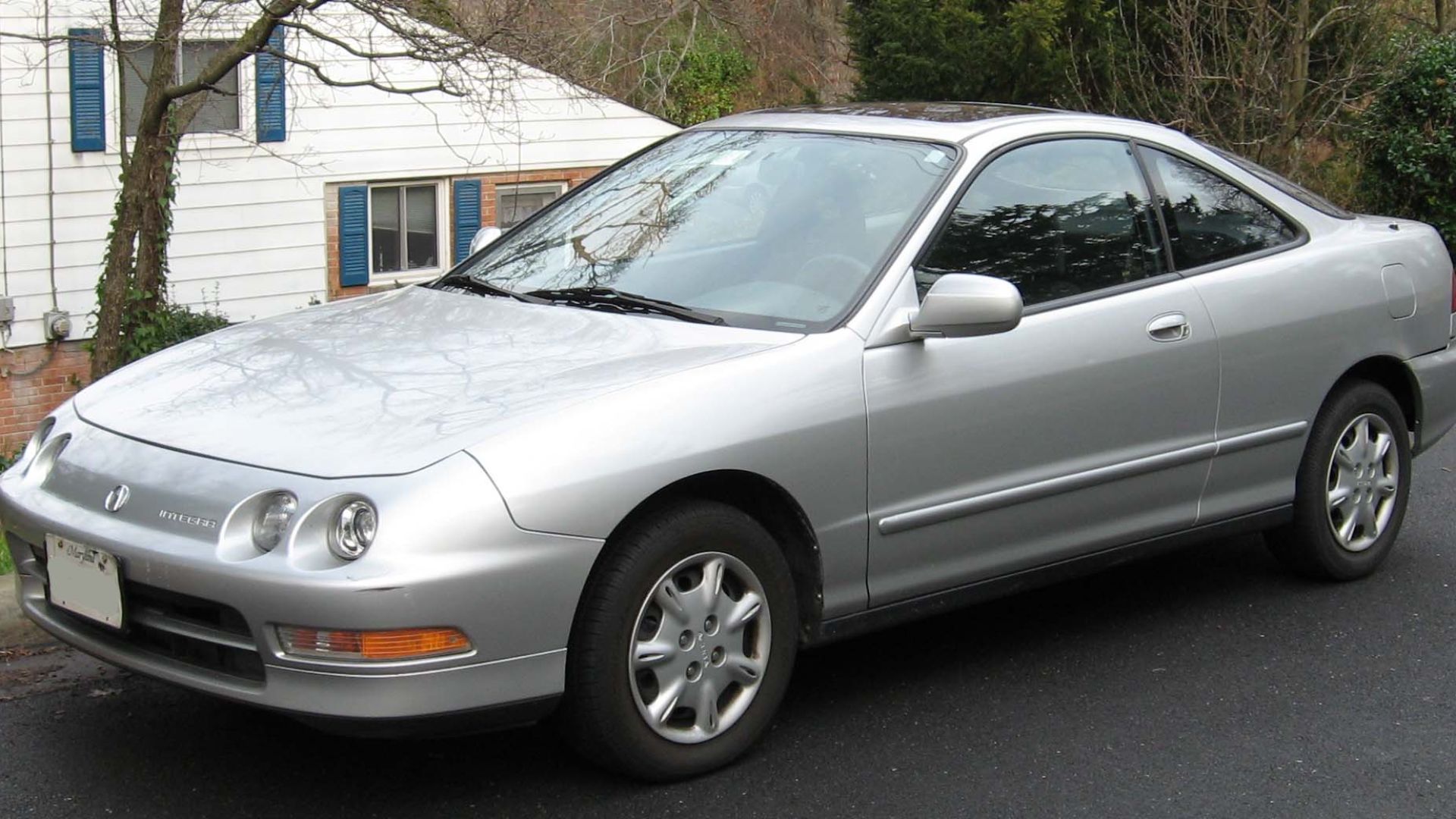
Acura Integra (1990–2001)
Integras were everywhere during the 1990s, which made their eventual scarcity difficult to imagine. Many were modified extensively, while others fell victim to theft or ordinary attrition. The surviving unmolested cars now remind enthusiasts why the Integra was special: rev-happy engines, excellent manual transmissions, practical hatchback bodies, and chassis tuning that made everyday driving entertaining.
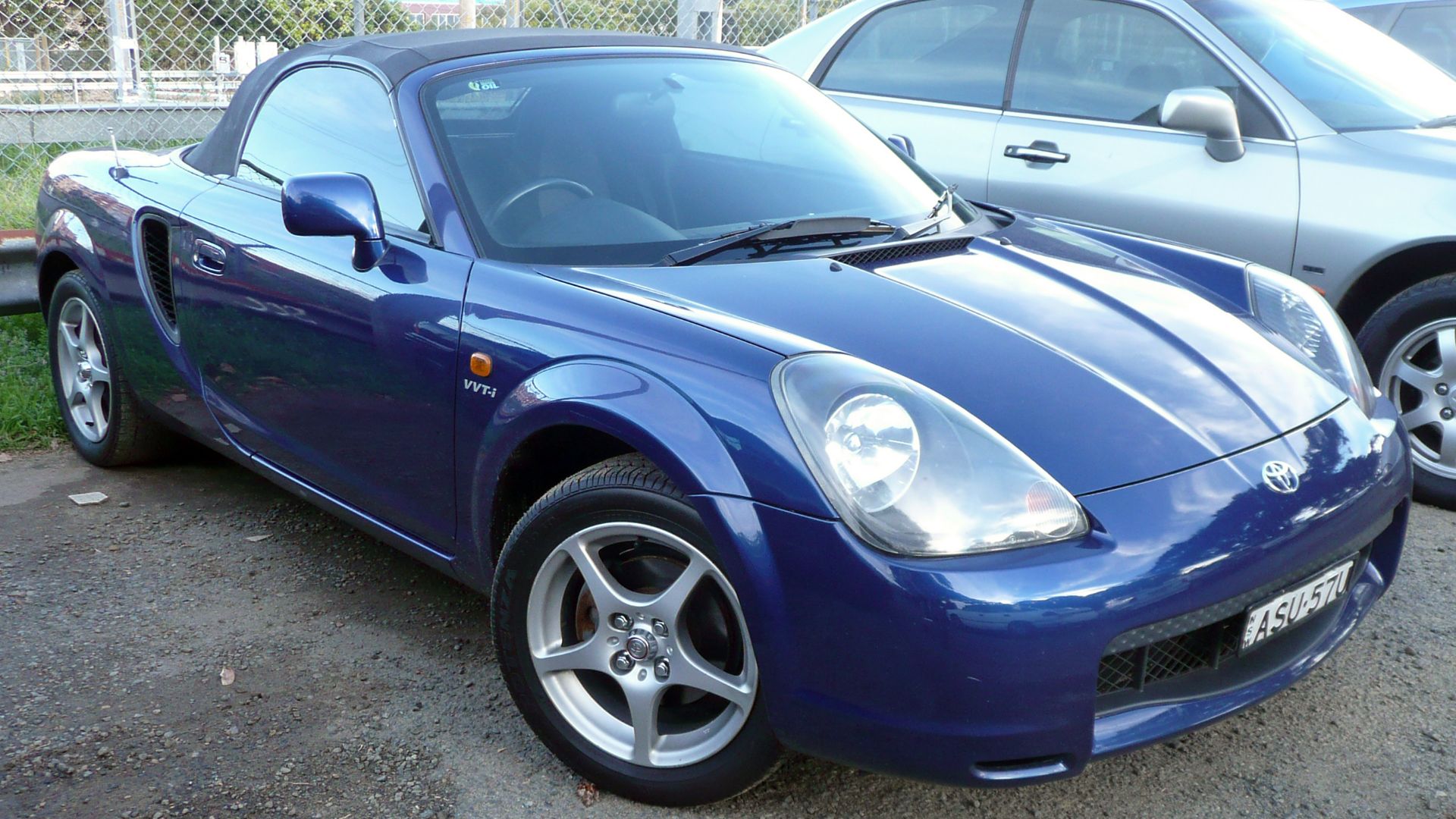
Toyota MR2 Spyder (2000–2005)
The third-generation MR2 never received quite the adoration bestowed on its predecessors. Its modest power and unusual styling probably didn’t help. Yet the Spyder offered something increasingly rare: a lightweight, affordable, mid-engine sports car with a manual transmission. As modern vehicles grow heavier and more complicated, that wonderfully simple formula looks increasingly precious.
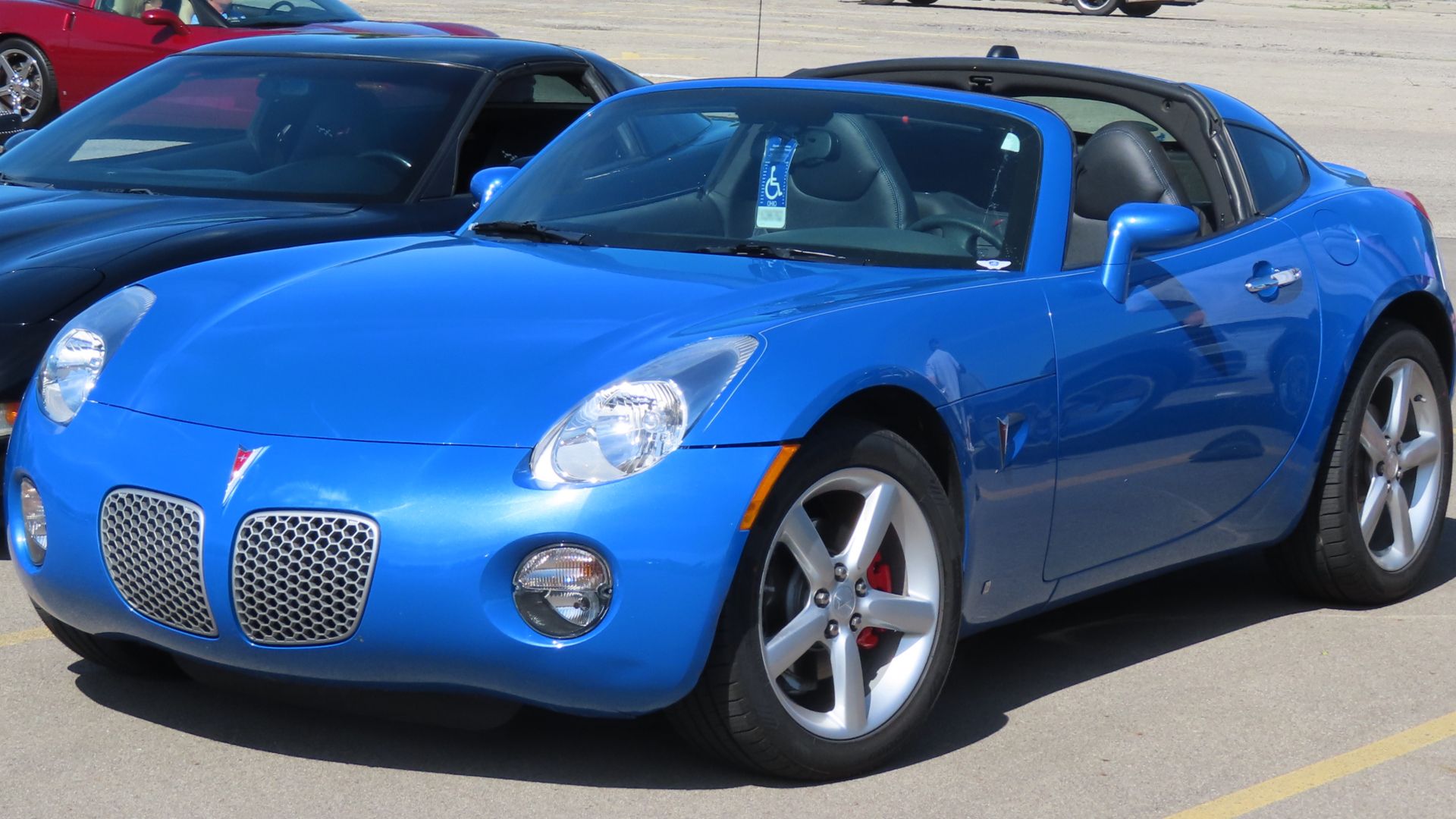
Pontiac Solstice (2006–2009)
Pontiac’s Solstice arrived looking like a concept car that had somehow escaped onto public roads. Its compromised trunk and imperfect ergonomics generated criticism, but the fundamentals were fascinating: rear-wheel drive, two seats, distinctive styling, and available turbocharged GXP performance. Pontiac’s demise subsequently gave the Solstice another ingredient collectors tend to appreciate: a compelling backstory.
 MercurySable99, Wikimedia Commons
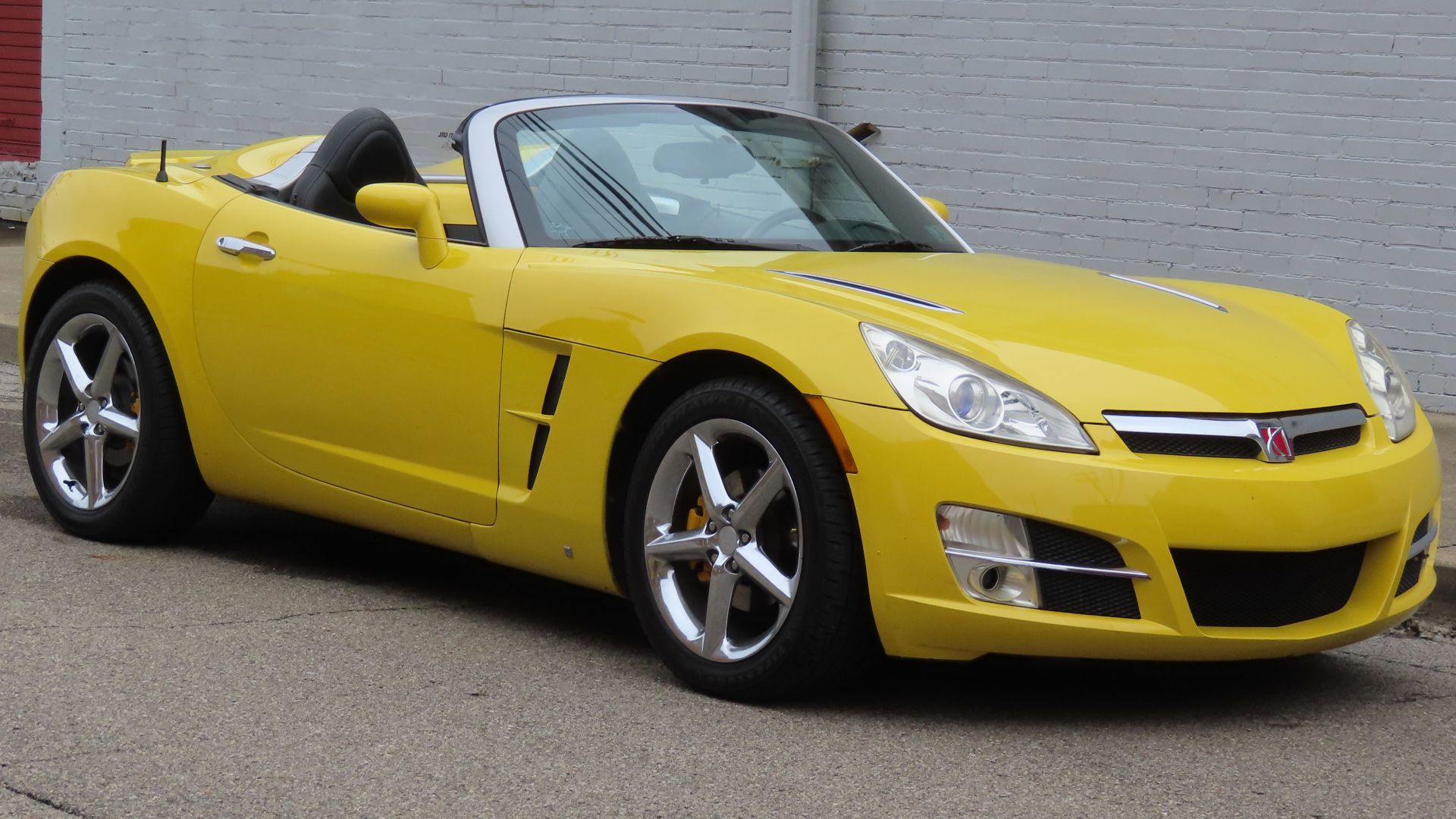
Saturn Sky (2007–2010)
Mechanically related to the Solstice, the Saturn Sky wrapped essentially the same roadster formula in dramatically different styling. The turbocharged Red Line was particularly entertaining. Neither Saturn nor Pontiac exists anymore, making these cars artifacts of a strange period when General Motors simultaneously operated numerous brands and somehow offered two inexpensive rear-wheel-drive sports cars.
 MercurySable99, Wikimedia Commons
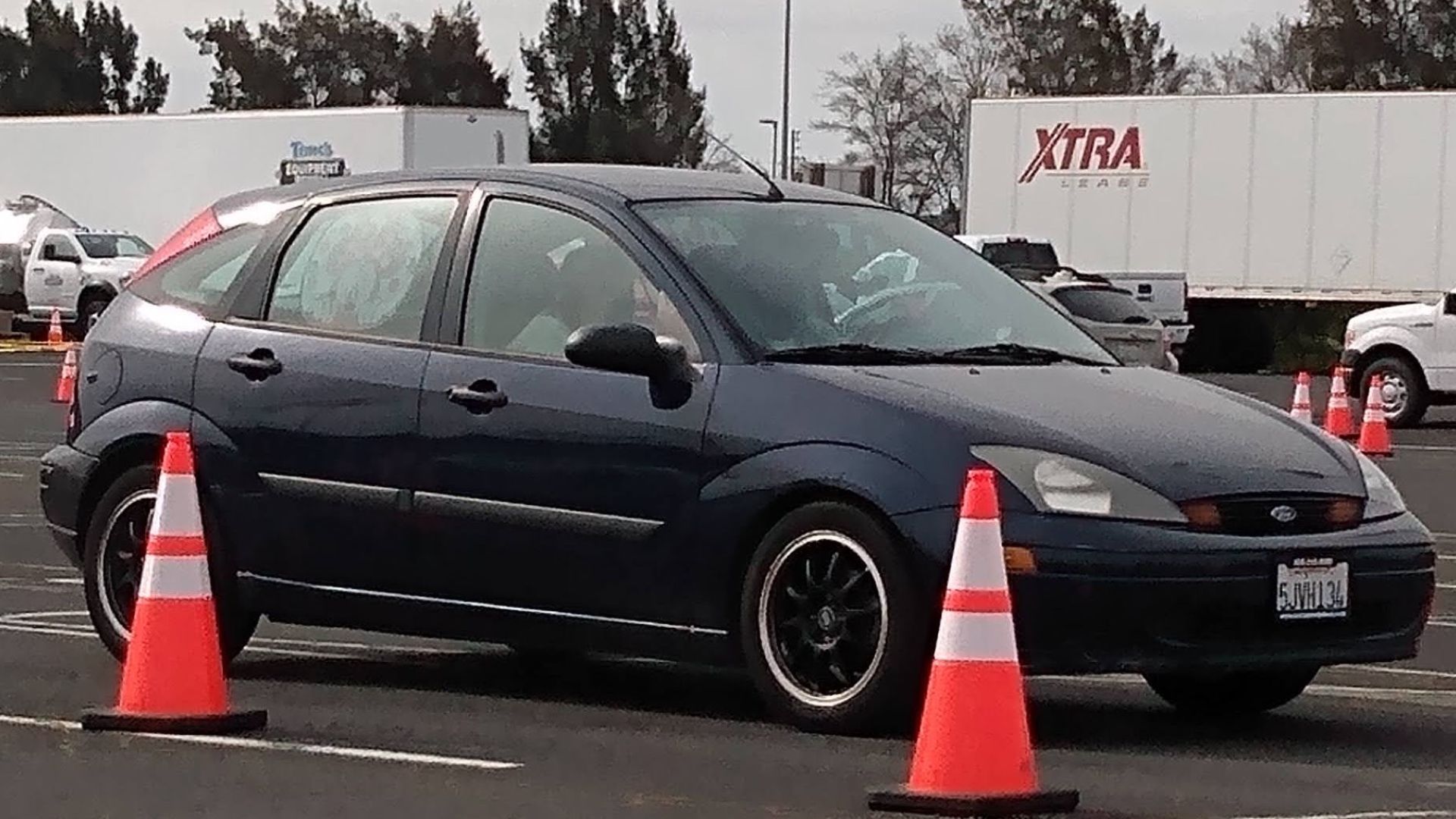
Ford Focus SVT (2002–2004)
Before the Focus ST and RS arrived, Ford’s Special Vehicle Team transformed the humble first-generation Focus into a genuinely engaging performance hatchback. The SVT received more power, a six-speed manual, upgraded suspension, stronger brakes, and subtle visual changes. Because it still looked like an inexpensive Focus, relatively few people thought about preserving one for posterity.
 DestinationFearFan, Wikimedia Commons
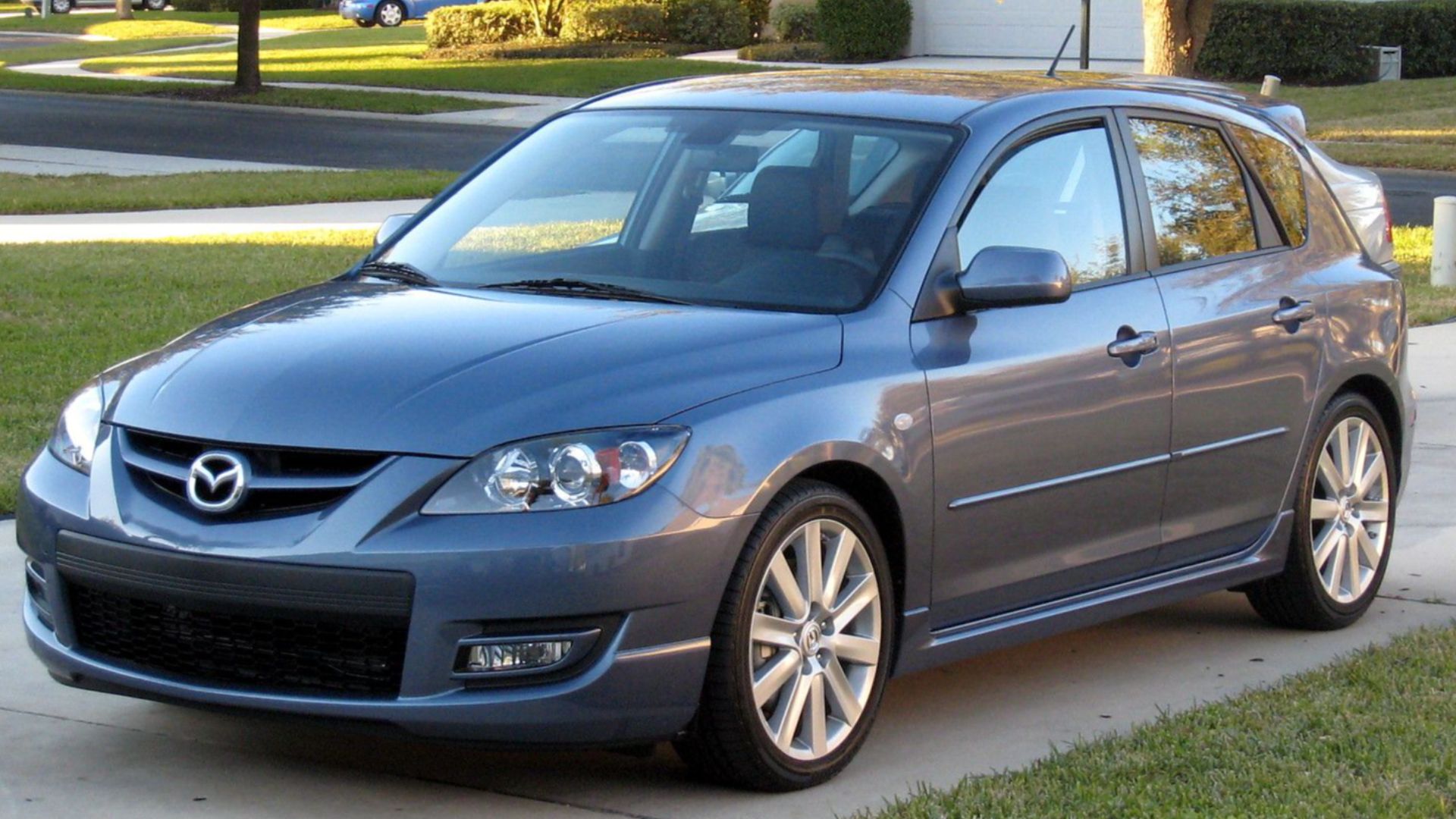
Mazdaspeed3 (2007–2013)
The original Mazdaspeed3 was the family hatchback that had consumed too much caffeine. Its turbocharged 2.3-liter engine sent substantial power through the front wheels, producing ferocious acceleration and plenty of torque steer. Many examples lived hard lives or were heavily modified, meaning clean factory-spec cars increasingly represent an especially entertaining chapter in the hot-hatch era.
 Alwayzamd at English Wikipedia, Wikimedia Commons
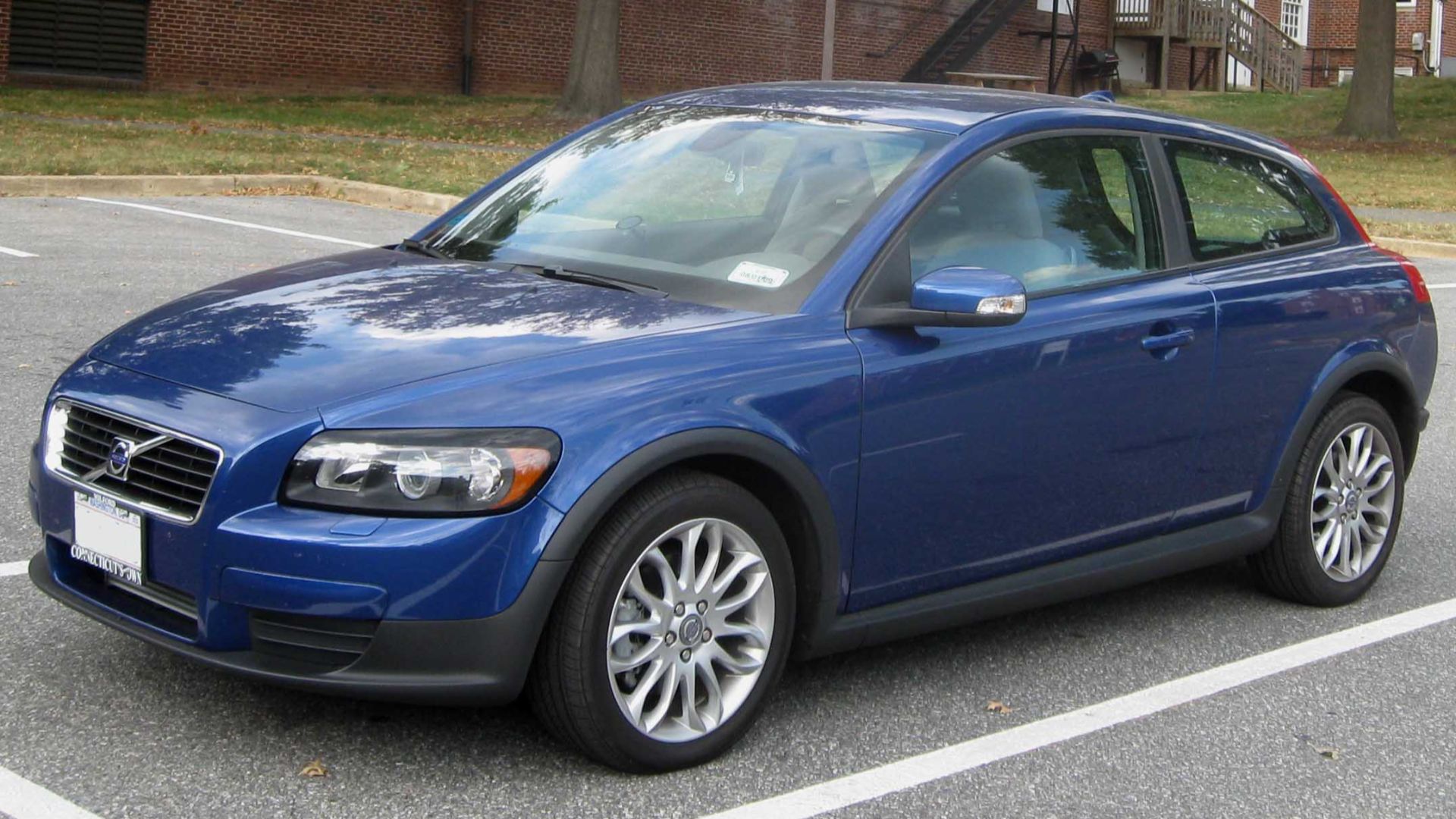
Volvo C30 (2008–2013)
Volvo’s C30 combined sensible Scandinavian engineering with styling that was anything but sensible. Its distinctive glass hatch recalled classic Volvo design, while available turbocharged five-cylinder power gave the compact hatch real personality. It never became commonplace in America, and enthusiasts continue to recognize the C30 as one of Volvo’s strangest and most appealing modern creations.
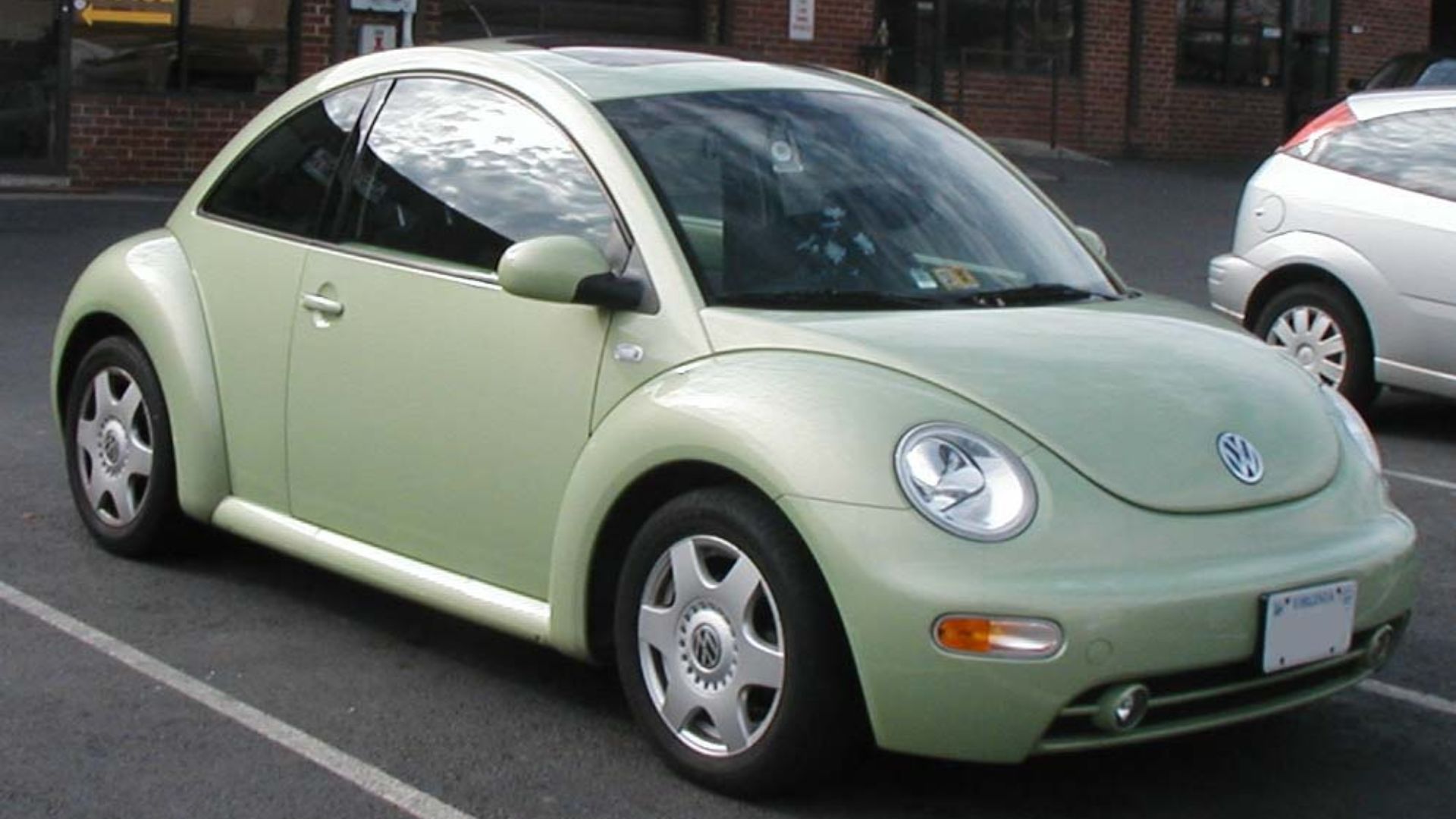
Volkswagen New Beetle (1998–2010)
Millions once regarded the New Beetle as little more than retro fashion, complete with its famous dashboard flower vase. That misses its historical significance. Volkswagen helped ignite the modern retro-design boom with a car instantly recognizable around the world. Early, clean examples are increasingly nostalgic, especially unusual versions such as the Turbo S and convertible.
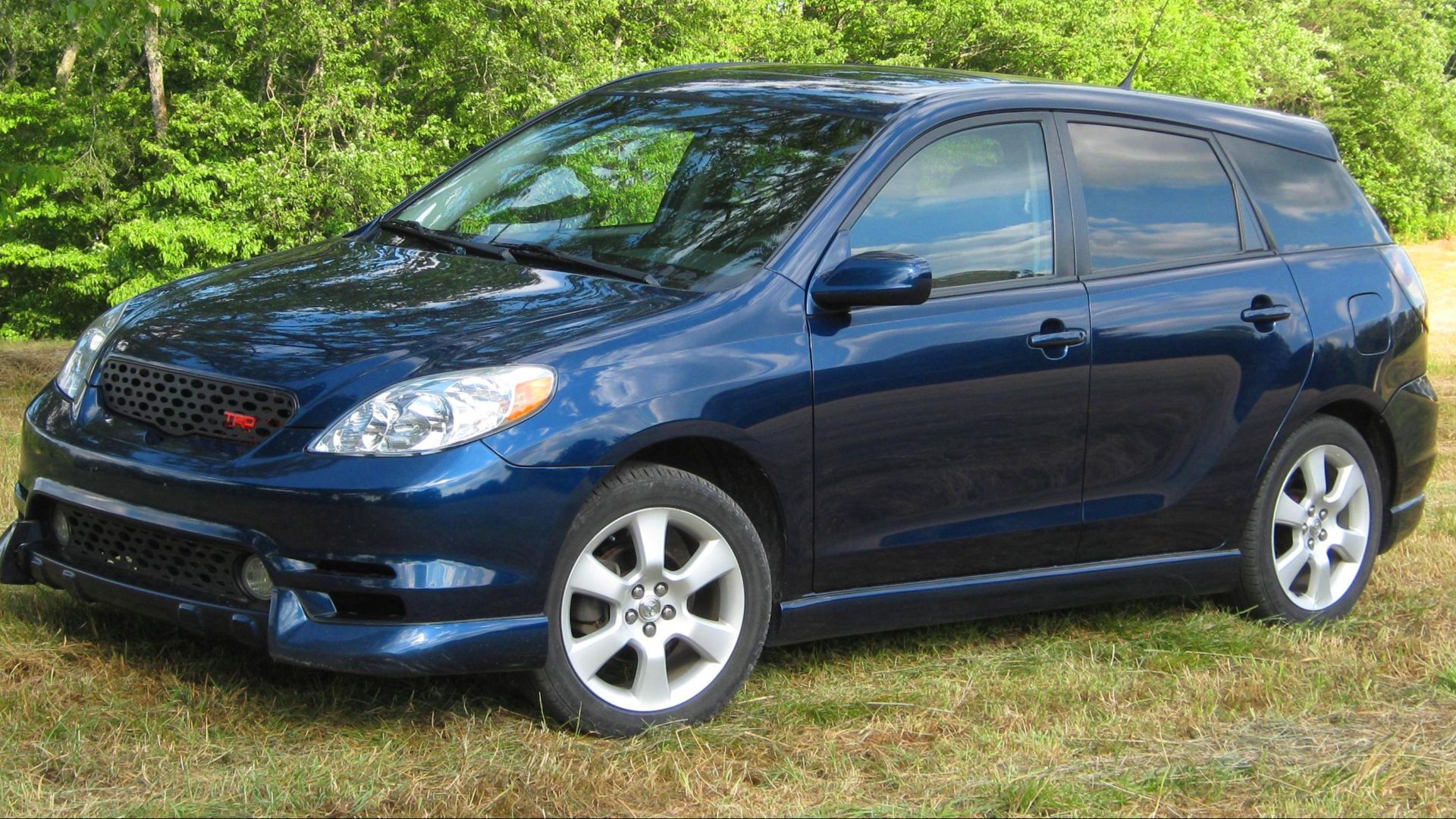
Toyota Matrix XRS (2003–2006, 2009–2010)
Most Toyota Matrixes lived thoroughly ordinary lives, but the XRS hid something special underneath its practical hatchback body. Early versions used Toyota’s high-revving 2ZZ-GE engine, closely related to the powerplant found in the Celica GT-S. That combination of practicality, rarity, and unexpected performance gives surviving XRS models genuine sleeper appeal.
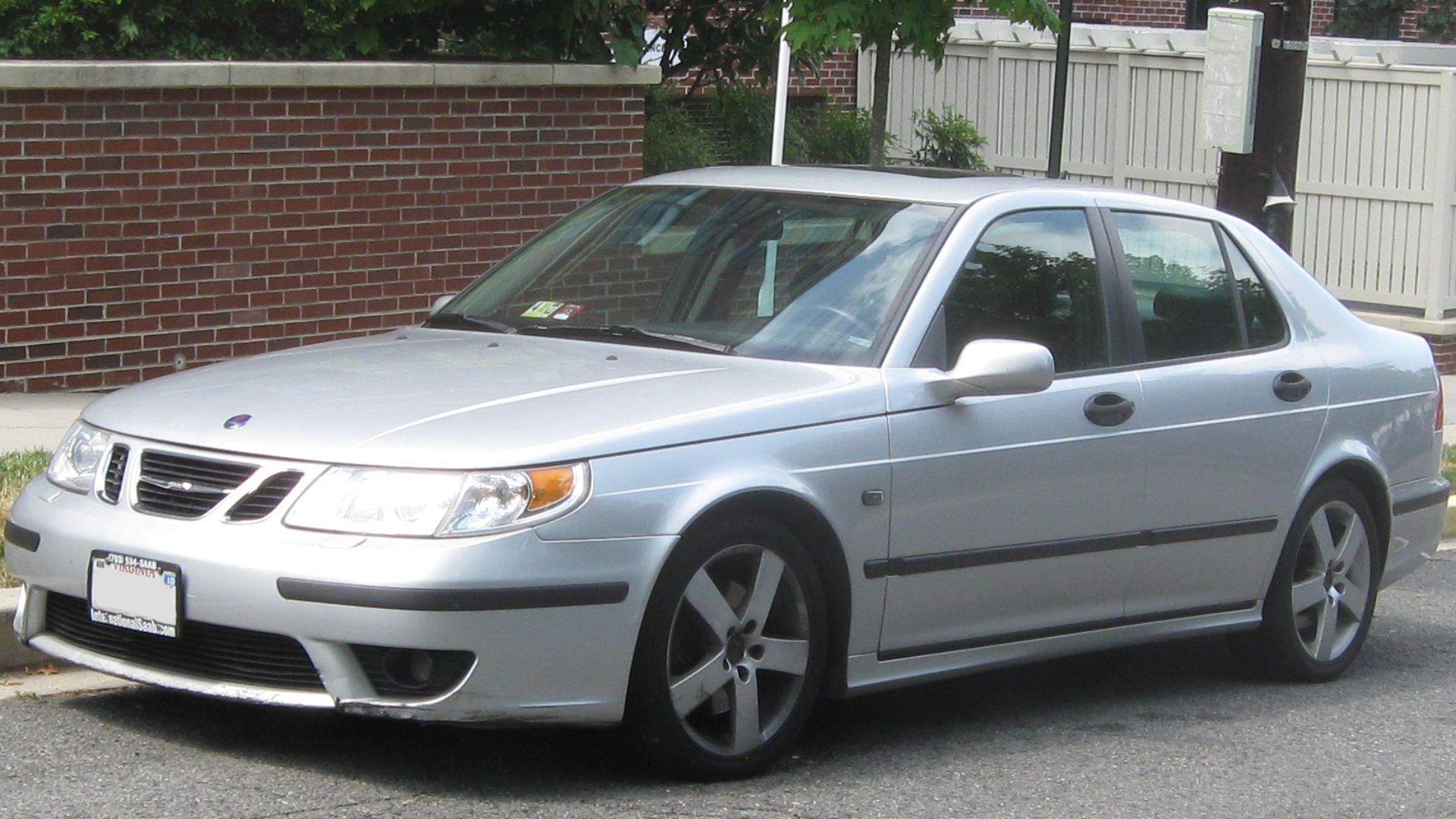
Saab 9-5 Aero (2000–2009)
The 9-5 Aero looked like the sort of car an architect might drive to the office. Underneath its restrained styling, however, was a potent turbocharged engine and distinctly Saab character. With Saab gone, surviving Aeros now represent something impossible to buy new: an unconventional Swedish performance sedan created by a company determined to do things differently.
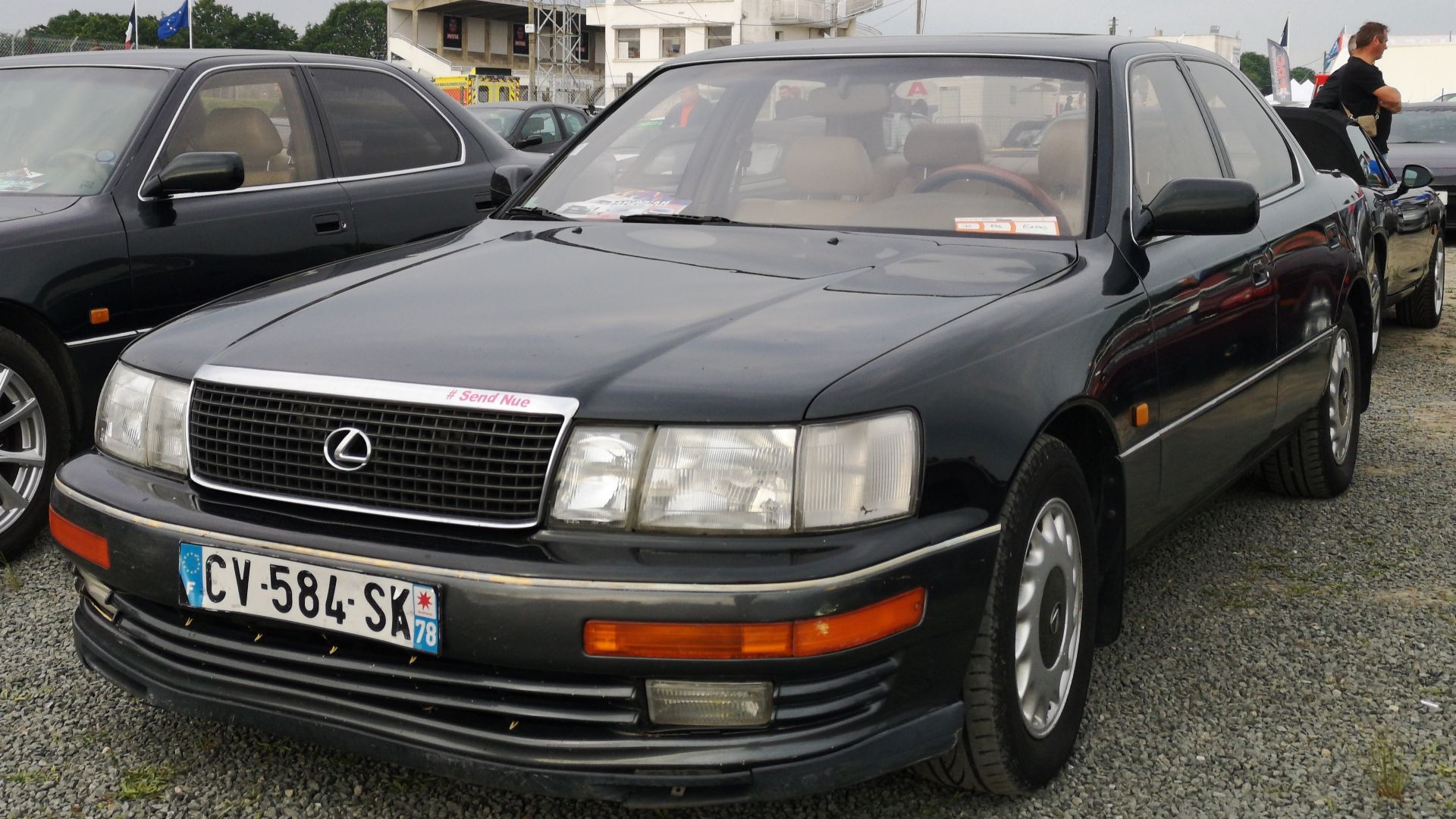
Lexus LS 400 (1990–2000)
Early LS 400s were once simply depreciated luxury cars. Now enthusiasts increasingly appreciate what Toyota accomplished with its original Lexus flagship. Exceptional refinement, obsessive engineering, understated styling, and legendary durability made the LS 400 historically significant. The challenge today is finding an early example preserved well enough to demonstrate just how remarkable these cars originally were.
Why Nobody Saw It Coming
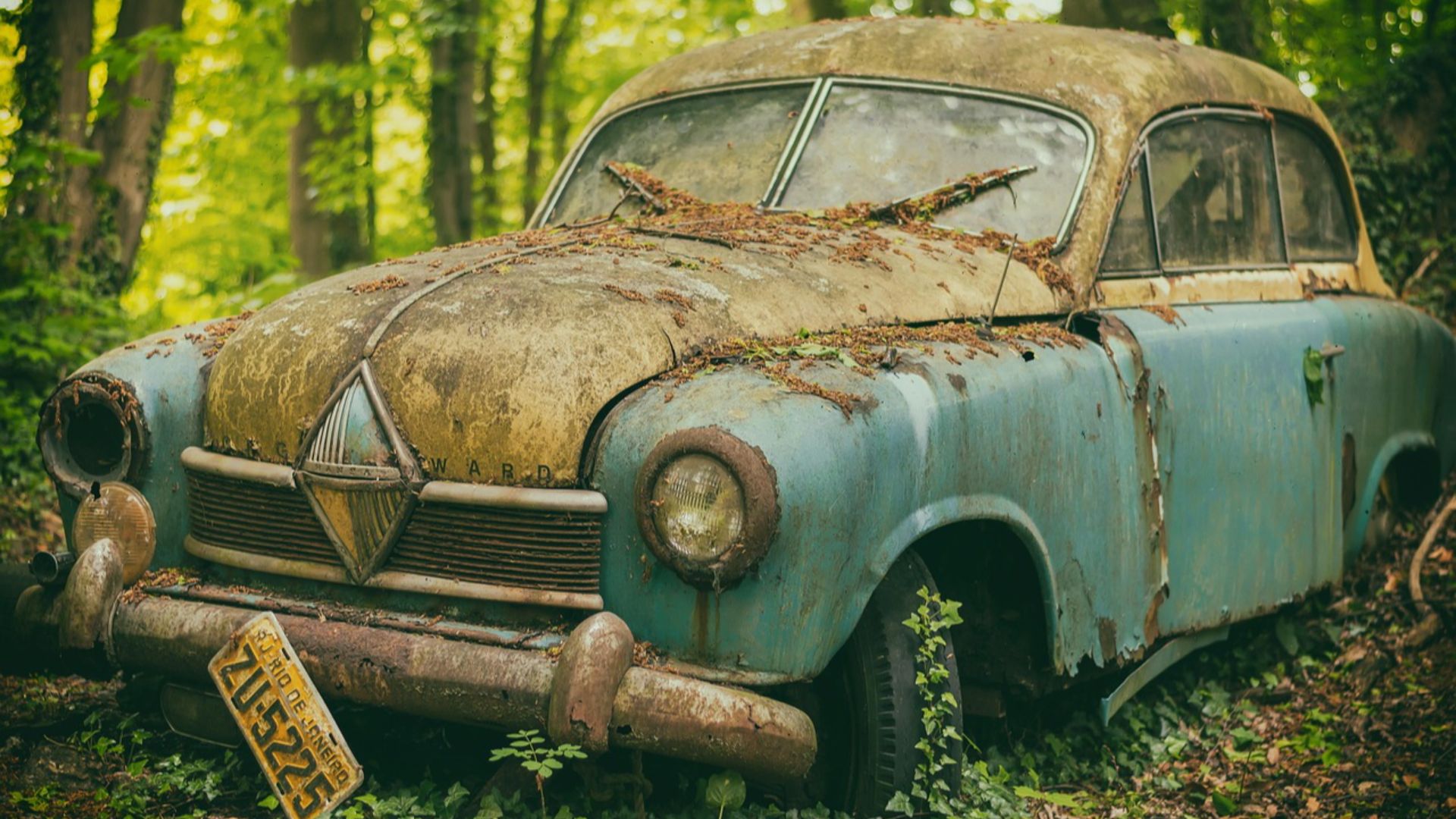
Collector status often arrives only after supply disappears. Everyday cars get driven in winter, parked outside, modified, wrecked, and eventually scrapped because nobody believes they are worth saving. By the time nostalgia arrives, genuinely original examples can be surprisingly scarce. Hemmings notes that this cycle has transformed formerly overlooked everyday vehicles into enthusiast objects.
Rarity Isn’t Everything
Low production alone doesn’t guarantee collectibility. Cars usually need something else: distinctive styling, unusual engineering, strong performance, cultural importance, or a memorable driving experience. Modern-classic interest increasingly extends into vehicles from the 1980s through 2000s as younger enthusiasts seek the cars they remember from childhood and early adulthood.
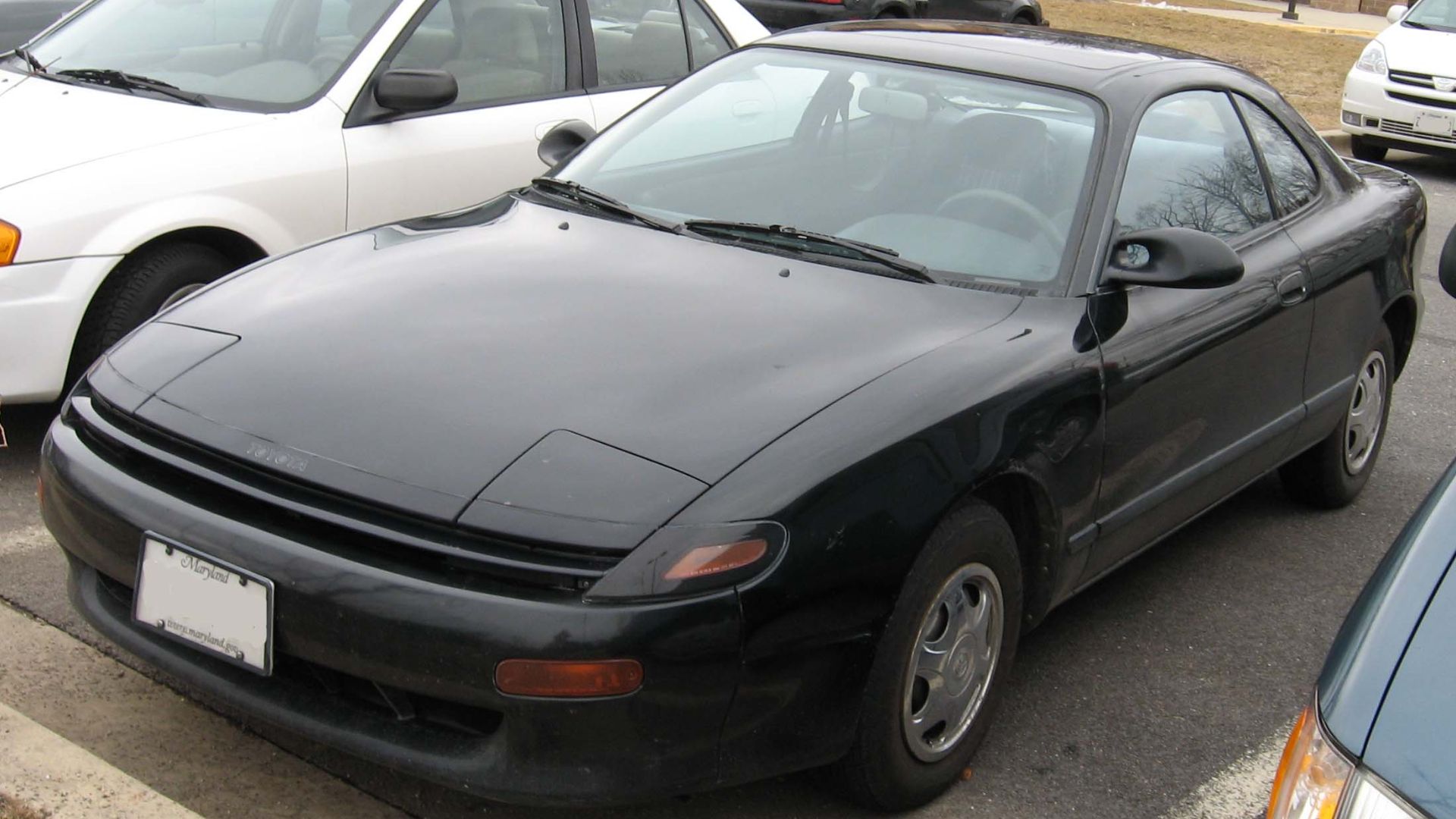
Originality Starts To Matter
Ironically, the modifications that make inexpensive cars fun when they are young can make untouched survivors valuable when they are old. Collectors frequently prize factory specifications, original interiors, documentation, low mileage, and excellent condition. Hagerty specifically identifies originality, ownership history, documentation, rarity, and condition as factors capable of significantly affecting collector-car values.
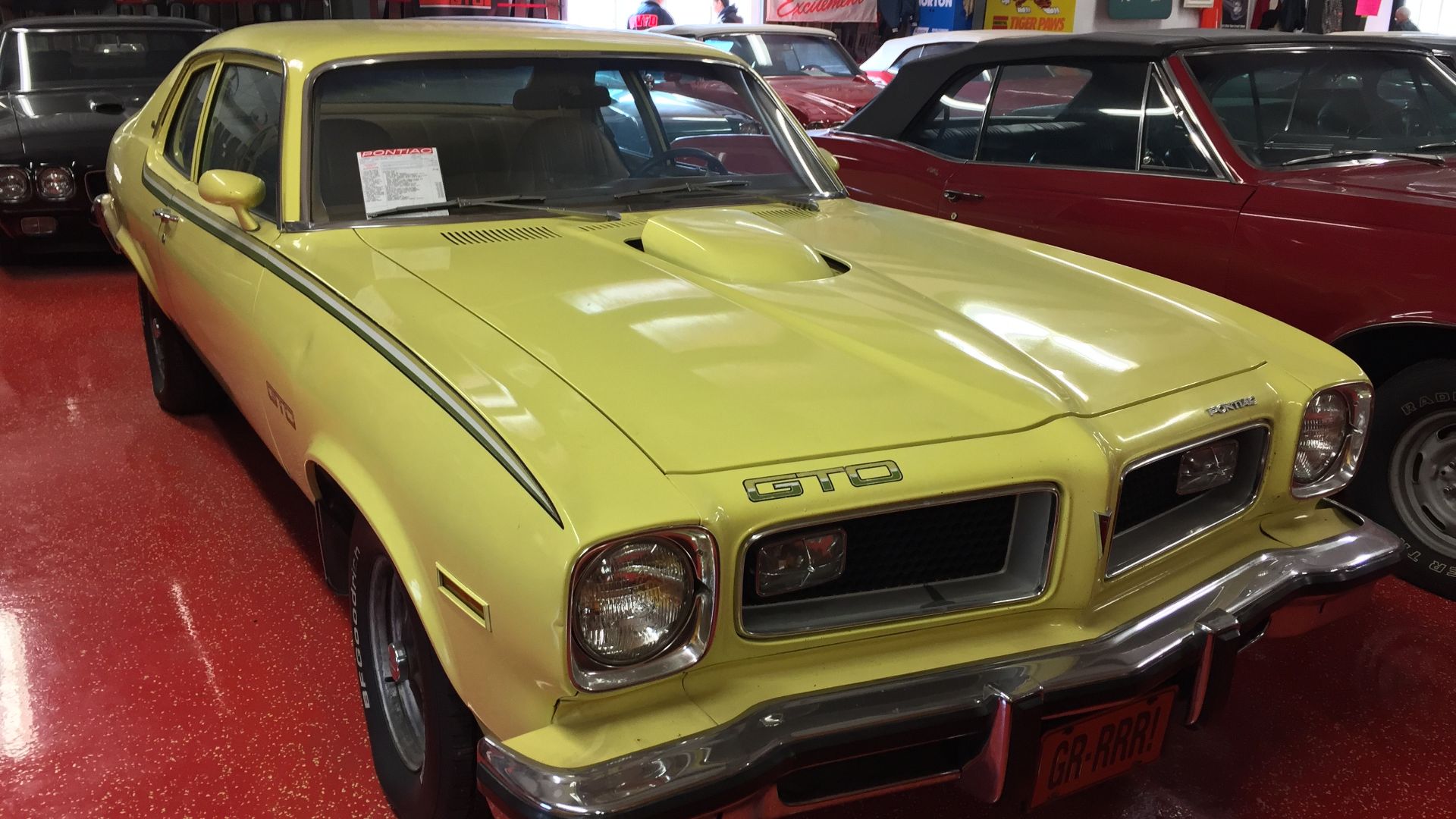
Today’s Beater, Tomorrow’s Classic
The pattern keeps repeating. Cars become cheap, nobody preserves them, survivors disappear, and eventually somebody realizes how much character was lost. That doesn’t mean every aging commuter car is an investment. But it does mean the immaculate, one-owner oddball sitting unnoticed in your neighbor’s garage might deserve another look before somebody trades it in.
You May Also Like:
Classic Pickup Trucks That Were Made For Work, Not Showing Off—Did Your Dad Ever Drive One?
Cars That Looked Ordinary But Became Secret Cult Favorites