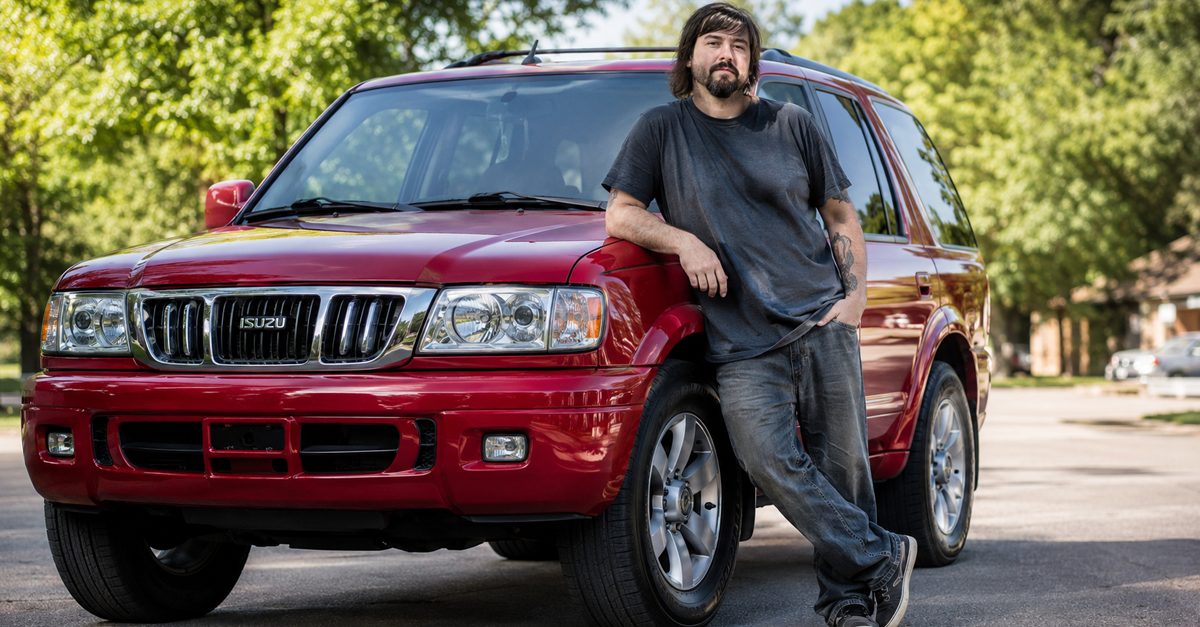
Welcome To The Automotive Memory Test
The 2000s produced countless vehicles that vanished from roads and public memory with surprising speed. Some wore forgotten badges, while others came from brands that no longer sell cars in America. See whether you remember at least five of these 25 overlooked machines.
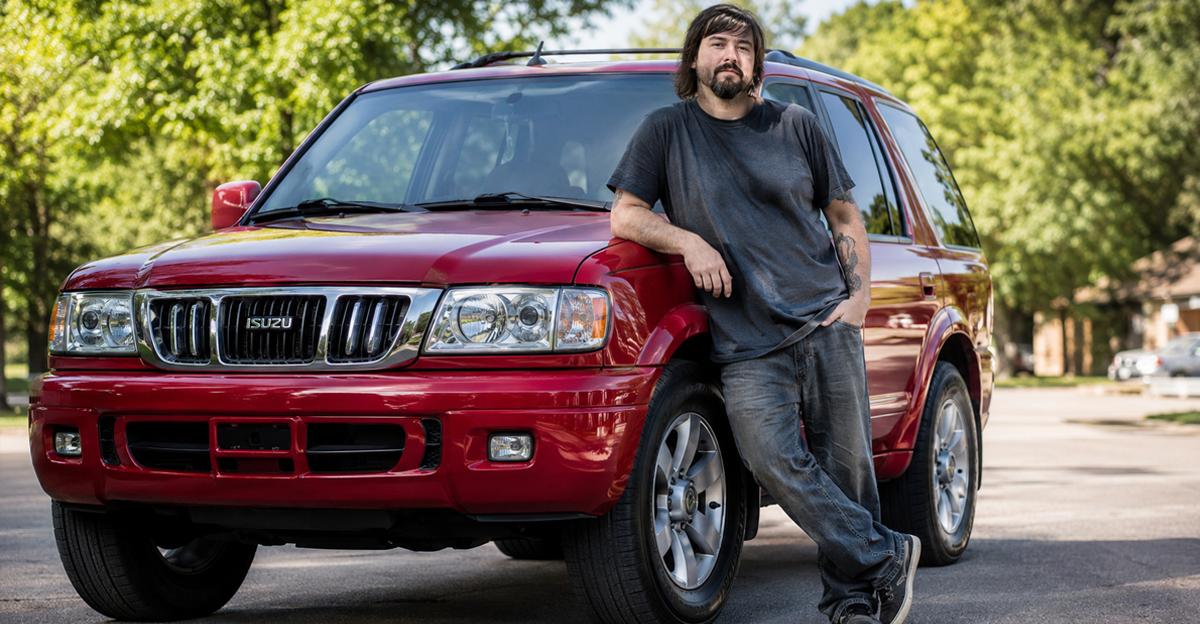
Isuzu Axiom
The Isuzu Axiom arrived for 2002 with an unusual combination of body-on-frame construction and rounded, futuristic styling. Its 3.5-liter V6 produced 230 horsepower and worked with a four-speed automatic transmission. Buyers could choose rear-wheel drive or Isuzu’s Torque-on-Demand four-wheel-drive system.
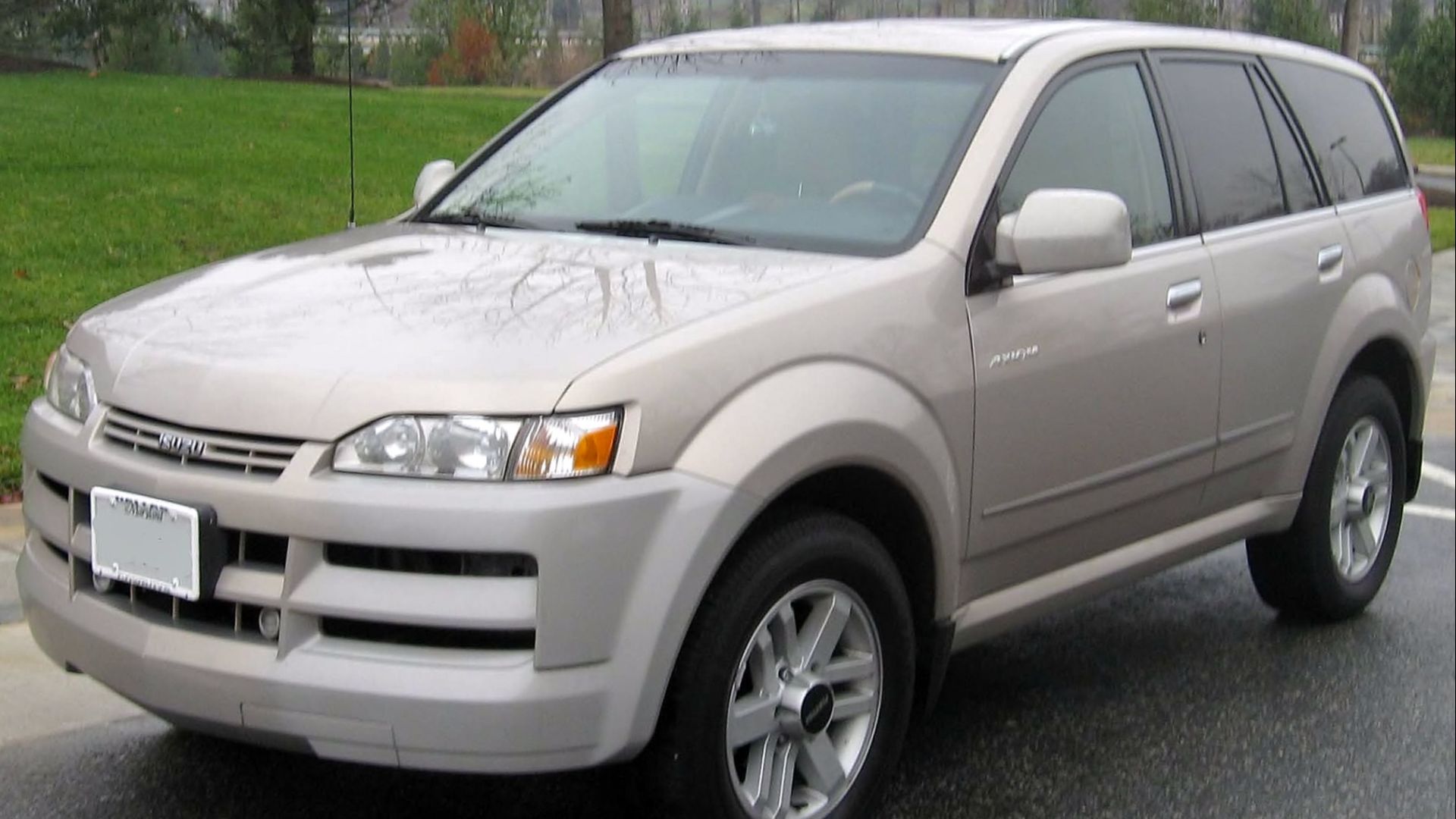
Subaru B9 Tribeca
Subaru entered the three-row crossover market with the 2006 B9 Tribeca. Its distinctive grille became the vehicle’s defining feature, although Subaru replaced the controversial front styling for 2008 and dropped the “B9” portion of its name. The original model used a 3.0-liter flat-six engine and offered seating for five or seven.
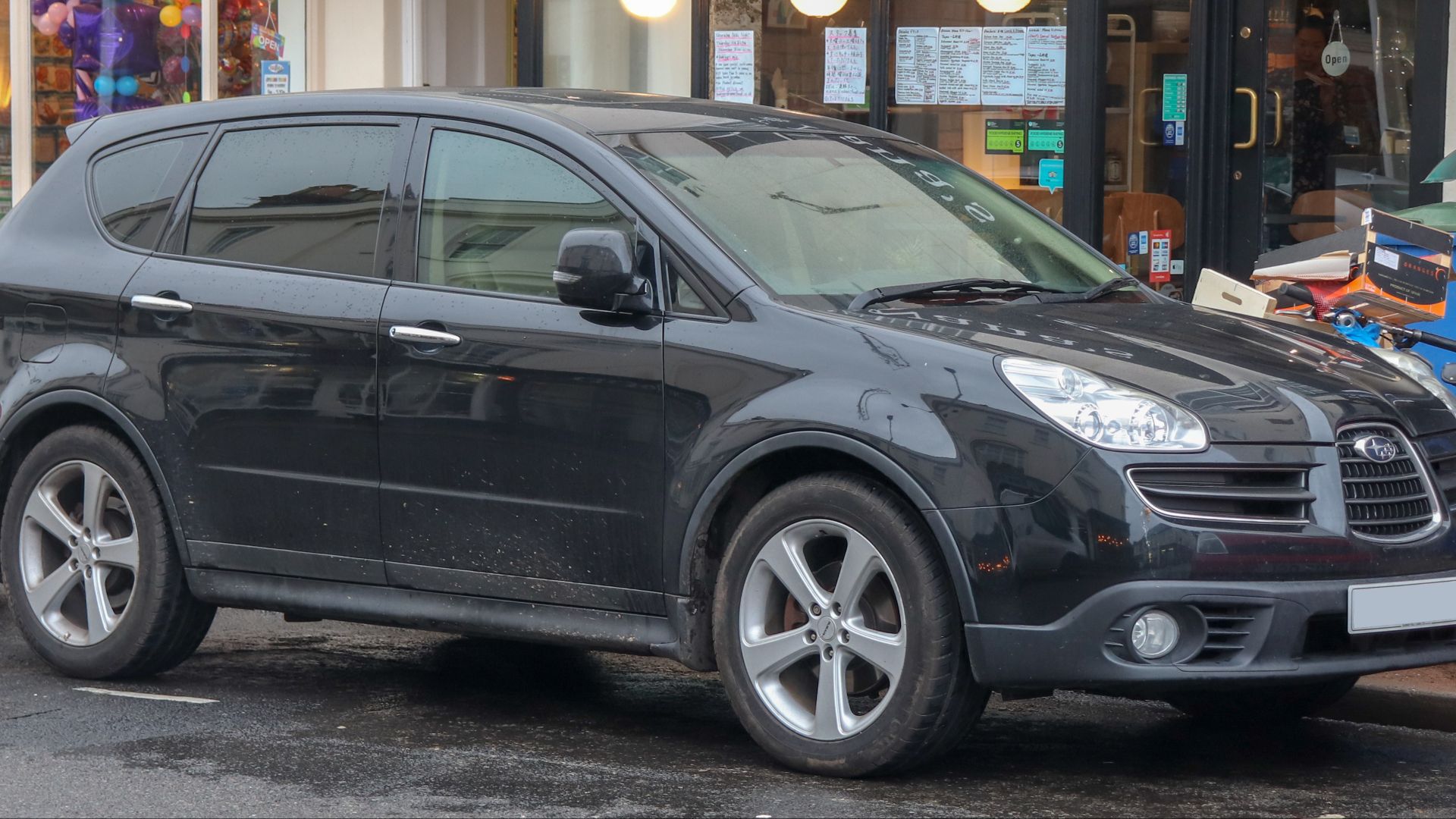
Saab 9-7X
The Saab 9-7X was a luxury SUV related to the Chevrolet TrailBlazer and other General Motors midsize SUVs. All-wheel drive was standard, while buyers initially chose between a 4.2-liter inline-six and a 5.3-liter V8. Saab-specific styling and interior details attempted to give this American-built SUV a Swedish personality.
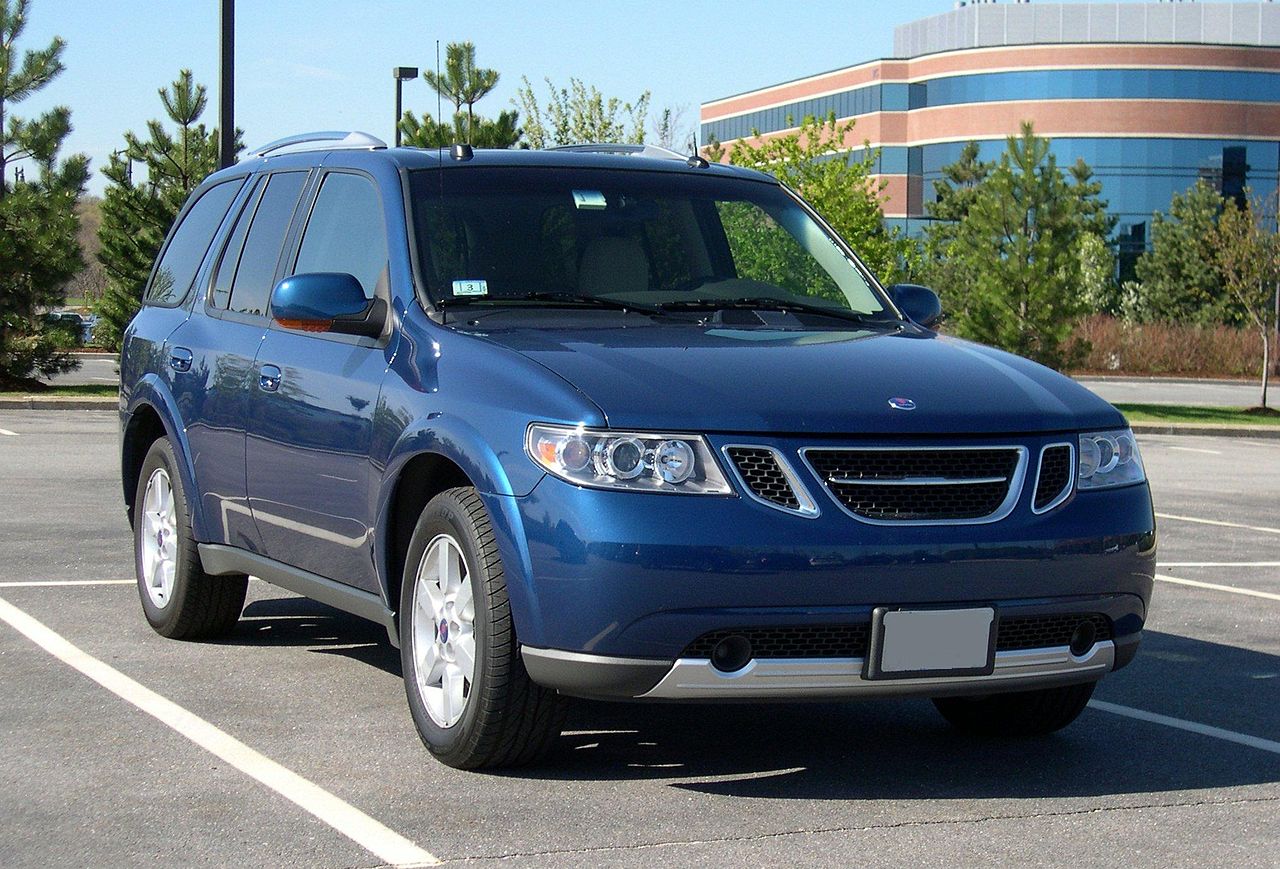 S. Foskett, CC BY-SA 3.0, Wikimedia Commons
Buick Rainier
Before the Enclave became Buick’s familiar crossover, the brand offered the truck-based Rainier. Introduced for 2004, it came with a 4.2-liter inline-six or an available 5.3-liter V8. It also served as Buick’s replacement for the departing Oldsmobile Bravada.
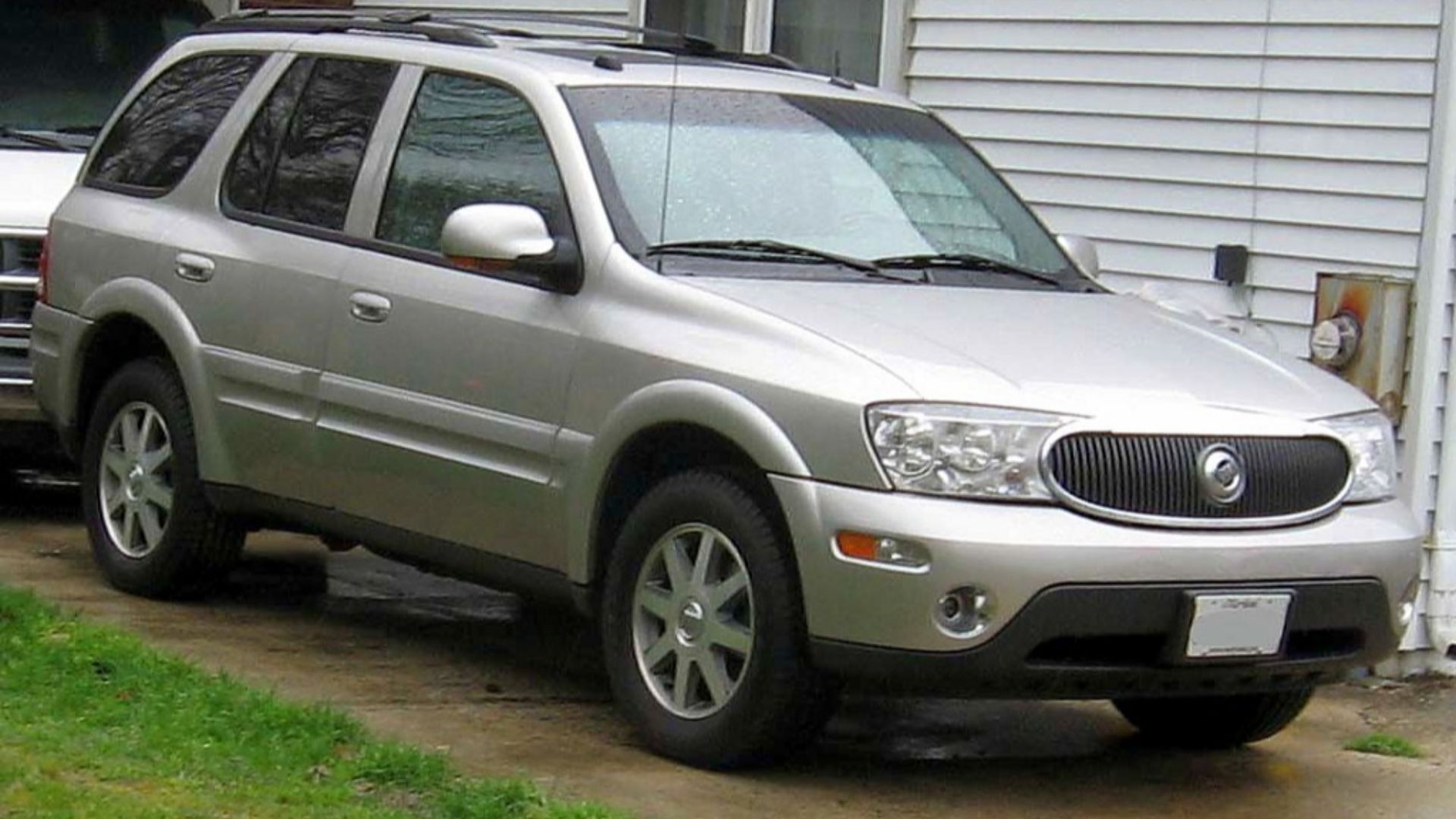
Suzuki Verona
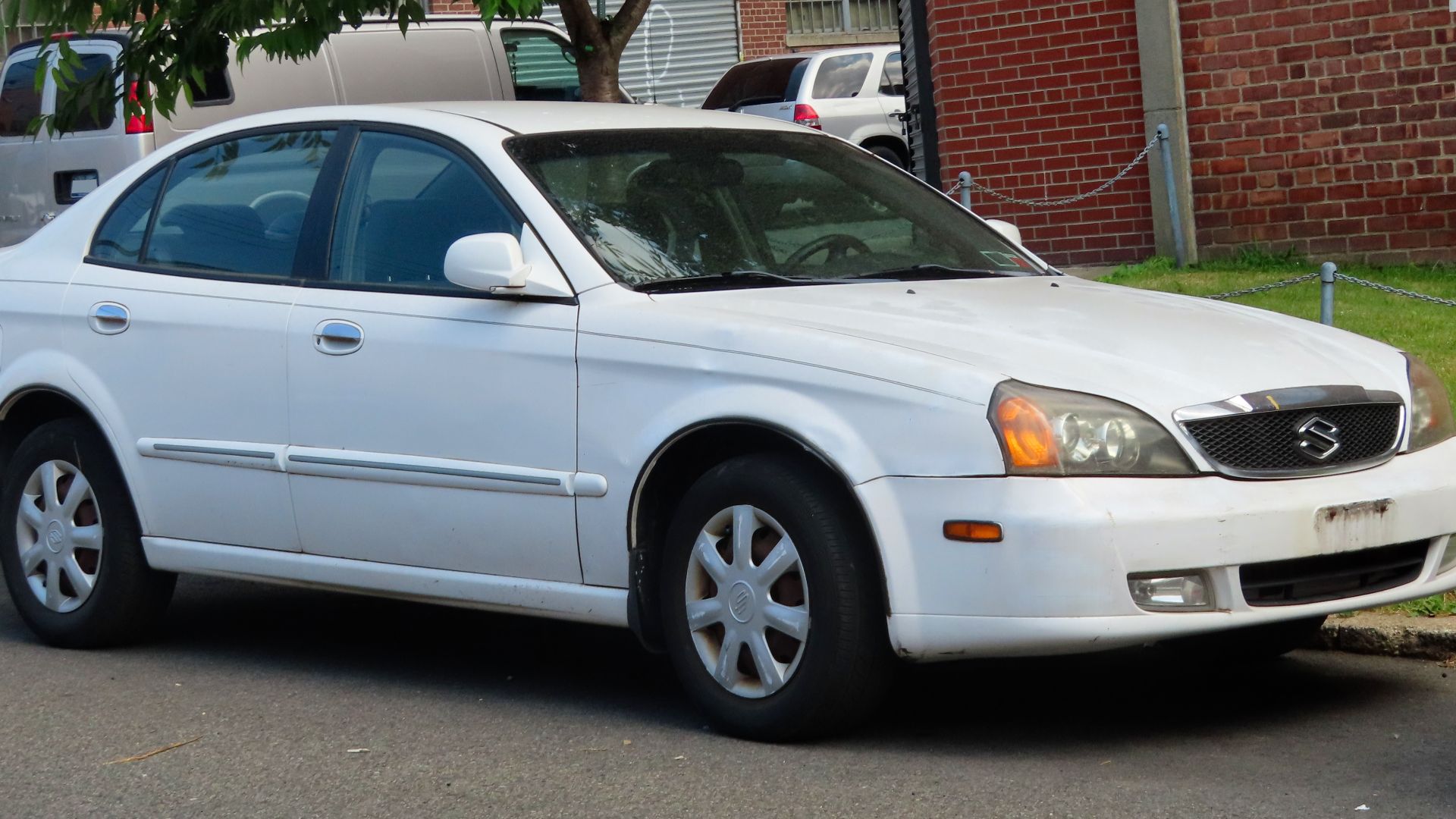
The 2004 Suzuki Verona was a midsize sedan with styling and engineering inherited from GM Daewoo. Its unusual 2.5-liter inline-six produced 155 horsepower and connected exclusively to a four-speed automatic transmission. Suzuki positioned it as an affordable alternative to mainstream family sedans such as the Toyota Camry and Honda Accord.
Suzuki Reno
Suzuki added the Reno hatchback to its American lineup for 2005. It used a 2.0-liter four-cylinder engine and offered either a five-speed manual or four-speed automatic transmission. The five-door body provided useful cargo flexibility, but the Reno struggled to distinguish itself in a crowded compact-car segment.
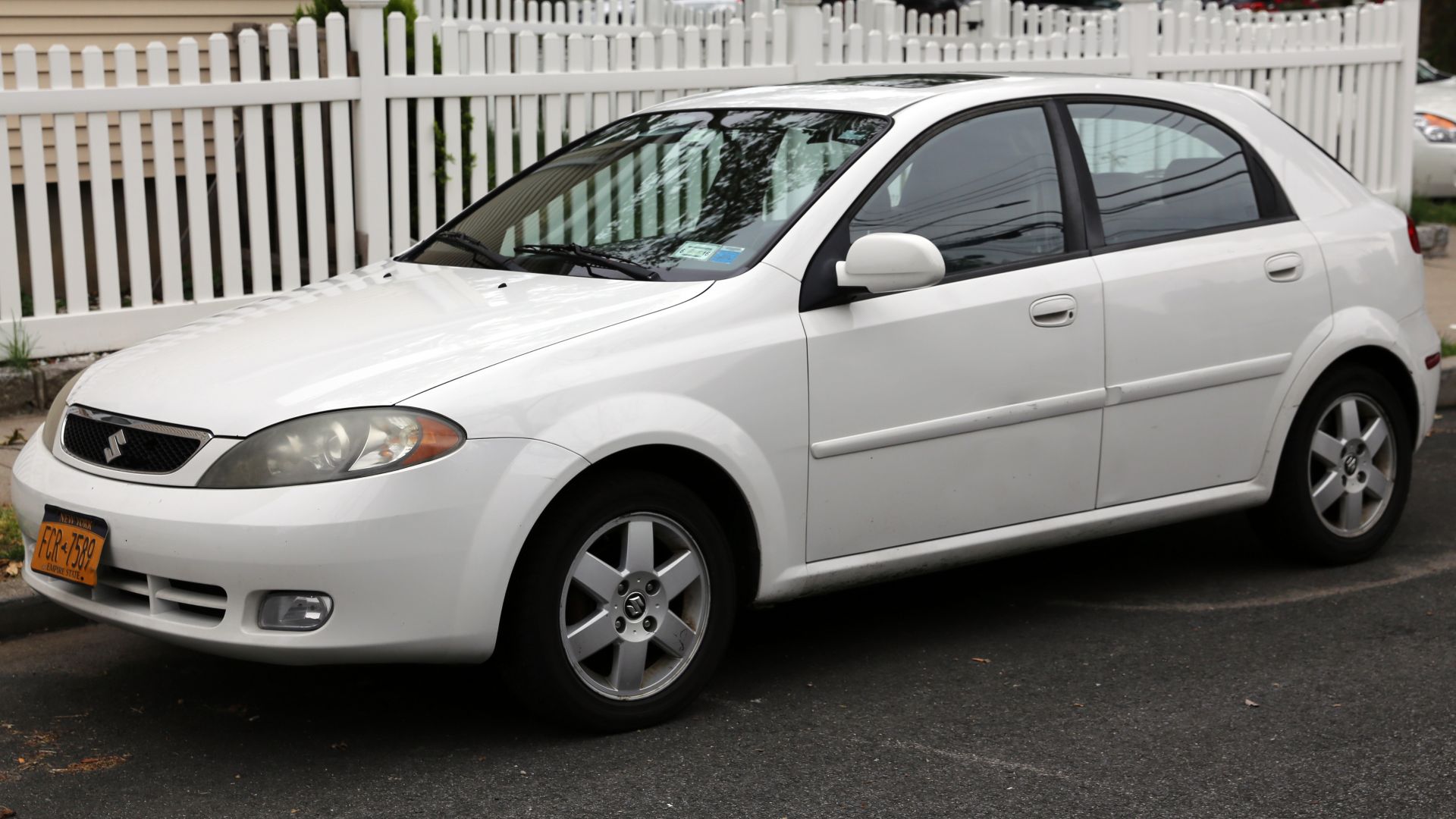 Mr.choppers, Wikimedia Commons
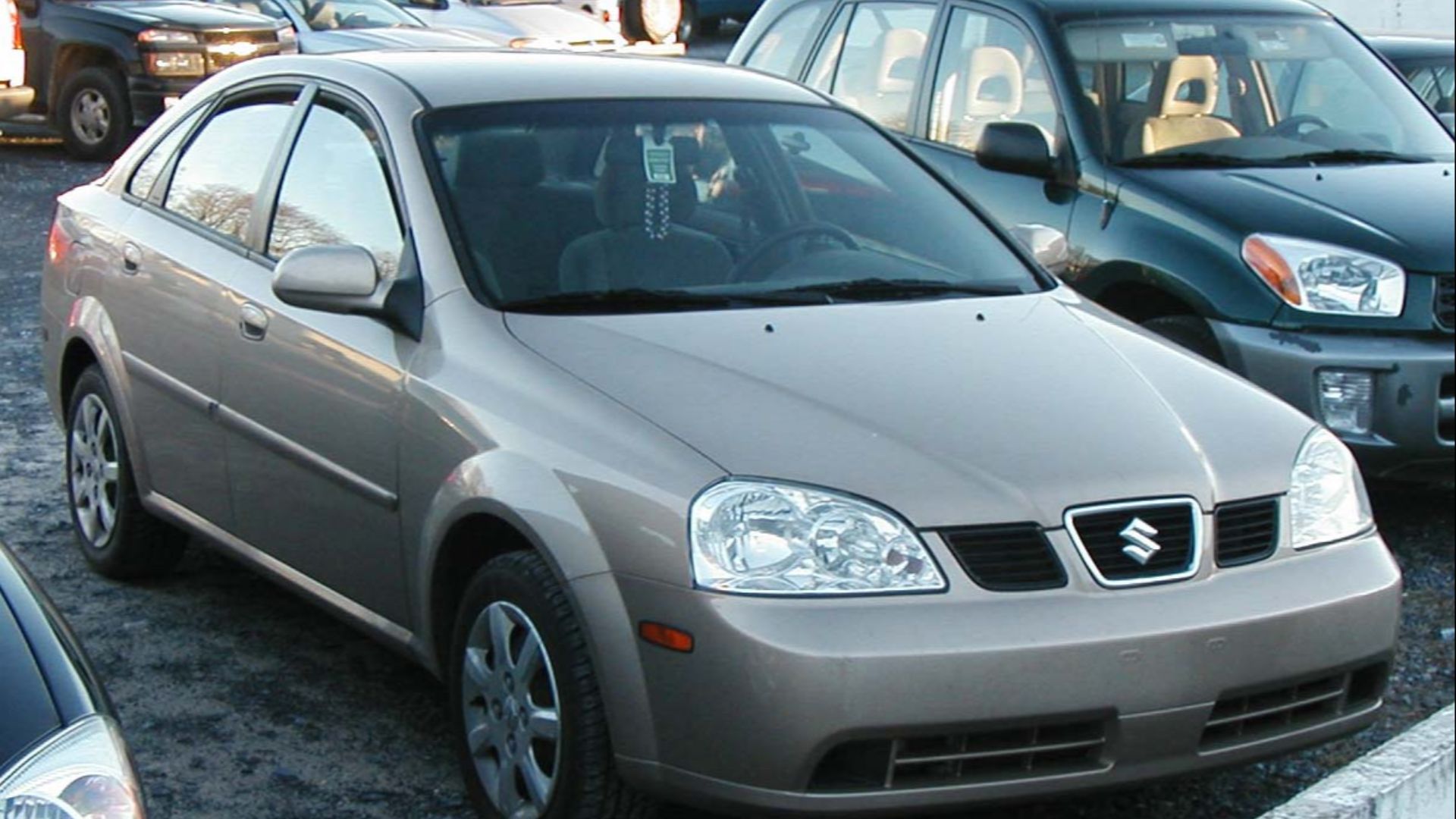
Suzuki Forenza
The Forenza joined Suzuki’s lineup as a value-focused compact sedan for 2004. Its 2.0-liter four-cylinder produced 119 horsepower, and the original lineup included S, LX, and EX trims. A Forenza wagon eventually joined the sedan, giving Suzuki another practical but easily overlooked model.
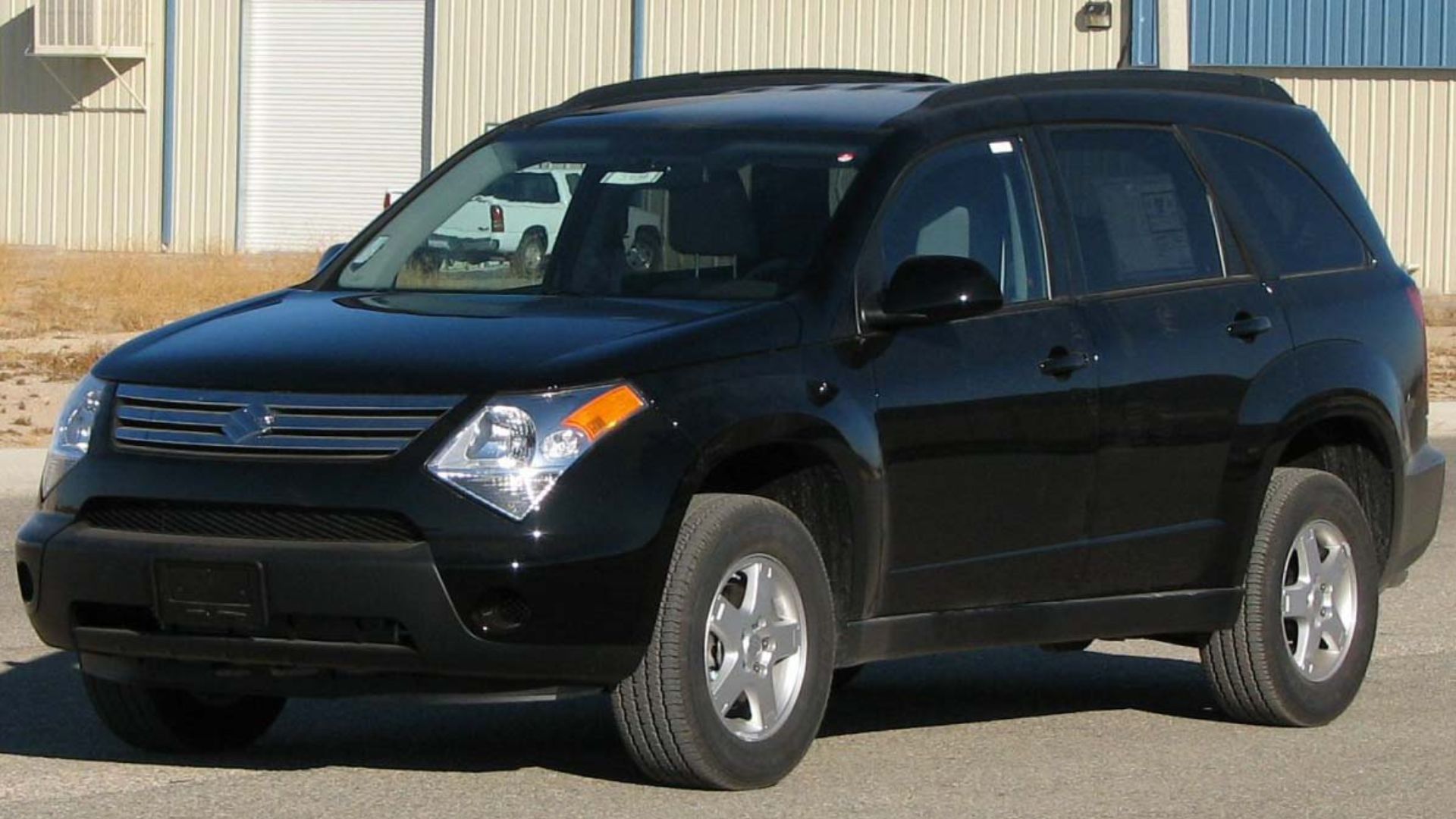
Suzuki XL7
Suzuki transformed the XL7 for 2007, replacing the earlier truck-like model with a larger crossover. It offered front-wheel drive or all-wheel drive, plus seating configurations for five or seven passengers. Every version used a 3.6-liter V6 and a five-speed automatic transmission.
 U.S. National Highway Traffic Safety Administration, Wikimedia Commons
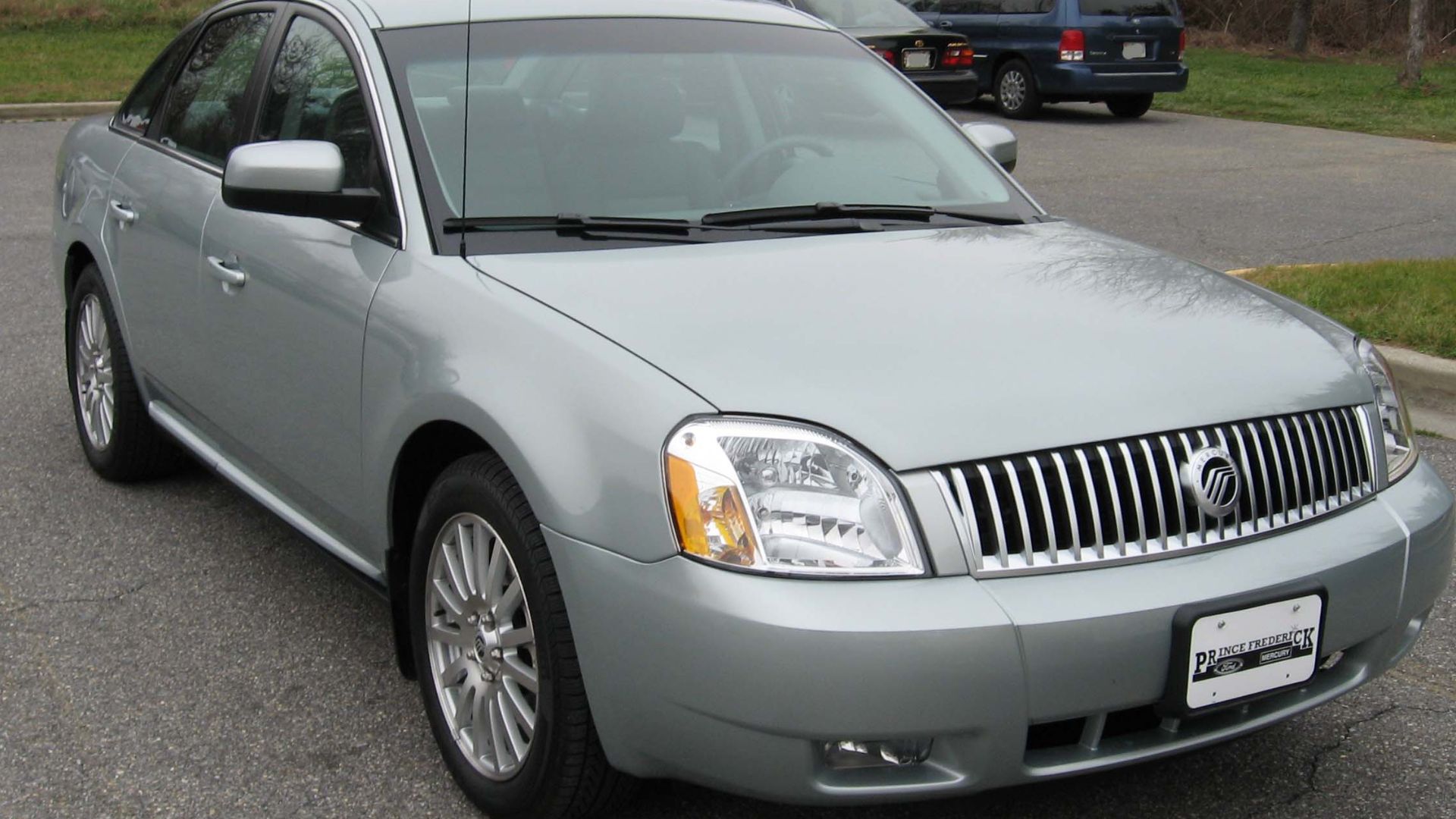
Mercury Montego
Mercury revived the Montego name for a large sedan introduced for the 2005 model year. The car shared its basic architecture with the Ford Five Hundred and offered front-wheel drive or all-wheel drive. A 203-horsepower 3.0-liter V6 powered every 2006 version.
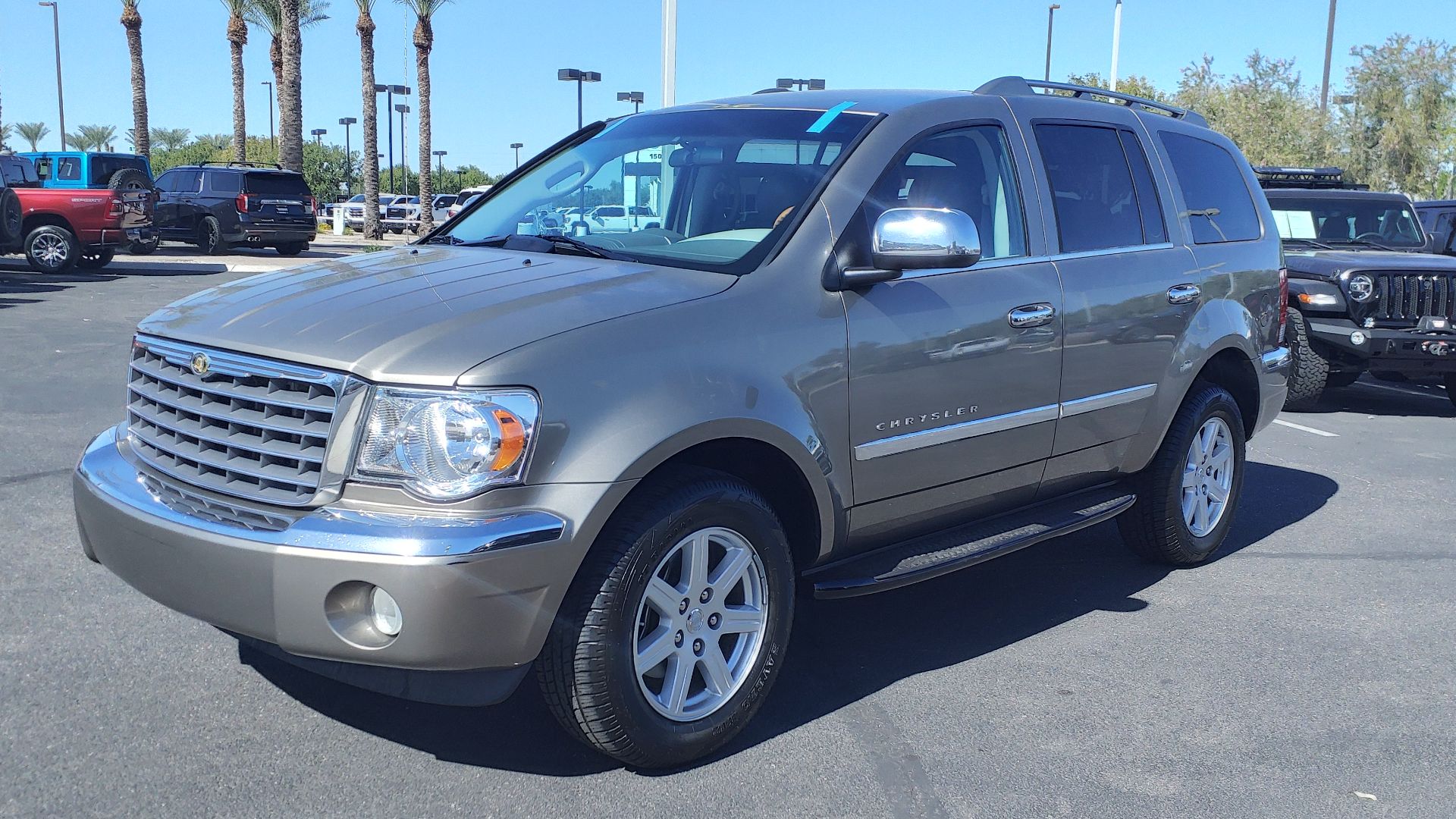
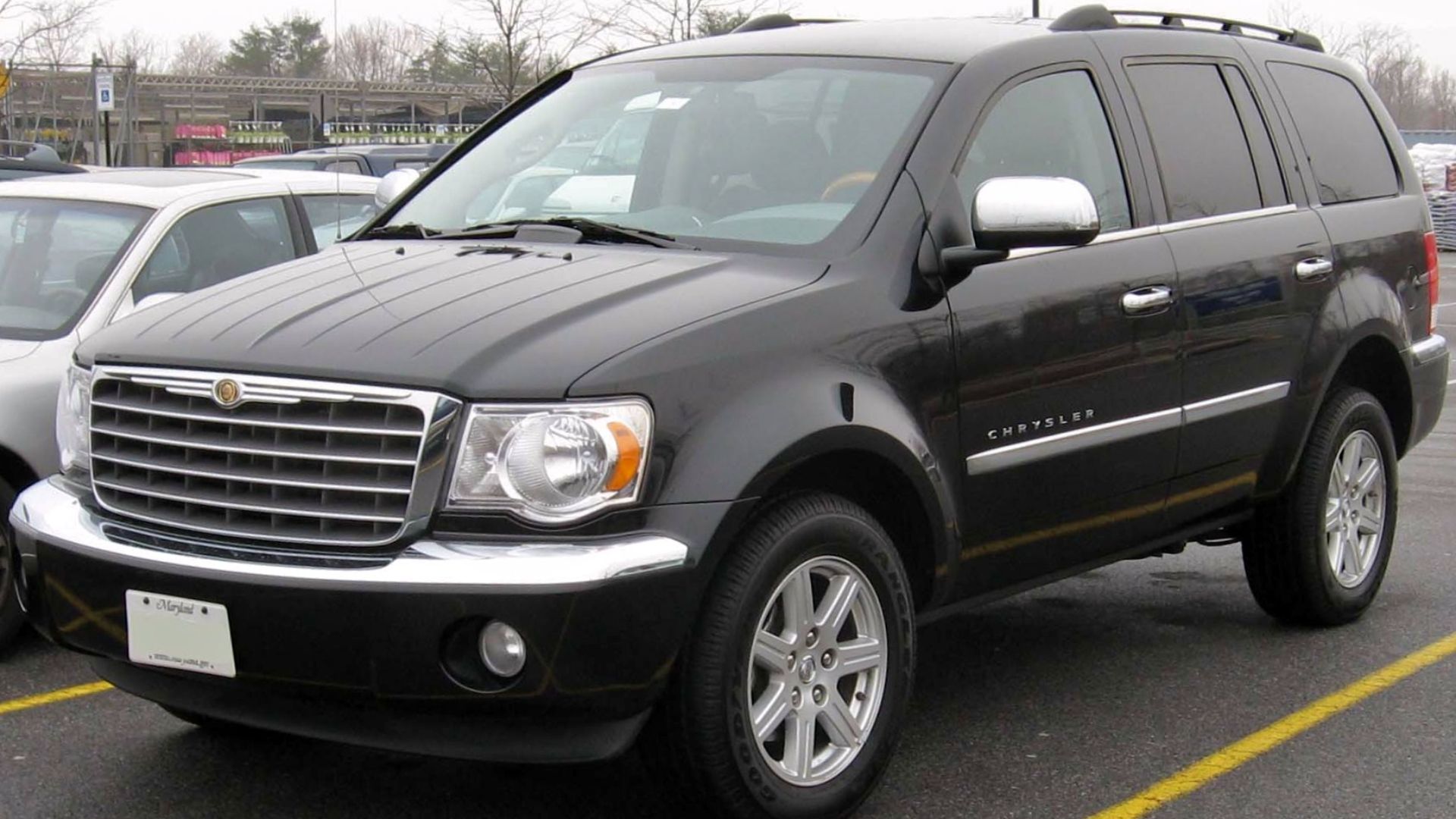
Chrysler Aspen
The 2007 Aspen became Chrysler’s first full-size SUV. It shared its underlying design with the Dodge Durango but added a more formal grille, additional chrome, and an upscale interior. Buyers could select a 4.7-liter V8 or the available 5.7-liter Hemi V8.
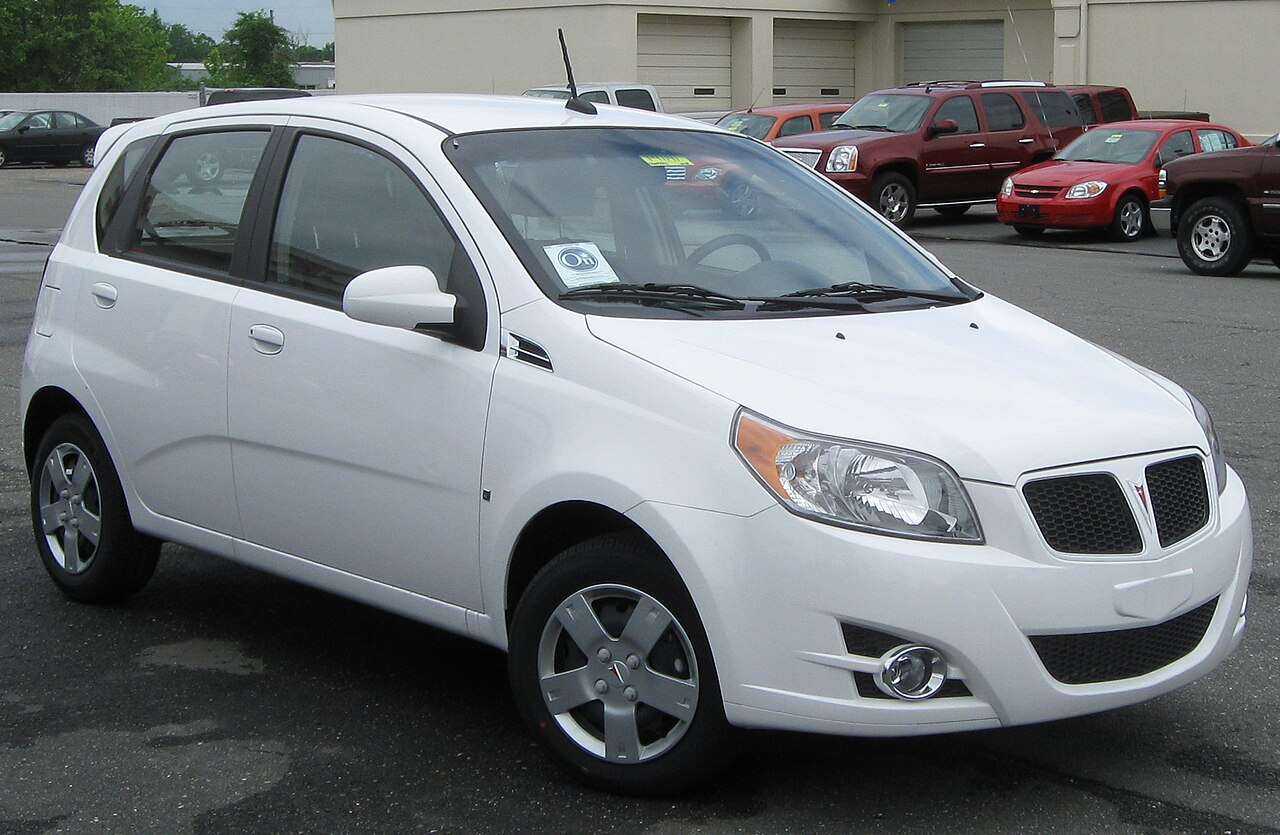
Pontiac G3
The Pontiac G3 was a five-door subcompact based on the Chevrolet Aveo. It reached American showrooms for 2009 with a 1.6-liter four-cylinder, front-wheel drive, and a choice of manual or automatic transmissions. Pontiac disappeared soon afterward, leaving the G3 as one of the shortest chapters in the brand’s history.
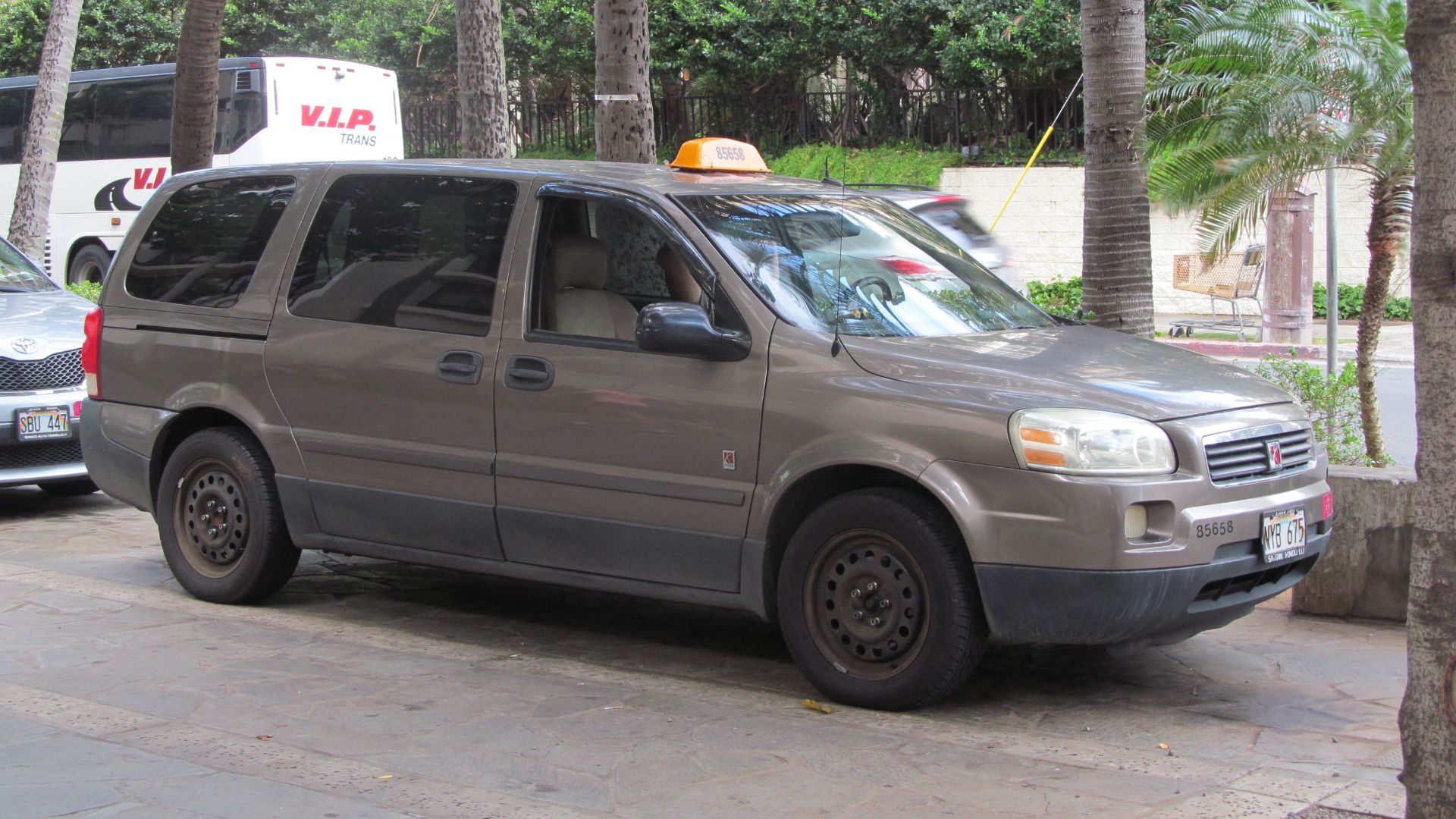
Saturn Relay
Saturn’s first minivan arrived for 2005 wearing the Relay name. It shared much of its engineering and body structure with the Buick Terraza, Chevrolet Uplander, and Pontiac Montana SV6. Front-wheel drive and all-wheel drive were available, and some versions included a rear entertainment system.
 Riley from Christchurch, New Zealand, Wikimedia Commons
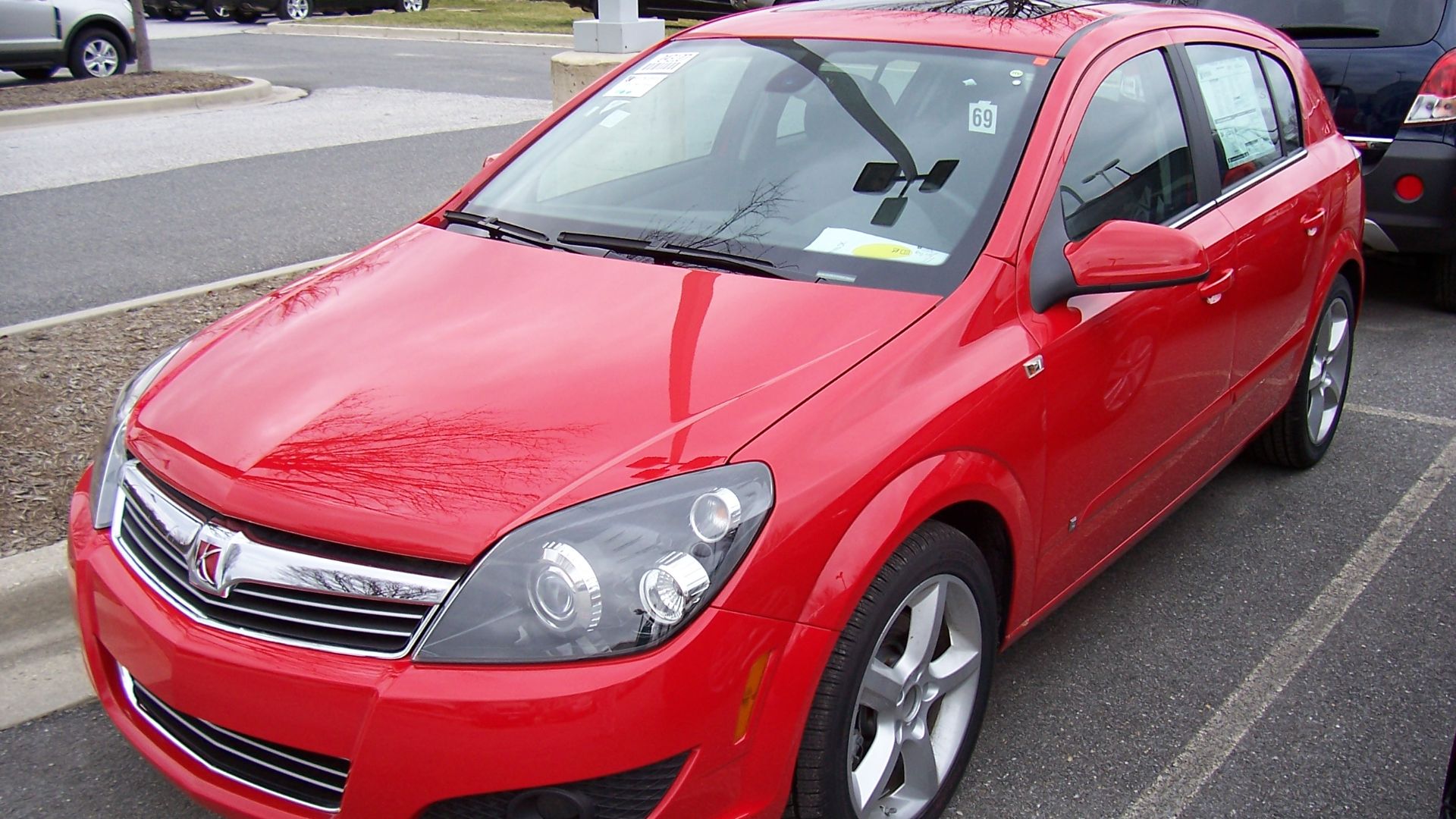
Saturn Astra
The Astra replaced the Saturn Ion for 2008 and brought European Opel engineering to American dealerships. It came exclusively as a two-door or four-door hatchback with a 1.8-liter four-cylinder engine. Buyers could choose a five-speed manual or four-speed automatic transmission.
 Original uploader was Aneekr at en.wikipedia, Wikimedia Commons
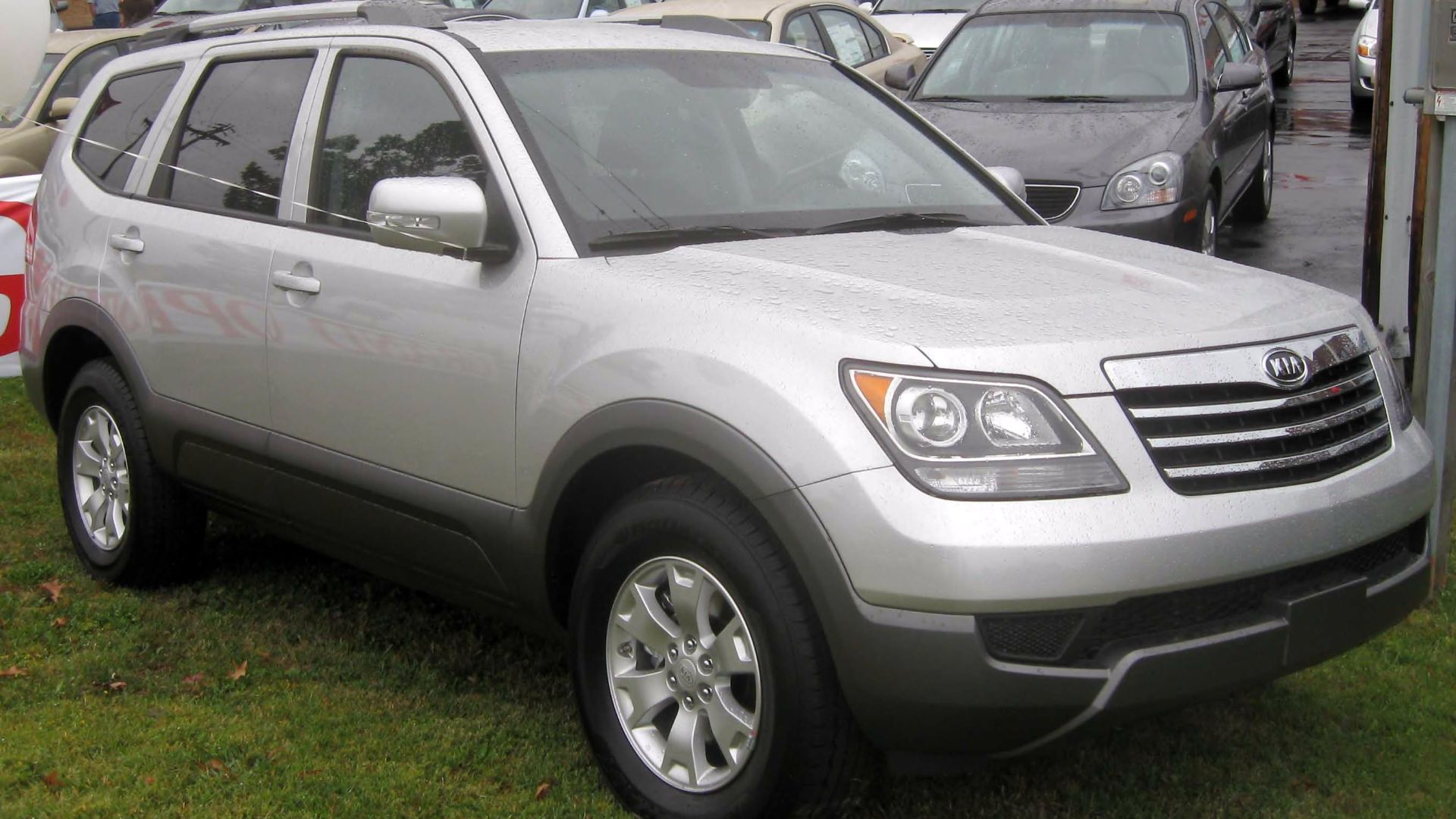
Kia Borrego
Kia launched the Borrego for 2009 just as American buyers were moving away from traditional truck-based SUVs. It offered three-row seating, rear-wheel drive or four-wheel drive, and a choice between V6 and V8 power. The 337-horsepower 4.6-liter V8 version could tow up to 7,500 pounds when properly equipped.
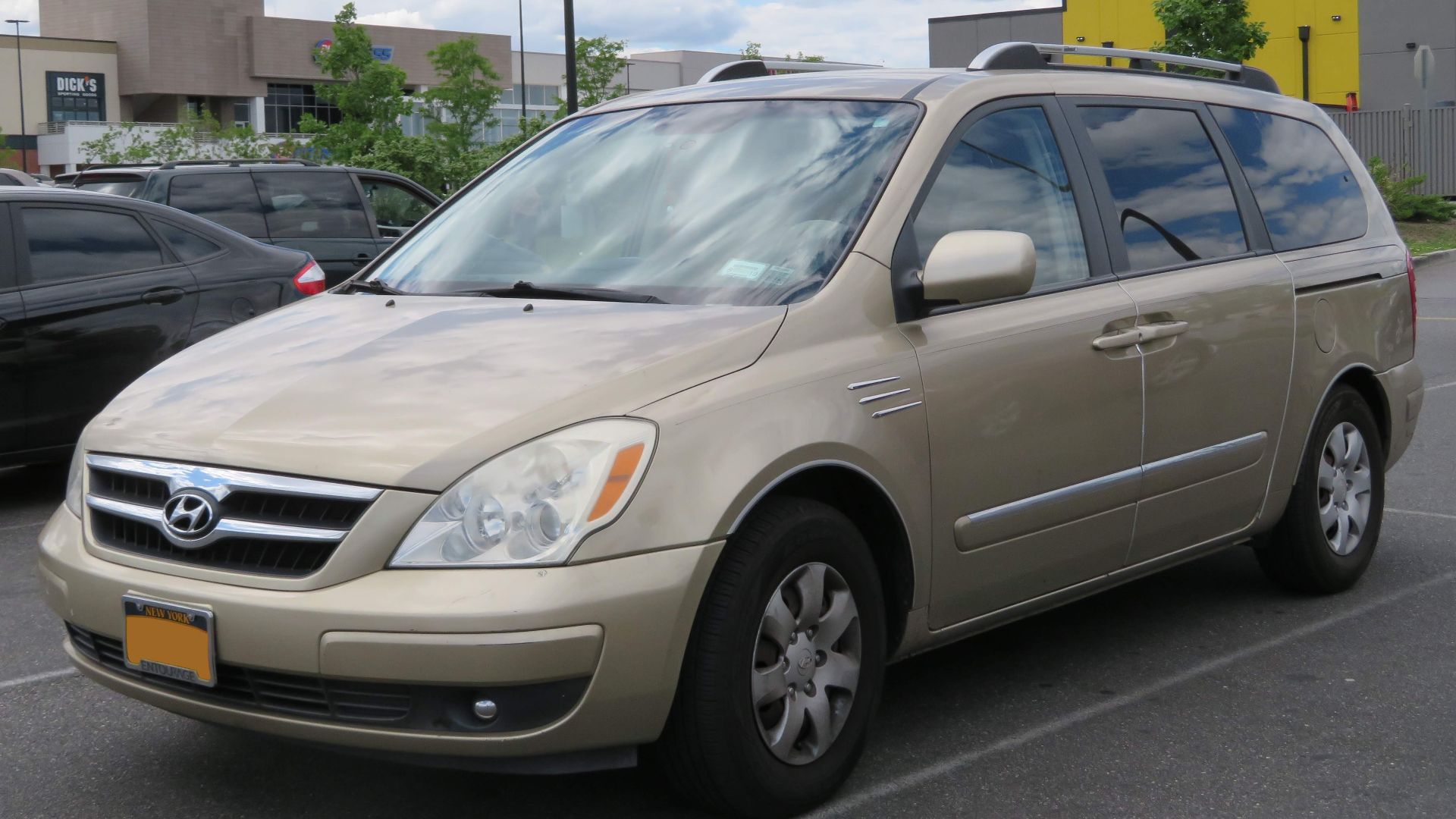
Hyundai Entourage
The 2007 Entourage was Hyundai’s first minivan in the American market. It shared its basic platform with the Kia Sedona and used a 250-horsepower 3.8-liter V6. Standard equipment included seven-passenger seating, stability control, three-row curtain airbags, and tri-zone climate control.
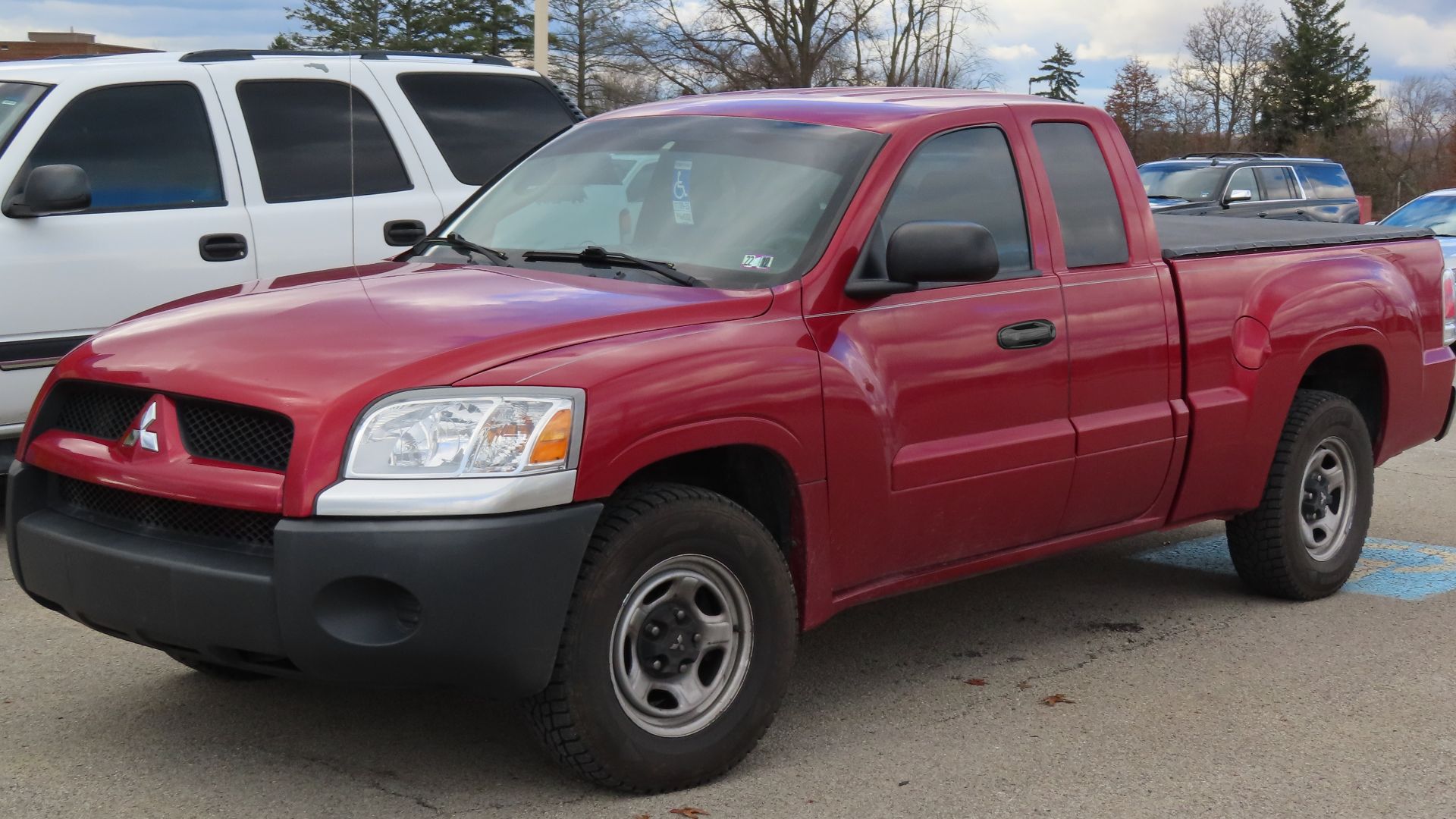
Mitsubishi Raider
Mitsubishi returned to the American pickup market with the 2006 Raider. The midsize truck was closely related to the Dodge Dakota and came in extended-cab and four-door Double Cab configurations. Buyers could select a 3.7-liter V6 or a 4.7-liter V8.
 MercurySable99, Wikimedia Commons
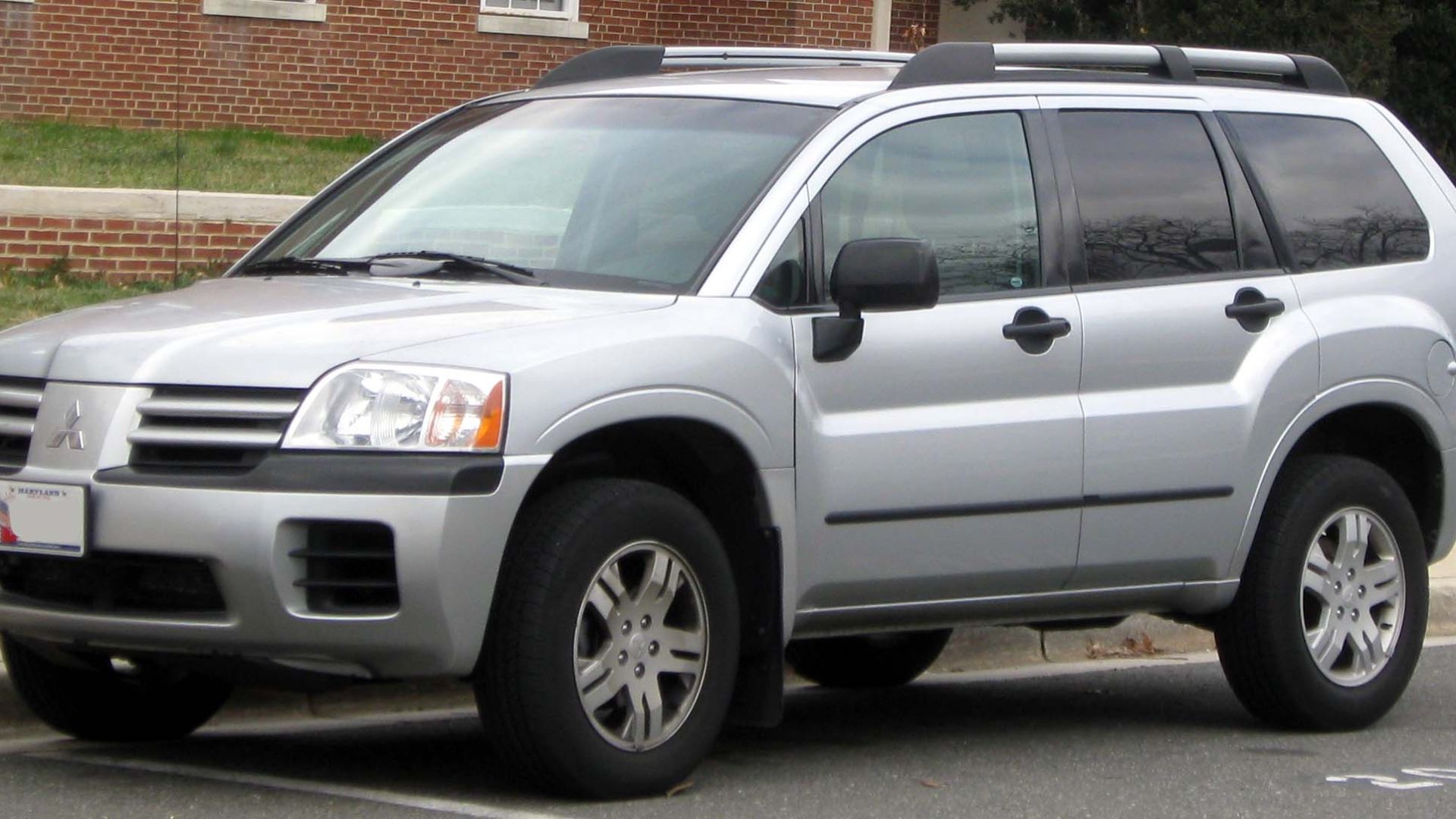
Mitsubishi Endeavor
The Endeavor reached dealerships for 2004 as a midsize crossover positioned between traditional SUVs and family cars. Every model used a 3.8-liter V6 and a four-speed automatic transmission. Front-wheel drive was standard, while all-wheel drive was available on selected trims.
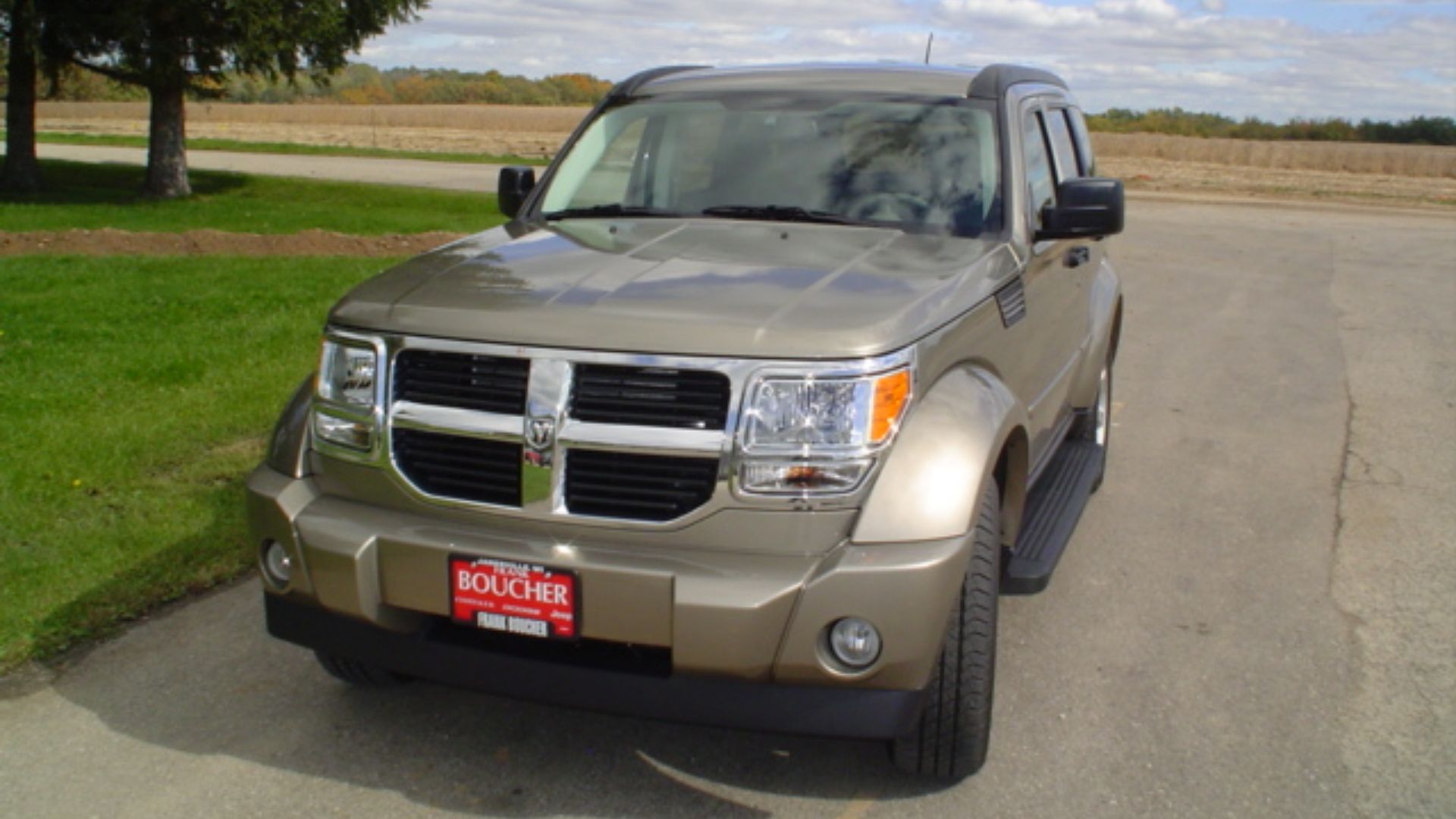
Dodge Nitro
Dodge introduced the Nitro for 2007 with squared-off styling and a platform related to the Jeep Liberty. Most versions used a 3.7-liter V6, although the R/T received a more powerful 4.0-liter engine. An available sliding cargo floor called Load ’n Go extended outward to simplify loading.
 National Highway Traffic Safety Administration, Wikimedia Commons
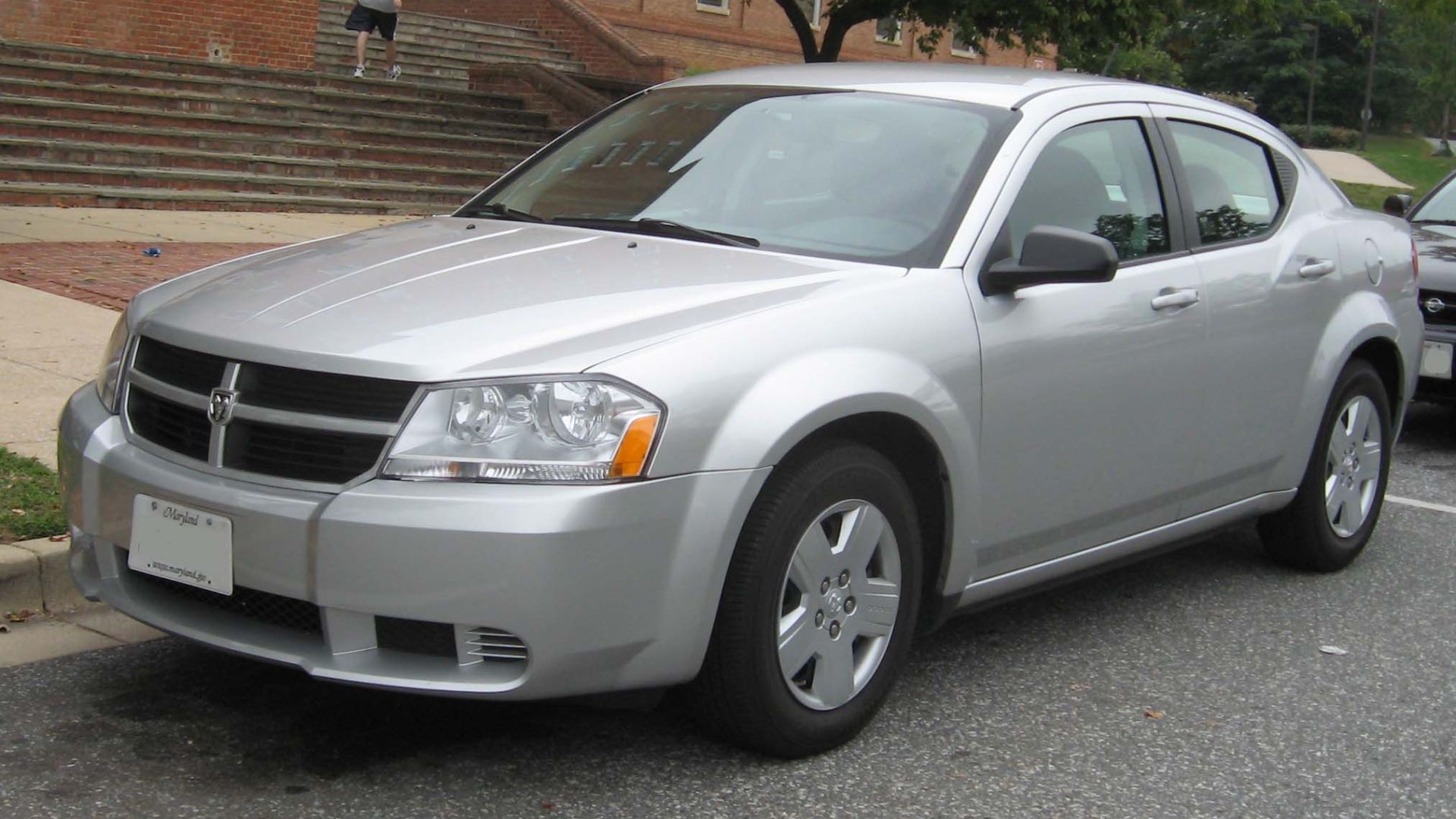
Dodge Avenger
The Avenger name returned for 2008 on a four-door midsize sedan rather than a coupe. Engine choices included a 2.4-liter four-cylinder and two V6 options, with the R/T receiving a 235-horsepower 3.5-liter V6. An air-conditioned storage compartment called the Chill Zone was among its more unusual features.
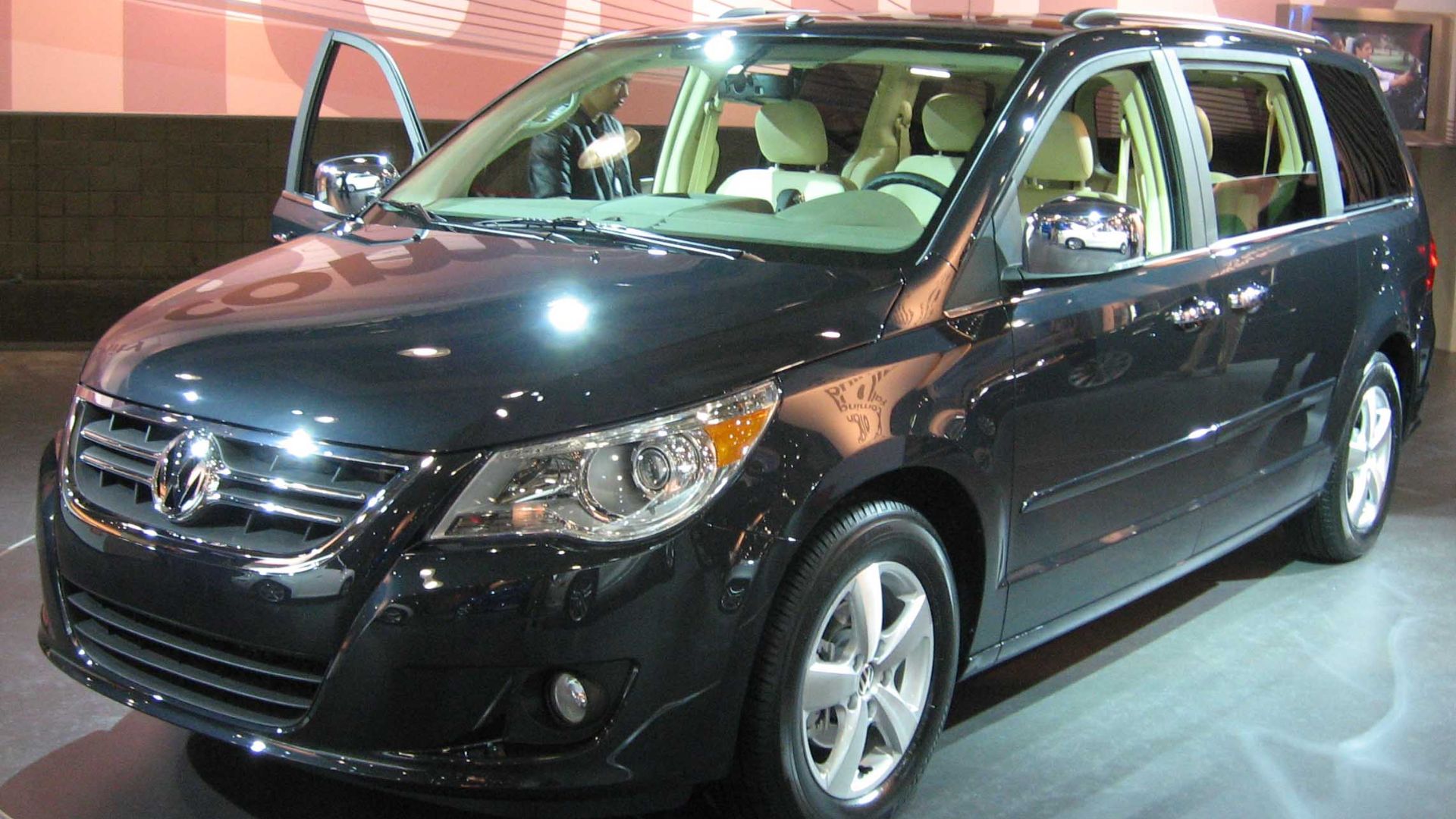
Volkswagen Routan
Volkswagen returned to the conventional minivan market with the 2009 Routan. It was manufactured in Canada and shared its foundation with Chrysler’s Town & Country and Dodge Grand Caravan. Volkswagen supplied unique styling, revised suspension tuning, and its own interior details.
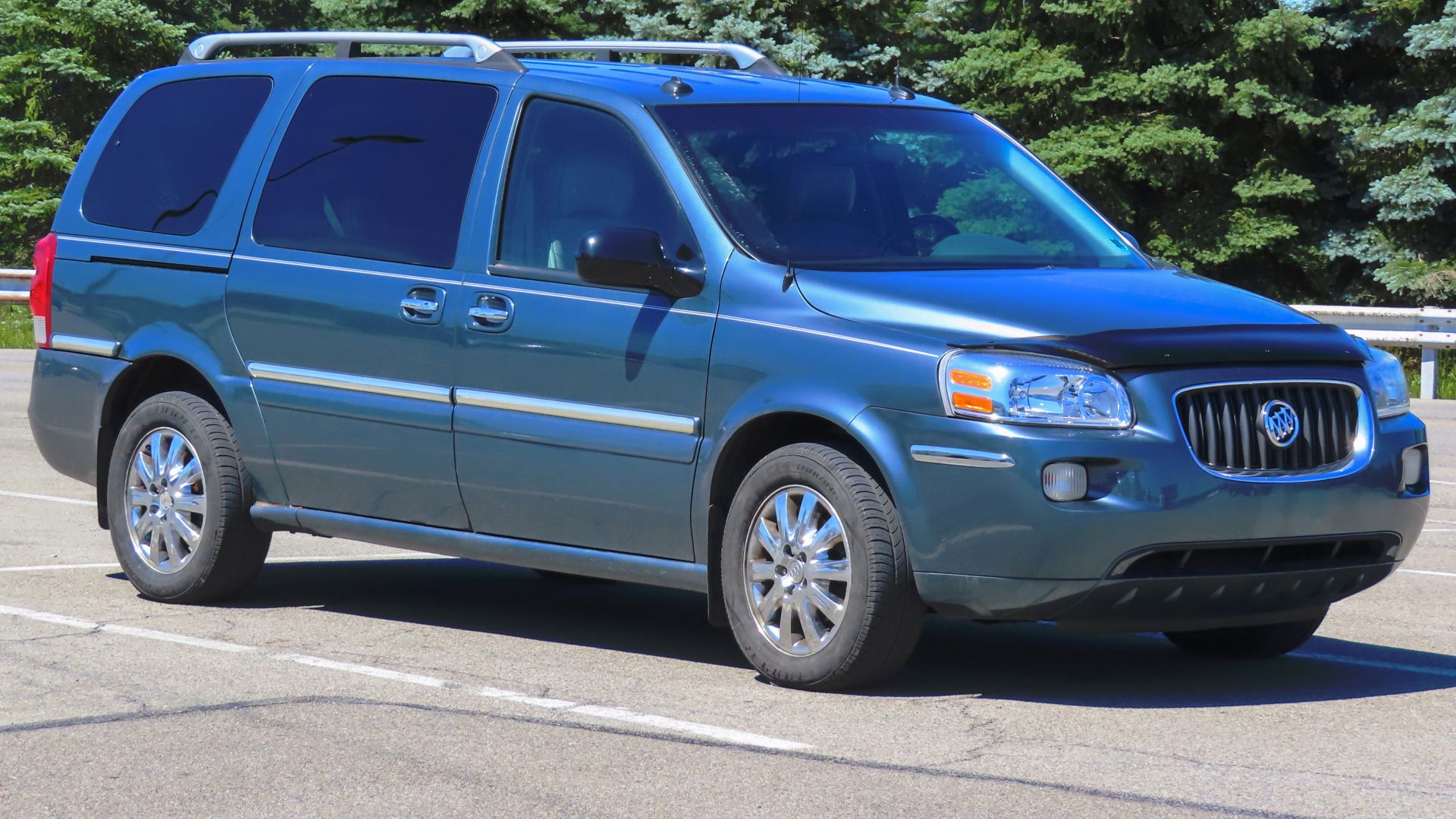
Buick Terraza
Buick described the 2005 Terraza as a crossover sport van, although its sliding rear doors clearly revealed its minivan roots. The seven-passenger vehicle came in CX and CXL trims with front-wheel drive or available all-wheel drive. Its original 3.5-liter V6 produced 200 horsepower.
 MercurySable99, Wikimedia Commons
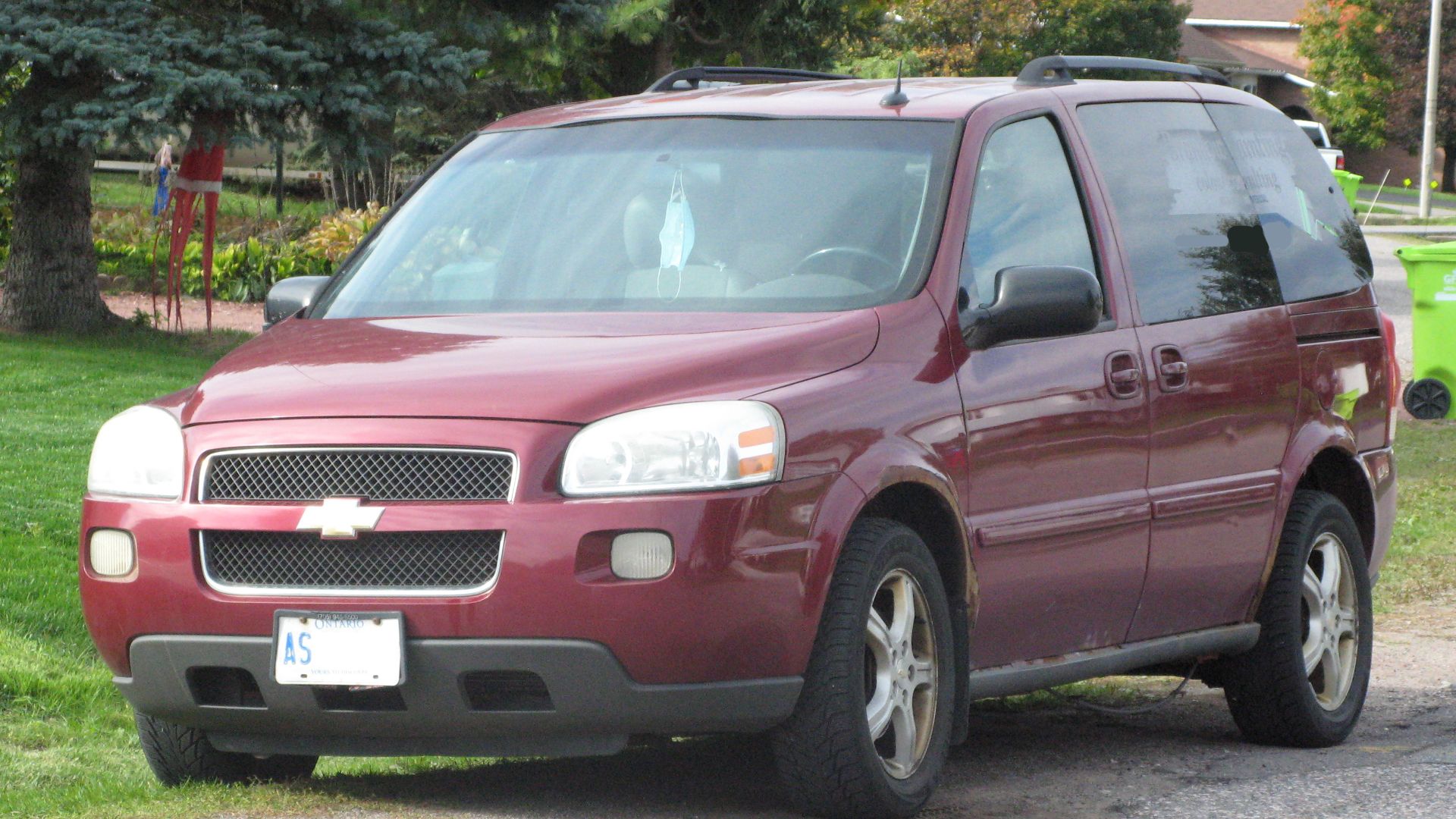
Chevrolet Uplander
The Chevrolet Uplander replaced the Venture for 2005. It shared its long-nose design with several other General Motors vans and was offered in passenger and cargo configurations. Buyers could choose front-wheel drive or all-wheel drive, while early models used a 3.5-liter V6 and four-speed automatic.
 SsmIntrigue, Wikimedia Commons
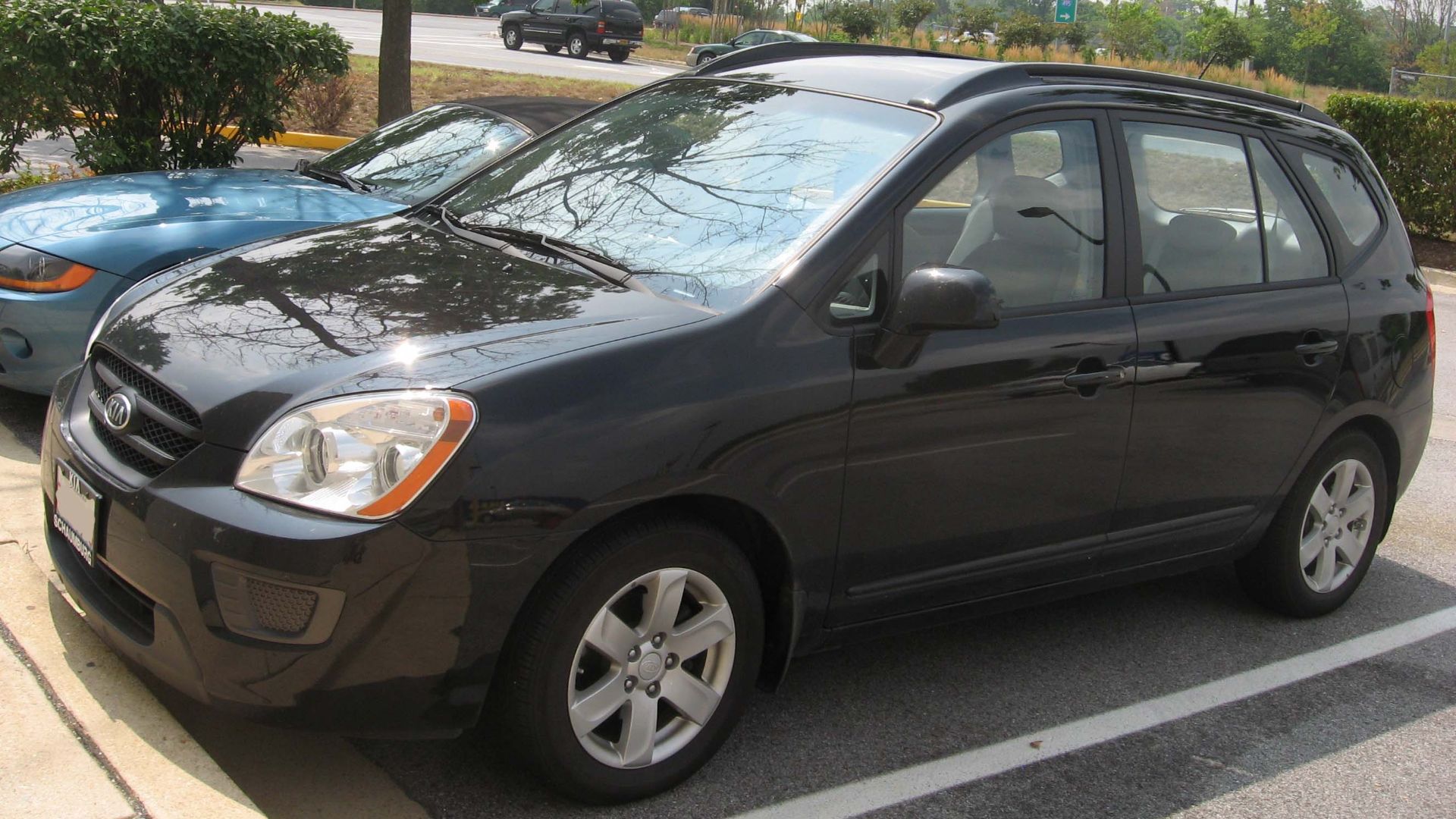
Kia Rondo
The 2007 Kia Rondo occupied the hazy territory between a wagon and a minivan. Its relatively compact body could accommodate five passengers or an optional third row that increased capacity to seven. Kia offered a 2.4-liter four-cylinder or a 2.7-liter V6.
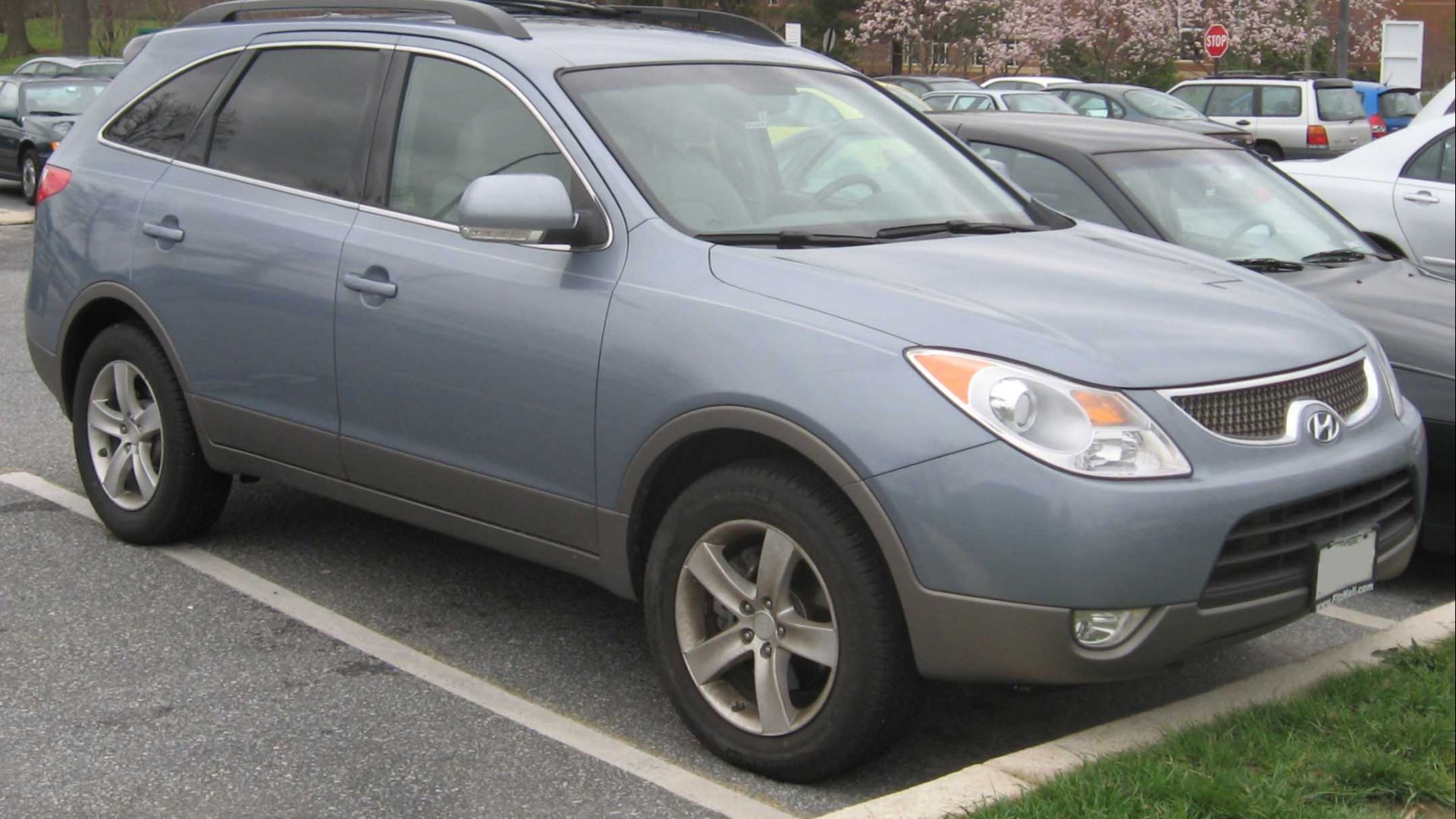
Hyundai Veracruz
Hyundai placed the three-row Veracruz above the Santa Fe when it arrived for 2007. A 3.8-liter V6, six-speed automatic transmission, and seven-passenger seating were standard. Front-wheel drive and all-wheel drive versions were available across its GLS, SE, and Limited trims.
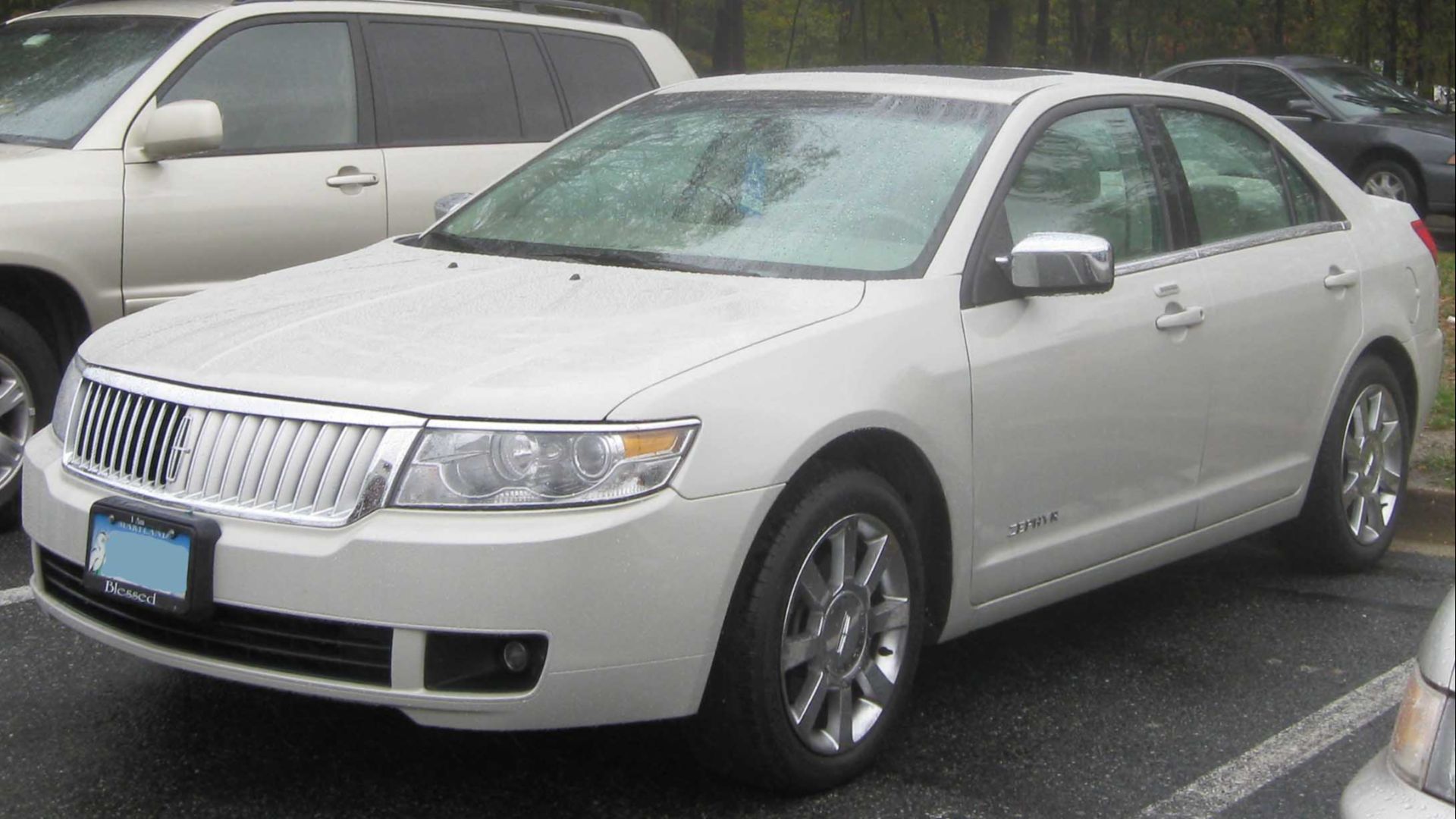
Lincoln Zephyr
Lincoln revived the historic Zephyr name for its new 2006 midsize sedan. The front-wheel-drive model used a 221-horsepower 3.0-liter V6 and a six-speed automatic transmission. Lincoln renamed it the MKZ for 2007, which helps explain why the modern Zephyr name disappeared so quickly.
How Many Did You Actually Remember?
These vehicles show how quickly even relatively recent cars can disappear from the cultural rearview mirror. Some were respectable models overshadowed by stronger competitors, while others arrived just before their brands or market segments changed dramatically. Remembering five is a solid result, but recognizing all 25 earns serious 2000s-car credibility.
You May Also Like:
These 1980s Off-Road Vehicles Were Once Everywhere—How Many Do You Remember?
Cars That Looked Ordinary But Became Secret Cult Favorites
Sports Cars Every Kid Dreamed About In The 1990s—Which One Was On Your Bedroom Wall?
Sources: 1, 2, 3, 4, 5, 6, 7, 8, 9, 10, 11, 12, 13, 14, 15, 16, 17, 18, 19, 20, 21, 22, 23, 24, 25, 26