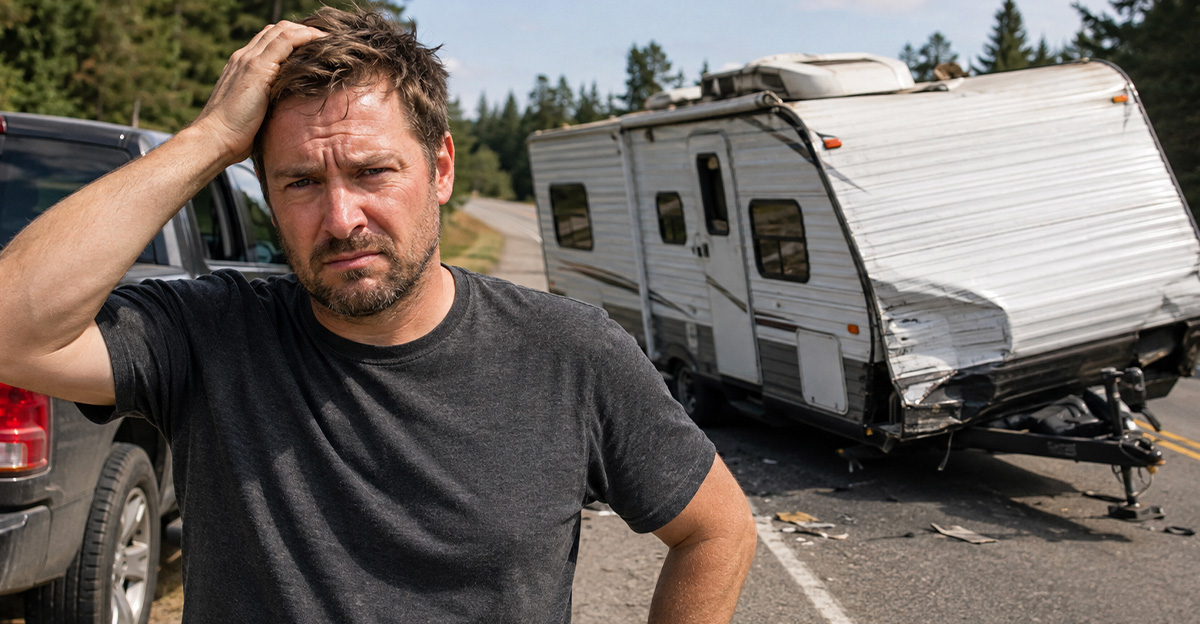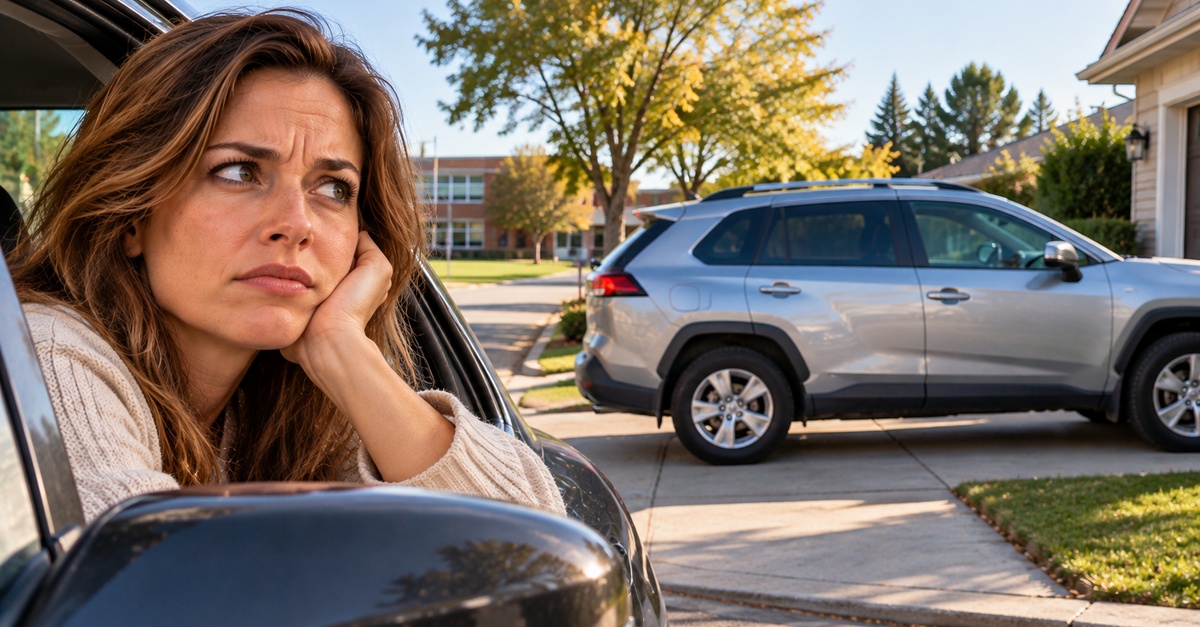
Selling The House Makes This A Much Bigger Decision
Living full-time in an RV can sound wonderfully simple: sell the house, get rid of the mortgage, buy a rig, and spend the next few years traveling. But once the house is gone, the decision becomes much harder to reverse. RV living can absolutely work financially for some couples, but it isn’t automatically cheap. Before either spouse wins the argument, both need to compare the life they actually have with the RV life they would realistically lead.
Don’t Compare The Mortgage With The RV Payment
This is the easiest way to convince yourselves RV living will save a fortune. A $2,000 mortgage beside a $900 RV payment makes the answer look obvious, but those numbers leave out most of the story. Compare your total current housing expenses with the entire cost of RV living, including campsites, fuel, maintenance, insurance, registration, internet, propane, repairs, laundry, storage, and whatever vehicle you’ll use once the RV is parked.
 Vodafone x Rankin everyone.connected, Pexels
Work Out What The House Really Costs You
Start with a full year of housing expenses. Include mortgage principal and interest, property taxes, insurance, utilities, maintenance, HOA dues, landscaping, and major repairs. Then separate expenses that disappear after selling from expenses you’ll simply replace with something else. You’ll still need electricity, internet, insurance, repairs, transportation, and somewhere to sleep. The house may be expensive, but not every household expense vanishes when the deed changes hands.

Build The RV Budget Before Buying The RV
Do the same exercise for the proposed RV lifestyle. Price the actual rig you would buy, the tow vehicle if needed, insurance, campground stays, fuel, routine maintenance, tires, roadside assistance, internet service, mail handling, registration, and a repair reserve. Then add money for hotels or rental cars when the RV is unusable. If the plan only works when everything goes perfectly, it isn’t a particularly sturdy financial plan.

Campgrounds Aren’t Automatically Cheap Housing
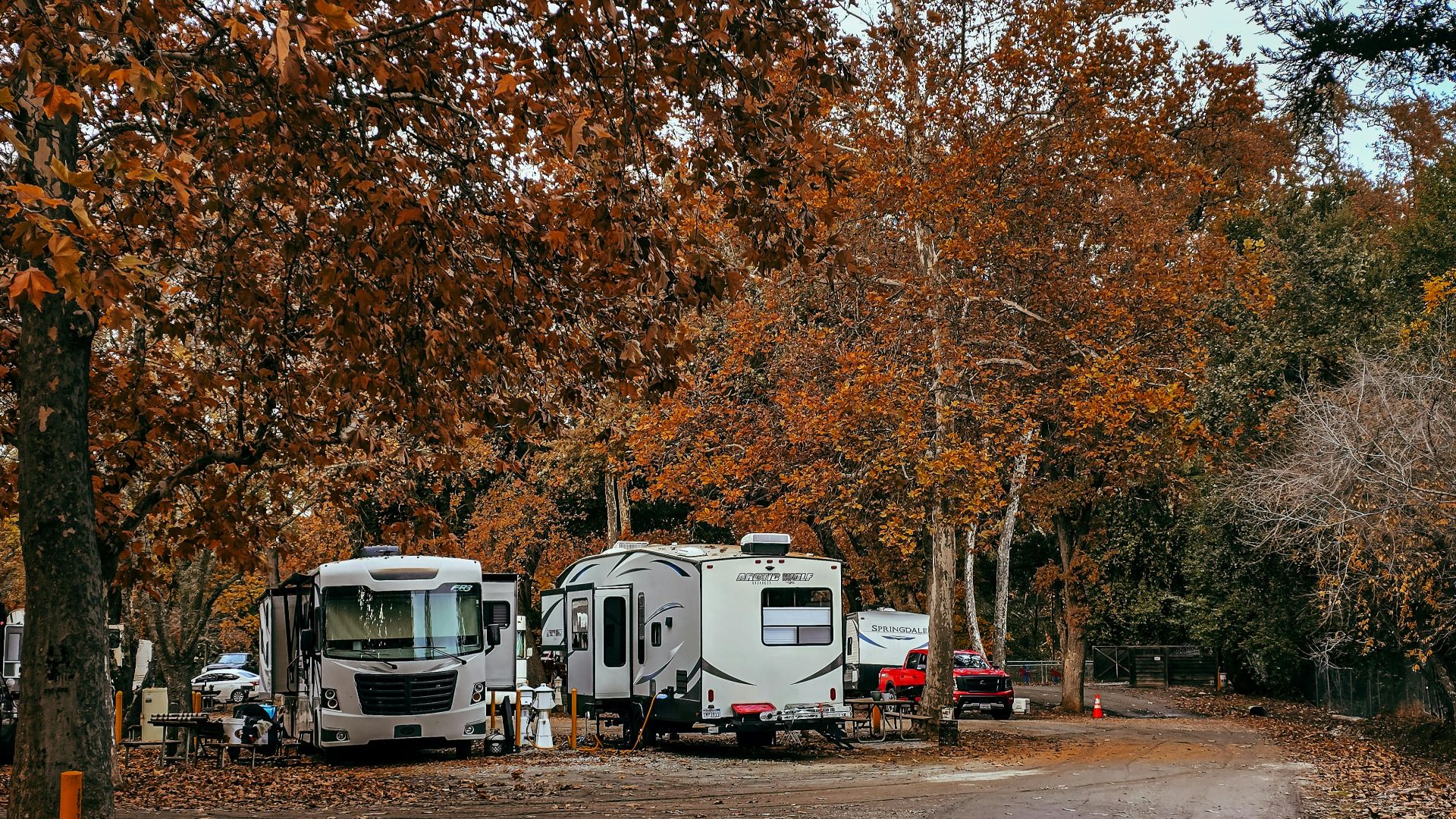
A monthly campsite can be inexpensive in some locations and surprisingly expensive in others. Current KOA extended-stay examples show monthly rates ranging from roughly $700 at some parks to well over $1,000 in more expensive locations or peak seasons. Popular tourist destinations can cost considerably more. Couples planning to move frequently may also miss the discounted monthly rates available to long-term guests, making campground costs one of the biggest variables in the budget.
Moving Constantly Usually Costs More
There’s a huge financial difference between living in an RV and traveling continuously in an RV. A couple spending several months in one inexpensive park can control fuel and campsite expenses. A couple changing states every week will buy considerably more diesel or gasoline, pay more short-term campground rates, and put more miles on both the RV and tow vehicle. Agree on which version of full-time RV living you’re actually discussing before running the numbers.

Don’t Build The Plan Around Free Camping
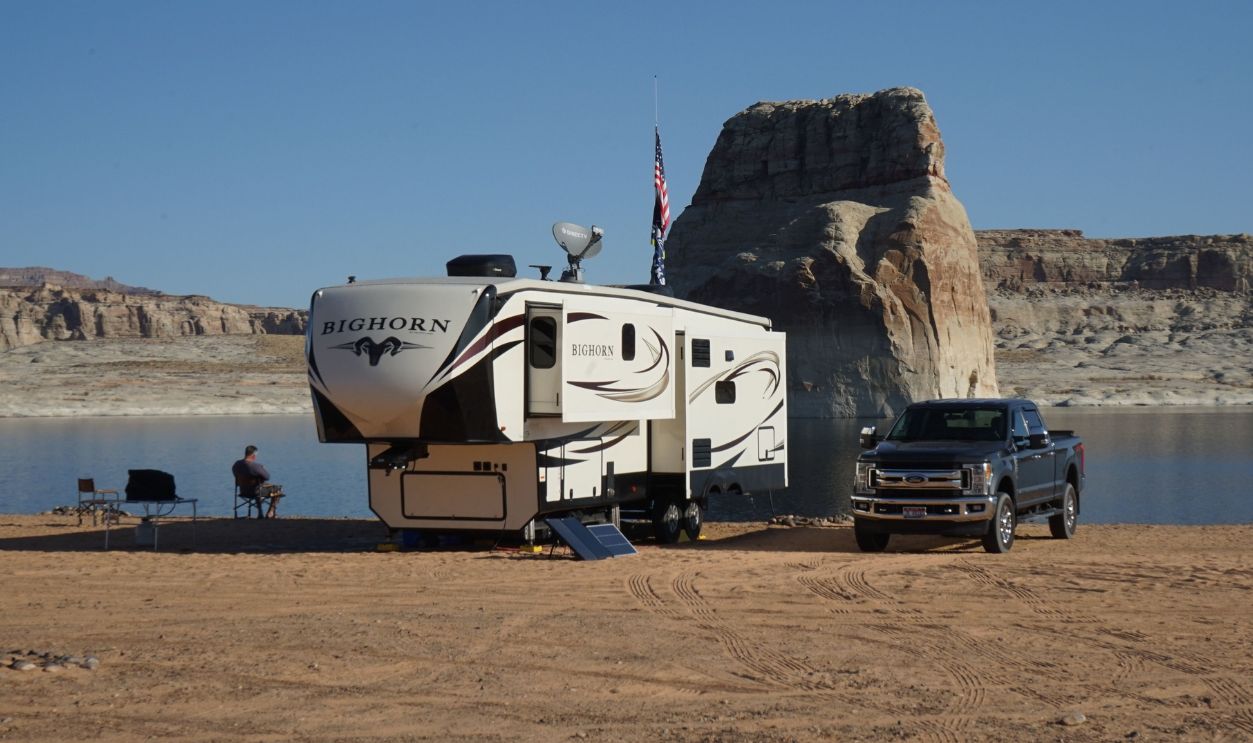
Boondocking can dramatically lower campground expenses, and plenty of RVers love it. But it shouldn’t be the only thing making the budget work. You may still need campground stays for water, sewer, laundry, extreme weather, repairs, medical appointments, or simply a break from conserving resources. Access rules can also change. Treat free or inexpensive camping as a potential savings tool rather than the foundation supporting the entire financial plan.
 Rockwell branding agency, Pexels
The House And RV Behave Differently Financially
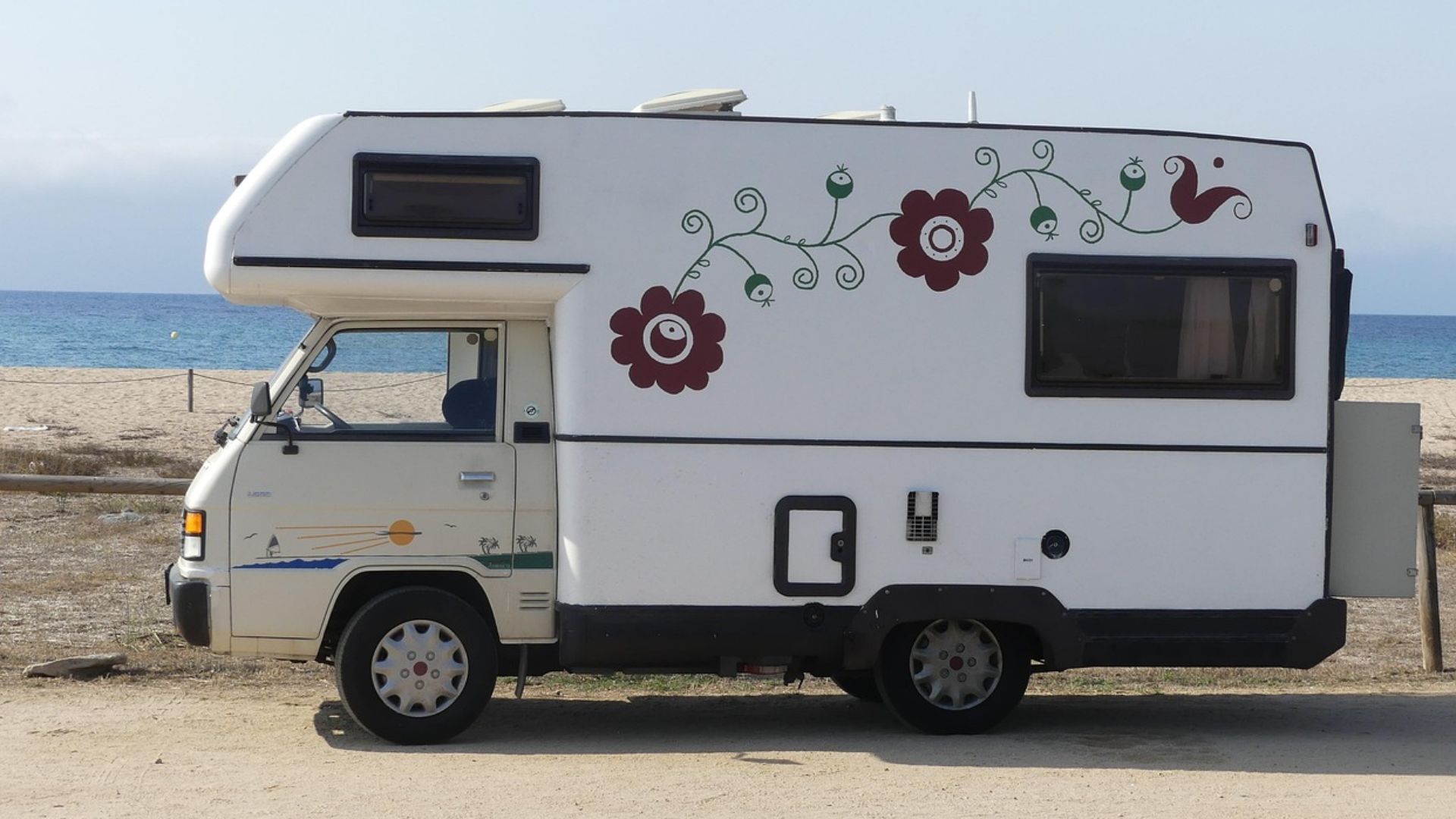
A house can build equity as the mortgage balance falls and may appreciate over time, although appreciation is never guaranteed. Freddie Mac describes home equity as an important way homeowners build wealth. An RV behaves much more like a vehicle: it generally loses value as it ages and accumulates mileage. Selling a house to buy an expensive RV therefore exchanges one very different type of asset for another, and couples should understand that before celebrating their newfound freedom.
New RV Depreciation Deserves Serious Attention
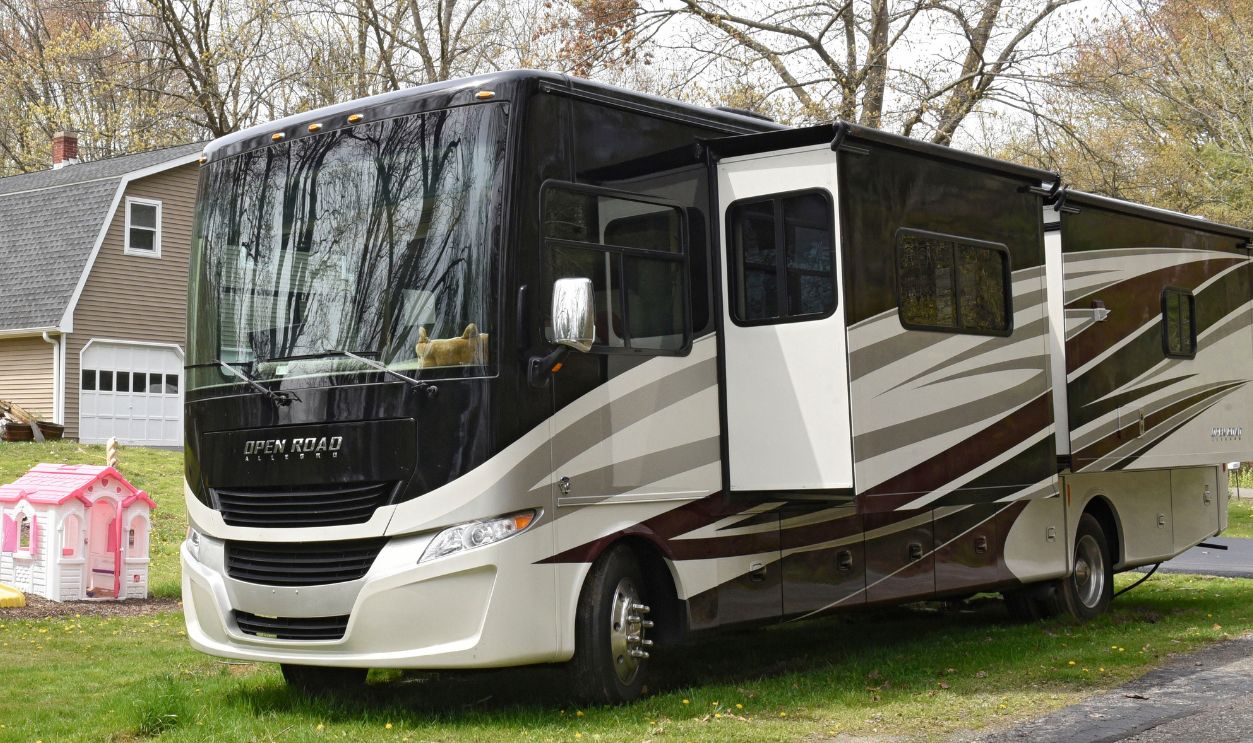
Buying the fanciest new motorhome you can afford with the proceeds from the house creates another risk. New RVs can depreciate substantially, just as other vehicles do. Buying used can reduce the amount of money exposed to those early depreciation years, although an older rig may require more repairs. Either way, don’t assume that a $150,000 RV will remain a $150,000 asset that can easily fund your next housing move.
 Albany Times Union/Hearst Newspapers, Getty Images
Don’t Put All The Home Equity Into The Rig
Suppose selling the house leaves you with $300,000 after paying off the mortgage and transaction expenses. Spending $250,000 of that on a motorhome may leave you technically debt-free but surprisingly vulnerable. The RV can decline in value while repairs consume cash, and the remaining savings may eventually be needed to re-enter the housing market. Decide in advance how much home equity must remain invested or liquid rather than letting the RV purchase absorb whatever happens to be available.
Keep A Bigger Emergency Fund Than You Think You Need
An emergency fund matters even more when your vehicle and your house are the same object. A major engine, transmission, roof, slide, plumbing, generator, or electrical failure can simultaneously create a repair bill and leave you temporarily homeless. A full-time couple should have enough accessible cash to handle both the repair and alternate accommodations without immediately putting everything on credit cards.

RV Repairs Can Create Two Bills At Once
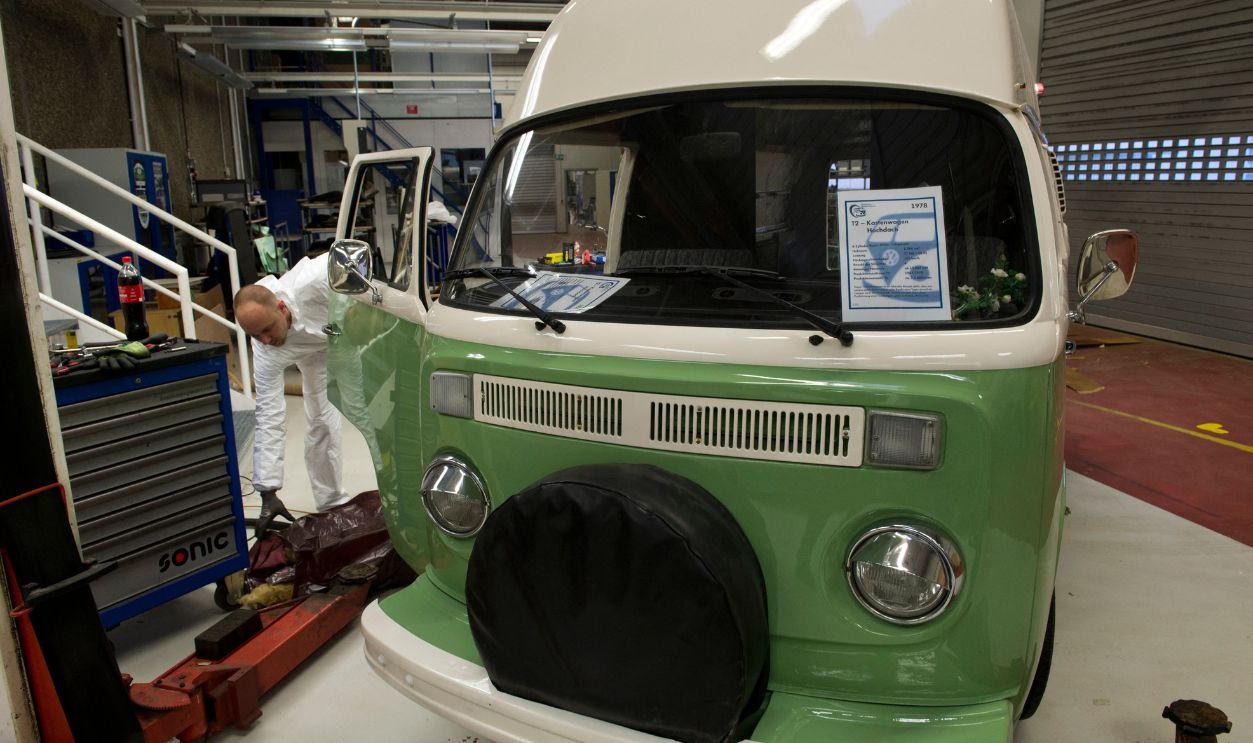
When the furnace breaks in a house, you still have somewhere to sleep while somebody fixes it. When a motorhome spends two weeks at a repair facility, you may need a hotel, rental car, restaurant meals, and storage for belongings in addition to the repair itself. Those secondary costs are easy to forget when looking at average maintenance estimates. Build them into the emergency plan before something expensive breaks several states from home.
Full-Time Insurance Is Different
Don’t assume the recreational RV policy you carried for weekend trips is sufficient once the vehicle becomes your primary residence. Insurers such as Progressive offer full-timer coverage that can add protections more comparable to the personal liability coverage associated with a traditional home. Get real quotes before selling the house, tell the insurer exactly how the RV will be used, and compare deductibles and limits rather than simply shopping for the cheapest premium.

Health Insurance Can Affect Where You “Live”
Full-time RVers still need a legal home base, and healthcare can make that choice surprisingly important. Some health plans have regional provider networks that become awkward for people spending most of the year elsewhere. Escapees specifically identifies healthcare access as an important consideration when choosing an RV domicile. Before changing residency, make sure both spouses understand how routine care, specialists, prescriptions, and out-of-state treatment will work under their actual insurance.

You Still Need A Legal Home Somewhere
Selling the house doesn’t turn you into a resident of nowhere. Full-time RVers generally maintain a legal domicile that can affect driver’s licenses, vehicle registration, insurance, taxes, estate matters, voting, and healthcare. Mail-forwarding services can help with logistics, but domicile is more than obtaining a convenient address. Couples should research their intended state carefully and, where significant tax or legal issues are involved, get professional advice before cutting their remaining residential ties.

Selling The House Can Have Tax Consequences
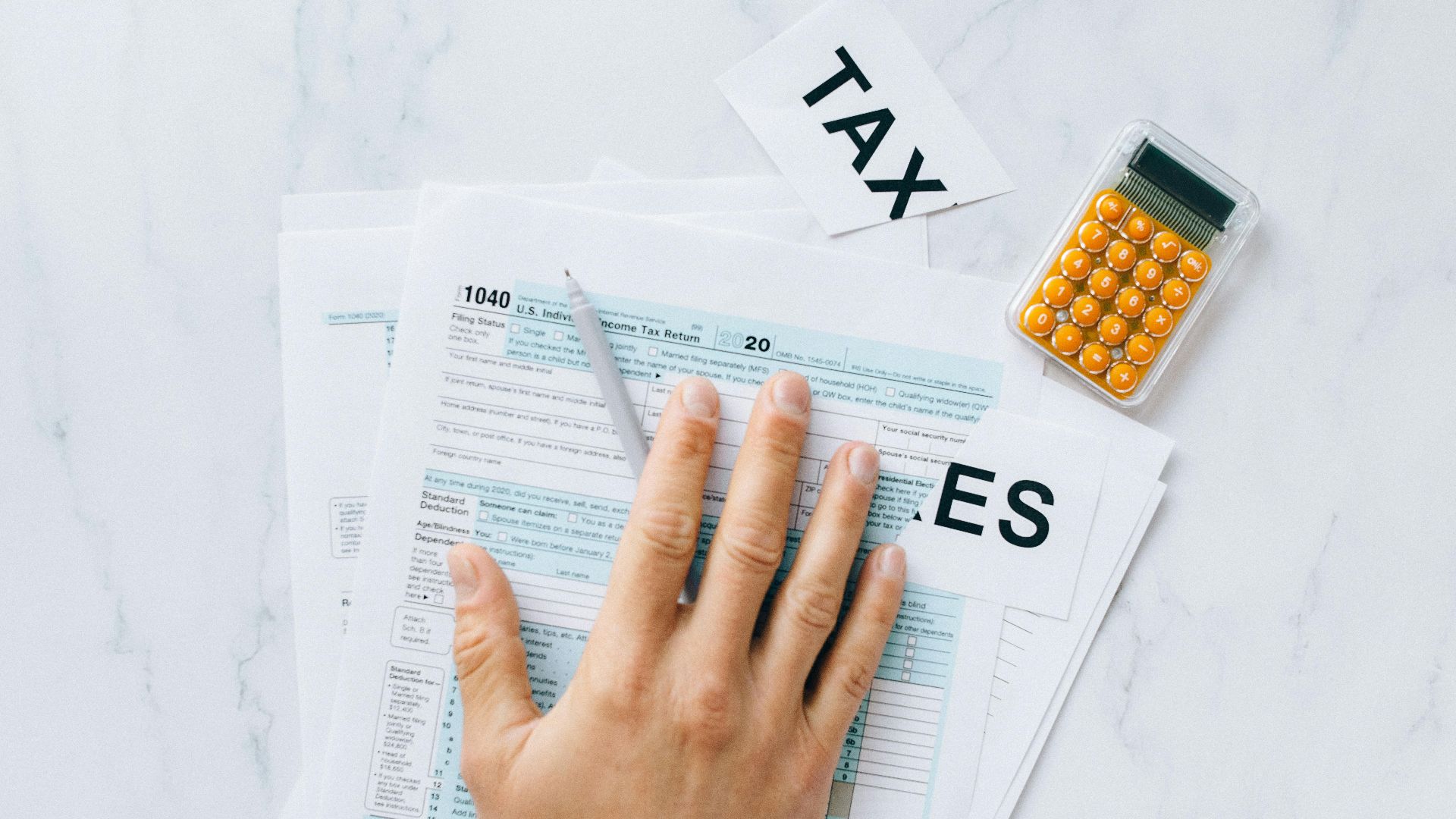
For many homeowners, the federal home-sale exclusion can eliminate some or all of the taxable gain from selling a primary residence. Under current IRS rules, qualifying taxpayers may generally exclude up to $250,000 of gain, or up to $500,000 for certain married couples filing jointly. Eligibility rules apply, so don’t estimate your available RV budget from the sale price alone. Have a tax professional calculate what the sale actually leaves you with.
Think About The Cost Of Getting Back Into A House
One of the biggest financial risks isn’t leaving homeownership. It’s trying to return later. If local house prices rise while your RV depreciates, buying another home could become considerably harder. Closing costs, moving expenses, deposits, furnishings, and potentially higher mortgage rates can add to the problem. Keep a dedicated “housing re-entry” fund if there’s any realistic chance that one or both of you will eventually want four permanent walls again.

Keeping The House Changes The Experiment
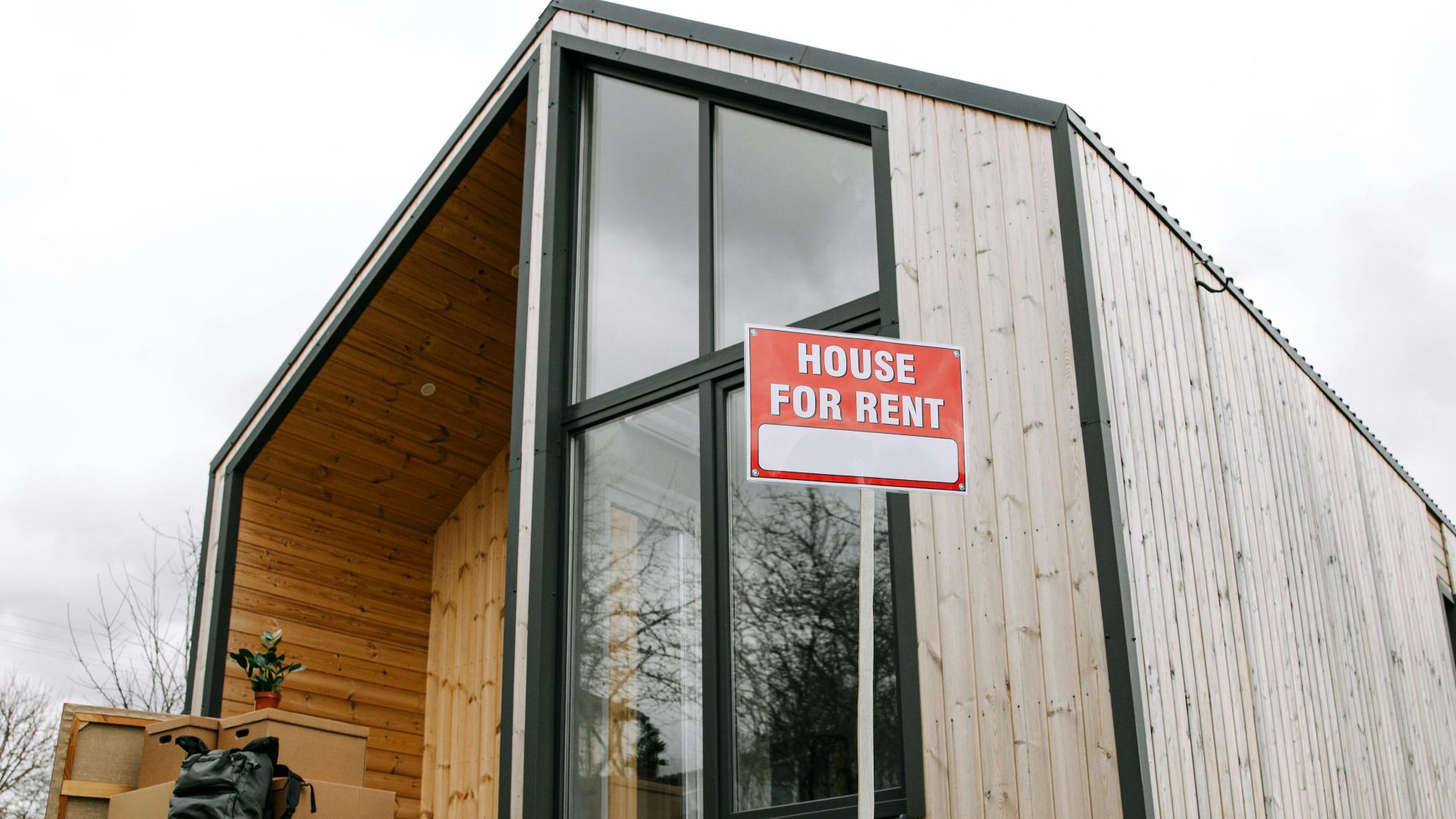
Selling isn’t the only possible route. Depending on your finances and appetite for landlord responsibilities, you might keep the property temporarily while testing RV life or investigate whether renting it makes sense. That introduces its own risks, taxes, insurance considerations, maintenance responsibilities, and possible property-management costs, so it isn’t automatically superior. But couples who are deeply divided may prefer retaining an exit route while they learn whether full-time travel actually suits them.
Try The Lifestyle Before Selling Anything
This may be the most useful test of all. Spend several weeks or, better yet, a few months living in an RV before putting the house on the market. Don’t treat the experiment like a vacation. Cook normally, work if you’ll be working on the road, do laundry, deal with tanks, manage internet access, shop for groceries, move campsites, and spend several rainy days together in a few hundred square feet. Reality makes an excellent financial adviser.

Renting First Can Be Money Well Spent
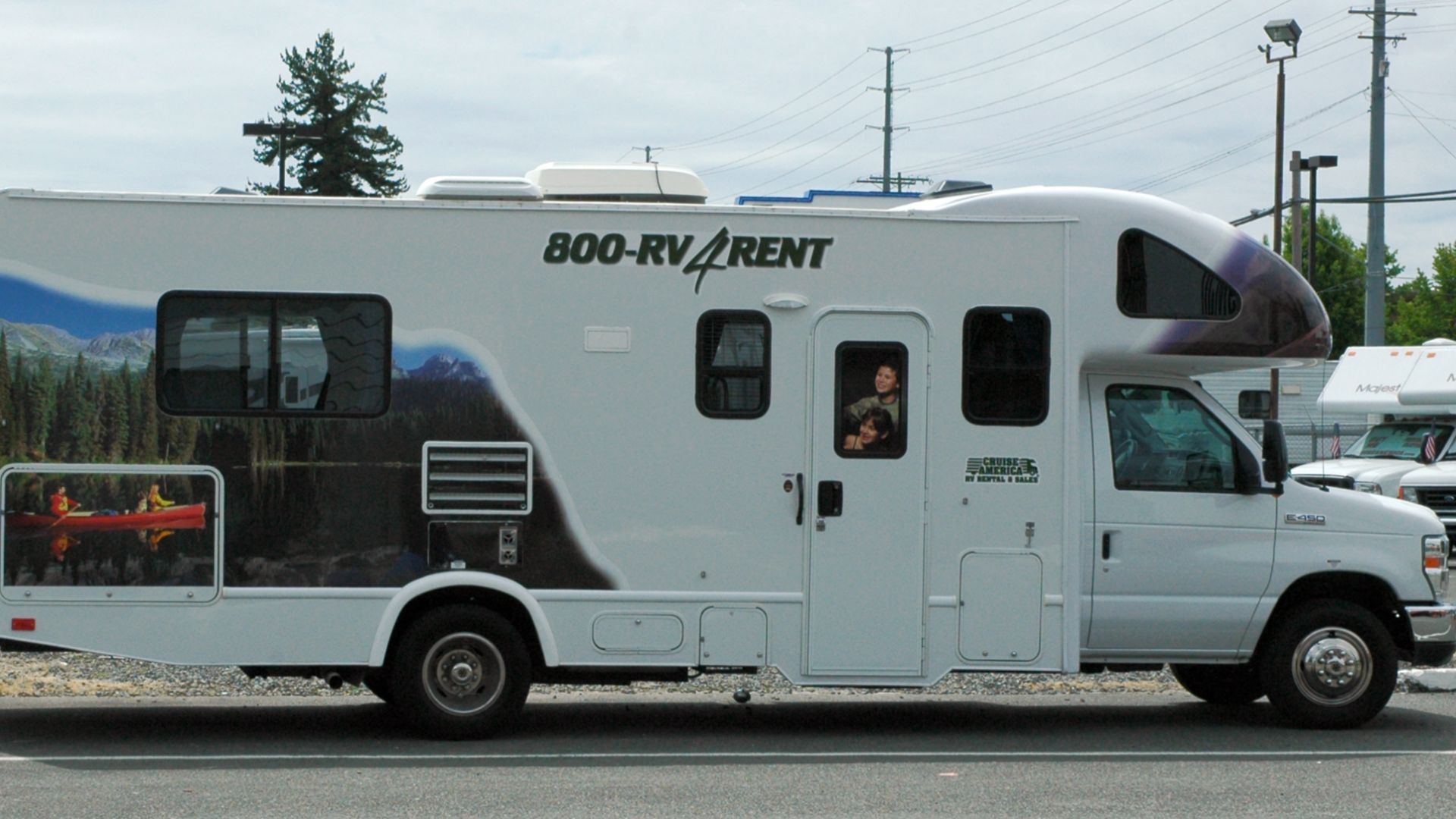
If you don’t already own an RV, renting one for a serious trial can seem expensive, but it may be incredibly cheap compared with buying the wrong rig or selling a house prematurely. Try the size and layout you think you want. You may discover that a huge motorhome feels intimidating to drive, a travel trailer requires more setup than expected, or that you desperately need a second workspace. Learn those lessons with someone else’s depreciating asset.
Talk About What “Full-Time” Actually Means
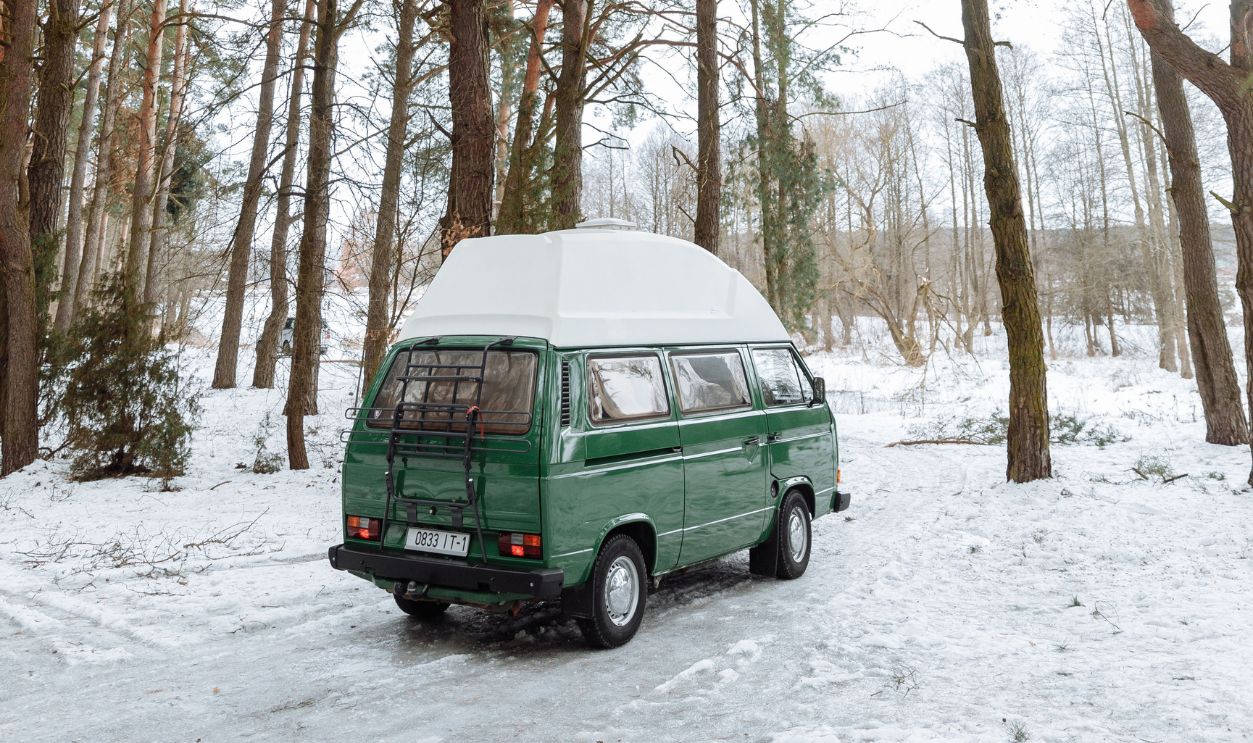
One spouse may imagine quietly spending winters in Arizona while the other pictures crossing the country every few weeks. Those lifestyles have completely different budgets. Decide how frequently you want to travel, whether you prefer private campgrounds or public lands, how much boondocking appeals to you, whether you’ll maintain another vehicle, and how often you expect to visit family. You can’t sensibly budget for a lifestyle neither of you has actually defined.
Money Isn’t The Only Risk To Discuss
An RV puts two people in very close quarters. Privacy becomes scarce, bad weather can keep everyone indoors, mechanical problems disrupt plans, and one partner may eventually become tired of constant movement before the other does. Couples should talk about alone time, driving responsibilities, chores, trip planning, spending habits, and what happens when somebody needs a break. A financially perfect RV plan can still fail if one person feels trapped inside it.

Agree On An Exit Plan Before You Leave
Decide what would make you stop. Maybe you revisit the decision after one year, when the repair fund falls below a certain level, when health makes travel difficult, or simply when either spouse no longer enjoys the lifestyle. Also decide where the money for your next home would come from. An exit plan isn’t admitting that the adventure will fail. It prevents a future change of heart from becoming a financial emergency.

Run A Worst-Case Budget, Not Just A Dream Budget
Take the proposed annual RV budget and deliberately make it unpleasant. Increase fuel and campground costs. Add a major repair. Assume the RV loses more value than expected. Include several weeks of hotel stays and a medical trip back home. Then check whether your savings still look comfortable. If a rough year destroys the plan, the cautious spouse has identified a real weakness. If the finances remain strong, the proposal becomes much easier to evaluate rationally.

Neither Spouse Has To Win This Argument
Full-time RV living isn’t automatically reckless, and keeping the house isn’t automatically the financially smarter choice. The answer depends on your equity, savings, income, travel style, RV purchase price, health coverage, tolerance for repairs, and ability to buy housing again later. The strongest plan is one both people can live with: test the lifestyle first, preserve enough of the house proceeds to protect your future, build a realistic budget, and make selling the house the final step rather than the first.

You May Also Like: