Parked Doesn’t Necessarily Mean Harmless
You park the RV, walk away, and somehow it starts rolling. By the time it stops, somebody else’s vehicle has a fresh dent and you have a very uncomfortable phone call to make. It seems obvious that liability insurance should handle the damage, but RV policies can get complicated once the vehicle is parked, stored, unhitched, or covered by a seasonal policy.
“In Use” May Have A Technical Meaning
Most people would say a parked RV clearly wasn’t being used. Insurance policies don’t always use everyday definitions, however. Coverage can depend on whether a loss arose from the ownership, maintenance, operation, or use of a vehicle, and different policy sections can apply when an RV is being driven, stored, or serving as temporary living quarters. Before accepting the insurer’s explanation, ask which provision makes the RV’s status relevant to this particular accident.
First, Figure Out What Kind Of RV You Have
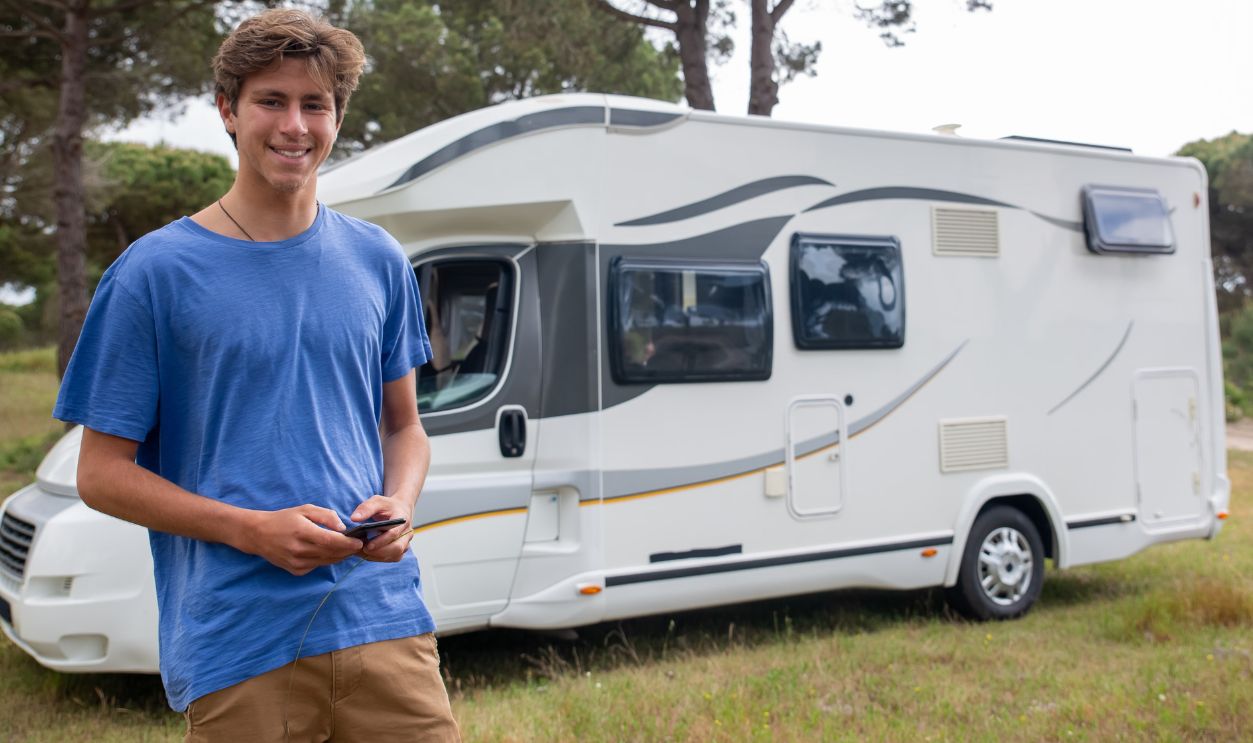
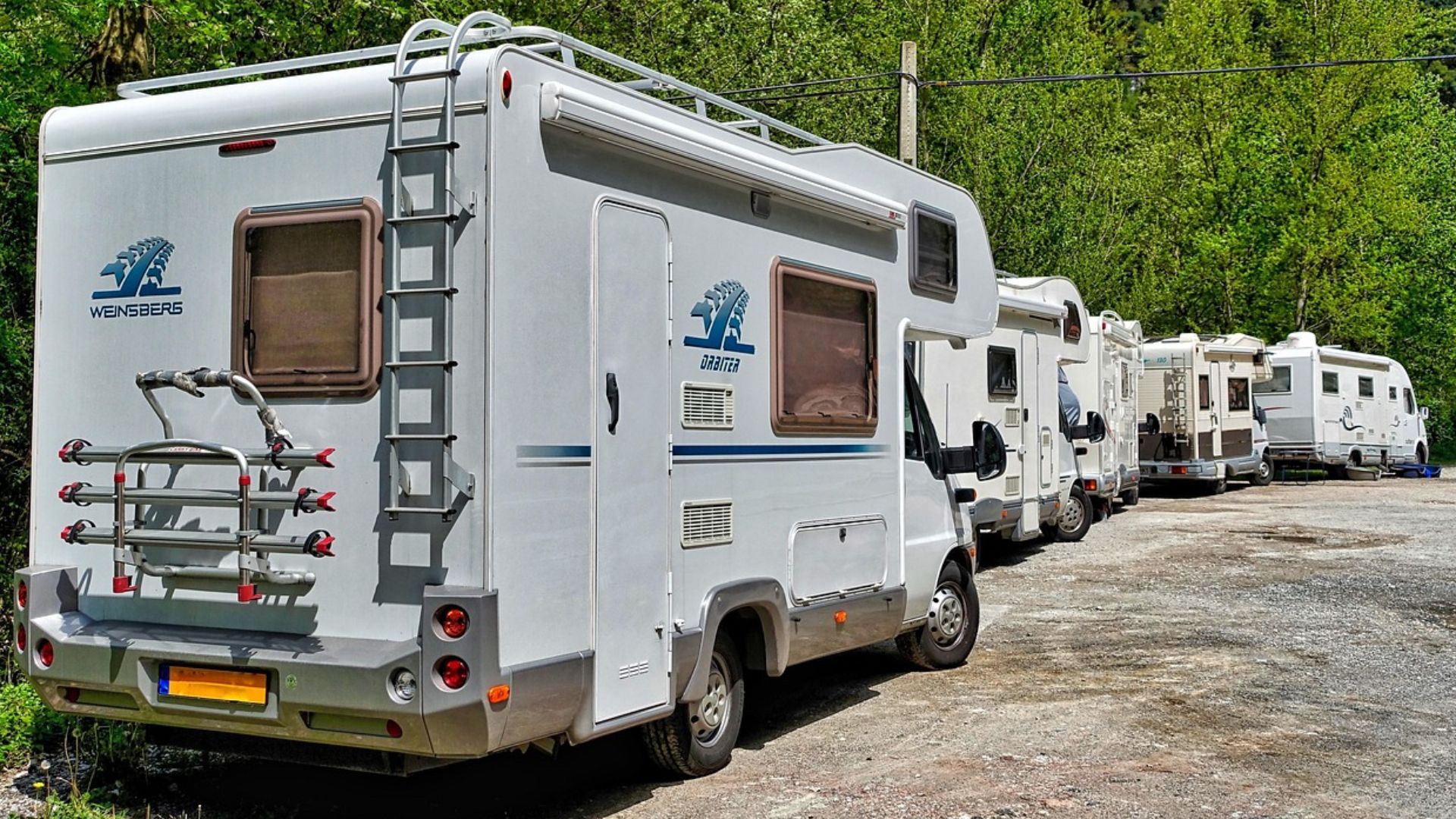
Calling something an RV doesn’t tell an insurer very much. A self-propelled motorhome, a travel trailer, and a fifth wheel can have very different liability arrangements. Motorhomes generally carry their own auto-style liability insurance because they’re motor vehicles. Towable RVs frequently rely on the towing vehicle for liability while they’re connected and being transported, while separate RV coverage handles other risks. That distinction becomes particularly important once the trailer is disconnected.

A Motorhome Usually Has Its Own Liability Coverage
A Class A, B, or C motorhome is generally insured much like another motor vehicle, although RV policies can add specialized protections. Property-damage liability is intended to cover damage the insured becomes legally responsible for causing to somebody else’s property, subject to the policy’s terms and exclusions. If a motorhome rolls into another car, there may therefore be a strong reason to examine the motorhome’s liability coverage rather than assuming that being stationary automatically removes the event from the policy.

A Travel Trailer Is A Different Story
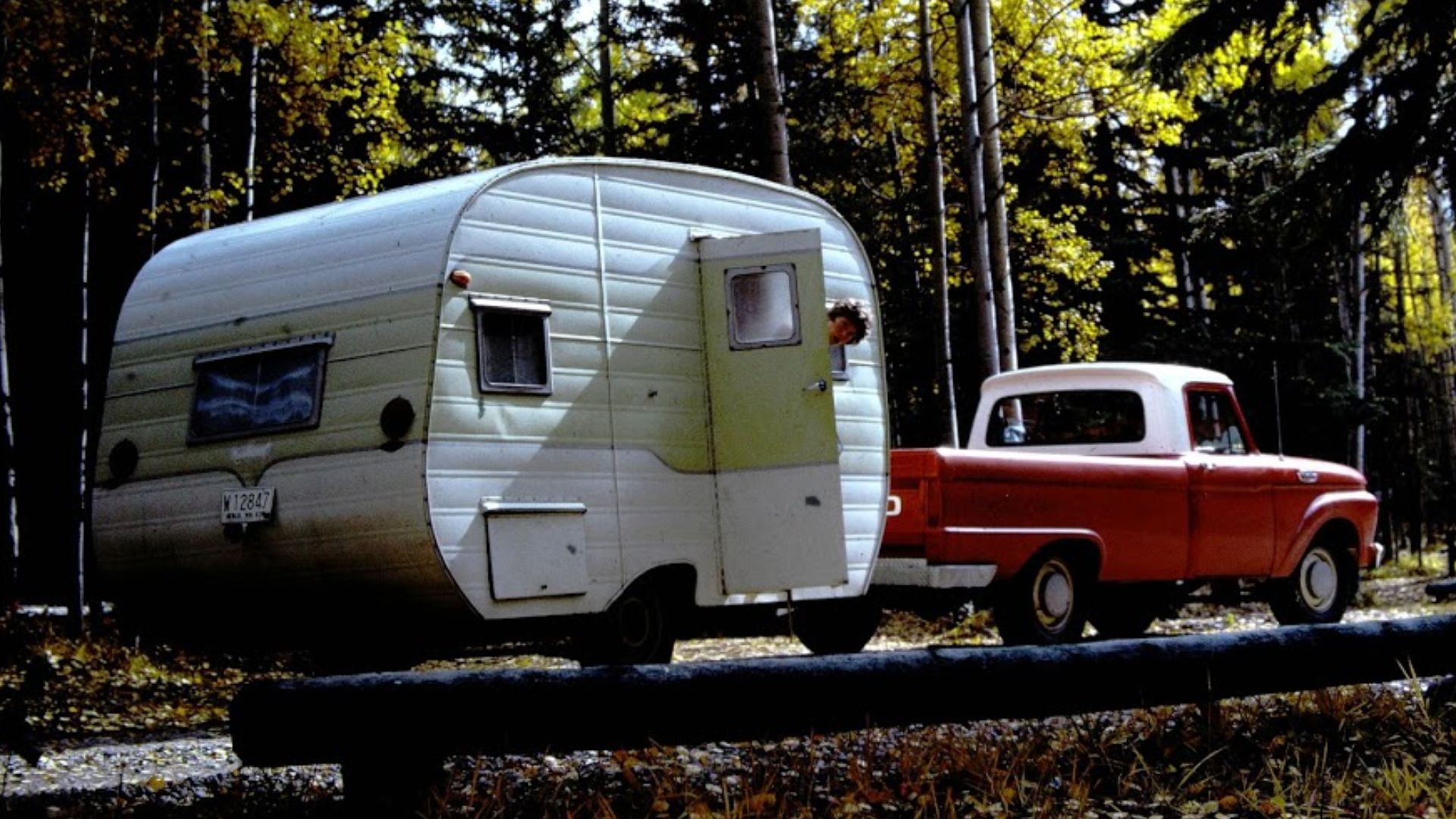
Towable RVs create more opportunities for confusion. A typical auto policy may extend liability protection from the tow vehicle to a trailer while it’s attached and being towed. The travel trailer itself may carry separate comprehensive and collision protection without having the same auto-liability structure as a motorhome. Once the trailer has been disconnected and parked, the question of which policy responds can become considerably less obvious.
The Tow Vehicle May No Longer Be The Answer
Suppose the trailer was unhitched hours before it started rolling. The insurer for the pickup may argue that the accident no longer arose from towing the trailer because the two vehicles weren’t connected. That doesn’t automatically mean no coverage exists, but it may move the claim away from the tow vehicle’s liability policy and toward whatever coverage applies to the trailer while it’s stationary. This is why the exact sequence of events matters.

Parked RV Liability Does Exist
The idea that liability protection disappears every time an RV stops moving is too simplistic. Specialized RV policies can include protection for liability arising while the unit is parked. Progressive, for example, describes RV coverage that can respond to certain liability situations when a motorhome or trailer is parked at a campsite or RV park. Exactly which coverage applies depends on what happened and the policy purchased, but “it was parked” is not, by itself, a universal explanation for having no insurance.
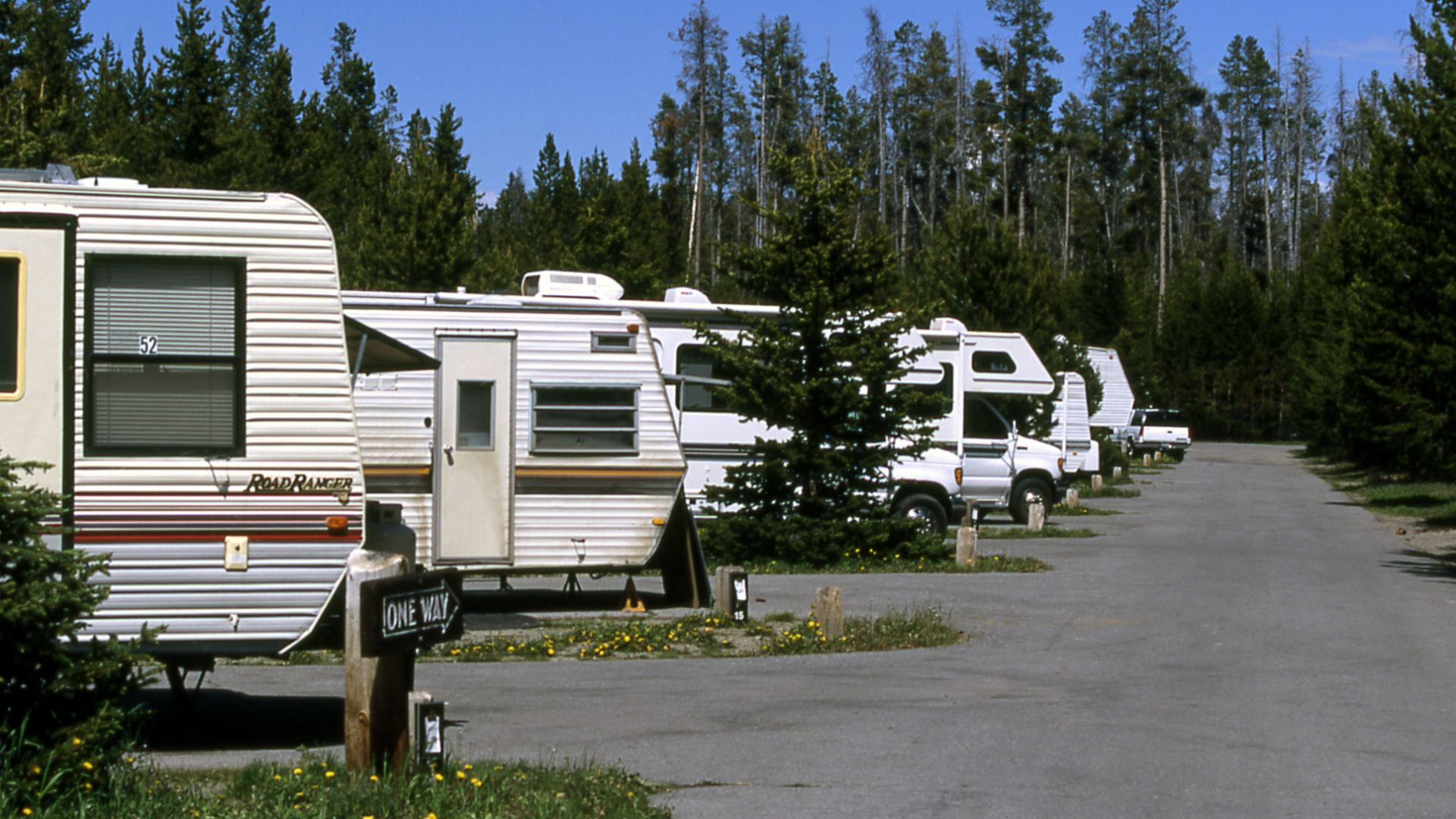 Yellowstone National Park from Yellowstone NP, USA, Wikimedia Commons
Vacation Liability May Enter The Conversation
Many RV policies offer something called vacation liability or campsite liability. This generally covers certain bodily injury or property-damage claims associated with a parked RV being used recreationally, functioning somewhat more like premises liability than ordinary driving liability. It can be valuable when someone trips around the campsite or the RV causes certain damage while stationary. The important catch is that vacation liability has its own definitions, limits, and circumstances under which it applies.

But Vacation Liability Isn’t Simply Parked-Car Insurance
Don’t assume vacation liability automatically covers anything an RV does while standing still. Insurance Risk Management Institute describes vacation liability as coverage associated with a motorhome parked off public roads for recreational use, and it’s separate from ordinary automobile liability. A rolling RV that physically strikes a car can raise questions about whether the loss is an automobile-type accident, a premises-type liability event, or something governed by another section entirely.

Storage Creates Yet Another Category
RV owners commonly reduce insurance expenses when a vehicle sits unused for months. Depending on the insurer and policy, storage or lay-up arrangements can change which protections remain active. Comprehensive coverage might remain because a stored RV can still be stolen, vandalized, burned, or damaged by weather, while some driving-related protections could be reduced or suspended. That cheaper winter setup becomes very important if the supposedly motionless RV unexpectedly starts moving.

Check Whether You Changed Coverage For The Off-Season
Think back to any conversation you had with the insurer before storing the RV. Did you ask for storage insurance? Suspend certain coverages? Remove collision? Tell the insurer the RV wouldn’t be operated for six months? Those decisions may have reduced the premium precisely because the company expected the vehicle to remain stationary. The declarations page and any endorsements should reveal whether the policy changed and exactly which coverages were active on the date of the accident.

Comprehensive Probably Isn’t The Coverage You’re Looking For
People often hear “comprehensive” and understandably assume it means comprehensive protection against practically everything. In auto insurance, the term is much narrower. Comprehensive coverage generally applies to non-collision losses such as theft, fire, vandalism, falling objects, or weather damage. An RV physically rolling into another vehicle is a collision-type event, so comprehensive coverage alone may not solve either the damage to the RV or your liability for the other vehicle.
Collision Mainly Protects Your Own RV
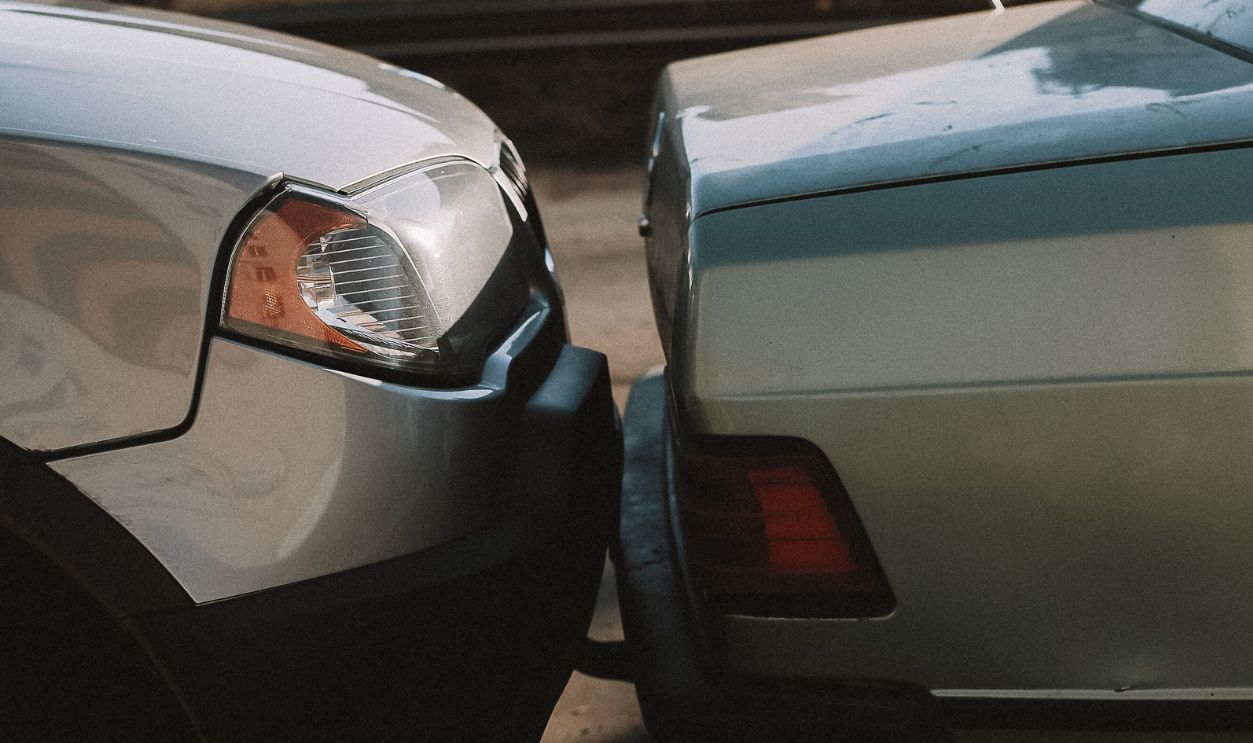
Collision coverage and liability coverage perform different jobs. Collision can generally help pay for physical damage to your insured RV when it hits another vehicle or object, subject to the deductible and policy terms. Property-damage liability addresses damage you’re legally responsible for causing to somebody else’s property. So there could theoretically be two different insurance questions after one rolling-RV accident: who repairs your RV, and who pays for the car it struck?
The Other Driver’s Damage Is The Bigger Liability Question
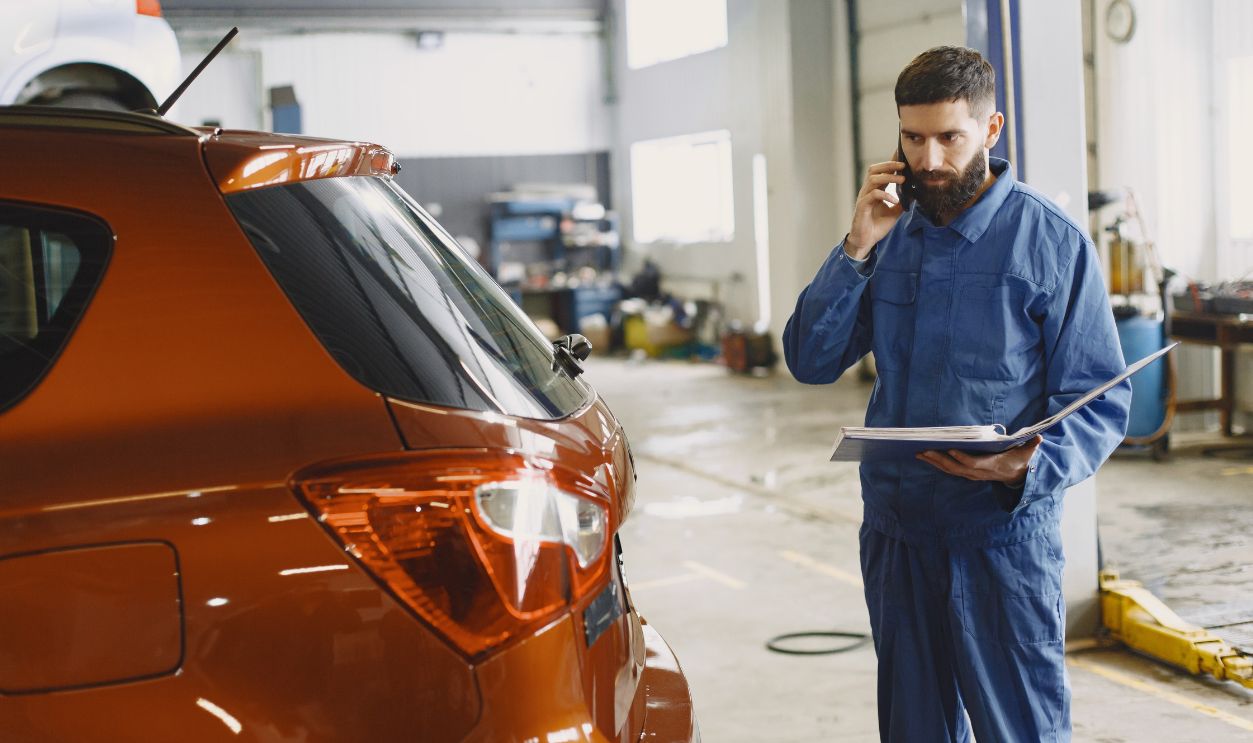
If your RV rolls into someone else’s parked car, their owner may reasonably pursue you for the repair bill. Your insurer then has to determine whether the policy provides liability protection for the event. Whether your own RV has collision coverage is a separate matter. When discussing the claim, make sure everyone is talking about the same damage. “Your RV isn’t covered” and “the damage your RV caused isn’t covered” can mean two very different things.

How The RV Started Rolling Matters
The insurer will probably want to know exactly why the RV moved. Was the parking brake applied? Did a component fail? Were wheel chocks being used? Was a trailer properly stabilized? Had someone just disconnected it from a tow vehicle? Did another person move it? These facts can affect fault and possibly coverage. Don’t speculate about a mechanical failure you haven’t confirmed. Explain what you actually know and preserve anything that might help establish what happened.

Negligence Doesn’t Automatically Defeat Liability Insurance
Owners sometimes worry that admitting they forgot a wheel chock or failed to secure the RV means insurance can’t possibly apply. Liability insurance exists largely because people make mistakes that cause accidents. Ordinary negligence is therefore very different from deliberately damaging somebody’s property. Whether a particular mistake is covered still depends on the policy, but the mere fact that the owner may have been careless isn’t the same thing as an automatic exclusion.

Where The RV Was Parked Can Matter
An RV sitting temporarily at a campsite may be treated differently under certain coverage provisions from one placed in long-term commercial storage or left permanently on private property. Some RV-specific liability options are written around recreational or campsite use, while storage arrangements can carry different restrictions. Tell the insurer exactly where the vehicle was parked, for how long, and what it was being used for rather than simply describing it as “parked".
Full-Time RV Owners Need Different Protection
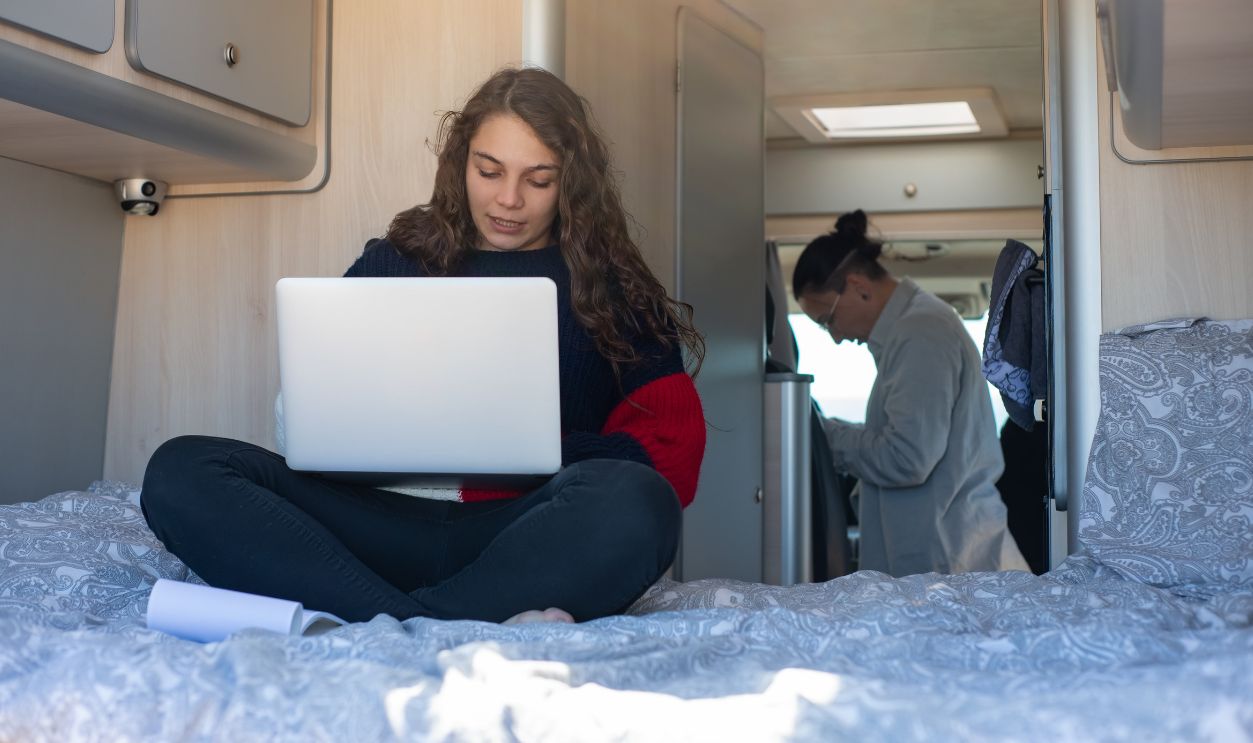
An RV being used as someone’s permanent residence creates risks that a seasonal recreational policy may not anticipate. Specialized full-timer policies can add broader personal and premises liability protection similar to protections associated with homeowners insurance. If an insurer discovers that someone insured an RV for occasional vacations but actually lived in it most of the year, disagreements about how the vehicle was being used can become much more significant than whether it happened to be moving during the accident.
Your Homeowners Policy Probably Isn’t An Easy Backup
It’s tempting to assume homeowners insurance will step in whenever an auto or RV insurer won’t, particularly if the accident happened in your driveway. But homeowners policies commonly contain motor-vehicle-related exclusions, and the exact treatment of RVs, trailers, and stored vehicles can depend on policy definitions and circumstances. Report the event to any insurer that might reasonably provide coverage, but don’t assume owning the property where the accident occurred automatically moves the claim onto your homeowners policy.

Ask The Insurer To Identify The Exact Exclusion
If the insurer says coverage “may not” apply because the RV wasn’t in use, ask for specifics rather than debating the phrase over the phone. Which coverage are they reviewing? Which definition of “use” applies? Is there a storage endorsement? Is the issue that the trailer was detached? Are they relying on an exclusion? Ask for the applicable policy language and, if the claim is denied, a written explanation identifying the provisions supporting that decision.

Read The Declarations And Endorsements Too
The main policy booklet isn’t the whole contract. The declarations page shows which vehicles and coverages you actually purchased, while endorsements can add, delete, suspend, or modify protection. An online description saying an insurer “offers RV liability” doesn’t establish that you bought it. Check the policy that was actually in force on the accident date, including coverage limits, deductibles, listed vehicles, endorsements, and any seasonal or storage changes.

Don’t Pay The Other Owner Privately Just Yet
You may ultimately be responsible for the damage, but don’t rush into signing an agreement or handing over cash while the coverage investigation is still open. Promptly report the accident, photograph both vehicles and the parking area, collect the other owner’s information, and cooperate with the claims process. If the other driver’s insurer contacts you, notify your own insurer. A seemingly minor repair can become considerably more expensive once hidden damage, rental expenses, or additional claims appear.

A Denial Isn’t Necessarily The Last Word
If the insurer formally denies the claim and the reasoning doesn’t seem consistent with the policy, request the denial in writing and ask about the company’s internal appeal or review procedure. Your state department of insurance may provide consumer assistance or accept complaints involving claim handling. For a large loss, particularly one involving injuries or substantial property damage, an attorney experienced in insurance coverage can review the actual policy rather than trying to interpret a one-sentence explanation from a claims representative.

The Real Answer Is Hidden In The Policy, Not The Parking Brake
A parked RV absolutely can cause damage, which is why the word “parked” alone doesn’t settle an insurance claim. The result may depend on whether it was a motorhome or trailer, whether it was attached to a tow vehicle, what liability coverage was purchased, whether coverage had been suspended for storage, where the RV was located, and which policy definition applies. Get the insurer’s reasoning in writing, compare it with the actual contract, and don’t treat “it wasn’t in use” as a complete explanation until somebody shows exactly why that matters.

You May Also Like: