The Odometer Surprise No Driver Wants
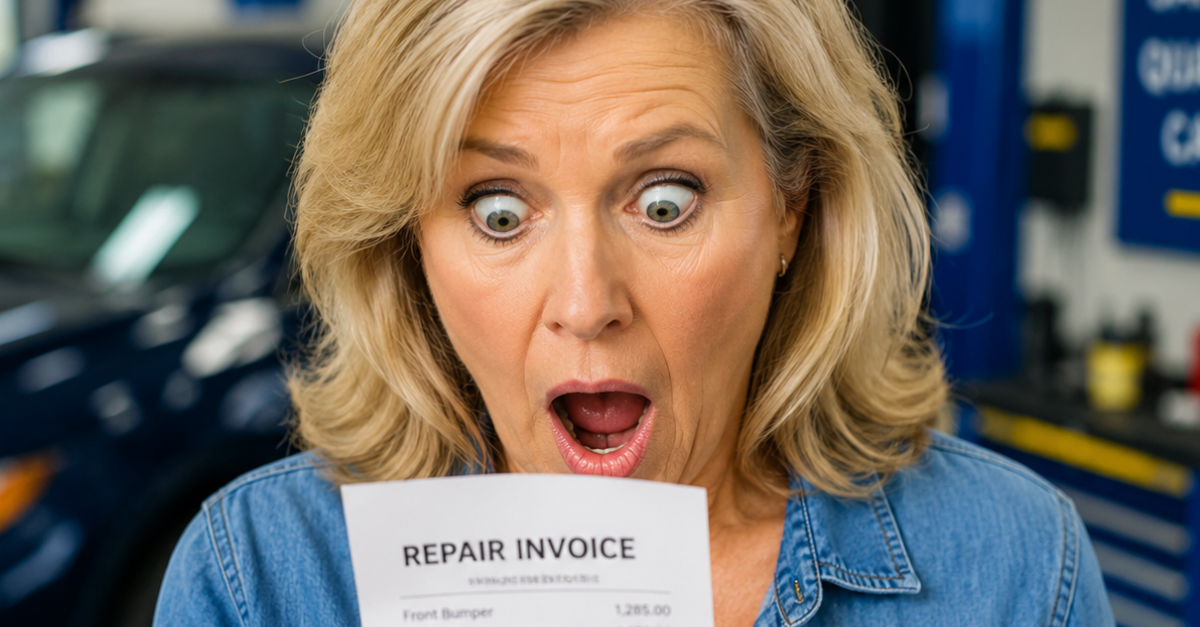
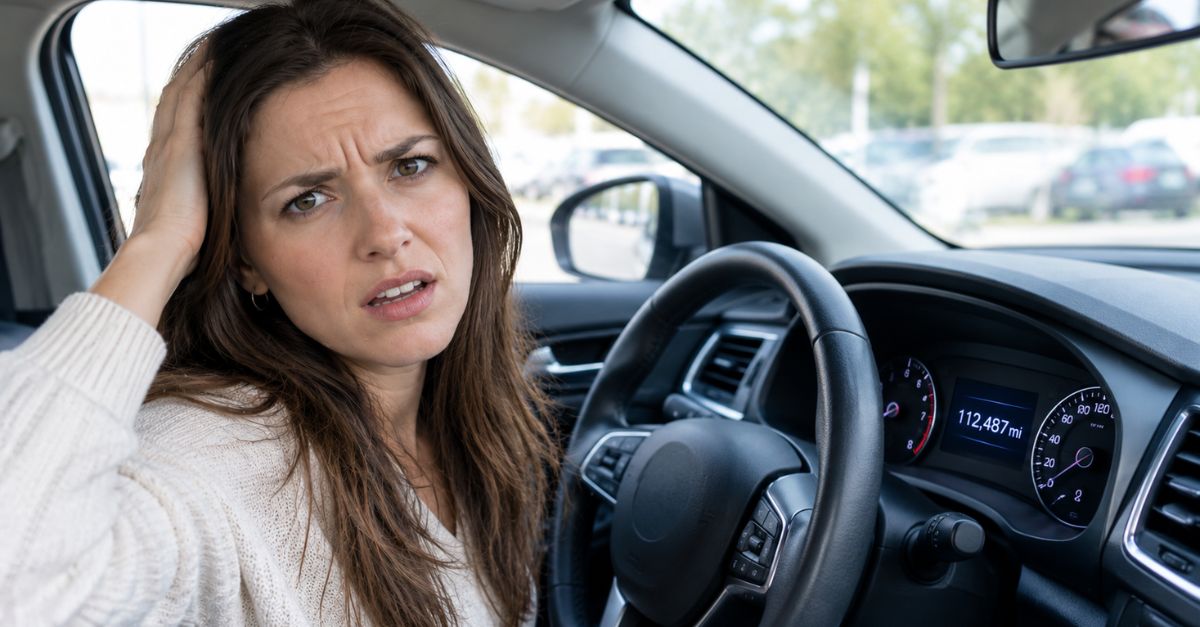
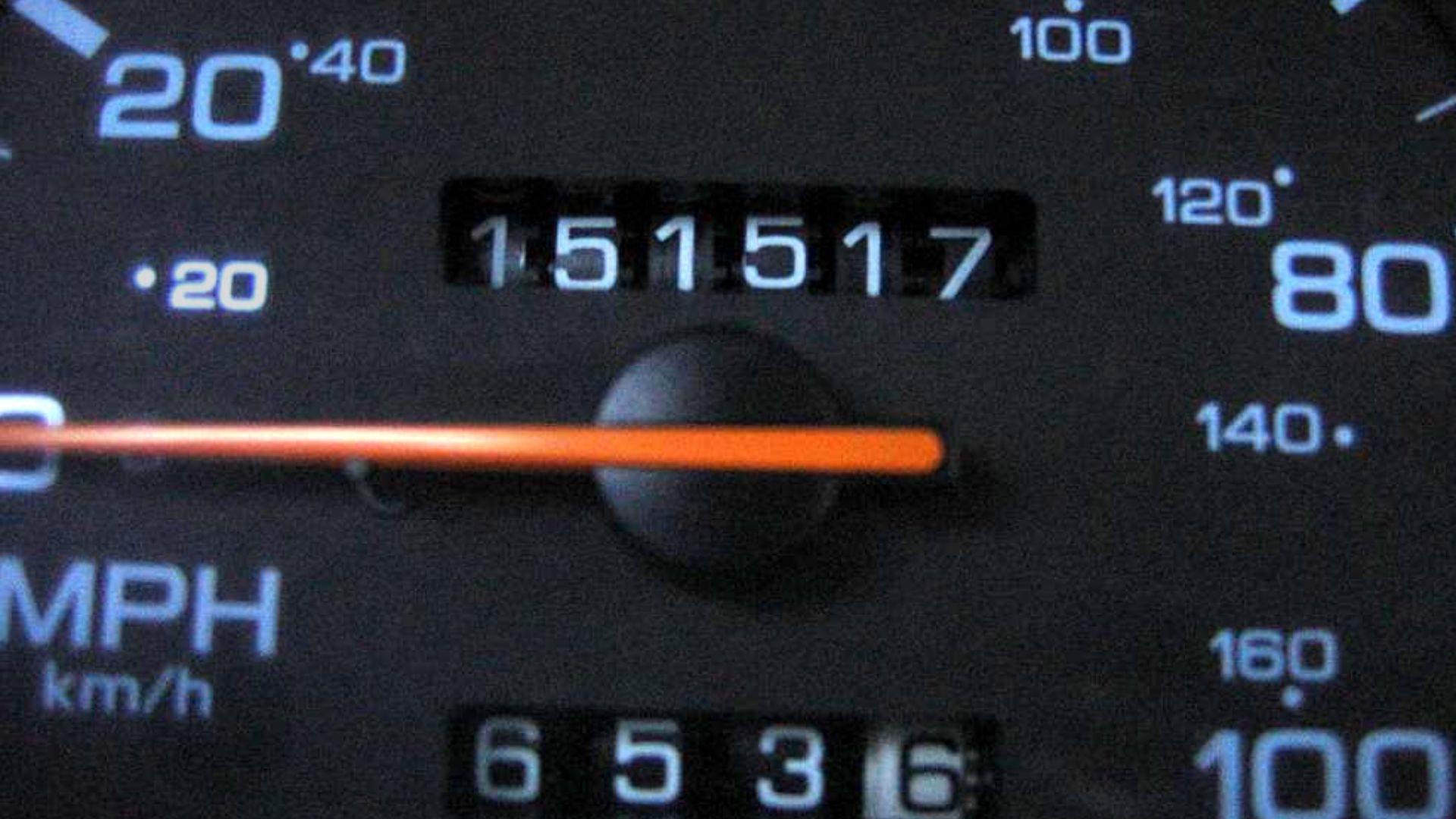
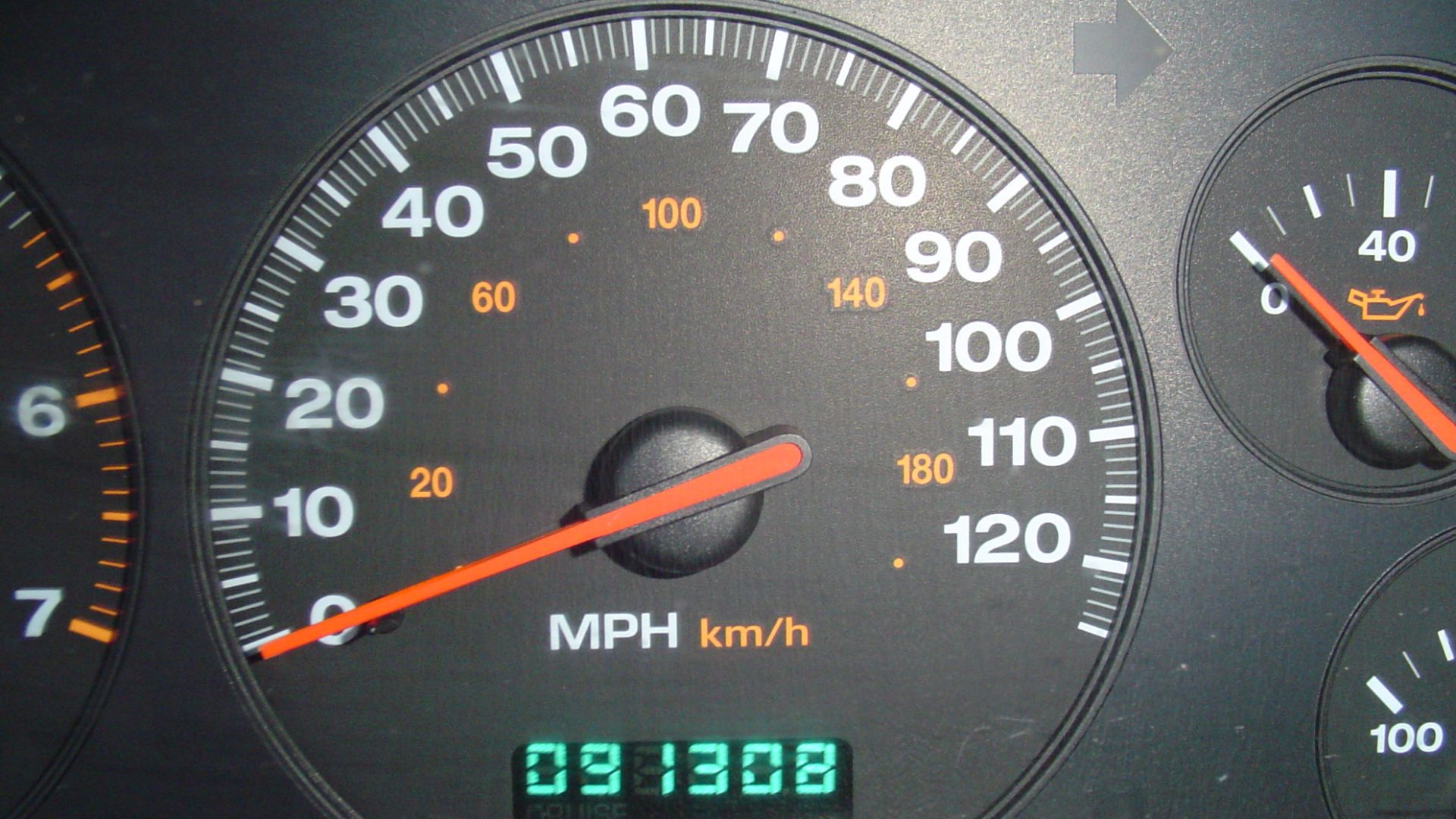
Your lease is ending, you compare the odometer to your contract for the first time since you got the keys, and the numbers are brutal. If you go thousands of miles over your limit, the penalty can climb into the high hundreds or even several thousand dollars. Sometimes, though, buying the car costs less than turning it in and paying the overage.

Why This Question Matters Right Now
Lease contracts have always come with mileage caps, but the real pain usually shows up at the end. That is when every extra mile gets priced out. Guidance from Bankrate and Kelley Blue Book makes clear that excess mileage charges are a standard part of closed-end leases. In other words, it is not a surprise fee. It is a costly part of the contract that many drivers do not think much about until the last minute.
 Interiot~commonswiki, Wikimedia Commons
What A Mileage Penalty Usually Costs
Most leases charge a per-mile fee once you go over the limit in your contract. Bankrate says excess mileage fees commonly run from 15 cents to 30 cents per mile, though your lease sets the actual amount. At 10,000 miles over, that can mean about $1,500 to $3,000 due at turn-in.
 Sav127 at English Wikipedia, Wikimedia Commons
A Few Thousand Extra Miles Adds Up Fast
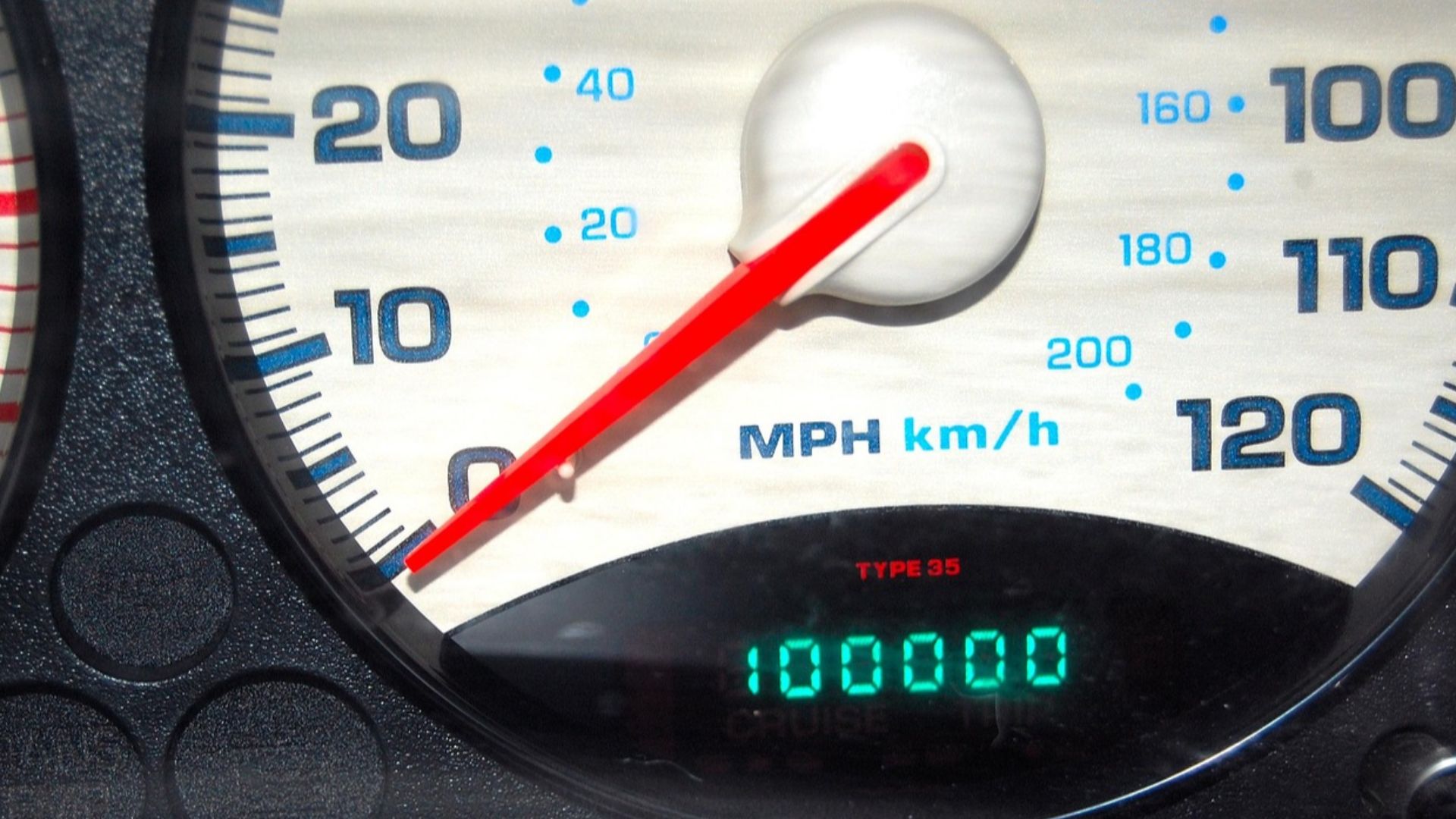
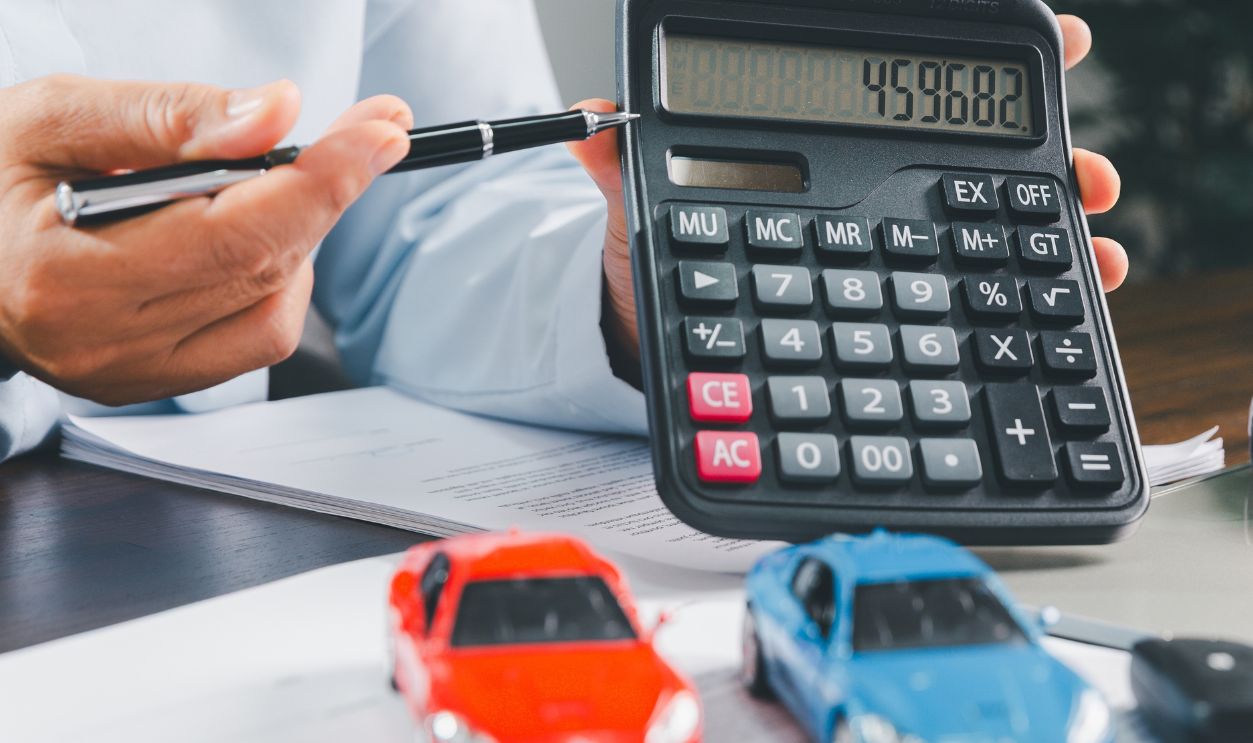
The reason this feels so rough is simple math. Go 5,000 miles over at 25 cents per mile and you owe $1,250. Go 12,000 miles over at 25 cents per mile and that jumps to $3,000, even before wear-and-tear charges or disposition fees enter the picture.
The First Thing To Check In Your Contract
Before you decide anything, pull out your lease agreement and look for three numbers: the residual value, the purchase option terms, and the excess mileage fee. The Federal Trade Commission says consumer leases must spell out key terms, including payment obligations and end-of-lease conditions. That makes your contract the first place to start.
 ajay_suresh, Wikimedia Commons
What Residual Value Really Means
The residual value is the preset amount the leasing company says the car will be worth at the end of the lease. It is also usually the base price you can pay if you want to buy the car. That number was locked in when you signed the deal, so today it could look like a bargain or a bad buy depending on the market.

The Core Buy Or Pay Question
Here is the main comparison. If your lease-end buyout price is lower than or close to the car’s current market value, buying may help you avoid the mileage penalty and keep a car you already know. If the buyout price is much higher than market value, paying the mileage fee and walking away may still be the cheaper move.

Why Market Value Can Change The Answer
This is where the answer can flip. Your buyout price was fixed when the lease began, but the used-car market keeps moving. Kelley Blue Book advises drivers to compare the car’s current market value with the lease-end purchase price because that gap often decides whether buying makes sense.
 Keith Evans, Wikimedia Commons
How To Estimate The Car’s Current Value
Use a pricing guide like Kelley Blue Book to check your car by year, trim, mileage, and condition. Be honest about the mileage, because that is the whole issue here. A very high odometer reading usually pulls down the car’s value, which can wipe out the upside of buying it.
High Mileage Cuts Both Ways
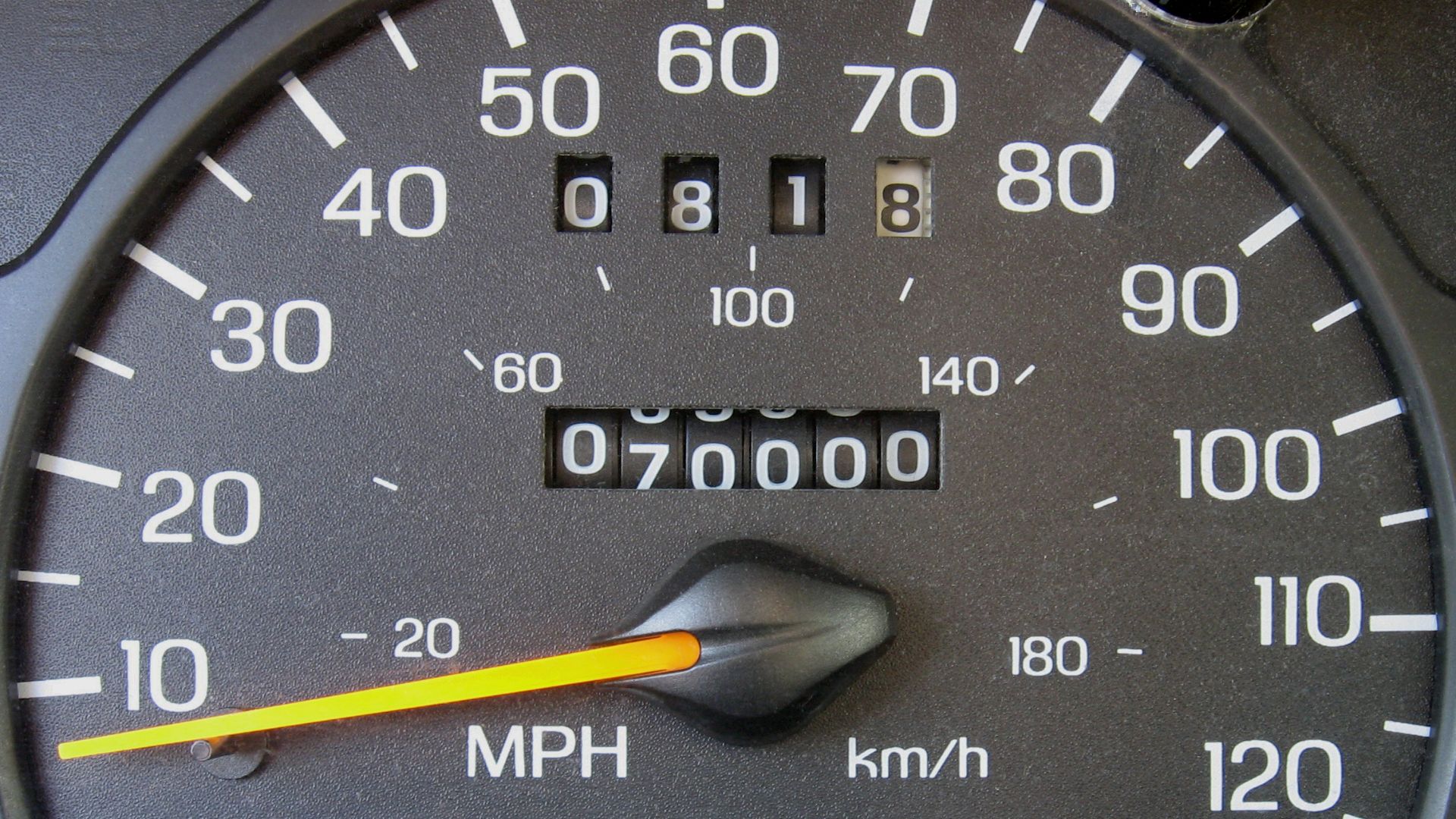
There is a catch many drivers miss. The same extra miles that trigger a lease penalty can also lower the car’s market value. So buying may help you dodge one cost, but it can also leave you paying too much for a car that is worth less because of the miles already on it.
 Downtowngal, Wikimedia Commons
When Buying The Car Often Makes Sense
Buying usually looks better when your excess mileage bill is large and your residual value is still competitive with the current market. It can also make sense if the car has been reliable, you know its maintenance history, and you plan to keep it for years. In that case, avoiding the turn-in charge can be part of a bigger long-term savings plan.

When Paying The Penalty And Walking Away May Be Better
If the car’s buyout price is clearly above its real-world value, do not let the mileage penalty push you into overpaying. Buying the car at too high a price can be worse than paying the overage and moving on. That is especially true if the vehicle also has heavy wear, repairs coming up, or weak resale value.

Do Not Forget The Purchase Fees
Buying the car is not always as simple as paying the residual value. Depending on your state and your lease terms, you may also owe sales tax, registration, and a purchase option fee. Add those costs to the buyout number before you compare it with the mileage penalty.

The Simple Formula To Use
Add up your buyout price, taxes, and any purchase fee. Then compare that total with the cost of returning the car, including the mileage penalty, any disposition fee, and possible excess wear charges. The cheaper option on paper is usually the one to look at first.
A Realistic Example With Round Numbers
Say your contract charges 25 cents per mile and you are 8,000 miles over. That creates a mileage bill of $2,000. If your buyout is $18,500 and the car is worth about $19,000 on today’s market, buying could be the smarter move.
Another Example Where Buying Is A Mistake
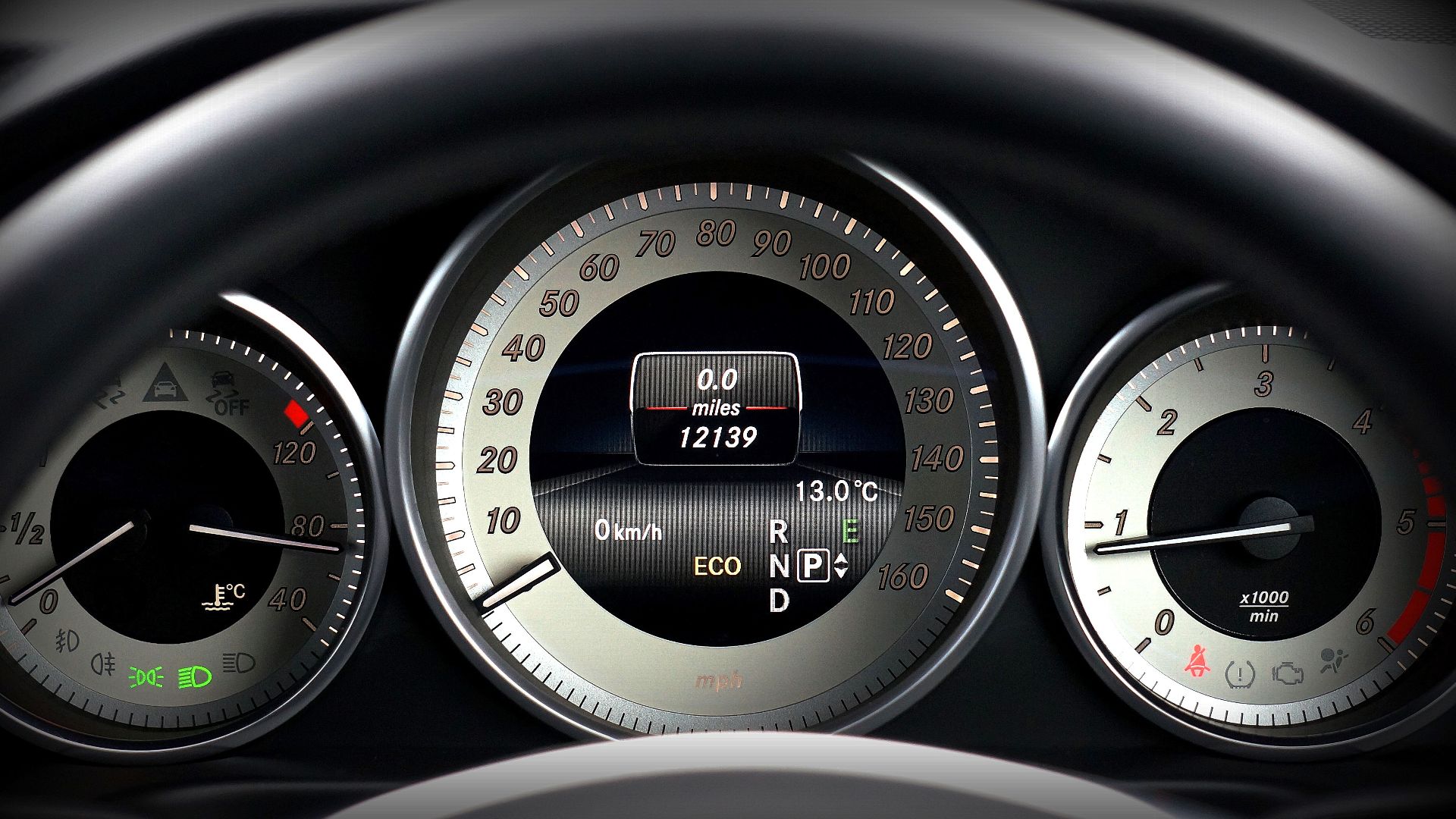
Now say you are again 8,000 miles over and facing that same $2,000 penalty. But this time your buyout is $22,000 while the car’s actual market value is only $18,500 because the mileage is high. In that case, buying the car mostly helps you avoid a penalty while overpaying several thousand dollars for the vehicle itself.

Trade-In Can Change The Math
There is another path besides buying the car and keeping it. Some drivers trade it in when buying or leasing another vehicle, and the dealer handles the payoff. Consumer advice from Edmunds notes that if the vehicle is worth more than the payoff amount, that equity can help offset costs, though high mileage often cuts into that benefit or wipes it out entirely.

Rolling Costs Into Another Deal Is Still Paying
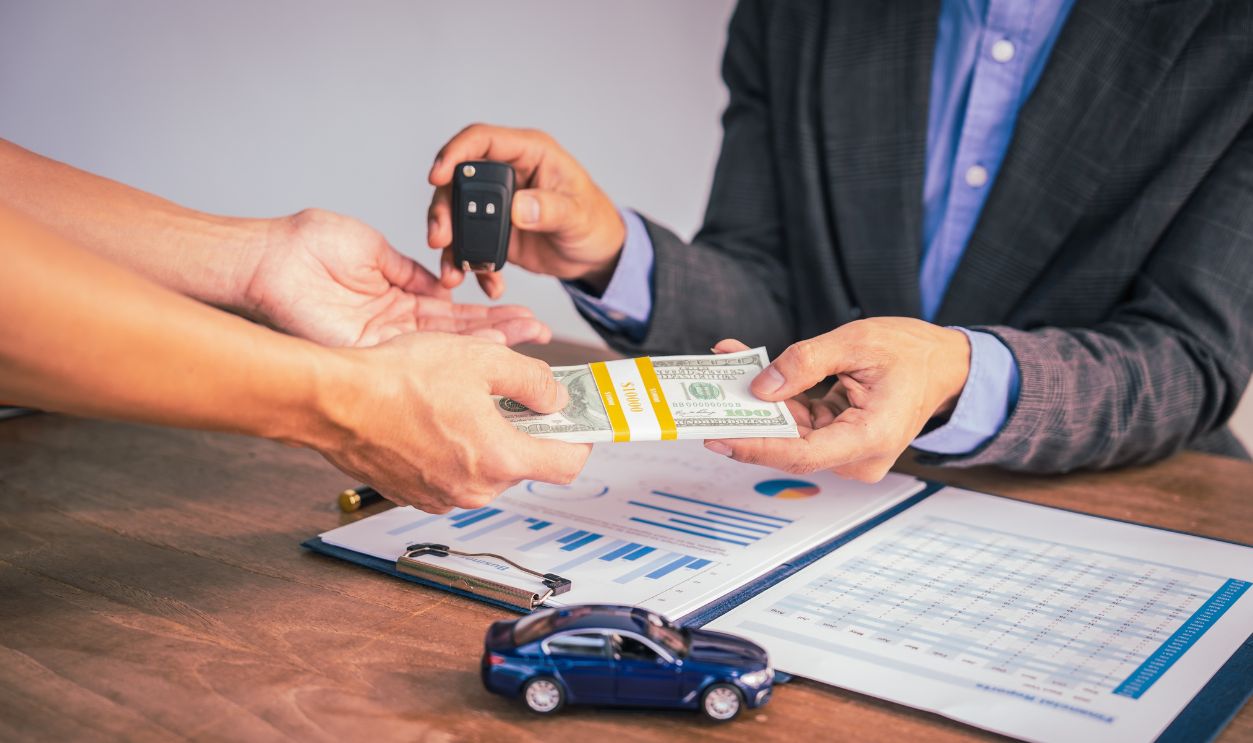
If a dealer offers to “take care of” your over-mileage problem, look closely at the numbers. Those costs usually do not disappear. They often get folded into the next loan or lease through a higher price, a larger balance, or worse terms.
 R Photography Background, Shutterstock
Can You Negotiate The Mileage Charge
Sometimes, but do not count on it. Mileage fees are written into the contract, and many captive finance companies treat them as fixed. Still, it can be worth calling the leasing company, especially if you are staying with the same brand or want to ask about loyalty programs or lease extension options.
Lease Extension Might Help Some Drivers
If your lease is about to end, ask the leasing company whether a short extension is available and what rules go with it. This will not erase miles you have already piled on, but it can buy you time to shop carefully or wait for a better moment. Always get the extension terms in writing.

Watch For Excess Wear On Top Of Mileage
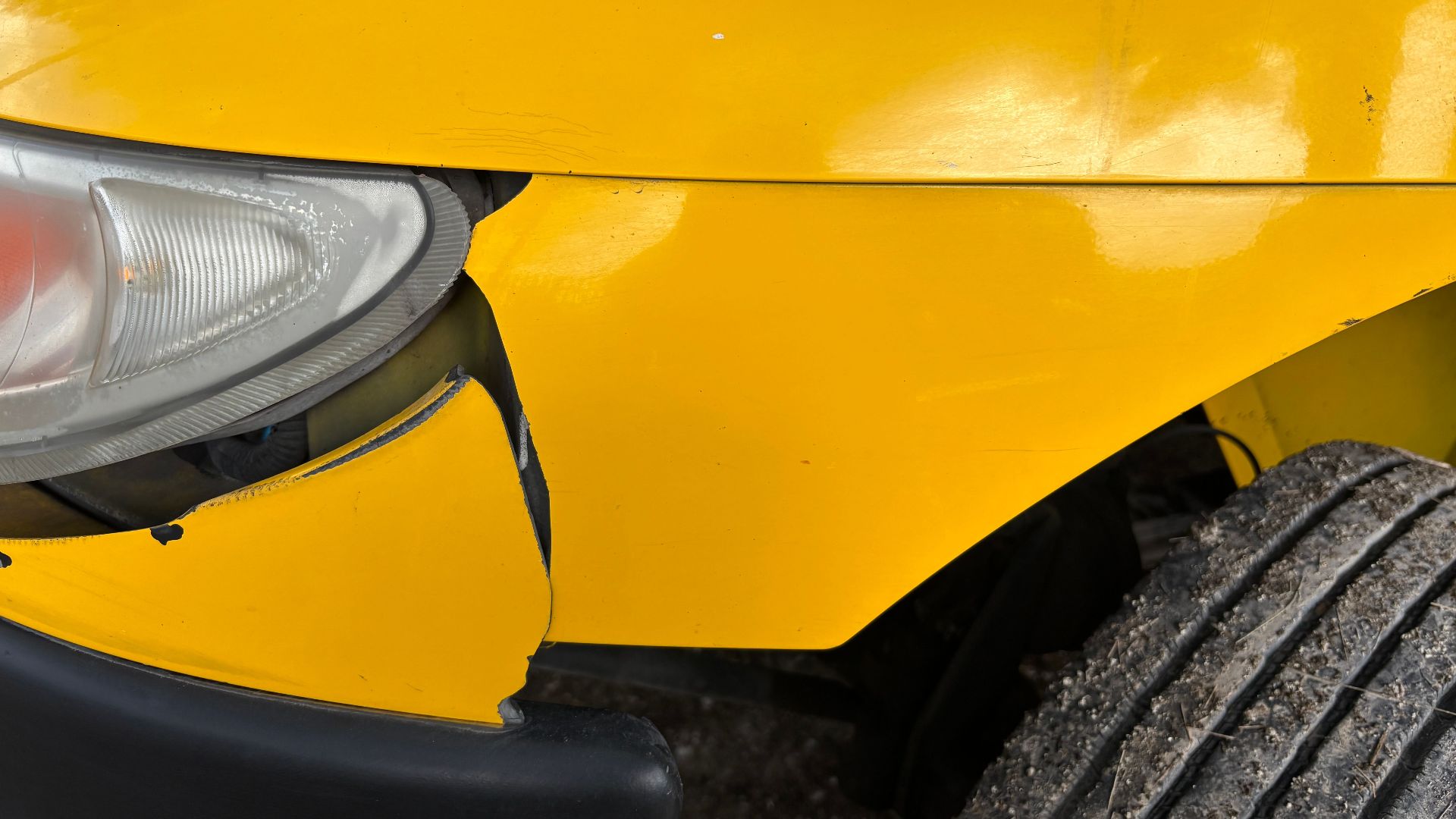
The mileage penalty may not be the only charge waiting at turn-in. Kelley Blue Book notes that excess wear-and-tear charges can also apply depending on the vehicle’s condition and the lease standards. Body damage, bald tires, or interior wear can make returning the car even more expensive.
Your Driving Habits Matter For The Next Decision
If you regularly drive more than the average commuter, this lease may have been a bad fit from the start. The FTC notes that leases can offer lower monthly payments, but they also come with mileage and condition limits. Drivers with long commutes often do better with a purchase or a lease that includes a higher mileage allowance.

Buying Can Be The Emotional Choice Too
There is also a comfort factor here. You already know how the car was driven, maintained, and repaired because you were the one driving it. If the buyout math works and the vehicle has been dependable, buying can be the easiest and least stressful way to wrap up the lease.
But Do Not Ignore Maintenance And Repair Risk
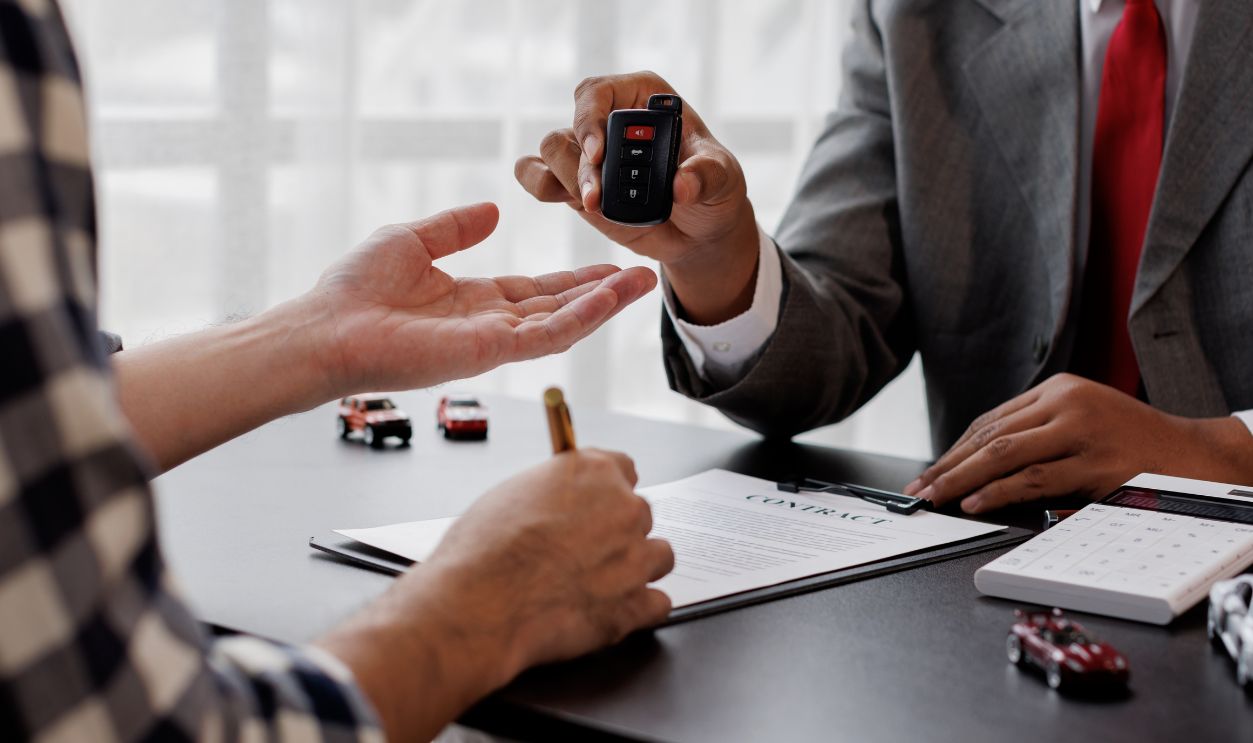
Once you buy the car, it is yours for better or worse. The warranty may be ending or already gone, and high-mileage vehicles can bring bigger repair bills. Escaping a mileage penalty is not much of a win if it leads to expensive repairs six months later.
The Best Decision Usually Comes Down To Two Numbers
You do not need a finance degree to sort this out. Compare the all-in buyout cost with the car’s current market value. Then compare the return cost with the mileage penalty and related fees. If buying keeps you from overpaying and gives you a car worth at least what you are spending, it may be the better deal.

The Short Answer For Most Drivers
Yes, buying the car can be cheaper than paying the mileage penalty, but only if the lease-end buyout price is reasonable compared with the car’s current value. It is not automatically a smart move just because you are over the limit. The odometer tells only part of the story. The contract and the market decide the rest.

Your End-Of-Lease Checklist
Check your contract for the per-mile fee and residual value. Price the car honestly using a trusted valuation tool, then add taxes and fees to the buyout amount. If the numbers are close, call the leasing company and a trusted dealer before making the final call.