The Garbage Bin Parking War Is More Common Than You Think
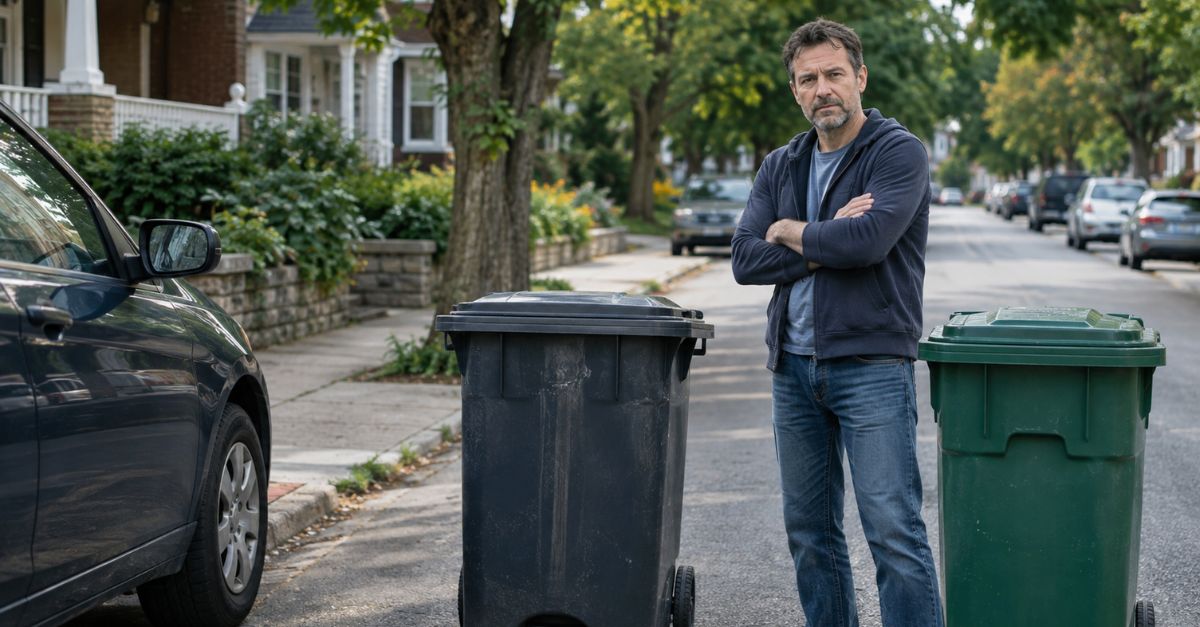
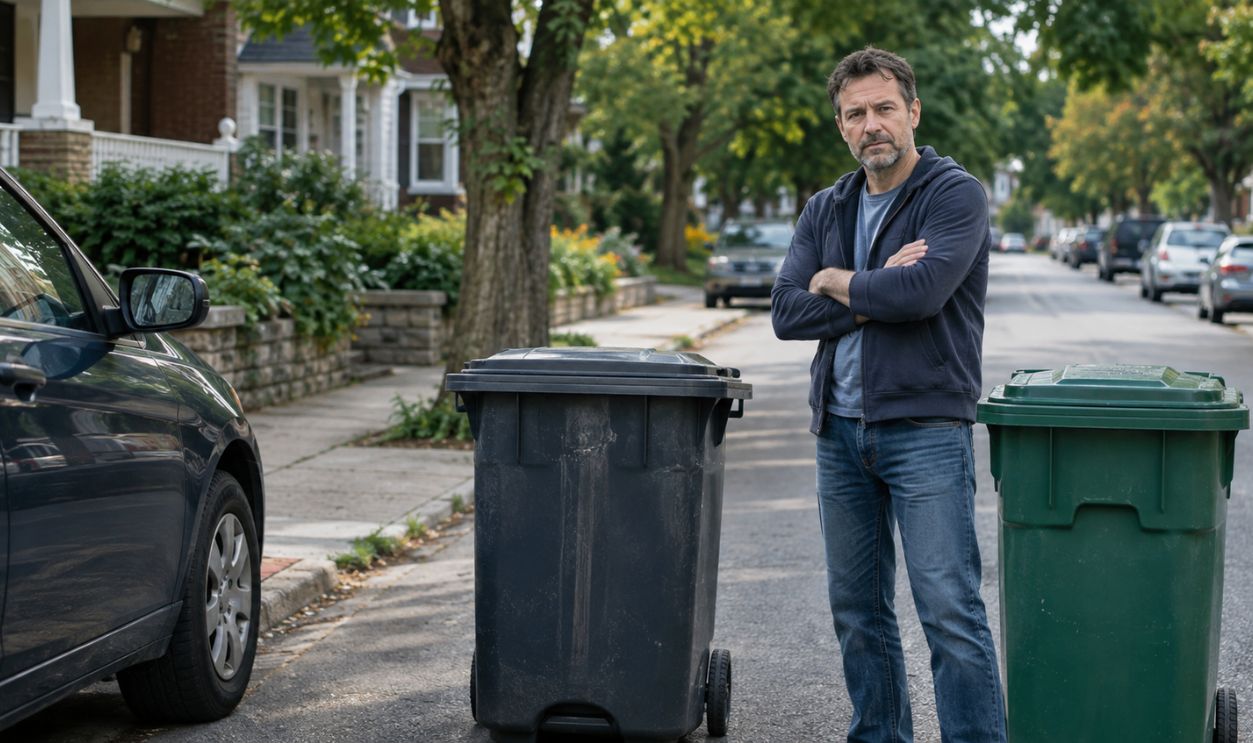
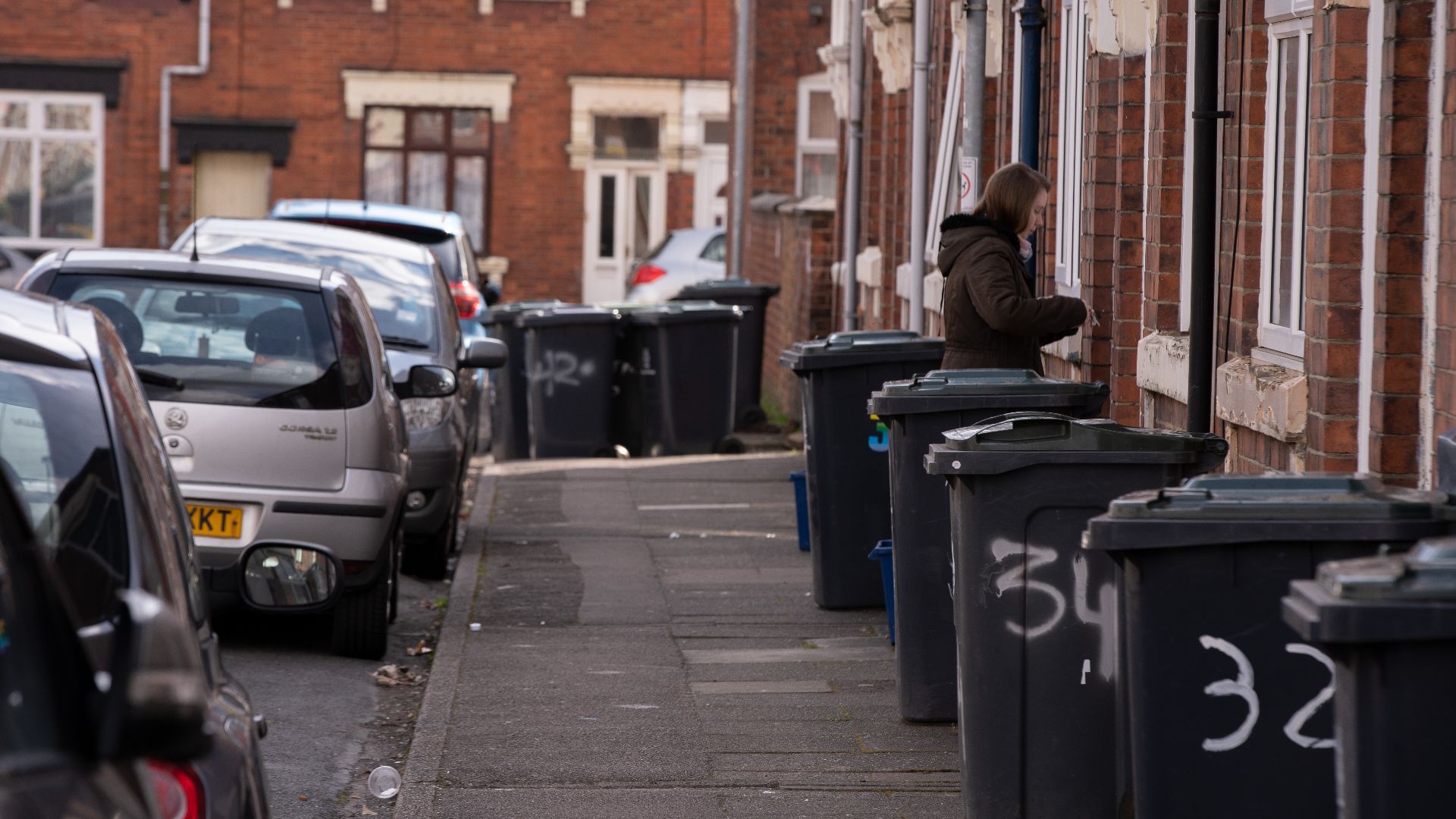
It's an all-too familiar neighborhood standoff. Seemingly every morning, the street's crank drags out trash cans or cones to keep drivers from parking in front of his house. He might think he owns the place, but in most cities, he's due for a rude awakening. Residents usually cannot reserve public curb space, even if it sits directly in front of their home.
Public Street Parking Usually Belongs To The Public
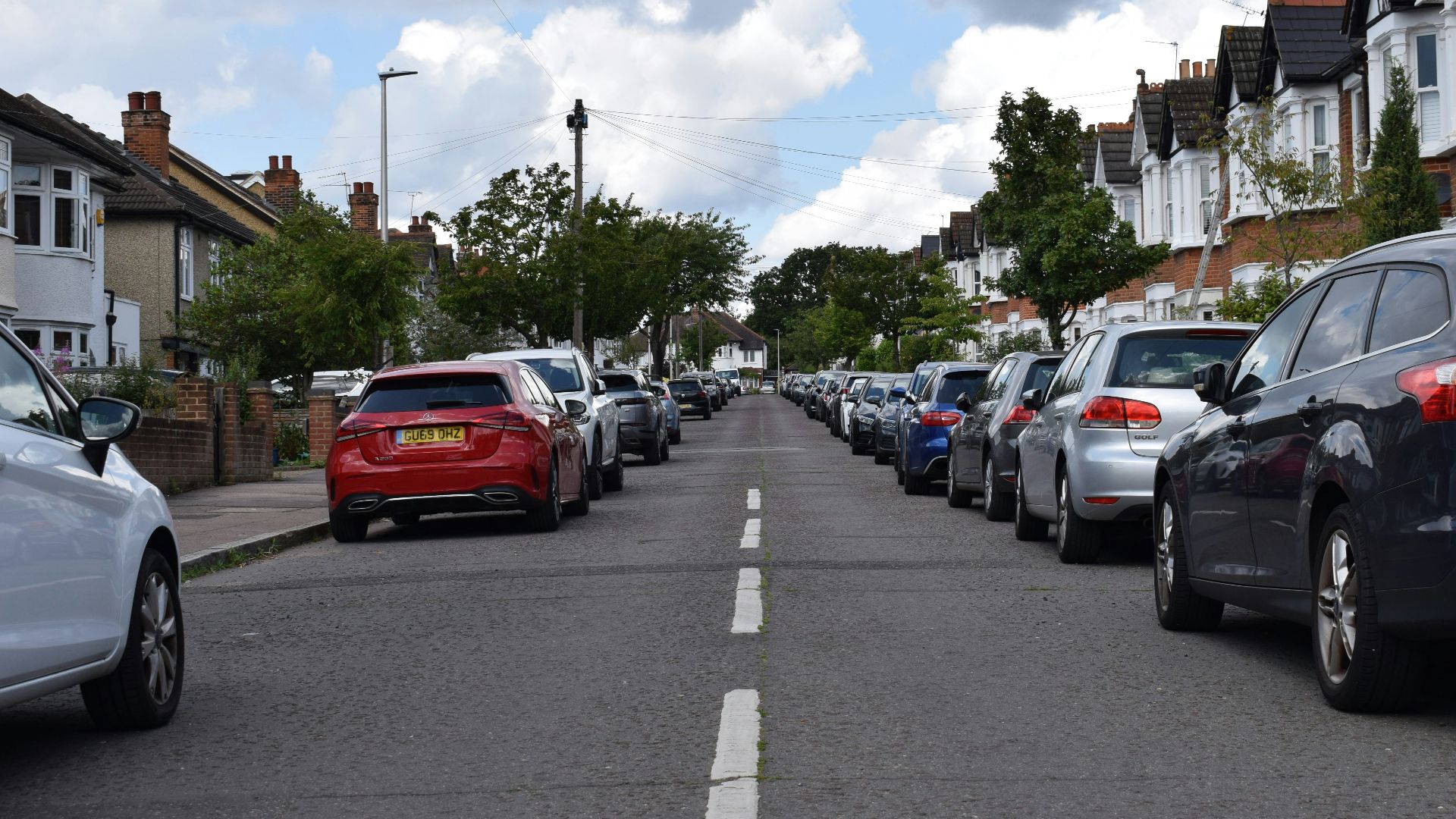
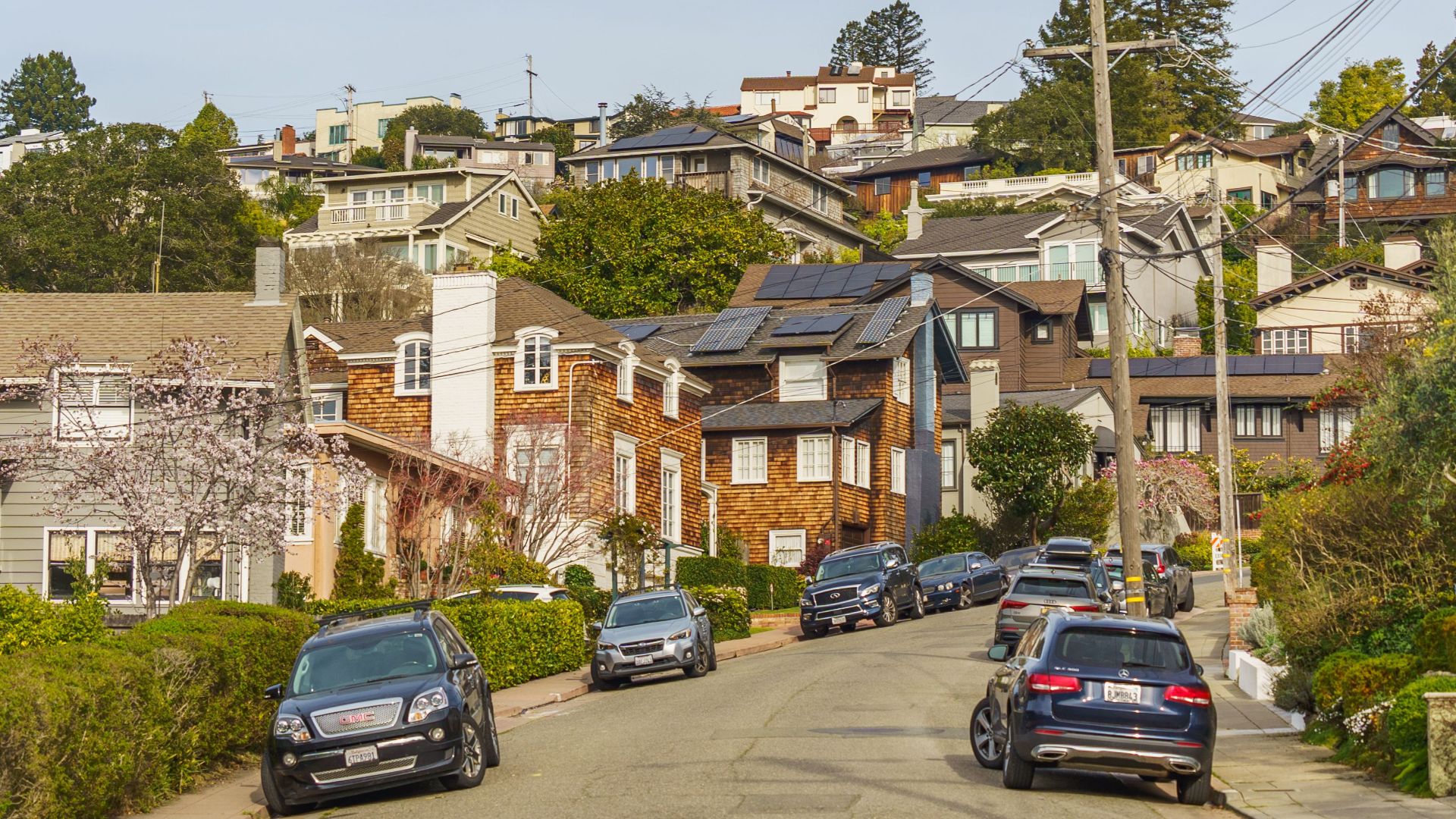
On most city streets, curbside parking is part of the public right of way. That means the space is usually controlled by the city or local government, not the homeowner next to it. If there is no official sign, permit rule, or posted restriction, the spot is generally first come, first served.
Your Neighbor Does Not Automatically Own The Curb
Many drivers assume the person whose house faces the street has some kind of special claim to the spot out front. In most U.S. cities, that is not how it works. A homeowner may have to maintain the sidewalk in some places, but that usually does not give them any legal right to block parking.

Objects In The Street Can Create A Different Problem
Even if the dispute seems small, putting bins in the roadway can turn into a code enforcement or public safety issue. Streets are meant for travel, parking under local rules, and city services. Private objects left in the road can get in the way of traffic, street cleaning, snow removal, or emergency access.

Los Angeles Makes The Rule Clear
Los Angeles has one of the clearest public explanations of this issue. The Los Angeles Department of Transportation says public parking spaces are available on a first come, first served basis and that it is illegal to place trash cans, barricades, or other objects in the street to save a space. In a city known for parking battles, that is a direct answer.

New York City Also Treats It As A Public Space
New York City’s 311 guidance says no one is allowed to save a parking space on a public street with items like cones, chairs, or garbage cans. The city tells residents to report the obstruction. It is hard to get much plainer than that.
Chicago Warns Against Dibs On Public Streets
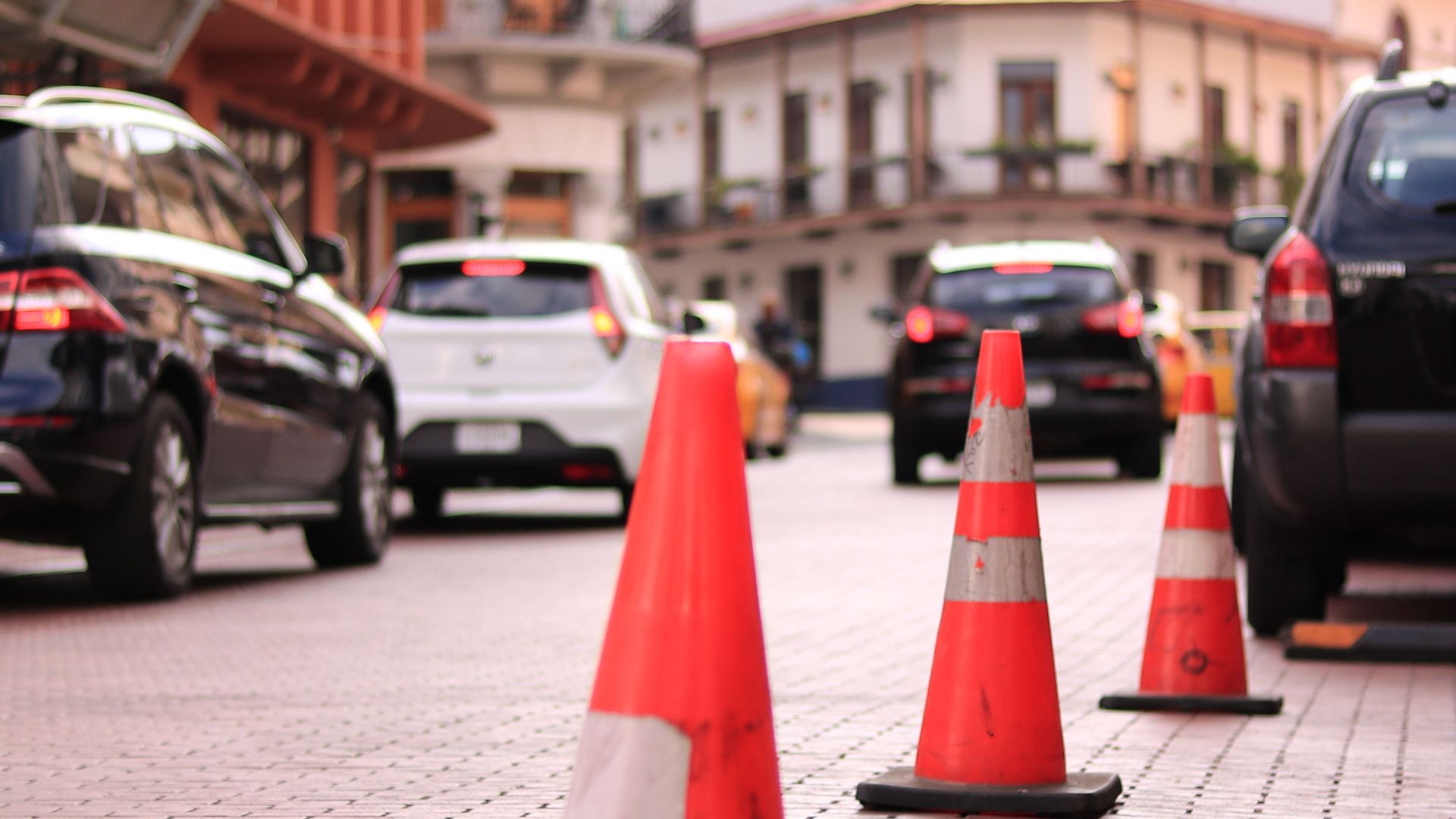
Chicago has a famous winter habit known as dibs, where residents sometimes try to claim shoveled-out parking spots with lawn chairs and other markers. But the City of Chicago has repeatedly said that saving a parking space on a public street is not allowed, even if the custom still shows up after heavy snow. It is a good example of local tradition crashing into the actual rules.

Philadelphia Says The Same Thing In Plain English
Philadelphia’s 311 service says cones, buckets, chairs, and similar items should not be used to save a parking spot on a public street. Residents can report those obstructions through the city. So if your neighbor thinks a pair of garbage bins creates a private no-parking zone, Philadelphia is not on their side.
What About Temporary Move Permits And Official No Parking Zones
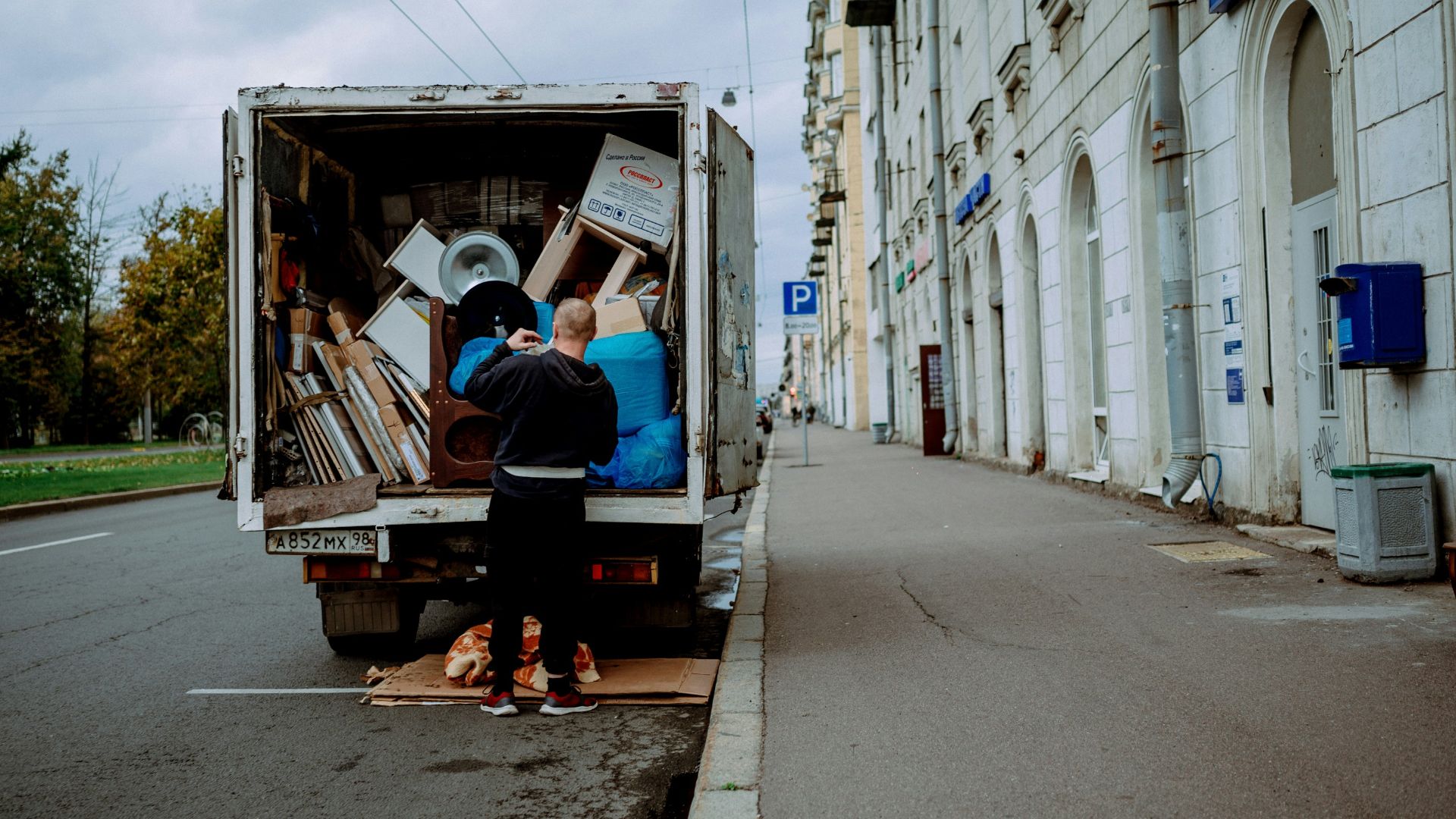
There are exceptions, but they usually require city approval. Some cities allow temporary reserved curb space for moving trucks, construction work, filming, or accessible parking needs. Those restrictions are normally marked with official permits or city signs, not homemade barriers hauled out from a garage.
Accessible Parking Is A Big Exception
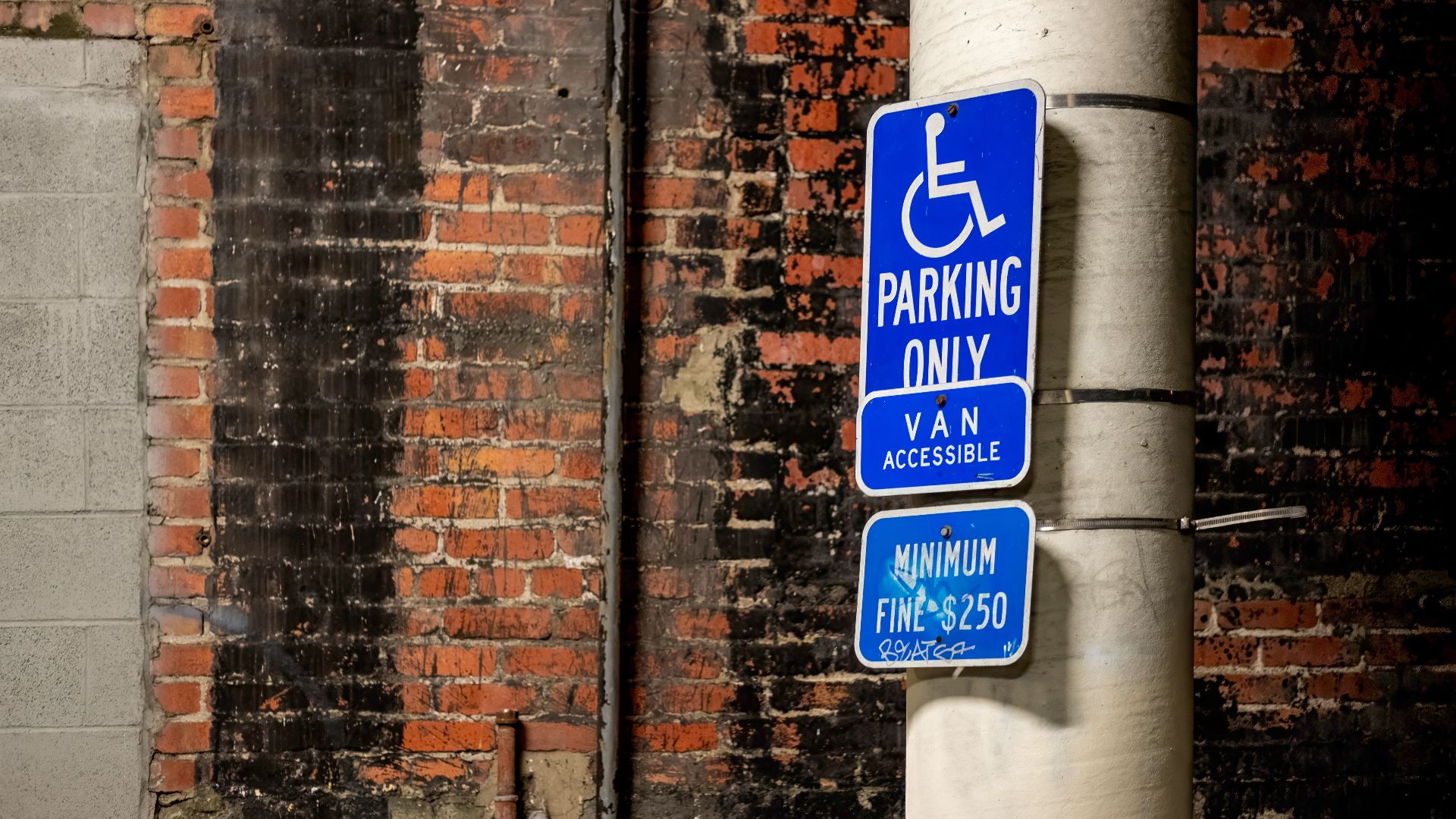
A resident with a disability may be able to apply for a designated accessible parking space near home in some cities. But even then, the space is usually created through a formal government process. It is not something a neighbor can set up on the fly with two trash cans and a handwritten note.
Trash Collection Day Can Change Things Briefly
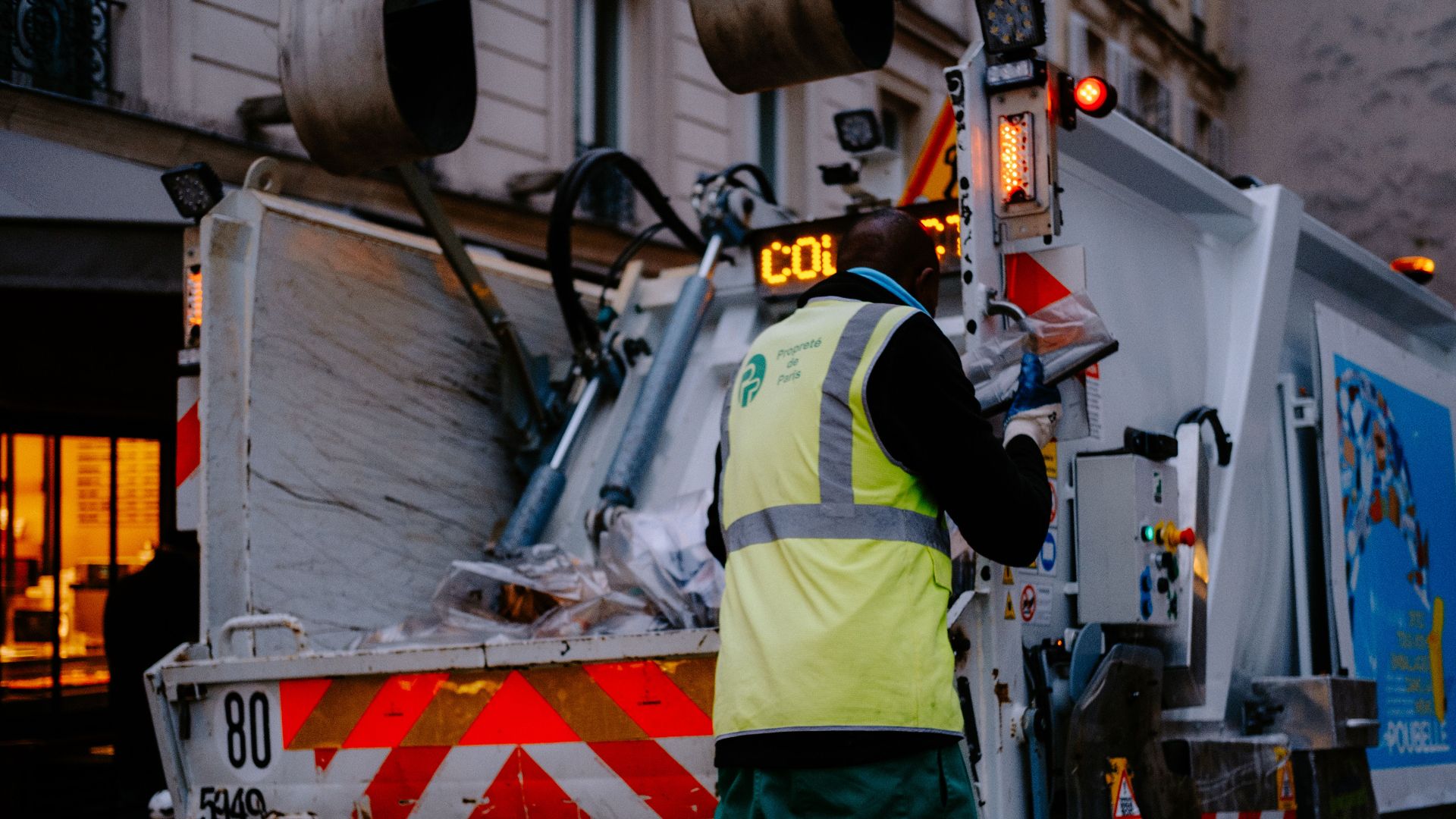
There is one practical wrinkle. Some local sanitation departments want bins placed at the curb or street edge on pickup day, but only during the collection window and under local rules. That is very different from leaving them there all day or between collection days just to keep drivers away.
The Timing Of Bin Placement Matters
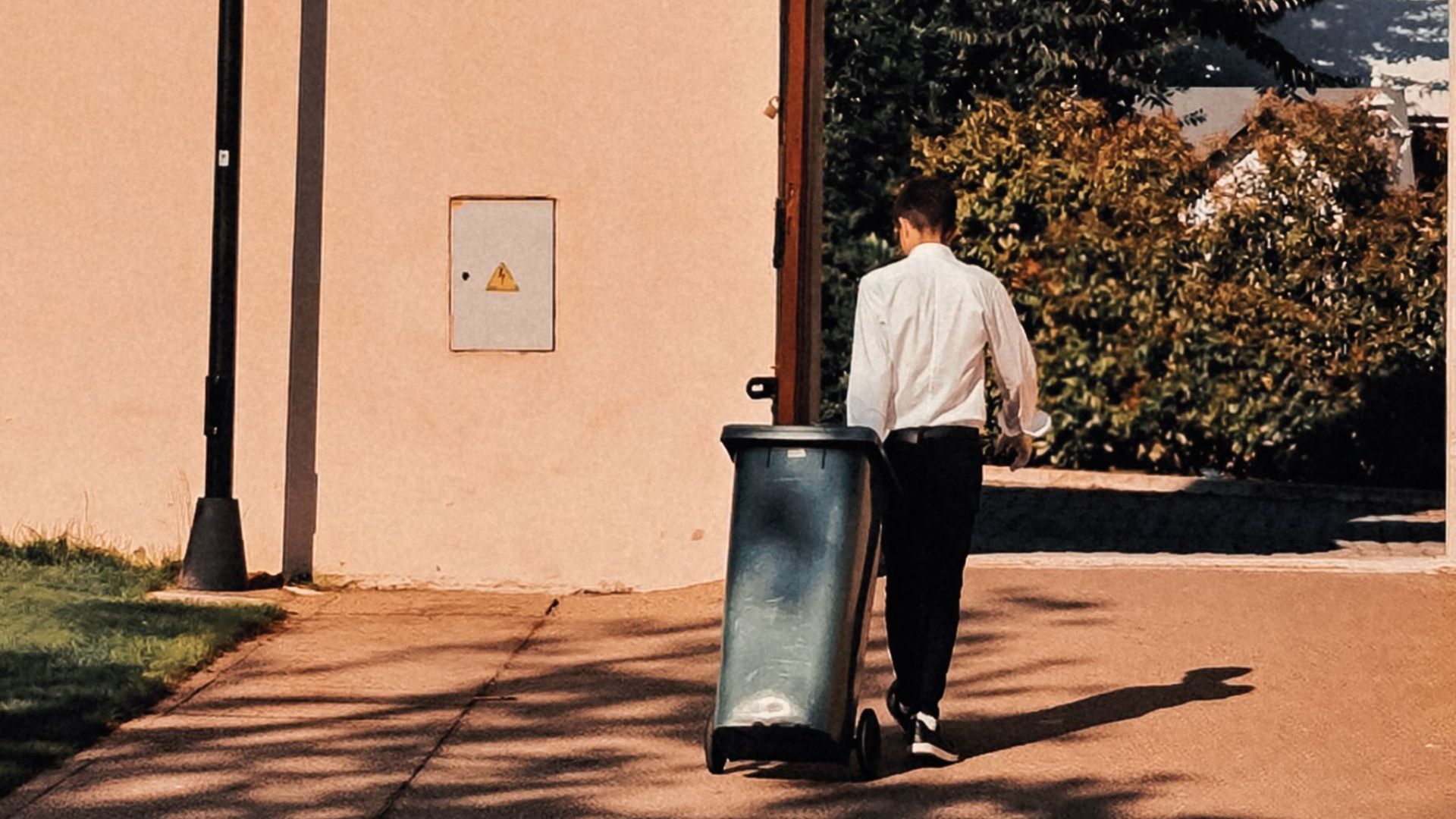
Cities often tell residents exactly when trash containers may be set out and when they must be removed. If bins are sitting in the street outside those hours, that can break sanitation or municipal code rules. So the same garbage can that is allowed early on pickup day may turn into an unlawful obstruction later.
San Francisco Shows How Detailed Local Rules Can Get
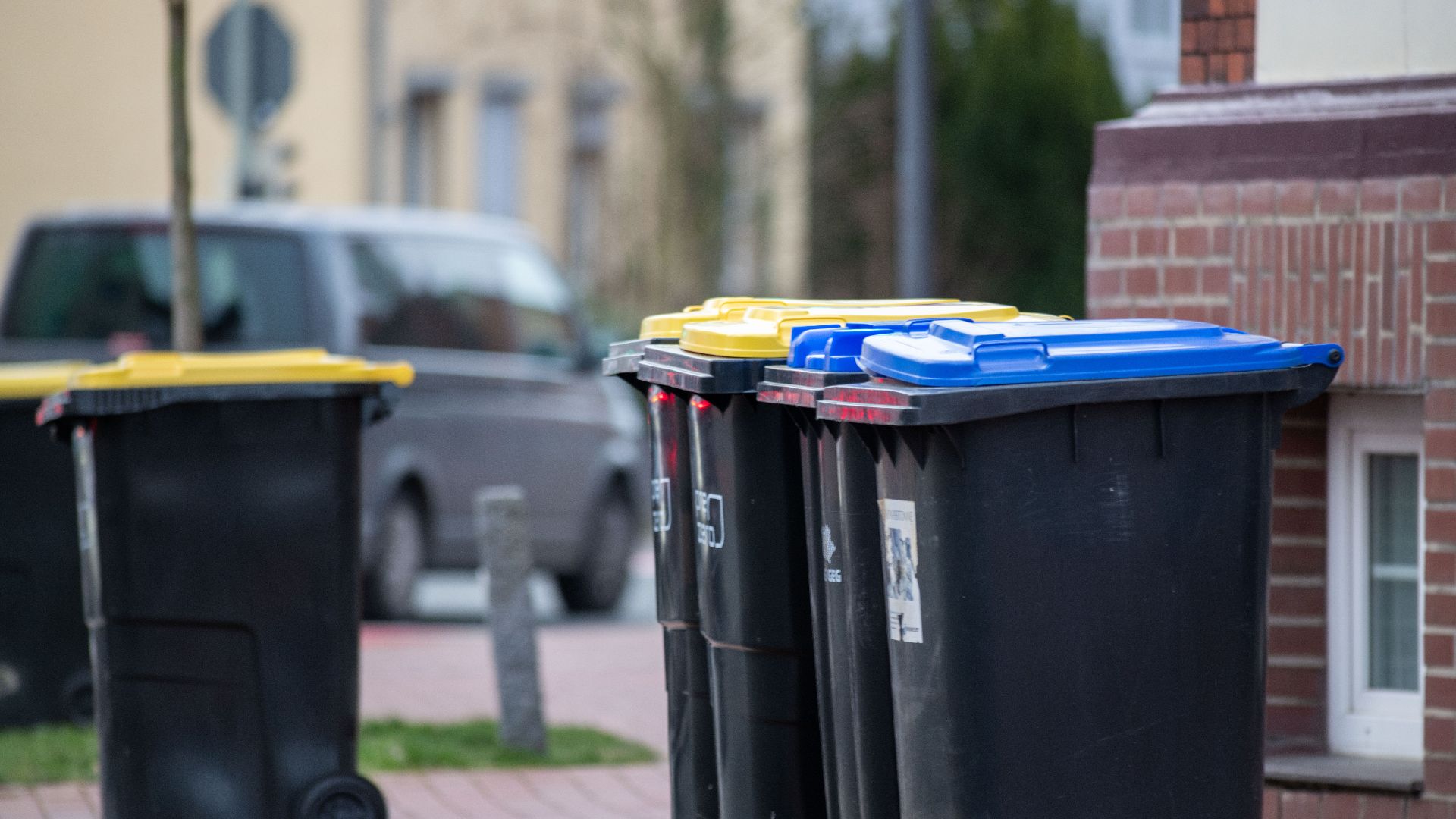
San Francisco Public Works publishes set-out rules for refuse containers, including placement and collection timing. Those rules are about waste pickup, not private parking control. Put simply, a bin is for trash service, not for guarding a parking spot.
Why Cities Care About Street Obstructions
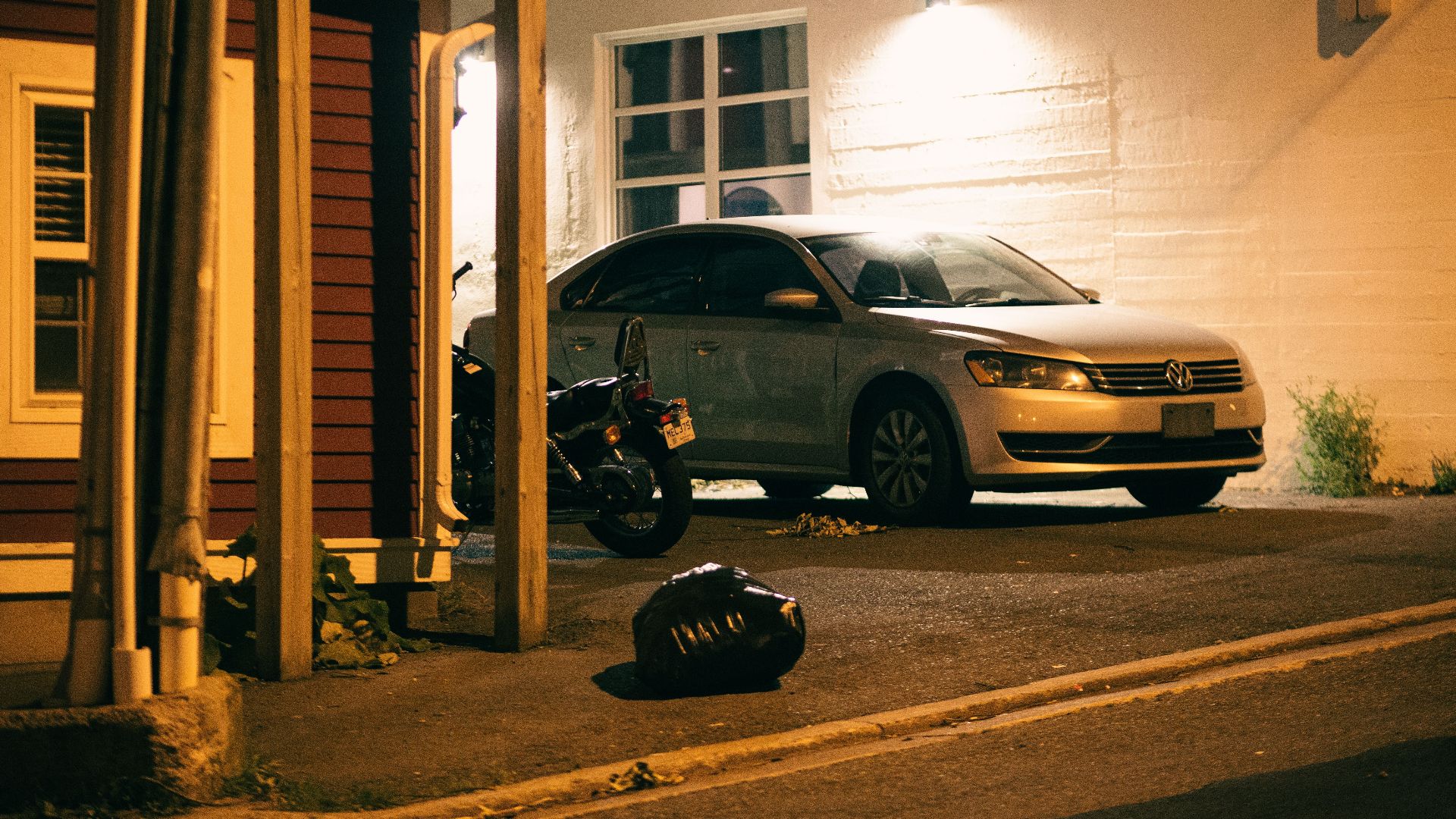
This is not just neighborhood drama. Objects left in the roadway can disrupt street sweeping, slow down plows, block drainage, and create hazards for cyclists, motorcyclists, and drivers at night. Cities regulate public streets because one person’s homemade parking barrier can quickly become everyone else’s problem.
State Laws Can Matter Too
In some cases, state vehicle codes or local ordinances also come into play if something is placed in a way that blocks traffic or creates a hazard. The exact wording varies by state and city. That is why the smartest move is to check your city code, 311 portal, or local public works guidance before doing anything.

Do Not Assume The Police Will Treat It As A Major Emergency
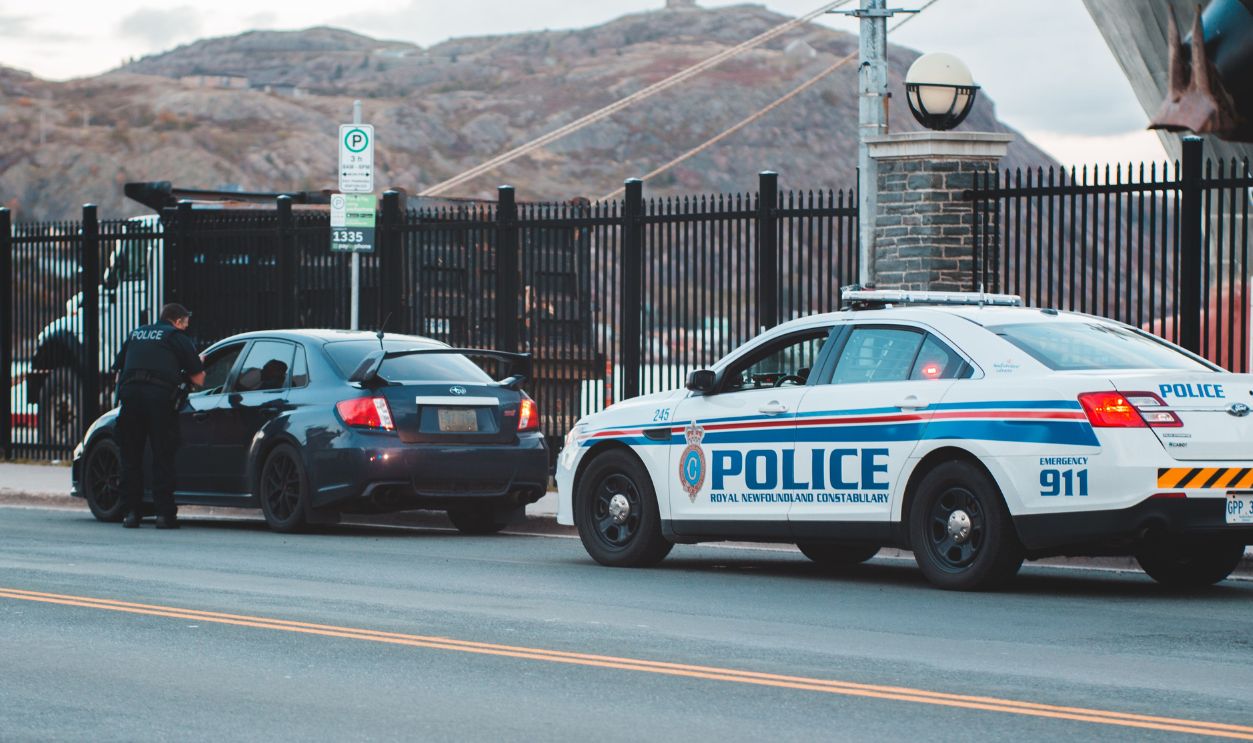
Most of these disputes are handled through city services, parking enforcement, sanitation, or code enforcement rather than a dramatic police response. That does not mean the issue is legal. It just means the right channel is often a non-emergency complaint system, especially in big cities.
Reporting It Is Usually Pretty Simple
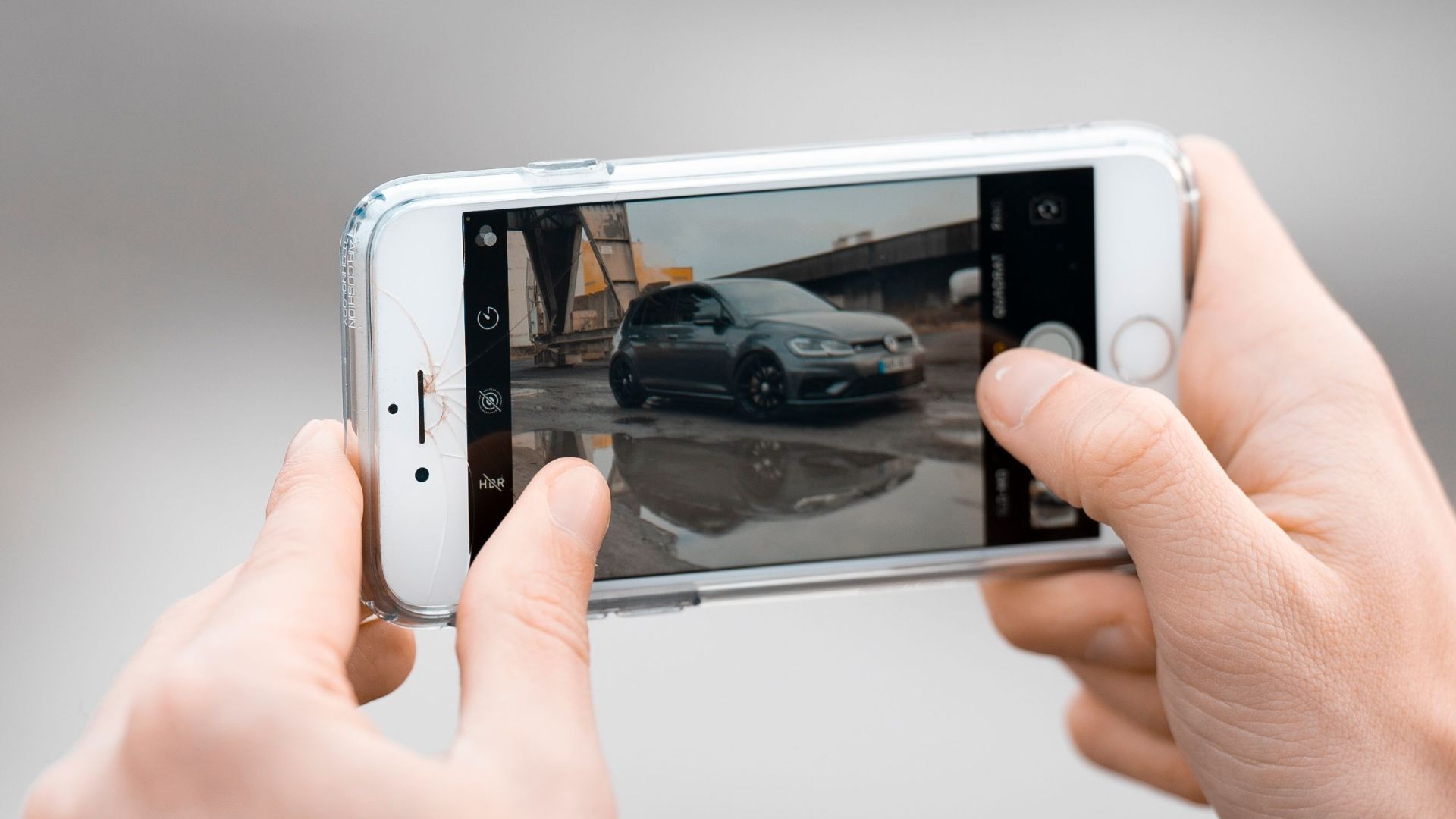
Many cities now let residents report blocked public parking spaces online or through an app. New York, Philadelphia, and other cities route complaints through 311 systems. A quick photo, location, and time stamp can do more than a sidewalk argument ever will.
Confrontation Is Usually The Worst Tool
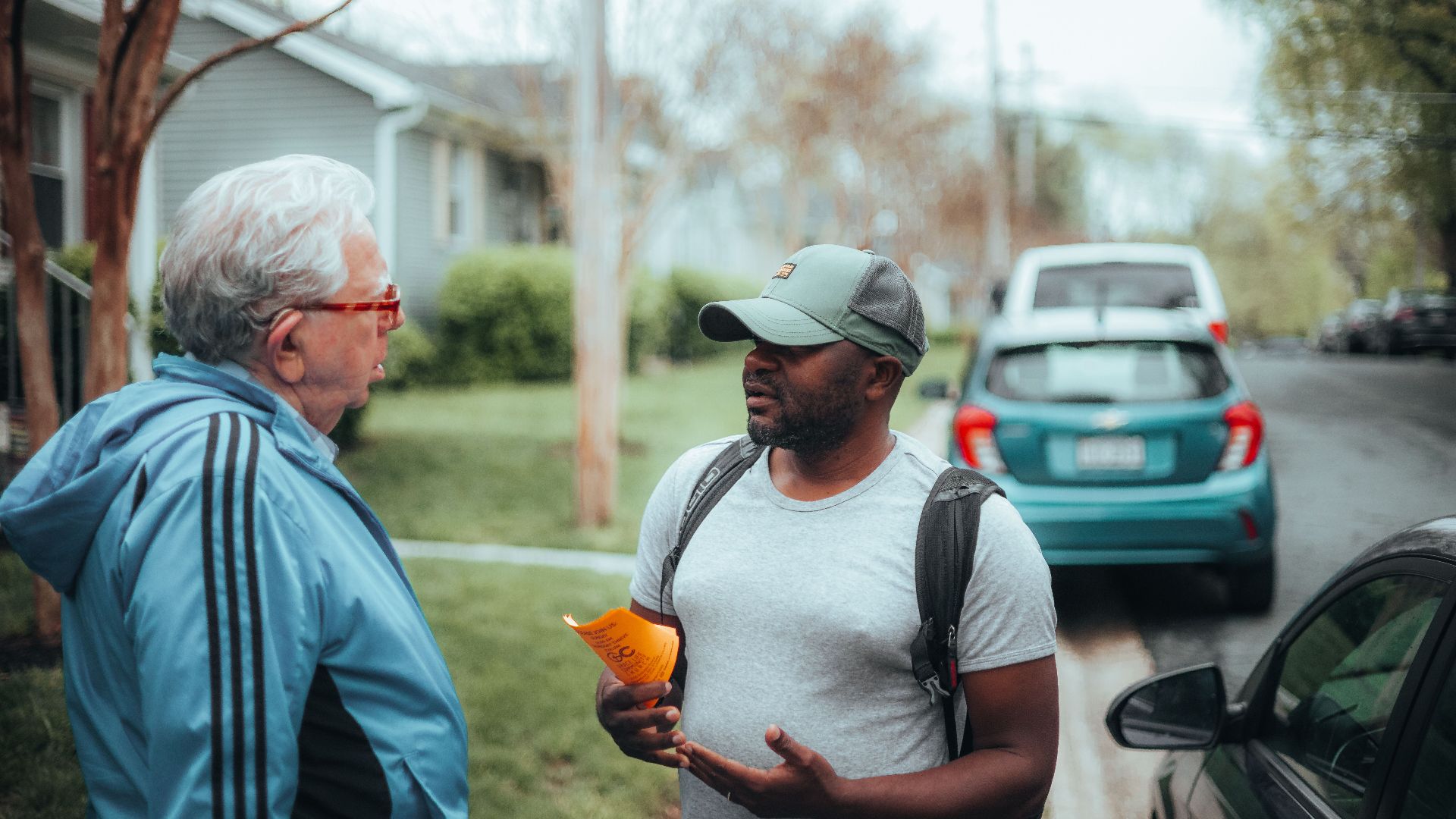
It may be tempting to move the bins yourself and park there out of principle. But that can turn a minor parking dispute into a full-blown neighborhood feud. If the goal is to solve the problem, calm documentation and a city report are usually the better move.
There Is A Difference Between Courtesy And Control
Some neighbors ask others to leave a spot open for an elderly relative, a moving van, or a short-term delivery. People can agree to that if they want. But a request is not the same as a legal right, and courtesy does not turn public street space into private property.

Driveways And Curb Cuts Are Different
A resident does have a real complaint if someone blocks a driveway, curb cut, hydrant, or signed restriction. Those spots are governed by parking laws and accessibility rules. The key difference is simple: parking in front of a house is usually legal, while blocking an access point usually is not.

Watch For HOA Confusion
Some homeowners’ associations regulate private streets within a development. On those roads, different rules may apply because the street may not be public. But on ordinary city streets maintained by the municipality, an HOA mindset does not override public parking rules.

Snow Country Adds Emotion But Not Ownership
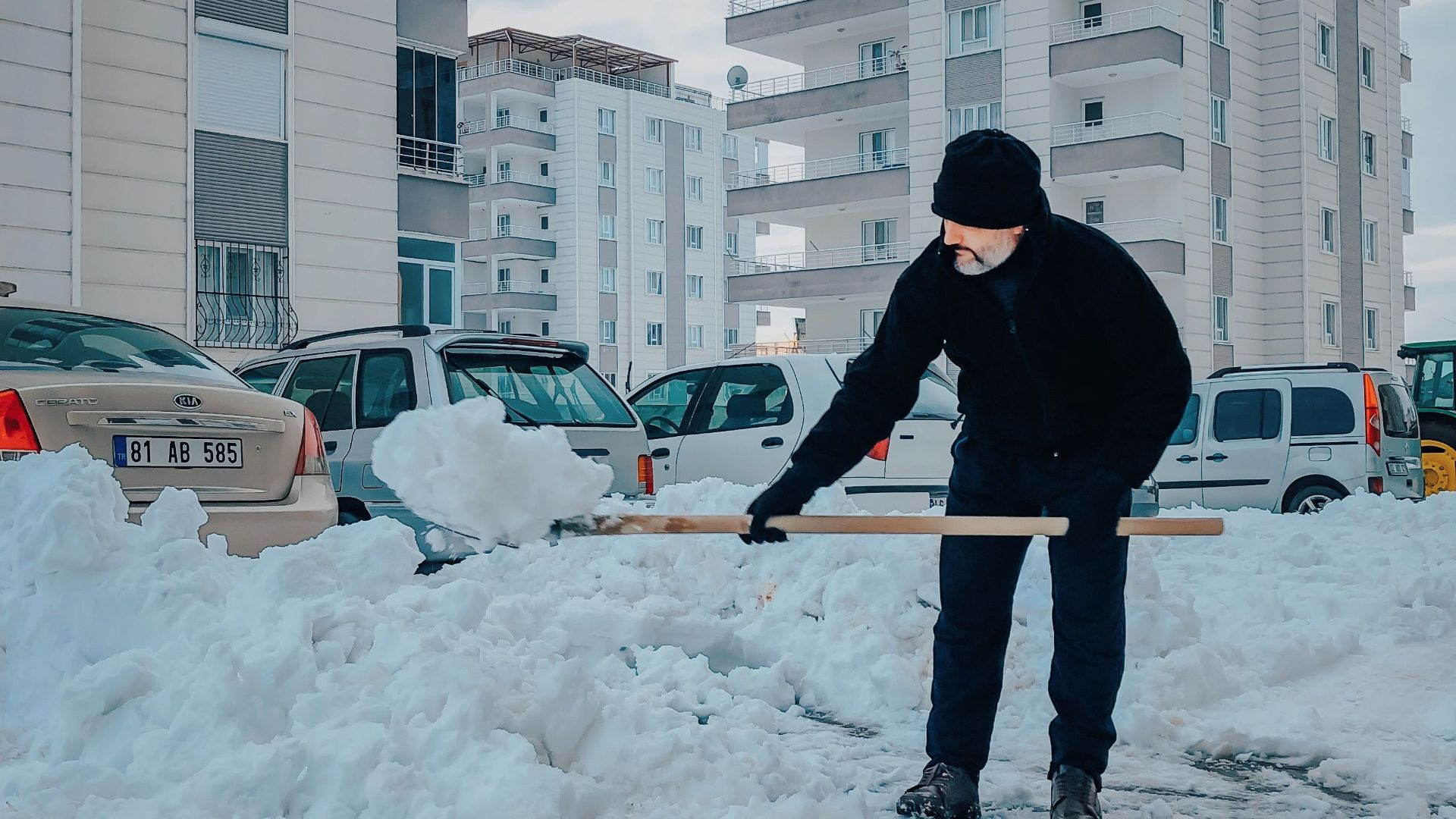
Winter can make this fight even more heated. Drivers who shovel out a space may feel like they earned it, but cities like Chicago have made clear that the effort usually does not create a legal claim to public pavement. The frustration is real, but so is the rule.
What If The Neighbor Says Everyone On The Block Agrees
Neighborhood custom can be powerful, but it still does not override city rules on a public street. If a whole block informally respects certain spots, that is a social arrangement, not a legal reservation system. Trouble starts when one resident tries to enforce that custom on everyone else.
If You Are The One Thinking About Saving A Spot, Think Twice
Dragging out bins may seem harmless, especially where parking is tight. But in many cities, that can lead to complaints, removal by city workers, or possible fines depending on local rules. It is usually not worth the trouble, and it definitely does not create ownership.

The Practical Answer For Drivers
If the street is public and the space is otherwise legal, a resident usually cannot reserve it with garbage bins. Before acting, check your city’s posted rules and make sure there is no temporary permit or pickup-day exception. Then use the proper reporting channel instead of letting a curbside annoyance turn into a long-running neighborhood battle.

The Bottom Line On Public Street Space
Residents usually cannot claim public parking in front of their homes by placing trash cans or other objects in the road. Multiple major cities, including Los Angeles, New York, Chicago, and Philadelphia, say public curb parking is not private property and cannot be saved with homemade barriers. If your neighbor is building a bin barricade, the curb is probably not theirs to reserve.