When Damage Turns Into A Blame Game
You discover serious water damage in your RV, so you file an insurance claim, expecting at least some help covering repairs. Instead, you get denied. The reason? “Lack of maintenance.” Now you’re stuck wondering how you’re being blamed for something you didn’t even know was happening. Good news is you may have more room to push back than it seems.
Insurance Companies Often Deny Water Damage Claims
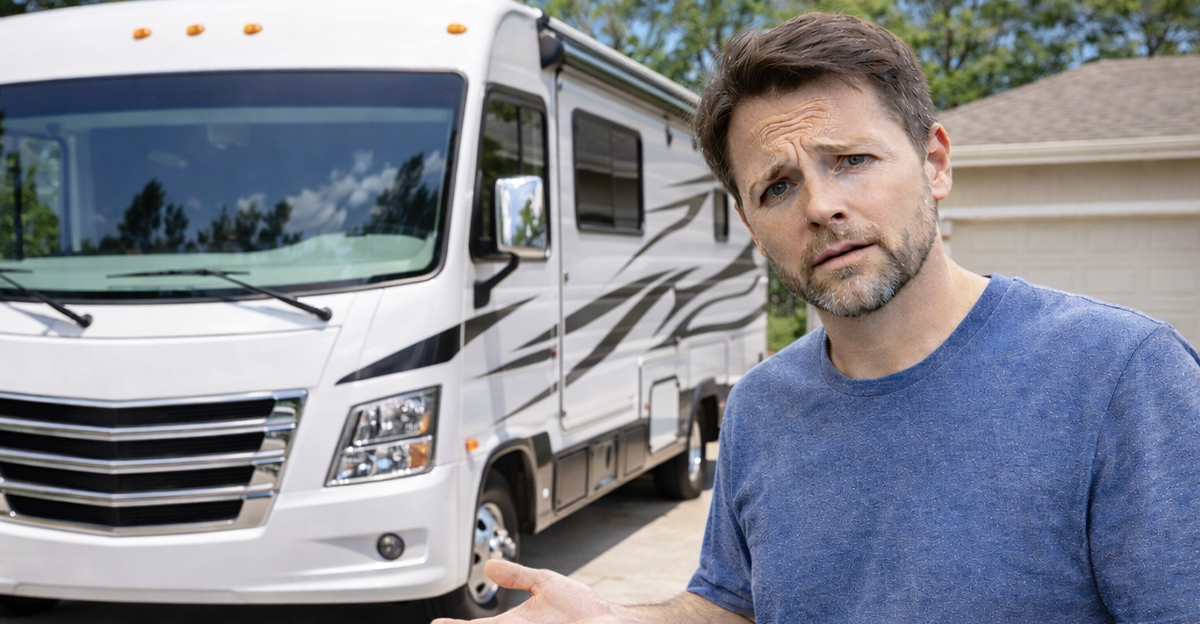
Water damage is one of the most common reasons RV insurance claims get denied. Insurers frequently argue that leaks and moisture buildup happen over time, which they classify as preventable. That allows them to label it as a maintenance issue instead of a sudden, covered event.

The Key Issue Is “Sudden” Vs “Gradual” Damage
Most RV insurance policies cover sudden and accidental damage, like a pipe bursting or storm damage. What they usually don’t cover is gradual damage, like slow leaks or long-term moisture intrusion. If your insurer believes the damage happened over time, they’ll likely deny the claim on that basis.
“Lack Of Maintenance” Is A Common Catch-All
When insurers say “lack of maintenance,” they’re often using it as a broad justification. It can mean anything from worn seals to missed inspections. The problem is that this explanation isn’t always as clear-cut as they make it sound.

Not Knowing About The Issue Doesn’t Automatically Disqualify You
Just because you didn’t know about the leak doesn’t mean you’re automatically at fault. Some types of water damage are hidden behind walls or under flooring and aren’t visible until they become serious. That’s where your argument can start to gain traction.
The Cause Of The Damage Matters More Than The Result
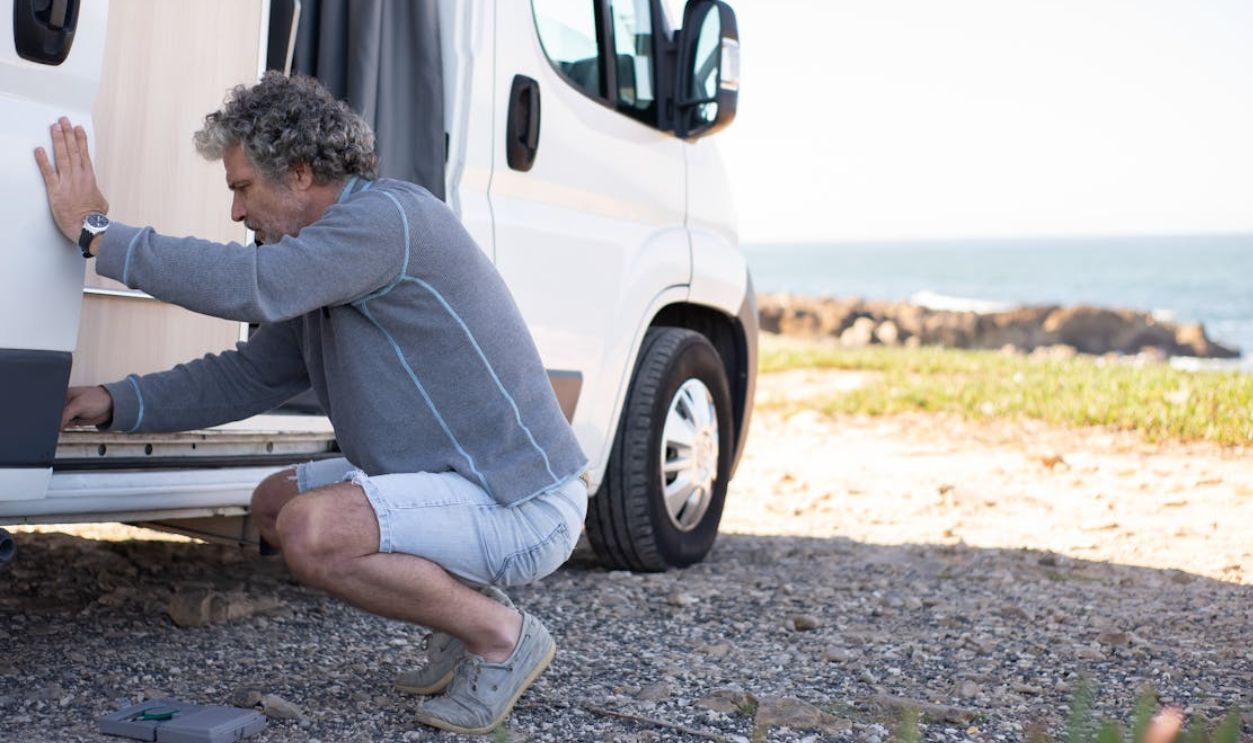
Insurance companies focus heavily on what caused the damage, not just the damage itself. If you can show that the issue was caused by something sudden, like a failed seal, defective part, or weather event, you may have a stronger case for coverage.

RVs Are Especially Vulnerable To Hidden Leaks
Unlike standard homes, RVs are constantly exposed to movement, vibration, and weather. Seals can fail without obvious signs, and water can get in through small gaps that aren’t easy to detect. This makes it harder to catch problems early.
Documentation Can Make Or Break Your Claim
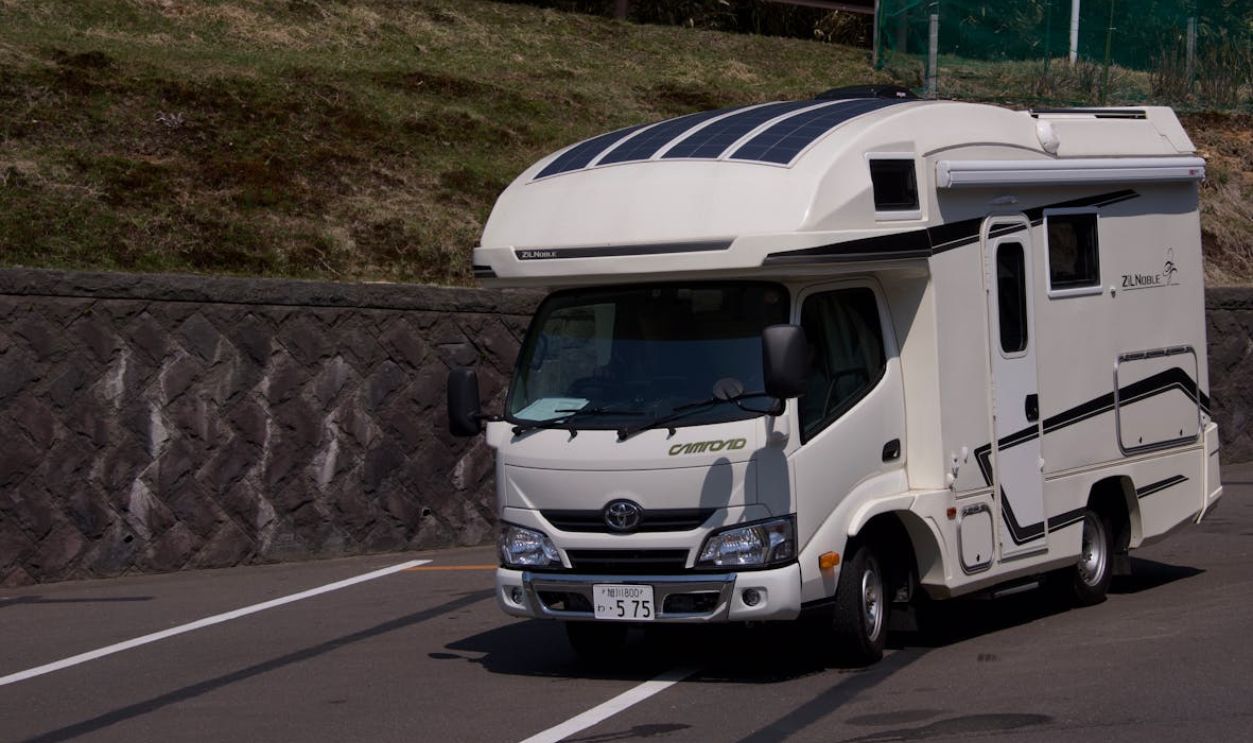
If you have records of regular maintenance, inspections, or repairs, that can help your case significantly. Showing that you took reasonable steps to maintain the RV makes it harder for the insurer to argue neglect.
Even Basic Maintenance Records Help
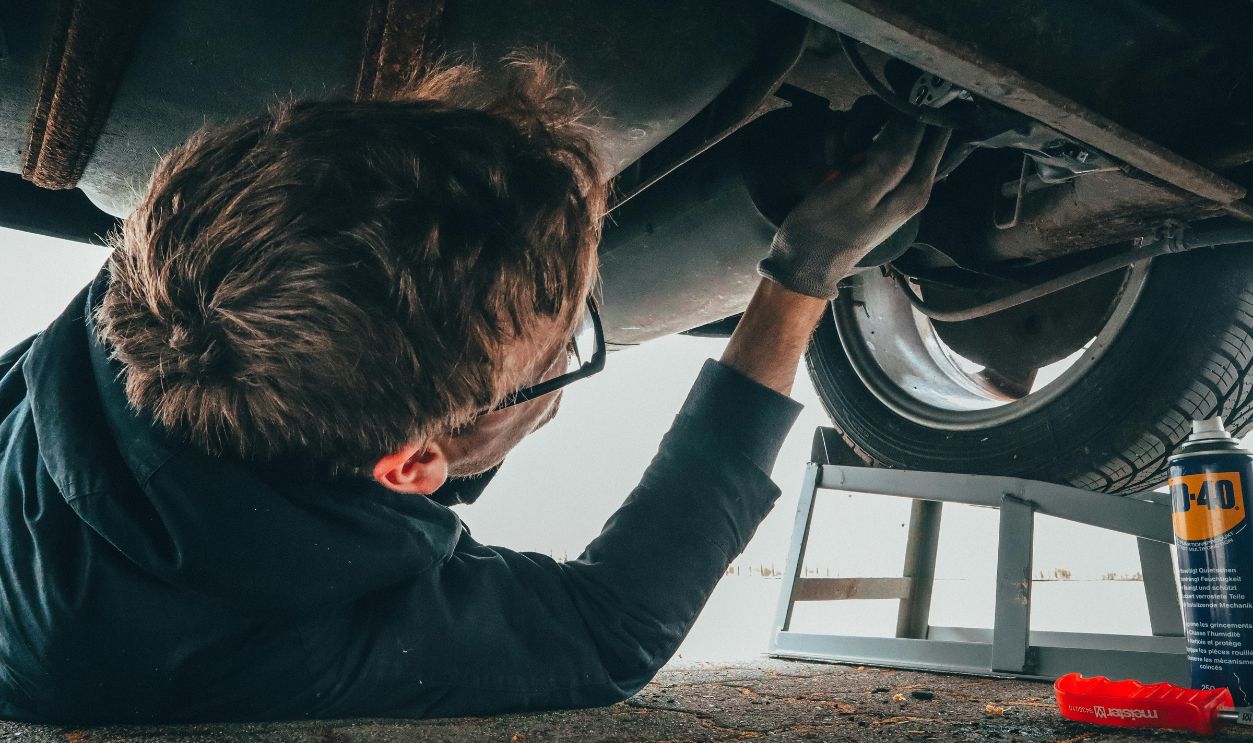
You don’t need perfect documentation to push back. Receipts for sealant work, roof inspections, or even routine servicing can show that you weren’t ignoring upkeep. It helps paint a picture that you were actively maintaining the vehicle.

Get A Professional Inspection
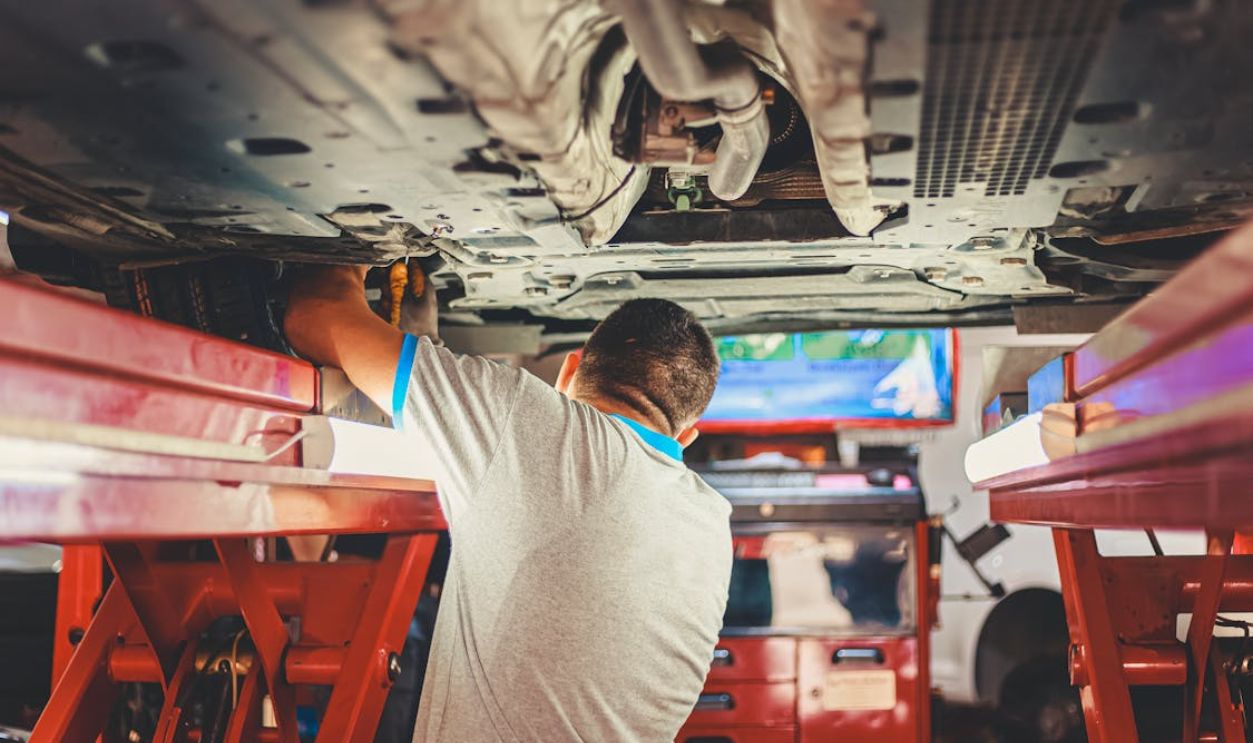
Having an independent RV technician inspect the damage can be a game changer. They may be able to identify the actual cause of the issue and whether it was sudden or long-term. A written report can carry weight in a dispute.
You Can Request A Detailed Explanation From The Insurer
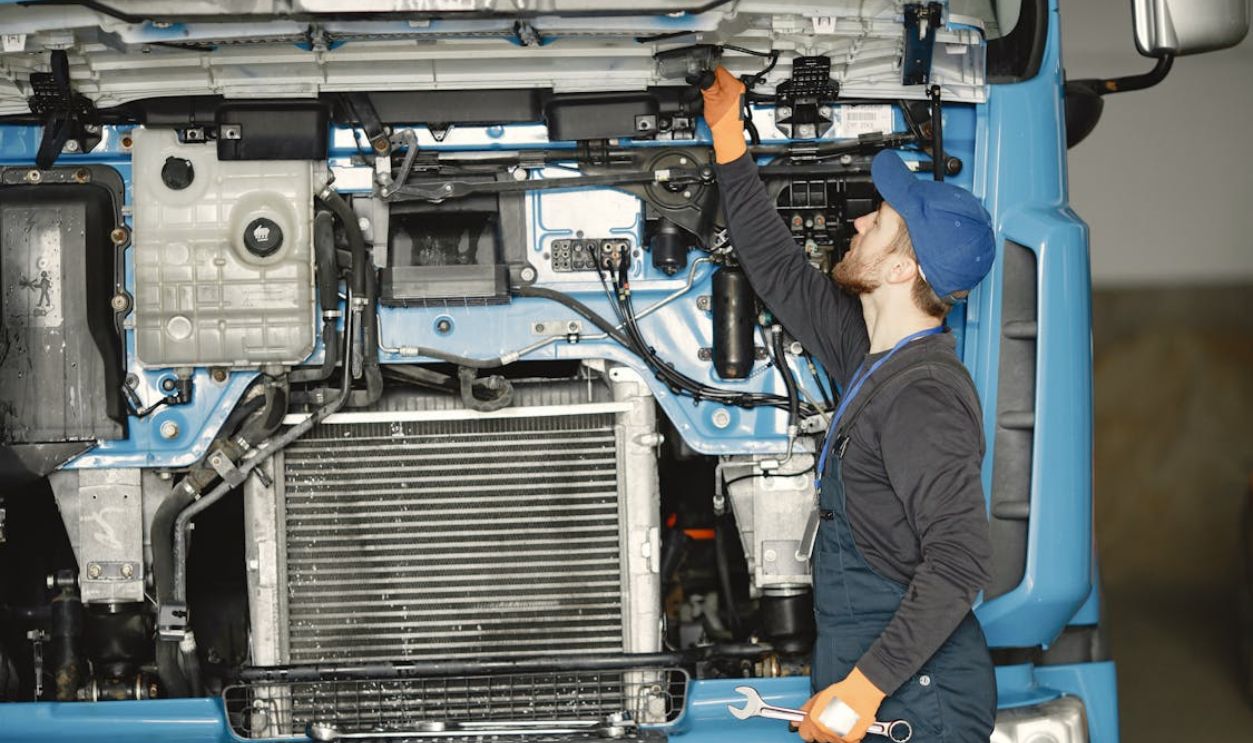
If your claim was denied, ask the insurance company to explain exactly why. Request the specific policy language they’re relying on and how they determined the damage was due to lack of maintenance. This forces them to justify their decision more clearly.

Policy Wording Is Extremely Important
Your insurance policy will outline what is and isn’t covered. Look closely at how it defines water damage, maintenance, and exclusions. Sometimes the wording leaves room for interpretation, which can work in your favor.

You Have The Right To Appeal The Decision
Most insurance companies have an internal appeals process. If you believe the denial was unfair, you can submit additional evidence and request a review. This is often the first step in challenging a denied claim.

Independent Adjusters Can Offer A Second Opinion
If the insurance company’s adjuster blamed maintenance, you can hire your own independent adjuster to review the damage. Their findings may differ and give you leverage when disputing the claim.
State Regulators Can Step In If Needed
If you feel the insurer is acting unfairly, you can file a complaint with your state or provincial insurance regulator. These agencies oversee insurance practices and can sometimes push companies to reconsider decisions.

Legal Advice May Be Worth Considering
If the damage is extensive and the costs are high, it may be worth speaking with a lawyer who handles insurance disputes. They can review your policy and help determine whether the denial is legally justified.

Timing Matters When Challenging A Denial
There are deadlines for appealing insurance decisions, so it’s important to act quickly. Waiting too long can limit your options or make it harder to reopen the claim.

Preventative Steps Can Help In The Future
Even though this situation is frustrating, it’s a reminder to document inspections and maintenance going forward. Regular checks of seals, roofs, and joints can help catch issues early and strengthen future claims.

You’re Not Automatically Out Of Options
Getting a denial doesn’t mean the case is closed. Insurance companies rely on policy interpretations, and those interpretations can sometimes be challenged. With the right evidence, you may be able to get a different outcome.

Final Thoughts
If your RV insurance claim was denied due to “lack of maintenance,” it doesn’t necessarily mean you’re stuck paying for everything. The key is proving how the damage happened and showing that you took reasonable care of the RV. By gathering documentation, getting independent opinions, and using the appeals process, you may be able to challenge the decision and recover some or all of your costs.
You May Also Like: