The Timing Looks Suspicious, But It Doesn’t Prove Much
The panoramic roof was fine, you had tint installed, and then a crack suddenly appeared. Now the dealership says the aftermarket film overheated the glass, while the tint shop may insist that couldn’t possibly happen. The timing certainly gives you a reason to investigate, but glass can fail for several very different reasons. Before paying for an extremely expensive roof panel, you need more than two businesses pointing at each other.
Don’t Have The Tint Removed Yet
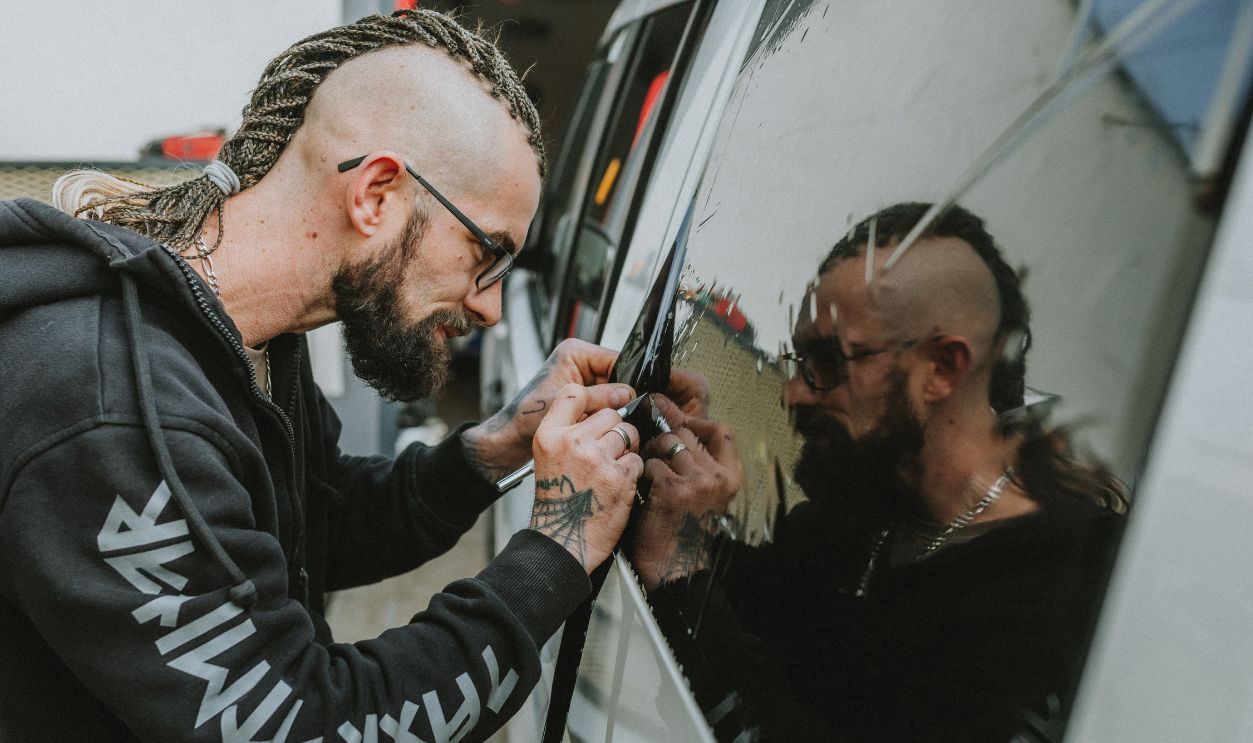
Your first instinct may be to tell the shop to peel everything off immediately. Hold off. If there’s going to be a warranty dispute, the film itself could become important evidence. Leave the installation as it is unless the glass is creating an immediate safety problem or a qualified professional says removal is necessary. Once somebody strips the film away, it becomes harder to establish exactly what product was installed and how.
 Helena Jankovičová Kováčová, Pexels
Treat A Cracked Roof Like A Real Glass Problem
A panoramic roof isn’t just an oversized cosmetic window. A crack can spread, and tempered roof glass can sometimes shatter suddenly rather than developing a neat windshield-style crack. NHTSA has investigated panoramic sunroof breakage involving tempered roof glass, including incidents that occurred both while vehicles were moving and while they were stationary. Until yours has been inspected, avoid unnecessary stress, rough roads, and extreme temperature changes.
Photograph Everything Before Anyone Touches It
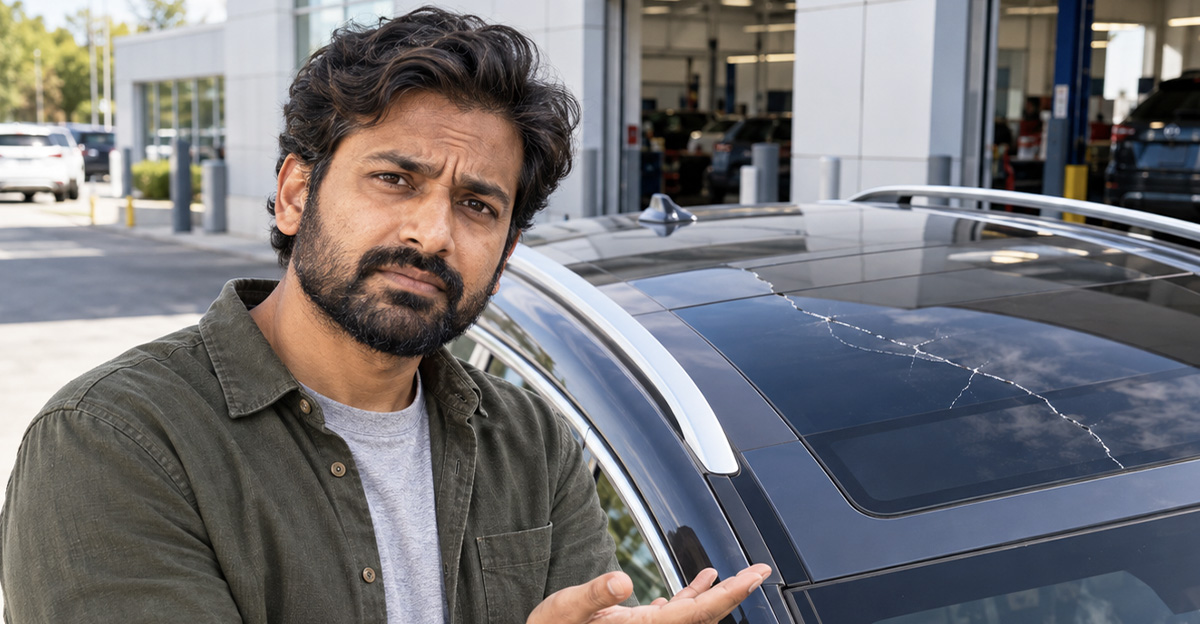
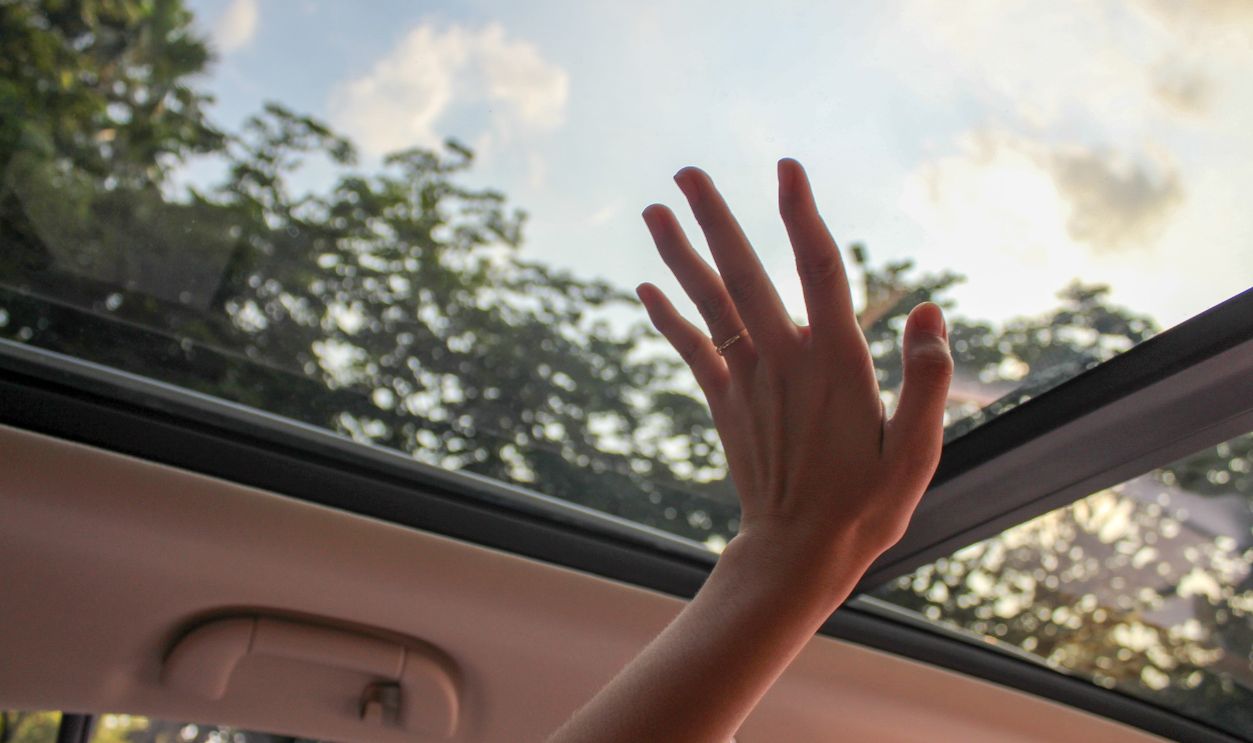
Take detailed pictures from inside and outside the vehicle. Photograph the entire crack, both ends, the perimeter of the glass, the tint, any visible chips, and the area where the crack appears to begin. Also photograph the roof from farther away so its location is obvious. If the dealer, tint installer, insurer, or glass specialist later develops a different theory, those original pictures may help establish what the panel looked like before anyone started working on it.
Save Exactly What The Tint Shop Installed
Find your invoice and determine the manufacturer, product line, and shade installed on the roof. Don’t settle for “ceramic tint” or “20 percent”. Ask for the exact film designation and, if possible, its technical data sheet. Window films have different solar-energy properties, and a manufacturer’s published specifications may become relevant when someone claims the film dramatically changed the glass temperature.

Find Out What Kind Of Roof Glass You Have
Panoramic roofs aren’t all constructed the same way. Automotive roof glass can be tempered or laminated depending on the vehicle and design. Tempered glass contains internal stresses created during manufacturing and typically breaks into many small pieces, while laminated glass uses multiple layers with an interlayer that helps hold fractured glass together. Pilkington notes that panoramic roof applications can use either construction, so identify yours before making assumptions about how it should fail.
A Panoramic Roof Isn’t Just Another Side Window
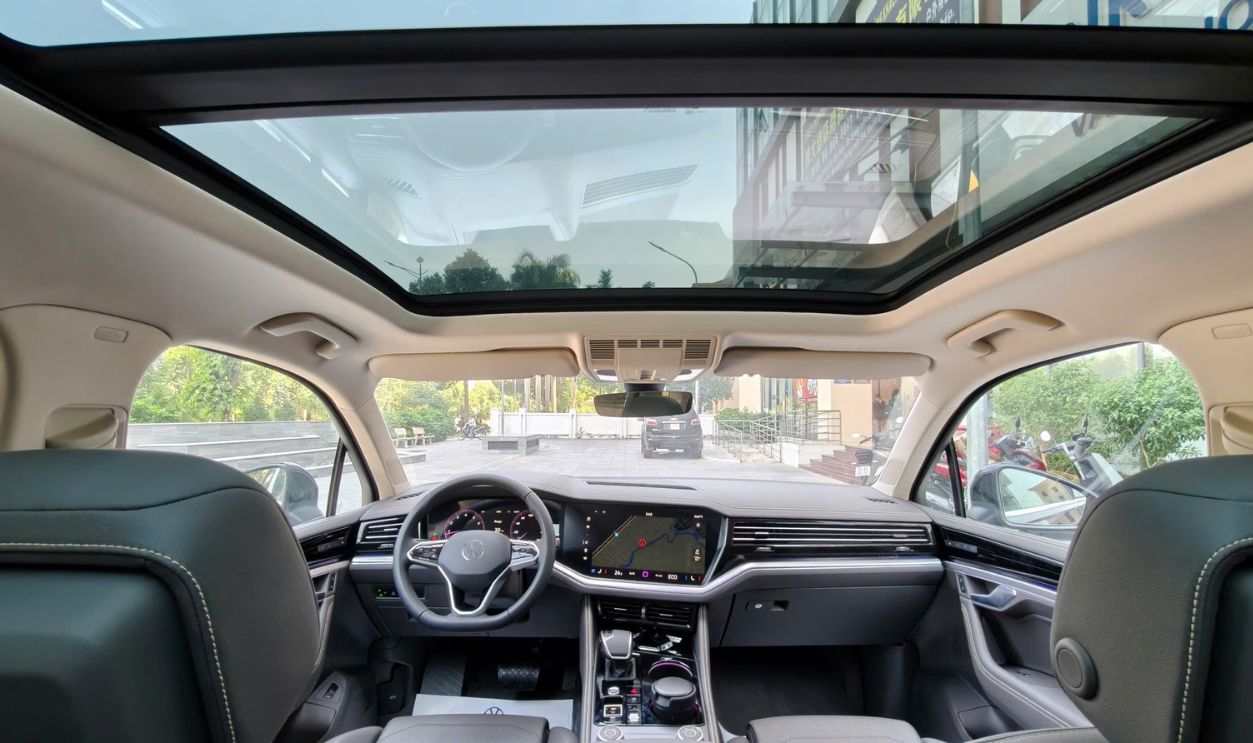
The fact that tint works perfectly well on your door glass doesn’t automatically prove the same film is appropriate for a huge roof panel. Panoramic glass can be substantially larger, heavily factory-tinted, coated for solar control, curved, bonded into a frame, and exposed almost directly to overhead sunlight. Those characteristics can change how heat moves through the panel and where stresses develop.
Thermal Stress Is A Real Thing
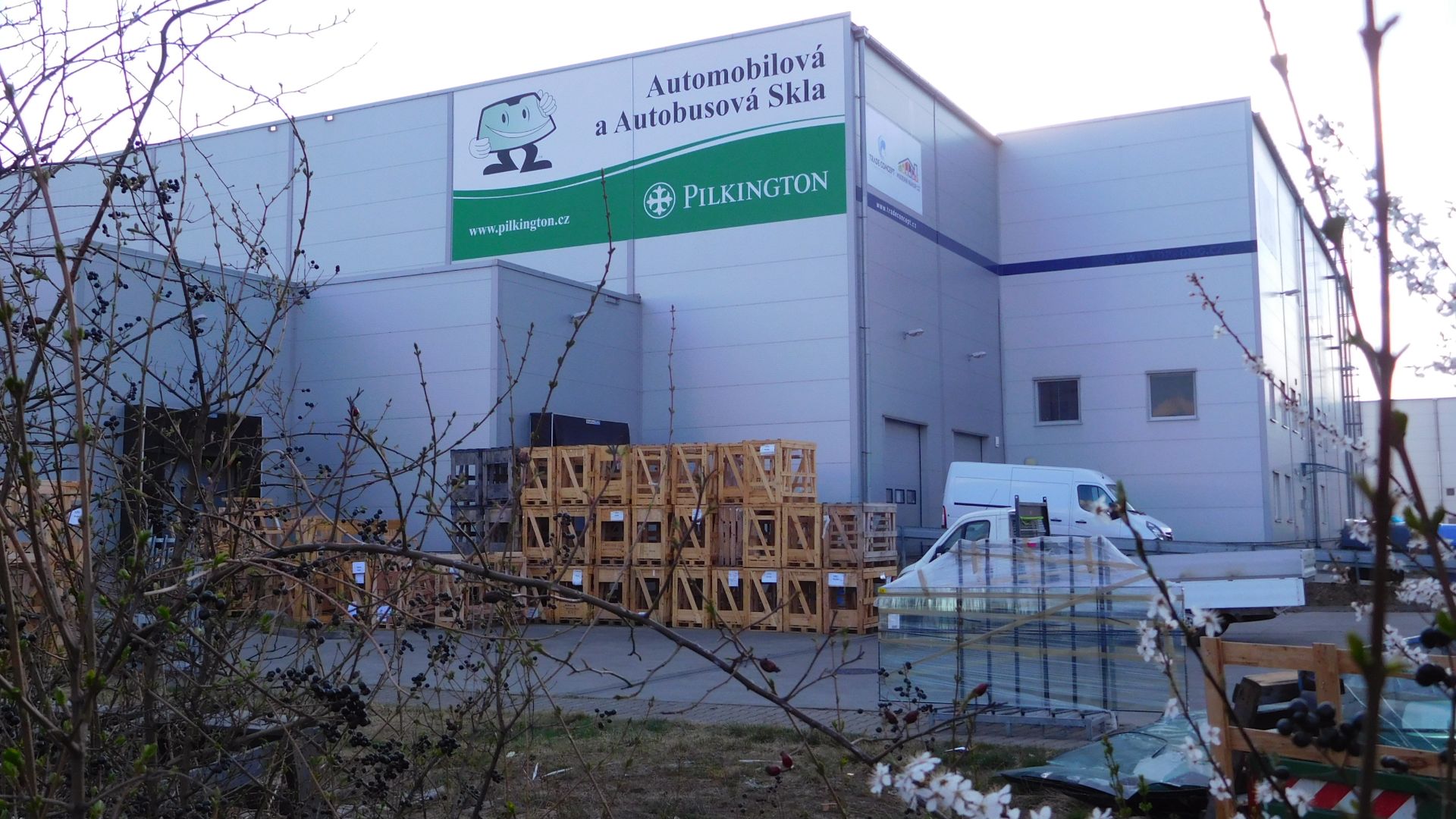
Glass expands as it gets hotter. Problems can develop when different parts of a pane reach substantially different temperatures, causing one area to expand differently from another. Glass manufacturer Pilkington describes thermal stress as the result of one part of a pane becoming hotter than an adjacent area; if the resulting stress becomes great enough, cracking can occur. Edge condition and existing damage can also affect how much stress the glass tolerates.
 JiriMatejicek, Wikimedia Commons
Film Can Change What Happens To Solar Energy
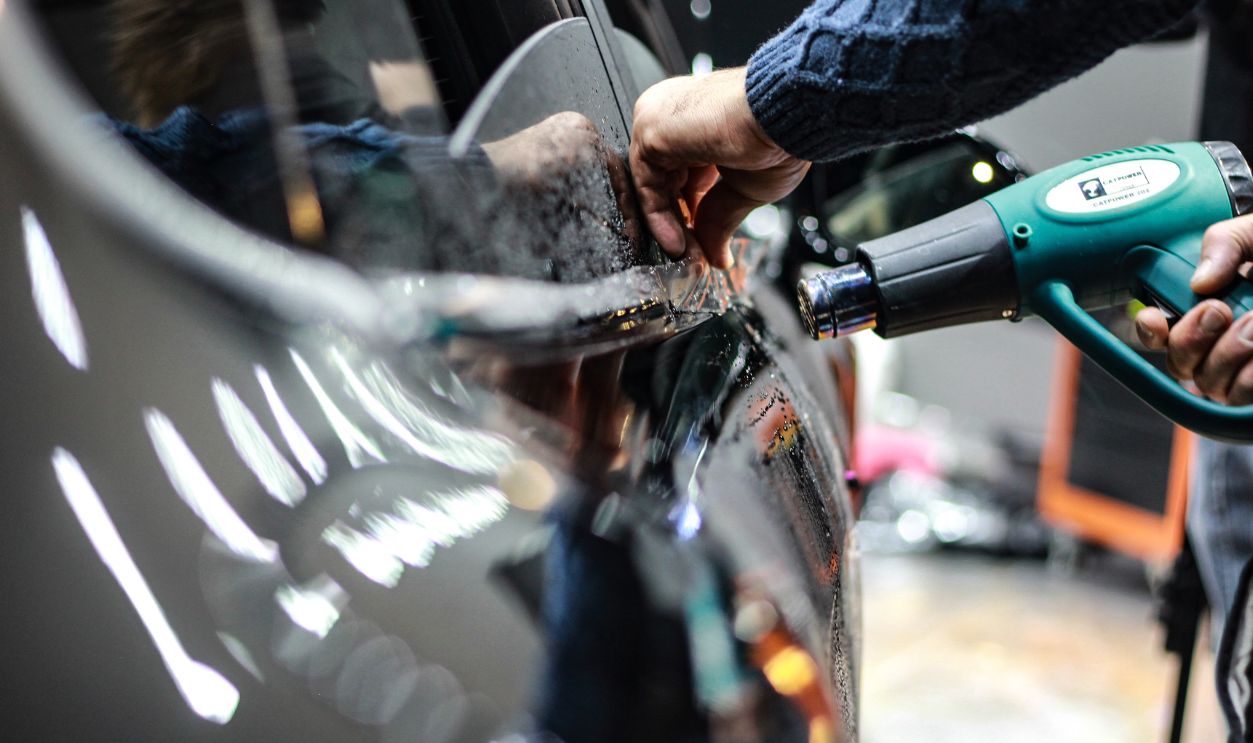
Window film changes how incoming solar energy is transmitted, reflected, and absorbed. That means adding film can alter the thermal behavior of the glass-film combination. This is why professional film selection involves more than simply picking the darkest shade. It is physically possible for a film and glazing combination to increase glass temperature or alter temperature gradients, although that alone doesn’t establish that your particular film caused your particular crack.
“Heat-Rejecting” Doesn’t Mean The Glass Absorbs Nothing
This is where the language gets confusing. A film advertised as rejecting heat may reduce how much solar energy ultimately enters the cabin, but the underlying energy can be transmitted, reflected, or absorbed before being reradiated. 3M’s automotive film technical data specifically distinguishes measures such as total solar energy rejection and infrared rejection, illustrating that film performance is more complicated than simply “blocking heat”.

The Exact Film Matters More Than The Word “Ceramic”
“Ceramic” has become shorthand for premium automotive tint, but it doesn’t tell you everything about a film’s solar properties or whether it’s appropriate for a specific roof. Two films marketed as ceramic can have different visible-light transmission, reflectance, infrared performance, and solar-energy behavior. Ask the manufacturer whether the precise film installed on your precise vehicle’s panoramic glass is an approved application.
Your Roof May Already Have Sophisticated Solar Control
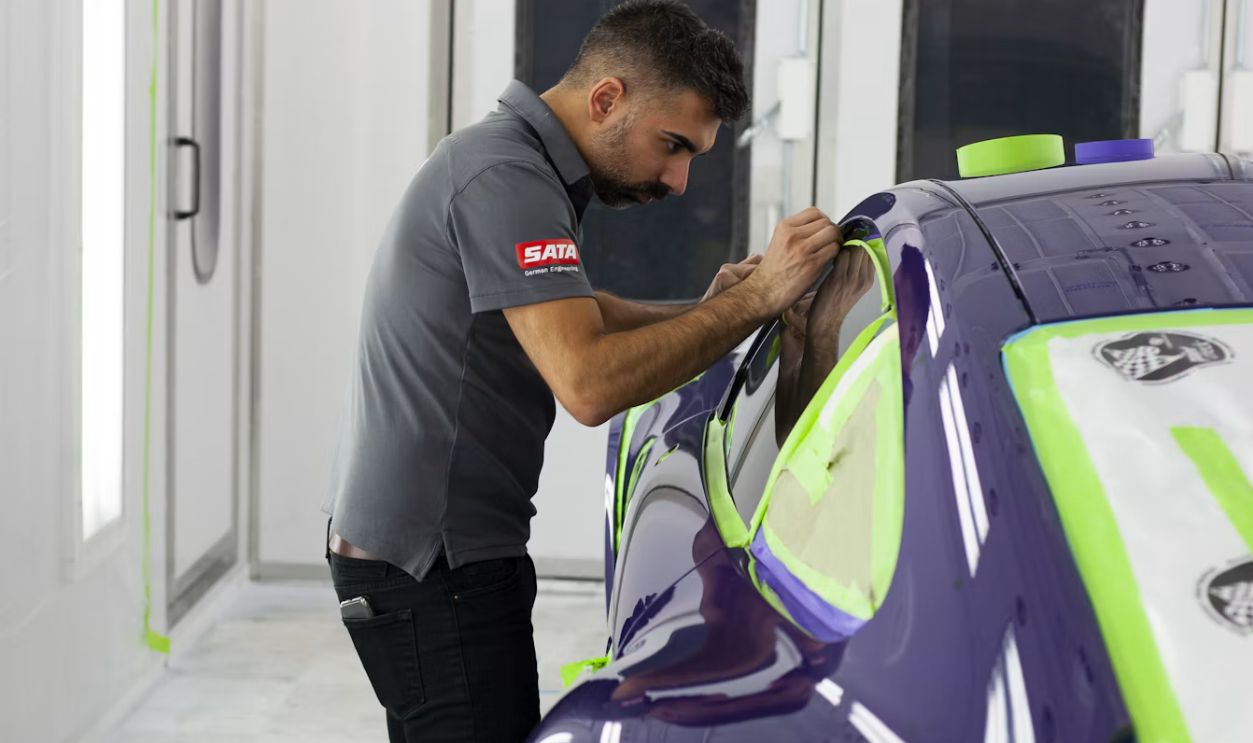
Modern panoramic roofs frequently aren’t simply clear glass with a dark dye. Manufacturers can build tinting, coatings, and solar-control properties into the glazing itself. Pilkington describes panoramic glazing engineered specifically to manage sunlight and heat, and some automotive roof glass uses specialized coatings for thermal performance. Adding another layer changes an already engineered system, which is one reason compatibility matters more than it would on a piece of ordinary untreated glass.
A Tiny Chip Can Completely Change The Story
Before accepting a thermal-stress explanation, look for impact damage near the crack’s origin. Panoramic roofs spend their lives facing road debris, falling objects, grit, and anything kicked upward by surrounding traffic. Even very small damage can weaken glass. Transport Canada notes that an impact may damage sunroof glass without immediately breaking it, with the final failure occurring later after a temperature change or vehicle jolt.
The Crack Can Appear Long After The Original Damage
This delayed failure is what makes assigning blame so difficult. A tiny stone could damage the roof days before the tint installation without producing an obvious crack. Later heat, cooling, body flex, or road vibration may provide the additional stress needed for the fracture to spread. In that situation, the tint appointment and the crack would appear closely connected even though the original weakness existed beforehand.
Manufacturing Problems Have Cracked Panoramic Roofs Too
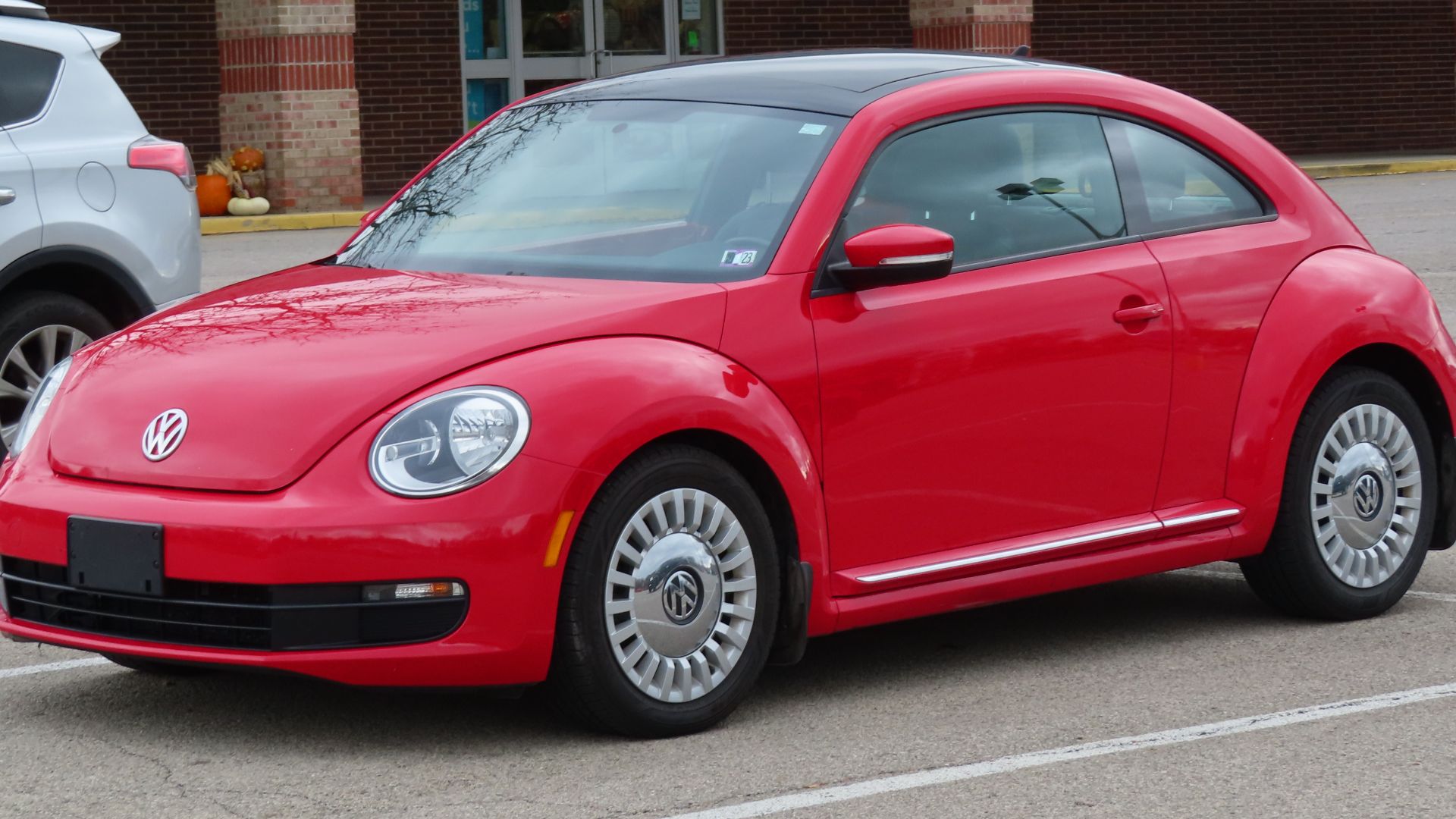
Aftermarket film certainly isn’t the only possible explanation. NHTSA’s records include panoramic-roof recalls and investigations involving manufacturing and assembly issues. Volkswagen, for example, recalled certain Beetles after a supplier production issue could leave the panoramic roof assembly out of tolerance and place additional stress on the glass, making it more susceptible to breakage after a jolt, particularly in cold temperatures.
 MercurySable99, Wikimedia Commons
Check Your VIN For Recalls And Service Information
Before paying anybody, run your VIN through NHTSA’s recall database and ask the dealership to check for manufacturer campaigns, technical service bulletins, warranty extensions, or documented roof-glass issues for your exact model. NHTSA’s panoramic-sunroof investigation also noted prior recalls involving improperly processed glass, weakened assemblies, and bonding or manufacturing problems. A known vehicle issue could substantially change the discussion.

Make The Dealer Put Its Diagnosis In Writing
“The tint overheated it” is easy to say across a service counter. Ask the dealer to write down its diagnosis on the repair order. Specifically ask what evidence indicates thermal-stress failure, whether an impact point was found, whether the glass shows a manufacturing defect, and why the technician believes the aftermarket film caused the crack. You need an actual technical conclusion, not simply the observation that tint happens to be present.

Ask How They Ruled Out Everything Else
A useful follow-up is remarkably simple: “How did you determine that?” If the dealer says the film caused excessive heat, ask whether anyone measured the film’s properties, identified the product, consulted the vehicle manufacturer, or examined the crack origin. Ask how impact damage, edge damage, glass defects, assembly stress, and previous damage were ruled out. The more expensive the repair, the less satisfying a guess should be.

Aftermarket Tint Doesn’t Automatically Erase Your Warranty
Under federal warranty rules, simply installing an aftermarket product doesn’t automatically void the rest of a vehicle’s warranty. The FTC says a manufacturer or dealer can deny coverage for damage if it can demonstrate that an aftermarket part or improper installation caused the damage, but the mere presence of aftermarket equipment isn’t enough by itself. That distinction is especially important when a dealer’s first response is simply, “You modified it”.

Read The Actual Vehicle Warranty Anyway
That doesn’t mean the dealer must cover every modified vehicle. Read the warranty language applying to glass and damage caused by alterations or aftermarket accessories. Some warranties exclude damage caused by modifications even though unrelated parts of the vehicle remain covered. You’re trying to determine whether the dealership is making a specific causation-based denial or incorrectly suggesting that tint automatically voided all roof-glass coverage.

Check The Owner’s Manual For Tint Warnings
Search the manual for terms such as “window film,” “tint,” “sunroof,” “panoramic roof,” and “glass”. Manufacturers sometimes place restrictions on aftermarket films or coatings for specific pieces of glass because of sensors, coatings, antennas, or other design considerations. If the manufacturer explicitly warns against tinting that roof, the installer should ideally have known. If there’s no such warning, the dealer has less room to imply that the modification was obviously prohibited.

Take The Dealer’s Findings Back To The Tint Shop
If the dealership provides a technical explanation, give the tint installer a copy and ask for a written response. Ask whether the film manufacturer approves that product for panoramic roofs and whether the installer checked the underlying glass before applying it. A reputable shop should be able to identify the film, explain why it considered the application appropriate, and tell you whether its workmanship or glass-breakage warranty might apply.

Call The Film Manufacturer Yourself
Don’t rely entirely on what the shop says its supplier allows. Contact the film manufacturer with the vehicle year, make, model, roof type, exact film product, installation date, and photographs. Ask specifically whether that film is recommended for the panoramic roof glass on your vehicle and whether the company has compatibility restrictions or glass-breakage coverage. If the installer used a product outside the manufacturer’s recommendations, that becomes important evidence.
An Independent Glass Expert Can Break The Tie
When a $2,000, $4,000, or even more expensive panoramic panel is involved, getting an independent opinion can be money well spent. Find an automotive-glass specialist familiar with panoramic roofs and ask them to inspect the fracture before the panel is replaced or the film removed. The location and pattern of the crack, evidence of impact, edge damage, glass construction, and vehicle history may help distinguish among competing explanations.
Your Insurance May Be A Backup Route
If neither the vehicle warranty nor the tint installer accepts responsibility, check your comprehensive insurance. Comprehensive policies commonly cover non-collision glass breakage, although whether a panoramic roof qualifies, what caused the loss, and what deductible applies depend on the individual policy. Report the facts accurately and let the insurer determine coverage rather than assuming roof glass is treated exactly like a windshield.

Possible Doesn’t Mean Proven
Yes, adding window film can alter how glass handles solar energy, and an incompatible film-glass combination can make thermal stress a legitimate issue. But a panoramic roof can also crack because of previous impact damage, edge damage, manufacturing problems, assembly stress, or other causes. The strongest next move isn’t choosing which shop to believe. Preserve the evidence, identify the exact film and glass, get both explanations in writing, check the warranty and vehicle history, and have an independent glass specialist examine the fracture before anyone removes the evidence.

You May Also Like: