The Roof Shattered, Then The Finger-Pointing Started
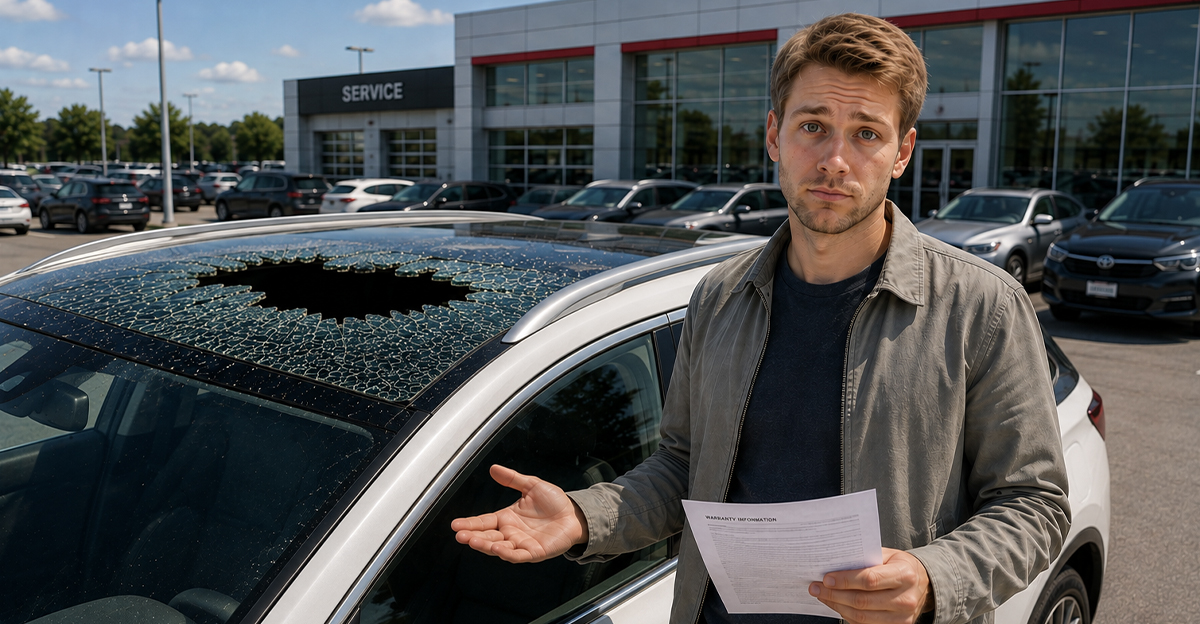
There was no obvious crash and no warning crack. One second the roof looked normal, and the next there was a deafening bang followed by broken glass. Now the dealer says it’s an insurance issue, while you’re wondering why a factory-installed roof wouldn’t fall under the warranty. The answer depends on something that may be surprisingly difficult to establish: what actually caused the glass to fail.
Sudden Roof Shattering Isn’t Just An Internet Story
Panoramic glass roofs have generated enough complaints to attract federal attention. In one broad NHTSA review, manufacturers reported more than 4,000 panoramic-roof fractures across roughly 10 million vehicles covering 97 models. Reports frequently described the glass breaking while the vehicle was moving and being accompanied by a loud bang. The bigger question, however, is what separates ordinary impact damage from a roof that may have failed on its own.
The Word “Exploded” Can Be Misleading
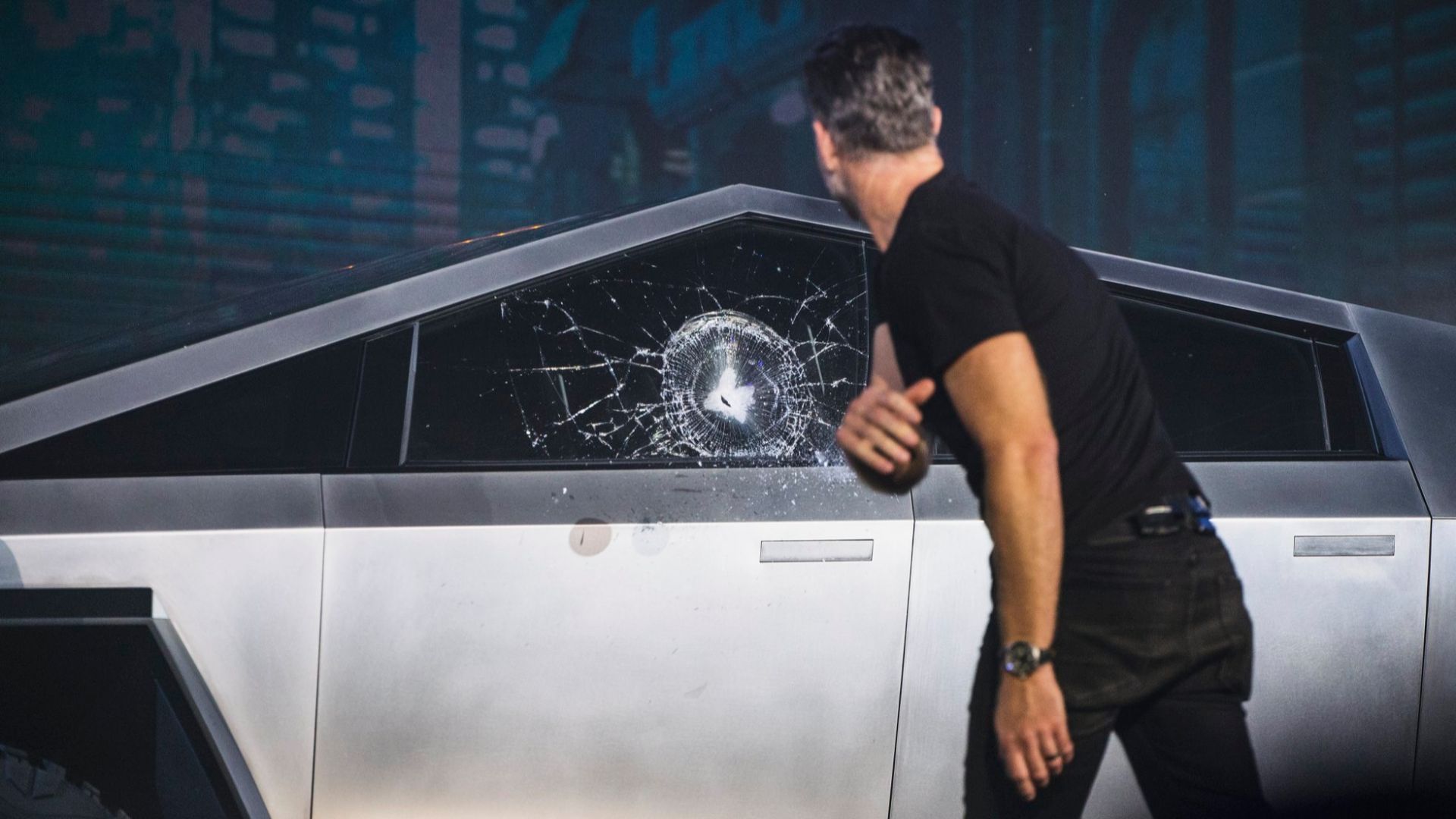
Drivers often describe these failures as explosions because of the sudden noise and the way the entire panel breaks at once. In many vehicles, the roof is made from tempered safety glass. When tempered glass fails, it can rapidly break into many small pieces rather than producing a normal crack that slowly spreads.
A Shattered Roof Doesn’t Automatically Mean It Was Defective
One possibility is external impact. A stone, road debris, tree branch, hailstone, or another object can damage automotive glass. If something struck the roof, the failure would generally be treated as accidental damage rather than a manufacturing problem.
But Impact Isn’t The Only Possible Explanation
Manufacturing and installation problems can also cause glass failures. Federal investigations have previously identified panoramic-roof problems connected with manufacturing or installation damage serious enough to result in recalls. That means a dealer shouldn’t assume every shattered roof must have been hit by something simply because it’s made of glass.
That Distinction Determines Who May Pay
A manufacturer warranty generally promises to correct certain defects or malfunctions during the warranty period. Auto insurance, meanwhile, is designed to cover losses caused by outside events when the relevant coverage applies. The FTC specifically describes an auto warranty as a promise to fix certain defects or malfunctions rather than general protection against every type of vehicle damage.
Why The Dealer Is Pointing Toward Insurance
If technicians believe the glass was struck by road debris, they’ll usually view the damage the same way they would view a chipped windshield. That’s not normally a factory defect. From that perspective, telling the owner to contact their insurer can be perfectly reasonable.

Comprehensive Coverage Is Usually The Relevant Insurance
Comprehensive auto coverage generally applies to non-collision losses such as glass breakage, hail, falling objects, vandalism, and debris striking the vehicle. Whether a panoramic roof is covered, what deductible applies, and whether special glass provisions exist will depend on the actual policy.

No Memory Of An Impact Doesn’t Settle The Question
A driver may genuinely have heard no stone hit the roof before it failed. That doesn’t necessarily prove there was no impact. A small piece of debris can cause damage that isn’t immediately obvious, and NHTSA’s review considered the possibility that foreign-object damage could contribute to some reported fractures.
An Earlier Chip Could Fail Later
Glass damage doesn’t always produce an immediate total failure. A small flaw can potentially remain unnoticed until vibration, body movement, or another stress contributes to the panel finally breaking. That can make it extremely difficult to reconstruct exactly what happened after the roof has already shattered.
Dealers Should Still Be Able To Explain Their Conclusion
“Glass isn’t covered” isn’t much of a diagnosis. Ask whether technicians actually found an impact point, chip, crater, or other evidence that an object struck the roof. If the dealer is denying warranty coverage on that basis, it’s reasonable to ask what physical evidence supports the decision.

Get The Denial In Writing
Don’t rely solely on a conversation at the service desk. Ask for the repair order and a written explanation stating why the roof isn’t being covered. If the explanation says external impact, ask for that finding to be included specifically.
Photograph The Roof Before Anyone Cleans It Up
Take wide and close-up photographs of the roof, remaining glass, frame, surrounding paint, interior, and any areas technicians identify as an impact point. Once the vehicle has been vacuumed and the broken panel removed, some evidence may be impossible to recover.
Photograph Both Sides If It’s Safe
If enough of the roof remains intact, photographs of the exterior and interior surfaces may help document the fracture pattern. Don’t climb over the vehicle or handle unstable glass just to get a better picture. Safety matters more than collecting perfect evidence.

Save Anything That Supports The Timeline
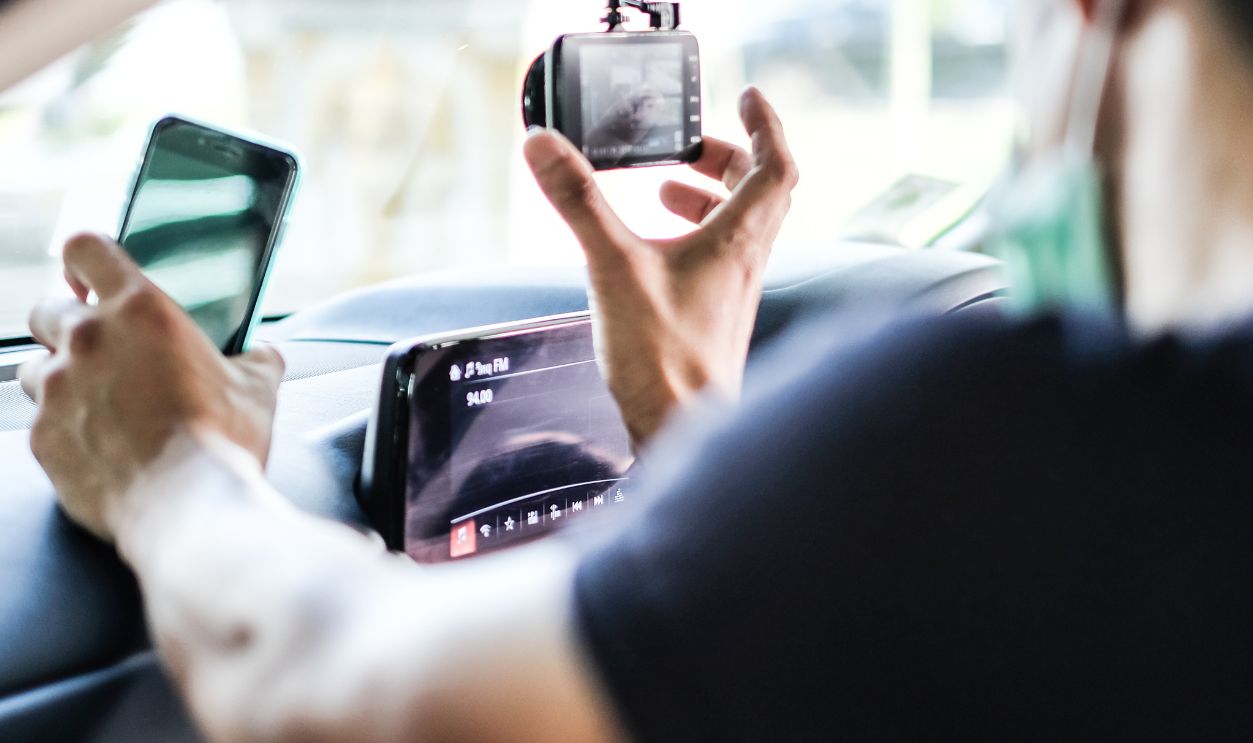
Write down the road, approximate speed, weather, traffic conditions, time of day, and anything unusual that happened immediately before the failure. Save dashcam footage if you have it. If passengers heard or saw what happened, note their recollections while they’re still fresh.

Look At The Surrounding Bodywork
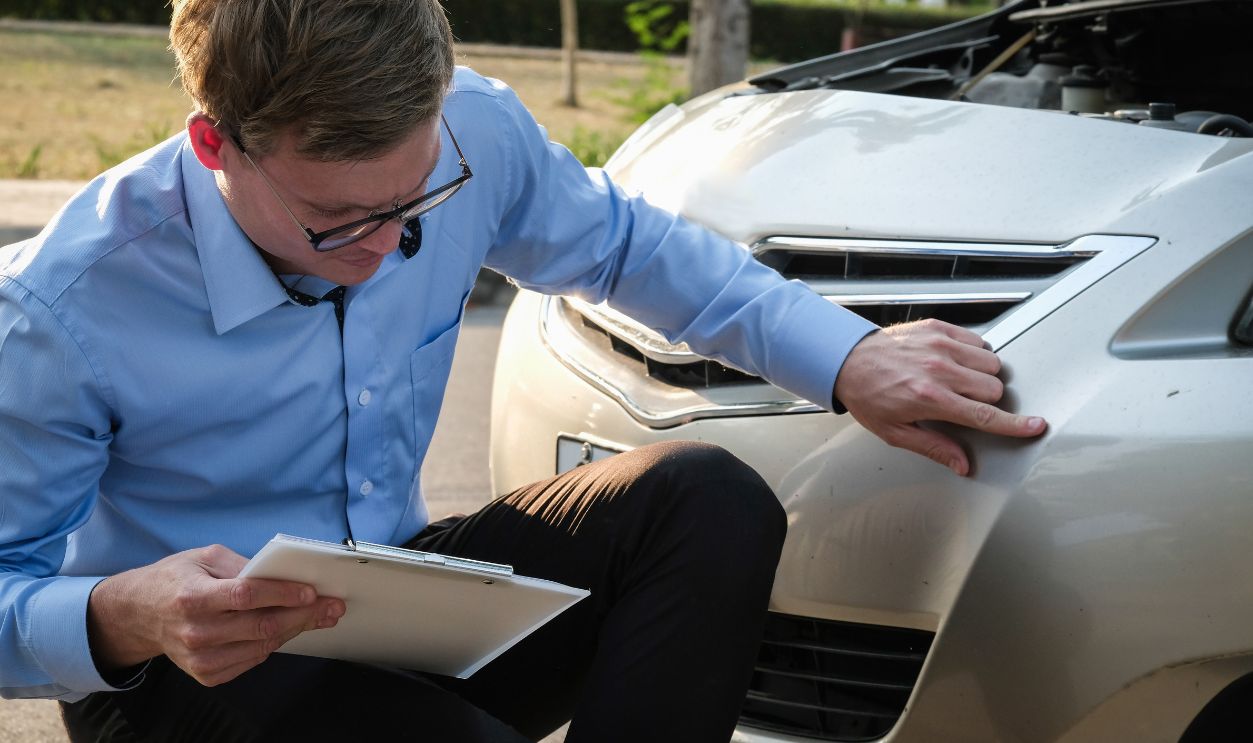
An obvious stone impact may leave damage to nearby paint, trim, or glass, although the absence of surrounding damage doesn’t prove anything by itself. The goal isn’t to perform your own forensic investigation. It’s to preserve details before repair work changes the scene.
An Independent Glass Expert May Help
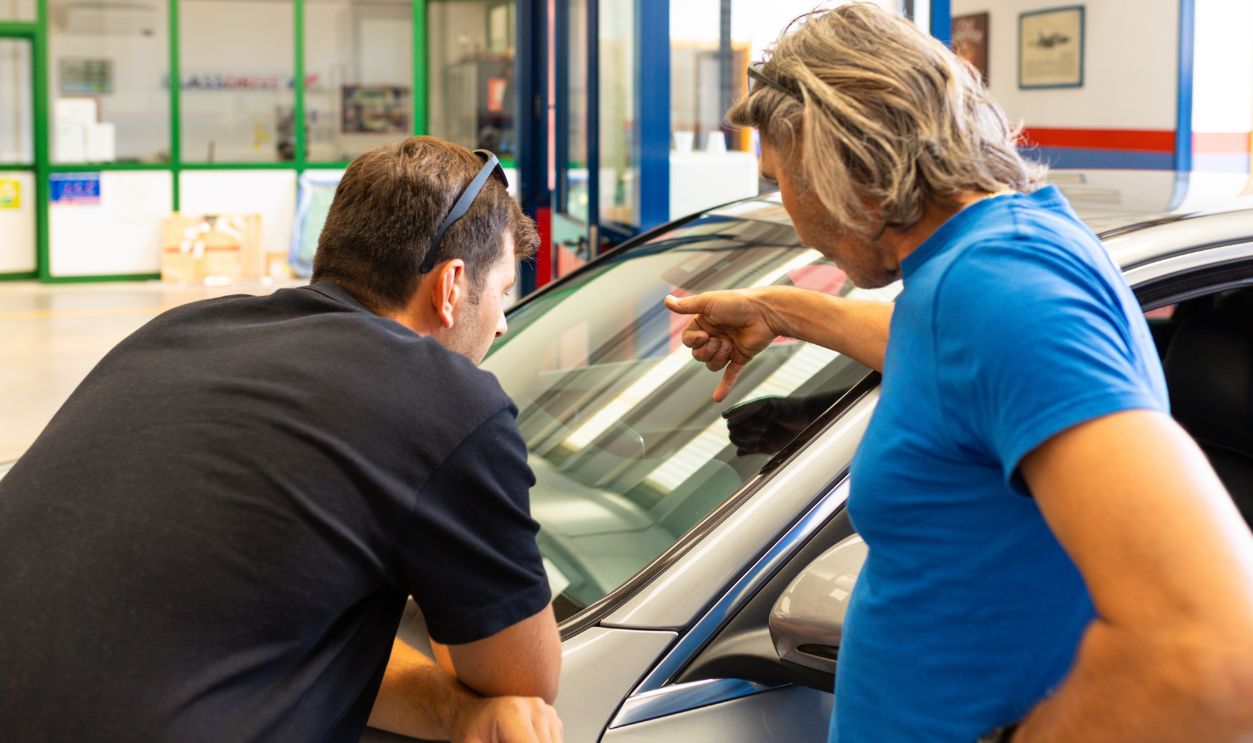
If the repair is expensive and the warranty dispute is significant, consider getting an opinion from a qualified automotive-glass specialist who isn’t connected with the dealership or insurer. Tempered-glass fracture patterns can be complicated, so an expert assessment may carry more weight than an owner simply saying, “I know nothing hit it.”
Ask Whether The Roof Assembly Was Inspected
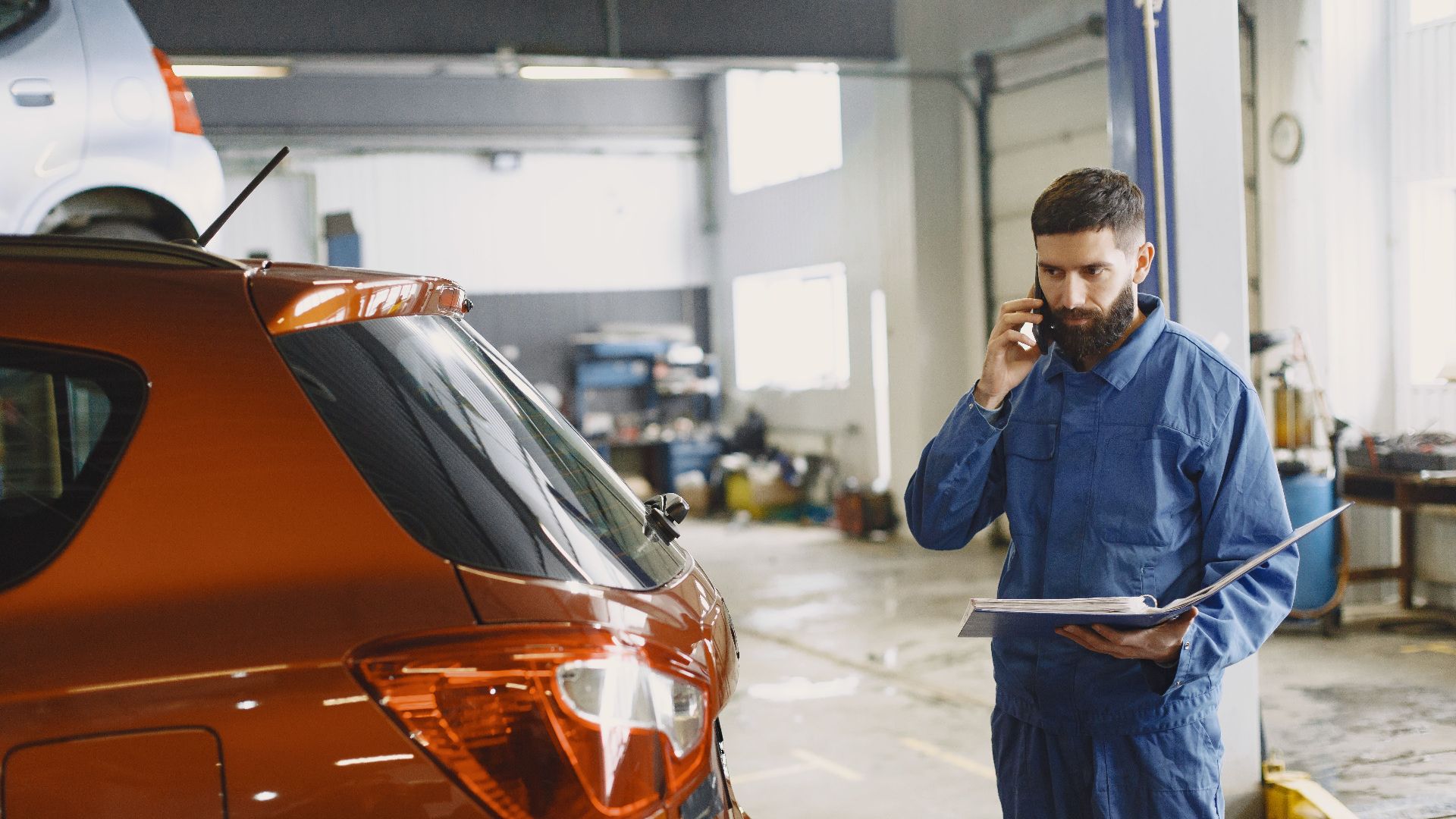
The glass itself isn’t the only possible source of a problem. Ask whether technicians checked the frame, mounting points, bonding, alignment, and related roof hardware. Past federal investigations have shown that manufacturing or installation issues can contribute to panoramic-roof failures.

Check For Recalls Using The VIN
Search the vehicle identification number through NHTSA’s recall database. A recall can apply only to certain production periods, so searching by model name alone may miss it. If a safety recall does apply, the covered repair should be handled through the recall rather than an ordinary insurance claim.
 PixelsMD Production, Shutterstock
Search For Similar Complaints Too
NHTSA’s databases can also provide useful context on investigations and consumer complaints. Several similar reports don’t automatically prove that your vehicle has a defect, but they can help establish whether the problem is unusual or part of a broader pattern.

Consumer Reports Found This Across Many Vehicles
Consumer Reports investigated unexpected sunroof shattering and found reports involving many different models and manufacturers over a period of years. It also noted that owners often faced inconsistent responses over who should pay for the repair.

Some Investigations Find A Defect And Some Don’t
This is important when evaluating a claim. Federal investigations have sometimes led to recalls after a specific manufacturing problem was identified, while others have closed without enough evidence to establish a safety defect. A shattered roof is therefore evidence that something failed, but it isn’t automatically proof of why.
The Type Of Glass Can Affect What Happens
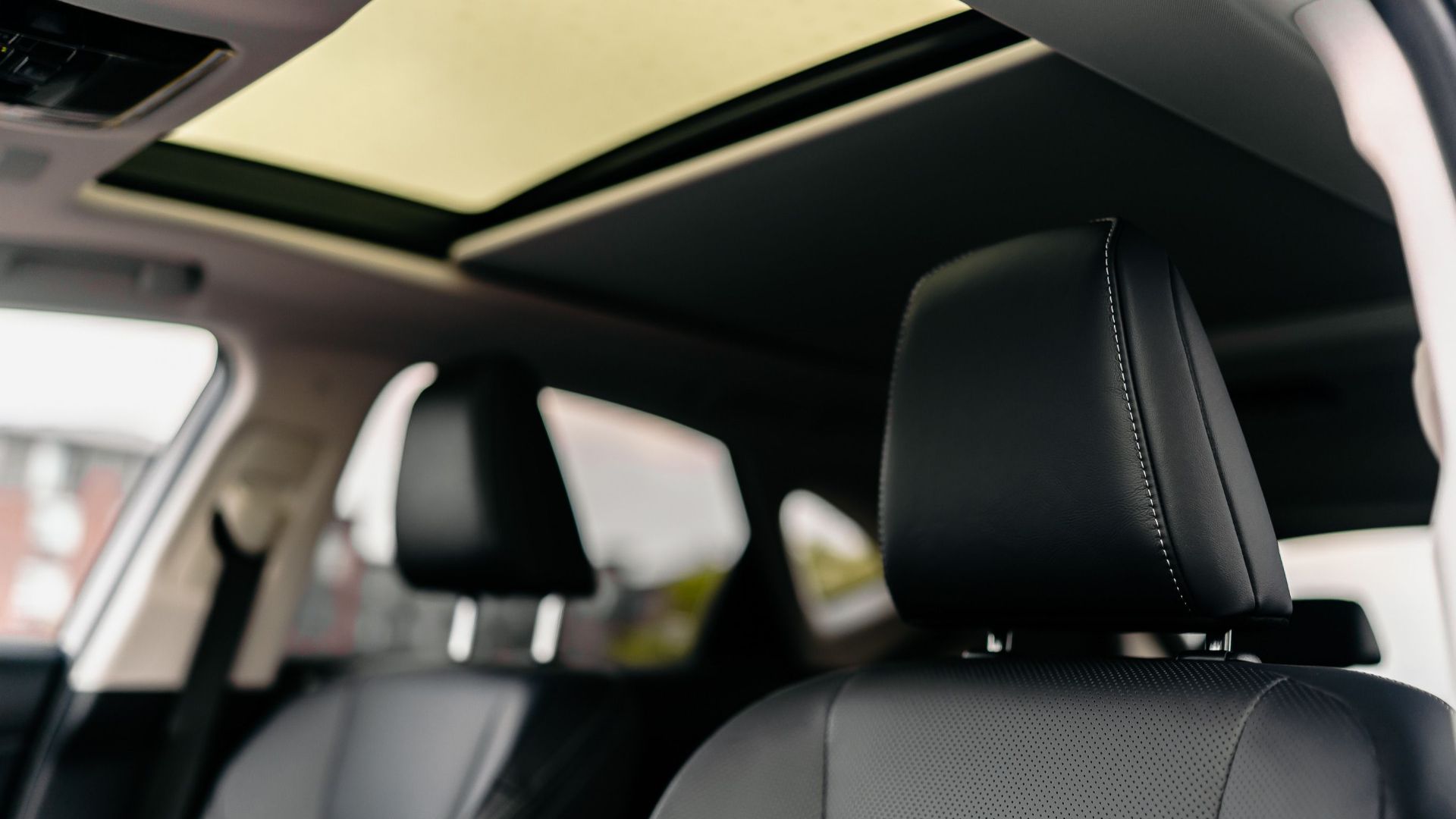
Panoramic roofs may use tempered or laminated glass depending on the vehicle. Tempered glass tends to break into many small pieces, while laminated glass is designed to remain together more effectively after cracking. Consumer Reports has argued that wider use of laminated roof glass could reduce the consequences of sudden shattering.
Keep The Interior Shade Closed If You Notice Damage
If you discover a chip, crack, unusual popping noise, or other warning sign before the panel completely fails, stop using the roof and have it inspected. Keeping the interior shade closed may also help contain falling fragments if the glass breaks. In NHTSA’s investigation, broken glass was more likely to enter the passenger compartment when the shade was open.

Escalate A Warranty Denial Beyond The Service Desk
If the dealer won’t reconsider the decision, contact the vehicle manufacturer’s customer-care or warranty department. Provide the VIN, mileage, photographs, written diagnosis, repair estimate, and a concise description of the event. Ask for a formal warranty review rather than simply complaining about the dealer.
Read The Actual Warranty Language
The FTC recommends keeping and reviewing the written warranty because coverage can vary considerably. Look specifically for sections dealing with glass, defects in materials or workmanship, external damage, exclusions, and dispute procedures. The brochure or salesperson’s explanation matters far less than the written terms.
 Skrypnykov Dmytro, Shutterstock
You Can Still Contact Insurance While Disputing The Warranty
If the vehicle needs immediate repairs, waiting through a long warranty dispute may not be practical. Ask the insurer how a comprehensive claim would be handled, what deductible applies, and whether filing the claim affects your ability to continue pursuing the manufacturer. Don’t authorize repairs until you understand what documentation both sides may need.

Compare The Deductible With The Repair Cost
Panoramic-roof replacement can involve more than simply installing a sheet of glass. Depending on the vehicle, labor and surrounding roof components may add considerably to the bill. If the repair cost isn’t much higher than the insurance deductible, filing a claim may offer limited financial benefit.
So, Is The Dealer Right?
Maybe. If there’s convincing evidence that a stone or another outside object damaged the roof, insurance is probably the more appropriate route. But if there’s no clear evidence of an impact, it’s reasonable to ask the dealer to explain why a manufacturing or installation defect has been ruled out. Document the damage, get the denial in writing, check for recalls and similar complaints, read the warranty, and escalate the claim if necessary. The important question isn’t simply whether the glass broke. It’s what caused it to break, because that’s what determines whether the bill belongs with the owner, the insurer, or the manufacturer.
 Inside Creative House, Shutterstock
You May Also Like:
My mechanic says I need four new tires because one blew out. Is that really necessary?