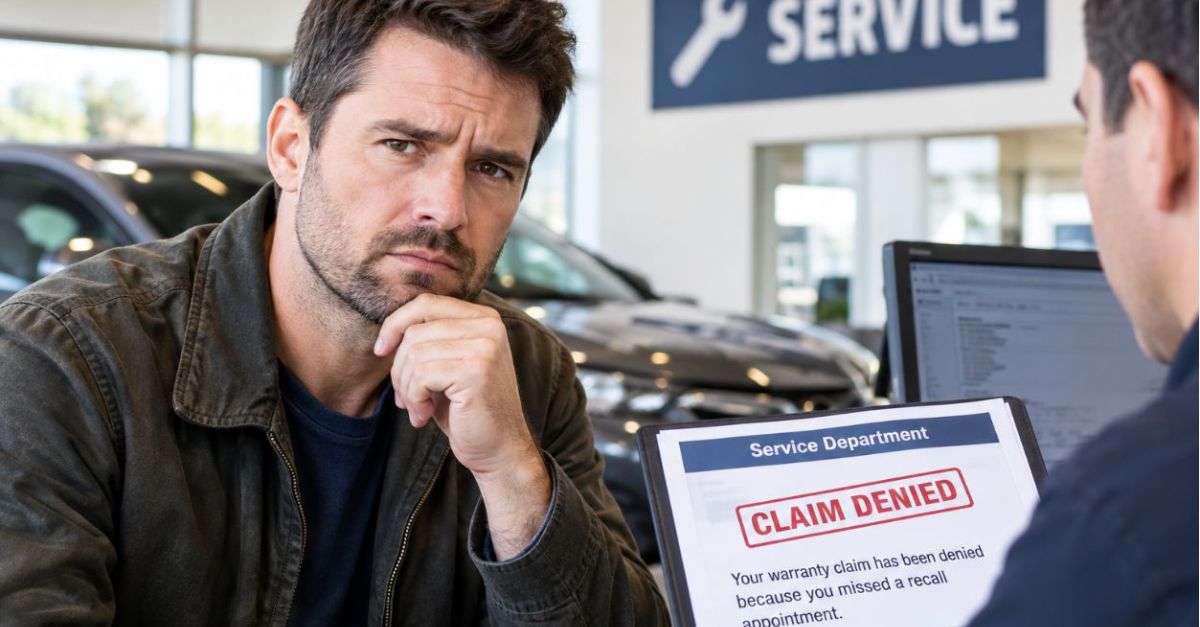
The Recall Threat That Sounds Worse Than It Usually Is
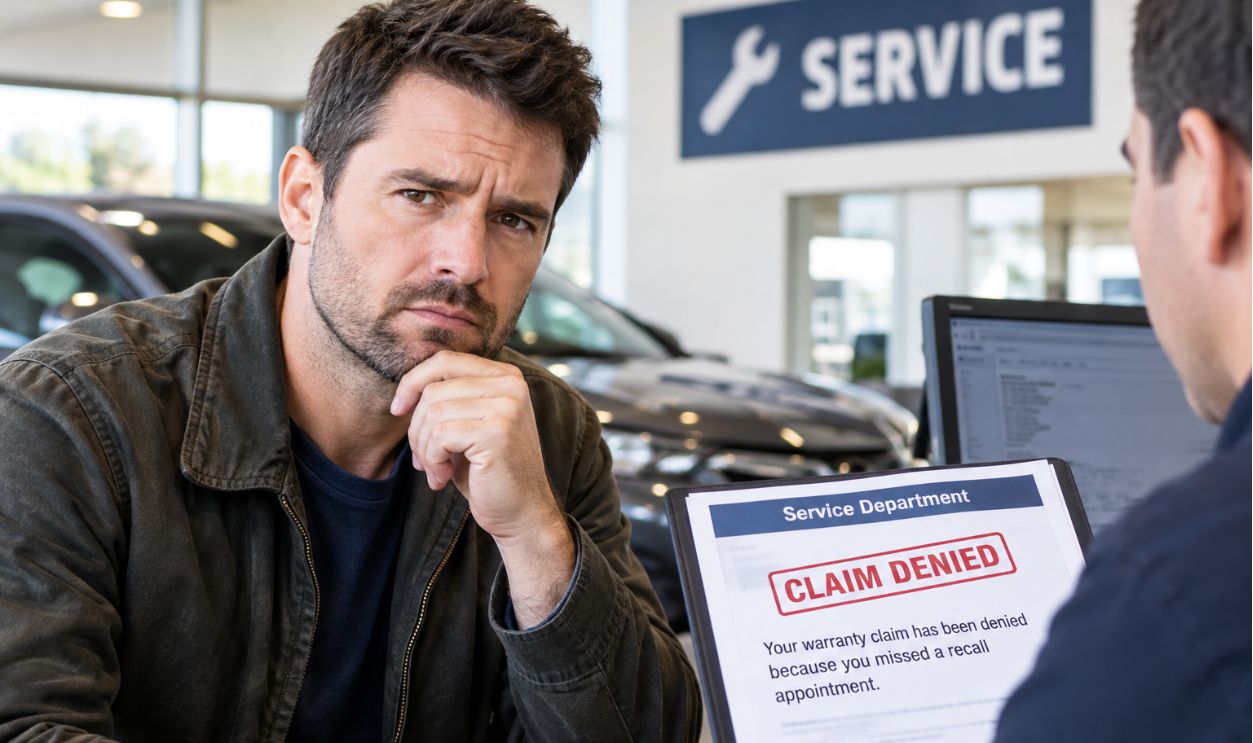
If a dealership tells you a missed recall appointment killed your warranty claim, that can be a serious financial hit. But even if that's what they tell you, skipping a recall does not automatically wipe out unrelated warranty coverage. The real question you need to ask is whether the unrepaired recall defect actually caused or helped cause the problem you want fixed.
Here’s The Short Answer
No, ignoring a recall usually does not let a manufacturer or dealer cancel your whole vehicle warranty. Federal warranty law does not let a company deny unrelated coverage just because you skipped a free recall repair. But if the open recall is directly tied to the failure, the company may have a stronger reason to deny that specific claim.

Why People Get Confused About This
Drivers hear the word “void” and assume one missed service visit erases every promise in the warranty booklet. That is usually not how warranty law works in the United States. Recalls and warranty claims also get handled at the same service counter, so two separate issues can feel like one.
 f.t.Photographer, Shutterstock
What A Recall Actually Is
A safety recall happens when a vehicle or piece of equipment has a defect tied to motor vehicle safety, or does not meet a Federal Motor Vehicle Safety Standard. The National Highway Traffic Safety Administration, or NHTSA, oversees that process. Under federal law, manufacturers have to notify owners and fix the issue for free.

Who Enforces Recall Rules
NHTSA tracks recalls, posts recall notices, and explains owner rights. If your vehicle has an open recall, you can check it by VIN on NHTSA’s recall website. That database is one of the first places to look before arguing with a dealership about what is or is not still open on your car.

What A Warranty Is, And What It Is Not
A vehicle warranty is a promise to repair certain defects or failures during a set time or mileage period. A recall is different. It deals with a safety defect or legal noncompliance and gets fixed for free no matter the normal warranty status. That difference matters because a recall is not just another maintenance item.

The Law That Matters Most
The Magnuson-Moss Warranty Act is the main federal warranty law behind a lot of these fights. The Federal Trade Commission says companies generally cannot void a warranty or deny coverage just because a consumer used a different part or service provider, unless the company can show that outside part or service caused the problem. That same cause-and-effect idea matters when a dealer tries to blame an unrelated failure on a missed recall.

Cause And Effect Is The Whole Issue
The practical rule is pretty simple. If the missed recall repair had nothing to do with your failed air conditioning compressor, radio screen, or window motor, the dealer should not deny that warranty claim for that reason alone. If the recall involved the exact system that later failed, the manufacturer may argue the unrepaired defect led to the damage.

What Dealers Often Mean By “Denied”
Sometimes a service advisor says a claim is “denied” when the real issue is that the manufacturer wants more diagnosis first. Other times, the advisor is using loose shorthand for something narrower, like the recalled part has to be repaired before another related repair can be approved. Ask whether the whole warranty claim is denied or only a specific repair tied to the open recall.

“Unrelated” And “Related” Are Very Different
This is where the facts matter. If your SUV has an open recall for a fire-risk wiring harness and later develops an engine control problem linked to that same wiring branch, the manufacturer may have a real argument. If that same SUV instead has a broken seat motor or a leaking sunroof that has nothing to do with the recall, the recall alone should not erase coverage.
 Sergei Gontsarov, Shutterstock
Open Recalls Can Still Cause Real Trouble
Even if they do not void unrelated warranty coverage, open recalls are not harmless. Some involve fire risk, brake failure, stalling, or air bag defects that can make a vehicle unsafe to drive. Ignoring them can also make later claims messier if more damage happens and the manufacturer can trace that damage back to the unrepaired defect.

NHTSA Has Been Clear About Recall Basics
NHTSA says recalls are repairs for safety defects and must be completed free of charge. Owners are notified by mail, and they can also check active recalls online. That matters because a dealer cannot treat a recall like optional maintenance and then act like missing it shuts off every warranty promise.

The FTC’s Warranty Guidance Says Much The Same
The FTC has long said a dealer generally cannot deny warranty coverage simply because maintenance or repairs were done somewhere else. The business needs a reason to show that outside work caused the need for repairs before it can deny coverage. That same logic undercuts blanket claims that an ignored recall automatically voids unrelated warranty protection.

Maintenance And Recalls Are Not The Same
Manufacturers can require you to maintain your vehicle properly, and failing to do that can hurt a related warranty claim if neglect caused the failure. A recall is different from oil changes, fluid services, or inspections listed in your owner’s manual. Missing a recall appointment does not suddenly erase your whole warranty.
When A Missed Recall Could Affect A Claim
There are times when a missed recall matters a lot. If the recall would have replaced a defective fuel pump, and that unrepaired pump later fails and damages another part of the fuel system, the manufacturer may deny coverage for damage it believes flowed from the open recall defect. In that situation, the fight is about technical cause, not a blanket warranty cancellation.
Ask The Dealer To Put It In Writing
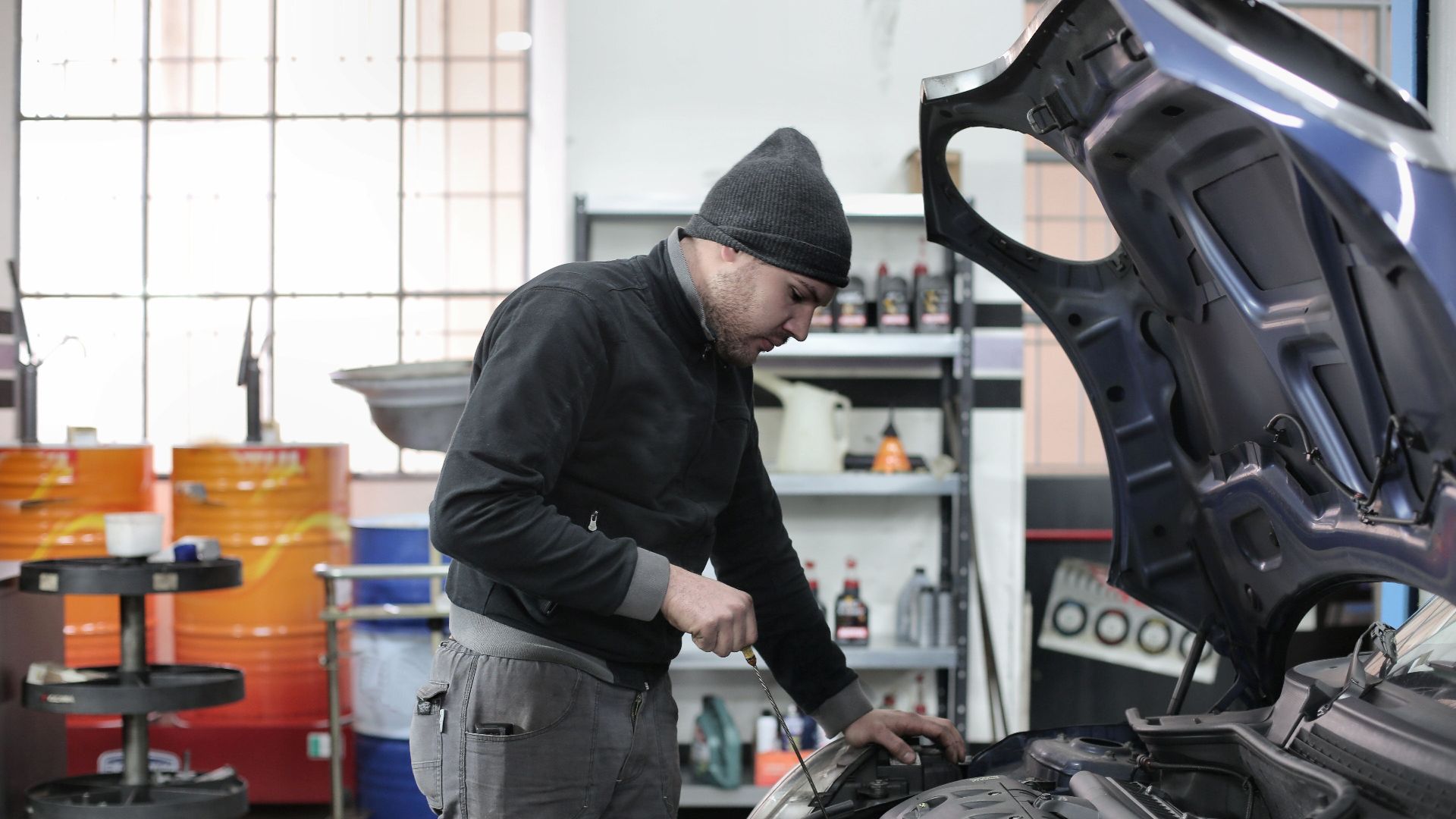
If you are told your claim is denied because of a missed recall, ask for a written explanation. You want the repair order or claim notes to say whether the dealer believes the recall defect caused the failure, or whether it is claiming your whole warranty is void. That detail can make the difference between a quick fix and a long argument.

Check Your Warranty Booklet Before You Panic
Your warranty booklet explains what is covered, what is excluded, and how disputes are handled. It may mention damage caused by lack of maintenance, accidents, misuse, or alterations. It usually will not say that missing a recall appointment automatically wipes out coverage for every unrelated part.

Look Up The Recall By VIN
Before you argue with the service desk, confirm the recall status yourself using your VIN. NHTSA’s recall lookup and many manufacturer recall portals will show whether the recall is open and what system it affects. That lets you compare the recall issue with the problem now being denied and see whether the connection is real or weak.

Ask One Key Question
The most useful question is this: “How did the unrepaired recall defect cause this specific failure?” Ask for the answer in plain English and ask what parts were damaged. If the response is vague, generic, or keeps sliding back to “because there was an open recall,” you may be dealing with a weak denial, not a solid one.

Escalate If You Need To
Service advisors do not always have final say over warranty decisions. Ask to speak with the service manager, and then the manufacturer’s customer assistance line if needed. A calm push up the chain often gets you a clearer answer and sometimes a different outcome.

Save Every Piece Of Paper
Keep the recall notice, repair order, warranty booklet excerpts, diagnosis notes, and any texts or emails from the dealer. If the dispute gets bigger, those records can show exactly what the dealer said and whether it ever pointed to a real causal link. Good paperwork also helps if you file a complaint or seek arbitration.

Complaints Can Help
If the issue involves the recall itself or a safety concern, you can file a complaint with NHTSA. If the problem is misleading warranty language or questionable denial tactics, the FTC and your state attorney general’s consumer office may also be worth contacting. These agencies will not act as your personal lawyer, but complaints can create pressure and leave a paper trail.

State Law Can Matter Too
Federal law sets the floor, but state warranty and consumer protection laws can add more rights or remedies. Some states also have lemon law rules that may matter if the vehicle has repeated defects or long repair delays. If a lot of money is at stake, local legal advice may be worth it.
 https://kaboompics.com/, Pexels
Certified Pre-Owned And Used Cars Need A Closer Look
If you bought a certified pre-owned vehicle, both factory and CPO warranty terms may apply. If you bought a used car, recall repairs are still generally free, but your warranty rights may be narrower depending on what coverage came with the vehicle. That makes the paperwork even more important.

What To Say At The Counter
Keep it simple and polite. Say you understand there is an open recall, but you want the dealer to explain how that unrepaired recall defect caused the failure you are claiming under warranty. Then ask for the denial reason in writing and request escalation if the explanation does not actually address causation.

The Smart Move Is Still To Get Recalls Done Quickly
Even though a missed recall usually does not void unrelated warranty coverage, putting off recall work is still a bad bet. Recalls are free, they deal with safety issues, and getting them done lowers the chance of a later fight over what caused new damage. It is one of the few dealership visits that can save both money and hassle.
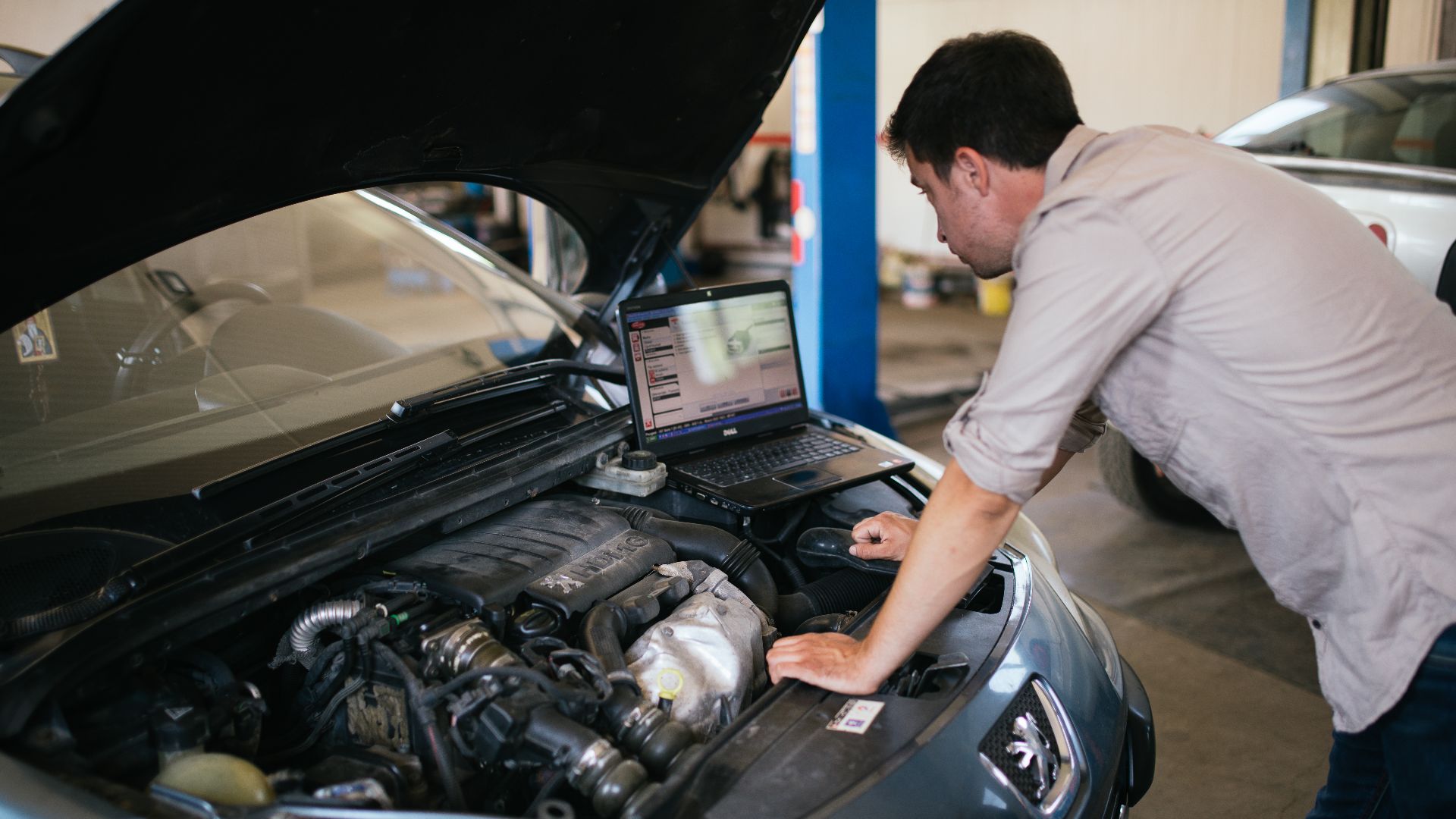 Shixart1985, Wikimedia Commons
The Bottom Line For Drivers
A dealership usually cannot use a missed recall appointment as a catch-all excuse to deny unrelated warranty coverage. The key issue is whether the open recall defect actually caused the problem for which you want warranty repairs. If the dealer cannot clearly connect those dots, ask for the denial in writing, escalate the issue, and check everything against federal guidance and your warranty terms.