It Sounds Strange, But There's A Good Reason To Ask
If your navigation suddenly starts acting up after you park beneath a solar panel canopy, it's easy to blame the panels themselves. In reality, GPS signals are incredibly weak by the time they reach Earth, so anything that blocks, reflects, or distorts those signals can sometimes affect your device. The important question is whether the canopy is actually interfering electronically or simply making it harder for your GPS receiver to do its job.
GPS Signals Are Surprisingly Weak
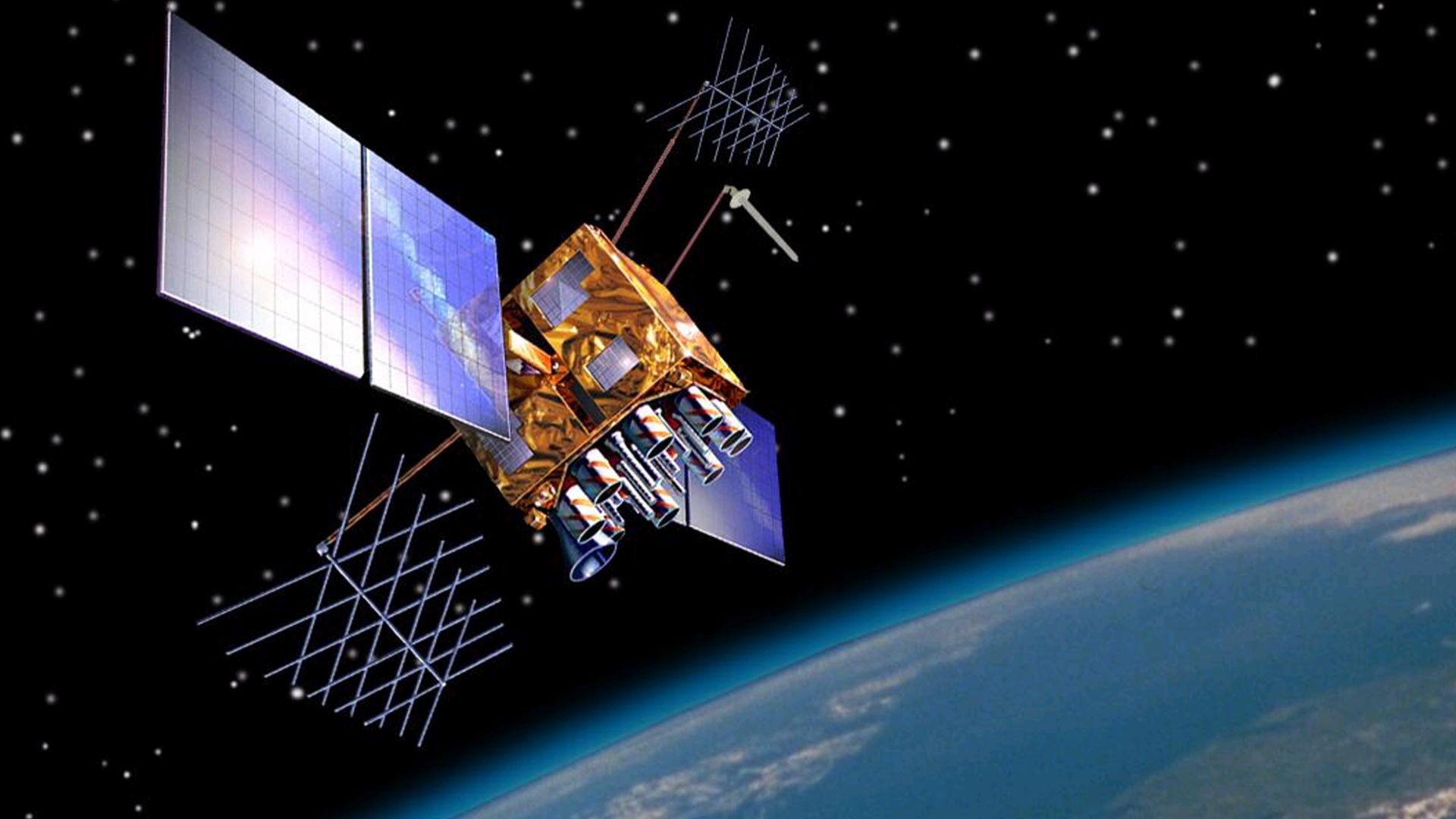
GPS satellites orbit roughly 12,550 miles (20,200 kilometers) above Earth, and their signals become extremely faint after traveling that distance. According to the FAA, GPS signals are vulnerable to many forms of interference and environmental effects because of their low power. That makes them sensitive to obstructions that most people would never notice.
 US Government, Wikimedia Commons
Solar Panels Don't Normally Emit GPS-Disrupting Signals
A solar panel is essentially a passive device that converts sunlight into electricity. The panels themselves do not broadcast radio signals capable of overwhelming GPS receivers under normal operation. Simply parking beneath solar panels does not automatically create harmful electromagnetic interference.
The Structure Above You Matters More
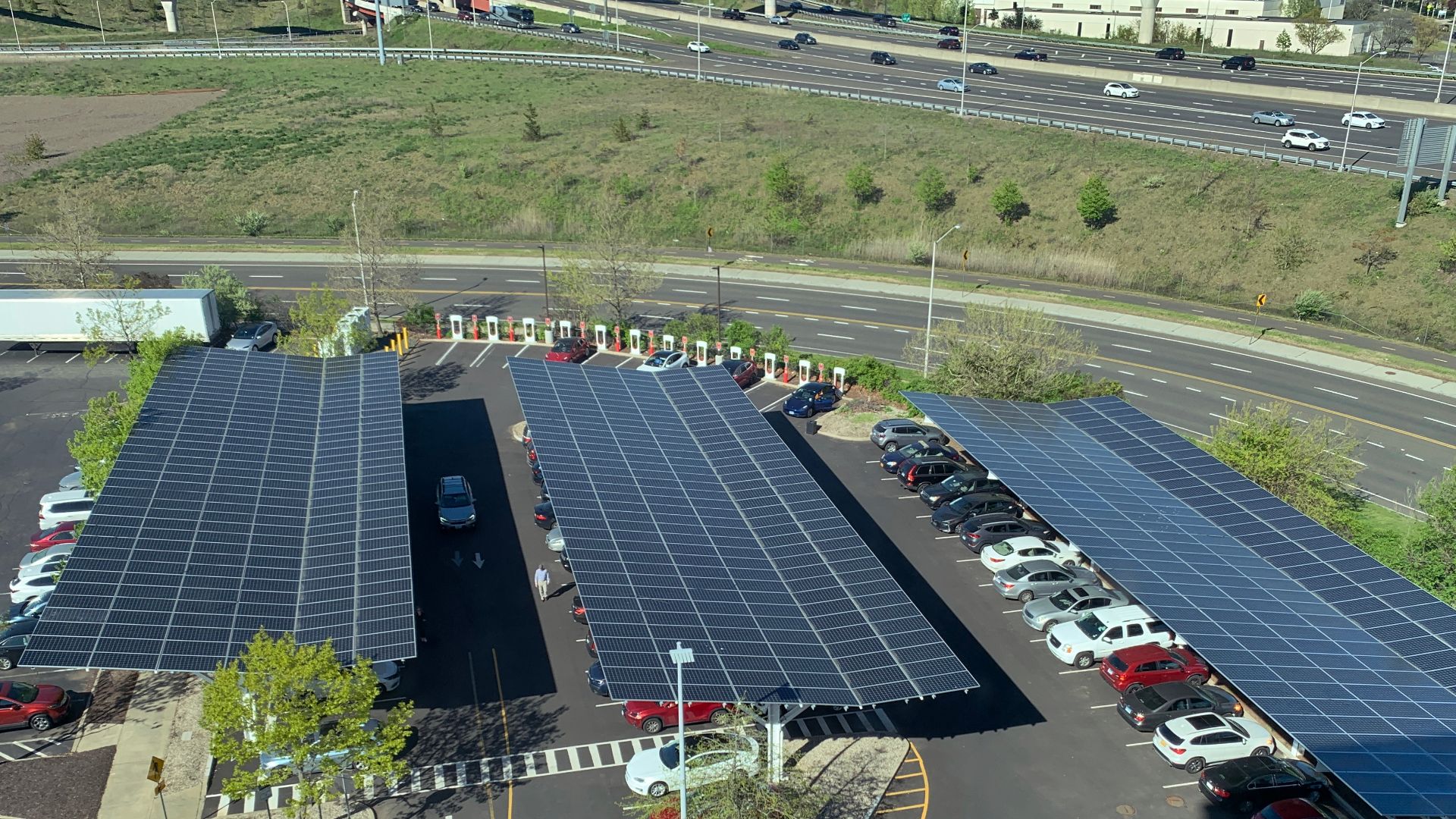
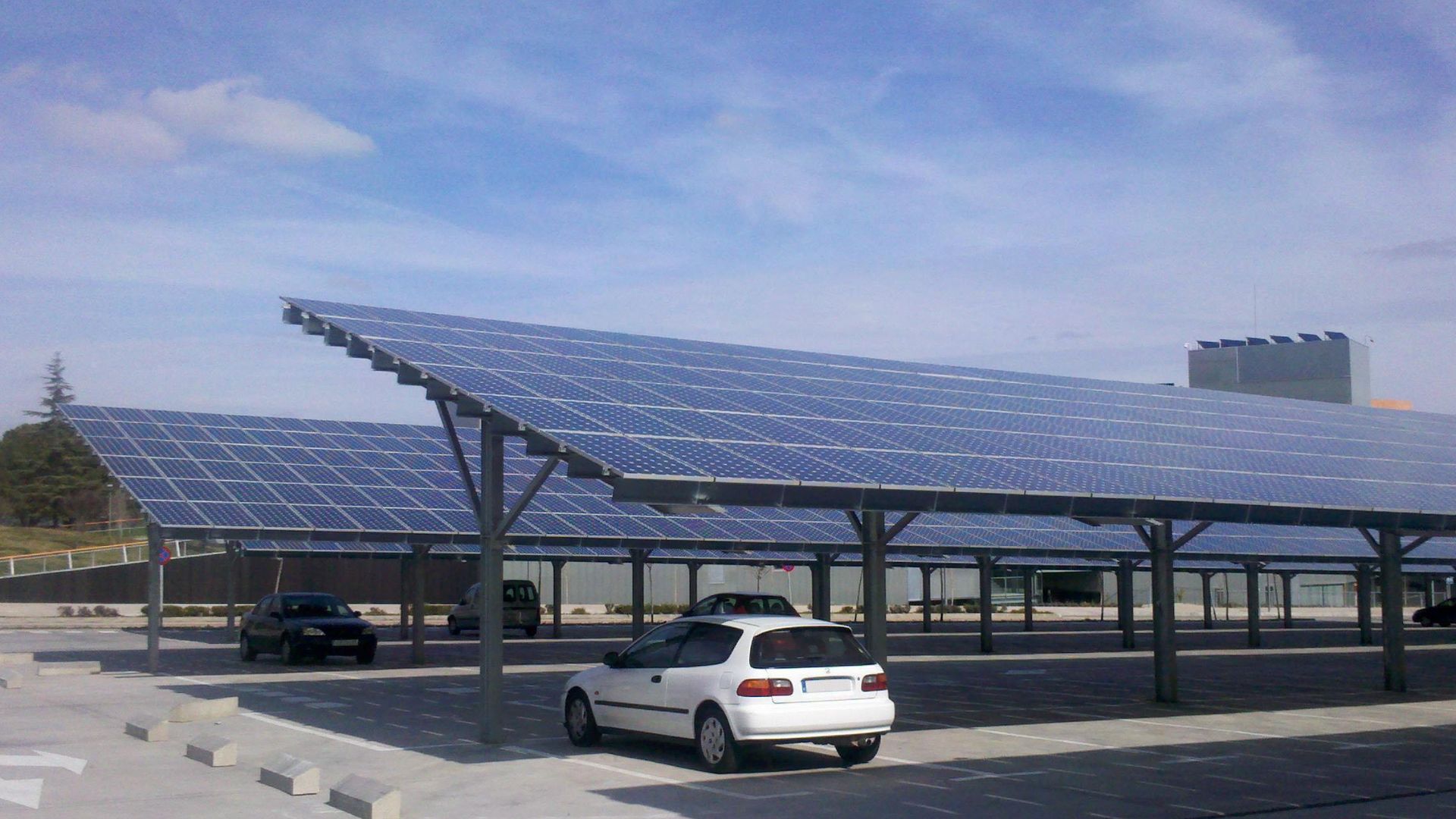
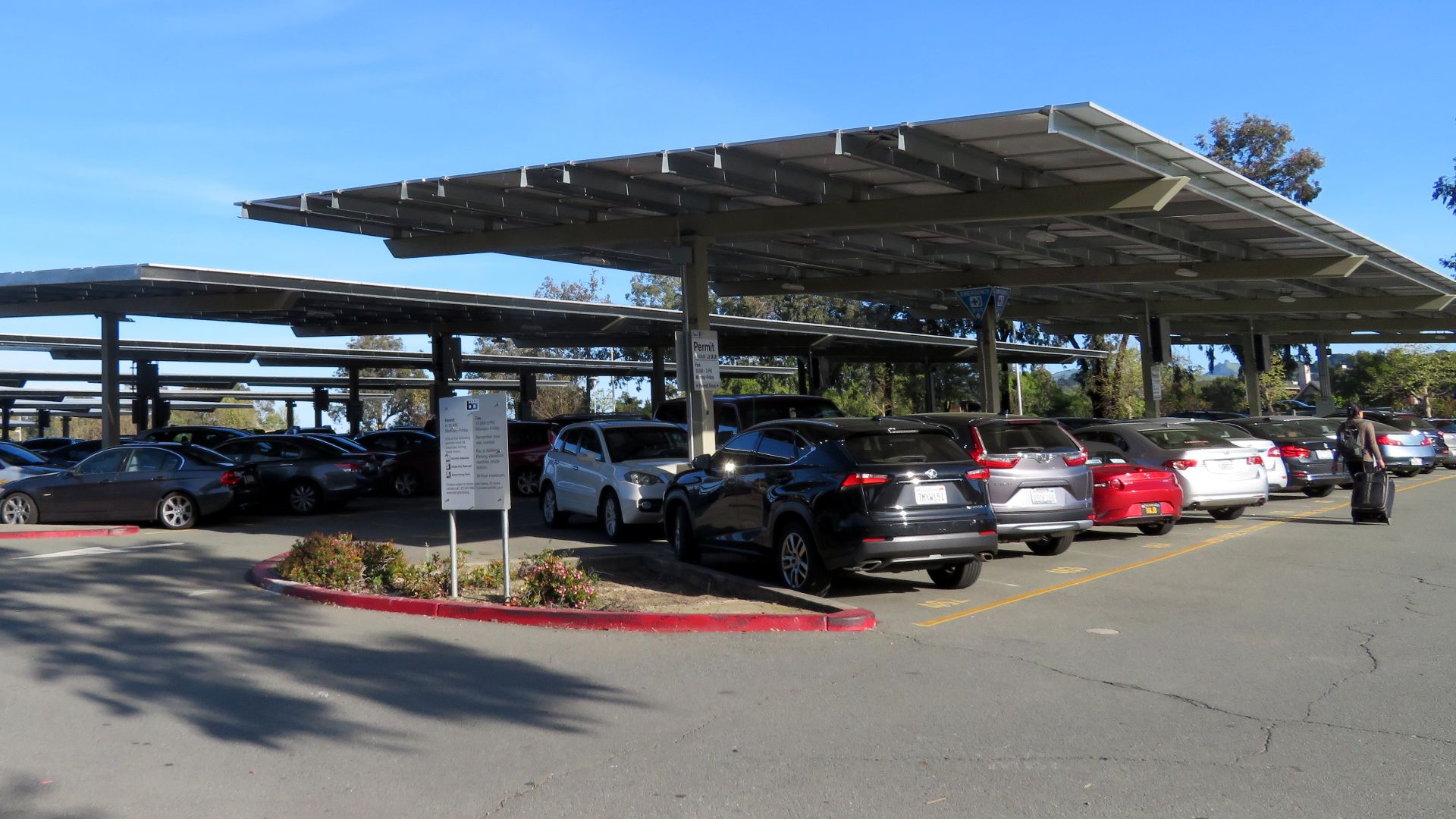
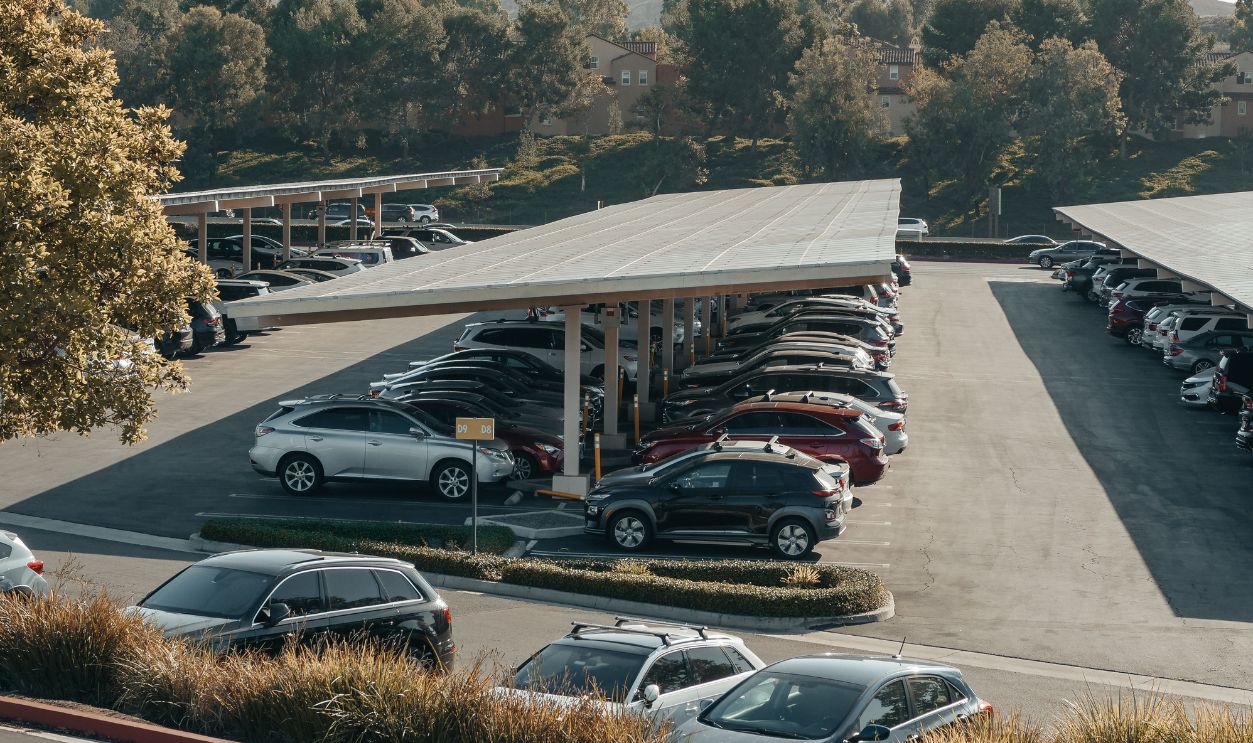
The canopy supporting the panels can have a bigger impact than the panels themselves. Steel beams, aluminum frames, and large overhead surfaces partially block your receiver's view of the sky. Since GPS works best when it can "see" multiple satellites, losing part of that view may temporarily reduce positioning accuracy.
Reflected Signals Can Confuse Your Receiver
One of the biggest issues is something called multipath. Instead of receiving a satellite signal directly, your GPS may also receive delayed reflections bouncing off nearby metal or glass surfaces. Those delayed signals can introduce small positioning errors while your receiver sorts out which signal is the correct one.
Researchers Have Measured This Effect
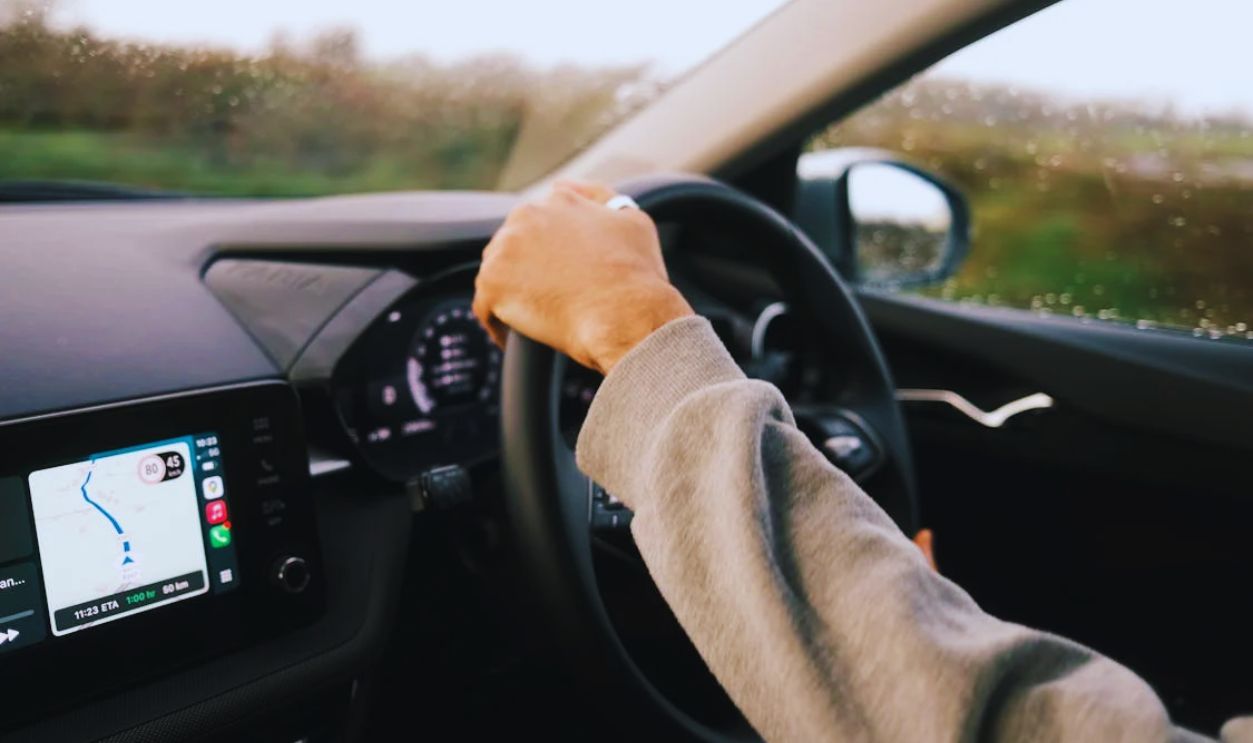
A 2024 study examining overhead agrivoltaic solar installations found measurable reductions in GNSS signal quality directly beneath solar panel structures. Researchers observed weaker signals, longer times to obtain a position fix, and lower positioning accuracy caused primarily by signal attenuation and multipath reflections rather than electronic emissions from the panels themselves.
Metal Frames Play A Role
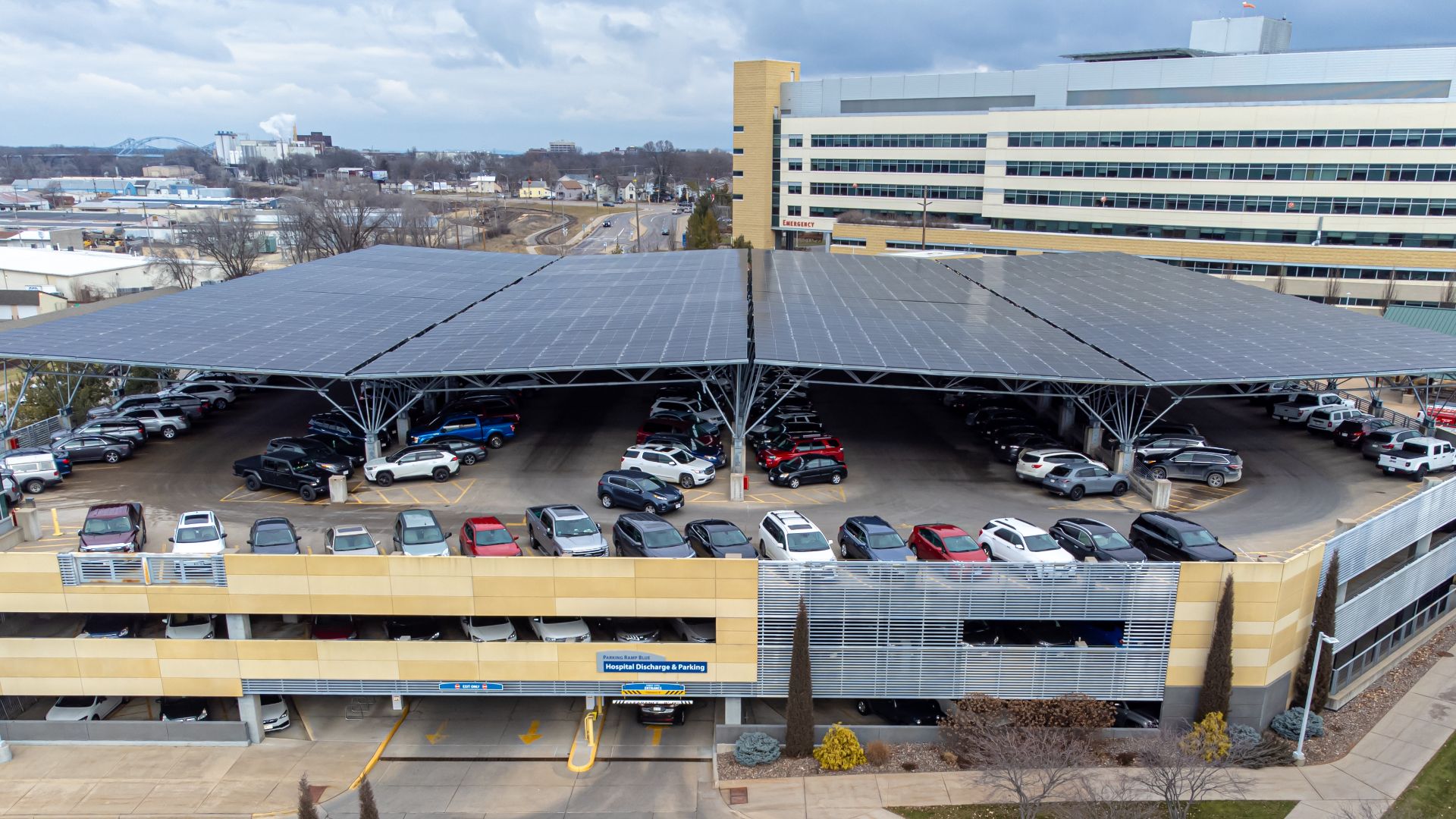
The metal framework supporting solar canopies can increase opportunities for reflected GPS signals. Similar reflection problems have long been documented around rooftops, buildings, bridges, and other metallic environments. Scientists studying GPS performance routinely account for nearby reflective surfaces when designing high-accuracy systems.
Your Car Can Make Things Worse
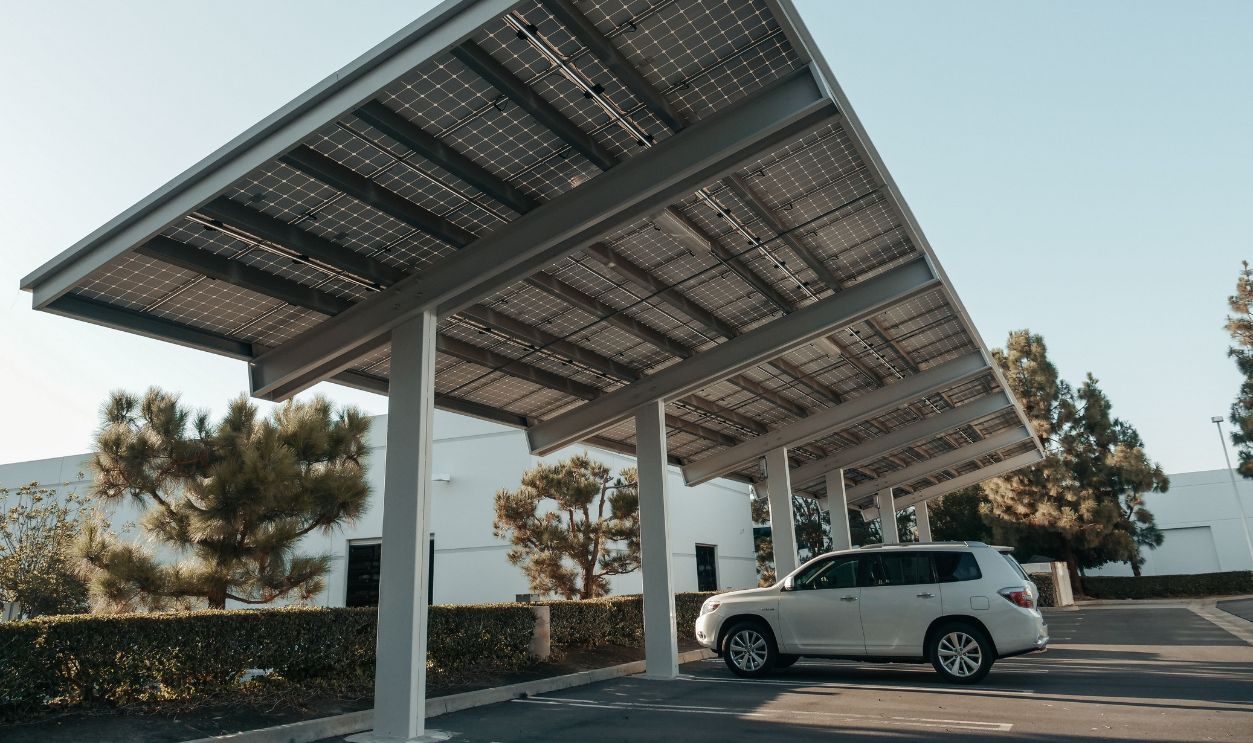
Your own vehicle also influences GPS reception. A metal roof, heated windshield coatings, roof racks, or aftermarket accessories can already reduce signal quality before you even drive beneath a canopy. Add an overhead structure, and your receiver has an even smaller window to communicate with satellites.

Phones And Built-In Navigation Handle Things Differently
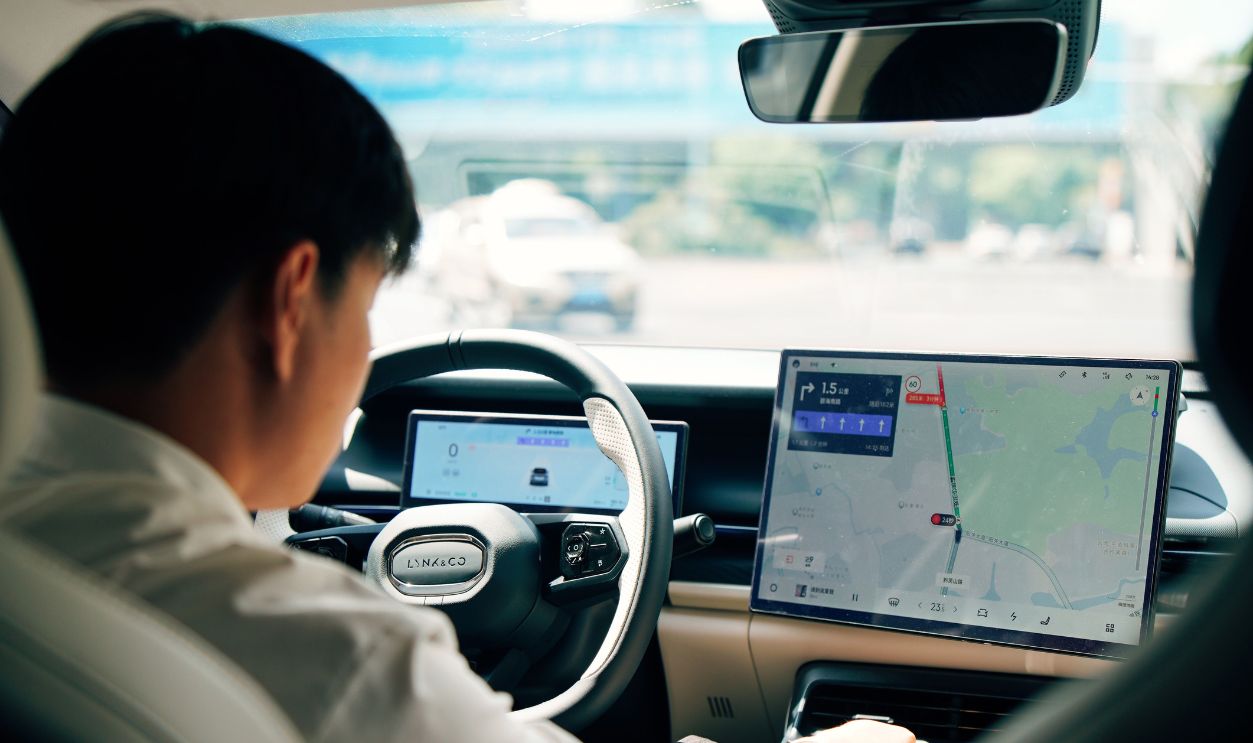
Not every GPS receiver performs equally well. Modern smartphones combine GPS with signals from other satellite constellations like Galileo, GLONASS, and BeiDou, along with Wi-Fi positioning and cellular assistance. Some vehicle navigation systems rely more heavily on satellite reception alone, so two devices parked side by side may behave differently.
You May Notice Slower Position Lock
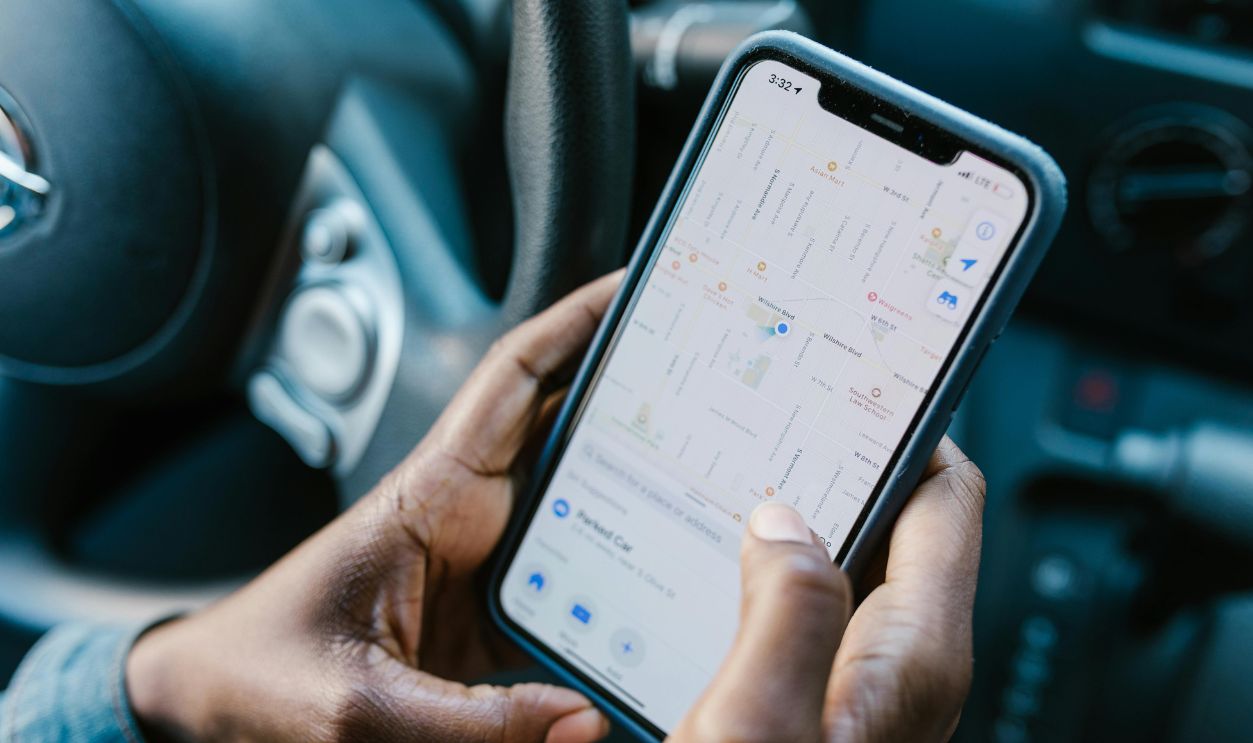
One common symptom is an increased "time to first fix." If your receiver temporarily loses several satellites while parked, it may need a few extra seconds after you drive away before calculating a highly accurate location again. This brief delay is normal in obstructed environments.
Maps Are Not Always The Problem
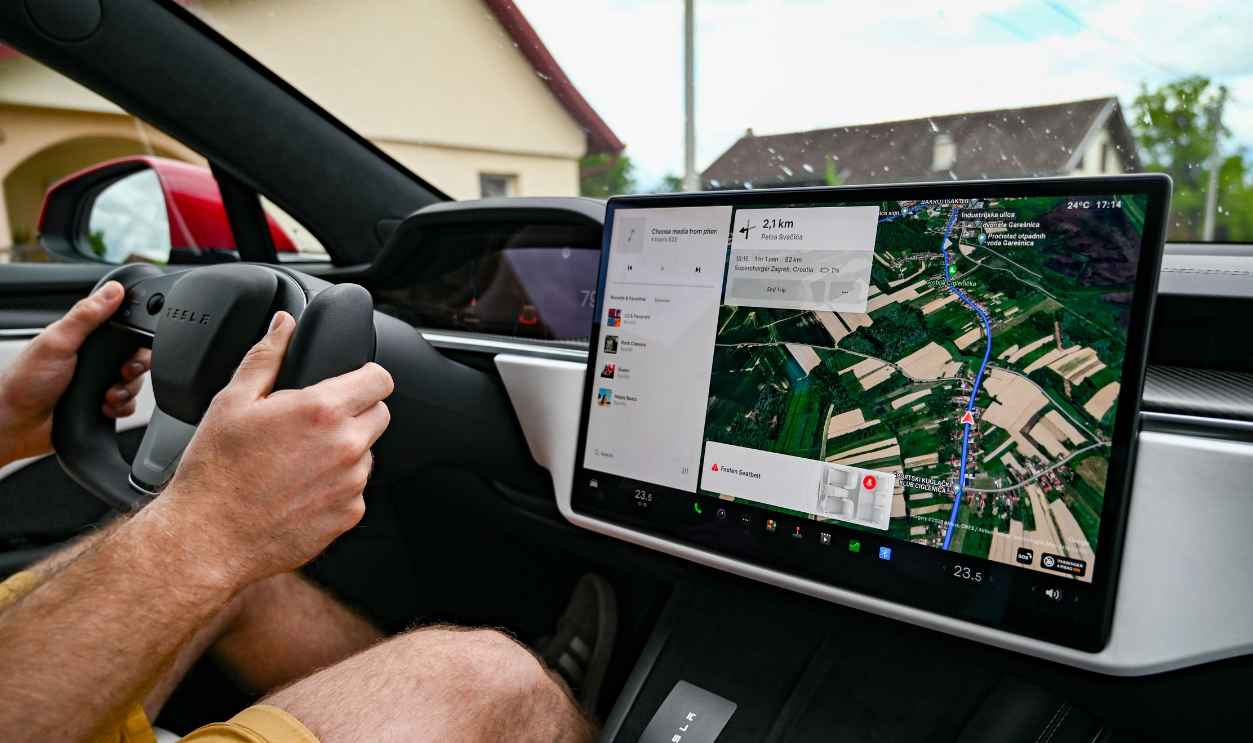
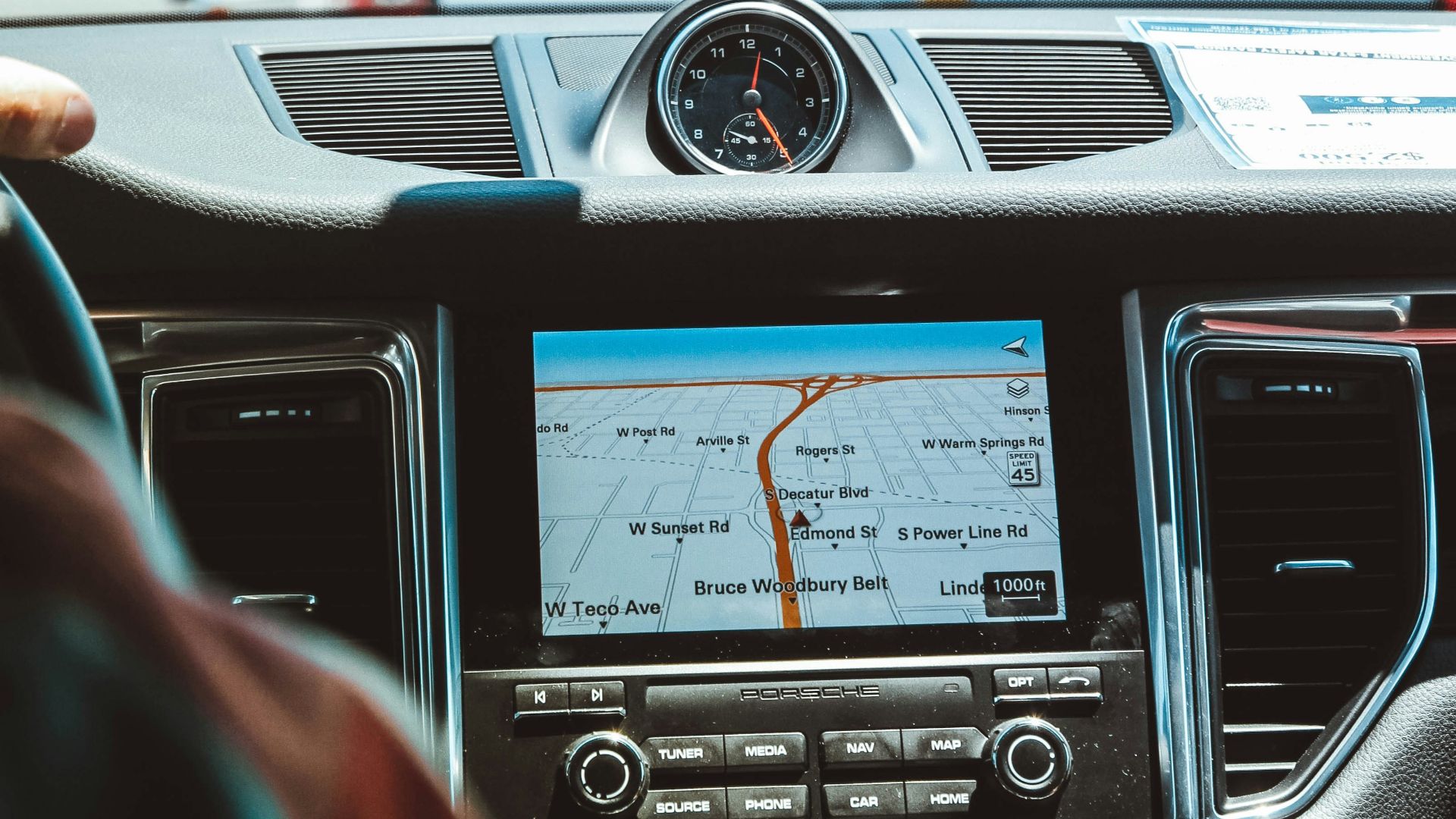
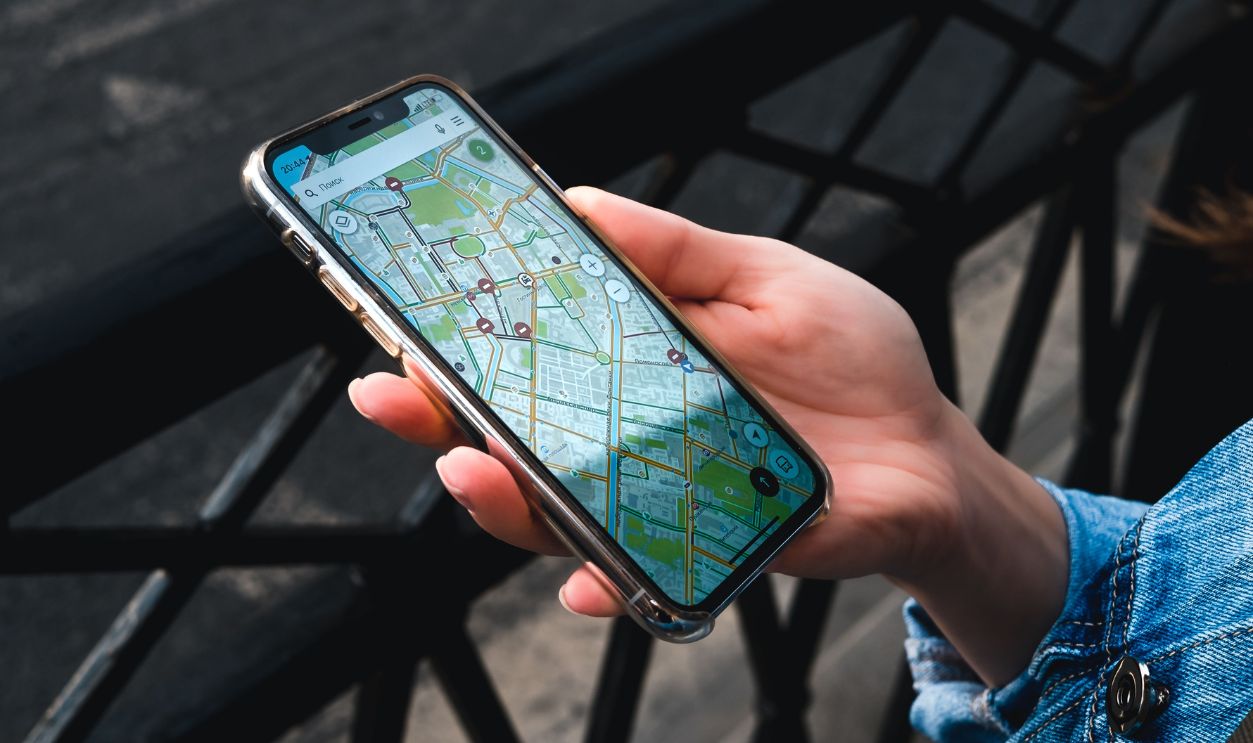
Sometimes the GPS receiver is functioning perfectly, but the mapping software introduces confusion. GPS.gov notes that mapping applications occasionally display incorrect positions even when satellite reception is adequate. Distinguishing between reception problems and software issues isn't always straightforward.
Urban Areas Create Similar Problems
Parking garages, downtown streets lined with tall buildings, and tunnels produce many of the same effects seen beneath large solar canopies. Engineers often refer to these environments as "urban canyons," where blocked and reflected satellite signals reduce positioning accuracy until the receiver reaches a clearer view of the sky.

Weather Usually Isn't The Main Culprit
Rain, clouds, and snow generally have little impact on everyday GPS reception. Far more significant factors include buildings, trees, bridges, overhead structures, and reflective surfaces. Unless you're experiencing severe space weather, the canopy is much more likely to explain temporary positioning issues than the forecast.
Solar Storms Are A Different Story
Although solar panels rarely interfere with GPS, the Sun itself occasionally can. Strong solar activity can disturb Earth's ionosphere and reduce GPS accuracy over broad geographic areas. These events are relatively uncommon compared with everyday signal blockage from nearby structures.

True Radio Interference Is Rare
Real electromagnetic interference usually comes from intentional GPS jammers, malfunctioning transmitters, or specialized radio equipment operating near GPS frequencies. Regulatory agencies monitor these problems because they can affect aviation, emergency services, and transportation. A parking lot solar canopy generally is not one of those sources.
 Pi.1415926535, Wikimedia Commons
Electric Vehicle Chargers Are Usually Not The Cause
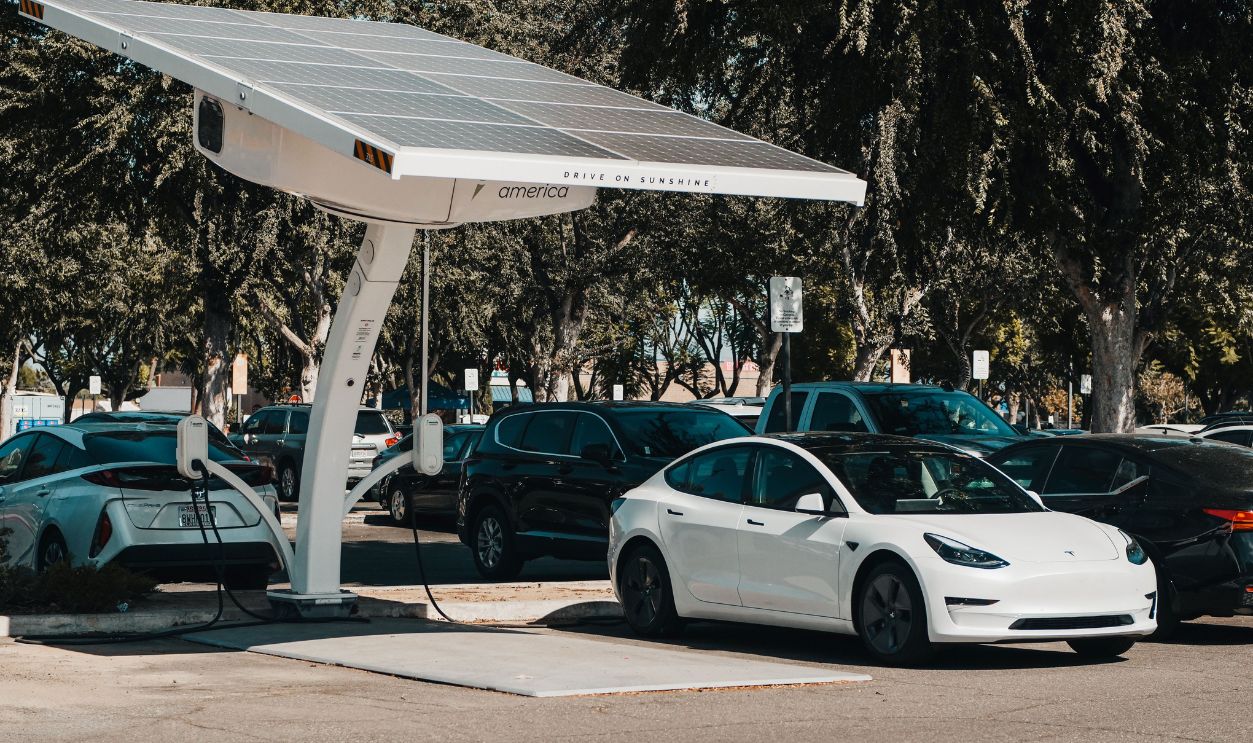
Many solar canopies also include EV charging stations. Properly certified charging equipment must comply with electromagnetic compatibility regulations that limit unwanted radio emissions. While any electrical device can malfunction, chargers themselves are not generally expected to disrupt GPS reception.
Trees Can Produce Similar Results
Dense tree cover often causes the same combination of signal blockage and multipath reflections. Surveyors, foresters, and precision agriculture professionals have studied this problem for years because accurate satellite positioning becomes more difficult whenever the sky is partially obscured.

Modern Receivers Are Better At Filtering Errors
Today's GNSS receivers include sophisticated algorithms that reject many reflected signals. High-end professional equipment performs especially well, but even consumer smartphones have improved dramatically over the past decade. As a result, most positioning errors beneath a canopy are temporary and relatively small.
If The Problem Persists Elsewhere, Look Beyond The Canopy
If your GPS continues behaving erratically after leaving the parking lot, something else may be responsible. Software glitches, outdated maps, hardware faults, or broader GPS interference events deserve closer investigation if the issue occurs repeatedly in open areas with a clear view of the sky.

A Simple Test Can Reveal The Cause
The easiest way to evaluate the situation is to compare performance in different locations. If your GPS struggles only while parked beneath the canopy but quickly returns to normal in an open lot, the structure is likely affecting satellite visibility rather than generating harmful interference.
The Bottom Line
Parking beneath a solar panel canopy can sometimes make your GPS appear less accurate, but not because the panels are "jamming" your electronics. The more likely explanation is that the overhead structure blocks part of the sky and creates reflected satellite signals that temporarily reduce positioning accuracy. Once you move into an open area, your receiver usually regains full performance within moments.
You May Also Like: