
A Few Drops Can Sound Scarier Than They Look
You notice a couple of dark spots on the driveway, and suddenly the mechanic is warning about catastrophic engine damage. That can sound dramatic when the car runs perfectly and the oil level barely seems to move.
Some small leaks really can be monitored for a while, while others can become expensive or even dangerous surprisingly quickly. The trick is figuring out how much oil you’re actually losing, where it’s going, and whether the leak is threatening anything besides your driveway.
First, Make Sure It’s Actually Engine Oil
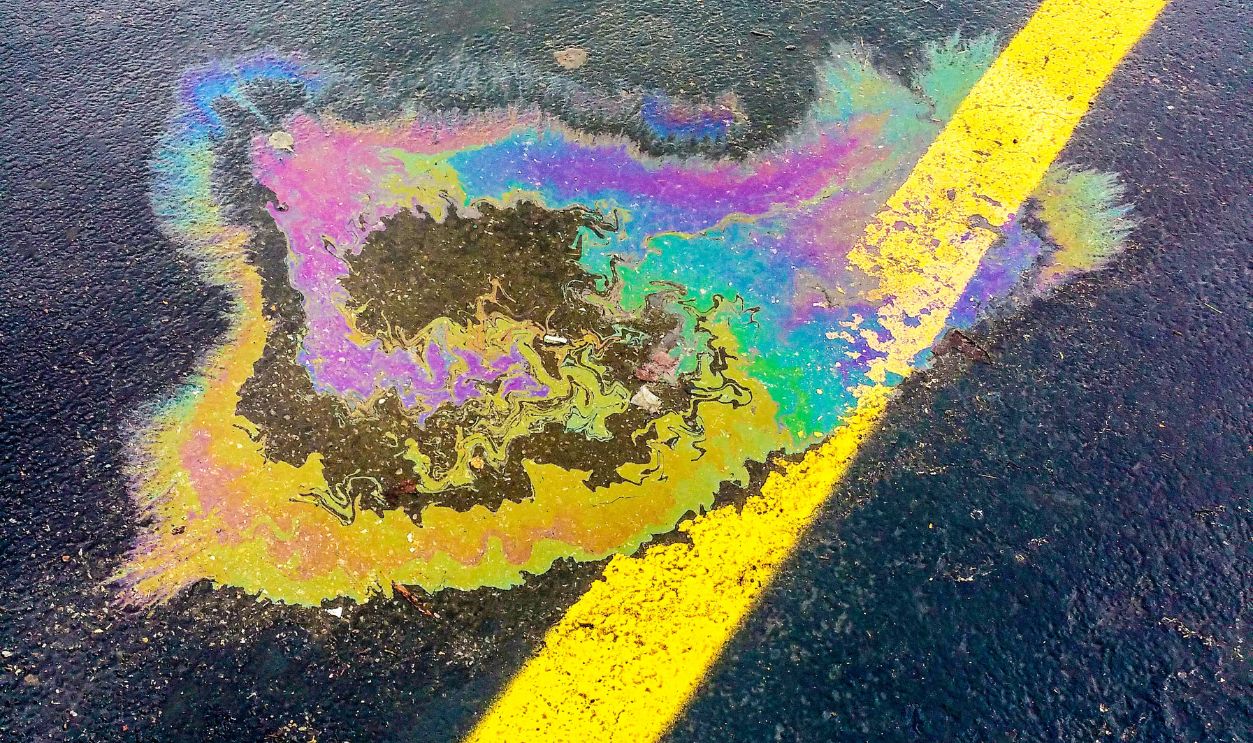
Cars can leave several fluids behind, and not every wet spot means the engine is leaking oil. Used motor oil is usually brown to black and feels slick, while coolant may be brightly colored, transmission fluid can appear reddish or brown, and clear water beneath the passenger side is often harmless air-conditioning condensation. Put clean cardboard under the parked vehicle overnight if necessary. Knowing what fluid you’re losing comes before deciding how urgently it needs attention.
A Seep And A Leak Aren’t Quite The Same Thing
Mechanics often describe a lightly damp gasket as “seeping” rather than actively leaking. You might see oily residue around a valve cover or timing cover without finding any drops underneath the vehicle. An active leak generally produces visible drops, runs, or measurable oil loss. Both deserve monitoring, but they don’t automatically have the same urgency. Ask the mechanic to show you whether they found ordinary dampness or oil actively escaping.
Ask The Mechanic To Show You The Source
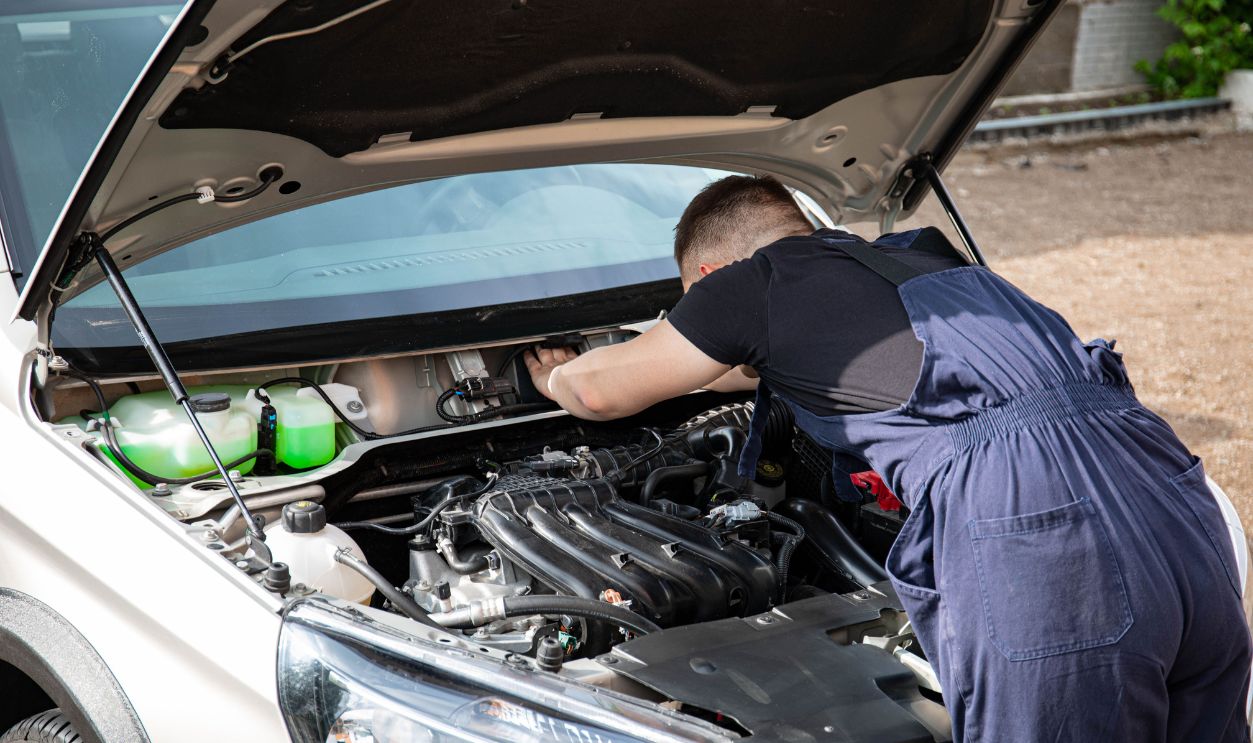
“Your engine has an oil leak” is only the beginning of the diagnosis. Ask where it’s coming from. A loose drain plug or leaking oil-filter seal can be inexpensive to correct, while a rear main seal or deeply buried timing-cover leak can involve substantial labor. The location also affects urgency because a small leak dripping safely down the engine may be less concerning than one landing directly on a hot exhaust component.

Check The Dipstick Before Driving Away
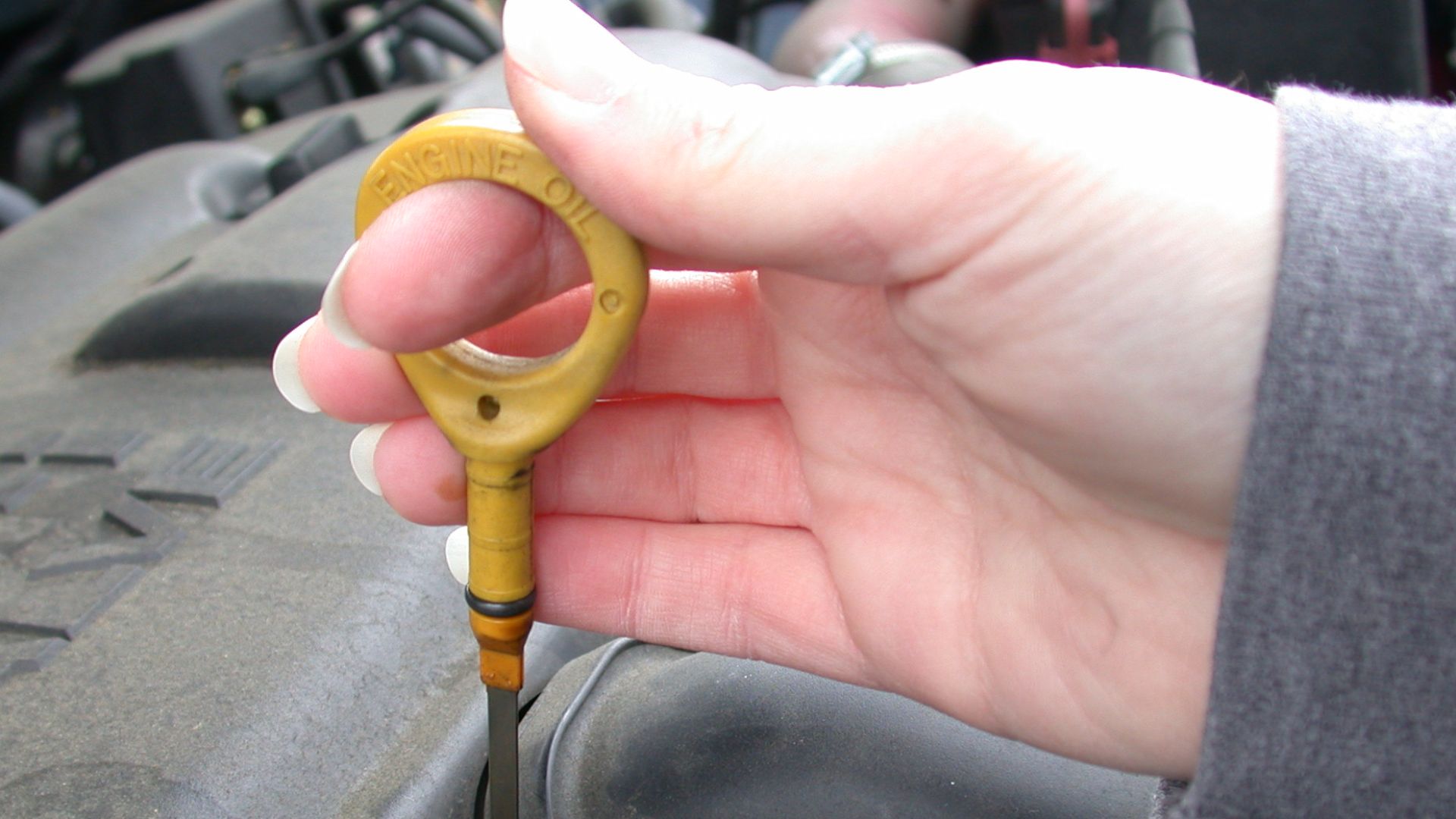
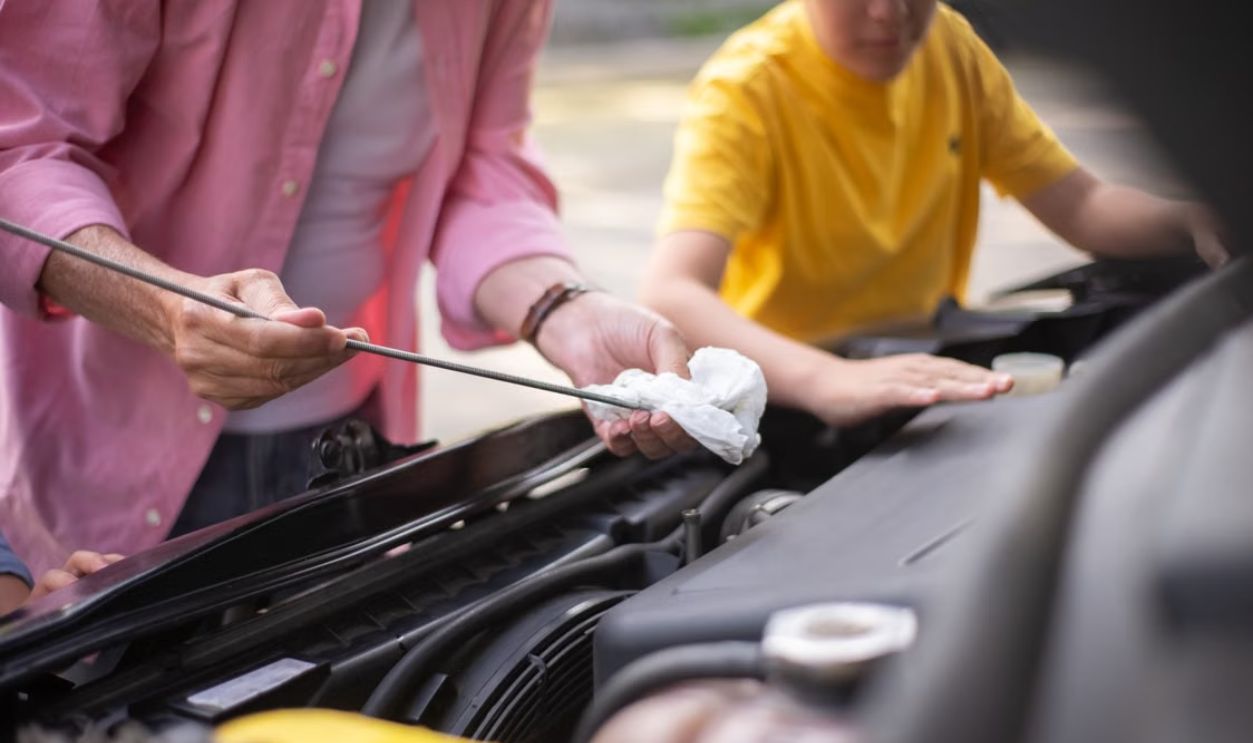
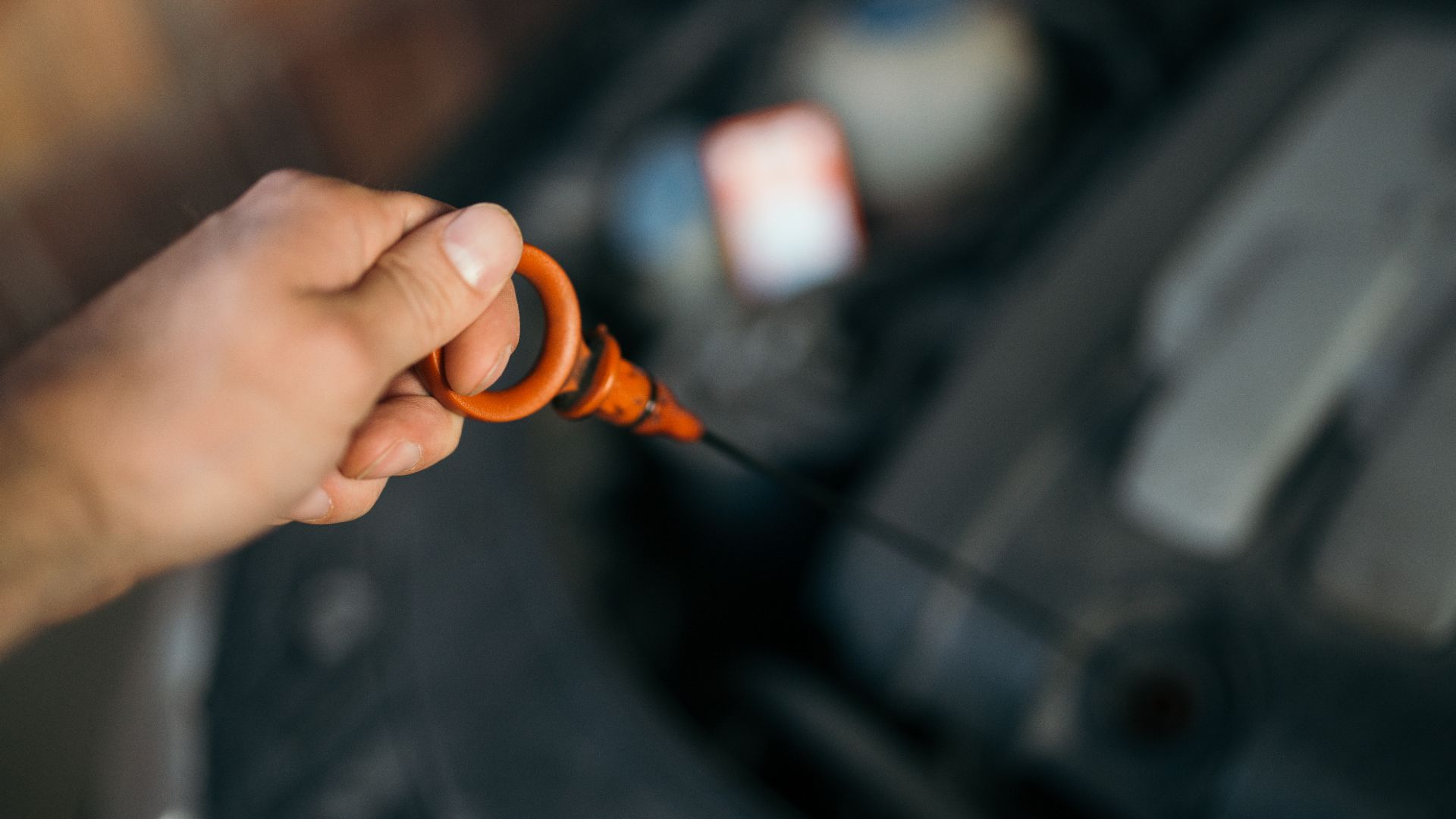
Oil quantity is what ultimately protects the engine, so learn where your level stands. Consumer Reports recommends checking oil regularly and adding the manufacturer-specified oil when the level falls below the minimum mark. If a small leak hasn’t caused any measurable drop between checks, you have more breathing room than if the engine is already a quart low. Keep the car level and follow the owner’s manual procedure because dipstick-reading instructions can vary.
The Oil Pressure Light Changes Everything
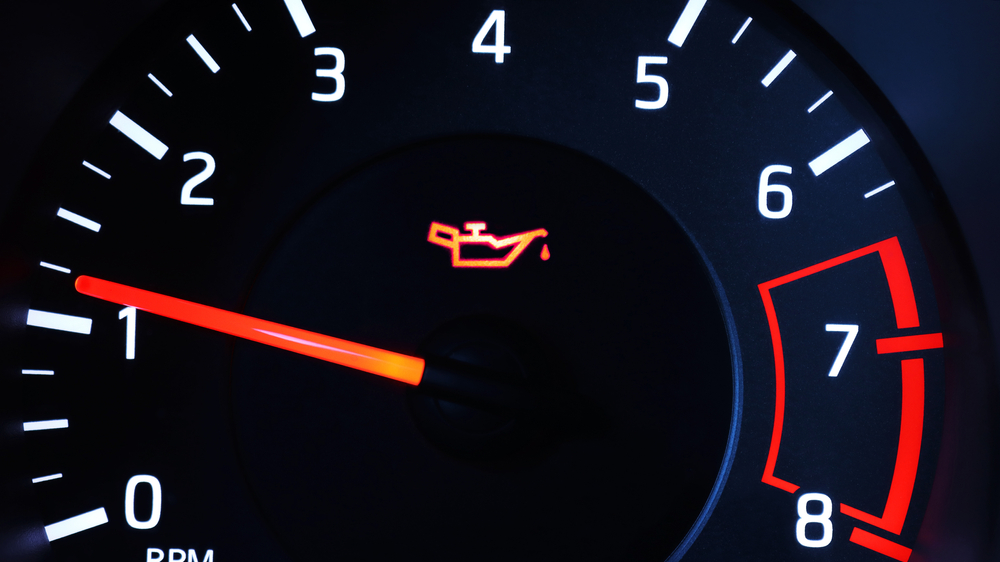
Don’t confuse an oil-level concern with an oil-pressure warning. If the red oil-pressure light comes on while the engine is running, safely pull over and shut the engine off rather than continuing to see what happens. Low oil pressure can deprive internal components of lubrication and cause severe damage very quickly. Adding oil may help if the level is dangerously low, but the car still needs diagnosis before normal driving resumes.
Rapid Oil Loss Is An Immediate Problem
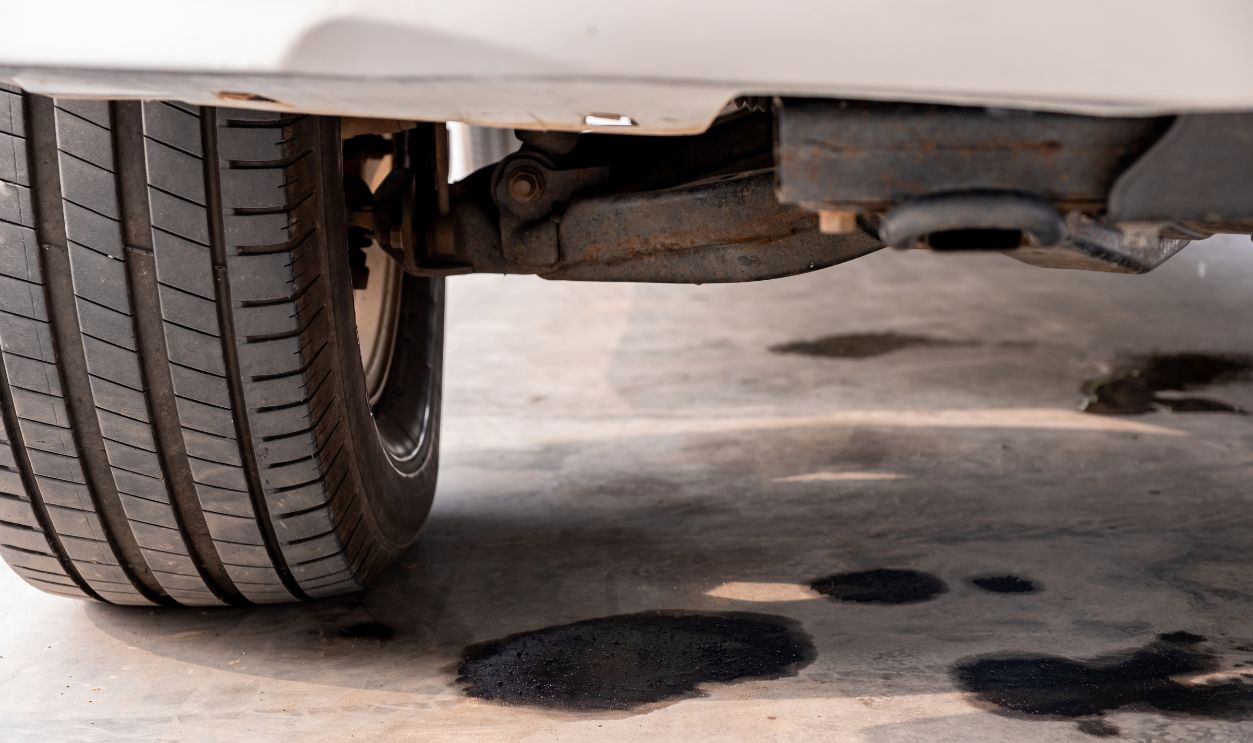
A couple of drops overnight is one situation. A growing puddle, oil visibly dripping while the engine runs, or a dipstick level that falls noticeably over a short distance is something else. A leak can worsen suddenly if a seal fails, a filter loosens, or an oil pan is damaged. If you’re losing enough oil that keeping the engine safely filled becomes difficult, stop treating it as a minor maintenance item.
Burning Oil Smells Deserve Attention
A leak doesn’t have to empty the crankcase to create trouble. Oil leaking from the top or side of an engine can reach the exhaust manifold, turbocharger, catalytic converter area, or another hot component. The result may be a sharp burning-oil smell or visible smoke under the hood. NHTSA has documented recalls in which leaking engine oil reaching hot components created a potential fire risk, so smoke or strong burning smells shouldn’t be dismissed as merely unpleasant.
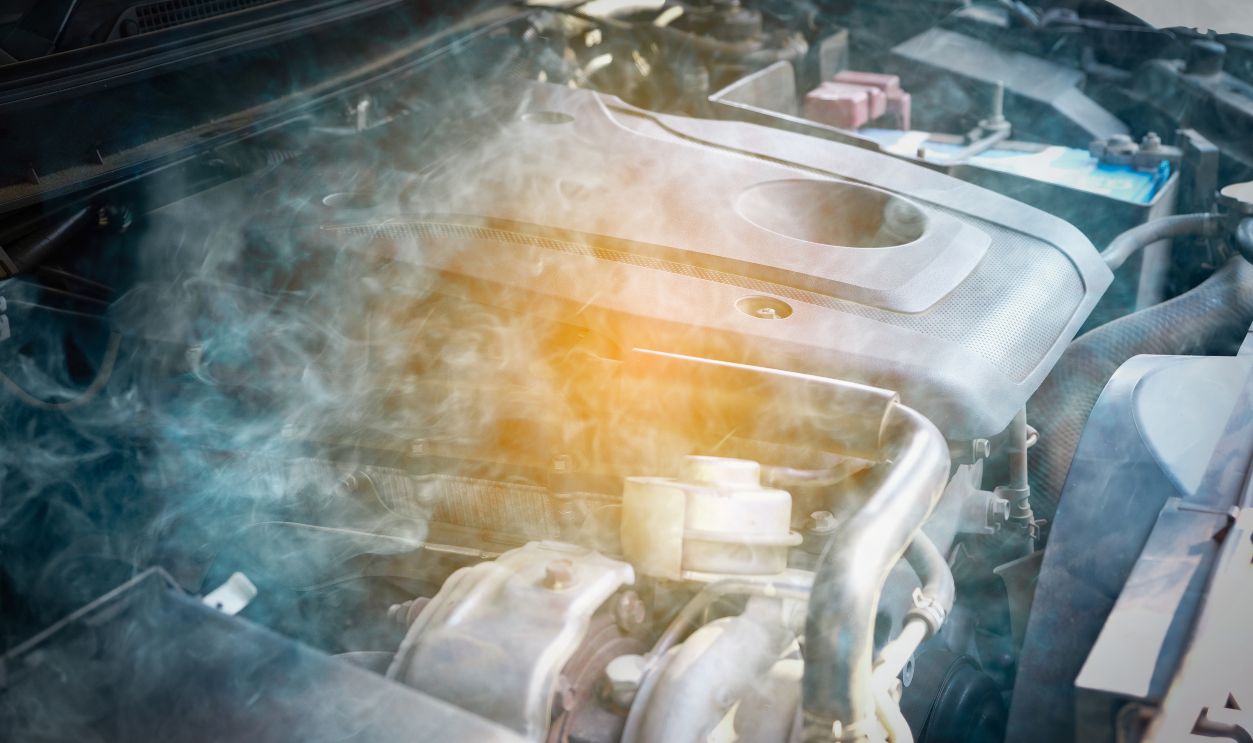
Smoke Under The Hood Means Stop Guessing
If you see smoke coming from the engine compartment, pull over somewhere safe and shut the engine down. It may be oil burning harmlessly off a hot surface after a spill, but it could also indicate an active leak reaching something extremely hot. Don’t open the hood if you see actual flames. A small stain on the driveway can be scheduled for diagnosis; a smoking engine bay has moved into a different category.

Listen For Ticking Or Knocking
An engine suffering from inadequate lubrication may start making sounds it didn’t make before. Ticking from the valvetrain, knocking, grinding, or other sudden mechanical noises alongside a low oil level or pressure warning can indicate that oil isn’t reaching components properly. Jiffy Lube notes that insufficient lubrication can produce noises and eventually contribute to overheating or engine failure. Continuing to drive while hoping the sound disappears is a very expensive gamble.

How Often You Add Oil Tells A Story
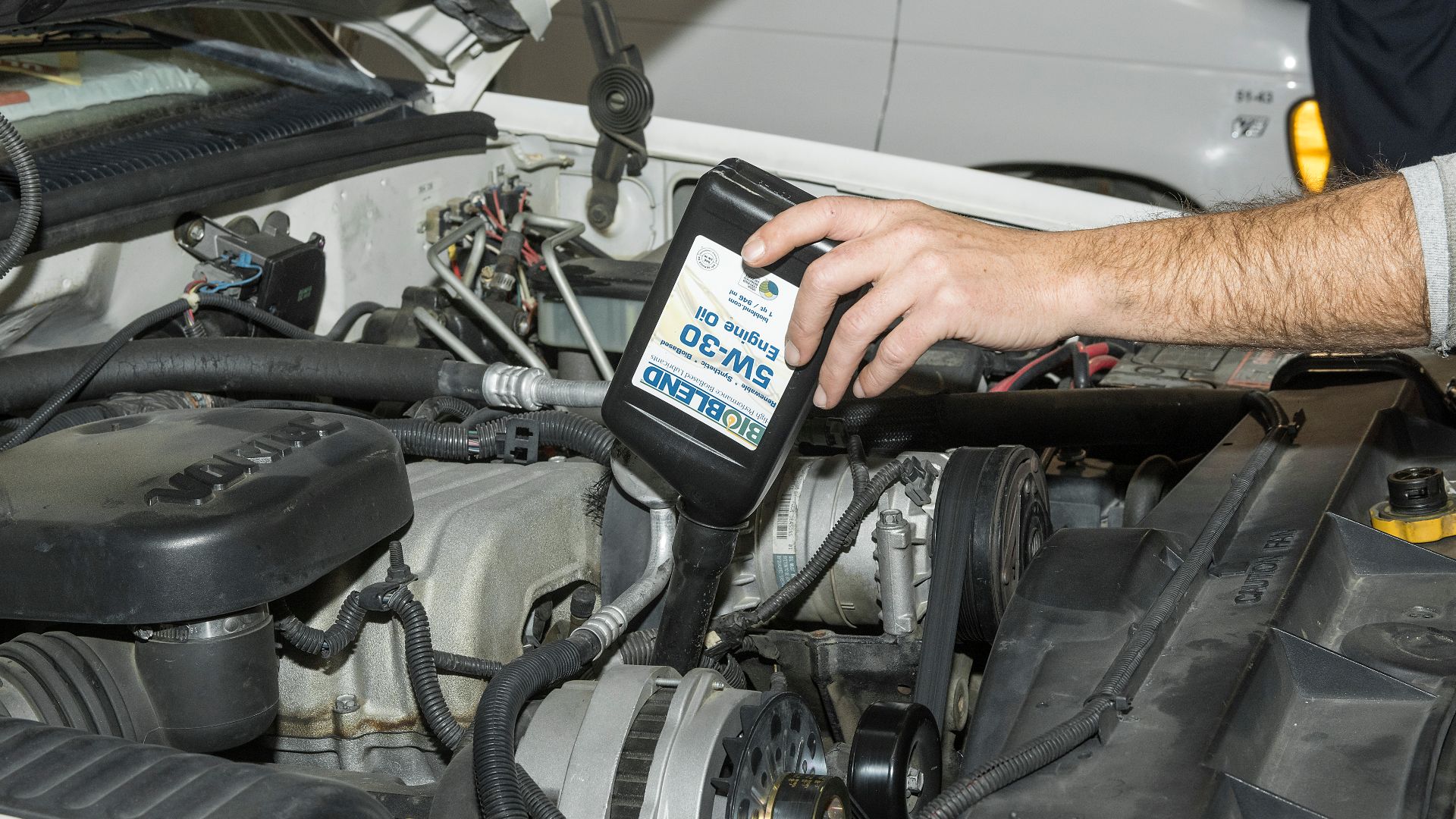
Start tracking consumption rather than guessing. Check the level at consistent intervals and note every time you add oil. If you’re topping up only a small amount over thousands of miles, the situation is very different from adding a quart every few hundred miles. Consumer Reports recommends more frequent checks when a vehicle repeatedly needs oil between services because the engine may be leaking, burning, or otherwise consuming it.
 NASA Armstrong Flight Research Center / NASA/Ken Ulbrich, Wikimedia Commons
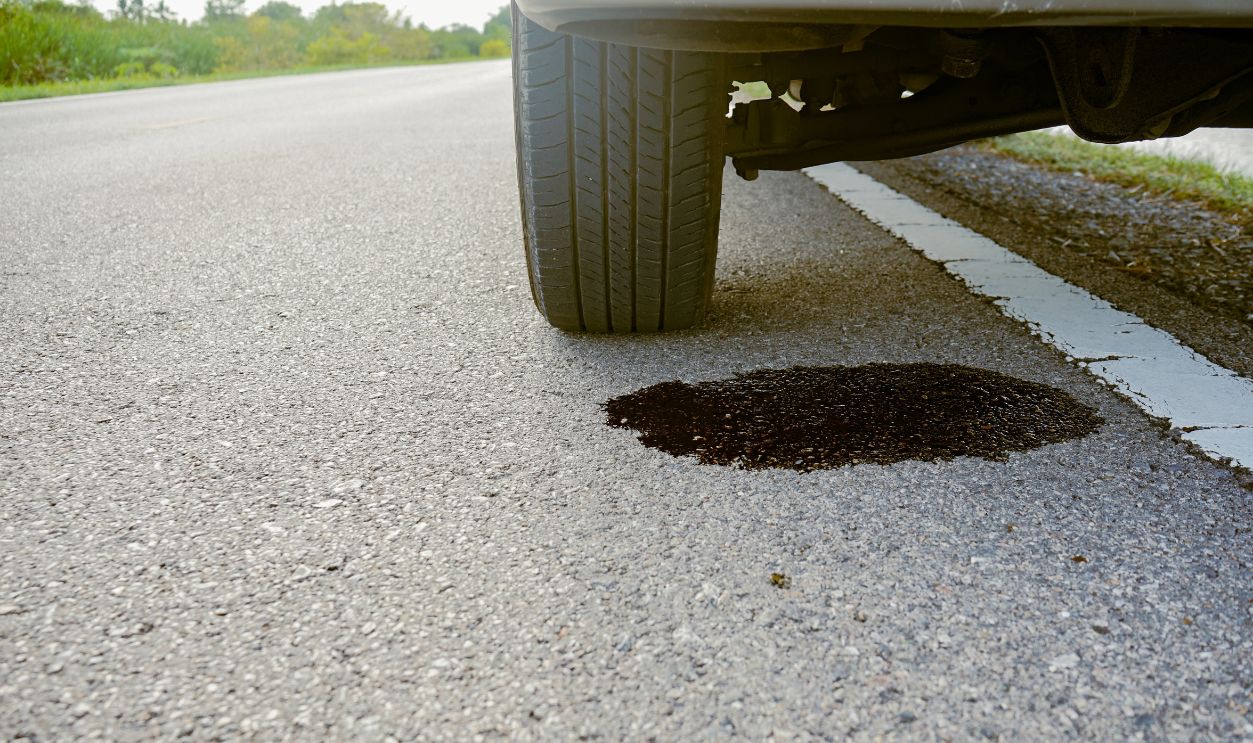
No Puddle Doesn’t Mean No Problem
Oil can leak only while the engine is running and pressure is higher, then spread across underbody panels instead of reaching the driveway. It can also burn off on hot components before it ever drips to the ground. Alternatively, the engine may be consuming oil internally through worn rings, valve seals, or another problem. If the dipstick keeps dropping but the garage floor stays clean, the oil is still going somewhere.
 Mr.Anuwat Rumrod, Shutterstock
Some Leaks Are Surprisingly Simple
A dramatic-looking oil leak doesn’t always mean opening the engine. Firestone lists possible causes such as a poorly sealing drain-plug gasket, damaged oil pan, loose or improperly installed oil filter, worn gasket, or oil-cooler line problem. If the leak appeared immediately after an oil change, go back to the shop promptly. A loose filter or drain plug is much easier to correct before enough oil escapes to damage the engine.
Valve Cover Leaks Are Common On Older Cars
Rubber gaskets harden with age and repeated heating cycles, making valve-cover leaks common on high-mileage vehicles. A light seep may remain manageable for quite a while if the oil level stays stable and nothing dangerous is being contaminated. But valve covers sit high on many engines, so leaked oil can run downward and make the engine look much worse than the actual source. Cleaning the area and reinspecting it can help pinpoint how active the leak really is.

Oil Pan Damage Can Escalate Quickly
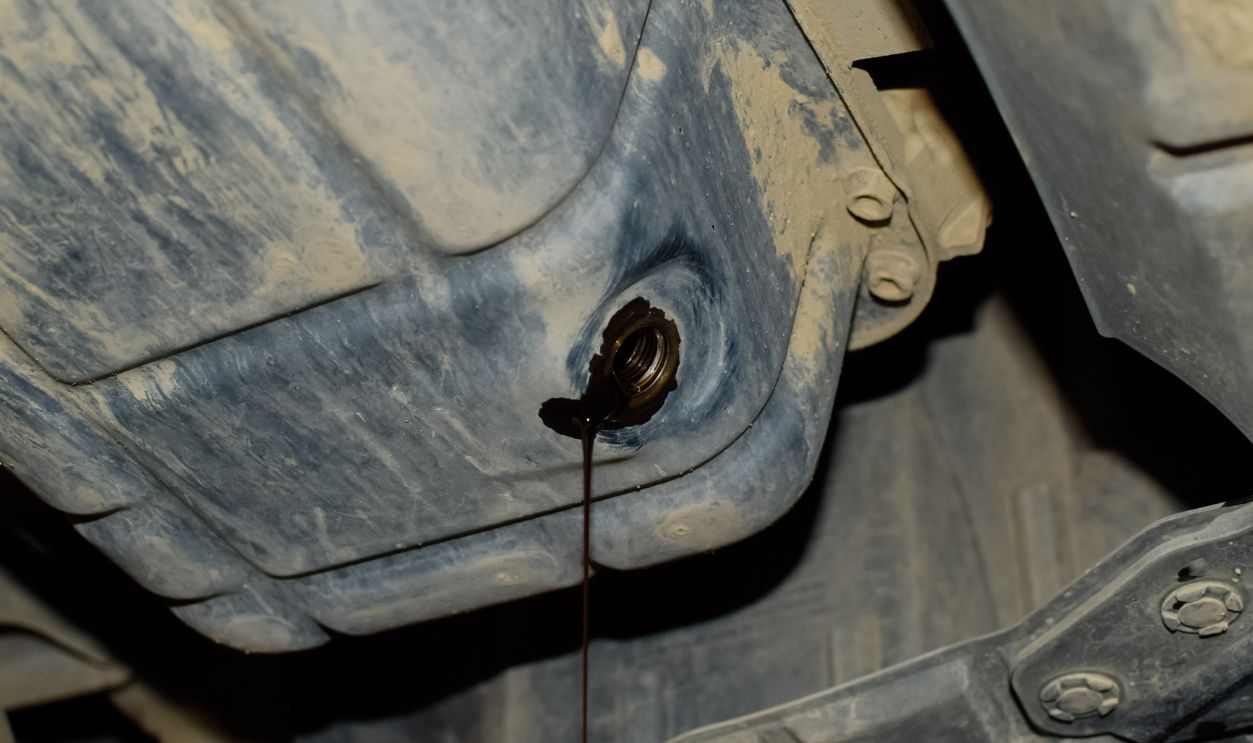
The oil pan lives underneath the engine, where potholes, road debris, curbs, and impacts can damage it. A cracked pan or damaged drain plug can create much faster oil loss than an aging gasket seep. If the leak appeared immediately after striking something underneath the car, don’t simply keep topping up the engine and driving. Have the underside checked before a small crack becomes a large one.
Turbocharged Engines Raise Another Concern
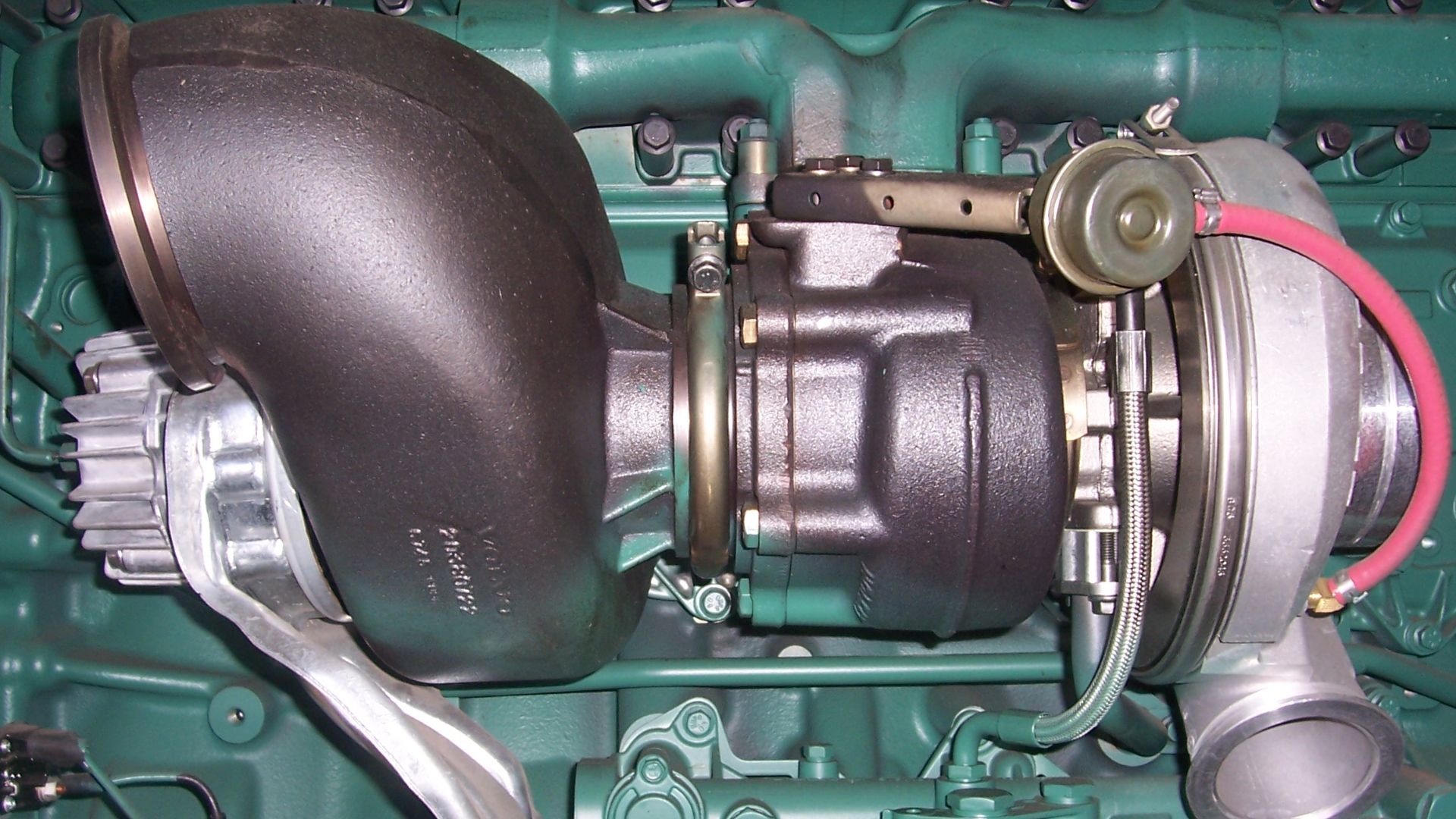
Turbochargers operate at extremely high temperatures and depend heavily on proper oil supply. An oil leak around turbocharger feed or return lines can therefore deserve quicker attention than a harmless-looking seep elsewhere. Oil contacting a hot turbo or nearby exhaust components can smoke, while inadequate lubrication can damage the turbo itself. If the mechanic identifies the turbo area as the source, ask specifically whether continued driving is advisable.
Oil Can Damage Other Components Too
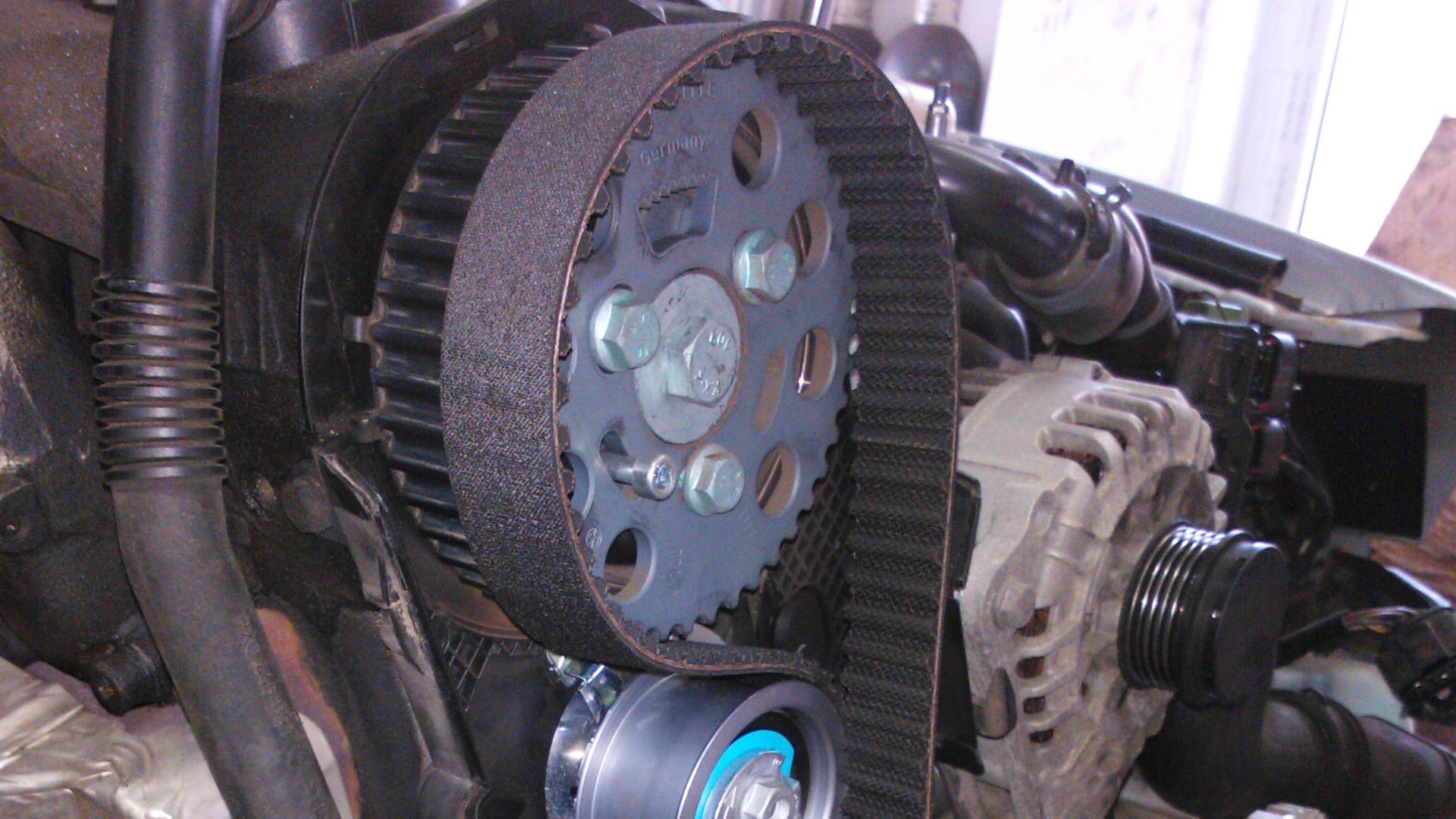
The engine running low isn’t the only possible consequence. Leaking oil can soften rubber components, contaminate belts, deteriorate engine mounts, coat electrical connectors, or damage other nearby parts depending on where it travels. A leak onto a serpentine or timing belt area can be especially concerning. Ask whether the oil is merely making a mess or actually contaminating something that could fail.

A Timing Belt Area Leak Deserves Faster Action
On engines that use a rubber timing belt, oil contamination can shorten the belt’s life. Because a failed timing belt can cause catastrophic internal engine damage on many interference engines, a leak from a camshaft seal, crankshaft seal, or nearby area shouldn’t automatically be postponed just because the oil loss itself is minor. Ask whether the timing components are dry and whether any belt replacement is recommended along with the seal repair.
 Petar Milošević, Wikimedia Commons
Check For Recalls Before Paying
Occasionally, an oil leak isn’t simply normal aging. Automakers have issued safety recalls involving leaking oil-filter housings, separator assemblies, engine failures, and other defects that can release oil and potentially create fire hazards. Search your VIN through NHTSA’s recall database before approving an expensive repair, especially if the vehicle is relatively new or the leak involves an unusual component. Open safety recall repairs are performed at no charge.

Get The Repair Classified By Urgency
Ask the mechanic one direct question: “If I don’t repair this today, what specifically could happen?” A useful answer might be that the level could fall quickly, oil could reach the exhaust, a belt is being contaminated, or the leak simply needs monitoring until your next service. This forces the recommendation away from vague worst-case warnings and toward the actual risk on your vehicle.

Ask How Fast The Leak Is Progressing
If the mechanic cleaned the engine during a previous visit or has historical service records, ask whether the leak is getting worse. A light seep that has looked unchanged for three years is different from a gasket that was dry six months ago and is now leaving spots every night. Photos can help too. Take a picture of the affected area and the driveway stain so you have something to compare later.

Monitoring Means More Than Ignoring It
If the mechanic says the leak isn’t urgent, create a routine. Check the oil every few hundred miles at first, look under the parking spot, watch for smoke or smells, and keep the correct oil in the trunk. You can gradually extend those checks if the level remains stable. “Monitor it” should mean deliberately verifying that the condition isn’t changing, not forgetting about it until the low-pressure warning suddenly appears.
 Shixart1985, Wikimedia Commons
Think Twice Before Using Stop-Leak Products
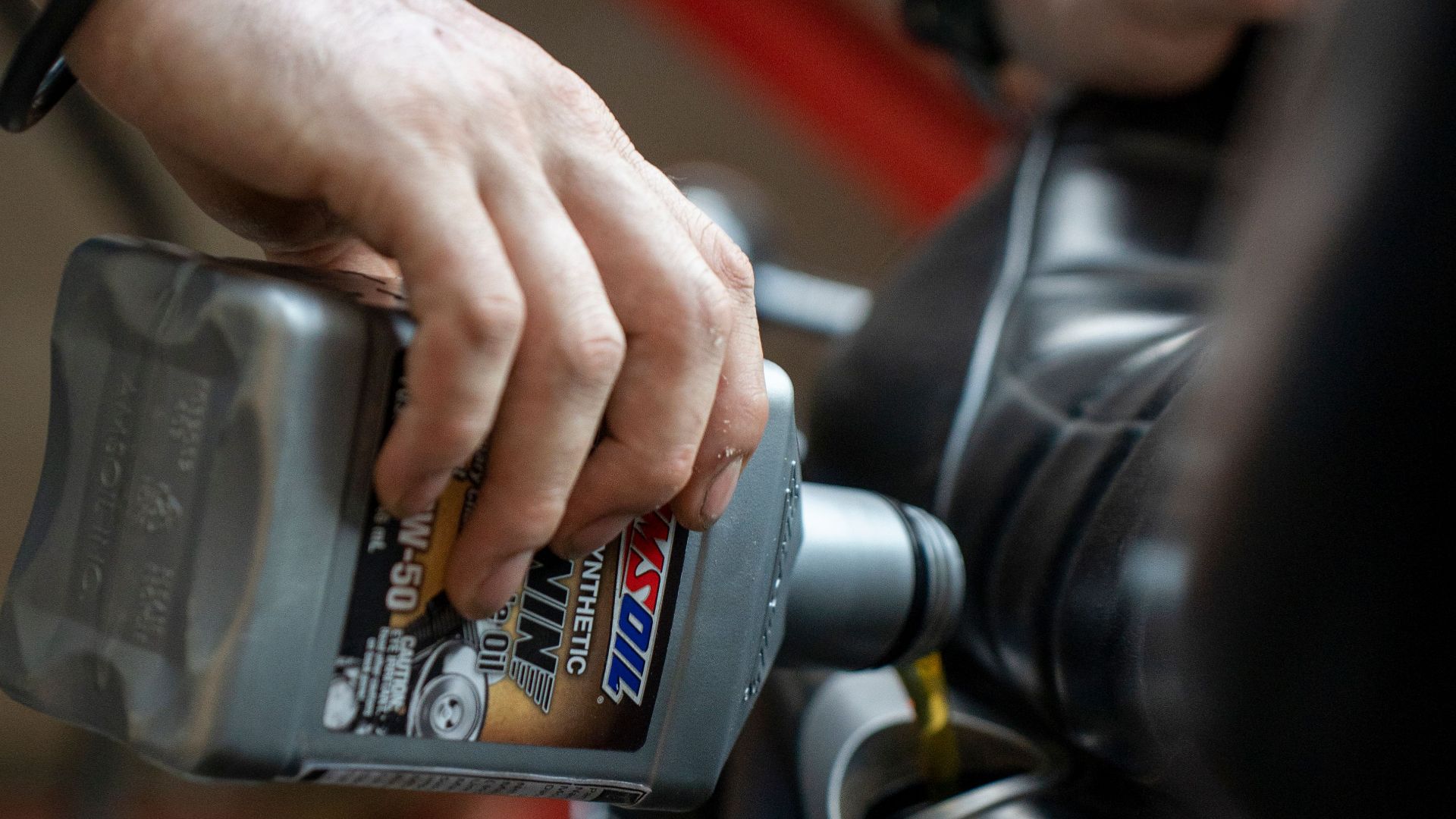
Pour-in additives promising to cure oil leaks can be tempting when the repair estimate is painful. Some products are designed to condition aging seals, but they’re no substitute for diagnosing a damaged gasket, cracked housing, loose filter, or serious mechanical problem. Before adding anything, check whether the vehicle manufacturer approves its use and ask the mechanic what’s actually leaking. A $15 bottle can’t tighten a drain plug or repair a cracked oil pan.
Get Another Opinion On An Expensive Nonurgent Repair
If the engine is full of oil, there’s no pressure warning, no smoke, and the mechanic recommends a $3,000 repair for what they also describe as a small seep, a second opinion is reasonable. Another shop can clean the area, confirm the source, and assess the leak rate. Sometimes both shops will agree that the expensive repair is necessary. Other times you’ll learn it can safely be watched for quite a while.

Small Doesn’t Automatically Mean Safe Or Dangerous
A mechanic isn’t wrong that an oil leak can eventually ruin an engine. Running seriously low on oil can cause severe wear, overheating, seizure, and an enormous repair bill. But the words “small oil leak” cover everything from harmless gasket dampness to the beginning of a rapidly worsening failure. Check the oil level, identify the exact source, look for smoke and warning lights, find out what the oil is dripping onto, and ask how quickly it’s escaping. Those details tell you far more about urgency than the size of the stain alone.

You May Also Like: