
What Does 20% Even Mean?
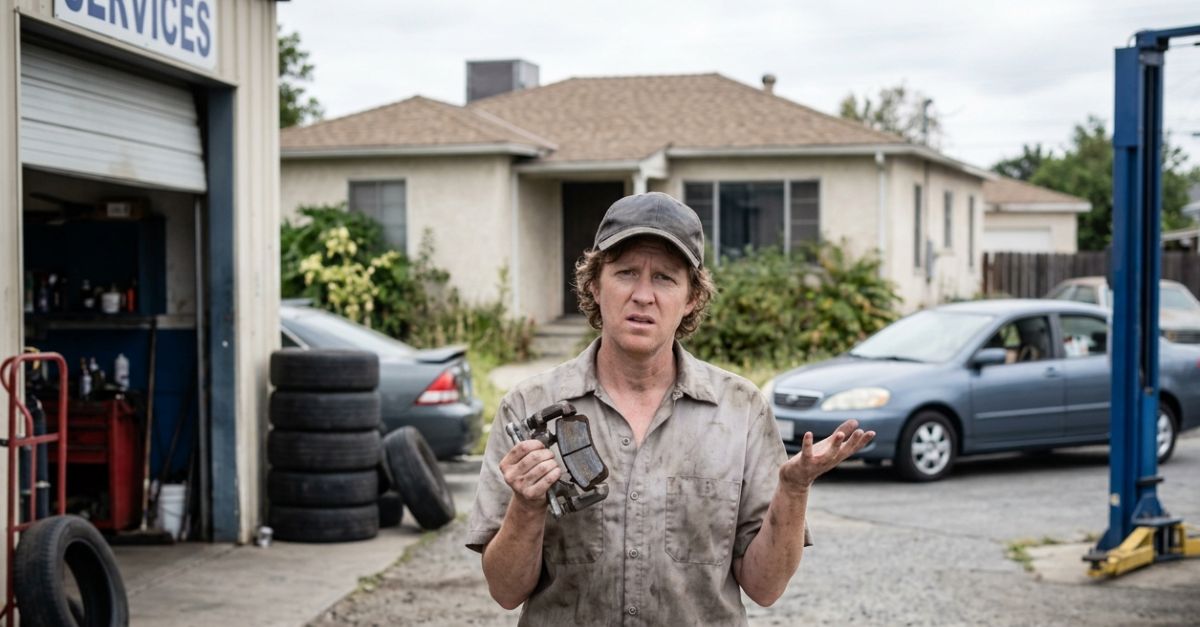
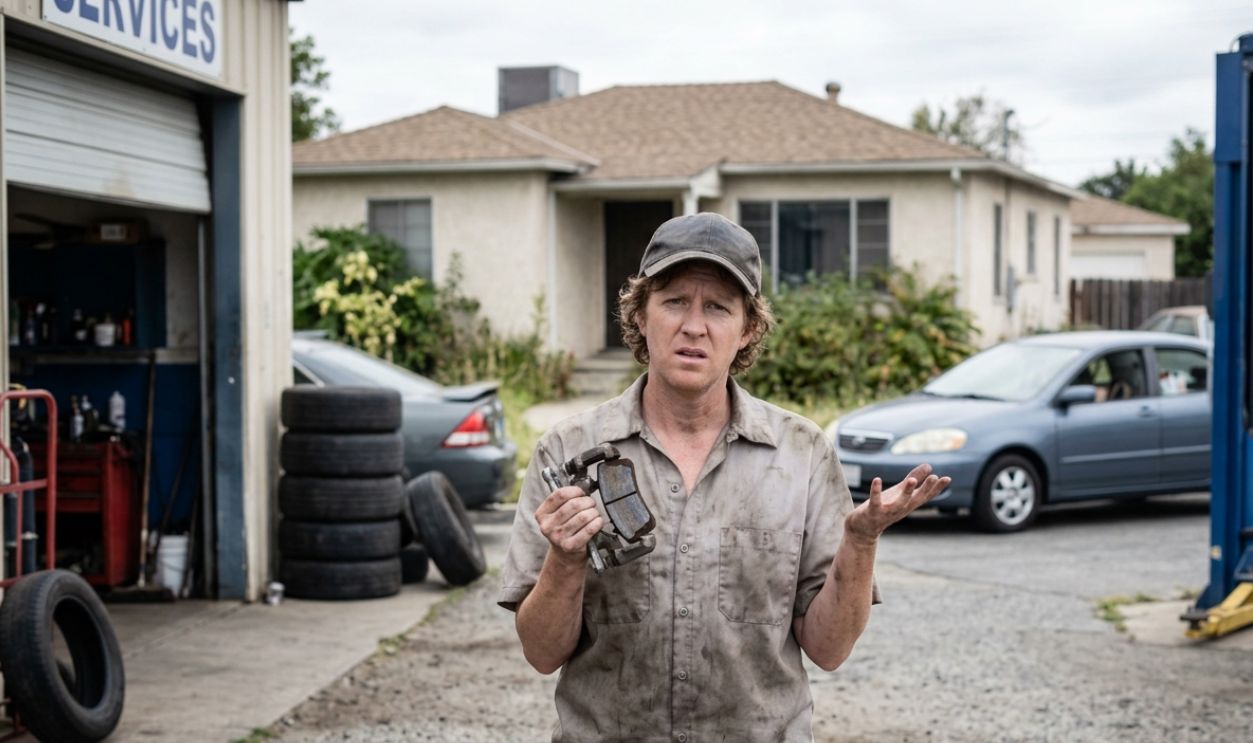
Needing to replace brakes with a fifth of their life left may sound like a contradiction, but it usually it's not. Brake pad life is not tracked like a gas tank, and “20% left” often means you are near the end. What matters is not just the percentage, but whether the pads are close to the minimum safe thickness for your car and the way you drive.
Brake Pad Life Is Usually Measured In Millimeters
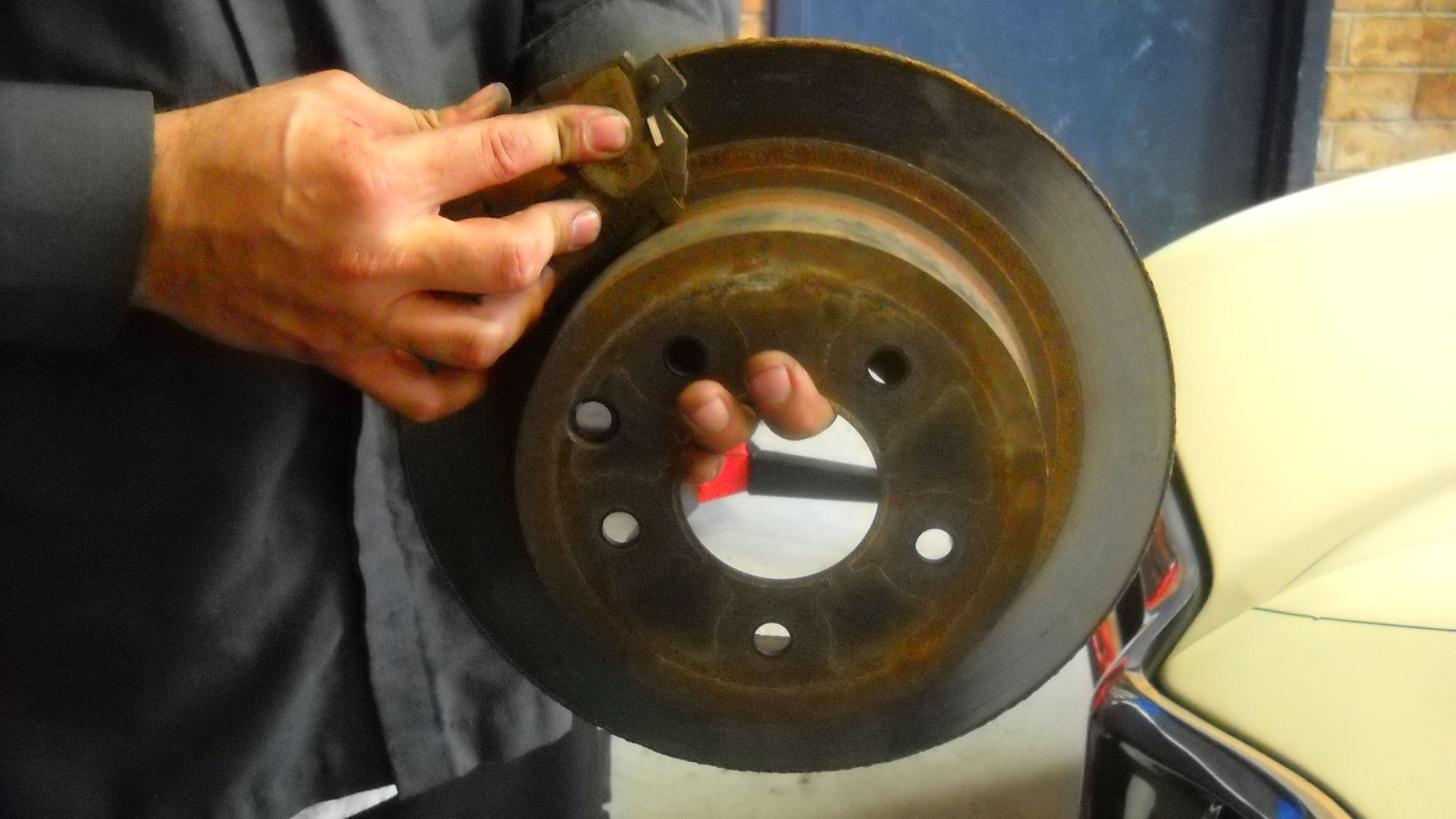
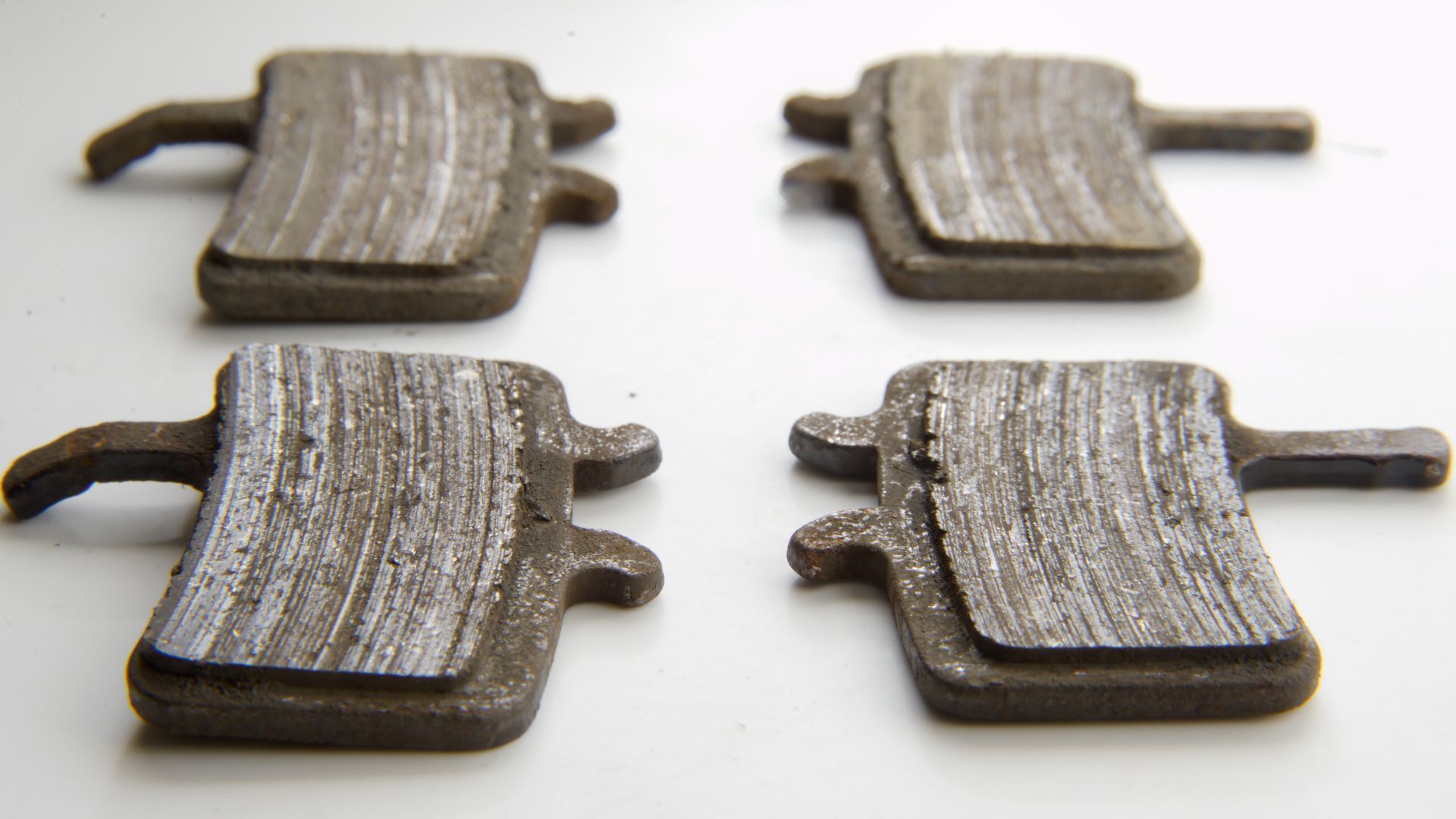
New brake pads often start with about 10 to 12 millimeters of friction material, though the exact number depends on the vehicle and pad design. Many shops suggest replacing them at around 3 to 4 millimeters. Several sources, including Bridgestone and J.D. Power, say 2 millimeters is usually the urgent replacement point.
Why “20% Life” Can Mean Replace Them Now
If a pad started at 10 millimeters, 20% left means about 2 millimeters remaining. That is right where many service guides and brake shops say replacement should happen right away. So your mechanic may be turning pad thickness into a percentage that sounds mild, even though the real measurement says the pads are at the end.
The Number That Really Matters Is Pad Thickness
Ask your mechanic for the exact thickness in millimeters, not just a percentage. That number gives you a much clearer picture of how urgent the job is. If the answer is 3 millimeters or less, it is usually time to replace them now or very soon, not months from now.
 Troy Sankey, Wikimedia Commons
What Experts Say About Minimum Brake Pad Thickness
Consumer Reports says some manufacturers call for replacement at 3 millimeters, while others use different limits, which is why your owner’s manual matters. Firestone Complete Auto Care says 3 millimeters or less means it is time for service. Bridgestone says 2 millimeters or less means you should replace the pads immediately.
 Social Woodlands from USA, Wikimedia Commons
There Is No Universal Rule
Brake pad replacement depends on the vehicle, the pad material, and how the car is driven. A light commuter car used mostly on highways may wear pads slowly. A heavy SUV in stop-and-go traffic may burn through them much faster. That is why shops look at measured thickness and condition, not just mileage.
Your Owner’s Manual Still Has The Final Word
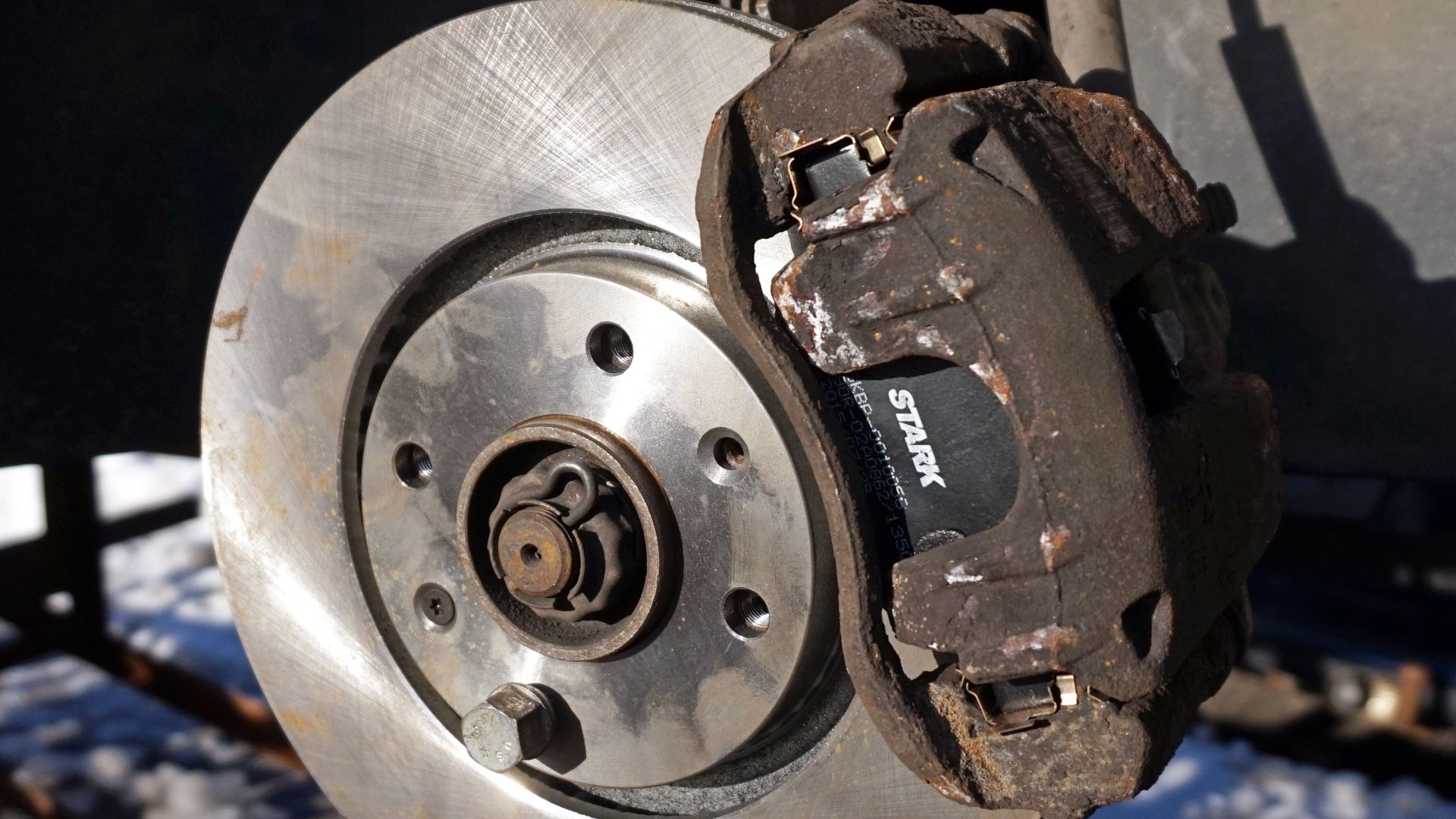
Automakers publish service limits based on the brake system on each vehicle. Consumer Reports notes that manufacturers may use slightly different replacement points. If your manual gives a certain thickness for replacement, that should matter more than a general rule of thumb.
 Mrbeastmodeallday, Wikimedia Commons
The Risk Starts Before The Pads Are Completely Gone
A lot of drivers think the brakes are fine until they start grinding, but that is too late. As pads get thin, they handle heat less well and may lose some braking performance in hard stops. Worn pads can also damage the rotors, turning a simple pad replacement into a more expensive repair.
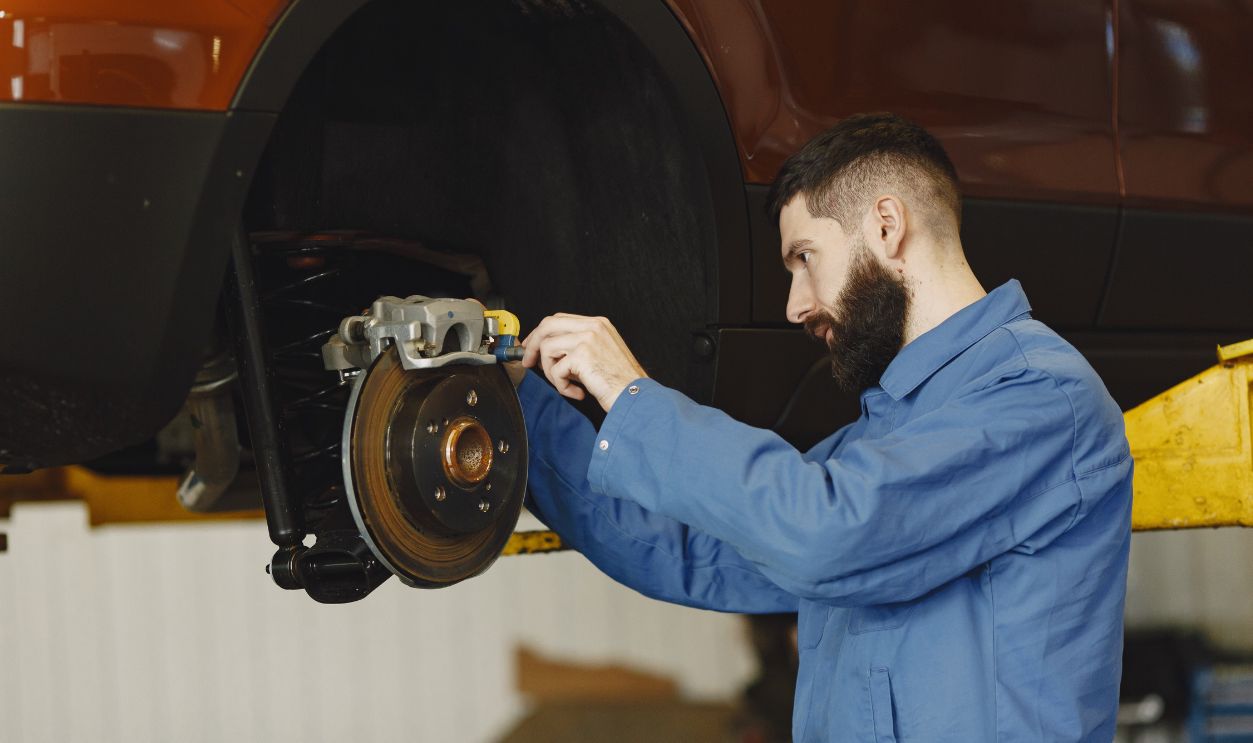
The Squealer Tab Is A Built-In Warning
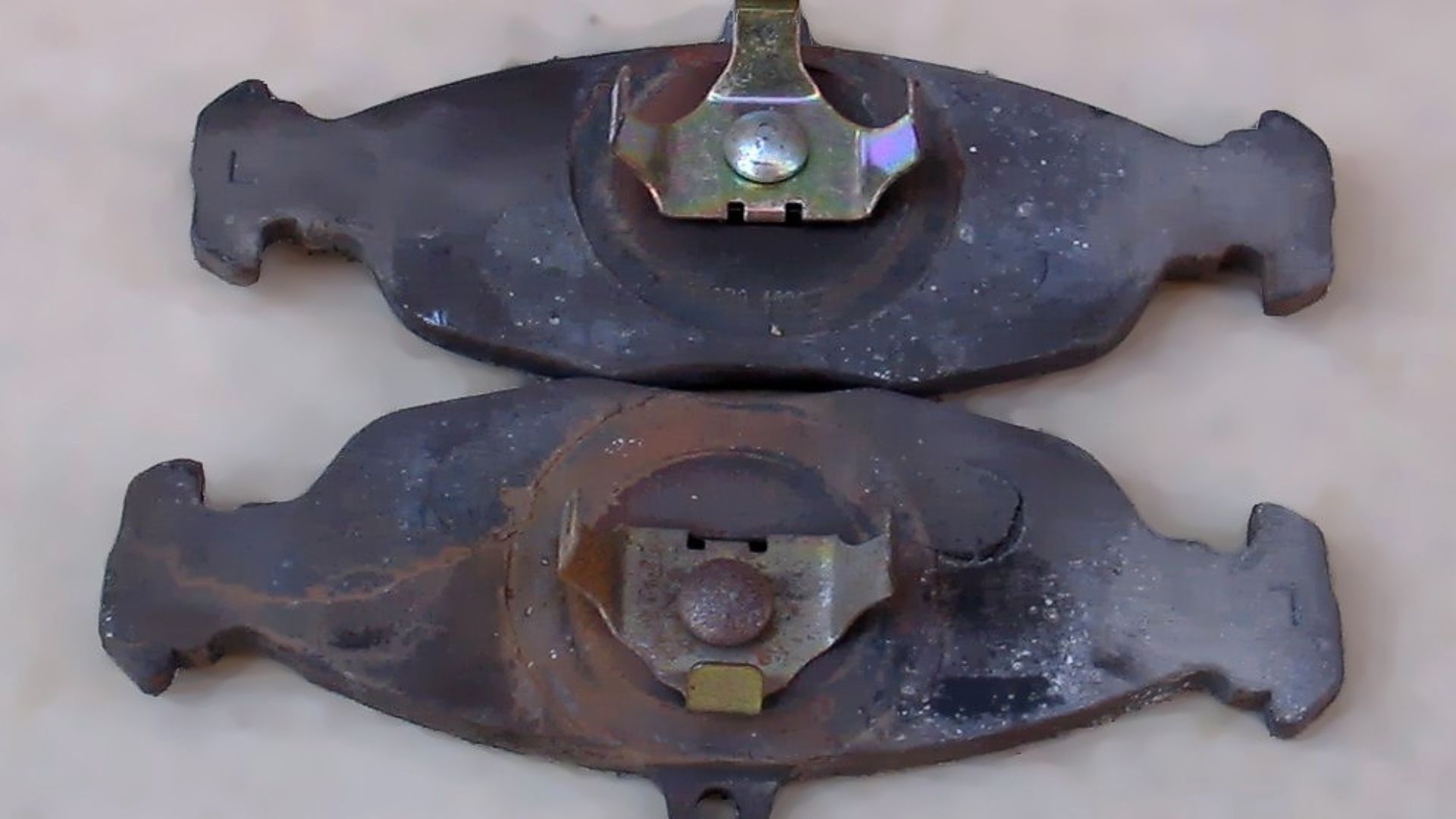
Many brake pads have a small metal wear indicator that makes a sharp squeal when the friction material gets low. That sound is meant to warn you before the brakes go metal-on-metal. If you hear it regularly, the pads are already close to replacement time.
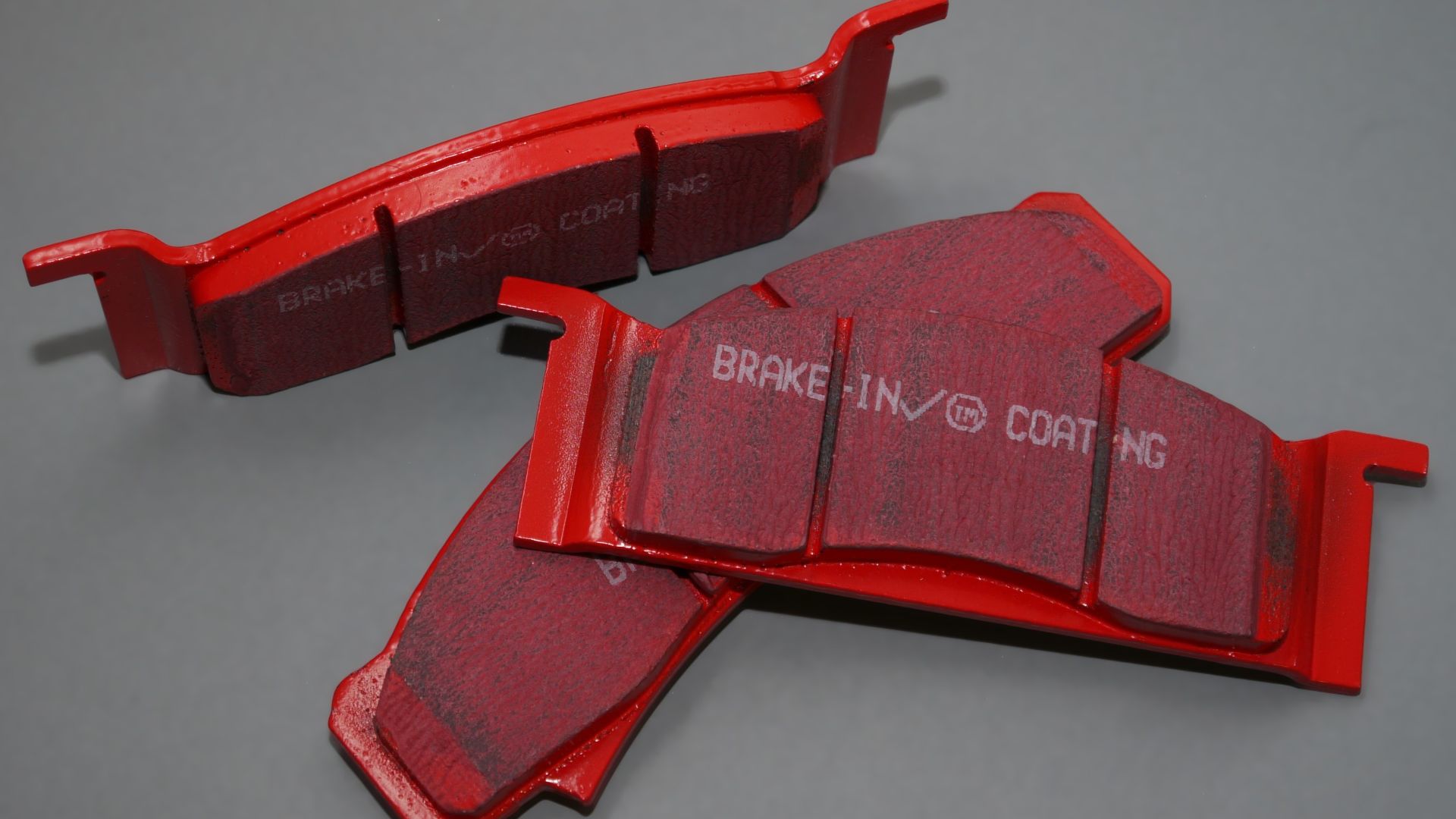 Treemonster86, Wikimedia Commons
Grinding Means You Are Past The Safe Window
Grinding is the sound you do not want to hear. It often means the friction material is gone or almost gone, and metal parts are scraping the rotor. Once that happens, the bill usually goes up because the rotors may need to be resurfaced or replaced along with the pads.
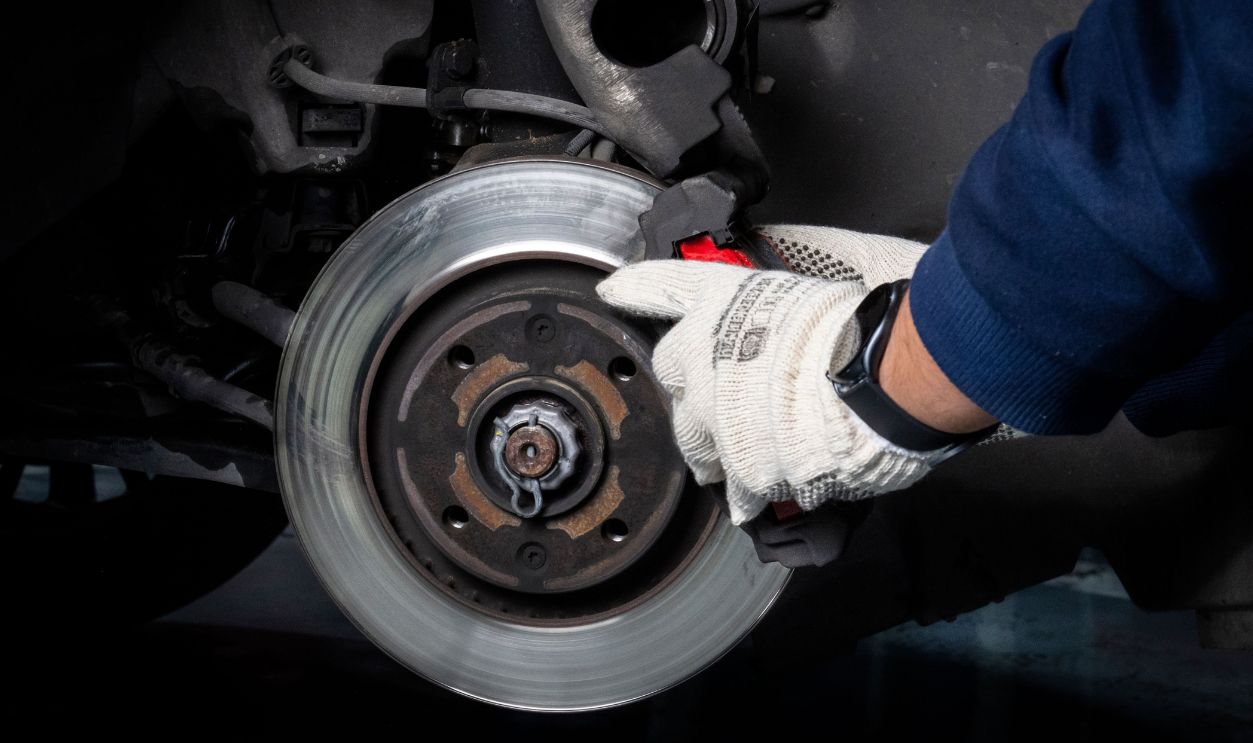
Why Shops Recommend Service At 3 To 4 Millimeters
Some shops recommend replacement before the absolute last moment because pad wear is not always even. The last bit of material can disappear faster than you expect, especially with traffic, hills, towing, or bad weather. Replacing pads at 3 or 4 millimeters gives you some breathing room.
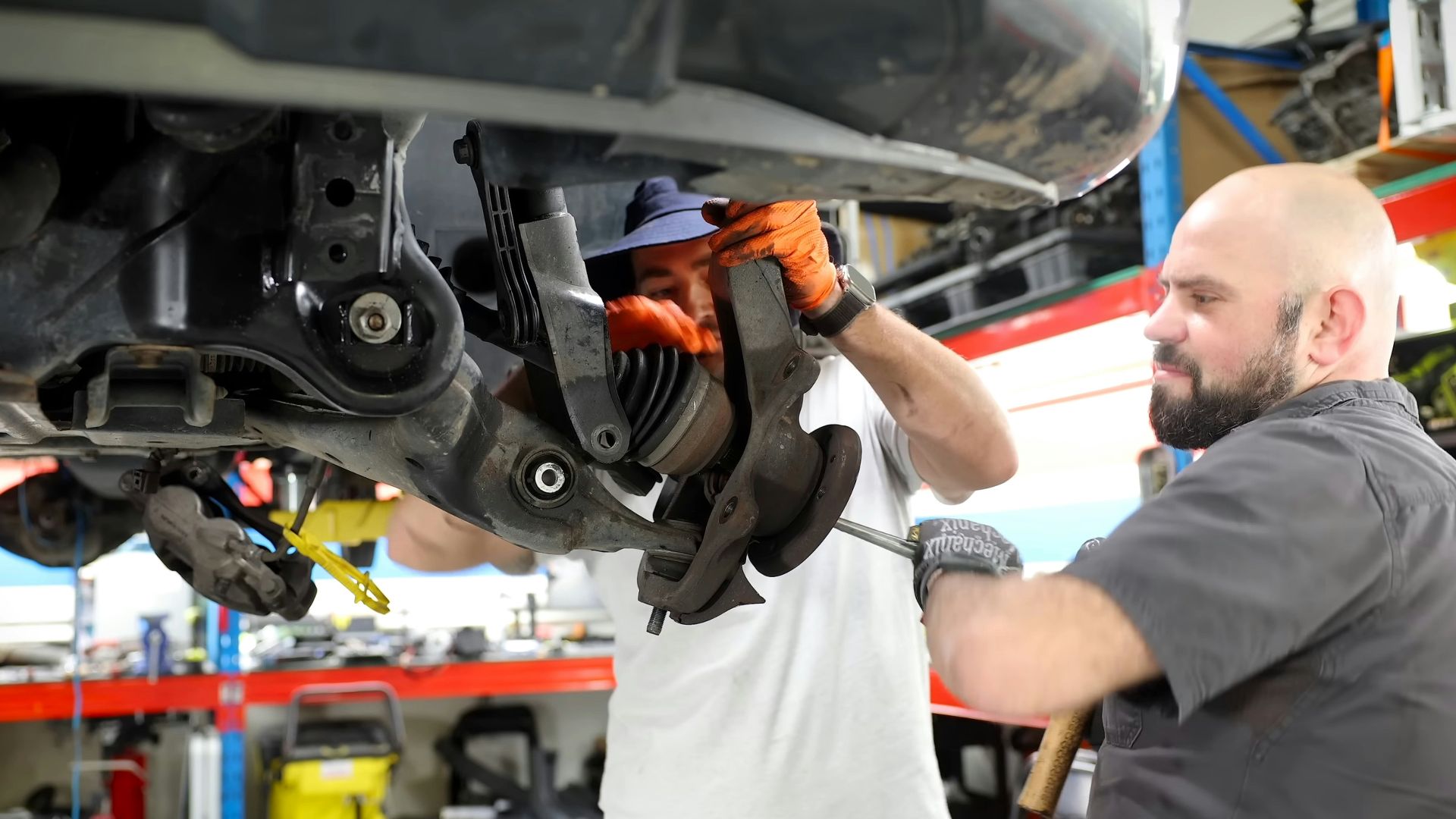 Bengkel Mobil Matic Bandung, Unsplash
Front Brakes Usually Wear Faster
On most vehicles, the front brakes do more of the stopping work than the rear brakes. That means the front pads usually wear out first and need replacement more often. If a mechanic says the fronts are at 20% but the rears are still in good shape, that is normal.
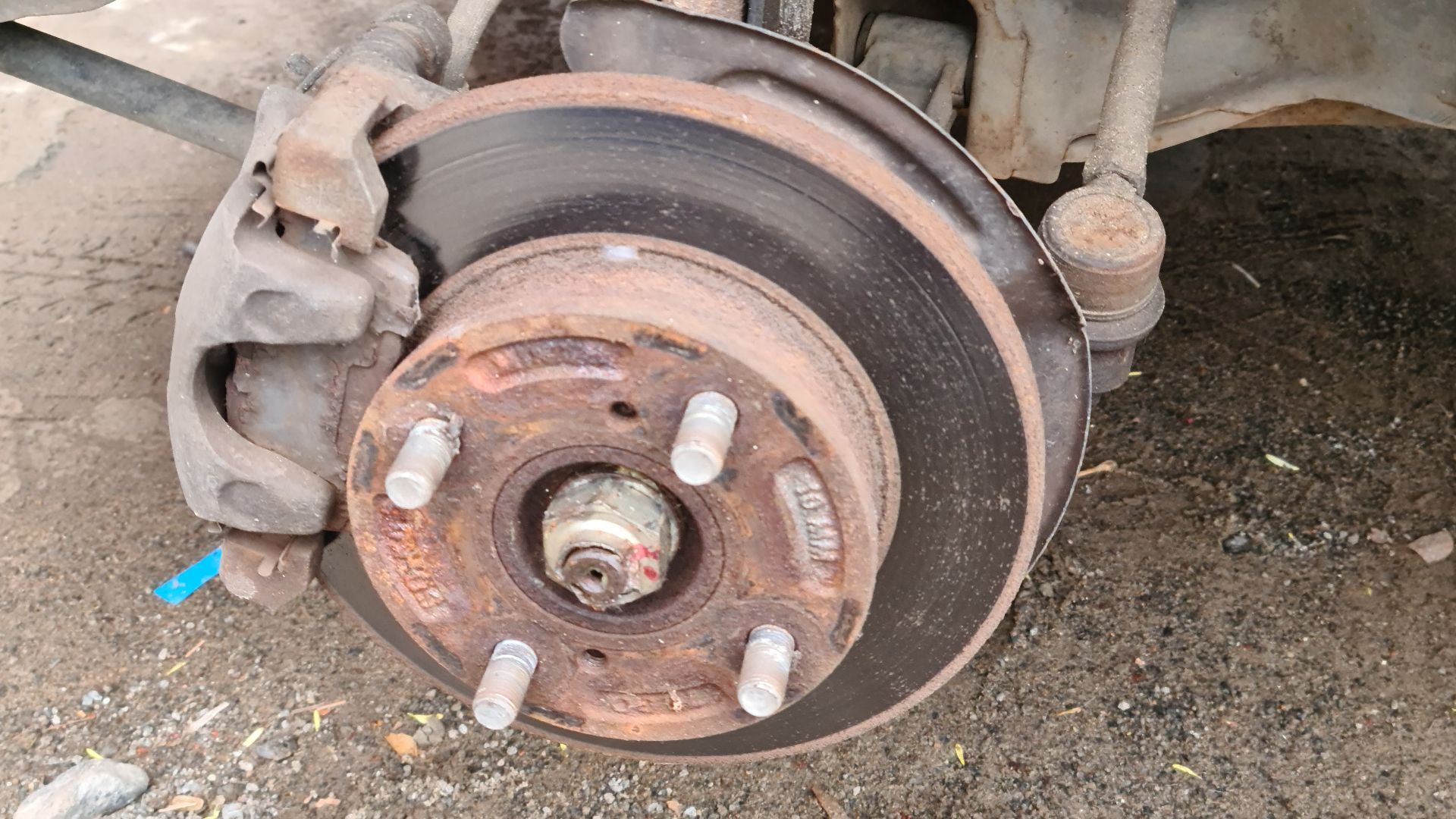
Inner And Outer Pads Can Wear Unevenly
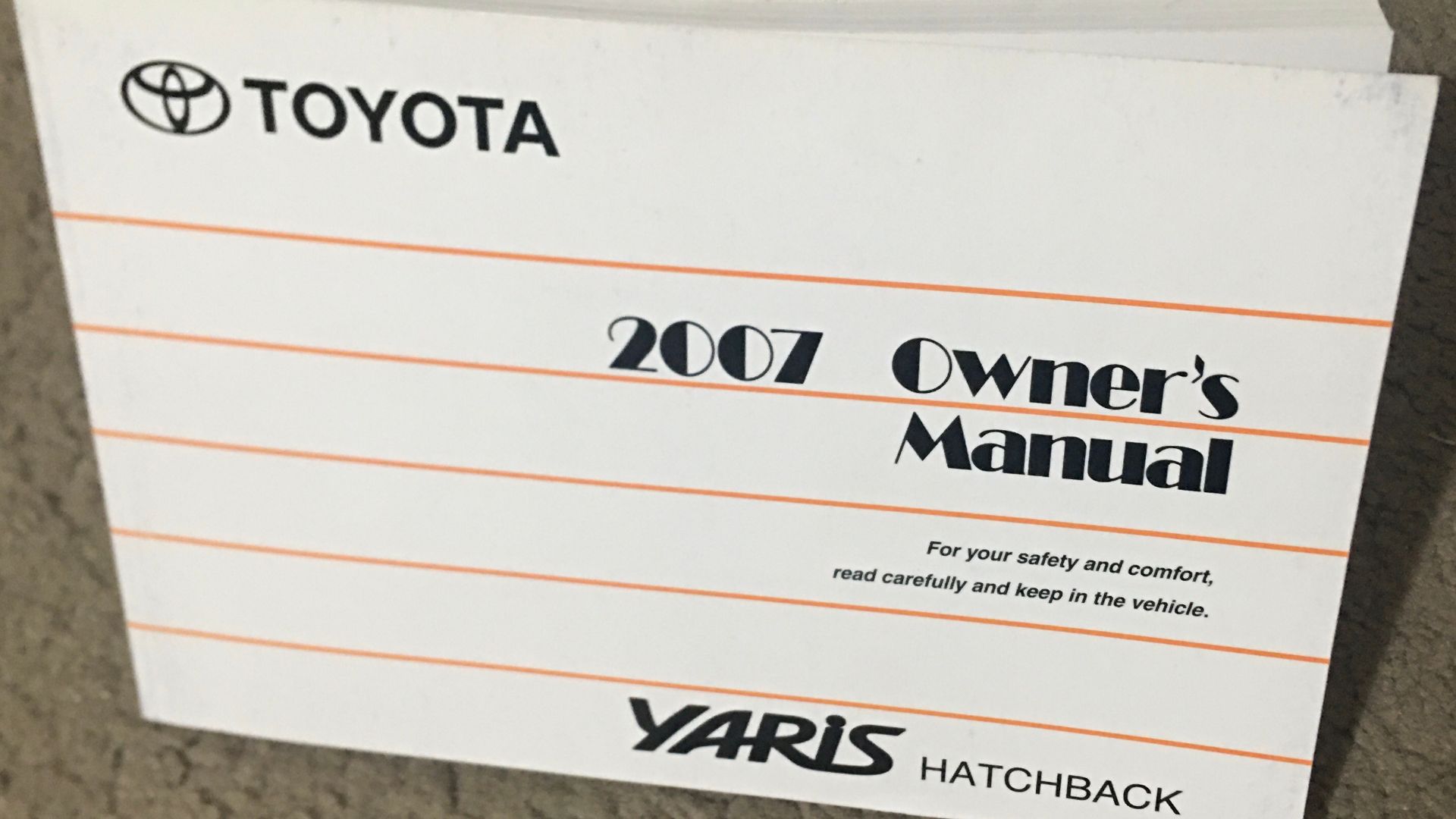
You cannot judge brake life by glancing through one wheel and spotting one outer pad. Inner pads can wear faster because of caliper design, slider problems, or uneven braking force. A proper inspection means checking pad thickness on both sides of the rotor.
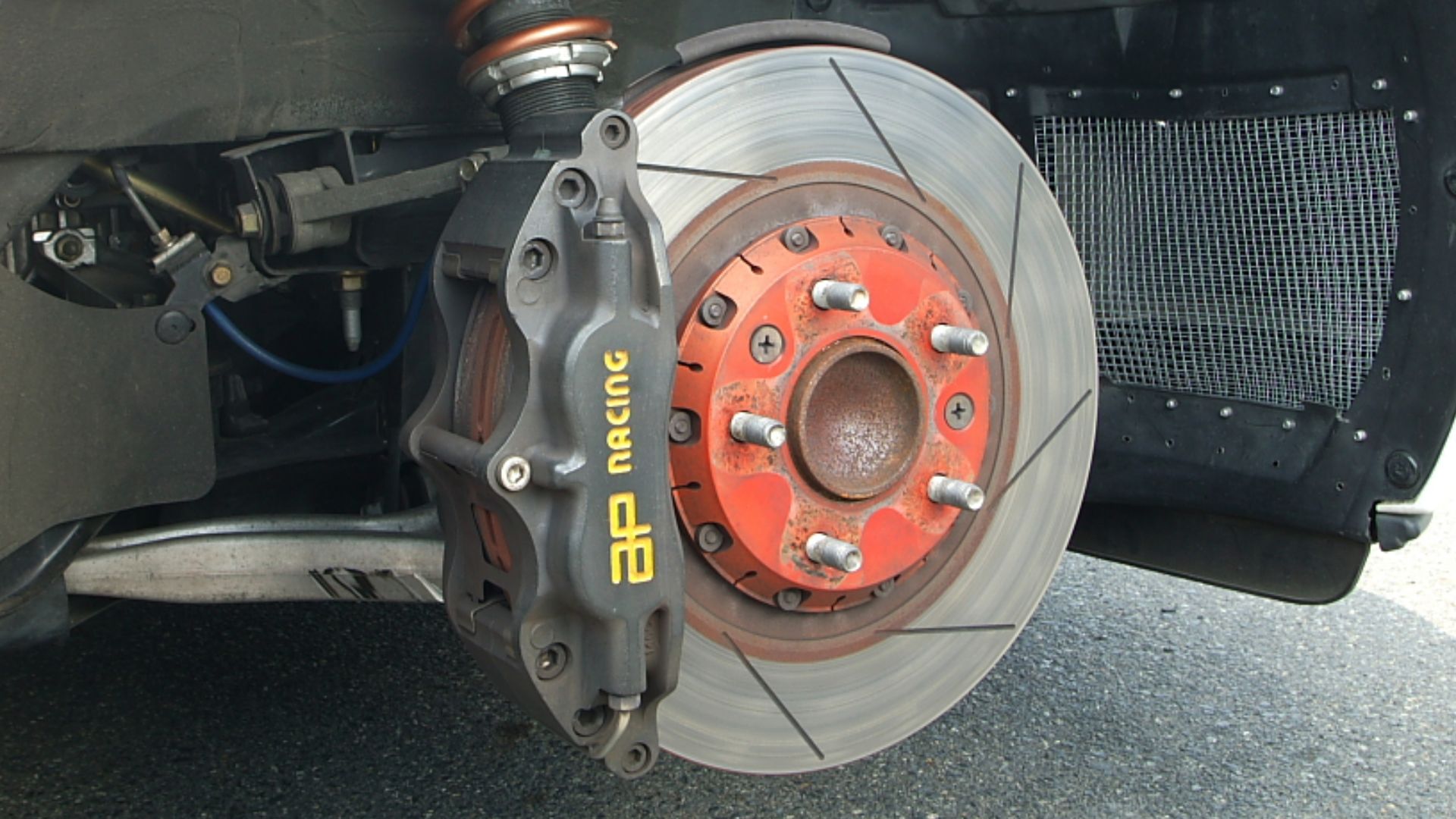
Rotor Condition Matters Too
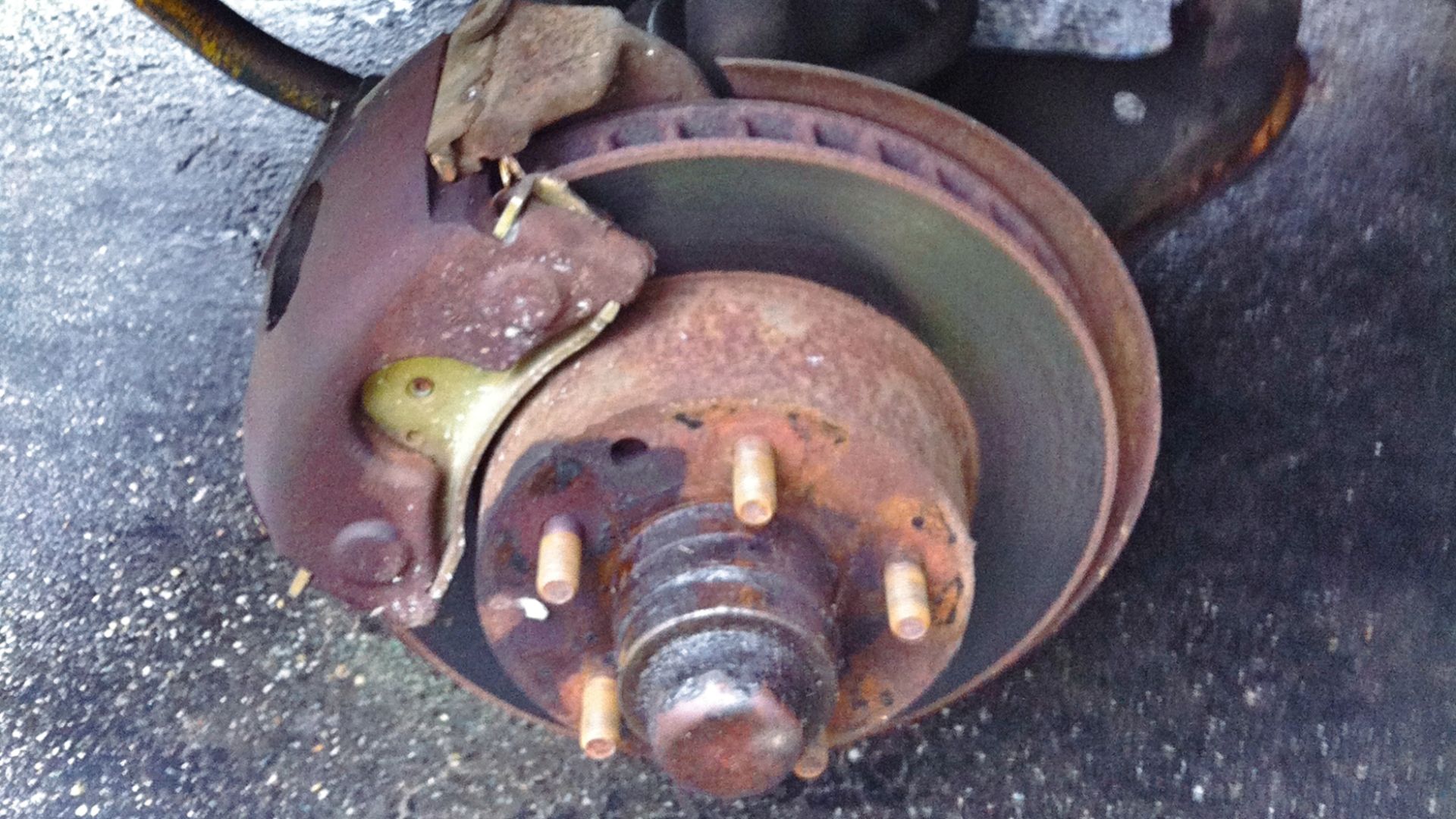
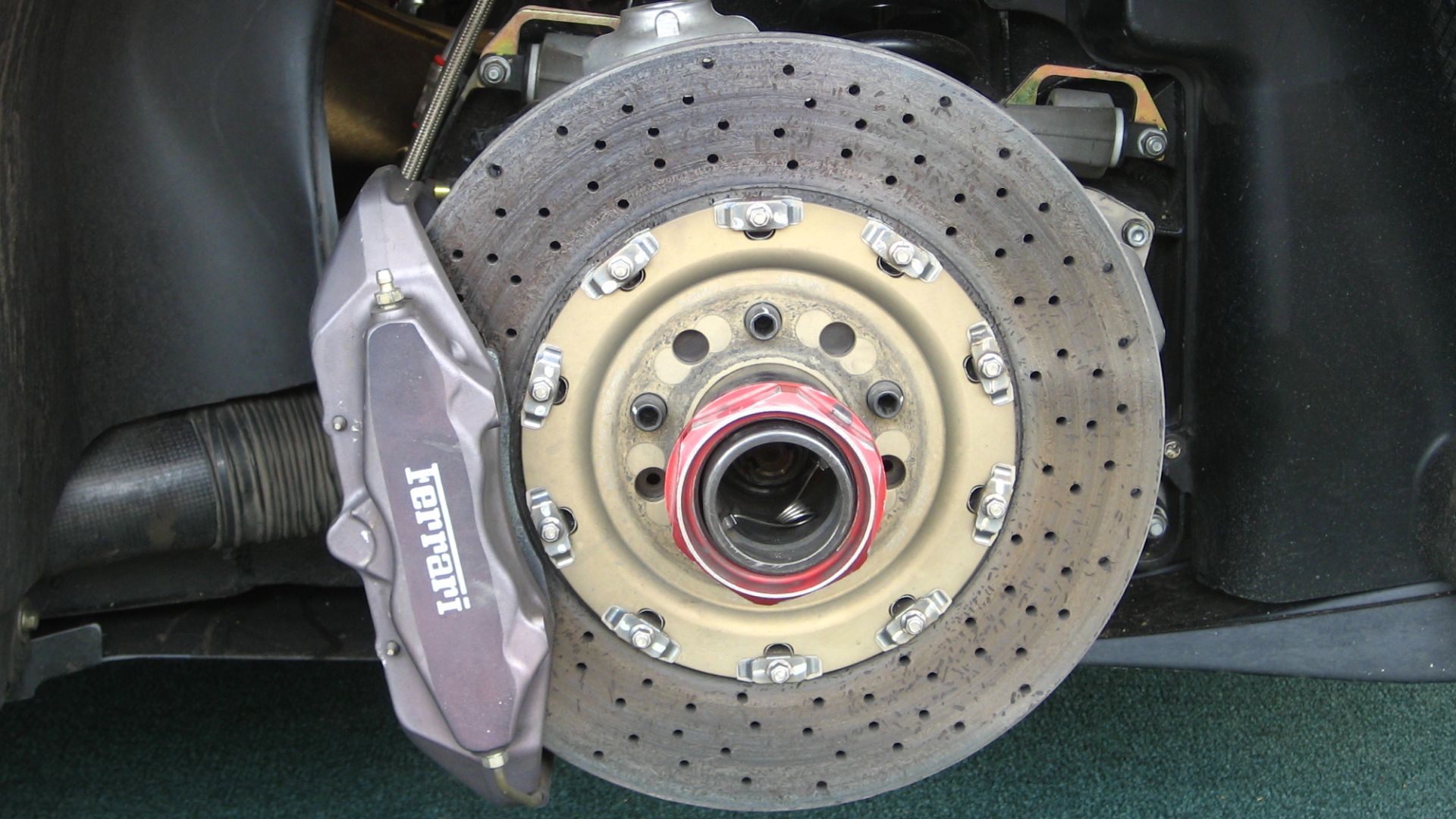
Pad life is only part of the story. If the rotors are deeply grooved, heat-checked, rust-damaged, or below minimum thickness, changing the pads alone may not be enough. A good mechanic checks the pads and rotors together because they work as a pair.
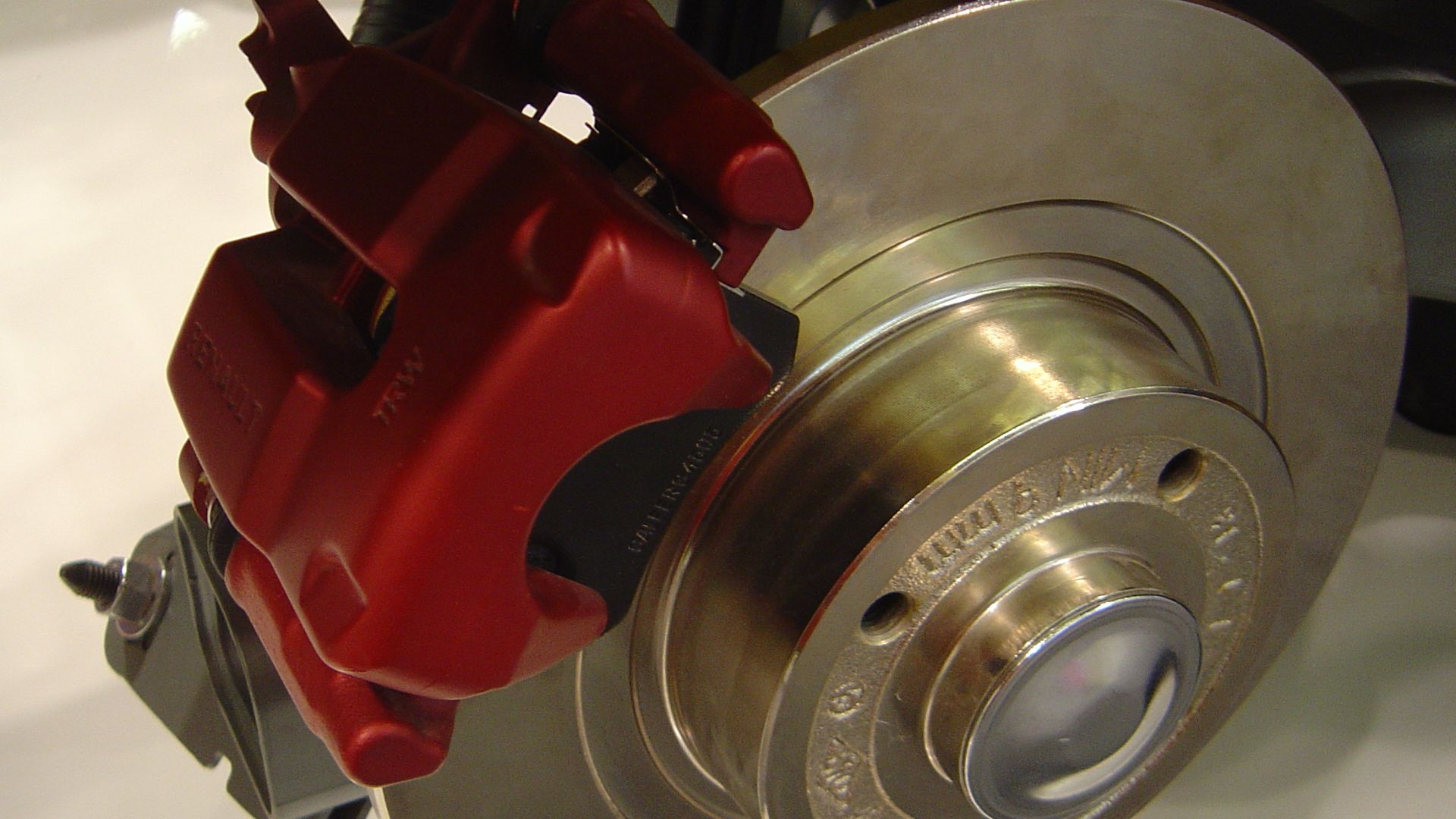 David.Monniaux, Wikimedia Commons
Driving Style Can Burn Through The Last 20% Quickly
The last part of a brake pad’s life can go fast, especially in city driving. Frequent stops, steep hills, towing, and hard braking all speed up wear. So yes, 20% left can still mean it is time to replace them now if you do not want to push your luck.

Electric Cars And Hybrids Change The Pattern
Cars with regenerative braking often use their friction brakes less, which can make pads last a lot longer. But they do not last forever. Age, rust, and uneven use can still lead to brake service even when the pads seem thick for the mileage.
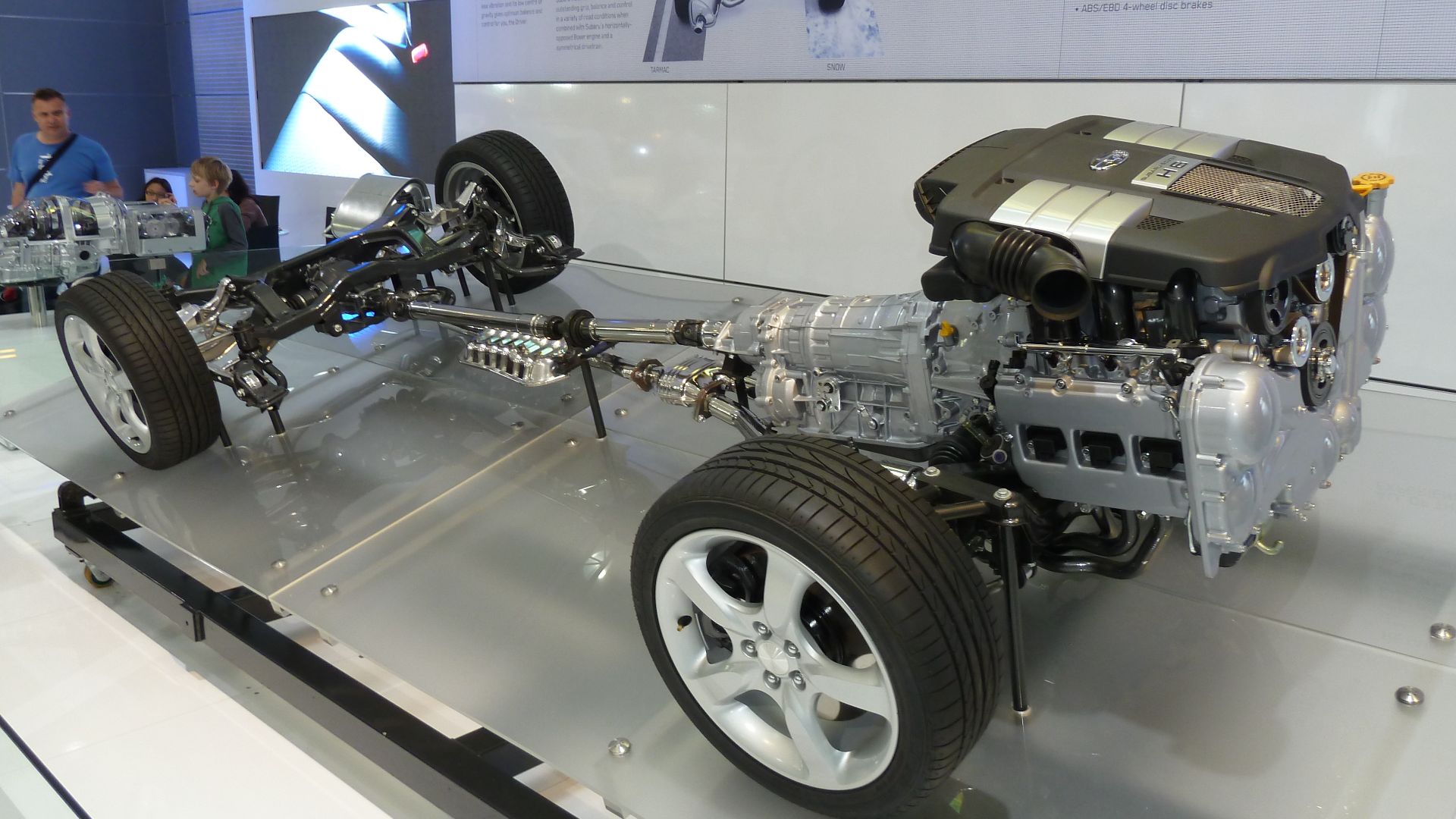
Time Matters, Not Just Miles
A low-mileage car can still need brake work if the pads have aged, the hardware has seized, or the rotors have rusted. Moisture and long periods of sitting can cause problems that have little to do with pad percentage. That is another reason a mechanic may suggest replacing them now instead of later.
How To Tell If The Recommendation Is Reasonable
Ask three simple questions. What is the pad thickness in millimeters, are the pads wearing evenly, and what shape are the rotors in. A solid answer should be specific and should not depend only on vague percentages.
Photos Make Brake Advice Easier To Trust
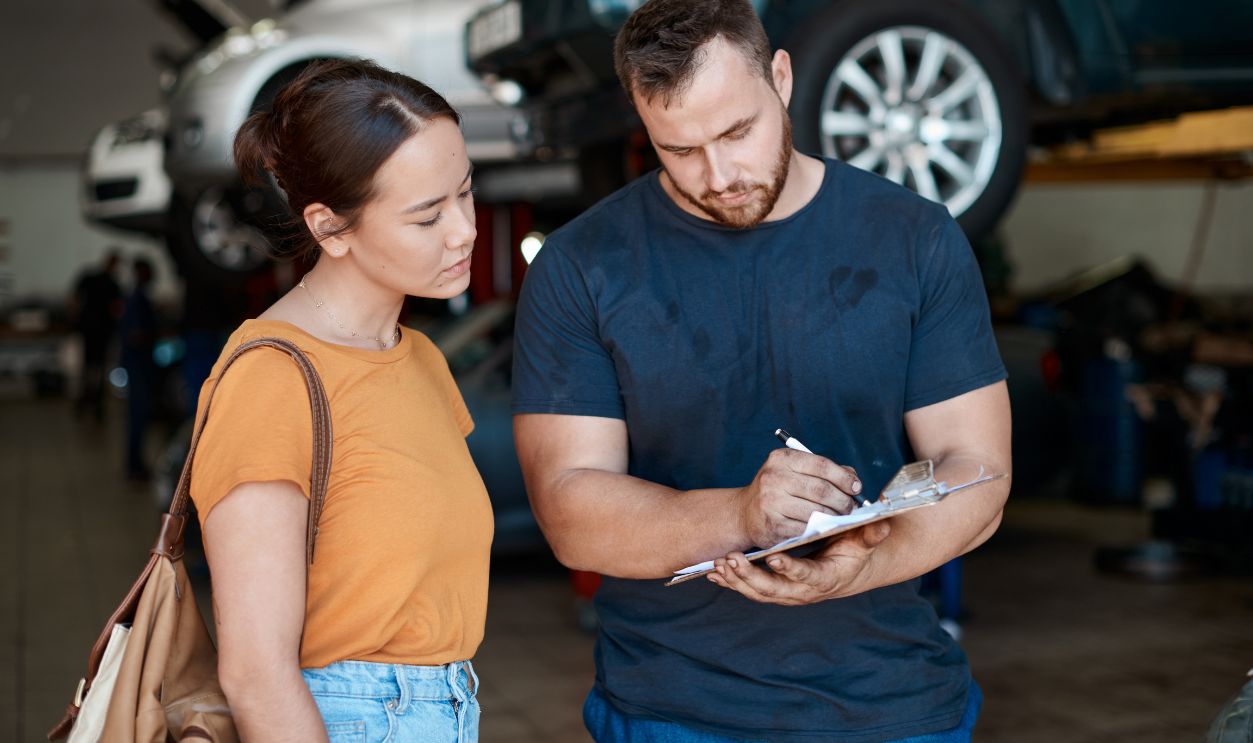
Many shops can show you the pad measurement or send inspection photos by text or email. If they say the pads are low, ask to see the measurement or the wear indicator. Seeing 2 or 3 millimeters for yourself makes the decision a lot easier.
When You Can Wait A Little Bit
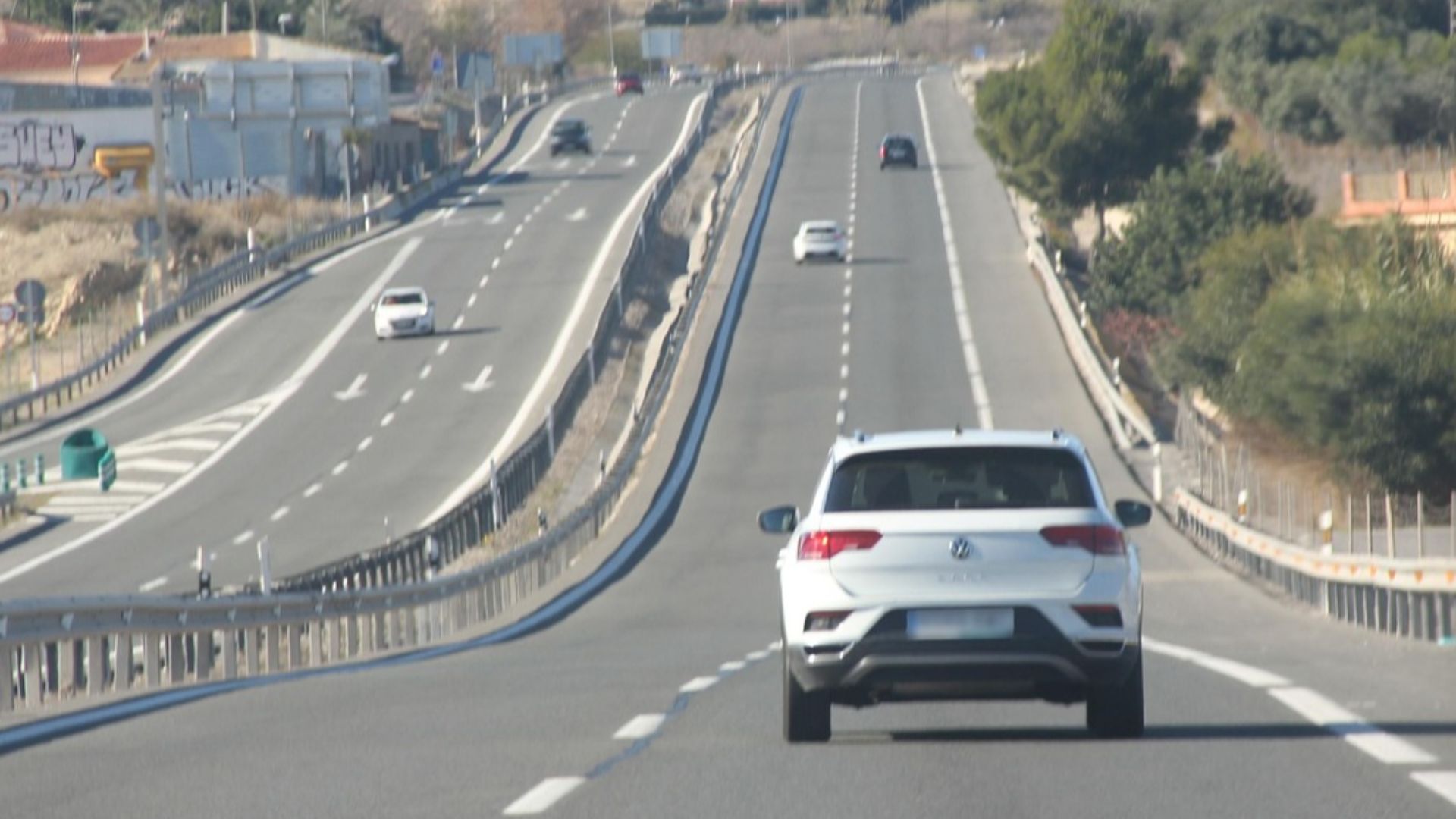
If the pads are closer to 4 millimeters, the rotors are in good shape, and you mostly do easy highway driving, you may have a little time. That does not mean you should forget about it until the next oil change. It means planning the repair soon and checking again before a long trip or a season of heavy driving.
When Waiting Is A Bad Bet
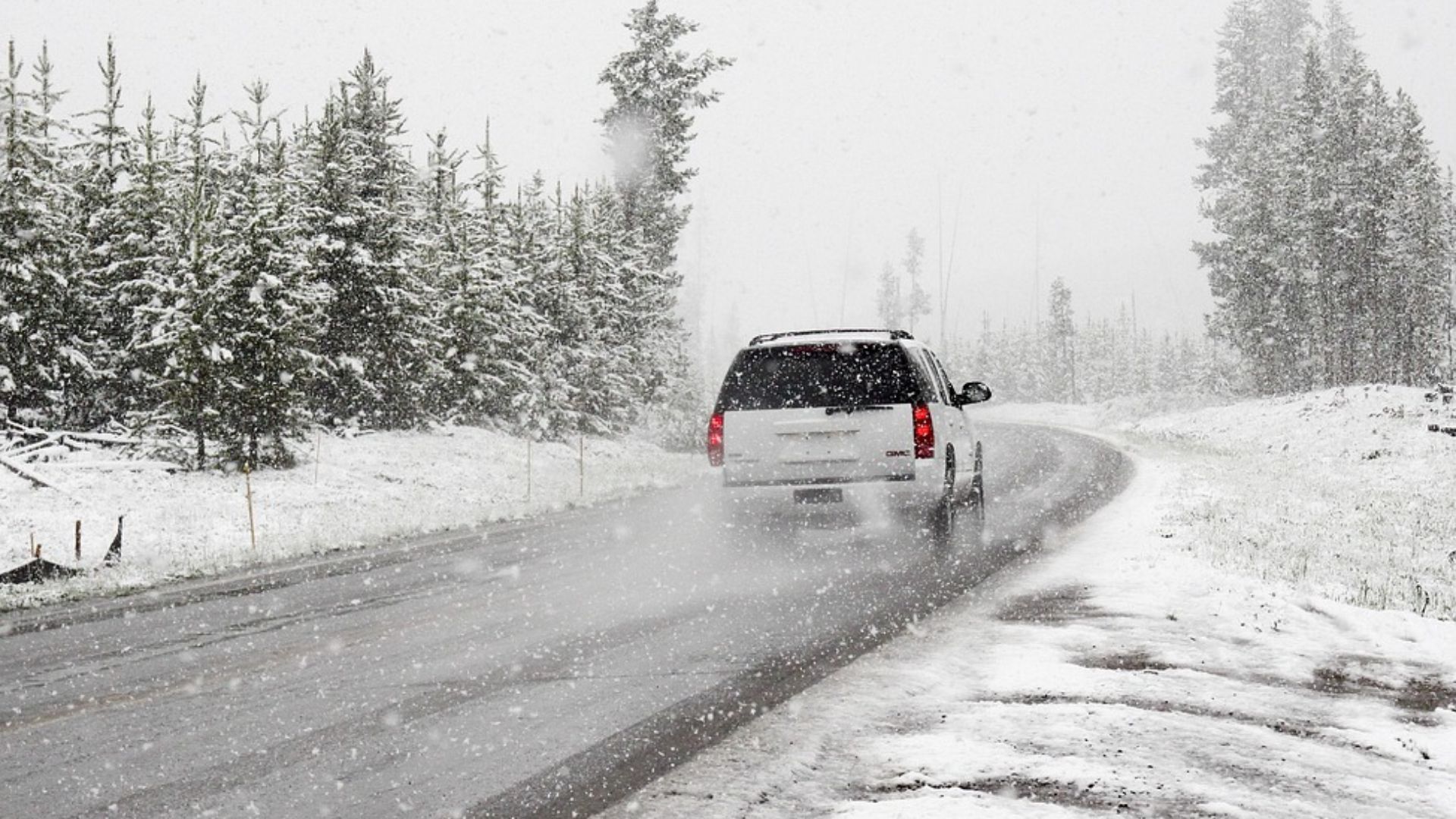
If the pads are at 2 millimeters, if you hear squealing, or if you are heading into mountain driving, towing, or winter weather, waiting is risky. The remaining life can disappear fast under heat and repeated stops. At that point, replacing them now is the practical move, not an upsell.
Cheap Pads Can Change The Equation
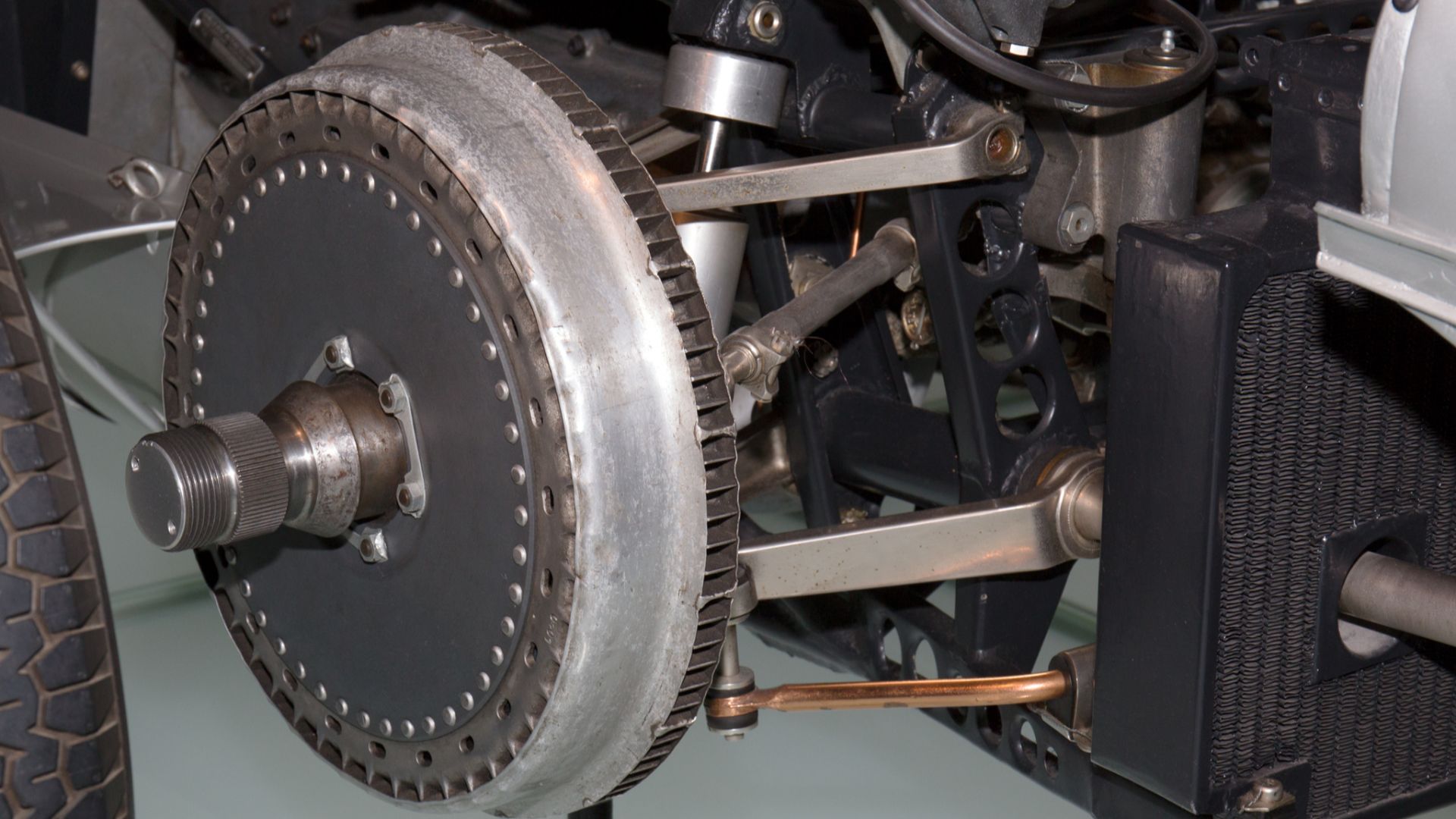
Not all brake pads wear or perform the same way. The friction material, heat tolerance, and noise level can vary between economy pads, original equipment parts, and premium aftermarket options. If you are replacing them, it is worth asking what brand and type the shop plans to use.
Don’t Forget The Rest Of The Brake System
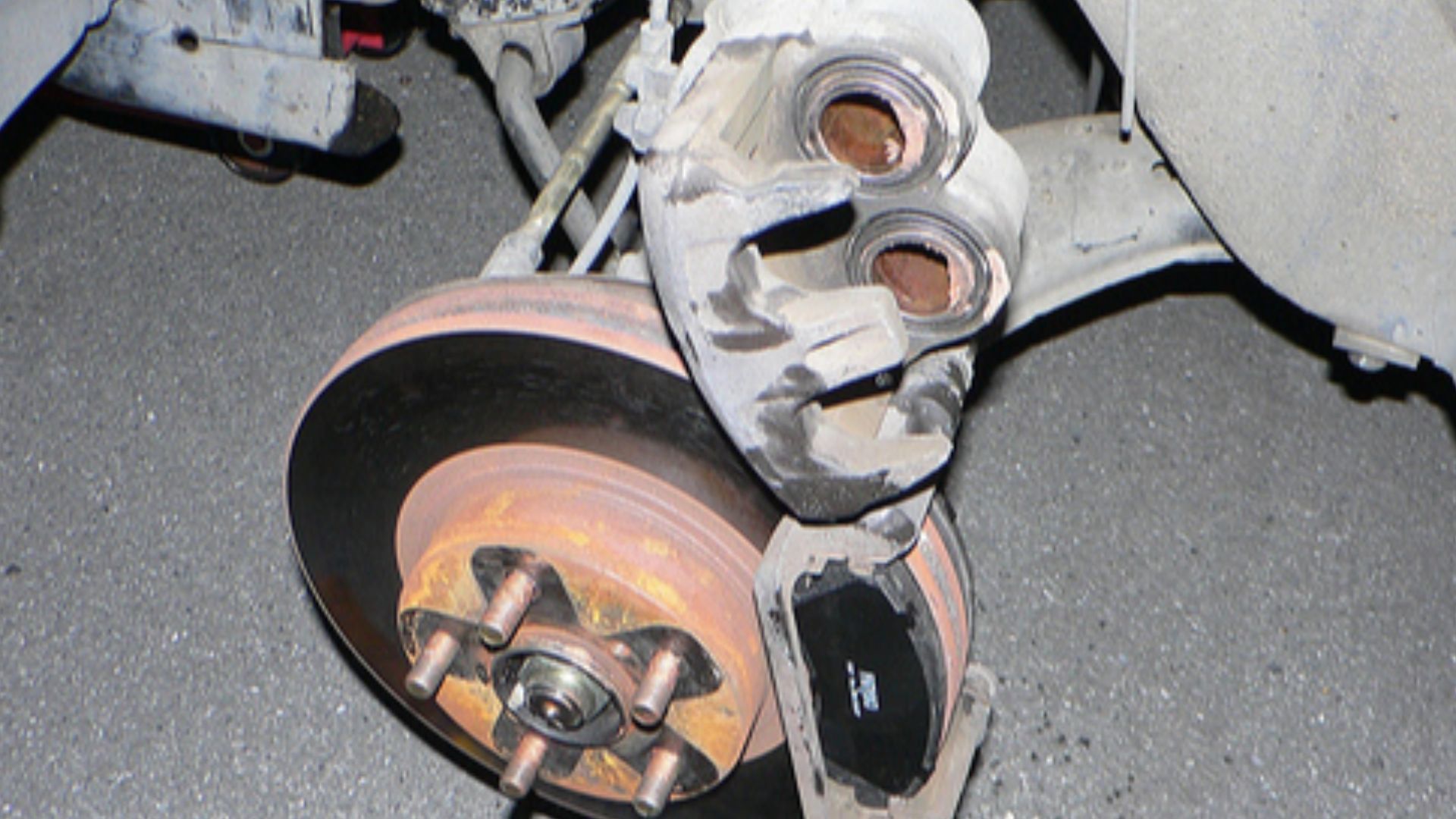
Pad wear can point to other problems, like sticking calipers, worn slide pins, dirty brake fluid, or damaged hoses. If one pad is much thinner than the others, the fix may involve more than just a quick pad swap. Catching that early can help prevent repeat wear and weak braking.
Brake Fluid And Hardware Also Deserve Attention
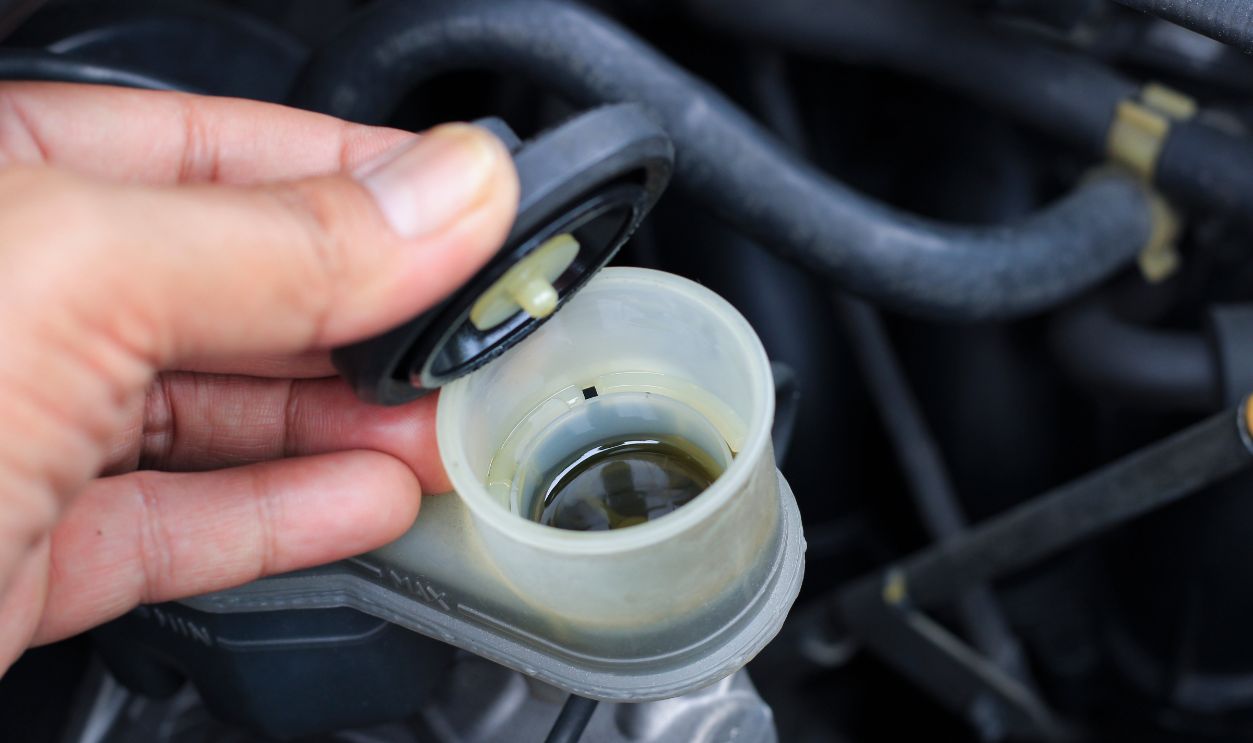
A brake job is a good time to inspect the caliper hardware and see whether the brake fluid is due for service. Fresh hardware helps the pads move the way they should and wear more evenly. Fluid condition matters too, because old fluid can absorb moisture and cut braking performance when things get hot.
 ANECEPTIUS BAMBANG SUTOPO, Shutterstock
The Bottom Line On “How Low Is Too Low”
For most drivers, 3 millimeters is the point where you should plan replacement soon, and 2 millimeters is where “too low” starts to fit. That matches guidance from major service providers and consumer auto sources. So if your mechanic says 20% left and the actual measurement is around 2 millimeters, replacing the pads now makes sense.

What To Say Before You Approve The Repair
Keep it simple. Ask for the pad thickness in millimeters, ask whether the rotors can be reused, and ask whether the wear is even on both sides. If the numbers match the usual 3 millimeters soon and 2 millimeters now guidance, you can approve the job with a lot more confidence.

A Smart Rule For Real-World Drivers
Do not wait for grinding, and do not rely only on percentages. Use the measured thickness, your owner’s manual, and your driving conditions to decide. In plain terms, if your brakes are down around 20% and especially near 2 to 3 millimeters, replacing them now is not being overly cautious. It is just smart maintenance.





.jpg)