
The Balance Shouldn’t Feel Like A Moving Target
Buy here/pay here financing is already expensive enough without mysterious charges appearing every time you check the account. Maybe you expected interest and the occasional late fee, but now there are returned-payment charges, processing fees, or collection costs nobody clearly explained when you signed. Some of those charges may be legitimate. Others may not be. Here's how to tell the difference.
Buy Here/Pay Here Means The Dealer Is Usually The Lender
With a traditional dealership, a bank, credit union, or finance company usually holds the loan. Buy here/pay here dealers typically finance customers themselves, particularly buyers with poor or limited credit histories. That means the same business that sold you the car may also collect your payments, assess late fees, handle servicing, and initiate repossession. Having everything under one roof can make account disputes feel especially uncomfortable.

Start With The Retail Installment Contract
Pull out every document you signed when you bought the car, especially the retail installment sales contract or financing agreement. Look for the payment amount, due dates, grace period, late-fee provision, returned-payment charges, collection costs, prepayment terms, and default language. The CFPB says late fees generally depend on the contract and applicable state law, so the dealer shouldn’t have to invent the rules after the loan begins.

Your Truth-In-Lending Disclosure Is Important Too
Federal Truth in Lending rules require creditors to disclose key loan terms before you sign, including the APR, finance charge, amount financed, total of payments, payment schedule, and certain late-payment information. Compare those disclosures with what’s happening now. If the monthly payment or total amount you’re being charged doesn’t match the agreement, that deserves an explanation rather than a shrug from the dealership.

Ask For An Itemized Account History
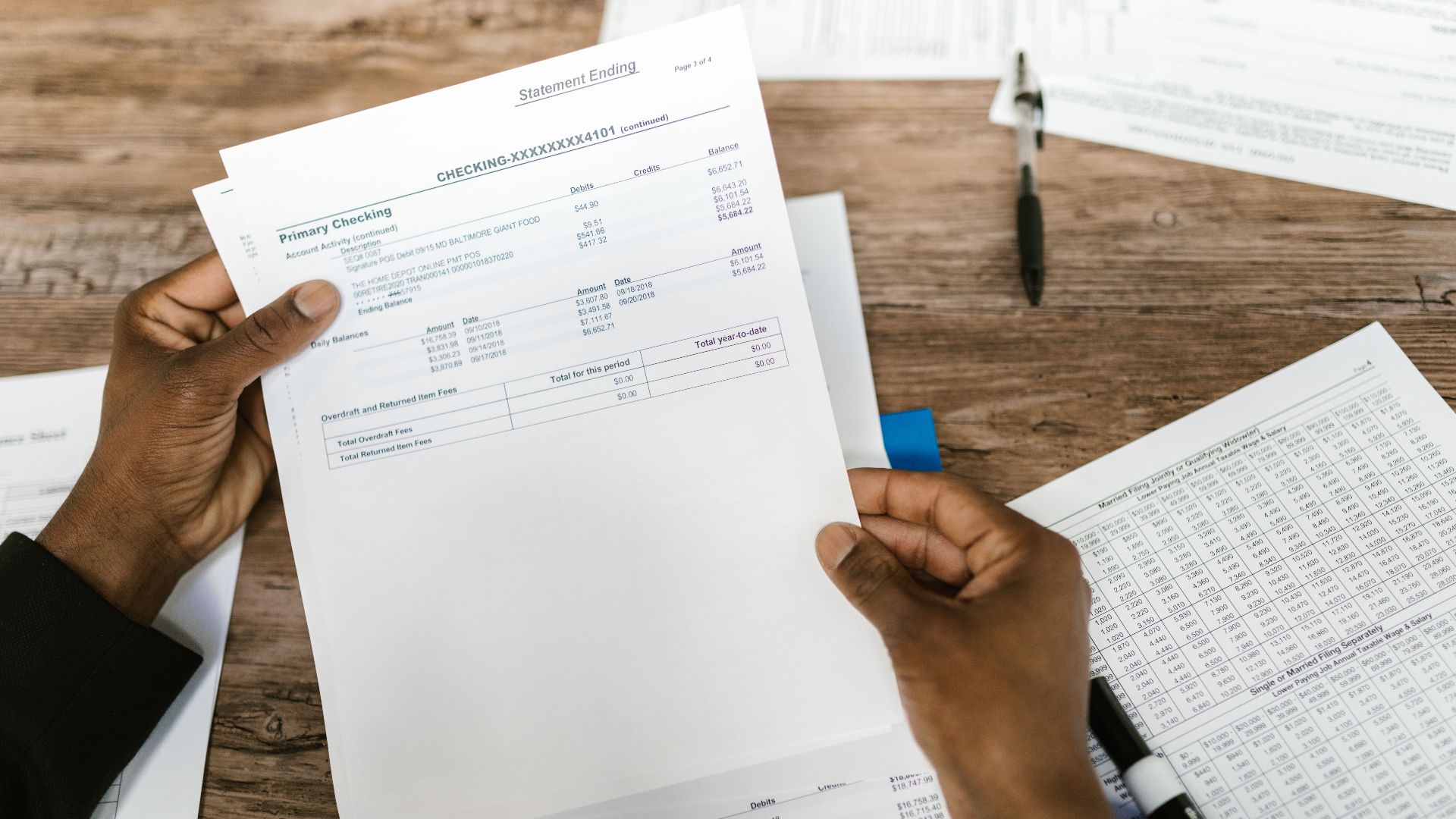
Don’t argue about the balance based on what somebody tells you over the phone. Ask the dealer for a complete payment ledger showing every payment received, the date it was credited, and every fee, interest charge, adjustment, or other amount added to the account. You want to be able to follow the balance from the original amount financed all the way to today.

Make Them Identify Every Fee
If the ledger contains a $35 “processing fee,” $20 “account charge,” or $75 “collection fee,” ask exactly where the contract authorizes it. The answer shouldn’t be “that’s just our policy”. Ask for the provision in the agreement and, if applicable, the state-law basis allowing the charge. A fee can be common at that dealership without necessarily being enforceable in your situation.

Late Fees Can Be Legal, But They Aren’t Unlimited
A lender can generally charge a late fee when the contract permits it, but the amount and timing may also be restricted by state law. Some agreements provide a grace period before a fee can be imposed. Others don’t. The CFPB recommends checking both the loan contract and state rules because limits can apply to how much the lender charges and when the charge becomes valid.

Find Out What Counts As “Late”
This can be more confusing than it sounds. Does payment have to be received by the dealership on Friday, or is Friday merely the stated due date followed by a grace period? If you pay online after a particular cutoff time, is it credited that day or the next business day? Check your contract and ask the dealer for its written payment-crediting policy. A fee caused by an unexplained processing delay deserves closer scrutiny.

Keep Proof Of Every Payment
Save receipts, confirmation emails, bank records, money-order stubs, screenshots, and text messages acknowledging payment. Buy here/pay here customers may make weekly or biweekly payments, which creates a lot of opportunities for accounting disputes. If the dealer later claims you missed April 14, having a dated receipt showing exactly what you paid can make the conversation very different.
 https://kaboompics.com/, Pexels
Watch How Your Payments Are Applied
Fees can create a snowball effect because payments may not all go directly toward principal. The CFPB explains that auto-loan payments are commonly applied first to fees due, then to interest, and finally to principal, although the actual contract controls. If repeated late fees consume part of each payment, the principal may fall more slowly than expected, making it feel as though you’re paying constantly without making progress.
 https://kaboompics.com/, Pexels
Misapplied Payments Can Create Fake Late Fees
Servicing errors do happen. CFPB examiners have previously found auto-finance companies applying payments in ways that caused consumers to incur improper late fees and even wrongful repossessions. If your records show that you paid on time but the account says otherwise, don’t assume the dealership’s computer must be right. Ask for a written correction and a recalculation of every fee that flowed from the error.

Returned-Payment Fees Need Scrutiny Too
If an automatic debit or check was returned, the dealer may have contractual authority to charge a returned-payment fee, and your bank might separately impose its own fee. But one failed transaction shouldn’t become an excuse for unexplained repeated charges. Ask how many fees were assessed for that event and whether state law limits them.
Add-On Products Could Be Inflating The Balance
Sometimes the confusing charge isn’t really a late fee at all. Your payment may include GAP coverage, a service contract, credit insurance, theft products, or other add-ons financed when you bought the car. The CFPB says optional add-ons can be included in the payment when the buyer agreed to them. If you don’t remember agreeing to a product, check the original paperwork and ask for the signed authorization.

You Shouldn’t Be Paying For Add-Ons You Never Approved
The FTC has repeatedly taken action against dealers accused of charging consumers for products they didn’t agree to buy or falsely saying optional products were required. If your contract contains unfamiliar add-ons, ask the dealer to show where you authorized each one and what it cost. A product buried in the financing paperwork can add hundreds or thousands of dollars to the total amount you repay.

Don’t Focus Only On The Weekly Payment
Buy here/pay here financing often emphasizes a manageable-looking weekly or biweekly number. The more important figures are the APR, total amount financed, finance charge, total of payments, and number of required payments. A $125 weekly payment can sound easier than a larger monthly number while still producing an expensive loan over several years.

Ask For The Current Payoff Amount
Request a written payoff quote and compare it with your payment history. The number may be higher than your remaining principal because of accrued interest or authorized fees, but the dealer should be able to explain how it was calculated. If the payoff barely changes after months of regular payments, your ledger can show whether interest and fees are swallowing most of your money.

Check Whether On-Time Payments Are Even Helping Your Credit
Some buy here/pay here dealerships advertise financing as a way to rebuild credit, but the CFPB warns that some report negative information such as late payments without consistently reporting positive payment history. Ask in writing which credit bureaus the dealer reports to and whether both on-time and late payments are furnished. Don’t assume an expensive loan is improving your credit merely because the salesperson said it would.

Pull Your Credit Reports If The Dealer Says You’re Late
If the dealership is reporting missed payments you believe were actually made on time, check your reports from Equifax, Experian, and TransUnion. Compare the reported payment history with your receipts and account ledger. An incorrect late payment can damage your credit long after the fee itself is resolved, so dispute inaccurate information with both the credit bureau and the company furnishing it.
 LIGHTFIELD STUDIOS, Adobe Stock
Put Your Billing Dispute In Writing
Once you’ve identified questionable charges, send the dealership a concise written dispute. List the fee, date, amount, why you believe it’s incorrect, and the supporting document. Ask for a corrected ledger and updated balance. Written disputes create a paper trail that phone calls don’t, especially if the matter later reaches a regulator, attorney, or court.

Don’t Simply Stop Paying While You Fight The Fees
This is one of the riskiest reactions. If the dealer believes you’re in default, it may have repossession rights under the contract and state law. The FTC notes that in many states a lender can repossess a vehicle after default without first going to court. Continue making any undisputed payments you can reasonably make while documenting that you’re contesting specific fees, and get legal advice if the disputed charges themselves are making the account impossible to keep current.

Repossession Can Add Even More Charges
If the car is repossessed, the account can become considerably more expensive. You may face towing, storage, sale, and other authorized repossession expenses, and you could still owe a deficiency if the vehicle sells for less than the balance. The CFPB says repossession costs generally must be reasonable. Ask for a detailed accounting rather than accepting a single unexplained repossession figure.

Get Any Payment Arrangement In Writing
If the dealership agrees to waive fees, change the due date, accept a catch-up plan, or delay repossession, don’t rely on a handshake or text from someone whose authority is unclear. Ask for the agreement in writing, including the new due dates and exact amount required to bring the account current. FTC guidance specifically recommends documenting modified payment arrangements to avoid later disputes.

Check Your State’s Motor Vehicle And Finance Regulators
State law can be extremely important because late-fee limits, retail installment sales rules, repossession requirements, licensing, and allowable charges vary. Your state attorney general, department of motor vehicles, banking regulator, or consumer-finance agency may oversee part of the dealer’s conduct. Search for rules covering motor vehicle retail installment contracts and buy here/pay here dealers in the state where you purchased the car.

File Complaints If The Dealer Won’t Explain The Account
The CFPB specifically accepts complaints involving unresolved problems with auto lenders and buy here/pay here dealers. The FTC handles complaints involving dealership practices, and your state attorney general can also be useful. Include the contract, ledger, payment receipts, disputed charges, and your written attempts to resolve the problem. A well-documented complaint is much stronger than simply reporting that the dealership’s fees seem unfair.

Legal Aid May Be Worth Calling Before Things Get Worse
If the extra charges are pushing the loan toward repossession, you’re being charged fees that clearly aren’t in the contract, or the dealer is refusing to provide records, contact a consumer attorney or legal-aid organization. State retail-installment and consumer-protection laws can provide remedies beyond what federal rules cover. Getting advice before the vehicle disappears from your driveway is generally easier than trying to unwind a questionable repossession afterward.
 https://kaboompics.com/, Pexels
They Can Charge Some Fees, But They Should Be Able To Explain Every Dollar
A buy here/pay here dealer isn’t automatically prohibited from charging late fees, returned-payment fees, or other amounts authorized by the contract and applicable law. But the balance shouldn’t be a mystery. Get the complete ledger, match it against your receipts, identify the contract language behind every fee, and challenge anything unauthorized or incorrectly applied. If the dealership can’t explain why you owe the money, you have a much better reason to escalate than simply accepting that confusing charges are part of buy here/pay here financing.

You May Also Like:
My car was repossessed after I missed one payment. Is that normal?