The Fancy Bottle Question
Brake fluid is one of those things most drivers never see, which makes it easy to feel like you're being manipulated when the dealership tells you that your new car needs their "special" (AKA expensive) brake fluid, but there's actually a genuine legal reason for it—even if that dealer isn't quite telling you the whole story.
 Vitaly Gariev, Pexels, Modified
What Brake Fluid Actually Does
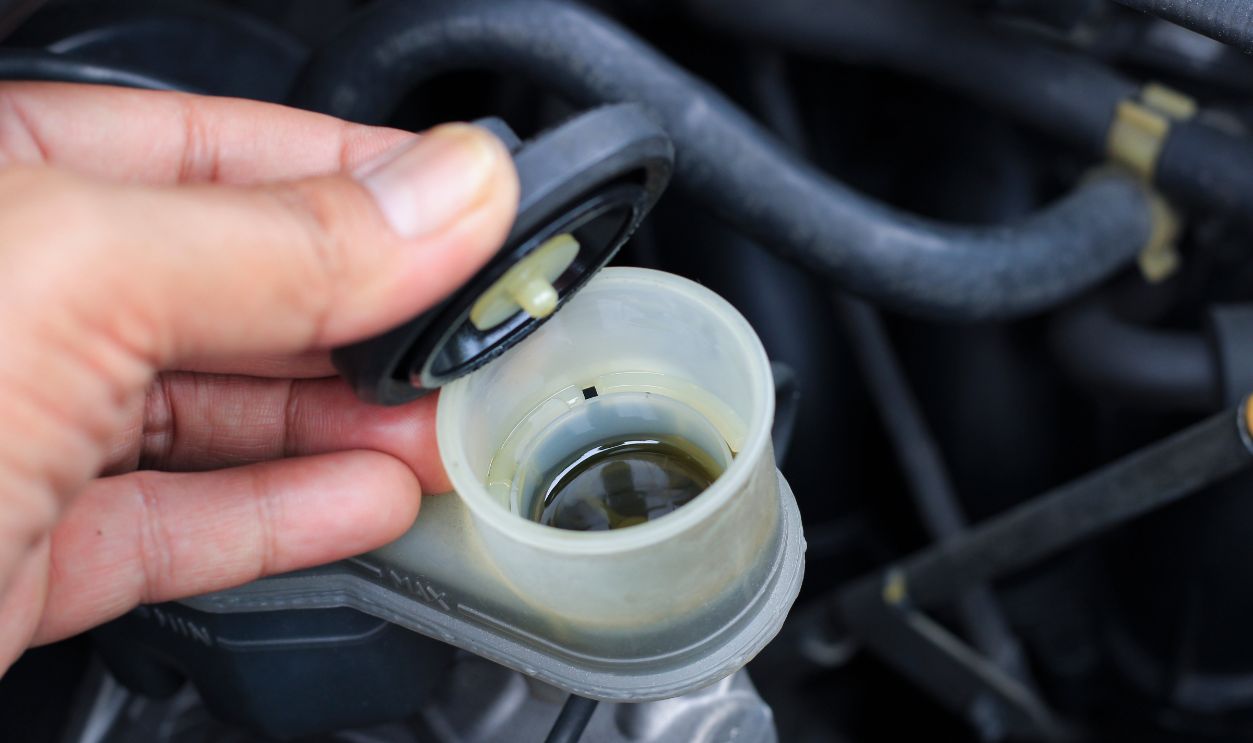
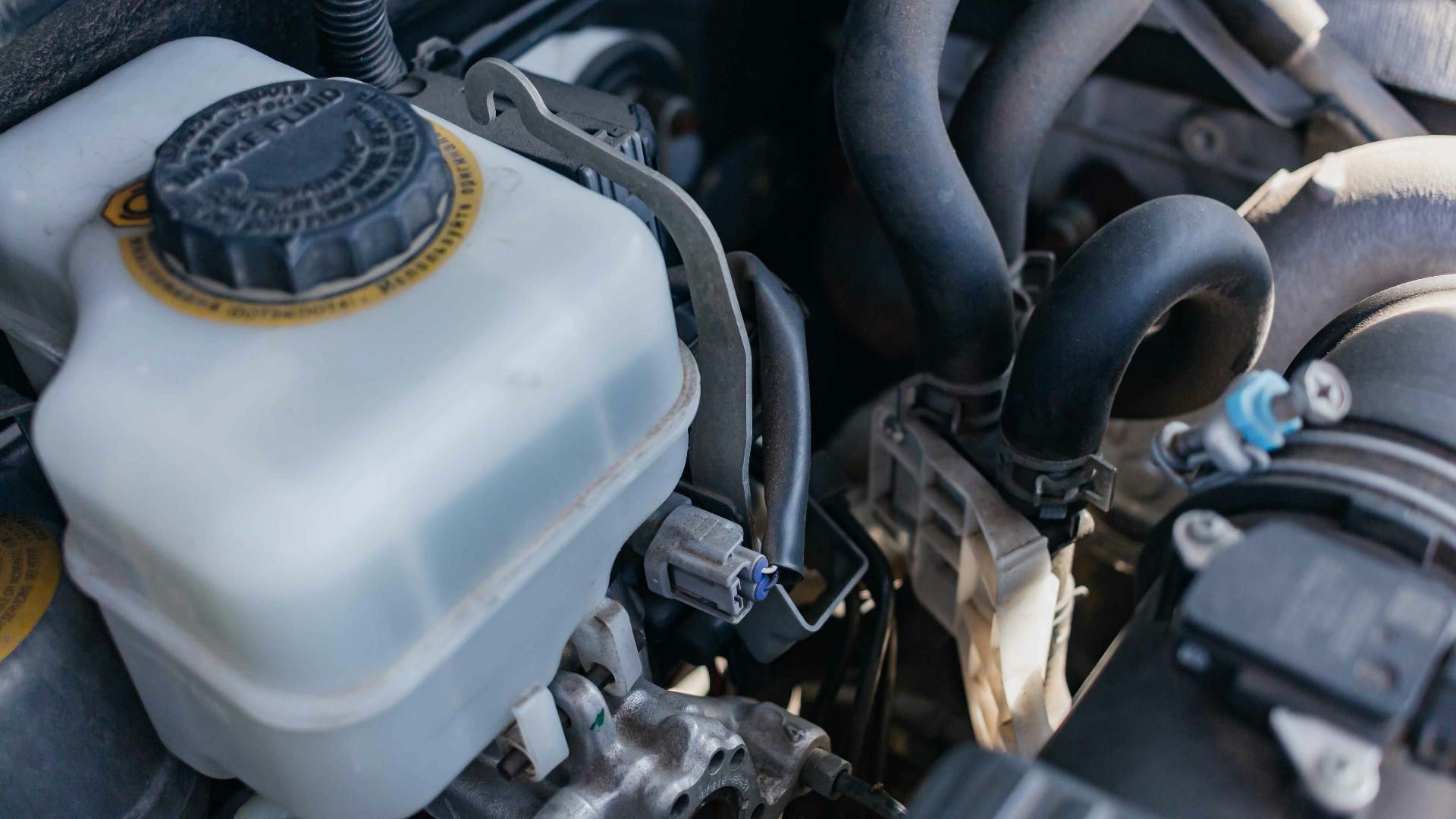
Brake fluid carries force from your foot on the pedal to the calipers or wheel cylinders at the wheels. It also has to handle extreme heat, fight corrosion, and stay stable in the tiny passages inside modern ABS and stability control systems. If the fluid cannot do that, braking performance and parts life can suffer.
 ANECEPTIUS BAMBANG SUTOPO, Shutterstock
The Real Rule Is The Specification
For most passenger cars, the big question is not whether the bottle came from a dealer. It is whether the fluid meets the spec listed by the automaker in the owner’s manual or service information. In the United States, that often means Department of Transportation brake fluid standards such as DOT 3, DOT 4, or DOT 5.1.

Who Sets Those DOT Standards
The U.S. Department of Transportation regulates brake fluids through Federal Motor Vehicle Safety Standard No. 116. That standard is overseen by the National Highway Traffic Safety Administration, and it sets performance rules for fluids sold as DOT 3, DOT 4, DOT 5, and DOT 5.1. Those categories are based on things like boiling point, viscosity, and chemical compatibility.
 U.S. Air Force photo by Airman 1st Class Imani West, Wikimedia Commons
Why The Standard Matters More Than The Label
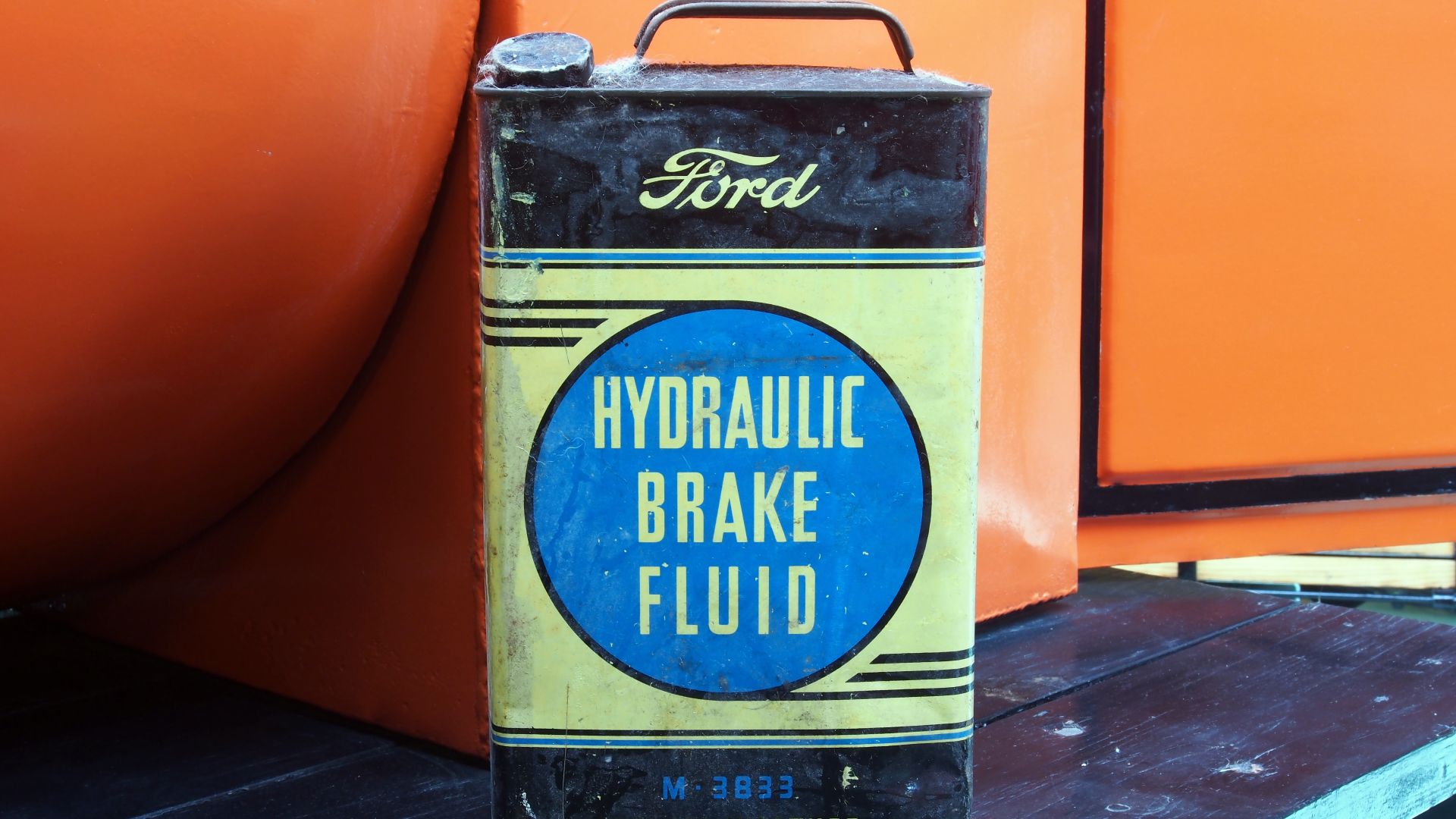
If an aftermarket fluid meets the exact DOT grade and any extra manufacturer requirement for your car, it is usually fine whether it comes from a dealer or not. The bottle may look less impressive, but the fluid still has to hit the same measurable targets. That is why technicians and engineers care about specs first and branding second.
 Alf van Beem, Wikimedia Commons
Luxury Cars Do Sometimes Ask For More
This is where the dealership pitch has some truth to it. Some premium and high-performance cars call for a specific low-viscosity DOT 4 fluid or another fluid with tighter cold-flow or corrosion-control needs. That does not automatically make it dealer-only, but it does mean not every generic bottle on the shelf is the right fit.
 Bill Abbott, Wikimedia Commons
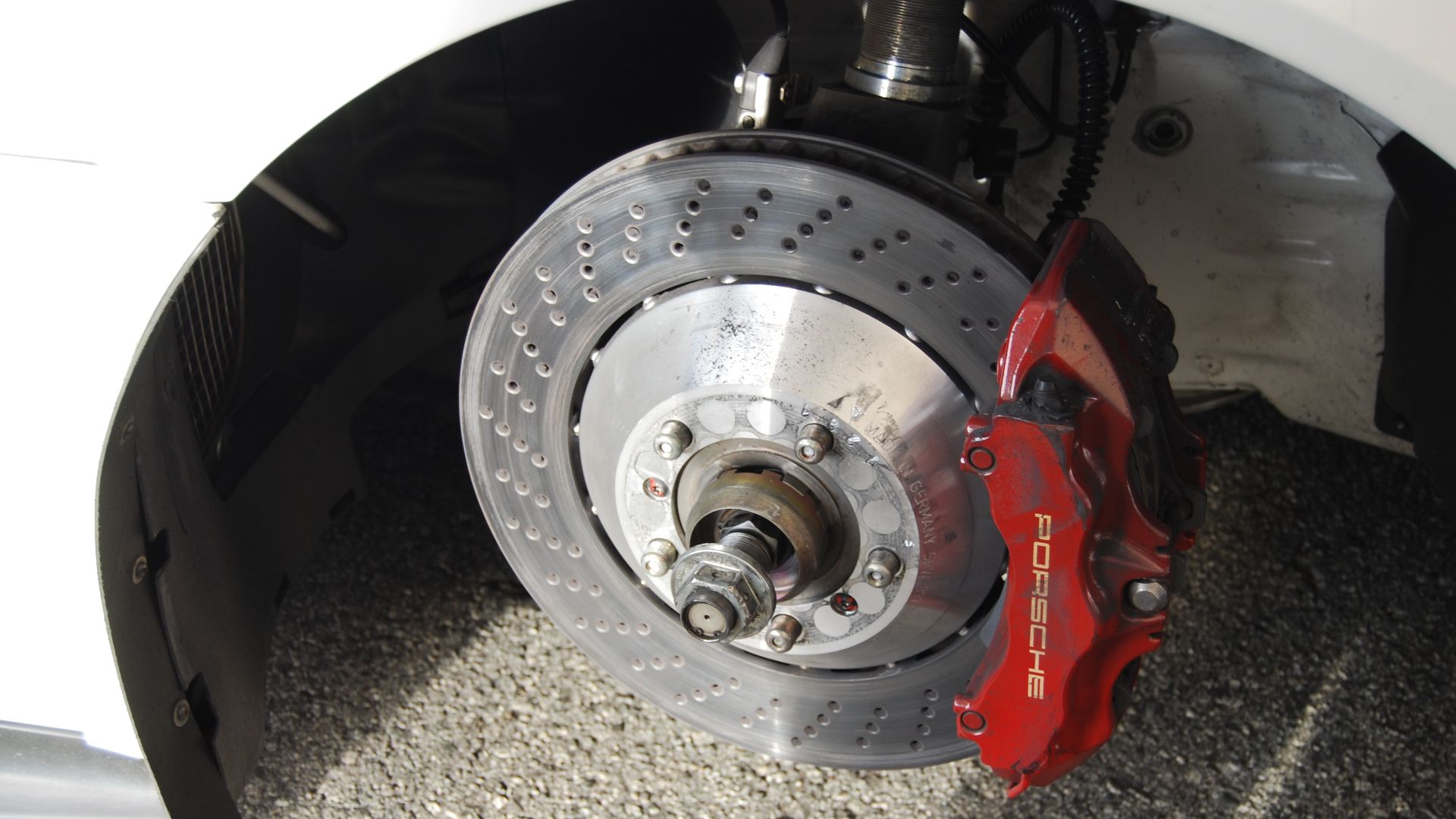
BMW Is A Good Example
BMW owner materials for many models specify DOT 4 low-viscosity brake fluid. That low-viscosity requirement matters because modern electronic brake and stability systems can depend on quick fluid response in cold weather. In that case, the important part is the spec, not the BMW logo on the cap.
Mercedes-Benz Says Something Similar
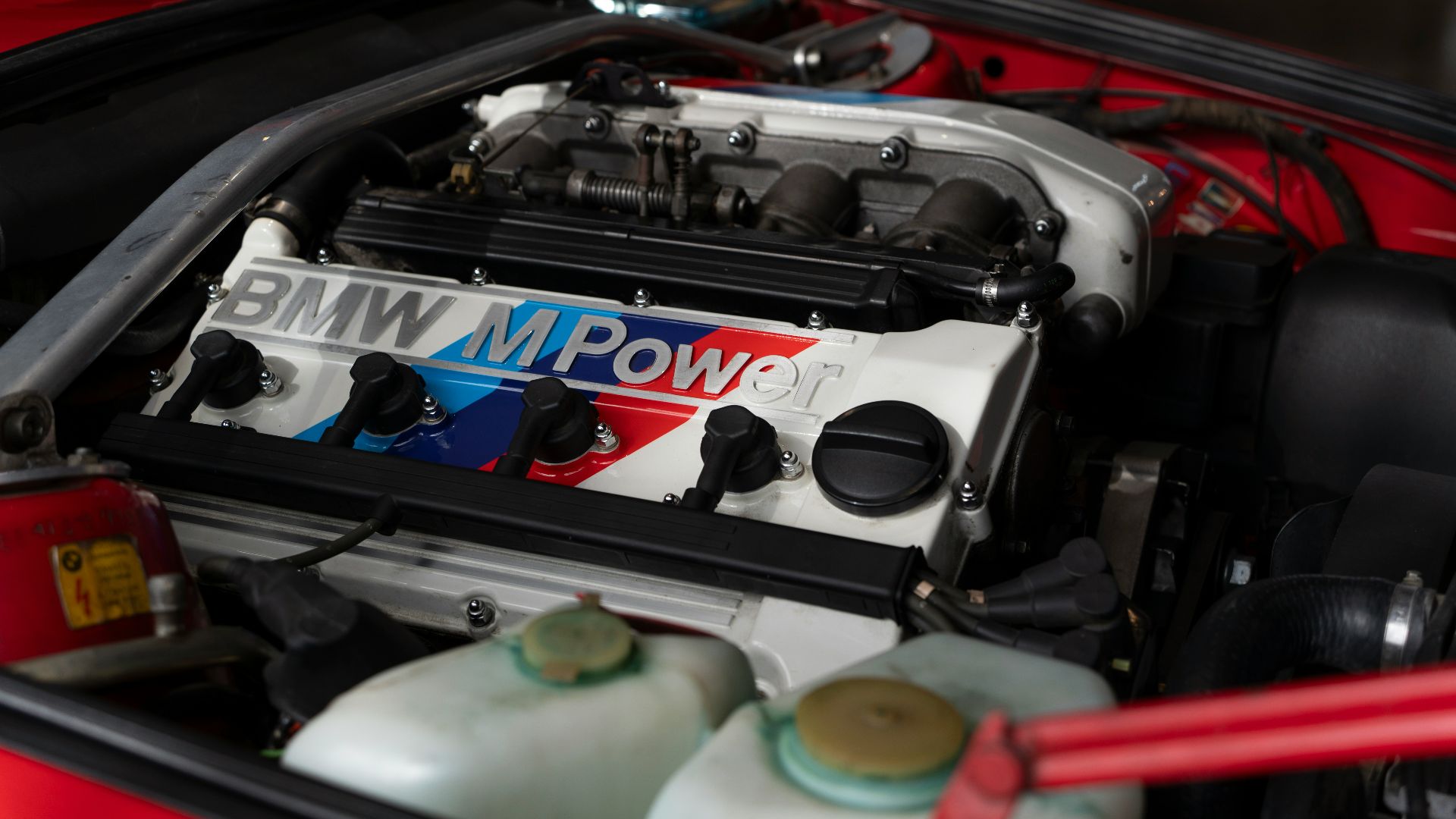
Mercedes-Benz service information and owner materials for many newer vehicles also point to brake fluid approved to its own standards, often built around DOT 4 Plus or low-viscosity performance. That is not just marketing. It reflects how modern hydraulic control units are designed.
Volkswagen And Audi Have Their Own Approval Language
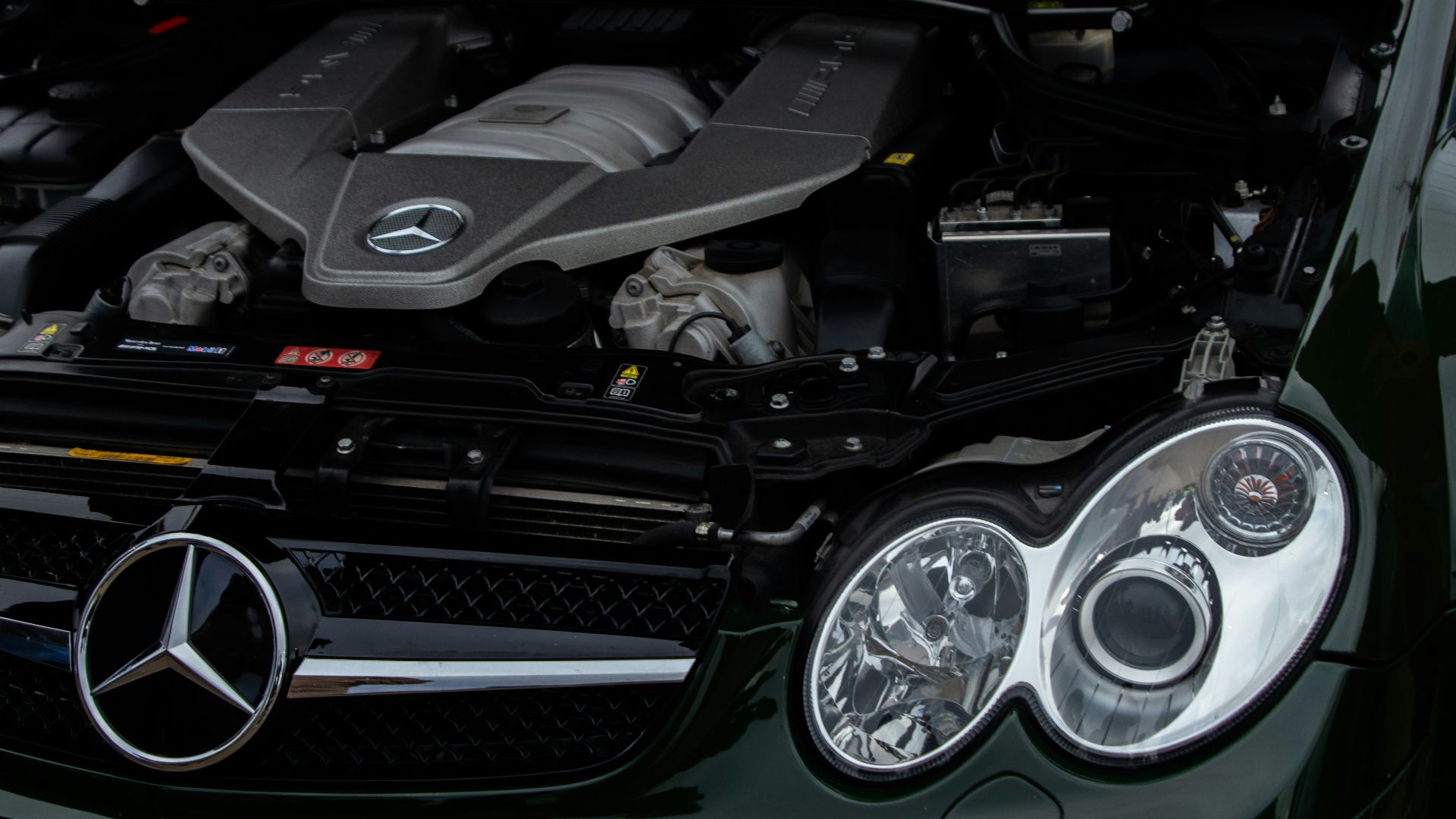
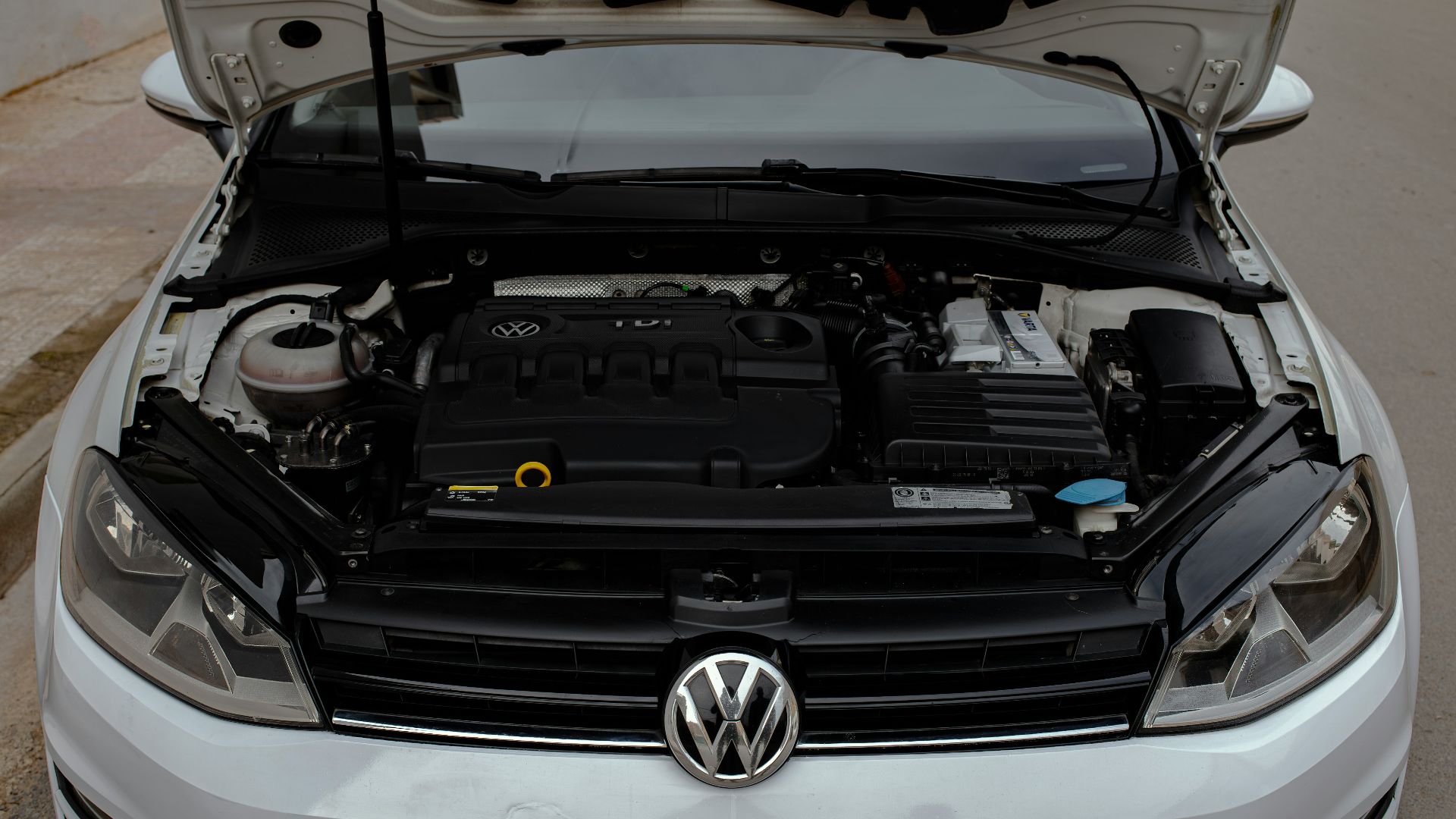
Volkswagen Group brands, including Audi, often call for brake fluid that meets VW standards such as TL 766 or matching part-numbered fluids. Those requirements generally line up with DOT 4 class fluids with specific viscosity and performance traits. Again, the key is matching the approval, not buying a bottle just because it came from the dealer.
Porsche And Performance Heat
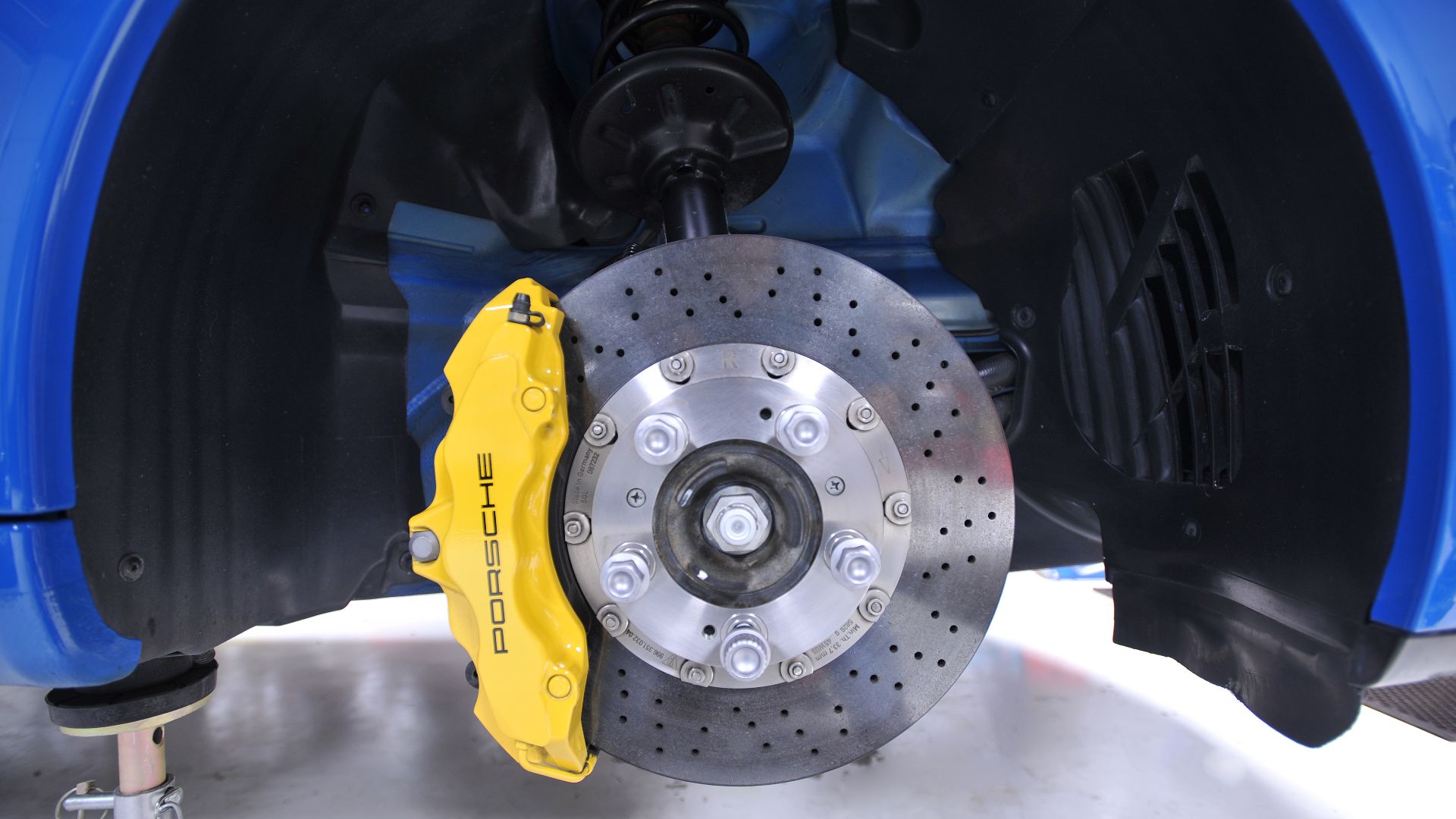
Porsche models can put especially high heat loads on braking systems, especially during spirited driving or track use. That is why high dry and wet boiling points matter so much. A fluid can be premium without being proprietary, as long as it meets the needed spec and intended use.
 User:Edgy01 (Dan Lindsay), Wikimedia Commons
Why Boiling Point Is Such A Big Deal
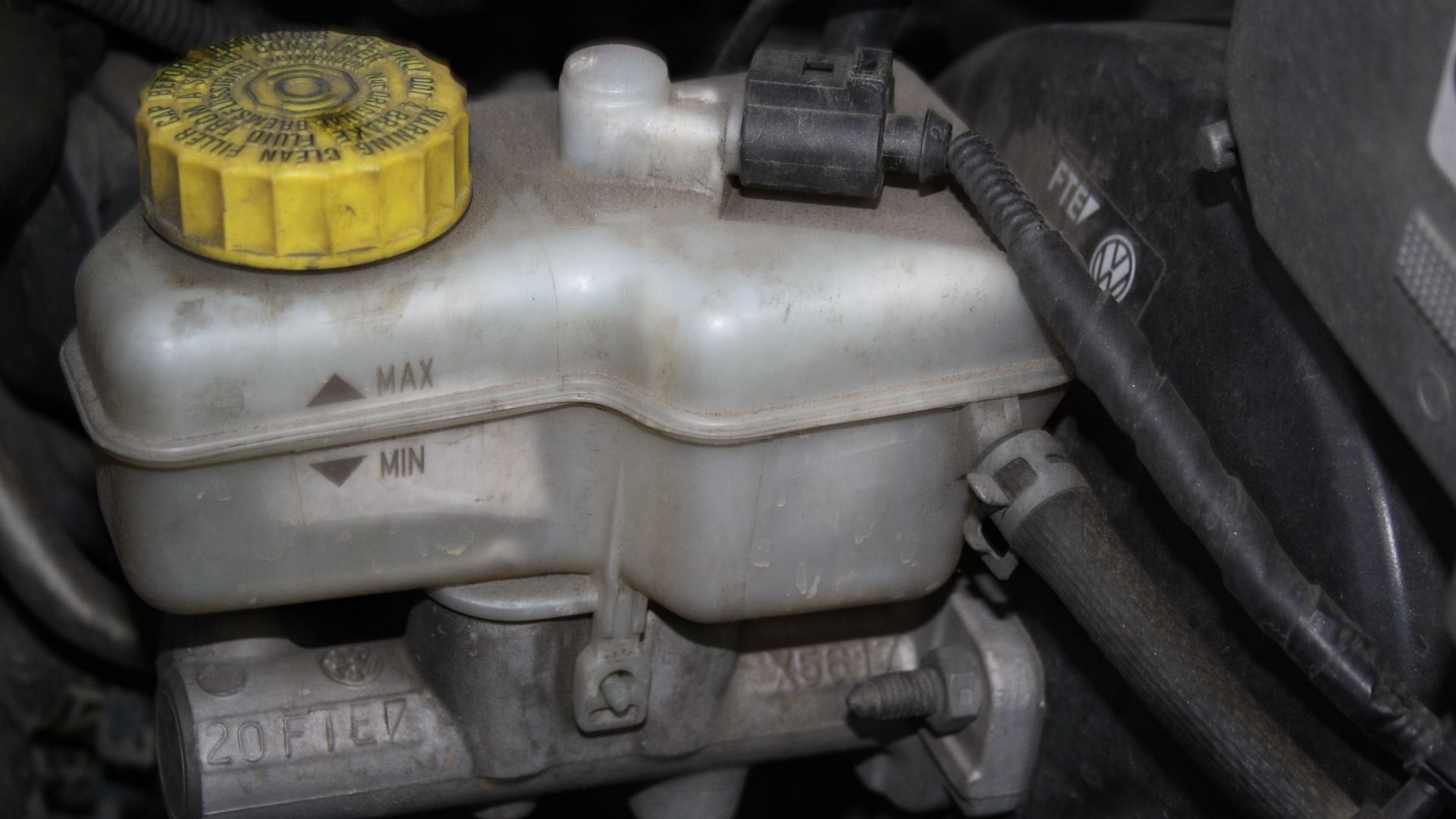
Brake fluid gets hot, and under repeated hard braking it can get very hot. FMVSS No. 116 sets minimum dry and wet equilibrium reflux boiling points for each brake fluid class because vapor in the hydraulic system can lead to a soft pedal or a major drop in braking force. This is one place where hard numbers matter more than sales talk.
Dry Versus Wet Is Not Marketing Jargon
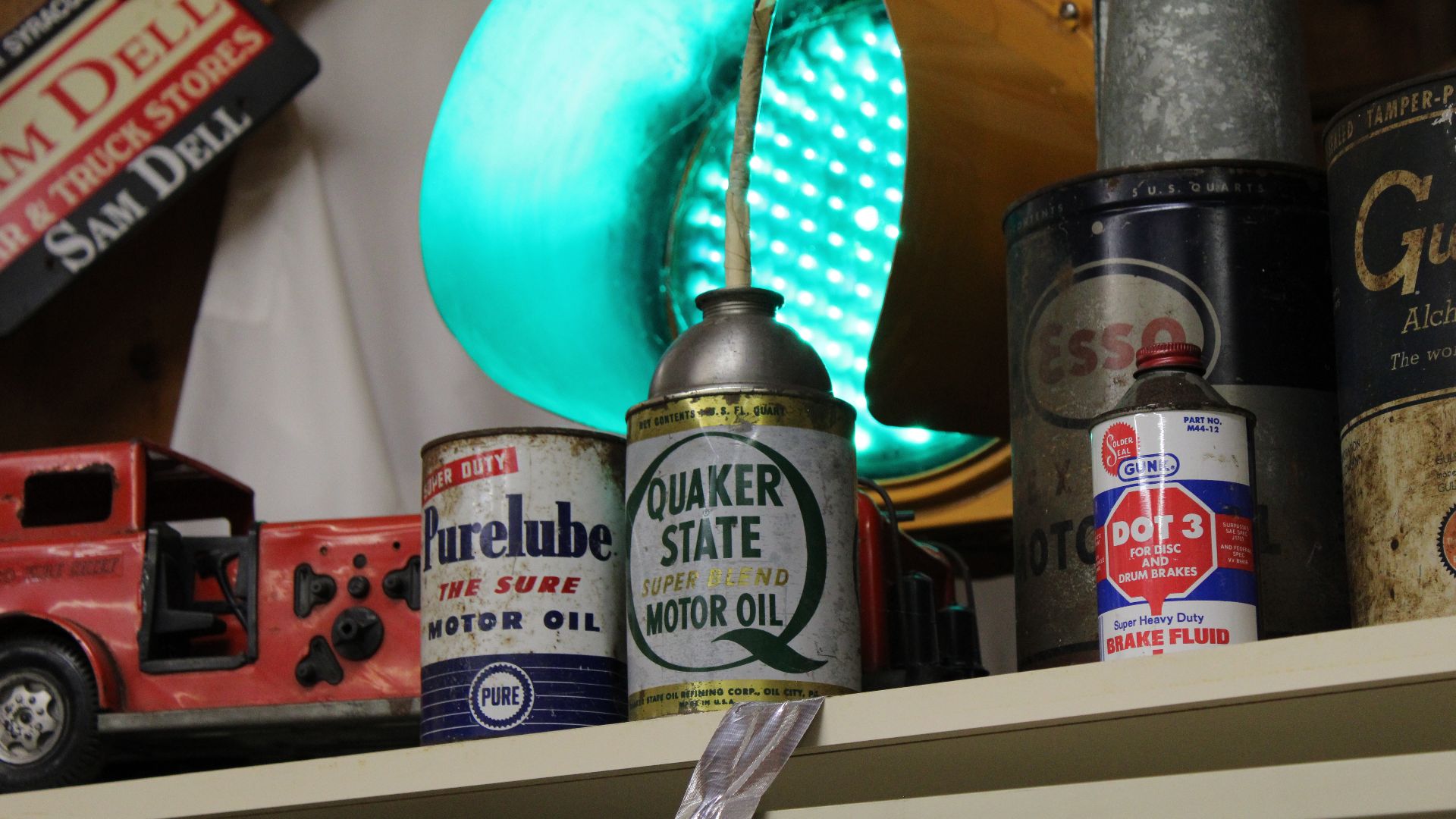
Dry boiling point refers to fresh fluid, while wet boiling point measures fluid after it has absorbed moisture. Most glycol-based brake fluids are hygroscopic, which means they pull in water over time from the air. That is why older fluid that once met spec can become less effective and more corrosive in service.
Why Luxury Cars Often Need Fresh Fluid On Time
Luxury cars often pack in expensive ABS, ESC, and brake-by-wire-adjacent hardware with tight tolerances. Moisture-contaminated fluid can lower boiling point and add to corrosion inside those parts. That makes routine fluid replacement more than just another item on a checklist.
Low Viscosity Is The Modern Twist
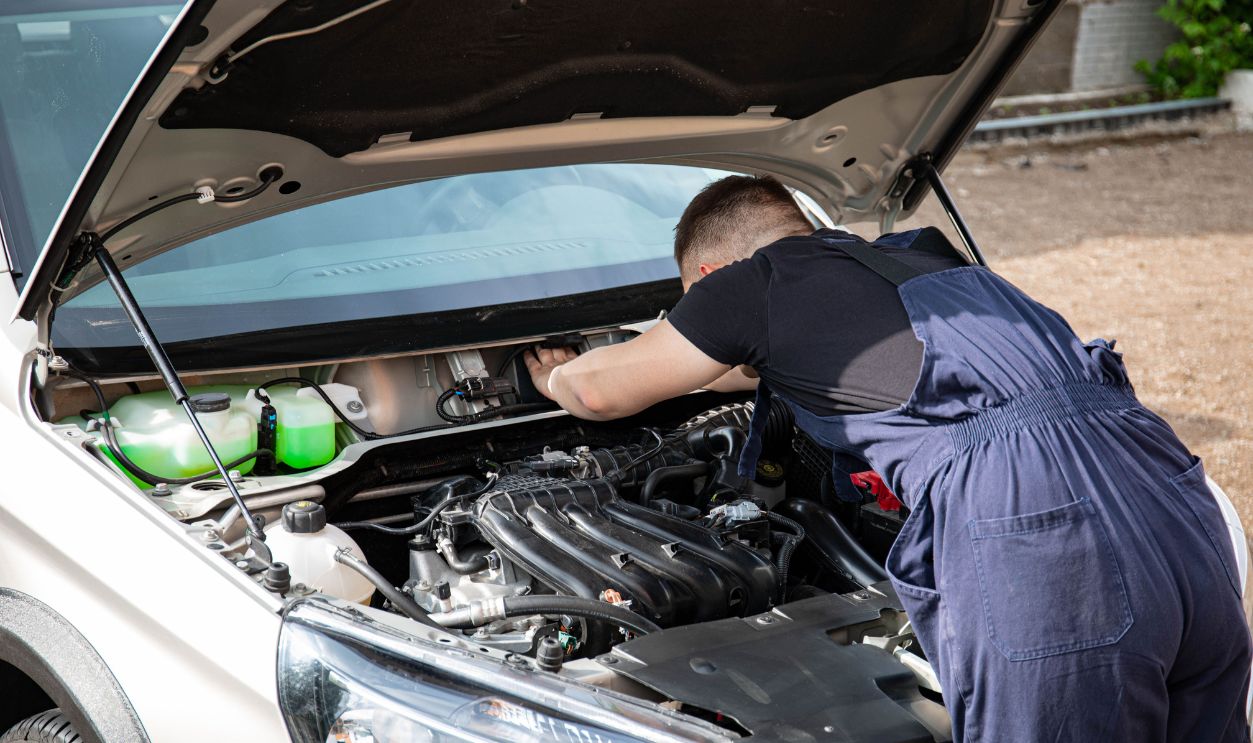
A lot of the dealer-only myth comes from confusion about low-viscosity fluids. Standard DOT 4 and DOT 4 LV are not always interchangeable in every application, especially in cold climates or in vehicles tuned around fast ABS action. If the manual calls for LV fluid, that detail matters more than the badge on the bottle.
DOT 3, DOT 4, And DOT 5.1 Are Usually Glycol-Based
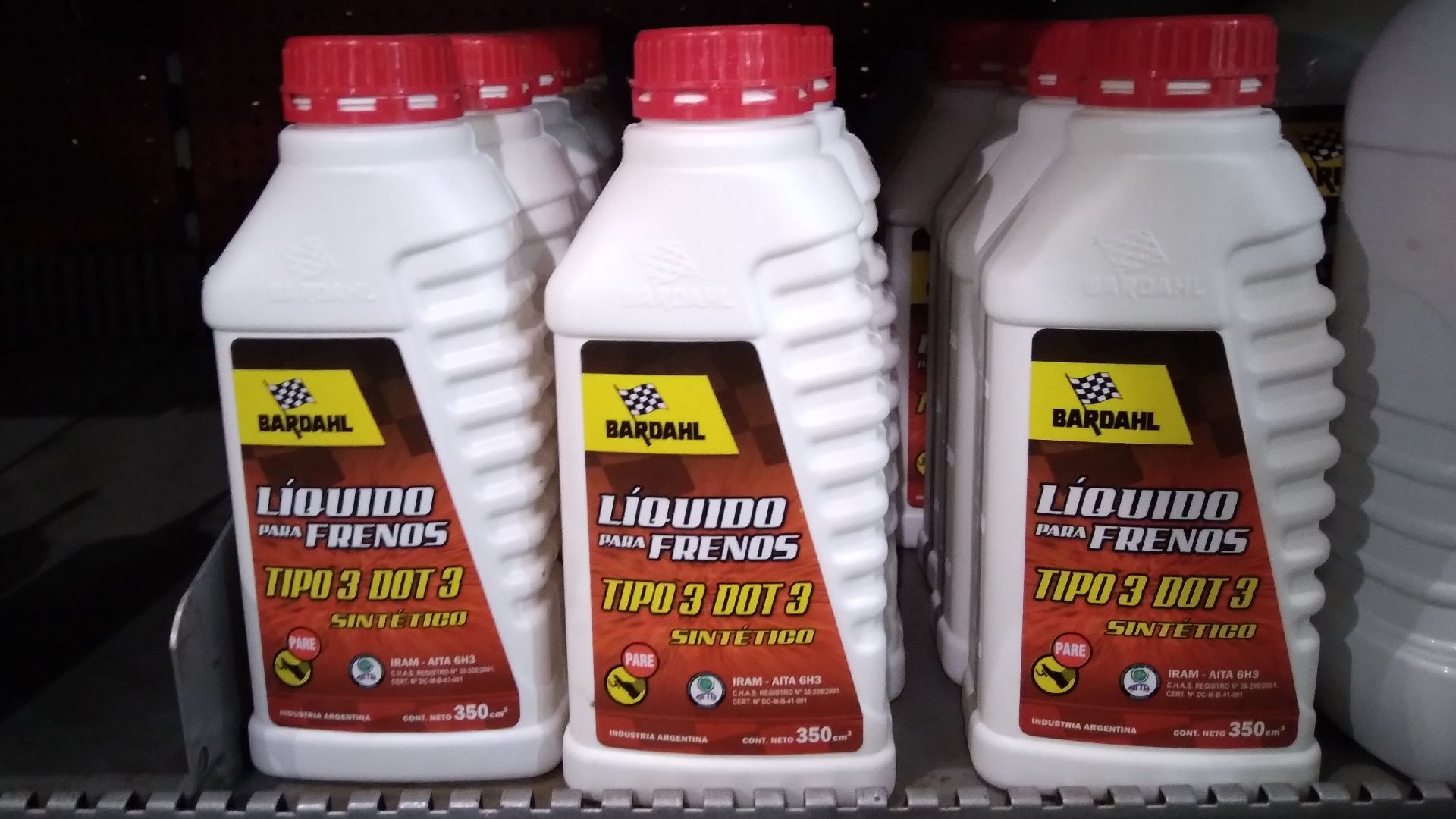
DOT 3, DOT 4, and DOT 5.1 are generally glycol-ether based fluids, and many systems are designed around them. DOT 5 is different because it is silicone-based and is not interchangeable with most systems built for DOT 3 or DOT 4. Mixing the wrong chemistry can turn a simple fluid service into a very expensive repair.
The Biggest Trap Is DOT 5 Confusion
Some drivers see the higher number and assume DOT 5 must be an upgrade from DOT 4. It is not that simple. The U.S. DOT and major parts suppliers clearly separate DOT 5 as a silicone-based fluid for specific applications, not as a universal replacement.
So Is Dealer-Only Fluid A Real Thing
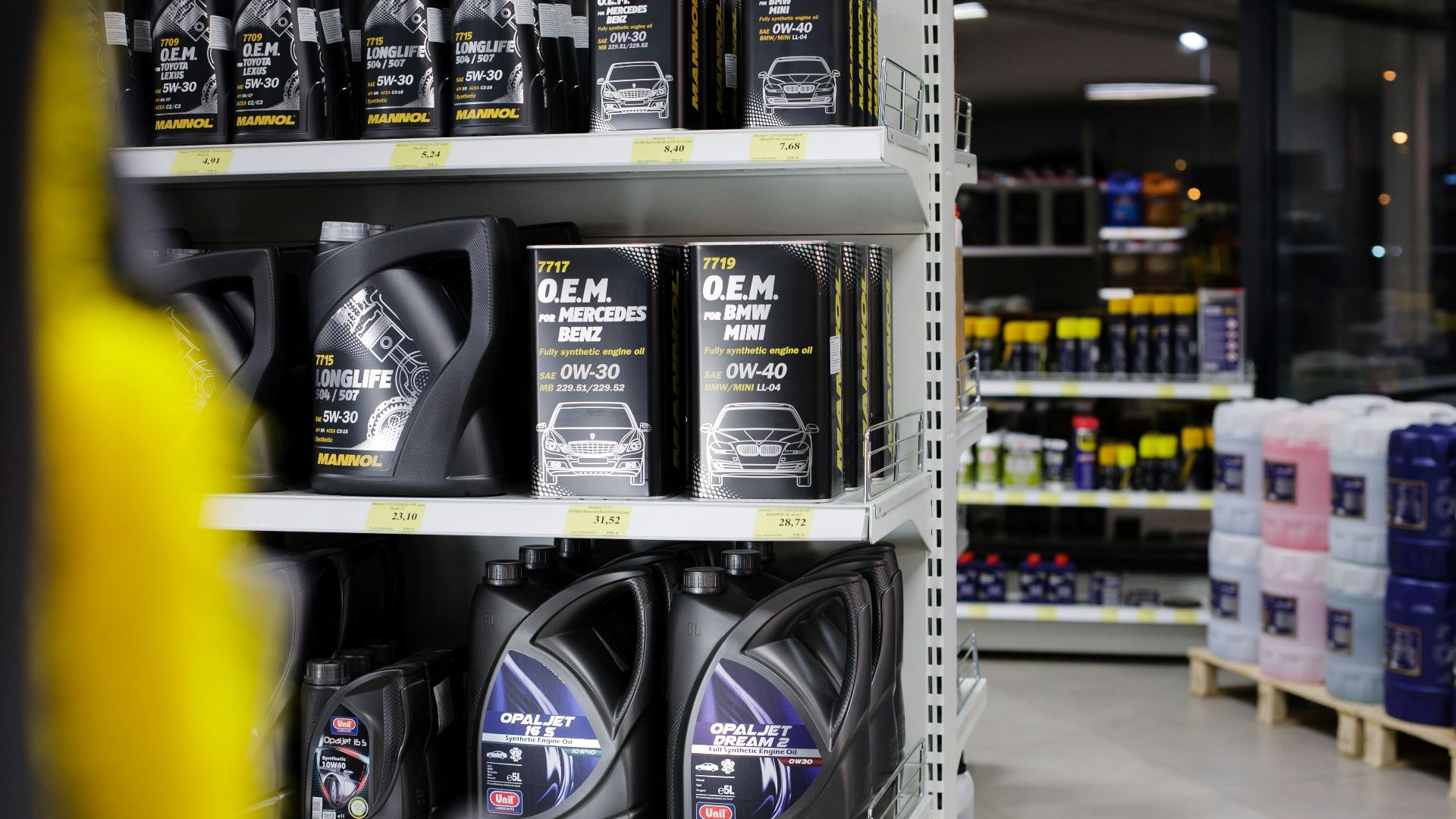
Usually, no. In most cases, there is no secret luxury-only fluid available only through a franchised dealer. What is real is that some luxury vehicles need a specific spec or approval that not every universal fluid meets.
 Quality Stock Arts, Shutterstock
When The Dealer Is Basically Right
If your vehicle needs a fluid with a manufacturer approval and the dealership fluid is one of the easiest ways to guarantee that, the dealer is not automatically trying to sell you something unnecessary. This is especially true if the shop can point to the exact requirement in the owner’s manual or factory service information. The smart question is not “Is it dealer fluid” but “What exact spec does my car require”?

When The Dealer Is Mostly Selling Branding
If the service advisor cannot show a manufacturer-specific requirement and instead leans on phrases like luxury formula or premium European fluid without proof, be skeptical. Many high-quality independent brands clearly publish their certifications and compatibility. A fancy label is not a substitute for a listed standard.

How To Check Your Car In Five Minutes
Start with the owner’s manual and look for the brake fluid type, DOT grade, and any note about low viscosity or manufacturer approval. Then compare that requirement with the label and product data sheet of any replacement fluid you are considering. If the wording does not match, keep looking.

What Independent Shops Usually Do
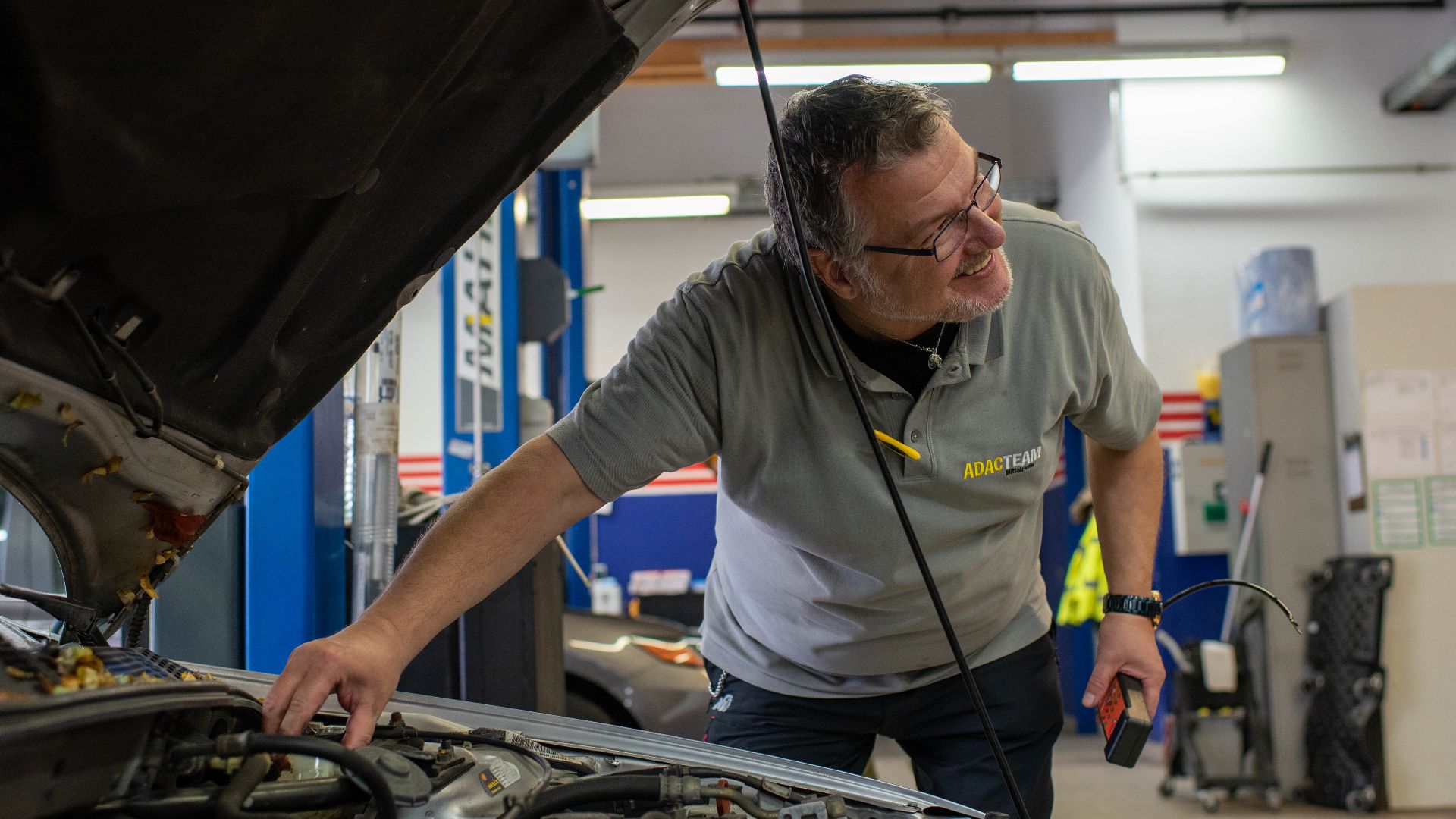
Good independent European and luxury shops usually stock brake fluids that meet the common OEM approvals their customers need. They focus on documented compatibility rather than dealer branding because their reputation depends on getting the details right. That can mean the same quality for less money.

Why Flush Intervals Matter As Much As Fluid Choice
Even the right fluid does not stay perfect forever. Many automakers recommend replacing brake fluid every two years, though the exact interval varies by brand and model. On a luxury car with expensive hydraulic parts, putting off a flush can cost far more than doing it on time.
Color Is Not A Reliable Guide
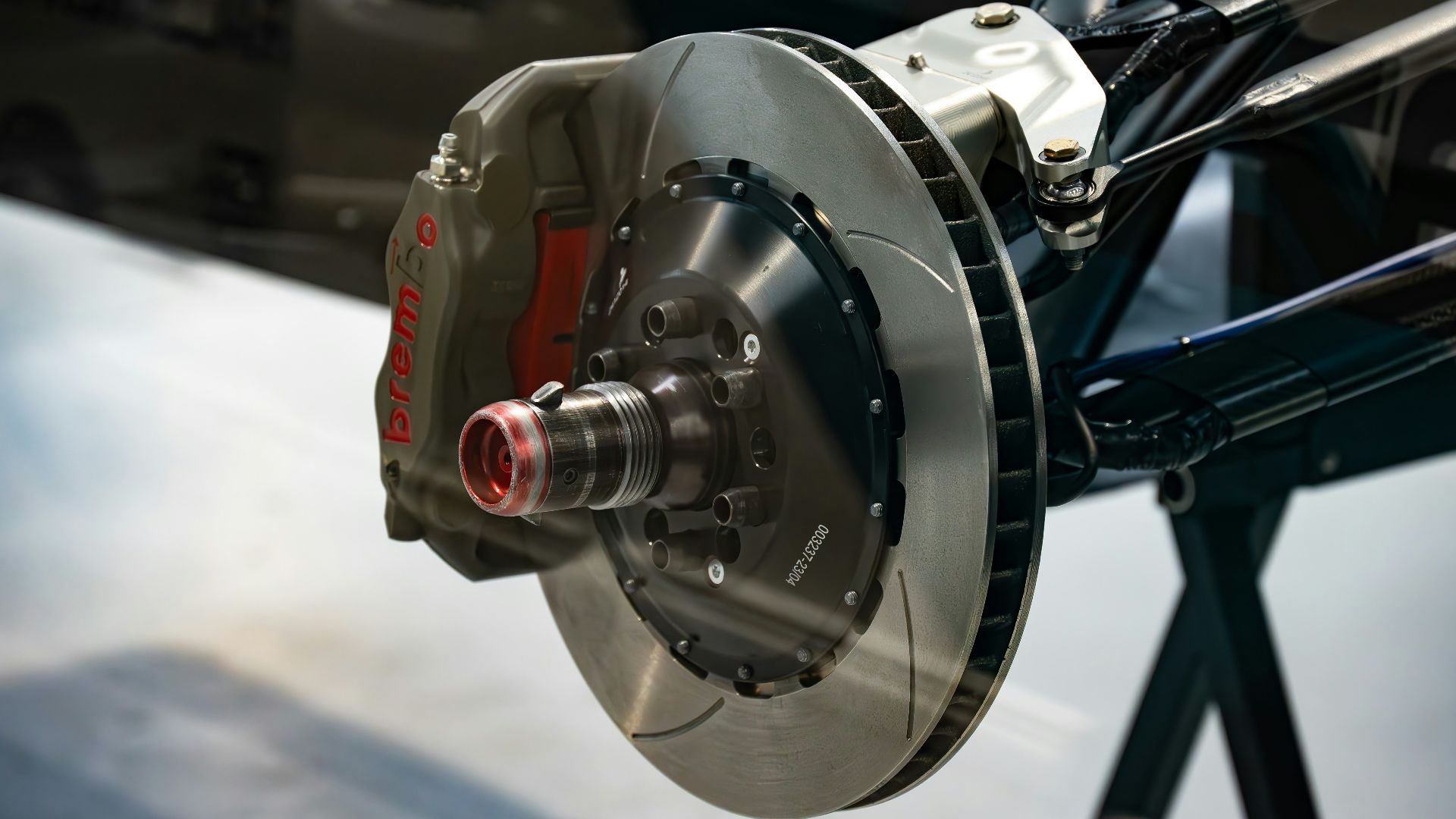
Drivers sometimes judge brake fluid by whether it looks clear or dark, but looks alone do not tell the whole story. Fluid condition is better judged by age, service history, and in some shops by moisture-content or boiling-point testing. Clean-looking fluid can still be overdue.
 Pittigrilli, Wikimedia Commons
Price Alone Does Not Prove Quality
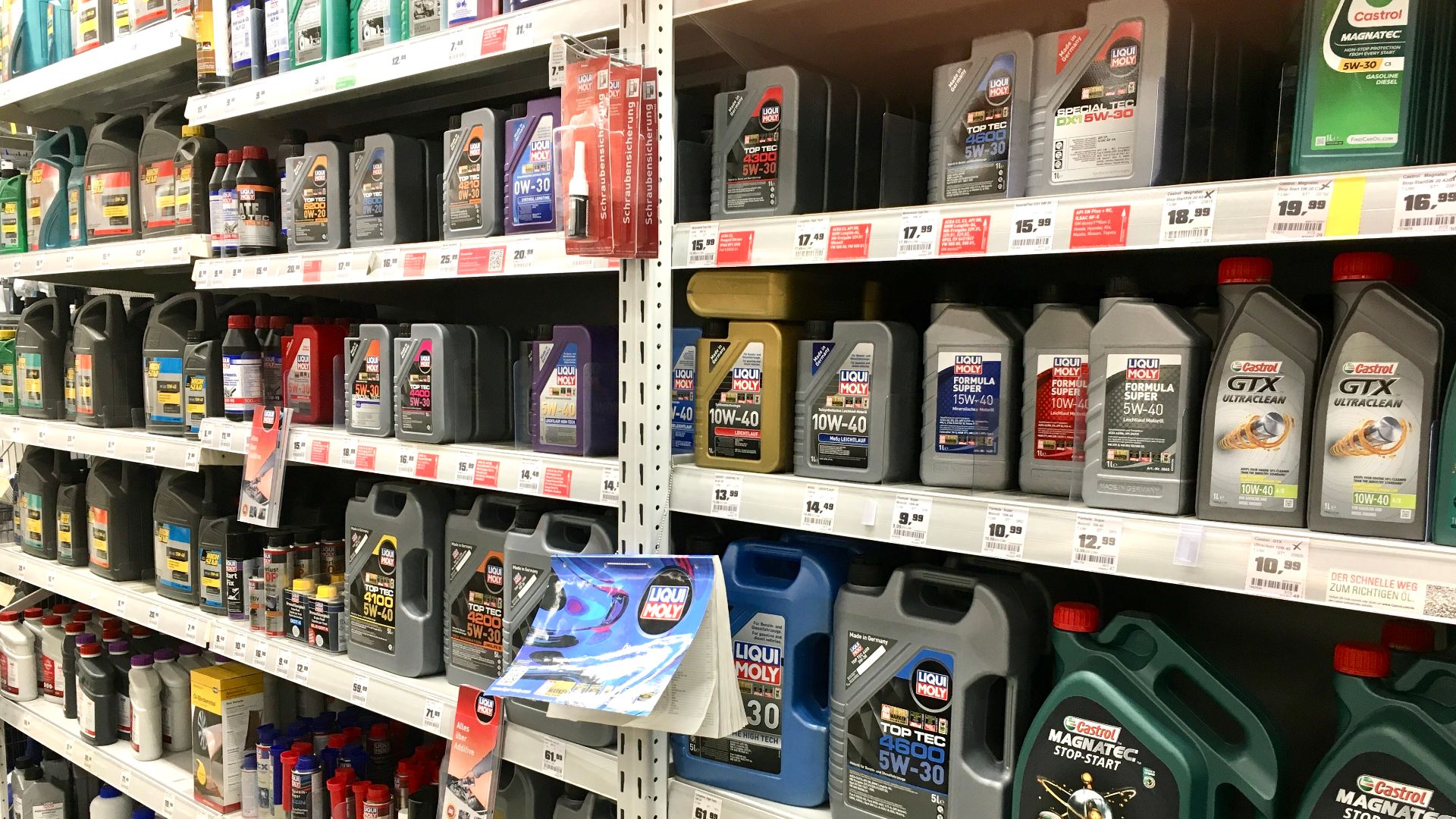
A dealership bottle can be excellent, and it can also carry a healthy markup. An aftermarket bottle can cost less and still meet the same published standard. The label and data sheet matter a lot more than the price tag.
The Safest Answer For Most Drivers
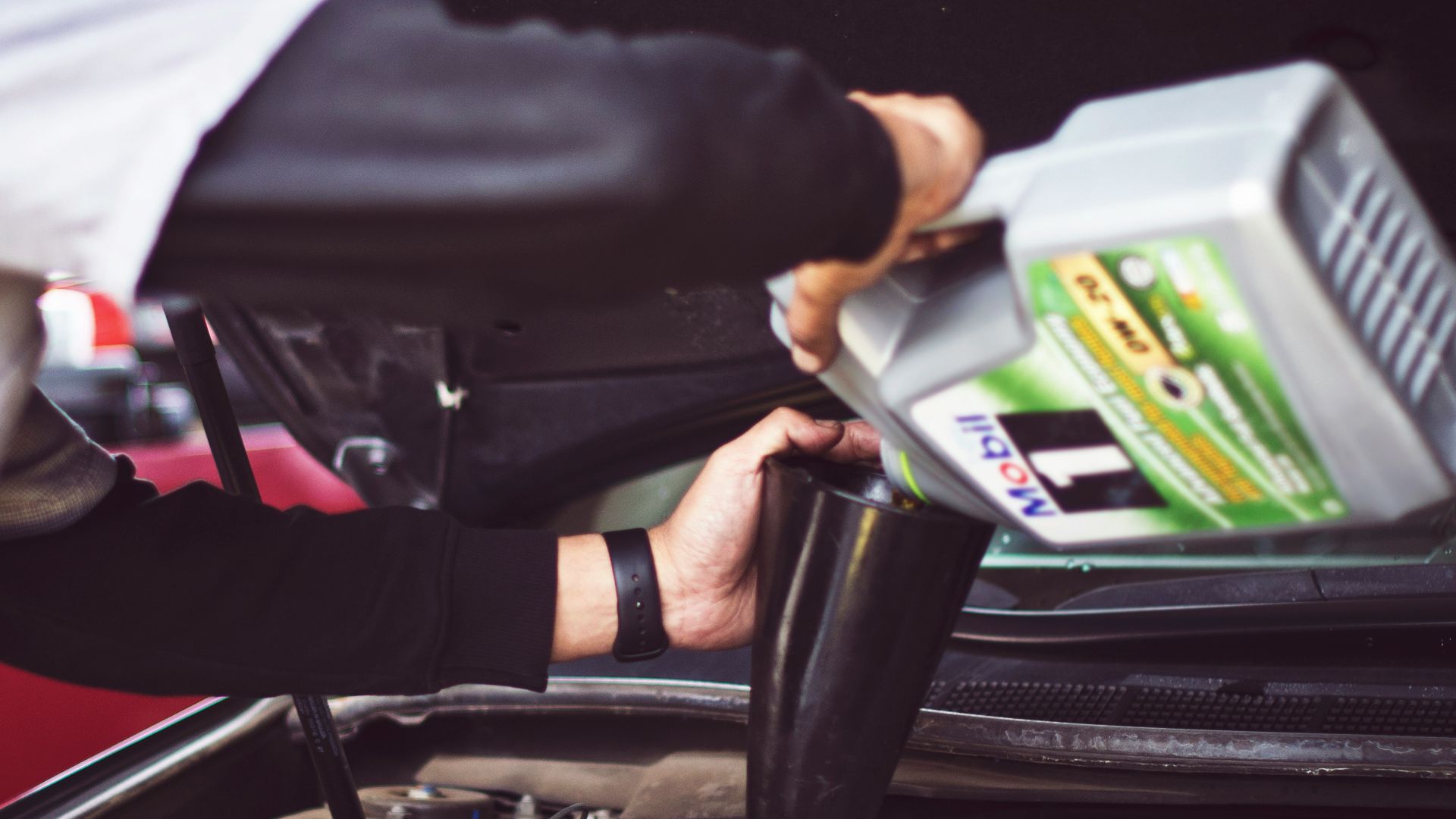
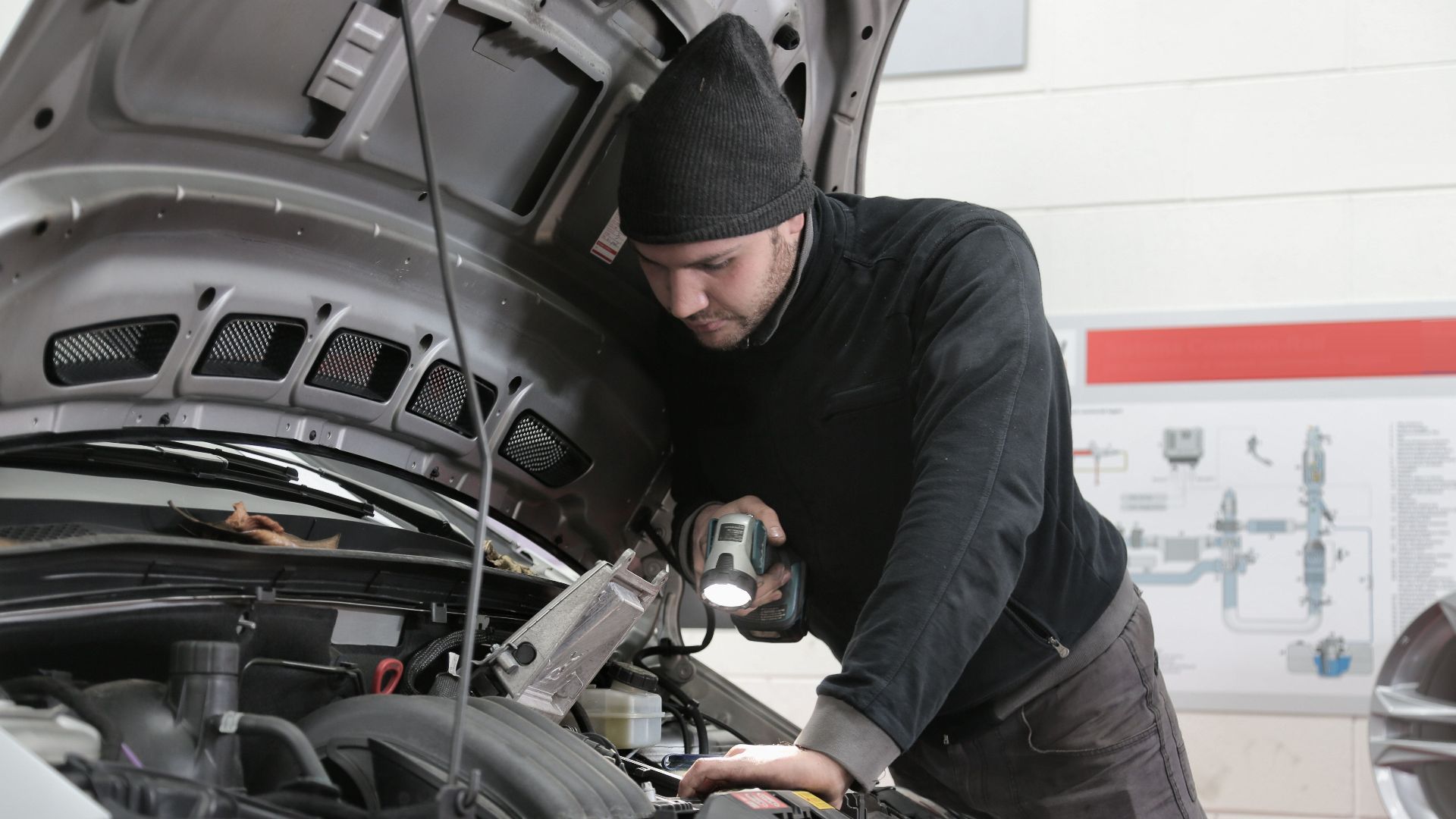
Use a brake fluid that exactly matches the spec in your manual, including low-viscosity or OEM approval language if listed. Have it installed by a shop that knows how to bleed your vehicle properly, especially if it has advanced ABS or electronic brake features. That is the best way to protect both your brakes and your wallet.
The Bottom Line On Luxury Brake Fluid Claims
Special brake fluid is real when it means a specific performance standard or manufacturer approval. Dealer-only brake fluid usually is not real in the literal sense, because equivalent approved fluids are often sold outside the dealer network. The takeaway is simple: pay for the right spec, not just the prestige of the bottle.