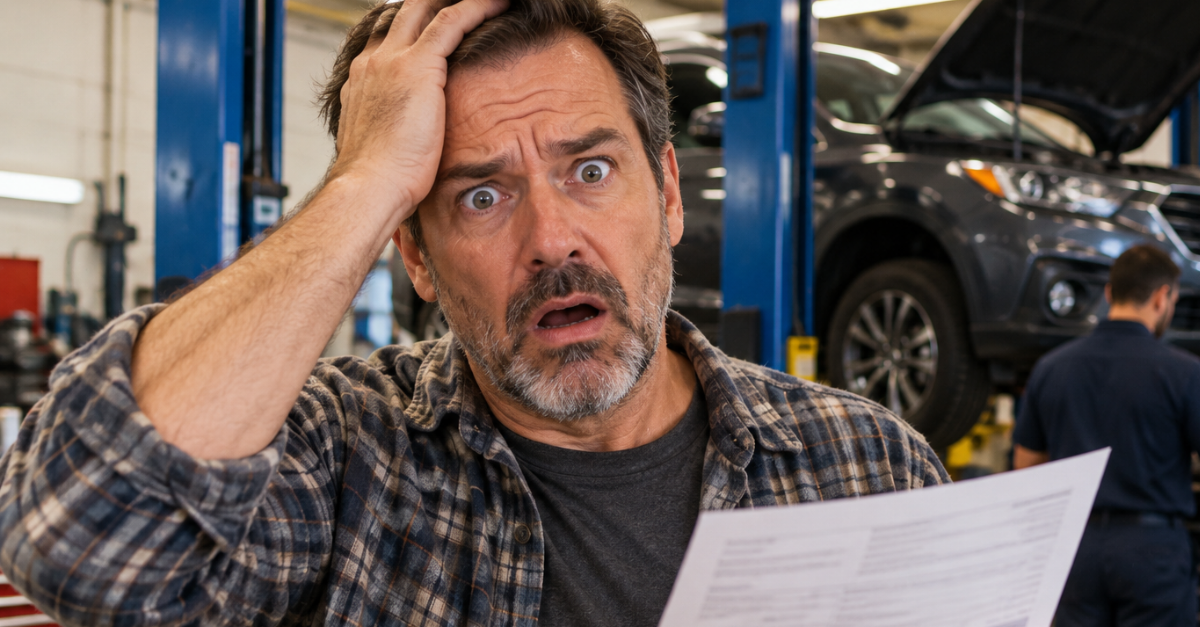
When A Simple Repair Gets Complicated
The repair seemed straightforward. But when your mechanic adds an expensive electronic calibration to the bill, you start wondering whether modern cars really need all this extra work or whether you're paying for something unnecessary.
Your Car Is Basically A Computer On Wheels
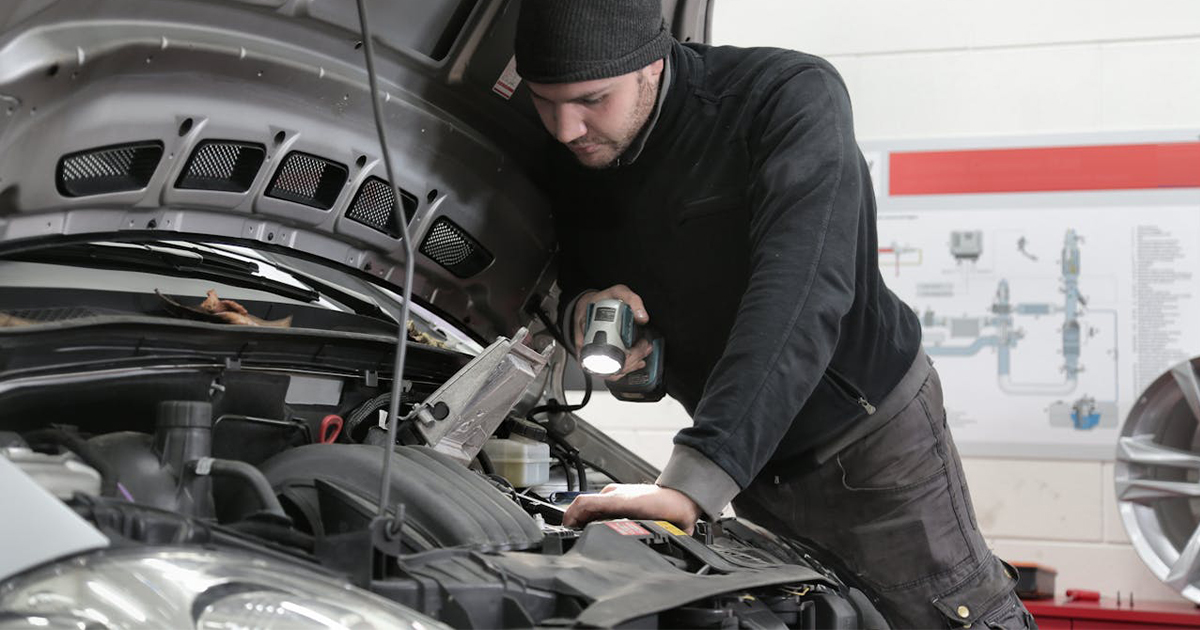
Modern vehicles depend on electronic control modules, cameras, radar sensors, and software to operate systems that once required mostly mechanical parts. These technologies manage everything from engine performance to advanced driver assistance features. When repairs disturb certain components, restoring their physical position may not be enough to restore proper operation.
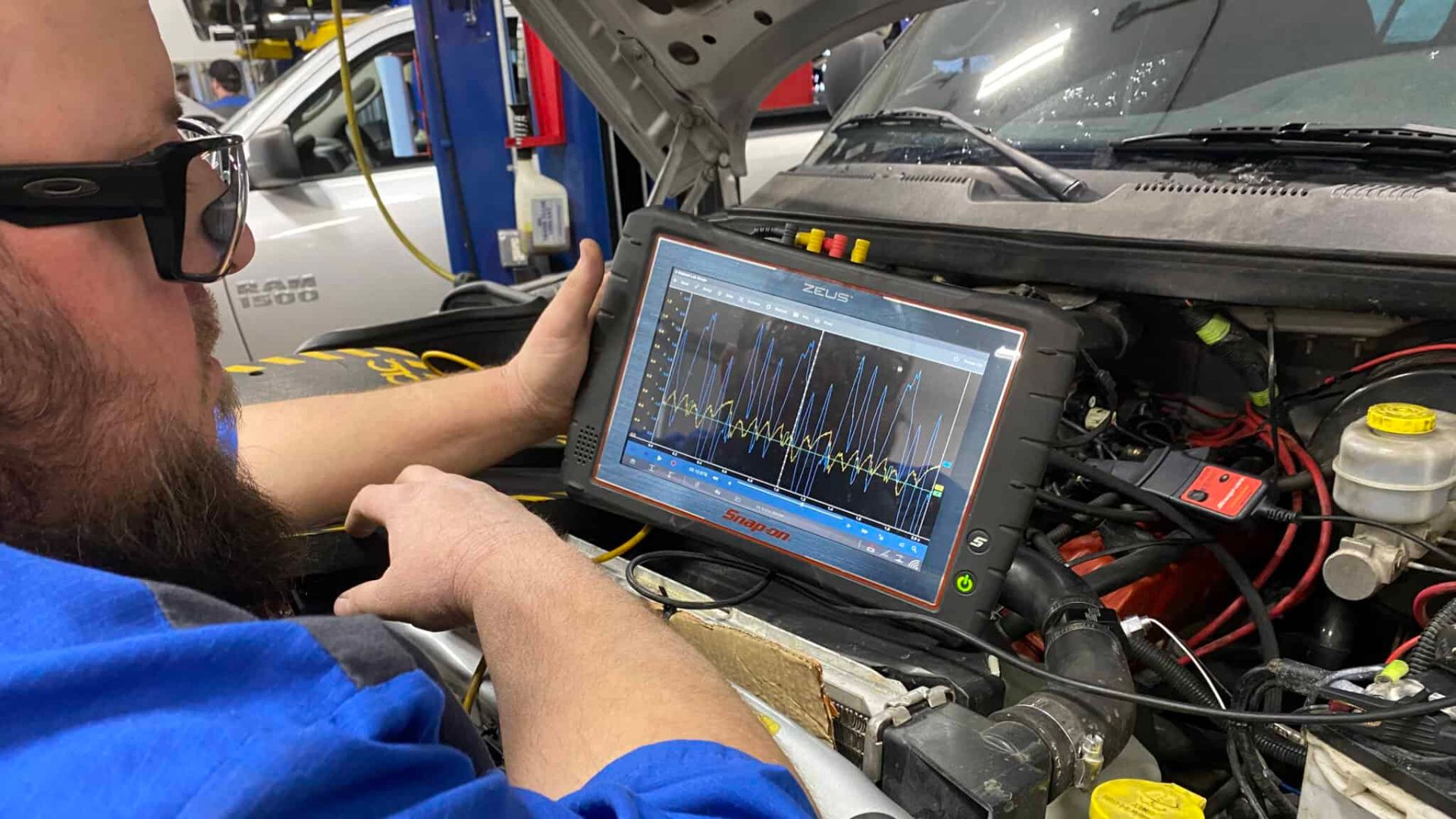 Modern Auto Service: Advanced Vehicle Diagnostics in Fruitland, ID, Wikimedia Commons
Calibration Is Not Just Another Software Update
A software update changes the programming or data used by an electronic system, while calibration establishes or verifies how a component measures and responds to its surroundings. A forward-facing camera, for example, may need calibration so the vehicle correctly interprets objects and lane markings. Mechanics sometimes use these terms loosely, but they describe different procedures that can involve different equipment and costs.
ADAS Is Behind Many Of These Bills
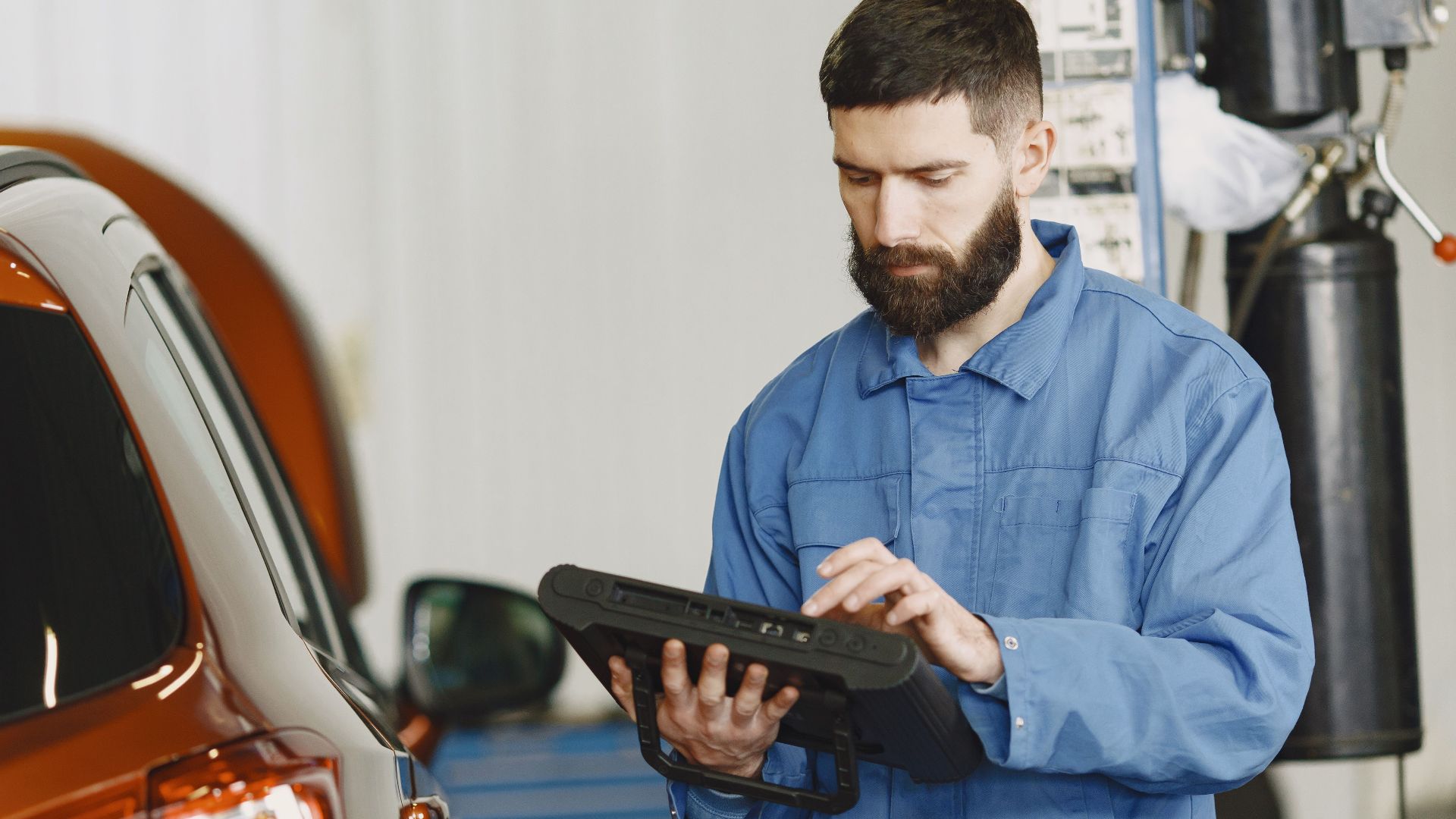
Advanced driver assistance systems, commonly called ADAS, include automatic emergency braking, lane departure warnings, adaptive cruise control, and other safety technologies. Many rely on cameras, radar, or additional sensors that must operate within precise tolerances. A repair that changes a sensor's position or its relationship to the vehicle can create a legitimate need for recalibration.
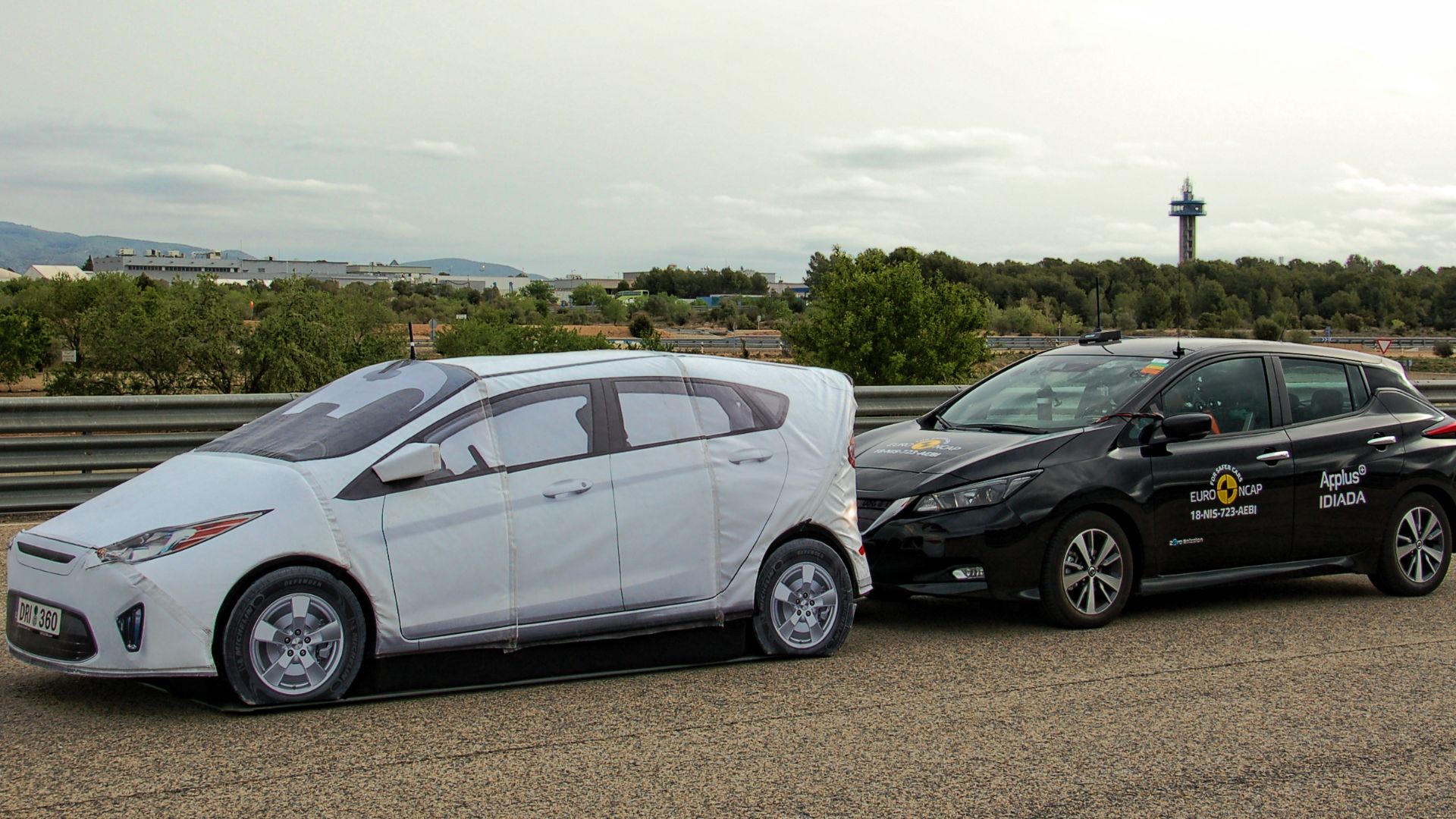 Applus+ IDIADA, Wikimedia Commons
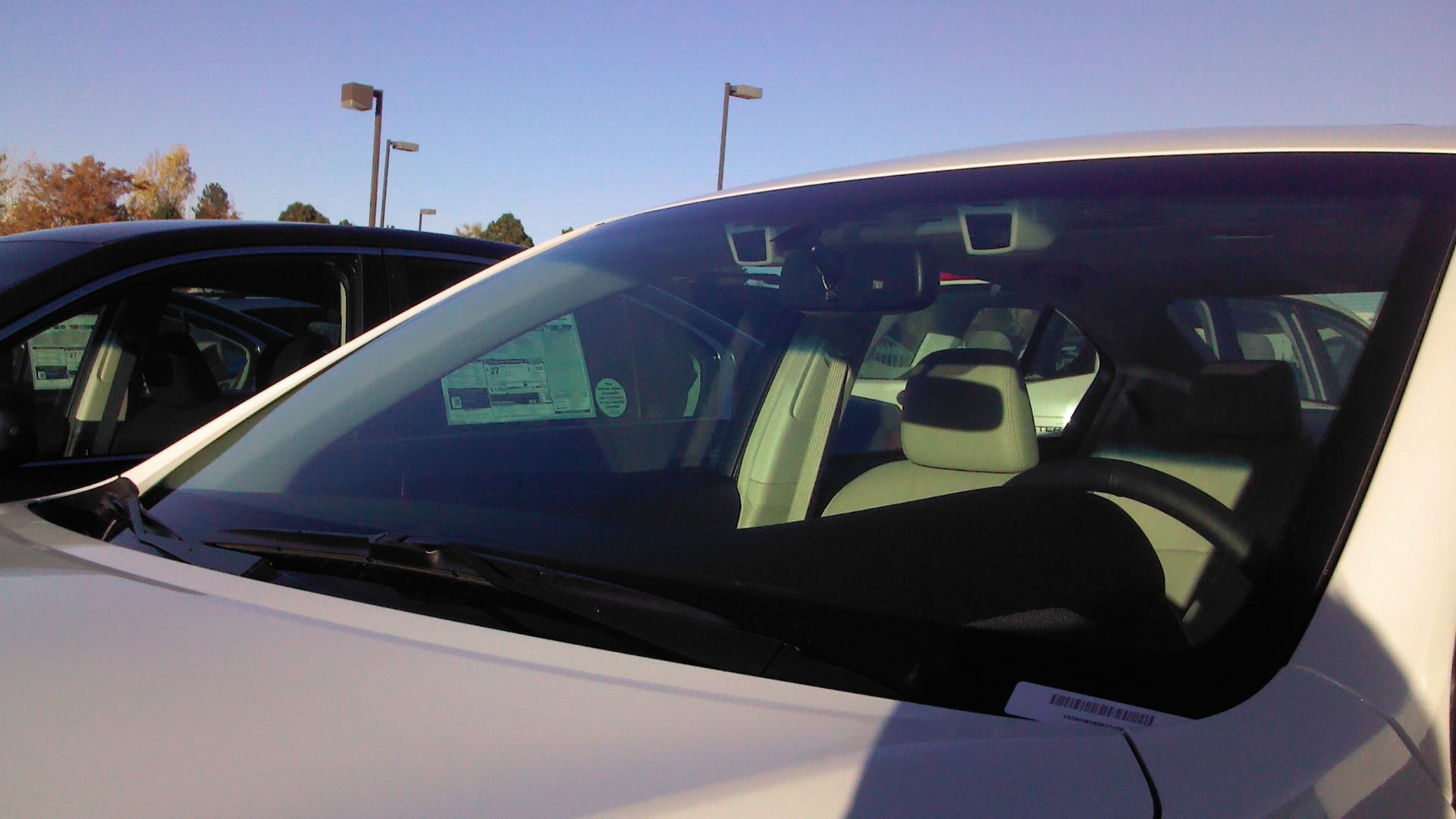
Even A Windshield Can Be High-Tech
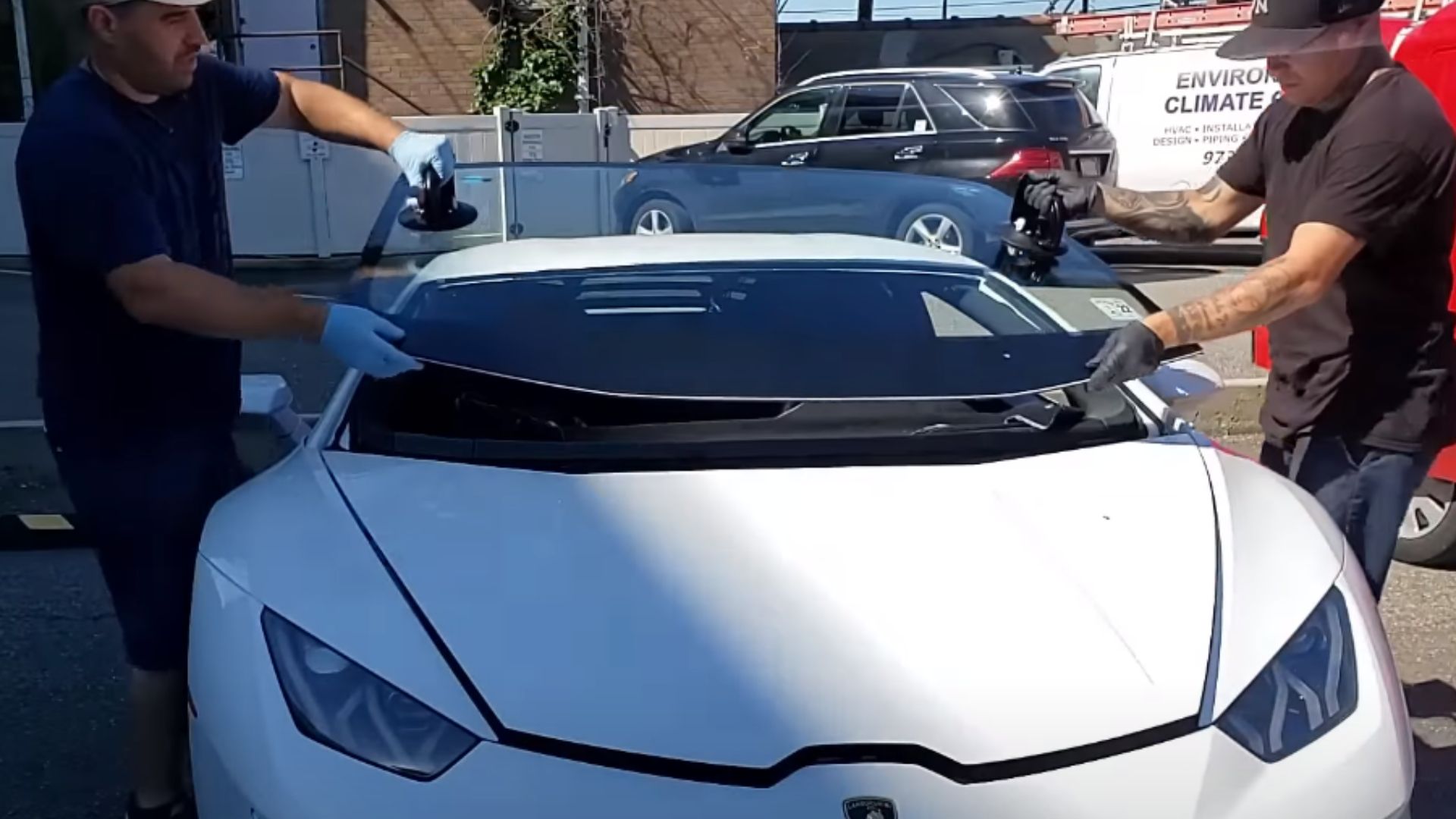
A modern windshield may do much more than protect occupants from wind and rain. Many vehicles position a forward-facing camera near the rearview mirror, using the glass as part of the camera's optical path. Replacing that windshield can require calibration, even when the new glass fits perfectly and the camera appears undamaged.
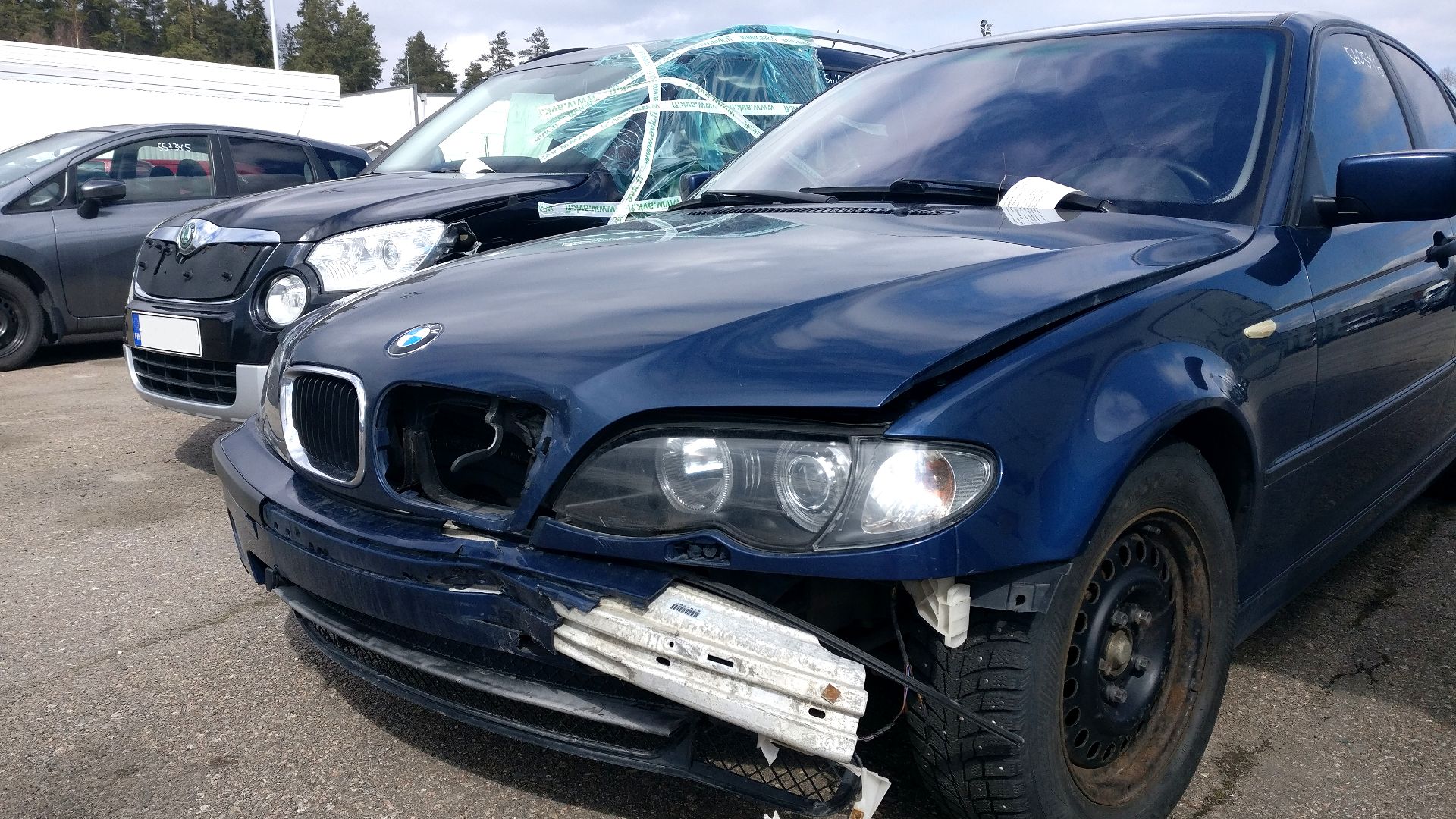
A Minor Bumper Repair Can Trigger Extra Work
Front and rear bumpers frequently conceal sensors used for adaptive cruise control, automatic braking, parking assistance, and other functions. Removing or replacing a bumper cover can require calibration on certain vehicles, even when the underlying damage is relatively minor. The correct requirement depends on the vehicle and the manufacturer's repair instructions, not simply how serious the damage looks.
 Santeri Viinamaki, Wikimedia Commons
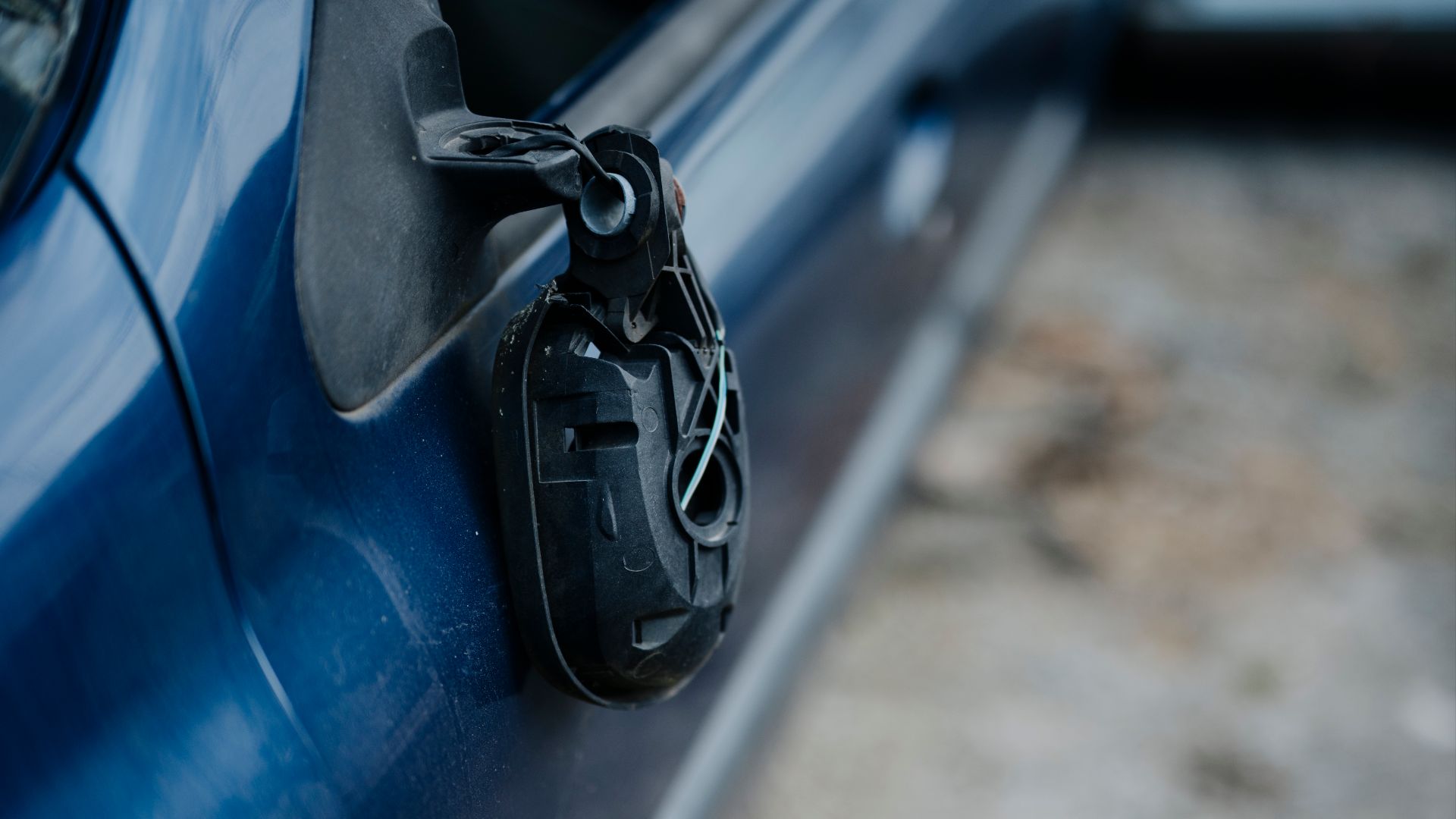
Side Mirrors Are More Complicated Than They Look
A replacement side mirror might contain cameras, blind-spot indicators, heating elements, and electronic controls. Some vehicles require calibration of their surround-view cameras after mirror replacement or removal. What looks like a straightforward exterior repair can therefore involve both mechanical work and electronic procedures.
 Shixart1985, Wikimedia Commons
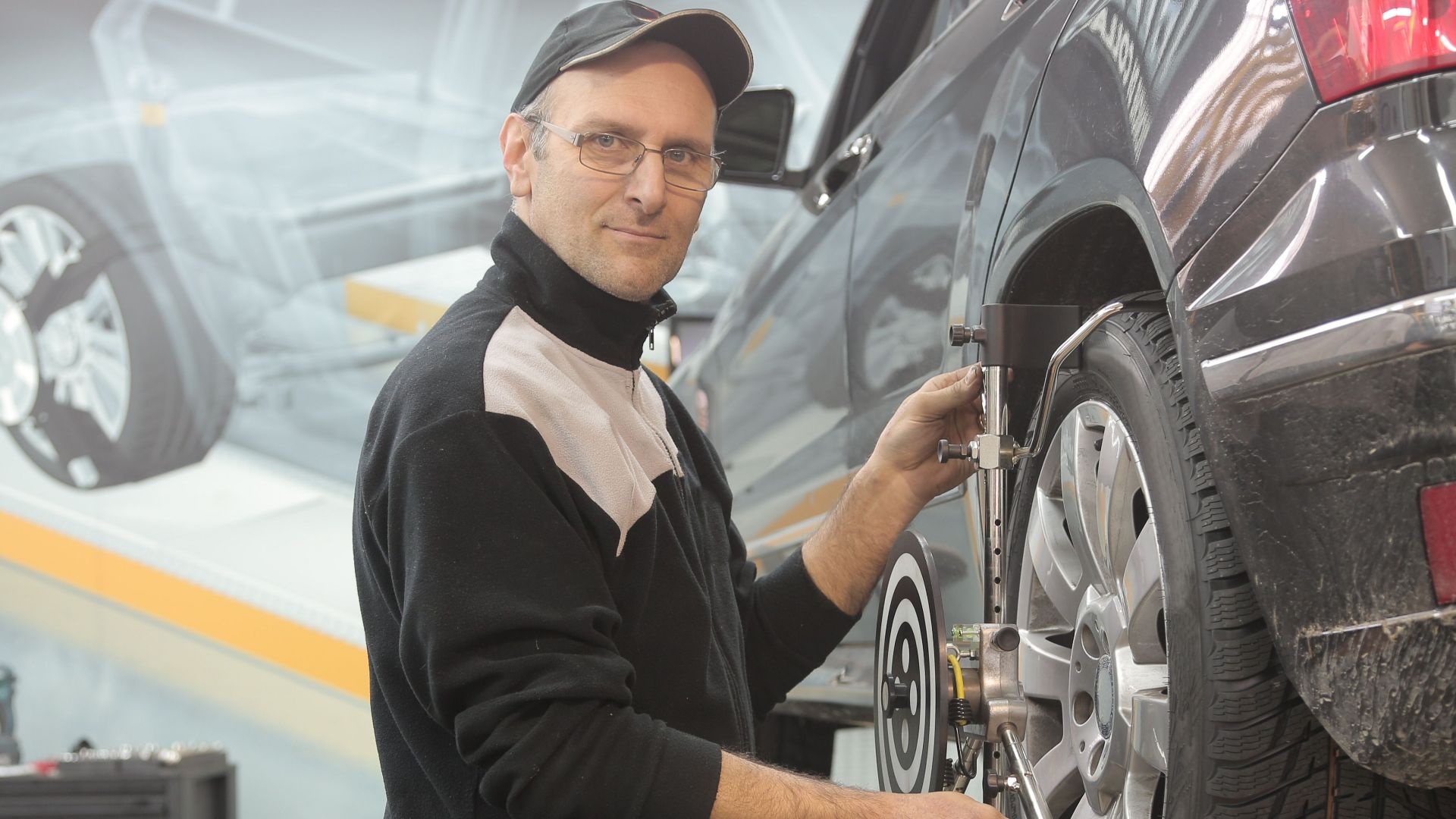
Wheel Alignments Can Trigger Calibration Too
A wheel alignment changes or verifies the angles at which a vehicle's wheels meet the road. On some vehicles, steering angle sensors and driver assistance systems must be checked or recalibrated after alignment work. I-CAR's information for the 2016 Subaru Legacy, for example, identifies wheel alignment as a possible trigger for EyeSight camera calibration.
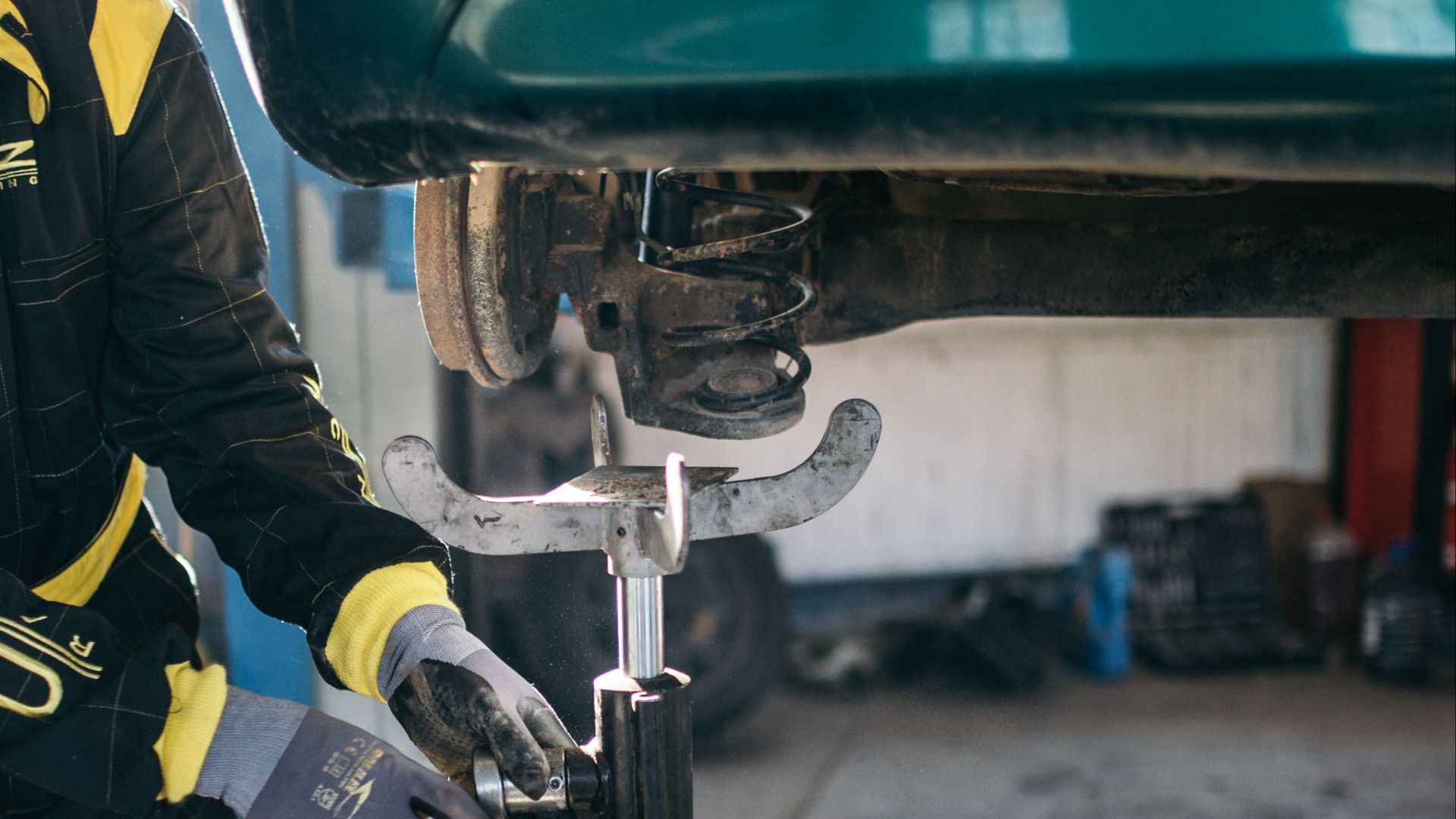
Suspension Repairs Can Affect Safety Cameras
Replacing suspension components can alter the vehicle's ride height or orientation. That matters because forward-facing cameras and radar sensors operate relative to the vehicle and the road. Certain manufacturers specify calibration after suspension work, even when nobody has touched the camera itself.
 Shixart1985, Wikimedia Commons
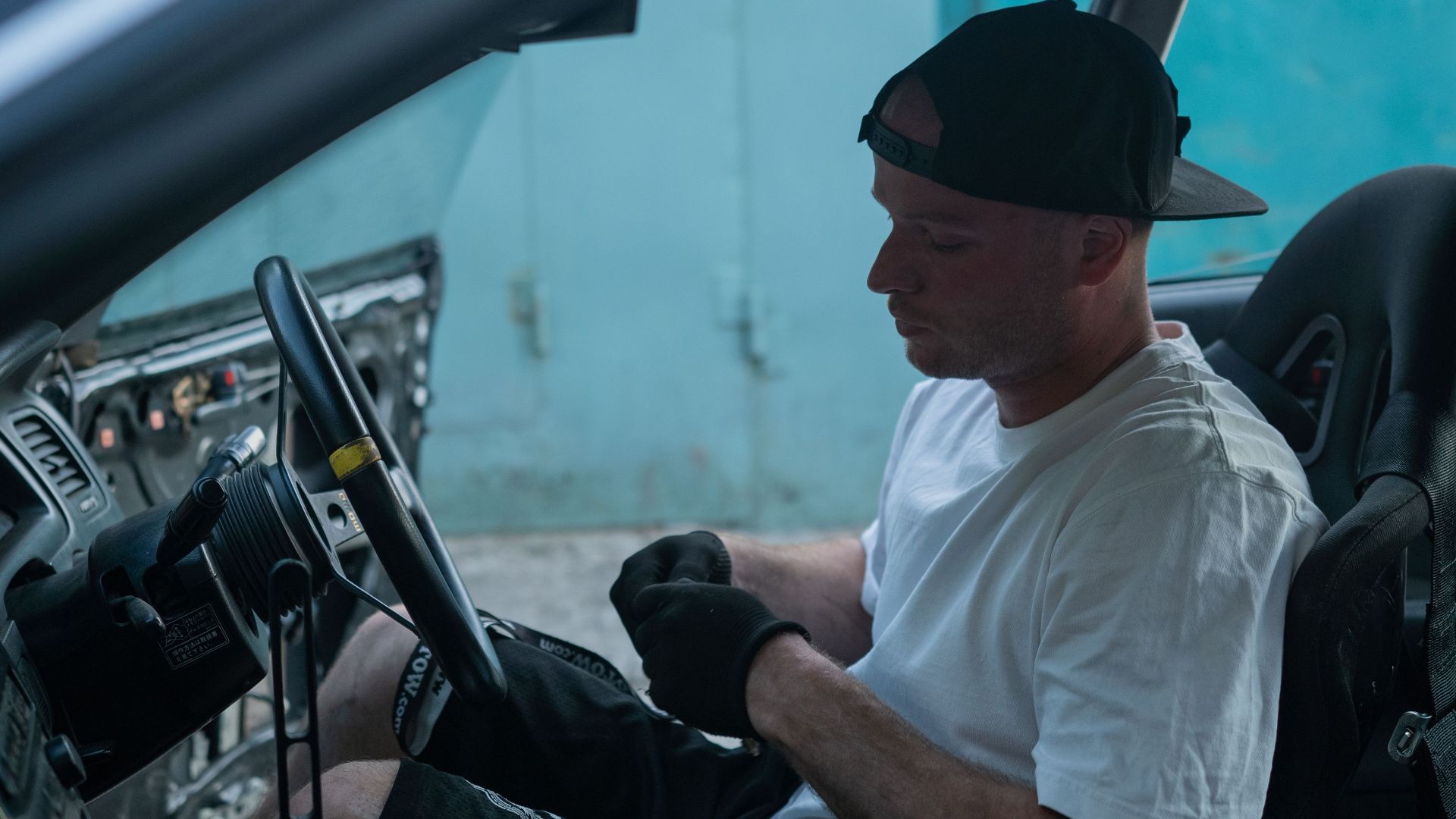
Steering Sensors May Need A Reset
Modern steering systems can contain sensors that tell electronic modules which direction the driver is turning. These readings may support stability control, lane-keeping assistance, and other vehicle functions. I-CAR identifies wheel alignment, structural repairs, and airbag deployment as situations that may require steering angle sensor calibration.
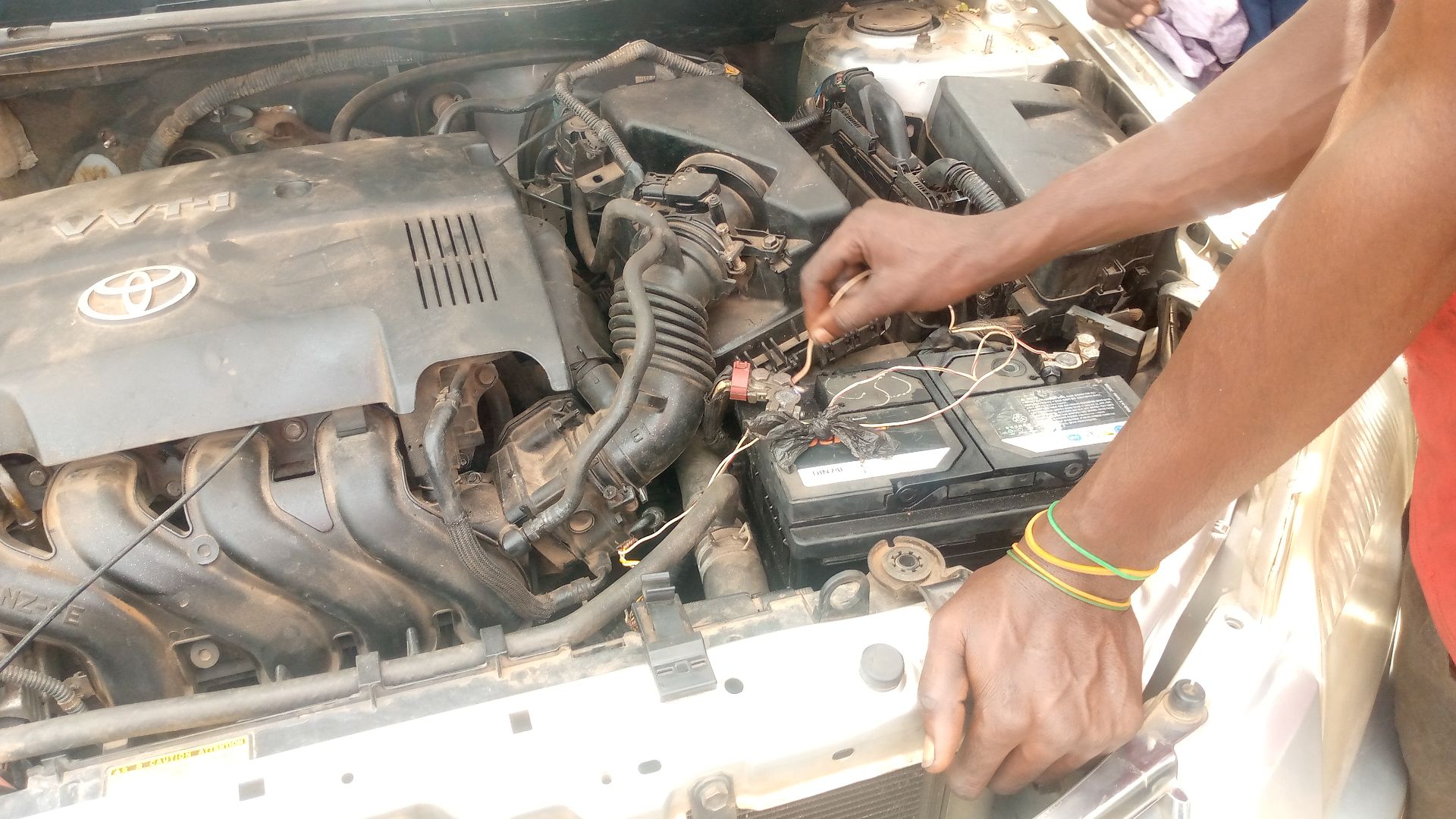
A Battery Disconnect Can Cause Surprises
Not every calibration bill involves collision-avoidance technology. I-CAR notes that power windows, sunroofs, liftgates, and other electronic features may require initialization after electrical power is disconnected. The number and type of procedures vary significantly among manufacturers.
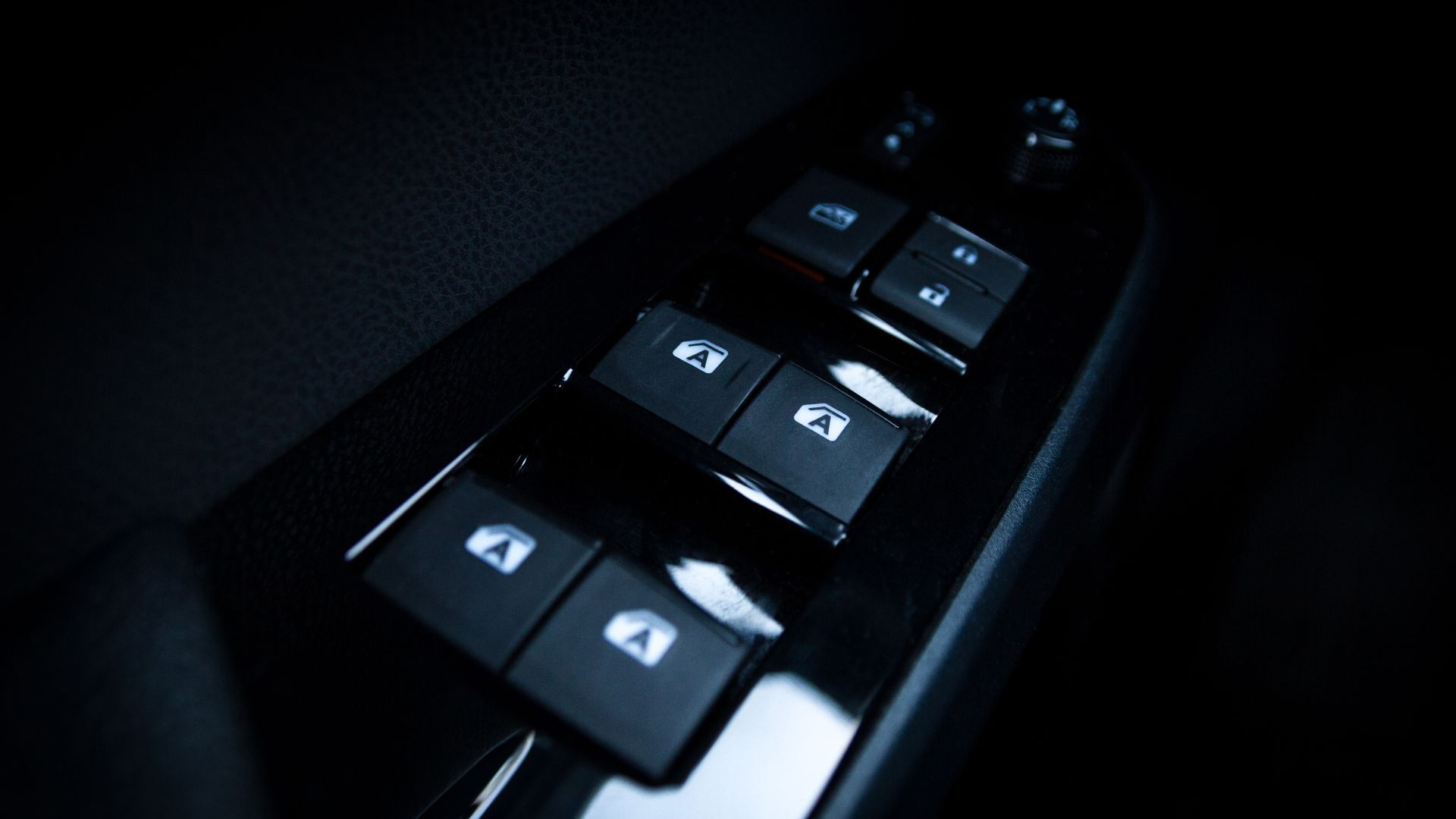
Even Power Windows Can Need Relearning
Some electronically controlled windows need to relearn their travel limits or automatic operation after certain repairs or battery disconnections. This is an example of initialization rather than the precision aiming required for a forward-facing safety camera. It also illustrates why mechanics should identify the exact procedure instead of describing every electronic task as an expensive calibration.
Static Calibration Happens In The Workshop
Static ADAS calibration uses specified targets, measuring equipment, and a controlled setup while the vehicle remains stationary. Depending on the system, the technician may need to position targets at exact distances and angles relative to the vehicle. These procedures can demand significant preparation before the actual electronic calibration begins.
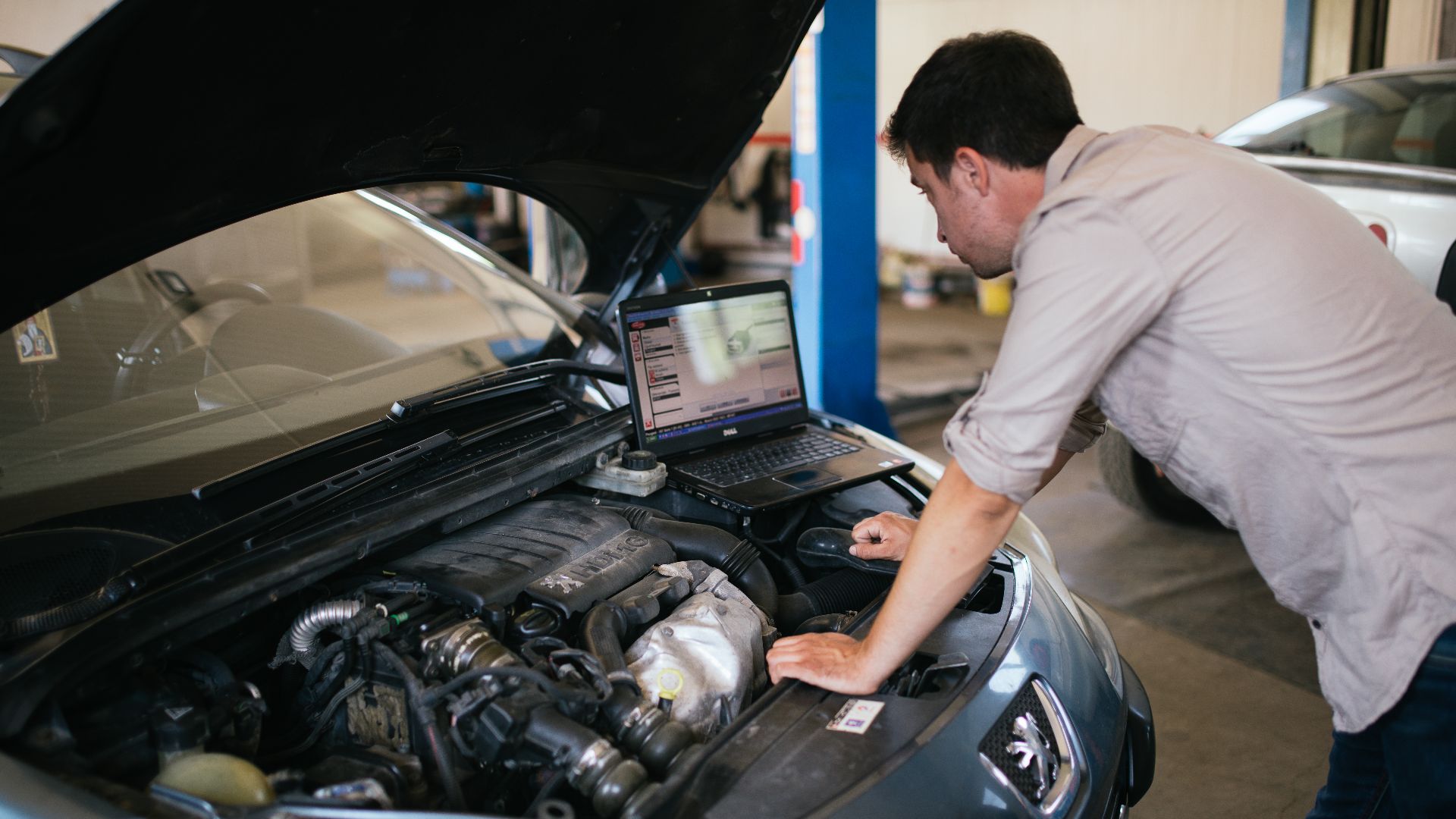 Shixart1985, Wikimedia Commons
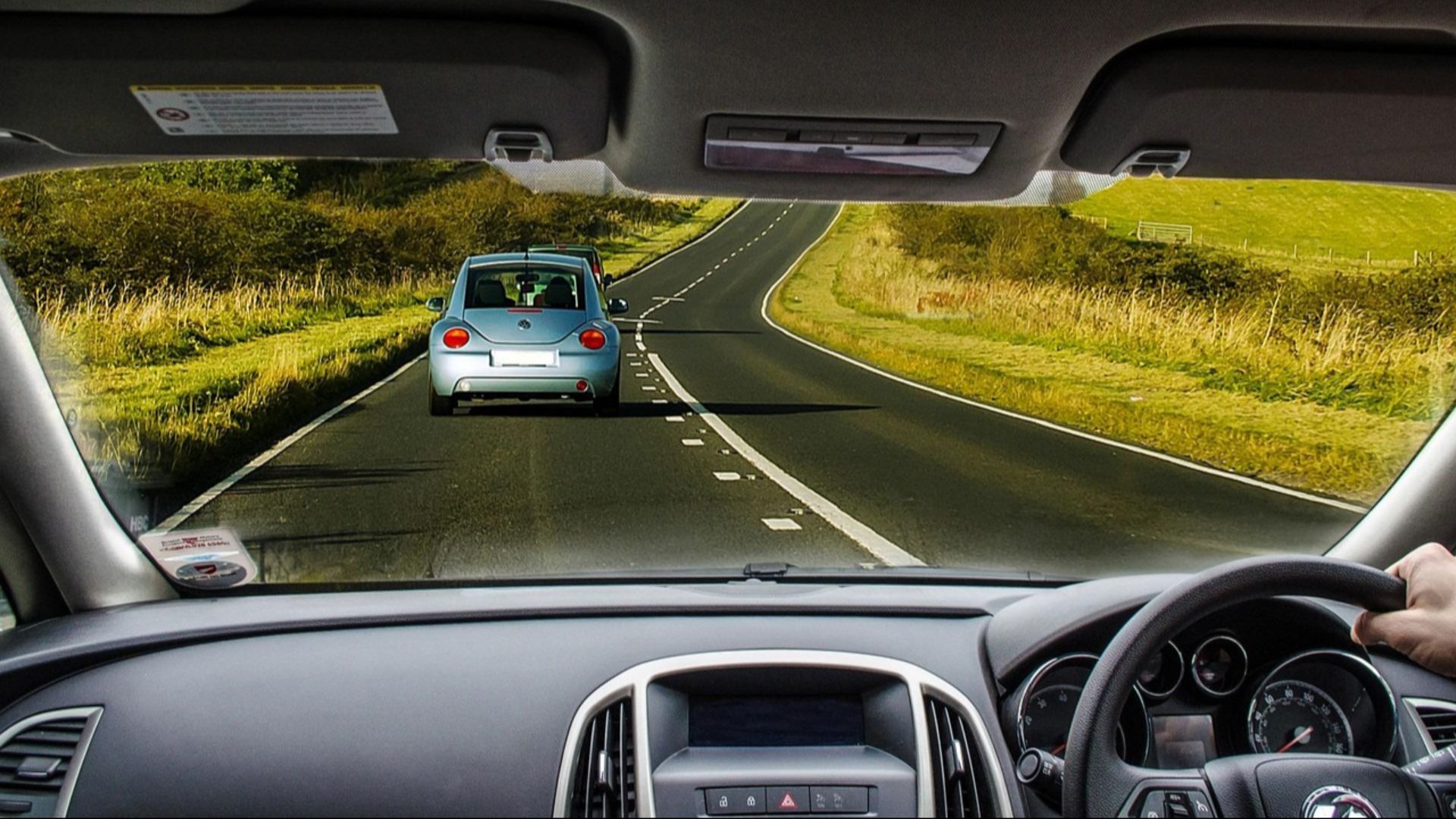
Dynamic Calibration Happens On The Road
Some vehicles use dynamic calibration, which requires driving under conditions specified by the manufacturer. The vehicle's cameras or sensors gather information while the car moves through the environment. Depending on the system, the procedure may require particular speeds, road markings, or other operating conditions.
Some Vehicles Need Both Procedures
A single test drive does not necessarily replace workshop calibration. I-CAR explains that certain systems require static and dynamic procedures, while others use only one method. The correct approach comes from the vehicle manufacturer's instructions for that specific repair.

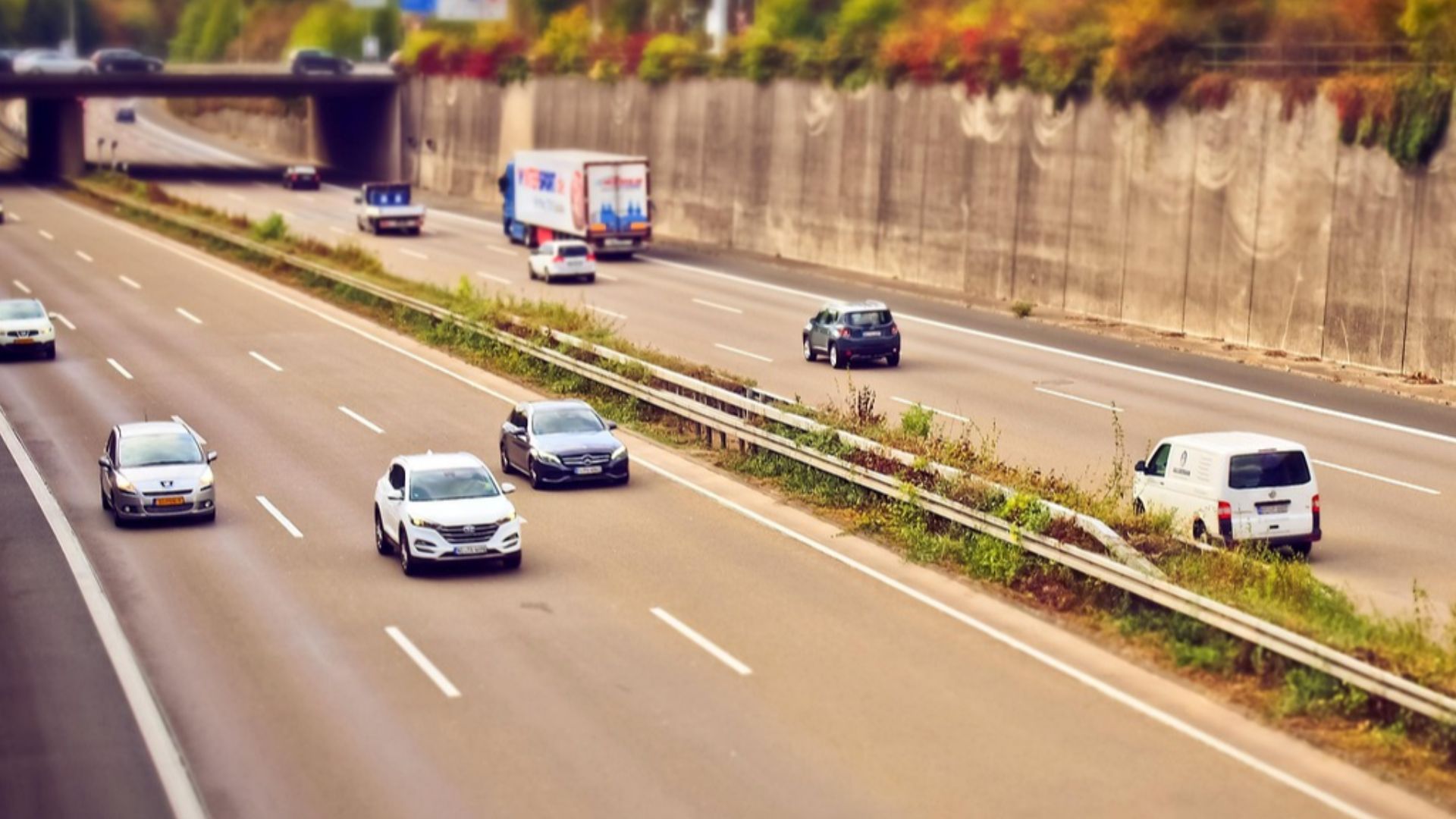
A Tiny Alignment Error Can Matter
A forward-facing camera or radar sensor observes objects at distances far beyond the front bumper. AAA explains that a small sensor misalignment can produce a much larger aiming error farther down the road. That is why simply reinstalling a component so it looks straight may not be sufficient.
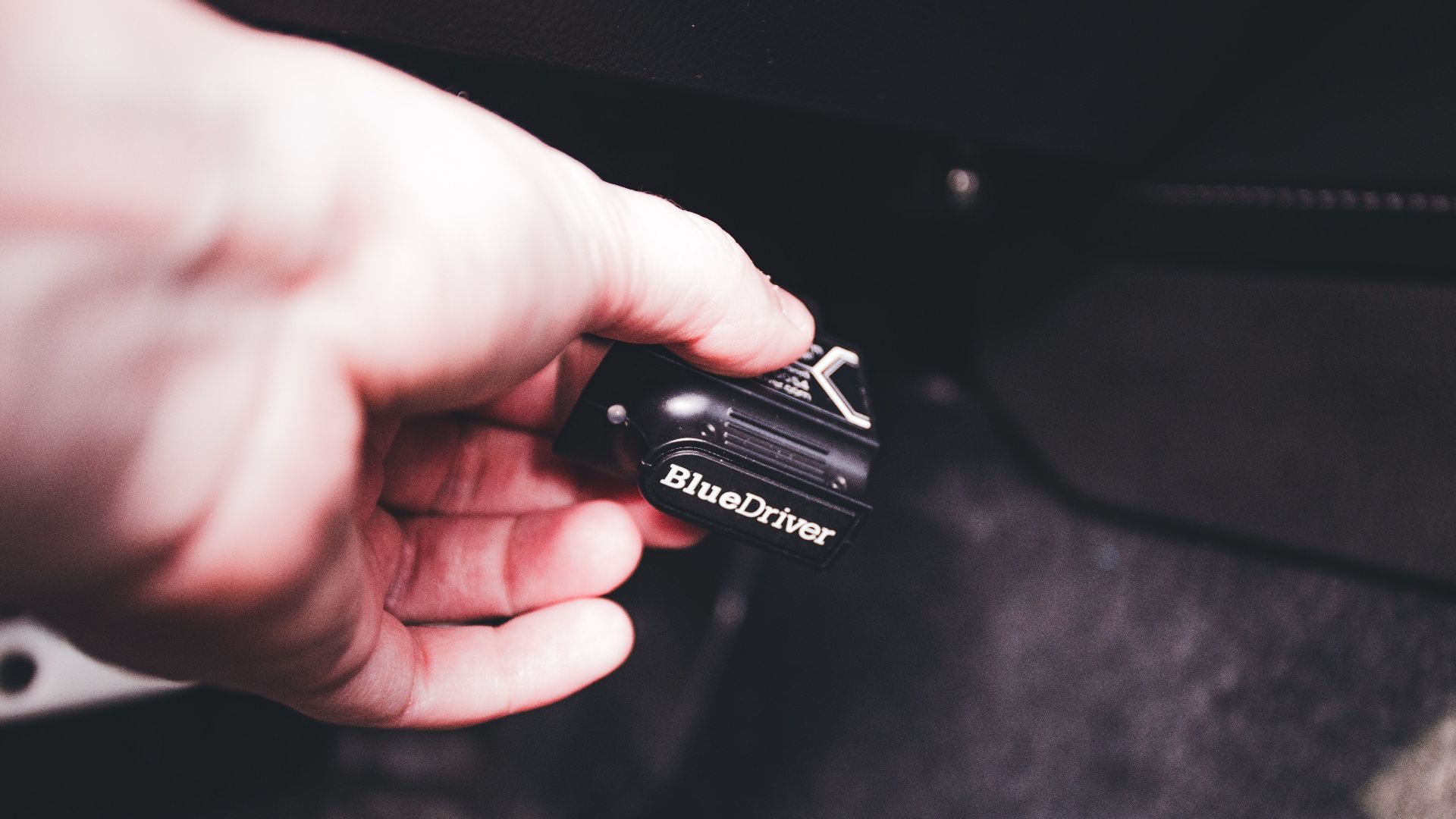
The Equipment Is Not Cheap
Professional calibration can require specialized targets, diagnostic equipment, manufacturer repair information, suitable workshop space, and trained technicians. AAA identifies these requirements as contributors to ADAS repair costs. A shop charging for calibration may therefore be recovering the cost of substantially more than the technician's time.
AAA Found Some Eye-Opening Costs
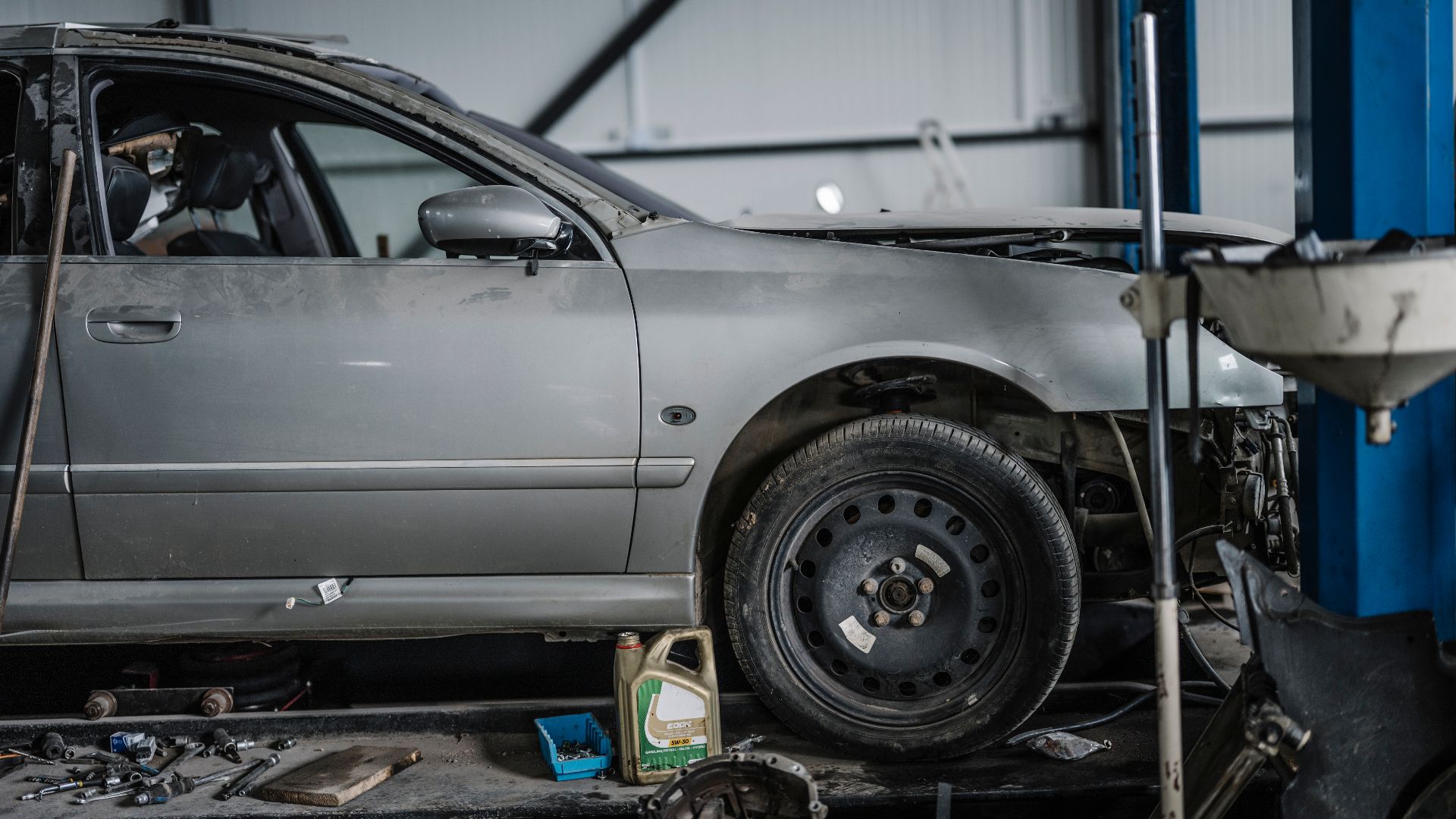
AAA's 2023 study examined common repairs involving three vehicles: a Ford F-150, Nissan Rogue, and Toyota Camry. It found that ADAS-related parts and calibration could account for as much as 37.6 percent of the total repair cost in the scenarios studied. The results help explain why an apparently modest repair can produce an unexpectedly large estimate.
 Shixart1985, Wikimedia Commons
A Front Sensor Can Add Serious Money
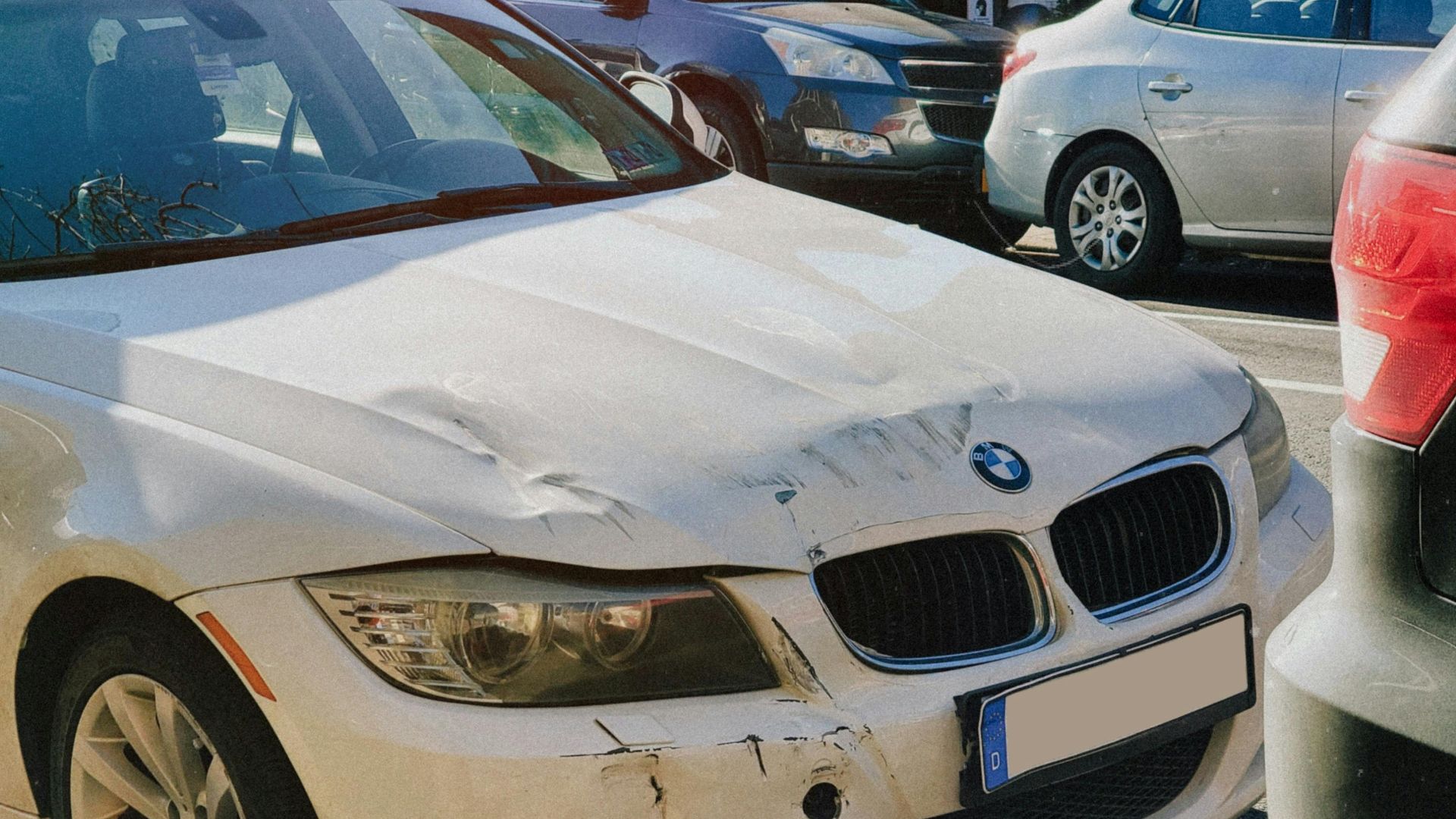
In AAA's study, repairing ADAS components after minor front-end collision damage added an average of $1,540 to the repair estimate. Radar sensors and forward-facing cameras were major contributors to those costs. These figures describe the particular vehicles and repair scenarios studied, not a universal price for every vehicle.
The Windshield Camera Has Its Own Price
AAA found that the ADAS-related portion of windshield replacement averaged approximately $360 in its selected test vehicles. That included work associated with transferring and calibrating the windshield-mounted camera. The amount was additional to the ordinary glass replacement work and should not be interpreted as a standard calibration fee everywhere.
 Jorgeelmv64, Wikimedia Commons
A Side Mirror Can Be Surprisingly Expensive
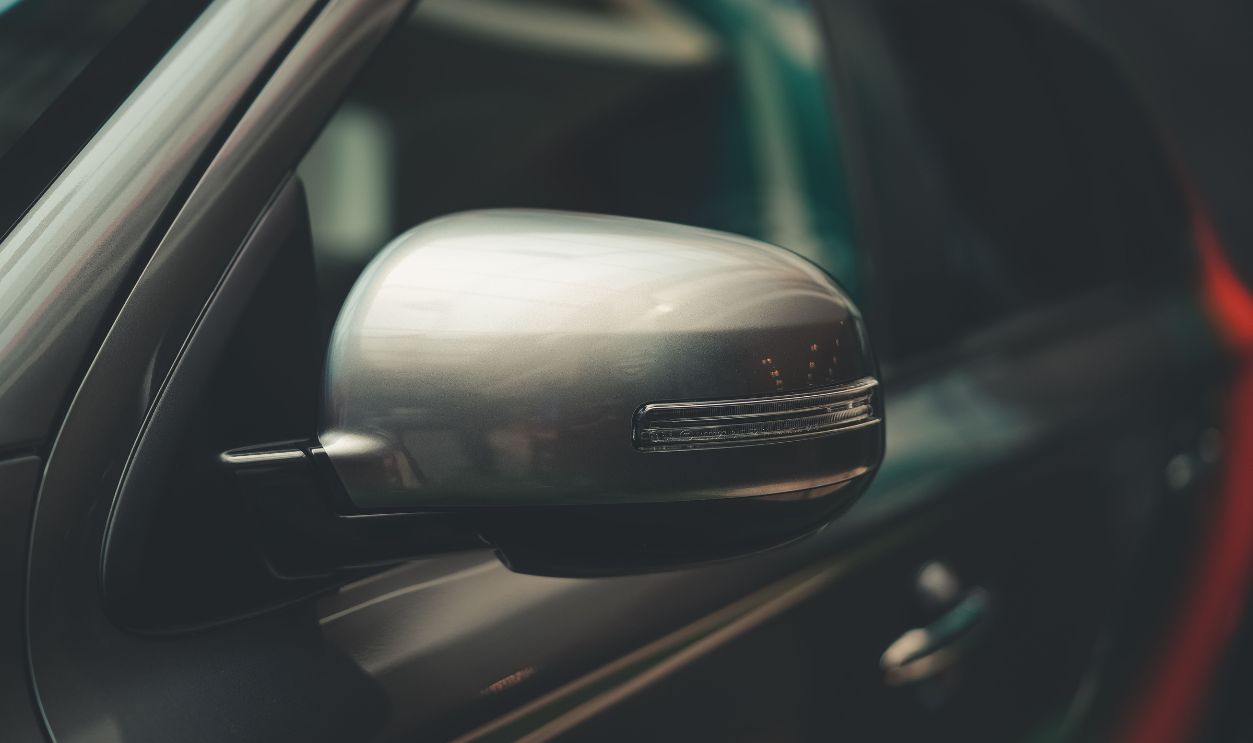
The same AAA research found that ADAS components accounted for an average of $1,067 in the side-mirror replacement scenario. That represented roughly 71 percent of the total estimated repair cost for that scenario. A camera-equipped mirror can therefore cost far more to replace than its physical size might suggest.
A Diagnostic Scan Is Not Calibration
Mechanics may perform diagnostic scans before and after repairs to identify fault codes and check electronic systems. These scans are useful, but they do not automatically establish that a camera or radar sensor is correctly aimed. I-CAR treats scanning and calibration as separate steps within the broader repair process.
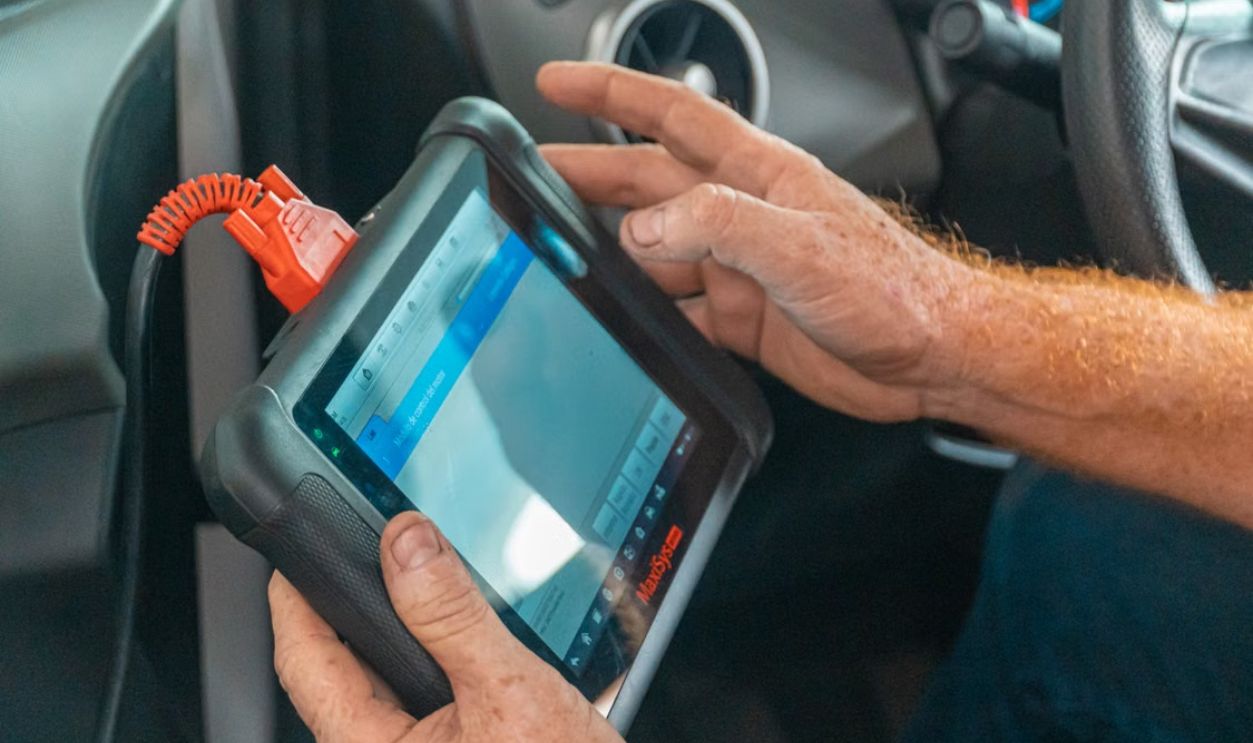 Jose Ricardo Barraza Morachis, Pexels
No Warning Light Does Not Guarantee Everything Is Fine
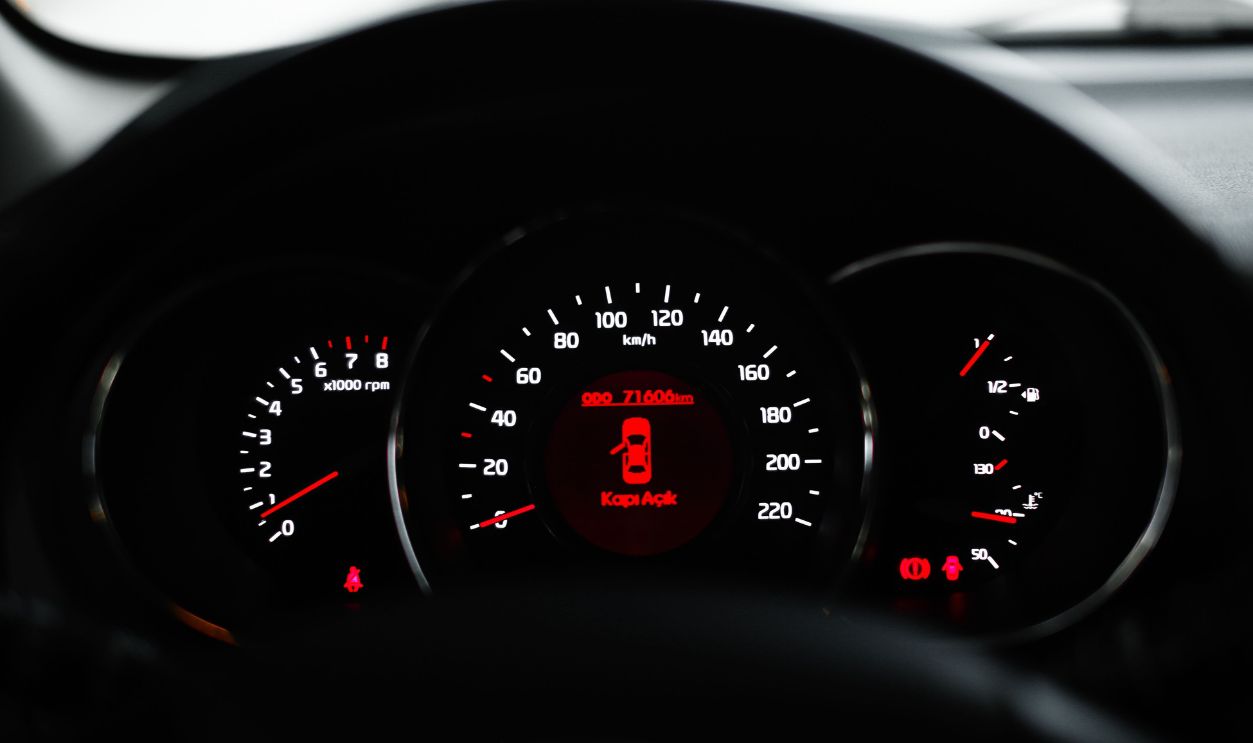
An improperly positioned sensor does not always produce an obvious dashboard warning. Honda's collision-repair guidance, summarized by I-CAR, explains that some driver assistance systems may require aiming or calibration even without diagnostic trouble codes. This is one reason technicians must consult repair procedures instead of relying exclusively on warning lights.
Manufacturers Set Different Rules
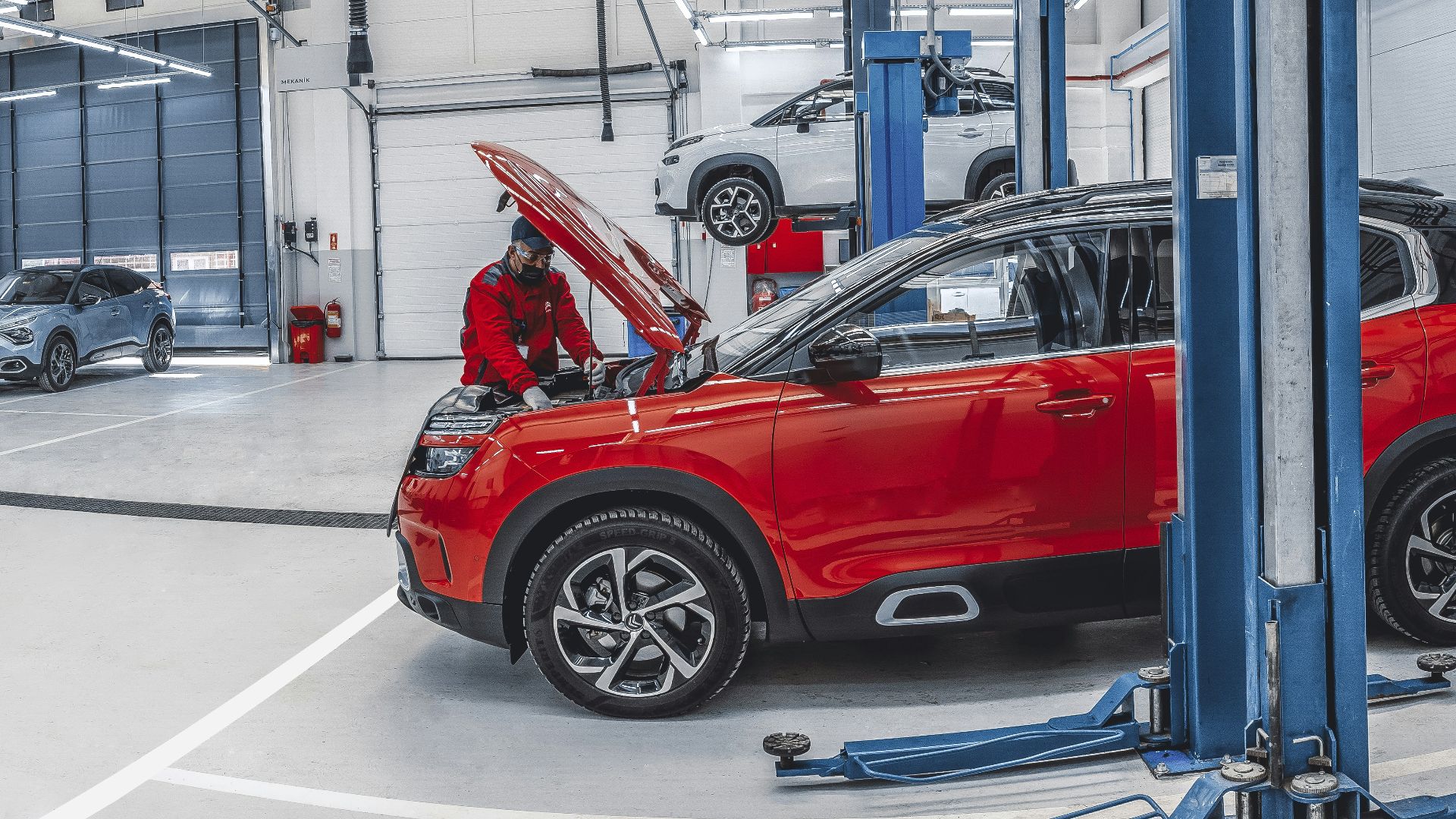
There is no single calibration rule covering every modern car. A windshield replacement, wheel alignment, or bumper repair may trigger different requirements depending on the manufacturer, model, year, and installed equipment. I-CAR maintains a searchable database of manufacturer calibration requirements to help repair professionals identify the correct procedures.
Not Every Repair Requires Calibration
The growing number of electronic systems does not mean every repair automatically needs a costly procedure. I-CAR's vehicle-specific records sometimes explicitly identify components for which no calibration requirement was found. A technician should be able to explain why the particular repair on your vehicle triggers the procedure being recommended.
Ask For The Manufacturer's Instructions
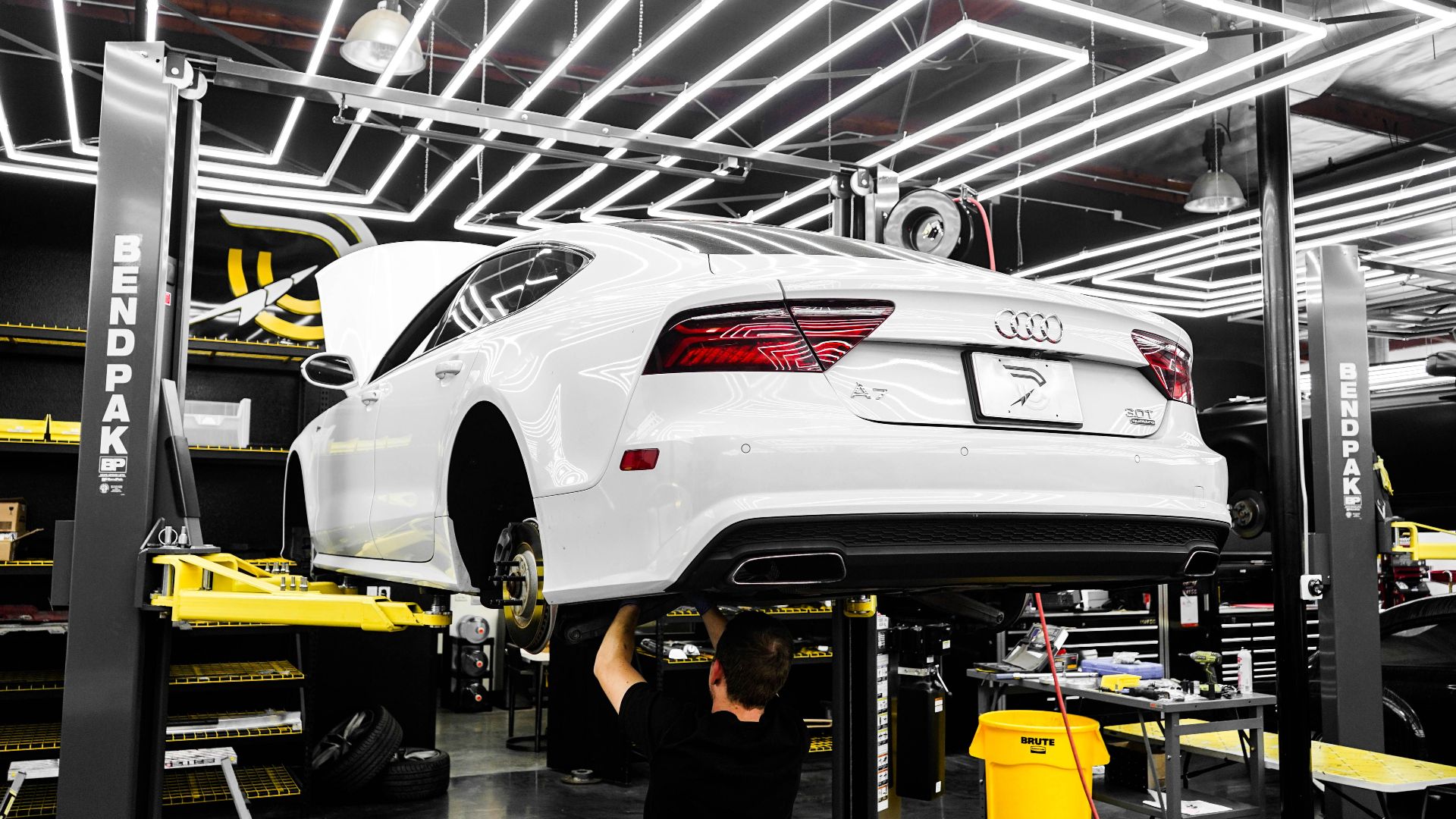
Before approving a substantial calibration charge, ask the shop to identify the relevant manufacturer procedure. The explanation should connect your vehicle's model, year, equipment, and completed repair to a specific calibration requirement. I-CAR emphasizes that current manufacturer information is essential when determining what work is necessary.
Request An Itemized Estimate
A calibration charge should not be an unexplained number added to the bottom of an invoice. Ask whether the estimate includes diagnostic scanning, target setup, sensor aiming, programming, road testing, or work performed by a subcontractor. Separating those operations makes it easier to understand what you are actually buying and compare competing estimates.
Ask Who Will Perform The Work
Not every repair facility owns the equipment needed for every manufacturer's calibration procedure. A shop may use a specialist or another qualified facility to complete the work. AAA recommends choosing reputable repair providers with the training and equipment necessary to restore these systems accurately.
Ask For Evidence That It Was Completed
I-CAR's recommended collision-repair process includes performing required calibrations and conducting a post-repair diagnostic scan. Ask the shop what records it can provide, such as scan results, calibration reports, or documentation showing that the specified procedure was completed. The available evidence will vary by vehicle and equipment, but a clear explanation is reasonable.

A Second Opinion Can Still Be Worthwhile
An expensive estimate is not automatically dishonest, but it is reasonable to compare it with another qualified repair facility. Make sure both shops are quoting the same manufacturer-required operations rather than comparing a complete repair with one that omits calibration. The cheapest quote is not necessarily the best value if important safety procedures are missing.
Skipping Calibration Can Create Bigger Problems
ADAS features depend on accurate information from their sensors. AAA warns that improperly repaired systems can malfunction or fail to operate as intended, potentially creating a serious safety risk. Saving money by ignoring a required calibration may leave the vehicle's safety technology operating differently from the manufacturer's design.
This Really Is Becoming Part Of Modern Car Ownership
Expensive calibration procedures are a legitimate part of repairing many modern vehicles, especially those equipped with sophisticated driver assistance systems. That does not mean every software-related charge is justified or that every simple repair requires specialized work. The sensible approach is to ask for the exact manufacturer requirement, an itemized estimate, and evidence that the work was performed correctly.
You May Also Like:
How To Extend The Life Of Your Vehicle's Engine
Electric Cars With The Fastest 0–60 Times
Expensive Cars From Jay Leno's Collection That Don't Get Talked About Much