Why This Advice Sounds Odd
You never expect a mechanic to say you need to drive your car harder. Most of us are taught that gentle driving is the safest way to make a car last, but truth is more complicated, especially with modern cars packed with emissions gear, turbochargers, direct injection, and computer-controlled transmissions.

Gentle Driving Is Not Usually The Problem
Easy driving by itself does not normally hurt a healthy engine. In fact, avoiding repeated cold starts, abusive high-rpm driving, and skipped maintenance is still one of the best ways to help a car last. The issue starts when a car only does short trips, rarely gets fully warm, and never works hard enough to clear out deposits or let key emissions systems do their job.

What Mechanics Usually Mean By “Drive It Harder”
Most mechanics do not mean you should hammer the throttle or drive like you are on a racetrack. They usually mean the car needs an occasional fully warmed-up run with moderate to strong throttle, higher sustained speeds where legal, or a longer highway drive. That kind of use can help the engine, exhaust aftertreatment system, and even the battery charging system work the way they were meant to.

Short Trips Are Often The Real Issue
The U.S. Department of Energy notes that short trips of just a few miles can keep a car’s engine from reaching its ideal operating temperature. That matters because oil works best when hot, condensation burns off more fully, and emissions controls work better. A car that spends its life on cold, low-speed errands can build up moisture, fuel dilution, and carbon faster than one that gets regular longer drives.

Modern Engines Run Cleaner, But Not Perfectly Clean
Engine deposits have been studied for decades, and the issue did not vanish with fuel injection and engine computers. The U.S. Department of Energy’s Alternative Fuels Data Center explains that gasoline direct injection can improve efficiency, but it also changed how fuel enters the engine. In some direct-injected engines, fuel no longer washes over the intake valves, which can let deposits build up over time.
Why Direct Injection Changed Things
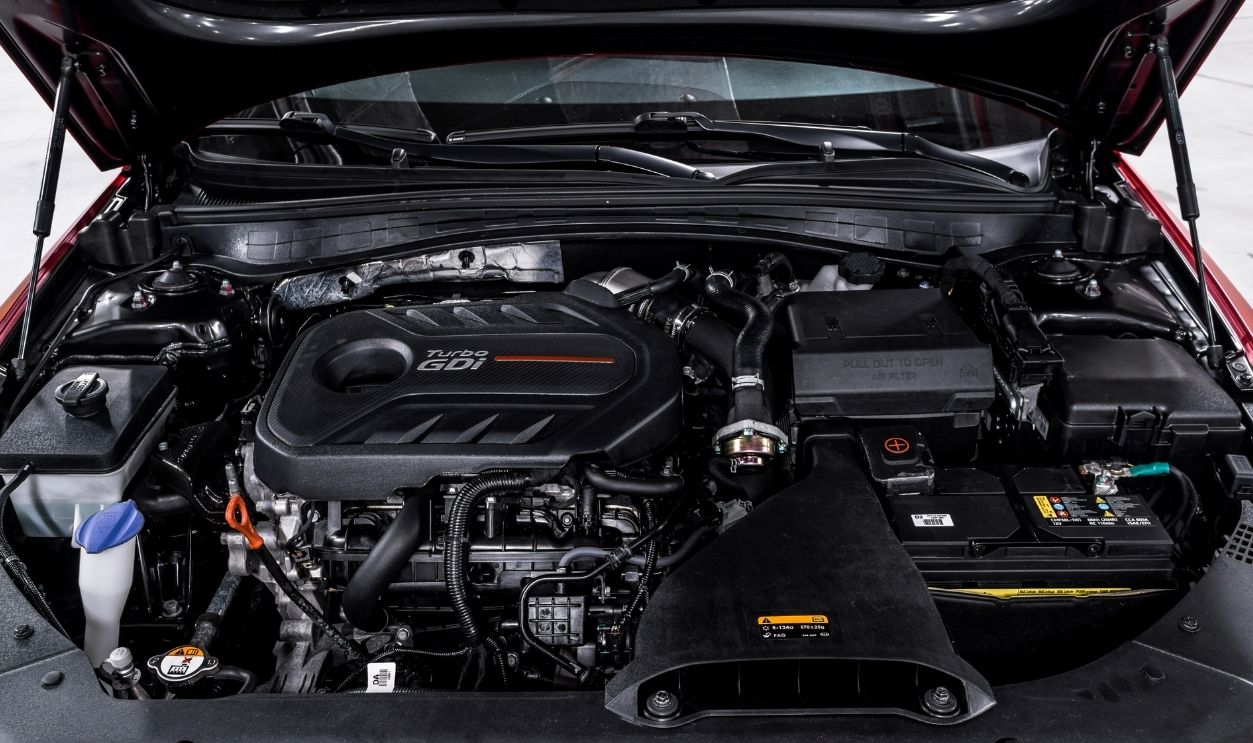
With port fuel injection, gasoline sprayed upstream of the intake valves and helped keep them cleaner. In gasoline direct injection systems, the fuel is sprayed straight into the combustion chamber, so that cleaning effect is reduced or gone. That is one reason some modern engines can develop intake valve carbon buildup even when the owner has driven gently and used good fuel.
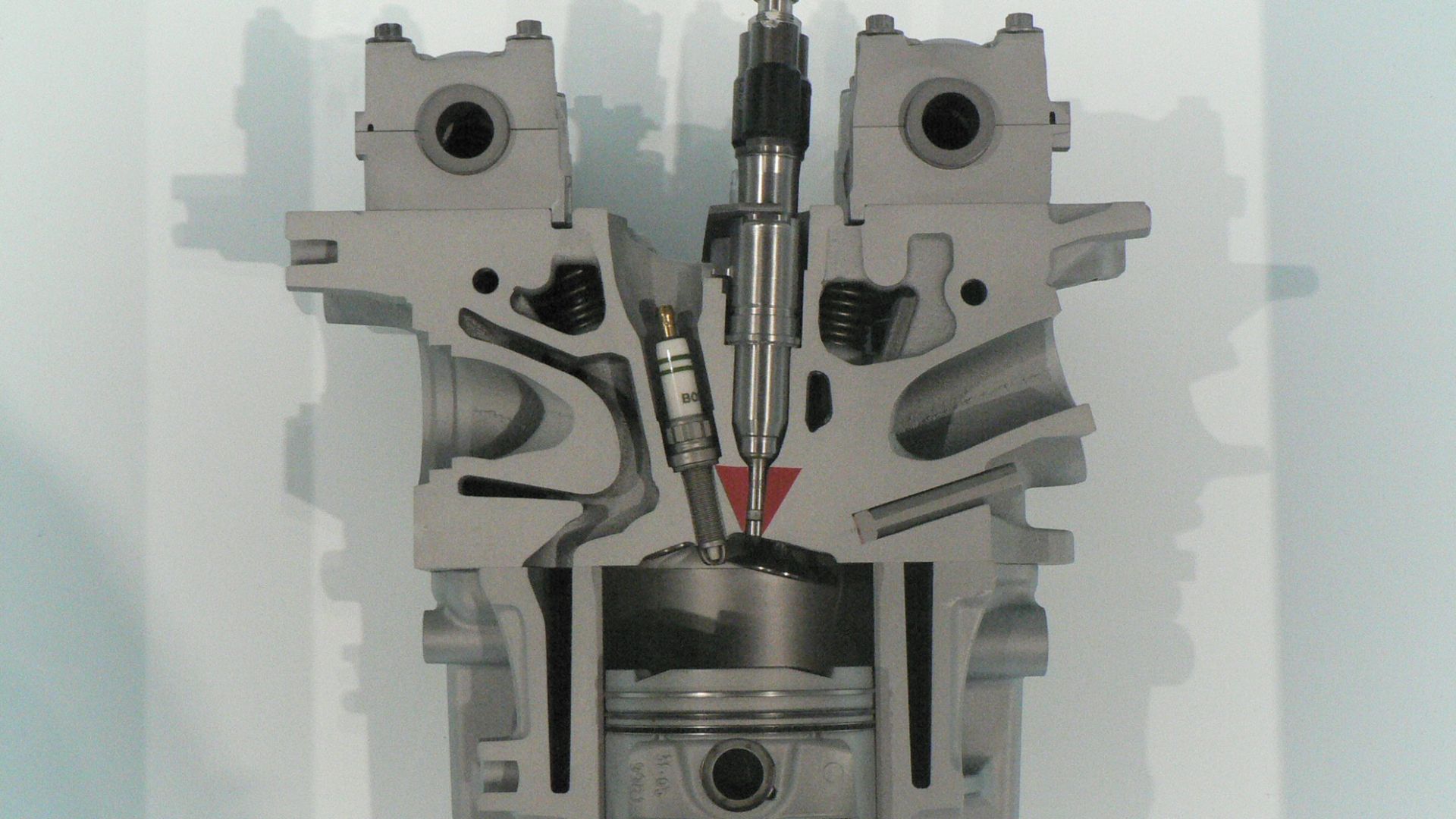 Ton1~commonswiki, Wikimedia Commons
Carbon Build-Up Is A Real, Documented Problem
Engineering groups have documented the deposit issue rather than leaving it to shop talk. SAE International has published technical papers on intake valve deposits in direct-injection gasoline engines and how operating conditions affect them. That does not mean every gently driven car will have a serious problem, but it does mean the concern has a real technical basis.

Low Load Driving Can Encourage Soot And Deposits
Engines that spend most of their time under very light load can build deposits more easily than engines that regularly reach full temperature and see a wider range of conditions. Combustion quality, crankcase ventilation behavior, and exhaust temperatures all change with load. In plain terms, a car that never gets worked can spend more time in the conditions that let grime slowly pile up.

Diesels Made This Lesson Famous
If any engine type made the “Italian tune-up” famous, it was the diesel. Modern diesel vehicles use diesel particulate filters, or DPFs, to trap soot, and those filters need high exhaust temperatures to regenerate properly. When drivers use a diesel mostly for short, low-speed trips, the filter may struggle to complete regeneration and can clog.
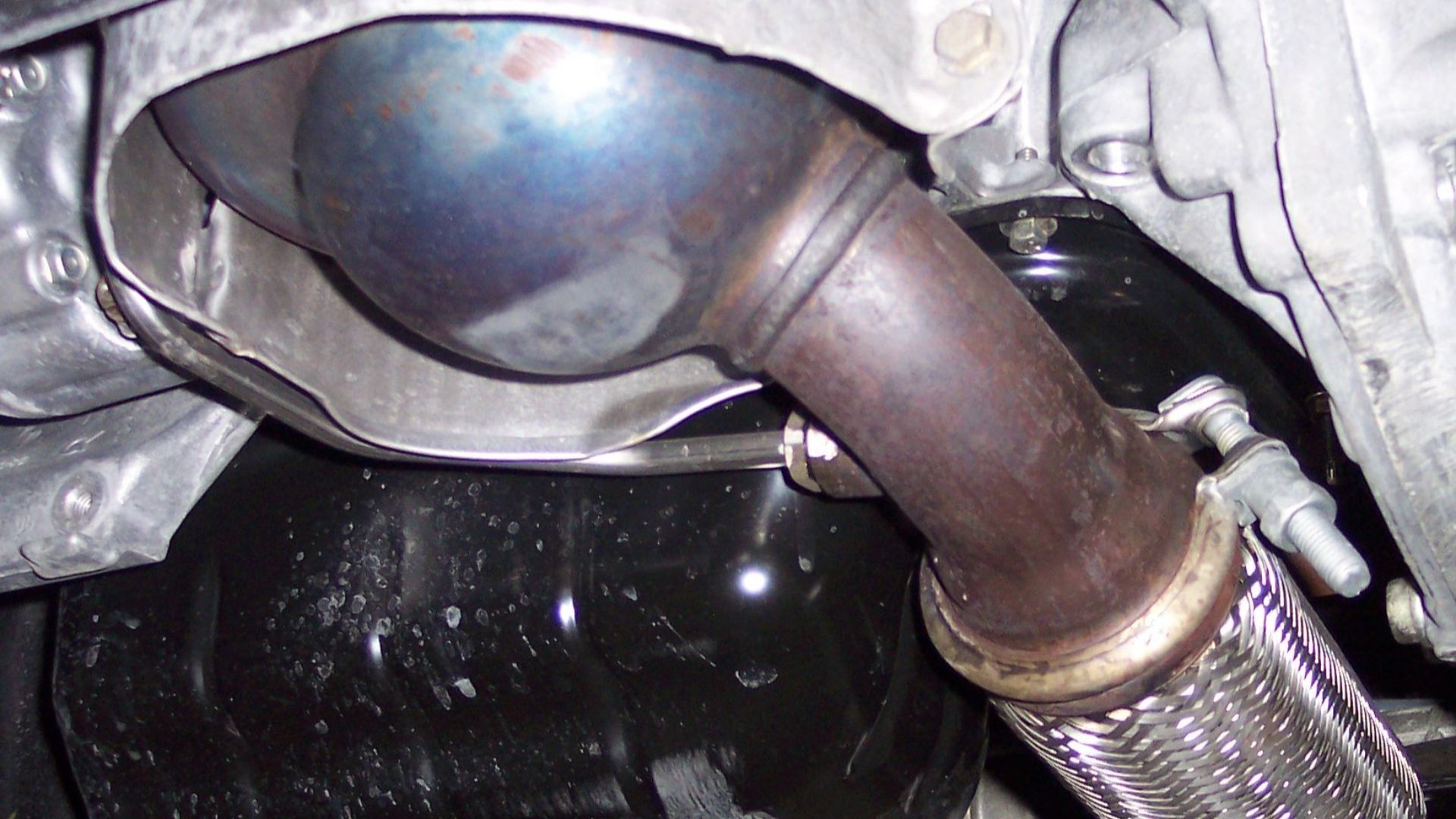 Stahlkocher, Wikimedia Commons
Why DPF Regeneration Needs Heat
The U.S. Environmental Protection Agency explains that diesel particulate filters capture particulate matter from exhaust and then burn it off during regeneration. That process depends on temperature and operating conditions. A diesel that never sees enough sustained heat can end up with warning lights, weak performance, or an expensive repair bill.
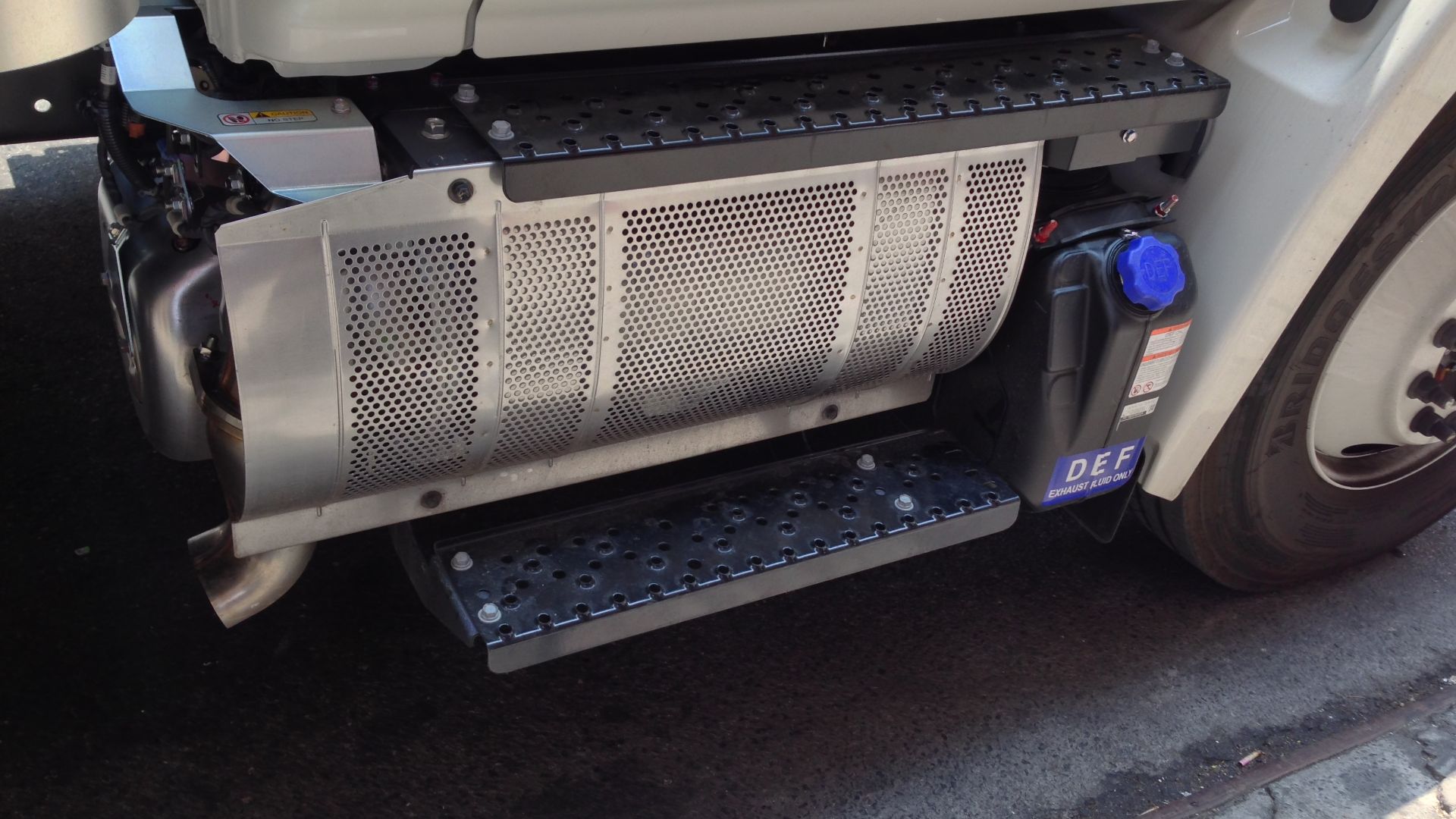
Gasoline Cars Have Their Own Filter Issue Now
This is no longer just a diesel story. Many newer gasoline direct-injection vehicles also use gasoline particulate filters in some markets, and U.S. gasoline cars still rely heavily on catalytic converters that need heat to work well. Even without a particulate filter, a gasoline engine that only creeps around town may not regularly give its emissions system the conditions it likes best.

Turbo Engines Hate Neglect More Than Load
Turbocharged engines often make owners nervous because they seem delicate, but occasional strong acceleration with a warmed engine is not automatically harmful. What hurts turbo engines more is dirty oil, shutting them down while scorching hot after hard use, and poor maintenance. In normal modern driving, a quick highway merge or a spirited uphill run is well within the range they were built to handle.
 Wongsakorn Napaeng, Getty Images
Heat Can Be Healthy In The Right Dose
This is the part that feels backward. Some heat is exactly what engines and exhaust systems need to run cleanly and efficiently. The real danger comes from extremes, not from the occasional properly warmed-up drive that gets oil hot, burns off moisture, and helps the exhaust system reach working temperature.

Moisture Inside An Engine Is A Quiet Enemy
Every engine makes water as a byproduct of combustion, and moisture can also build up through condensation. If the car only runs briefly, that moisture may not fully evaporate from the oil and exhaust. Over time, repeated short, gentle trips can encourage sludge, exhaust corrosion, and contaminated oil.

Fuel Dilution Is Another Short-Trip Problem
During cold starts and warm-up, engines often run richer air-fuel mixtures than they do once fully hot. Some fuel can slip past the piston rings and dilute the oil, especially with repeated short-trip use. That is one reason owners who mostly do local errands often fall into what automakers call severe service maintenance schedules.

Automakers Have Warned About Severe Service For Years
The idea that easy use can still be hard on a vehicle is not new. Owner’s manuals have long separated normal driving from severe driving, with severe often including repeated short trips, lots of idling, dusty roads, and stop-and-go traffic. In other words, the gentlest-looking routine can still be rough on the machinery.

Transmission Behavior Can Also Change With Gentle Use
Modern automatic transmissions adapt to driving style, and gentle driving often keeps shifts early and engine speeds low. That is good for comfort and fuel economy, but it can also mean the engine rarely sees brisk airflow, higher rpm, or stronger load. A longer highway drive or a few firm accelerations when fully warm can expose the powertrain to a healthier spread of conditions.
 gabesdotphotos photographer, Pexels
The Catalytic Converter Needs To Get Hot
Catalytic converters do not work at peak efficiency when cold. The EPA has long stressed the importance of catalysts in cutting hydrocarbons, carbon monoxide, and nitrogen oxides once they reach operating temperature. If a vehicle is constantly shut off before fully warming up, the catalyst spends more of its life below its sweet spot.

So Is Gentle Driving Actually Bad
Not in the broad, simple sense. Gentle driving is usually fine, and often helpful, when the car also gets regular trips long enough to warm up fully and cycle its systems properly. What can be bad is a life made up of nothing but short trips, cold starts, low load, and no sustained running time.

The Old “Italian Tune-Up” Has A Grain Of Truth
The phrase describes taking a fully warmed engine out for a brisk drive to help clear deposits and restore performance. It became a popular term long before modern diagnostics, especially among mechanics dealing with cars that had spent too much time idling or puttering around town. The smart version is not abuse, but a legal, sensible drive that gets everything hot and moving.

But You Cannot Fix Everything With One Hard Pull
If an engine has worn spark plugs, clogged injectors, failing coils, a stretched timing chain, or a serious carbon problem, one spirited drive will not magically repair it. Sometimes hard acceleration on a neglected engine can simply reveal existing problems faster. This advice is preventive and supportive, not a replacement for proper diagnosis and maintenance.

How Often Does A Car Need A Good Run
There is no single factory rule that fits every vehicle, climate, and commute. A common practical answer is to give a car a decent fully warmed-up highway drive now and then if it mostly does short trips. For many drivers, that means at least occasionally spending 20 to 30 minutes at steady road speed where legal and safe.

What “Driving It Harder” Should Look Like
Start with a fully warmed engine, not a cold one. Use firm but not abusive throttle, let the transmission downshift naturally when merging or climbing, and maintain sustained speed where legal so the oil and exhaust get properly hot. You do not need racetrack behavior, and you definitely do not need to break speed limits to give a car healthier operating conditions.

What Drivers Of Direct-Injection Cars Should Watch For
If you own a gasoline direct-injection engine, ask your mechanic whether that specific model is known for intake valve deposits. Some engines are more affected than others, and many manufacturers have reduced the issue with updated designs, software, and dual-injection setups. Good oil, timely service, and regular longer drives can help, but they may not completely prevent deposits on every engine.

What Diesel Owners Should Take Especially Seriously
If you drive a modern diesel with a DPF, your mechanic’s advice matters even more. These vehicles are especially sensitive to short-trip use because failed regenerations can turn into expensive repairs. The owner’s manual usually spells out the conditions needed for regeneration, and ignoring them can turn a fuel-saving diesel into a money pit.

Electric Cars Are Different, But Hybrids Still Warm Engines
Battery-electric vehicles obviously do not have intake valves, engine oil contamination, catalytic converters, or diesel particulate filters to worry about. Hybrids, though, still have gasoline engines that may cycle on and off and sometimes spend lots of time at light load. For hybrid owners, the same short-trip and warm-up logic can still matter, just in a different pattern.

When Gentle Driving Is The Better Choice
If the engine is cold, the road is slippery, the car is towing near its limit, or the oil level is low, this is not the time to “clear it out.” Mechanical sympathy still matters. The best habit is to drive smoothly most of the time, avoid babying the car forever, and make sure it gets occasional fully warmed runs.

The Bottom Line Your Mechanic Is Really Getting At
Gentle driving is not the enemy, but endless short, cool, low-load operation can be. Modern engines and emissions systems often need heat, time, and occasional load to stay at their best. So in the right context, your mechanic is probably right that an occasional good run can help keep your car healthier.