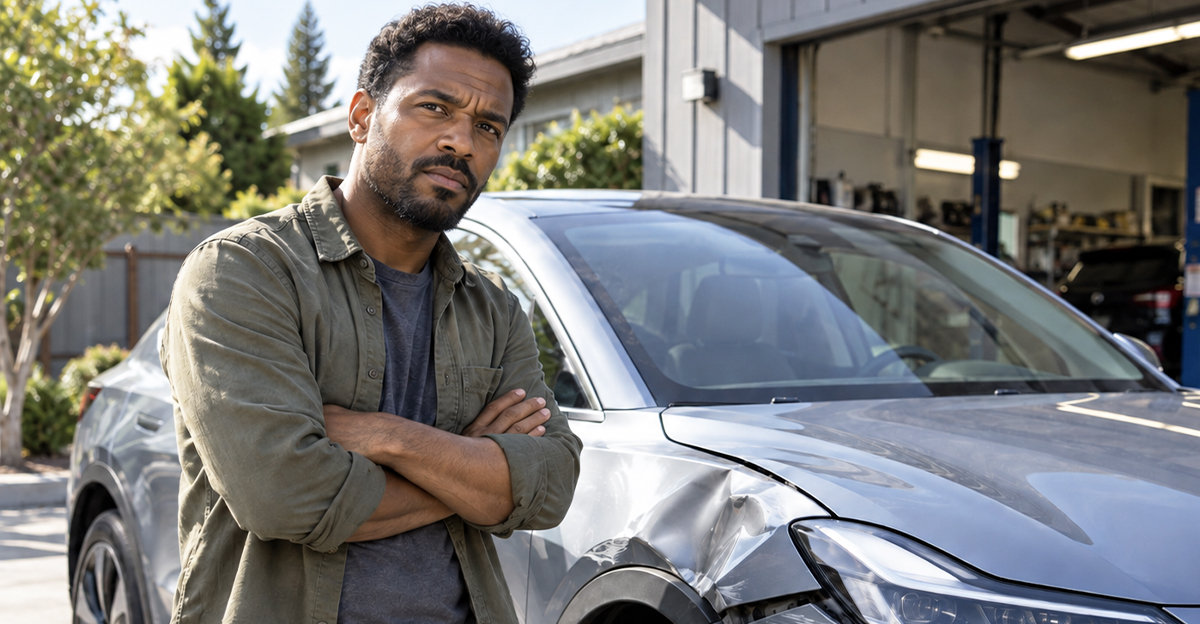
The Damage Doesn’t Look Anything Like A Total Loss
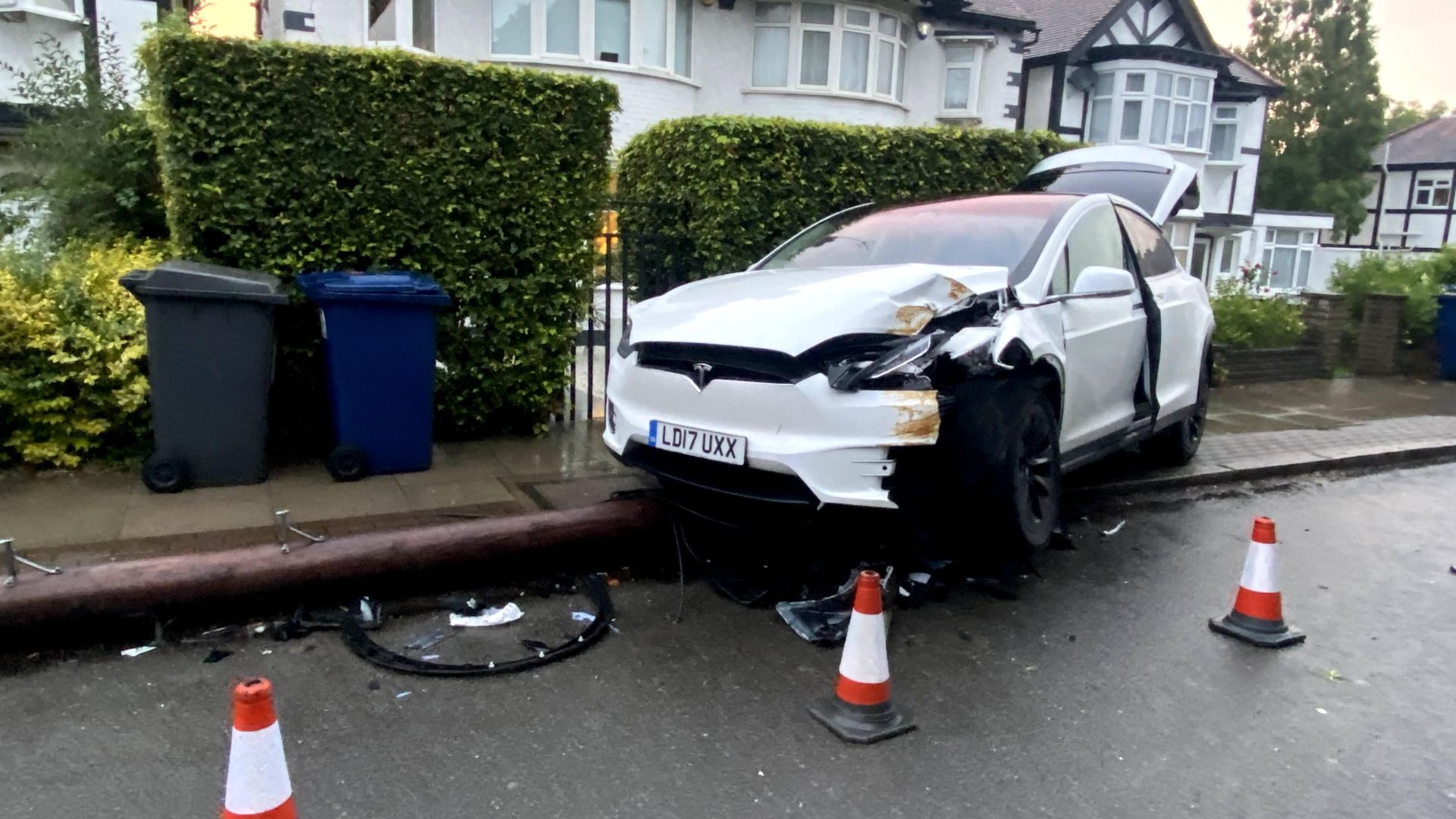
The bumper is cracked, one headlight is broken, and maybe a fender is bent. Nothing about the accident looks catastrophic, yet the adjuster is talking about totaling the entire EV because replacement parts and repair support are difficult to find. That can feel absurd when the car still drives, but an imported EV can make dealing with a seemingly ordinary collision a lot more complex.
First, Find Out Why They Want To Total It
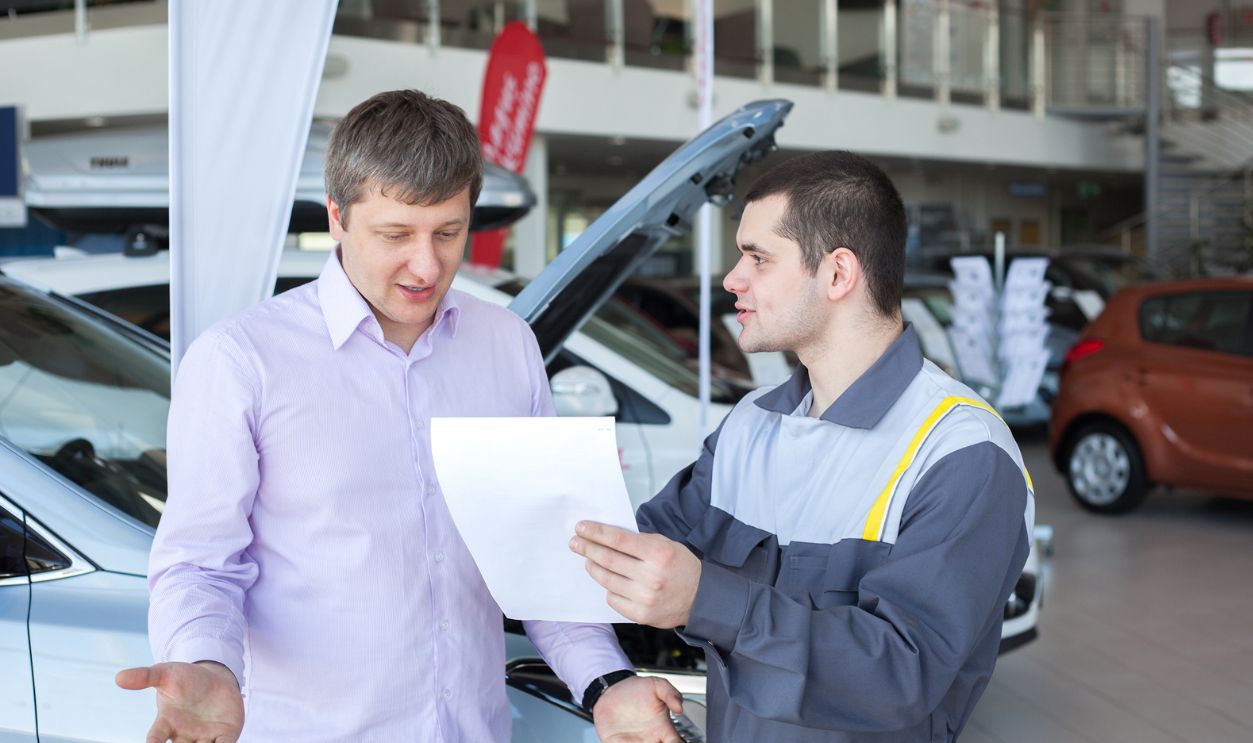
Ask the adjuster for the total-loss calculation in writing. Is the estimated repair cost actually approaching the vehicle’s value, or is the insurer adding significant uncertainty because parts can’t be sourced? Are labor, calibration, storage, or battery inspection costs driving the estimate? A statement like “there’s no repair support” is too vague. You need to know which numbers turned your repairable-looking EV into a financial total loss.

“Totaled” Usually Means Economically Impractical
A vehicle doesn’t have to be crushed beyond recognition to become a total loss. Insurers generally compare the expected repair cost with the vehicle’s pre-accident actual cash value, sometimes also considering salvage value and state-specific thresholds. If repairing the car becomes too expensive relative to what it was worth immediately before the crash, the insurer may choose to pay its value instead.
 No Swan So Fine, Wikimedia Commons
Parts Availability Can Change The Entire Calculation
This is where an imported EV gets difficult. A bumper that costs $900 on a mainstream US-market vehicle may require international sourcing on yours. A headlamp could have no domestic distributor. A seemingly minor bracket might only be sold as part of a much larger assembly. Freight, customs delays, uncertain availability, and expensive special-order components can transform an otherwise ordinary collision repair.

The Insurer May Be Pricing Uncertainty Too
If the body shop can’t confidently say what the repair will cost, the insurer sees risk. A $12,000 initial estimate could become $20,000 once the car is disassembled and previously hidden damage appears. That uncertainty is especially important when replacement parts, technical information, or specialist labor are difficult to obtain. The adjuster may prefer a predictable total-loss payment over authorizing an open-ended repair.
 U.S. Space Force photo by Senior Airman Tiarra Sibley, Wikimedia Commons
Electric Vehicles Can Hide Expensive Damage
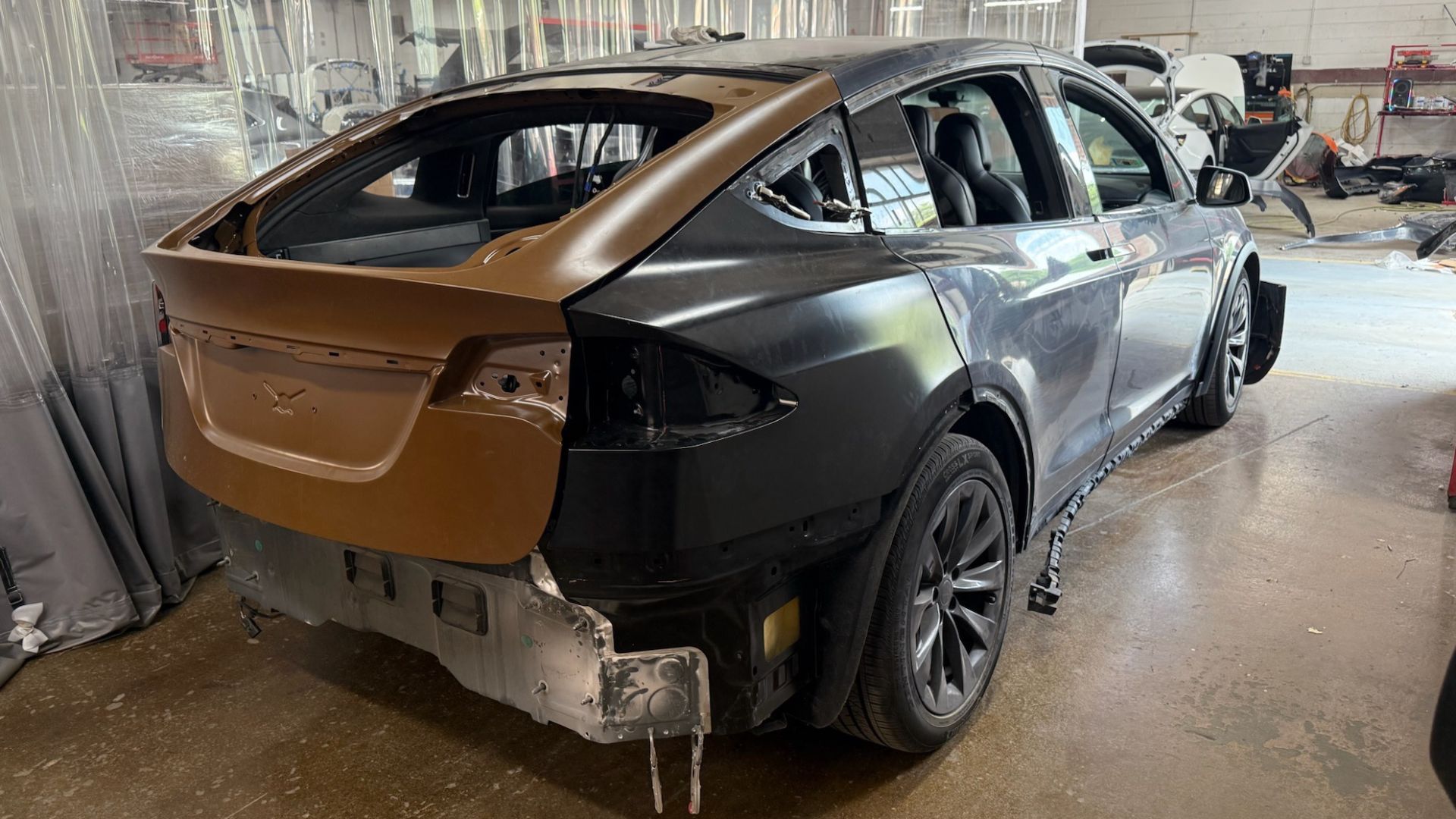
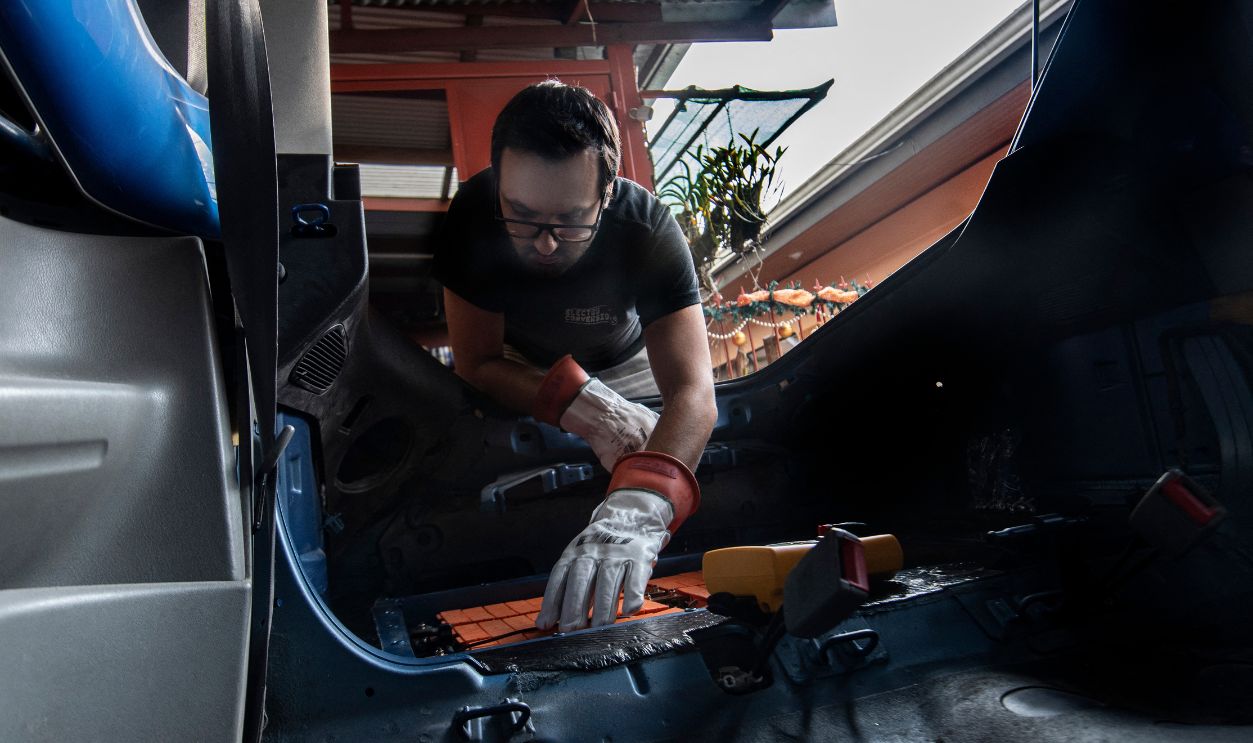
What looks like bumper damage can involve much more underneath. EVs may have high-voltage cables, battery protection structures, cooling components, charging hardware, sensors, radar units, cameras, and electronic modules packaged around damaged areas. If the collision occurred near the battery enclosure or high-voltage system, a repair shop may need specialized inspection before anyone can confidently say the damage is merely cosmetic.
 Scientificranking, Wikimedia Commons
Battery Questions Can Scare Repair Shops Away
A damaged battery enclosure doesn’t automatically mean the entire battery needs replacement, but shops and insurers take high-voltage battery damage seriously. If the manufacturer doesn’t have a US dealer network providing diagnostic procedures, component specifications, or repair support, proving that the battery remains safe may be difficult. An insurer may be reluctant to approve repairs when nobody qualified is willing to certify the high-voltage system afterward.
 EZEQUIEL BECERRA, Getty Images
ADAS Calibration Can Become Another Problem
A modern EV may have cameras, radar, ultrasonic sensors, and driver-assistance modules behind the bumper, windshield, grille, and body panels. Replacing a sensor isn’t necessarily the end of the job because the system may require manufacturer-specific calibration. If American shops lack access to the correct software or calibration procedures for your imported model, restoring the car to documented pre-loss condition can become difficult even when the physical damage seems modest.

Ask The Insurer For The Complete Repair Estimate
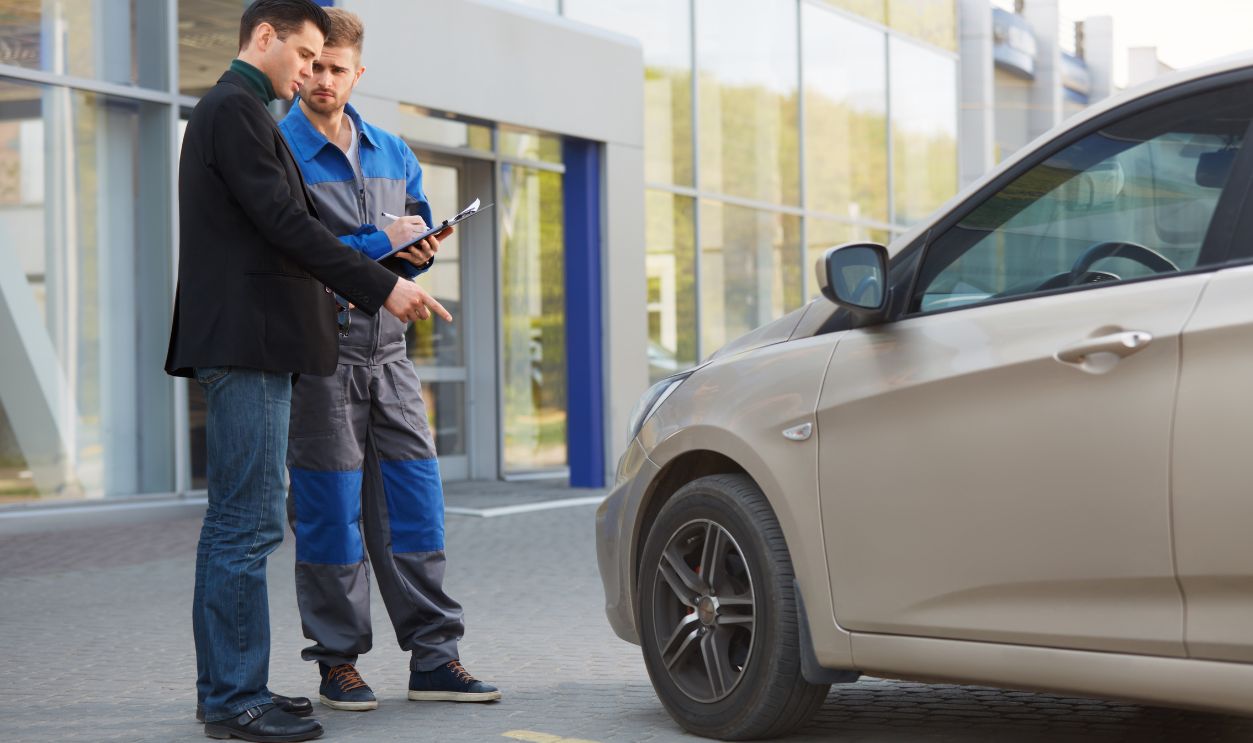
Don’t argue from photographs alone. Request the itemized estimate showing every part, labor operation, calibration, diagnostic procedure, paint operation, and supplemental allowance being included. Look for obvious placeholders or enormous estimated prices for parts the insurer claims are unavailable. Understanding exactly what is inflating the repair figure gives you something concrete to challenge.

Then Find A Shop That Actually Understands The Vehicle
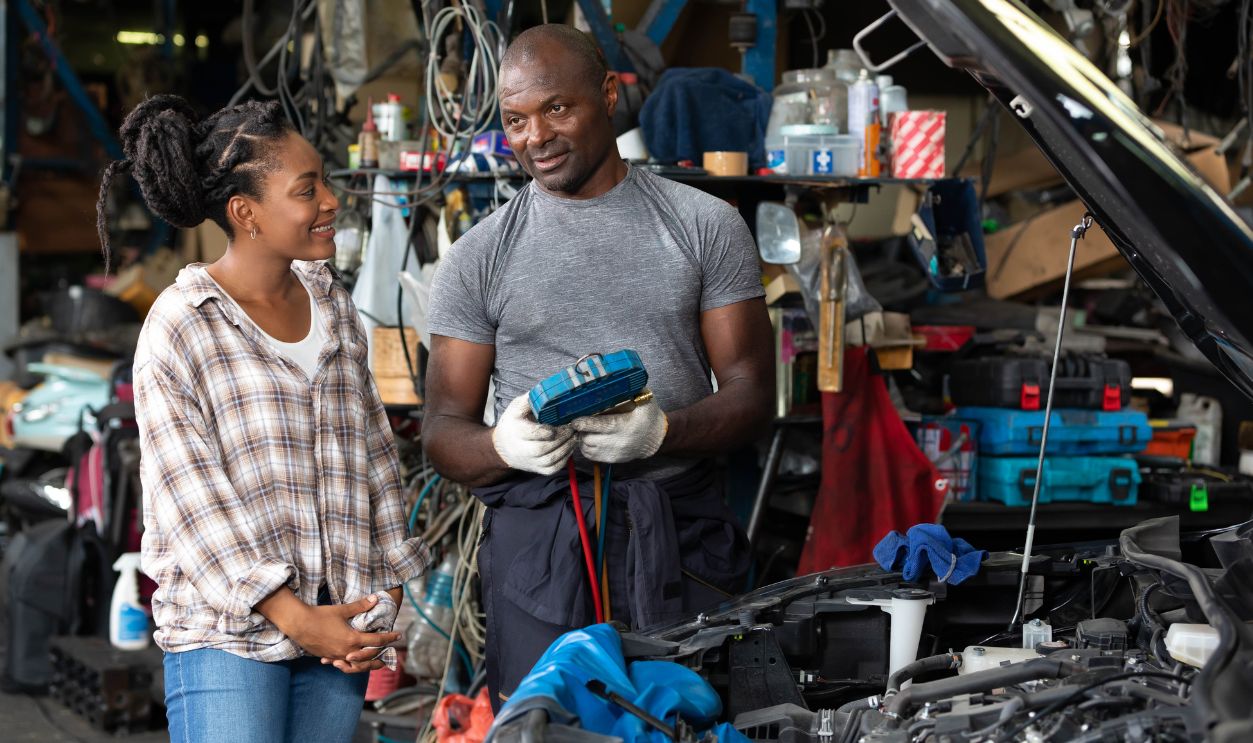
A conventional collision center may understandably refuse an EV it has never encountered. Look for an independent EV specialist, specialty collision shop, exotic-car repairer, or facility familiar with gray-market vehicles and imported parts. Ask whether it can obtain technical information and parts and whether it would be willing to provide a written repair estimate. A credible shop saying the car can be safely repaired for substantially less can materially strengthen your argument.

A Cheap Estimate Isn’t Enough By Itself
The insurer isn’t likely to reverse course because somebody on an enthusiast forum says the car can be fixed for $6,000. The estimate needs to come from a legitimate business willing to perform the repair for approximately that amount. New York insurance guidance, for example, requires insurers making certain repair offers to support them with a shop capable of performing the work at the quoted price. The stronger your alternative estimate, the more useful it becomes.

Prove That The Supposedly Unavailable Parts Actually Exist
If you can identify genuine replacement parts through an overseas dealer, importer, specialist supplier, or manufacturer source, document them. Get part numbers, written prices, shipping estimates, and realistic delivery times. Don’t merely send the adjuster screenshots from a questionable marketplace seller. You’re trying to demonstrate that the repair estimate is based on an incorrect assumption about availability.

Be Careful With Parts From Overseas Marketplaces
A low-priced replacement airbag, crash sensor, steering component, or high-voltage part from an unknown online source may not solve anything. NHTSA has specifically warned about dangerous substandard replacement airbag inflators sold by foreign suppliers. A reputable collision shop may refuse safety-critical components whose origin and specifications can’t be verified. The objective is a safe documented repair, not simply finding something online that looks like the missing part.
 Suney munintrangkul, Shutterstock
The Bigger Fight May Actually Be Over Your Car’s Value
Rare imported EVs can be particularly difficult to value because insurers may have few comparable US sales. If the company decides your EV was worth only $24,000 before the accident, a $17,000 repair looks close to total-loss territory. If comparable vehicles show it was really worth $35,000, the same repair estimate looks much less decisive. Before arguing about the repair, make sure the insurer hasn’t undervalued the car.

Request The Total-Loss Valuation Report
Ask to see exactly how the insurer calculated actual cash value. Washington’s insurance regulator specifically advises consumers to request the total-loss valuation report used by their insurer. Review every comparable vehicle, mileage adjustment, condition deduction, option, and trim description. Imported cars are unusual enough that generic valuation databases can easily compare yours with something that isn’t truly equivalent.

Challenge Bad Comparables
If the valuation company compared your rare imported EV with an ordinary domestic-market version that has a different battery, powertrain, equipment level, or market value, point that out. Find actual sales or listings for the closest comparable imports available. You may have to expand the geographic search because only a handful exist in the country. Provide documentation rather than simply insisting that the car is rare and therefore valuable.

Your Import Costs Don’t Automatically Equal Market Value
Shipping the EV across the ocean, paying customs charges, and spending thousands making it compliant doesn’t necessarily mean the insurer must reimburse every dollar you invested. Total-loss settlements generally revolve around pre-loss actual cash value rather than your personal acquisition cost. Those expenses can still help explain why superficially similar vehicles aren’t truly comparable, but the strongest evidence is what a knowledgeable buyer would have paid for the car immediately before the accident.

Maintenance And Condition Can Support A Higher Valuation
Document unusually low mileage, major options, recent tires, excellent condition, specialist maintenance, and other features that distinguish your vehicle from the insurer’s comparables. Texas insurance regulators specifically advise owners disputing valuations to gather local listings, dealer quotes, and evidence of special features. Service records won’t automatically add every maintenance dollar to the settlement, but they can help show why your particular vehicle deserves a higher condition rating.
 Mangkorn Danggura, Shutterstock
Your Policy May Have An Appraisal Clause
If you and your own insurer can’t agree on the vehicle’s value, read the policy for an appraisal provision. Under a typical appraisal process, you hire an independent appraiser, the insurer hires another, and an umpire may resolve differences if necessary. California, Washington, and Texas insurance regulators all describe appraisal as a potential way to resolve valuation disputes. You generally pay your own appraiser and part of any umpire cost.
Appraisal May Not Decide Whether Parts Are Available
Be clear about what you’re disputing. An appraisal clause may primarily settle the amount of loss or actual cash value rather than every coverage or repair-method argument. If you agree that the car is worth $30,000 but disagree with the insurer’s $25,000 repair estimate, your policy and state law determine what dispute process applies. Ask the insurer exactly what issues its appraisal procedure can resolve before spending money invoking it.
 Sergei Gontsarov, Shutterstock
Ask Whether Your State Offers Mediation Or Complaint Help
State insurance departments can help when a claim dispute isn’t going anywhere. California, for example, operates an automobile claims mediation program covering qualifying disputes involving total loss versus repair, extent of damage, repair methods, and vehicle value. Programs and eligibility vary by state, but your insurance department can explain complaint procedures and whether the insurer followed applicable claims rules.
 Amnaj Khetsamtip, Shutterstock
Keeping The Car May Be An Option
If the insurer refuses to repair it but you still want the EV, ask about owner-retained salvage before accepting the settlement. In many situations, you can keep the totaled vehicle while the insurer deducts its salvage value from the payment. Texas and Washington regulators both describe this option. You then become responsible for repairing the vehicle and satisfying whatever salvage-title, inspection, and registration requirements your state imposes.
Think Very Carefully Before Keeping An Imported EV As Salvage
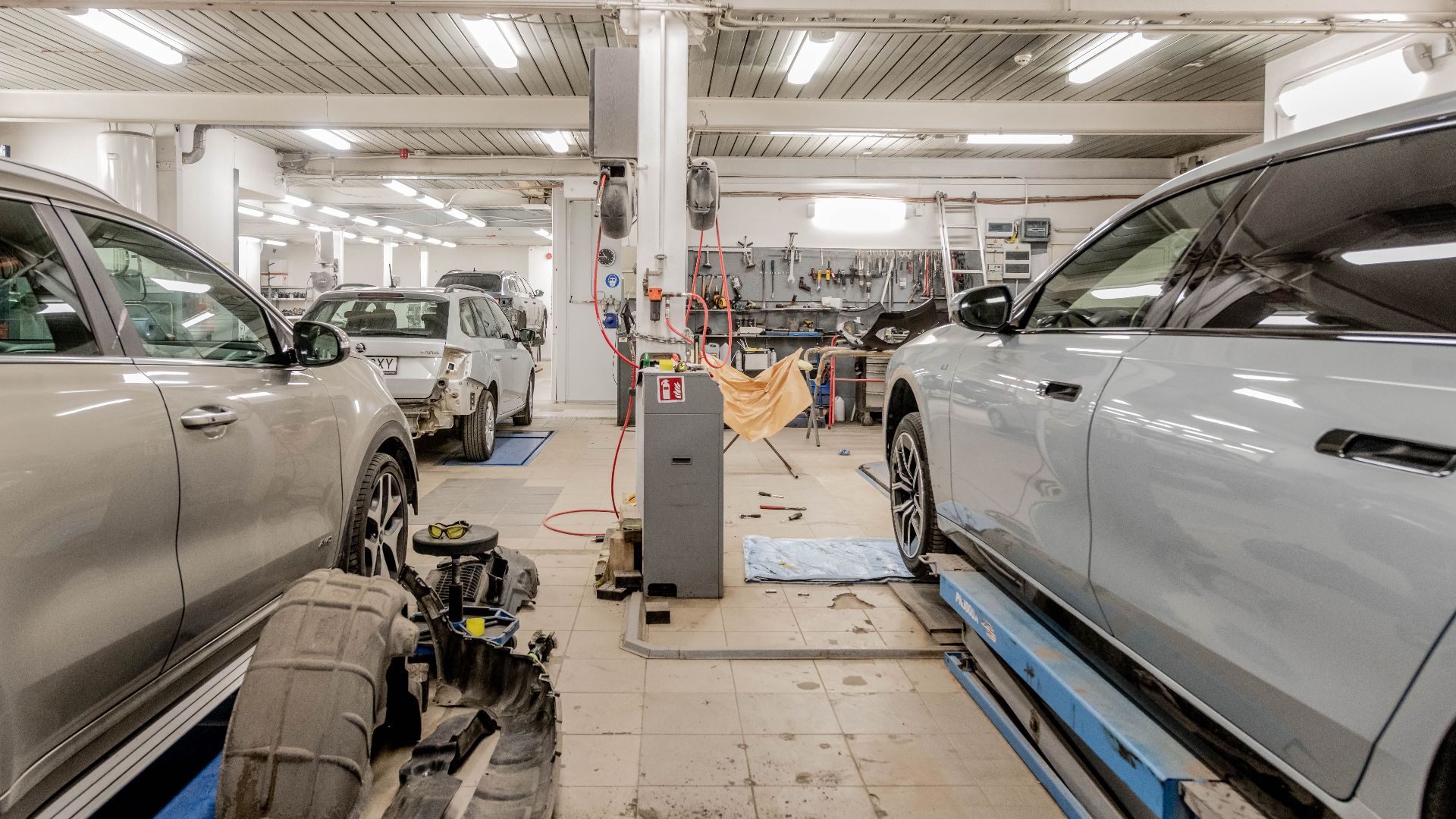
This is a much bigger gamble than retaining a common pickup or sedan. You already know parts and technical support are limited. After a total-loss brand is added to the title, the car may also become more difficult to insure, finance, register, and eventually sell. If the repair later proves much more expensive than expected, the insurer generally isn’t going to reopen the claim simply because your restoration plan went badly.

Check Whether The Original Import Status Creates Another Problem
A legitimately imported foreign-market EV may already have unusual federal or state documentation. Adding a salvage or rebuilt title can create an additional layer of inspection and registration requirements. Before deciding to retain the wreck, contact your DMV and, if necessary, an importer familiar with the vehicle. Make sure a repaired version can actually return to legal road use before spending money rebuilding it.
You Can Challenge The Decision, But Bring Numbers
An insurer isn’t necessarily acting unreasonably just because minor-looking damage totals an uncommon imported EV. Limited parts, expensive shipping, unavailable calibration procedures, battery uncertainty, and a lack of willing repair shops can genuinely make the vehicle uneconomical to restore. But the insurer’s first calculation isn’t beyond question. Get the repair and valuation reports, find a qualified shop, document real parts availability, challenge bad comparables, and use appraisal or state dispute procedures where appropriate. You may not force the company to repair it, but you can make sure the total-loss decision is based on the real car rather than assumptions about one nobody knew how to fix.

You May Also Like:
Foreign Pickup Trucks Americans Still Wish They Could Buy
Beloved Foreign Cars That Came To America And Completely Flopped